Max Planck Institute for Solar System Research: Cutting edge scientific research on our Sun, the planets and their moons, asteroids and comets. Tweets in en/de.
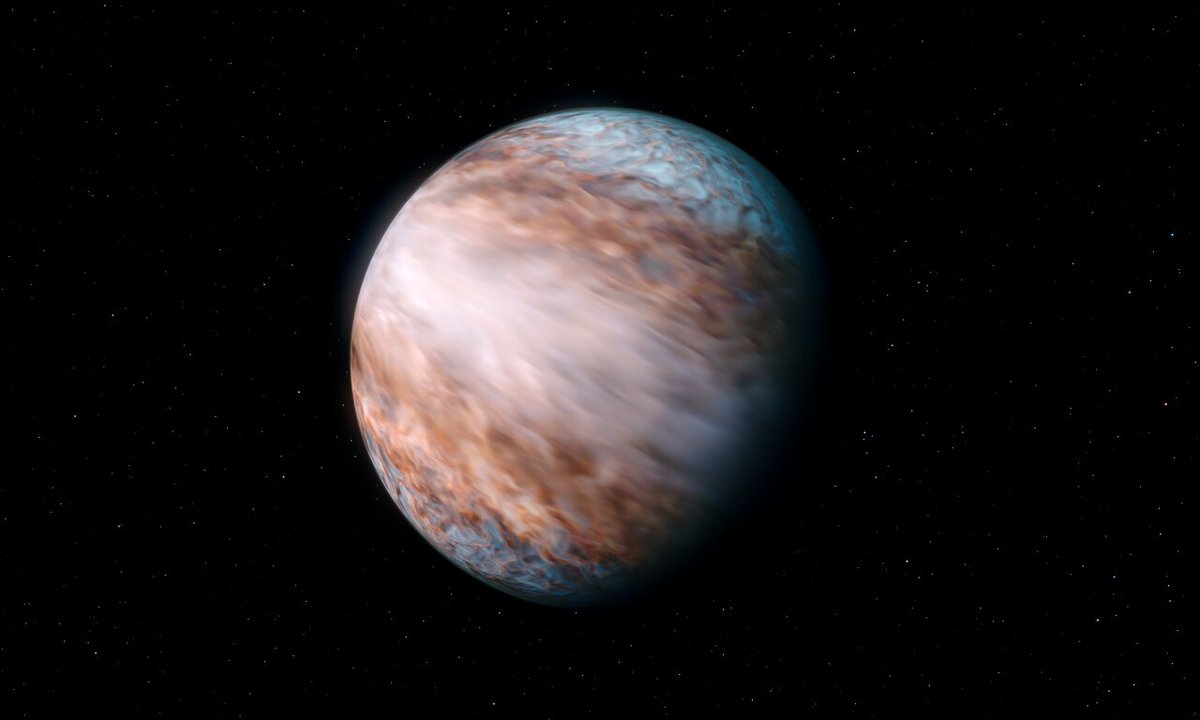
Excited to share our discovery! đź”We observed extremely powerful winds pummeling the equator of the exoplanet WASP-127b. I’m proud to be part of the VLT/CRIRES consortium! @MPSGoettingen @SPP_exoplanets
Using ESO's #VLT, astronomers have discovered extremely powerful winds on #exoplanet WASP-127b.
The winds reach speeds up to 33 000 km/h, the fastest jetstream of its kind ever measured on a planet!
Discover more: eso.org/public/news/eso2502/
Artist's impression by ESO/L. Calçada
3
7
1,527
Max Planck Institute for Solar System Research retweeted
Together with #Huygens, hardware from #MPSGoettingen made its way to the surface of #Titan. We contributed the CCD detector and associated operation electronics to the instrument #DISR – and thus helped to take the first and to date only pictures from the surface of an icy moon.
On 14 January 2005, ESA’s #Huygens probe made history as it touched down on Titan, Saturn’s largest moon. This was humanity's first successful landing on a world in the outer Solar System.
Relive those moments with this narrated video done with Huygens data youtube.com/watch?v=svmGxFaG… 1/3
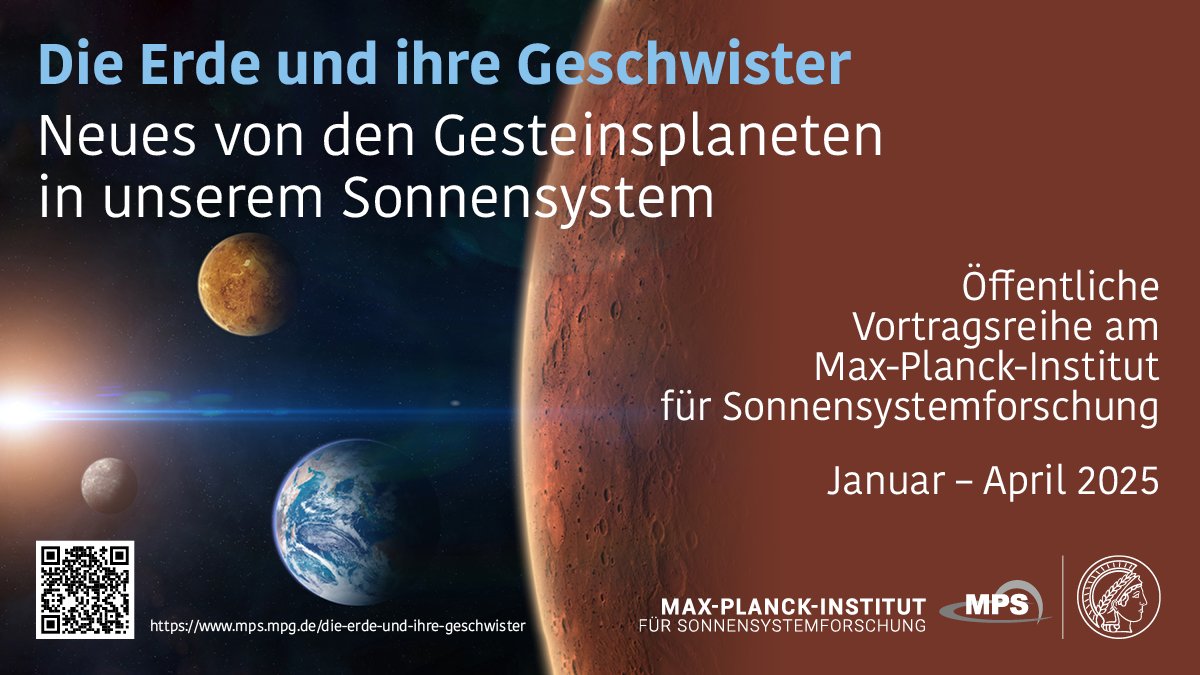
ALT Die Erde und ihre Geschwister
Neues von den Gesteinsplaneten in unserem Sonnensystem
Ă–ffentliche Vortragsreihe am Max-Planck-Institut fĂĽr Sonnensystemforschung
Januar - April 2025
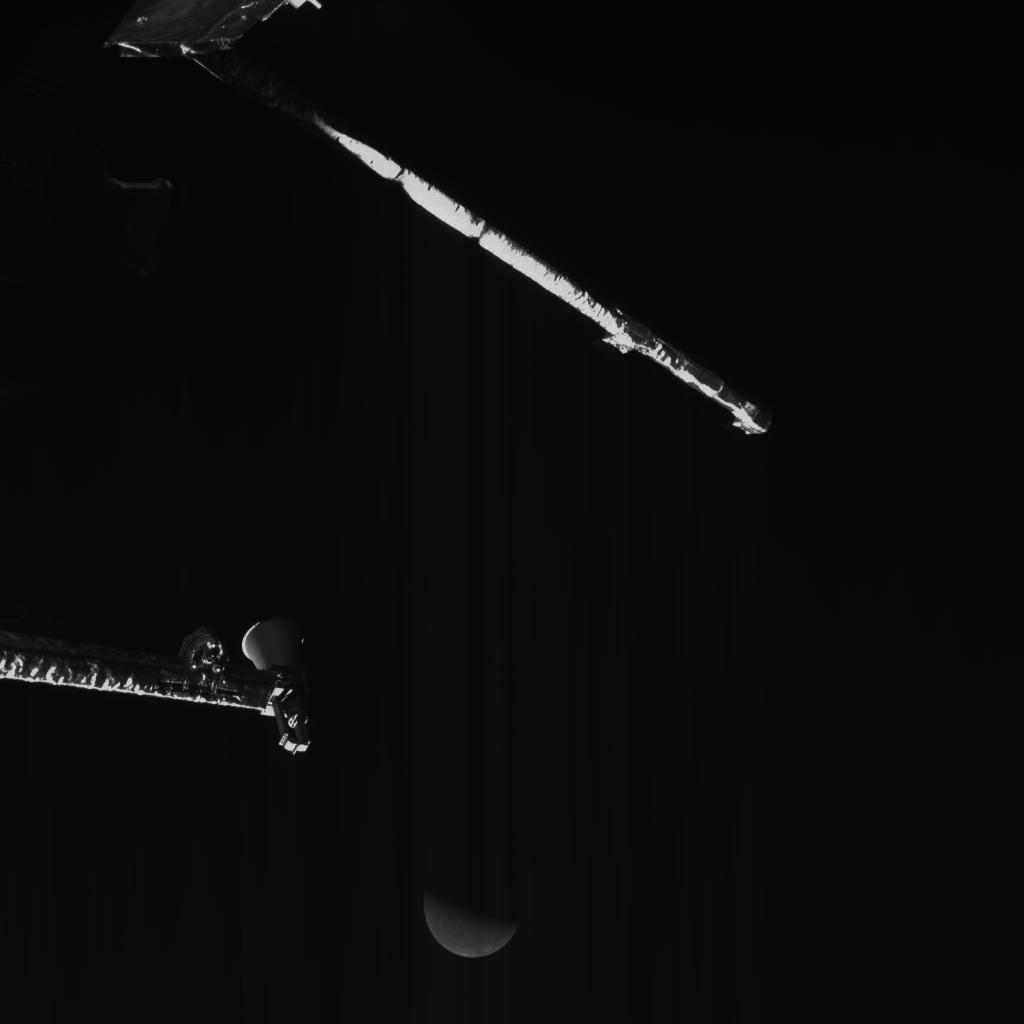
Here's an image taken 5.5 hours before closest approach, when #bepicolombo was 44950 km from Mercury's southern hemisphere. The planet is at the bottom of the picture, below two of the spacecraft's booms.
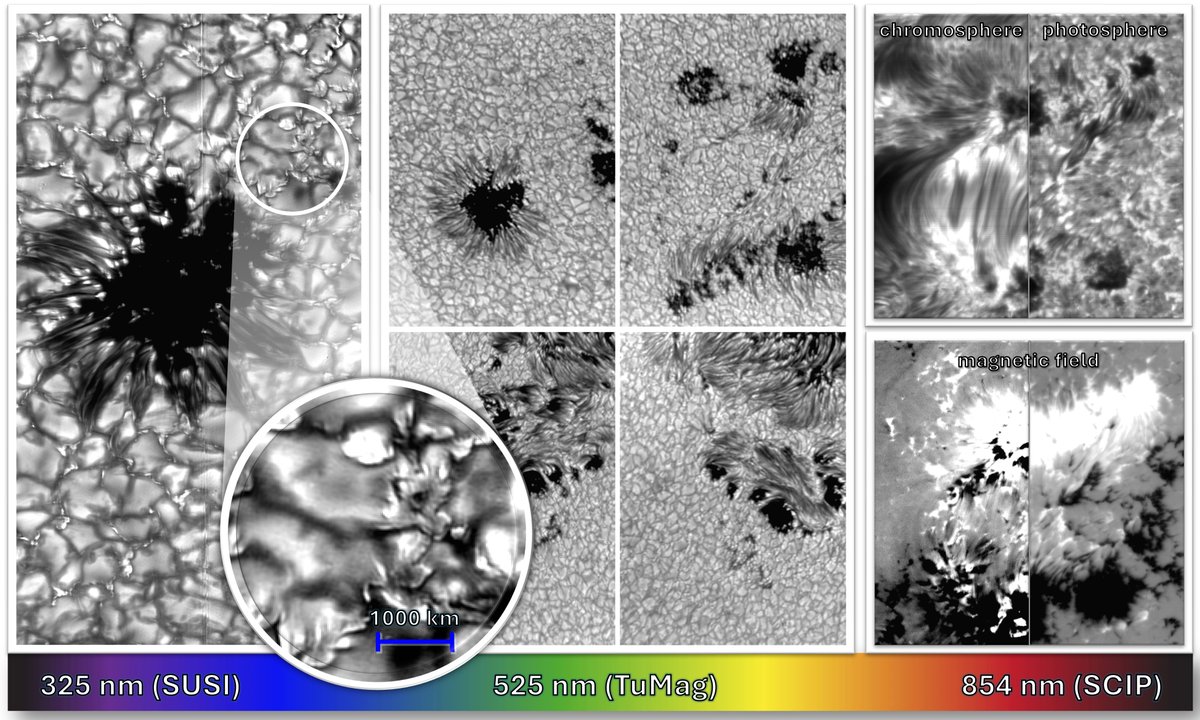
ALT The Sunrise III solar observatory images the visible surface of the Sun and the lower chromosphere at different wavelengths. Left: The SUSI instrument shows the surface of the Sun in ultraviolet light. Here you can see a sunspot, its finely structured edge area and the typical granulation of the solar surface. The image achieves a spatial resolution of around 50 kilometers. Center: The TuMag instrument images the surface of the Sun in visible light. The four images show different views of sunspots. Right: Infrared images of the chromosphere and photosphere taken by the SCIP instrument. In the upper image, elongated fibril-like structures can be seen in the chromosphere. The lower image shows the corresponding magnetic fields in the chromosphere and photosphere.
Congratulations, #Proba3, and have a safe trip! Looking forward to a unique formation flight – and to new data from the #Sun. #MPSGoettingen has developed software for the mission’s scientific data analysis and will use the data to learn more about the solar #corona.
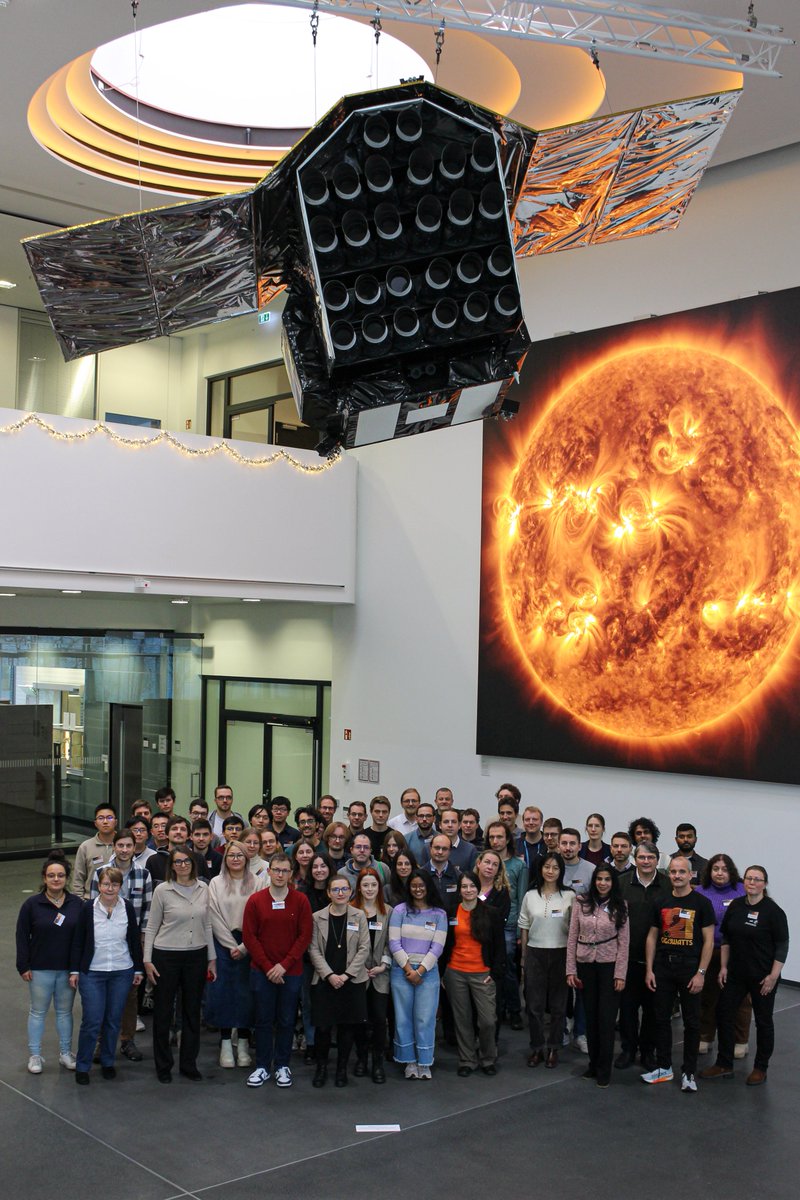
Today saw the last day of the 14th meeting on “(Exo)Planet Diversity, Formation and Evolution” at #MPSGoettingen. Thanks for three days full of talks, discussions, and new insights! #exoplanets#planets#stars
ALT group picture taken under a hanging model of the PLATO spacecraft
1
11
493
Max Planck Institute for Solar System Research retweeted
Let the sun shine in!🌞
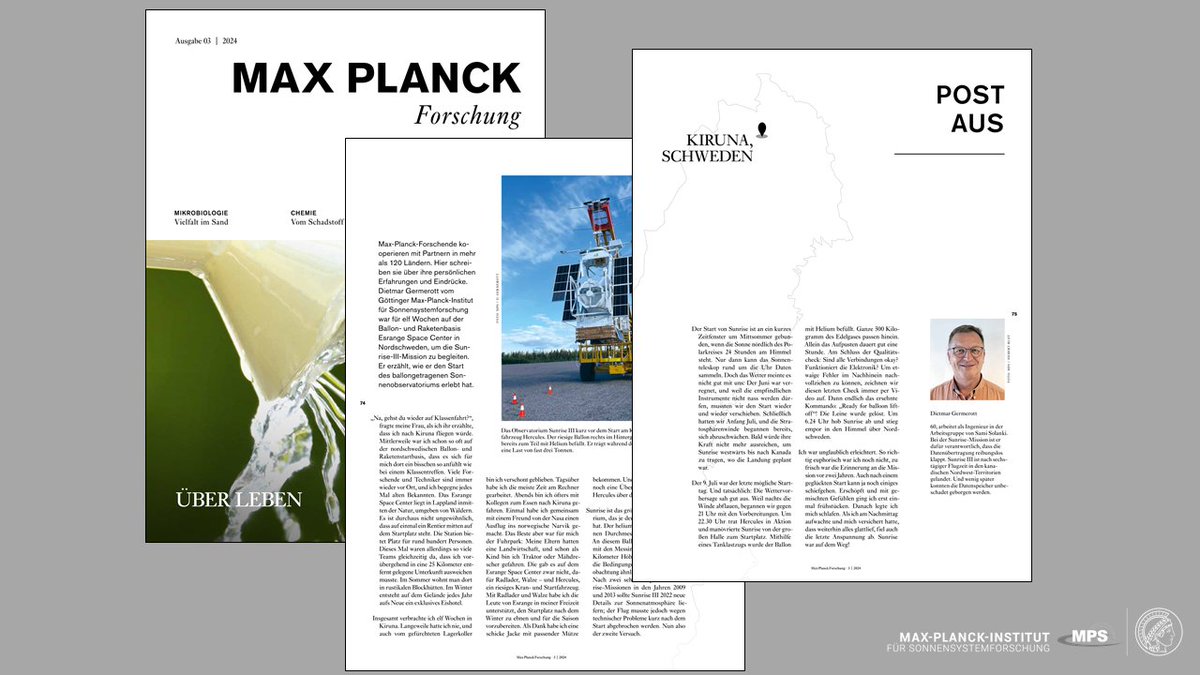
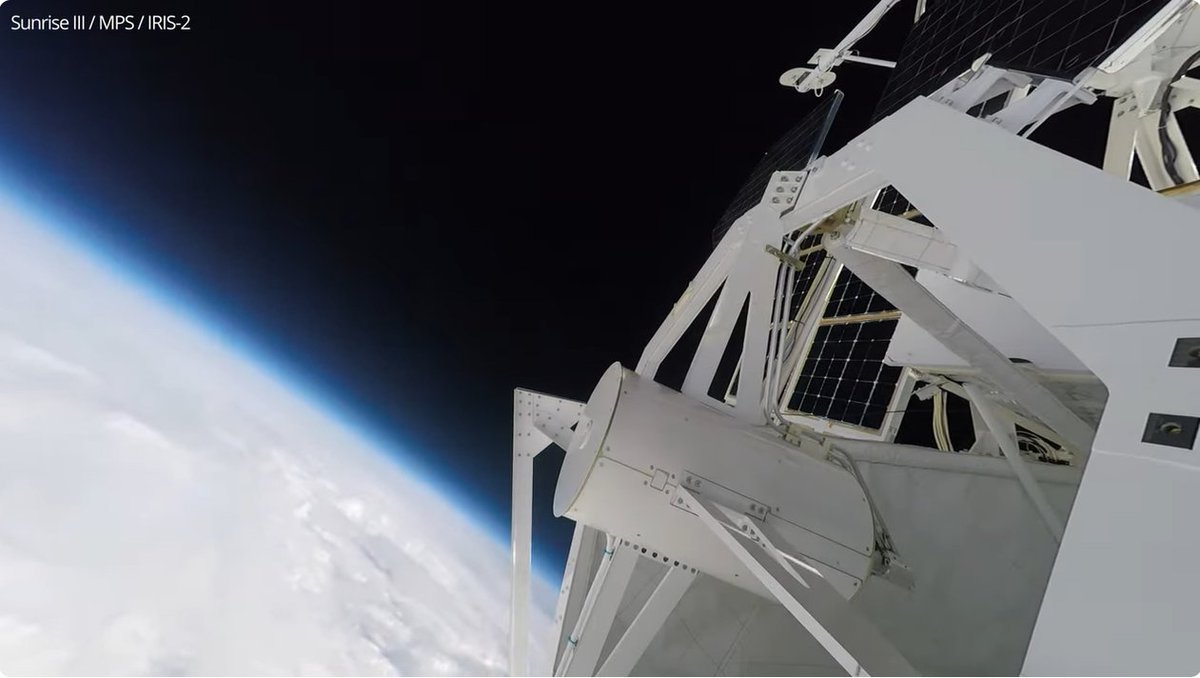
Die neue Ausstellung #Sonnenansichten gibt Einblicke in die Sonnenforschung. Im Fokus: Ein Film über die Sunrise III-Mission, die die Sonne aus der Stratosphäre erforschte. In Zusammenarbeit mit dem @MPSGoettingen!
📅 4.12.24 – 15.2.25 | #ForumWissen
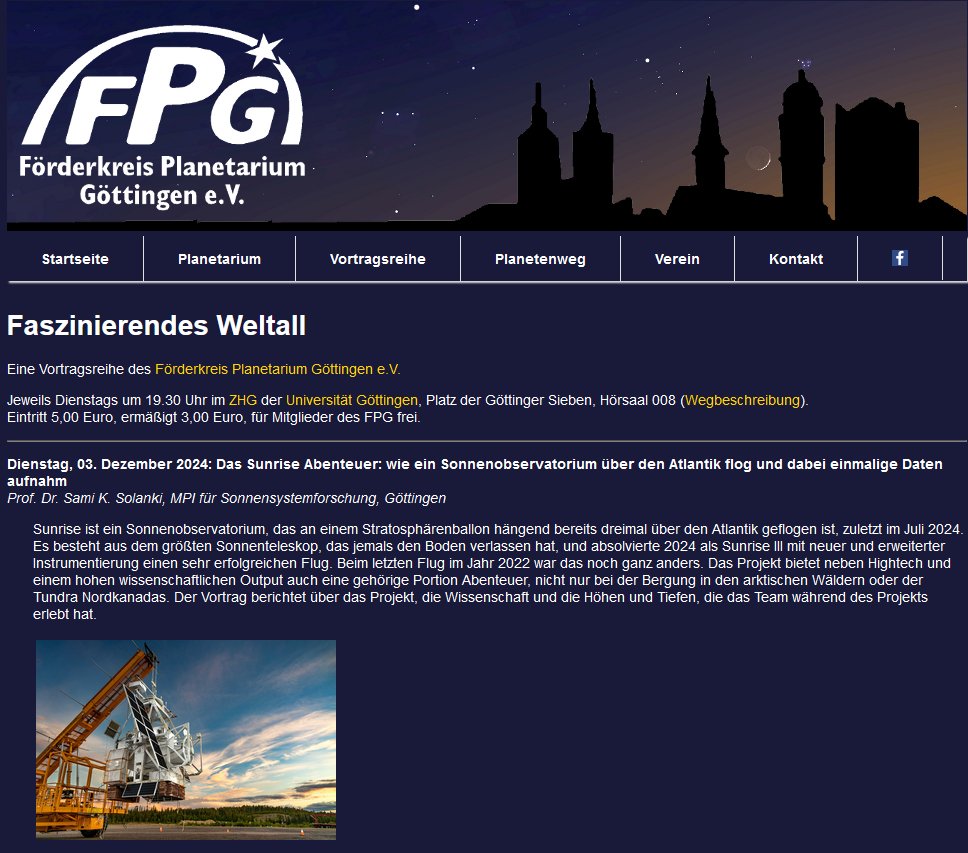
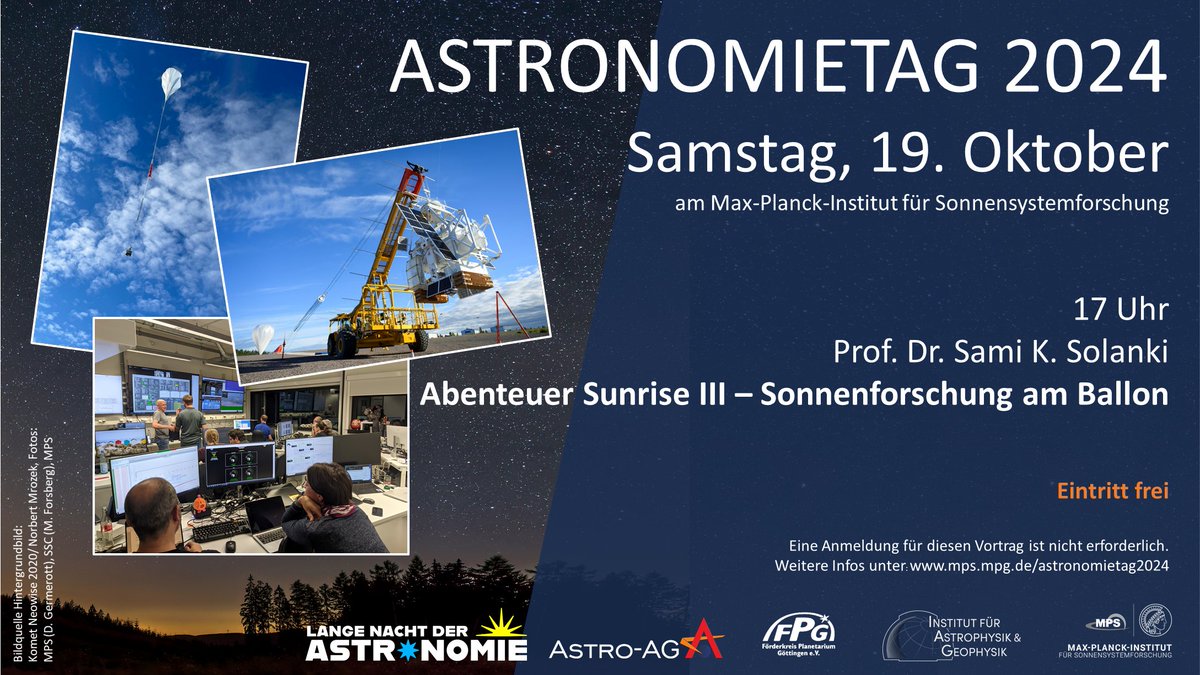
Tonight, #MPSGoettingen Director Sami Solanki reports on @Sunrise_III’s adventurous flight across the Atlantic. At 7.30 PM in @uniGoettingen's ZHG. In German. The talk is part of the series “Faszinierendes Weltall” of the Förderkreis Planetarium Göttingen. planetarium-goettingen.de/vo…
ALT Dienstag, 3. Dezember 2024, 19.30 Uhr im ZHG
Prof. Dr. Sami K. Solanki (MPS):
Das Sunrise-Abenteuer: Wie ein Sonnenobservatorium ĂĽber den Atlantik flog und dabei einmalige Daten aufnahm
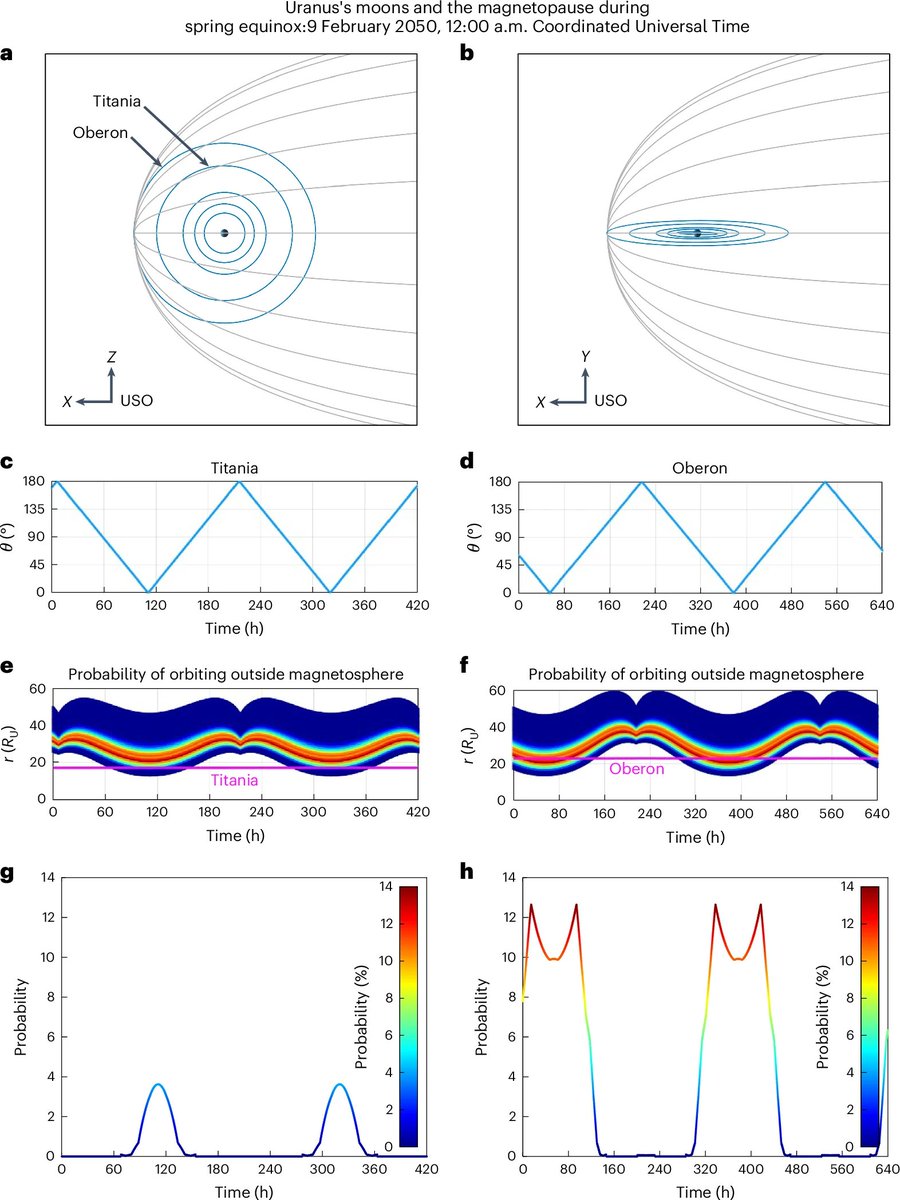
A reanalysis of the 1986 Voyager 2 flyby of Uranus shows that it occurred during an extreme compression of the planet’s magnetosphere by the solar wind. This would have had significant effects on the measurements made during the flyby. @spaceJamieJ et al.: nature.com/articles/s41550-0…
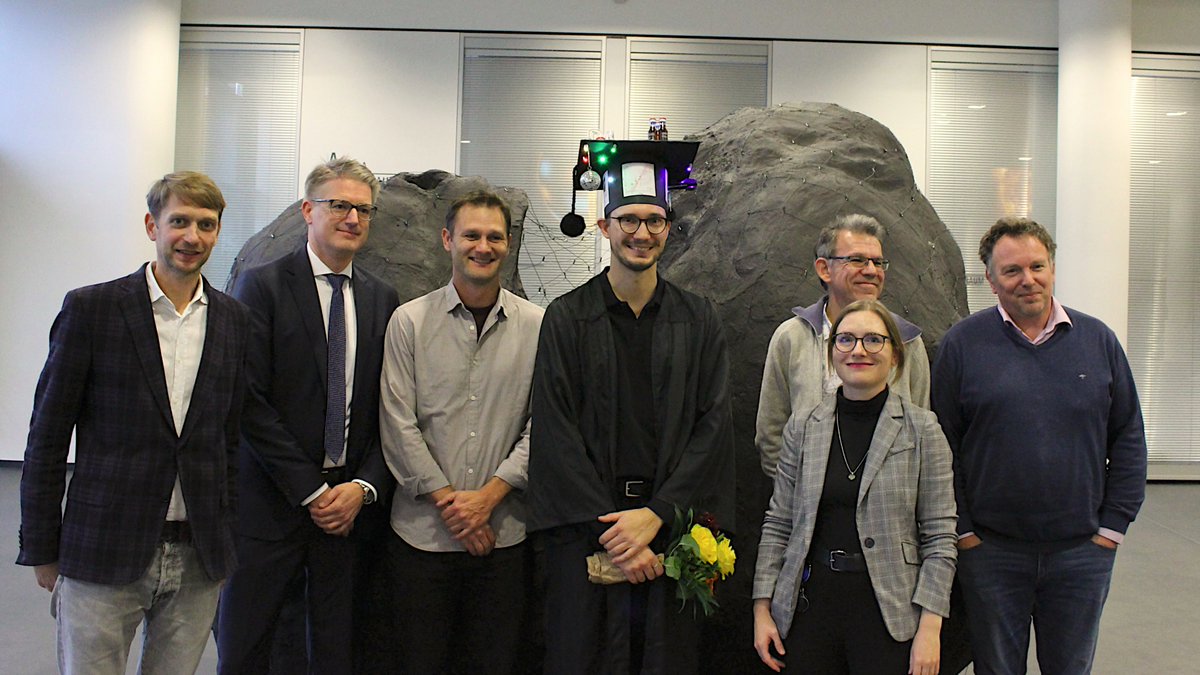
#PhDCongratulations! 🥳Fridolin Spitzer of the #IMPRS “Solar System School” successfully defended his PhD thesis “The onset of planet formation inferred from isotope anomalies in meteorites” today!
@uniGoettingen@thegoecampus