Teaching Secondary English, History, and TESOL. CompTIA A /Aviation/Paleoanthropology. “We are all in the gutter, but some of us are looking at the stars.” O.W.
- Tweets 57,251
- Following 4,824
- Followers 2,700
- Likes 292,568








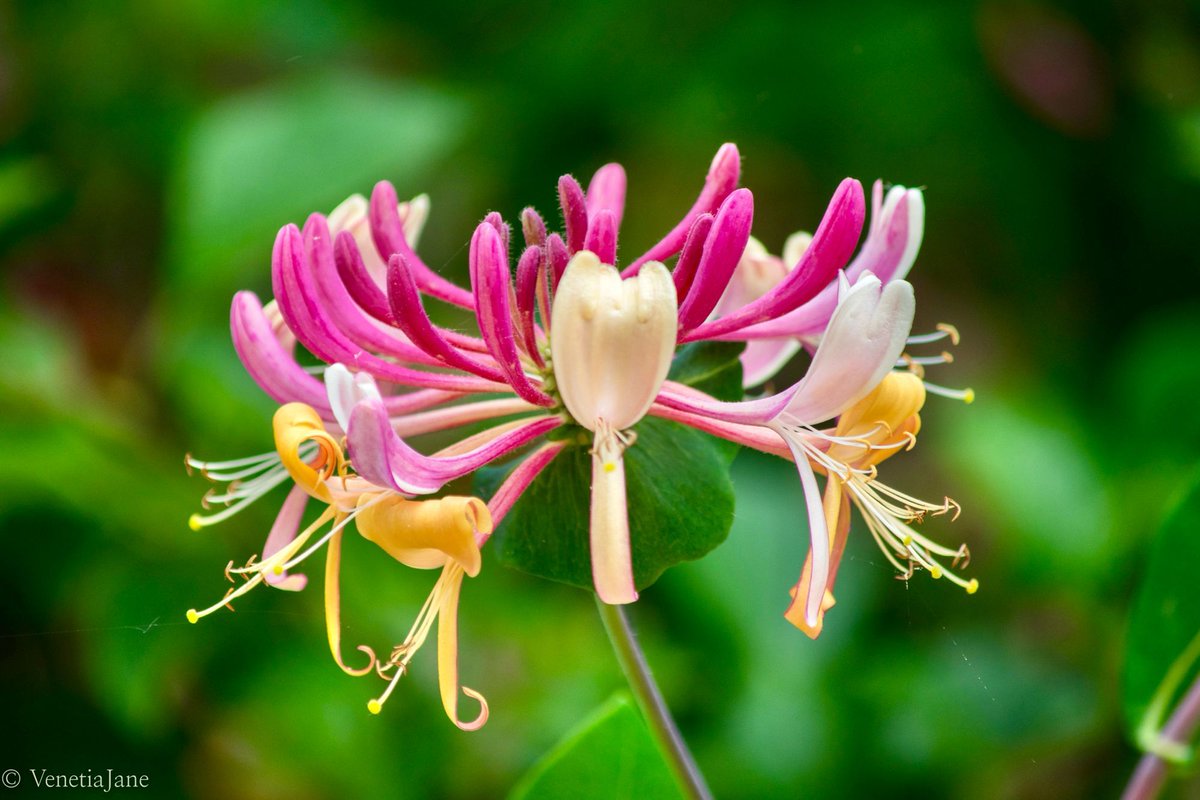
ALT Close-up photograph of a honeysuckle flower cluster. Slender tubular blooms in shades of deep pink, pale pink, cream and soft yellow radiate from the centre, their long stamens extending gracefully outward. Glossy green leaves surround the flowers against a dark green blurred background.












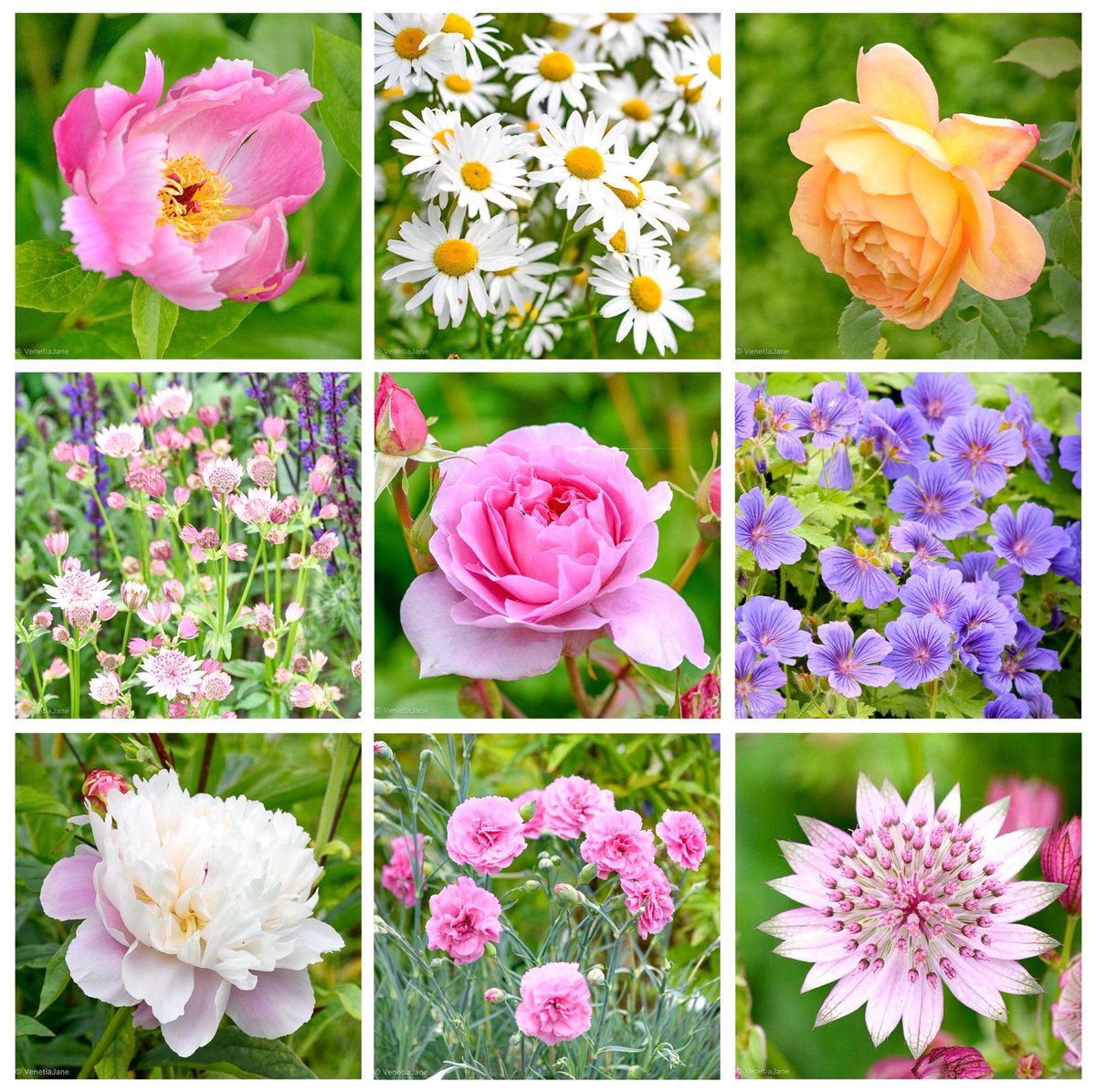
ALT Nine-panel collage of June garden flowers. Clockwise from top left: a pink peony with golden stamens, a cluster of white ox-eye daisies, an apricot rose, violet-blue hardy geraniums, a close-up of pale pink astrantia, pink carnations, a white peony with blush-pink outer petals, a soft pink rose, and a drift of pale pink astrantia among purple salvia spikes. All are photographed against fresh green summer foliage.