Joined February 2011
- Tweets 1,029
- Following 292
- Followers 41
- Likes 2,344
29 Photos and videos
Marco Rossi retweeted

The Smith machine might be the most underrated hypertrophy tool in the gym.
Not because it's magic.
Because it kills the one thing capping your growth;
The fear of failing a rep.
No spotter. No balancing act.
Just you, pushing a muscle to its limit.
And the limit is where growth lives.
Your stabilisers still fire but they're just no longer the bottleneck. So the target muscle gives out first.
Exactly like you want.
25
6
161
52,878
Fase 5 – Quarto Giorno Opzionale
• Neck Curls
• Wrist Roller
• Cable Crunches
• Calf Raises
• Sprint 1x settimana (40-60m all-out dopo warm-up)
1
9
Fase 6 – Mobilità Quotidiana (5 minuti) Dead Hangs
Deep Squat Hold
Banded Shoulder Dislocates
Band Pull-Aparts
7
Giornata tipo (bulk): 4:00 → Miele crudo
Post-allenamento → Latte intero protein
Colazione → Salsiccia pollo smoothie proteico
Pranzo → Manzo grass-fed riso in brodo di ossa avocado
Cena → Pollo/bistecca verdure patate
Meal prep: 45-60 min, prepara 3-4 giorni alla volta.
Per tagliare: riduci carboidrati e grassi. Per crescere: aumenta riso e latte.
20
Marco Rossi retweeted

Uma rejeição honesta, por mais que doa na hora, ainda é um ato de respeito.
Já uma promessa falsa, por mais doce que seja, é só crueldade disfarçada de esperança.
Então às vezes, é melhor levar um pé na bunda do que ser usada e jogada fora depois como lixo.
13
36
348
5,639
Marco Rossi retweeted

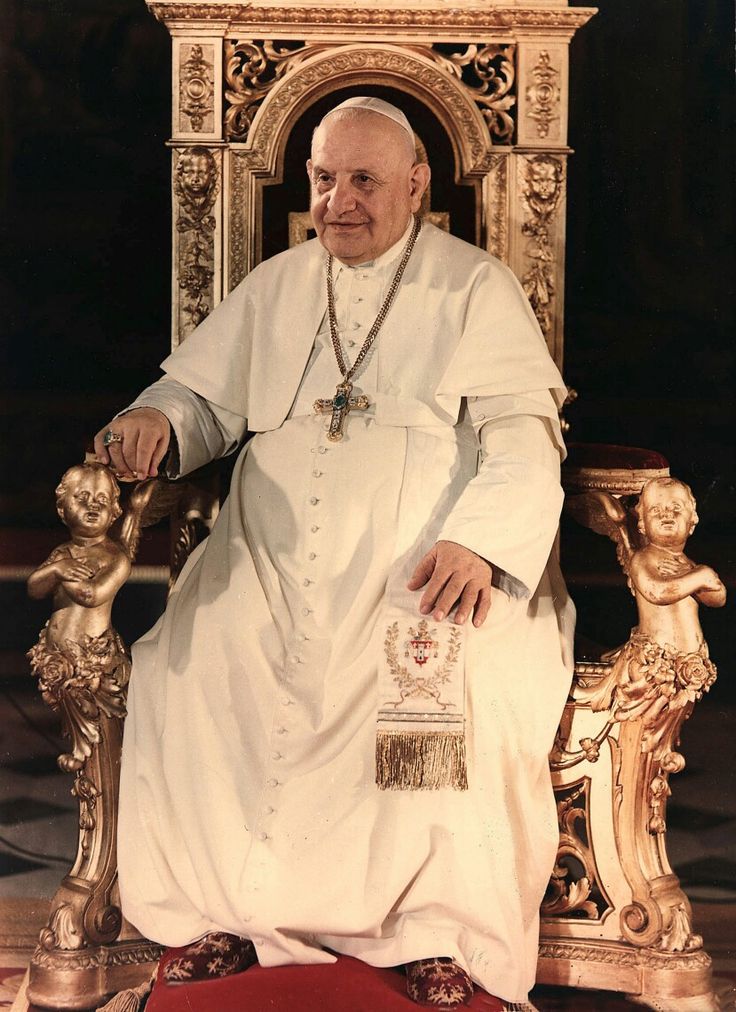
San Juan XXIII dejó un texto muy conocido llamado “Decálogo de la serenidad”, también difundido como “Solo por hoy”.
No es una técnica para estar tranquilo.
Es una pequeña escuela cristiana para vivir el presente bajo la mirada de Dios.
1️⃣ “Solo por hoy”.
Ahí está casi todo.
El cristiano no está llamado a cargar hoy con todos los miedos de mañana.
Cristo ya dijo: “A cada día le basta su afán”.
La gracia se recibe día a día.
2️⃣ San Juan XXIII sabía mucho de paz interior.
Su lema episcopal fue “Obediencia y paz”.
No era la paz del que no tiene problemas, sino la paz del que ha puesto su vida en manos de Dios.
Eso es mucho más serio que aparentar calma.
3️⃣ El decálogo empieza invitando a vivir el día presente sin querer resolver toda la vida de golpe.
Cuánta falta hace esto.
A veces sufrimos más por los escenarios que imaginamos que por las cruces reales que Dios permite hoy.
4️⃣ También invita a cuidar las maneras, no criticar a nadie y corregirse primero a uno mismo.
Aquí hay mucha sabiduría evangélica.
La serenidad empieza cuando uno deja de querer gobernarlo todo, incluidos los defectos ajenos.
Ya tenemos bastante tarea con los propios.
5️⃣ Otro punto habla de adaptarse a las circunstancias sin exigir que todo se adapte a nuestros deseos.
No es resignación triste.
Es humildad cristiana.
Dios también nos educa a través de lo que no controlamos.
6️⃣ San Juan XXIII aconseja dedicar cada día un tiempo a la buena lectura.
El alma también necesita alimento.
No todo lo que entra por los ojos y por el móvil nos deja más cerca de Dios.
A veces basta una página buena para ordenar el corazón.
7️⃣ “Solo por hoy haré una buena acción y no lo diré a nadie”.
Qué medicina tan evangélica.
Hacer el bien sin escaparate.
Servir sin aplauso.
Amar sin convertirlo todo en crónica.
El Padre que ve en lo secreto ya sabe leer.
8️⃣ También propone hacer algo que uno no desea hacer.
La serenidad no es hacer siempre lo que apetece.
A veces la paz nace de una pequeña victoria sobre uno mismo: callar, ordenar, perdonar, comenzar, cumplir.
La gracia actúa también ahí.
9️⃣ Uno de los puntos más cristianos es este: creer que la Providencia de Dios se ocupa de mí.
No como teoría bonita, sino como acto de fe.
Incluso cuando las circunstancias parecen decir lo contrario.
Dios no abandona a sus hijos.
🔟 Este decálogo nos recuerda algo muy necesario: la santidad no siempre empieza con grandes propósitos.
A veces empieza por vivir bien este día.
Con fe.
Con caridad.
Con orden.
Con paciencia.
Con sentido del humor, que también es bastante católico cuando no se usa para morder.
1️⃣1️⃣ San Juan XXIII no propone una serenidad fría.
Propone la paz de los hijos de Dios.
Esa paz que nace de saberse sostenido por la gracia, perdonado por Cristo y guiado por la Providencia.
Solo por hoy.
Y mañana, Dios dirá.
#SanJuanXXIII #Serenidad #IglesiaCatólica #Santidad
31
574
1,564
33,554
Marco Rossi retweeted

Jun 12
Friendly reminder that the Rosary is older than every Protestant religion.
393
458
6,409
116,569
Marco Rossi retweeted

Jun 7
Due coppette da tre gusti con panna, un macaron e due cannolini al pistacchio. Totale: 44 euro. È la disavventura vissuta da una coppia di americani a Roma in Piazza di Spagna. A denunciare l'accaduto è stata Nicole Ann, turista della Florida, che ha raccontato sui social quella che definisce non una semplice incomprensione ma una vera “trappola per turisti”. Nel gruppo Facebook ‘Rome Travel Tips – Italy – Sistine Chapel – Colosseum – Vatican’, la giovane ha ricostruito quanto sarebbe accaduto all'interno del punto vendita ‘Don Nino’, pubblicando anche le foto del gelato e dello scontrino da capogiro.
“Abbiamo chiesto due coppette. Ci ha dato la misura più piccola e ci ha detto che avevamo tre palline”, si legge nel post. Ma qualcosa non va come previsto, perché la commessa avrebbe iniziato ad aggiungere ingredienti extra: “Come cannoli e macarons, suggerendo che fossero gratis. Siamo andati a pagare e costavano 44 euro, due gelati. Sembrava che avesse detto 14 dollari, quindi non me ne sono accorta finché non ho guardato lo scontrino” che riporta, come si vede nella foto, una cifra diversa. Perché non risultano due coppette, ma due coni maxi al prezzo di 12 euro l’uno a cui si aggiungono 2 euro a testa per la panna, 6 euro totali per i macarons e altri 10 per i due cannolini al pistacchio. Il tutto consumato rigorosamente in piedi.
Su Repubblica l’articolo di Giulia Marziali
#rep
128
34
154
52,448
Marco Rossi retweeted

Jun 3
Più escono fuori i dettagli sulla storia dell'omicidio di Henry Nowak, più appare profondo e buio il baratro in cui siamo sprofondati.
Un sikh accoltella un ragazzo inglese. E subito la famiglia dell'aggressore si mobilita: la madre nasconde l'arma, il padre trascina la vittima dietro un'auto e il fratello chiama la polizia parlando di "assalto razzista". Sanno che funziona sempre.
Intervengono le forze dell'ordine e si schierano subito a favore del sikh. Lo difendono, lo rassicurano. E intanto ammanettano Henry Nowak, che sta sanguinando copiosamente e chiede aiuto.
"Non respiro!" Questo ripete Henry, disperato. "Mi hanno accoltellato!"
Ma un poliziotto lo zittisce: "Non credo proprio.”
Henry muore così, con le manette ai polsi, soffocato nel suo stesso sangue. Ha 18 anni.
Dove sono i benpensanti inginocchiati?
Dove sono le femministe indignate?
Dove sono i murales, i concerti, i minuti di silenzio?
La guerra civile è dietro l'angolo nel Regno Unito. E questo clima si respira ormai in tutta l'Europa occidentale.
Se anche di fronte a questa storia il vostro primo pensiero è "sta crescendo l'estrema destra" allora sappiate che siete parte del problema. Siete complici.
In una parola: nemici.
Matteo Brandi
Pro Italia - Presidente

102
1,440
3,768
35,732
Marco Rossi retweeted

世界的なコーチ
アンソニー・ロビンズはこう言った。
「完璧主義は世界で一番低い基準だ」
なぜか。
完璧を目指してる時点で、
達成できないとわかってる。
つまり「永遠に達成できない基準」を自分に課してるだけ。
だから何も始められない。
何も始めないのは
一番基準が低い。
目指すべきは「完璧」じゃなく「傑出」。
60点でも出す。
失敗しても続ける。
それが本当に基準が高い人。
19
93
7,515
Marco Rossi retweeted

Comienza con estos hábitos en junio y serás totalmente irreconocible para agosto:
1. Ayuno de dopamina


13
16
68
8,500
Marco Rossi retweeted

Jun 2
God,
Please heal the hearts, minds, and bodies of everyone reading this.
Bring peace where there is anxiety, strength where there is exhaustion, hope where there is darkness, and love where there is fear.
Guide us back to what truly matters.
Help us slow down, breathe deeply, forgive, heal, and trust life again.
Protect our families, calm our nervous systems, and remind us that we are never alone.
Amen.
32
54
627
9,079
Marco Rossi retweeted

May 28
42°C IN ROME IN JULY 1841:
BEFORE CARS & PLANES:
UNRELATED TO CO2!
The maximum official temperature ever recorded by any weather station in Rome Italy, was 42°C on the 27th July 1841. A cursory internet search shows temperature reaching 40°C every other Summer. It would indicate the peak of warming was reached there in 1841. Long before everyone drove cars or flew in airplanes. How does this fit into the CO2 scaremongering? It does not!

141
2,194
4,744
46,949

May 28
Cosi vero che anche nelle vecchie relazioni dove abbiamo ricevuto un trauma , l’unica soluzione è fare il primo passo
May 28

A young Harvard medical school graduate spent nearly three years stuck in his parents' house, having panic attacks and hallucinations. One evening at twilight, walking into a dressing room, he was hit by what he later called "a horrible fear of my own existence." His name was William James. The diary entry he wrote on April 30, 1870 became the foundation of modern psychology.
The line was this: "My first act of free will shall be to believe in free will." He was 28. He'd given up. So he made one decision: stop waiting to feel okay before doing things. He would do them first, and let the feelings catch up whenever they could.
He spent the next twenty years turning that one diary line into a science. His 1890 textbook landed on a simple split: the things you do are under your direct control, but the things you feel are not. You can decide to swing your legs out of bed and walk to the kitchen. The mood that hits you while you're walking, you can't dial. So you work the part you can work. The feeling side shows up on its own clock, when it's ready and not before.
Brain scanners caught up about a century later. There's a network in your head that switches on the moment you stop paying attention to anything specific. It's the voice that drags you back to something dumb you said in 2014. In depressed brains, this network is overactive. It runs in loops. It will not let go of the negative track about you. The second you start doing something that actually needs your attention, the loop quiets and a different network takes over. Action is the off switch.
In 2016, The Lancet published a trial called COBRA. Researchers took 440 adults with depression and split them in half. One group got CBT, the gold-standard talking therapy where you work on your thinking patterns. The other group got something simpler, basically James's idea written into a treatment plan: pick small activities each week, schedule them, do them, see what happens to your mood. A year later, both groups had improved by the same amount. The simpler version also cost about 20% less to deliver, because junior workers can run it. Five days of training is enough.
In 2024, a research team pulled 218 studies together, covering 14,170 depressed people. Walking and jogging produced a real drop in depression scores. Yoga, same drop. Weights, same drop. The authors' verdict: exercise belongs alongside therapy and medication as one of the main treatments for depression.
So that's the answer William James worked out from his own three years in hell in 1870, and that 14,000 people in clinical trials have confirmed since. Action. Walk somewhere. Pick something heavy up and put it down. Show up at yoga. Schedule one small task and finish it. Any of these works, and they work for the same reason. You move, and the feeling follows.
42
Marco Rossi retweeted

May 27
When GOD wants to turn a boy into a man.
He doesn't comfort HIM.
He crushes him with failure, betrayal, loneliness, heartbreak, and rejection.
That's not a punishment.
It's a FORGE.
129
1,589
10,462
182,698