
Retired/finance & internal audit. 4D systems thinker, emotion coach & support grps, emotional health writer@PsychCentral. CBT, mindful awareness & neuro-psych.
Joined November 2012
- Tweets 6,435
- Following 700
- Followers 673
- Likes 23,372
505 Photos and videos





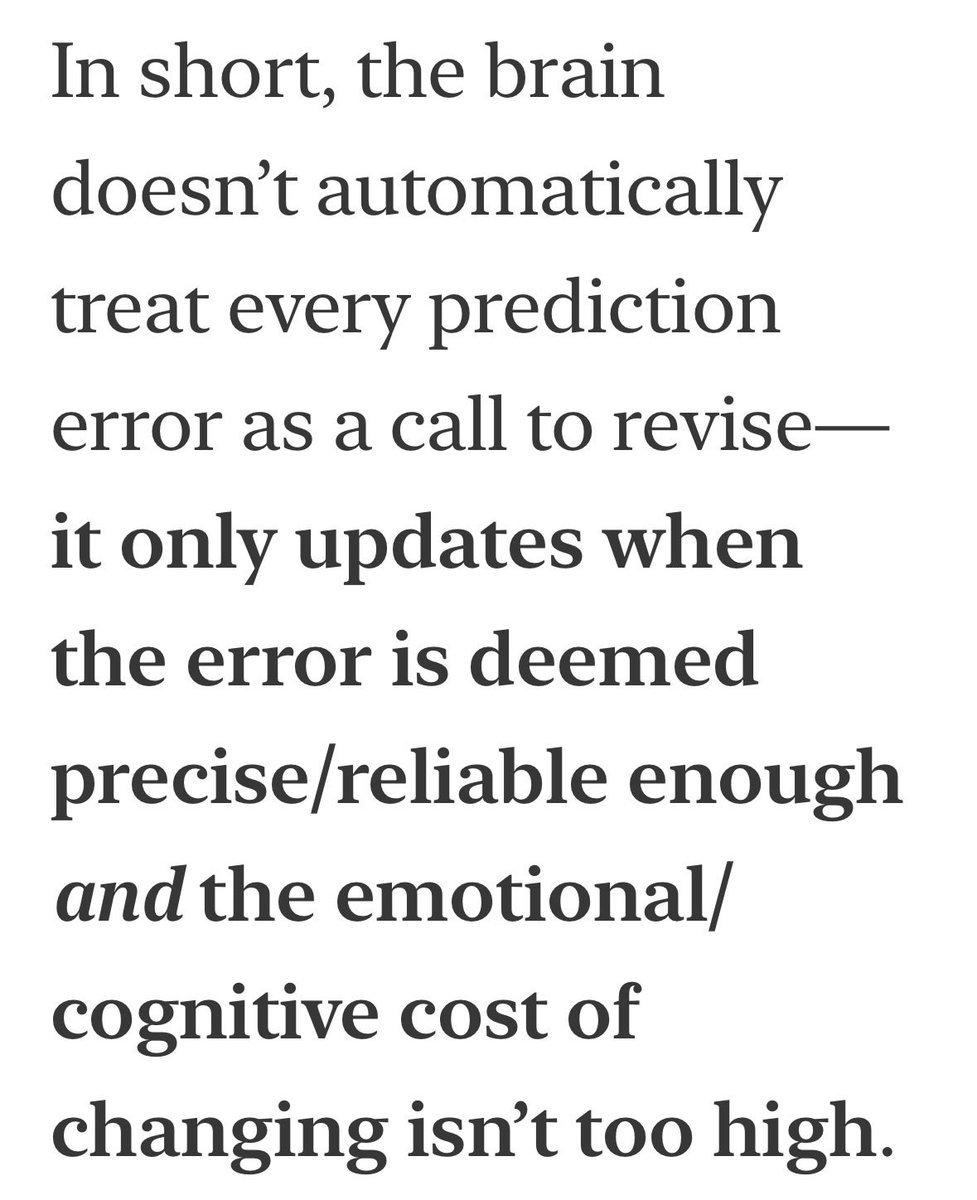
Dimensional Lens 🌟

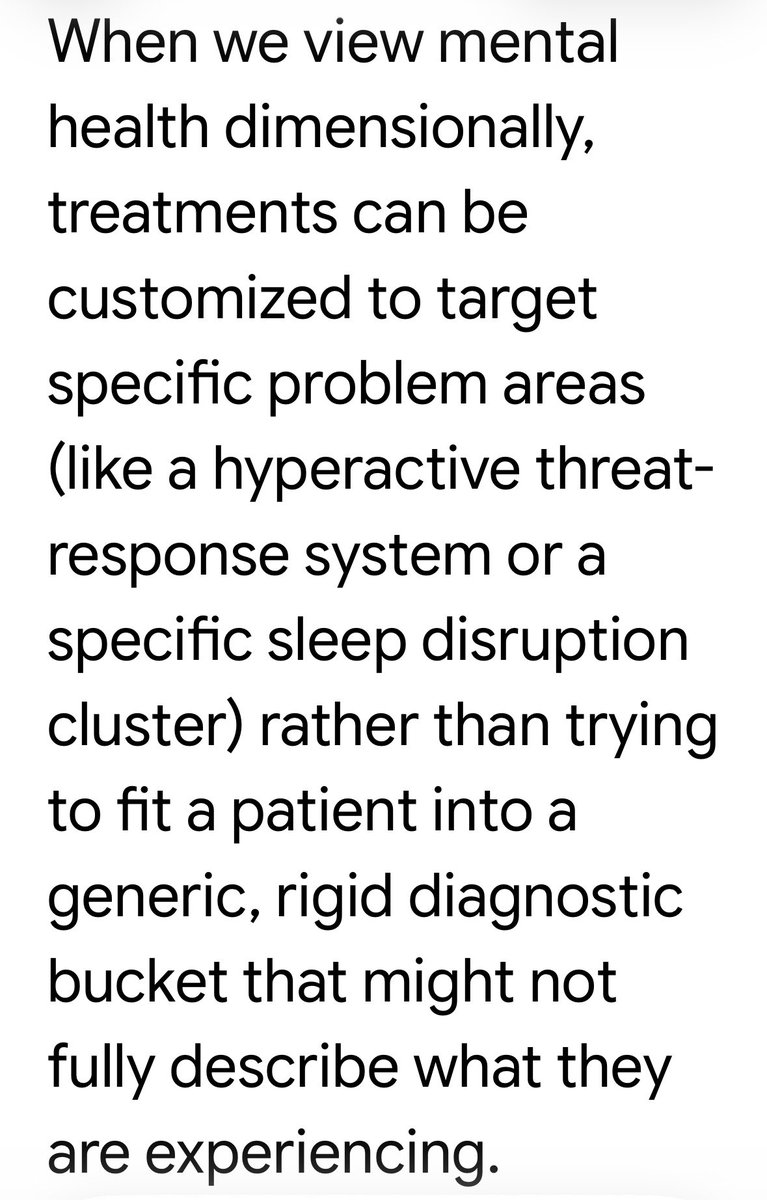
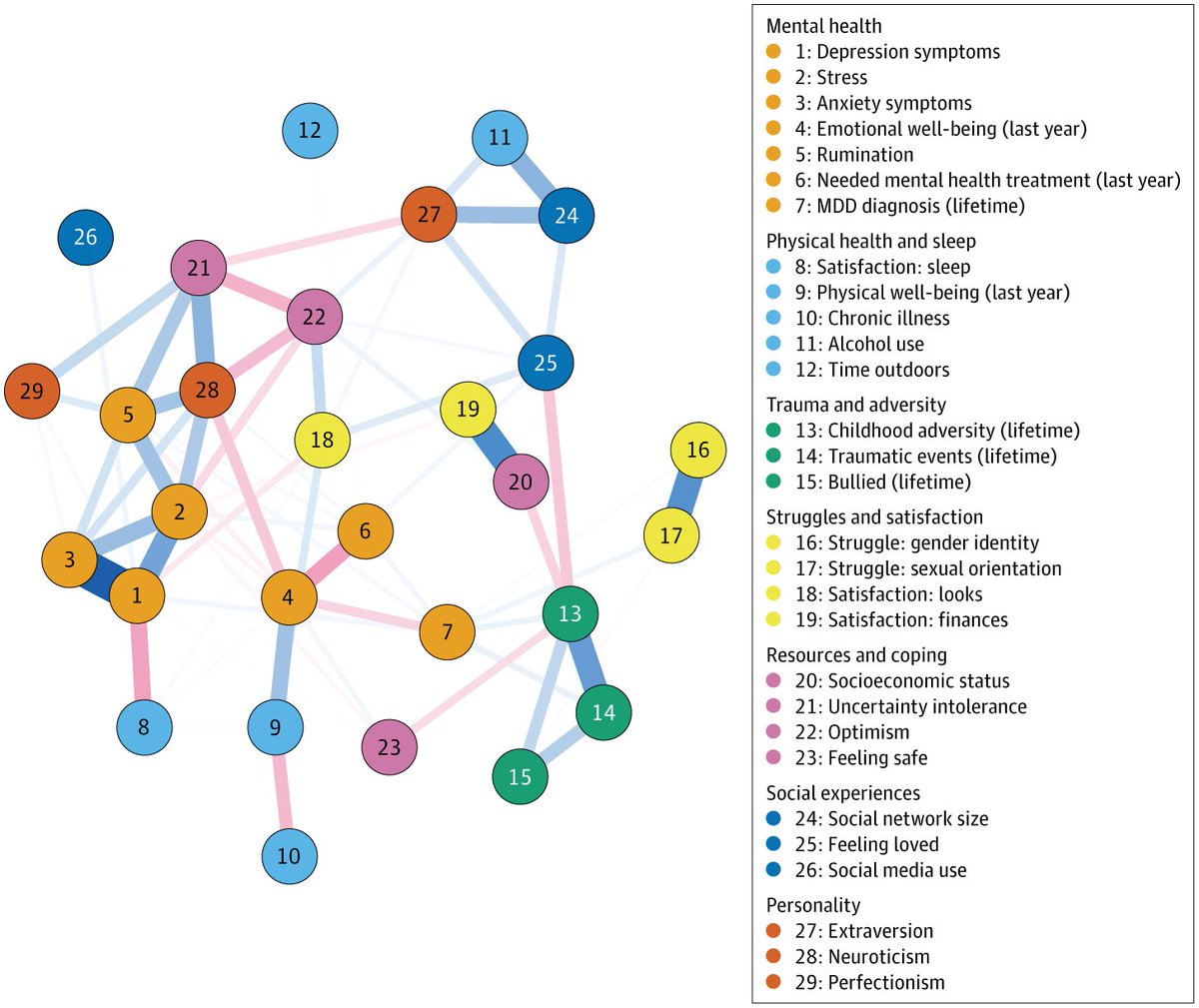
This narrative review suggests mental disorders are statistical clusters of biopsychosocial properties, not sharply defined categories, mirroring concepts in species classification and supporting dimensional #MentalHealth frameworks. ja.ma/3Sn3TTs
5
268

Jun 13
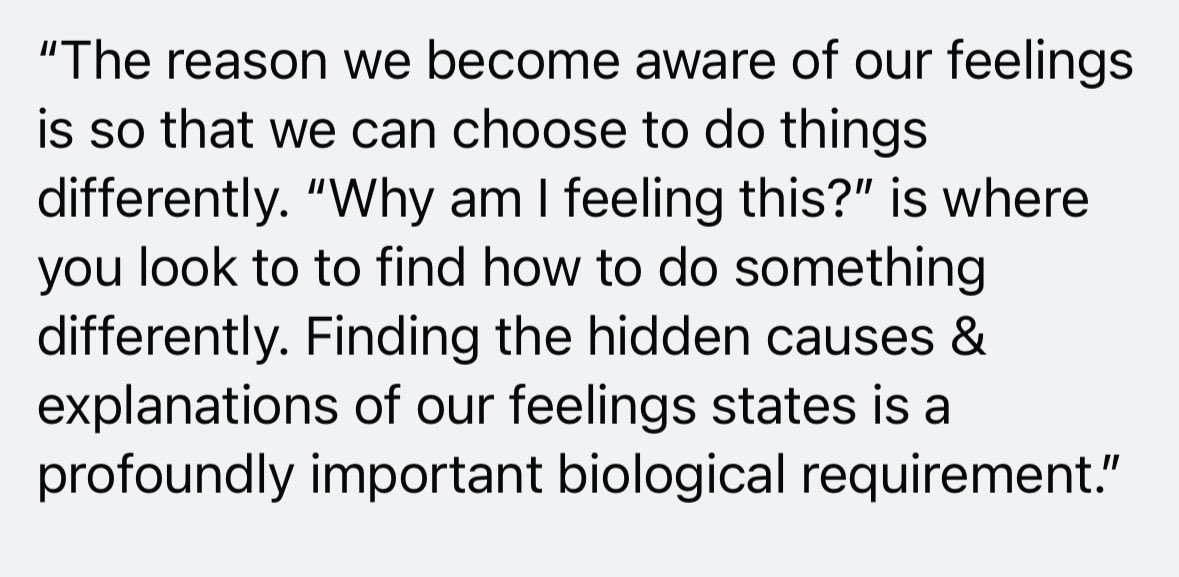
Behavior is often a symptom of underlying, unprocessed emotions. In CBT, using emotional granularity to precisely label feelings helps clarify the thought-emotion-behavior cycle.
3
1
10
237
Maria Bogdanos retweeted

Jun 11
Richard Feynman once wrote, “If our small minds, for some convenience, divide this glass of wine, this universe, into parts — physics, biology, geology, astronomy, psychology, and so on — remember that Nature does not know it.” (Hey and Walters, 1987, p. 313) 1/
5
100
689
18,077
Maria Bogdanos retweeted

May 18
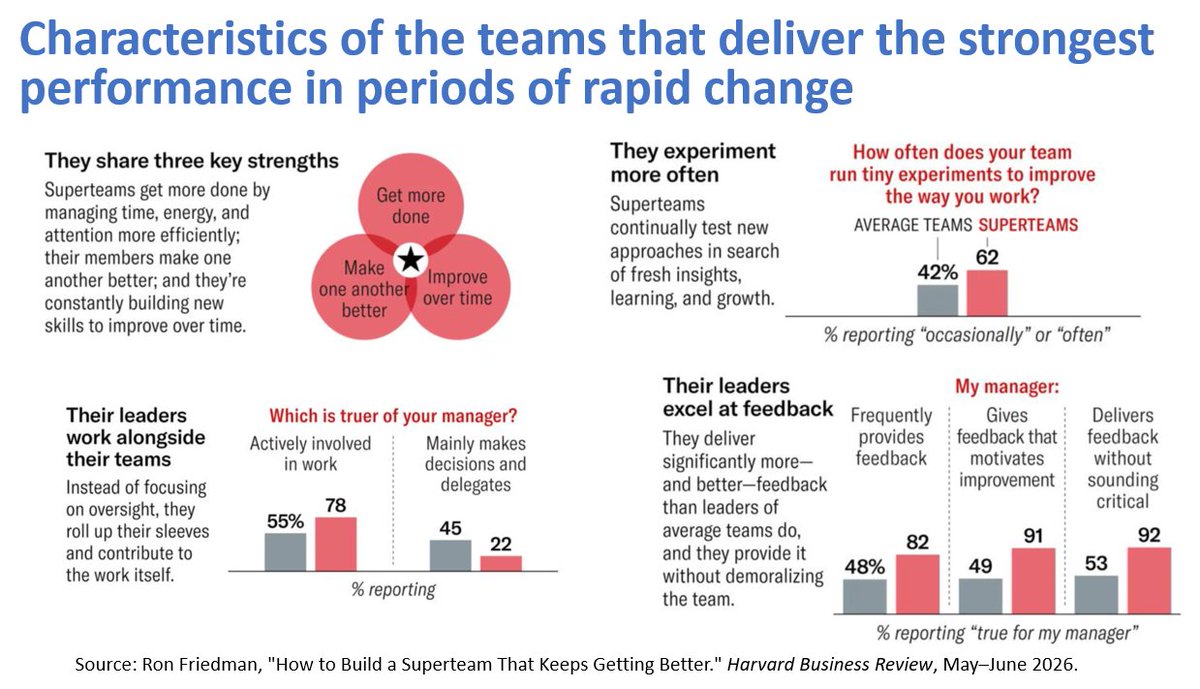
The teams that deliver the strongest performance in periods of rapid change are those that experiment & learn the fastest.
That’s a central finding from @RonFriedman's latest @HarvardBiz article "How to Build a Superteam That Keeps Getting Better."
He surveyed more than 6,000 knowledge workers across many sectors, including healthcare. He identified "superteams": those getting top scores on performance & effectiveness. Three things set them apart: (1) they get more done by managing time, energy & attention; (2) their members actively make each other better & (3) they keep building skills & improving over time.
The research identified seven practices, all relevant to change leadership (here with my comments). Superteam leaders:
1) Run more experiments. Superteams experiment nearly 50% more often than average teams. Small, focused tests beat big rollout programmes. The key leadership role is making it safe to try (& fail).
2) Make curiosity contagious. Leaders of superteams are 56% more likely to ask thoughtful questions & 53% more likely to genuinely learn from team members. In change work, the formal leader rarely holds the most important knowledge. Curiosity is how we access it.
3) Ask "What are you stuck on?" Superteam leaders orient discussions toward problems, not updates that signal control. Issues surfaced early get addressed. The ones buried in progress reports become crises.
4) Roll up their sleeves, even when they don't have to. The difference between involvement & micromanagement comes down to intent. Leaders who work alongside their teams signal no task is beneath them & gain real-time understanding about where change is stalling.
5) Make feedback feel like support. More than 90% of superteam members say their leader delivers feedback that motivates without feeling critical. How we respond to setbacks shapes whether people keep trying — or go quiet.
6) Support team member’s growth, even when it takes them elsewhere. It is not a loss - it’s an investment. Superteam members are twice as likely to feel supported on leaving and three times more likely to remain connected. For change work, that extended network is an asset.
7) Lead with meaning, not just metrics. Leaders of superteams are 59% more effective at helping people understand why their work matters. Purpose is not a “soft extra”. It’s the difference between sustained commitment & change that fizzles out.
The article's case study is the Oklahoma City Thunder: a basketball franchise that rebuilt itself twice from the bottom of the league to championship level by trading away stars, abandoning conventional tactics, & treating every setback as data. Their motto is “Labor omnia vincit”: work conquers all things.
Those of us leading change in health & care can see the relevance. We build great teams through routine leadership habits: curiosity, experimentation, honest feedback & staying close enough to the work to know what is actually happening.
That’s not a change programme: it’s a daily practice.
Link to the HBR article: hbr.org/2026/05/how-to-build…
5
31
76
4,140
Maria Bogdanos retweeted
Jun 11
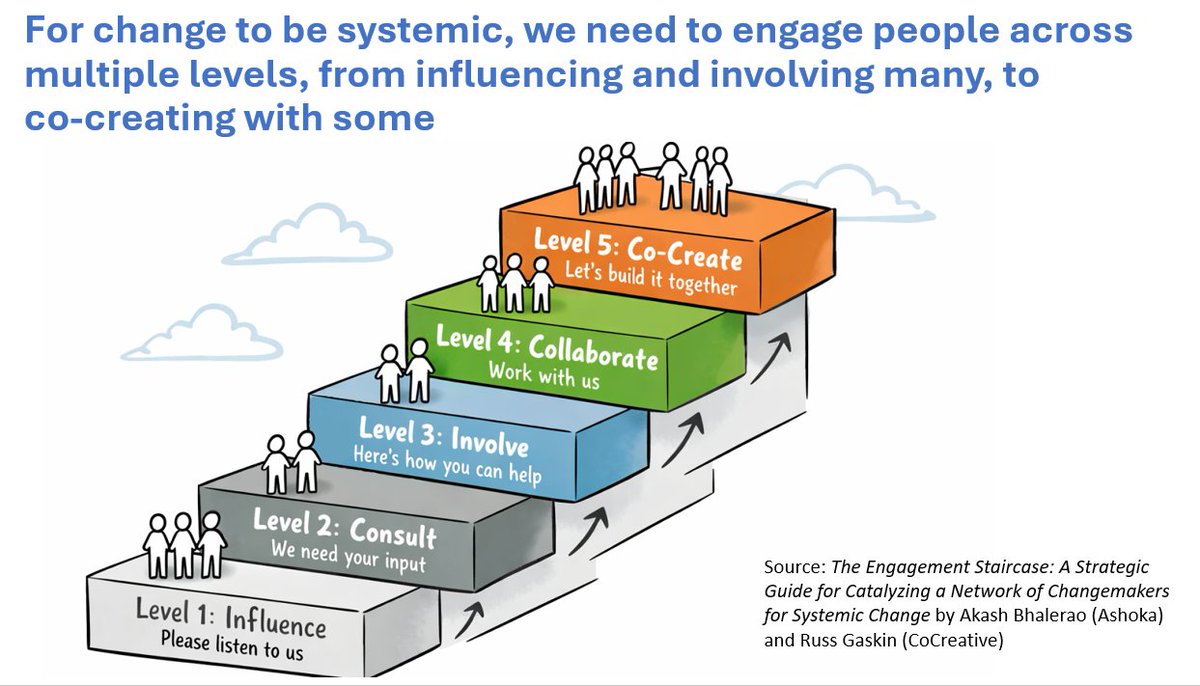
If we want change to be systemic, we need to engage people across multiple levels, from influencing and involving many, to co-creating with some.
The "Engagement Staircase" from Russ Gaskin (CoCreative) and Akash Bhalerao (Ashoka) is a really helpful, research-informed framework for thinking about who we need to engage and how.
Their core premise is that engagement is not a single act. It exists on a spectrum of levels, from communicating to many, through consulting, involving, and collaborating, to co-creating with a smaller core. Each step represents a progressively deeper level of stakeholder participation, ownership and shared power.
In health and care, that tends to mean a lot of communication and consultation, and not enough collaboration and co-creation. We often inform people about change. We ask for their views. We call it engagement. But informing is the bottom step of the staircase, and consulting, however well-designed, still positions the leader as the one who decides.
Working at higher levels of engagement requires a different kind of change leadership capacity. Co-creation is likely to mean relinquishing control over outcomes. Collaboration requires an ongoing investment in relationships, not just in on-off tasks. Most change leadership development is better at building lower-level engagement skills than upper-level ones.
In our sector, there is a big push towards “co-production” or “co-creation” which is a positive thing. However, It is also problematic to think that we need to co-create with a lot of people. The higher up the staircase, the fewer people are involved, and that's by design. We communicate to many; we co-create with some. We have to be intentional about this distribution. The risk is trying to get everyone to the top step, or, just as problematic, keeping everyone at the bottom. Both are strategic errors.
We should seek to work across all five levels simultaneously. It’s about holding large-scale awareness and influence across a wide network while nurturing a smaller network of co-creators who are deeply invested in the work. This requires thinking about engagement like a portfolio, mapping who needs to be where on the staircase, and actively managing upward movement over time.
There is also an equity dimension. Who gets invited to collaborate and co-create? In too many change initiatives, the higher levels of engagement get reserved for those who already hold formal power or existing relationships with the change leader. Creating the conditions for systemic change means actively seeking out people whose experience is closest to the problem, even when that requires bridging structural divides.
We might treat the Engagement Staircase as a mirror - reflecting on which levels we are working at, with whom, and what it would take to move the right people to higher levels of ownership of the change.
The article: lnkd.in/eaDX8z5p. It has links to some great resources.
26
63
3,938
Jun 11
When I was training summer interns, there were always a few that felt too much shame when they made mistakes and I would remind them it was much more costly in the long run to cover them up because we wouldn’t know when & how something was wrong. Best to be timely & honest. 🌟
6
97
Maria Bogdanos retweeted

Jun 10
Now on You Tube.
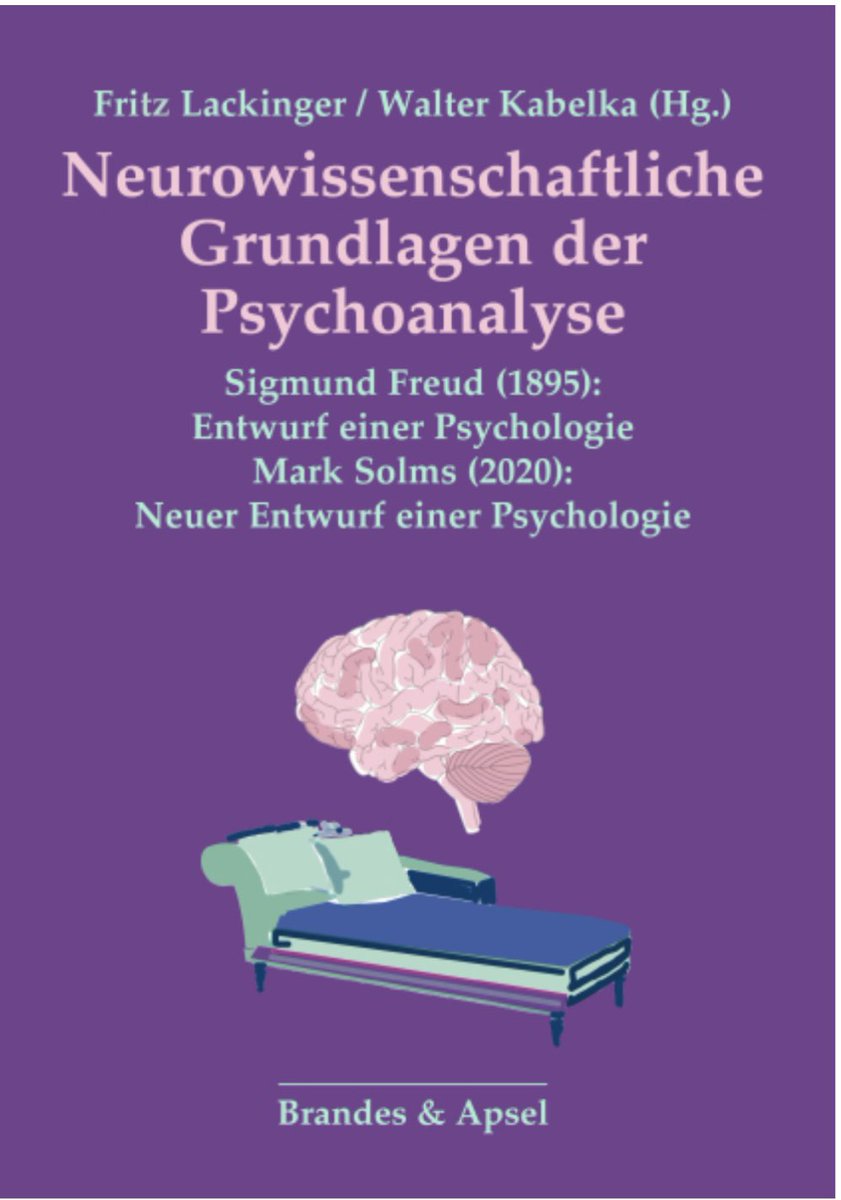
"Was Freud right all along".
youtube.com/live/a3x4rJDpCX8…
2
3
13
979
Jun 11
Everyone needs a safe place to uncover & process their disavowed emotions.
6
104
Maria Bogdanos retweeted

Jun 6
For intelligence, compression is not the goal. It is a means to an end. The true goal is to gain information that helps reduce uncertainty, which is entirely measurable. For any particular data of interest, to obtain a most informative representation of its distribution (also called memory or knowledge), an intelligent system tries to learn the most effective and efficient compressing operations (say layers of a network). This is what I have been saying: We learn to compress, and we compress to learn! This is precisely the main theme of our new open book.
34
50
496
44,915
Good direction to understand intelligence in scientific, biological & neuroscience terms as it informs better AI.

Principles and Practice of Deep Representation Learning: or a Mathematical Theory of Memory
arxiv.org/abs/2606.06624
3
131
Unlike computers where software has no effect on hardware, in humans function changes structure. (neuroplasticity)
open.substack.com/pub/mariab…
2
5
123
Knowing oneself is dynamic:
Philosophy for meaning and possibilities
Neuroscience for how we are functioning
Psychoanalysis for shifting thoughts to adapt in more healthy ways
Psychiatry for analyzing functional patterns & targeting deficiencies
Play to stay malleable
2
9
314
Maria Bogdanos retweeted

Jun 5
Michael Levin & Earl Miller: Platonic Space of Minds, Bioelectricity, Cell Intelligence & Neurobots
Youtube: youtu.be/6mU5nN5nlLA
Spotify: open.spotify.com/episode/6qJ…
Skool Ad Free: skool.com/the-giants-shoulde…

3
19
90
16,548
Maria Bogdanos retweeted

Discussion: "The Role of Forgetting in Agency"
Host: @drmichaellevin
Discussants: @Mark_Solms @RichardWatson90 Alexey Tolchinsky
youtube.com/watch?v=w_ciA-yy…
2
8
43
3,442
Maria Bogdanos retweeted

Jun 5
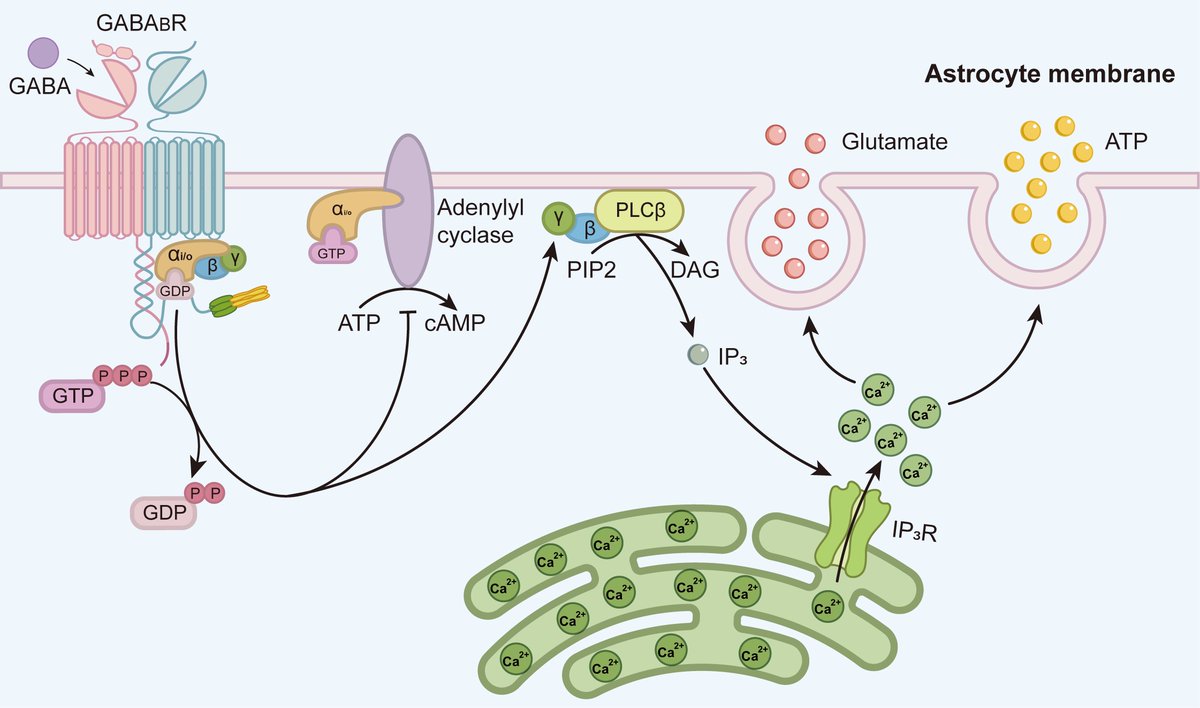
Wang et al. review how GABA-B receptors in glial cells regulate key CNS processes – including excitatory-inhibitory balance, synaptic pruning, and myelination – and discuss their roles in neurological disorders. shorturl.at/GeBOS
1
16
55
3,233
When we haven’t uncovered our unconscious patterns we are susceptible to doing this and receiving it. Best case scenario is to start as early as possible looking into ourselves to identify « what is you, what is me. »
Jun 5

Projection is when we confuse what belongs inside us for something outside us;
Introjection is when we confuse what comes from outside us for something that belongs inside us;
With projective identification, both psychic processes are at play simultaneously and interpersonally.
1
5
135
Maria Bogdanos retweeted

Alpha and Theta Oscillations Differentiate Escalating Risk Levels During Reward Anticipation in Sequential Decision Making onlinelibrary.wiley.com/doi/…
4
8
648
Maria Bogdanos retweeted

Jun 4
Human EEG data reveals that brain activity sequentially supports Bayesian integration and prediction-error signaling, where expectation initially enhances encoding of expected visual components before later prioritizing unexpected ones.
biorxiv.org/content/10.64898…
1
8
46
2,962