Scientist at Tufts University; my lab studies anatomical and behavioral decision-making at multiple scales of biological, artificial, and hybrid systems.
Joined May 2013
- Tweets 9,949
- Following 2,946
- Followers 77,604
- Likes 51,455
2,104 Photos and videos





Pinned Tweet

9 Sep 2023
Wordpress site is up - thoughtforms.life/. Register to be notified of book progress, specific events, news, and new posts with photography, essays, interviews, & more. Unlike at drmichaellevin.org, here I will post ideas not fully baked yet, & academic-adjacent content.
127
180
1,484
312,598
May 22
Got a copy (microcosmssacredplants.org/b…) of
Microcosms: A Homage to Sacred Plants of the Americas:
microcosmssacredplants.org/
truly amazing!
13
14
180
9,425
Check out this talk by the inimitable Chris Fields:
youtu.be/QeMajYvhEbI?si=H6I_…
on Interesting Behavior - physics, cognitive science, what more could you ask for.
7
35
174
10,809
Michael Levin retweeted

Jun 10
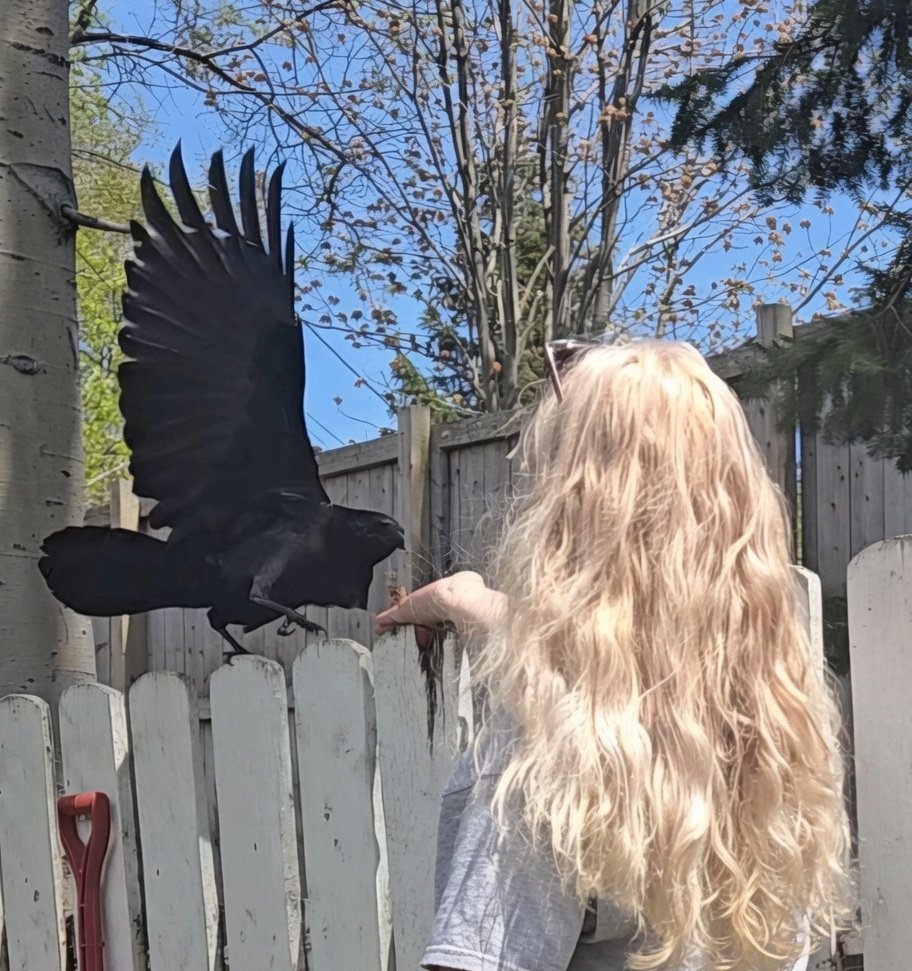
Latley, I've been spending time staring off into the abyss... until a crow shows up and yanks me back into reality, where the beauty of connecting with a mind that is both familiar and alien paints my worldview so vividly that any other explanation seems dull. (I'm a fan of crows, you could say).
We humans think we're advanced with our computers and algorithms, yet we still don't fully understand crow signal semantics or how knowledge travels across generations. I may think I'm clever because I set up a camera and can screenshot his photo, yet he has a friend in a nearby tree studying me, gathering intel to report back to the flock about how I behave. They'll keep tabs on me for decades.
Meanwhile, I was standing on a mycorrhizal network when this picture was taken. I wonder how plants decide who receives support under complex conditions, and how long-term interspecies relationships form and survive. We don't fully know... even though we have computers and algorithms.
The crow flew away when my son ran up to me. He was worried about a swollen fly bite. I told him his body was reacting to the fly's venom and would know what to do.
"A reaction?" he asked. "Like a thumbs-up?"
Yes..in another language.
Because that's what it all comes down to really: different languages, many minds.
5
15
75
3,986
Michael Levin retweeted

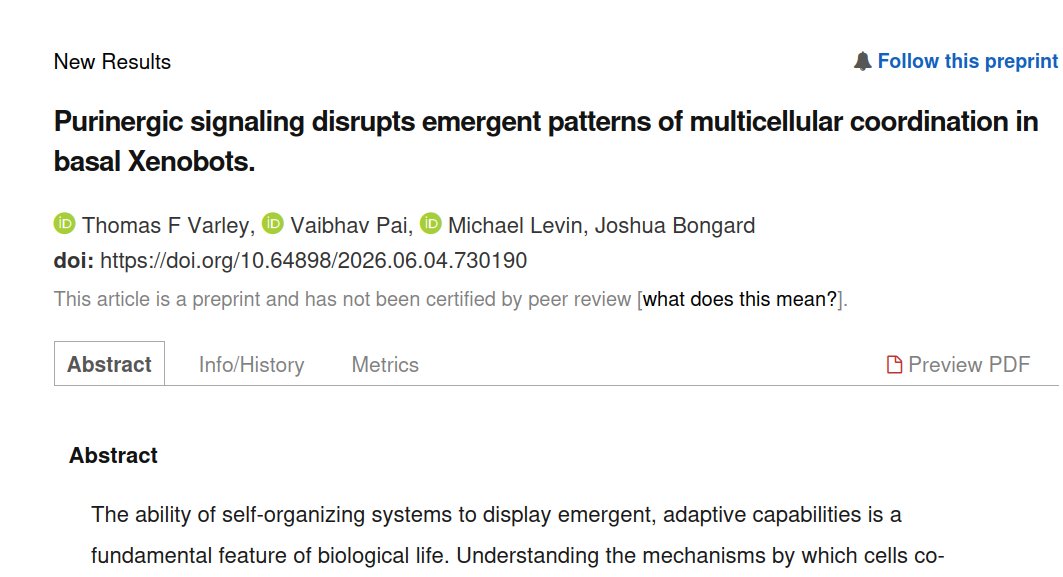
New paper with @DoctorJosh @drmichaellevin and co-first author @pai_vaibhav! If you're interested in emergence, multicellularity, and information processing in living systems, this one is for you. (Link below). 1/N
5
21
65
8,414
Michael Levin retweeted

New results! The prefrontal cortex uses a low-dimensional “coding space”. Info can be captured in just 3–6 dimensions. The brain compresses what we remember.
Low-dimensional prefrontal representations of objects during working memory
doi.org/10.64898/2026.06.03.…
#neuroscience
21
74
375
26,142
Jun 1
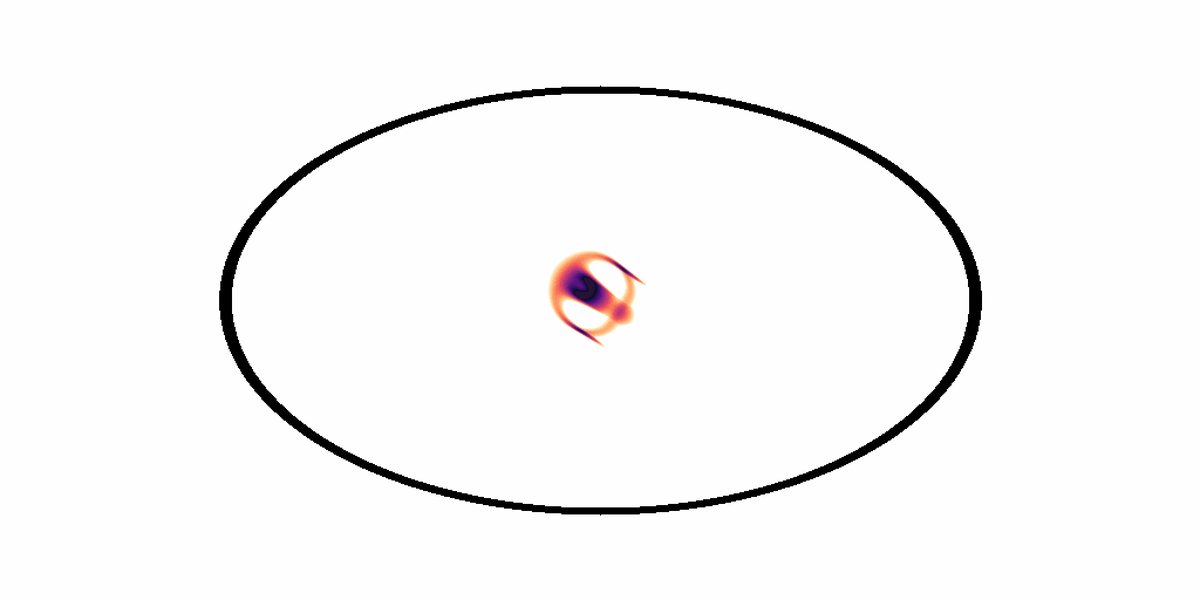
What are the preferences of novel in silico and in vivo agents that aren't directly engineered toward a specific set of behaviors? Here is an example, from the world of Lenia (en.wikipedia.org/wiki/Lenia) - our new #preprint on agnosiophobia (avoidance of the unknown): arxiv.org/abs/2605.30708
@jessescool_
29
43
356
24,900
May 29
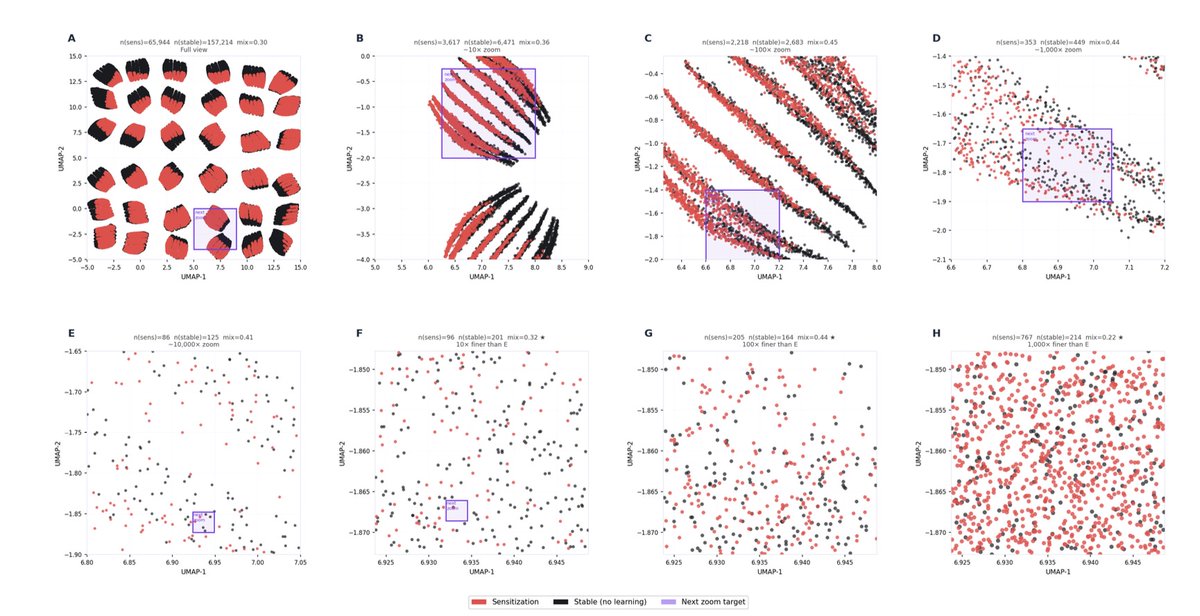
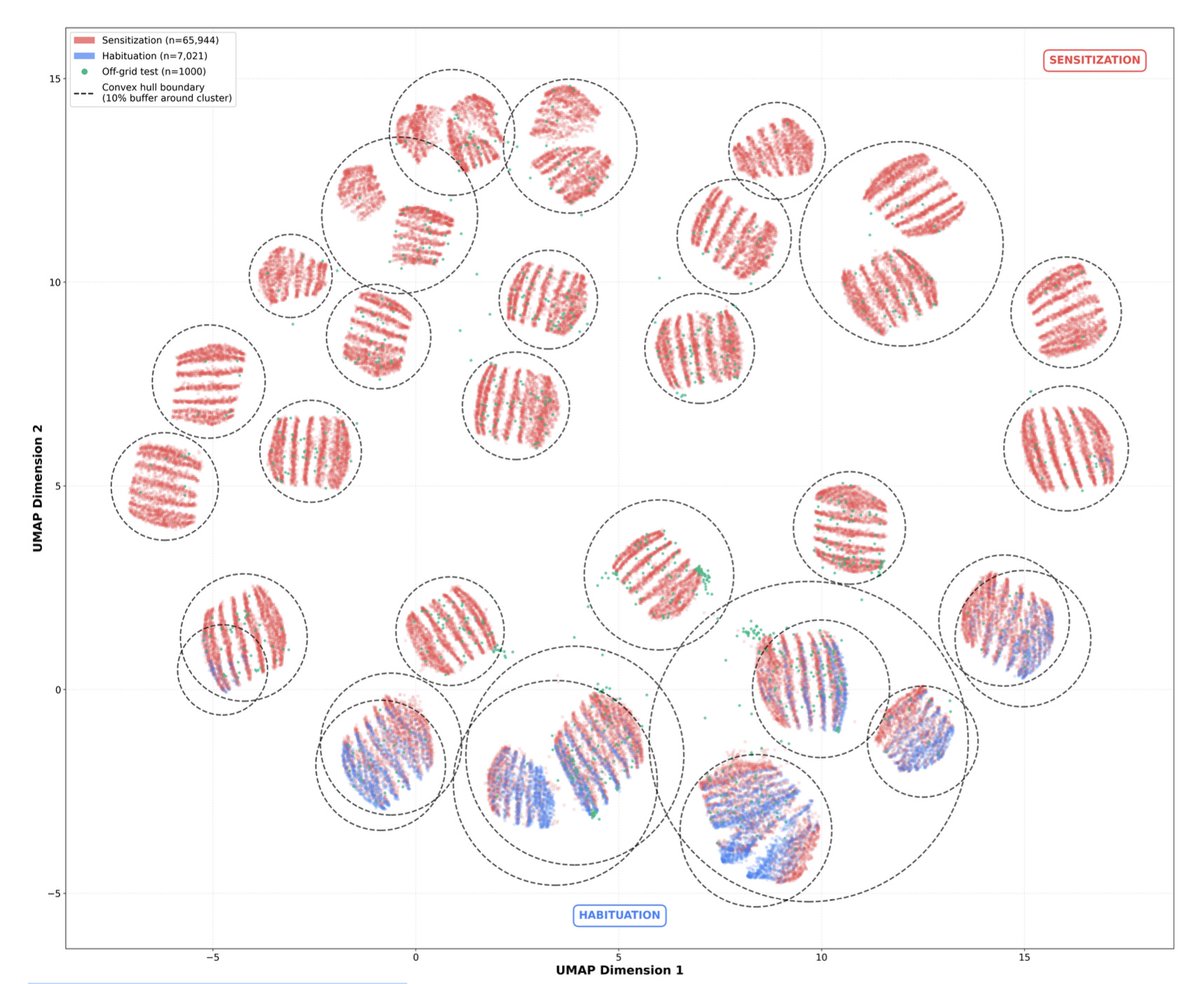
A lot of people have suggested over the centuries that ecosystems might have some degree of cognition. What would that look like? Could there be recognizable memory phenomena on the scale of population dynamics? Here's a #preprint where amazing high-school student @asamanta42, @HananelHazan, and I use a model system - in silico predator-prey dynamics - and analyze the possibility of several kinds of learning:
arxiv.org/abs/2605.30109
(the basics are kind of like thoughtforms.life/but-where-…, but some very cool new stuff here, including the interesting and unique pattern of learning-compatible values in the parameter space).
58
201
1,267
91,949
Michael Levin retweeted

May 28
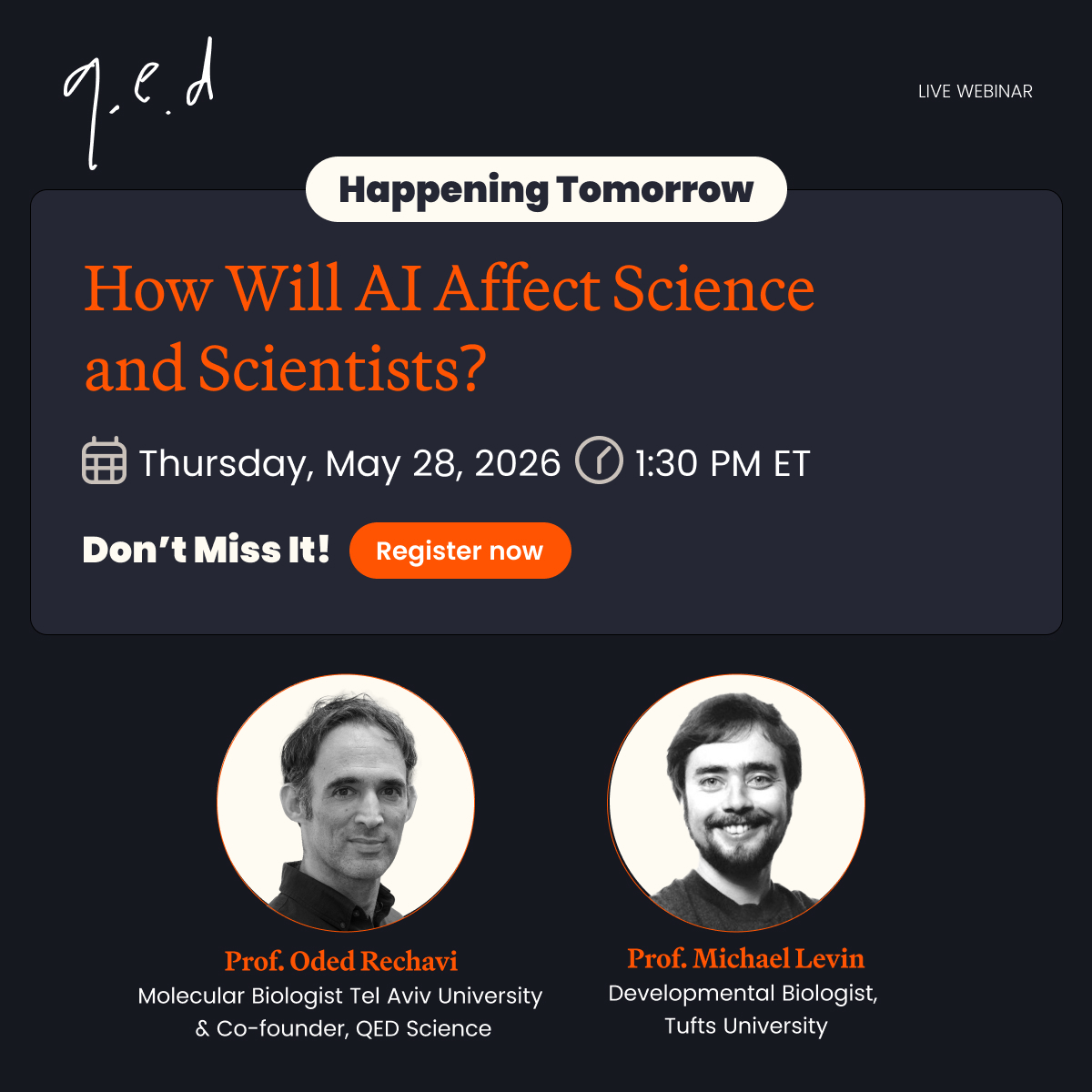
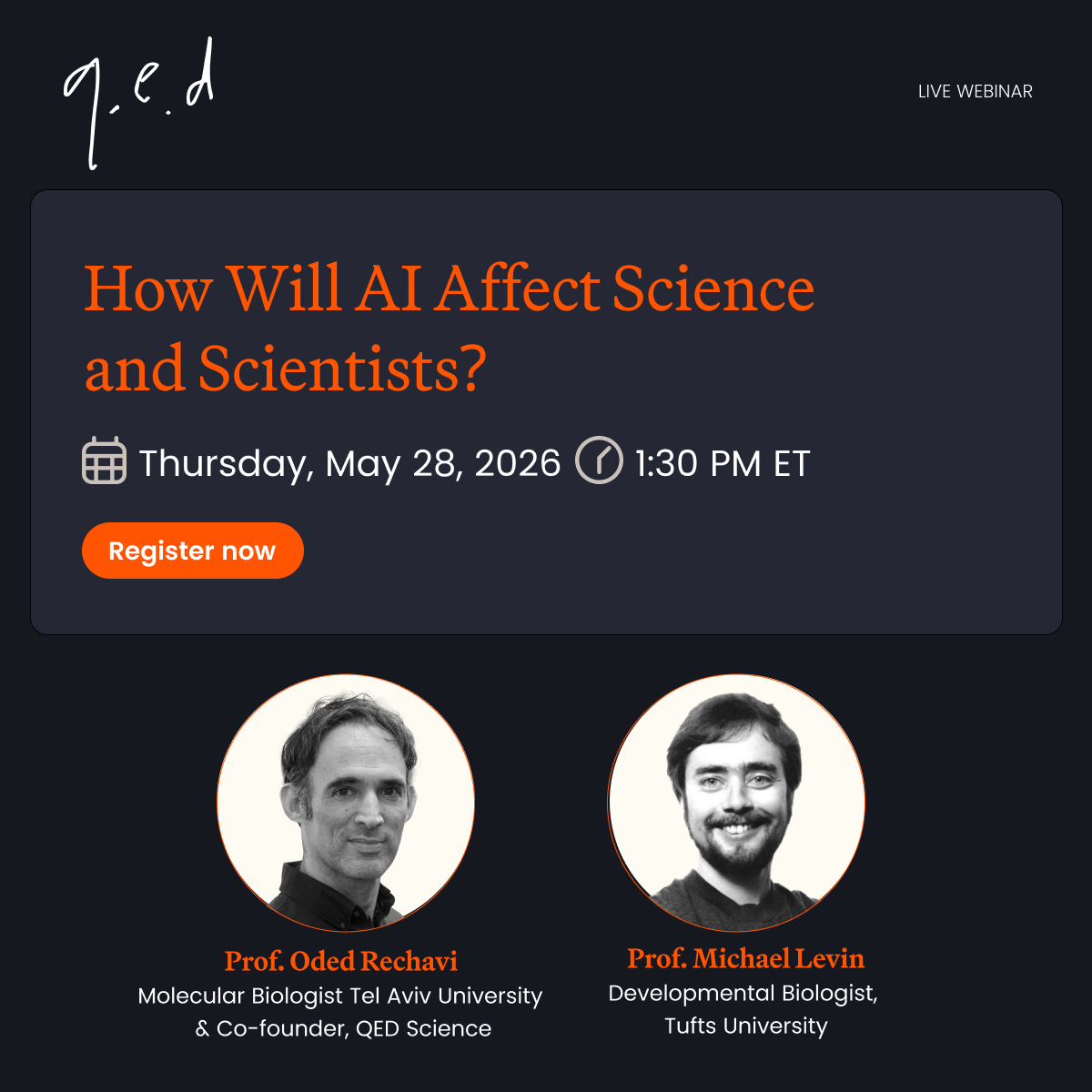
It’s happening today! Join @drmichaellevin and me for a conversation about AI in science. Will it replace scientists or complement them, and in what ways? How will academia change? Where are AI’s blind spots, and where are ours? 👇
May 27

Last Call! 📢
AI agents can already scan the literature, analyze data, and generate hypotheses. Some predict they’ll revolutionize medicine. Others warn they’ll destroy science and flood the scientific corpus with hallucinated research.
Tomorrow, @drmichaellevin and @OdedRechavi discuss their predictions, questions, and hopes regarding AI in science.
How Will AI Affect Science and Scientists?
Thursday, May 28 · PM ET · Register here: us06web.zoom.us/webinar/regi…
9
9
62
14,516
May 28
Check out the essay with truly amazing high-school student @fcrachilova
thoughtforms.life/a-paper-by…
orbitalstudies.com/#issue0
thank you @wxswxs!
8
18
178
8,051
Michael Levin retweeted

May 21
What happens to science when machines start participating in it?
May 28 @drmichaellevin @OdedRechavi . Live, unscripted!
1:30 PM ET → us06web.zoom.us/webinar/regi…
6
14
65
15,704
May 20
Lots of interesting ideas - preprint: "Positive Alignment: Artificial Intelligence for Human Flourishing"
arxiv.org/abs/2605.10310
@rubenlaukkonen
@sudoraohacker
@weballergy
@verena_rieser
@AdamCElwood
@996roma
@drmichaellevin
@sebkrier
@FranklinMatija
@shamilch
@_fernando_rosas
@scychan_brains
@matybohacek
27
76
379
20,381
May 19
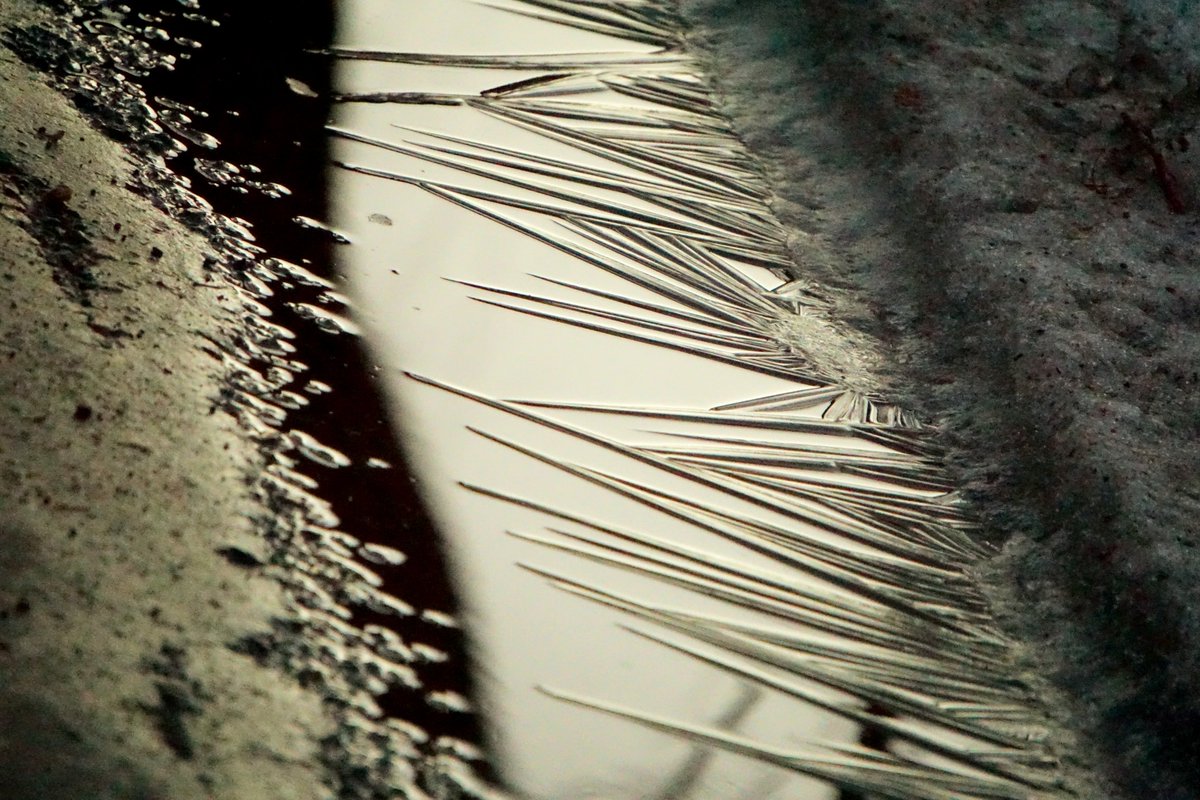
Ever wanted to talk to a gene regulatory network? Ever wonder what they could do in a different context, embodiment, space?
New #preprint! @YanboZhang3
"Language Game: Talking to Non-Human Systems"
arxiv.org/abs/2605.16321
An early step in our program of developing ways to talk to organs, cells, molecular networks, and far weirder kinds of agents.
40
112
589
36,051




May 16
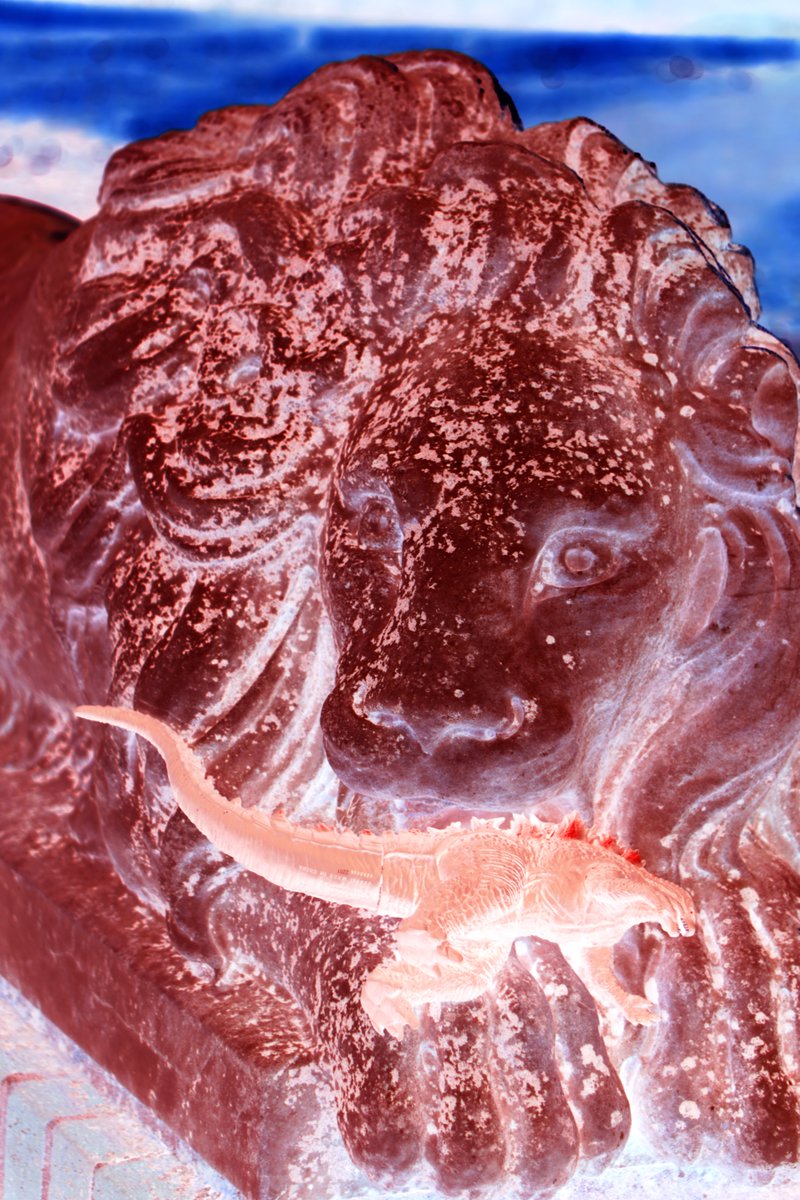
More #preprints:
Giving Simulated Cells a Voice: Evolving Prompt-to-Intervention Models for Cellular Control
arxiv.org/abs/2505.02766
@namlehai @DrPatrickE @YanboZhang3 @DoctorJosh
ZapGPT: Free-form Language Prompting for Simulated Cellular Control
arxiv.org/abs/2509.10660
@namlehai @DrPatrickE @YanboZhang3 @DoctorJosh
Advancing the Scientific Method with Large Language Models: From Hypothesis to Discovery
arxiv.org/abs/2505.16477
@YanboZhang3 @hectorzenil and many others!
13
44
212
11,328
Michael Levin retweeted

May 12
Thank you to brilliant coauthors, especially @sudoraohacker who co-led this project, as well as:
@sebkrier
@drmichaellevin
@weballergy
@verena_rieser
@AdamCElwood
@996roma
@FranklinMatija
@shamilch
@_fernando_rosas
@scychan_brains
@matybohacek
and others.
arxiv.org/abs/2605.10310
4
3
64
6,246
Michael Levin retweeted

Learning without a brain? Bacteria compute like RNNs to remember their past. By integrating environmental history through scale-free memory, E.
coli performs recurrent, neural-like computation to balance growth and survival in fluctuating conditions: journals.aps.org/prxlife/abs…
7
41
234
15,695
May 15
Awesome new theme issue of Philosophical Transactions:
‘World models in natural and artificial intelligence’
Thank you @adamsafron!
royalsocietypublishing.org/r…
17
77
368
43,019
May 14
Final forms of 3 new papers! #consciousness #selforganization #cognition #economics and more
royalsocietypublishing.org/r…
royalsocietypublishing.org/r…
royalsocietypublishing.org/r…
20
93
395
26,599