
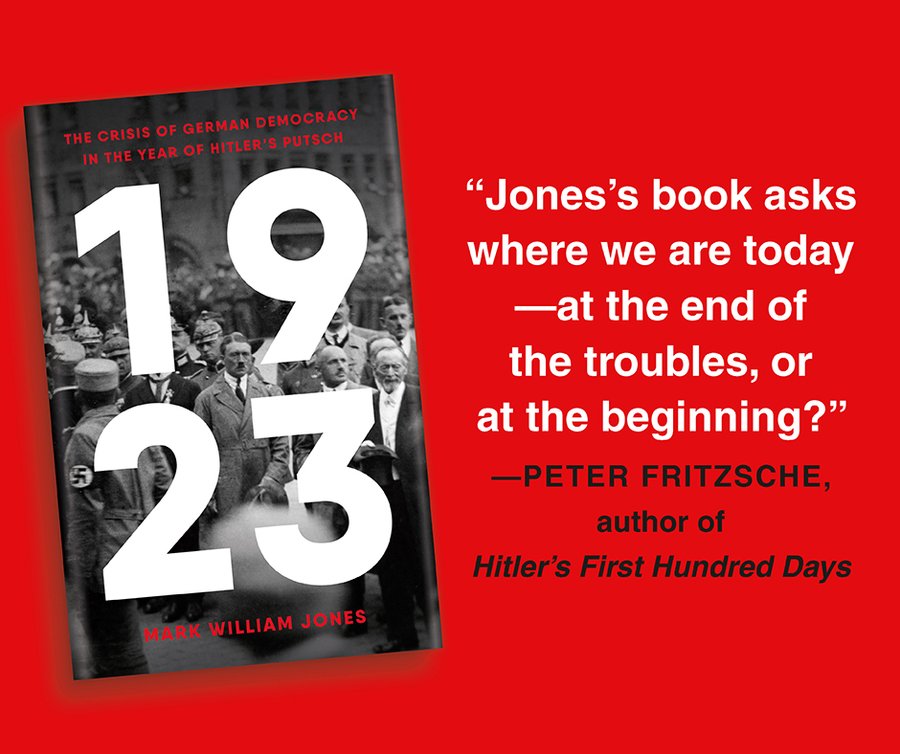
Historian @ucddublin Author of 1923. The Forgotten Crisis in the Year of Hitler’s Coup; Founding Weimar; Am Anfang war Gewalt. Published by @Basicbooks
Joined August 2015
- Tweets 7,056
- Following 2,122
- Followers 1,997
- Likes 6,294
422 Photos and videos

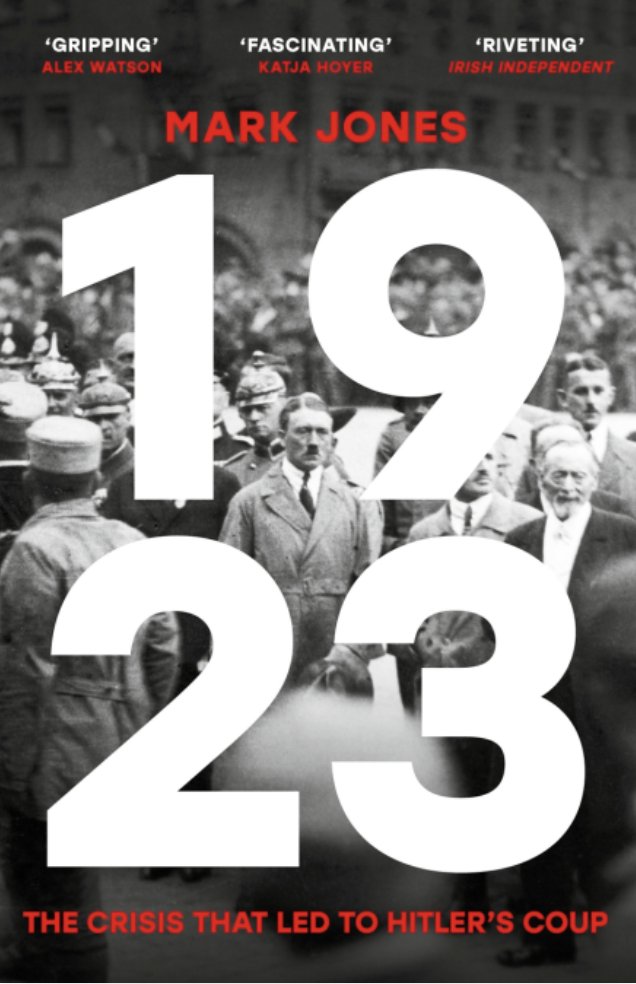
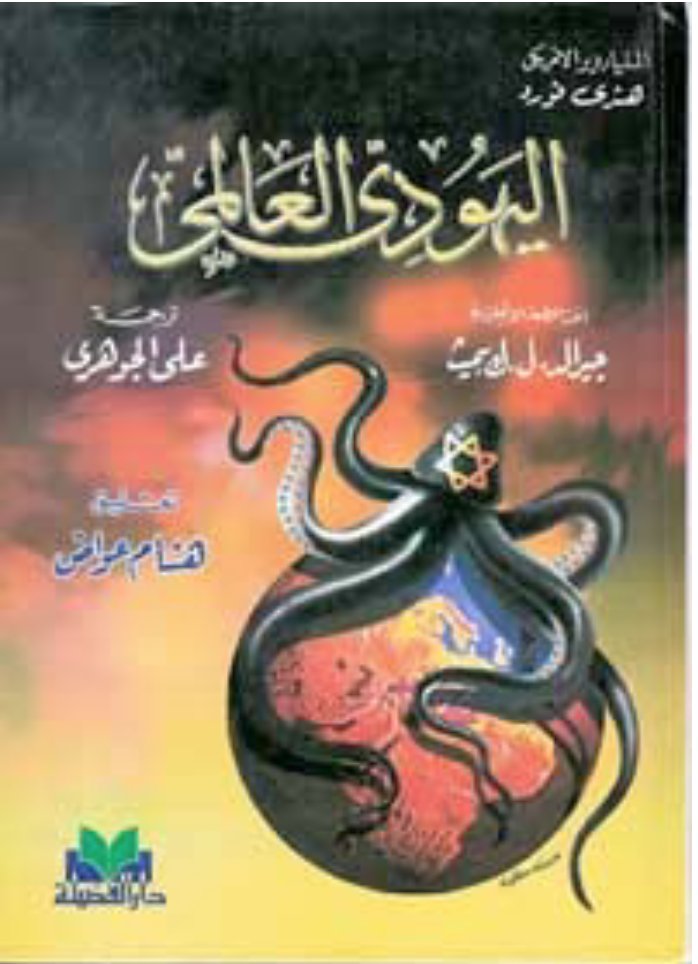
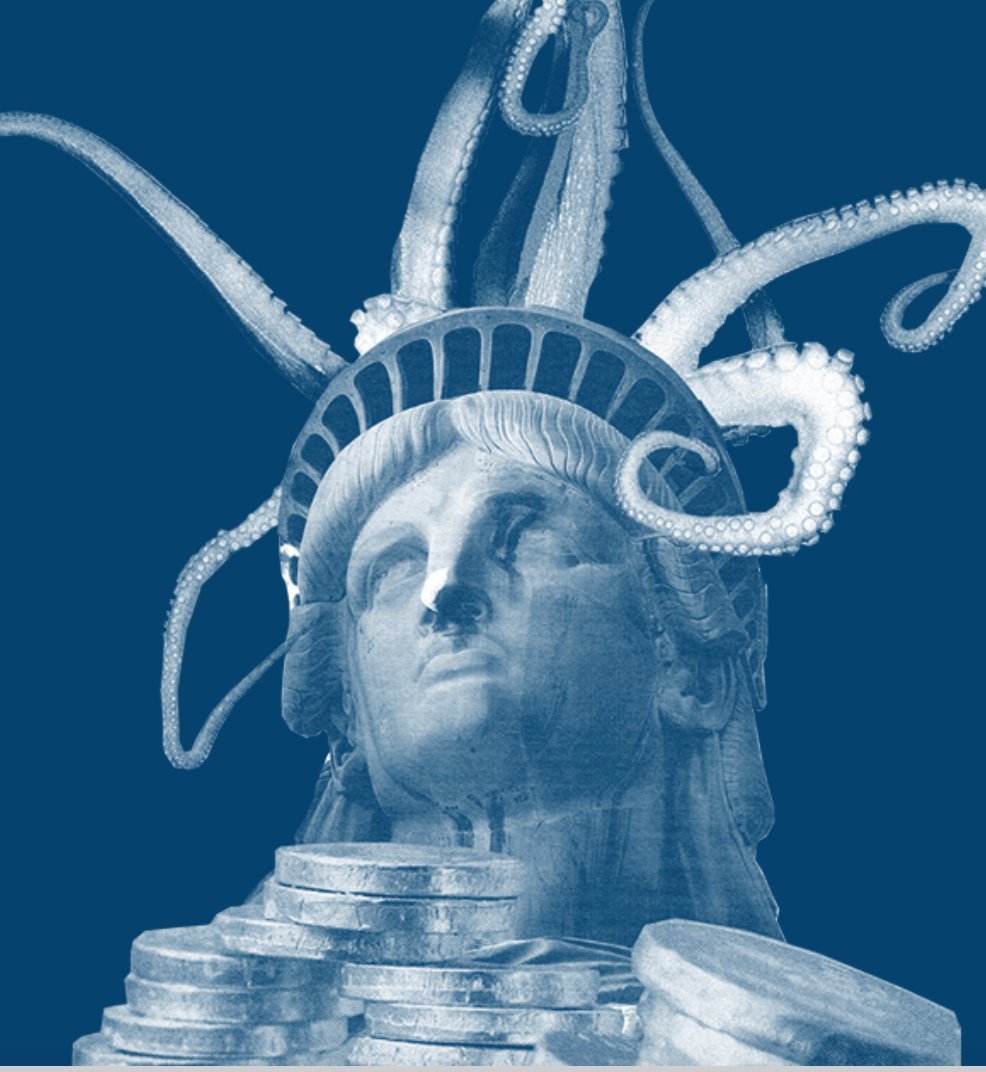

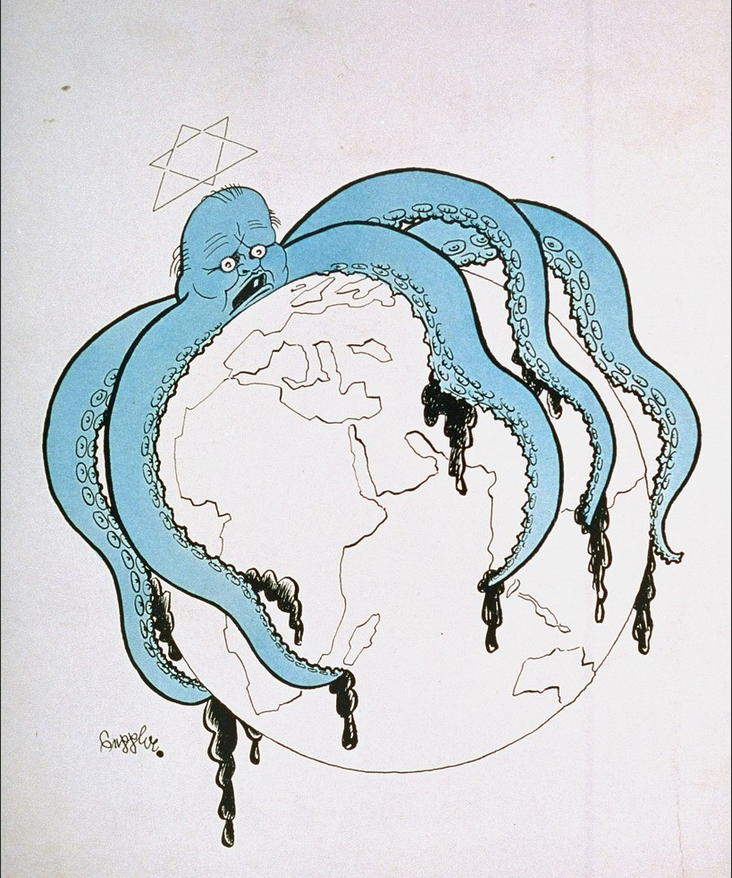



Mark William Jones retweeted

Jan 13
Interesting to see other judges commenting on this controversy about a Circuit Court judge taking judicial notice of his own experience. This kind of peer pressure is definitely warranted in this case. It would be good if the judge in question apologised… irishtimes.com/crime-law/cou…
10
8
38
5,553
Mark William Jones retweeted

It turns out the biggest set of testicles in DC is on the 74 year old math geek.
1,208
14,450
131,685
2,912,869

18 Dec 2025
RT @GavinTobin: @EastVeterans Supreme Commander of Irish #defenceforces meets supporters of Hezbollah who murdered a member of the Irish De…
1
Mark William Jones retweeted

30 Nov 2025
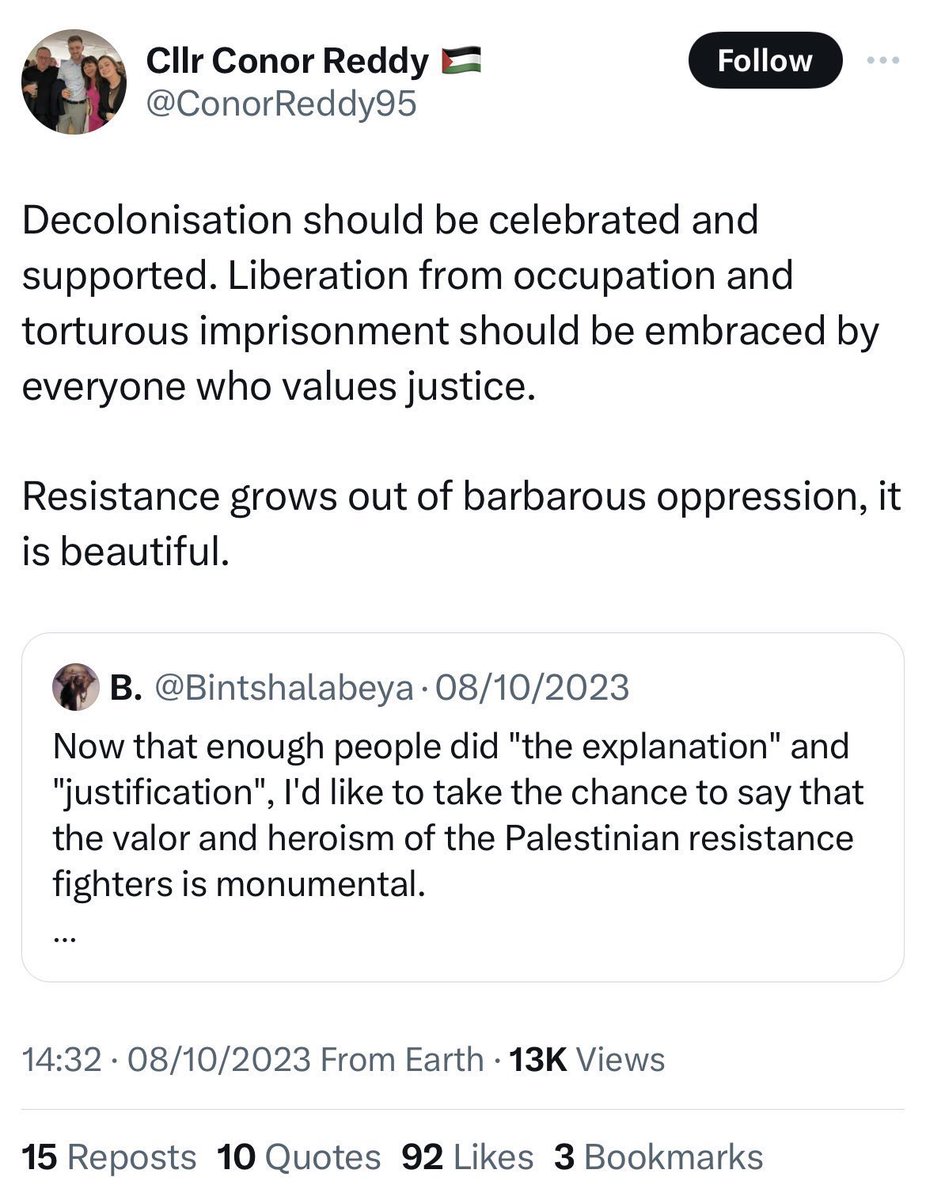
Left: a councillor has announced he is standing by the proposal to rename Herzog Park.
Right: the councillor in question’s response to the October 7th massacre.
Enough said.

25
77
301
32,137
Mark William Jones retweeted

23 Nov 2025
Reclaiming national symbols and linking them to broad democratic traditions is crucial to reaching moderates and conservatives who may support authoritarians out of fear, says @FESonline’s Filip Milačić. bit.ly/3JXVFxu
1
3
1,819
Mark William Jones retweeted

21 Nov 2025
I think Americans and Europeans need to see the secret protocols of the Witkoff-Dmitriev pact before casting judgement. Which business deals have been agreed?
235
1,573
6,215
174,945
Mark William Jones retweeted

18 Nov 2025
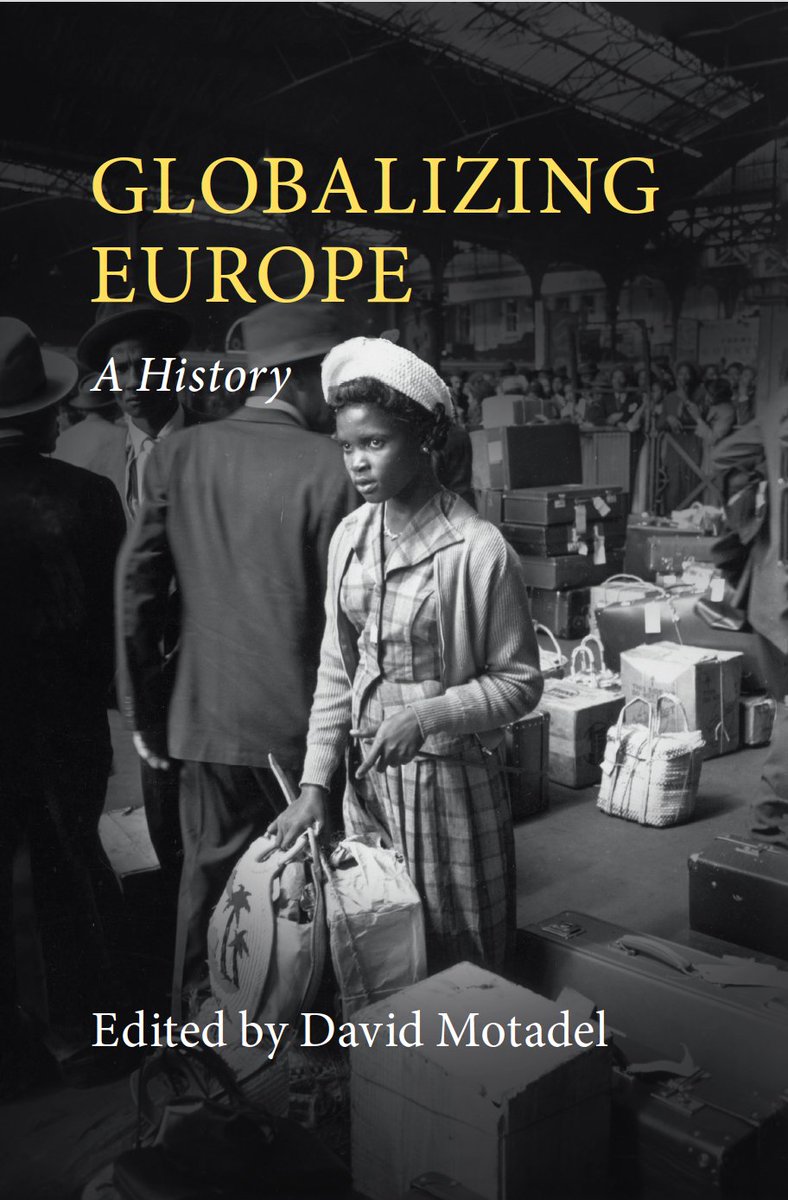
A fantastic new review of GLOBALIZING EUROPE by Jonas Kreienbaum: hsozkult.de/publicationrevie…
5
11
1,347
14 Oct 2025
coming soon: the President v. the Taoiseach and the dawn of a new age of Irish populism
209
Mark William Jones retweeted

29 Sep 2025
Thanks! No UCD event I'm afraid - I've already made my colleagues listen to these ideas enough already!
We will be at IIEA next week though:
iiea.com/events/the-authorit…
1
1
125
Mark William Jones retweeted

29 Sep 2025
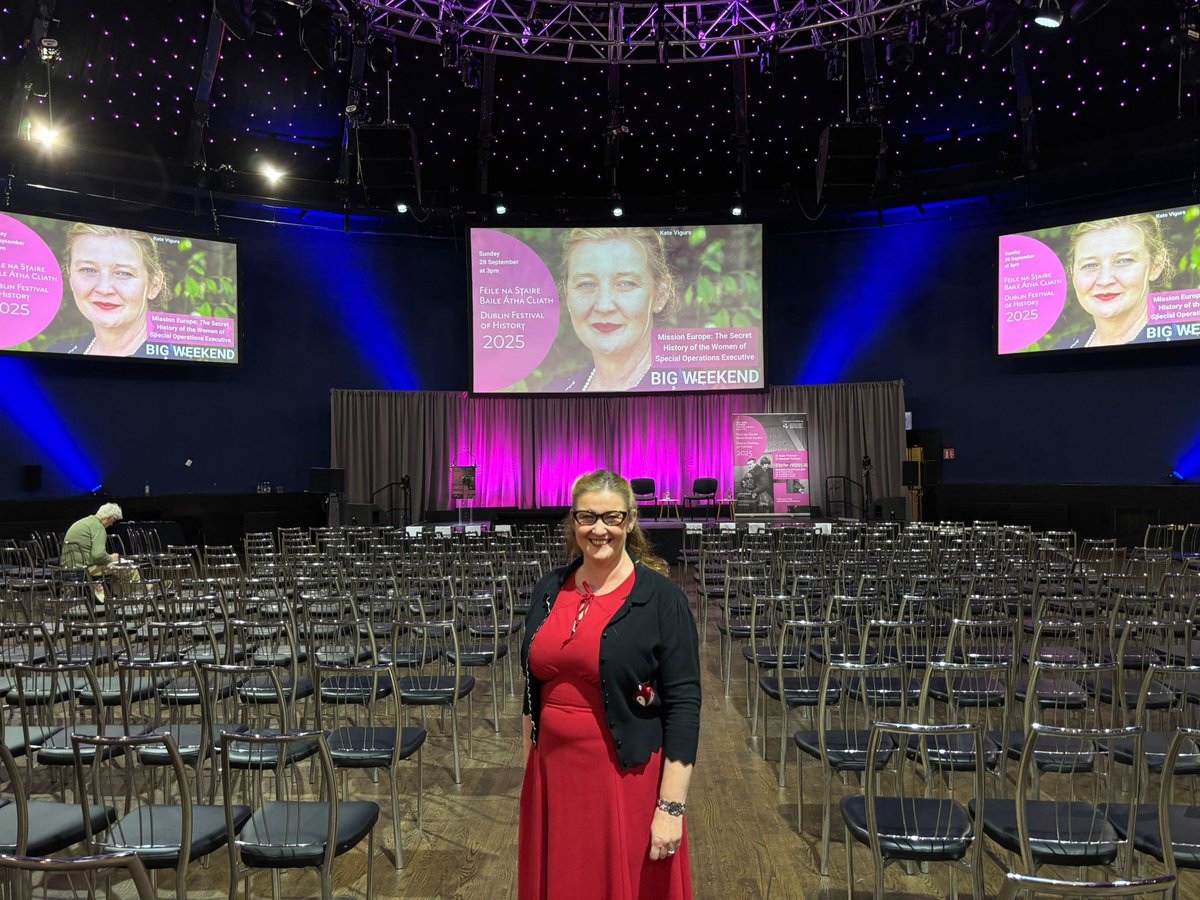
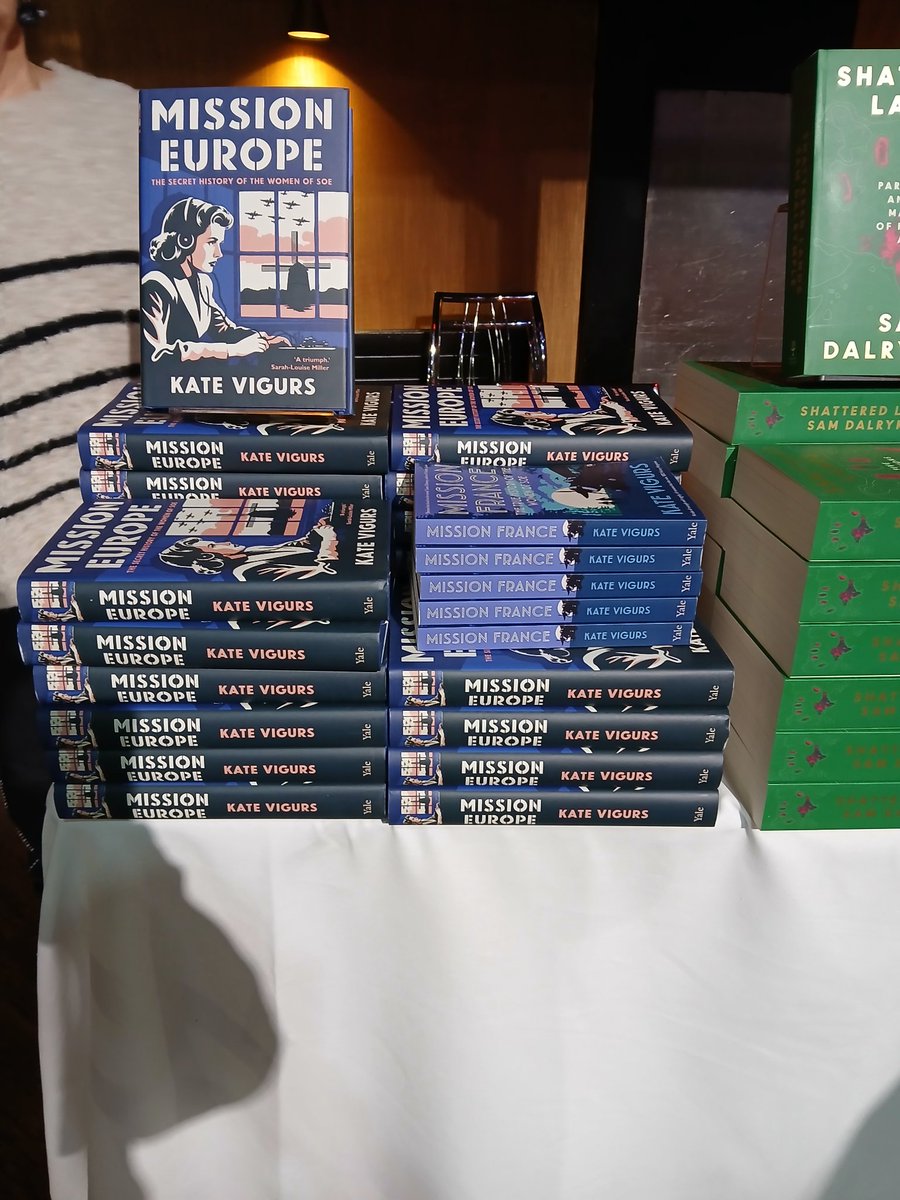
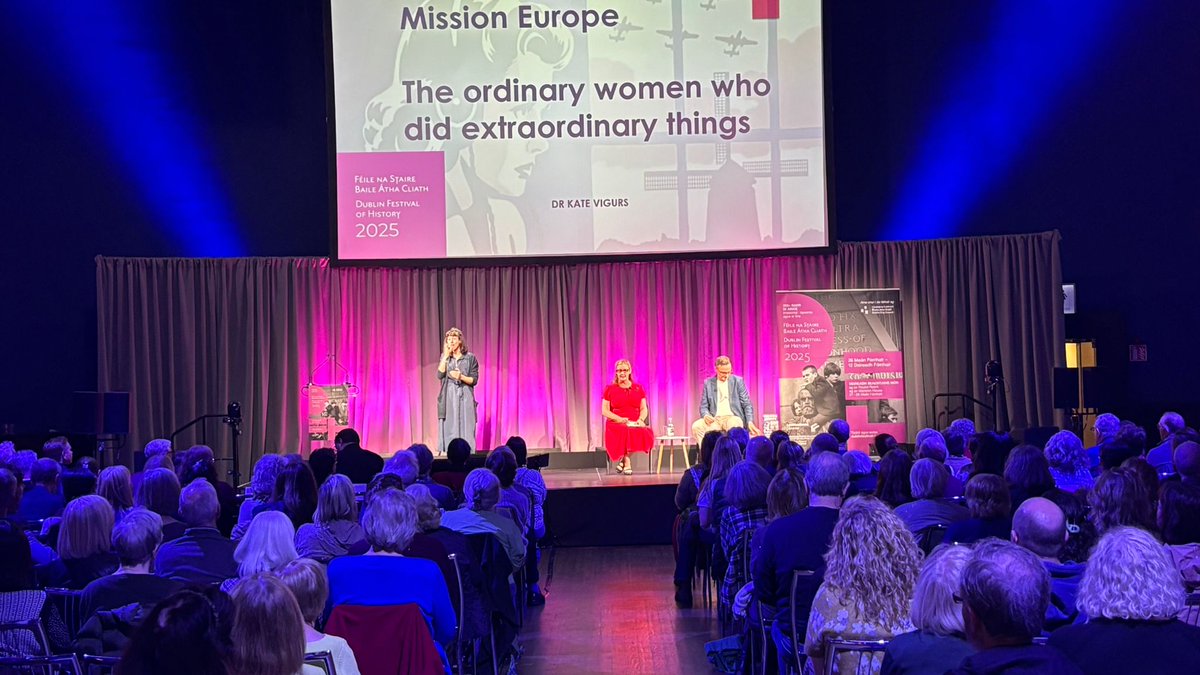
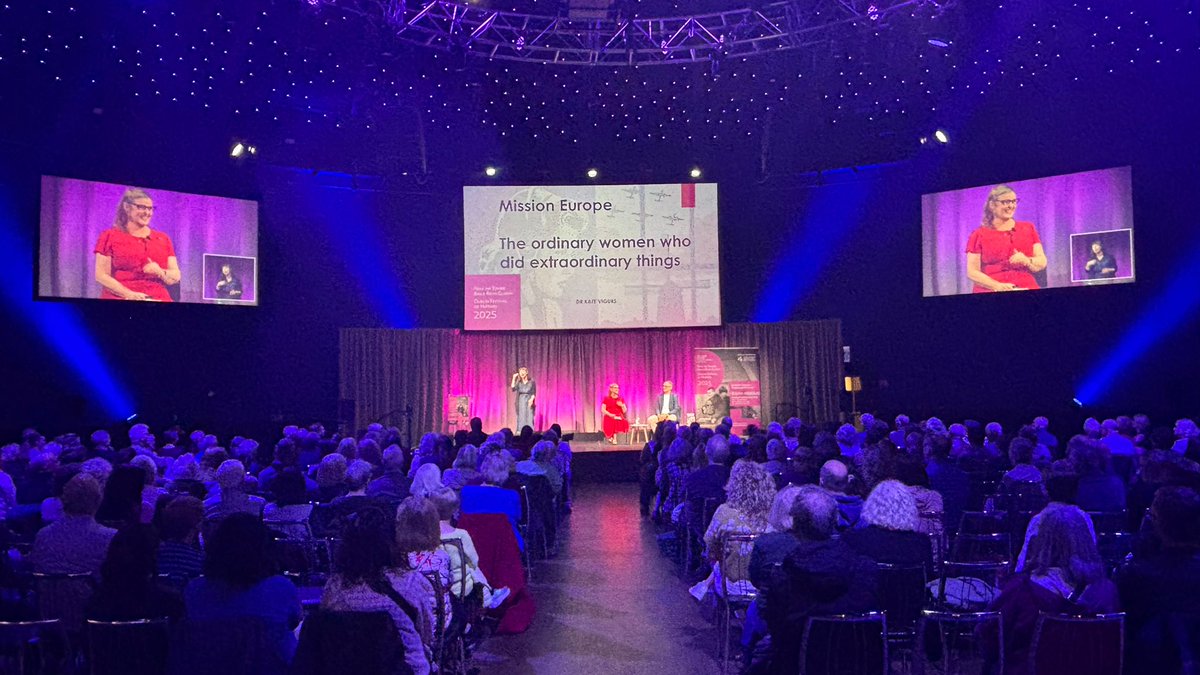
Yesterday was absolutely amazing. What an honour and privilege to speak at Dublin @HistFest. An enormous audience filled an iconic building & I have never been prouder to tell the stories of the women of #SOE. Mission Europe sold out. @YaleBooks #author #historian
1
5
23
1,254
Mark William Jones retweeted
15 Sep 2025
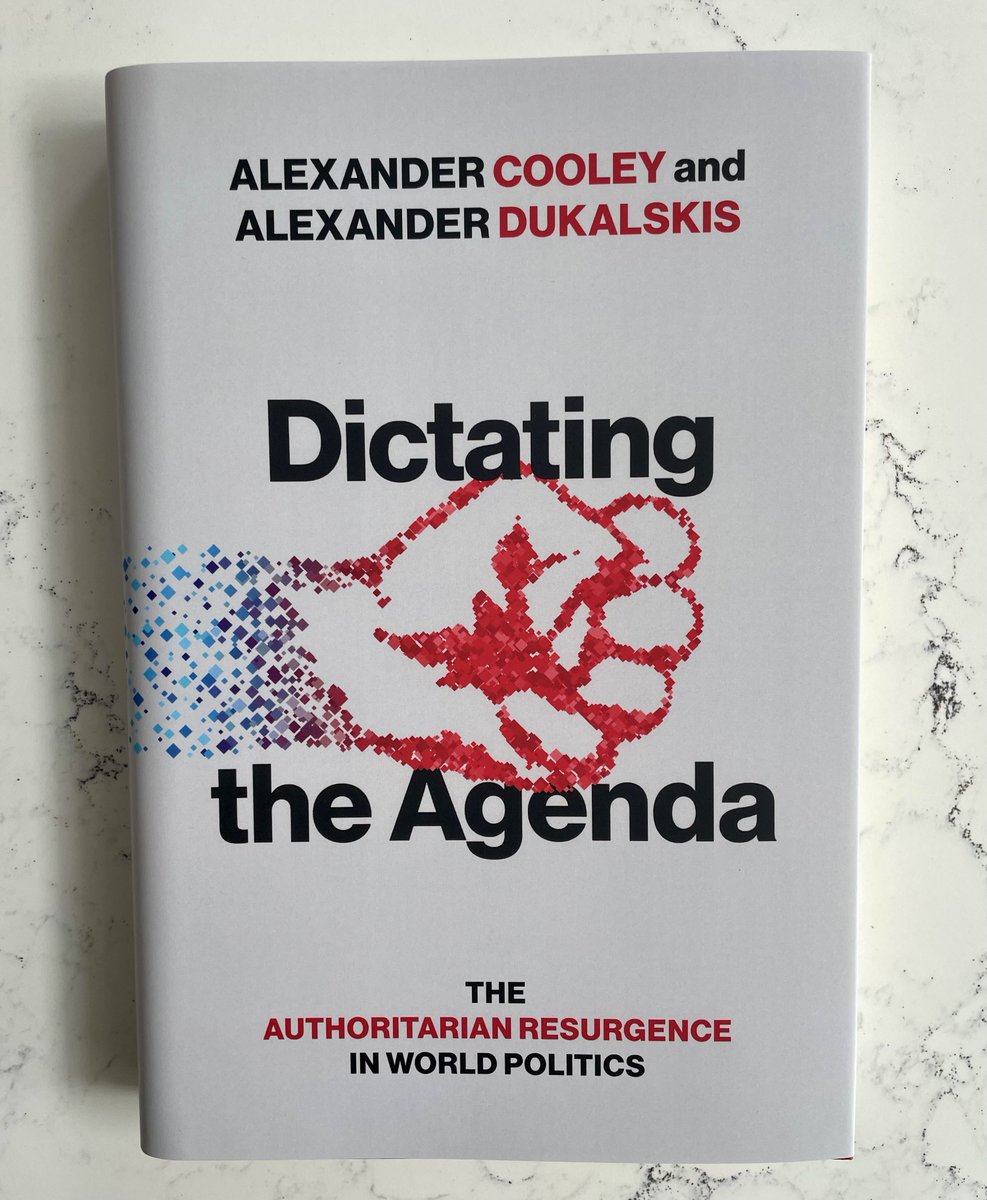
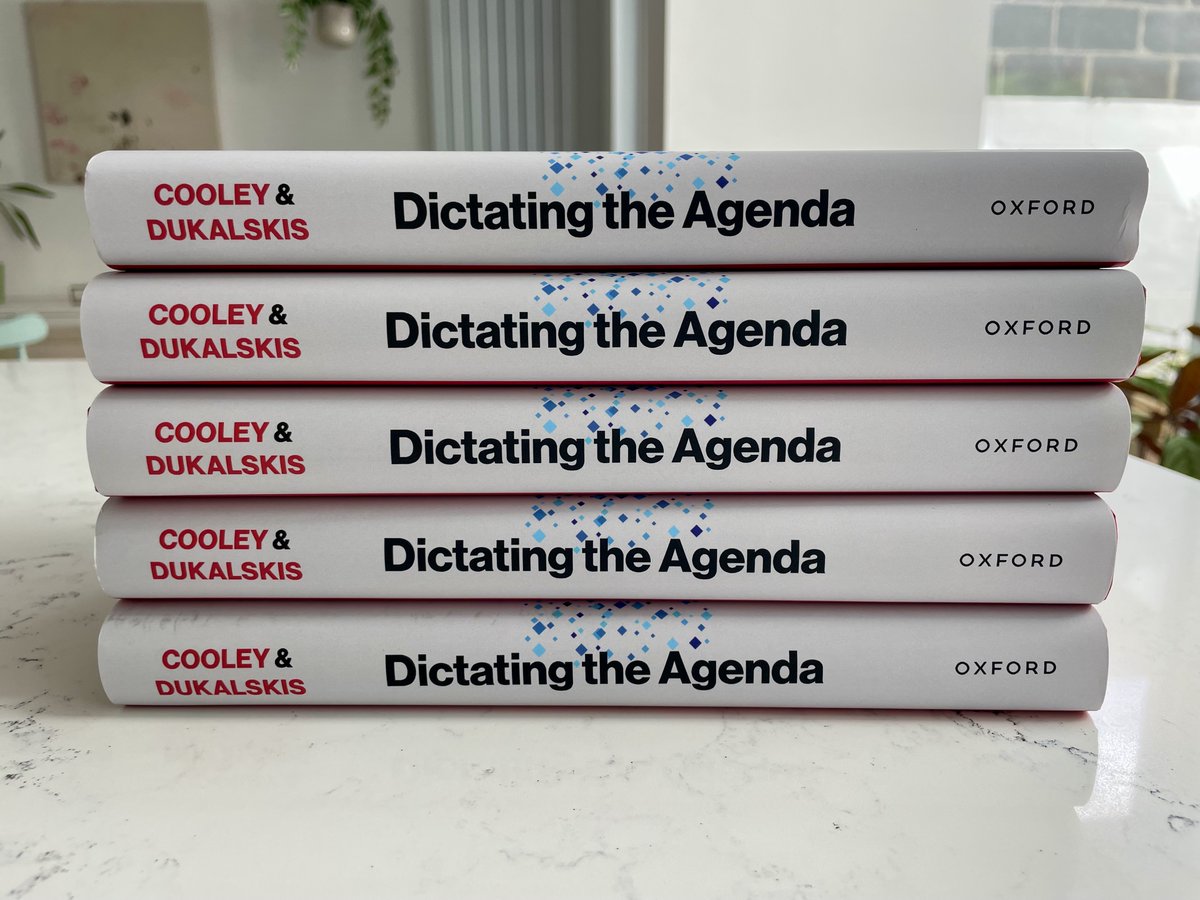
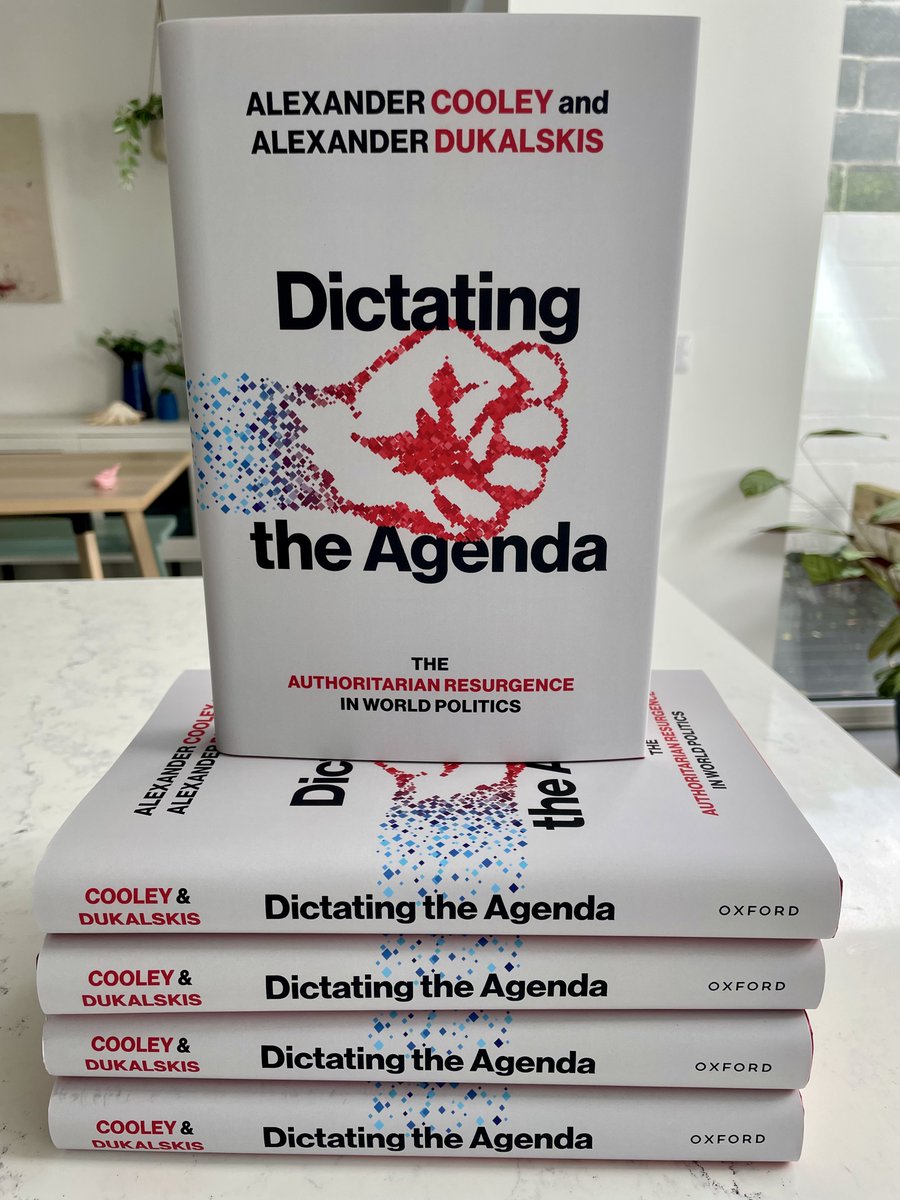
Author copies of
Dictating the Agenda: The Authoritarian Resurgence in World Politics
by me & @CooleyOnEurasia arrived from @OUPAcademic today!
If you RT this by Sept 30 we'll put you in a drawing & send the winner a free signed copy anywhere they happen to be on the planet.
4
34
39
8,065
Mark William Jones retweeted

17 Sep 2025
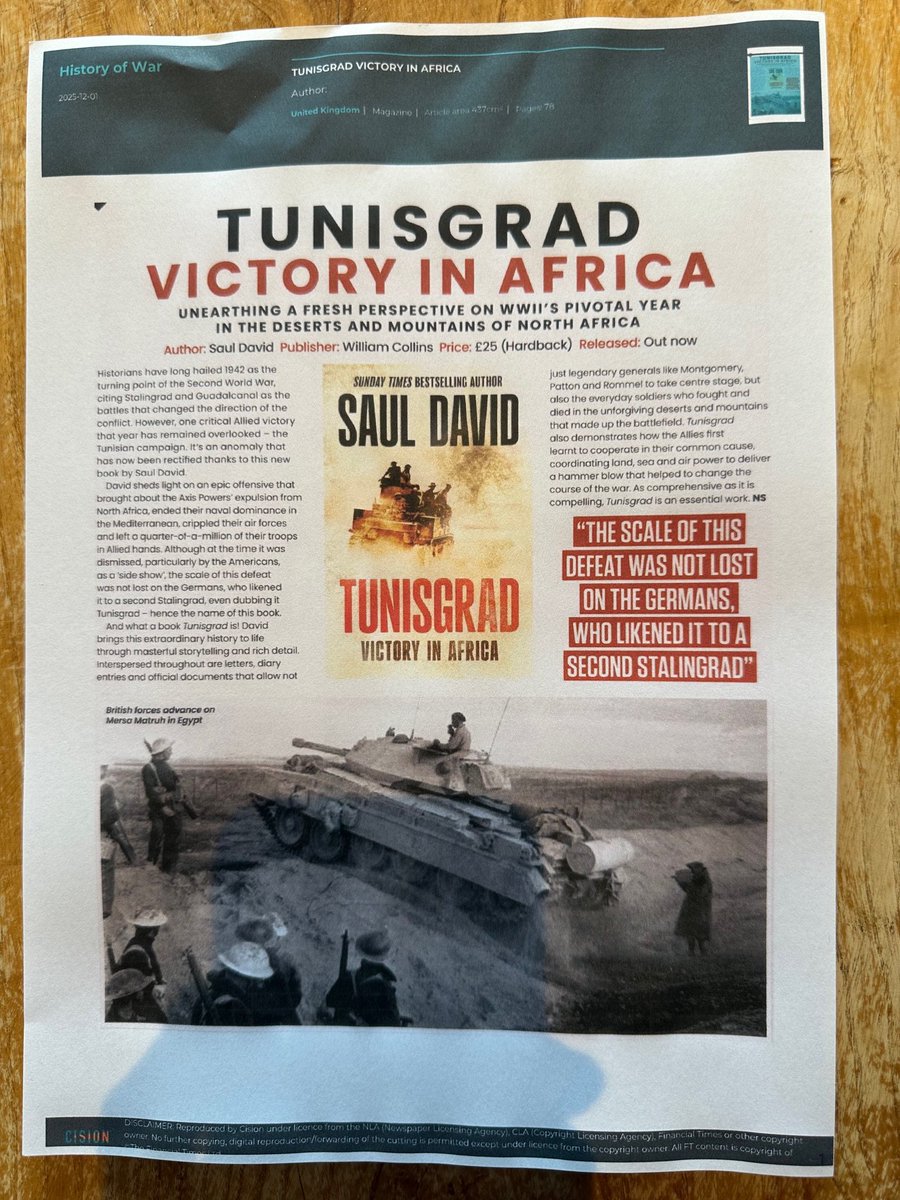
Lovely review of TUNISGRAD in @HistoryofWarMag: 'What a book Tunisgrad is! David brings this extraordinary history to life through masterful storytelling and rich detail... As comprehensive as it is compelling.'
2
5
20
1,517
Mark William Jones retweeted

15 Sep 2025
Our new HistoryBookBuffs podcast has just dropped. Give a listen to me and @Tonisenior discussing @sauldavid66's brilliant new book Tunisgrad. 👇
14 Sep 2025

Here’s our HistoryBookBuffs review of @sauldavid66’s excellent new book “Tunisgrad”. We ask: Is this the battle that turned #WW2? youtu.be/YorskyT-wBI?si=qj88… via @YouTube
1
6
23
3,476
Mark William Jones retweeted

10 Sep 2025
Kamala Harris to Trump during the debate:
Putin would be sitting in Kyiv with his eyes on the rest of Europe. Starting with Poland. And why don’t you tell the 800,000 Polish Americans in Pennsylvania how quickly you would give up for the sake of favor and what you think is a friendship with Putin who would eat you for lunch
487
6,503
29,594
1,782,802
30 Jul 2025
I don't think she is talking about how the men of violence turned their backs on violence, decommissioned their weapons and embraced the politics of democracy.
30 Jul 2025

You know what the whole world needs to know a bit more about? Irish history. Lots will come into perspective then folks.
356
Mark William Jones retweeted
1 Jul 2025
I was, in fact, highly anxious about posting this for three distinct reasons.
Firstly, the Irish language community, which leans nationalist, has proven to have a vicious antisemitism problem since October 7th. I knew there would be backlash and that it would be nasty. So it goes and predictably so it has indeed gone. Calls for ‘standing with Comhar’ for their right to *checks notes* put a symbol of Jewish identity on barbed wire, which evokes clear and offensive Holocaust imagery.
Interestingly, there is strong historical basis for antisemitism in Irish cultural movements, which includes the Irish language community. The Gaeilgeoir who alerted me of the cover below, is conducting research into the history of antisemitism within Irish cultural nationalism, and why it is relevant for understanding contemporary Irish antisemitism. I attended her illuminating talk at the @centre_as conference on contemporary antisemitism a few months ago entitled: ‘Nailing a Lie: antisemitism in Irish cultural nationalism’. I was stunned by the scope of antisemitism she uncovered and and was stunned this week to see this image in ‘Comhar’ that echoed so strongly the antisemitic language historically present in ‘Conradh na Gaeilge’, another Irish language publication and one that her work focuses on.
Secondly, I love Gaeilge. Growing up I often felt as if I was not Irish enough; I had an unusual surname and was bullied for unusual features, namely my thick eyebrows. When I went to the Gaeltacht as a teen and became immersed in the language, I felt home. Languages doesn’t care what your name is, all that matters is your willingness to learn them and your openness to appreciating the unique lens with which each one lets you see the world through. Acquiring the Irish language gives you a lens through which you can navigating the world embracing your Irish identity to its fullest extent.
Drawing light to the antisemitism in an Irish language paper therefore brings me no joy whatsoever, especially knowing the wrath it will incur from a community that once felt like home.
Thirdly, the Irish language is having a renaissance. Academics working on the Irish language are doing remarkable work, as are talented filmmakers and young, enthusiastic Irish language content creators. For Gaeilge to be politicised and stigmatised at this critical moment when we are seeing a renewed interest and passion for the language, would be disastrous. This is what I perceive as happening with Kneecap: they are connecting the Irish language with hatred, extremism, and open support for terrorist organisations.
The damage this could cause to the language, at this critical juncture where significant revitalisation is possible, should not be underestimated. Any discourse that fuels division within the Irish language community at this time I don’t want to be a part of.
However, the Irish language belongs to Jews in this country just as much as it belongs to anyone else. A blatantly antisemitic cover such as this sends a very clear message to them: the language is not yours. And that is unacceptable.
In order for the Irish language to thrive, as Hebrew did, the Irish language community must ensure that Irish language resources embody principles of inclusivity, respect, and human dignity for all. Including Jews.
1 Jul 2025

The July cover for Irish language magazine ‘Comhar’. Note the Stars of David on the barbed wire.
This magazine is government funded.
Anyone who denies that there is an institutional antisemitism problem in Ireland is either ignorant or intentionally lying to you.
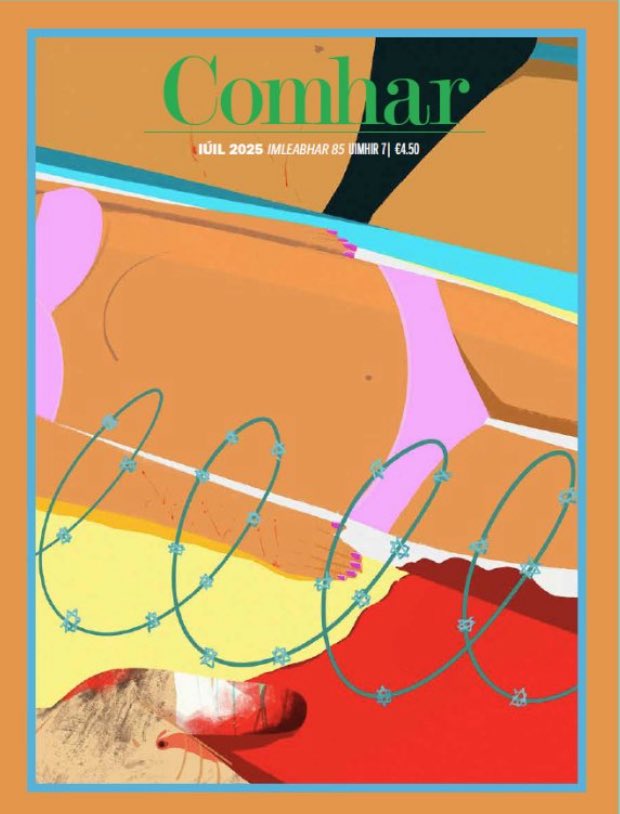
ALT Comhar magazine cover. Stars of David on barbed wire.
21
34
249
35,418
Mark William Jones retweeted

16 Jun 2025
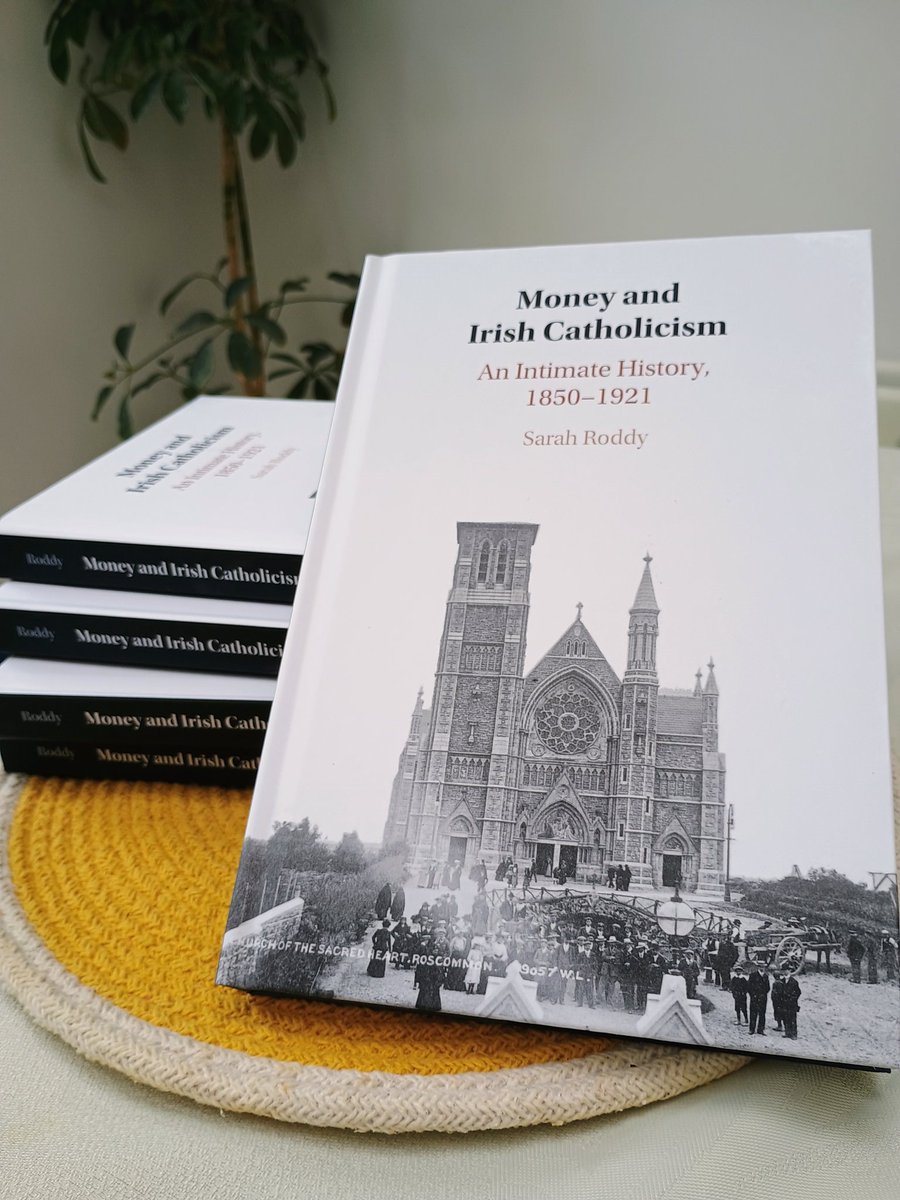
Have just received hard copies of my book from @CambridgeUP. It's about the ordinary people who funded the Irish Catholic church between the end of the Famine and independence. It takes in social, economic, religious, emotions history and much else besides...
13
31
106
5,267
Mark William Jones retweeted

16 Jun 2025
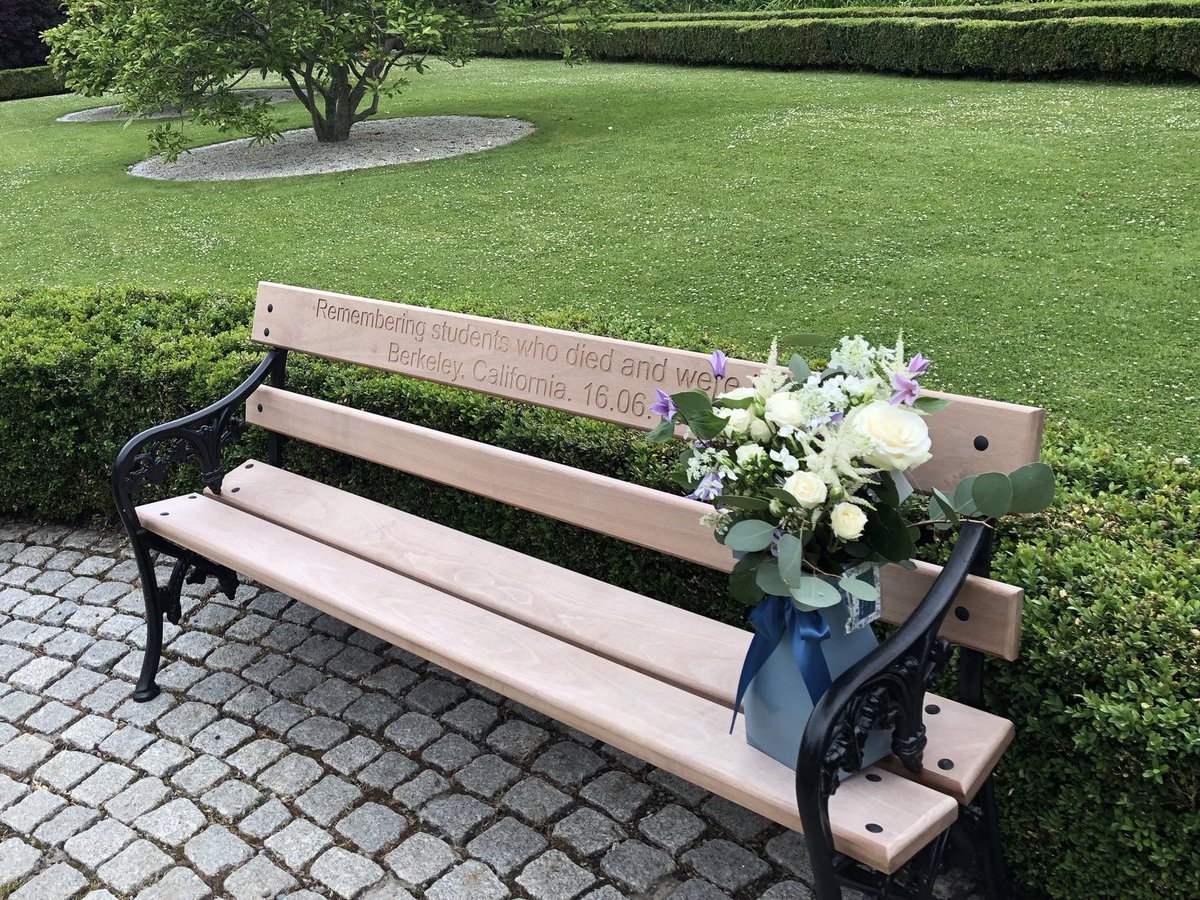
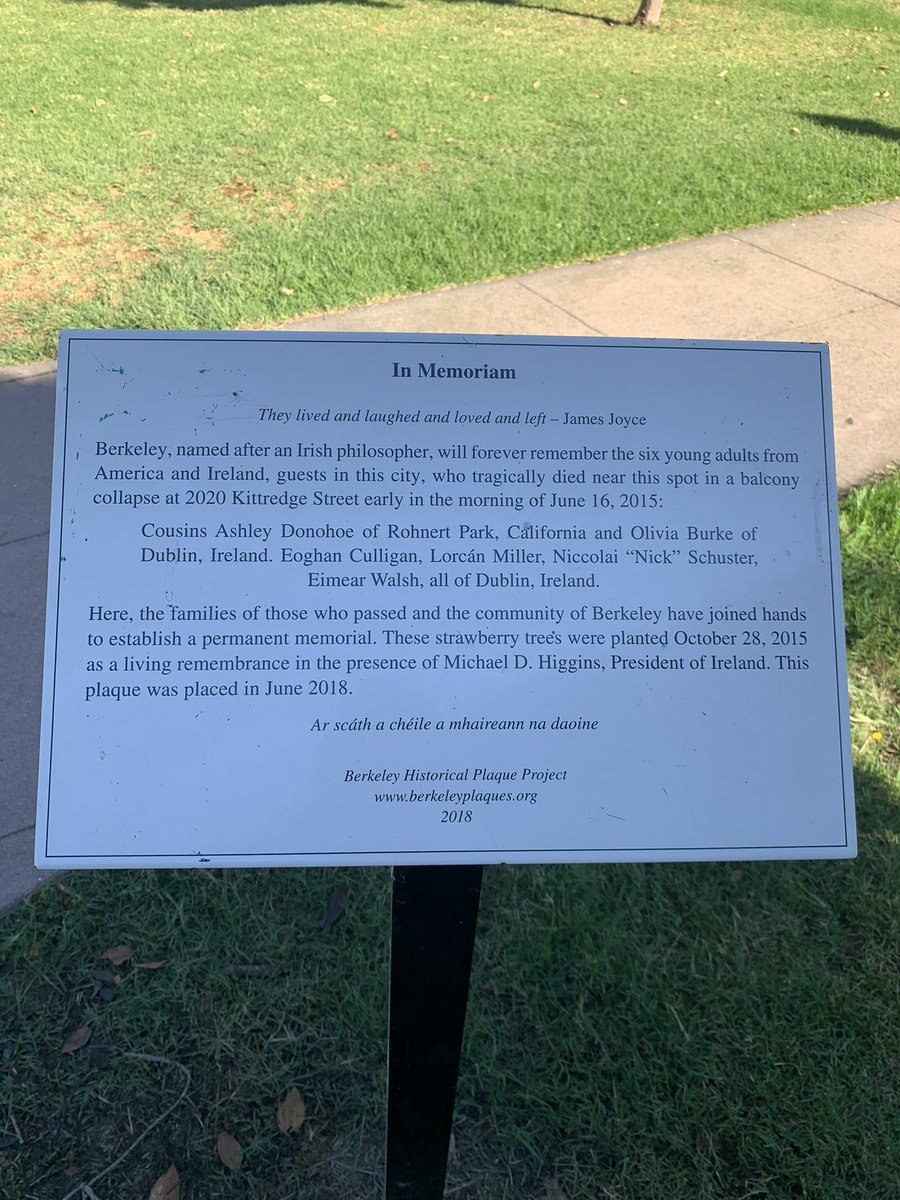
Thinking today, on the tenth anniversary of the Berkeley tragedy, of Aoife Beary, Olivia Burke, Eoghan Culligan, Ashley Donohoe, Lorcán Miller, Niccolai Schuster and Eimear Walsh, and of their family and friends. They will always be remembered as part of the @ucddublin community.
15
88
1,283
43,371
Mark William Jones retweeted

7 May 2025
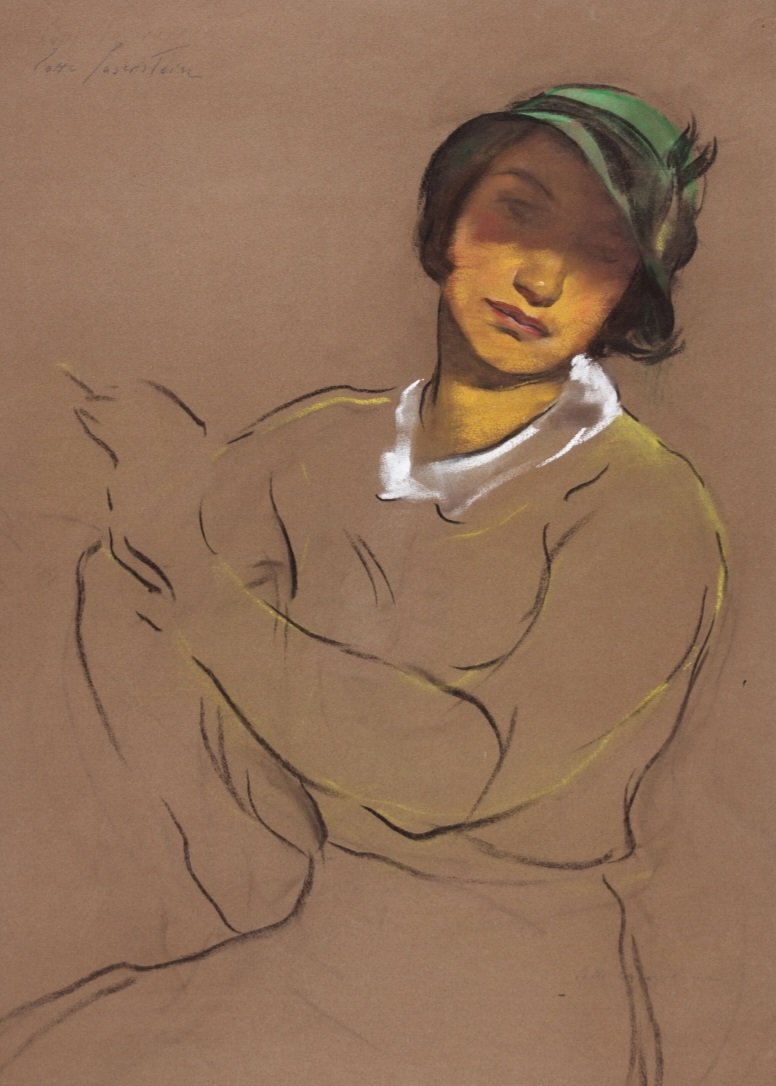
'Self-portrait.' (c1930) Lotte Laserstein studied painting under Erich Wolfsfeld at the Berlin Academy of Fine Arts and for the final two years of her tuition was his star pupil, an honour which brought with it her own studio at the Academy in which to paint.
2
35
231
14,638