
ecophys and disease ecology professor and co-host of the Big Biology podcast
Joined September 2012
- Tweets 4,056
- Following 1,033
- Followers 1,216
- Likes 7,782
97 Photos and videos







Marty Martin retweeted

U.S. President Donald Trump has fired all 24 members of the National Science Board, the body that oversees the National Science Foundation. Many science advocates see it as the latest step by his administration to erode—some would say destroy—the independence of the 76-year-old research agency. scim.ag/4eGM0YS
577
4,780
7,526
1,682,008
Marty Martin retweeted

Apr 23
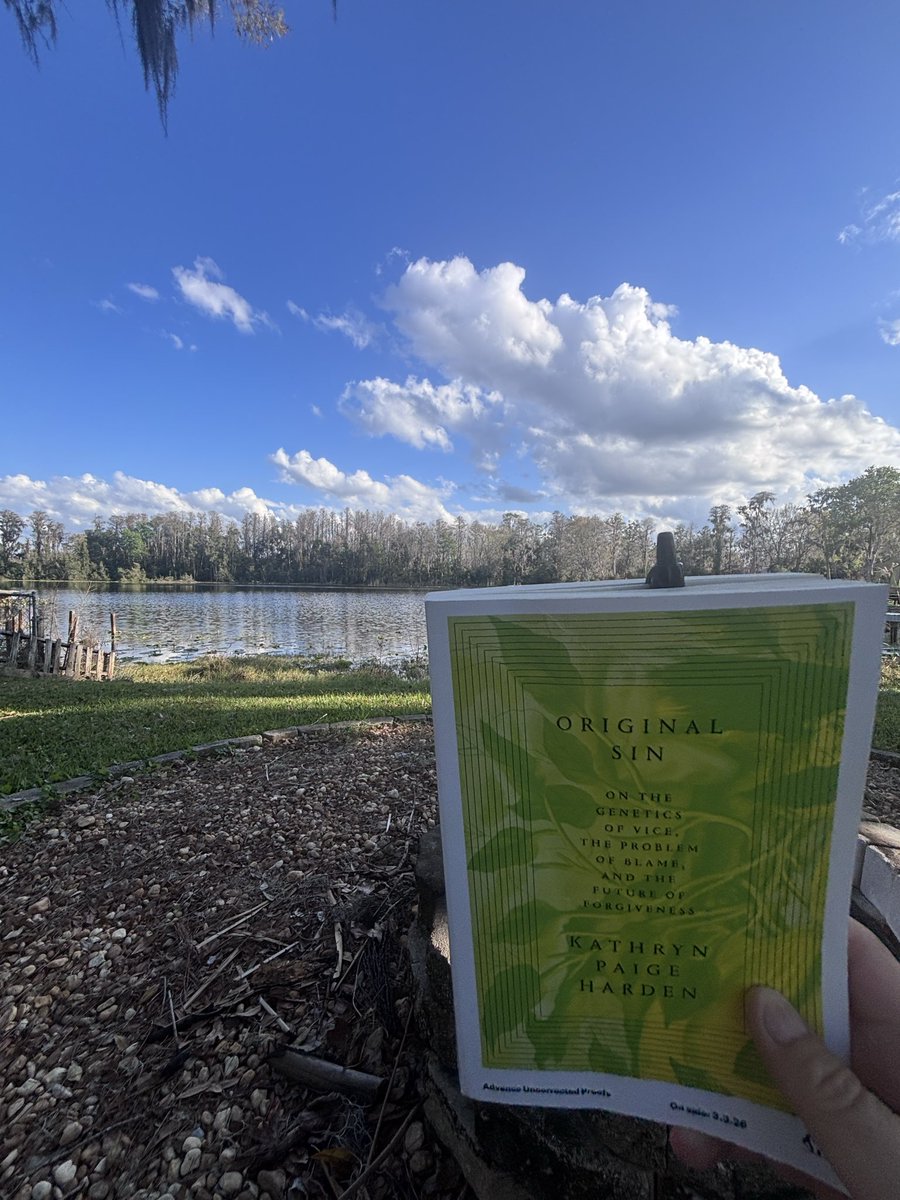
In Original Sin, Dr. Harden explores the intersection of control, blame, and biology, asking if bad action can be excused with bad luck. Addressing the uneasy space where human biology meets behavior, she calls us to reexamine accountability, punishment, and forgiveness @kph3k
1
102
Marty Martin retweeted
Apr 23
1
2
1
82
Marty Martin retweeted

Apr 21
Went down the rabbit hole on this. There are bacteria in your gut right now with tiny electric motors built into them. Each motor is 45 nanometers wide, about 2,000 times thinner than a human hair. It spins faster than a Formula 1 engine. After 50 years, scientists just cracked how it works.
The motor spins a corkscrew-shaped tail so the bacterium can swim. At that tiny scale, water feels as thick as tar. Moving anywhere takes serious power. A single E. coli cell (the kind in your gut) spins its motor at 18,000 RPM. That beats modern Formula 1 engines, which redline around 15,000. Some bacteria in the ocean run theirs at 42,000 RPM, nearly triple.
And the motor barely wastes any energy as heat. Your car engine loses most of its fuel to heat. This thing loses almost none.
Inside the motor, 5 proteins form a ring wrapped around 2 proteins in the middle. Five can't split evenly into 2. The resulting lopsidedness is what makes the whole thing work. Protons, which are tiny charged particles, get pulled from outside the cell through the motor. Each one grabs a center protein, then lets go. In letting go, it tugs the outer ring a fraction of a turn. Another proton does the same thing on the other side. Then another. It's like two feet alternating on bicycle pedals. Over 2,000 times per second.
Switching directions is a whole other trick. When the bacterium senses food running out, it tags a small messenger protein with a phosphorus atom. That tagged messenger floats over and touches one protein on the outer ring. The touched protein flips into a new shape. That flip triggers the next protein, and the next, and the next, around the whole ring, like dominos falling. The ring reshapes in milliseconds. Rotation reverses. The bacterium turns and swims somewhere else.
Mike Manson, a biophysicist at Texas A&M, has been studying this one motor since the 1970s. For five decades, most of its parts stayed a mystery. Starting in 2020, a new wave of imaging let scientists see the individual pieces. The last pieces clicked into place in a March 2026 paper from Aravinthan Samuel's lab at Harvard. Manson told Quanta Magazine his lifelong quest was fulfilled.
A billion years of evolution built the most efficient rotary motor on the planet. Trillions of them are spinning inside you right now.
Apr 20

Bacteria move around using a molecular machine called the flagellar motor that rotates faster than the flywheel of a race car engine and switches directions in an instant. After 50 yrs, scientists have finally figured out how it works. “My lifelong quest is now fulfilled.” Link⤵️
167
1,282
8,606
569,021
Marty Martin retweeted

Apr 21
We have received a $1.5 million award from the Gordon and Betty Moore Foundation to support the creation of eight postdoctoral positions that will strengthen UGA’s research capacity in the natural sciences. The Moore Foundation funding provides postdoctoral fellows with the flexibility to pursue projects of their choosing, encouraging creativity and innovation. Go Dawgs!
Read more: t.uga.edu/4vDNw4h

ALT The image shows the University of Georgia Arch silhouetted in the foreground, with the sunlit columns of a classical building in the background, partially hidden by trees.
5
28
2,775
Marty Martin retweeted

Apr 20
I know nothing.
Apr 20

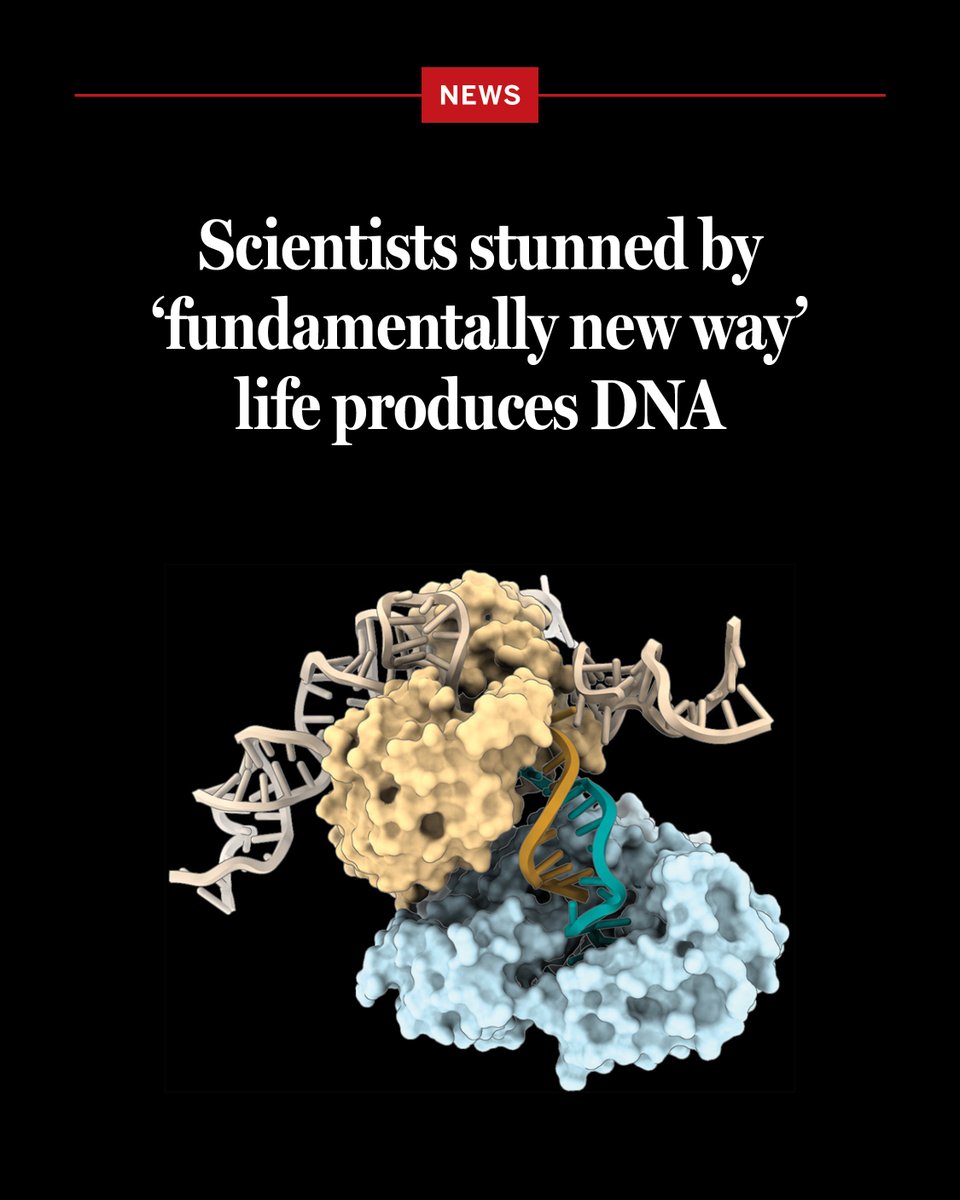
For decades, biology textbooks have enshrined a simple rule: DNA is made by copying a template. After one enzyme unzips a DNA double helix into separate strands, another called a polymerase builds a complementary sequence, base by base, for each strand. Presto: two copies of the original DNA.
But new research into how bacteria defend themselves from viruses now shows this synthesis rule isn’t absolute.
Now, a team describes a bacterial enzyme that synthesizes DNA without a nucleic acid template, using its own structure as a guide.
Learn more: scim.ag/4tTc5IA @NewsfromScience
8
84
1,151
171,962
Marty Martin retweeted
Apr 19
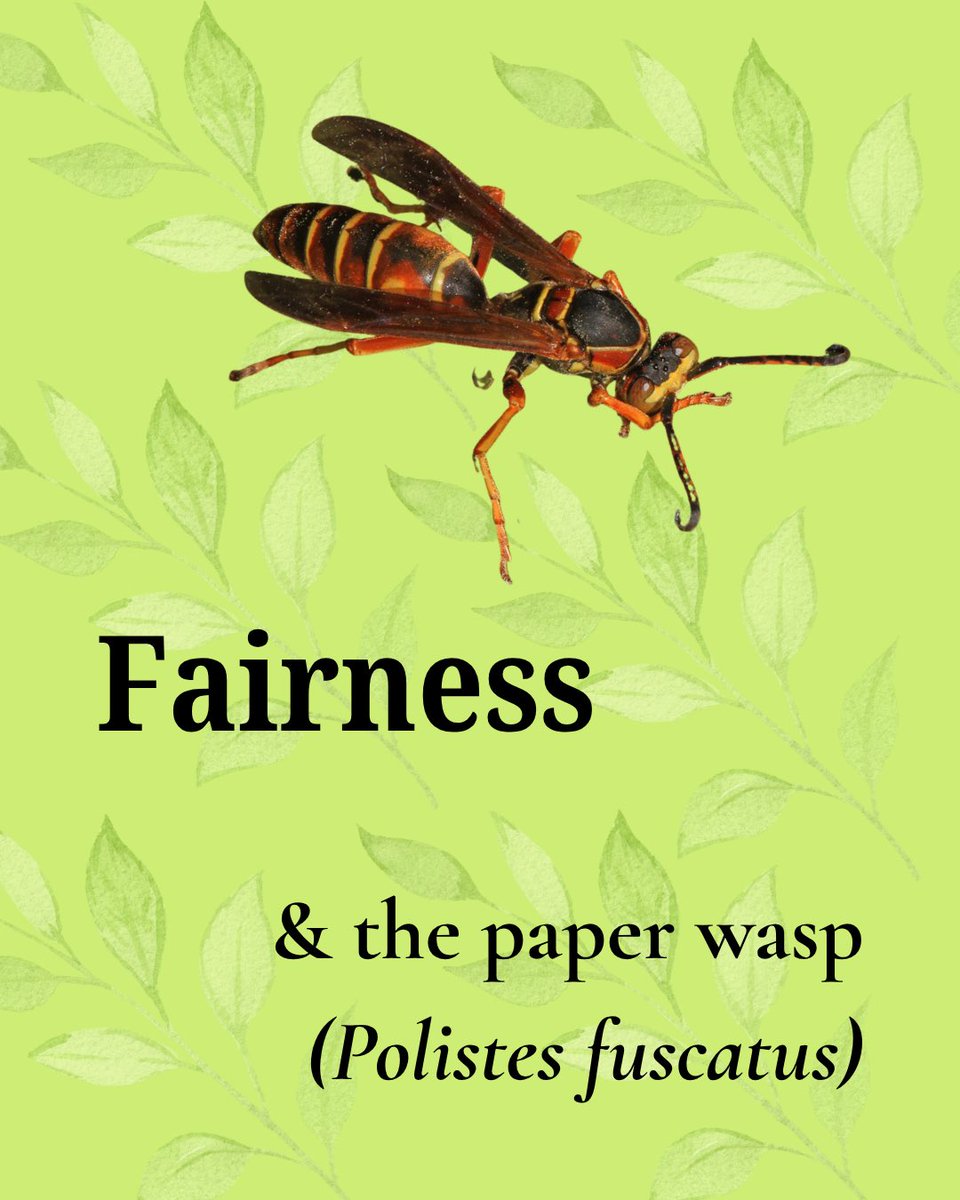
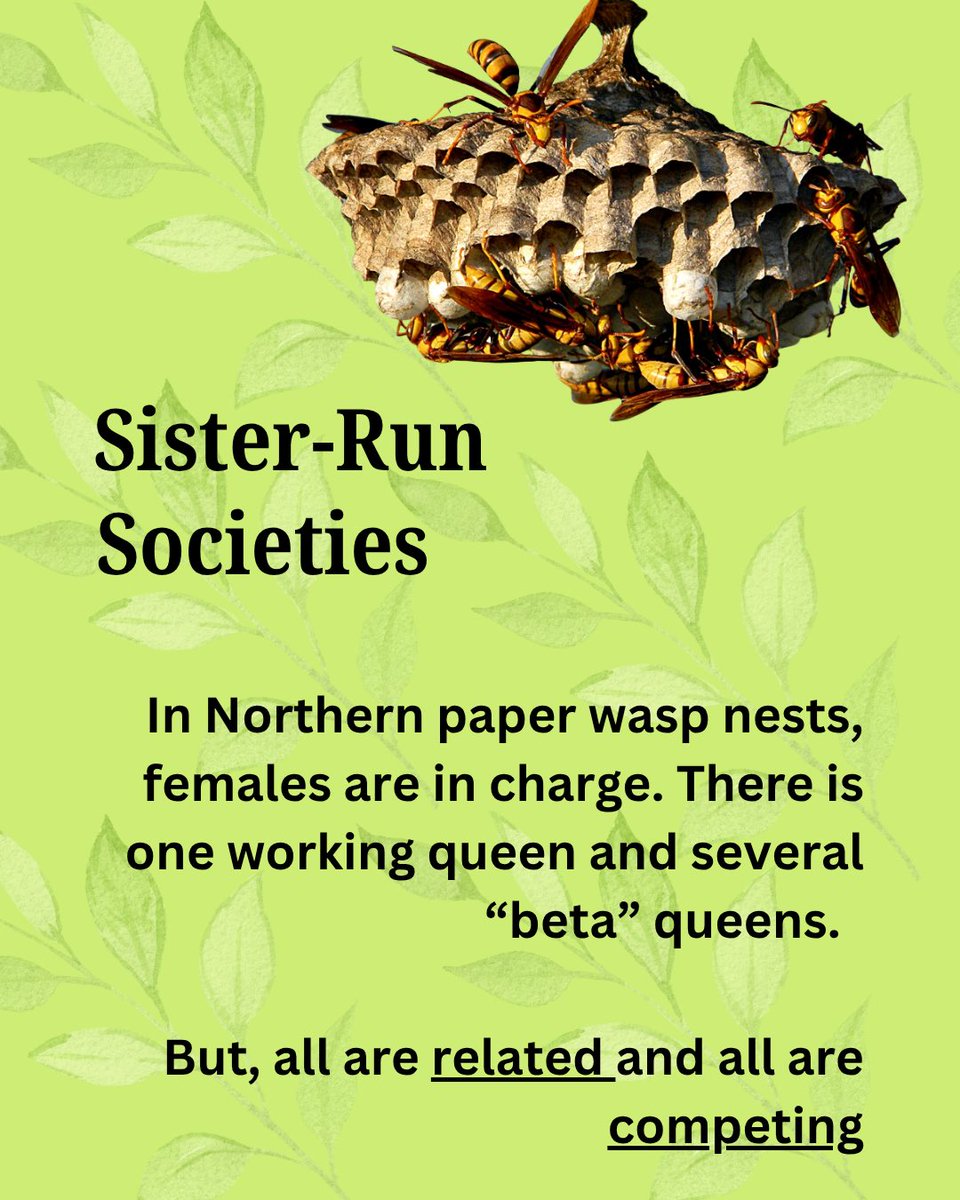
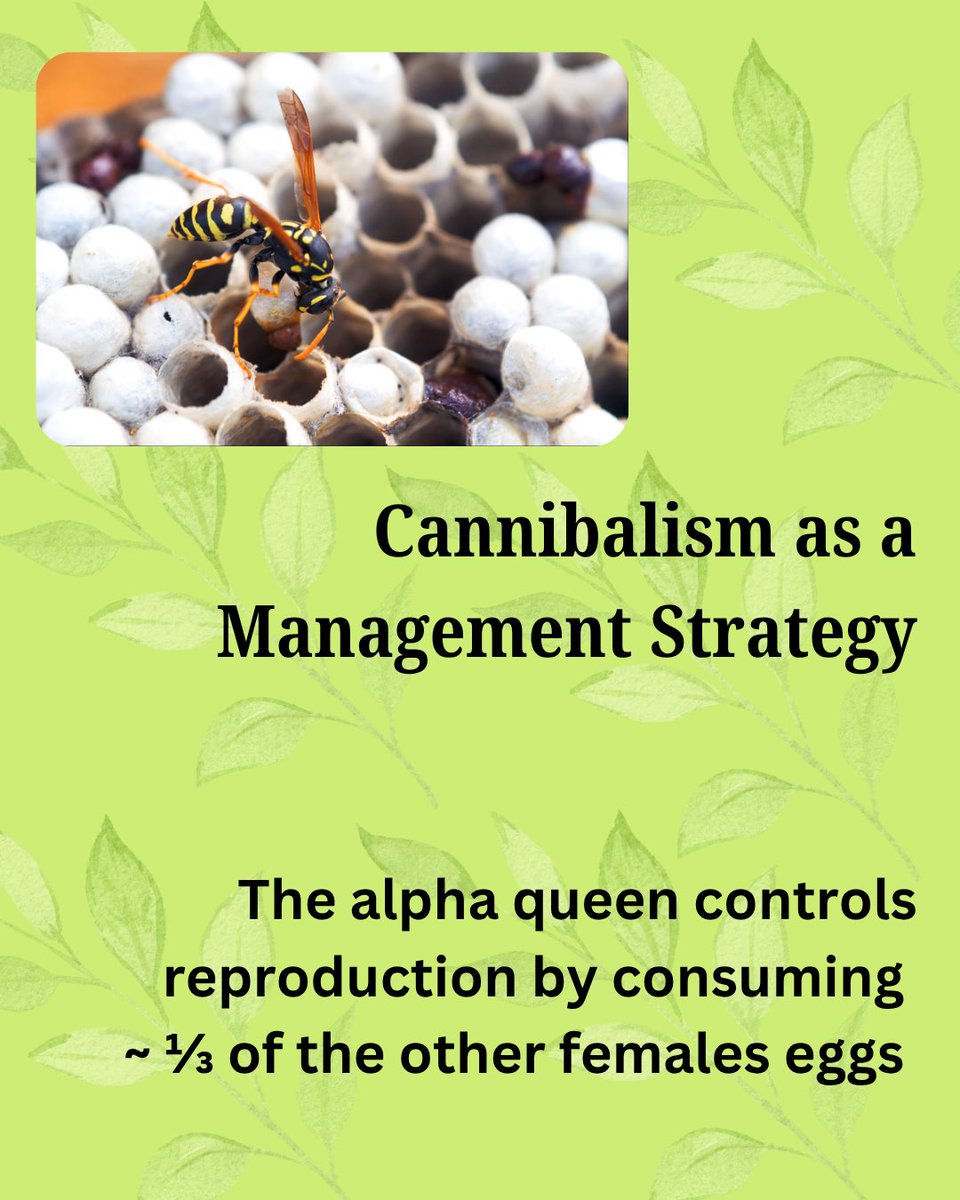
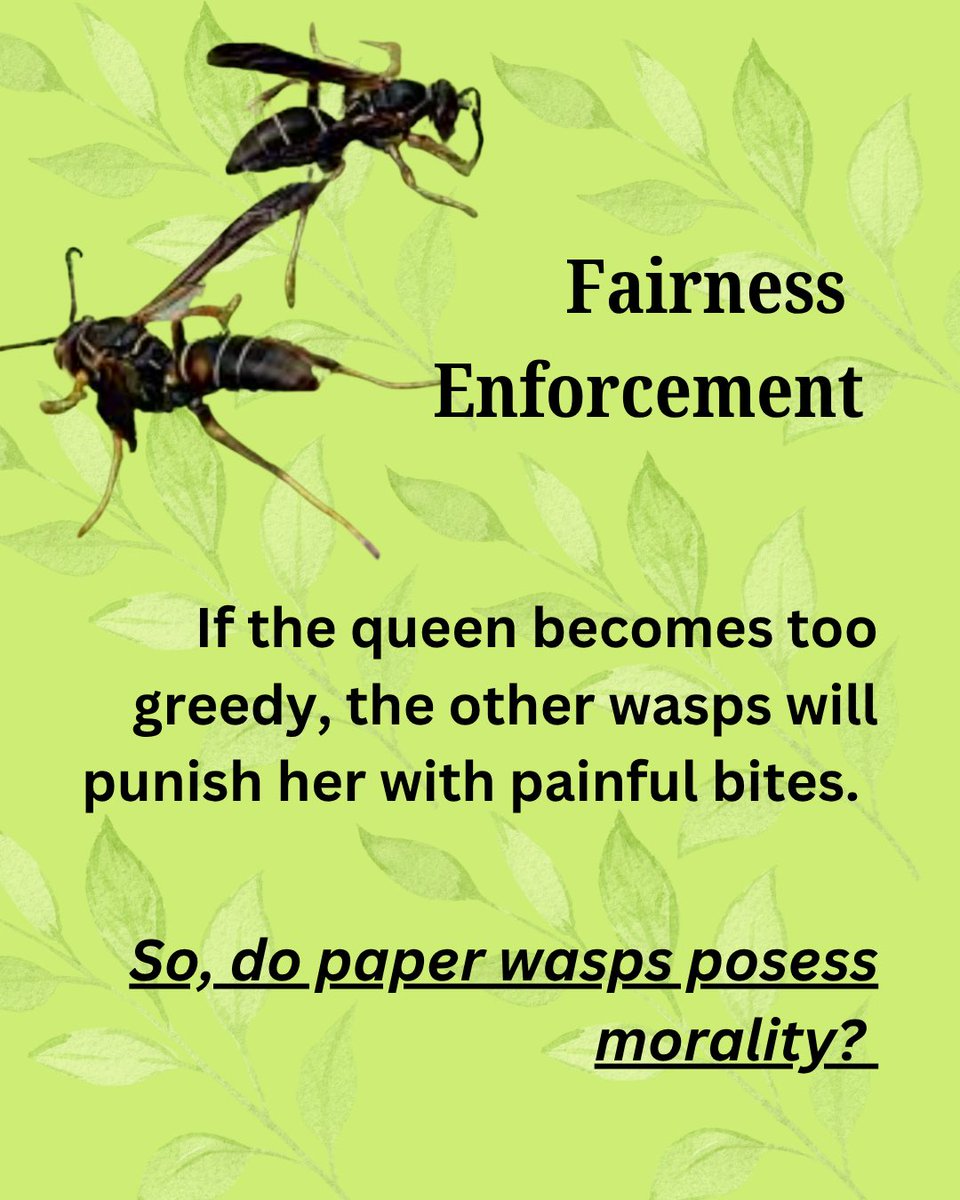
In “Original Sin”, Kathryn Paige Harden describes how dominant queens eat the eggs of their sisters. If they get greedy, the others fight back. This “punishment for cheating” isn’t just human - it extends across biology. So where does morality begin? Read “Original Sin” today.
1
2
196
Marty Martin retweeted
Apr 19
In our recent episode, Paige Harden talks about luck and our moral responsibility to one another as humans who live together in a community. This is a core element of her new book “Original Sin: On the Genetics of Vice, the Problem of Blame, and the Future of Forgiveness”.
1
1
110
Marty Martin retweeted

Apr 10
The global wildlife trade—especially in illegal and live-animal markets—is fueling the spread of diseases from animals to humans, according to a new study in Science.
The findings show that traded mammals are more than 40% more likely to harbor human-infecting pathogens, with species accumulating more shared pathogens the longer they remain in the trade.
Learn more: scim.ag/4smSL5u

5
135
298
34,334

Apr 10
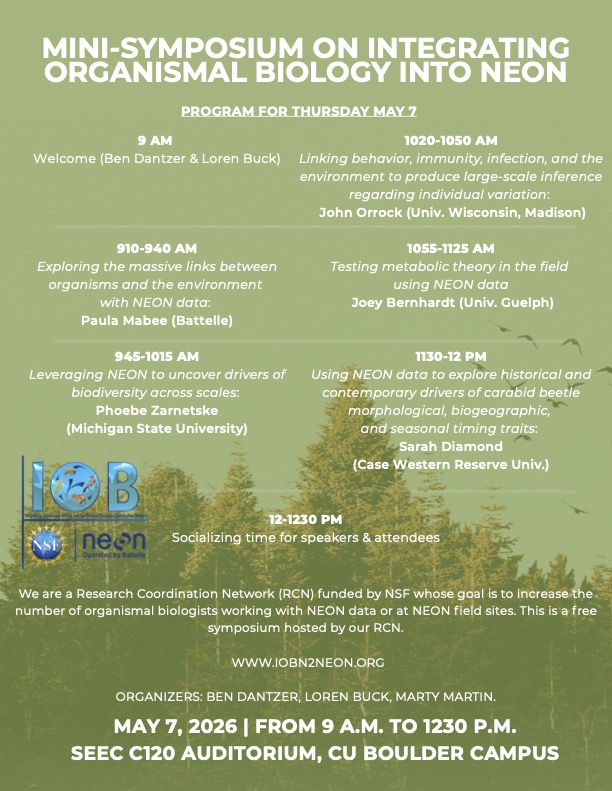
If you're in Boulder, CO, on May 7, check out this exciting symposium. 9-1230 in the SEEC C120 AUDITORIUM. Please spread the word!
37
Marty Martin retweeted
Mar 30
In the new book Original Sin, geneticist Kathryn Paige Harden confronts how we think about free will, character, and wrongdoing.
Read the #ScienceBooks Review: scim.ag/41vjul6

6
8
52
12,410
Marty Martin retweeted

Mar 26
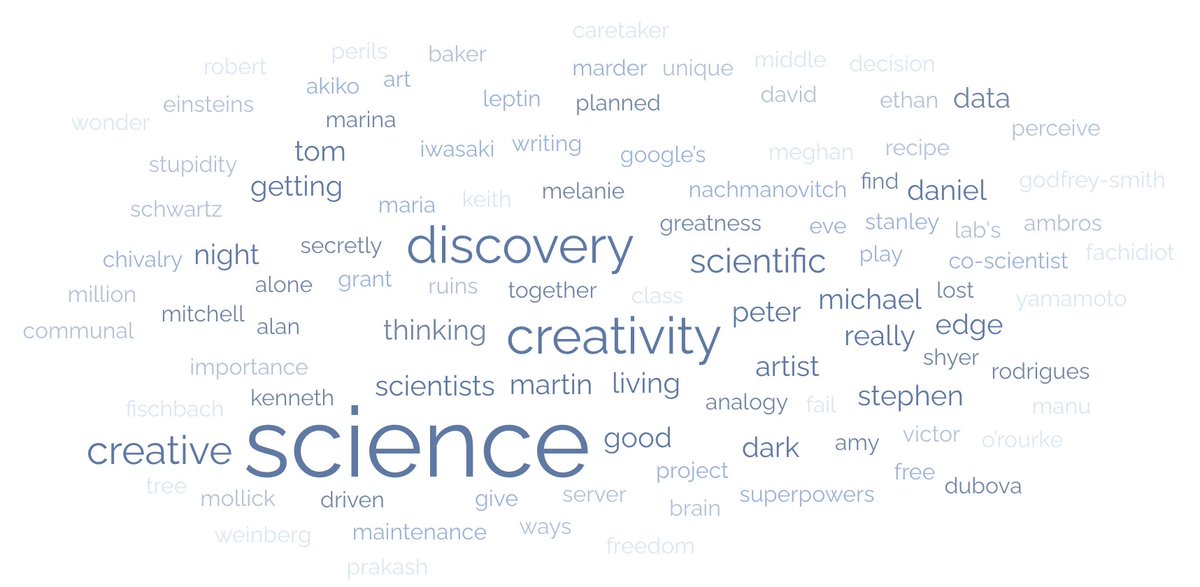
Can you help us find guests for the Night Science Podcast? We received generous sponsorship from @research_theory and they're challenging us to host 5 scientists each working in flight, genomics, nuclear power, computing & space. Any ideas?@nightsciencepod podcasts.apple.com/us/podcas…
8
21
2,034
Marty Martin retweeted
Mar 13
Nachum Ulanovsky says to understand how to study how an animal thinks, we need to try to understand what its like to be in its head (or wings) 🐭 🦇
By learning about the sensory world of a study species, scientists can better design more naturalistic studies.
1
1
1
117
Marty Martin retweeted
Mar 6
Meet our most recent guest: Nachum Ulanovsky!
Tune into our most recent episode “Neuroscience, naturally” to learn more about how neuroscience can be more naturalistic and lessons that can be taken from behavioral ecology and evolution.
#bio #neuroscience #evolution #scicomm
1
203
Marty Martin retweeted
Mar 5
Episode 146 “Neuroscience, naturally” is out now! ✨
In this episode, we talk with Nachum Ulanovsky, author of the book Natural Neuroscience: Toward a Systems Neuroscience of Natural Behaviors.
bigbiology.substack.com/p/ne…
1
1
1
124
Marty Martin retweeted
Feb 24
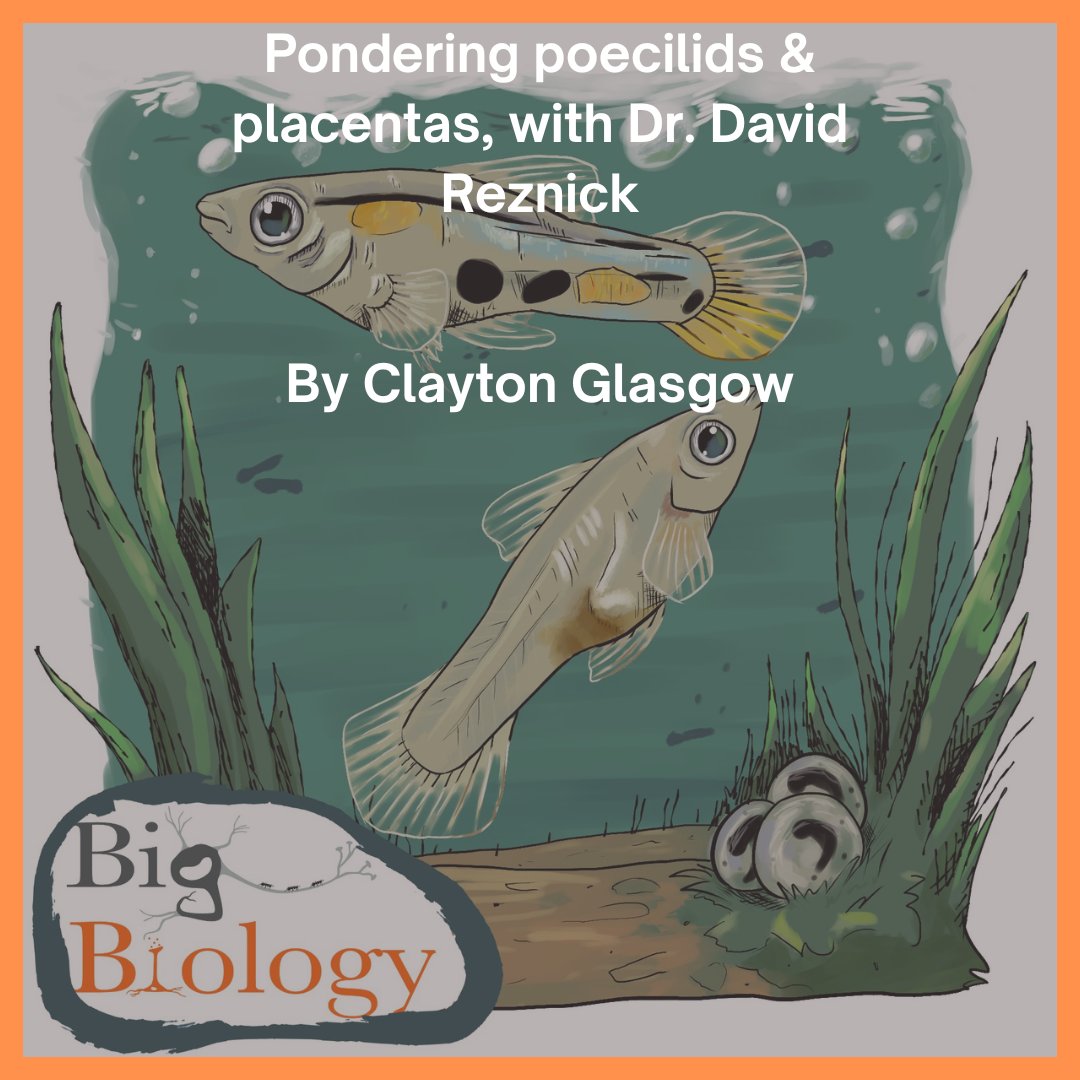
Read the newest Big Biology blog based on our conversation with Dr. David Reznick, Distinguished Professor of Biology at the University of California, @UCRCNAS UC Riverside College of Natural & Agricultural Sciences (CNAS).
1
2
1
169
Marty Martin retweeted
Feb 19
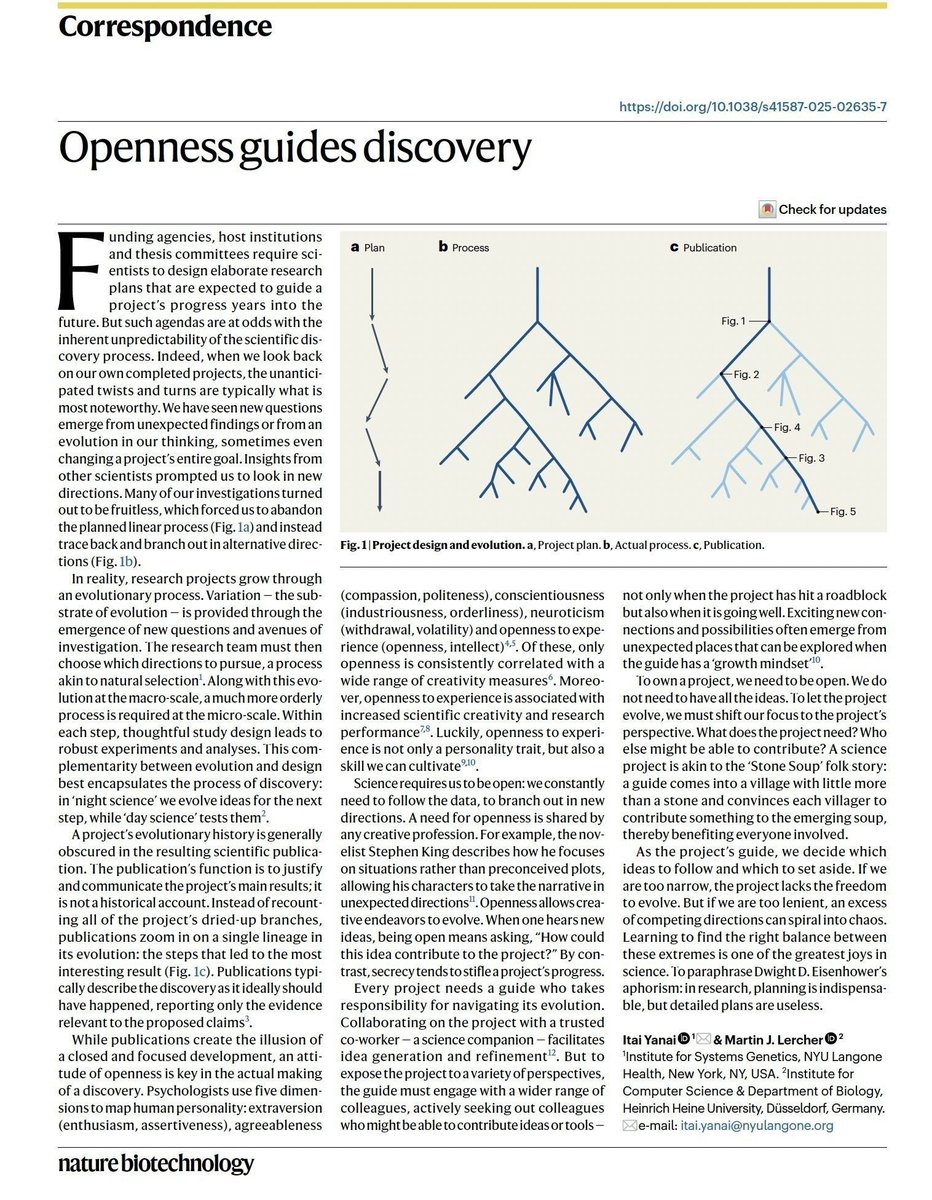
The 3 hardest things to learn as a scientist:
1. Trust the data.. especially when it’s not what you expected,
2. Trust the data.. allowing it to change your direction,
3. Trust the data.. but not too much: test with new data at every turn.
17
187
797
33,809
Marty Martin retweeted
Feb 12
Meet our most recent guest, David Reznick.
1
106