Better ways of thinking, feeling, and acting—around problems of meaning and meaninglessness; self and society; ethics, purpose, and value.
Joined September 2010
- Tweets 64,028
- Following 103
- Followers 36,333
- Likes 34,284
5,646 Photos and videos


Pinned Tweet

May 30
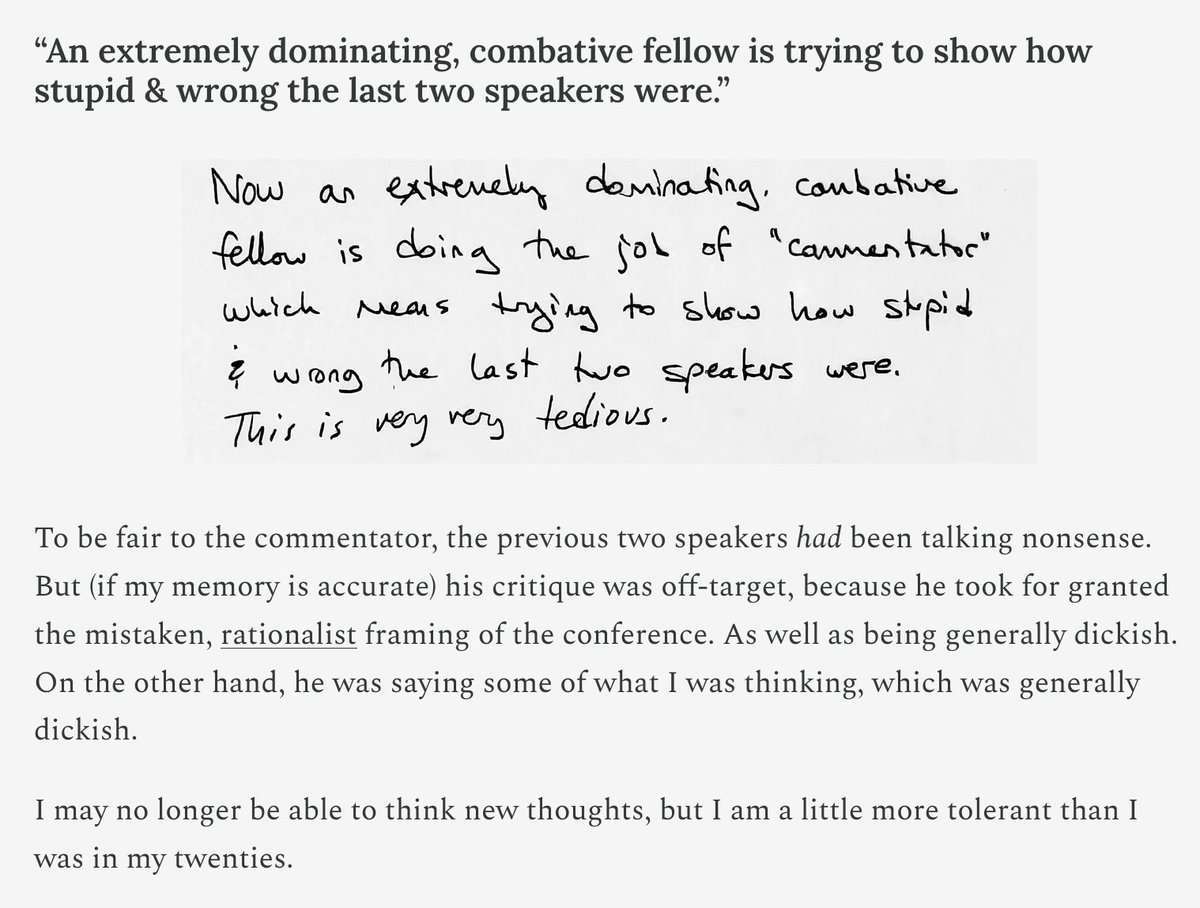
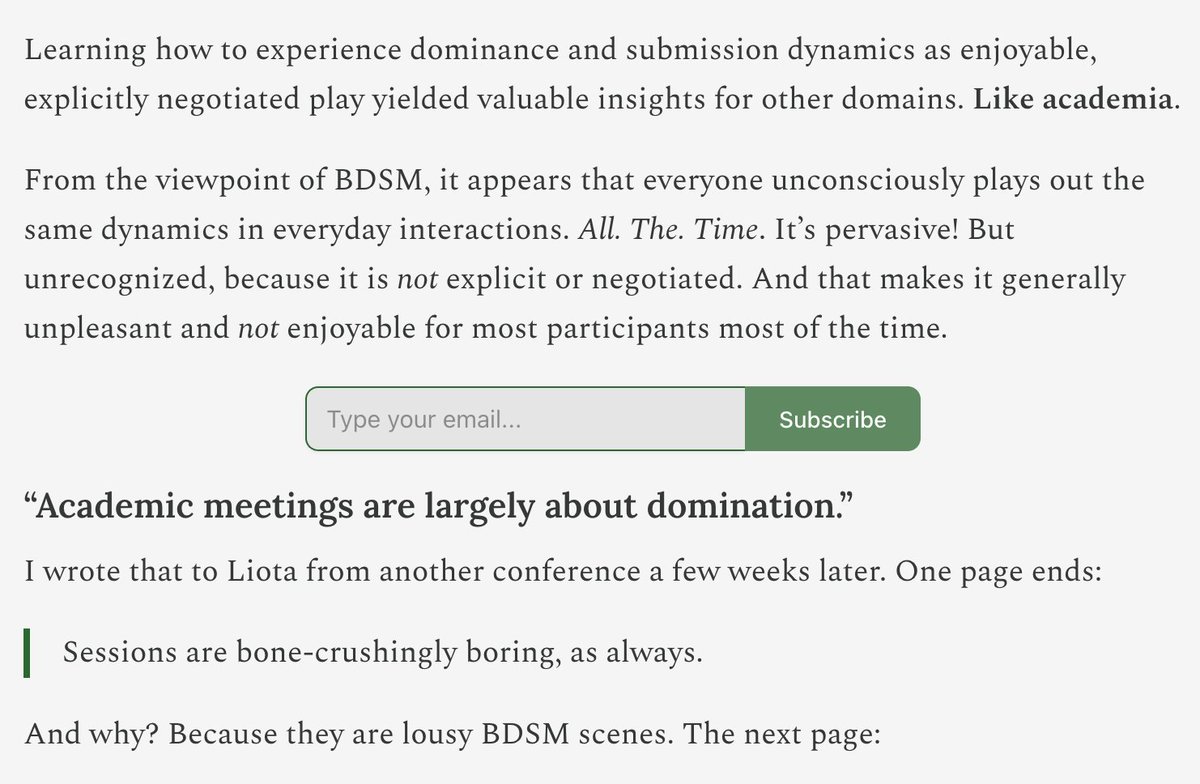
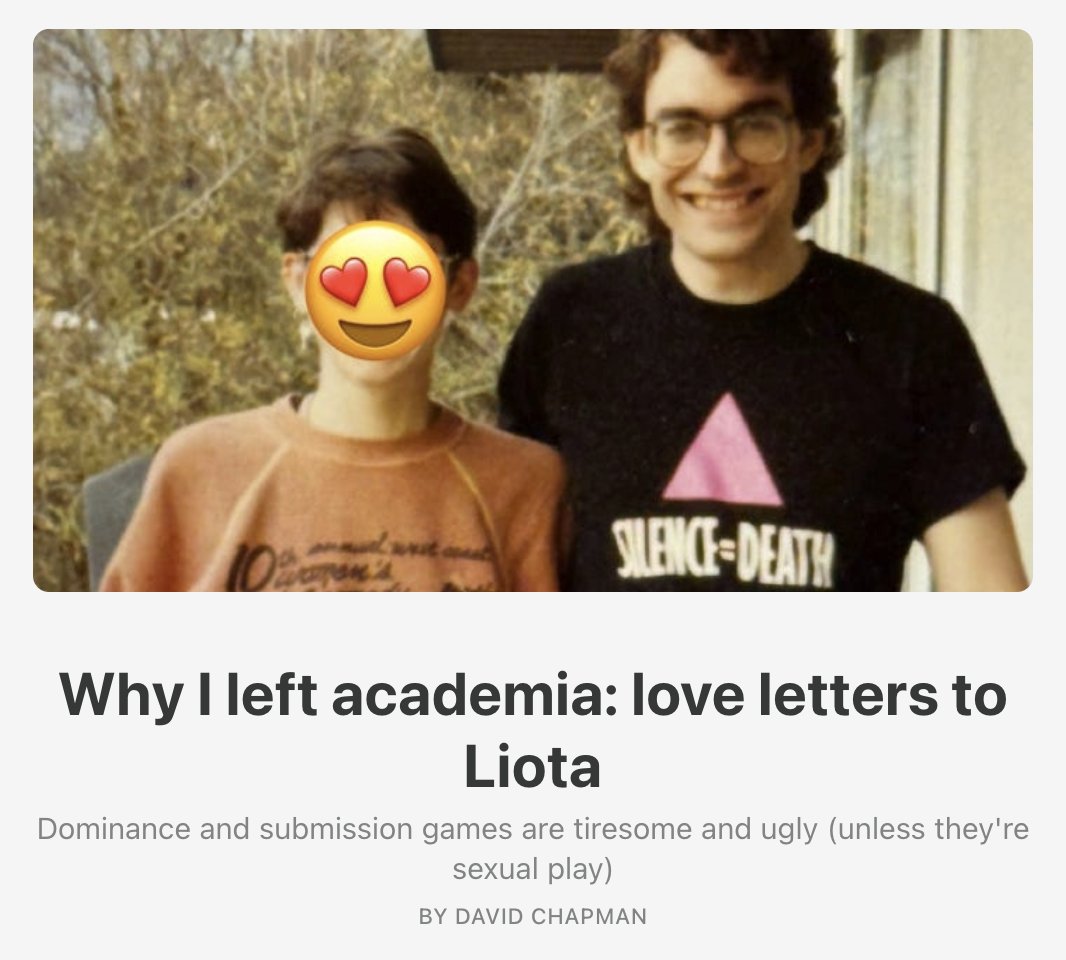
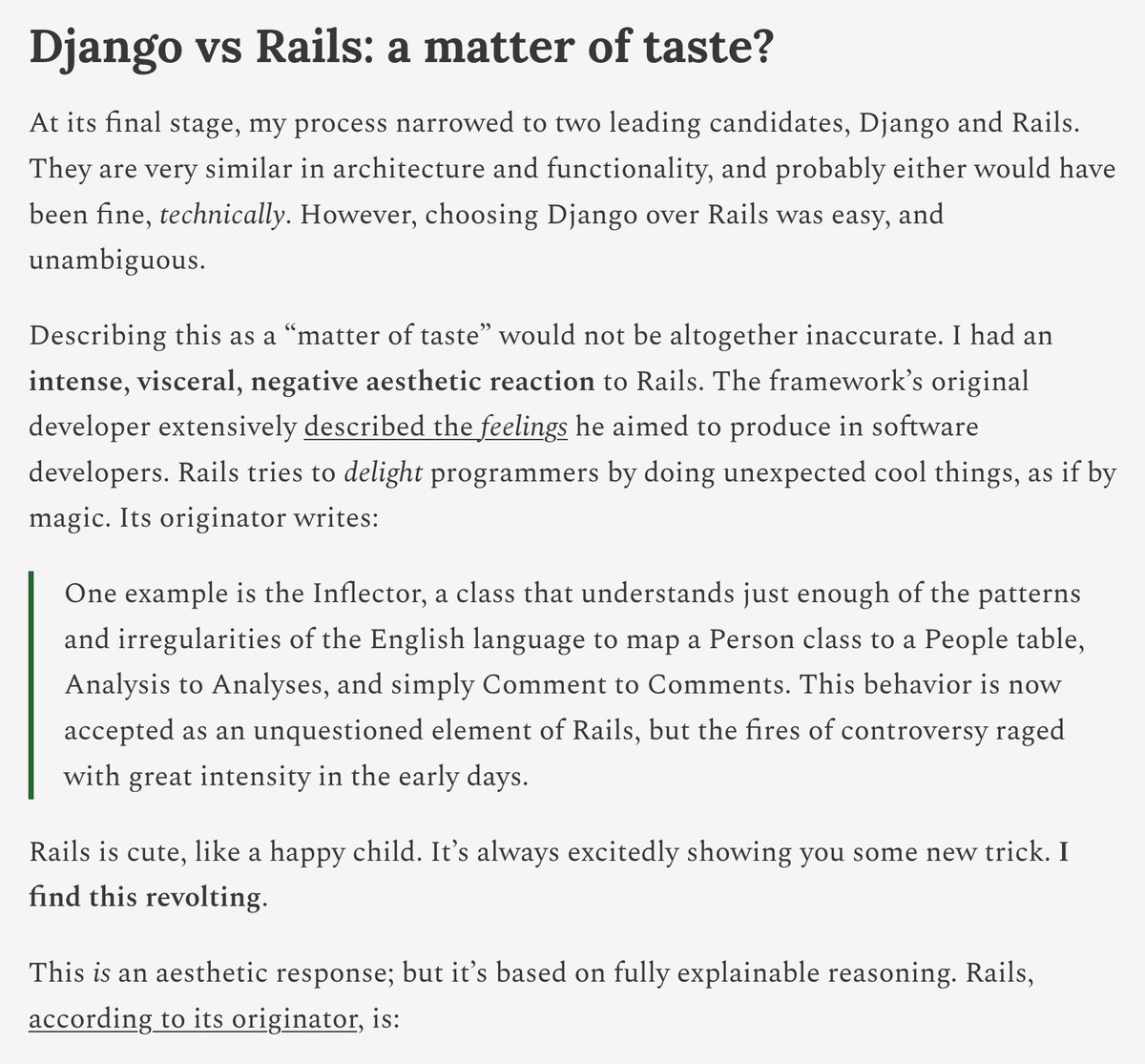
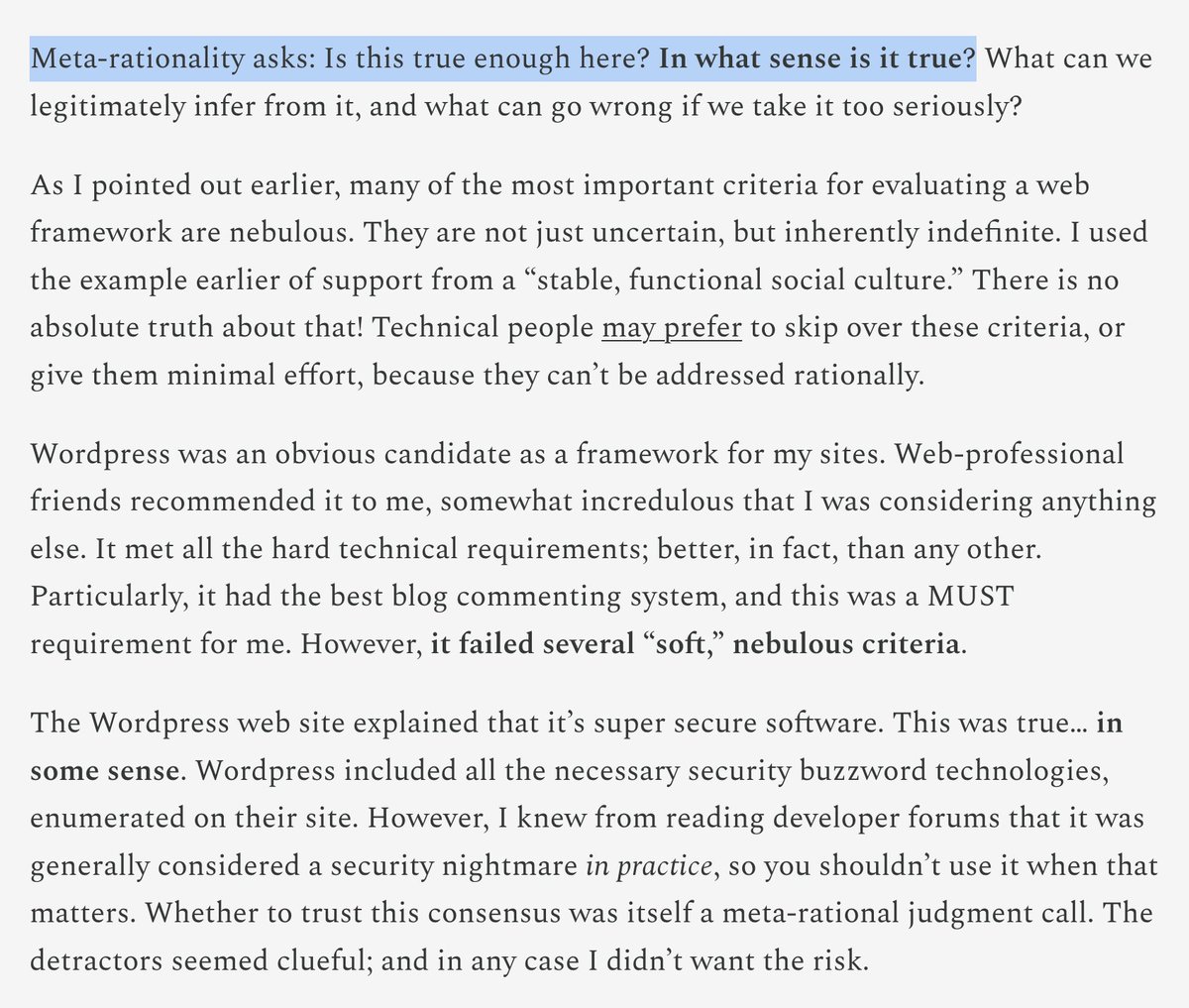
🆕 “When I adopt someone else’s mindset for a while, it can be exhilarating!” Academia understood as a series of lousy BDSM scenes instead. Good enough reason to leave!
🔗 Link in reply tweet! ⤵️
3
19
4,025
David Chapman retweeted

Jun 9
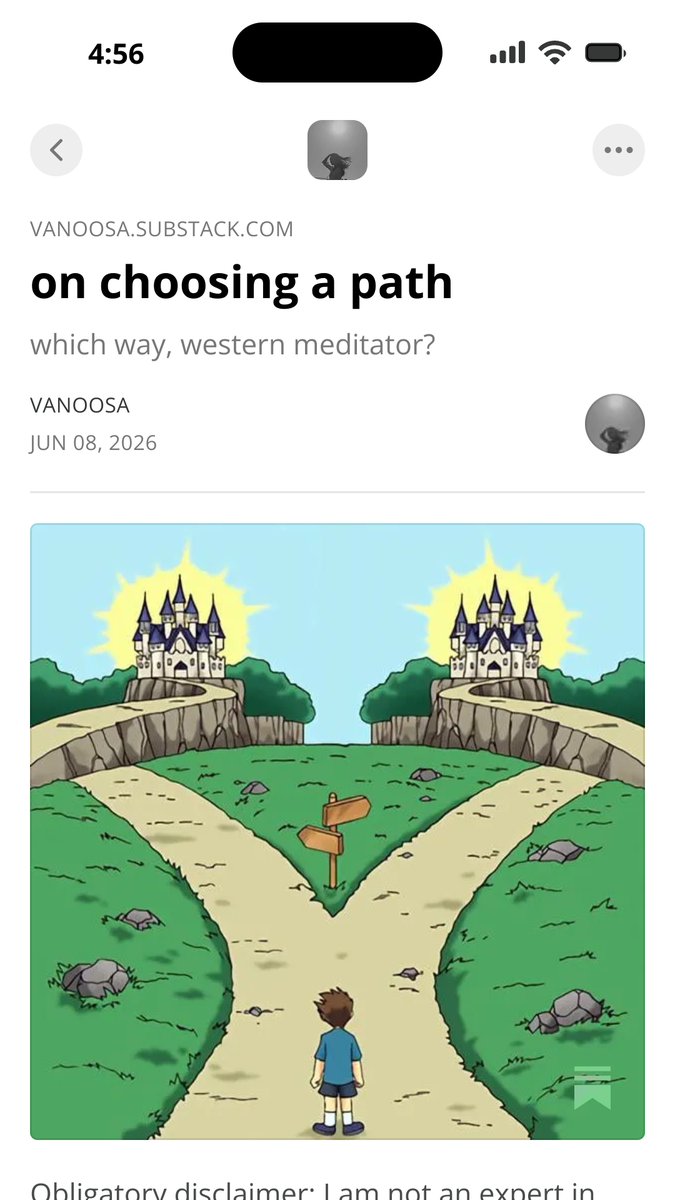
new post: i write about choosing a meditation path from my extremely unbiased vantage point of having already chosen one
7
3
65
4,362
David Chapman retweeted

Jun 12
When I was growing up MIT was the school for hardcore nerds. Really sad how they got mogged so hard by Stanford.
Personally, I blame it on MIT's switch from Scheme to Python.
21
14
618
55,754
Jun 11
"Your vow is not to words and deeds,
It is to wakefulness and confidence itself."
—Goddess Manene explaining ultimate samaya to King Gesar
1
14
931
David Chapman retweeted

few will understand this one, but those that do might find it very funny

2
4
22
1,374
David Chapman retweeted

Jun 9
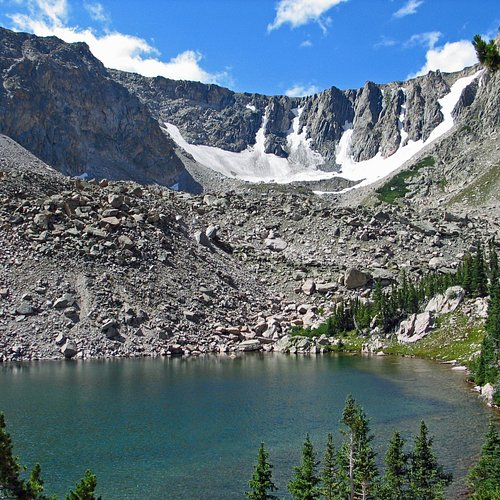
Meditation retreats hit totally different when they're in the remote Colorado wilderness. Come backpacking with @WystanTBS and me next month! DM for details!
2
4
111
13,378
Jun 8
So Spotlight is going to actually find files now? That WOULD be exciting!
1
10
1,021
David Chapman retweeted

17 Sep 2024
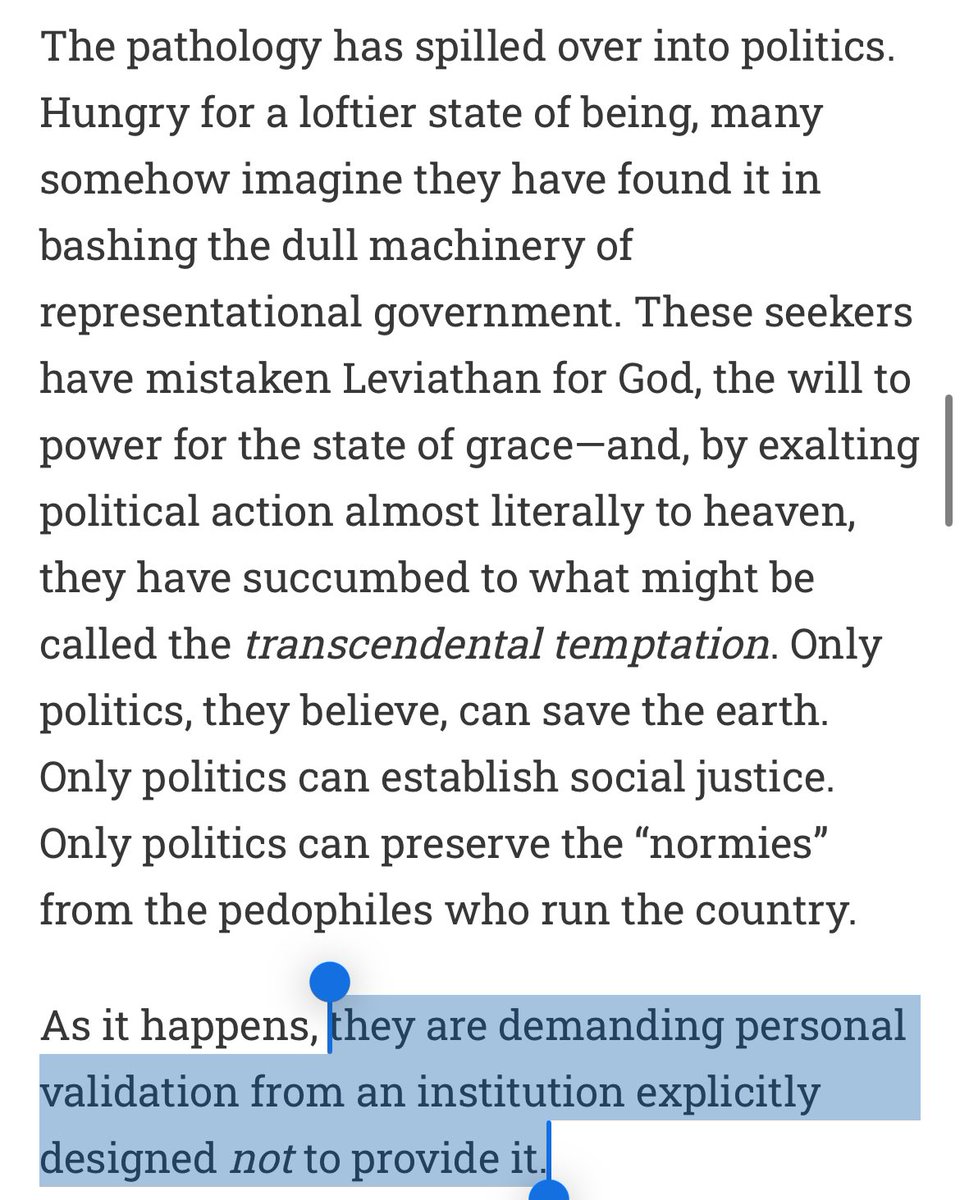
Excellent, from @mgurri, on mistaking Leviathan for God: discoursemagazine.com/p/mist…
3
4
17
1,834
David Chapman retweeted

Feb 23
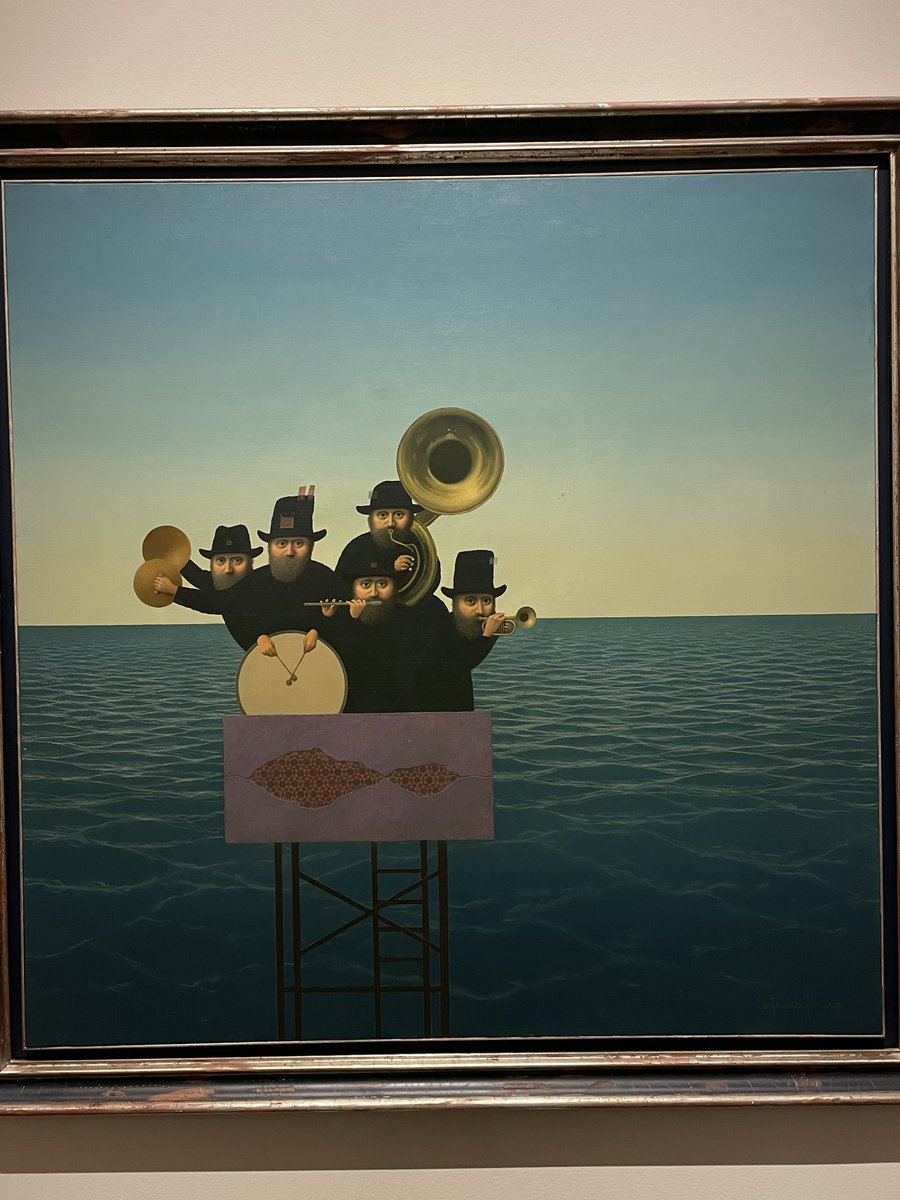
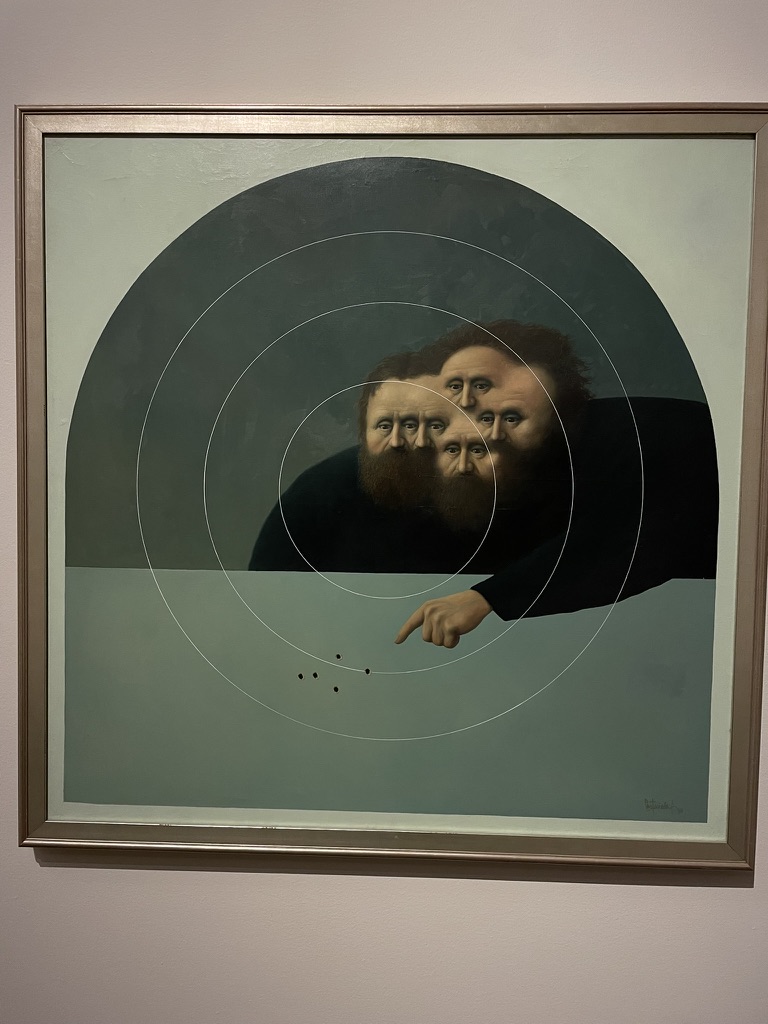
what made me cry was this: that it's possible to do a genuinely new thing in the world as an artist by synthesizing all the work you love. You can drop something novel into the world that feels fully-formed/natural because you're weaving all your particular influences together
2
17
364
9,655
David Chapman retweeted
Feb 23
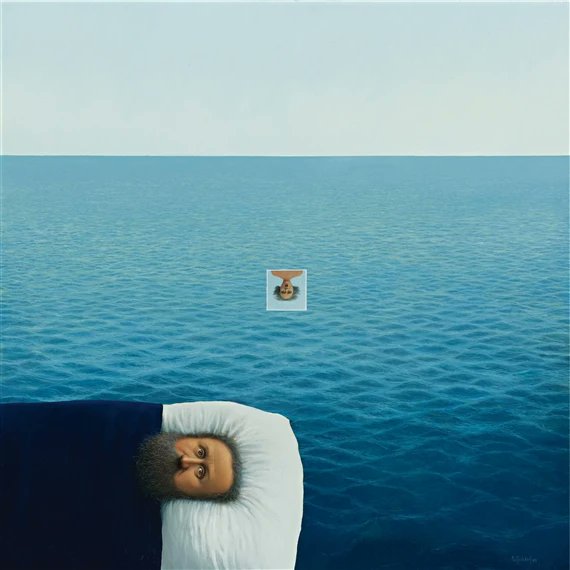
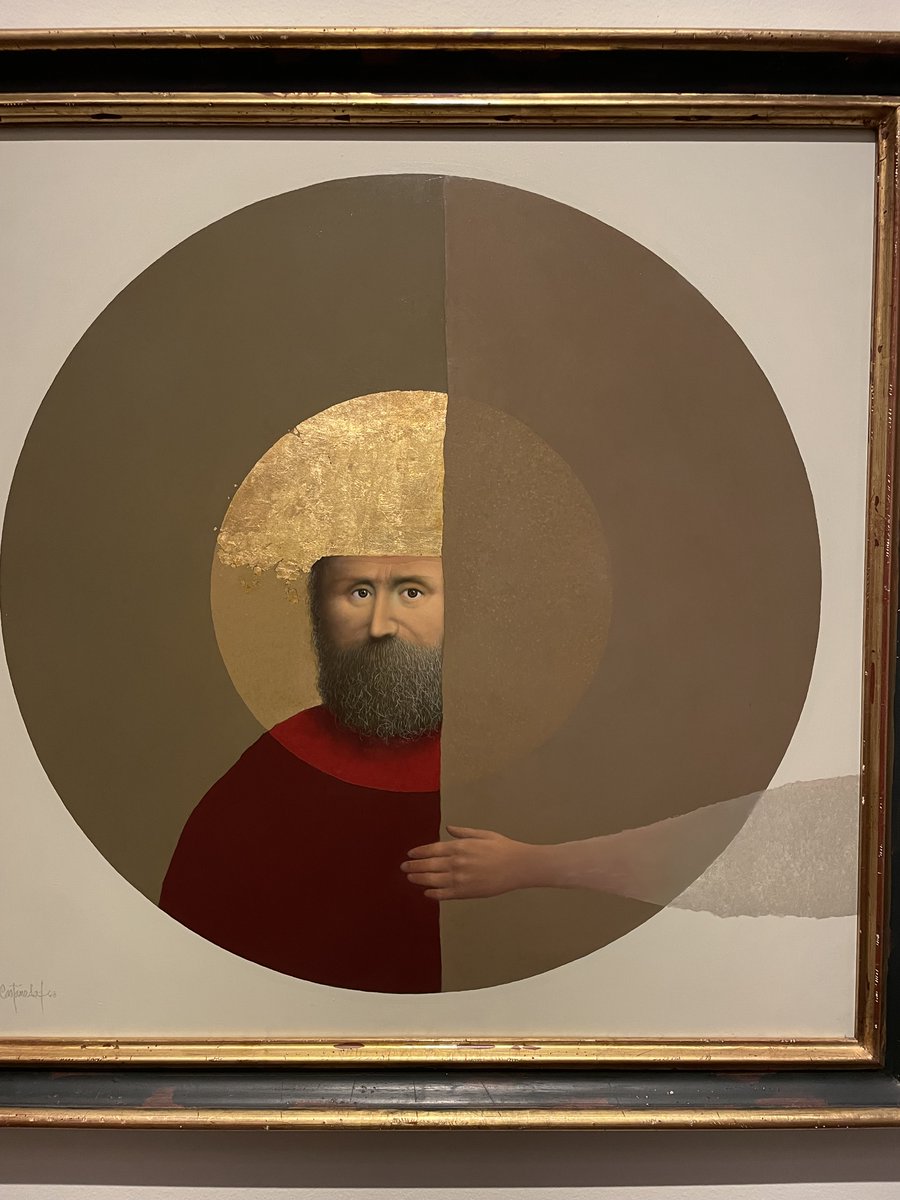
recently I saw an art exhibition that truly made me both laugh and cry: a retrospective of a painter I had never heard of before, Mexican surrealist Alfredo Castañeda (1938-2010). Every painting felt like an "instant classic," as if it had always been part of the canon
1/
67
1,108
12,133
360,672
Jun 6
🦫 "Trying to dam the Hudson is a serious endeavor. Especially on one's own." —@_awbery_
x.com/HudsonRiverPark/status…

Check out the Park's newest visitor — a beaver! 🦫 Recently seen swimming around Gansevoort Peninsula, this beaver marks the first recorded sighting in our 400-acre Estuarine Sanctuary! Though a rare sight in NYC, beavers are native to our local waterways.
📹: Sophia Tulp
1
10
2,048
David Chapman retweeted

I believe China's ascension in biotechnology could play out in two ways for the Western world:
1. In the optimistic case, it will be wake-up call. China is still behind in terms of basic science. If it can race ahead in certain areas (like cell therapies) based on regulatory reform and better and faster execution, what could the United States (and some European countries) achieve in biomedicine? How many more drugs would we have by implementing the right reforms?
China has some structural advantages that cannot be readily copied: for example, cheaper workforce. Larger patient pools. But the United States does not have to copy everything, as it also has its own unique advantages. Implementing some key reforms would help a lot. For example, streamlining the path to first in human data.
If the optimistic case comes to pass, we will have a Renaissance of medicines and many more than the counterfactual where China did not become ascendant in biomedicine.
2. In the pessimistic case, the Western world will not learn quickly enough from this, or have the political will to implement the right reforms. This will lead to a massive decrease in cures relative to the counterfactual, just as AI is promising to revolutionize the pre-clinical side of biomedicine.
For now, American and European pharmaceutical companies largely retain the upper hand in the later stages of clinical development, as shown by the fact that Legend ultimately licensed Carvytki to a large American biopharmaceutical company to get it approved. But the pipeline that feeds those late-stage trials is increasingly Chinese. Such early-stage dominance turned into vertical integration of the entire chain in solar panels, batteries and electric vehicles, and LCD panels. The question is how long Western companies can sustain their advantage at the later stages, when the discoveries that make those stages possible are increasingly being made elsewhere.

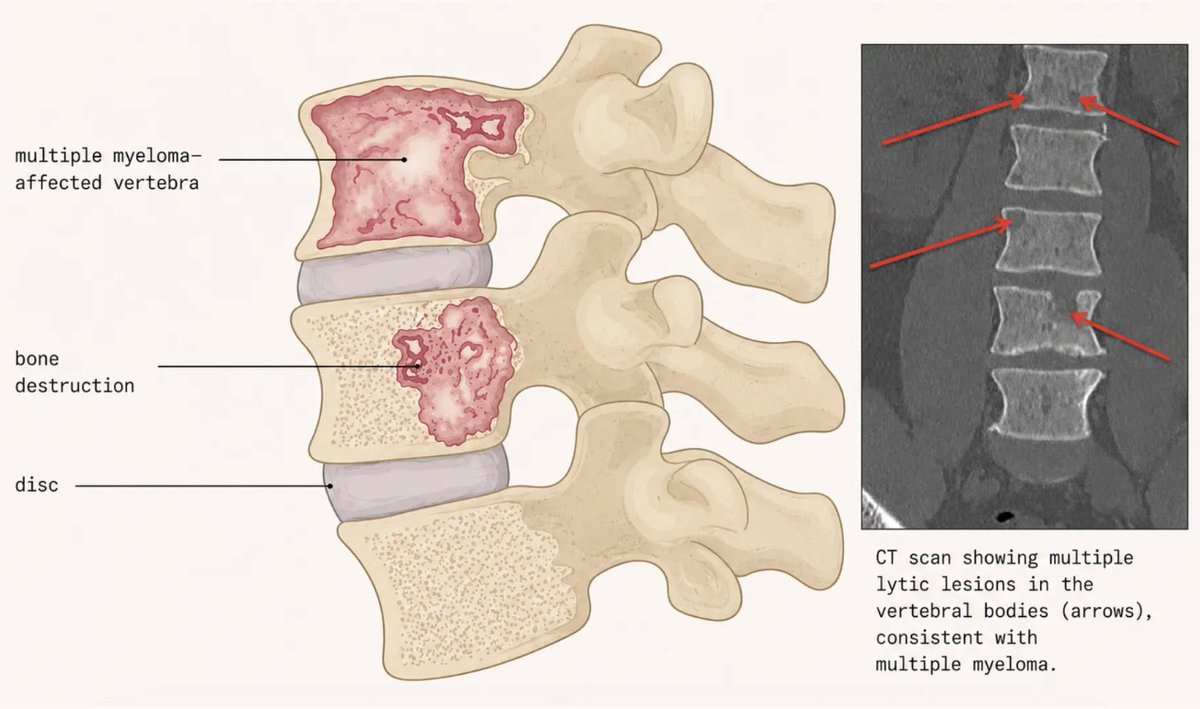
China is winning the drug discovery race. There's no better example of this than multiple myeloma.
worksinprogress.co/issue/the…
It's one of the most painful cancers, destroying bone from within. For decades, patients endured cycles of brutal treatment and relapse. Then came Carvytki: a one-time CAR-T infusion that appears to cure some patients who have failed multiple treatments.
Its development story, beginning in 2016, was an early signal of a shift now making headlines: the US is losing biotech dominance to China. Though the foundational science was largely American, a nimble Chinese company moved faster with a better molecular engineering idea.
Unless the US addresses clinical-trial bottlenecks slowing early in-human data, more breakthroughs will be developed elsewhere, weakening the ecosystem American biopharma depends on.
Some key points from my article for @WorksInProgMag, with my friend Amol Punjabi, of @EvidenceOpen:
1) Multiple myeloma is not only extremely painful in and of itself, but also one of the most brutal cancers to treat. As first-line therapy, patients endure four drugs simultaneously, then a stem cell transplant, followed by continuous maintenance therapy. And most still relapse, with each treatment round carrying worse chances.
2) A drug called Carvykti, approved in 2022, is changing the treatment landscape. Carvytki acts as a single, one-time infusion. It's a CAR-T therapy, part of a new wave of transformative immunotherapies: made from the patient's own immune cells and reprogrammed to hunt cancer. In patients who had already failed 4 other treatments, 33% were still disease-free after 5 years. The results as earlier line therapy look even more promising.
3) Most of the foundational science was American. Decades of CAR-T research, and in 2013 the NCI showed BCMA-targeted CAR-T cells could kill myeloma in the lab.
4) But the drug that ultimately changed myeloma, Carvytki, originates from China. Carvytki beats Abecma (the American CAR-T for myeloma) by a wide margin: 36 months of progression free survival in heavily pre-treated patients versus Abecma's 9 months.
5) In 2016, Legend Biotech was just beginning clinical trials. This was the same year the American team was publishing their first-in-human results. Legend started later, but moved faster. Clever engineering and China's ability to get drugs into humans quickly gave them the edge. Large American biopharma J&J ended up striking a deal with Legend and developing the therapy.
6) Never underestimate the llama: US-developed Abecma used mouse antibody fragments to target BCMA. Chinese startup Legend used llama nanobodies instead. These are smaller, more stable and bind more cleanly to BCMA. The usage of llama as opposed to mice antibodies is what is believed to lead to Carvytki's superior efficacy.
7) In retrospect, Carvytki should have been an early warning. China is winning the drug discovery race through deliberate policy. Their first-in-human clinical trials can launch in 6 months vs 18 months in the US, letting them iterate faster between lab and clinic. The @nytimes recently reported that ~50 percent of major drug deals this year involve Chinese-origin drugs, up from nearly zero a decade ago.
8) The US still leads in late-stage development, as shown, but the pipeline feeding it is increasingly Chinese. The worry is that this will mirror what happened in solar, batteries, and EVs, where early-stage dominance eventually became control of the entire chain.
9) A proposal to streamline early stage trial regulatory requirements to keep the US competitive has made it into the President's 2027 budget for the FDA. But Congress has to act to make it a reality.
15
24
168
25,130
David Chapman retweeted

Jun 4
Open model capabilities now exceed what is required for most enterprise tasks. Which - along with the ability to self-host for security purposes - is prompting enterprises to switch away from expensive private models toward open models like Deepseeks at a fraction of the cost.

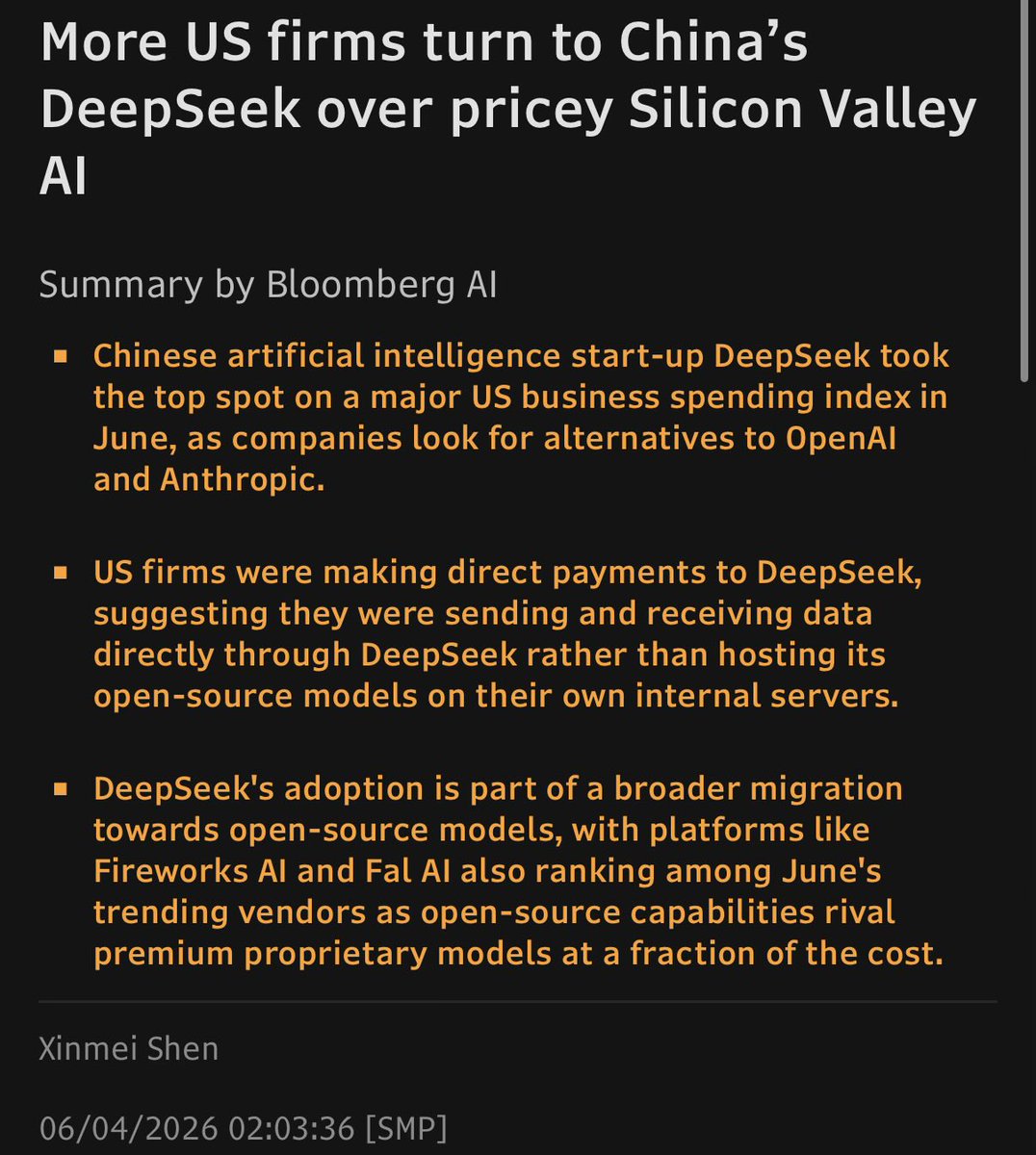
DeepSeek is becoming more popular among US enterprises as companies look for cheaper alternatives to Anthropic and OpenAI
“DeepSeek takes top spot on 'trending' list as companies look for alternatives to OpenAI and Anthropic, spending tracker's report says Chinese artificial intelligence start-up DeepSeek took the top spot on a major US business spending index in June, surging as more companies swap out expensive American options like OpenAI and Anthropic in favour of more affordable alternatives.”
Nothing to see here
2
4
27
5,764
David Chapman retweeted

Screening is increasingly impractical with massively parallel DNA pool construction, followed by assembly. Current screening relies on rejecting very limited target sequences from known pathogens. Likely worth it, but do realize the extreme limits.

Andrew, I signed, this is important work - but we need to be really careful to not get distracted from the bigger problem of rapidly decentralizing capabilities to create / deploy biothreats. Detection, identification, response - globally and persistent/pervasive - should be the top priority.
DNA synth will be distributed, it won’t be centralized in a way that can be effective with this approach. Desktop, at home, new synthesis tech coming, etc. Not to mention we can’t regulate China, etc. and this is a globally distributed technology.
This kind of legislation is sort of like telling people not to write viruses on all their home computers or, worse, if they do we will monitor them all to see what they type (which people would get around of course). Important now, not practical in medium/long run.
Necessary to reduce some risk, not nearly sufficient… nor where our top priorities should be.
Only practical thing is to make detection and response work great, global, and fast.
e.g. - The "finger in the dike" refers to the classic legend of the "Little Dutch Boy" who selflessly plugs a small leak in a dam with his finger, holding back the sea to save his town from a devastating flood. Small, temporary stopgap to a major, escalating problem.
3
4
20
3,171
David Chapman retweeted

Jun 4
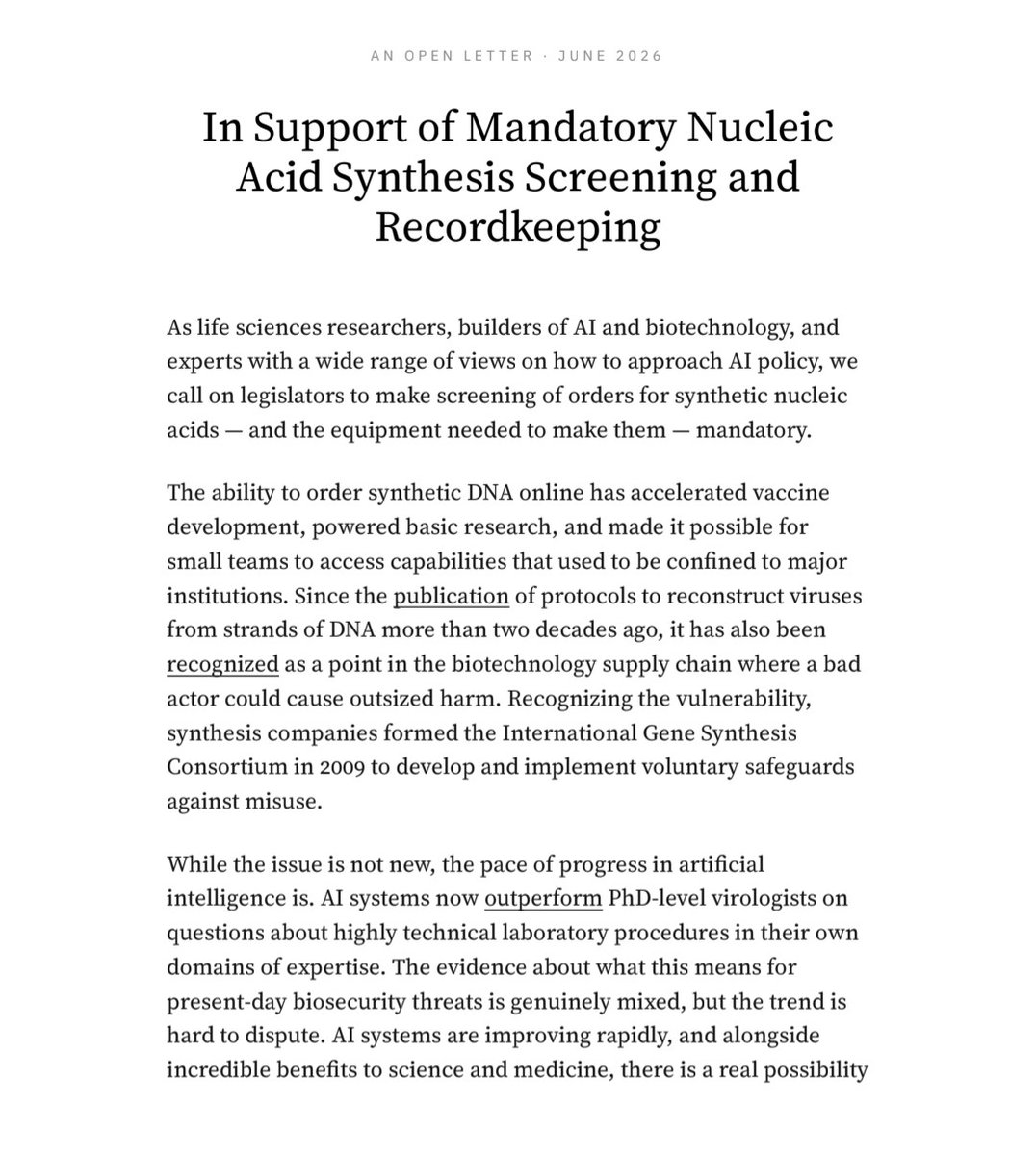
Sam Altman, Dario Amodei, Demis Hassabis and many others have signed a letter urging Congress to increase security on orders of synthetic nucleic acids - and the equipment needed to make them - as models continue to become increasingly bio-capable.
94
423
1,981
511,488
David Chapman retweeted
Jun 3
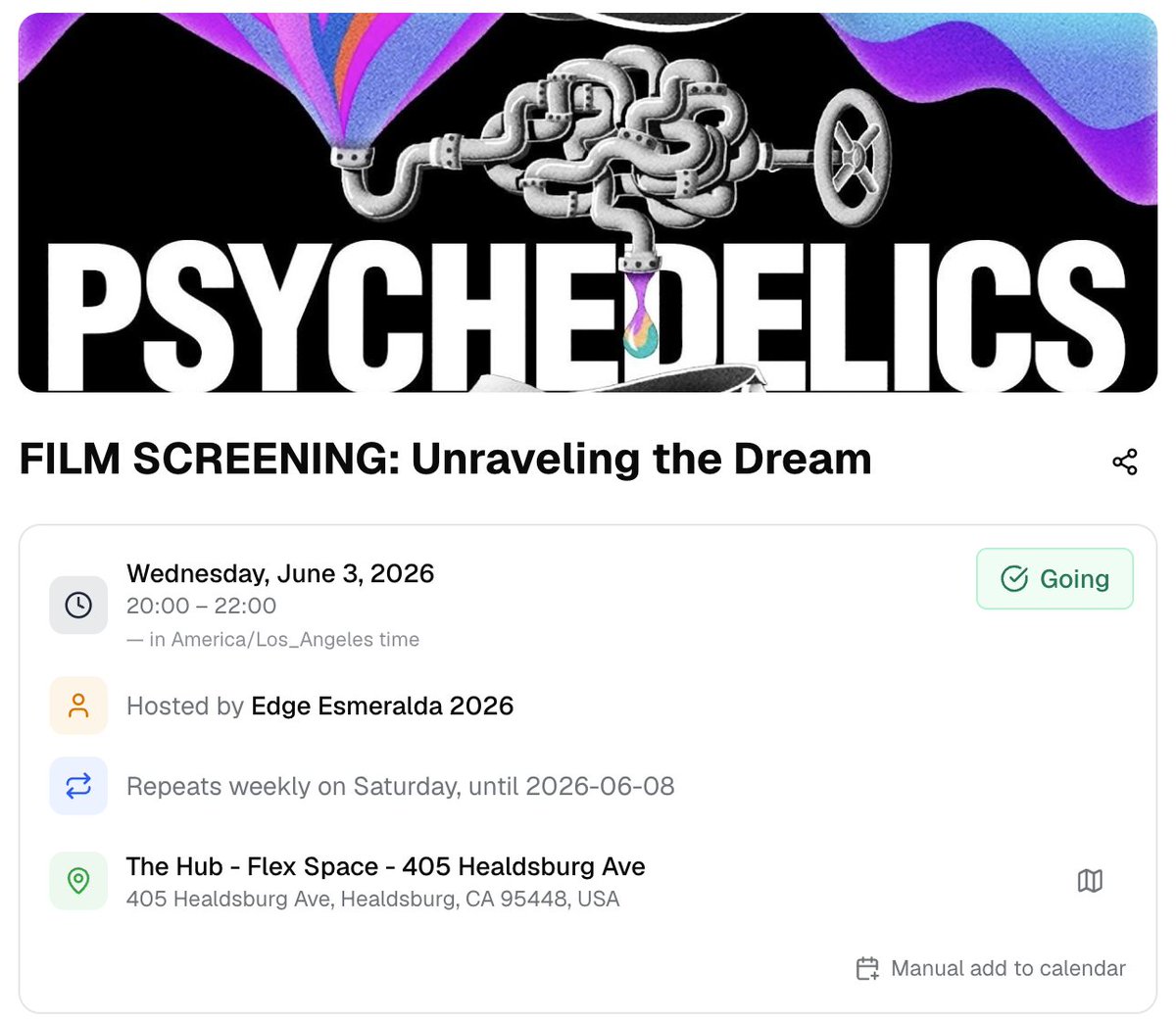
Tonight!
May 20

Kati and I will be doing a Q&A after a screening of my film at @EdgeEsmeralda!!
Come watch the movie and ask her questions about the science — June 3, 8pm!
2
14
1,618
David Chapman retweeted
Jun 3
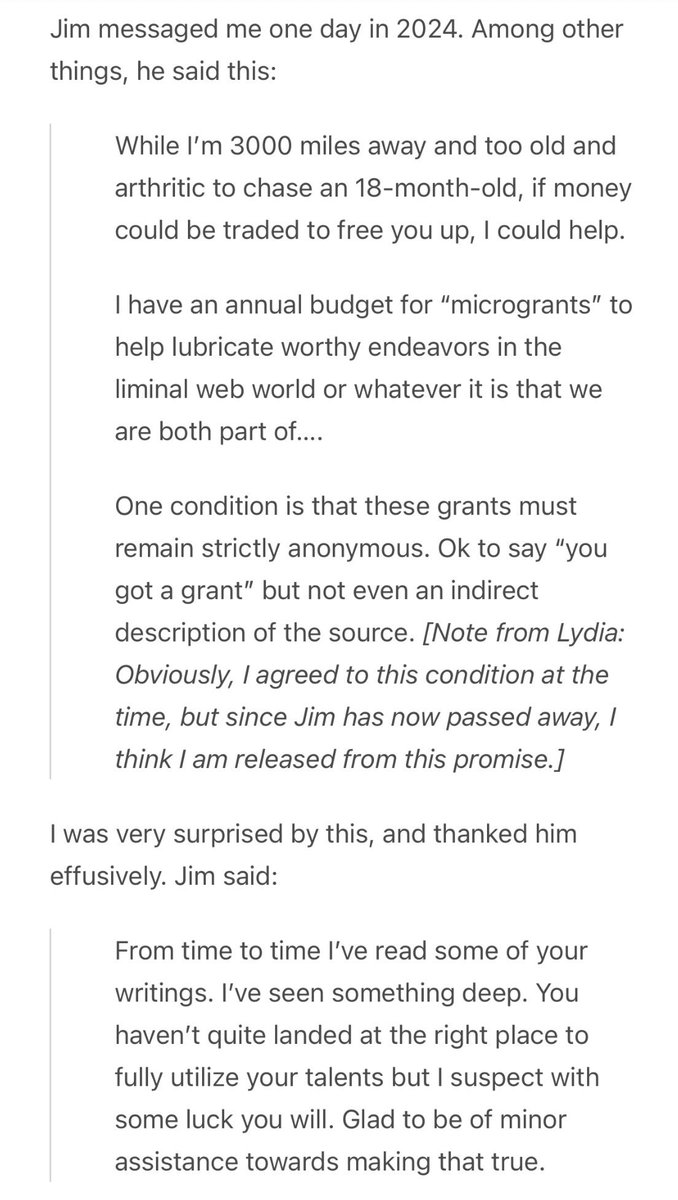
Feeling very moved today by this account of @jim_rutt’s generosity from @lydialaurenson.
What an admirable life he lived.
6
10
77
4,104
David Chapman retweeted

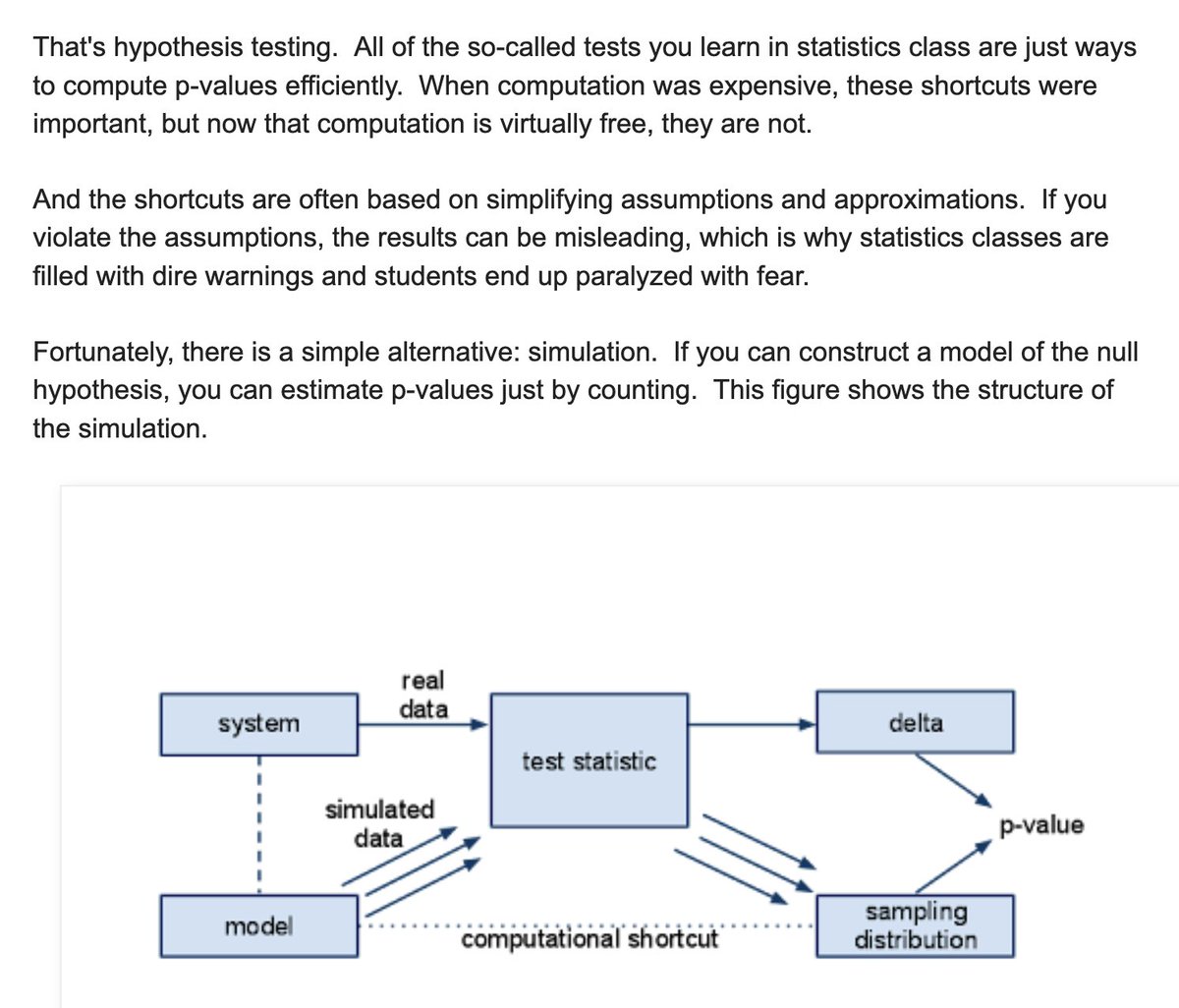
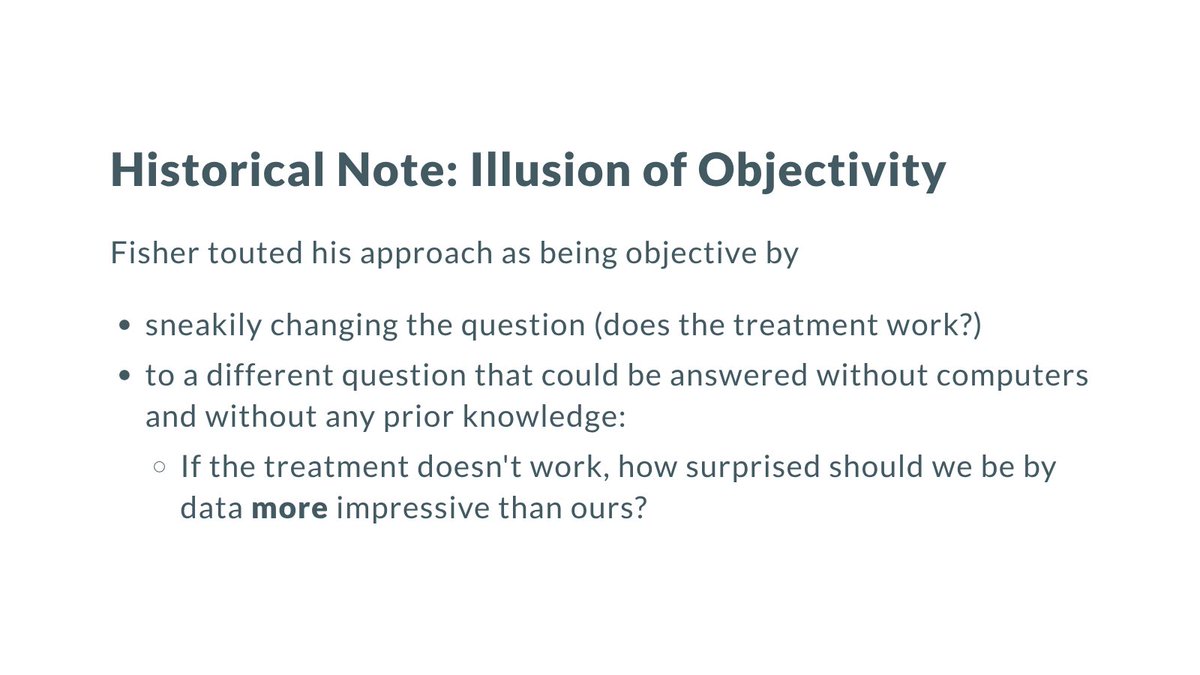
p-values are kinda weird when you think about them carefully.
Screenshot from slides here: fharrell.com/talk/bguide/
3
31
4,412
David Chapman retweeted

there are many more opportunities to make a difference than there are to be famous.
2
1
27
1,036
Jun 2
It is much easier to be famous than to be right, and much easier to be right than to make a difference.
5
3
42
2,046