
Chefredakteurin Digital @FunkeBerlin Ehemals @DerSpiegel Chefredaktion Autorin von "Angst für Deutschland. Die Wahrheit über die AfD".
Joined June 2009
- Tweets 11,226
- Following 1,479
- Followers 76,768
- Likes 7,169
348 Photos and videos




Melanie Amann retweeted

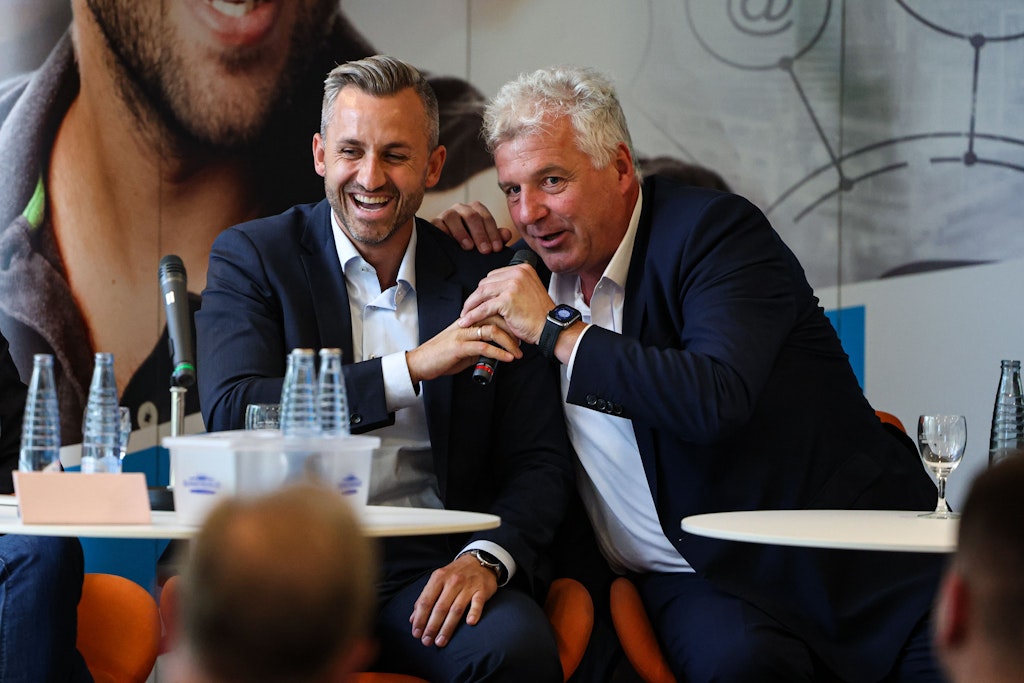
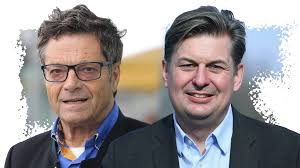
Ich habe bei dieser Veranstaltung in der ersten Reihe gesessen und das ist vermutlich mein Hinterkopf 👇
Das grüne und das rote Mikrofon gingen abwechselnd nicht vernünftig, und es wurde daher nur eins benutzt.
Die beiden sind locker miteinander umgegangen (so wie mit den anderen Teilnehmern auch, einschließlich der von SPD und Grünen), aber keinesfalls verkumpelt, wie es das Bild glauben machen könnte.
Den Satz aus dem @cdulsa-Statement hat @GuidoHeuer an einer Stelle wörtlich so von der Bühne herunter gesagt. Und in der gezeigten Szene ist er @UlrichSiegmund tatsächlich ins Wort gefallen, wozu er sich das Mikrofon gegriffen hat.

Wenn man bei der CDU in Sachsen-Anhalt nachfragt, wie dieses Foto entstehen konnte, das den CDU-Fraktionsvorsitzenden Guido Heuer und den AfD-Spitzenkandidaten @UlrichSiegmund zeigt, bekommt man folgendes Statement:
„Das Foto ist entstanden, weil es nur zwei Mikrofone gab und ich bei einer Falschaussage von Herrn Siegmund intervenieren musste. Ich habe Herrn Siegmund das Mikrofon aus der Hand genommen, und dabei ist diese unglückliche Aufnahme entstanden. Das war allerdings keine Kumpelei, sondern politische Konfrontation. Das Wort ‚Brandmauer‘ habe ich noch nie genutzt. Für mich gilt der Fraktionsbeschluss: ‚Abgrenzen, aber nicht ausgrenzen‘.“
Ich lasse das mal so stehen …
(Fotograf: Christian Schroedter)
43
87
539
48,788
Melanie Amann retweeted

The Vice President of the United States thinks WWII ended through a negotiation
😳
2,040
2,146
10,024
548,489
Melanie Amann retweeted

Jun 12
Was bei mir hängen geblieben ist in 80 Minuten:
Destruktiv. Übellaunig. Beleidigend. Voller Selbstmitleid. Und leider auch eher substanzlos unter dem Deckmantel pseudointellektueller gesellschaftlicher Theorien.
Irgendwas zwischen Therapiesitzung, Gespräch beim letzten Absacker, der morgen früh garantiert wehtut und politischem Podcast.
@ulfposh bei @ronzheimer

126
39
502
41,818
Melanie Amann retweeted

Jun 11
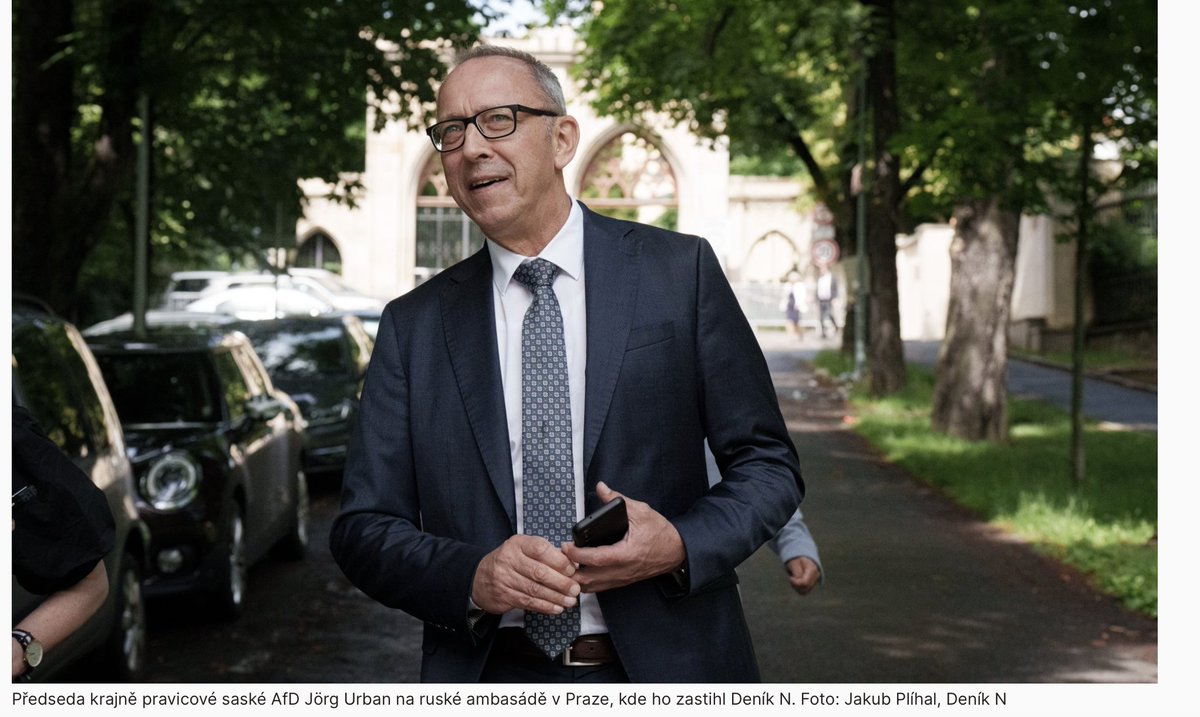
Chairman of Alternative for Germany (AfD) Saxony Jörg Urban was just caught at the Russian Embassy in Prague by Czech journalists from @enkocz.
Russian Embassy in Prague often serves as a regional headquarters of Russian intelligence to run their assets in Germany.
Full story:
denikn.cz/2092589/hvezda-nem…
211
2,956
6,713
475,846

Melanie Amann retweeted

Jun 10
damit könnte Nius echt in Grund und Boden geklagt werden

259
87
801
154,795

Jun 10
Love it. Ich werd‘s anhören!
Jun 10

🚨Am Samstag startet Löhr & Pennekamp, der neue wirtschaftspolitische Podcast der @faznet. Die wichtigsten Fakten, Hintergründe und Argumente zum Thema der Woche – kompakt in einer halben Stunde. Zum Anhören und zum Anschauen. Überall, wo es Podcasts gibt.
2
7
6,667
Melanie Amann retweeted

Jun 8
The details about the Tate brothers in this @newyorker profile are as sick as anything you will ever read. They are rapists, pornographers, traffickers - and heroes to the "conservative" MAGA movement
newyorker.com/magazine/2026/…
586
5,782
12,018
440,902
Melanie Amann retweeted

Jedes Wort, das Höcke hier von sich gibt, ist gelogen bzw. hirnlos der russischen Propaganda nachgeplappert.
Er hat nicht die geringste Ahnung der Geschichte der Ukraine der vergangenen 20 Jahre.
1,233
594
4,088
215,770
Melanie Amann retweeted

Jun 7
Deutsche gibt’s nur im Osten. Sagt die AfD.
Im Westen gäbe es nur „deutschsprechende Amerikaner“ mit „Ersatzidentität“.
Das nenn ich mal eine ehrenrührige Verächtlichmachung des deutschen Volkes - nicht nur der AfD-Wähler in westdeutschen Bundesländern.
544
335
1,931
282,153
Jun 5
RT @erenguevercin: Ahmet Inam, Abteilungsleiter bei der DITIB-ZSU GmbH, schreibt in einem aktuellen Post:
"Wir leben in einem Land, das u…
100
Melanie Amann retweeted

Jun 4
Wird Deutschland (und in diesem Fall Berlin-Neukölln) heimlich von Islamisten unterwandert? Güner Balci in einer sehr intensiven Podcast-Folge: open.spotify.com/episode/34E…
91
129
574
45,093
Melanie Amann retweeted

We are deeply saddened by the passing of Marjane Satrapi, the acclaimed Franco-Iranian artist, filmmaker, and author of the internationally celebrated graphic novel Persepolis who died at the age of 56.
Marjane Satrapi was a fearless voice for feminism, human rights, and freedom. Through her work and public engagement, she consistently advocated for women’s rights, standing in solidarity with the people of Iran and amplifying the message of the Woman, Life, Freedom movement on the global stage.
According to a statement from her family, Marjane Satrapi “died of sadness” a little more than a year after the passing of her husband, Mattias Ripa, a producer, actor, and screenwriter, who died on April 8, 2025.
Marjane Satrapi leaves behind a powerful cultural, artistic, and moral legacy. Her courage will continue to resonate far beyond her lifetime.
Narges Foundation
4 Jun 2026
#MarjanSatrapi

36
710
2,223
263,013
Melanie Amann retweeted

Jun 3
The most darkly funny aspect of this video is that Ivanka Trump speaks as if she went on some profound, prolonged spiritual and philosophical journey to ascertain the meaning of life, and concluded that the most elevated human state is to live on a gigantic private island in the Mediterranean, in a sprawling mansion paid for with the billions of dollars given to her husband by the Saudis and Emiratis to ensure favorable treatment by him and by her dad in their exercise of the powers of the American Presidency. Real uplifting stuff. 🙏
Jun 2

Ivanka Trump announces that she and her husband, Jared Kushner, are building a massive off-the-grid private island in the middle of the Mediterranean.
The island spans 1,400 hectares and currently has no power.
They will be working with some of the world's greatest living architects to bring this vision to life.
"It's massive in scale."
1,953
9,176
53,747
2,497,181
Melanie Amann retweeted

Jun 1
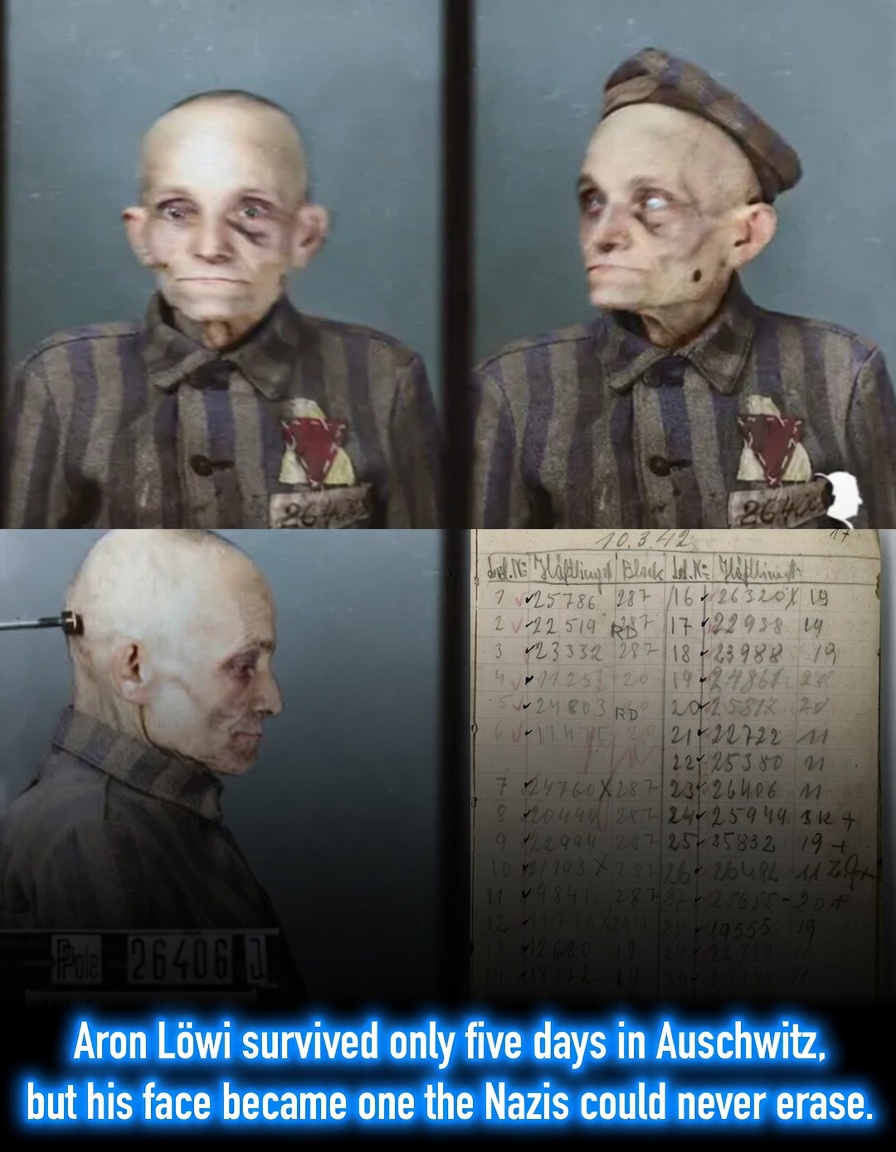
This is Aron Löwi, a 62-year-old Polish Jewish merchant from the small town of Zator. A husband, a neighbor, a man with a name, a family, and a life of his own.
On March 5, 1942, that life was brutally stripped away.
Upon arriving at Auschwitz, Aron was no longer seen as a human being. He became prisoner number 26406.
The haunting mugshots taken that day show a man already bruised, starved, and hollow-eyed, clear evidence of abuse even before he entered the camp. On his striped uniform were the badges of Nazi classification: a yellow star marking him as Jewish, and a red triangle labeling him a political prisoner.
Aron Löwi survived just five days in Auschwitz. He arrived on March 5 and was dead by March 10, 1942. His cause of death was never officially recorded, just one of millions dismissed as “unfit for labor.”
In five short days, the Nazis tried to erase a lifetime.
But they failed.
His face, his photograph, and his prisoner number remain. Every time we speak his name, we push back against the oblivion they sought to impose.
To remember even one is to resist forgetting them all.
345
1,151
6,778
549,223
Melanie Amann retweeted

18 Aug 2025
Tim K. brach Ausbildung im SEK ab, flog bei Kreispolizei & bei „Brothers MC Germany“ raus, wurde wegen Körperverletzung im Rockermillieu verurteilt, musste als Zuhälter 35.000€ Steuern nachzahlen & 11.000€ für Beleidigung („aufgedunsene Dampfnudel“).
Höcke ist es „eine Ehre“
850
1,651
6,603
595,274
Melanie Amann retweeted
May 29
Roger Köppel sagt in seinem aktuellen Podcast live aus Moskau, dass es „umstritten“ sei, dass Butscha wirklich passiert ist. Schon in den vergangenen Jahren hatte Köppel Lügen-Propaganda von „Russia Today“ in der WELTWOCHE über Butscha verbreiten lassen. Jetzt übernimmt er die Propagandaerzählung persönlich. Ich war damals in Butscha und habe über das Massaker berichtet, wir haben dutzende Augenzeugen interviewt, Menschen, die ihre Liebsten verloren haben. Es gibt unzählige unabhängige Berichte, Zeugenaussagen, Bilder und Berichte, die man überall finden kann, wenn man will. Aber Köppel will natürlich nicht. Alles andere würde sein Geschäftsmodell kaputtmachen.
781
954
4,929
183,743
Melanie Amann retweeted

May 25
Neuer Leak zu russischer Propaganda in Deutschland: Laut t‑online zeigen interne Chats der ‚Social Design Agency‘ (SDA), wie Moskau gezielt europäische Meinungsmacher für Desinformationskampagnen anwirbt. ⬇️
🧵1/6
113
654
1,704
79,342
May 24
RT @dietmar_hipp: Im zweiten Satz werde ich wie gewohnt diffamiert und nun auch noch übelst verleumdet. Deshalb sage ich deutlich: Einen so…
27
4
Melanie Amann retweeted

May 12
A while ago, I watched the infamous 47-minute video documenting the atrocities of October 7th — the one not made publicly available, to protect the privacy of the victims.
The worst part of this video is not what it displays, but who is displaying it: the perpetrators themselves. Gleefully. Sadistically. Unabashedly. Most of the footage was filmed by Hamas terrorists on their GoPro bodycams, some also by ordinary Gazan civilians on their cellphones.
Even the Nazis tried to cover up their atrocities, but Hamas brags about theirs for the entire world to see. The killers are euphoric throughout the massacre, and their relentless, ecstatic cries of "Allahu Akbar" (punctuated by the occasional "Kill the Jew!") are simply nauseating.
Some images are seared into my memory forever. I will never forget the two boys in their underwear — one with his eye socket hanging out of his face — asking his brother whether he thinks they're going to die, while the Hamas monster who had just thrown a grenade in their saferoom helps himself to a drink from their fridge, taking a casual break from the slaughter.
Neither will I ever forget the terrorists playing football with a severed head. Or the Thai migrant worker whose head is viciously hacked off with a garden hoe — another "Zionist colonizer" getting what he deserved, right?quillette.substack.com/p/wha…
Or the throngs of Gazans crowding around pickup trucks loaded with the mutilated corpses of Jewish women, filming and spitting on the bodies. Or the woman in Kibbutz Mefalsim, crouching and begging in vain for mercy.
There is some evidence of sexual violence in the video — the charred corpse of a young woman with her legs splayed and her genitals exposed — but not much. Apparently even Hamas draws a line somewhere: they are not as proud of raping Jewish women as they are of murdering them. Or, more likely, they simply didn't want to embarrass the delicate sensibilities of their legions of useful idiots in the West.
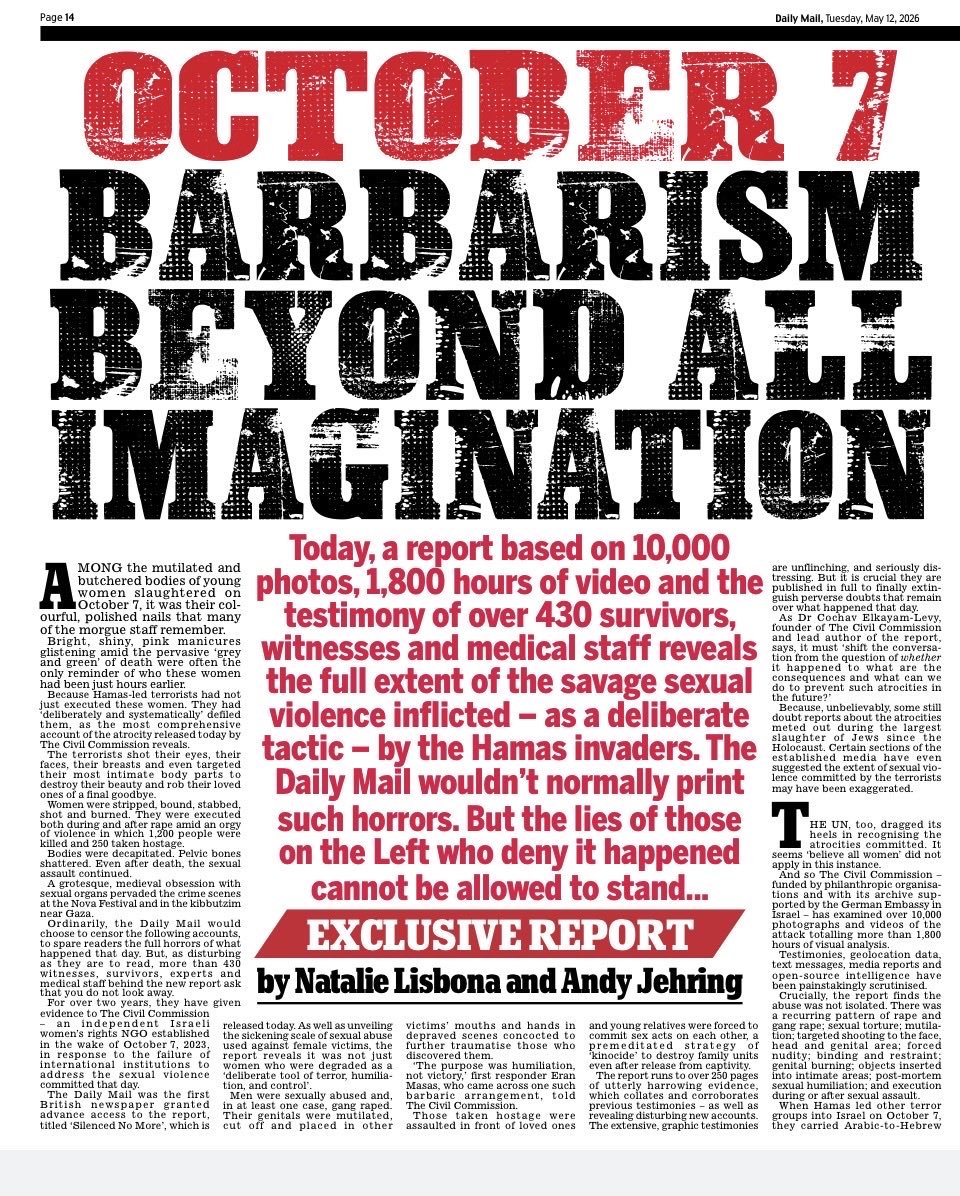
But yes — there was rape. Not "rape" in scare quotes, as the apologists would have it, but sadistic, murderous sexual violence, documented in a new damning new report by The Civil Commission, an independent Israeli women's rights NGO. (video summary here: youtube.com/watch?v=K7fJuzr4…)
Across its 180 pages, the report describes "a recurring pattern of rape and gang rape; sexual torture; mutilation; targeted shooting to the face, head and genital area; forced nudity; binding and restraint; genital burning; objects inserted into intimate areas; post-mortem sexual humiliation; and execution during or after sexual assault."
And it was premeditated and organized. The terrorists crossing into Israel carried printed Arabic-to-Hebrew phrasebooks with handy expressions like "take off your pants," "lie down," "spread your legs," and "don't make trouble." I wonder why they expected to need those particular phrases?
I know one thing: no civilized country on earth would tolerate the existence of an organization like Hamas on its border after October 7th. Not one. This includes every self-righteous Westerner currently lecturing Israel from thousands of kilometres away, without an inch of skin in the game.
dailymail.com/news/article-1…
1,093
9,667
23,218
707,058