
INTJ. OCD. Innately Curious. Voracious Reader. Flaneur. California Dissident. Georgist. Abundance Dynamism. No filter.
Joined November 2019
- Tweets 10,386
- Following 1,220
- Followers 1,322
- Likes 17,693
8,985 Photos and videos
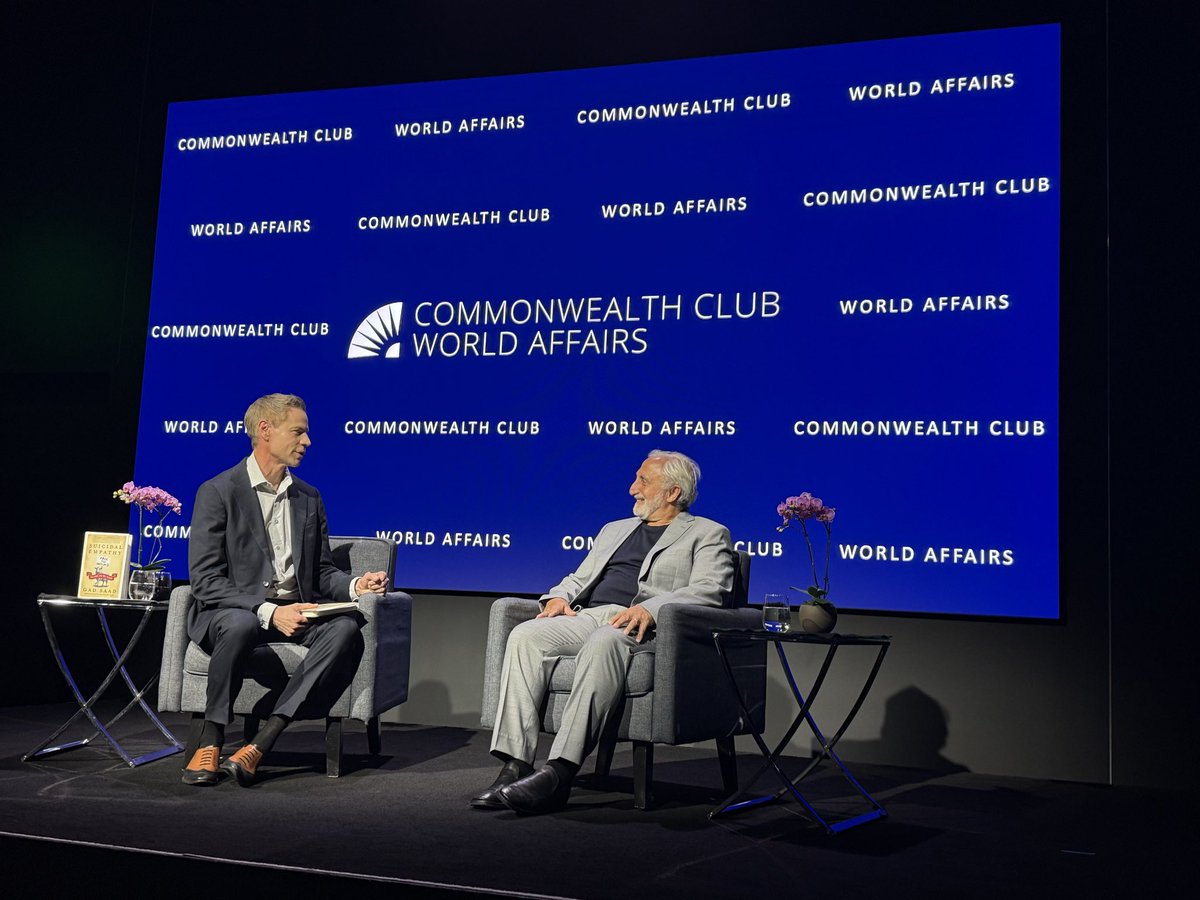
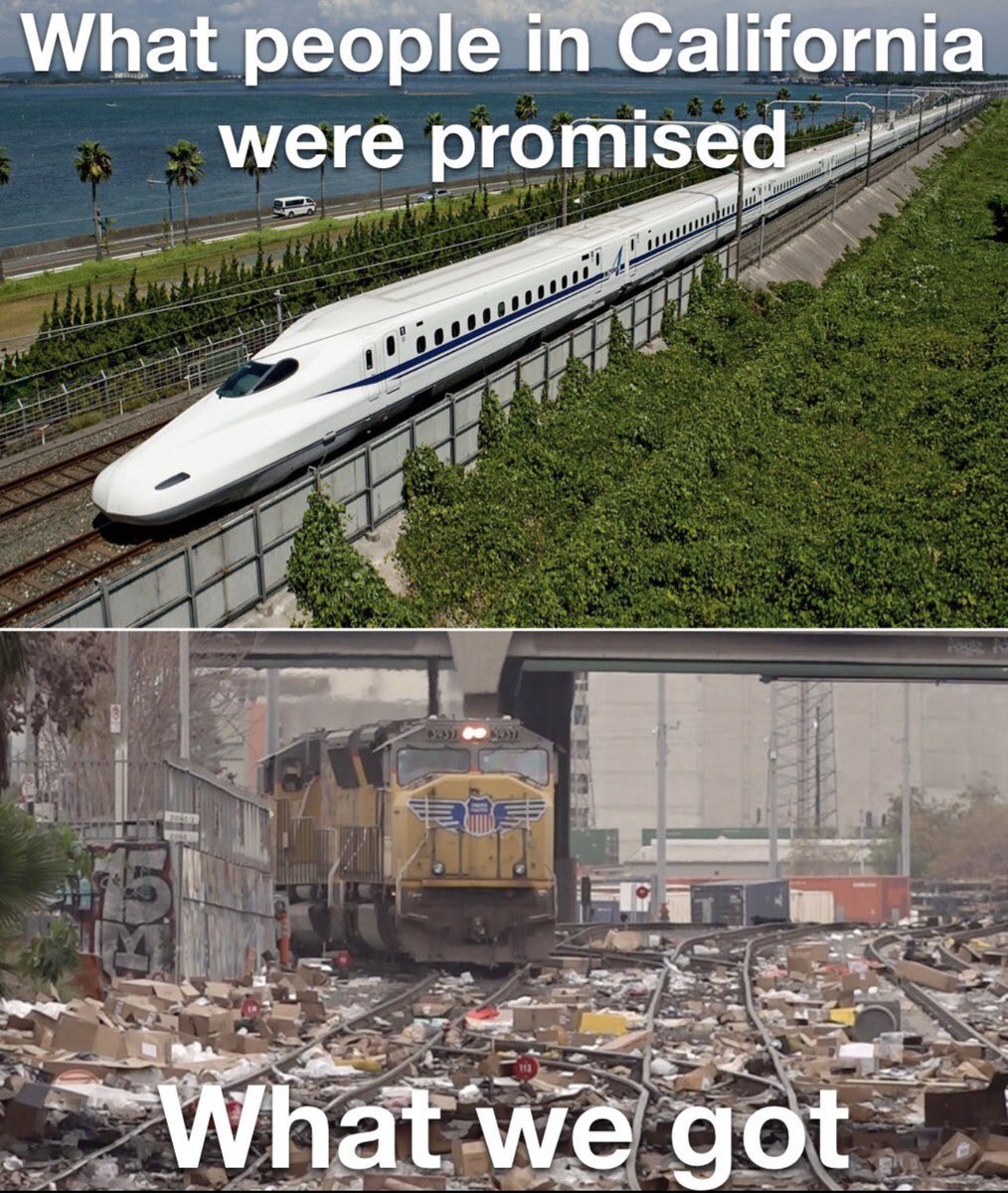
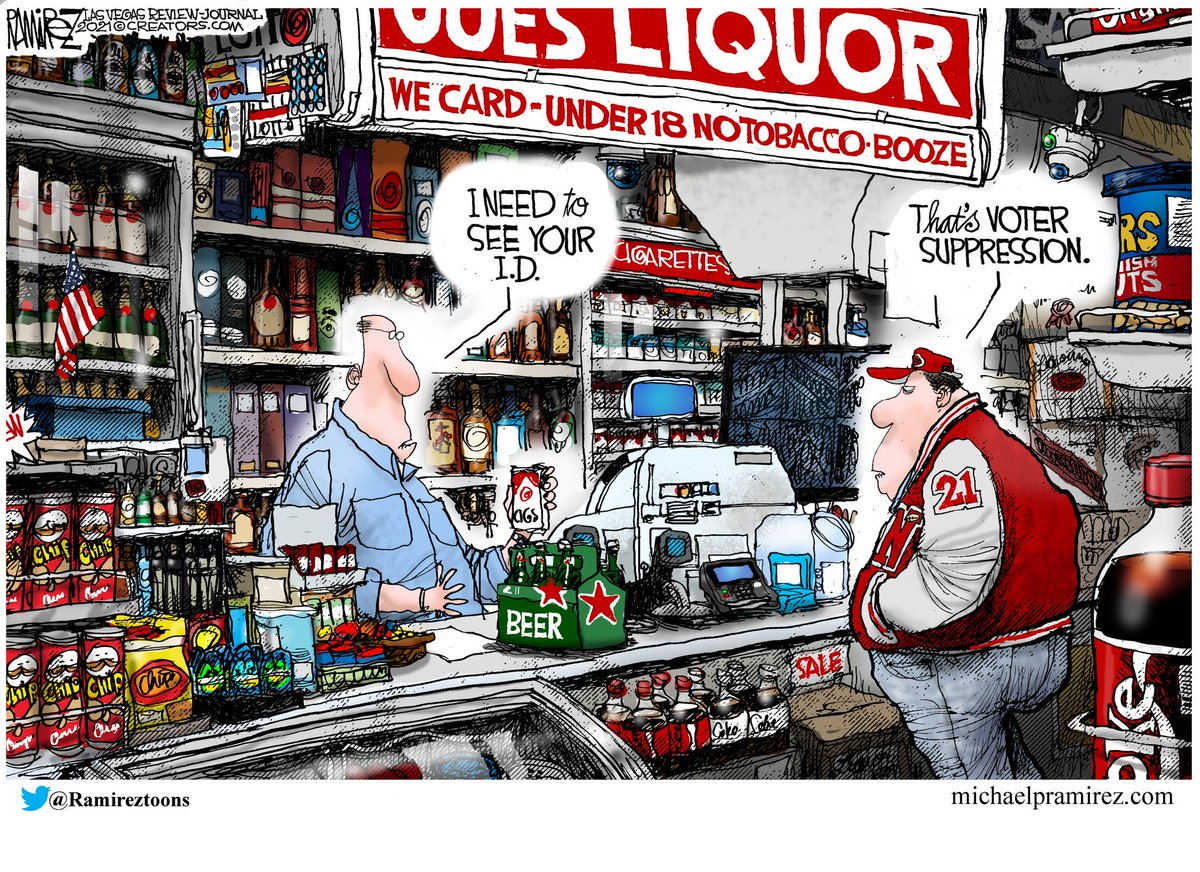

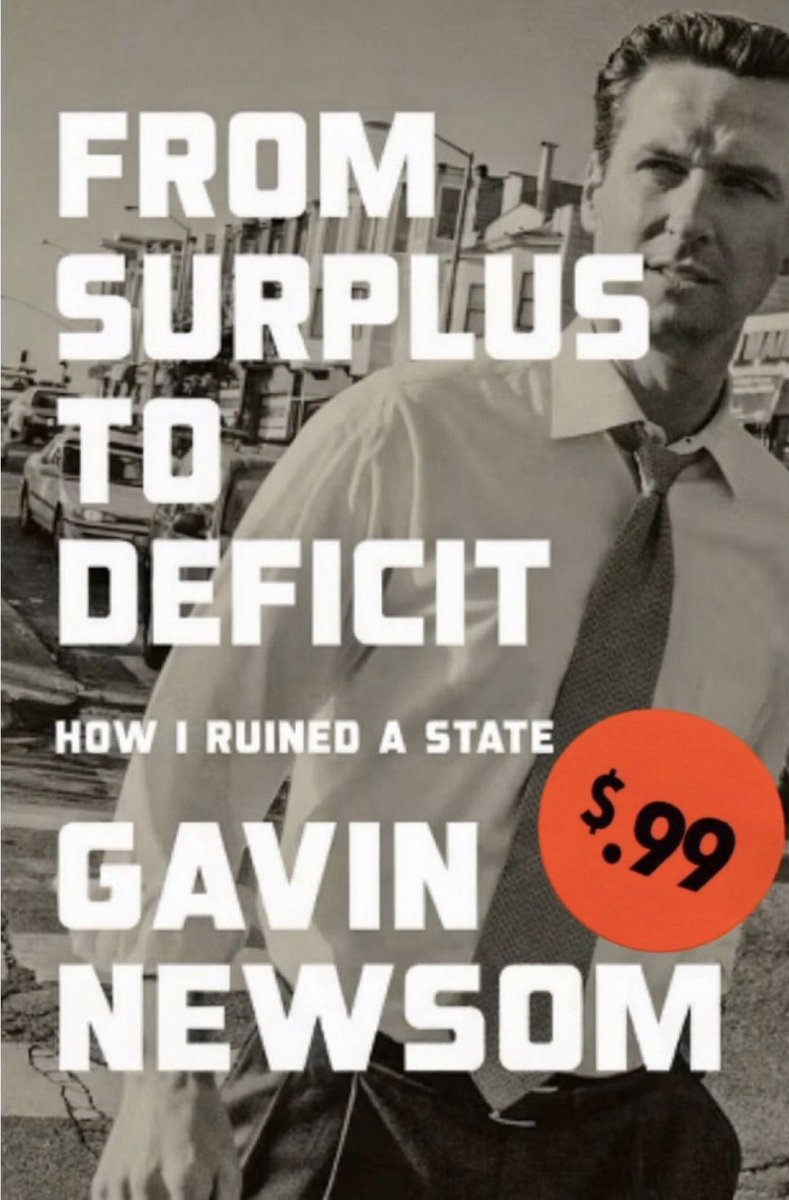
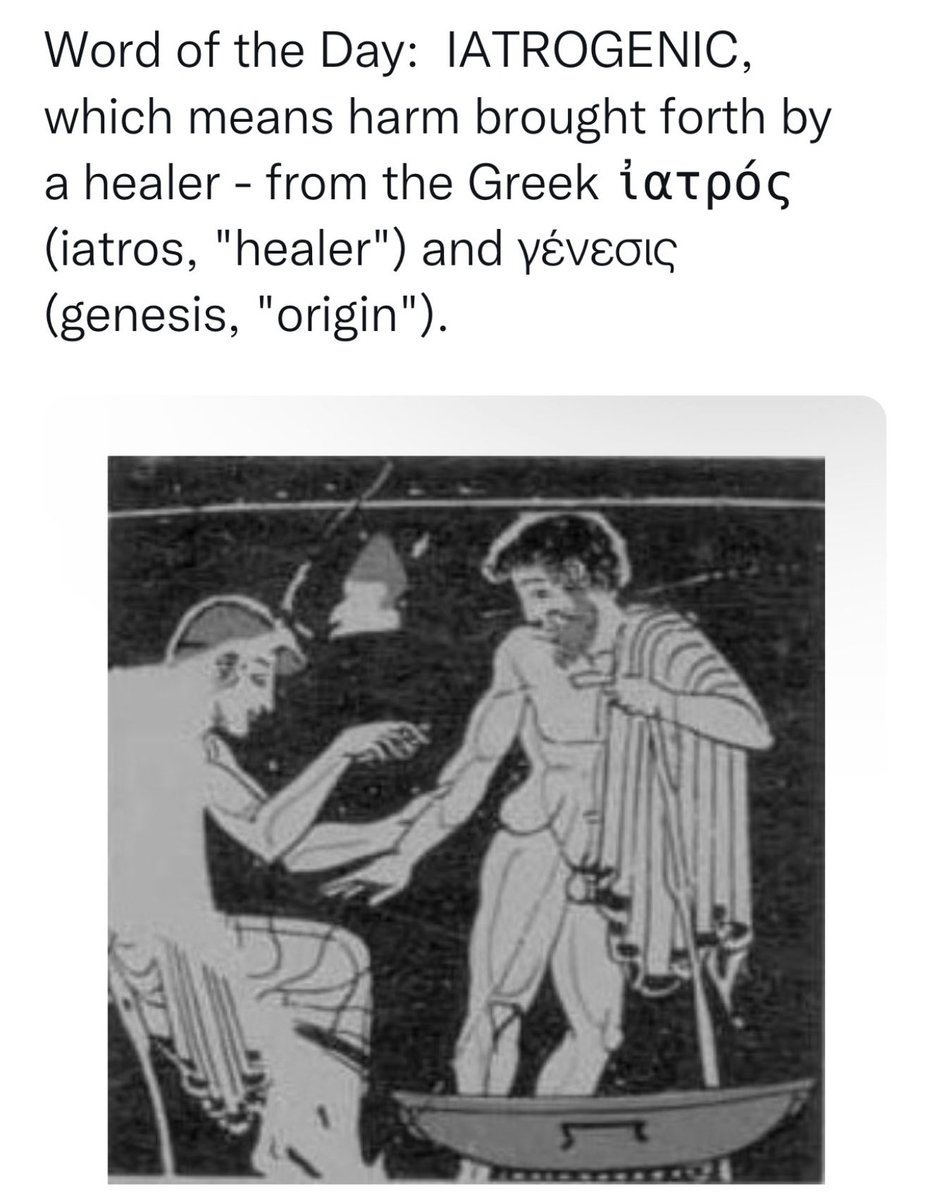

An absolute banger event @cwclub with the irrepressible @GadSaad in conversation with Michael @shellenberger
Iatrogenic progressivism as viewed through the lens of evolutionary psychology, which explains so many of the pathologies we see in CA.
💯🍯🦡💪
youtu.be/ZWaDaTnrSNw?is=SOr0…
1
3
210
There is a ton of anxiety around the implications of AI on the work force and society writ large. I think this 20 min presentation by @tylercowen is the best synthesis of the likely trajectory, with long-term optimism tempered by some second-order realities in the near-to-intermediate term. Well worth watching!
youtu.be/aJlg6o0A_Js?si=t77r…
5
381
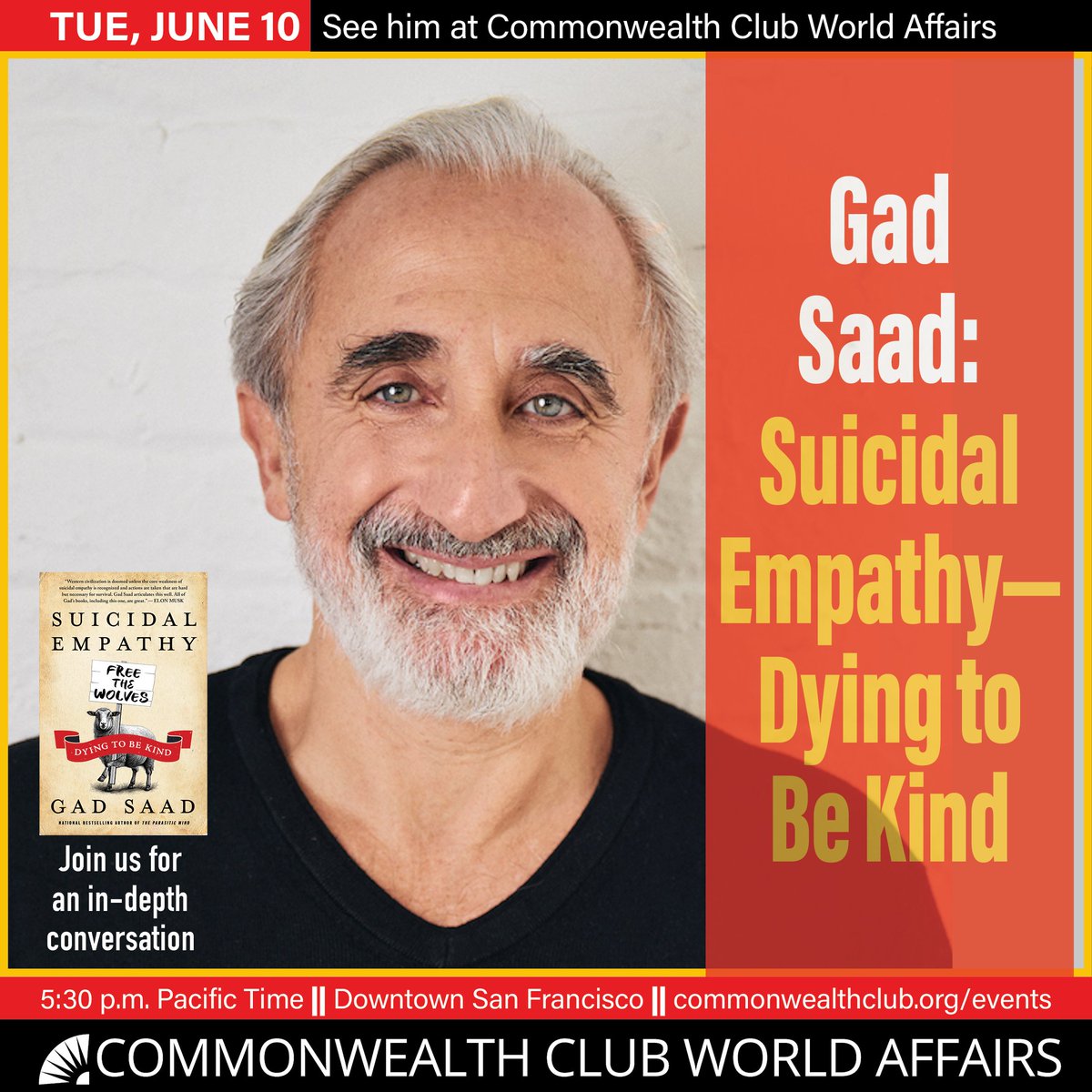
Don’t miss this! @GadSaad in conversation with Michael @shellenberger for “Suicidal Empathy” in exactly one week: June 10th @cwclub at 5:30 PDT details and registration via link in below prior post 👇👇👇
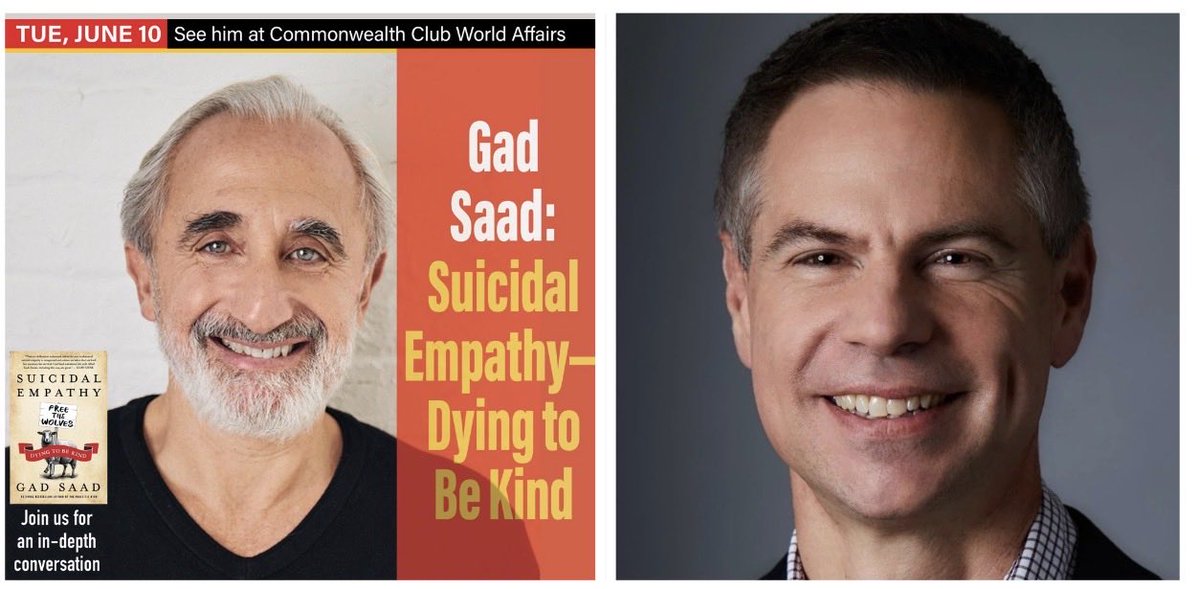

Join me in welcoming @GadSaad to @cwclub in SF in exactly two weeks, on Wed June 10th at 5:30 PDT!
Gad is an evolutionary behavioral scientist and offers a unique perspective on societal ills stemming from inherited traits that have proven maladaptive in modern society. His new @HarperCollins book is “Suicidal Empathy - Dying to Be Kind,” which is a much-anticipated follow-up to 2021’s “The Parasitic Mind - How Infectuous Ideas are Killing Common Sense.”
Gad will be in conversation with fellow honey badger, investigative journalist and author Michael @shellenberger
More details and registration links, both in-person and remote, via link below 👇
commonwealthclub.org/events/…
1
2
10
19,721
Join me in welcoming @GadSaad to @cwclub in SF in exactly two weeks, on Wed June 10th at 5:30 PDT!
Gad is an evolutionary behavioral scientist and offers a unique perspective on societal ills stemming from inherited traits that have proven maladaptive in modern society. His new @HarperCollins book is “Suicidal Empathy - Dying to Be Kind,” which is a much-anticipated follow-up to 2021’s “The Parasitic Mind - How Infectuous Ideas are Killing Common Sense.”
Gad will be in conversation with fellow honey badger, investigative journalist and author Michael @shellenberger
More details and registration links, both in-person and remote, via link below 👇
commonwealthclub.org/events/…
9
14
112
26,660
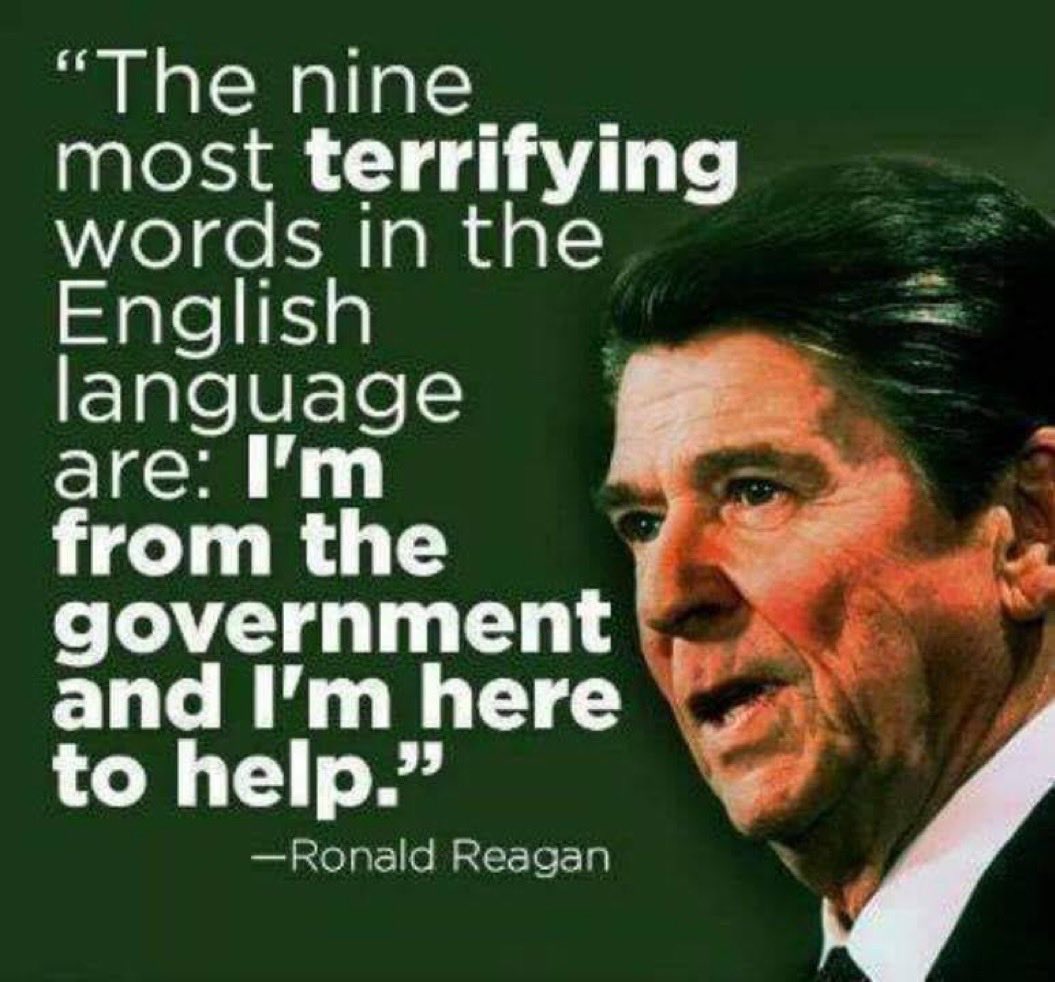
The very first job of government is law & order. This is the foundational purpose that emerges across political philosophy, history, and basic state formation. Without it, no other government functions (infrastructure, welfare, education, regulation) can reliably exist.
This take from the @PirateWires Daily 👇
twitter.com/PWB123123/status…

2
95
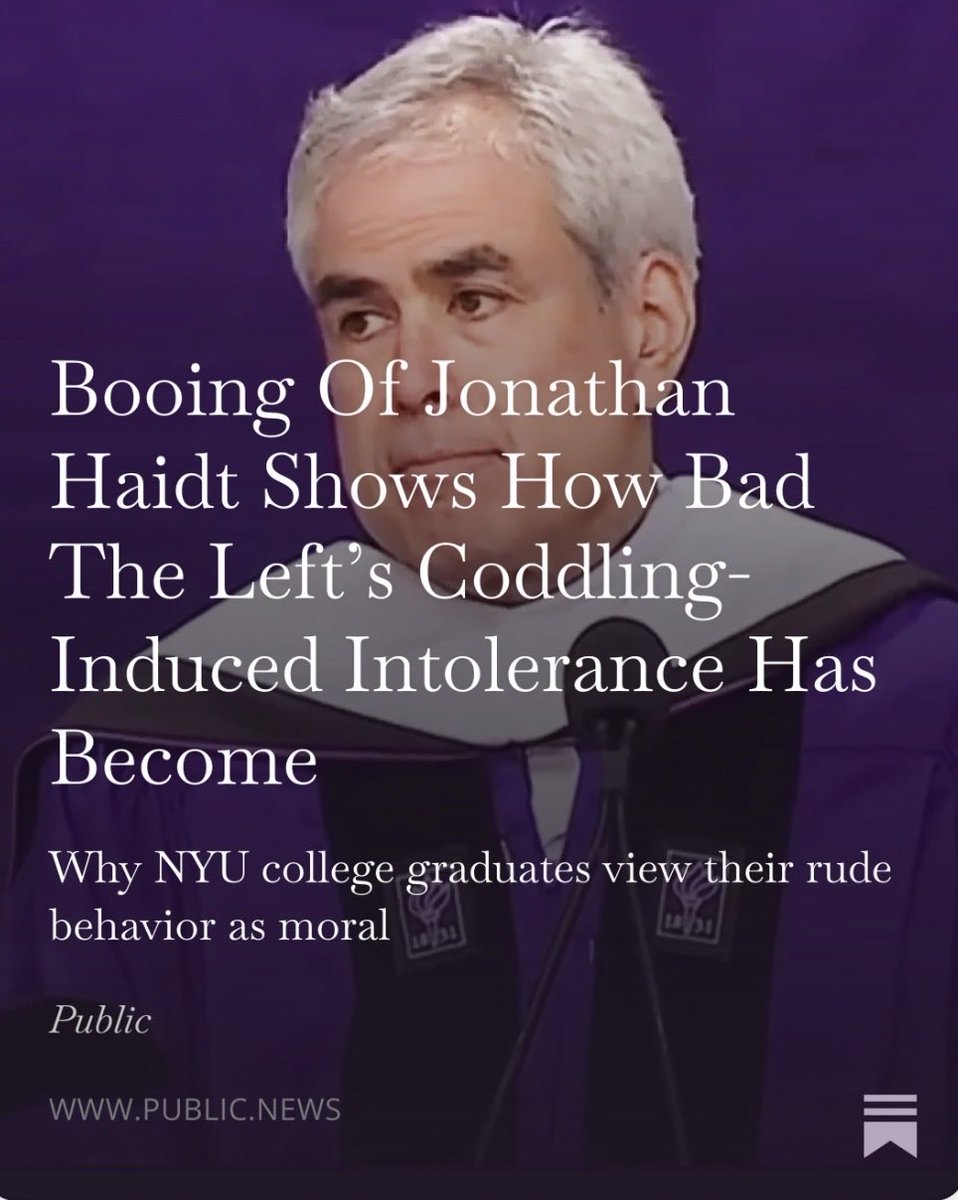
Brilliant analysis by @shellenberger - @JonHaidt and @glukianoff have been
💯🎯
open.substack.com/pub/public…
1
148
315,359
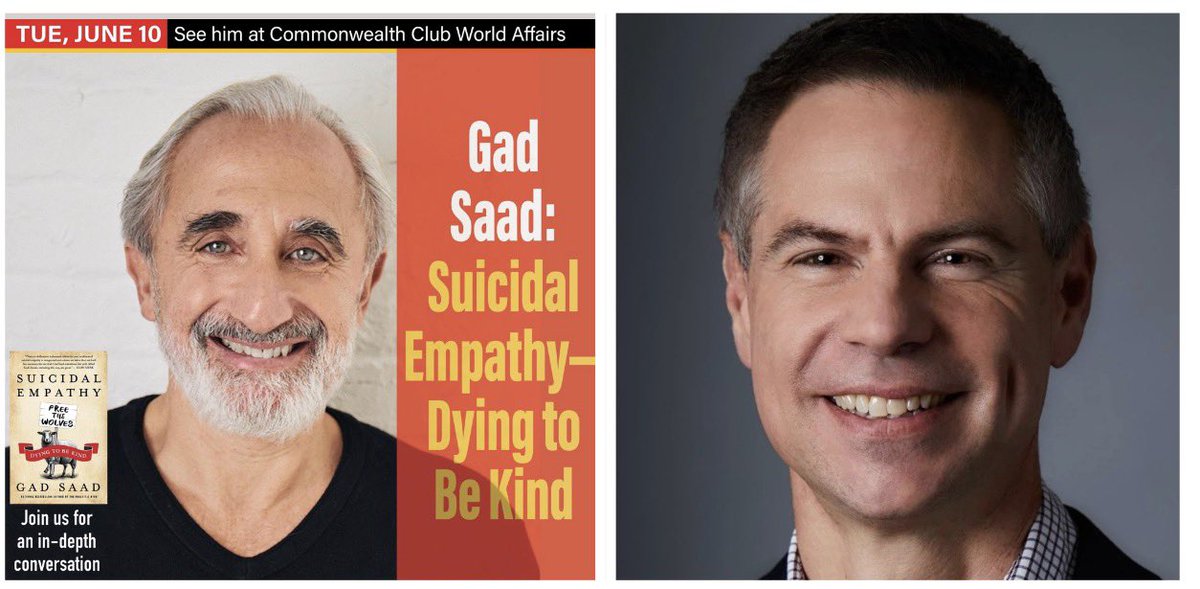
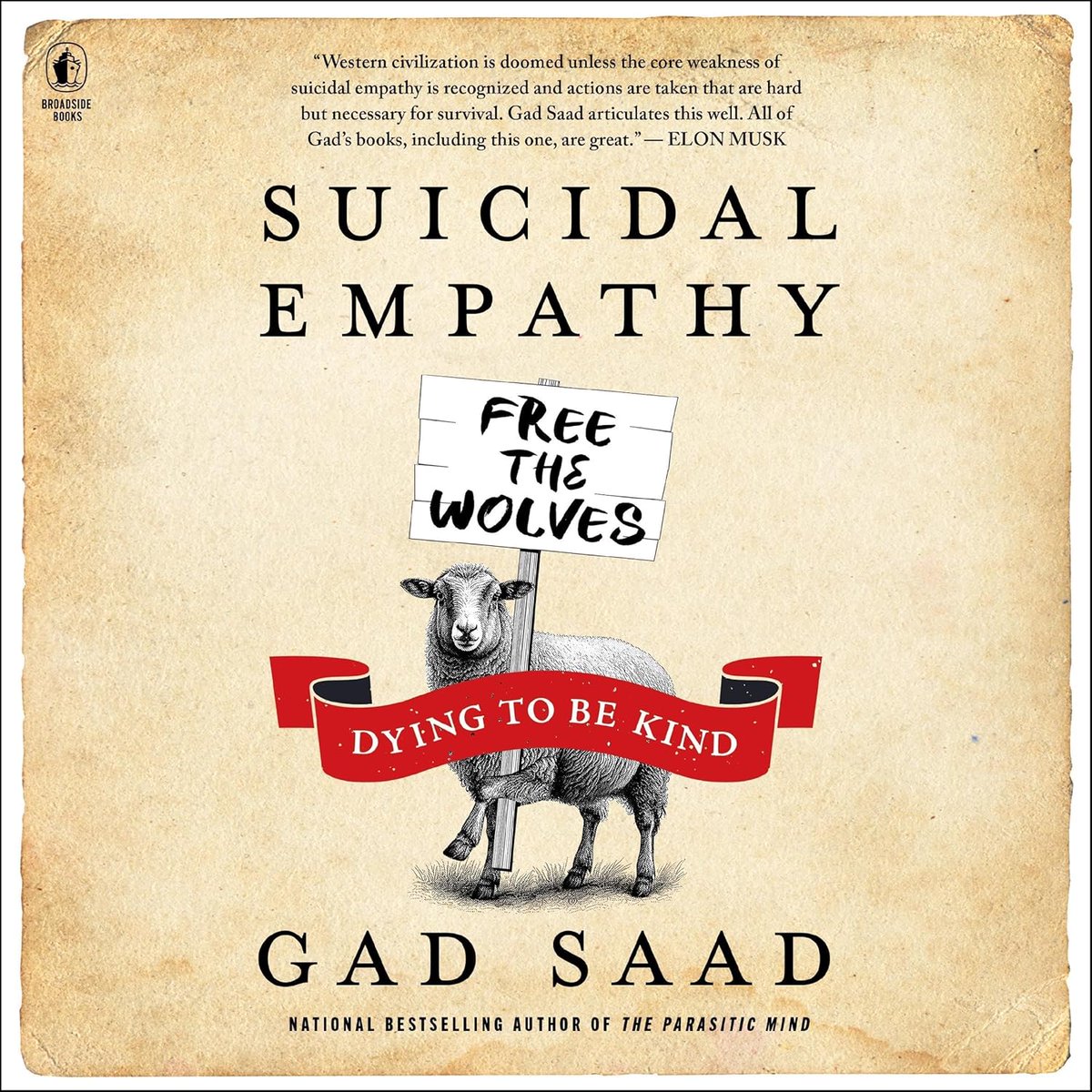
Progressive “suicidal empathy” - @GadSaad s new book of the same title is out today! Join the discussion with Michael @shellenberger at the commonwealth club @cwclub on June 10th at 5:30 PDT.
More info and registration links 👇
commonwealthclub.org/events/…
3
1
5
356
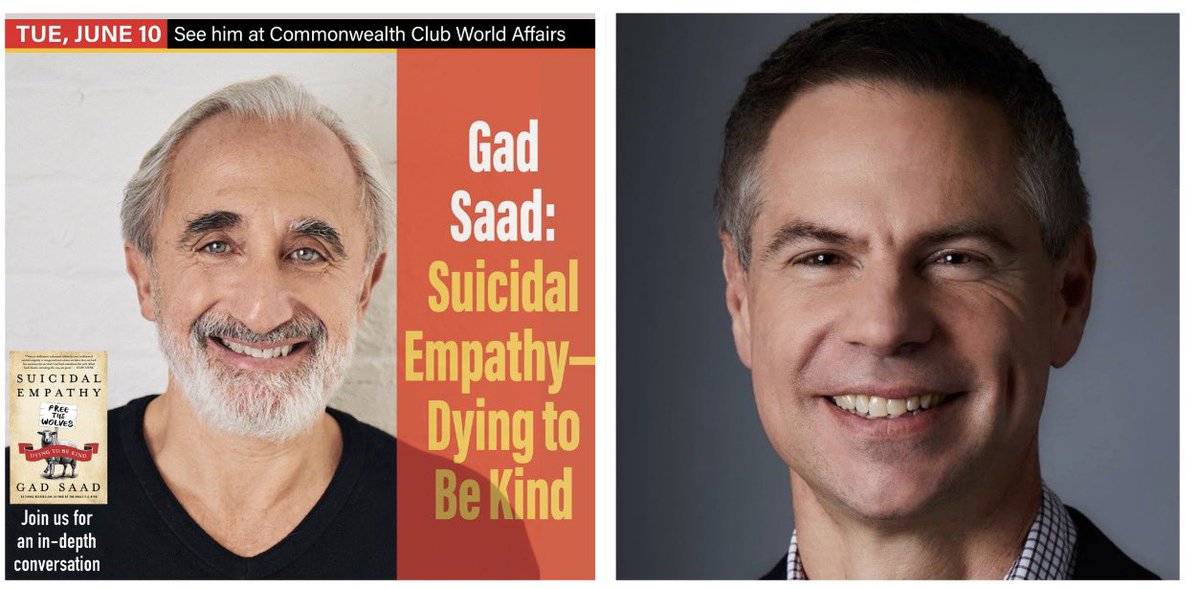
“Suicidal Empathy” tour coming to SF’s Commonwealth Club @cwclub on June 10th at 5:30. @GadSaad will be discussing his new book, “Suicidal Empathy - Dying to be Kind,” in conversation with San Fransicko author Michael @shellenberger
🍯🦡 x 2 = 💪💪💪💪💪
5:30 Book Talk (free copy included)
6:30 Wine reception / Book Signing
More details and registration links 👇
commonwealthclub.org/events/…
1
3
537
Fantastic debate last night at Berkeley with a sprightly 85 year old @realartlaffer debating Emmanuel Saez, author of the CA “billionaire tax” that targets the richest Californians. Kudos to both for an exceptionally civil and reasoned debate!
youtube.com/live/tLQFHYqkVtY…
8
304
Ken Broad retweeted

Apr 17
A down-ballot race that matters!
TL;DR - I did my homework and urge you to vote Patrick Wolff for Insurance Commissioner. He's the only one who has any clue what he's doing.
California's insurance commissioner race doesn't get much attention, but it's actually one of the most important races on your June 2 ballot.
It took me over a month to buy a car because insurers had paused new auto policies in the state and I needed insurance before being able to sign the lease papers. Many homeowners can't get coverage at all right now, and a lot of homes in the state are losing value because they can't get insured! We've had a series of fires over the last many years and folks who lost everything got screwed by the companies they'd been paying for decades.
TBH It's crazy that we vote for insurance commissioner at all. This should clearly be an appointed role. Most states appoint someone with actual expertise. But we live in California and have this silly form of direct democracy. For this position, we've ended up with a conveyor belt of bad or termed-out politicians with zero relevant background trying to get into political office somewhere.
That's how we got Ricardo Lara, who ran for the job on a platform of (I kid you not!) - being openly gay and "standing up to fight our bullying President, Donald Trump." This is the insurance commissioner. We elected a journalism major who had never worked anywhere near insurance because he's gay and promised to fight Donald Trump. WTF!
The job is rate filings and claims oversight. Lara fleeced us. He took money from companies he regulated, and gave them preferable access, and spent tons of taxpayer money traveling around the world, while at the same time being too busy to accept rate filings from insurers who then pulled out of the state.
Rate filings supposed to take 60 days routinely took over a year. Auto insurance rate approvals were frozen for two years. Seven major carriers paused or stopped writing policies in CA. The FAIR Plan doubled. Meanwhile, we've been in crisis mode with some of the worst crises in history during his term...
The field to replace him is mostly more of the same. Has-beens who have no insurance background. Jane Kim wants to insurance run by the state, and is endorsed by Bernie Sanders. We have a bunch of other career politicians in the race, hoping to become insurance commissioner because they failed at whatever else they were actually aspiring for.
I'm voting for Patrick Wolff. He's a CFA who built an insurance brokerage, analyzed insurers for 20 years, and passed the property and casualty license exam during his campaign, the first candidate ever to do that. He's self-funded his campaign and won't run for another office.
His plan is straightforward: allow real competition so no single insurer can gain enough market power to blackmail the regulator on pricing. Require subsidiaries operating in CA to have financial backstops from their parent companies. Publish claims performance report cards for every insurer so consumers can reward good actors and punish bad ones. Streamline rate filings so they actually get processed.
The crisis in our state is the result of bad regulation... Good regulation can fix it.
Vote Patrick Wolff, and enjoy this awesome video!
Apr 13

19
56
303
40,180
Ken Broad retweeted

1
1
3
266
Ken Broad retweeted

Mar 26
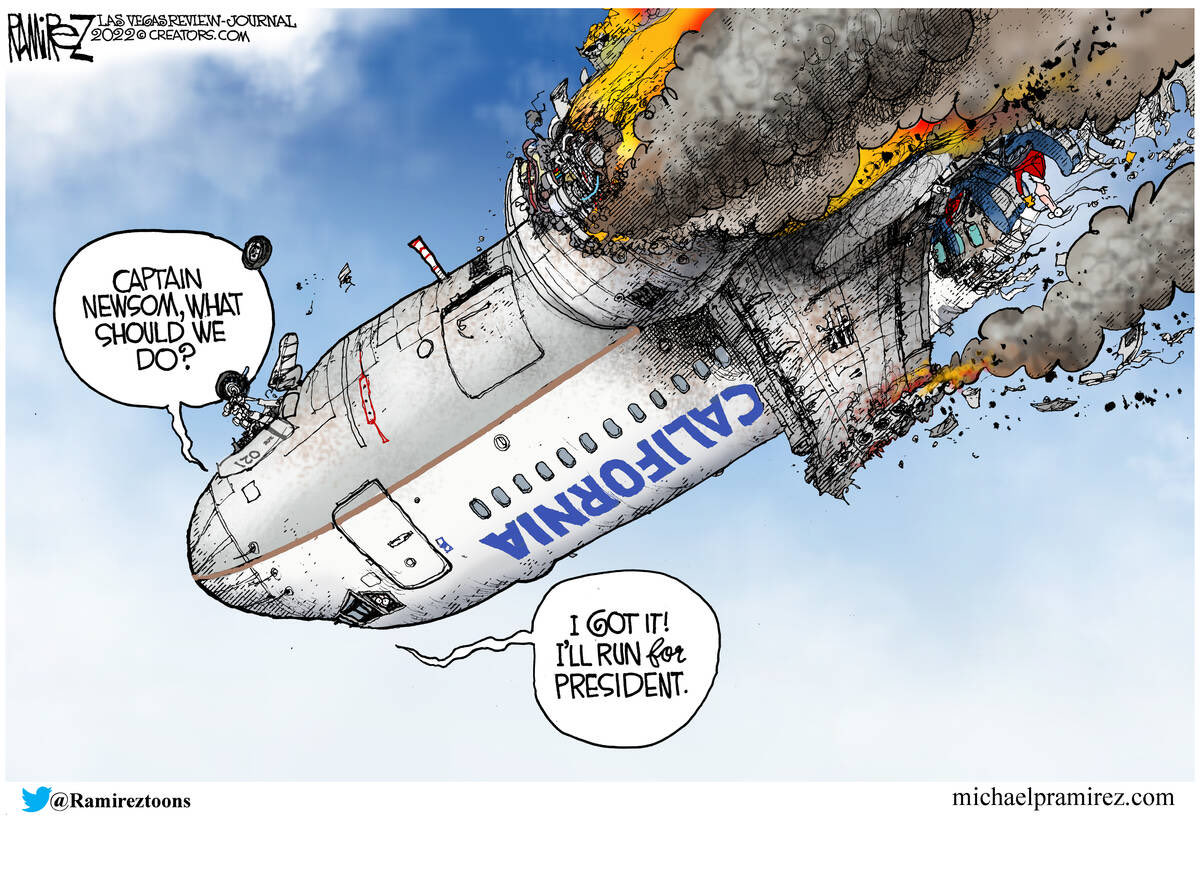
BREAKING: David @friedberg says "California is functionally bankrupt"
"People don't realize how screwed California is, & I worry that if California falls, so does the union.
"$250 billion to $1 trillion short."
"This is because for California to get rescued would be a big cost to red states, & I think it creates in the years ahead a lot of tension."
"California's functional bankruptcy is a major risk to the country. & I think we need to figure out what we can change to fix it."
How we got here:
"California has a public pension system, & that public pension system retirees have paid into it & they get some benefits out, & the amount that they're owed back out is somewhere between $250 billion - $1 trillion dollars more than has been paid in.
$250 billion to $1 trillion short.
If it was the federal government, it would be like, okay, we'll just print more money. California doesn't have the ability to print money, so California has to pay this out, and you can't restructure retirement benefits.
There is a Supreme Court case in California that said that once an employee has been offered retirement benefits, even if they're currently an employee, you can never restructure their retirement benefits.
It has to stay forever, and the state cannot declare bankruptcy. There's no way for the state to functionally declare bankruptcy. There's no law to allow it. No state has ever declared bankruptcy, and the retirement benefits sit senior to the bonds in California.
So you have to pay out the retirement benefits before you pay out all the bond holders that have loaned California the money that they use to run all their programs and services."
Hill & Valley Forum 2026 (@HillValleyForum)
25 Dec 2025

California will be bankrupt by 2030.
If you’re expecting a state pension, it is at risk.
If you don’t believe it, check Grok or Gemini and explore how California politicians changed the reporting rules on your pension so they could hide how underwater it is.
The middle class citizens of California will soon be asked to pay a huge price to bail out the state.
Why them?
Because that is where most of the wealth of California resides. It’s easy to single out “billionaires” but there aren’t many of them and they can and will all leave before the bottom falls out. They are leaving in droves already.
The mismanagement in California is biblical - and the scale is huge because it’s the world’s 4th largest economy.
California politicians and their henchmen are now entering the coverup phase where they can no longer hide their financial incompetence so they are taking from average California residents to try and hide what they’ve done:
You will soon see ballot initiatives with fancy tiles like “billionaire tax”. But those are lies. They are mechanisms to tax everything, every way:
Excise taxes
Wealth taxes
Private property confiscation
It’s all happening now.
If you want to preserve California, you will need to stand up because California has become a kleptocracy.
734
2,559
12,395
2,659,395
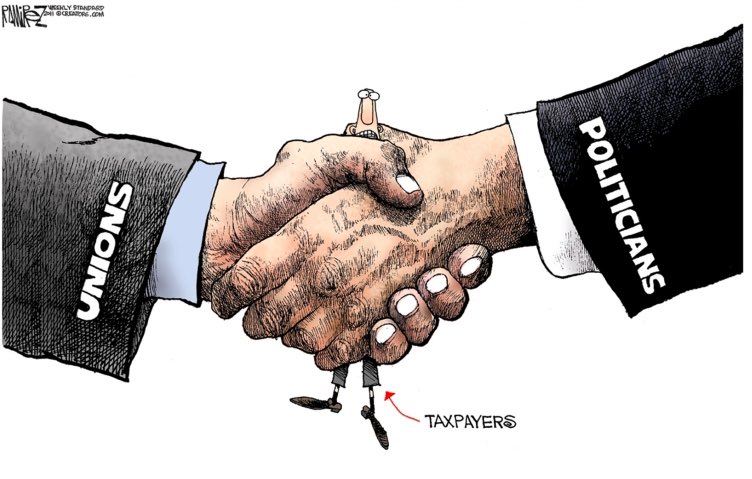
An excellent cri de coeur for a return to federalism. States need to start acting more like businesses. They need to really treat companies & taxpayers like customers, who deserve good value for their tax dollars. Parasitic interest groups are killing the host: CA is Exhibit A

The wealth tax meant Silicon Valley lost Larry and Sergey.
Good, I say.
Governments should fear losing their citizens the way businesses fear losing their customers. They should compete for them.
The Founders thought so. Madison's "compound republic" was an architecture of rivalry.
Are you an entrepreneur? go to Franklin's Pennsylvania, get low taxes, liberal land policy, a broad franchise.
Drawn to Puritan moral codes and town meeting governance, and don't mind social conformity? Can't beat Massachusetts.
Are you a wannabe aristocrat? Virginia's landholding system is for you.
States offered different constitutions, property laws, tax structures, visions of the good life. Citizens could migrate toward the jurisdictions that served their interests and convictions.
Jefferson's westward expansion intensified the pressure. Each new state was conceived as a model of freedom meant to embarrass the older, more hierarchical ones.
That's how it worked in the beginning.
But this system of "jurisdictional competition" has been in collapse since the middle of the 20th century.
The sharpest inflection was the New Deal. Federal grants-in-aid, Social Security, Medicare, and Medicaid all wired state budgets to Washington so thoroughly that by 2020, a third of state spending came from federal transfers.
Once every state depends on the same revenue streams and administers the same programs, meaningful policy differentiation narrows to the cosmetic.
Four forces deepened the collapse after that:
- The Supreme Court incorporated most of the Bill of Rights through the 14th Amendment, binding states to uniform constitutional norms.
- Federal preemption under the Commerce Clause let OSHA, EPA, and DOE set standards that left states room to vary only at the margins.
- National media and consumer culture homogenized the country in ways that made jurisdictional identity feel outdated.
- And the professionalization of bureaucracy created a class of administrators whose training, incentives, and career paths were national rather than local.
The compound republic became, for practical purposes, unitary.
Now, some of this was morally necessary.
The Founders' competitive system applied in practice only to free people, and the jurisdictional competition that followed included the freedom of states to enforce slavery and Jim Crow.
No serious person wants to restore that. What incorporation did, at its best, was establish a floor of rights below which no state could fall.
My argument is for restoring the range of meaningful differentiation above that floor. Below it, the competition is illegitimate, and above it, the atrophy has been catastrophic.
When jurisdictions stop competing, they stop innovating. They stop being accountable. They become administrative franchises of a central authority, varying only in climate and cost of living.
Citizens lose the most powerful disciplinary tool they have: the credible threat of departure.
There are signs the system is waking up.
Covid triggered the most visible jurisdictional sorting in decades. @FrancisSuarez and @MayorAdler competed openly for California and New York's talent (Suarez giving a masterclass).
@GregAbbott_TX’s Texas became the landing zone for people like @elonmusk @JTLonsdale and @DavidSacks, while @RonDeSantis’s Florida pulled @rabois (since recaptured) and Ken Griffin. And these are just the big names.
Governors began marketing their states as ideological propositions. Abortion, firearms, climate policy, education: states are diverging sharply on all of them. "California versus Texas" mirrors "Massachusetts versus Pennsylvania" circa 1780, at least structurally.
But if the 1780s competition was about political economy: land, taxes, franchise rules, the terms on which you could build a life, the current divergence is heavily cultural and identity-driven.
Fifty laboratories generating genuine knowledge about which policies serve human flourishing, under conditions where citizens can compare results and move accordingly: that is Madisonian competition.
Two Americas retreating into ideological bunkers is factional sorting, which is what Madison warned against in Federalist 10. I'm not sure which one of those we are building.
So why is it good that Larry and Sergey left?
Not because the wealth tax is good. That much is clear to me.
But because if your government becomes oppressive or incompetent or ceases to meet with your vision for the good life, you can leave. Madison said as much in Federalist 46.
This multiplicity of jurisdictions and the competition among them is the immune system of republican liberty.
Jurisdictional competition has been dormant for half a century. We are at the nadir. Reawakening it would change the trajectory of the country more than any single election.
***
Thanks to @bgurley for an (Austin-based) coffee chat about this. (views / mistakes mine)
1
9
483
Ken Broad retweeted

Mar 5
Just out: California's wealth tax proposal has a NEGATIVE $25B net present value. We project only ~$40B collected (vs. $100B claimed), with ~30% of the tax base already gone and lost income taxes wiping out gains. w/ Ben Jaros, @gregkkearney, John Doran & Matheus Cosso: papers.ssrn.com/sol3/papers.…
39
122
718
150,641
Ken Broad retweeted

Feb 22
Blue cities are out of control, promising more, spending more, delivering less and pushing off fiscal problems to some future day.
Democrats in city halls should stop governing as if the goal is to announce new entitlements, and instead make government work.
My take:
1,300
2,351
12,572
1,852,398
Ken Broad retweeted

Feb 22
As the Winter Olympics reach their climax, a fascinating competition is unfolding in U.S. Democratic politics. From Eric Swalwell to Alexandria Ocasio-Cortez, candidates are testing the proposition that they can win gold solely on style alone... jonathanturley.org/2026/02/2…
52
162
1,578
45,383

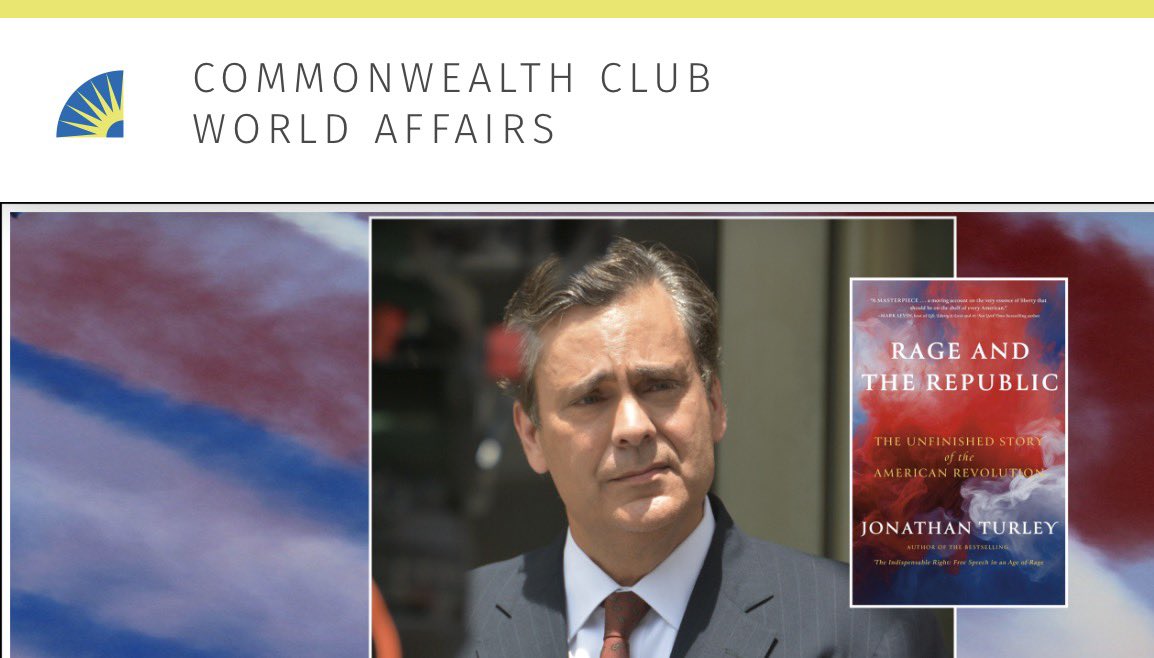
Please join me in welcoming @JonathanTurley to @cwclub in exactly 2 weeks for a discussion on his new book, “Rage and the Republic - The Unfinished Story of the American Revolution.”
More details and remote plus in-person registration info via the link below.
Mon Feb 23rd at 5:30PM. Free book and wine reception for those attending in person.
“In this riveting book, [Turley] revisits the past—focusing particularly on the remarkable life of Tom Paine and how the democratic principles of the French Revolution differed from our own—to identify the nature of the current threats to our liberties and our constitutional order. History has never been put to a better use.”
– Randy E. Barnett, Patrick Hotung Professor of Constitutional Law at the Georgetown University Law Center and Director of the Georgetown Center for the Constitution
commonwealthclub.org/events/…
1
5
370
Ro-
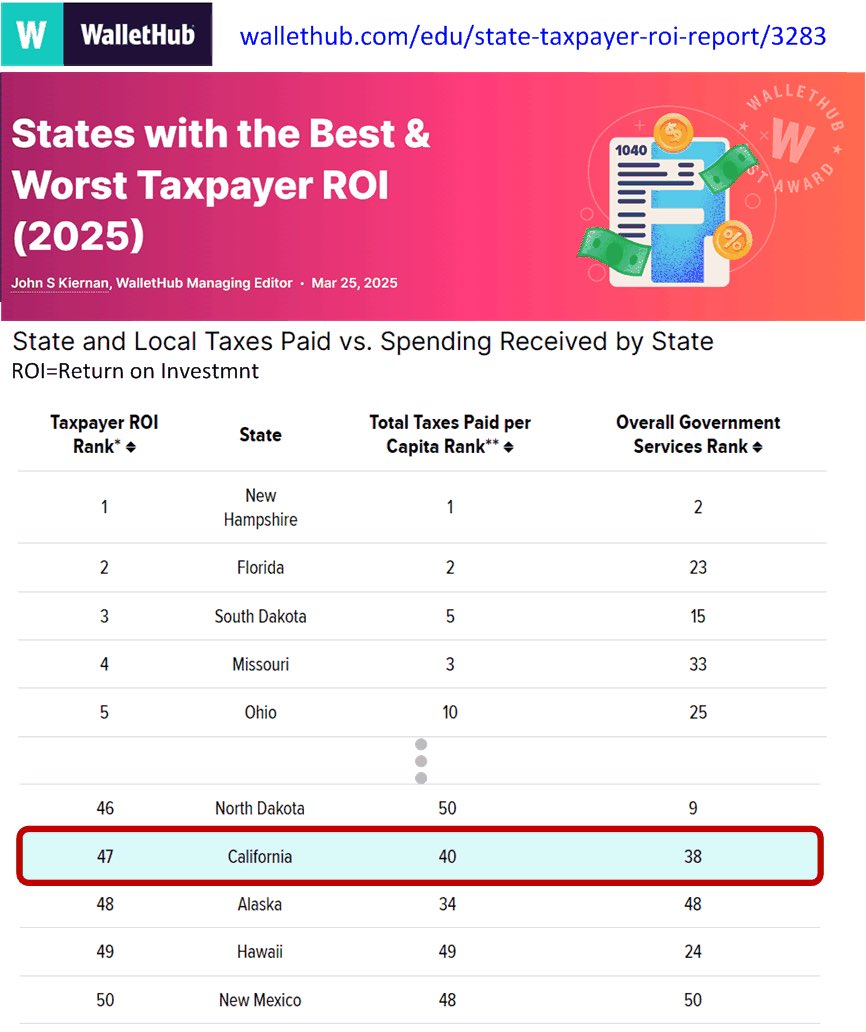
Fact: CALIFORNIA ranks among the VERY WORST states (#48) at converting taxpayer dollars into services for citizens. Your constituents in Silicon Valley, who you are obviously very proud of, demonstrate the opposite characteristic - inordinately high returns on investment. Basically, tech leads while gov bleeds.
Low ROI companies fail to attract new investment and ultimately fail. Likewise, taxpayer “investors” in California are refusing to fund more of the squanderous statist quo.
Change the direction of the state before asking for another penny from beleaguered taxpayers. 1% of taxpayers contribute roughly 50% of PIT to CA, which means 1/3 of all state tax revs. You, @GavinNewsom @CASpeakerRivas @AGRobBonta are dancing with the redistributionist Devil and it’s not going to end well. High taxes - if not efficiently spent - redistribute people, not income.
4
3
16
710