Joined August 2014
- Tweets 4,441
- Following 205
- Followers 278
- Likes 2,201
519 Photos and videos








A Defibaugh retweeted

Jun 3
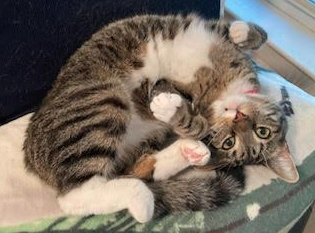
The way we all became this little furball's support team by the end 😭👏🐱
46
389
3,486
92,302

Memorial Weekend
2026 🇺🇸 🫡
This is such a poignant and respectful remembrance for all 9,387 US soldiers who paid the ultimate price for our freedom on D-Day in Normandy.
French caretakers’ tradition of taking sand from Omaha Beach and scrubbing it into the letters of the tombstones makes the names more visible and gives them a golden appearance.
184
2,262
9,968
124,025
A Defibaugh retweeted

May 24
This is probably a long shot, but if anybody happens to be in DC this weekend and plans on visiting Arlington, I would love to see a fresh photo of my husband’s grave in Section 60.
SSG Alan W. Shaw
Section 60, Grave 8451
B Co 1/12 Cav, 1st Cavalry Division
November 10, 1975 - February 9, 2007
There’s just something about knowing people still stop by, still say his name, still remember. 🇺🇸⭐🇺🇸
1,034
6,133
55,828
7,013,931

May 24
Does anybody else sometimes type a thoughtful response, then instead of tapping "reply" you delete your words and scroll on?
1
16

A Defibaugh retweeted

May 18
A church in Atlanta was honoring one of its senior pastors who had been retired many years. He was 92 at that time and I wondered why the church even bothered to ask the old gentleman to preach at that age.
After a warm welcome, introduction of this speaker, and as the applause quieted down, he rose from his high back chair and walked slowly, with great effort and a sliding gait to the podium.
Without a note or written paper of any kind he placed both hands on the pulpit to steady himself and then quietly and slowly he began to speak....
"When I was asked to come here today and talk to you, your pastor asked me to tell you what was the greatest lesson ever learned in my 50-odd years of preaching. I thought about it for a few days and boiled it down to just one thing that made the most difference in my life and sustained me through all my trials. The one thing that I could always rely on when tears and heartbreak and pain and fear and sorrow paralyzed me...
The only thing that would comfort was this verse....
"Jesus loves me this I know.
For the Bible tells me so.
Little ones to Him belong,
We are weak but He is strong.....
Yes, Jesus loves me....
The Bible tells me so."
The old pastor stated, "I always noticed that it was the adults who chose the children's hymn 'Jesus Loves Me' (for the children of course) during a hymn sing, and it was the adults who sang the loudest because I could see they knew it the best."
"Here for you now is a Senior version of Jesus Loves Me":
JESUS LOVES ME
Jesus loves me, this I know,
Though my hair is white as snow
Though my sight is growing dim,
Still He bids me trust in Him.
(CHORUS)
YES, JESUS LOVES ME.. YES, JESUS LOVES ME..
YES, JESUS LOVES ME, FOR THE BIBLE TELLS ME SO.
Though my steps are oh, so slow,
With my hand in His I'll go
On through life, let come what may,
He'll be there to lead the way.
(verse 2)
When the nights are dark and long,
In my heart He puts a song..
Telling me in words so clear,
"Have no fear, for I am near."
(Verse 3)
When my work on earth is done,
And life's victories have been won.
He will take me home above,
Then I'll understand His love.
(CHORUS)
I love Jesus, does He know?
Have I ever told Him so?
Jesus loves to hear me say,
That I love Him every day.
If you think this is neat, please pass it on to your friends. If you do not pass it on, nothing bad will happen, but you will have missed an opportunity to "reach out and touch" a friend or a loved one. God Bless Us All!!! AMEN!
71
1,172
2,672
61,450
A Defibaugh retweeted

Apr 30
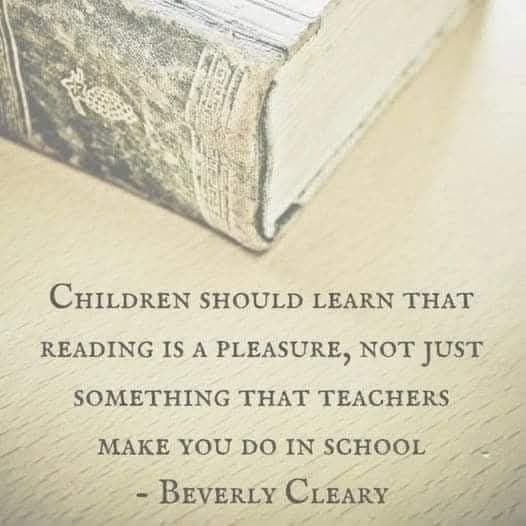
“The first Americans I knew and loved were the characters I met in my treasured children’s novels: Little Women, What Katy Did, Charlotte’s Web… I knew, even then, that books are the best friend you can have.”
📚 At the New York Public Library, The Queen addressed friends and supporters of The Queen’s Reading Room and shared her love of reading.
298
1,267
12,273
244,380
A Defibaugh retweeted

Apr 29
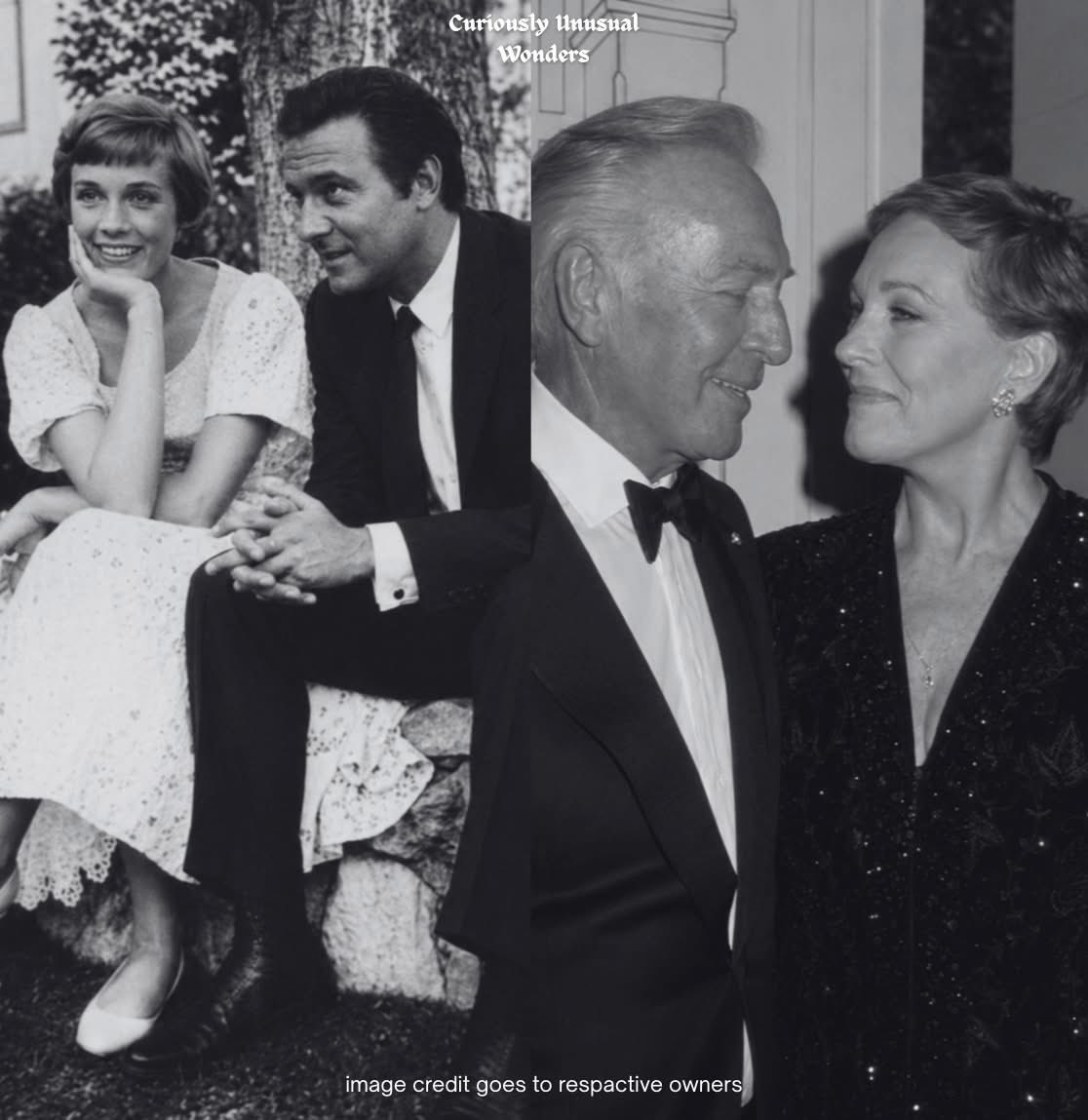
The Sound of Music Scene That Wasn’t Acting: When Captain von Trapp Hated Julie Andrews, Then Loved Her — And The Day She Lost Him For Real in 2021.
1964.
Salzburg. Julie Andrews is 29. Mary Poppins fresh. Perfect.
Christopher Plummer is 34. Shakespeare actor. Thinks musicals are “beneath him.”
He calls The Sound of Music “The Sound of Mucus.” Calls Julie “Miss Priss.”
**Then he sings Edelweiss.
Looks at her.
And 50 million people fall in love.**
February 5, 2021.
Connecticut. Christopher Plummer dies. 91.
Julie Andrews, 85, hears the news. Says four words:
“I’ve lost my Captain.”
And the hills aren’t alive anymore.
Here’s the Sound of Music incident that still makes the world cry:
1. The Gazebo That Almost Killed Them.
“Something Good.” The love song. Gazebo. Rain.
Problem: The gazebo floor was wet. Glass stage. No grip.
Take 1: Julie slips. Falls. Hard. Rips her dress.
Take 2: Christopher spins her. She slides. He catches her — barely.
Take 3: He steps wrong. Ankle twists. He hears a crack. Keeps dancing.
They finish the take. Smiling. Singing. In agony.
Director Robert Wise yells “Cut.”
Christopher collapses. Julie’s knees are bleeding. Through her stockings.
He looks at her, wincing: *“Well, Miss Priss. We’re either in love now or we’re dead.”*
She laughs. Cries. Says: *“Then we’re in love.”*
That take is in the movie. You can see her limp at the end. For real.
2. He Refused to Sing. So They Did This.
Christopher Plummer hated his singing. “I’m an actor, not a warbler.”
Edelweiss scene: He refuses. “Dub me. I won’t do it.”
Robert Wise says yes. Hires Bill Lee to sing. Plummer just mouths it.
Last day of filming. Salzburg Festival scene. Plummer has to “sing” goodbye to Austria.
He walks on stage. 200 extras. Real orchestra.
Julie is in the wings. Watching. She mouths *“Please.”*
Christopher looks at her. Changes his mind. Opens his mouth.
And sings. Live. One take. His real voice. Cracked. Terrified. Perfect.
Julie breaks down. For real. Tears you see in the film? Hers.
She said in 2020: “That was the moment I fell for Georg. And for Chris. Because he did it scared. For me.”
They kept Bill Lee’s voice in the film. But that take? Julie kept it in her heart.
3. The 56-Year Love That Was Never Romance.
They never dated. Both married others.
But they were “Captain and Maria” for 56 years.
Christmas cards. Every year. 1965–2020.
**His always signed: “Your Captain.”
Hers always signed: *“Your Maria.”***
2015. Oscars. 50th anniversary. They walk out together.
He takes her hand. She’s 79. He’s 85.
**He whispers: “Still the best nun I ever met.”
She whispers: *“Still the worst Nazi I ever loved.”***
Audience sobs. Standing ovation. 8 minutes.
He told Variety that night: *“We flirted for 50 years. And never crossed the line. That’s why it lasted.”*
4. The Day the Captain Died.
Feb 5, 2021. Julie gets the call.
She’s alone. In her house in Switzerland. Looks out at the Alps. The real ones.
She doesn’t cry. Not at first.
She puts on Edelweiss. His voice. Bill Lee’s voice. But she pretends it’s his.
Then she says it:
“The world has lost a consummate actor. And I have lost a cherished friend. I’ve lost my Captain.”
She didn’t go to the funeral. COVID. Age. Grief.
Instead she walked into her garden. Sang Edelweiss alone. Off-key. For him.
“That’s how he would’ve wanted it,” she said. “Terrible singing. Honest heart.”
**He called it The Sound of Mucus.
Then he sang. For her.
Then he loved her. For 56 years.
Then he died. And she lost her Captain.**
**Because some love stories don’t need a kiss.
They need a gazebo. A twisted ankle. And one song, sung scared.
12
64
543
23,009
A Defibaugh retweeted

Apr 28
IF you don't have any of these 5 Diseases after 60 YOU are likely to live to 100
68
97
1,417
251,367
A Defibaugh retweeted

Apr 21
This was the moment it truly hit home — the heartbreaking realisation that we had lost Queen Elizabeth II.
As Her Majesty left Scotland for the final time, the majestic sound of bagpipes filled the air, playing her out on her last journey from the place she loved so deeply 🥺💔
#QueenElizabethll #QueenElizabeth100
35
133
1,811
29,269
A Defibaugh retweeted

Apr 5
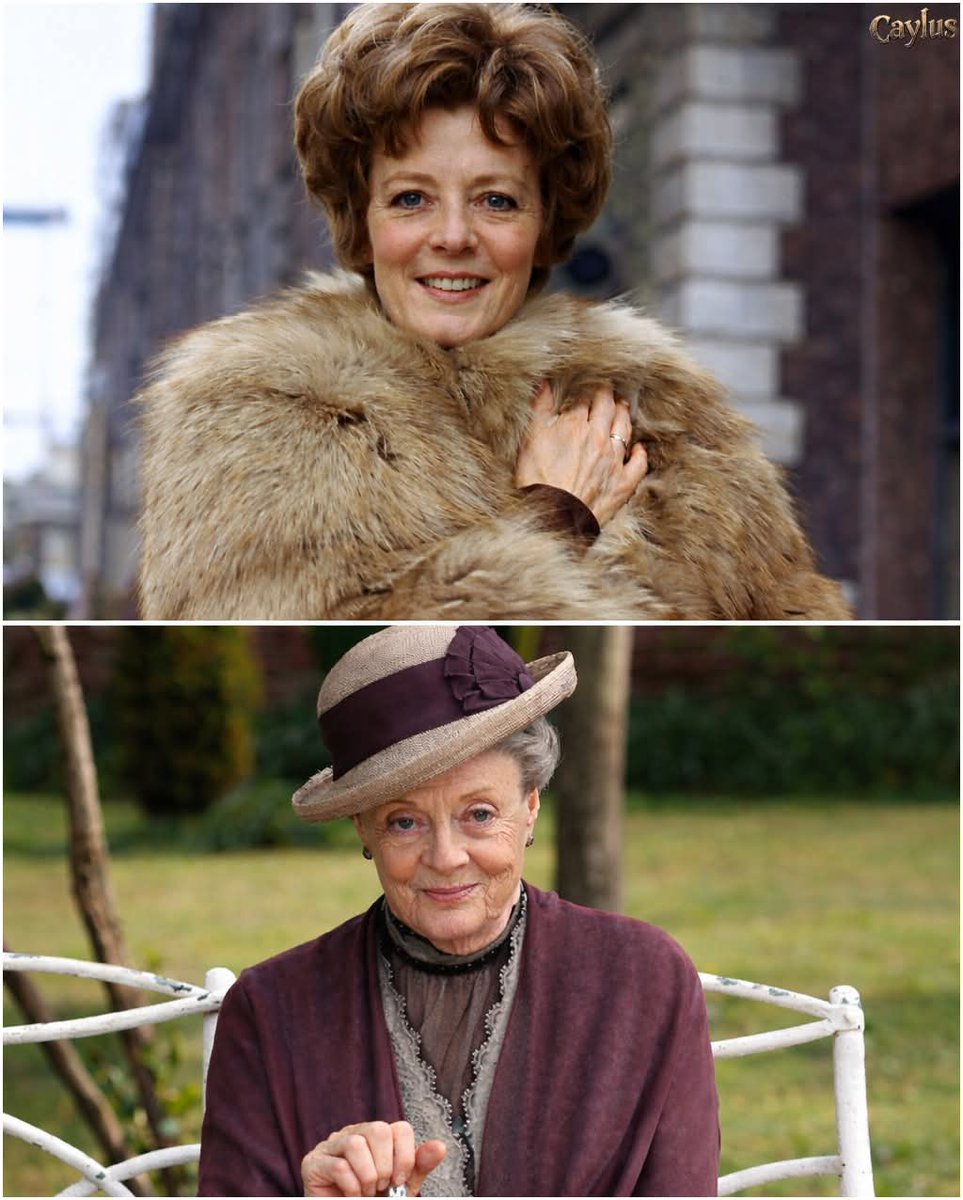
She was enduring chemotherapy while filming one of the world’s biggest movie franchises, and almost nobody knew.
In 2007, while millions watched Professor McGonagall walk through Hogwarts with her signature stern calm, Maggie Smith was quietly fighting for her life. Behind the robes and composed presence was a woman undergoing treatment for breast cancer, showing up to set while carrying a private battle.
She was diagnosed during the filming of Harry Potter and the Half-Blood Prince.
The treatment was intense. Chemotherapy and radiation drained her energy to the point where even standing could feel difficult. But she continued working. She later joked about it, saying she was “hairless” and looked like a “boiled egg” under her wig. The humor was sharp, but it didn’t hide the reality—she described the treatment as “hideous,” often worse than the illness itself.
Some days, she had to hold onto railings just to stay upright.
Still, she kept going.
Filming didn’t stop, and neither did she. For the final films, she admitted she was simply trying to “stagger through.” Yet on screen, nothing changed. Her timing remained precise, her presence controlled, her character unaffected. The audience never saw the struggle behind the performance.
That resilience didn’t come from nowhere.
Maggie Smith began her career in the 1950s on British stages, where discipline was expected and personal struggles stayed private. The rule was simple—show up and do the work. Over time, that mindset became part of who she was. She had already faced health challenges before, including Graves’ disease, and decades of portraying strong characters shaped her own approach to life.
When cancer came, she treated it the same way.
No drama.
No announcement.
Just work.
She once said, “S–t happens. I ought to pull myself together a bit.” That was as far as she went. She didn’t want sympathy, and she refused to be defined by illness. In a world that often shares everything, she chose privacy. She understood that if the focus shifted to her condition, the work itself would fade into the background.
So she let the work speak.
Over a career that spanned more than seventy years, she delivered performances across film, television, and stage. From Sister Act to Downton Abbey, she built a legacy that earned her some of the highest honors in the industry. Awards followed, but her approach never changed.
When she passed away in September 2024, she remained what she had always been—a private, disciplined professional.
We remember the sharp wit, the controlled expressions, the iconic roles.
What we don’t always see is what it took to maintain them.
The exhaustion.
The quiet persistence.
The decision to show up, even when it was difficult.
Maggie Smith never made it look like a struggle.
And perhaps that was the point.
Because for her, strength was never something to announce.
It was something to carry.
And to keep going with—until the very end.
40
279
2,103
60,960
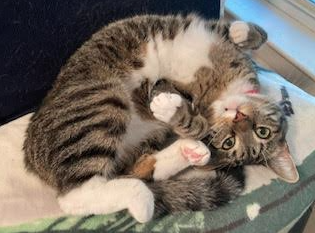
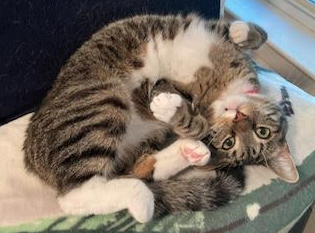
Muffie is five years old today!
She is a second chance adoptee from Galveston Island Humane Society
Happy Birthday, Muffie!
4
9
53
A Defibaugh retweeted
Mar 27
We are called "the elderly." But that quiet label hides something most people rarely stop to consider. We are the last living witnesses of a world that no longer exists.
Look at us and you might see gray hair, slower steps, and the patience that time teaches.
But listen to our story — really listen — and you'll realize something extraordinary.
We are the only generation in human history to have lived a fully analog childhood and a fully digital adulthood.
That's not a small thing. That's one of the most breathtaking journeys a human being has ever been asked to make.
We were born in the 1940s, 50s, and early 60s, into a world still rebuilding from the rubble of World War II.
Our toys were marbles and hopscotch and card games at kitchen tables. When the streetlights flickered on, that was it — childhood adventures were over, and it was time to go home. No smartphones. No streaming. No endless scroll.
We built our memories in the real world. With scraped knees and laughter echoing down streets and friendships formed face to face.
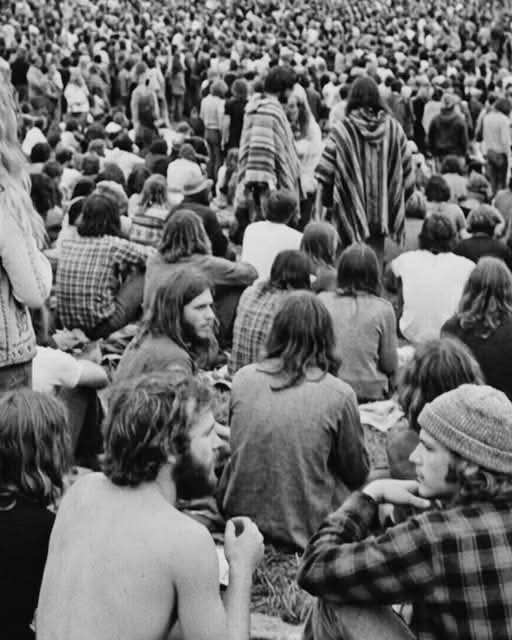
In 1969, we sat in living rooms staring at black-and-white televisions as Neil Armstrong took humanity's first steps on the Moon. Hundreds of thousands of us stood in muddy fields at Woodstock believing — really believing — that music and community could reshape the future.
We fell in love to vinyl records spinning on turntables. We waited days, sometimes weeks, for handwritten letters to arrive. We learned patience because information didn't come instantly. Mistakes were fixed with erasers — not a delete button.
Then the world transformed.
Machines that once filled entire rooms shrank to devices lighter than a paperback. We went from rotary phones and party lines to seeing the face of someone we love on the other side of the ocean — instantly, on something that fits in a pocket.
We watched the birth of the personal computer. The arrival of the internet. The smartphone. Artificial intelligence.
And through every single shift — we adapted.
Not because it was easy. Because that's what our generation does.
We also carry the weight of history in our bodies.
We grew up afraid of polio and tuberculosis. We watched science defeat them. We witnessed the discovery of the structure of DNA, the decoding of the human genome, the transformation of medicine itself. We survived pandemics across decades — and kept going.
Few generations have been asked to absorb so much change in a single lifetime.
And through all of it, certain things never changed.
We still know the joy of a cold glass of lemonade on a hot afternoon. The taste of vegetables picked straight from a garden. The value of a long conversation that unfolds slowly, without a screen interrupting it.
We have celebrated births and mourned losses. Carried the stories of friends who are gone. Watched the world become something our younger selves couldn't have imagined — and found ways to belong in it anyway.
We are not relics.
We are living bridges between two entirely different worlds.
Our memory carries something the modern world needs — proof that progress doesn't have to erase wisdom. That speed doesn't have to replace patience, kindness, or reflection.
So when someone calls us elderly, we can smile.
Because behind that word is something remarkable.
We crossed two centuries. Witnessed eight decades of transformation. Walked from handwritten letters to artificial intelligence — and never lost our sense of what actually matters.
1,139
5,157
14,460
272,752
A Defibaugh retweeted

Mar 24
Most people picture Texas as flat, dry, and brown.
Yet, Texas has 10 distinct ecoregions. It gets 60 inches of rain on one side and less than 10 on the other. And it contains some of the highest biodiversity of any state in the country.
The East Texas Piney Woods look like Louisiana. Cypress swamps, Spanish moss, 60 inches of rain a year.
Drive 800 miles west and you're in the Chihuahuan Desert. Canyons, mountain peaks, less than 10 inches of rain. Same state.
In between: coastal marshes along the Gulf, tallgrass prairies, the limestone springs and caves of the Hill Country, the High Plains of the Panhandle, and the second-largest canyon in America at Palo Duro.
Two of Texas's ecoregions don't exist anywhere else in the Lower 48.
The numbers back it up.
Texas has more bat species than any state, more reptile species than any state, and the second-most bird species, behind only California. Not to mention over 5,000 species of wildflowers.
Outdoor recreation adds nearly $56 billion a year to the Texas economy.
The same state that gave us cattle drives and oil rigs also gives us some of the most ecologically diverse land in North America.
Worth knowing and worth protecting.

25
179
1,234
28,755
A Defibaugh retweeted

Mar 19
PSA > For us Folks of Age!
FYI EVERYONE!!!
This list may not only be useful for you, but also friends and family, too.
Dunkin Donuts gives FREE coffee to people over 55. If you're paying for a cup every day, you might want to start getting it FREE.
YOU must ASK for your discount!
RESTAURANTS:
Applebee's: 15% off w/Golden Apple Card (60 )
Arby's: 10% off (55 )
Ben & Jerry's: 10% off (60 )
Bennigan's: discount varies by location (60 )
Bob's Big Boy: discount varies by location (60 )
Boston Market: 10% off (65 )
Burger King: 10% off (60 )
Chick-Fil-A: 10% off or free small drink or coffee ( 55 )
Chili's: 10% off ( 55 )
CiCi's Pizza: 10% off (60 )
Denny's: 10% off, 20% off for AARP members ( 55 )
Dunkin' Donuts: 10% off or free coffee ( 55 )
Einstein's Bagels: 10% off baker's dozen of bagels (60 )
Fuddrucker's: 10% off any senior platter (55 )
Gatti's Pizza: 10% off (60 )
Golden Corral: 10% off (60 )
Hardee's: $0.33 beverages everyday (65 )
IHOP: 10% off (55 )
Jack in the Box: up to 20% off (55 )
KFC: free small drink with any meal (55 )
Krispy Kreme: 10% off (50 )
Long John Silver's: various discounts at locations (55 )
McDonald's: discounts on coffee everyday (55 )
Mrs. Fields: 10% off at participating locations (60 )
Shoney's: 10% off
Sonic: 10% off or free beverage (60 )
Steak 'n Shake: 10% off every Monday & Tuesday ( 50 )
Subway: 10% off (60 )
Sweet Tomatoes: 10% off (62 )
Taco Bell : 5% off; free beverages for seniors (65 )
TCBY: 10% off (55 )
Tea Room Cafe: 10% off (50 )
Village Inn: 10% off (60 )
Waffle House: 10% off every Monday (60 )
Wendy's: 10% off ( 55 )
Whataburger: 10% off (62 )
White Castle: 10% off (62 )
RETAIL & APPAREL :
Banana Republic: 30% off ( 50 )
Bealls: 20% off first Tuesday of each month ( 50 )
Belk's: 15% off first Tuesday of every month ( 55 )
Big Lots: 30% off
Bon-Ton Department Stores: 15% off on senior discount days ( 55 )
C.J. Banks: 10% off every Wednesday (50 )
Clarks : 10% off (62 )
Dress Barn: 20% off ( 55 )
Goodwill: 10% off one day a week (date varies by location)
Hallmark: 10% off one day a week (date varies by location)
Kmart: 40% off (Wednesdays only) (50 )
Kohl's: 15% off (60 )
Michael's: 10% off everyday (55 )
Modell's Sporting Goods: 30% off
Rite Aid: 10% off on Tuesdays & 10% off prescriptions
Ross Stores: 10% off every Tuesday ( 55 )
Salvation Army Thrift Stores: up to 50% off ( 55 )
Stein Mart: 20% off red dot/clearance items first Monday of every month ( 55 )
GROCERY :
Albertson's: 10% off first Wednesday of each month ( 55 )
American Discount Stores: 10% off every Monday ( 50 )
Compare Foods Supermarket: 10% off every Wednesday (60 )
DeCicco Family Markets: 5% off every Wednesday (60 )
Food Lion: 60% off every Monday (60 )
Fry's Supermarket: free Fry's VIP Club Membership & 10% off every Monday (55 )
Great Valu Food Store: 5% off every Tuesday (60 )
Gristedes Supermarket: 10% off every Tuesday (60 )
Harris Teeter: 5% off every Tuesday (60 )
Hy-Vee: 5% off one day a week (date varies by location)
Kroger: 10% off (date varies by location)
Morton Williams Supermarket: 5% off every Tuesday (60 )
The Plant Shed: 10% off every Tuesday (50 )
Publix: 15% off every Wednesday (55 )
Rogers Marketplace: 5% off every Thursday (60 )
Uncle Guiseppe's Marketplace: 15% off (62 )
TRAVEL :
Airlines:
Alaska Airlines: 50% off (65 )
American Airlines: various discounts for 50% off non-peak periods (Tuesdays - Thursdays) (62 )and up (call before booking for discount)
Continental Airlines: no initiation fee for Continental Presidents Club & special fares for select destinations
Southwest Airlines: various discounts for ages 65 and up (call before booking for discount)
United Airlines: various discounts for ages 65 and up (call before booking for discount)
U.S. Airways: various discounts for ages 65 and up (call before booking for discount)
Rail:
Amtrak: 15% off (62 )
Bus:
Greyhound: 15% off (62 )
Trailways Transportation System: various discounts for ages 50
8
8
32
1,902

A Defibaugh retweeted

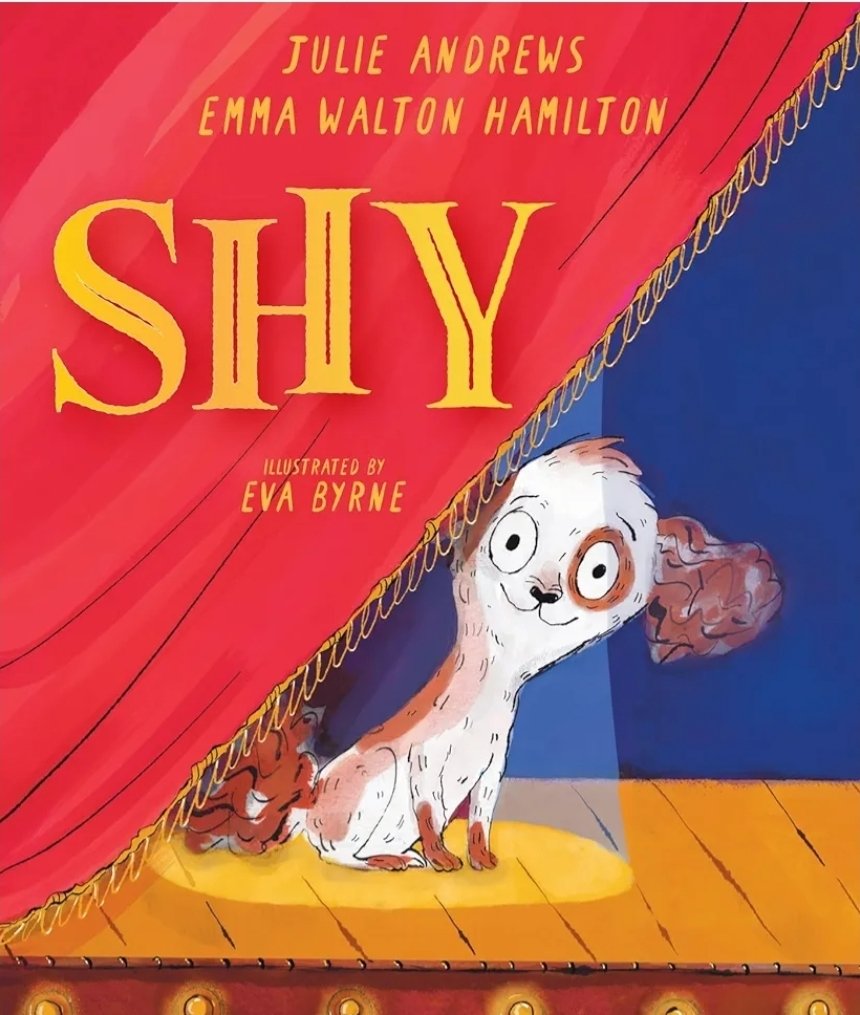
Now available for pre-order: SHY, the lastest book by Julie Andrews and Emma Walton Hamilton.
A shy puppy finds her voice through music when adopted by a piano player, leading to an unexpected performance.
Release date: August 11 2026
2
14
52
1,953
A Defibaugh retweeted

Feb 21
Look up on February 28… the sky itself becomes the headline.
Six planets sharing one arc across the evening horizon… Mercury, Venus, Jupiter, Saturn, Uranus, and Neptune appearing together after sunset in a rare alignment most people will only witness once. Not mythology… not hype… just celestial mechanics revealing the scale and precision of creation in real time.
No filter… no rewind… no second showing. Just a brief window where the universe reminds us how small we are and how vast the heavens truly remain. Step outside. Let your eyes adjust. Watch the quiet order written into the cosmos long before us and long after us.
Years from now someone will ask… “Did you see it?”
#OncelnALifetime #PlanetAlignment #SilentMajoritySpeaks #AStoneGroove

66
567
1,500
67,658
A Defibaugh retweeted

Feb 20
In Japanese, “tsundoku” means collecting books and letting them pile up - not for neglect, but for the joy of knowing they're there, full of untold stories.
📍Kinokuniya Book Store, Tokyo

194
2,094
13,013
489,049
A Defibaugh retweeted
Jan 31
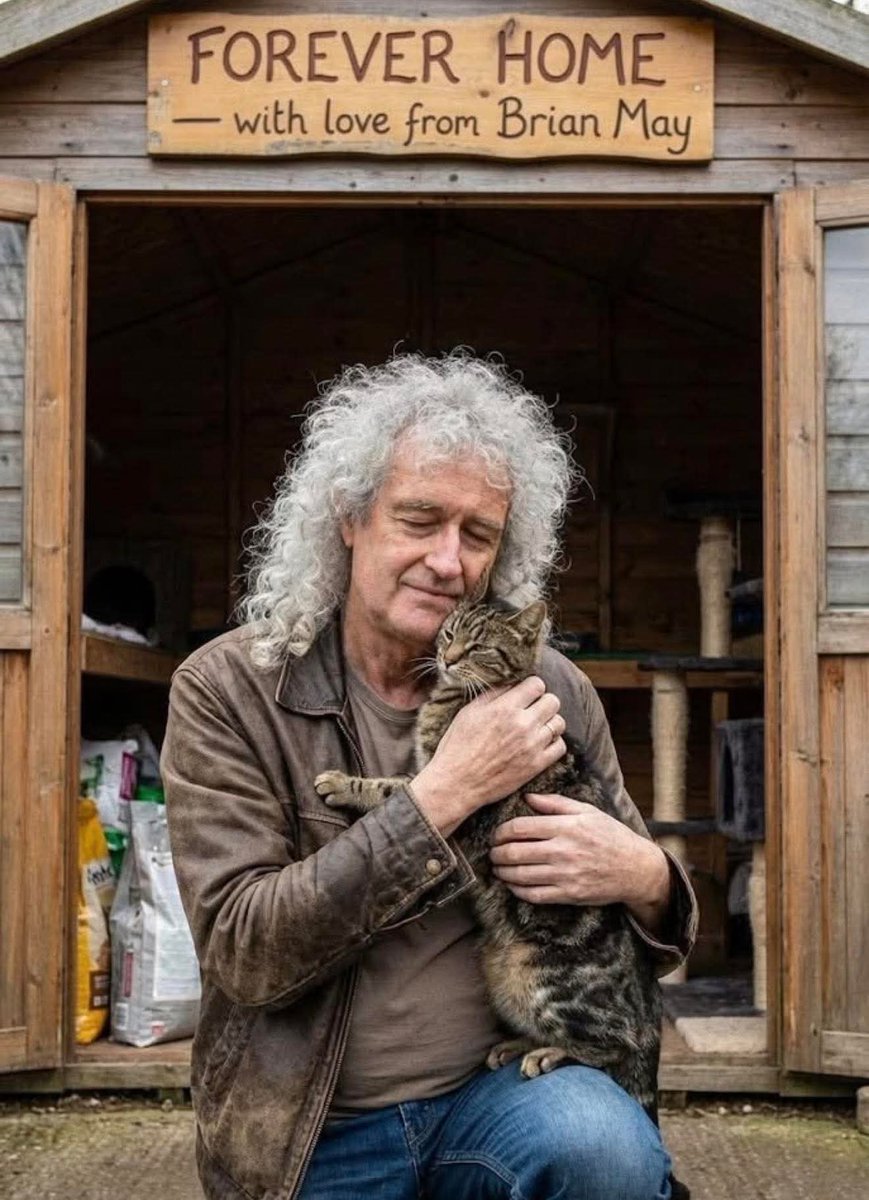
BRIAN MAY QUIETLY WALKED INTO A SMALL RESCUE SHELTER ON THE BRINK OF CLOSING — WITH JUST 48 HOURS LEFT BEFORE EVERY CAT INSIDE WOULD BE PUT DOWN
The bills were overdue. Donations had dried up. The owner had run out of options. In less than 48 hours, 39 cats were scheduled to be euthanized—not because they were sick or aggressive, but because there was nowhere left for them to go.
Then, without cameras, a film crew, or any announcement, Brian May walked through the door.
Known to millions as the legendary guitarist of Queen and a lifelong animal-rights advocate, Brian didn’t ask for recognition. He didn’t lead with his iconic status. Dressed simply, with his familiar calm presence, he walked straight to the back of the shelter—to the quietest row of enclosures, where the oldest and weakest cats lay unnoticed.
There, curled up in the corner of a worn blanket, was an 11-year-old tabby mix named Buddy.
Too tired to lift his head.
Too old to be adopted.
Too close to the end.
Brian knelt beside him, his gentle hands resting softly on the cat’s head. He spoke quietly, careful not to startle him. For several moments, he said nothing at all. Then he looked up at the owner and asked softly,
“How many cats are here?”
“Thirty-nine,” the owner replied, her voice breaking.
Brian nodded. No hesitation. No phone calls to assistants. He said calmly—with a steady certainty that stilled the room:
“All 39 cats deserve a future.”
What followed felt unreal to the shelter staff. The very next morning, delivery trucks began arriving.
New bedding and climate-safe flooring.
High-quality food and medical supplies.
Scratching posts, grooming stations, and enrichment areas.
Every enclosure was repaired and restored. All outstanding debts were paid in full. Veterinarians were brought in to examine every single animal. Above each enclosure, a small wooden sign appeared: “Forever home — with love from Brian.”
But the moment that brought everyone to tears came from the quietest corner of the room. Buddy was being lifted gently for a checkup when Brian stepped forward.
“I’ll take him,” he said.
The room went silent. Buddy—overlooked for a decade—finally belonged.
“He’s waited long enough,” Brian said later, a soft smile on his face. “I think it’s time he came home.”
Brian May didn’t post about it. He didn’t mention it on stage. He didn’t call the press. The story surfaced days later when a volunteer, overwhelmed by what she’d witnessed, decided people needed to know.
He didn’t just save a shelter.
He didn’t just save cats.
He saved 39 lives—and reminded the world that compassion doesn’t need applause.
Sometimes, the greatest acts of kindness happen when the spotlight is off.
708
3,664
19,514
486,496