Political centre. Europhile. Bibliophile. Remainer. Atheist. Lost confidence in the probity & integrity of most of the UK news media.
Joined July 2009
- Tweets 38,364
- Following 2,329
- Followers 4,354
- Likes 155,986
3,350 Photos and videos
Rob - #European retweeted

AAA affirmed yet again!
Fitch Ratings has affirmed the credit ratings of the EU and Euratom at ‘AAA’ with Stable Outlook
A clear signal of trust in the EU’s high credit strength, backed by the EU budget and robust governance!
👉 link.europa.eu/XPNdcQ eu.smh.re/0dyr
1
3
58
Rob - #European retweeted

OPINION: Every uncritical mention of far-right rhetoric is an editorial choice with political consequences.
Here’s how some media outlets are no longer just covering these forces — but amplifying them.
politico.eu/article/media-st…
16
134
306
21,215
Rob - #European retweeted

Feb 25
The task ahead of us is clear.
Write a new chapter and reset the partnership between the European Union and the United Kingdom.
Strengthen what works. Invest in security, in growth, in our young people 🇪🇺🇬🇧
@ChathamHouse
53
76
277
8,123
Rob - #European retweeted

Thank you to @Keir_Starmer and the United Kingdom for a new support package for Ukraine. It includes funding to restore our energy grid and expand generation capacity, humanitarian assistance for frontline communities, and a concrete contribution to holding Russia accountable for war crimes.
Britain has also approved its largest sanctions package since 2022, targeting Russia’s oil and gas revenues and its shadow tanker fleet. This is the path to make diplomacy effective – the noose must tighten so that Russia is forced toward peace.
Thank you to the people of Britain for standing with Ukraine during all these years.
1,149
1,037
8,126
249,003
Rob - #European retweeted

Today, we have singed the EU-UK Competition Cooperation Agreement.
It aims to ensure smooth interactions between the EU and UK on competition matters, and maintain fair and competitive markets to the benefit of consumers, businesses and innovation.
link.europa.eu/Hv7Xpb
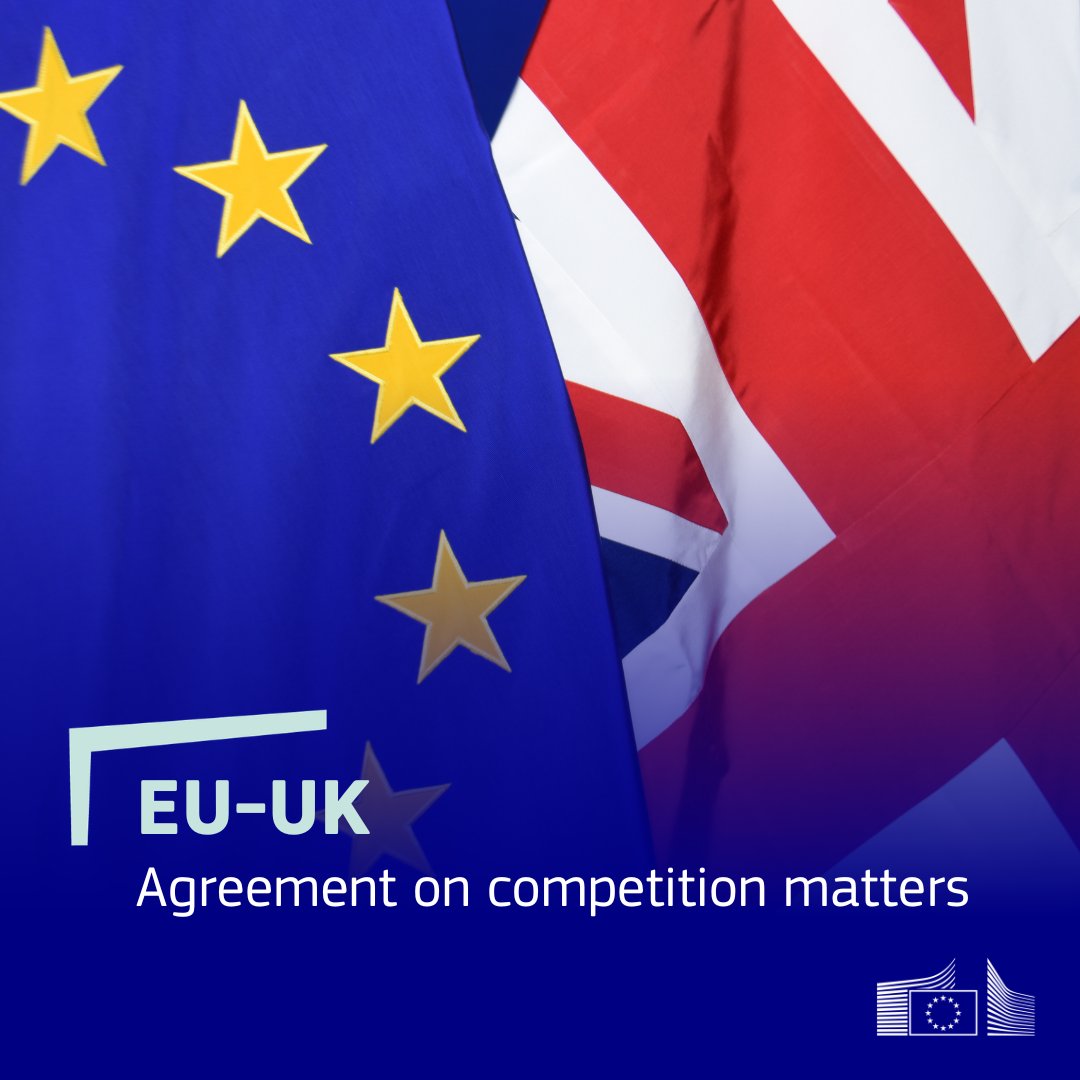
ALT European Union and United Kingdom flags side by side with the text “EU-UK Agreement on competition matters” and the European Commission logo in the bottom right corner.
160
173
648
60,328
Rob - #European retweeted

Feb 20
⬇️ Inflation down
⬇️ Interest rates down
⬇️ Borrowing down
⬆️ Retail sales up
⬆️ UK fastest growing European G7 economy
There's more to do, but our economic plan is the right one.
bbc.co.uk/news/articles/c93w…
4,520
1,267
5,963
1,426,086
Rob - #European retweeted

Feb 17
Let us be clear. These postponements were not imposed from the centre but requested by local government itself. Of the county councils that expressed interest, thirteen in total, around half were Conservative authorities.
When the matter moved from expressions of interest to formal applications, the number reduced to four, each under Conservative administration: Norfolk, Suffolk, East Sussex and West Sussex.
On that basis, the more pertinent question next time might be directed to a Conservative Shadow Minister: why did those Conservative led county councils seek postponement in the first place?
4
108
241
3,108

Feb 15
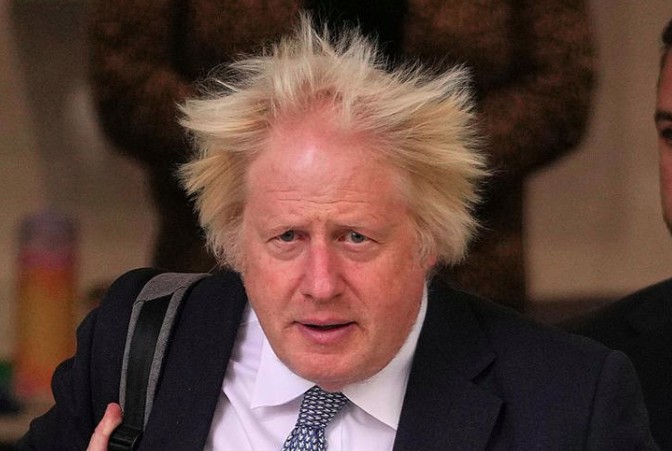
Yes, this clown use to be Prime Minister of the UK, before he did a runner.
12
52
304
2,808
Rob - #European retweeted

Reform UK and the Green party undermine Britain’s commitment to Nato?
Well, Putin is the world leader Farage admires the most, and Polanski doesn't think Russia is the main threat to Britain.
Totally unfit for power.
@ZackPolanski @Nigel_Farage @reformparty_uk @TheGreenParty
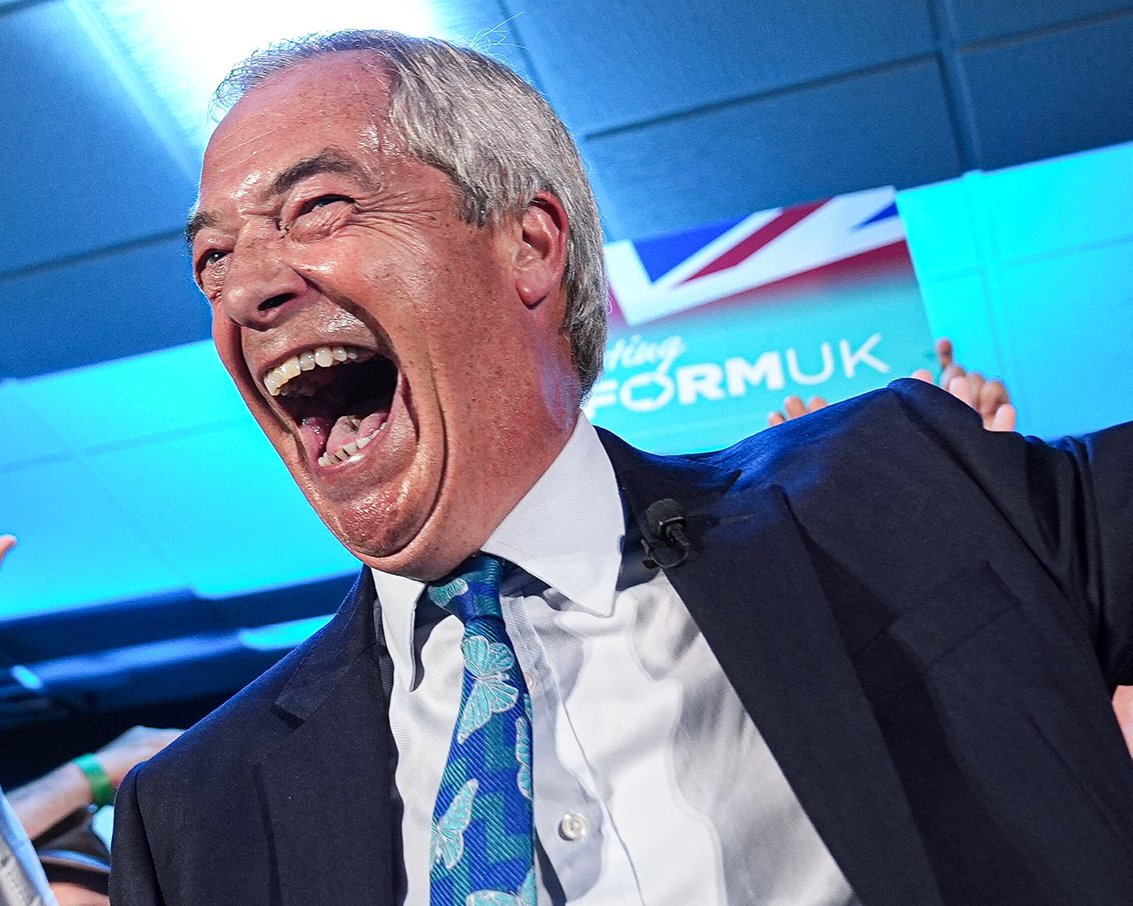
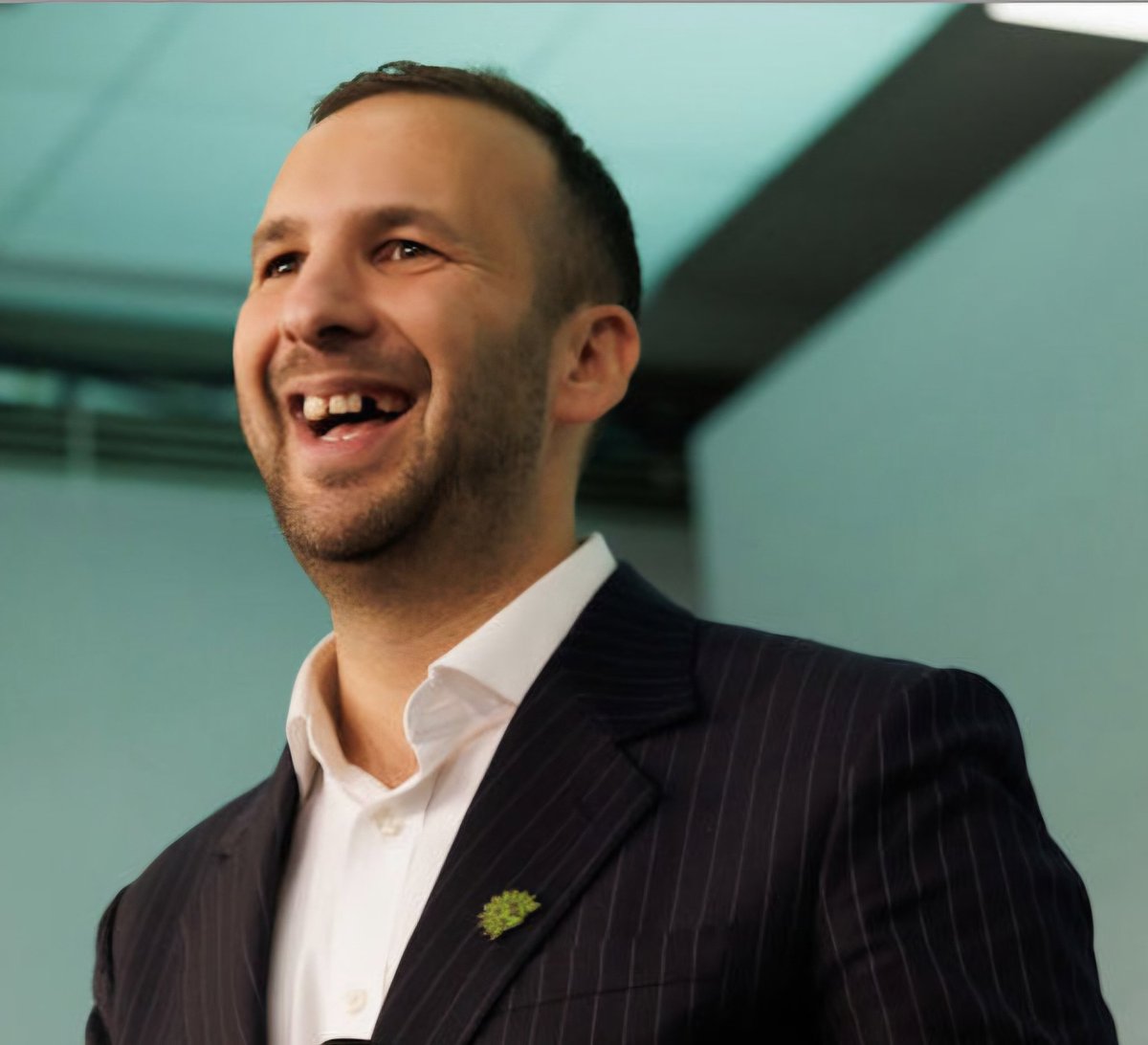
5
22
41
439
Rob - #European retweeted

Feb 10
If this poll is to be believed it’s a frightful demonstration of disinformation. What it shows is a) that much of our media has shifted from conservative to radical right, & b) that people’s grasp of reality can be altered swiftly by sustained, orchestrated, repetitive propaganda
Feb 9

I happen to think Starmer is useless and lacking in charisma, but I am still baffled at just how unpopular is. What is that makes him more unpopular than Liz Truss? Or Jim Callaghan?
6
9
43
5,096
Rob - #European retweeted

Feb 10
The real story isn't Starmer, its the BBC and their propaganda narrative. End it now.

The only people resigning today should be Chris Mason and Robbie Gibb.
This is just embarrassing...
99
681
2,841
28,003
Rob - #European retweeted

Feb 10
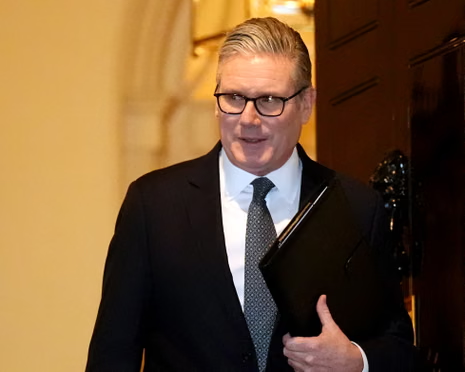
The level of personal hostility directed at Keir Starmer over the last week deserves scrutiny in its own right. Not because he should be immune from criticism, but because the tone and intensity of the attacks tell us something unhealthy about the state of democratic politics.
1. Starmer is a conventional political figure. Cautious, legalistic, incremental. He frustrates people precisely because he is managerial rather than messianic. Yet the reaction to him often goes far beyond disagreement, tipping into visceral hatred more commonly reserved for authoritarians or demagogues.
2. Much of this hostility is disconnected from concrete policy. It is not about specific votes, proposals or outcomes, but about projection. A belief that Starmer embodies betrayal, bad faith or hidden malice. That kind of politics runs on suspicion rather than evidence.
3. This matters because democracy depends on the assumption of good faith among opponents. You can think a leader is wrong, timid, or misguided without believing they are fundamentally illegitimate. Once politics becomes moralised to the point of demonisation, compromise is reframed as treachery and pluralism as weakness.
4. The pattern is familiar. In fragmented, polarised systems, anger concentrates not on extremists, whose intentions are clear, but on moderates, who disappoint maximalists on all sides. The centre becomes the lightning rod precisely because it resists totalising narratives.
5. There is also a media and online dynamic at work. Incentives reward outrage, not proportionality. Algorithms favour contempt over analysis. Over time, this creates a political culture in which relentless personal attack feels normal, even virtuous, rather than disgusting.
6. None of this is a defence of Starmer’s decisions, instincts or record. Those should be argued over robustly as you do in a democracy. The problem is the substitution of critique with hostility and the quiet erosion of democratic norms that follows when political opponents are treated as enemies rather than rivals.
7. A democracy cannot function if every election is framed as an existential struggle against internal evil. At some point, the target may change, but the damage to trust, restraint and culture remains.
1,643
1,441
4,889
315,260
Rob - #European retweeted

Feb 9
Who would have guessed? A victory for Starmer tonight as his cabinet unanimously backs him and MPs impressed. But not the BBC’s political editor whose lack of judgement, excitability and self-importance are legendary. Dangers lie ahead. But never, as he predicted, now.
236
533
3,054
117,915
Rob - #European retweeted

Feb 10
Looks like the mood is hardening against Chris Mason and momentum to oust him building. Seems unlikely he will last the week. Close associates Zeffman and Kuenssberg also in danger, according to political insiders
286
1,016
5,236
297,023
Rob - #European retweeted

If not Starmer it would be whichever Labour MP was PM.
Make no mistake there is a concerted attack by media & other actors to destabilise & bring down the elected Government of the UK.
Starmer has not had a fair crack of the whip.
Every act has been treated like it was Suez.
43
131
790
9,752
Feb 9
The nation has witnessed over the past week, an attempt by the privately owned UK media, to unseat a sitting UK Prime Minister. It's a torrent of bias, one sided reporting, bereft of facts, but loaded with rumour, spin & smears. The hacks, media managers & bosses, are a disgrace.
446
744
3,450
48,587
Rob - #European retweeted

The resignations we should be calling for are from Chris Mason, Laura Kuenssberg and Robbie Gibb.

It's got to the point now where our national broadcaster @BBCNews appears to be acting as a fifth columnist ... their relentless intent to remove a sitting PM at a time of grave peril in the world is dangerous at best and downright fucking treacherous at worst.
Unbelievable.
25
364
1,771
15,810
Rob - #European retweeted

It's got to the point now where our national broadcaster @BBCNews appears to be acting as a fifth columnist ... their relentless intent to remove a sitting PM at a time of grave peril in the world is dangerous at best and downright fucking treacherous at worst.
Unbelievable.
103
651
2,555
35,508