Our lab@UCONN Health; Endothelial, RNA Splicing, Extracellular Matrix and Vascular Inflammation. 1patrickmurphy@bsky.social
Joined May 2019
- Tweets 326
- Following 343
- Followers 309
- Likes 977
39 Photos and videos

MurphyLab retweeted

May 16
I am very excited to be part of the study entitled “High prevalence of CNS-directed autoantibodies in patients with schizophrenia” which outlines the identification of many autoantibodies, including those targeting the BBB in schizophrenia patients.
biorxiv.org/content/10.64898…
3
14
65
3,182

Apr 22
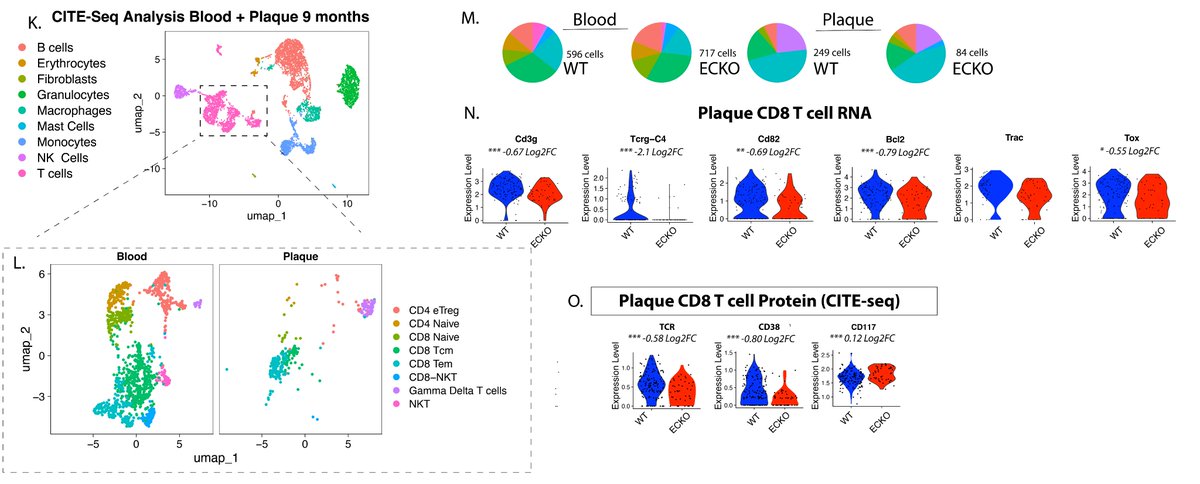
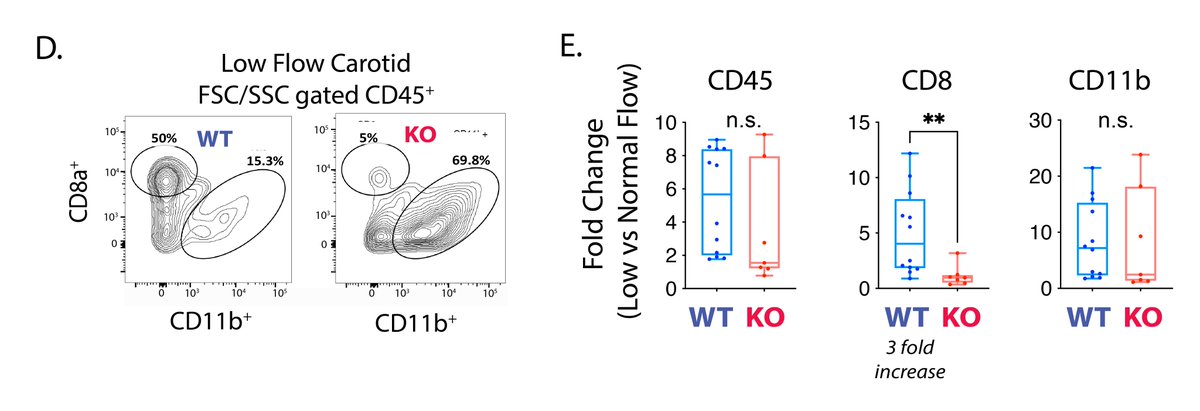
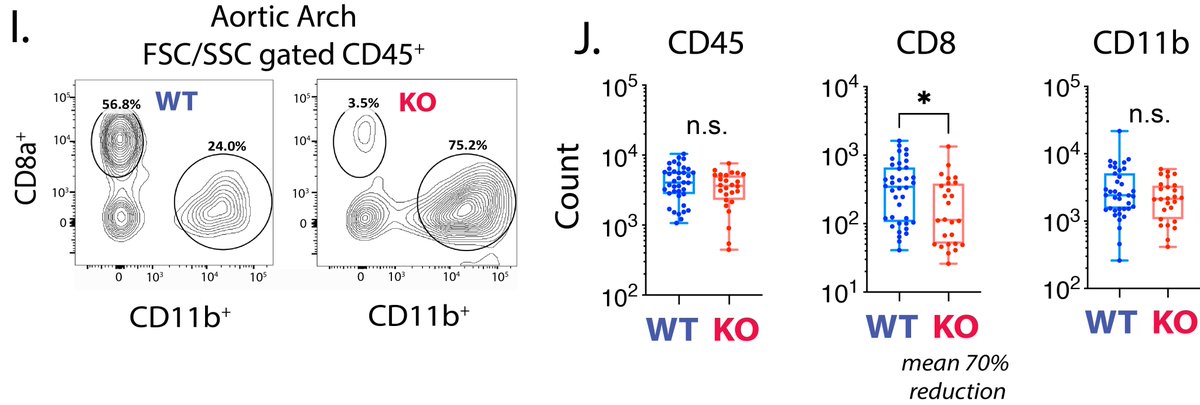
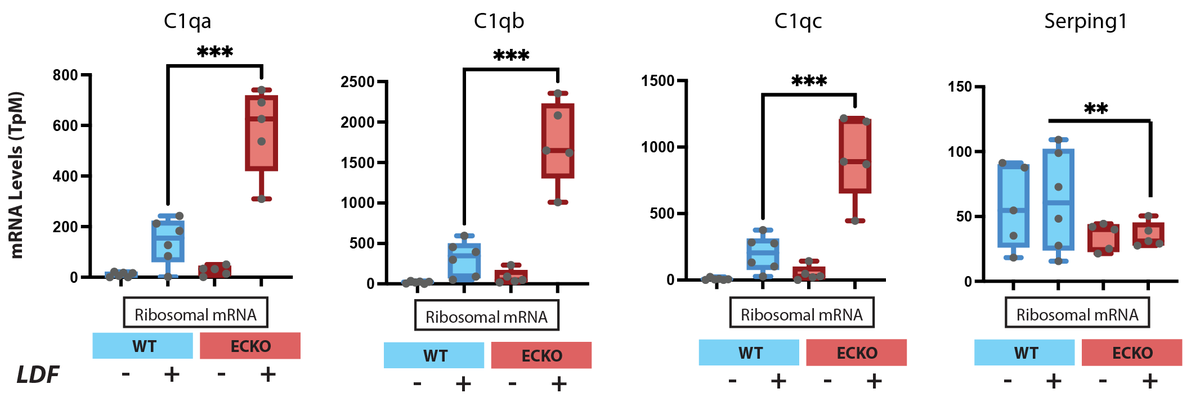
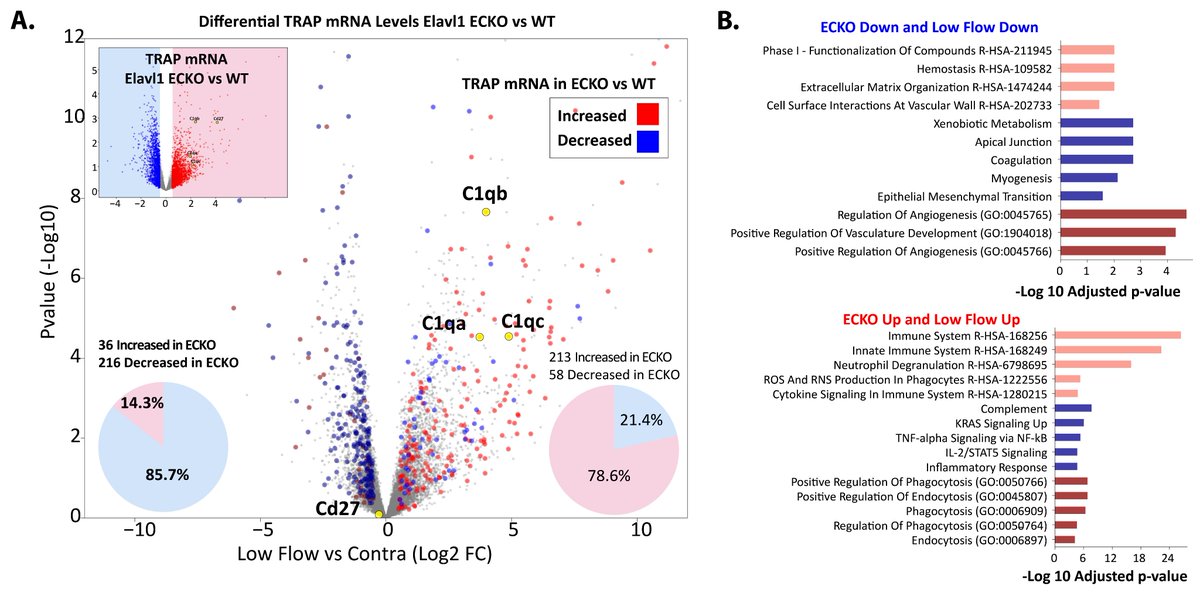
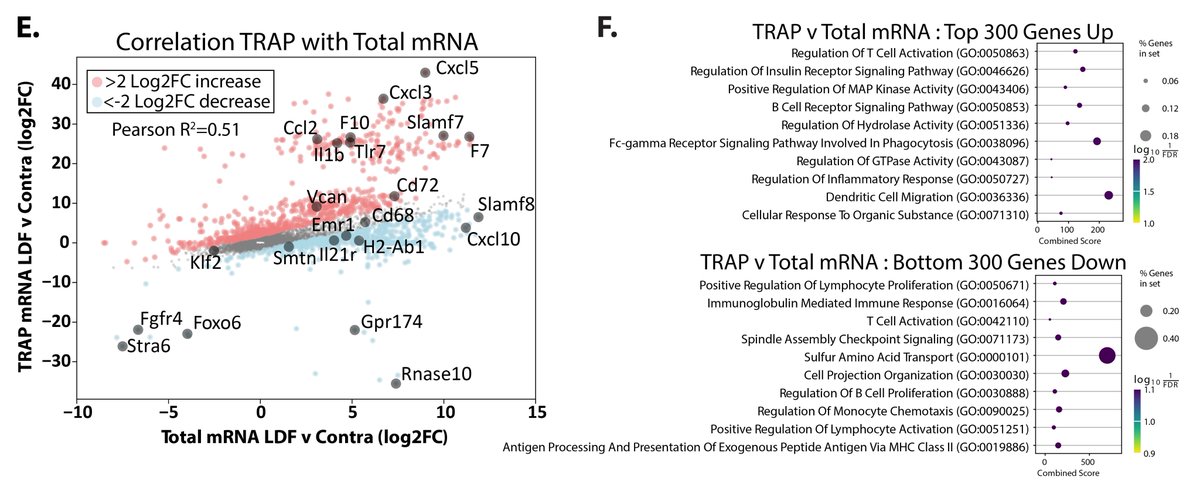
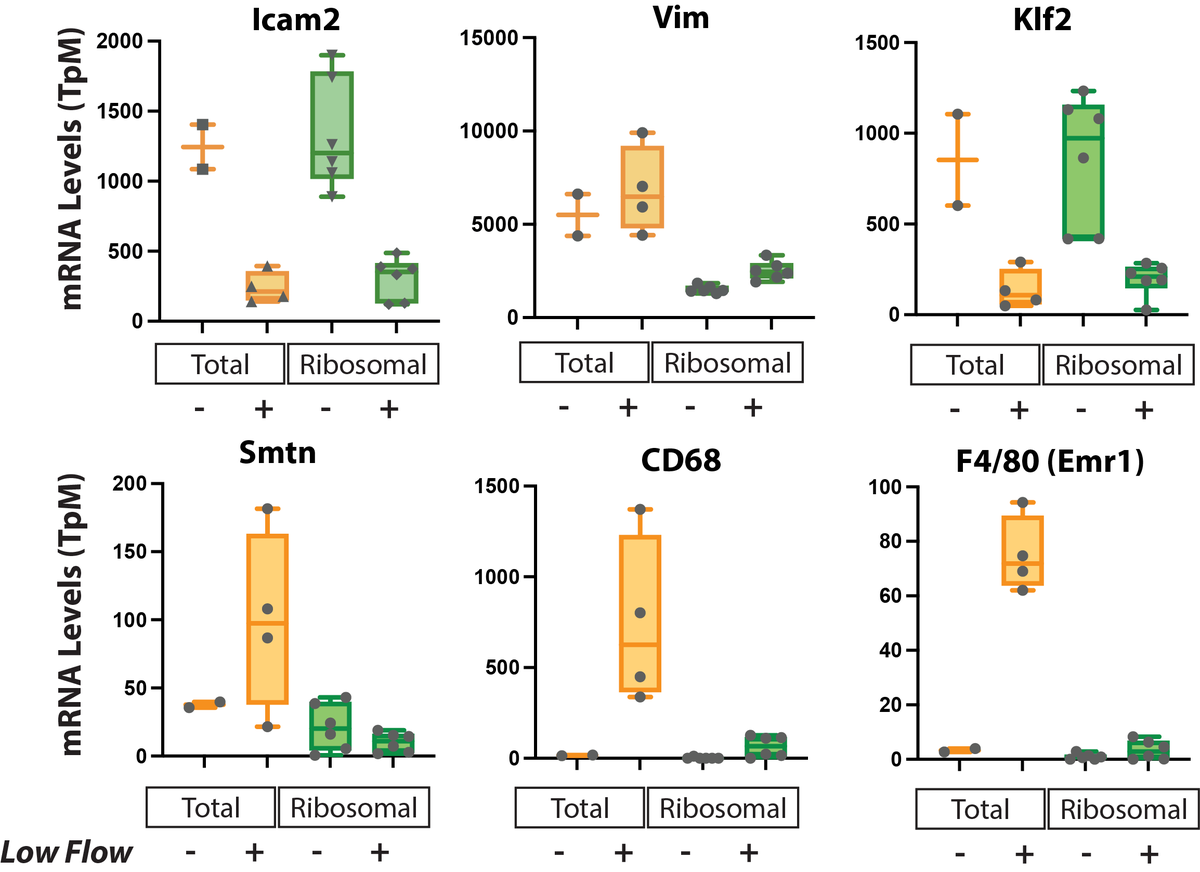
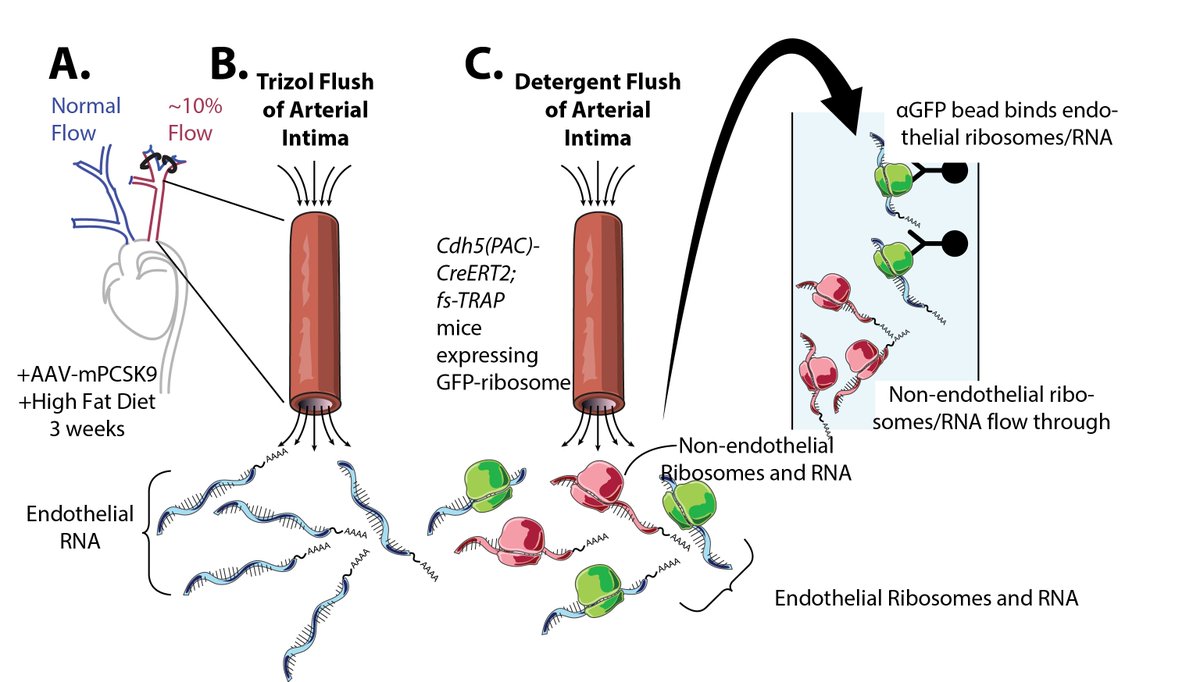
Newly published work from our lab
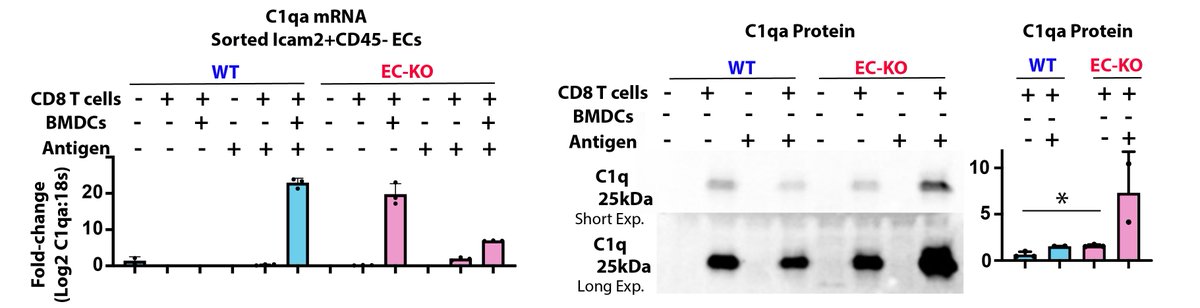
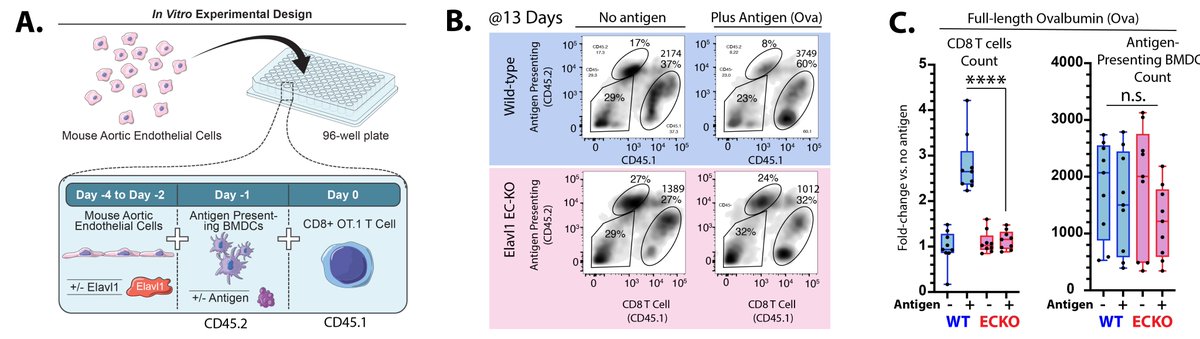
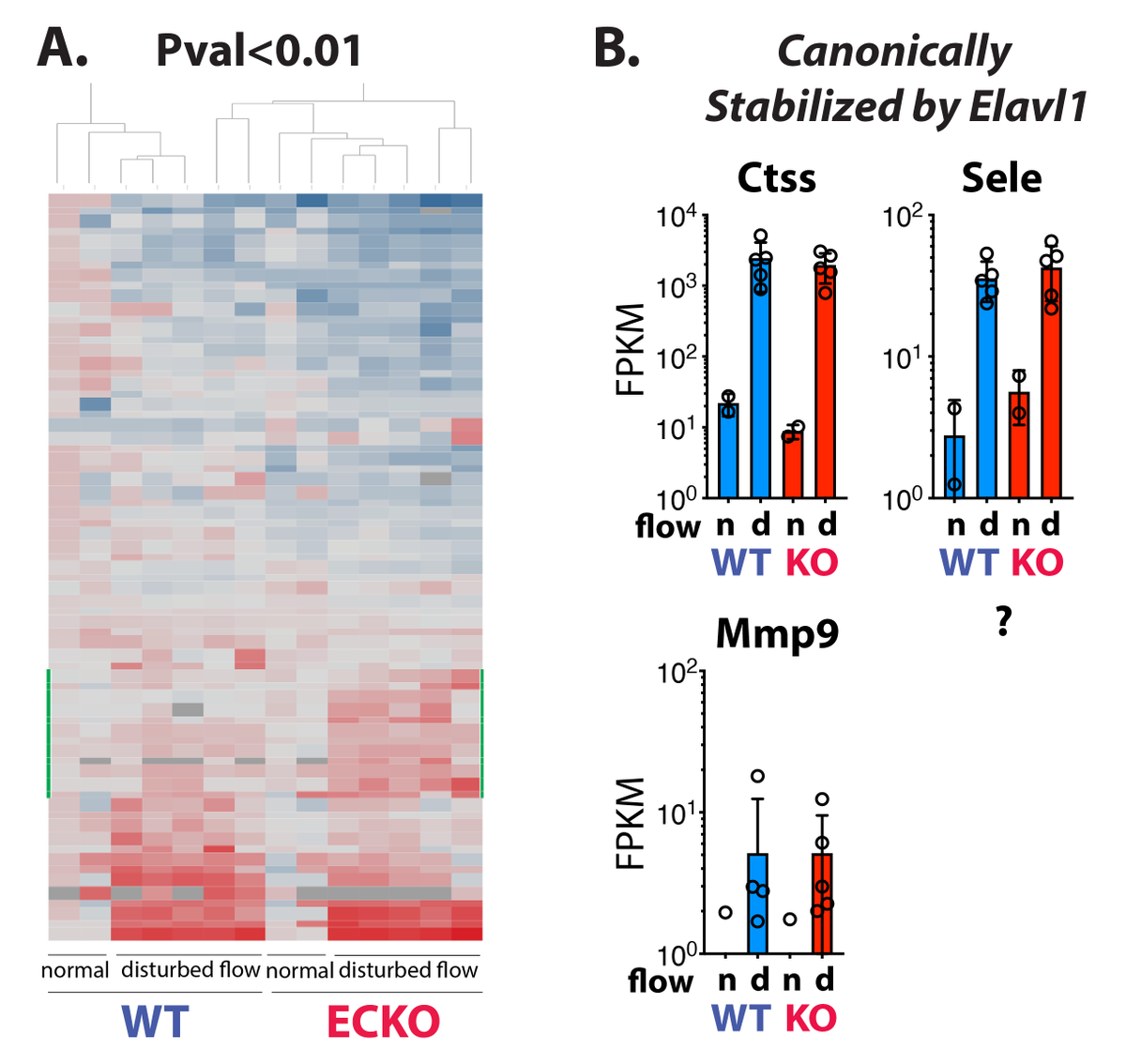
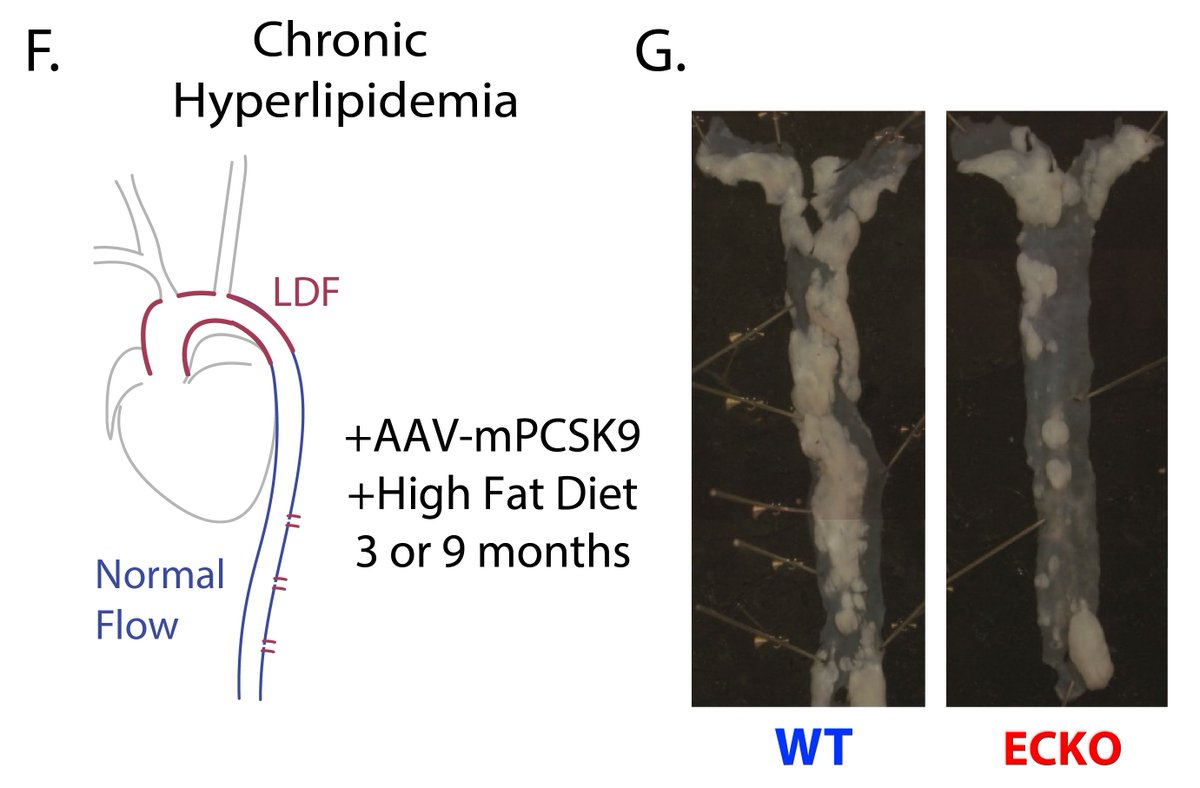
showing changes in ribosome associated mRNA in chronic conditions of disturbed flow and circulating blood lipids, and regulation of this and CD8 T cell accumulation by Elavl1 :ahajournals.org/doi/10.1161/… (follow us on bluesky : 1patrickmurphy)
2
2
6
1,159
Apr 4
Very interesting mouse model of preeclampsia - based on maternal, not fetal loss of KLF4 - where hypertension does not develop after gene deletion, but does with pregnancy: biorxiv.org/content/10.64898…
93

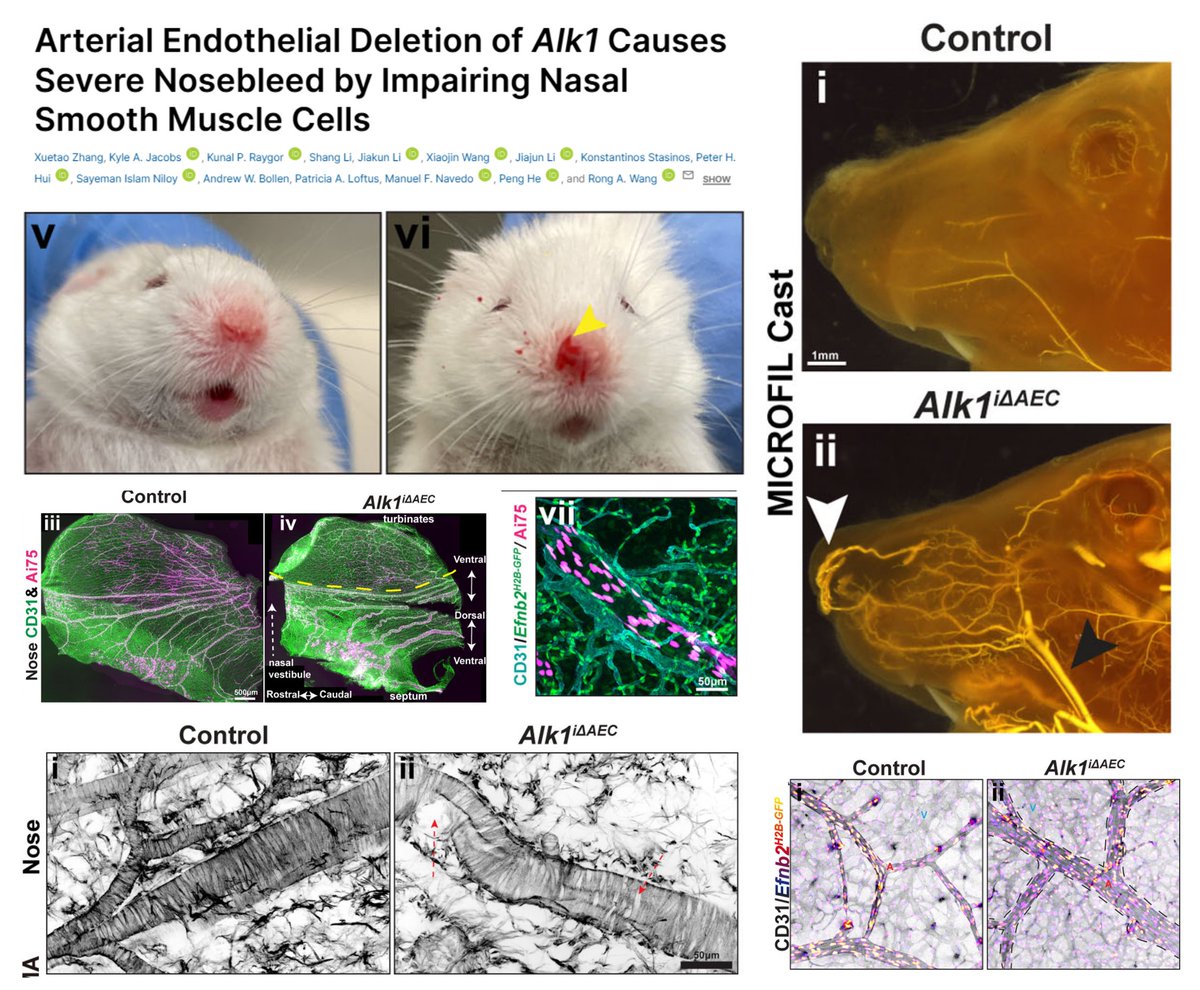
A mouse model of Nose bleeding
#HereditaryHemorrhagicTelangiectasia #HHT
Bmx Endothelial Cell ALK1 KO🐭
Recurring epistaxis
Multifocal cerebral microhemorrhage
Arterial tortuosity, ectasia
Arteriolar smooth muscle cell wrapping defects
Loss of arterial identity (⏬Ephrin B2)
⏬pial or mesenteric arterial tone
Rupture of arteriolar or capillary beds?😁
@mf_navedo @Rong_A_Wang @CircRes 2026
ahajournals.org/doi/10.1161/…
3
10
47
2,608
MurphyLab retweeted

Considerations in the Use of Mouse Models of Vascular and Valvular Calcification
Our new article is now published @atvbahajournals
@YinTintut @UCLAHealth ahajournals.org/doi/10.1161/…
1
2
18
1,537
Feb 21
Important work, and very interesting findings. Much less resilience in older age.

🩸 🧠 ⏱️ What if a blood test could predict WHEN an individual would develop symptoms of Alzheimer’s disease? High plasma p-tau217 predicts greater risk for Alzheimer’s symptoms—do the plasma p-tau217 levels provide insights into WHEN symptoms might begin?
We found that after a certain level, plasma p-tau217 increased consistently across individuals and allowed creation of “clock” models that could be used to estimate age at p-tau217 abnormality (nature.com/articles/s41591-0…). The age at p-tau217 abnormality was strongly associated with the age that Alzheimer’s symptoms began. Interestingly, older individuals developed symptoms more quickly after p-tau217 abnormality.
These models are not yet accurate enough to be useful to individuals, but we expect they can be improved by adding additional blood biomarkers and clinical features. We have created an application to view the results (amyloid.shinyapps.io/plasma_…) and shared all our code to accelerate progress. The eventual goal is to help individuals to understand their likelihood of developing Alzheimer’s symptoms.
@KellenPetersen @FNIH_Org @WashUNeurology @alzassociation #ENDALZ
106
Feb 20
We are excited to share a new discovery in heart transplant biorxiv.org/content/10.64898… , which shows a critical role for the endothelium in organizing long term immune responses and cardiac allograft vasculopathy.
1
1
4
1,060
14 Nov 2025
It was pleasure to host my former lab mate @N_Jailkhani from MatrisomeBio yesterday at @uconnhealth. Not many can say that they both developed a new technology hands on, and then led this into the market as the CEO of a successful company.
1
1
60
14 Nov 2025
Noor can, and it was an amazing and inspirational learning experience to hear about her work. Thanks for your visit, and best of luck in continuing to develop your exciting and powerful delivery system to cancer matrix. Only afterwards did I realize I forgot to get a photo!
28
MurphyLab retweeted
22 Oct 2025
A postdoc position is open in the @AgalliuLab for a scientist with a strong PhD background in Neuroscience, Neuroimmunology or Vascular Biology and interest in neurovascular / BBdysfunction in CNS disorders. Please contact me with your CV and cover letter if you are interested.
1
57
153
21,416
MurphyLab retweeted
25 Sep 2025
am excited to share with everyone a new pre-print of the work of a very talented MSTP student Mary Claire Tuohy entitled “Endothelial Type I Interferon signaling modulates the vascular response to ischemic brain injury”.
biorxiv.org/content/10.1101/…
7
8
39
3,448
4 Oct 2025
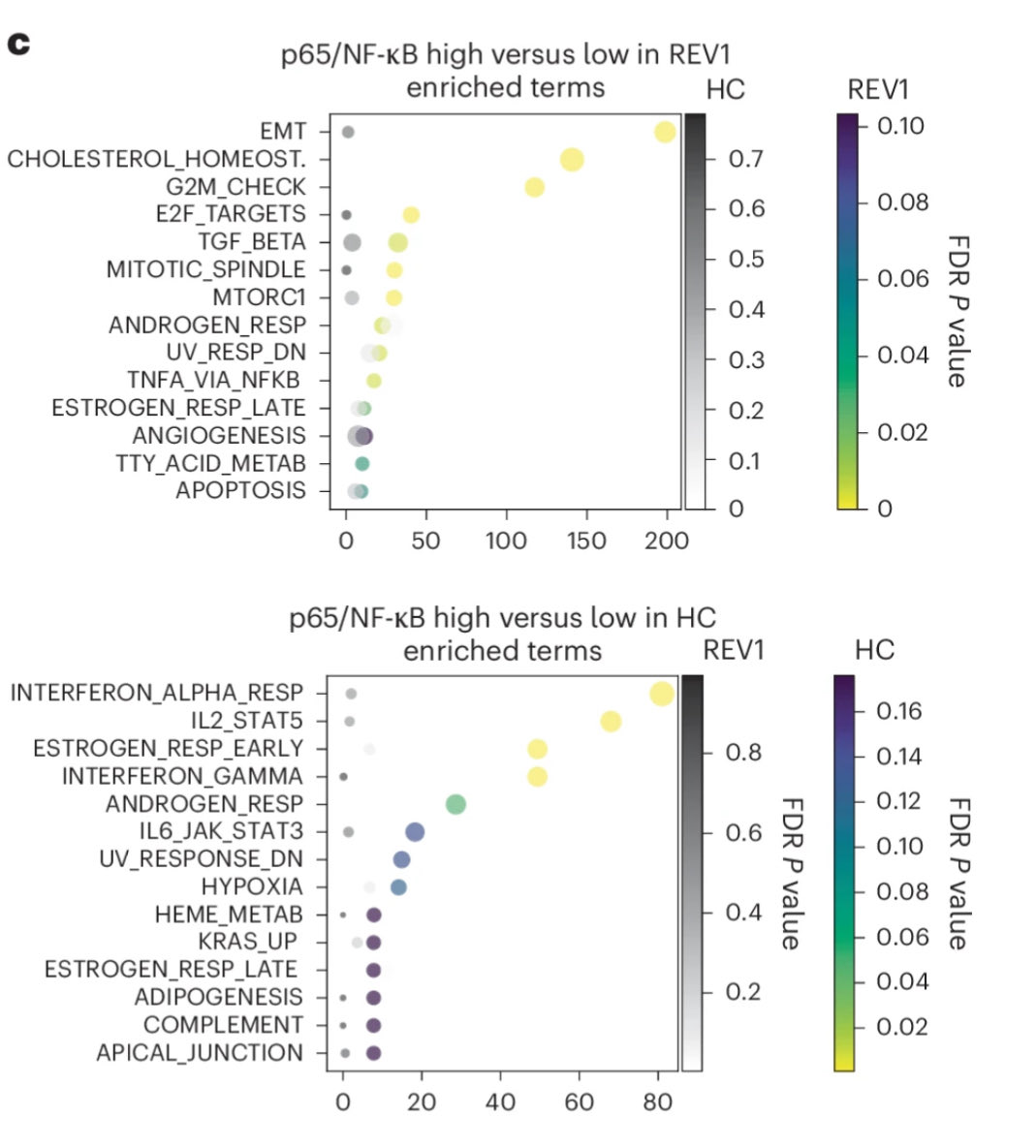
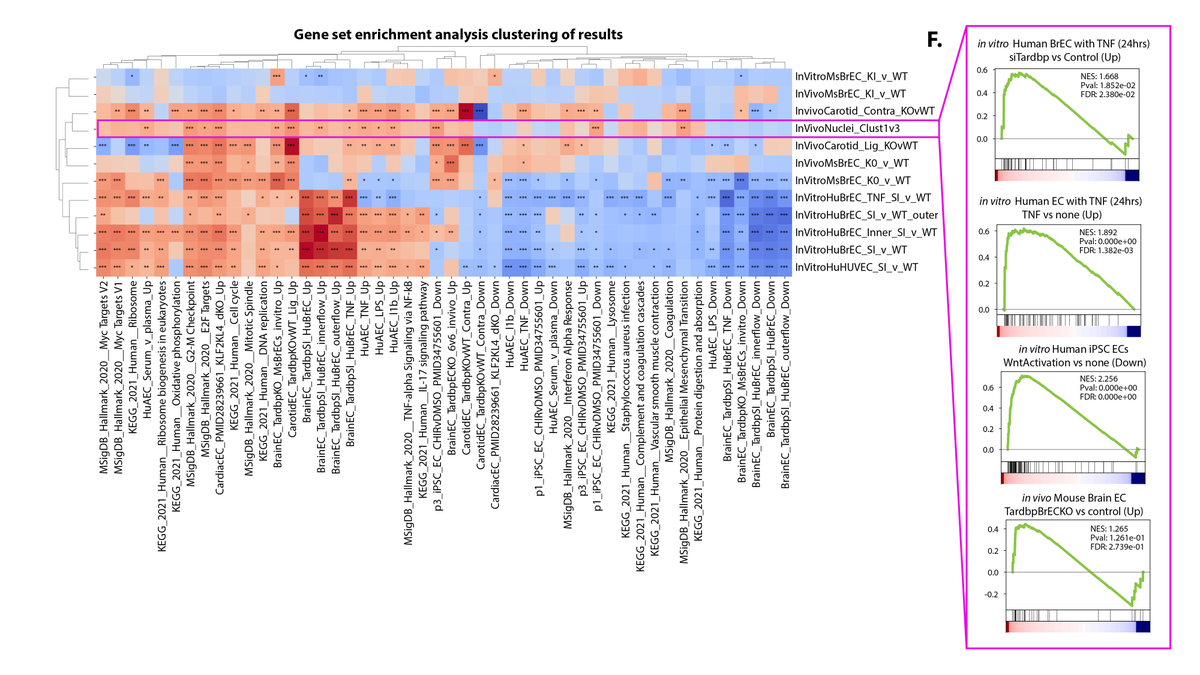
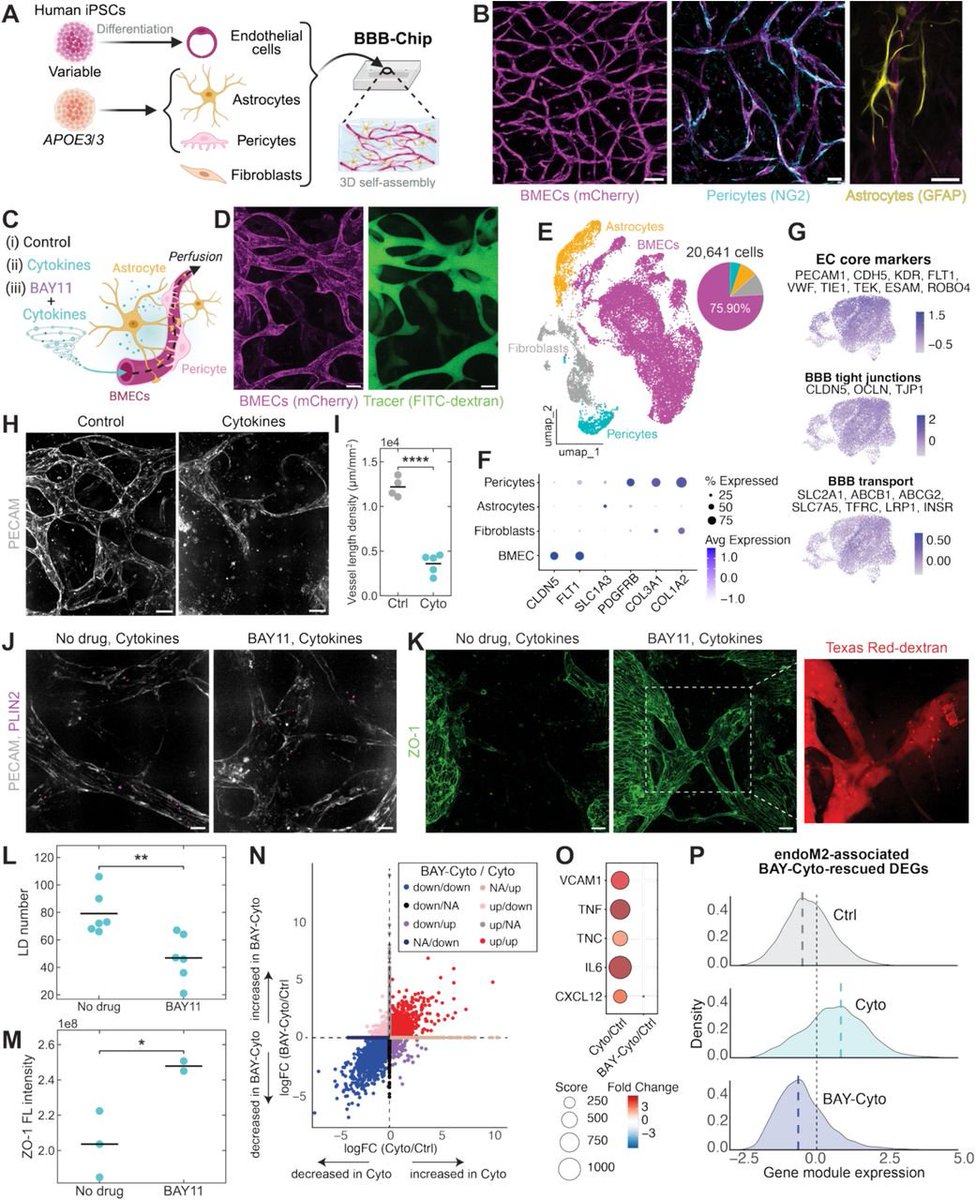
Interesting new work - modeling NFkB dysfunction in the micro vasculature in AD in vitro. Could be interesting to see to what extent this is determined by loss of TDP-43 in the endothelial cells as we observed by inCITE-seq : nature.com/articles/s41593-0… and science.org/doi/10.1126/scia…
3 Oct 2025

Inflammatory reprogramming of human brain endothelial cells compromises blood–brain barrier integrity in Alzheimer’s disease biorxiv.org/content/10.1101/…
6
58
9,177
MurphyLab retweeted

23 Apr 2025
URGENT: A leaked HHS memo proposes cutting all funding to the National #ALS Registry. This would erase decades of critical research & let down 20,000 who've contributed. We’re calling on Congress to stop this NOW.
Read our letter and take action today: als.org/blog/als-registry-un…
3
17
28
3,591
17 Apr 2025
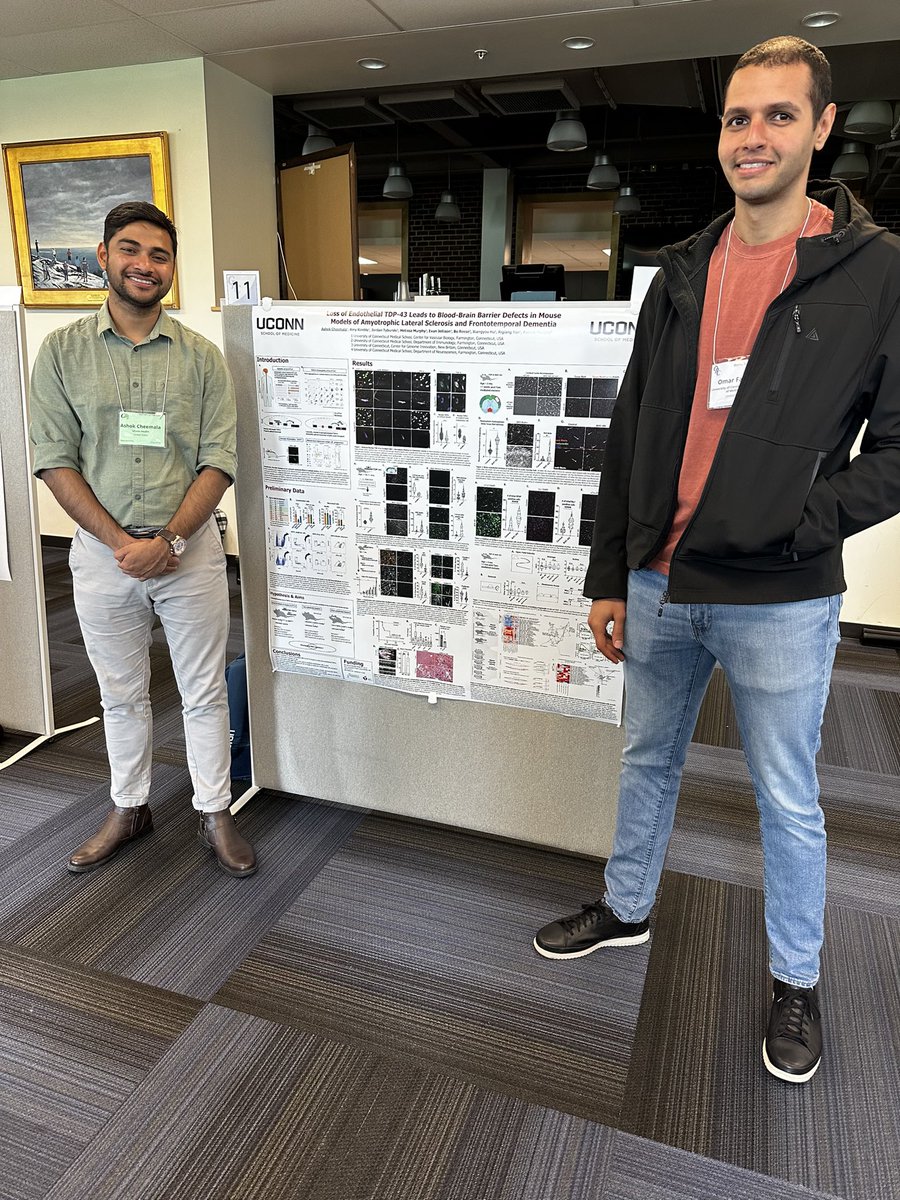
Despite strong headwinds our work continues. @CheemalaAshok shows that even a single point mutation in TDP-43 leads to large defects in cell-cell junction and barrier, and that brain endothelial deletion disrupts the BBB and leads to FTD-like behavior science.org/doi/10.1126/scia…
1
4
13
1,315
17 Apr 2025
Congratulations to Ashok, an exceptionally talented scientist who would be a tremendous junior faculty hire. Thank you to our collaborators @jacksonlab, lab members including @omaruximab and as others not on this platform, including Riqiang Yan.
1
1
1
195
17 Apr 2025
A detailed post can be found at 1patrickmurphy at bsky social, with the next questions we hope to address with input and support from @vascularbiology @AHAScience @alzassociation @AlzResearchUK @AFTDHope and @NINDSfunding @cshlmeetings
1
162
MurphyLab retweeted

10 Apr 2025
In the last 48 hours, congressional Republicans have done so much damage to Americans.
Here are the 5 truly harmful things they passed. 📽️🧵👇🏼
919
8,353
33,059
3,578,417