
SVP at onepersuades.com Former Director of Policy @pierrepoilievre
Joined August 2021
- Tweets 371
- Following 935
- Followers 1,174
- Likes 2,970
26 Photos and videos






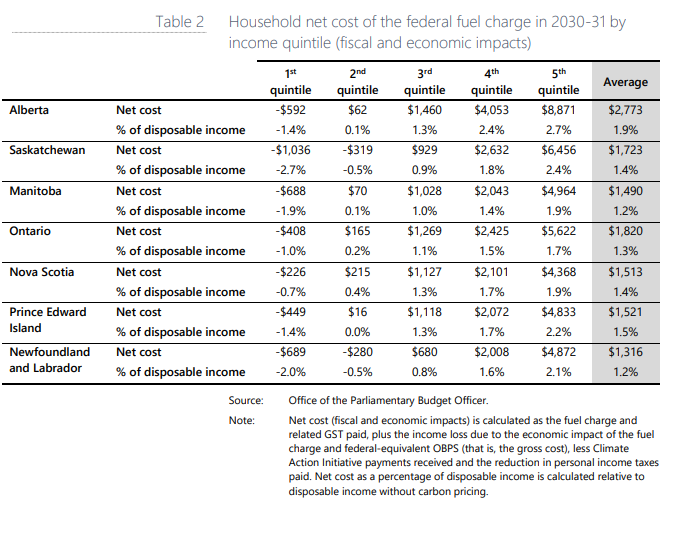
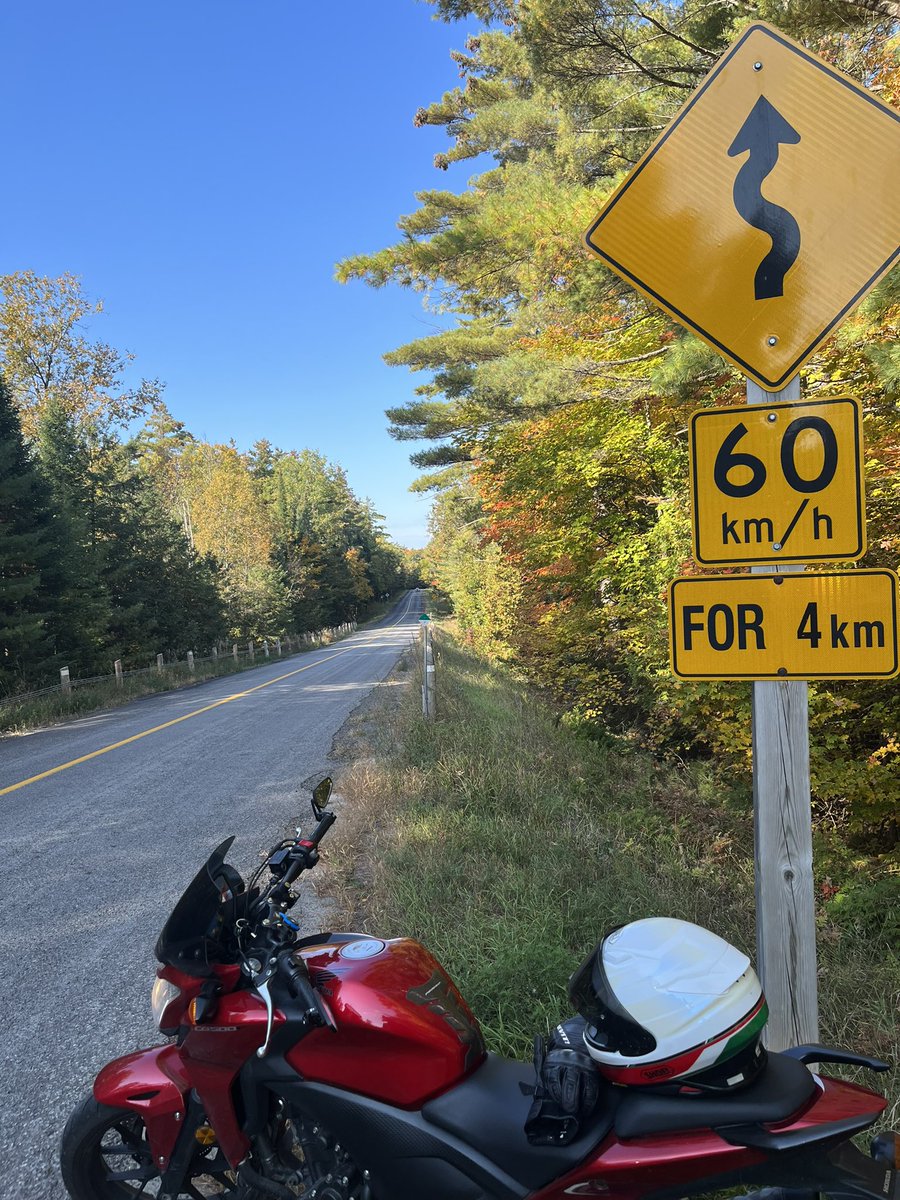
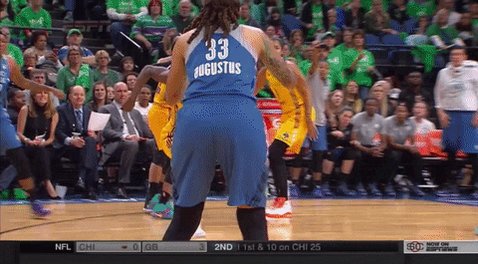
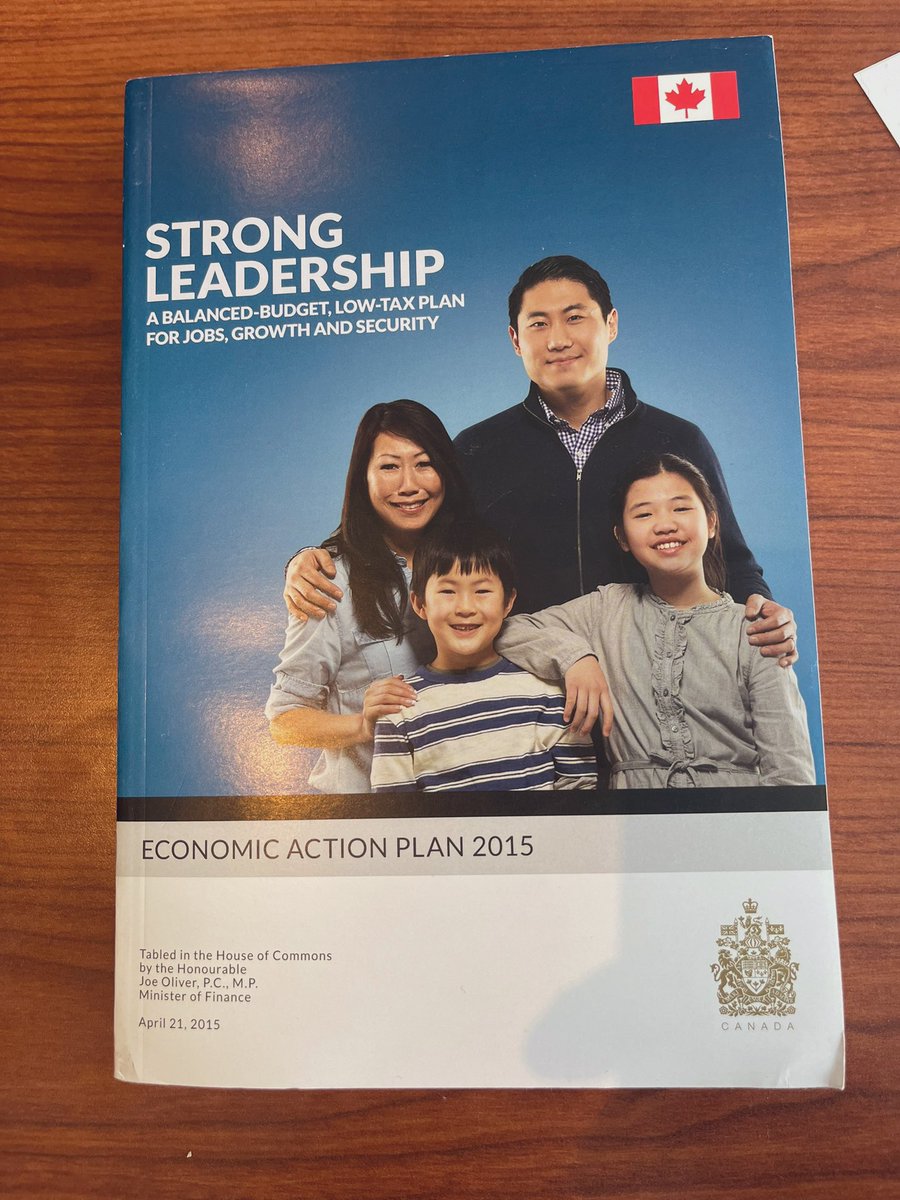


Apr 4
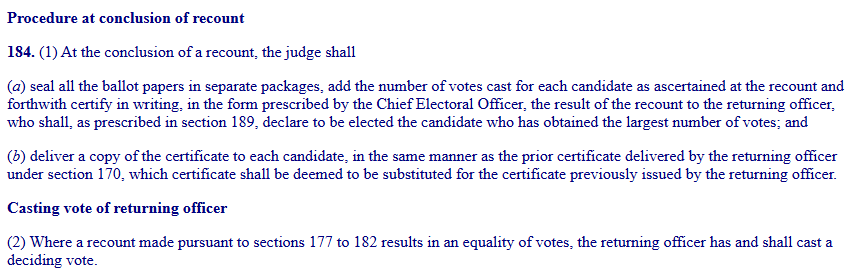
Excellent read on procedural precedent and foreshadowing of some of the challenges PM Carney will likely face in the coming months.
open.substack.com/pub/lylesk…
1
235
David Murray retweeted

Mar 3
John Tory has given years of service to this city. I will always be grateful for the support he gave me when I first decided to run.
The personal sacrifice that comes with public office is immense and it is often overlooked. It is a massive challenge for the people closest to you, and they have to come first.
I have a lot of respect for John’s decision, and I wish him the very best.
33
28
246
25,601
David Murray retweeted

Jan 21
Canadian government hits reset button on TikTok corporate ban. Ban never made sense given that the app itself was left untouched. Federal court has granted a consent order dismissing prior review of decision (not a rejection on merits). The government will conduct a new review.

4
7
24
3,736
30 Dec 2025
My first piece in the Globe and Mail.
Take a look!
30 Dec 2025

Opinion: Democracy is not a dinner party theglobeandmail.com/opinion/…
1
6
1,152
8 Nov 2025
If Jean Charest won the leadership, Justin Trudeau would still be PM.
8 Nov 2025

If Jean Charest had won the leadership.. odds are the Conservatives would be in government.
30
40
525
23,347
31 Oct 2025
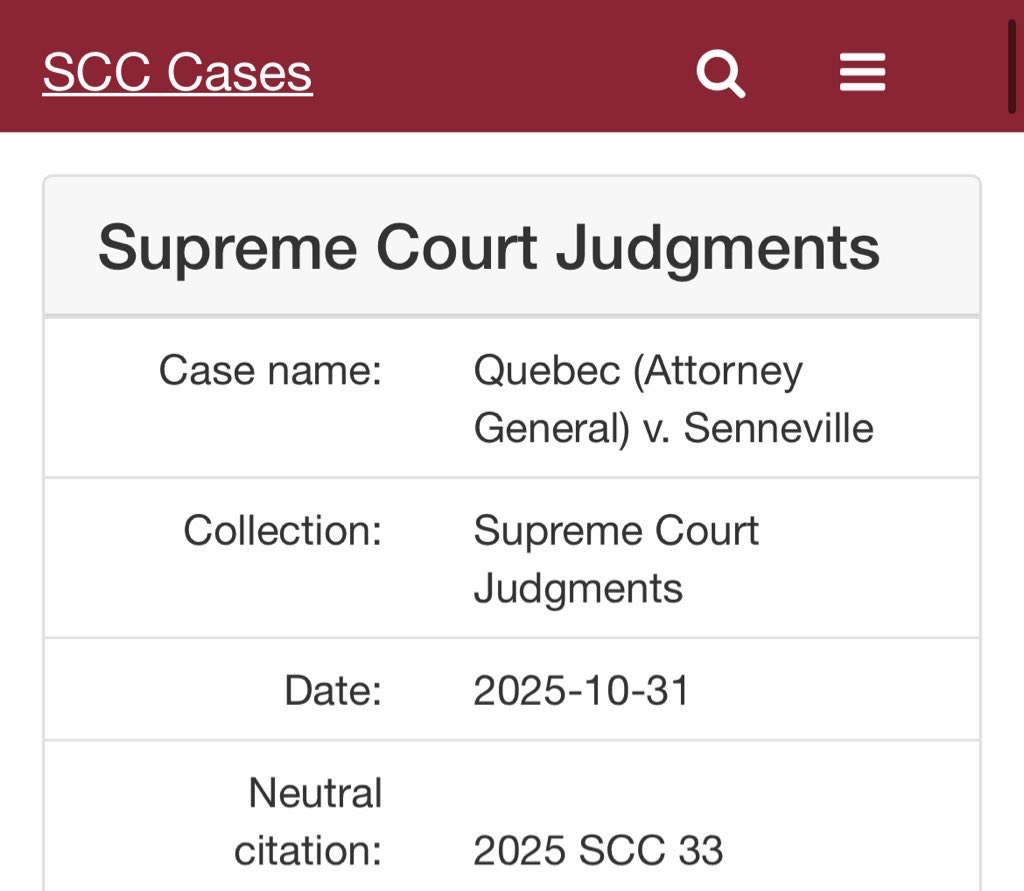
THIS is why s.33 exists.
31 Oct 2025

The Supreme Court just declared one year mandatory minimums for possessing/accessing child p*rn unconstitutional, yet again on the basis of "reasonable hypotheticals."
Unbelievable - something needs to be fixed in our judiciary.
1
296
David Murray retweeted

27 Oct 2025
Our poll of 805 Toronto residents finds that declared candidate Brad Bradford would defeat Chow in a head-to-head race, with 40% support for Bradford, compared to 32% for Chow
onepersuasion.com/news/olivi…
1
1
134
26 Sep 2025
Further to this, Article 19.12 of CUSMA says a Party (Canada, the U.S., or Mexico) “shall not require a covered person to use or locate computing facilities in that Party’s territory as a condition for conducting business.”
26 Sep 2025
Rarely do I disagree with Sean, but I respectfully do on this. Let me offer my own view. The danger of "digital sovereignty" becoming a lucrative grift is very real, and we should worry about it.
I'm not endorsing anything the government is or isn't doing on this, but digital sovereignty is still something everyone, including conservatives, needs to think about.
Why does this matter? One small but important example. Late in the summer, in a hearing in the French Senate, a senior Microsoft executive was asked if he could guarantee that data from French citizens could not be transmitted to United States authorities without the explicit authorization of French authorities. The executive said that he could not guarantee this due to the US CLOUD Act. The same would be true of Canada.
As our lives and society increasingly shift to the digital world, we need to recognize that the digital world is not rule-free. The question is one of power, who makes those rules, who are they made to protect, and where are they made? The digital world is not neutral, so neutrality is not an option. Someone is making the rules.
Ultimately, it's about whether Ottawa, Washington, or Silicon Valley should set the rules that govern digital infrastructure, assets, data, algorithms, and technology. Conservatives should think seriously about how we envision that.
2
489
20 Sep 2025
This is an unmatched opportunity for Canada.
19 Sep 2025

Trump signs an EO on H-1Bs raising "the fee that companies pay to sponsor H1-B applicants to $100,000"
1
2
1
312
David Murray retweeted

18 Sep 2025
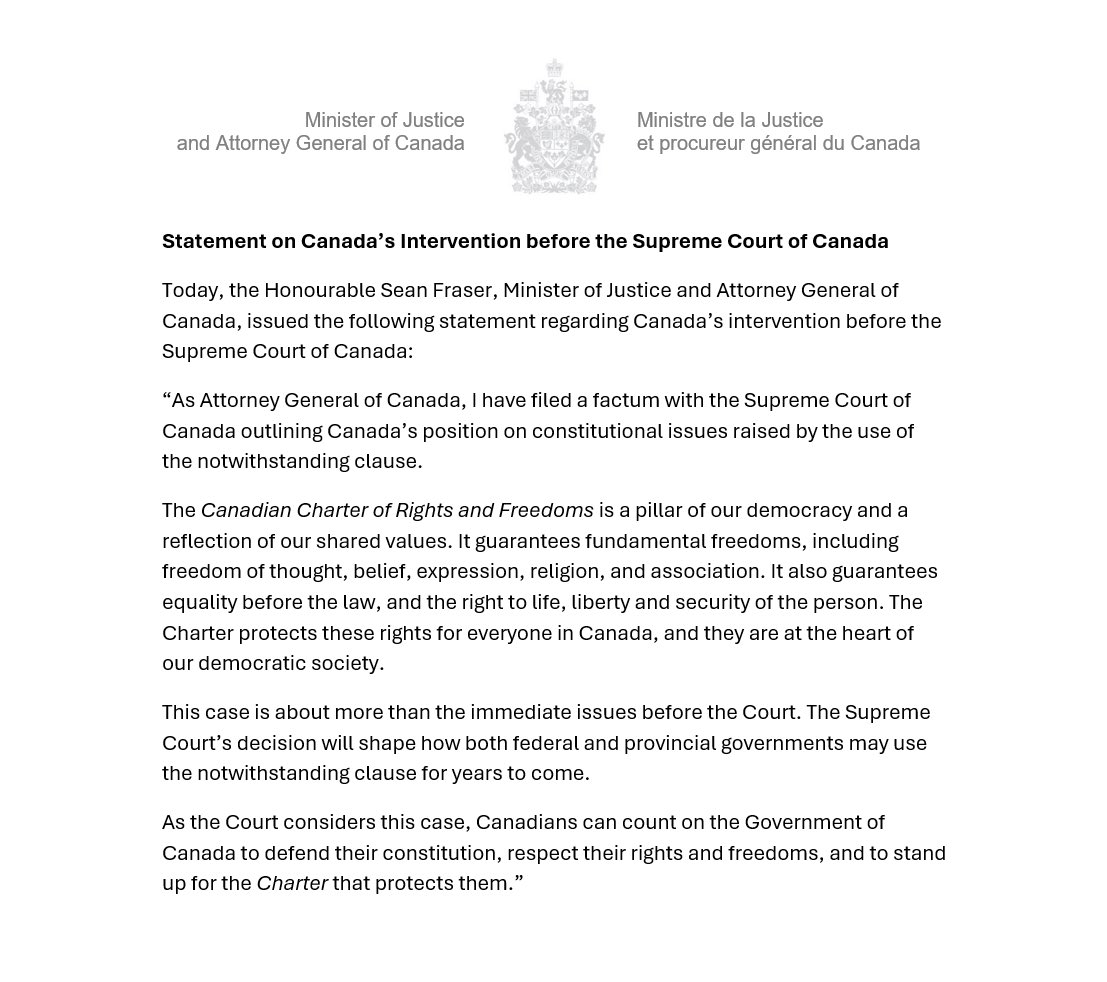
What @SeanFraserMP doesn't say, but must know, is that he has asked the Supreme Court to adopt a totalising view of judicial power that would fundamentally alter the Constitutional compact of 1982, throwing the country into constitutional crisis. Funny he leaves that out.
I'll explain:
1. As the Alberta Government's factum puts it, "The Constitution Act, 1982 was the result of a carefully negotiated federal-provincial agreement. Simply put, there would have been no Charter without s.33."
2. Minister Fraser and the Liberal government now want the Courts to undo that agreement and exercise a plenary and undefined power to limit the ability of legislatures to use the democratic safeguard of s.33.
3. On what basis are they asking the court do do this? Oh, you know ... ::Liberals gesture vaguely:: ... by using a ... uh ... "holistic" reading of the "basic constitutional structure" of the constitution ... sortofthing.
4. Why should that phrase "basic constitutional structure" raise alarm bells? Because it's the justification Supreme Courts in other countries have used to sweep aside democratic powers (look up "basic structure doctrine.")
5. How baseless is this proposal? Baseless enough that the Liberal government actually has to try to twist the fact that the Charter expressly provides for renewals of s.33 into an argument that this means that it in some cases it should not be allowed to be renewed. Really. (See AGC factum ¶¶ 26-31).
6. The Liberal government doesn't even purport to offer a test or clear rule for when the Court should second-guess and limit the use of s.33. Their actual words: "[T]his Court need not establish a definitive or exhaustive test. A court could assess the impact of any statute invoking s.33 by examining the specific circumstances of each use and by conducting a contextual analysis." (¶40).
7. It gets worse, but the upshot is that the Liberal government is asking the Supreme Court to engage in an unconstitutional power grab that would re-write the political compact that underpins our Constitution. How?
8. In 1982, all parties agreed that the Constitution would preserve some of the safeguards of our parliamentary democracy to prevent a handover of all legal and political powers to the courts. That safeguard was preserved in s.33. Now the Liberal government wants the courts to assume control of s.33 and limit its use based on an undefined "test" that the judges themselves will make up and apply on a case-by-case basis.
9. If the Court follows this approach, it is asking for a constitutional crisis. It is making the case for QC separation and inviting governments to ignore its rulings. I would like to think that at least four justices of the SCC have sufficient respect for the Constitution and enough of an instinct for institutional self-preservation to reject the Liberal government's reckless approach.
10. We'll see. I am not optimistic.
18 Sep 2025

Please see my statement on Canada’s intervention before the Supreme Court.
88
446
1,124
140,521
10 Sep 2025
The shooter doesn’t know what he’s done.
Shot heard round the world.
6
11
171
6,999
5 Aug 2025
It’s increasingly clear that Trump’s Tariffs are being used as a revenue generator. I wrote about this back in March.
thehub.ca/2025/03/14/david-j…
1
1
11
7,103
19 Jul 2025
Unless it’s firearms used for hunting and target shooting, right?
19 Jul 2025

The idea that you can apparently destroy someone’s property at no cost. That’s an interesting precedent.
1
5
646
David Murray retweeted

4 Jul 2025
What do a caveman, Napoleon, and you in 2035 all have in common?
Not owning a car.
This is going to be a long one. So grab a drink and settle in because you won’t believe what Mark Carney is doing.
958
1,929
5,494
501,556
4 Jul 2025
Happy Treason Day.

2
292
21 Jun 2025
It actually makes things more uncertain for proponents. Cabinet can undesignate a project just as easily as it can designate one (both through OIC). So one day you could be “deemed” and the next you could not. Where’s the certainty in that?
20 Jun 2025

As someone who wants to build stuff and fast, why shouldn't I support Bill C5? Any good reasons?
4
592
19 Jun 2025
This is the only way forward.
Proud to have helped build this common-sense response to the seriously flawed Online Harms Act.
There is no better advocate for this than @MichelleRempel .

6
26
3,801
7 Jun 2025
It's now legal to choose any Eminem song at karaoke night.
7 Jun 2025

5
630
23 May 2025
Axe the Tax, Build the Homes, Fix the Budget, Stop the Crime, Kiss the Cod.

BREAKING: Conservative candidate Jonathan Rowe has won the Newfoundland district of Terra Nova-The Peninsulas following a judicial recount. cbc.ca/news/canada/newfoundl…
10
680