Joined December 2011
- Tweets 2,536
- Following 995
- Followers 1,267
- Likes 25,486
272 Photos and videos





Pinned Tweet

28 Apr 2025
In 1966, the UN voted overwhelmingly to condemn South Africa’s apartheid as a "crime against humanity" because systemic, race-based laws were seen as unforgivable.
(Resolution 2202: 103 votes against, only 4 for.)
Today, nearly 60 years later, South Africa has over 140 race-based laws targeting minorities, yet the UN remains silent.
The last major one passed, Expropriation Without Compensation (EWC) should have triggered global outcry.
Instead, the UN recently gifted the ANC government R4.9 billion, despite the fact that legal discrimination persists worse than before.
Discriminatory laws are racism, by definition, no matter who the target is.
Where is your voice now, @UN?
Where is your outcry for the minorities living under modern-day legal discrimination?
Justice must be consistent. Otherwise, it’s not justice, it’s selective oppression.
You refuse to see the injustices even when its pointed out by @POTUS @elonmusk.
We do not ask for your favor.
We demand your consistency.
@UNHumanRights @antonioguterres @vonderleyen @EU_Commission @UN_PGA @EUparliament
89
343
921
36,049



Jun 5
I've been an Autodesk AEC subscriber for years. I've even had PDM in the past. Today I need to make a small change to an old Inventor model, something that may take me a day or two, yet my only option in South Africa is to purchase a full 12-month subscription for nearly R40,000.
Why?
Many other markets have monthly subscriptions, Flex Tokens, or other short-term licensing options. Yet South African users are still treated like a backwater market when it comes to Autodesk licensing flexibility.
Every reseller in the SA model adds little to no value for experienced end users. In many cases, the reseller is also a design centre. Those are competing interests by definition. One sells software, the other sells engineering services. There is an obvious potential conflict there and shouldn't be allowed...
After years of supporting Autodesk products, I simply cannot justify spending almost R40,000 to open and modify a model for a day or two of work.
My view is simple:
• Allow South African customers the same licensing flexibility available elsewhere.
• Allow direct purchasing from Autodesk.
• Remove unnecessary middlemen from the process.
Engineers, designers, and small businesses should be paying for what they need, when they need it, not forced into a 12-month commitment for a few hours worth of work.
Is anyone else in South Africa frustrated by this situation?
@autodesk
1
1
4
191
Jun 5
Hey, @autodesk
Your South African resellers have a blatant conflict of interest: they resell your software and compete directly with customers by offering design/engineering services.
How can that be acceptable? Imagine me and the same reseller tendering on the identical project, they control my software access and pricing while bidding against me while providing non-existent re-seller service.
Forcing a full 12-month Inventor subscription R40k for one minor edit on an old model, while you offer monthly/Flex/direct options elsewhere, protects their margins at our expense.
Long-time AEC subscriber. Give SA customers the same flexibility you give other markets and remove the middleman barrier.
1
2
121
May 30
Oh, but it predates even 1884.
The British colonised an already colonised land and entrenched racial legislation everywhere they went and the 1809 Caledon Code is a prime example in law to British POW and concentration camps. The picture would’ve looked far less racist without the imperial Brits, their heavy involvement, and their greed for gold and diamonds.
South Africa's racial history is a continuum, not a series of disconnected events, and I see today's laws as part of that continuum. Also, don’t forget Solidarity’s hard work with that famous BBB (Big Beautiful Banner):
“SA is the most race-regulated country in the world”… currently, I might add.
May 28

For those who still think apartheid started in 1948.
2
4
164
Marcel Nel retweeted

FM @RonaldLamola, you blame concerns about violence and failed governance on "MAGA politics." Ghana and Nigeria just airlifted their citizens out of your country. Thousands of South Africans are fleeing to America to escape your government’s Left-wing policies. Unemployment still remains at 33% while you and corrupt government elites get rich while promoting race-based laws and chanting "Kill the Boer." If caring about your own citizens is MAGA, South Africa might want to give it a try.
May 27

The South Africa Minister of International Relations and Cooperation, Ronald Lamola, has once again attacked President Donald Trump and the millions of Americans that voted for him:
“We know, that in the US, the MAGA movement is very clear to attack black people. We know what they stand for. They stand against the human rights."
In November 2025, in a CNN interview, Minister Lamola accused Trump's administration of pushing an "agenda of white supremacy."
Is this what you and your comrades consider "doing everything we can to fix the diplomatic crisis with the USA," President Ramaphosa? 🤨
675
903
2,897
476,370
Marcel Nel retweeted

May 27
🔴 BREAKING NEWS:
@LexLibertasOnX and the @NYYRC had a meeting with the White House about the White Cross Project.
They will accept our petition and memorandum. Now we need your support!
We need at least 100k names on the petition and 3'000 cross sponsorships to make it happen.
We are currently at 22k signatories (22%) and just over 900 crosses (30%).
Sign the petition, sponsor a few crosses! Link below.
@StefanoLforte
27
151
431
11,177
Marcel Nel retweeted

May 21
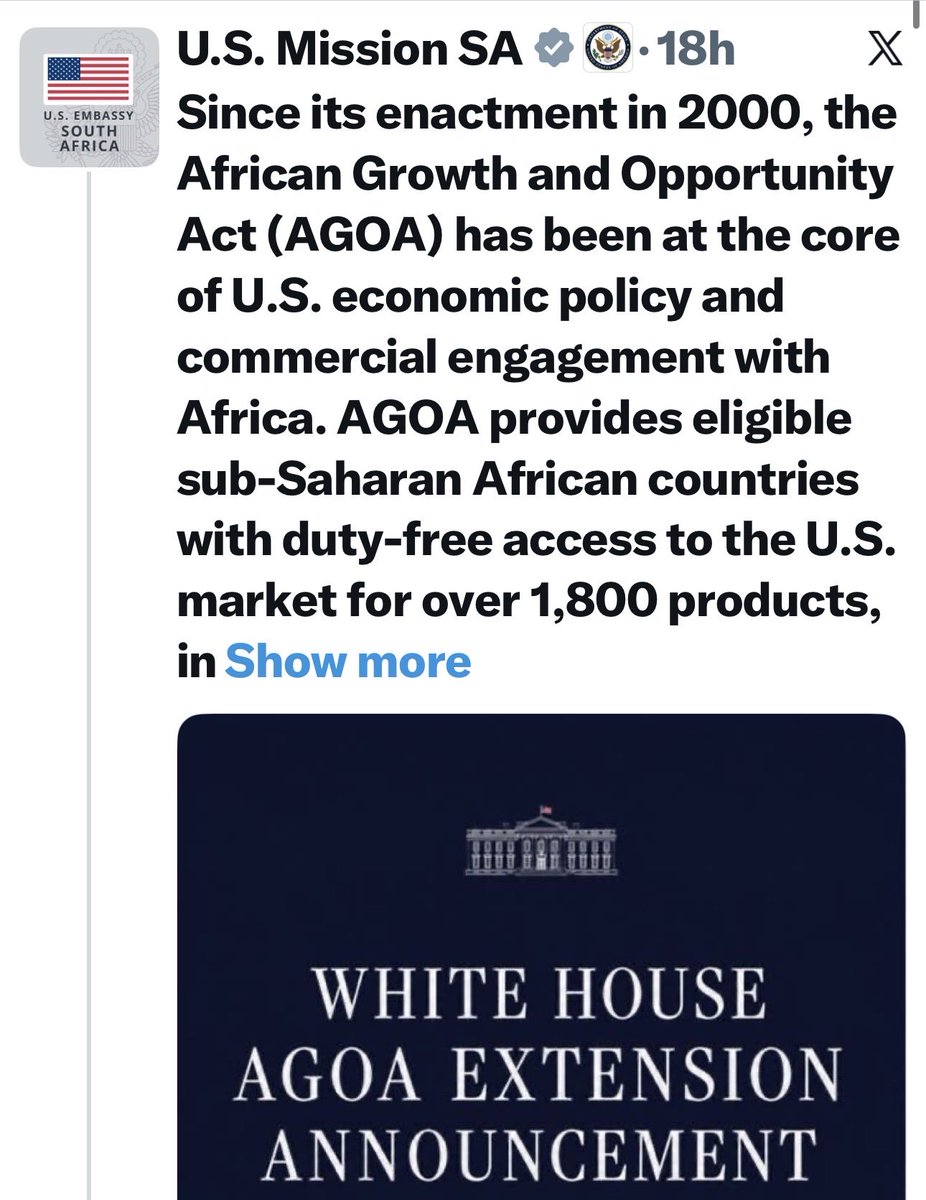
AGOA is verleng en die Withuis het bevestig dat Suid-Afrika deel daarvan bly.
Dit is goed vir werk en goed vir die ekonomie. Dit is betekenisvol.
Dankie aan kollegas Jaco Kleynhans en Theuns du Buisson vir hul skakelwerk en diepgaande navorsing.
Solidariteit het die beste verslag oor AGOA uitgereik. AGOA was die fokus van Solidariteit se skakeling en ons het selfs voor kongreskomitees verskyn.
Hierdie verlenging vir Suid-Afrika is ten spyte van die regering.
Ons moes deurlopend pleit dat gewone Suid-Afrikaners nie gestraf word vir ’n roekelose regering nie.
40
100
278
6,012
Marcel Nel retweeted

May 6
#SecRubioWhiteHousePressCon
“Only thing worse than a Communist, is an incompetent one”. Well here in South Africa we have both. It’s time for real change. @SecRubio
116
221
994
14,181

Apr 29
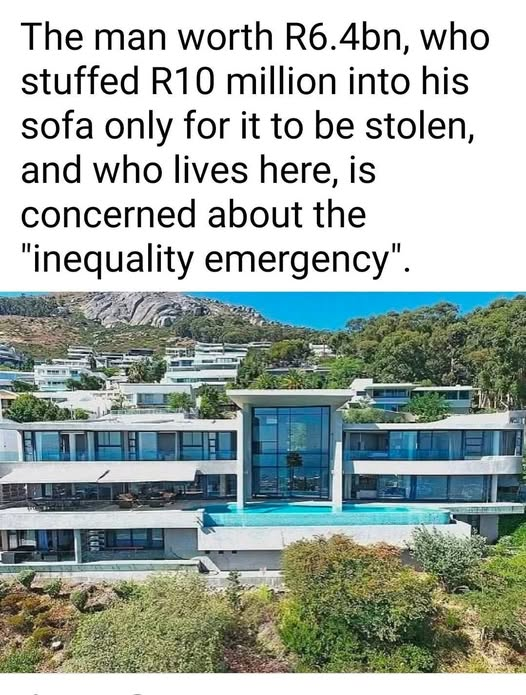
Herewith a liberal rebranding legislated racism as 'demographic classification'.
Peak denial.

All these laws, every single one of them DO NOT discriminate against any race group. They mention race as in classification not discrimination like Apartheid was. Demographically whites represent 7.2% of SA population, coloureds 8.5%, Indians 2.6%, blacks 81.7%.
3
1
1
271
Marcel Nel retweeted

Knowing what you know now, how would you have voted in the referendum.
205
44
221
13,344
Apr 27
Minister Solly Malatsi’s withdrawal of the Draft National AI Policy is not just an embarrassing admin error, it is a live case study in institutional decay.
An 86-page national policy carrying fabricated AI-generated citations, fake sources, and non-existent references did not appear by magic. It came from a system where process replaced responsibility, optics replaced competence, and no one owned verification until public pressure forced action.
Months ago I wrote about this exact failure pattern in my unpublished manuscript, AI Morality and Consequences: Clarity, Responsibility, and the Lie of Nuance.
“Responsibility is endlessly deferred upward and outward. No one is ever accountable because no one ever admits to deciding.”
Its central warning was simple: when institutions outsource judgment to systems, committees, ideology, or machines, accountability evaporates.
AI did not fail morally here. Humans failed operationally.
The more uncomfortable truth is that weakened institutions shaped by fashionable narratives over hard standards eventually collapse into theatre.
A professor at Wits who read the manuscript previously showed interest in debating these ideas. Unfortunately the debate never happened.
South Africa is now getting the live demonstration instead.
As a US Citizen with South African roots, leading global AI debates, @elonmusk may appreciate the irony here.
I’ll be publishing the full manuscript this week.
Earlier article/thread here:
x.com/NelMarcel/status/20136…
@alechogg
Apr 26

Statement on the integrity of the Draft National Artificial Intelligence Policy
Following revelations that the Draft National Artificial Intelligence Policy published for public comment contains various fictitious sources in its reference list, we initiated internal questions which have now confirmed that this was the case.
This failure is not a mere technical issue but has compromised the integrity and credibility of the draft policy. As such, I am withdrawing the Draft National Artificial intelligence Policy.
South Africans deserve better. The Department of Communications and Digital Technologies did not deliver on the standard that is acceptable for an institution entrusted with the role to lead South Africa ‘s digital policy environment. The most plausible explanation is that AI-generated citations were included without proper verification. This should not have happened.
In fact, this unacceptable lapse proves why vigilant human oversight over the use of artificial intelligence is critical. It’s a lesson we take with humility. I want to reassure the country that we are treating this matter with the gravity it deserves. There will be consequence management for those responsible for drafting and quality assurance.
End.
2
3
232
Marcel Nel retweeted

Apr 23
🇺🇸🇿🇦 The Trump administration wants to raise the refugee cap from 7,500 to 17,500 to admit more white South Africans.
The explicit goal is resettling Afrikaners fleeing what the White House calls racial persecution.
Pretoria has pushed back hard on the narrative, calling it a politically motivated distortion of the country's land reform policies.
Apr 14

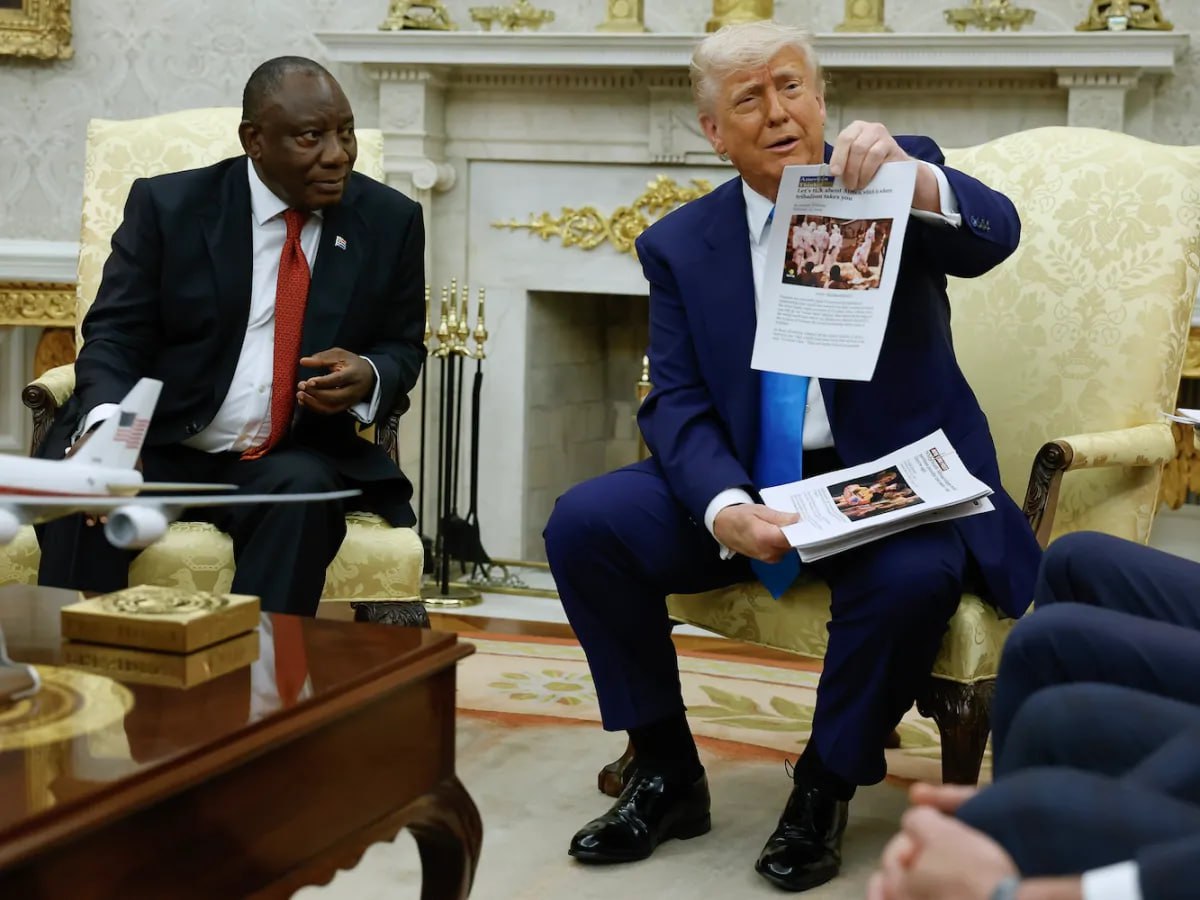
🇿🇦🇺🇸 Gunther Eagleman nailed it:
Calls to “Kill the Boer, Kill the Farmer” are still happening in South Africa, and ignoring the brutal farm attacks is straight-up tragic.
As with many things, the far left chooses to look the other way on these crimes.
390
325
1,713
114,140
Marcel Nel retweeted

Apr 22
My cousin Bruce was attacked in his home a few days ago and did not survive. He leaves behind his two children, Alex and Savannah. A fundraiser has been set up to support them. If you're able to contribute or share, it would mean a great deal. backabuddy.co.za/campaign/su…
102
469
1,534
253,778
Apr 23
ANC breaking up even further... Good, very good.
👏👏👏

#MBALULA: The ANC respects the decision of the SACP to contest elections. We respect their struggle of bringing about a communist future and destroying capitalism. We are not in that struggle, we are a multi class organisation. We do not view the SACP as an enemy.
#ThePeoplesMovement
1
3
73
Marcel Nel retweeted
Apr 23
Do you support the principle of self governance?
We need your support to strengthen our mandate.
Sign the petition in the comment below!
184
154
622
21,192
Apr 23
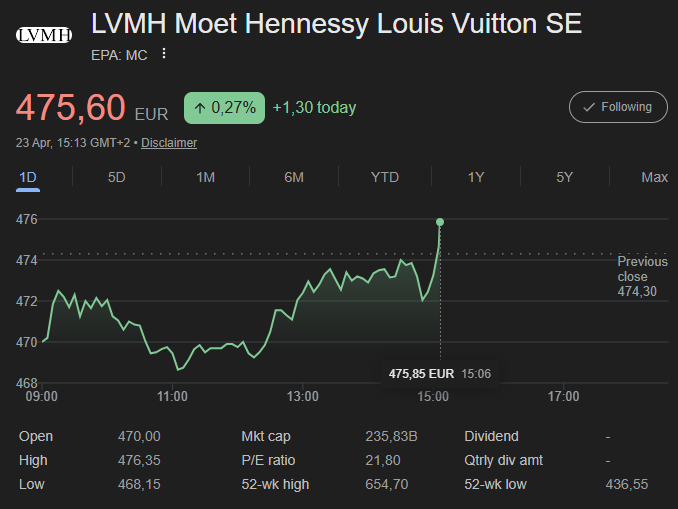
France provides R1,9 billion... I trust Hennessy, Veuve Clicquot and luxury car dealerships are well prepared.
2
4
99