
Neuroscientist (Ass. Prof) studying the pathological sensitivity of MR images in neurodegenerative disease (AD/PD). Also loves teaching, and penguins.
Joined July 2010
- Tweets 3,132
- Following 343
- Followers 1,213
- Likes 2,038
299 Photos and videos

Dr. Laura Jonkman retweeted

Mar 13
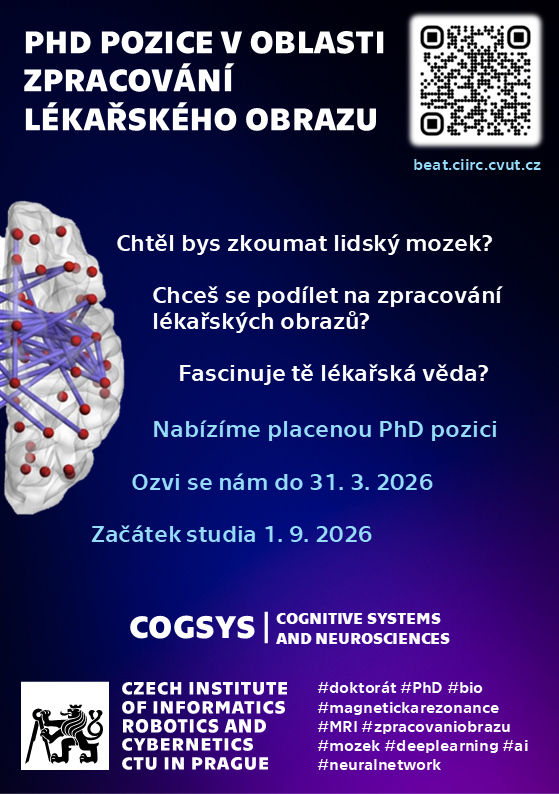
PhD position 🎓 at CIIRC CTU, Prague: computational modeling of structural brain connectivity from diffusion MRI. Work on tractography, ML, and computational neuroscience with applications in cognition, aging, and neurological disease. Deadline: March 31. beat.ciirc.cvut.cz/doctoral-…
2
1
153

19 Nov 2025
Nice to see our work online 🤩
17 Nov 2025

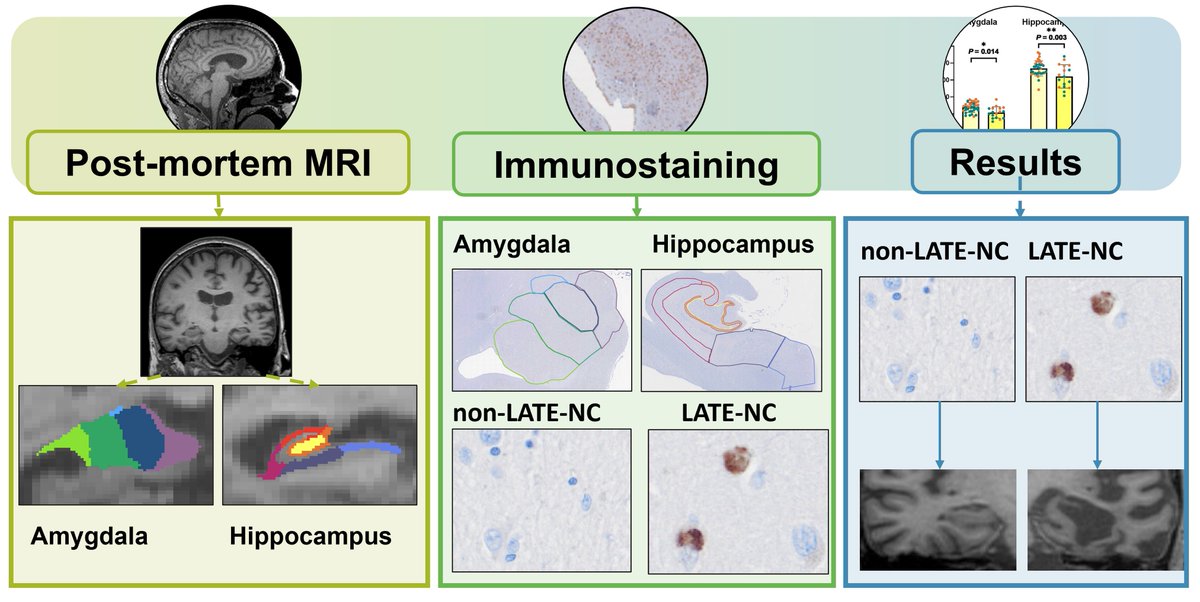
Using post-mortem MRI and immunohistochemistry, Wesseling et al. show that brain donors with LATE-NC have lower amygdalar and hippocampal volumes than non-LATE-NC donors, even when correcting for regional p-tau, amyloid-beta, and alpha-synuclein burden. tinyurl.com/43sbp5fr
5
293
Dr. Laura Jonkman retweeted

3 Nov 2025
There is still time to register for our upcoming webinar. Everything on postmortem imaging, this Thursday (Nov 6)!
Sign up here: act.alz.org/site/R?i=X6Sk2e4…
12 Sep 2025

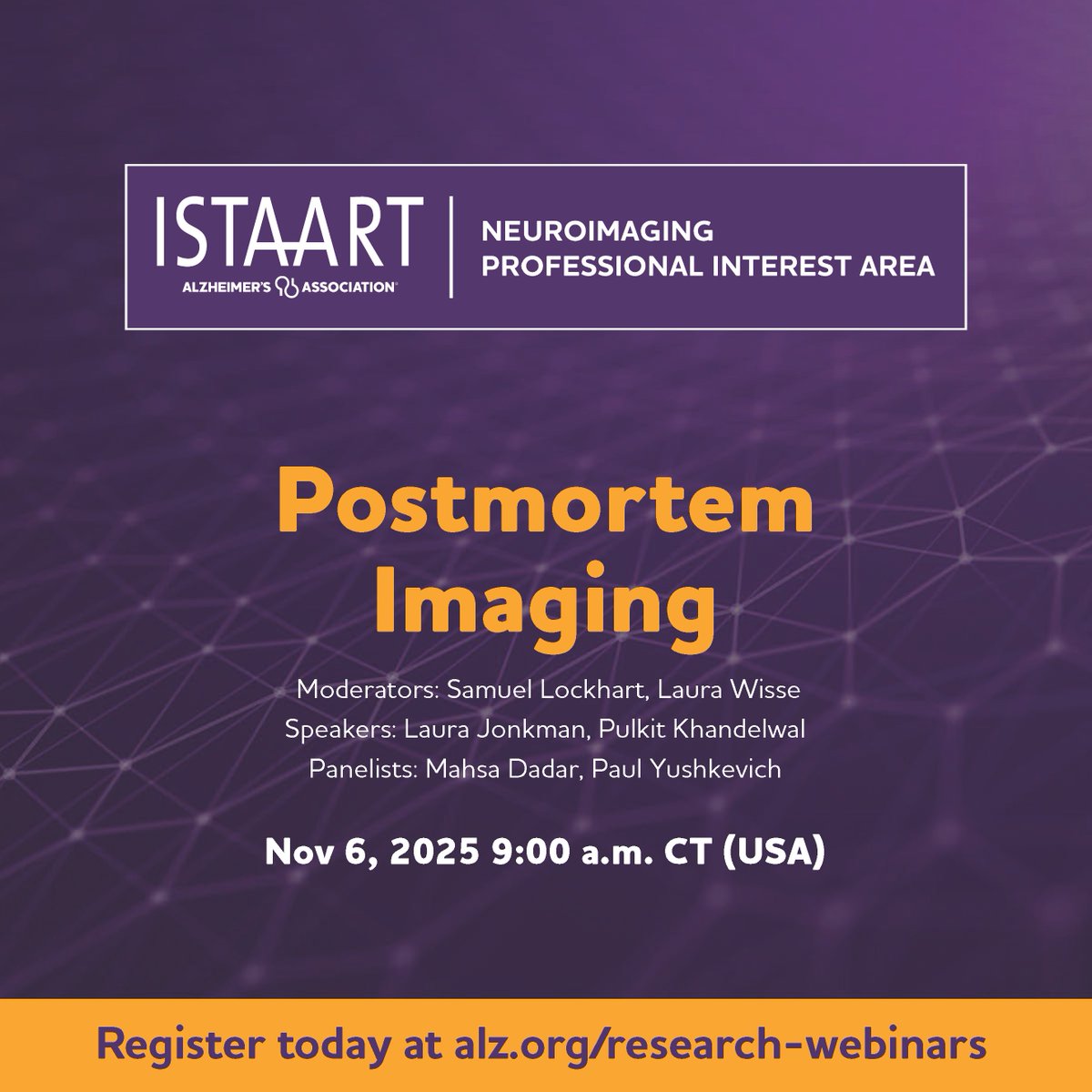
Interested in postmortem imaging? Join us at the next webinar, where latest advances of postmortem imaging in ADRD will be discussed!
Speakers: @NeuroLaura & Pulkit Khandelwal
Panel: @DadarMahsa & @paul_yushkevich
📅 Thursday, November 6
🕗 9am CT
👉 alz-org.zoom.us/webinar/regi…
3
3
476
10 Oct 2025
Fantastic review! Everything you ever wanted to know about PART.
10 Oct 2025

Primary age-related tauopathy #neuropath
link.springer.com/article/10…
3
73
Dr. Laura Jonkman retweeted

25 Aug 2025
Agreed! Can’t count how many times I have seen alternative diagnoses first suggested by MRI findings or even refinement of “Parkinson’s” diagnosis, such as an atypical syndrome or even rarer things like PLA2G6 mutation. While volumetric tools often lag behind relative to presentation, we have more advanced tools now that allow us to directly measure the earliest stages of the disease like iron deposition in SN, depletion of neuromelanin, etc. As radiologists and ordering physicians, we have to move beyond the idea that we just check for strokes and tumors in patients with neurodegenerative disorders—we have the tools now to provide much more info. Diagnosis is multidisciplinary but imaging can be a powerful biomarker when obtained and interpreted correctly!
25 Aug 2025

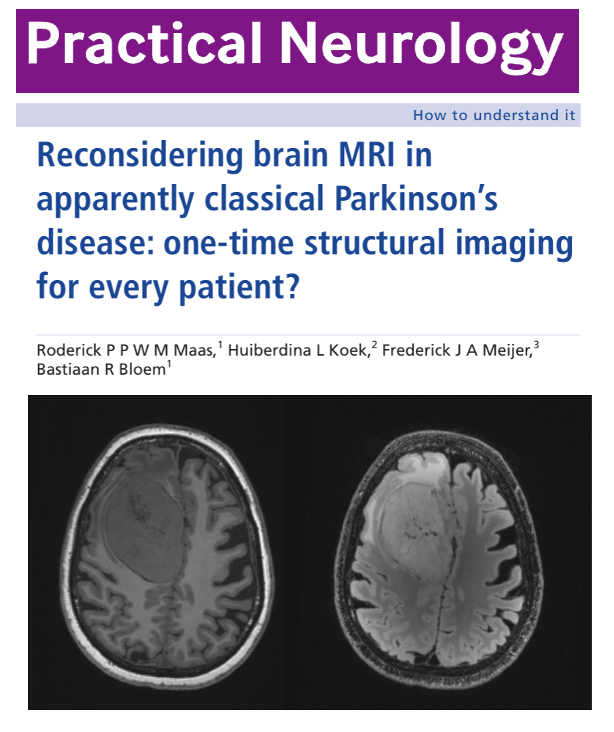
Should every person with suspected Parkinson’s get an MRI? For decades, neurologists have relied on history and examination as the gold standard for diagnosing Parkinson’s disease. Routine MRI scans have not been recommended for people with a classic presentation. However, more and more cases have been emerging and Maas, Bloem and colleagues have challenged us to 'rethink' a potentially outdated approach.
Key Points:
- The authors remind us that a careful history and neurological examination remain essential for diagnosing Parkinson’s disease.
- MRI can occasionally uncover a treatable mimic.
- The authors shared two cases that looked like classical Parkinson’s, however MRI revealed other causes: one person had a brain tumor, another had familial brain calcifications.
- The absence of clear non-motor symptoms may be more concerning than the author’s originally thought and they therefore argue that we should LOWER THE THRESHOLD for brain imaging.
My take: Maybe we should order a MRI for every person w/ Parkinson’s and/or a suspected neurodegenerative disease? David Vaillancourt and his multi-center PSG/NIH study has also recently shown that a 6 minute MRI sequence can be useful to separate PD from PSP and from MSA. Here are 5 points that resonated w/ me about this particular study. 1- Expert evaluation remains the backbone of a Parkinson’s diagnosis. 2- An MRI is not always ordered, but sometimes it can reveal a different and treatable condition. 3- If there are no typical non-motor symptoms like loss of smell, constipation, or dream enactment, doctors may actually need to be more cautious. 4- Getting one MRI early in the process may prevent delays in the right diagnosis and treatment. 5- Ongoing research is shaping how we use imaging to better care for people with suspected Parkinson’s disease. Does your Parkinson's plan pdplan.org account for other diagnoses?
pn.bmj.com/content/early/202…
@Fixelinstitute @parkinsondotorg #parkinson @SfNtweets @movedisorder @TheASNR @EMiddlebrooksMD @DBSThinkTank @basbloem
4
15
3,033
Dr. Laura Jonkman retweeted

20 Aug 2025
18F-FDG PET in detection of primary age-related tauopathy (PART) – Is there a role? Insights from an imaging-pathology correlation study
alz-journals.onlinelibrary.w…
1
1
161
31 Jul 2025
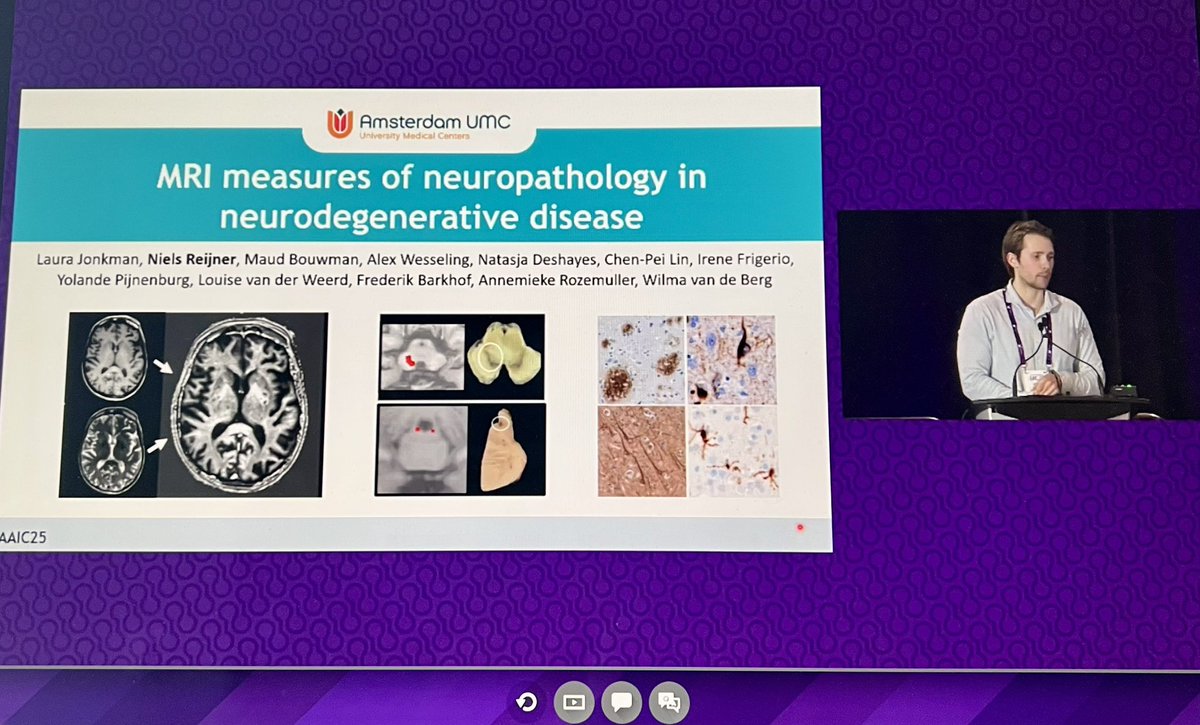
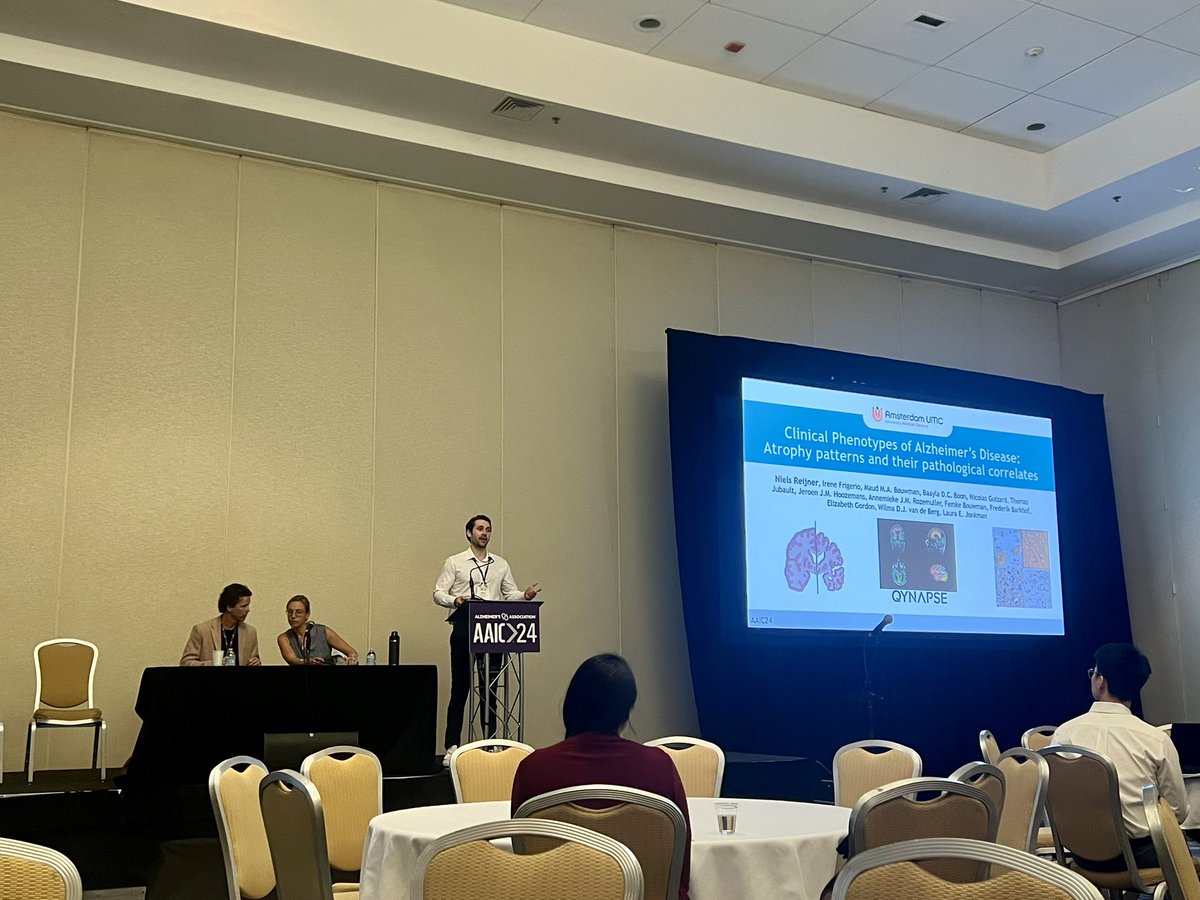
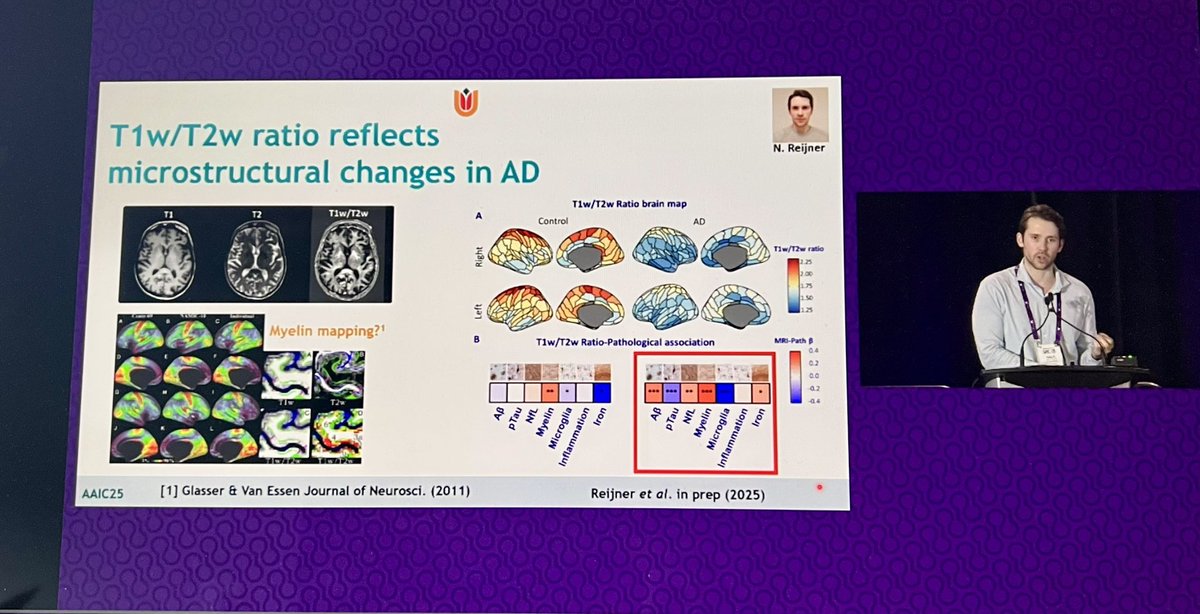
Last day of #AAIC25! Even though I couldn’t be there in person anymore, I was able to see @NeuroNiels shine on stage, as presenter and first-time session moderator. Very proud! 🤩
3
207
29 Jul 2025
Very interesting work! 🤩
29 Jul 2025

Ever wondered how small vessel disease is related with AD-proteinopathies in the medial temporal lobe? 🍤🧠 🔗 doi.org/10.1186/s40478-025-0…
In our new work we show:
✅CAA severity is linked to Aβ-plaques and tau
❌Arteriolosclerosis is not, but is associated with ePVS burden
88
26 Jul 2025
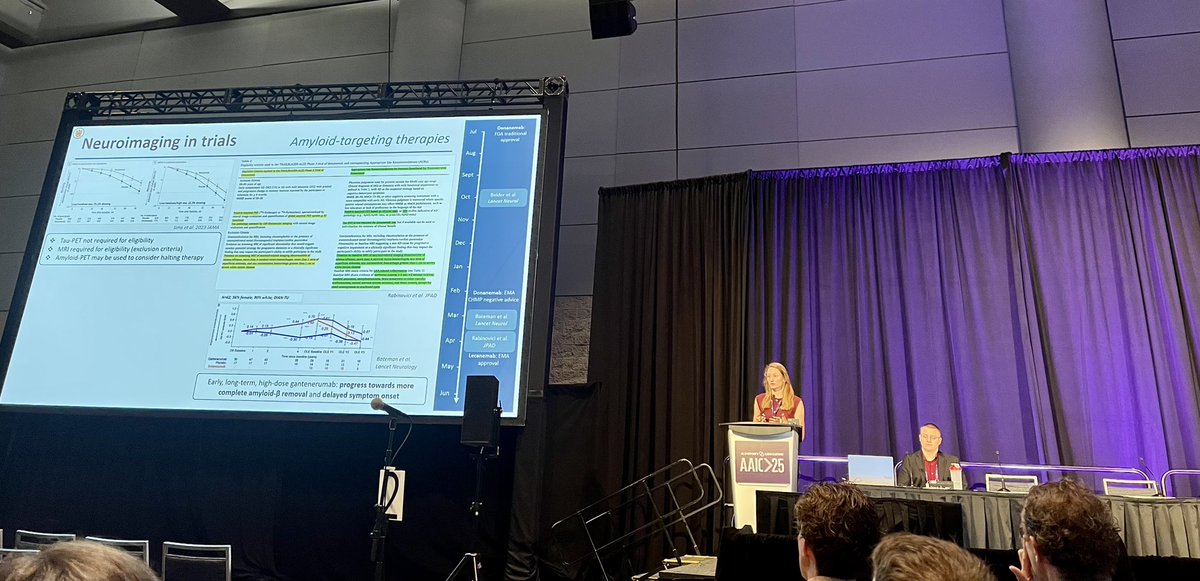
Very happy to be in #Toronto for #AAIC25! Great kick-off with the #AIC preconference, @EmmaCoomans presenting the year-in-review. Also, come visit my poster AIC-310 with lots of MRI-pathology studies!
7
231
30 Jun 2025
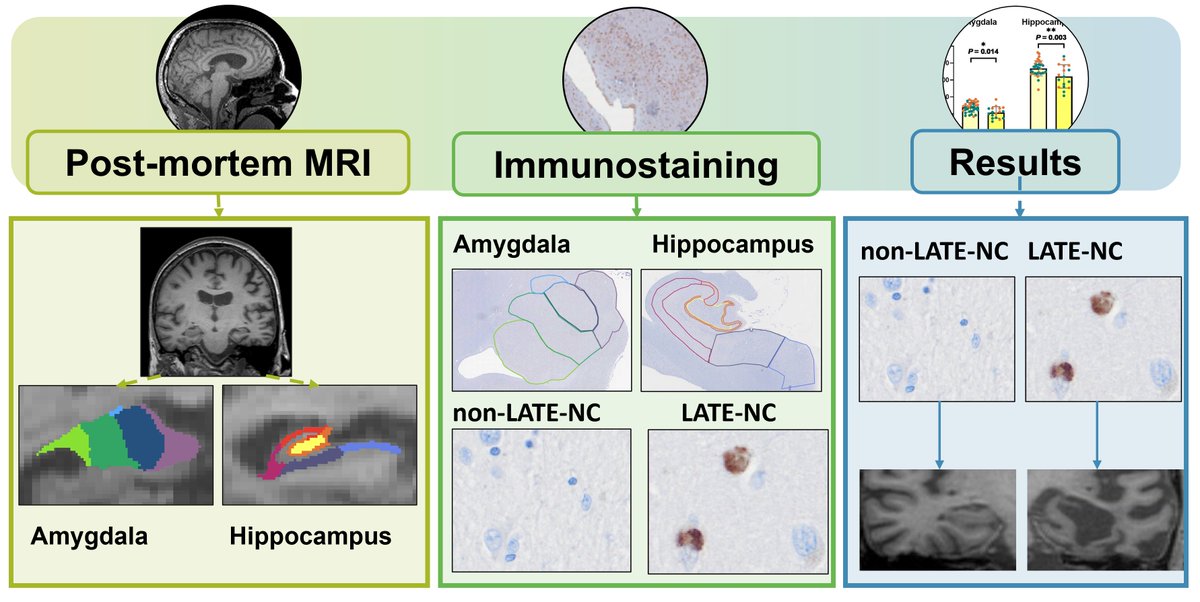
🚨 Another new manuscript from the team! On an imaging marker for LATE-NC as co-pathology in neurodegeneration.
29 Jun 2025
Using post-mortem in situ MRI, Wesseling et al. show that brain donors with LATE-NC have lower amygdalar and hippocampal volumes than non-LATE-NC donors, even when correcting for regional phosphorylated tau, amyloid-b, and a-syn. tinyurl.com/34p435bd
3
209
18 Jun 2025
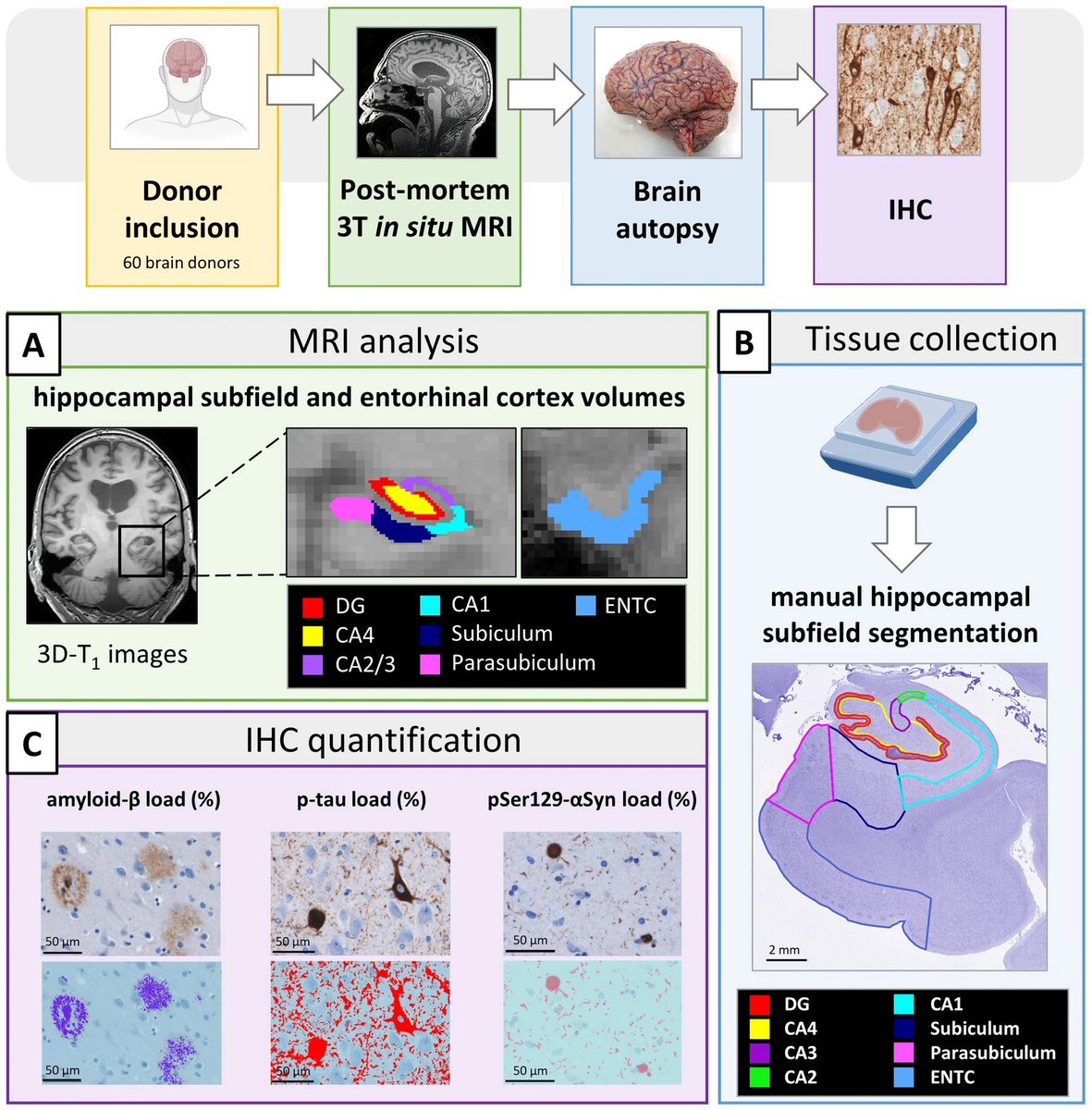
🚨 New manuscript from the team! Cross-disease assessment of volume change and pathological accumulation in hippocampal subfields. First-first by @maud_bouwvrouw! 🥳
alzres.biomedcentral.com/art…
1
89
10 May 2025
🚨 New manuscript from the team! @NeuroNiels’ first first-author paper, a wonderful collaboration with Qynapse!
pubmed.ncbi.nlm.nih.gov/4028…
2
107
Dr. Laura Jonkman retweeted

28 Apr 2025
So excited and honored to be invited to present the opening plenary at #AIC2025 this year in Toronto! 🧠
🙏 I would be very grateful if you could help me gather the most inspiring papers (including your own!) of the past year by completing this survey: alz.surveymonkey.com/r/923BT…
28 Apr 2025
🚨Calling all neuroimagers! Help @EmmaCoomans shape the opening plenary at #AIC2025 (Toronto, July 26th) "Accomplishments of the Past Year" and share the most impactful neuroimaging research from the past year via this brief survey (~5min) by May 30th.
act.alz.org/site/R?i=eOejFv9…
1
12
32
3,339
Dr. Laura Jonkman retweeted

17 Jan 2025
Always my favourite post at the beginning of the year:
Registration for our course “Biomarkers for neurodegenerative diseases” is now open!
This year’s edition takes place at @UCLIoN in central London on May 12-16.
biomarker-course.org
1
19
58
3,338
Dr. Laura Jonkman retweeted

22 Dec 2024
We live in a state of perpetual dissociation from the almost unbearable wonder of being alive. But if we fell asleep each night remembering “the singularity we once were” and awoke each morning with the bright awareness that every atom in our bodies can be traced to one of the first stars... we would be too wonder-struck by the miraculousness of it all to deal with the mundane. The dishes have to be washed and the emails have to be written, so we avert our eyes from the majesty and mystery of a universe that made them in order to look at itself, from the majesty and mystery of what we are. themarginalian.org/2024/12/0…
4
34
147
12,806
19 Dec 2024
Come join the international Lewy body dementia conference in Amsterdam! 29-31 January 2025. #ILBDC2025
ilbdc2025.com/
1
137
19 Dec 2024
First first-author manuscript of PhD student submitted in early October, got desk- rejected after the journal was unable to find reviewers (20 invitations sent out). Not the most motivational way to start you academic career! #butPIstillproud
148
15 Nov 2024
Today was an interesting day at the Dutch Dementia Researchers Conference (#DDRC). Well organized and nice variety of topics! #OneInFive
131
1 Nov 2024
Highly recommend to join this session 🤩
7 Oct 2024

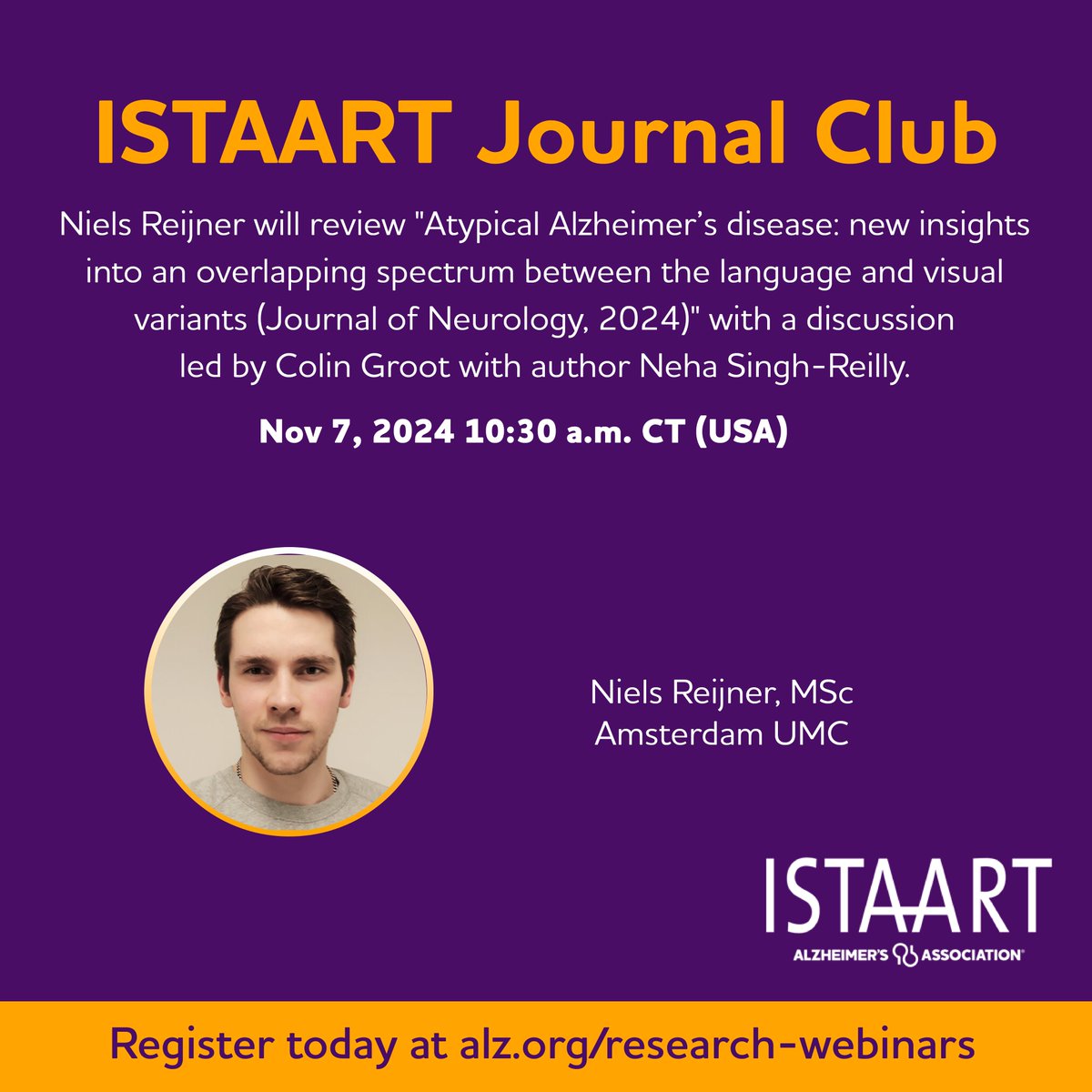
📢 Announcing the @ISTAART @AtypicalPIA journal club for 2024!
🧠 We will feature a study led by @NehaASingh4, presented by @NeuroNiels and additionally discussed by @IamColinGroot.
📆 When: Nov 07, 10:30 AM CT
🔗 Register here: alz-org.zoom.us/webinar/regi…
1
1
295
1 Nov 2024
Wonderful work, also in line with some of our findings on SV2A and synaptophysin in #Lewy body disorders - pubmed.ncbi.nlm.nih.gov/3817…
30 Oct 2024

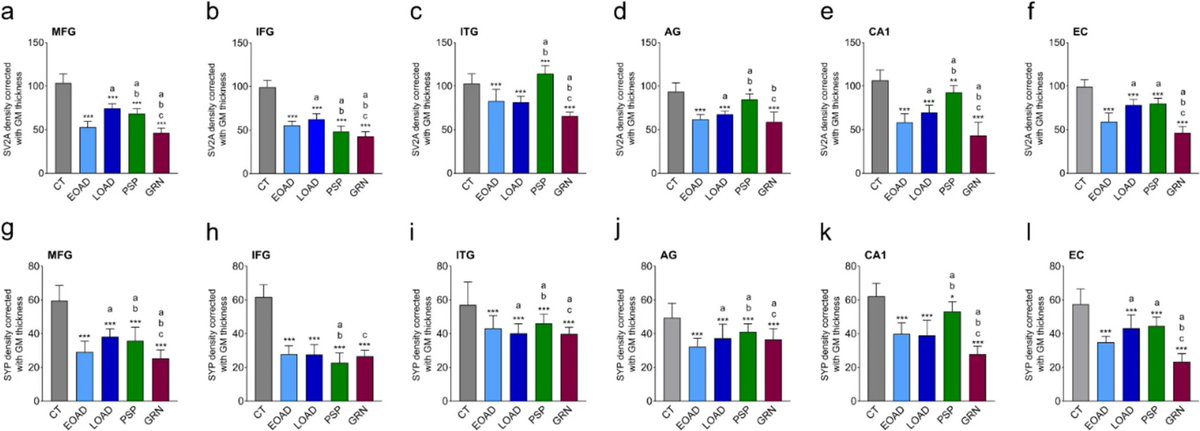
SV2A PET tracers may help detecting synaptic loss in vivo, but a map of SV2A in human brain tissue is missing. We mapped SV2A & synaptophysin in #alzheimer & others to enhance interpretation of PET studies. tinyurl.com/mvdwzfbu @UCSFmac @GrinbergLab @HAIconference @ISTAART
1
1
262