Male and Northern since birth. Both feel OK to me.
Joined December 2016
- Tweets 36,846
- Following 1,422
- Followers 1,145
- Likes 17,367
558 Photos and videos


Should our national broadcaster, funded by a mandatory licence, be allowed to restrict replies on social media?
Jun 11

"If you're burning someone out of their home, shouting 'foreigners out', what other word would you use to describe what has been going on?"
Northern Ireland Secretary Hilary Benn responds to whether the protests in Belfast following a violent knife attack are 'racist attacks'.
1
27
Parents - this is the kind of person some of your children regard as a role model until the age when they develop taste in music.
30
Northern Man v2 retweeted

I have news for you that shouldn't be news.
The things that make life with living can't be found in a fleeting moments adrenaline rush, or in the price of a 2 for 1 burger deal.
Security, comfort, safety, fulfilled aspiration, a fair justice system, strong borders, cheap energy.
3
18
117
I wonder if the Police are starting to realise that they picked the wrong side?

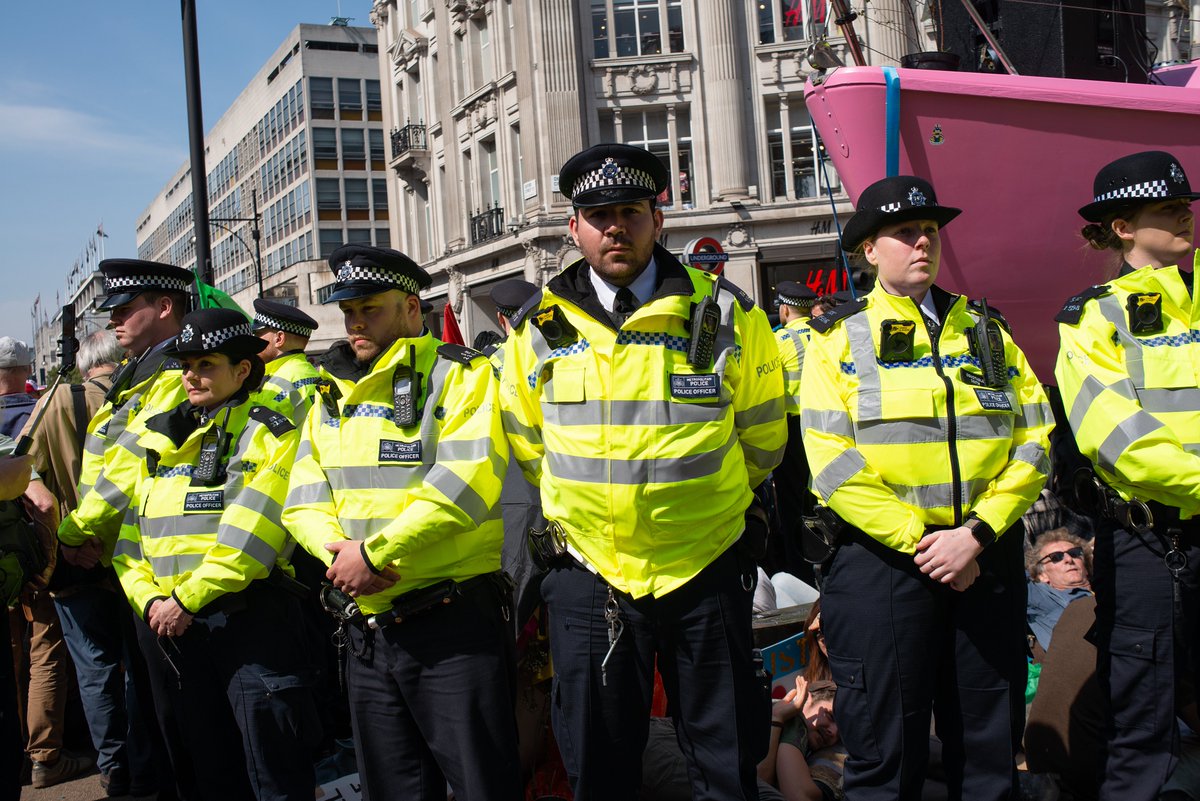
1/ Police officers who gave decades of service to this country have just had their retirement plans ripped up overnight.
The Government has quietly cut the lump sums available to retiring officers in the 1987 Police Pension Scheme - with immediate effect. 🧵
56
Best thing I’ve read here in ages.
13 Nov 2025

A Country Within a Country: Tower Hamlets Shows What Britain Is Becoming
If you want to see Britain's future laid bare, look to Tower Hamlets. What you see there is the end point of a national project our leaders have pushed for half a century: the slow replacement of a shared country with a patchwork of imported political cultures, each loyal to itself and indifferent to the nation that hosts it.
Tower Hamlets is the clearest case study. Councillors elected to serve one of the poorest boroughs in England are now standing for election in Bangladesh. Not hiding it. Not ashamed of it. Simply treating British public office as a secondary concern – a hobby between campaigns for a foreign parliament. And the political class feigns shock, as if this isn't exactly what their model of multiculturalism produces. When you spend decades telling newcomers that integrating into Britain is optional and that expecting loyalty is racist, don't act surprised when they build a political life that points elsewhere.
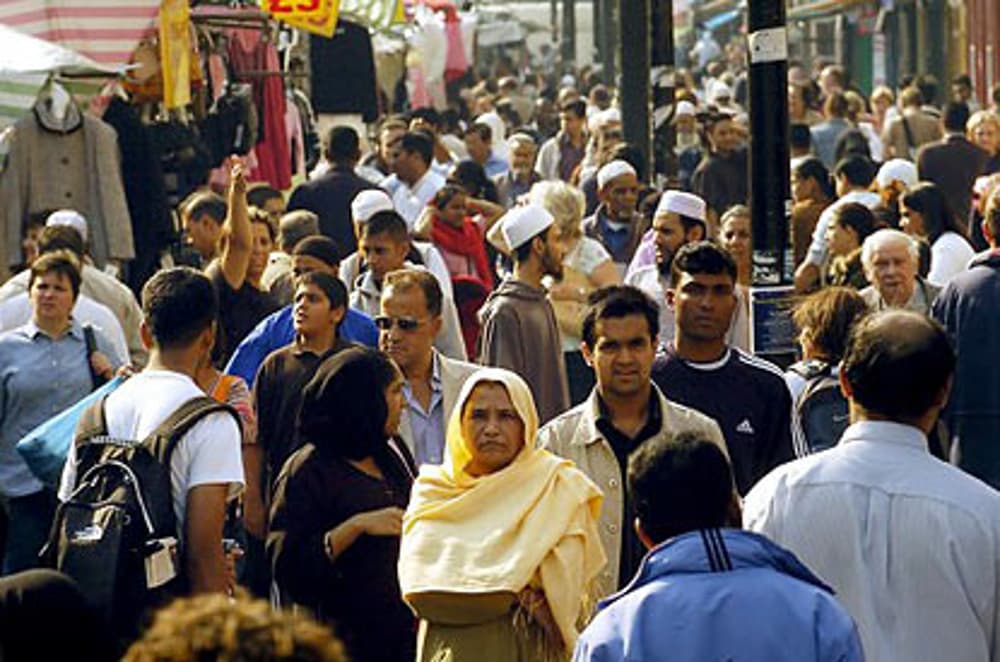
The borough's leadership shows the scale of the shift. Eight Ahmeds, three Choudhurys, three Hussains or Hossains, two Islams, five white councillors out of forty-five. The mayor, Lutfur Rahman, has returned to power despite a High Court judgment voiding his previous victory for corrupt and illegal practices. He came back the moment the ban expired because his authority doesn't come from British civic standards but from communal blocs that vote as a unit. That's not "diversity." It's a transplanted political culture operating on British soil. A borough governed not by national norms but by imported habits of clan power, patronage, and sectarian mobilisation.
This is the Britain our leaders built. Whole districts where English is not the common language and Britishness is not the shared identity. Places where local politics resembles the old country more than the one that pays for the schools, hospitals and roads. Professor Matt Goodwin's warning is already visible: parents arrive with their own culture and transplant it intact, creating islands of political life that orbit London rather than belong to it. A million people in Britain cannot speak English. In London alone, more than 300,000 cannot speak it at all. You cannot build a nation on that. You can only build silos.
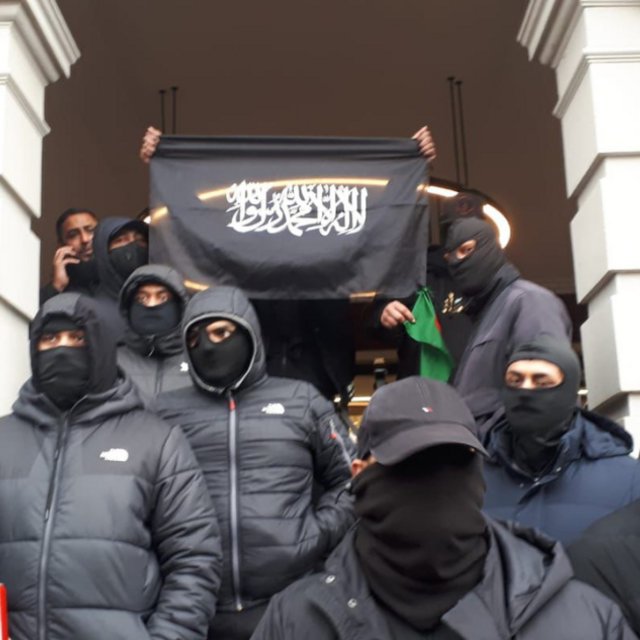
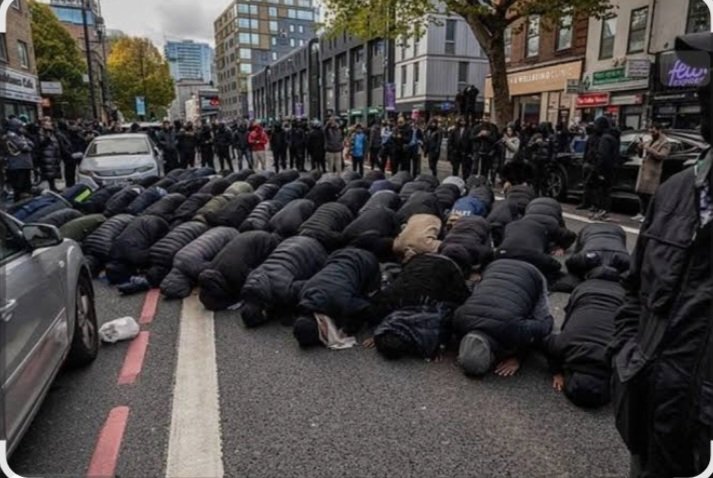
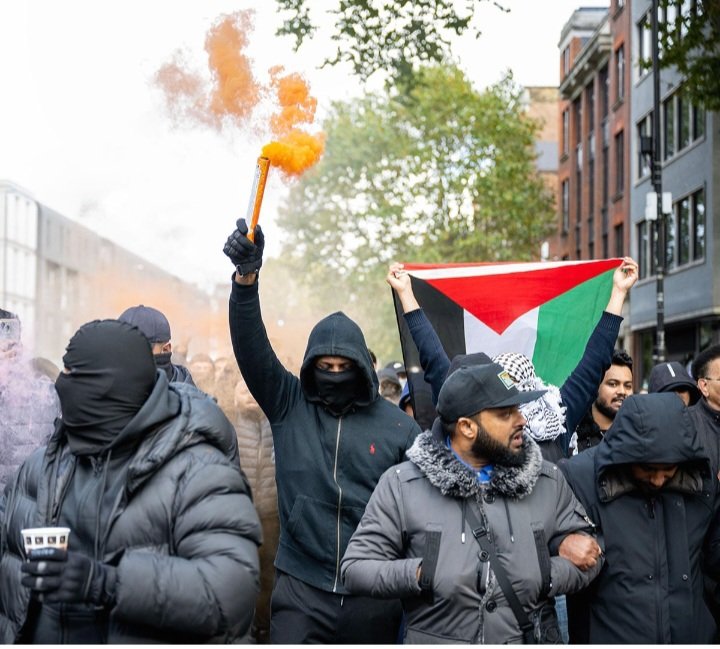
And here lies the truth no minister dares utter: multiculturalism has not created diversity. It has created enclaves. Tower Hamlets is not a vibrant tapestry. It is a near-homogeneous political bloc where the old civic order holds no authority and where foreign identity trumps national duty. The double loyalty on show is not an aberration. It is the natural result of demographic engineering pursued without consent and enforced with moral blackmail. "Welcome everyone," the elites said, "and never ask what they owe the country." Now we reap the consequences: councillors who serve two nations, marches in the name of "diversity" where masked young men chant in one direction, and boroughs where British citizens feel like tenants in their own streets.
The greatest lie of the last generation is that multiculturalism makes a country stronger. The truth is simpler. A nation with many identities and no common one is not strong. It is weak. It cannot demand loyalty, cannot enforce standards, cannot defend its own culture without apologising for it. Tower Hamlets shows what happens when the national story fades: other stories take its place. Other loyalties follow. And eventually the question becomes unavoidable – who is this country for?
If Britain continues on this path, more boroughs will follow the Tower Hamlets model. More councils run by imported machines. More politics shaped by clan loyalty rather than shared citizenship. More places where the British state retreats and foreign allegiances take hold. The warning is staring us in the face. Tower Hamlets isn't a scandal. It's a forecast.
40
Replies are limited by the cowardly @lisanandy so here's a question - can you define what a "community" is?
May 14

This week’s King’s Speech set out this Government’s plan to rebuild Britain so people across the country are better off.
That means backing every community and making sure opportunity is felt everywhere.
A few important @DCMS Bills that will make a real difference 👇
51
Northern Man v2 retweeted

May 8
Oh it’s brilliant. This is Starmer in 2020
I suggest he watches this on loop
“When you lose an election in a democracy, you deserve to… You don’t look at the electorate and ask them ‘what were you thinking?’ You look at yourself and ask ‘what were we doing?’”
GLORIOUS 🔥
799
12,952
35,156
760,269
Northern Man v2 retweeted

Apr 25
Yvette Cooper Has Just Made Ian Collard The Most Important Man In This Affair
This matters enormously and Yvette Cooper's decision to block Ian Collard from giving oral evidence deserves far more scrutiny than it is currently receiving.
Collard is the Director Security at the Foreign Office. He is the official who met with Robbins and verbally briefed him that the vetting case was borderline and that the risks could be managed and mitigated. That verbal briefing is the foundation of Robbins's entire defence. It is the moment at which the UKSV recommendation to deny was translated into a manageable risk assessment that justified the override. Collard is therefore, aside from Barton, the single most important witness the committee has not yet heard from.
Thornberry's letter to the interim Permanent Under Secretary is forensically precise. The questions she has put in writing cover every dimension of Collard's involvement. Whether he saw the vetting file or just the cover page. Whether he saw which boxes were ticked. What his recollection of the meeting with Robbins was. Whether he described the case as borderline or whether the UKSV recommendation was stronger than that. What actions he took after the meeting. And critically whether his account of that meeting agrees with Robbins's account given in evidence on April 21.
That last question is the most important. Robbins told the committee he was verbally briefed that the case was borderline and that risks could be managed. If Collard's written account differs materially from that, the entire basis of the override decision unravels. If it confirms it, the question of why a borderline case with manageable risks was nonetheless overridden under daily pressure from Downing Street becomes even more pointed.
Yvette Cooper's decision to decline Collard's oral appearance is constitutionally troubling. The committee has the power to call witnesses. A minister blocking a witness from giving oral evidence to a committee investigating a matter of national security is not a routine procedural decision. It is an attempt to control the evidence available to Parliament. Written evidence can be carefully drafted, legally reviewed and strategically managed. Oral evidence under questioning cannot.
Thornberry has handled this correctly by putting the questions in writing and making the letter public. Collard now has to answer on the record. But the decision to keep him out of the committee room, away from follow up questions and real time scrutiny, is itself a data point about what his oral evidence might have revealed.
The Foreign Secretary has just made the Collard dimension considerably more interesting than it was before she intervened.
Apr 25

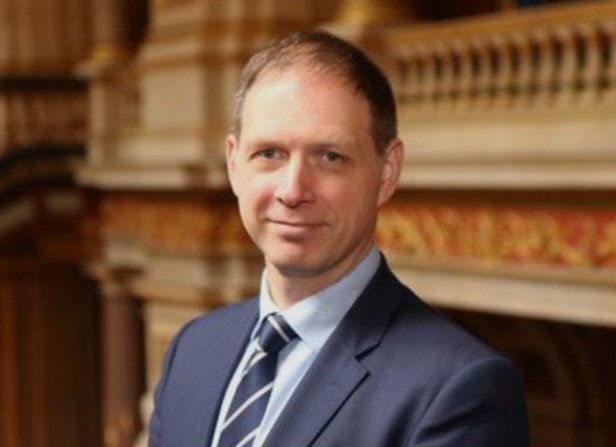
Interesting. Thornberry says Yvette Cooper declined Ian Collard - the official who met with Robbins over Mandelson’s vetting and supposedly said it was borderline/manageable - giving evidence in person.
Thornberry requested he appear Tues. Will now give only written evidence.
169
2,289
4,385
189,099

This is hilarious. @TomHayesBmouth is a legend, though not in the way he thinks he is.
Apr 19

I enjoyed her cancelling me for bringing up Tice’s tax affairs after answering her questions directly.
The best thing was her defence of Tice and insistence that she was a journalist.
What a snowflake! ❄️ What a carcrash interviewer, just letting good GB News viewers down 🤯
31
Northern Man v2 retweeted

Apr 16
If we simply rename the English Channel “Keir Starmer’s desk” then nothing will fucking cross it
339
3,187
15,851
212,339
This thread is *very* well worth a few moments of your time.
Apr 12

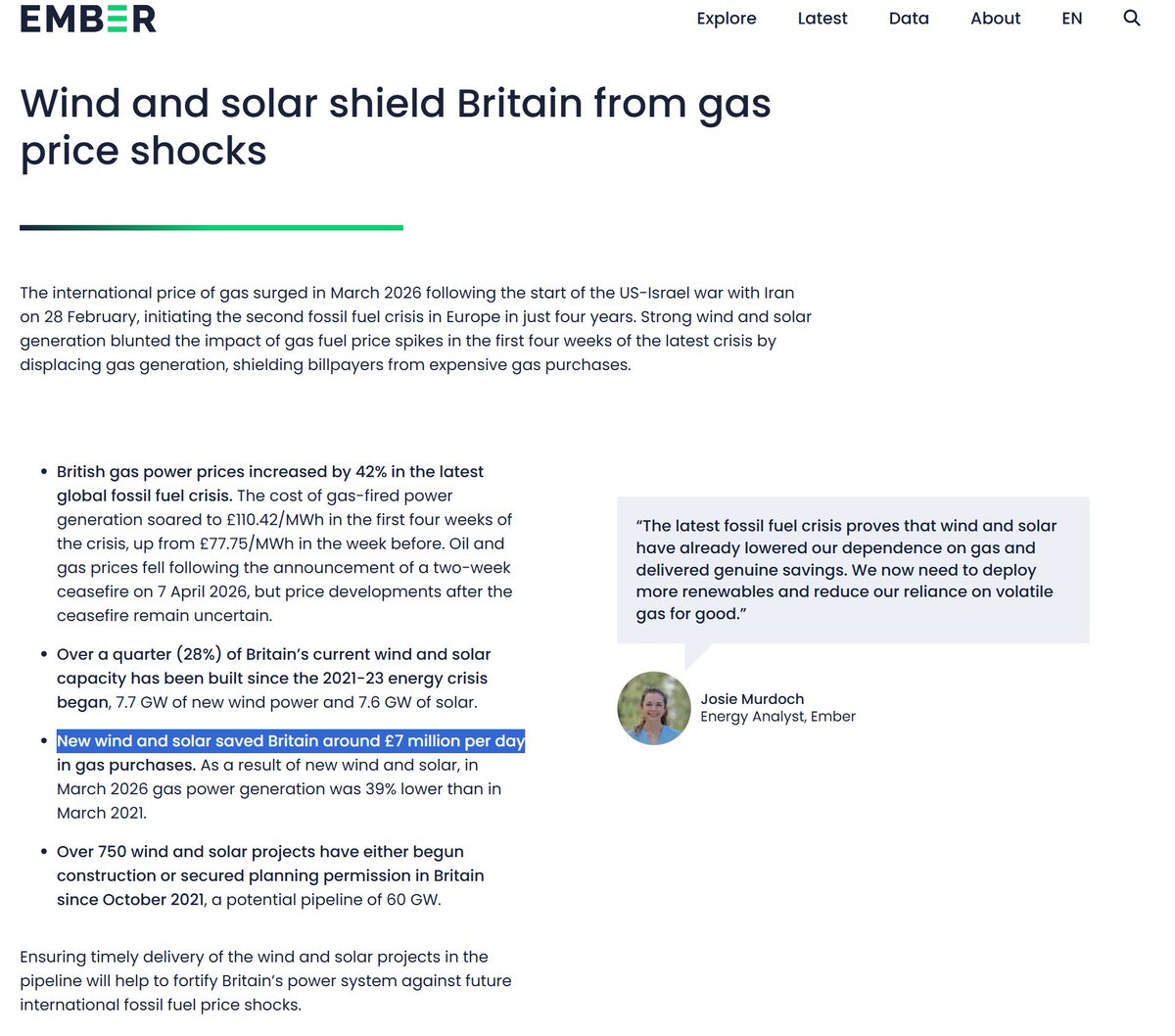
Green blob-funded lobbying organisation, Ember has produced a widely circulated report. It says that thanks to wind and solar, Britain saved around £7 million per day through March because we didn't need to burn gas.
This is a thread about why that claim is totally false.
25
Northern Man v2 retweeted
Apr 10
Anne, let's follow that logic to its conclusion and see where it takes us.
A couple married for fifty years. They bought a modest house in 1975 for £15,000 in the town where they grew up, where their children went to school, where their grandchildren visit on weekends, where their GP knows their medical history, where their neighbours check in on them, where their friends and family are buried. The house is now worth £400,000 because the market did what markets do over half a century. They have a combined state pension of around £24,000 a year.
Your solution is sell the house. Move where exactly? To a smaller property in the same area that costs £300,000? To a flat in a cheaper town away from everything and everyone they know? Into rented accommodation where they have no security of tenure and face potential eviction in their eighties? And having sold, spent the proceeds on living costs over a decade or so, then what? They become entirely dependent on the state anyway, having been stripped of the one asset that gave them dignity and independence.
The couple who bought that house paid income tax, National Insurance, council tax, VAT and every other levy the state demanded of them for fifty years. They did not design the housing market. They did not cause house price inflation. They made a decision that the entire apparatus of government policy actively encouraged for decades because home ownership was presented as the responsible, prudent thing to do.
Calling that greedy and entitled is a statement about whose choices deserve respect and whose do not. And the answer you have arrived at, that the generation which rebuilt this country, paid into every system it was asked to support and asked only that the promises made to it be honoured, deserves neither sympathy nor the roof over its head, tells us considerably more about the values driving this debate than any of the figures do.
187
632
2,403
32,118
Northern Man v2 retweeted

Apr 4
Write to your MP. Ask them to stop @Keir_Starmer destroying our long lived right to elect to be judged by ordinary men and women from our own communities if we are accused and prosecuted for serious criminal offences that could mean losing our liberty for 3 years.

🚨KEIR STARMER IS SPEARHEADING ONE OF THE MOST SHOCKING ATTACKS ON CIVIL LIBERTIES IN MODERN TIMES
The government has absolutely no mandate to do this. Labour never mentioned in its manifesto that it planned to undermine and restrict a fundamental cornerstone of our democracy - the right to trial by jury - a move which will place us on a path toward authoritarian justice.
But it’s not too late for the government to listen to the thousands of voices of victims, judges, barristers, other legal professionals and academics who oppose this blatant act of constitutional vandalism.
CONTACT YOUR MP NOW and ask them to step up and protect this cherished and precious cornerstone of our democracy
135
971
2,209
51,478
Northern Man v2 retweeted

I am not the Peter who cried wolf but I do feel like I’ve sucked all the empathy out of the room with the recurring tales of my imminent demise, not that I ever consciously sought any. I just don’t like secrets. So I’m going to keep being honest and I don’t want anyone to be upset on my behalf. I want my friends, as they’ve always been, happy, optimistic, cynical, irreverent, funny.
The fact is, I got a letter on Wednesday, telling me, without fanfare or apology that my fucking lung cancer is back. Here we go again.
It’s not the end, yet, but it’s more complicated than the first time, fourteen years ago now. I’m fourteen years older. I have very low platelets and anaemia from the leukaemia so surgery is a lot more complicated aka risky. There is a radiation option, rather like the Gamma Knife that excised the metastasis in my brain, Cyber Knife targets these lung tumours in a similar way but at much higher radiation dosage as there are no brain cells in the way. If you see glowing, it might not be just pride. The difference with this and surgery is that I will definitely survive the treatment and they each have similar records for “success”, which is measured in years of survival.
I’ll be heading up to London after Easter to get a PET scan so we can make educated decisions.
In the meantime I do not want this to be me, I am not my disease. I’m telling you this because I have never kept any secrets from any of you. Expressions of love and support are taken as a given, they don’t need to be spoken. There is nothing you can do to help other than just being who you are, laughing, sharing and celebrating life. I’m not going anywhere just now, I have time and I plan to enjoy it.
Let’s talk about something else.
This is Shangri-La, a little protected haven I built for quiet and contemplation. It’s also the highest jungle in Surrey, if not the world. My world at least.
35
9
101
2,559
If you get the chance to see @MrTimDunn on his brief theatre tour do take it.
Just had a lovely and informative evening with him in a small theatre in Pickering.
1
11
1,734
He looks terrified. All of the time.

44
Northern Man v2 retweeted
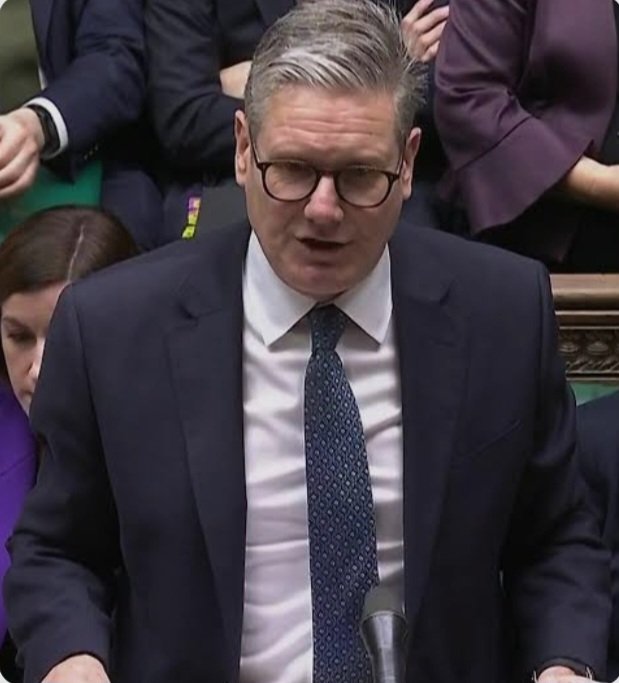
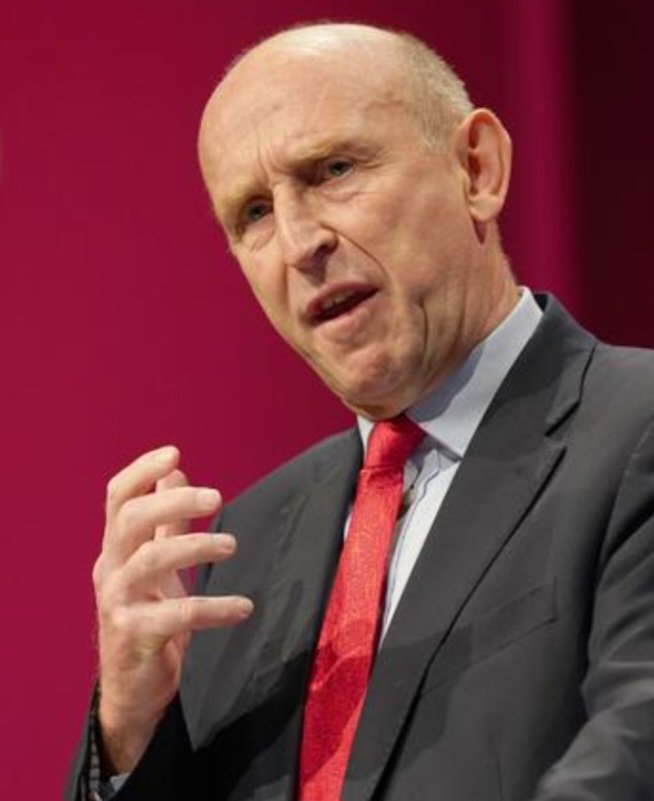
When the United States launched strikes on Iran, Britain's response was one of the most embarrassing performances by a Western government in living memory. John Healy refused six times to say whether Britain supported the action. Keir Starmer hedged, equivocated, and retreated into legal language while every comparable ally, Canada, Australia, Ukraine, stated their position clearly and without apology. It took Iranian missiles hitting a British base in Cyprus and a second day of bombardment before Starmer would even grant the US permission to use British overseas bases. That is not caution. That is paralysis.
The official explanation is international law. Lord Hermer's legal opinion concluded the strikes had no clear basis in law. That explanation does not hold. The same legal framework did not stop Canada or Australia. It did not stop successive British governments acting alongside the United States in circumstances where legality was equally contested. And it does not explain why Starmer refused to even characterise the Iranian threat, despite sitting on classified intelligence his own security services describe as a tier-one national security concern.
The real explanation is not legal. It is political. And it has been building for over twenty-five years.
Britain is no longer a country whose government can make foreign policy decisions in isolation from domestic demography. In city after city, London, Birmingham, Manchester, Bradford, Leicester, there are large and concentrated populations whose political loyalties, when it comes to conflicts in the Middle East, do not align with the British national interest. Elections have been won and lost on bloc votes organised around overseas conflicts. MPs sit in Parliament who owe their seats to communities for whom the Iran question is not abstract foreign policy but a matter of immediate and passionate concern. Starmer knows this. The calculation is not difficult to reverse-engineer.
When Iranian clerics declared jihad following Khamenei's death and protests spread from Pakistan to Iraq, the question for any British Prime Minister was not only what happens in the Gulf. It was what happens in Tower Hamlets, in Sparkbrook, in Burnley. The threat of domestic unrest and political blowback within his own electoral coalition shaped the response the public saw. The legal opinion was the excuse. The demographic arithmetic was the reason.
This did not happen by accident. It is the consequence of a border policy pursued by governments from Blair to Starmer that prioritised electoral calculation over national cohesion. Mass immigration without integration, without enforceable conditions, without honest public debate, has produced something no one in government will say plainly: a country that has lost the political freedom to act decisively when its interests require it. MI5 has confirmed twenty Iran-backed plots on British soil in two years. The parliamentary intelligence committee is expected to classify Iran as a threat on par with Russia and China. And yet the government cannot proscribe the IRGC, cannot state clearly whose side it is on, and cannot grant an ally access to a military base without waiting for missiles to land first.
In 2006, Muammar Gaddafi predicted that Europe's fifty million Muslims would deliver Islam victory on the continent within a few decades, without swords, without conquest. He framed it as a prophecy. It reads now more like an operational assessment. Britain has not been conquered. It has been rendered impotent, by its own political choices, now visible in the body language of a Prime Minister who cannot say the obvious thing because too many of his voters do not want to hear it.
That is the real answer to why Britain hesitated. Not Hermer. Not international law. Not principle. A governing party held hostage to the consequences of a demographic transformation it helped engineer and now dare not upset.
ALT Keir Starmer
ALT John Healy
386
2,399
8,146
357,655
Northern Man v2 retweeted
Feb 21
Private Emails, Beijing Meetings and the Chagos Deal
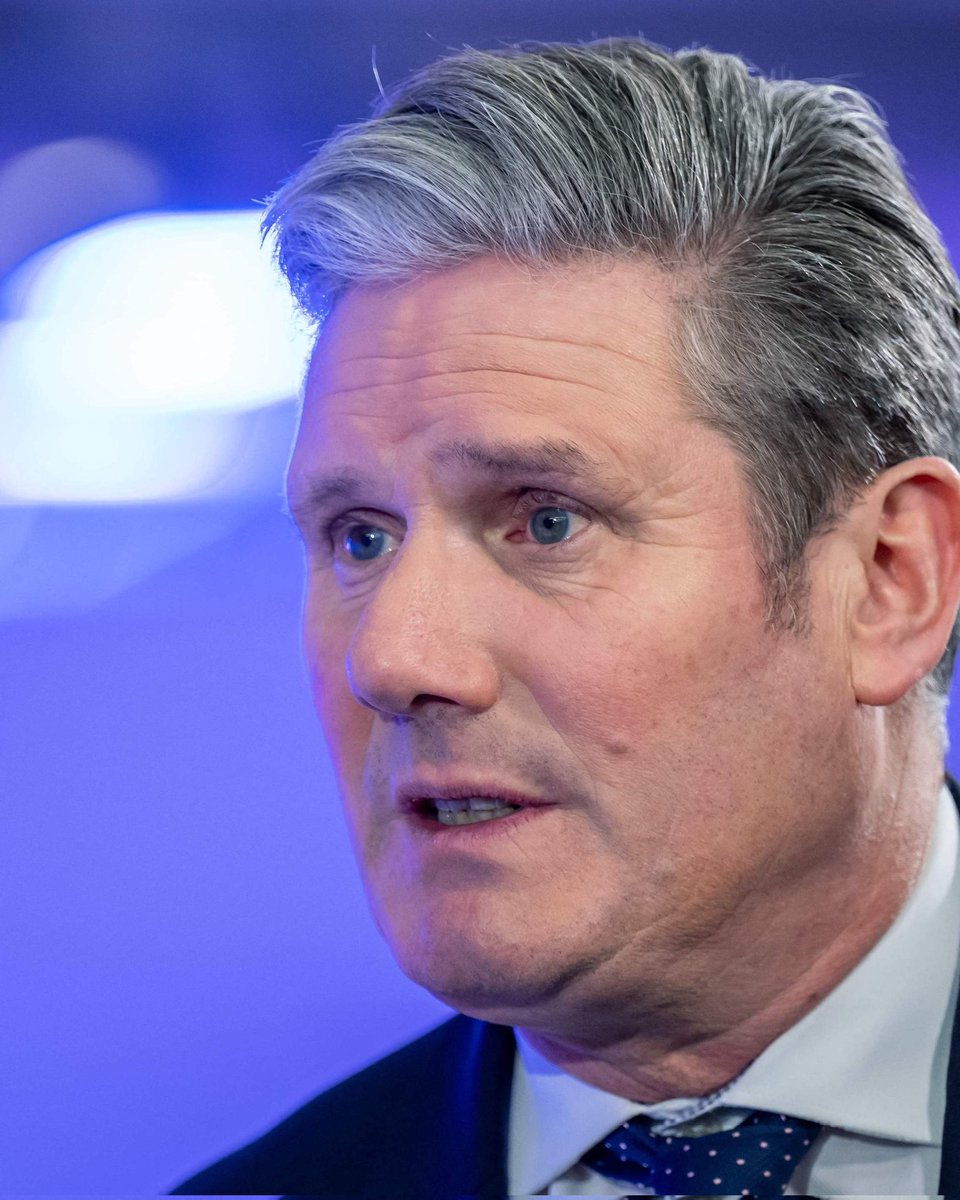
There are moments when a government decision forces a far more serious question: who thought this was a good idea? The latest revelations about the Chagos negotiations fall squarely into that category. A man working on one of the most sensitive sovereignty negotiations in modern British history was receiving government material on a private email account, meeting officials before his role was publicly confirmed, and travelling to Beijing to speak at an event linked to Chinese influence networks. Each detail on its own can be explained. Together they tell a story about process, culture and risk.
The first issue is the use of private email. The Chagos negotiations were not routine diplomacy. They involved sovereignty, a joint UK–US military base, and the balance of power in the Indian Ocean. Work of that scale should move through official channels, secure systems and clear oversight. Yet government information was being sent to a private account during negotiations of this magnitude. That alone raises serious questions about judgement and process.
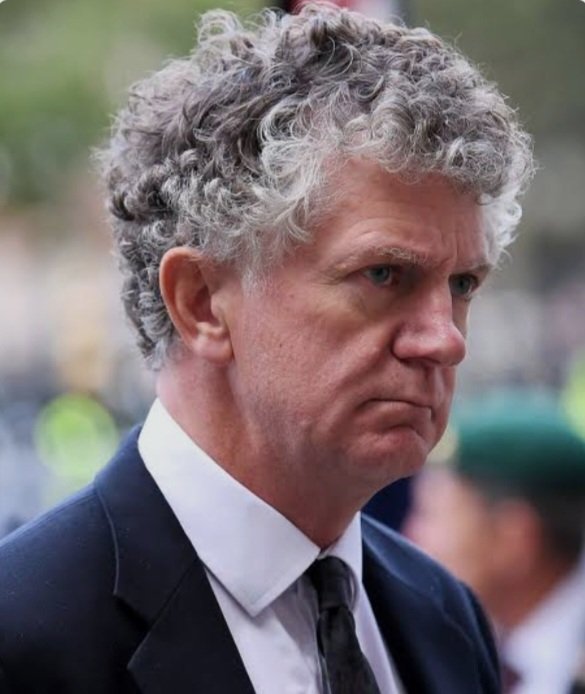
The second issue is the dual-hat problem. Jonathan Powell is not a peripheral adviser. He is the Prime Minister's National Security Adviser, operating at the heart of government while also running his private consultancy, Inter Mediate. At the same time he was receiving government material on Chagos and shaping negotiations over British sovereignty, he was acting in a private capacity abroad. Even if every step was technically permitted, the overlap is obvious. When the Prime Minister's closest security adviser moves between private consultancy work and sensitive state negotiations, conflict-of-interest questions are inevitable. Serious governments anticipate these optics before they explode. They build clear walls. They avoid ambiguity. That discipline appears to have been absent here.
The third issue is the Beijing visit. China has clear strategic interests in the Indian Ocean and in Western military basing. Against that backdrop, the sight of a British negotiator working on the future of Diego Garcia speaking at a conference linked to Chinese influence networks raises immediate questions of judgement and optics. The question is not whether the trip broke rules. The question is why anyone involved believed the optics were acceptable in the first place.
This is the thread running through the entire Chagos saga. Private emails. Informal early involvement. Parallel private work. Sensitive travel during negotiations. The process begins to look casual, clubby and insulated from scrutiny. That is not how decisions about sovereignty, alliances and strategic territory are supposed to look.
The most troubling aspect is not any single revelation. It is the culture they reveal. A small, interconnected professional circle moving between law, consultancy and government, handling one of the most consequential territorial decisions in decades with surprising informality. Each decision may have been defensible at the time. The cumulative effect is far harder to defend.
Foreign policy is not only about outcomes. It is about trust in the process that produces them. When that process begins to look opaque and relaxed about risk, confidence drains away quickly. Allies notice. Rivals notice. Voters notice.
The Chagos negotiations were meant to project competence and control. Instead they now raise a simpler and more damaging question: if this is how the process was handled, what else have we not been told?
"Jonathan Powell is not a peripheral adviser. He is the Prime Minister's National Security Adviser, operating at the heart of government while also running his private consultancy, Inter Mediate."
ALT Jonathan Powell
ALT Keir Starmer
212
1,616
3,120
94,433
Northern Man v2 retweeted

Feb 20
How convenient of one of hacks of the extreme far left rag Guardian to come out with this bollox now.
1
3
47