
Machine learning in climate science and atmospheric chemistry. Climate Informatics @KITKarlsruhe. Views are my own.
Joined January 2020
- Tweets 142
- Following 183
- Followers 267
- Likes 299
4 Photos and videos

Peer Nowack retweeted

8 Mar 2025
Recently published!
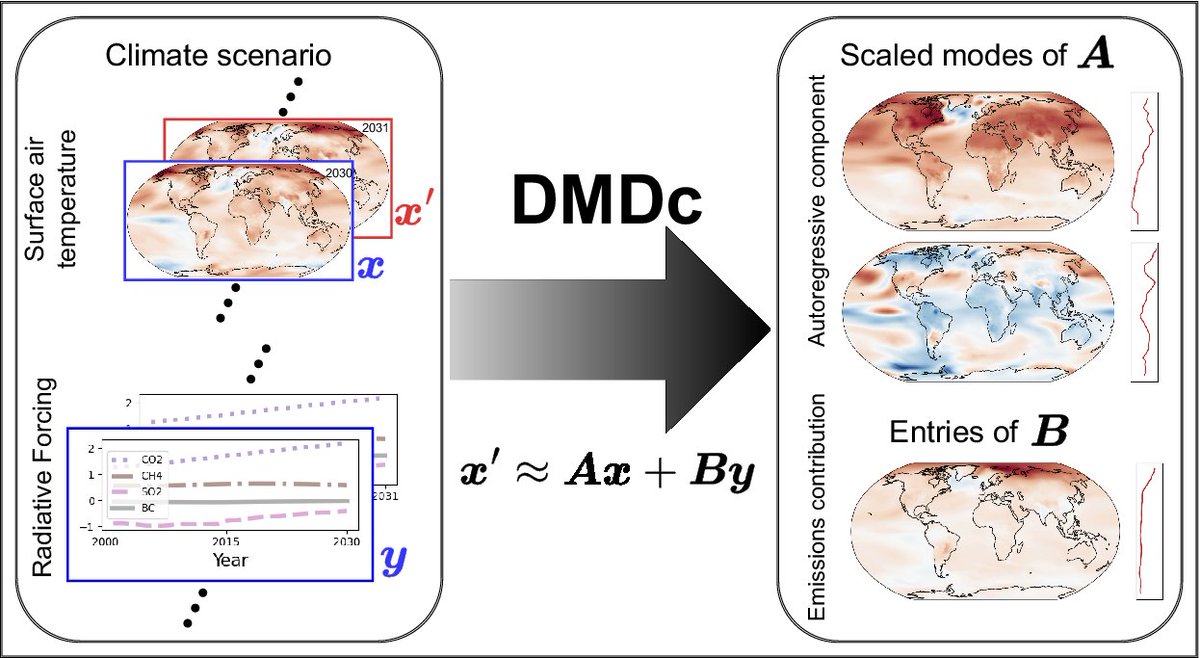
Analyzing climate scenarios using dynamic mode decomposition with control
➡️ bit.ly/41pNej8
By @NateMankovich, @shbouabid, @NowackPeer,
Deborah Bassotto(@isp_uv_es) and Gustau Camps-Valls
#climate #climateanalysis #datascience #climatemodelling
9
29
1,515
Peer Nowack retweeted

28 Jan 2025
[🚨🚨🚨 2 days:] 🔗🚀 Submit to #CI2025 and broaden your network in the #climate informatics world. #Opportunity #DataScience
2025.climateinformatics.com.…
1
2
373
Peer Nowack retweeted
3 Jan 2025
[7 days:] 🌎 Join #CI2025, the first edition in the Global South! Submit your work and be part of this innovative initiative. #Innovation #Climate
2025.climateinformatics.com.…
1
3
367
Peer Nowack retweeted

27 Nov 2024
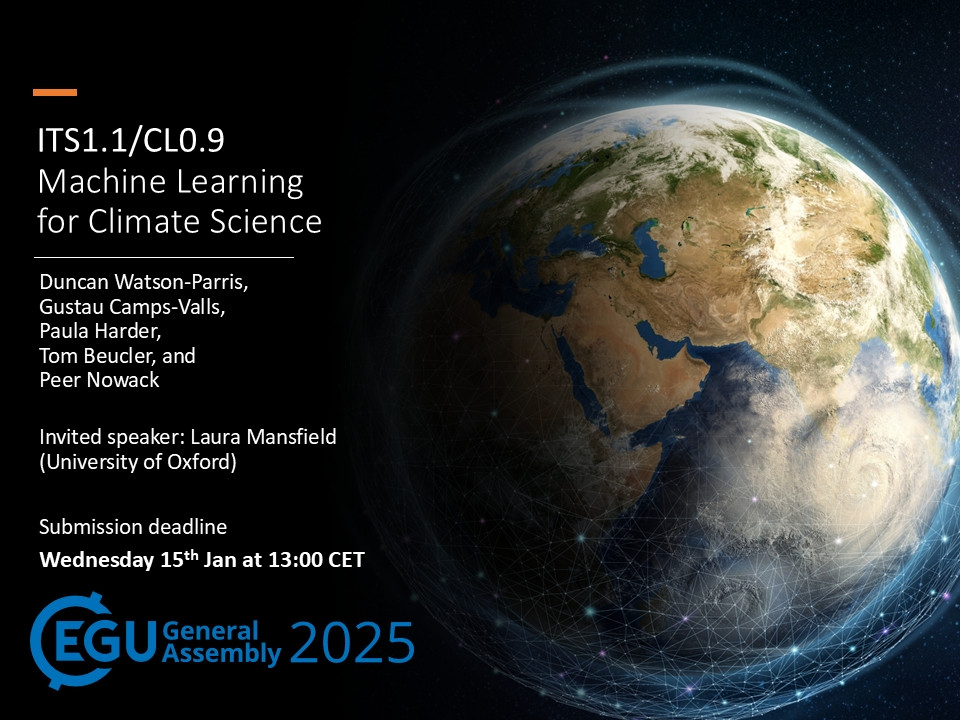
Happy to be a co-convener for the "ML for Climate Science" session together with @DWatsonParris, @NowackPeer @PaulaHarder8 & Tom Beucler at #EGU25. We are honored to have @lau_mansfield as a speaker. Looking forward to your abstract submissions.
4
16
739
Peer Nowack retweeted

18 Oct 2024
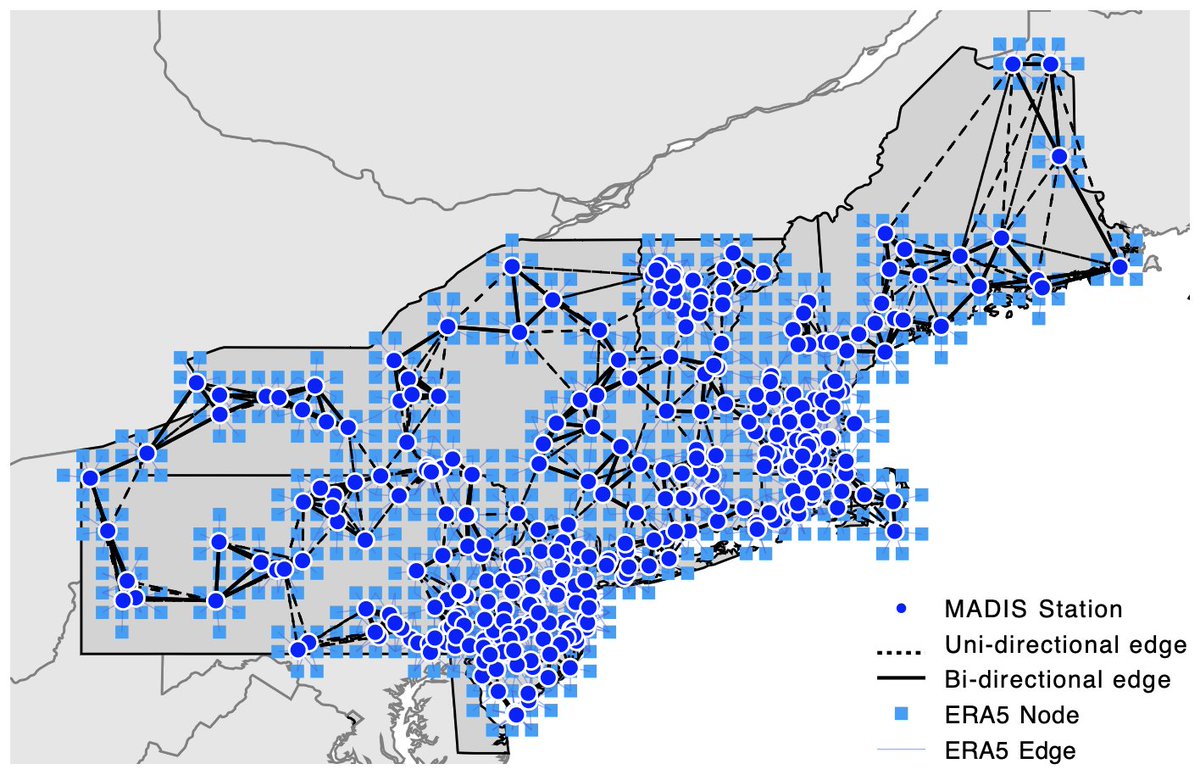
Thrilled to unveil our latest work: multi-modal machine learning to forecast localized weather! We construct a graph neural network to learn dynamics at point locations, where typical gridded forecasts miss significant variation.
Paper: arxiv.org/abs/2410.12938
🧵
2
40
198
15,844
Peer Nowack retweeted

5 Oct 2024
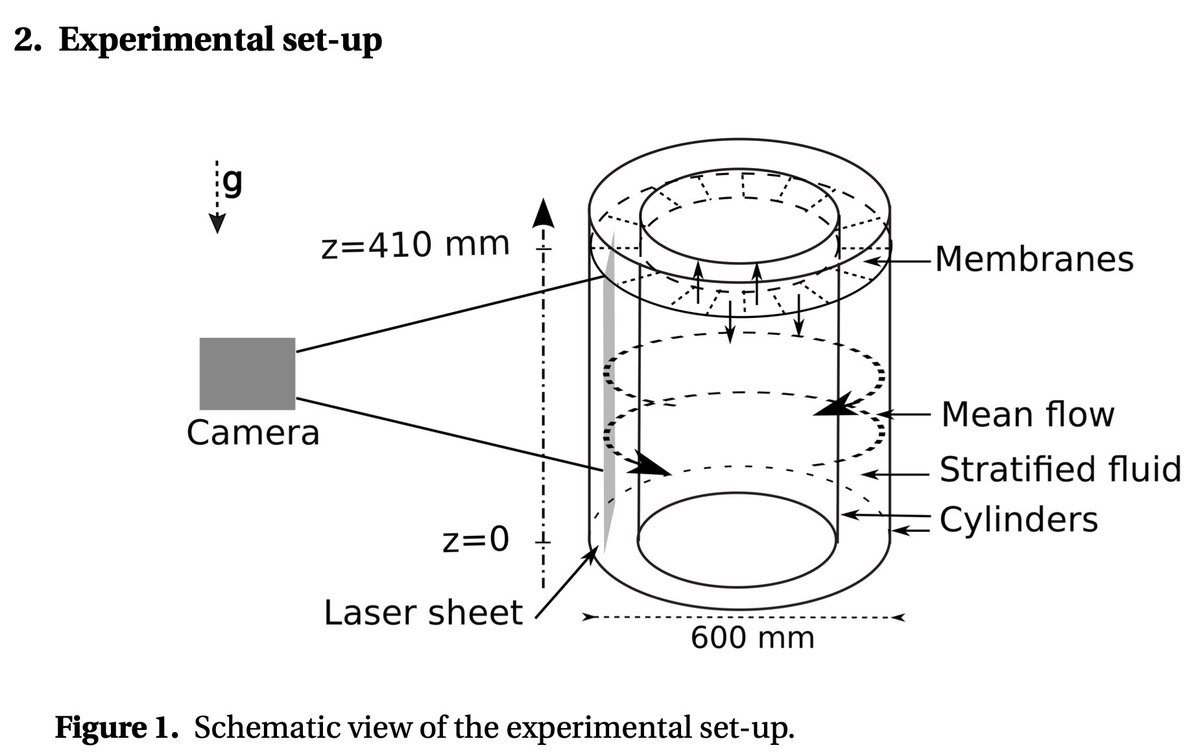
Quasi-biennial oscillation: laboratory experiments, Semin and Petrelis, 2024, Comptus Rendu, doi.org/10.5802/crphys.195
1
1
4
200
Peer Nowack retweeted

4 Oct 2024
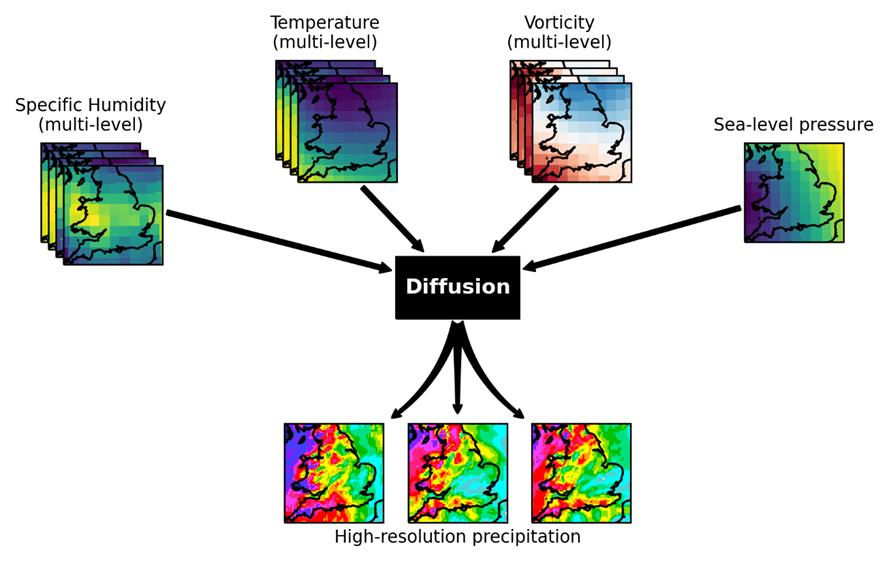
Very happy to share Henry's excellent work applying machine learning to achieve km-scale downscaling of rainfall in climate simulations! It's far cheaper than running km-scale regional models, opening up applications to e.g. studying extreme events in large simulation ensembles.
4 Oct 2024

Excited to announce a pre-print of my first paper as part of my PhD at @BristolUni! We’ve created a generative ML emulator of a UK convection-permitting climate model (CPM). It’s able to produce simulations of high-res precipitation at far lower computational cost.
1
7
432
Peer Nowack retweeted

26 Apr 2024
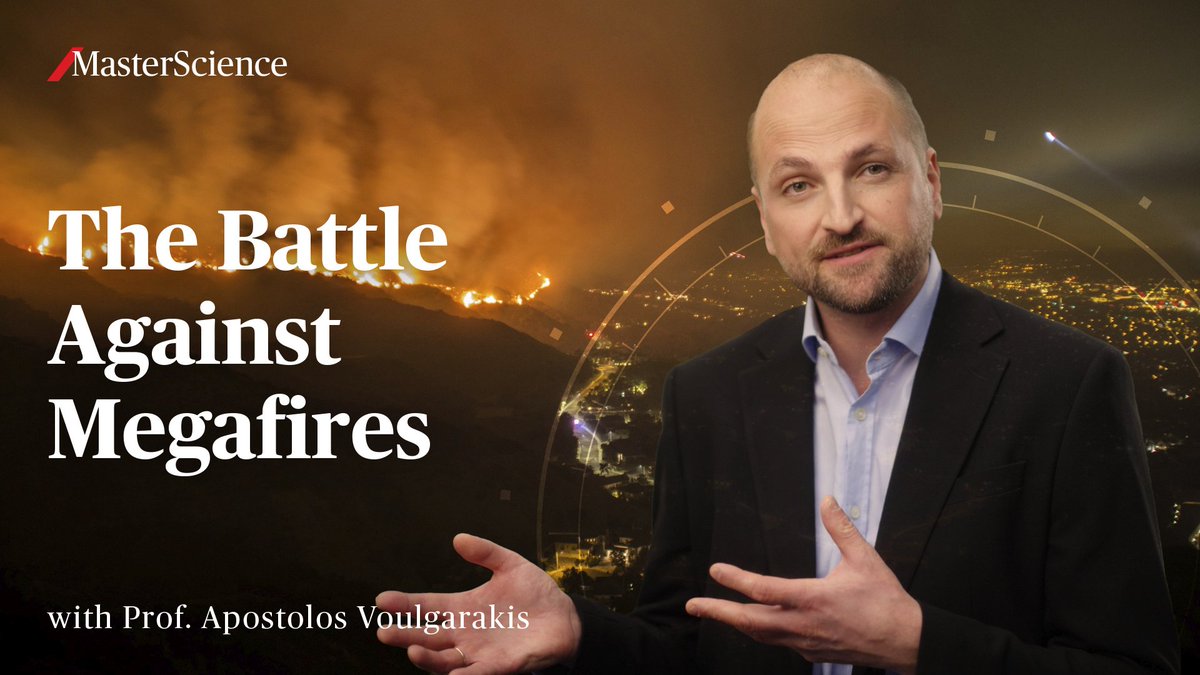
The masterclass we made with the @AXAResearchFund on the topic of #megafires. A big thank you to @IsabelBergeron, @emcallus, @eloi_astier, Zola Kondamambou and other members of the teams that contributed 🙏🙏
@TUofCrete
@TUC_Chenveng
@centrewildfires
#climatetuc
#masterscience
25 Apr 2024

🔥Are you ready for the battle against megafires? 🔥
Wildfires are becoming more frequent and more catastrophic.
Discover our new masterclass by Pr. @atvoulgarakis @AXA Chair in Wildfires and Climate at @tuc_chania
➡️youtube.com/playlist?list=PL…
1
2
17
792
Peer Nowack retweeted

16 Mar 2024
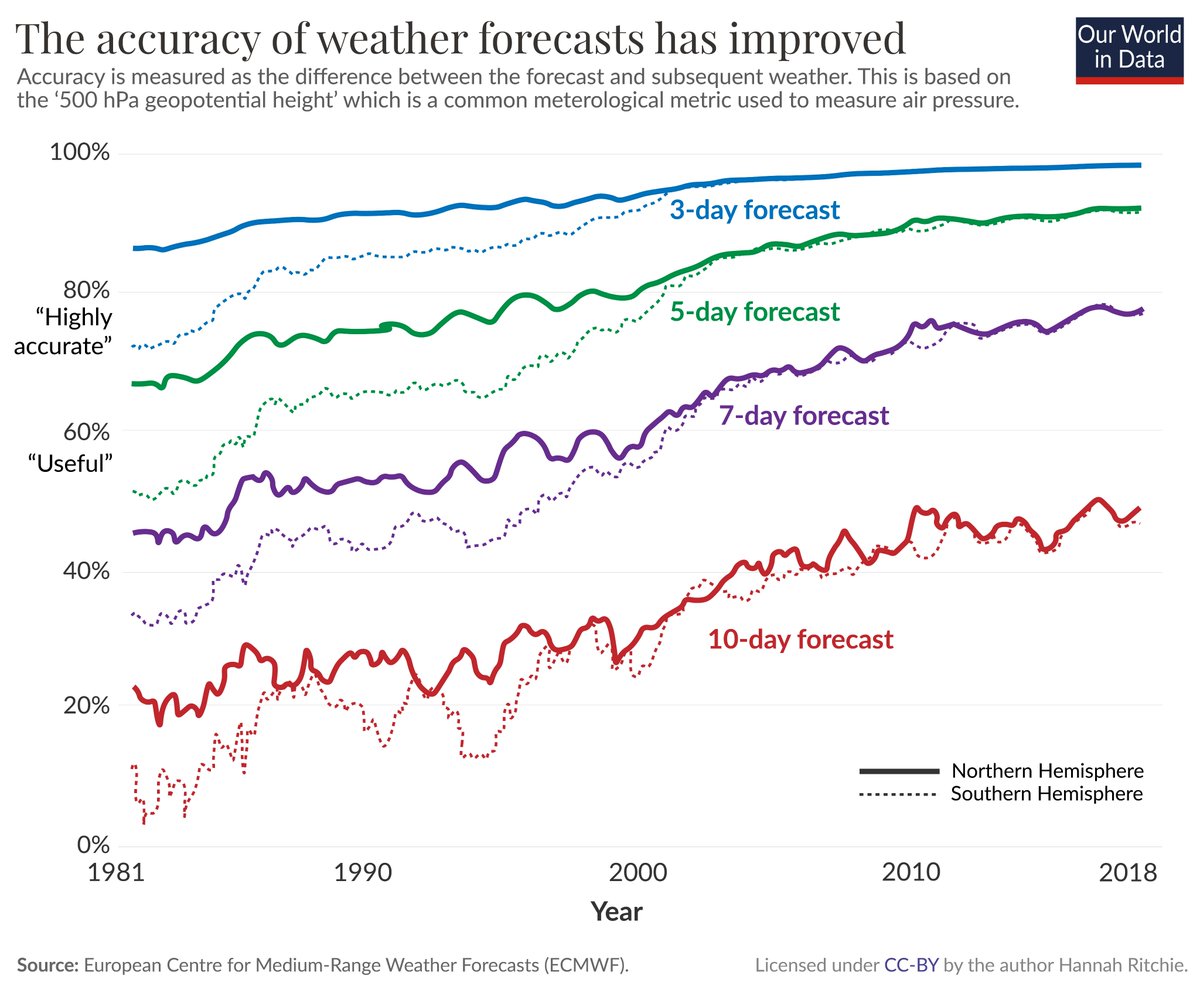
There's a been a lot of great discussion about this figure in the past day - and we should absolutely celebrate the incredible success of numerical weather prediction as a technology. But this figure doesn't tell a complete story. 1/n
15 Mar 2024

Weather forecasting has come a long way.
The biggest improvements we’ve seen are for longer timeframes.
By the early 2000s, 5-day forecasts were “highly accurate” and 7-day forecasts are reaching that threshold today.
1
6
63
23,501
Peer Nowack retweeted

5 Mar 2024
3 levels of data scientist job in the Earth System and Mitigation Science team at the @metoffice Hadley Centre. Link to apply: metoffice.gov.uk/about-us/ca…
2
7
3
2,002
Peer Nowack retweeted

28 Feb 2024
Check out my new preprint on uncertainty quantification for a machine learning parameterization for gravity waves in a climate model 🌐🌎☁️ doi.org/10.22541/essoar.1709…
7
34
3,592
Peer Nowack retweeted

28 Feb 2024
📢 📢 📢 Exciting new position! Join our team!
We are hiring an Assistant/Associate #Professor to work on #climatechange, #extremeweather, #atmosphere dynamics and/or carbon cycle. Please spread the word, and DM me if you have any questions.
@VU_IVM, @KNMI
workingat.vu.nl/vacancies/as…
14
26
3,786
Peer Nowack retweeted

8 Feb 2024
Really excited to share our new paper on climate-invariant machine learning science.org/doi/10.1126/scia… to solve extrapolation issues under climate change, led by the great Tom Beucler
2
26
133
38,467
Peer Nowack retweeted

17 Jan 2024
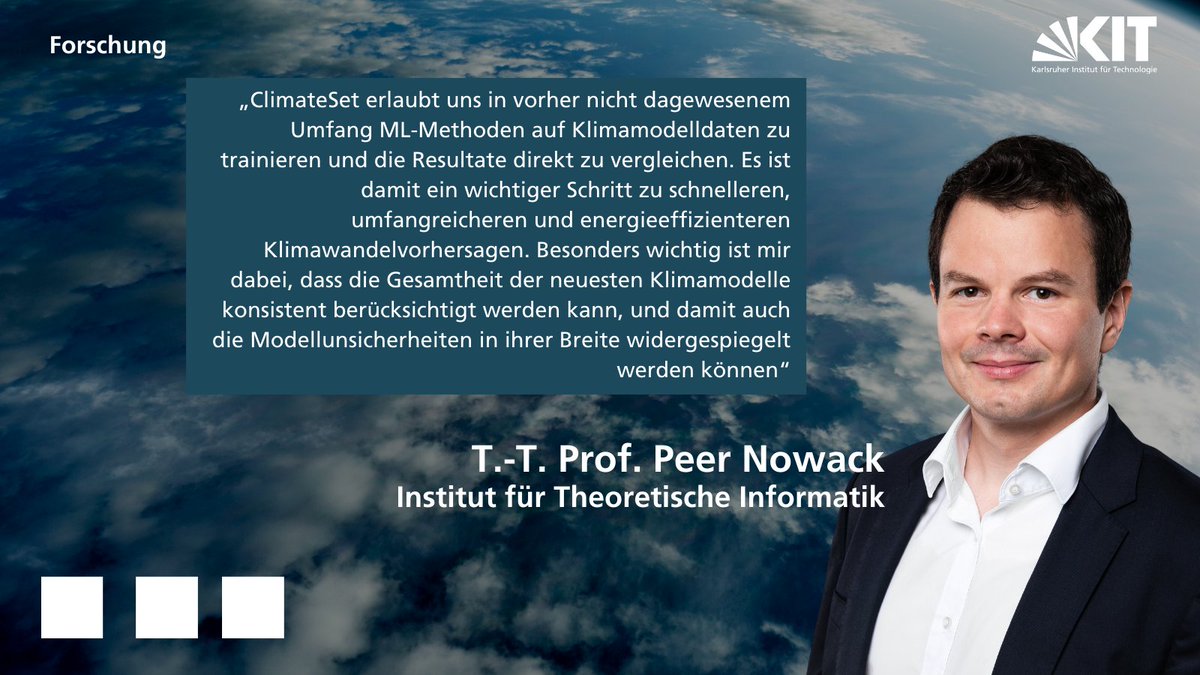
Ein internationales Forscherteam mit Beteiligung von KIT-Informatikprofessor Peer Nowack hat einen Datensatz entwickelt, um mit Methoden des Maschinellen Lernens schnellere Berechnungen von Klimawandelszenarien zu ermöglichen. #KI #Klima informatik.kit.edu/11147_135…
1
2
294
Peer Nowack retweeted
5 Jan 2024
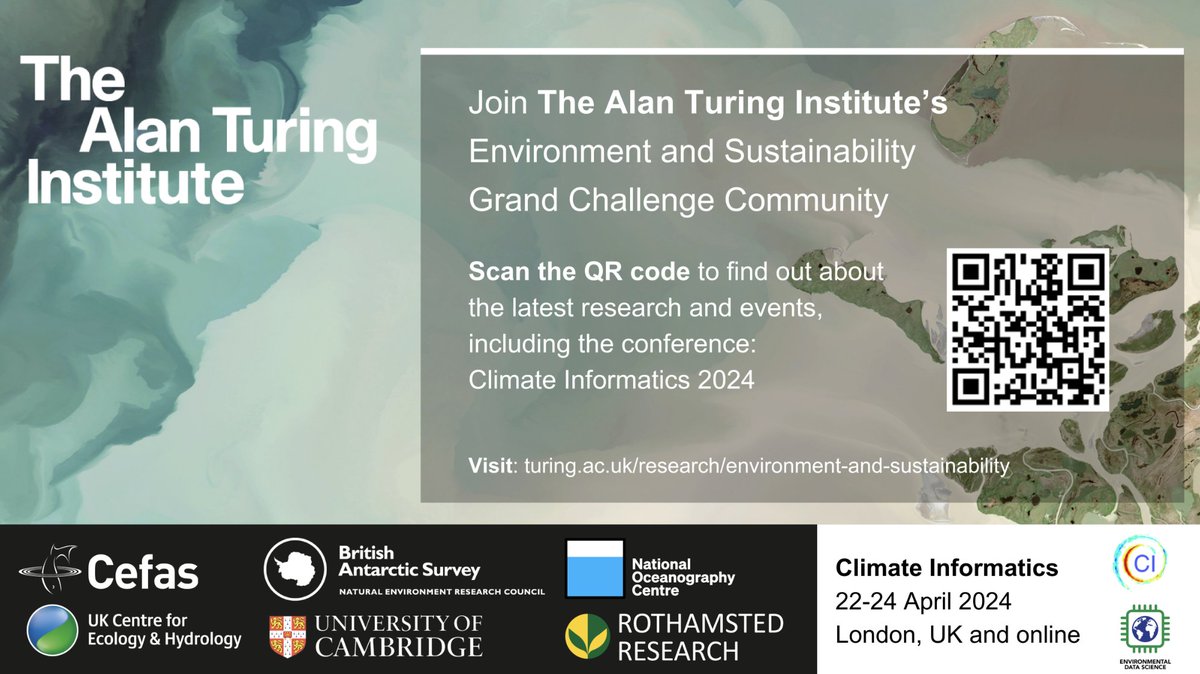
In search of a New Year's Research Resolution? Submit to #CI2024 in London hosted by @turinginst!
📆 Submission Deadline: 2 February
🧑🏫 Conference: 22-24 April
📌 Location: London, UK
📚 Fields: Earth Climate Weather ML AI Data
🖥️ Website: alan-turing-institute.github…
9
20
3,197
Peer Nowack retweeted

29 Dec 2023
The 2023 Southern Hemisphere #ozonehole finally closed on 20 December, becoming the 7th longest-lived in the #CopernicusAtmosphere records. The animation shows the evolution from its early start in August to this late closure. Find out more:
atmosphere.copernicus.eu/lar…
9
202
549
70,540
Peer Nowack retweeted

20 Dec 2023
Interested in the response of convection to climate and air pollutions changes in global km-scale models?
We are looking for a post-doctoral researcher in the @HorizonEU project @CleanCloud_HE with collaborators across Europe.
Apply by 31 January:
my.corehr.com/pls/uoxrecruit…

1
12
17
2,635
Peer Nowack retweeted

18 Dec 2023
November updates for global (land ocean HadCRUT5), global ocean surface (HadSST4) and global land surface air (CRUTEM5) temperature anomalies are now available: crudata.uea.ac.uk/cru/data/t…
Year-to-date (Jan-Nov) anomalies for 2023 exceed all previous years @ClimateUEA_ @ueaenv
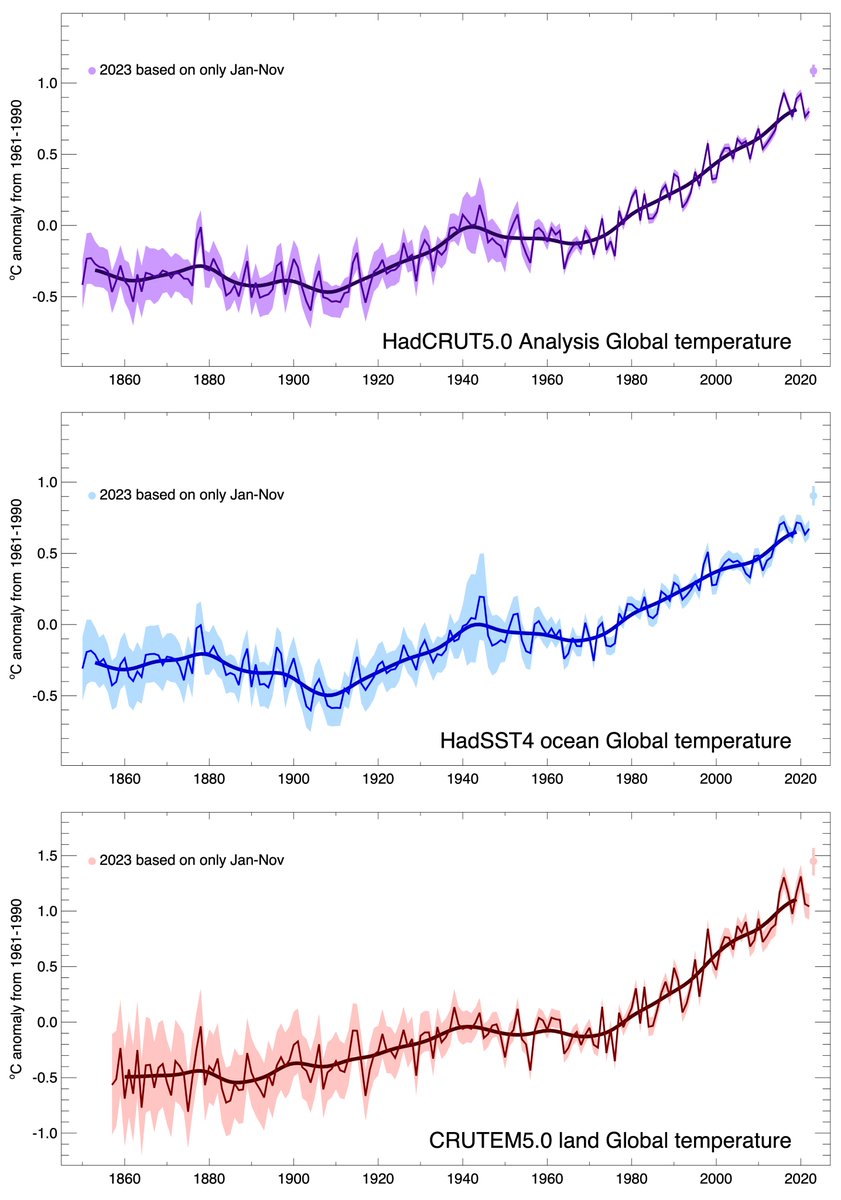
ALT Three global temperature anomaly timeseries, top for the full global (land ocean) temperature anomaly from HadCRUT5, middle for the global ocean surface temperature anomaly from HadSST4, and bottom for the global land surface air temperature anomaly from CRUTEM5.
3
12
25
15,804

11 Dec 2023
New benchmark dataset for climate scientists and machine learners out now in Neurips! A definite read if you are interested in climate model emulation and large-scale data 👇
11 Dec 2023

The ML community has been calling for a large scale climate dataset. In our recent Neurips 2023 publication, we introduce ClimateSet: A
➡️ large-scale
➡️ consistent
➡️ ML-accessible
climate model dataset 🌍. 1/8
arxiv.org/abs/2311.03721
climateset.github.io

1
6
476