
Data Scientist in energy, agriculture and climate, TED Fellow, comp biologist, film producer, founder of Salto, very gay. Love science fiction. जिंदगी अजीब है
Joined June 2009
- Tweets 7,589
- Following 1,476
- Followers 1,447
- Likes 4,419
641 Photos and videos


Pinned Tweet

30 Jun 2023
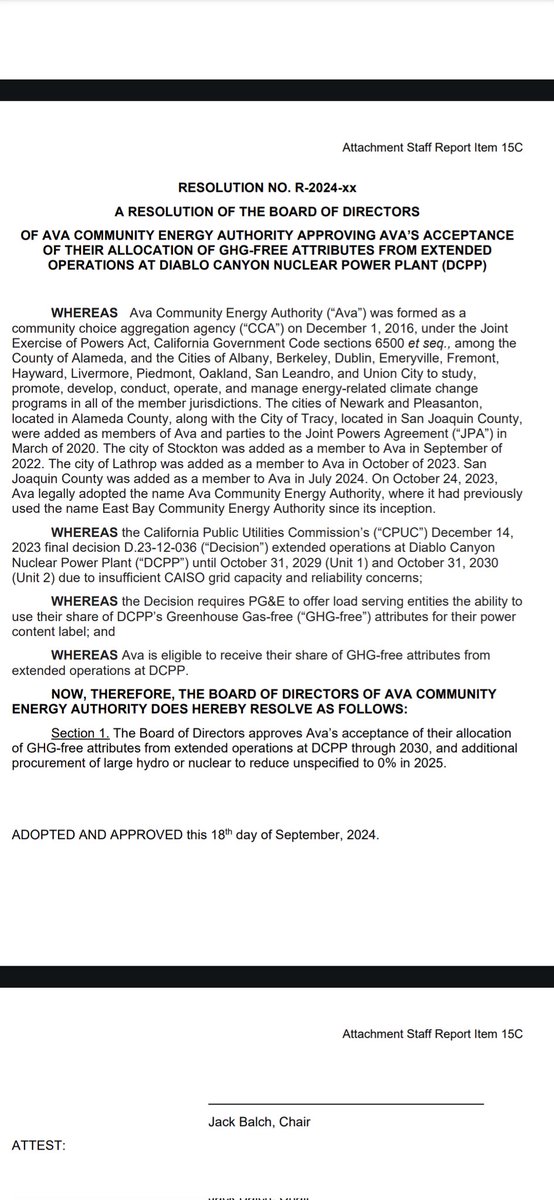
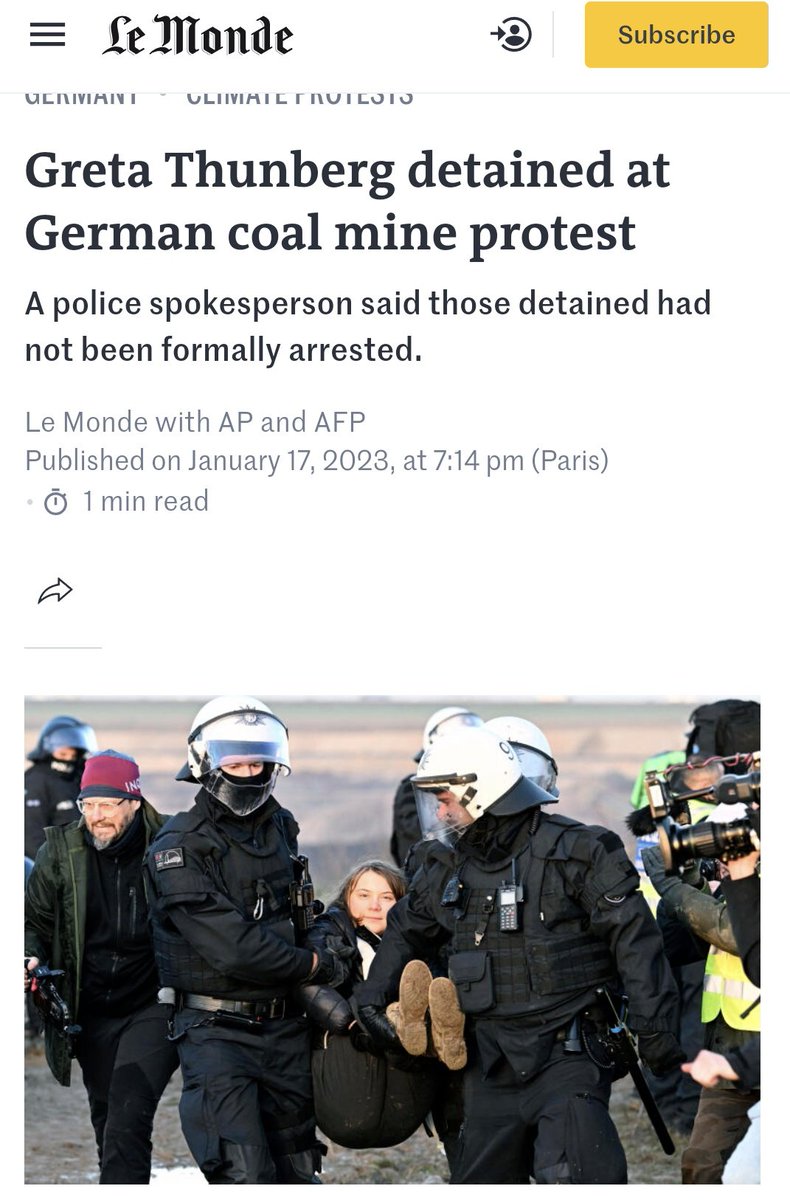
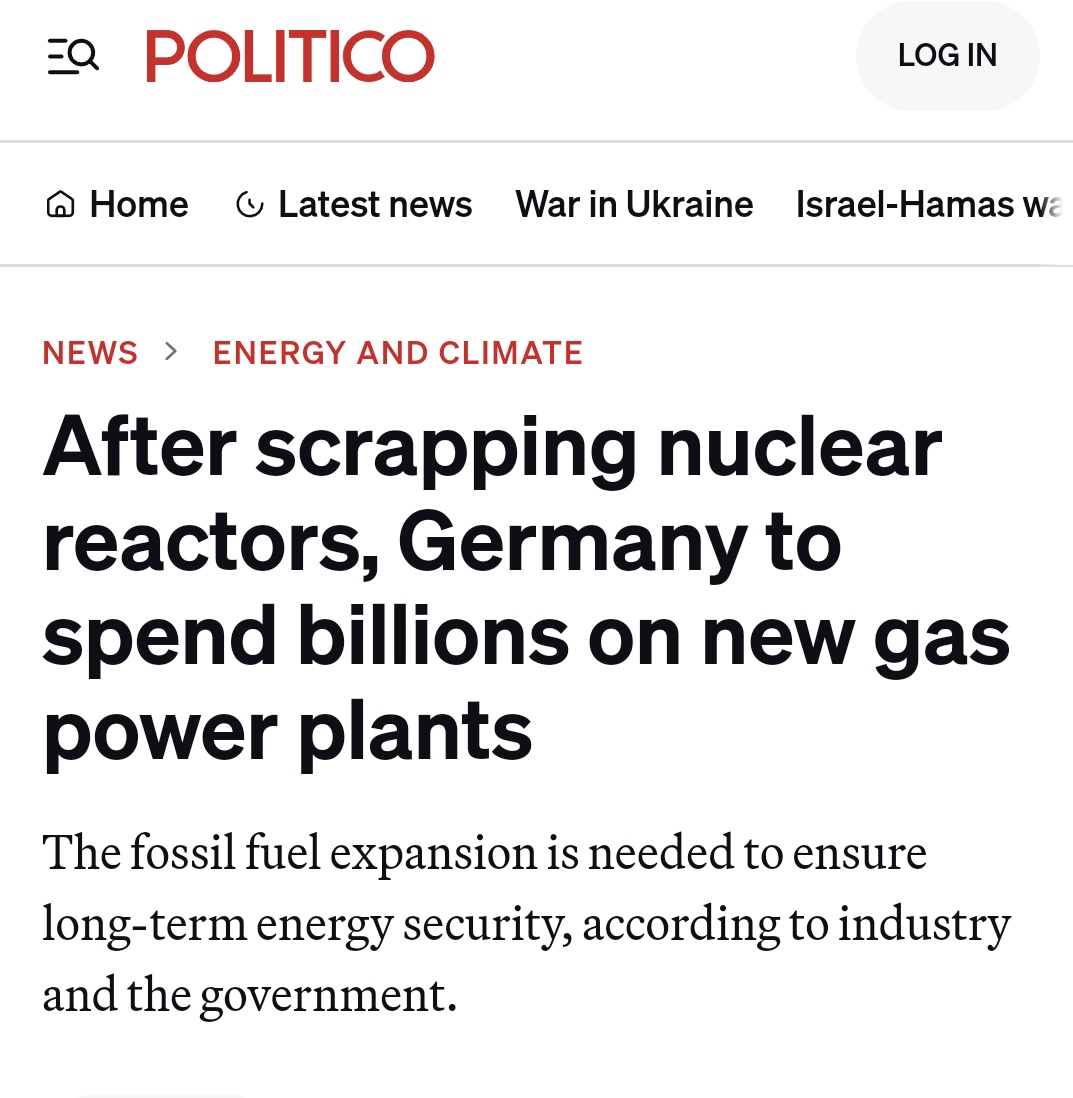
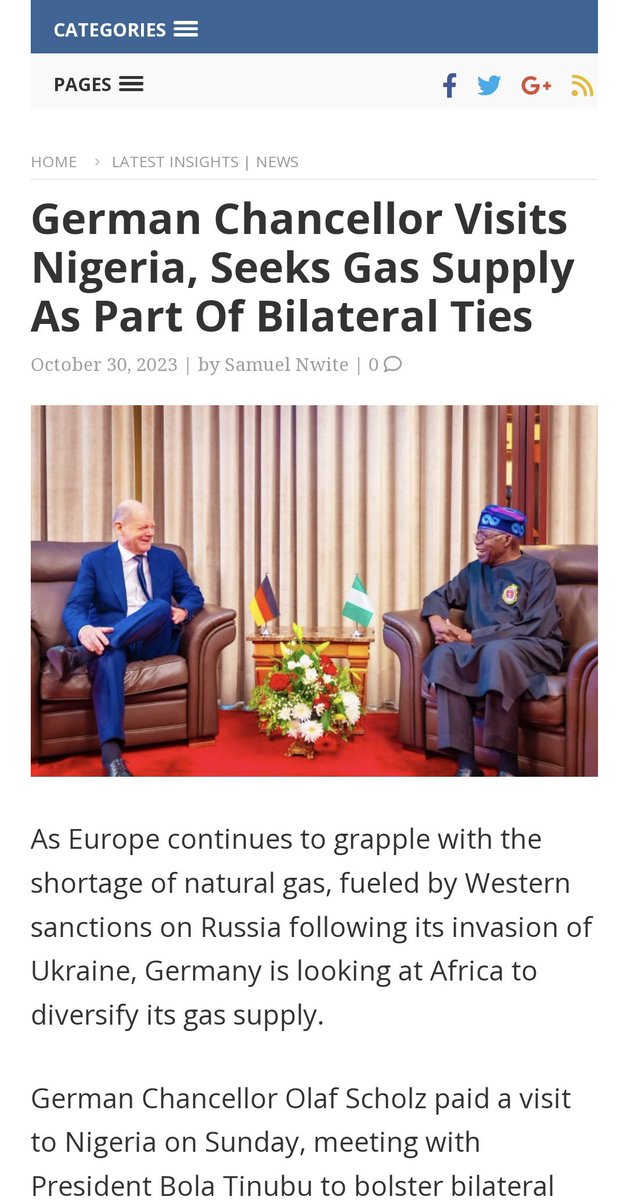
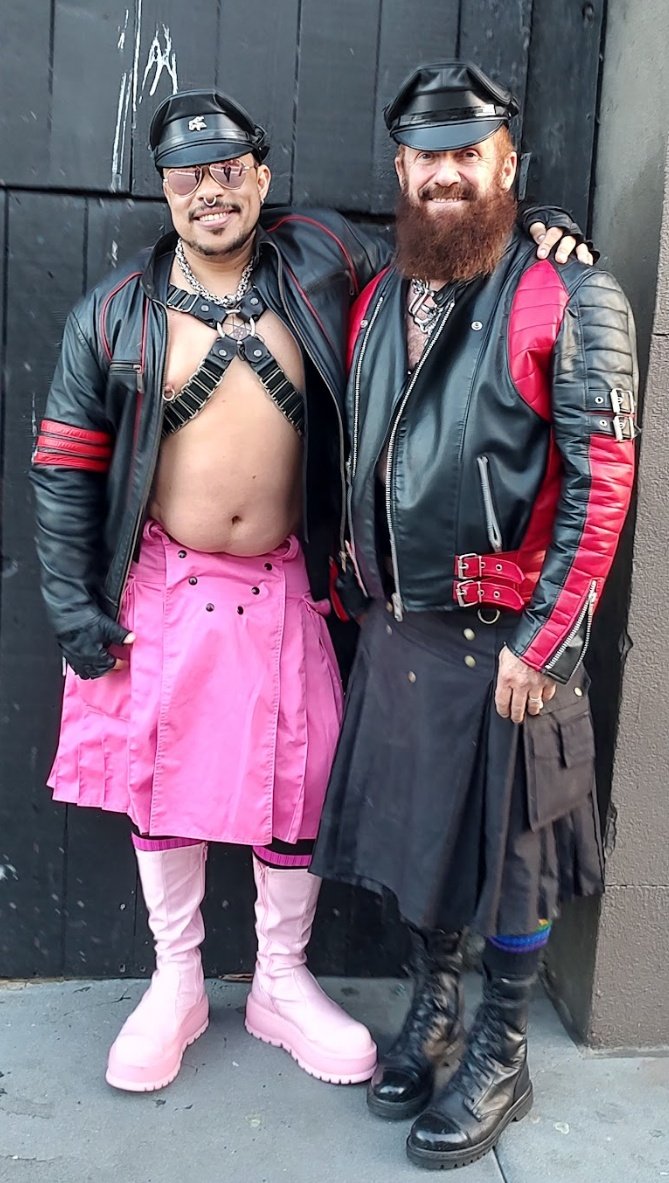
HAPPY PRIDE! From my family to yours. To me being gay and being a nuclear/biotech advocate, an ecomodernist, have a lot in common. On the last day of Pride, let me tell you about the parallelisms, similarities and how being gay is inextricably tied to my activisms. 1/n
4
3
33
3,718
Guido Núñez-Mujica retweeted

Jun 6
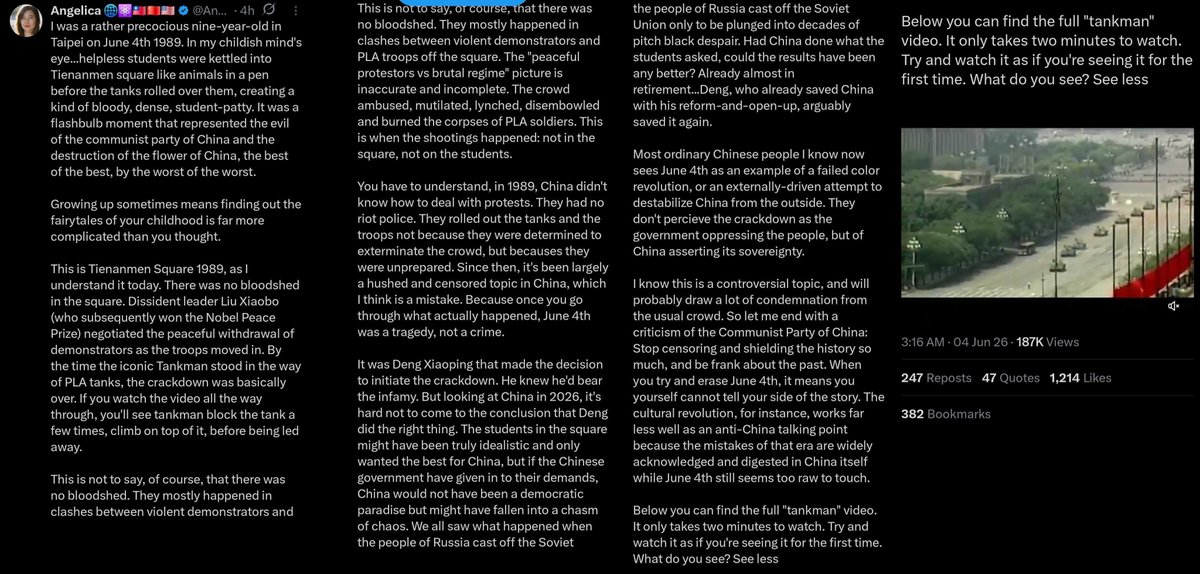
This nauseating propaganda screed justifying the Tiananmen massacre is disheartening in its reflection of the Party-state apologism that passes for some China commentary these days, and of the worsening deterioration of Twitter’s (dis)information environment. But it is also a helpfully instructive lesson in recognizing the actual emptiness of such pro-CCP rhetoric.
- It represents established history as fresh, previously-obscure facts. The understanding that much of the killing of civilians occurred off the square, for example, is well-known. Consider Robin Munro’s (of Human Rights Watch fame, no less) 1993 book on the demonstrations: “There was no massacre in Tiananmen Square. But on the western approach roads there was a blood bath that claimed hundreds of lives. To insist on this distinction is not splitting hairs.”
- It plays loose with details, implying (with careful plausible deniability and ambiguity) that soldiers opened fire only after demonstrators had killed members of the army. Contrast this with one eyewitness account from a British tourist: “three young girl students knelt down in front of him and begged him to stop firing. And he killed them. An old gentleman put his hand up because he wanted to cross the road, and he shot him. The magazine of his gun was empty so he tried to reload and the crowd came in and hung him from a tree."
- It appeals to the complicatedness of history while actually flattening the narrative. She protests that “peaceful protesters vs brutal regime” is an incomplete picture but then seeks to replace it with a characterization of “violent protestors vs unprepared troops”, in turn omitting the voices of demonstrators clearly captured in so much of the archival footage directing the crowd to stick to their commitments to peacefully protest, asking compatriots to put down sticks and captured weapons, convincing comrades to spare a captured soldier. The famous footage she chose to share is arguably among the most peaceful segments out of hours upon hours of video captured at ground level that would much more honestly capture the complexity and chaos—but in a far less favorable light for the soldiers.
- It is flagrantly non-journalistic in its claims about how Chinese view these events today. Citation: “Most ordinary Chinese people I know”??? It’d be a bad joke if it wasn’t such an infuriatingly obvious attempt to seize the microphone and speak for entire peoples.
- It is notably Panglossian and deterministic in its historical storyline. There was no “more right” thing that the Party-state could possibly have done for China. Brutally suppressing the demonstrators in fact “saved” the country. Who knows what “might” have happened if the government had negotiated with those protesting or taken their perspective seriously? Oh, and all of modern Russia’s ills by the way can clearly be traced back to the country’s political reforms and the dissolution of the Soviet Union.
In conclusion, if the Chinese state’s use of live ammunition and lethal force to disperse vast civilian demonstrations in June 1989 can be excused as acceptable, then there is practically no limit to the violence that any government anywhere can inflict upon the people it governs. The ends can justify any means. Any assembly by the people to demand redress can be dismissed as externally-driven destabilization. Perhaps a trickle of bots, little pinks, and useful tankie idiots will soon begin accosting me for this post by exclaiming whatabout the United States’ historical crimes and failings, but my fear—and yours—should precisely be the fear of increasingly legitimized authoritarianism anywhere, be it in Washington, Beijing, Naypyidaw, or Jerusalem. We must fight for institutions that codify the self-restraint of the power-holders, and stand in solidarity with those carrying out similar fights elsewhere.
My hope for the future remains for a better world that is more fair, just, free, and prosperous. In no conceivable version of that better world could there possibly be room for a notion that the Tiananmen massacre was excusable or correct.
48
40
158
20,637
Guido Núñez-Mujica retweeted

Apr 23
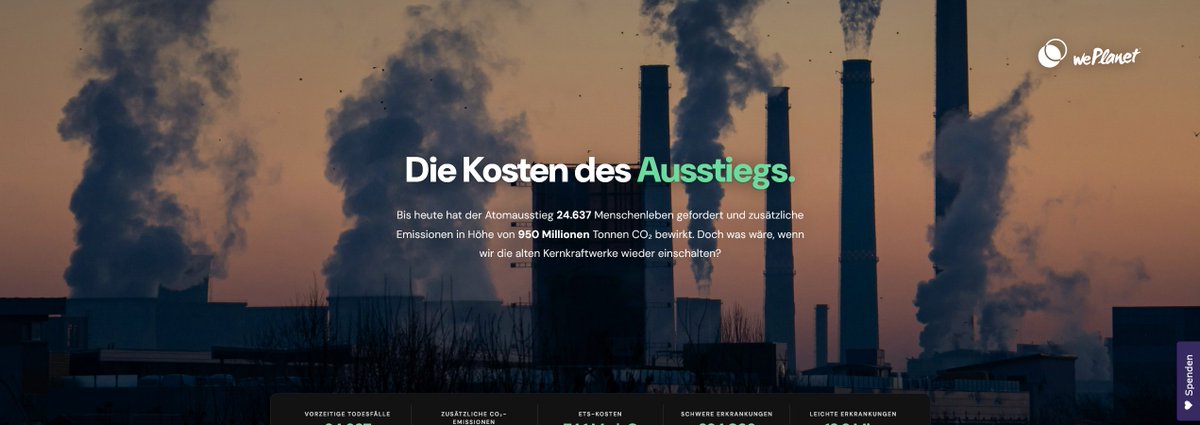
Der Atomausstieg brachte bis heute 6x Tschernobyl – neuer Bericht enthüllt erschreckende Zahlen
Am kommenden Sonntag jährt sich zum 40. Mal Tschernobyl, die größte Katastrophe in der Geschichte der Kernenergie. Einmal mehr wird die Erinnerung allenthalben zum Anlass genommen, die Angsttrommel gegen die vermeintliche "Hochrisikotechnologie" zu rühren. Wir hingegen nehmen den Jahrestag zum Anlass, eine andere Rechnung aufzumachen. Unser neuer Bericht zeigt: Von 2011 bis heute starben fast 25.000 Menschen an den Folgen zusätzlicher Luftverschmutzung aus Kohlekraftwerken, die nur liefen, um den fehlenden Strom aus Kernkraft zu ersetzen. Laut den Schätzungen der WHO sind das sechsmal mehr Tote als durch Tschernobyl.
👉Die schlimmste Atomkatastrophe der Geschichte forderte weit weniger Todesopfer als Kohleverbrennung im normalen Betrieb!
Hinzu kommen weitere Schäden durch CO₂-Emissionen und Schwermetalle, sowie weitere Kosten von über 74 Milliarden Euro allein für Emissionszertifikate. Und: In den kommenden Jahren werden diese Zahlen weiter steigen. – Es sei denn, wir schaffen einen Kurswechsel in der Energiewende inklusive Kernenergie.
👉Wir setzen uns deshalb für den Neustart der stillgelegten deutschen Reaktoren ein! Nur so können wir auch den Kohleausstieg vorverlegen.
Link zu unserer neuen Webseite und zum Bericht im ersten Kommentar!
1
18
37
1,981
Guido Núñez-Mujica retweeted

Mar 21
Govt urged to fast-track compensation, sensitisation on nuclear energy project
nilepost.co.ug/news/329147/g…
2
9
14
685
Guido Núñez-Mujica retweeted

25 Nov 2025
'California showcased leadership in climate action at COP30, highlighting achievements and calling for federal commitment to support clean energy needs.' @OSGuido, Director of Data Science at the @anthrop_inst Institute, writes.
agreenerlifeagreenerworld.ne…
#COP30 #California
2
4
115
Guido Núñez-Mujica retweeted

6 Aug 2025
Amazing work from @OSGuido! California obviously needs to hear more of this perspective. We don’t want to be the followers in this arena, or more likely, completely left behind. The 5th largest economy in the world should LEAD on clean energy! @CAgovernor
2
2
120
2 Jun 2025
RT @sapinker: Among the most interesting (and encouraging) analyses of climate I've seen in years: Quico Toro on How to Save the Climate ht…
24
Guido Núñez-Mujica retweeted

1 Jun 2025
Nuclear power needs to come out of the closet.
Yes, we need Nuclear Pride.
@OSGuido @Gen_Atomic @anthrop_inst
linkedin.com/posts/osguido_n…

2
3
14
657
Guido Núñez-Mujica retweeted
30 May 2025
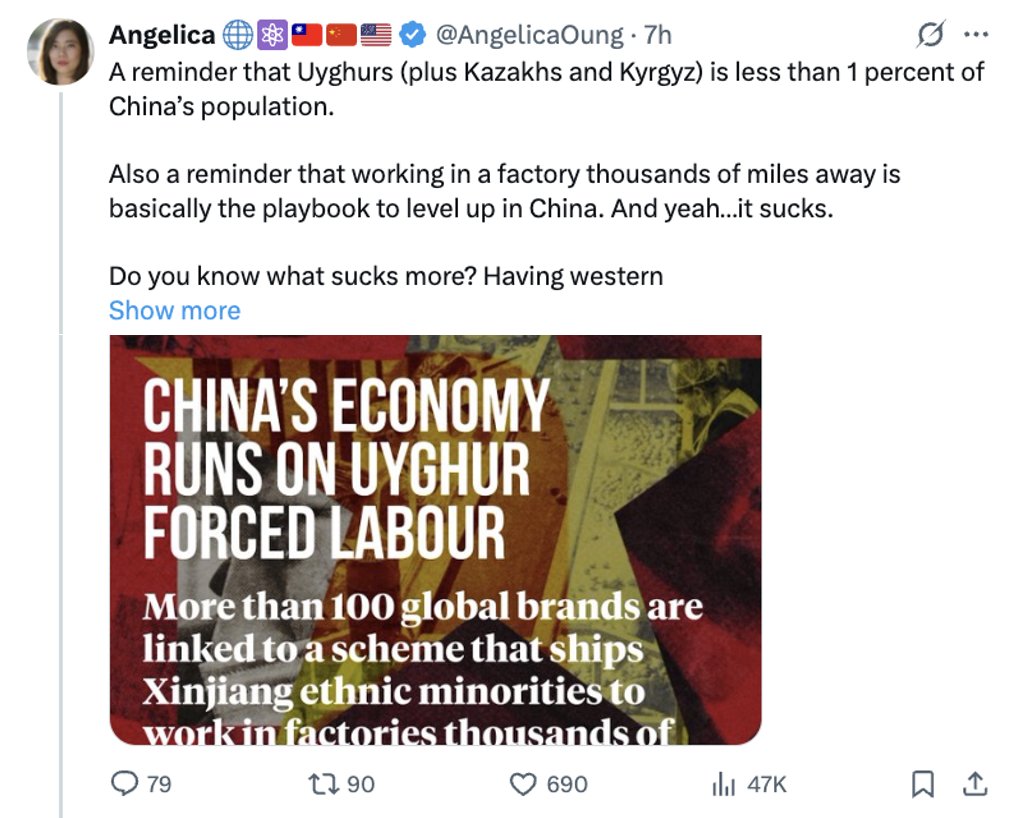
God forbid we worry too much about Uyghur forced labor in China and end up making the world a better place by accident, including for low-skilled manufacturing workers in China as a whole? Like many of those mobilized online to counter criticism of China’s policies in Xinjiang, Angelica attacks only one dimension of this extensive new reporting (targeting only their open source social media investigations) and tacitly avoids engaging with other lines of evidence.
@AngelicaOung omits that published government policies explicitly intend for labor transfer programs as a tool to forcibly assimilate Uyghurs culturally.
Angelica omits to mention that NYT and Der Spiegel directly visited factories identified in social media footage and confirmed that Uyghurs frequently live separated from other workers, monitored by government minders, working as much as 12-14 hour days.
Angelica omits to address leaked police documents indicating that refusal to participate in government work programs is tracked as a risk factor warranting added surveillance, or evidence that recruitment is intense and pressuring, with repeated door-to-door visits.
Angelica omits to discuss why the Uyghur region’s policy sets a goal of full employment of all able members of ethnic minority households, as opposed to a houshold being allowed to have only one working member.
Angelica omits to discuss the context of internment camps, with every Uyghur person in the region knowing a friend or relative who had been detained, looming over the administration of these state-run work programs.
42
24
98
32,336
Guido Núñez-Mujica retweeted

21 Feb 2025
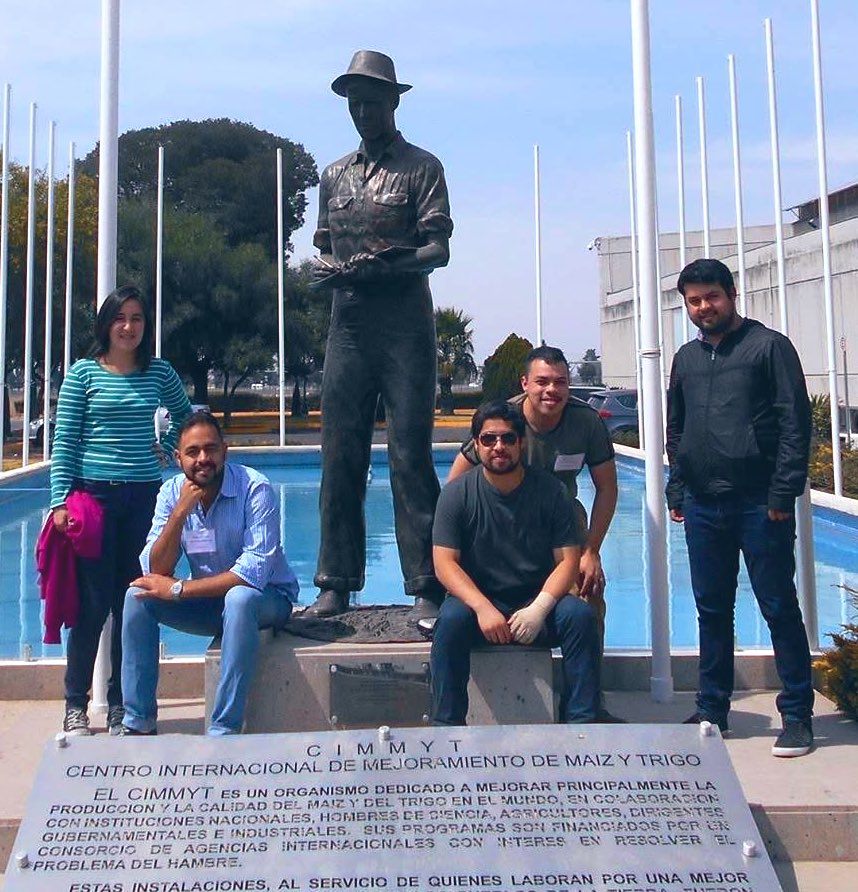
Hace nueve años con la escultura de Norman Borlaug en el @CIMMYT en México, con @DanielNorero, @OSGuido, Susana.
1
3
303
Guido Núñez-Mujica retweeted

15 Jan 2025
Ahora conversamos desde @congresofuturo con @OSGuido, científico de datos y biólogo computacional sobre cambio climático con sentido común.
Escúchanos en cooperativaciencia.cl

1
1
172

[Vía @futuro_360] #CongresoFuturo2025 | Taylor Swift versus Alemania: Guido Nuñez-Mujica alerta sobre el impacto real de las emisiones de carbono en Congreso Futuro
futuro360.cnnchile.com/taylo…
3
3
4,510
16 Oct 2024
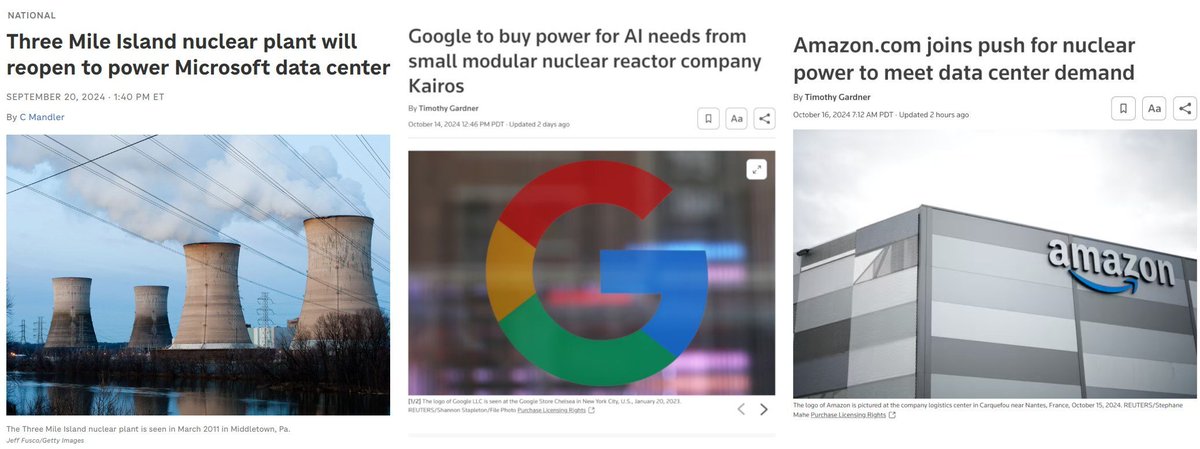
I remember last summer when @GreenHejira said that the "smart money" was with solar power. The same smart money supported Theranos over worthwhile biotech startups. In any case, it seems the smart money has figured out what some of us have been saying for years
2
1
3
332
16 Oct 2024
I remember being at @TheBTI Dialogue when Dr Michael Dorsey was bragging about how us nuclear supporters were wrong because "smart money" was backing up solar and not nuclear. Sadly, I don't have his contact information, to ask him what he thinks about this lpast week
1
7
265
Guido Núñez-Mujica retweeted

7 Oct 2024
This is fundamentally illiberal. I want strawberries in winter and I am happy to pay for them. What business is it of yours?
And if you have an issue with the carbon, why have you stood against nuclear power for the last 15 years?
3
4
494
10,051
1 Oct 2024
When I wasn't even 20 years old @shellenberger was busy spreading propaganda supporting the government that would eventually force me out of my country. Now that I am in the US, he's spreading anti immigration bullshit.
1
2
178
1 Oct 2024
Michael @shellenberger we don't know each other in person, but we do share some goals and have some of the same friends. Stop this madness. You have hurt enough people already with your support of chavismo. No need to hurt even more with this ridiculous anti immigration rhetoric
148
Guido Núñez-Mujica retweeted

24 Sep 2024
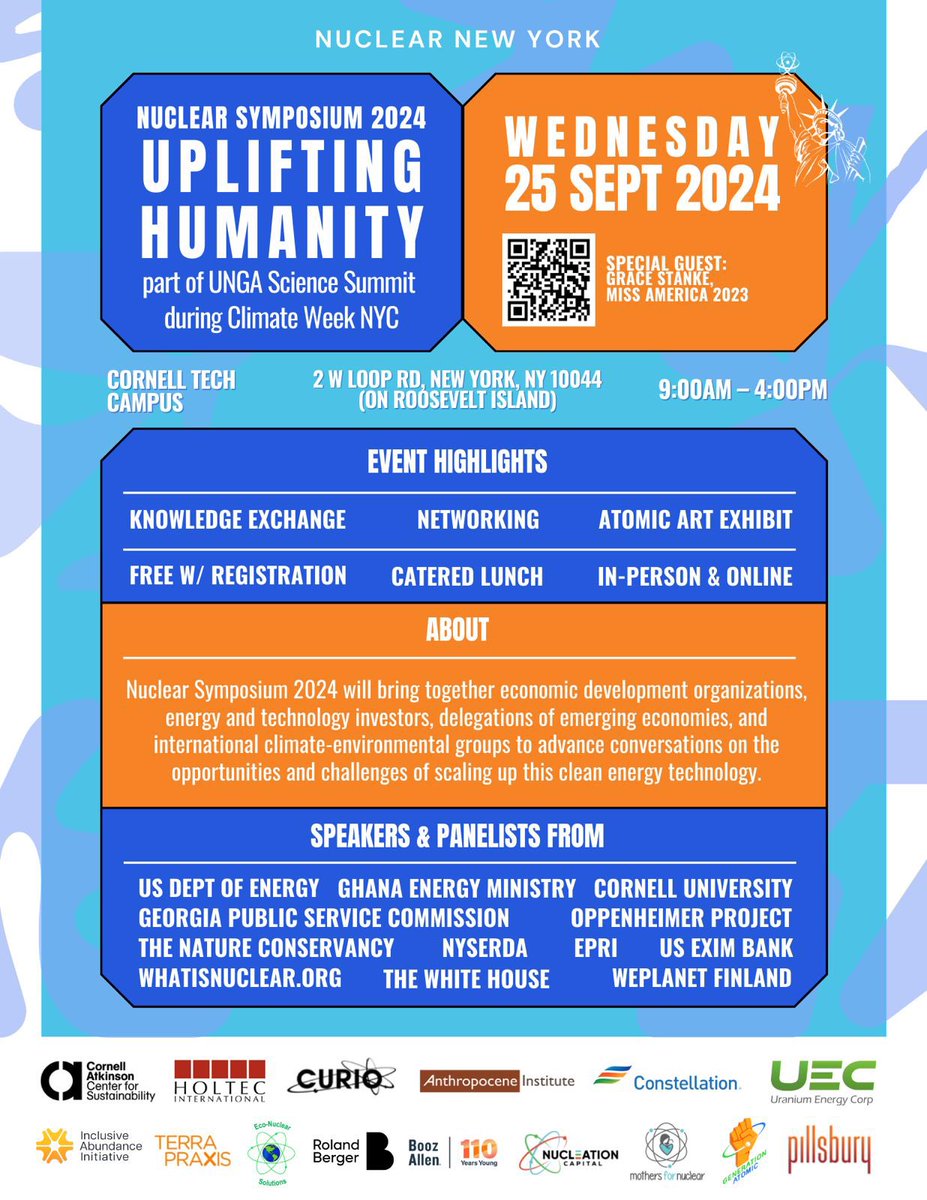
Join us & the Nuclear New York team on Wednesday for even more!!
businesswire.com/news/home/2…
1
6
869
Guido Núñez-Mujica retweeted
24 Sep 2024
You almost guessed it…
It’s a variation of the Cherenkov Blue, created by our very own @OSGuido and which we featured at our #BeautifulNuclear event with @anthrop_inst at @sxsw
The Curie Cooler!
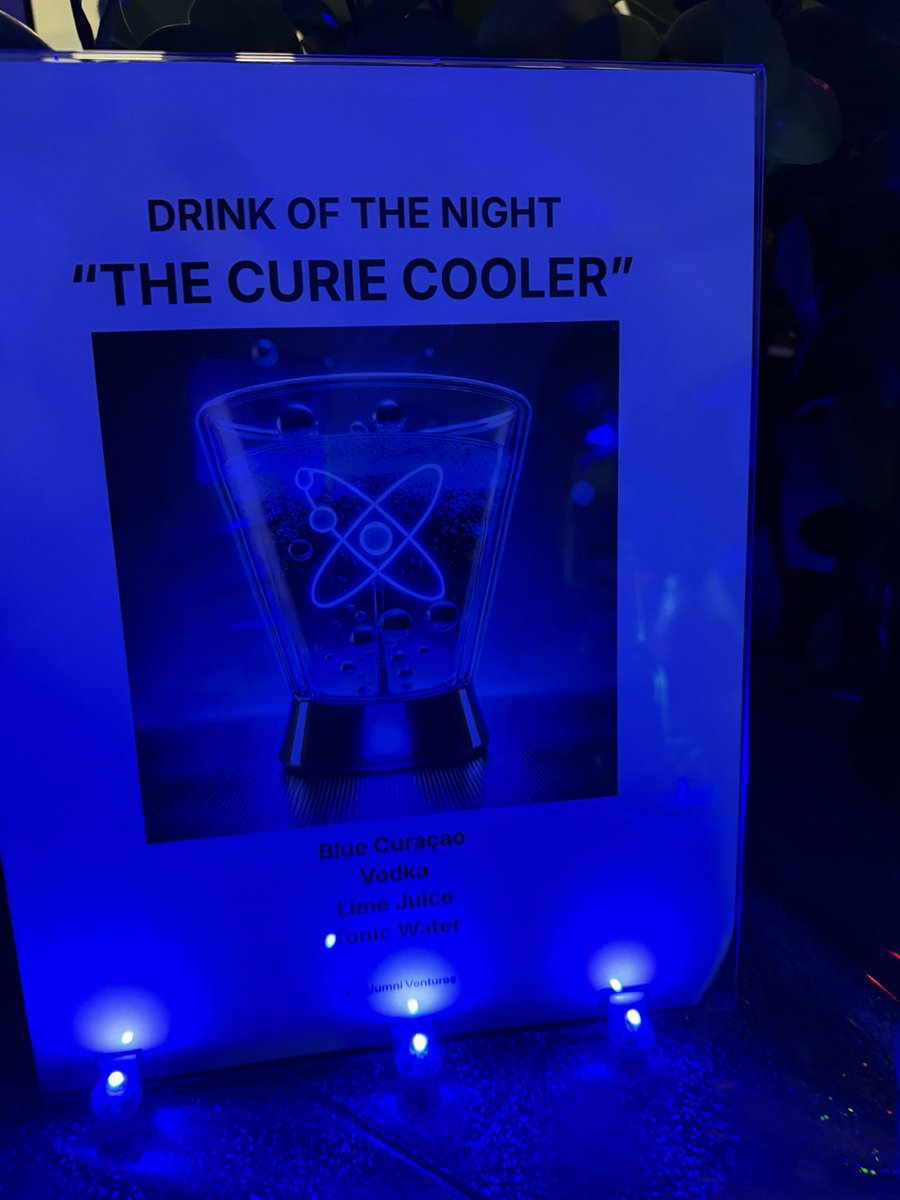
2
2
9
568
Guido Núñez-Mujica retweeted
24 Sep 2024
this night was honestly so overwhelming and filled with amazing people who care deeply for the future of our planet and it’s inhabitants @NuclearHazelnut @TysonCulver @ParisOrtizWines @cornoisseur @aarmlovi and Andre from @NuclearVisionPT
And the signature cocktail was…

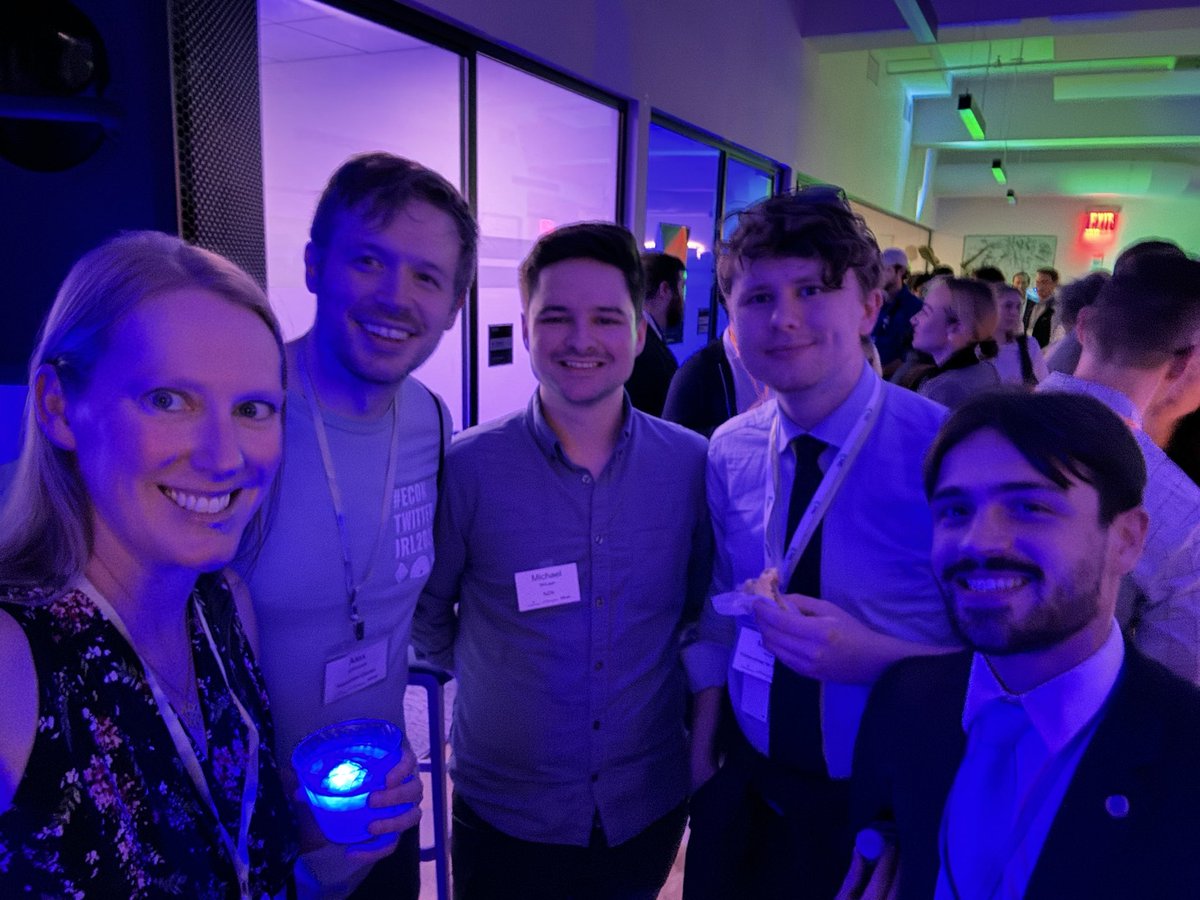

2
2
10
1,514
Guido Núñez-Mujica retweeted
24 Sep 2024
New York Climate Week is off to a great start with amazing panels from @NZNGlobal on financing global expansion of nuclear.
Advocates from around the world are here to boost the message- I’m so happy to meet @AngelicaOung (finally!) and Sarah from @18for0, and
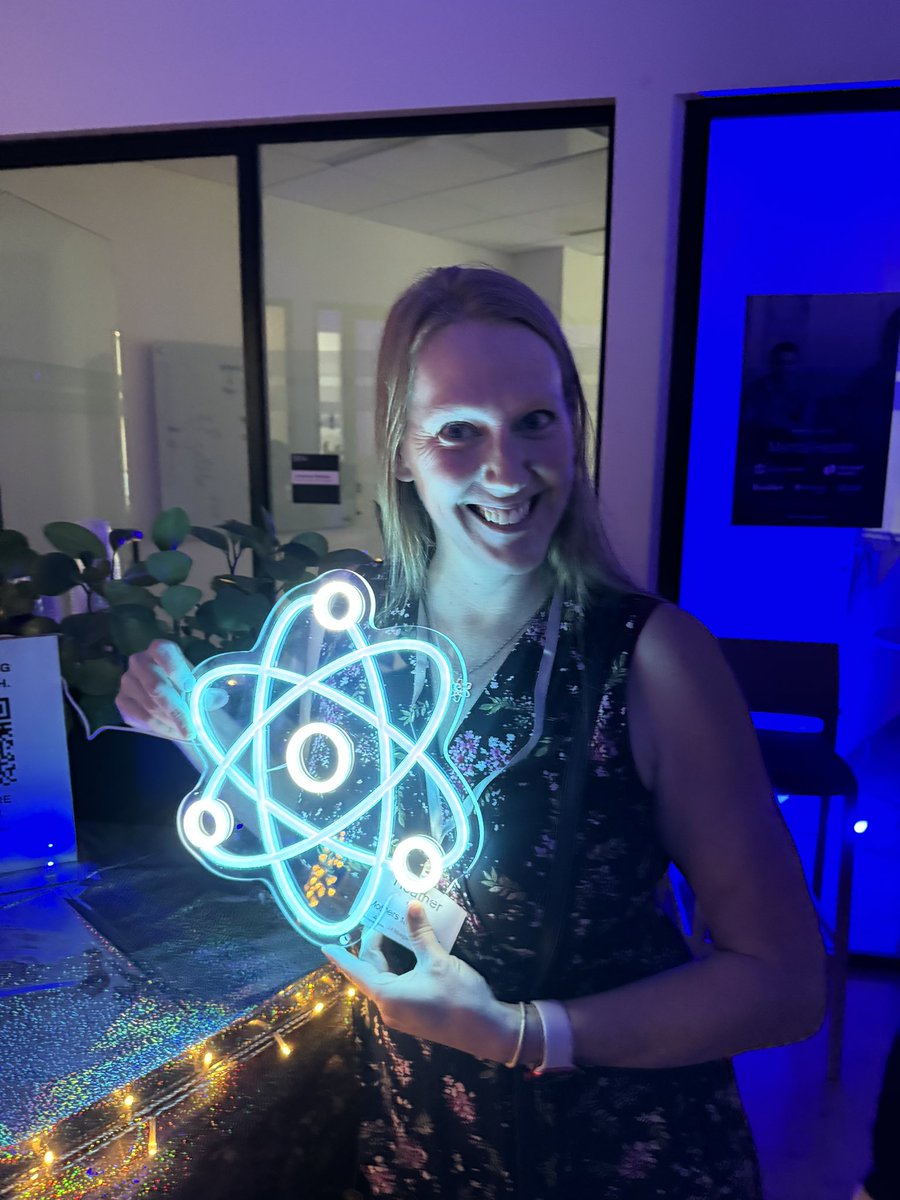


1
9
45
3,133