
Website for news, entertainment, fashion music. We provide you with the latest breaking news and videos I Press e-mail: press@origh.com
- Tweets 102,396
- Following 2,818
- Followers 2,793
- Likes 79,150












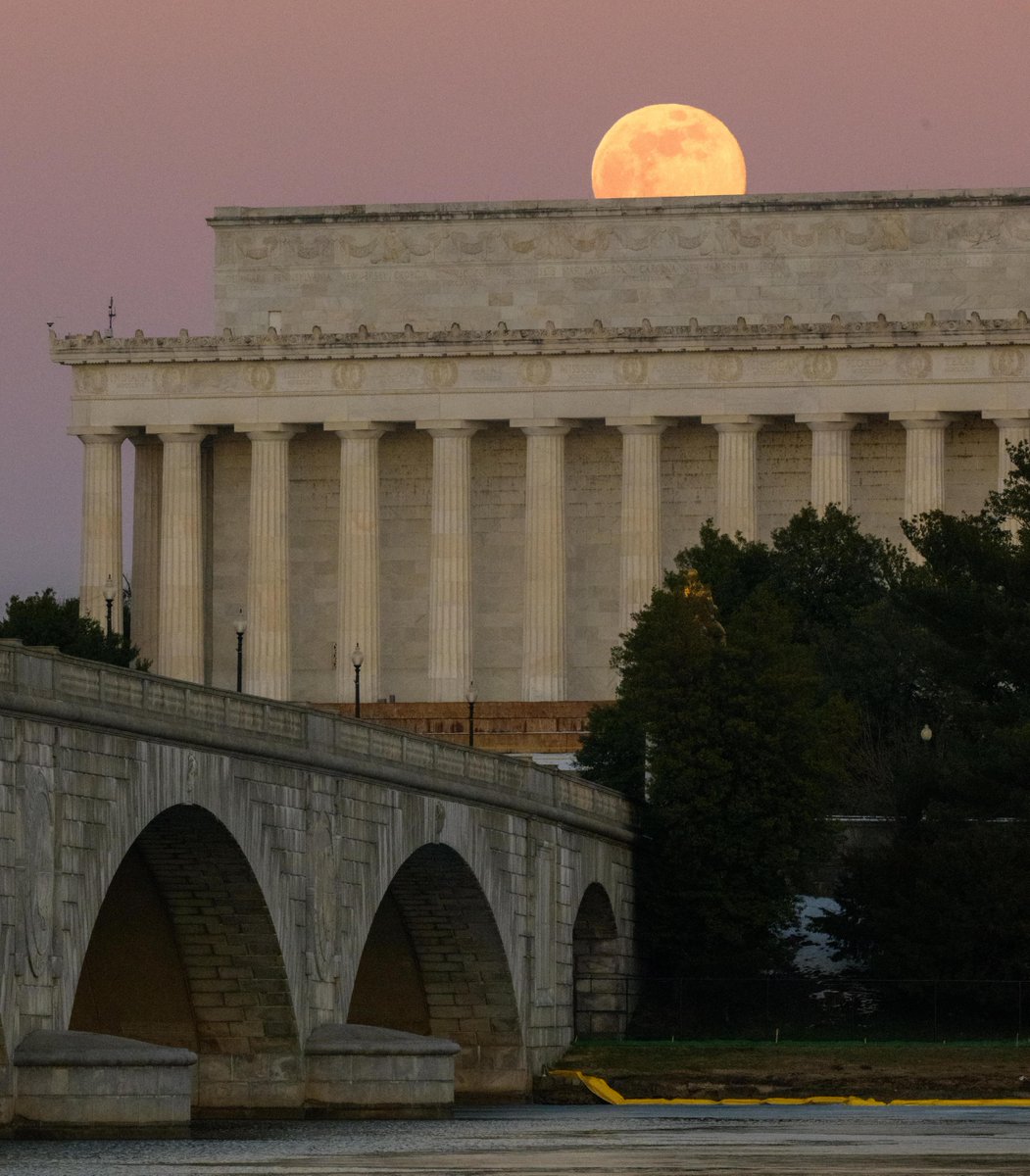
ALT The full Moon, also known in January as the Wolf Moon, rises above the Lincoln Memorial and the Memorial Bridge, Monday, Jan. 13, 2025, as seen from Arlington, Virginia. Photo Credit: (NASA/Bill Ingalls)

















ALT An image of Abell 2744 (Pandora's Cluster) and Little Red Dot Abell2744-QSO1, captured by Webb's NIRCam, with compass arrows, scale bar, and color key for reference. At the bottom of the image is a color-coded list of the wavelengths of light that have been translated into visible-light colors. Credit: Image: NASA, ESA, CSA, Lukas Furtak (Ben-Gurion University); Image Processing: Alyssa Pagan (STScI)


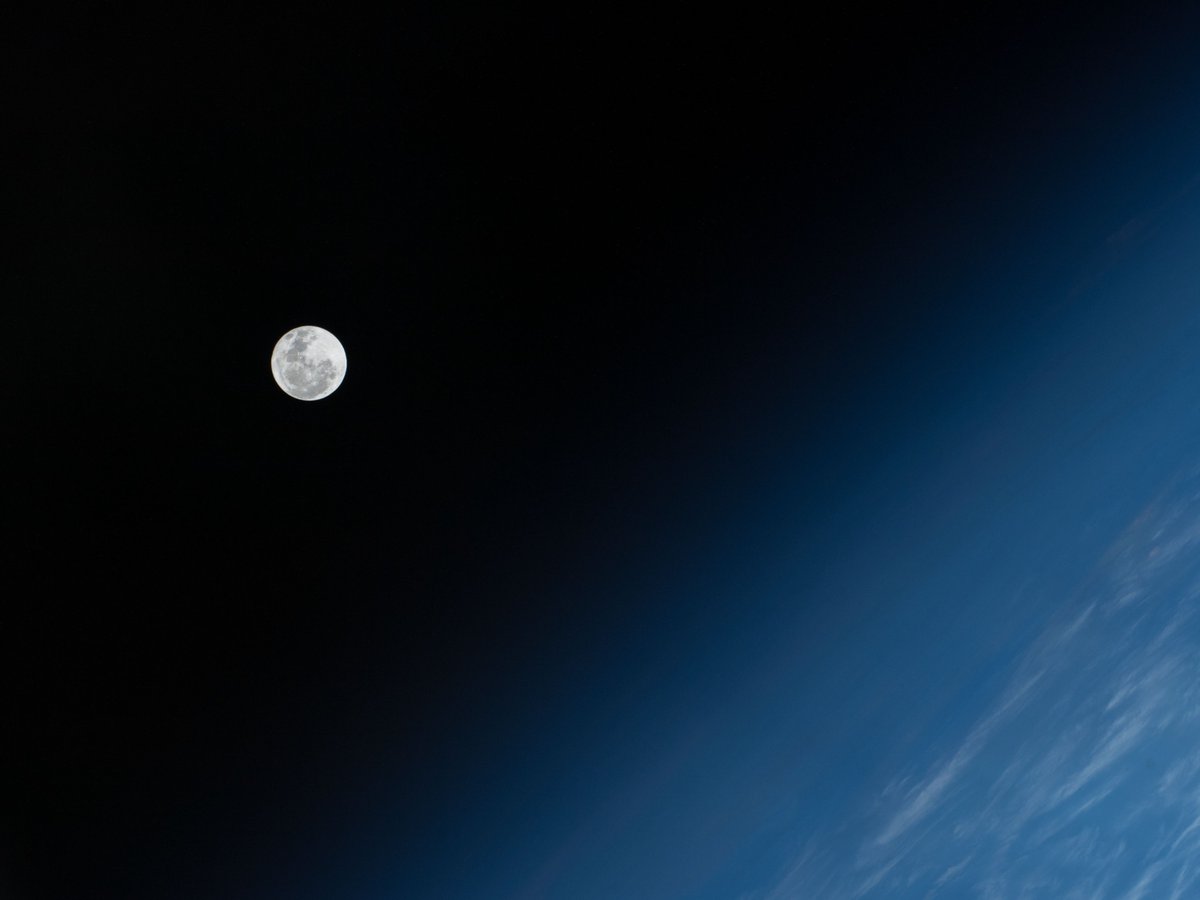
ALT A full moon hangs against the blackness of space as Earth's atmosphere glows in multiple shades of blue in this image captured from aboard the International Space Station. Credit: NASA




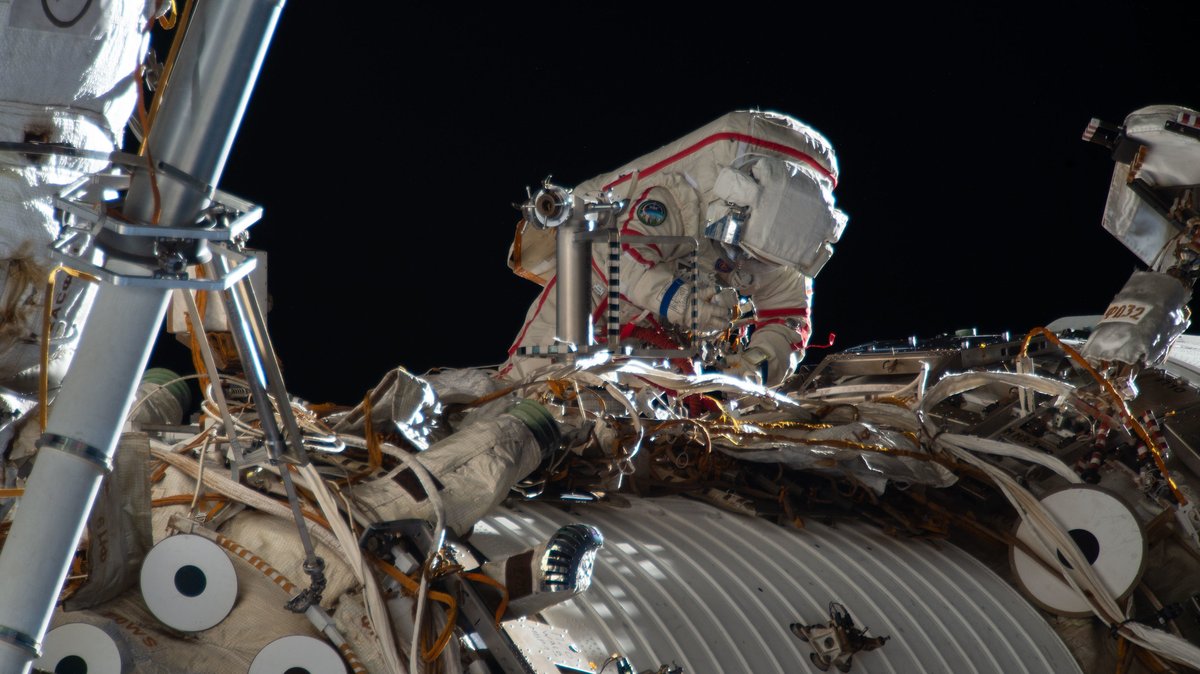
ALT Roscosmos cosmonaut and Expedition 74 commander Sergey Kud-Sverchkov works outside the International Space Station in his Orlan spacesuit with red stripes. During the six-hour and five-minute spacewalk, Kud‑Sverchkov, along with Roscosmos cosmonaut Sergei Mikaev (out of frame), installed a solar radiation experiment and removed physics and microbiology research hardware from the orbital outpost.