
Joined October 2024
- Tweets 432
- Following 10
- Followers 81,325
- Likes 183
108 Photos and videos





Pinned Tweet

Jun 9
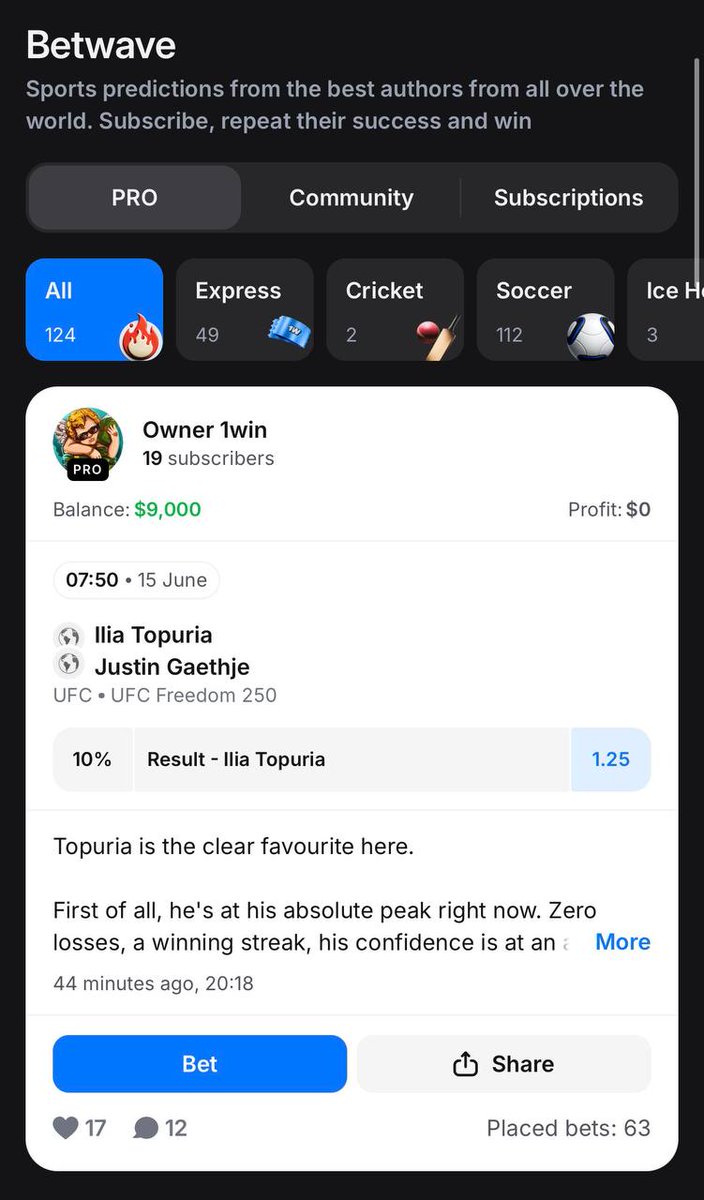
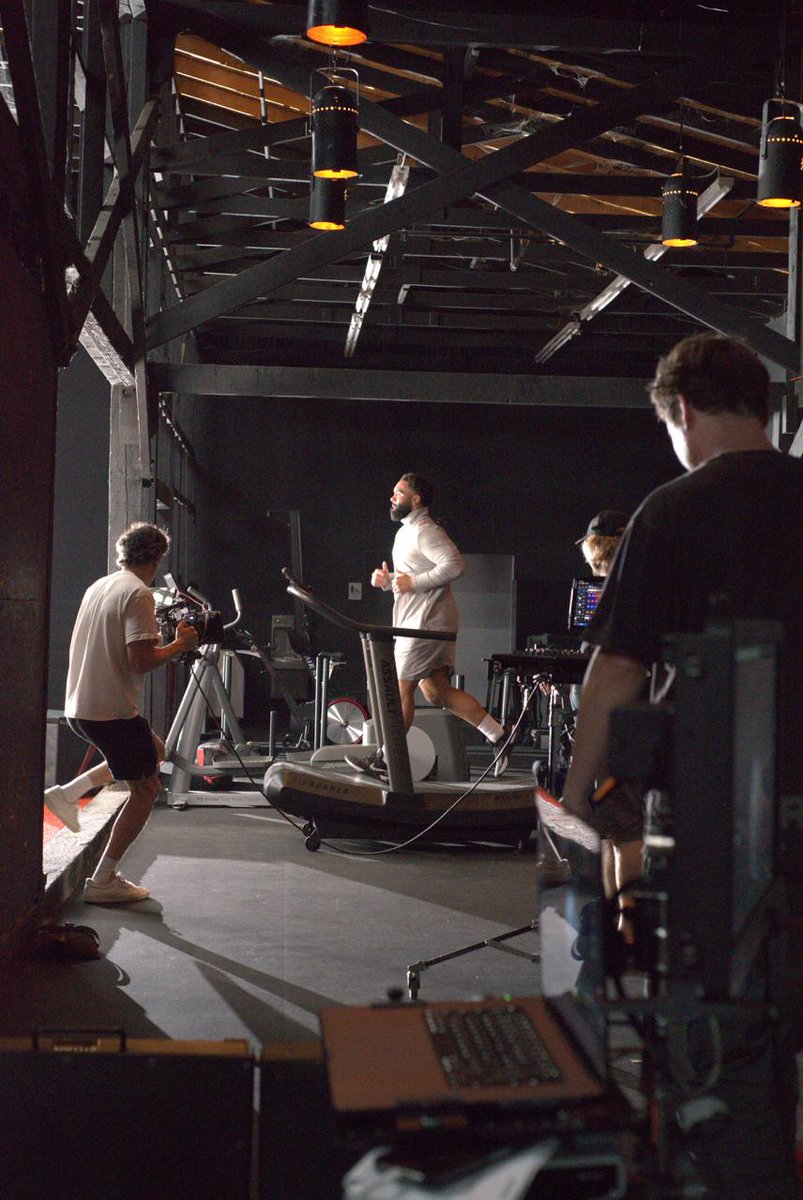
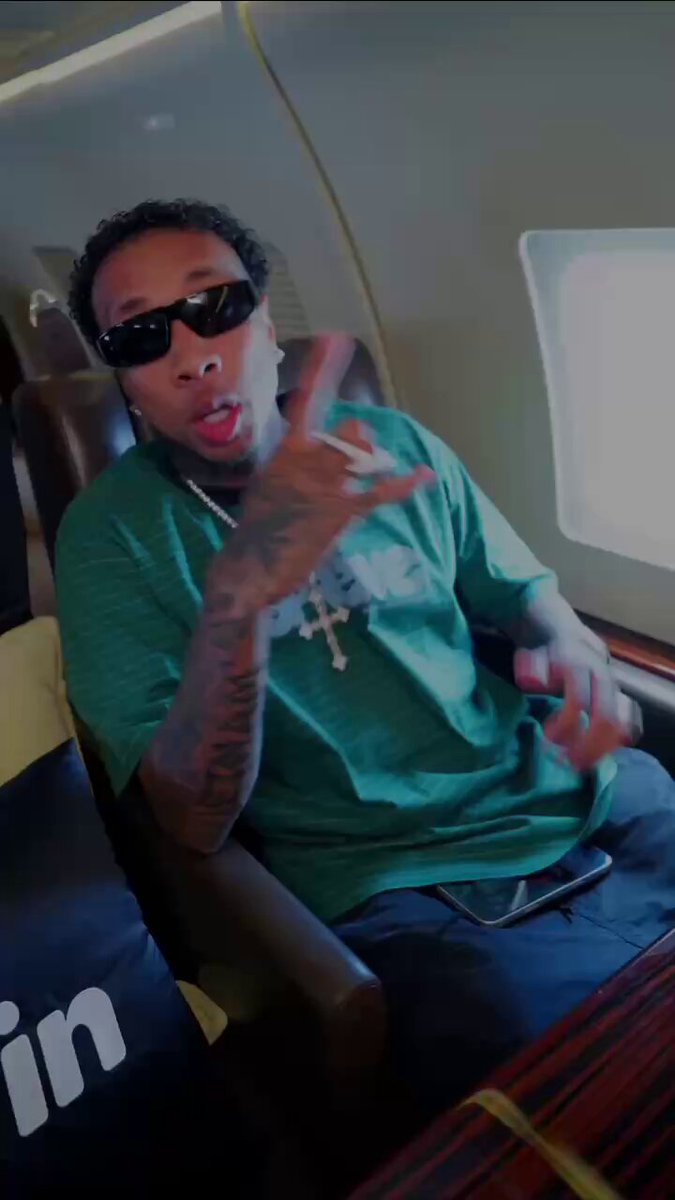
Not long ago we launched Betwave - a social network for people who follow sports and love making predictions.
You can post your own predictions, discuss events, bet on other people's predictions, and leave comments.
My prediction is already on Betwave 1win.com/betwave
12
13
62
4,128
Productivity through the roof
Jun 12

autonomous robot driving through the field at night. no chemicals. no pesticides. just UV light killing pathogens and pests while everyone sleeps. this is @tricrobotics.
this is what chemical-free pest control looks like at scale.
2
1
6
511
23h
Well obviously, it was never about the players
Jun 12

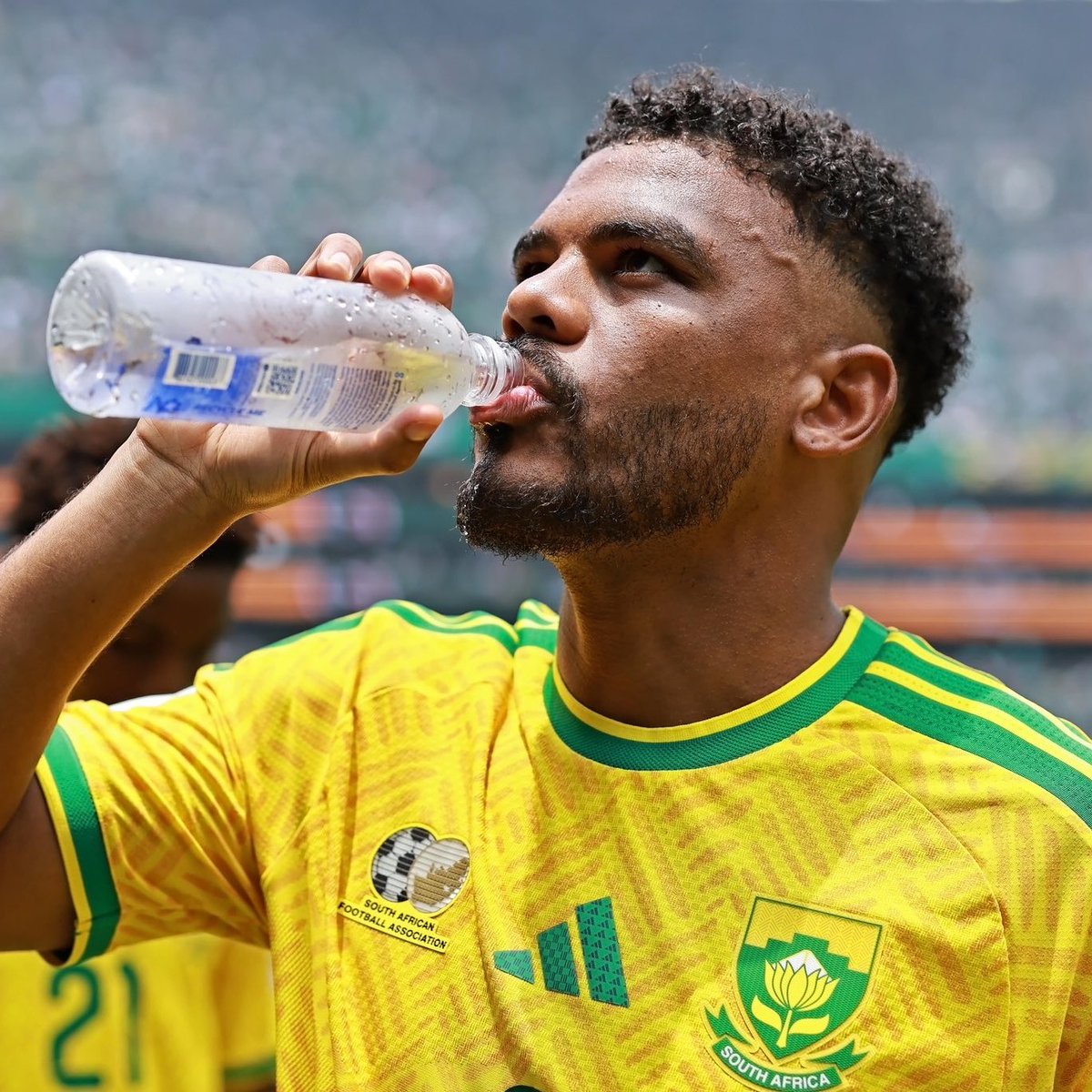
🚨 𝗡𝗘𝗪: During Mexico vs South Africa, the referee had to keep the players waiting during the cooling break because FOX was still on a commercial break.
The match eventually resumed while FOX was still showing advertisements.
These cooling breaks are not related to player health, but are instead used to accommodate commercials.
— @Romain_Molina
11
788
Jun 13
He's correct in a way

The smartest man in AI just exposed the whole AGI narrative as a LIE.
And he used a physics problem from 1905 to prove it.
His name is Demis Hassabis. He runs Google DeepMind, and won the Nobel Prize for using AI to crack a problem in biology that had stumped scientists for 50 years.
Almost nobody in this industry has a track record like his.
He went on the NothingButTech podcast and called out the biggest lie in AI right now:
Right now the loudest voices in AI are telling you that AGI is basically here. OpenAI has literally defined AGI as a system that can outperform humans at most "economically valuable work." In other words, if it replaces enough jobs, we have arrived.
Hassabis thinks that bar is a joke.
He said real general intelligence has to do what the human brain can do, because the brain is the only proof we have that this kind of intelligence is even possible. He called that "a higher bar than just being able to do some useful economic work," which is about as close as a polite British Nobel laureate gets to calling his rivals out.
Then he gave the actual test:
Today's AI has read everything humans have ever written, including the theory of relativity. So when it explains relativity back to you, it's repeating an answer that already exists.
That's not intelligence.
So Hassabis proposed a test that makes memorization impossible. Train an AI on only what humanity knew in 1901, four years BEFORE Einstein published relativity. Then ask it to come up with relativity on its own.
It can't look up the answer, because in 1901 the answer doesn't exist yet. The only way to pass is to do what Einstein actually did: Take the same physics everyone else had and reason its way to an idea no human had ever had.
Hassabis says not a single AI today can, no matter how much it has memorized. Which means what we keep calling "almost AGI" is really just the best librarian in history.
It can find any answer that already exists but it cannot create one that doesn't.
His second version is even sharper:
AlphaGo, the system his own team built, famously invented a brand new move that no human had played in 2,000 years of the game.
Everyone called it genius but Hassabis says that still is not the bar.
The real test is not whether an AI can invent a new move inside Go, it is whether an AI could INVENT a game as deep and as beautiful as Go in the first place.
No model that exists today can do it.
The people telling you AGI has already arrived are the same people raising hundreds of billions of dollars on that exact promise.
The valuations only work if the finish line is right in front of us. So the finish line keeps getting dragged closer, and AGI keeps getting quietly redefined down to "does useful work," until the products they already sell happen to qualify.
Hassabis has nothing to prove and nothing to sell you. He already won the Nobel, and he is telling you the machines still cannot do the one thing that would make them genuinely intelligent, which is have a truly original idea.
To be fair to him, he is not a pessimist about it. He believes real AGI IS coming, and he is spending his life building it. He just refuses to pretend it is already sitting in your phone.
So the next time a founder tells you AGI is months away, remember that the one man in the room with a Nobel Prize built his test around Einstein, and admitted that nothing we have made can pass it.
What do you think?
3
12
745
Jun 13
👋

Ilia Topuria's menu for June 14: Justin Gaethje
The White House
Not available to residents or citizens of the restricted
territories. Participation by the persons from restricted territories is strictly prohibited.
2
7
694
Jun 12
Elon the great personality
Jun 12

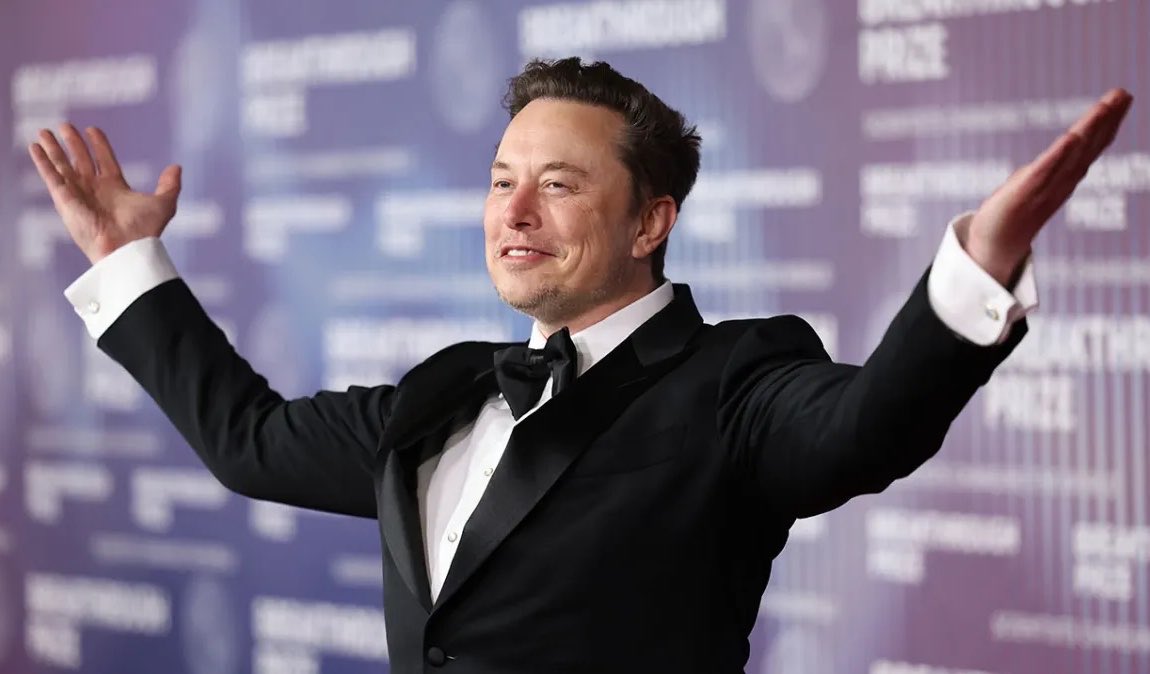
BREAKING:
Elon Musk officially becomes the world’s first trillionaire.
2
1
15
857
Jun 12
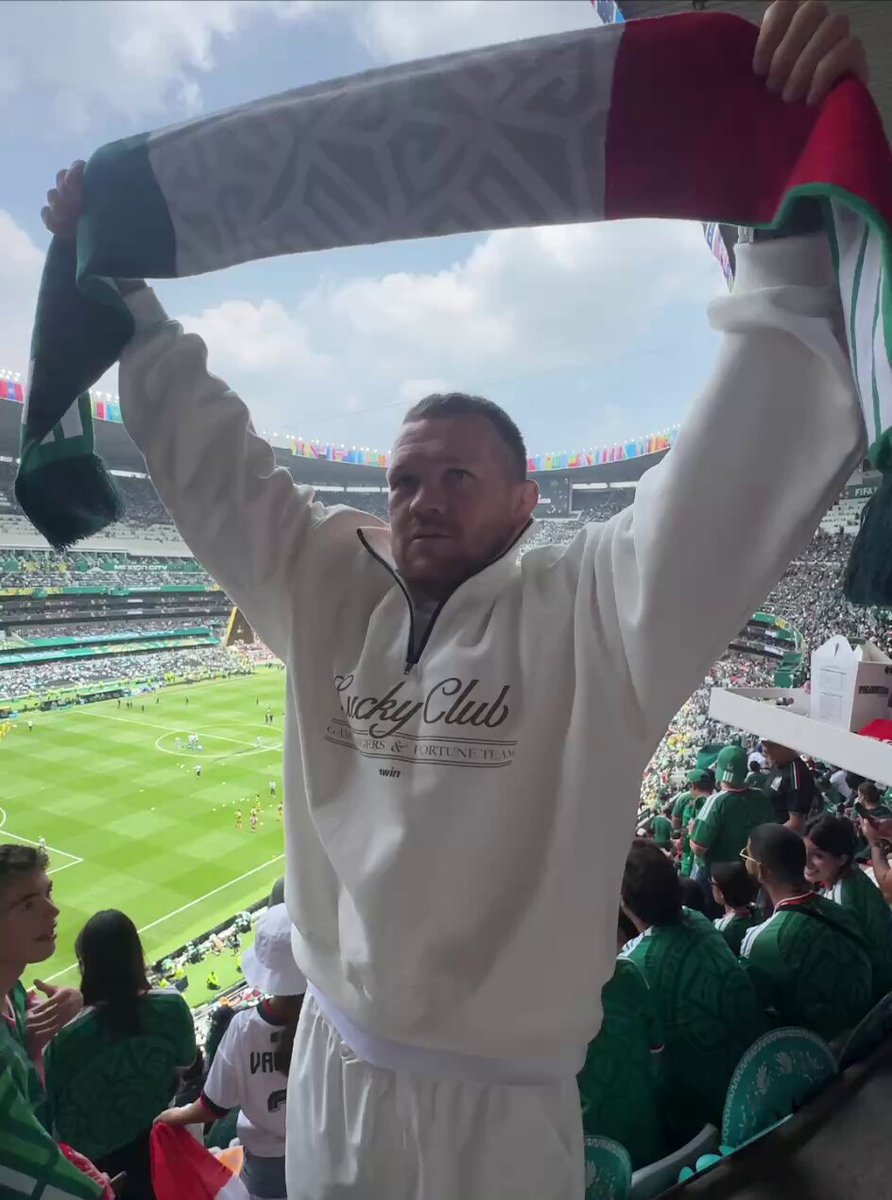
Our concierge service has organized attendance at the FIFA World Cup 2026 for our VIP players in Mexico.
This trip turned out to be very international. We brought together players from different countries, including current UFC fighter Petr Yan 🥊

1
1
12
1,025
Jun 10
Thats fantastic! Great job
Jun 9

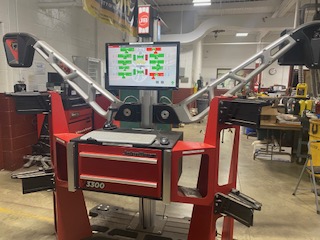
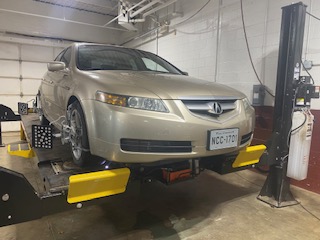
I teach auto shop at a small high school. We work on students cars, teachers cars, students parents cars and some community people cars. We only charge for parts and not labor, so we saved some people a lot of money last school year. This last school year we did 126 oil changes, 68 brake jobs, 85 alignments, 4 steering racks, 22 tune ups, 32 struts, 20 shock absorbers, 4 transfer cases, mounted and balanced 82 new tires, 4 timing chains, 15 valve cover gaskets, 14 thermostats, 4 radiators, 12 in tank fuel pumps, 8 EVAP canisters, 6 exhaust manifolds, 4 mufflers, 15 AC repairs including evacuate and recharge, 8 alternators, 22 batteries, 9 starters and so much more! Proud of those students I am!
1
3
27
1,806
Jun 10
It's not age that kills memory, it's repetition. The brain keeps recording new things you just have to actively go looking for them. New hobbies, new skills, unfamiliar situations - all of this creates those same memory anchors at any age.
Jun 9

Your brain basically stopped recording your life around age 25. Everything since then is a blur for a reason.
Neuroscientists measured this so many times they named it: the reminiscence bump. Ask anyone over 60 to recall their strongest memories and almost every answer clusters between ages 15 and 25. The decade where everything was new. First job, first apartment, first real relationship. Your brain encoded each day because nothing had a template yet.
After that window closes, most people enter a repetition loop. Same commute, same office, same weekend rhythm. The brain stops recording repeated experiences as distinct events. A year with 300 novel days leaves 300 memory anchors. A year with 10 leaves 10. Both took 365 days to live. Only one of them will exist when you look back.
This is why people at 50 say "where did the time go." The time went into routine that felt like living but left almost nothing behind.
Your remaining years are fixed. How many your brain bothers to remember is entirely up to you.
1
3
22
1,642
Jun 8
This is why Patrik is known for one of the best mindsets in poker
Jun 7

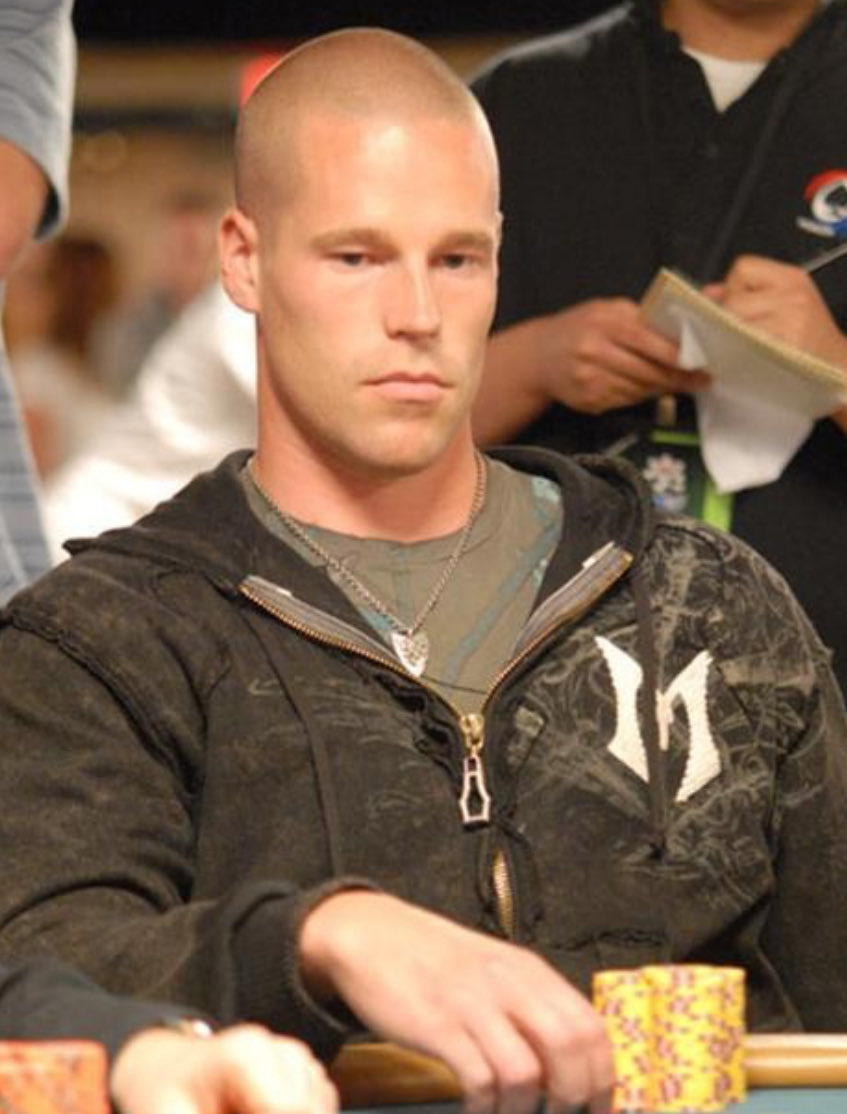
This man lost over $3,600,000 in 2010.
Then won it all back.
Patrik Antonius is known for one of the most unbreakable mindsets in poker history.
Here’s how to build an elite mental game that will help you reach world-class win rates.
5
2
33
3,671
Jun 8
Look at this study: psychologist Richard Wiseman spent 10 years studying lucky and unlucky people
In one experiment, participants were given a newspaper and asked to count the photos inside. On the second page was a message: "Stop counting - there are 43 photographs in this newspaper." In the middle, another one: "Stop counting, tell the researcher you saw this and win $250." Lucky people noticed both and acted on them. The unlucky ones missed them and spent much more time counting.
Wiseman identified 4 patterns that set lucky people apart:
1. They notice more opportunities
2. They trust their gut
3. They expect good things to happen
4. They reframe setbacks quickly
Interestingly, what Wiseman calls "luck" is really just a mindset. The unlucky participants in the experiment weren't less intelligent. They had simply locked into tunnel vision, and that mode literally blocked out everything else. This is a known effect: the harder you concentrate on a specific goal, the less you notice what's right beside you.
The same logic applies to intuition. Intuition is the rapid processing of accumulated experience. People who trust their instincts make decisions faster and don't overthink them.
Expecting good things is also a matter of mindset. Carol Dweck, best known for her research on motivation and learning, would call this a growth mindset. When you believe good things are possible, you try more, you engage more with the world around you, and statistically, you simply give yourself more chances for something to click.
So if you've ever considered yourself unlucky, know this: luck was never about fate or being chosen by the universe. It was always about how you think. And unlike fate, thinking can be changed.
4
2
22
1,197
Jun 8
When it all depends on you, everything becomes possible
Jun 5

Dans la vie, il y a une seule croyance qui change tout : te dire que tu es responsable à 100% de ta situation.
Pas 80%. Pas 90%. Cent.
Parce qu'au moment précis où tu commences à accuser la société, ton environnement, ton manque d'accès aux ressources ou ta malchance, tu te condamnes toi-même.
Tu te rends spectateur de ta propre vie.
Et c'est le piège le plus subtil qui soit, parce que parfois tu as raison. Parfois le système est injuste, parfois tu pars de plus loin que les autres. Mais ça ne change rien au problème : tant que la solution dépend de quelqu'un d'autre, tu n'as aucun pouvoir.
Le ressentiment, c'est le sentiment le plus paralysant du monde. Il te donne l'illusion d'avoir raison pendant qu'il te vole ton énergie.
Le jour où tu décides d'assumer 100% de ta situation, quelque chose se débloque. Ton cerveau arrête de chercher des coupables et commence à chercher des solutions.
Et là, tu te recâbles autour de deux choses :
D'abord, apprendre des compétences. Pas vaguement. Des vraies compétences, rares, qui créent de la valeur, que le monde est prêt à payer.
Ensuite, apprendre à jouer au jeu de la vie. Comprendre ses règles, ses leviers, ses asymétries. Arrêter de subir la partie et commencer à la jouer.
Personne ne viendra te sauver. C'est une mauvaise nouvelle pendant dix secondes, et la meilleure nouvelle de ta vie pour toujours.
Parce que si tout dépend de toi, alors tout est possible.
3
25
1,764
Jun 8
Health is wealth
Jun 6

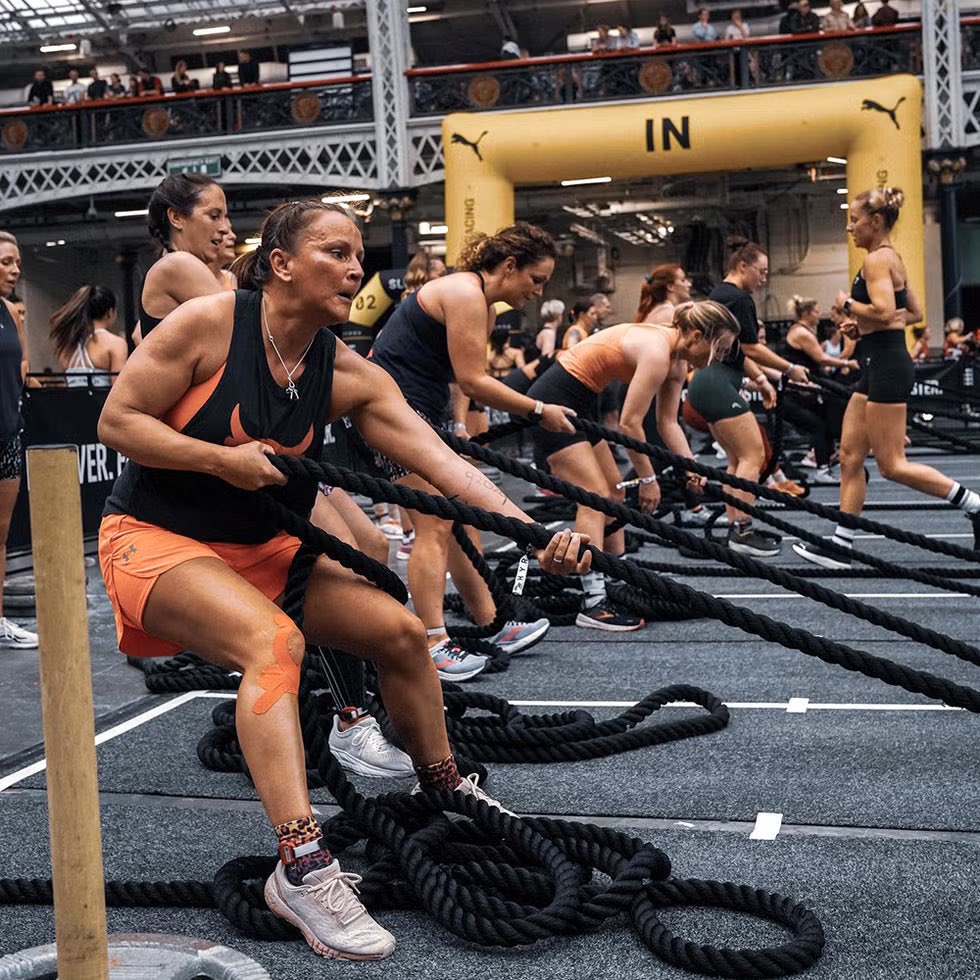
Clubbing is dead and has been replaced by fitness & wellness.
Ppl used to party to socialize and date but now they do things like HYROX, bathhouses, and running raves.
The death of clubbing is something to be studied:
— US has lost 12% of its nightclubs in the last 24 months
— 25% of US adults didn’t drink at all last year
— Gen Z drinks 30% less than Millennials did at the same age
On the flip side:
— According to Strava, the number of running clubs recorded on the platform increased 3.5x in 2025
— 72% of Gen Z go to run clubs to meet new people
— Sauna and spa market: $11.8B → $22.4B by 2034
The post-alcohol economy is gonna be a massive category.


2
1
19
1,197
Jun 6
WHOOP for cows hah
Jun 5

this is just the most ridiculous AI application i've ever seen lol
a Peter Thiel-backed startup that makes AI collars for cows is now worth $2 billion
and the more I read about it the cooler it gets. here's how it works:
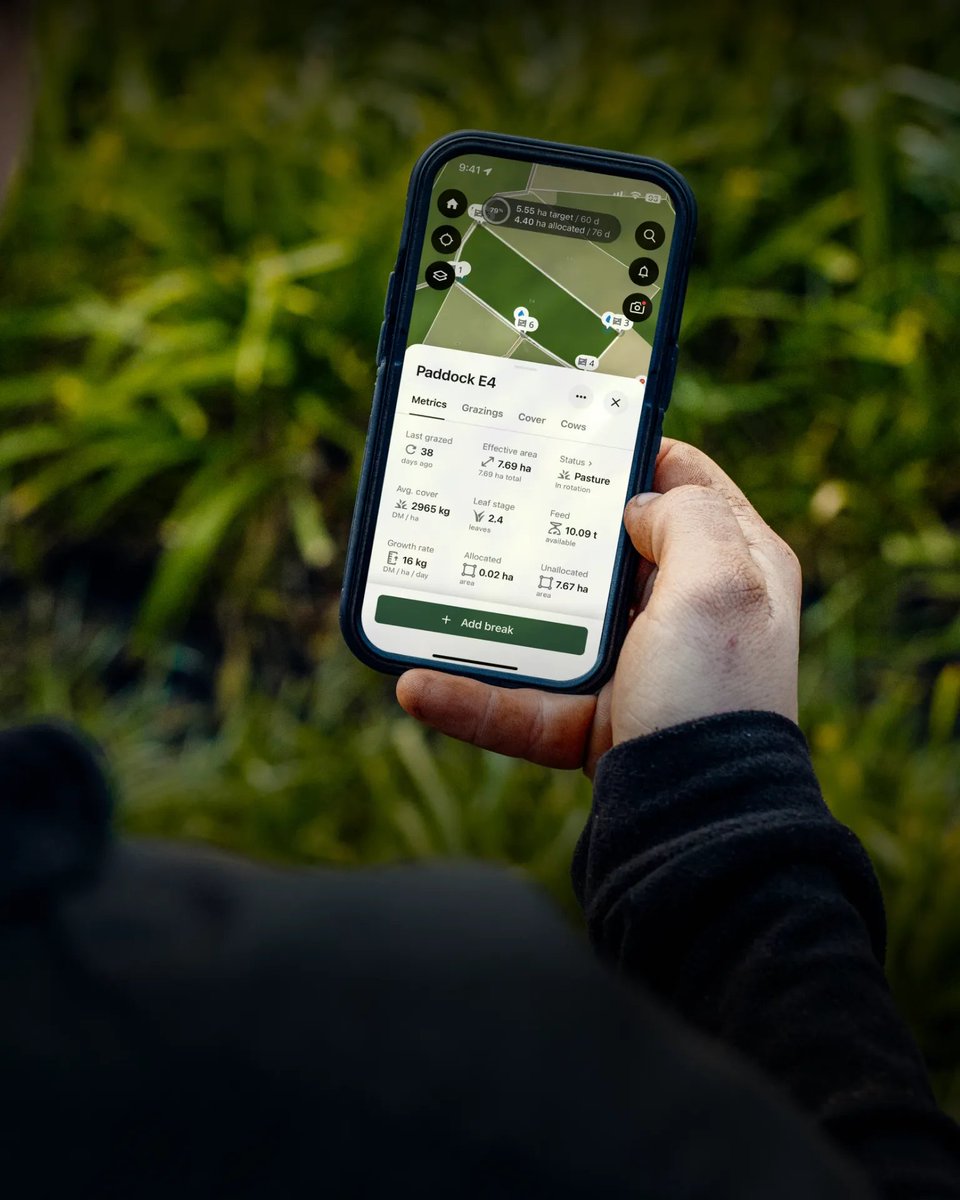
every cow wears a solar-powered collar that talks to a network of radio towers and an app on the farmer's phone
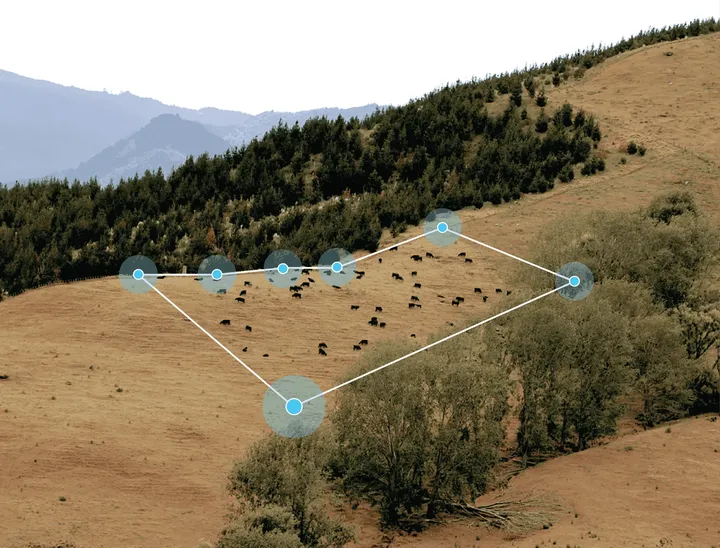
instead of building physical fences, the farmer draws the fence on a map in the app, and the collar keeps each cow inside that invisible line using GPS
when a cow drifts toward the edge, the collar plays a sound to steer her, and a gentle vibration tells her which way to go.
it's like how a car beeps as you back up toward a wall
the cows learn the cues in a few days
so now a rancher can move an entire herd to fresh grass by sliding the fence on a map, without driving out to open a single gate
and that same collar is reading each cow's body the whole time.
it takes five readings per second on every animal, so the AI can catch a cow that's sick, injured, ready to breed, or about to give birth before a person would ever notice walking the field
so it's basically like WHOOP for cows too lol
and they gave the AI behind it the perfect name: the Cowgorithm
it's been trained on more than 7 billion hours of real cow behavior, which is why Halter calls the data its real asset and moat.
they know what a normal cow looks like better than anyone, so they can flag the odd one out instantly
it's already on more than 1M cattle across New Zealand, Australia, and a bunch of US states.
California even used it on public land to graze cattle in patterns that clear dry brush and slow down wildfires
costs about $5 to $8 per cow per month
a job that used to mean barbed wire, gates, and driving the fields all day is now mostly 1 person on their phone
7
2
25
2,551
Jun 5
We've acquired the esports organization Tundra - the top Dota 2 team, and they have now become part of the 1win ecosystem.
Jun 4

One of a kind ⌚
During Media Day, we decided to raise the bar by presenting the most expensive welcome gift in esports history.
Every player and our coach received personalized Rolex watches with roster engraving. Timepieces crafted strictly for the ones who represent 1win.
13
9
65
6,059
Jun 5
After the explosion in AI, the next big cycle with similar money and talent is going into biotech

just look at the timeline chad
- demis hassabis, deepmind → isomorphic labs, $2.7B
- brian, coinbase → newlimit, $3.1B
- sama, openai → retro biosciences, $1.2B
- jeff the chad from amazon → altos labs, $3B
- larry, oracle → $430M into aging research
- jensen from nvidia → backing programmable biology
- dario, anthropic → acquired coefficient bio, $400M
the most successful builders of the digital age are all being pulled toward the next biggest frontier, biology
aging is basically an engineering challenge
bio/acc.
2
17
2,233

Jun 4
I hope it does get released in November
Jun 3

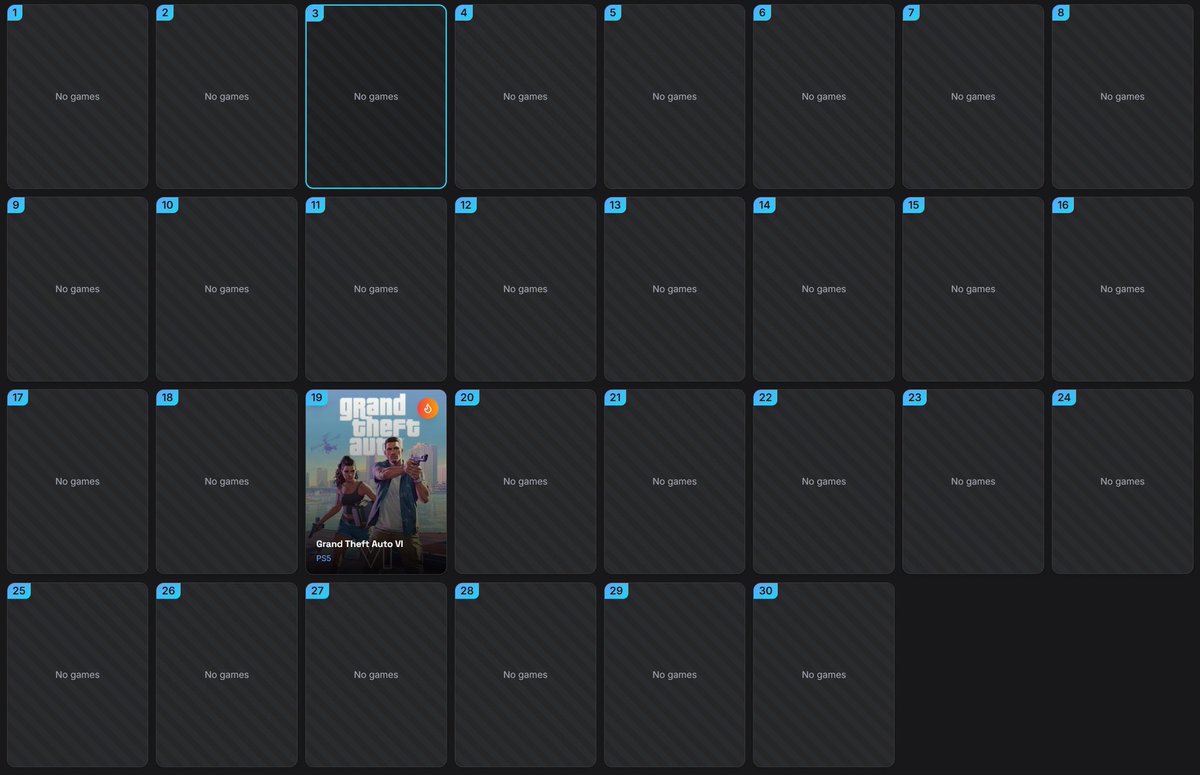
GTA 6 is the only video game releasing in November
No one wants to launch anywhere near it 💀

Community note
Godzilla would like a word with you.
atari.com/products/godzi…
5
1
29
2,087
Jun 3
A really focused few months can totally change your direction in life

All you need is a good six months. Half a year of crazy hyper-focus. Train. Avoid distractions. Build your credentials. That's it. Life changes. That's the anatomy of a rags-to-riches story.
6
1
27
2,615