Our mission is to serve the PCA's Elders by curating easily navigable resources on the nature, procedures, and history of our denominational polity.
Joined September 2022
- Tweets 956
- Following 79
- Followers 1,911
- Likes 2,174
96 Photos and videos












Pinned Tweet

The Presbyterian Polity site has been refreshed. The organization of our blog content has been radically streamlined, and the homepage now emphasizes this strength of the site. Check it out at pcapolity.com!
1
2
15
1,796
Presbyterian Polity retweeted

May 21
A good primer for the upcoming debate concerning decisions made by our AC for the assembly to consider.
May 21

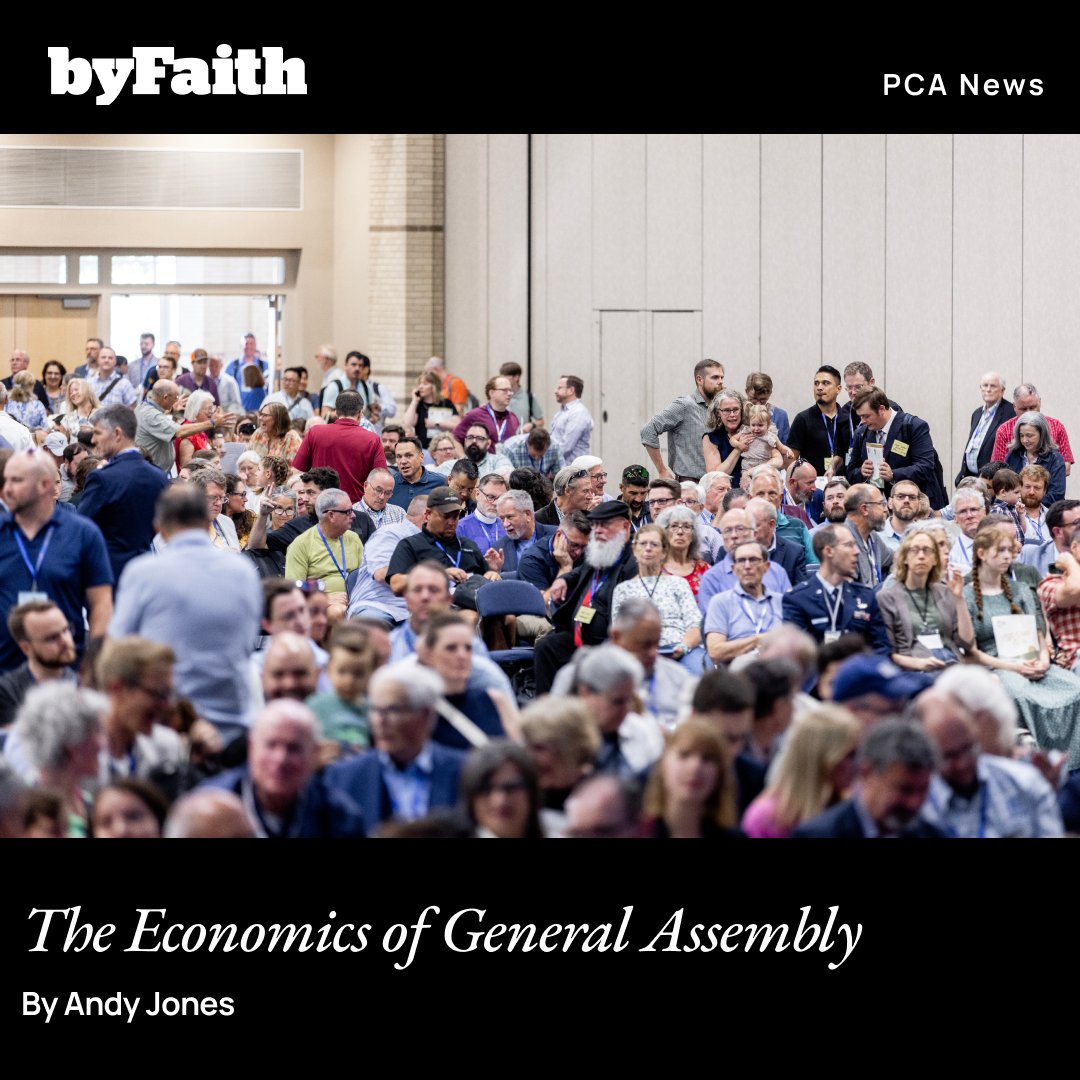
Though the Assembly meets in June, its work and related expenses occur year-round. ow.ly/JUzf50Z0h9n
1
2
13
2,190
Presbyterian Polity retweeted

May 21
“And for a process idea? A church could do worse than the Orthodox Presbyterian Church which entertains BCO amendments only every five years.” heidelblog.net/2026/05/2026-…
2
4
17
1,309
Presbyterian Polity retweeted

May 21
Outstanding PCAGA overtures helps from @PolityMatters overtures26.replit.app/
5
17
951
"The pastor’s authority is rooted and grounded in God’s Word, and the Scriptures have much to say about its nature." ~ TE George Sayour in "The Maligned Ministry of Authority" Link in 🧵👇
1
2
5
286
1
112
Presbyterian Polity retweeted

Apr 24
Calvary Presbytery approved three overtures today at our last stated meeting before PCAGA53. That will bring the total to 78.
🫡
4
1
21
1,723
Presbyterian Polity retweeted
Apr 22
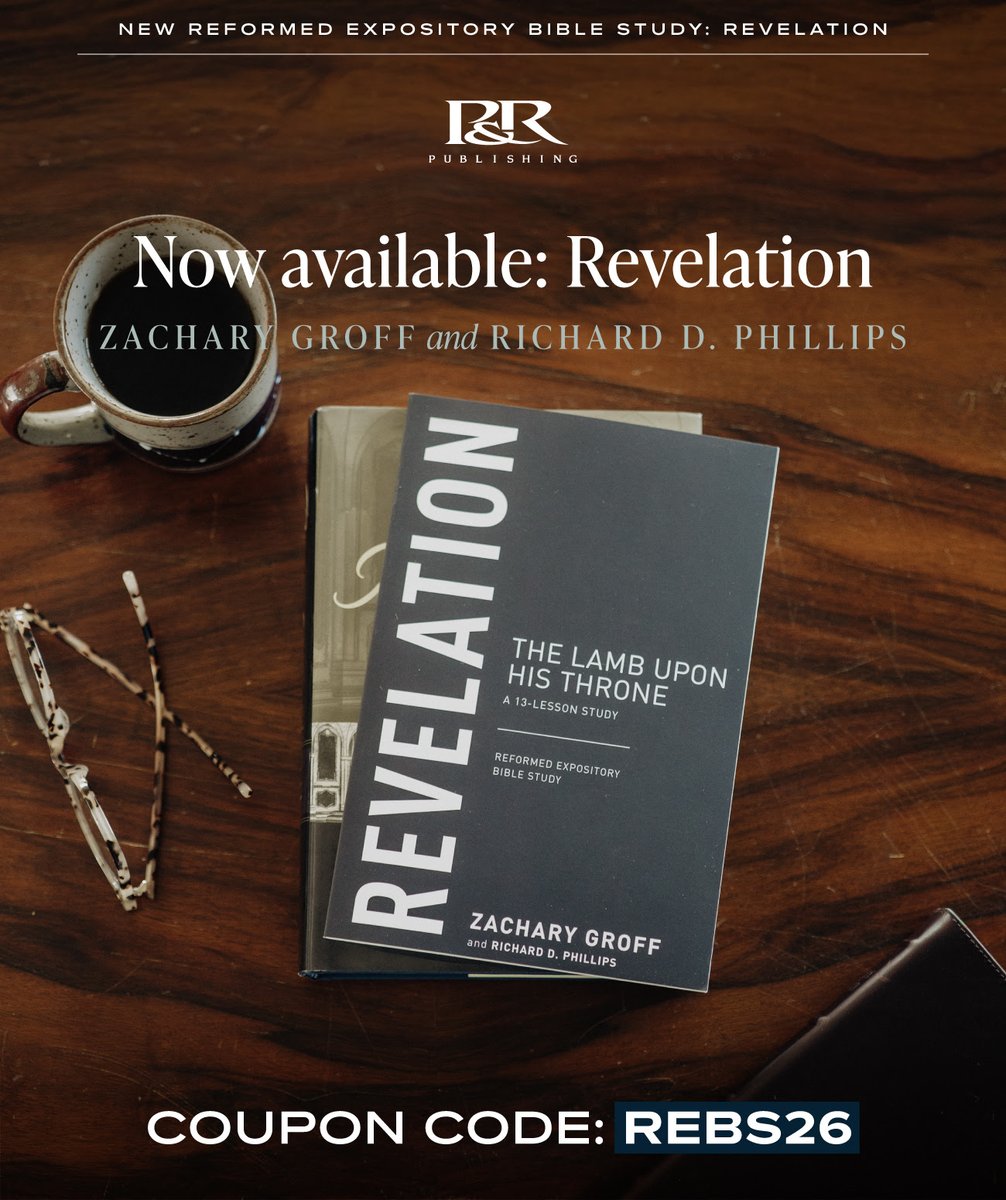
The Revelation REBS volume is now available for purchase. I'm very thankful for @prpbooks, @RDP4Christ, and the opportunity to prepare these Bible study resources for the church.
Check out the thread below for more info...
1
3
21
4,950
"I believe the function of who is to shepherd the church is clearly taught in Scripture." - TE Thomas Rickard in "Christ's Officers Are Sufficient"
More quotes & link in thread below
1
1
185
"The Greek word poimaninō (ποιμαίνω) is used 11 times in the New Testament and always speaks of Christ or His leaders in Christ’s church. The term is connected to the role of authority (Rev. 2:27). It is clearly linked to those who oversee the church (Acts 20:28; 1 Pet. 5:1–4)."
1
144
128
Presbyterian Polity retweeted
Apr 20
Thus, I think your premise presumes too much. Our Standards express the rule of faith and practice in the Scriptures, publicly, and should be followed as such.
1
2
27
1,184
Presbyterian Polity retweeted

Apr 20
So many PCA elders on here seem to be so insistent on wanting us to be able to have interactions with Christ, or some representation of Him, that doesn't lead to worship. That seems opposed to the whole system of the Scriptures!
3
1
26
1,808
Presbyterian Polity retweeted

Mar 16
@logcollegepress @GPTSeminary I want to buy a copy of "The Case for Full Subscription to the Westminster Standards in the Presbyterian Church in America" and/or "The Presbyterian Debate: Studies in Presbyterian Polity" Where are they sold?
4
1
8
967
“Within courts and organizations, there are different opinions on various matters. However, some aspects of the PCA are not open to discussion, such as the fact that the ordained offices in Christ’s Church are open only to qualified, godly men.” - Thomas Rickard
Link 👇
1
2
7
377
Presbyterian Polity retweeted

Apr 18
The Presbyterian Church in America (A Corporation) is registered in the state of Delaware and is registered as a foreign corporation in Georgia, Missouri, Mississippi and Washington. Mississippi requires no annual registration.
4
2
20
4,631
Presbyterian Polity retweeted
Apr 18
You are a serious interlocutor, and I highly respect you. And so I am going against my typical practice, and engaging here. But, litigating the nuances of published doctrine over social media is fraught with danger. I have no appetite to wade into this. Nevertheless...
BCO 21-4.f-g do not conflict with Preliminary Principle 4, which says "No opinion can be more pernicious or more absurd than that which brings truth and falsehood upon the same level." The presentation of true doctrine published by the PCA is the Westminster Confession of Faith and Catechisms as adopted by the PCA. Any difference with that presentation (i.e., published standard, but not ultimate infallible rule) of true doctrine ruled to be a "difference of doctrine" and thereby "grant[ed as] an exception "(BCO 21-4.g) is technically something different than what the Church itself publishes as true. Merely semantic differences (i.e., scruples, as described in RAO 16-3.e.7.b.) are not registered or granted as exceptions, as they do not trespass against the published doctrine of the Church. In matters of doctrine, there are true and false and neutral matters.
Preliminary Principle 5 refers to matters which are doctrinally neutral for the determination of Christian orthodoxy (e.g., supra/infralapsarianism, amill/postmill, even the precise mechanics of how guilt is imputed, the issue of traducianism/creationism). Preliminary Principle 4 warns against elevating that which the Church regards as a difference with the truth (i.e., error) to the same level as the truth itself.
If the Church does not publish the doctrinal standards of the Church as "truth," then what does it publish the doctrinal standards as being?
Going to a birthday party now, and so I will not be able to respond very quickly.
3
45
3,130
Presbyterian Polity retweeted
Apr 18
The burden of proof for diverging from the Westminster Standards or the reformed tradition lies not with those who uphold them but rather those who depart from them.
9
40
187
10,770
Dr. Michael Mock has contributed two essays on matters of critical importance in Presbyterian churches:
1) Sola Familia: When Family Ties Divide
2) Our Common Confession: What Unites Brothers
You do not want to miss these important pieces.
Links in thread below.
1
2
225
1
151
140