Joined July 2011
- Tweets 82
- Following 120
- Followers 222
- Likes 35
5 Photos and videos
Pelletier Lab retweeted

Apr 2
Pleased to share our latest study using super resolution to show that a pathogenic Tau mutation drives autophagy-lysosome dysfunction that limits Tau degradation in a model of frontotemporal dementia by the amazing Dr Mirfakhar 🔬🧫 nature.com/articles/s41467-0…
2
24
129
6,726

Mar 31
RT @CGCHenderson: Congrats to Tiger Jian on leading this innovative study advancing vascularized human organoids for therapeutic testing. G…
1

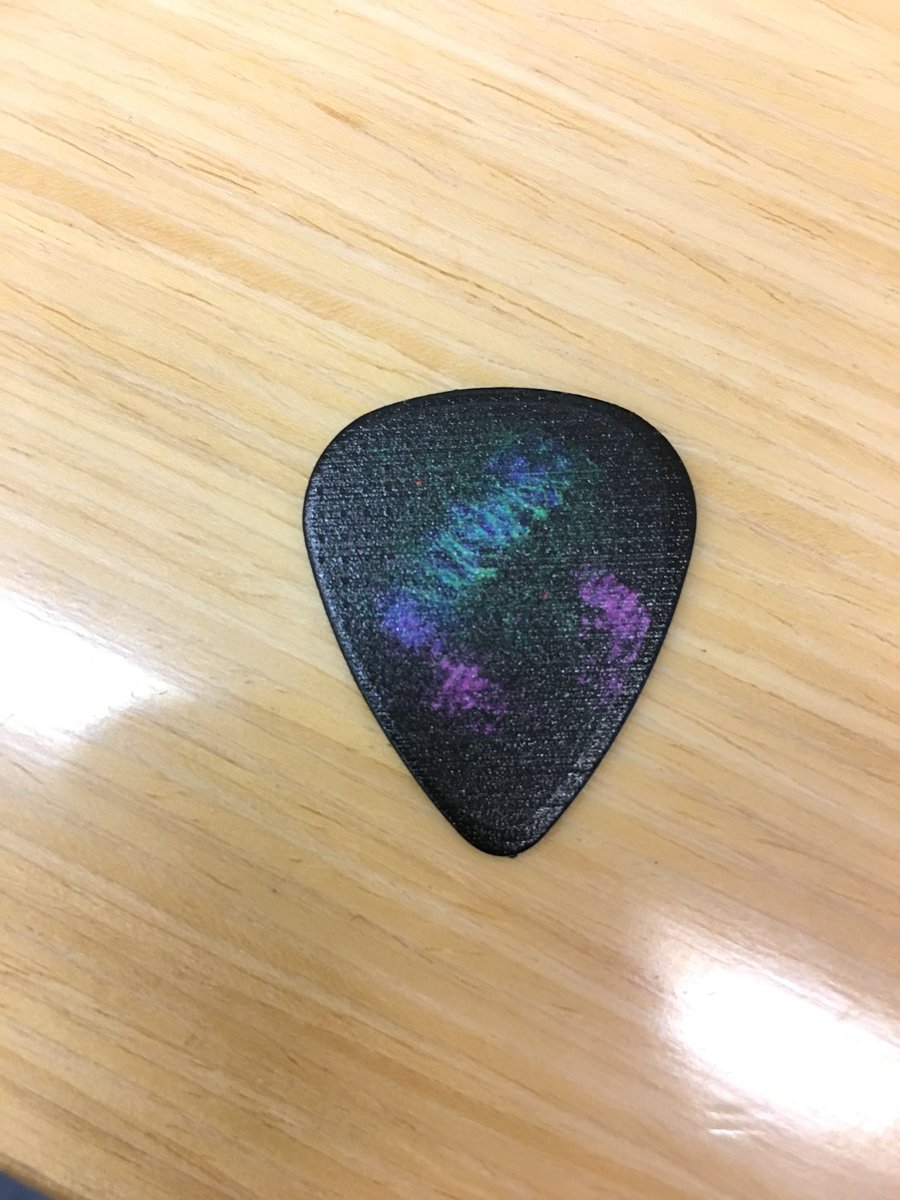
Chromosomes stuck behind the spindle are ticking time bombs for aneuploidy. We uncovered a mechanical rescue mechanism where microtubule pivoting repositions these high-risk chromosomes! Out last week in @NatureComms, here's a thread 🧵
shorturl.at/OD89x
3
47
128
10,054
Pelletier Lab retweeted

Mar 27
Consider collab. w. Arlotta Lab, (Harv.) they have had multi-cell organoids (neuro) for some time are prob. interested in implementing vascularization. Best of luck!
1
3
202
Mar 26
Check this one out!
Mar 25

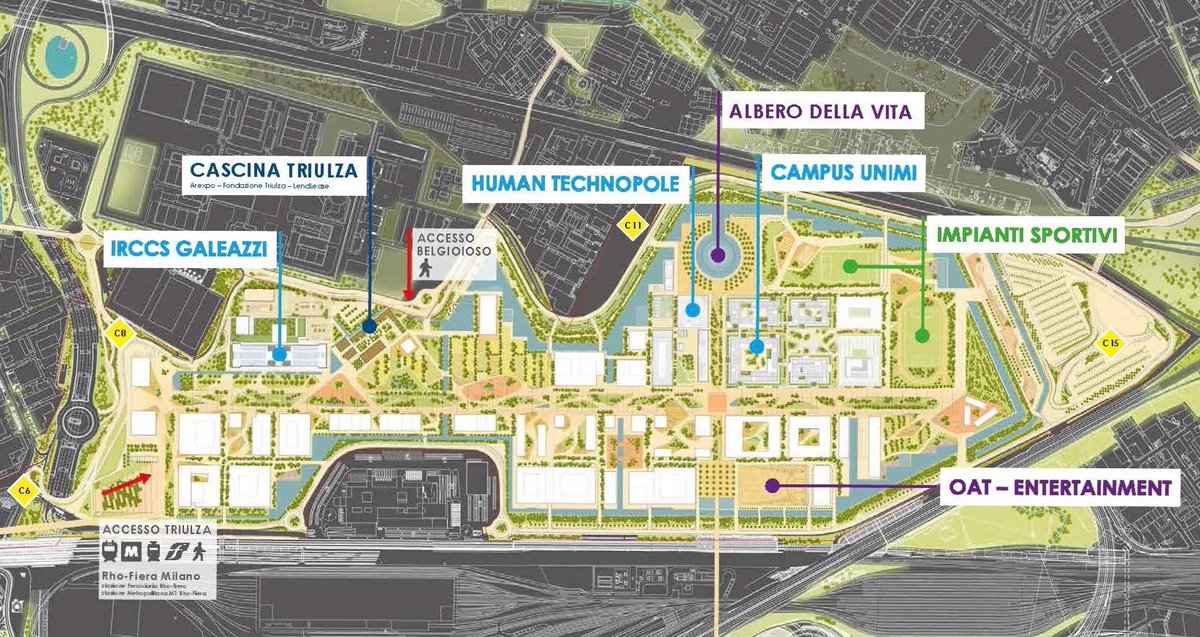
🚨 We are hiring! Personally, I think this is a fantastic job, good salary, and fun work place with exceptional colleagues @humantechnopole.
⚠️ Warning, I’m quite biased… but still right! 😜
Join us! Apply!!! 🎉
careers.humantechnopole.it/j…
1
341
Pelletier Lab retweeted

Mar 24
Congratulations to Dr. Keiran Campbell, investigator at LTRI, on receiving the Canadian Society of Molecular Bioscience’s New Investigator Award (@CSMB_SCBM), recognizing his achievements and leadership in computational cancer biology 👏
#SinaiHealth #LTRI #CancerResearch
2
10
586
Pelletier Lab retweeted

Mar 26
This is fascinating! By introducing physiological vascular flow in vitro, you're opening new avenues for understanding how hemodynamic forces shape vascular architecture. Have you observed any significant differences in the vascularization of organoids compared to native tissues? And how might these insights help in developing treatments for Hereditary Hemorrhagic Telangiectasia? For more on such exciting biomedical topics, check out Sci-Quest, a one-stop platform to generate comprehensive reviews: sciqst.com #VascularBiology #Medicine #BiomedicalResearch
1
2
157
Pelletier Lab retweeted

Mar 25

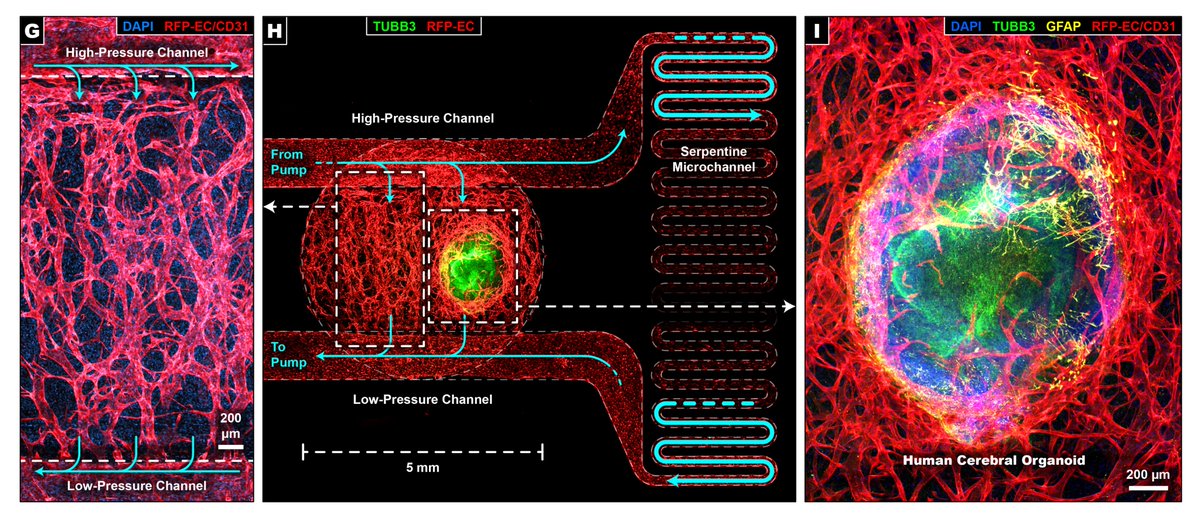
(1/6): How can we better test therapeutics without using animals or risking lives? Lab-grown human mini-organs, called “organoids”, provide an answer! Despite their progress, organoids and related methods lack realistic flow through blood vessels, the “plumbing” of our bodies.
3
13
1,090
Pelletier Lab retweeted

Mar 25
Perfusing lab-grown mini-organs revolutionizes the current model systems.
Grateful to be part of this incredible team at @SinaiHealth and @UofT. Credits: @tigerhzjian @CallumJStirton @PelletierLab
Check out our preprint for more exciting science:
lnkd.in/eXwi7NtY
Mar 25
(1/6): How can we better test therapeutics without using animals or risking lives? Lab-grown human mini-organs, called “organoids”, provide an answer! Despite their progress, organoids and related methods lack realistic flow through blood vessels, the “plumbing” of our bodies.
4
15
1,334
Pelletier Lab retweeted

Mar 26
First time I’ve seen real scientific figures that look like those absurdly inaccurate magical science clips shown in movies or tv series. Kudos to the authors for making them so attractive! -and for their paper, of course-
Mar 25
(1/6): How can we better test therapeutics without using animals or risking lives? Lab-grown human mini-organs, called “organoids”, provide an answer! Despite their progress, organoids and related methods lack realistic flow through blood vessels, the “plumbing” of our bodies.
4
35
2,525
Pelletier Lab retweeted

Mar 26
Incredible stuff from Tiger in Pelletier lab
Mar 25
(1/6): How can we better test therapeutics without using animals or risking lives? Lab-grown human mini-organs, called “organoids”, provide an answer! Despite their progress, organoids and related methods lack realistic flow through blood vessels, the “plumbing” of our bodies.
2
8
720
Pelletier Lab retweeted

Mar 26
Cool! You could likely use in silico models made by Peter Balogh and Prosenjit Bagchi to predict capillary dynamics and RBC partitioning, then use your vascularized organoids to test their predictions.
@PBNeuroVascLab
1
4
466
Pelletier Lab retweeted

Mar 26
Exactly what the field needs! Without vascular flow, organoids lack critical mechanical cues. Your pump-integrated platform solves this with elegant simplicity. Outstanding work! 👏
1
6
539
Pelletier Lab retweeted

Mar 25
(1/6): How can we better test therapeutics without using animals or risking lives? Lab-grown human mini-organs, called “organoids”, provide an answer! Despite their progress, organoids and related methods lack realistic flow through blood vessels, the “plumbing” of our bodies.
5
50
265
27,879
Pelletier Lab retweeted
Mar 25
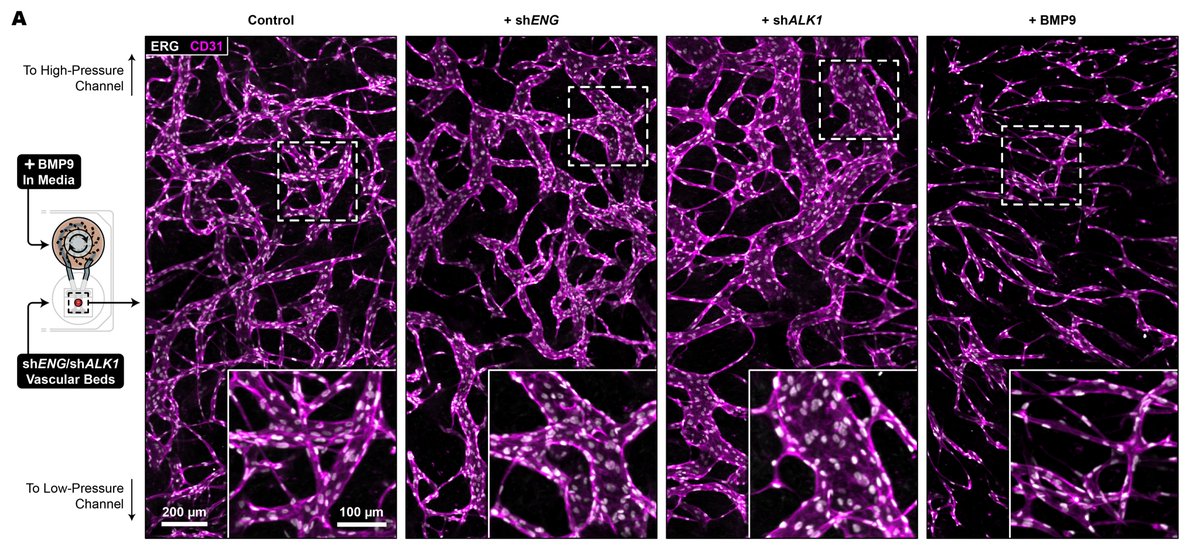
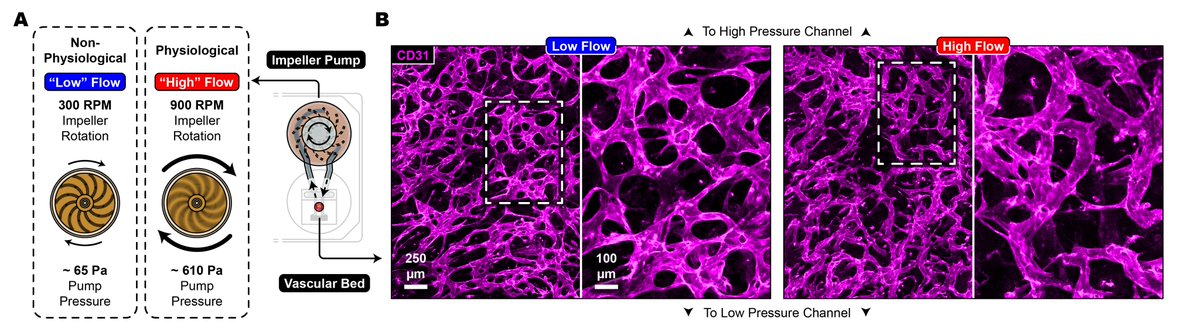
(1/7): New preprint from the lab! We generate physiological vascular flow in vitro to vascularize organoids, interrogate the effects of hemodynamic forces on vascular architecture, and model the disease Hereditary Hemorrhagic Telangiectasia.
2
31
133
8,682
Mar 25
(1/7): New preprint from the lab! We generate physiological vascular flow in vitro to vascularize organoids, interrogate the effects of hemodynamic forces on vascular architecture, and model the disease Hereditary Hemorrhagic Telangiectasia.
2
31
133
8,682
Mar 25
(6/7): This work was led by @tigerhzjian and powered by an amazing team @UofT & @SinaiHealth. Credits to @Sivitilli91, @EllaYaxinGuo, @callum_stirton and @JessicaGosio, and the labs of Dr. Laurence Pelletier, Dr. Jeff Wrana (@jeffwranalab), and Dr. Liliana Attisano.
1
4
339
Mar 25
(7/7): Check out our preprint, @tigerhzjian for a related post, and stay tuned for more!
biorxiv.org/content/10.64898…
3
287