
Joined January 2021
- Tweets 37
- Following 236
- Followers 161
- Likes 609
8 Photos and videos
Pinned Tweet

Jan 11
Excited to share this work on biasing protein conformational occupancy, now out in @ScienceMagazine, co-led with Andrew Xue. Check out Alice's thread, and video (x.com/aliceyting/status/2009…)
I want to expand on a few things we learned along the way..
1/9
Jan 8

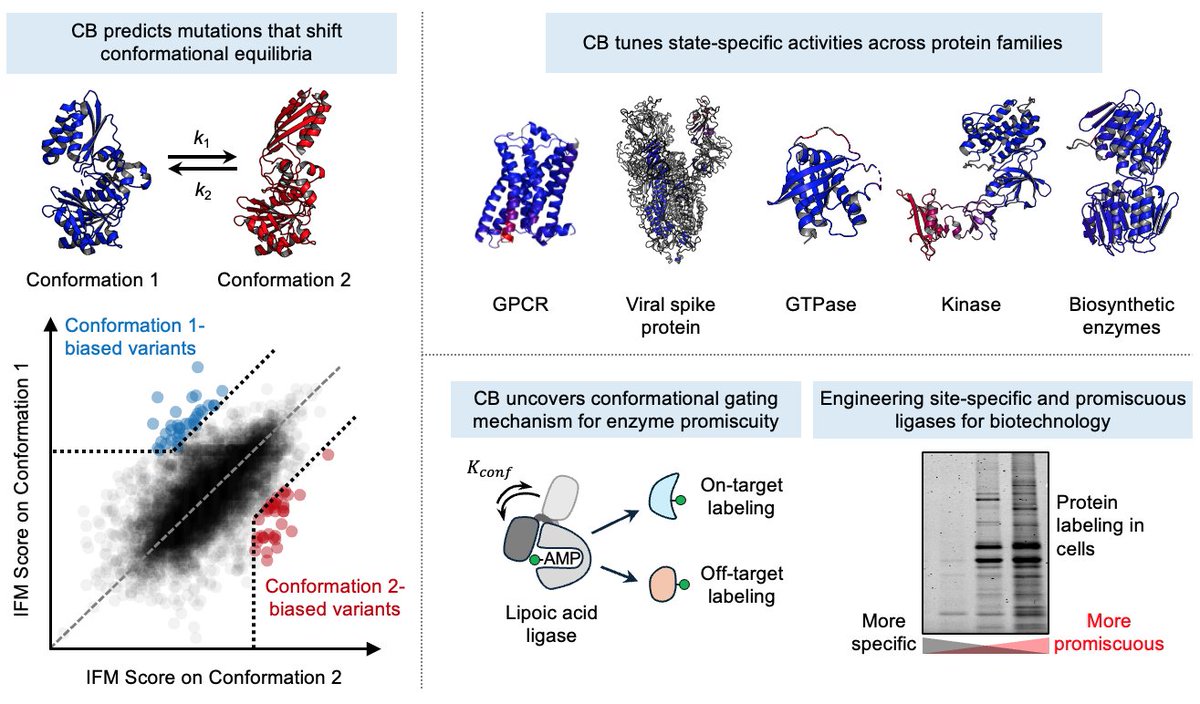
Can we design mutations that predictably bias proteins towards desired conformational states?
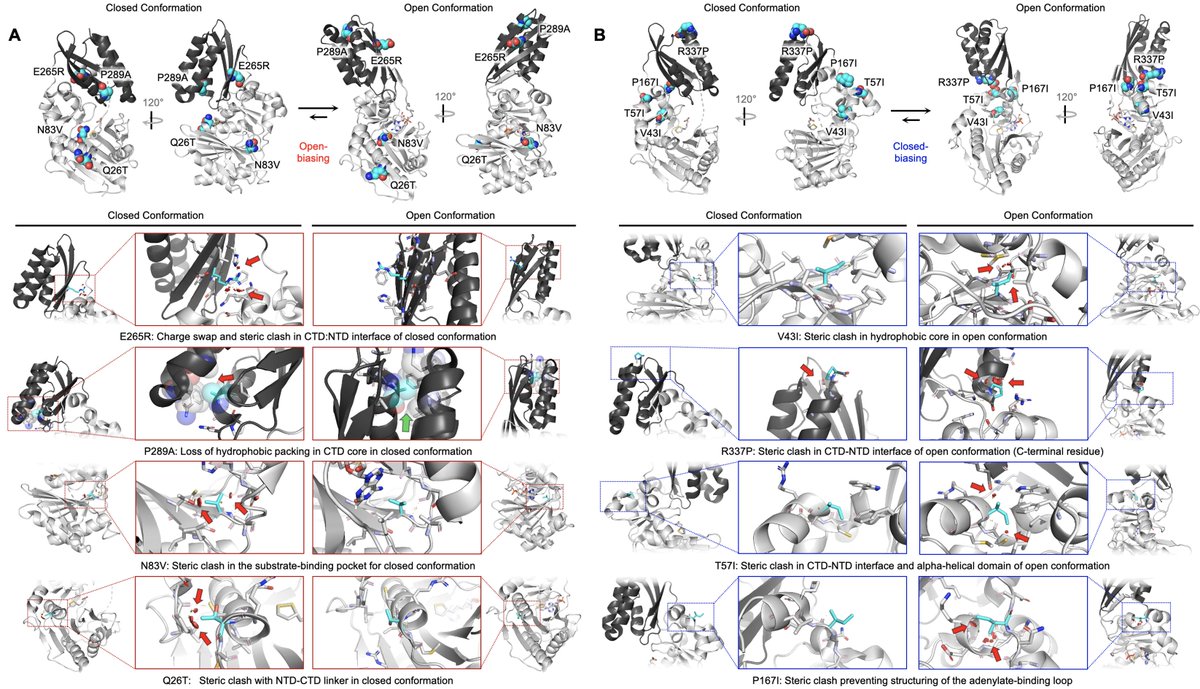
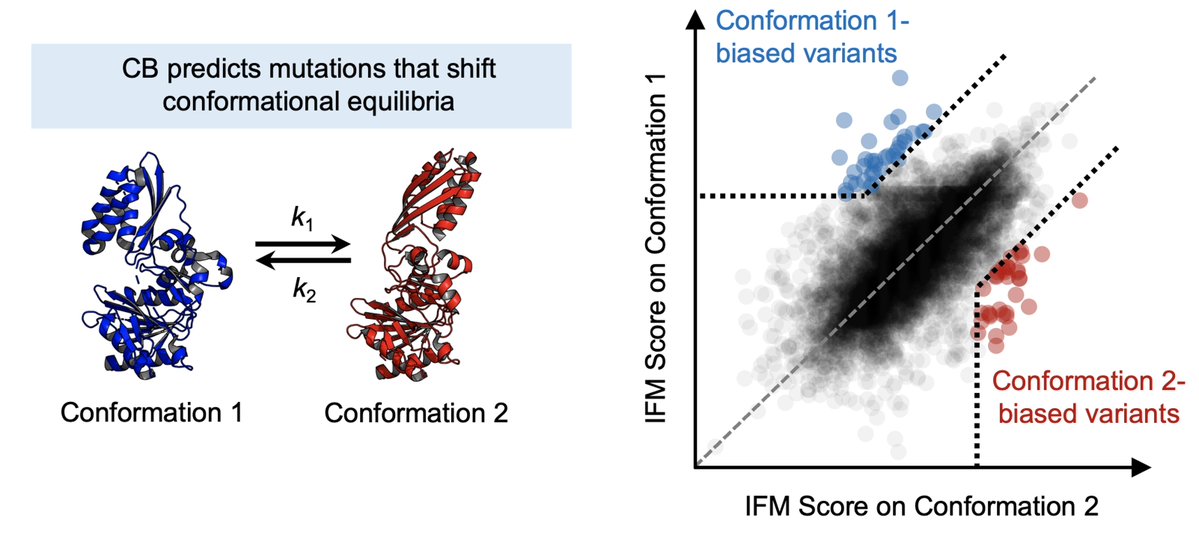
Today in @ScienceMagazine, we introduce Conformational Biasing (CB), a simple and scalable computational method that uses contrastive scoring by inverse folding models to identify conformation-biasing mutations.
science.org/doi/10.1126/scie…
9
13
116
36,535
Peter E Cavanagh retweeted

Next Tues (3/3) at 4PM ET, @PeterECavanagh
and Andrew Xue will present "Computational design of conformation-biasing mutations to alter protein functions"
Paper: science.org/doi/10.1126/scie…
Then, on Wed (3/4) at 4PM ET, @sarahgurev will give an early-career talk!
3
22
6,855
Jan 11
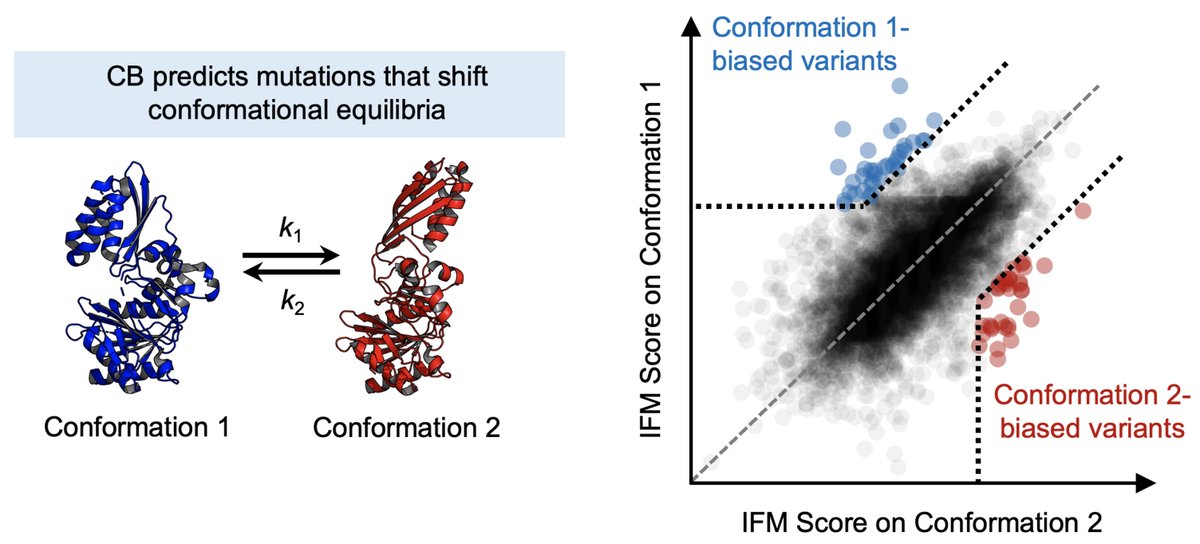
Excited to share this work on biasing protein conformational occupancy, now out in @ScienceMagazine, co-led with Andrew Xue. Check out Alice's thread, and video (x.com/aliceyting/status/2009…)
I want to expand on a few things we learned along the way..
1/9
Jan 8
Can we design mutations that predictably bias proteins towards desired conformational states?
Today in @ScienceMagazine, we introduce Conformational Biasing (CB), a simple and scalable computational method that uses contrastive scoring by inverse folding models to identify conformation-biasing mutations.
science.org/doi/10.1126/scie…
9
13
116
36,535
Jan 11
Limitations
In the paper, we discuss a number of limitations of CB, but an important one is that CB has low recall. It is quite good for protein design: the mutations CB predicts with the highest biasing scores are highly enriched for the desired conformational effect. But if you want to know the conformational effect of your variant of interest, CB simply may not pick up the signal.
Andrew made CB easily accessible: (github.com/alicetinglab/Conf…) Just note, the structures you input must be relevant conformational states of your protein. CB works with AlphaFold-predicted structures, and with variants >1 mutation from the wild type sequence, but there will definitely be limitations here as well.
8/9
1
4
323
Jan 11
I'm incredibly grateful to have worked with such an exceptional team: Andrew Xue, @ShizhongD, Albert Qiang, Tsutomu Matsui, and @aliceyting. Check out our paper here: science.org/doi/10.1126/scie…
9/9
292
Jan 11
Design with specificity
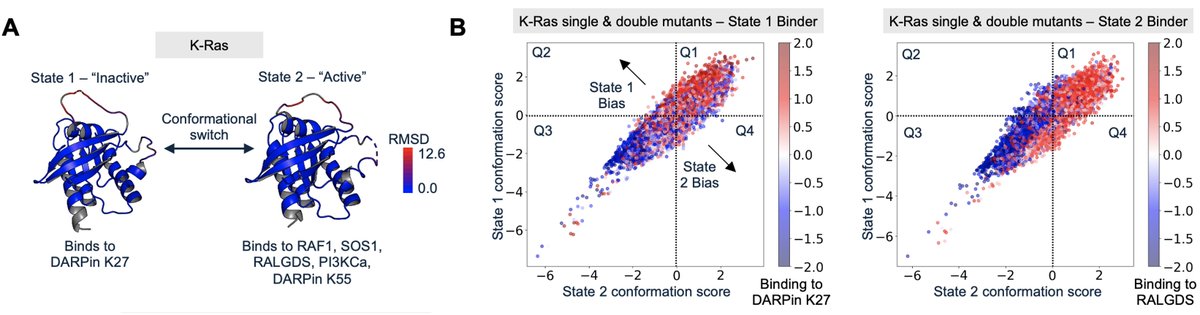
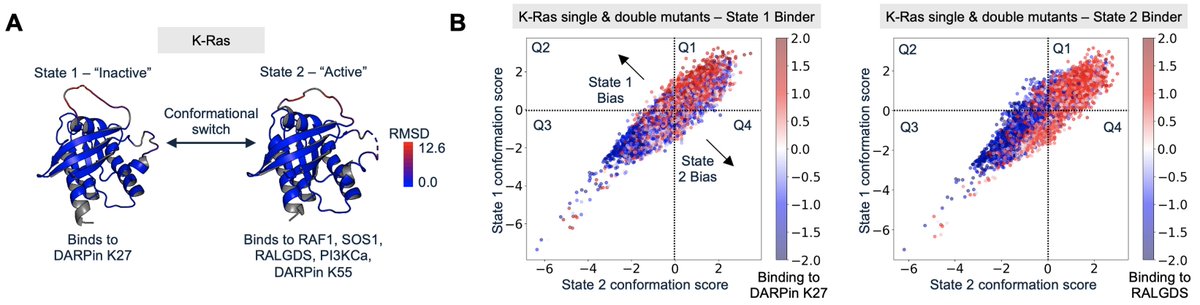
We first validated CB on 7 Deep Mutational Scanning (DMS) datasets of proteins with conformation-specific functionality. One example is the small GTPase K-Ras, for which Weng et al. (nature.com/articles/s41586-0…) experimentally evaluated >30,000 single and double variants for binding to a panel of state-specific K-Ras binders. This dataset included binders to both inactive and active states of K-Ras, allowing us to test whether CB indeed is tuning protein conformation with specificity towards each desired conformational state.
3/9
1
2
110
Jan 11
Experimental validation
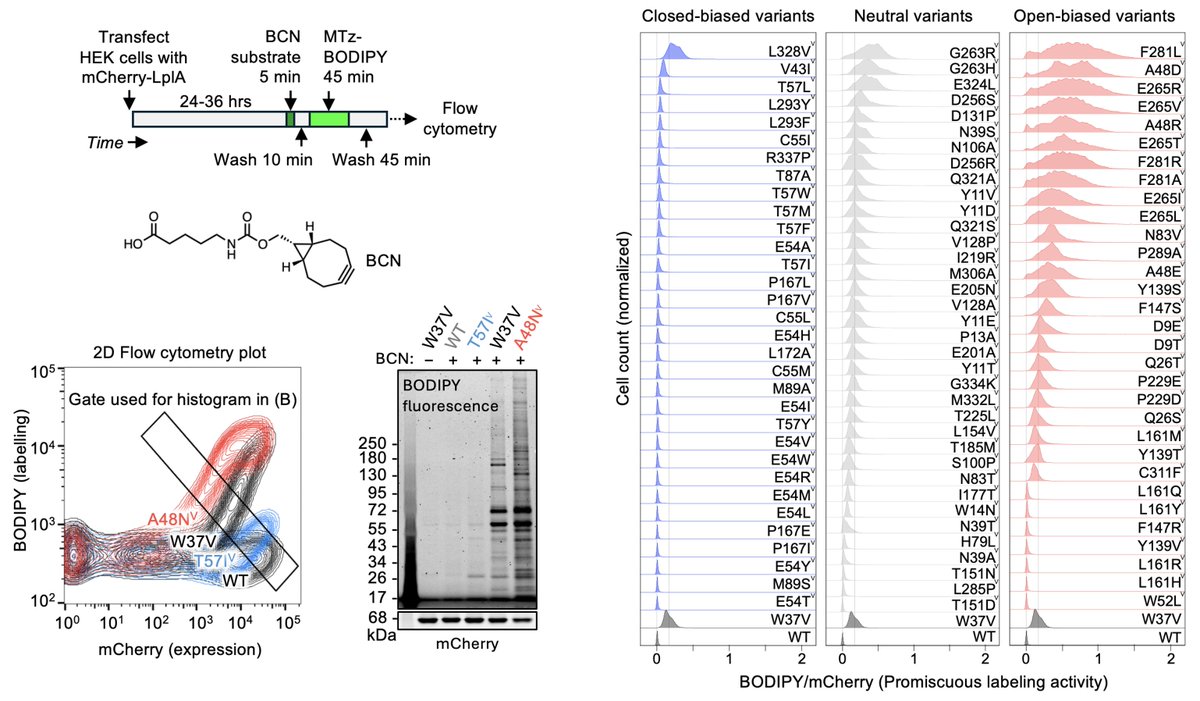
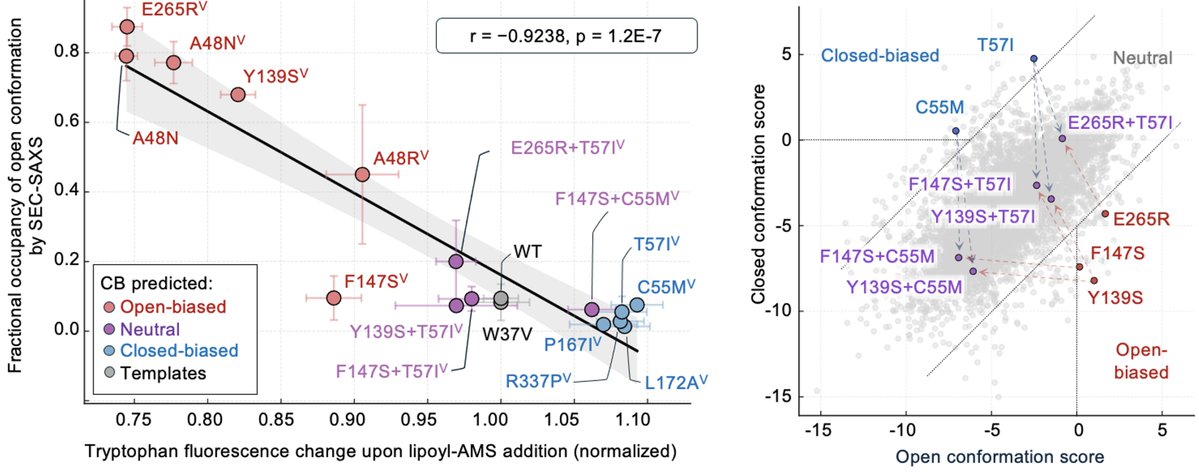
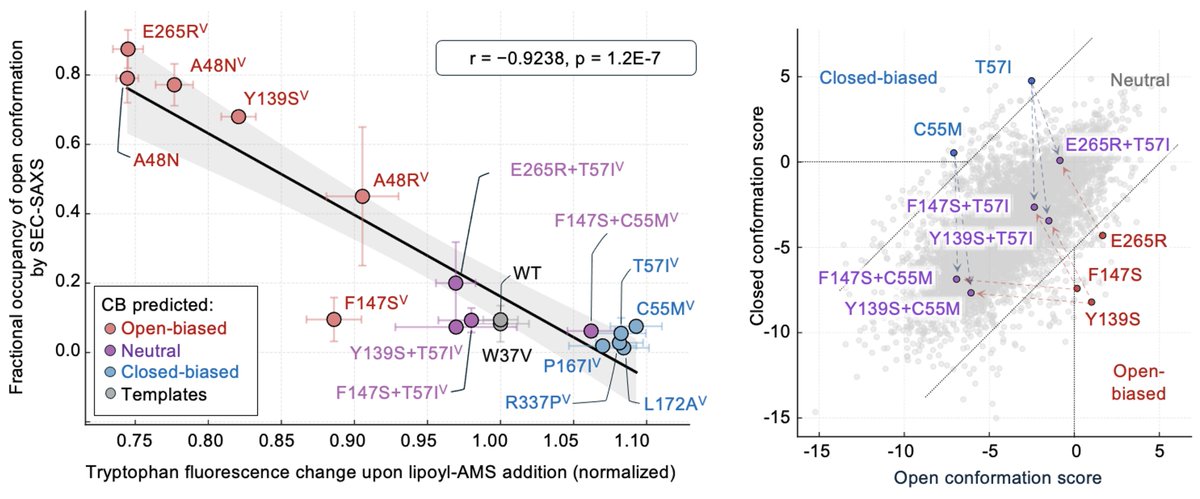
We validated CB with 6 more DMS datasets and then applied this method to the E. coli enzyme Lipoic Acid Ligase (LplA). We wanted to test whether CB-predicted variants of LplA were biasing the conformational equilibrium by more directly measuring conformational occupancy, so we teamed up with Tsutomu Matsui from SLAC to use SEC-SAXS to study LplA’s conformational state. As an orthogonal method, we used a tryptophan intrinsic fluorescence assay to also measure conformational occupancy of LplA variants. Trp-fluorescence and SAXS showed good agreement (see figure below) and indicated that the selected biasing mutations indeed shifted LplA towards the intended conformational state. “Neutral”-predicted double mutants (purple), made by combining “open” (red) and “closed” (blue) mutations, were measured to be intermediate in their conformational state.
88
Peter E Cavanagh retweeted

10 Sep 2025
Excited to share the first paper from my lab in @Nature ! We repurposed the widely used research tool, proximity labeling, to demonstrate its therapeutic potential in antigen amplification for immunotherapy using mouse tumor models and patient samples.
nature.com/articles/s41586-0…
14
97
617
42,544
Peter E Cavanagh retweeted

5 Dec 2024
So excited to share our work developing a new class of modular synthetic GPCRs, out today @Nature! Check it out nature.com/articles/s41586-0…
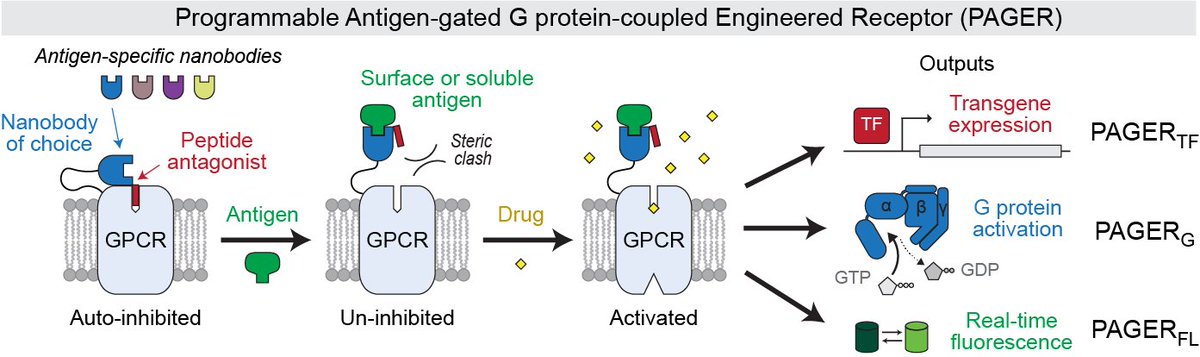
Synthetic receptors that mediate antigen-dependent cell responses are transforming therapeutics, drug discovery and basic research. However, established technologies such as chimeric antigen receptors can only detect immobilized antigens, have limited output scope and lack built-in drug control. Here we engineer synthetic G-protein-coupled receptors (GPCRs) that are capable of driving a wide range of native or non-native cellular processes in response to a user-defined antigen. We achieve modular antigen gating by engineering and fusing a conditional auto-inhibitory domain onto GPCR scaffolds. Antigen binding to a fused nanobody relieves auto-inhibition and enables receptor activation by drug, thus generating programmable antigen-gated G-protein-coupled engineered receptors (PAGERs). We create PAGERs that are responsive to more than a dozen biologically and therapeutically important soluble and cell-surface antigens in a single step from corresponding nanobody binders. Different PAGER scaffolds allow antigen binding to drive transgene expression, real-time fluorescence or endogenous G-protein activation, enabling control of diverse cellular functions. We demonstrate multiple applications of PAGER, including induction of T cell migration along a soluble antigen gradient, control of macrophage differentiation, secretion of therapeutic antibodies and inhibition of neuronal activity in mouse brain slices. Owing to its modular design and generalizability, we expect PAGERs to have broad utility in discovery and translational science.
Huge thanks to my advisor and mentor @aliceyting, fellow Ting lab members and co-authors @ReikaTei, @MatthewRavalin, Bo Cai, and of course, our amazing collaborators @yulonglilab, Yuqi Yan, @SolteszLab, and Peter Klein.
4 Dec 2024
Could one envision a synthetic receptor technology that is fully programmable, able to detect diverse extracellular antigens – both soluble and cell-attached – and convert that recognition into a wide range of intracellular responses, from transgene expression and real-time fluorescence to modulation of innate cell behavior (excitation or inhibition of neurons, induction of cell migration, etc.)?
Today we report in Nature a new technology platform that provides a step in that direction: PAGERs, for Programmable Antigen-gated G protein-coupled Engineered Receptors, convert recognition of extracellular soluble or cell-attached antigens into diverse user-selected responses. PAGERs are based on G-protein coupled receptors (GPCRs), which themselves are not structurally modular, but we were able to build in modular antigen gating by fusing an antagonist peptide to the extracellular N-terminal end, and then gating the antagonist with a fused antigen-binding nanobody. When antigen binds, it sterically interferes with the antagonist, leading to relief of receptor inhibition. Drug or agonist can then turn on PAGER.
nature.com/articles/s41586-0…
3
3
41
4,936
Peter E Cavanagh retweeted

5 Aug 2024
And it’s out! Our lab’s very first paper is published today @naturemethods!
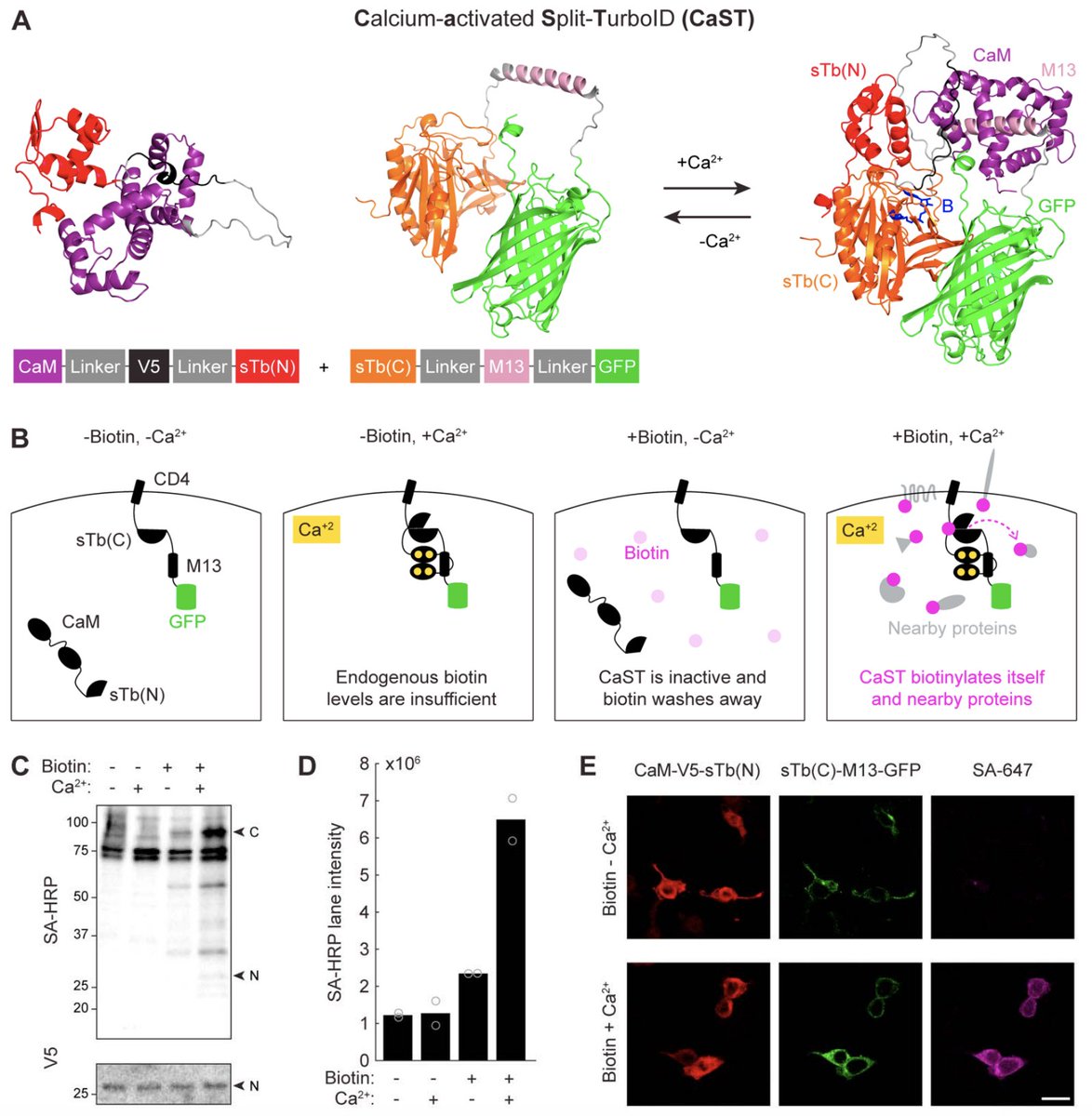
Our calcium-activated split-TurboID (CaST) can biochemically tag activated neurons within 10 minutes, enabling a molecular handle on functionally relevant cell ensembles: tinyurl.com/ddyecxze
11 Sep 2023

Excited to share the first paper from our lab! tinyurl.com/5n7fvwvh We engineered a new kind of time-gated calcium integrator, CaST, that can rapidly and non-invasively tag activated neurons in vivo with a small, biochemical handle. What makes this tool special and unique? 1/6
28
85
467
68,547
Peter E Cavanagh retweeted

13 Mar 2024
We're proud to announce #BaseFold, an #AI model that improves 3D protein structure prediction by up to 6X and small mol docking by up to 3X when compared to #AlphaFold2 - DM us to see how we can accelerate your #drugdiscovery / #proteinengineering efforts: pharmaphorum.com/news/baseca…
16
65
5,695
Peter E Cavanagh retweeted

8 Mar 2024
We are recruiting! Open projects related to enzyme engineering, protein directed evolution, computational protein design, spatial proteomics, RNA tools, protein therapeutics, and molecular technology development for cell biology and neuroscience.
We especially welcome trainees with backgrounds in chemical biology, machine learning, enzyme biochemistry, and molecular biology to join our team! We value diversity and aim to foster an inclusive and supportive environment for trainees. Please reach out to ayting@stanford.edu to learn more!
3
92
245
72,090

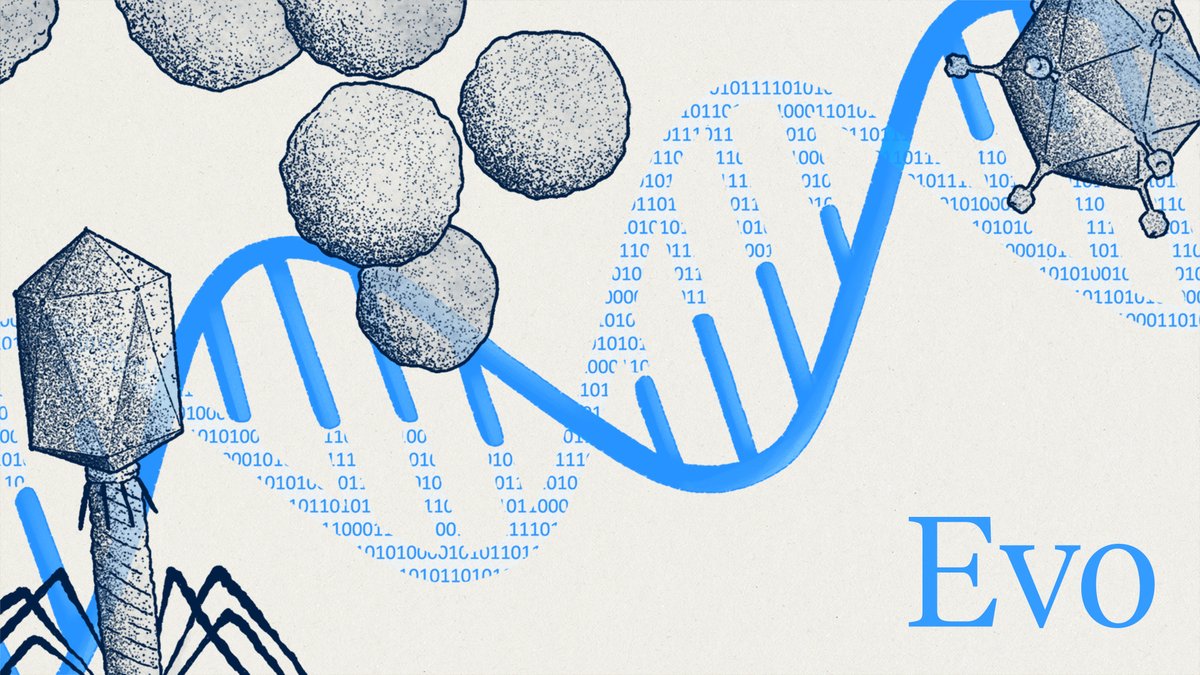
In some new work (the first from the new lab!), we lay out a vision for a biological foundation model that unites DNA, RNA, and protein modalities and operates at molecular, systems, and genome levels of scale.
Blog: arcinstitute.org/news/blog/e…
Preprint: arcinstitute.org/manuscripts…
14
144
657
163,180