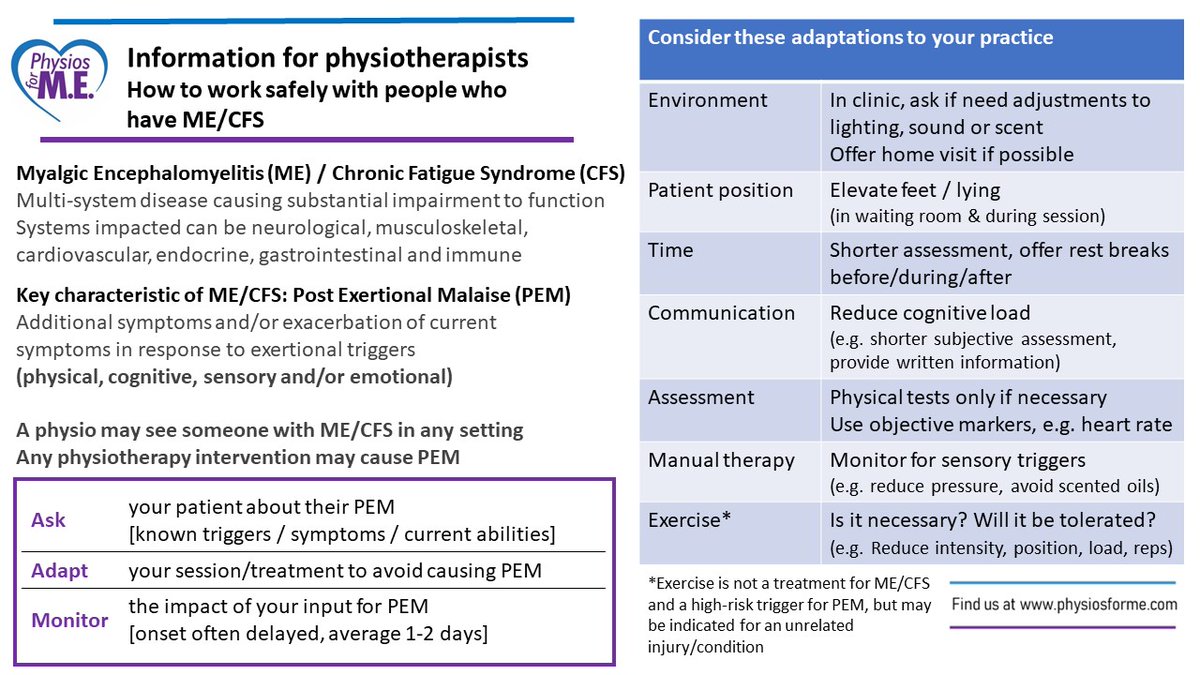
A group of physiotherapists with a special interest in Myalgic Encephalomyelitis (ME) with the aim to improve physiotherapy management for people with ME
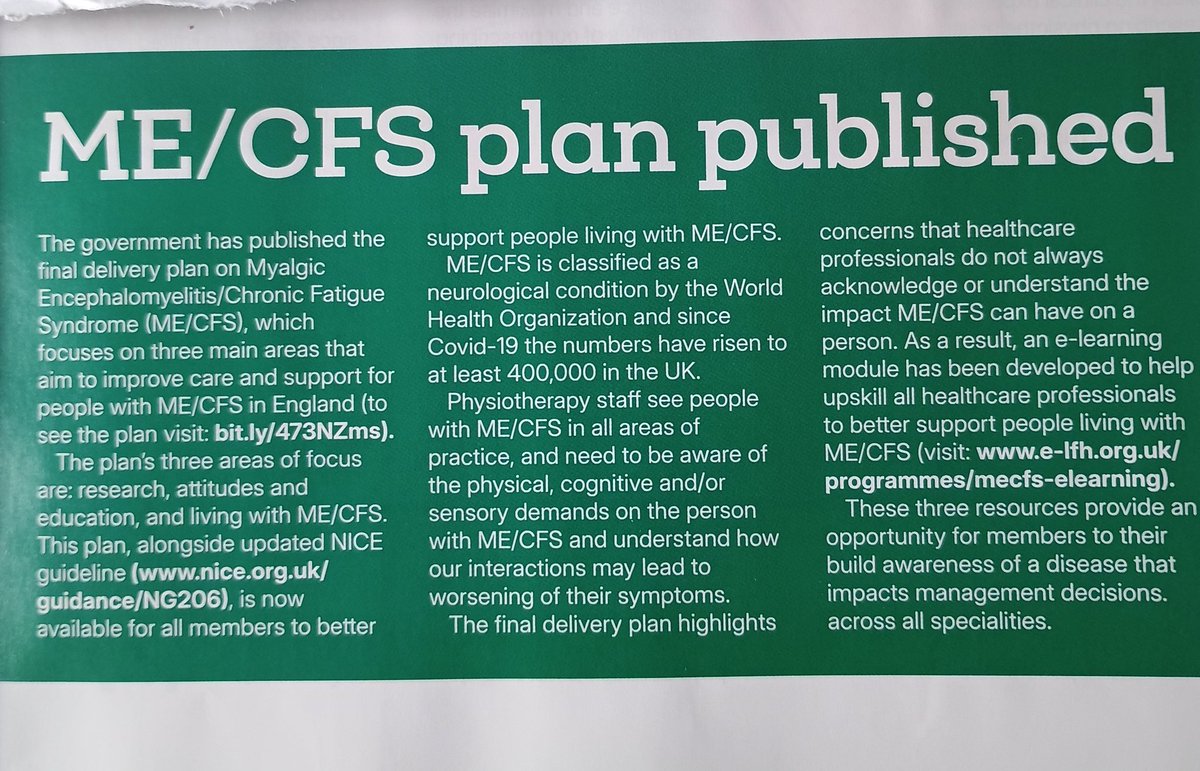
This #MEawarenessDay we are delighted to have an article published in in the Chartered Society of Physiotherapy's magazine "Frontline", which goes out to all chartered physiotherapists in the UK (that's over 67,000!)
csp.org.uk/frontline/article…
The article is called:
"Do no harm: supporting people with ME/CFS.
How can physiotherapists provide effective therapies while ensuring patients with this debilitating condition feel safe and supported? "
Publishing an article like this has been one of our goals since we first formed as a group, so we are delighted to have an article published in a publication with such reach, and that the @thecsp have taken this matter with the seriousness it deserves.
physiosforme.com/post/me-awa…
1. Training of #hcps
People with #ME/CFS and #longcovid I need your thoughts and ideas please.
I would like to develop simulation training for all #hcps. We now use a lot of simulation which means that we can simulate severe #ME and #longcovid in a hospital setting.
Q for #pwME who have given birth (while diagnosed with ME).
Which kind of birth (vaginal birth or C-section) would be most tolerable for pwME? (As tolerable as these things can be!!)
Social Prescriber just sent me a list of activities. They really don’t understand:
- adapted cycling
- ME in-person support group (2hr sessions)
- living well sessions (2.5hrs a week)
Have replied to explain I have about 30 mins usable energy per day, mostly for food prep.
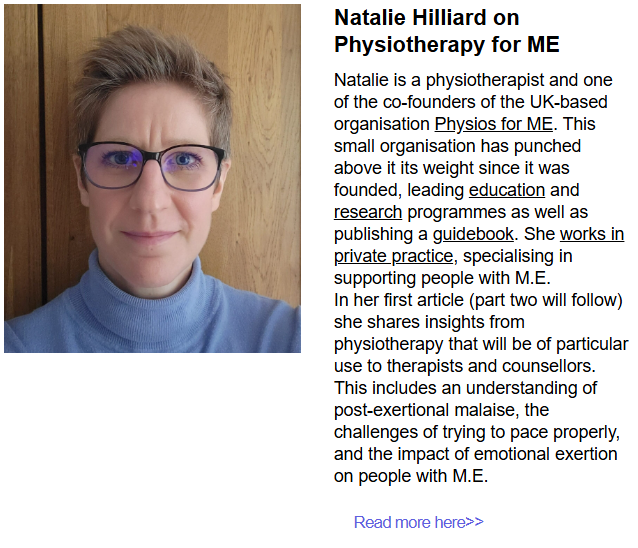
ALT Photo of Natalie Hilliard
Natalie Hilliard on Physiotherapy for ME
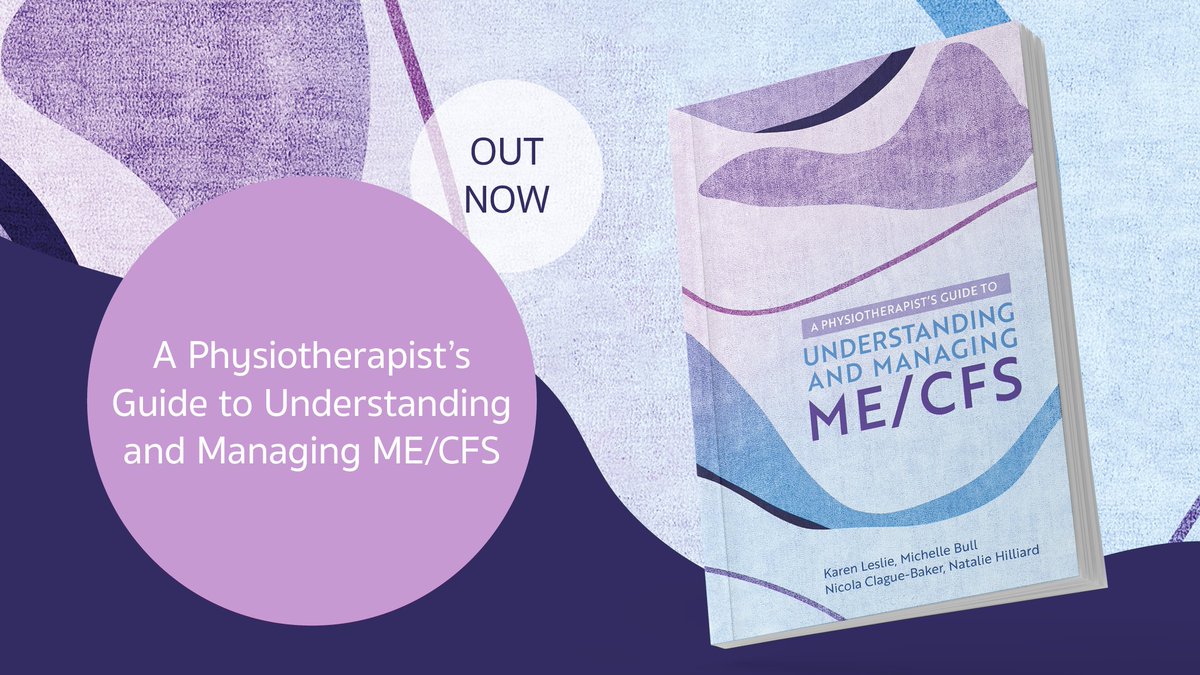
Natalie is a physiotherapist and one of the co-founders of the UK-based organisation Physios for ME. This small organisation has punched above it its weight since it was founded, leading education and research programmes as well as publishing a guidebook. She works in private practice, specialising in supporting people with M.E.
In her first article (part two will follow) she shares insights from physiotherapy that will be of particular use to therapists and counsellors. This includes an understanding of post-exertional malaise, the challenges of trying to pace properly, and the impact of emotional exertion on people with M.E.
Read more here>>
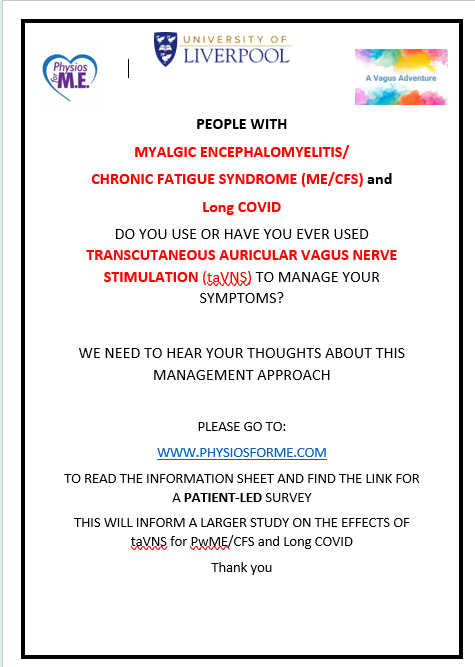
One last post to highlight this survey. If you have #ME/CFS or #Longcovid and have tried hyperbaric oxygen please complete this survey. All experiences important. You can stop and complete at a different time allowing you to pace. Thanks @PhysiosForMEphysiosforme.com/post/new-su…
This is where in-patient physiotherapists could really be advocates and lead in promoting safe care for people with severe ME.
Setting up suitable environments, guidelines on safe handling - it's all in our skillset if we have the knowledge
@thecsp
My relative w severeME is having a predictably awful time in hospital. She is not believed about her own illness. Family advocate but we can only be there during visiting hours.
New Survey now out: experiences of people with ME and Long Covid with hyperbaric oxygen / oxygen therapy.
Please share widely.
For all the info and survey link, head on over to
physiosforme.com/o2survey
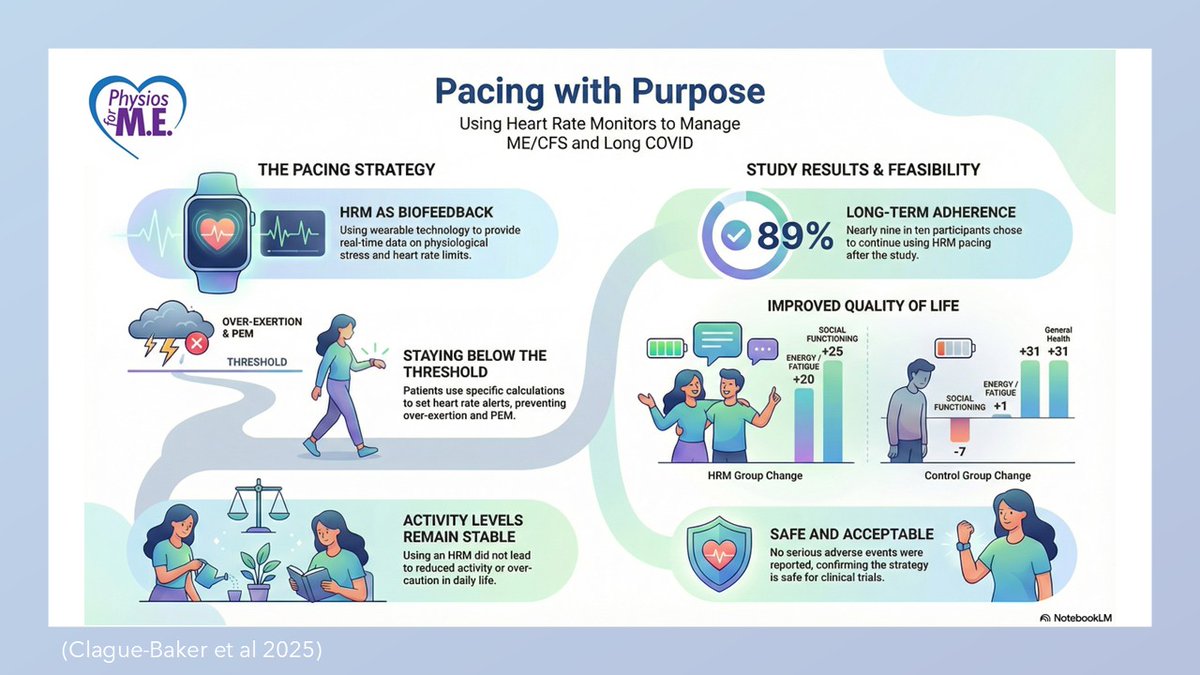
This AI generated infographic below summarises our @PhysiosForME feasibility study of heart-rate monitoring to support pacing, which found the protocol was feasible, well tolerated and well received, with high levels of continued use after the study ended. 4/5
Today I had the pleasure of speaking with @randkmegroup about pacing in ME/CFS, with a particular focus on how wearables might support pacing and symptom management.
In preparing the talk, I looked at the emerging research on wearable-supported pacing including.. 1/5
Open Letter to British Association for Clinicians in ME/CFS (BACME) in Response to the Document ‘Guide to Therapy’, 2025
s4me.info/threads/an-open-le…
Letter authors
Jonathan Edwards (professor of connective tissue)
Michelle Bull (physiotherapist)
Joan Crawford (psychologist)
#MEcfs
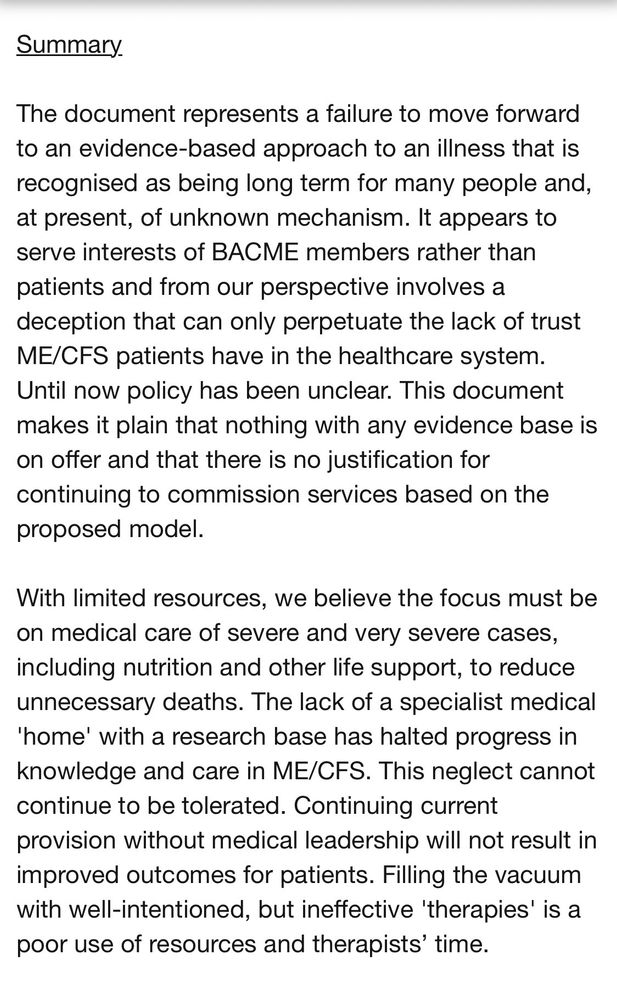
ALT Summary The document represents a failure to move forward to an evidence-based approach to an illness that is recognised as being long term for many people and, at present, of unknown mechanism. It appears to serve interests of BACME members rather than patients and from our perspective involves a deception that can only perpetuate the lack of trust ME/CFS patients have in the healthcare system. Until now policy has been unclear. This document makes it plain that nothing with any evidence base is on offer and that there is no justification for continuing to commission services based on the proposed model. With limited resources, we believe the focus must be on medical care of severe and very severe cases, including nutrition and other life support, to reduce unnecessary deaths. The lack of a specialist medical 'home' with a research base has halted progress in knowledge and care in ME/CFS. This neglect cannot continue to be tolerated. Continuing current provision without medical leader
After one week - 76 survey responses and nearly 15 people to interview. Thank you all for taking part and using your valuable energy. Please share. Plenty of time - open until end of March. If needed it can be paused and continued at another time. Thank you @PhysiosForME
New Survey now out: experiences of people with ME and Long Covid with hyperbaric oxygen / oxygen therapy.
Please share widely.
For all the info and survey link, head on over to
physiosforme.com/o2survey