
We provide free, open source software to compute the impact of public policy. See our global account @ThePolicyEngine and UK account @PolicyEngineUK.
Joined January 2023
- Tweets 500
- Following 93
- Followers 893
- Likes 302
139 Photos and videos



May 27
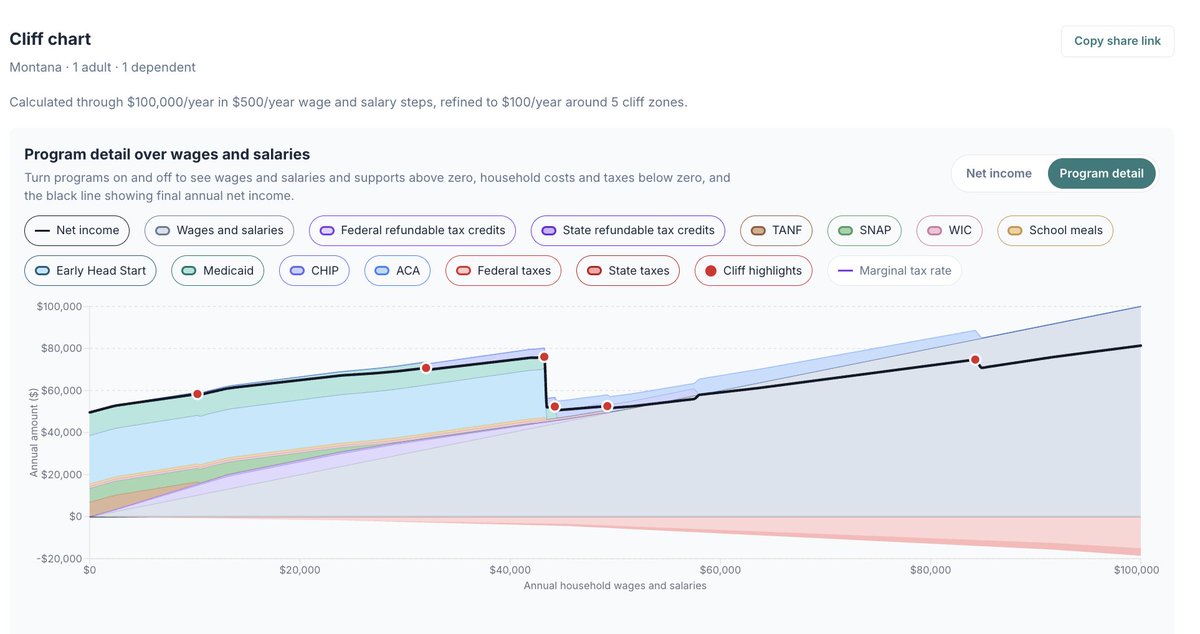
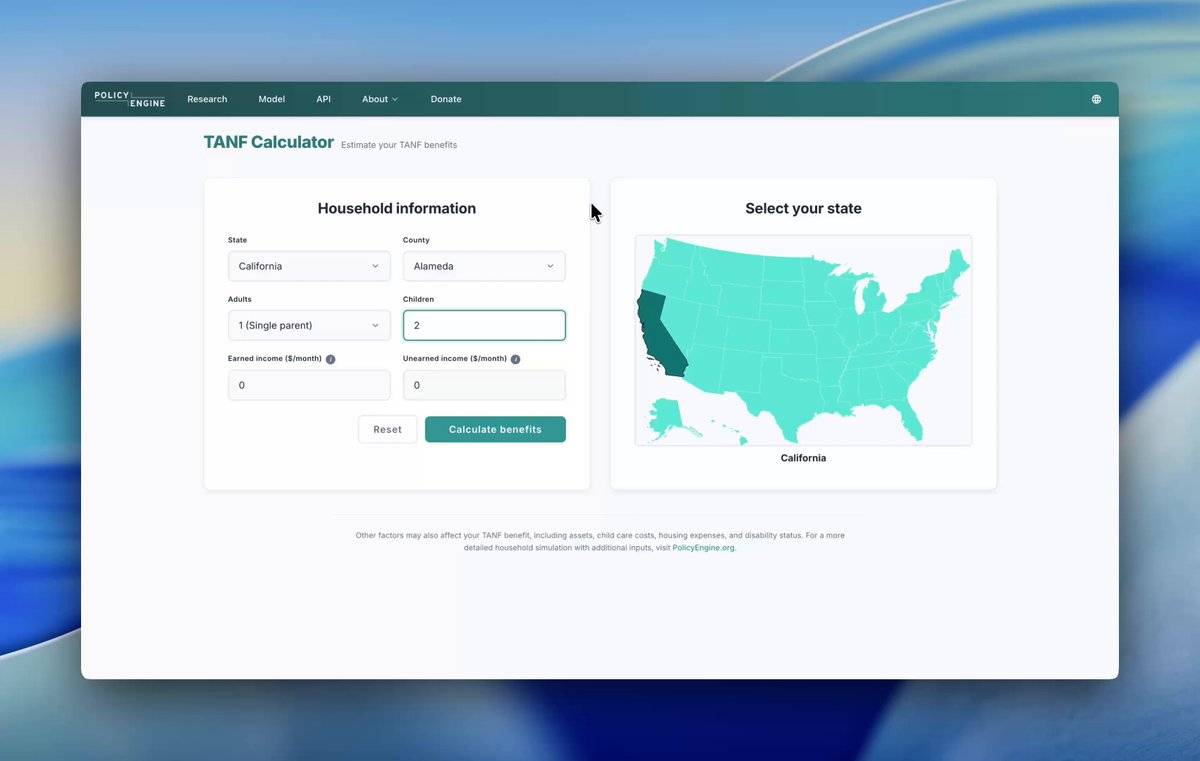
Earn a dollar more, take home less. Benefit cliffs happen when a household loses more in benefits than it gains in earnings.
CliffWatch shows where, when, and how — across earnings levels and US states.
Live demo Fri May 29, 1pm ET → us06web.zoom.us/meeting/regi…
1
2
139
May 21
Starting in one hour!
May 18

Join us Thursday at 10am ET for a @PSLFoundation Demo Day on our TAXSIM emulator.
Speakers:
@feenberg, creator of TAXSIM at @nberpubs
@PavelMakarchuk3, chief of staff at PolicyEngine and creator of our open-source TAXSIM emulator
Register here: us06web.zoom.us/meeting/regi…
1
59
May 19
At the @codeforamerica Summit in Chicago:
- Our CEO @MaxGhenis moderated a session on PolicyEngine's open-source ecosystem with rules engine users Amplifi, MyFriendBen, and Georgetown's Better Government Lab
- @DaphneRHansell presented our new Coverage Compass tool


1
348
May 18
Join us Thursday at 10am ET for a @PSLFoundation Demo Day on our TAXSIM emulator.
Speakers:
@feenberg, creator of TAXSIM at @nberpubs
@PavelMakarchuk3, chief of staff at PolicyEngine and creator of our open-source TAXSIM emulator
Register here: us06web.zoom.us/meeting/regi…
2
5
270
PolicyEngine at the @codeforamerica Summit this week.
Thu 2pm — @DaphneRHansell on Coverage Compass: how life events change health coverage.
Fri 2pm — @MaxGhenis moderating a panel with three orgs using PolicyEngine to calculate eligibility and amounts for different purposes: MyFriendBen, Amplifi, and Better Government Lab at Georgetown.
Say hi in Chicago.

1
590
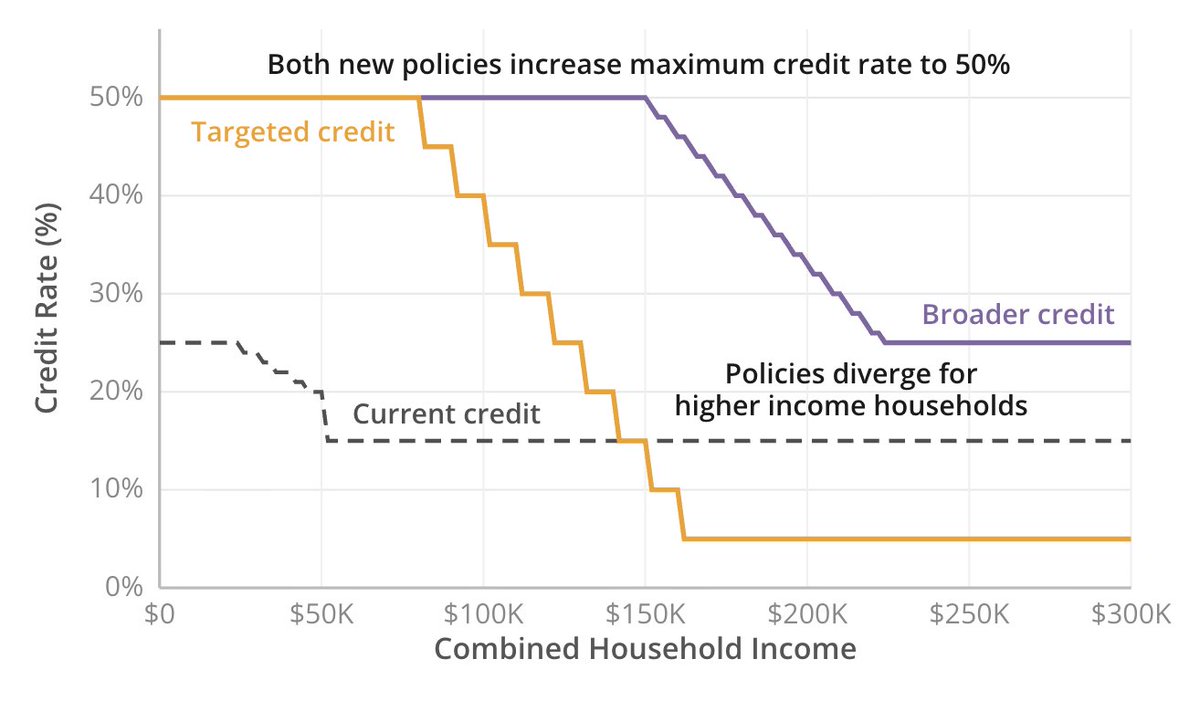
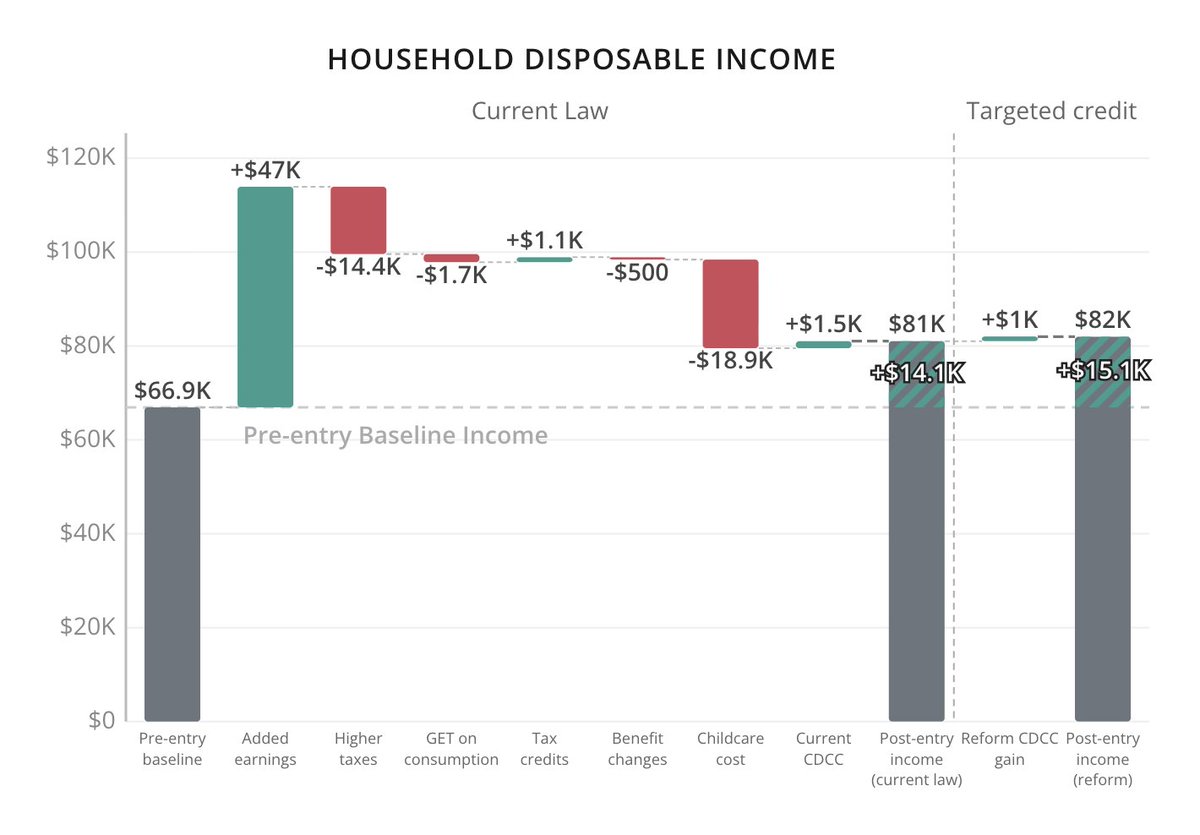
New @UHEROnews analysis uses PolicyEngine to simulate Hawaii's childcare credit bills — first the direct household effect of the expanded CDCC, then the integrated CDCC, EITC, SNAP, WIC, and state income tax impact when a second earner enters the workforce in response.
2
1
2
144
See the analysis, including a personalized calculator, here: uhero.hawaii.edu/the-true-co…
34
PolicyEngine US retweeted

May 1
We added a ton of ingredients to @ThePolicyEngine cauldron last month:
- 1,039 PRs merged (7× April 2025, 2× March 2026)
- 341,318 source-code lines changed
- 19 new repos
Childcare subsidy rules, Forbes 400, better reproducibility - all make our models more accurate & useful.

2
2
7
356
Apr 15
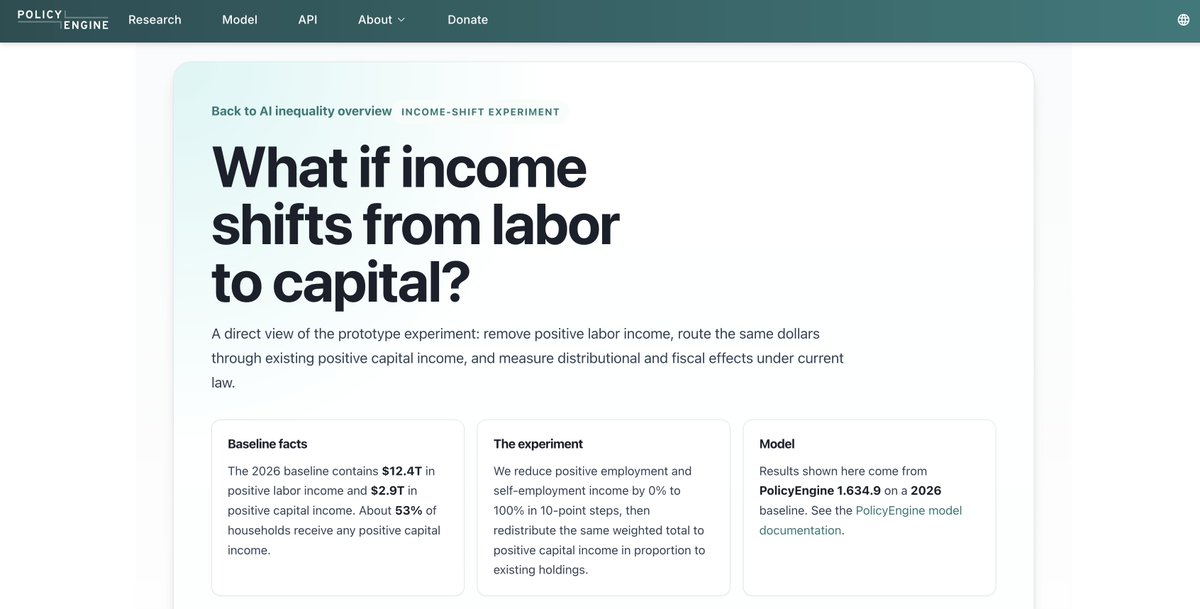
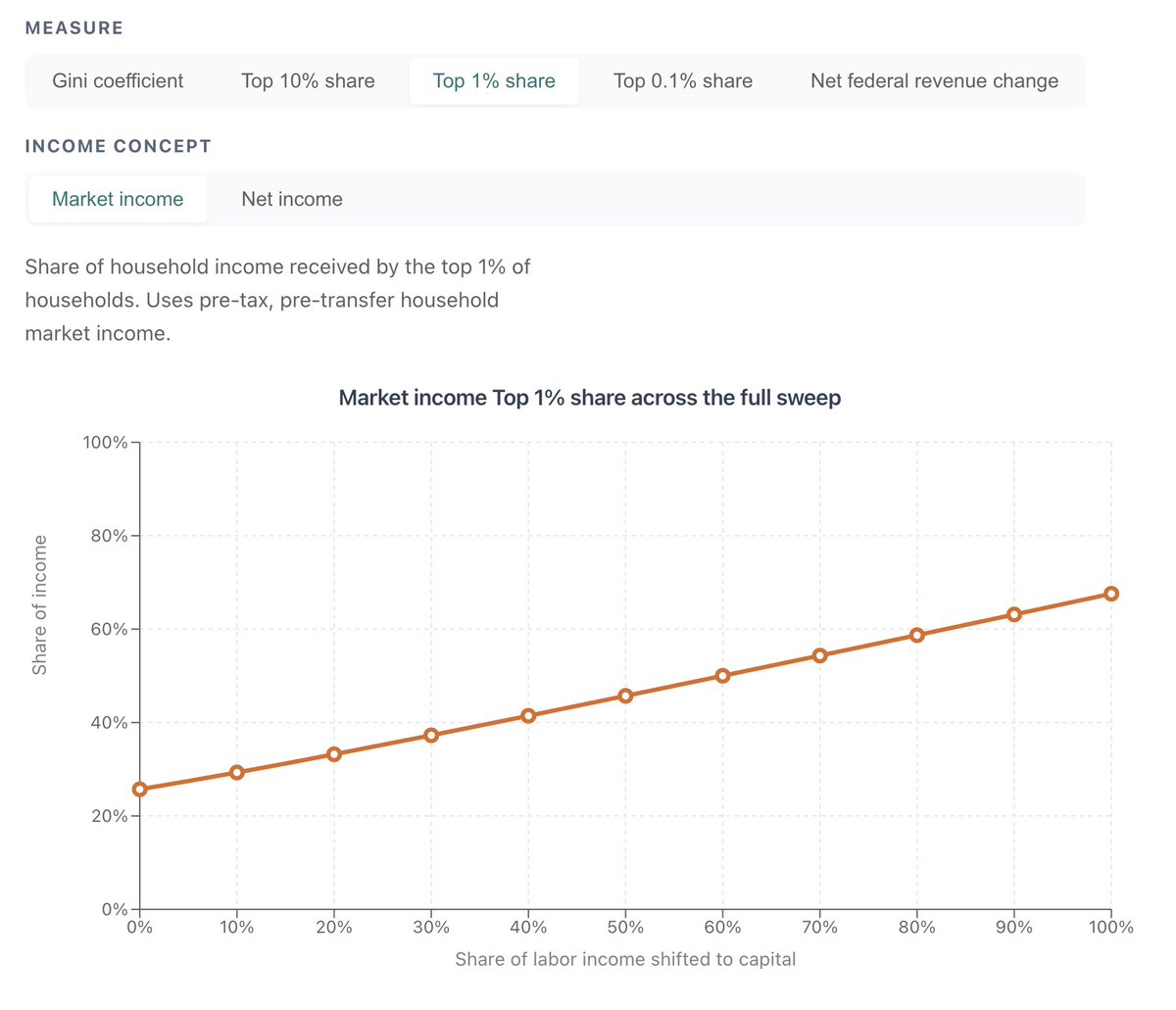
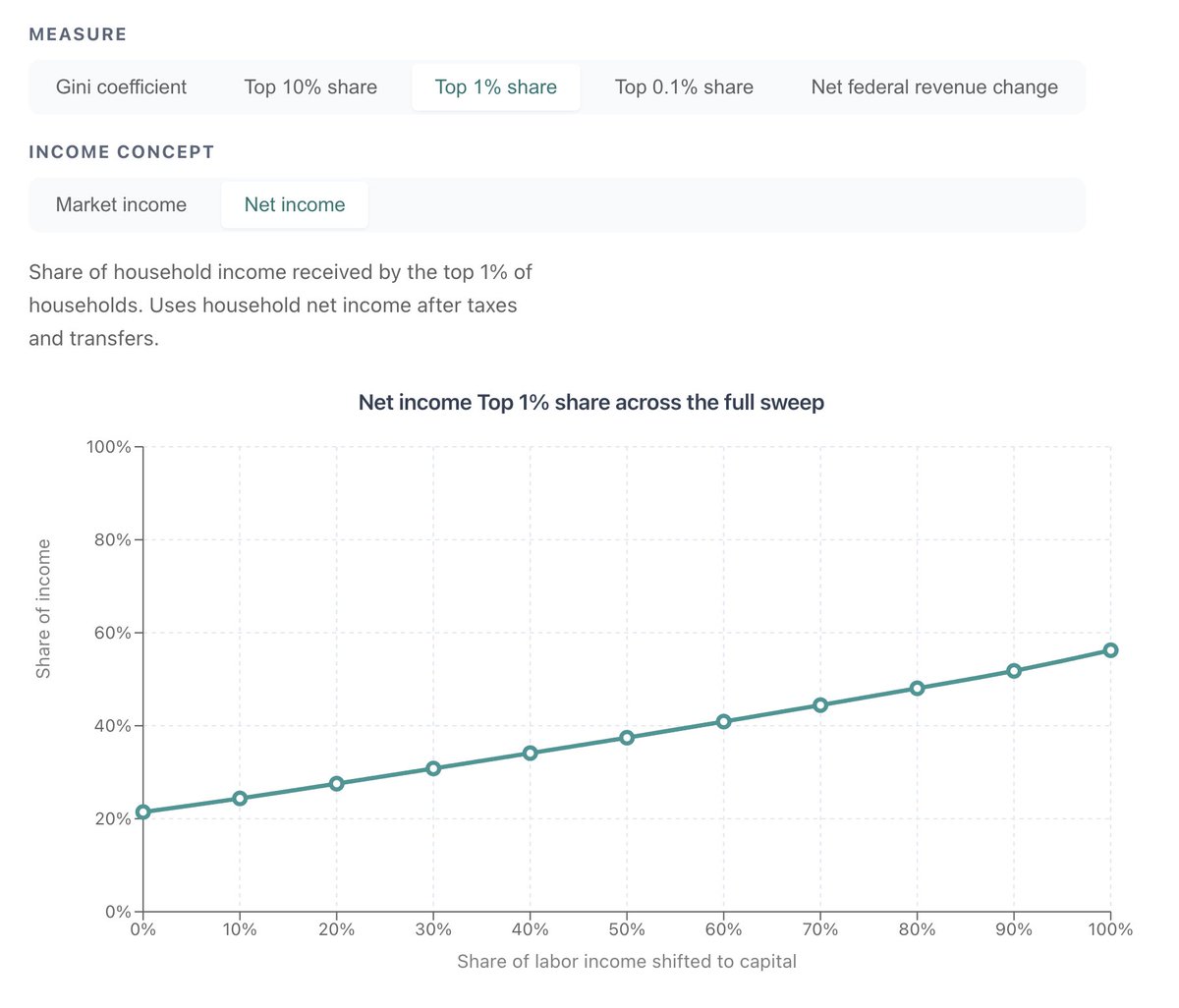
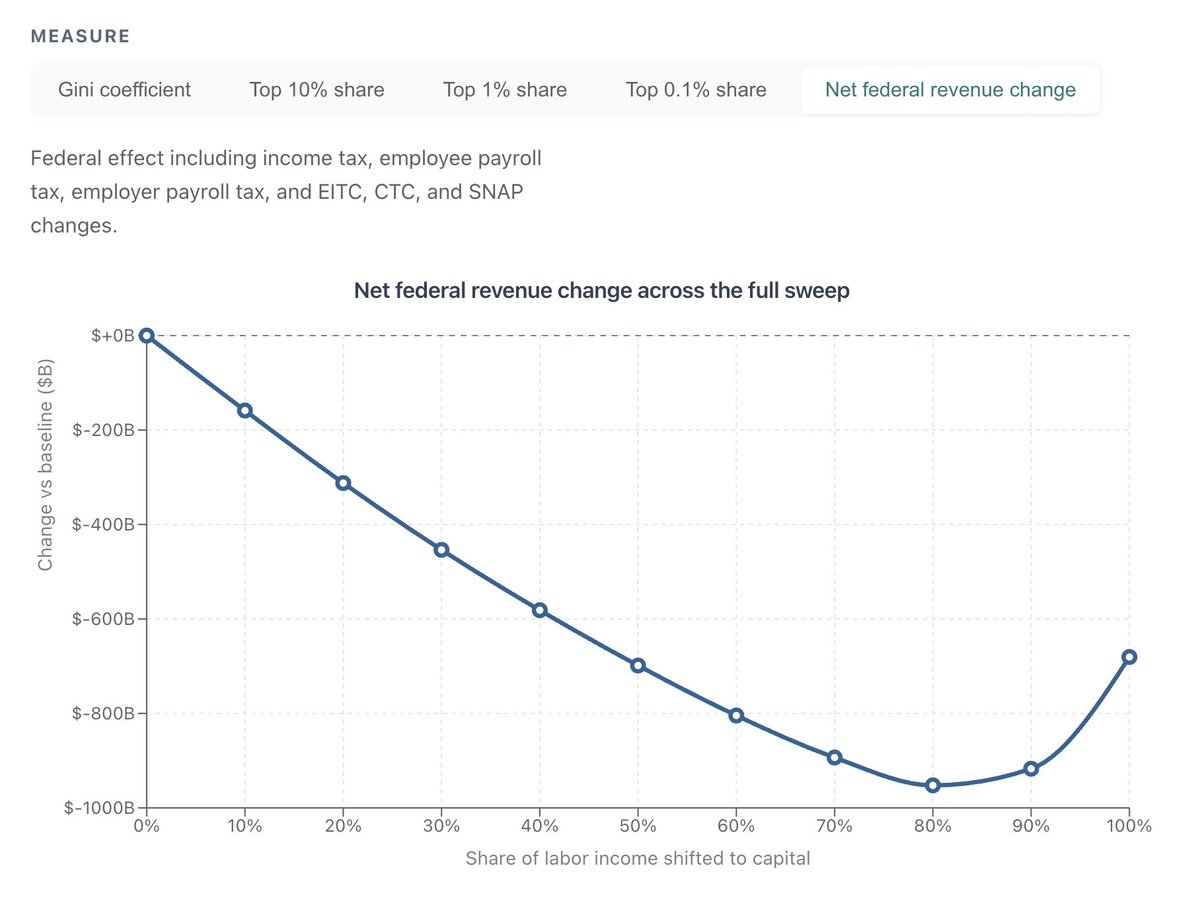
The first analysis from our AI and economics research initiative answers the question: What happens if income shifts from labor to capital?
We find a 10% shift raises the top 1%'s market income share from 25.7% to 29.3%. After taxes and transfers: 21.4% to 24.4%. Policy absorbs about 19% of the increase.
policyengine.org/us/ai-inequ…
1
10
55
34,380
Apr 15
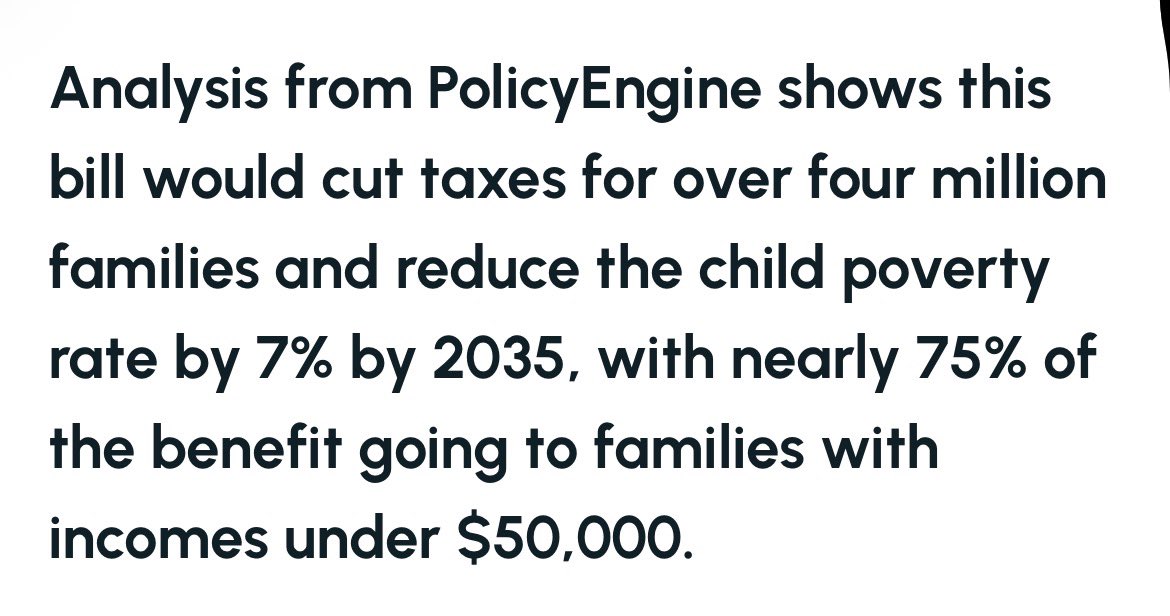
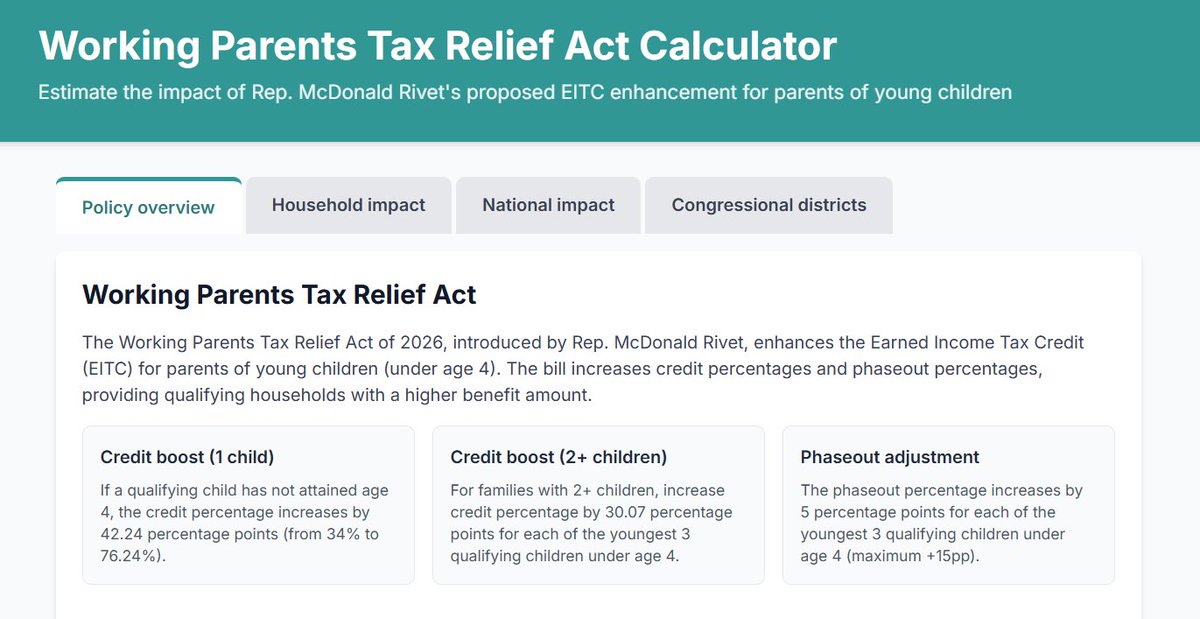
NEW INTERACTIVE: @repkmr has released the Working Parents Tax Relief Act (WPTRA), which increases the maximum EITC benefit by $5,500 for each child under 4 in a tax unit.
We project the bill would:
- Lower federal revenues by $184.1B over 10 years
- Benefit 2.9% of households and reduce child poverty by 1.4% in 2026
1
1
5
518
Apr 15
Use our calculator below to explore the effect on your household, more nationwide impacts, and how each congressional district would benefit from the WPTRA:
policyengine.org/us/working-…
1
3
116
Apr 15
We were also cited in Rep. McDonald Rivet’s press release of the bill:
mcdonaldrivet.house.gov/medi…
1
63
PolicyEngine US retweeted

If you think LLMs are mostly typing back and forth with chatbots, this post by @PolicyEngineUS is a really helpful worked example on what it looks like to layer agents to collapse 2-3 weeks of work into 90 minutes.
policyengine.org/us/encode-p…
2
9
73
12,958
The Living Wage Institute has adopted PolicyEngine for the tax calculations behind their living wage data. Read how our model is improving the accuracy of their household tax estimates — from iterative income solving to local tax coverage.
livingwage.institute/post/ho…
1
3
427
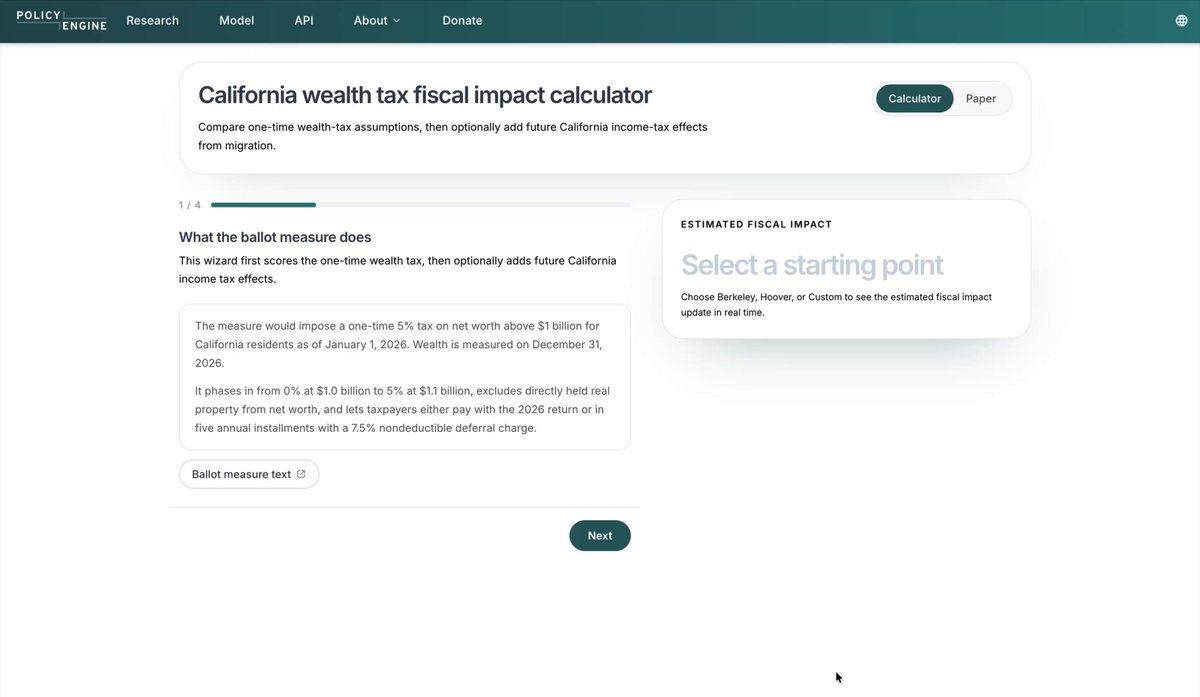
How much would California's billionaire wealth tax actually raise? It depends on your assumptions about avoidance, departures, and income tax loss.
We built an interactive calculator that lets you explore the tradeoffs — with presets calibrated to existing papers.
1
2
3
650
Put your assumptions about the billionaire tax to the test: policyengine.org/us/californ…
1
50
PolicyEngine US retweeted

Mar 31
@MaxGhenis and @ThePolicyEngine team have integrated frontier agentic AI into the most expansive open source microsimulation model of US fiscal policy. AI allows easier use and access as well as automates much of the model creation and maintenance.
youtu.be/Ke_J3pOdL8k?si=in6Q…
6
14
2,533
Mar 26
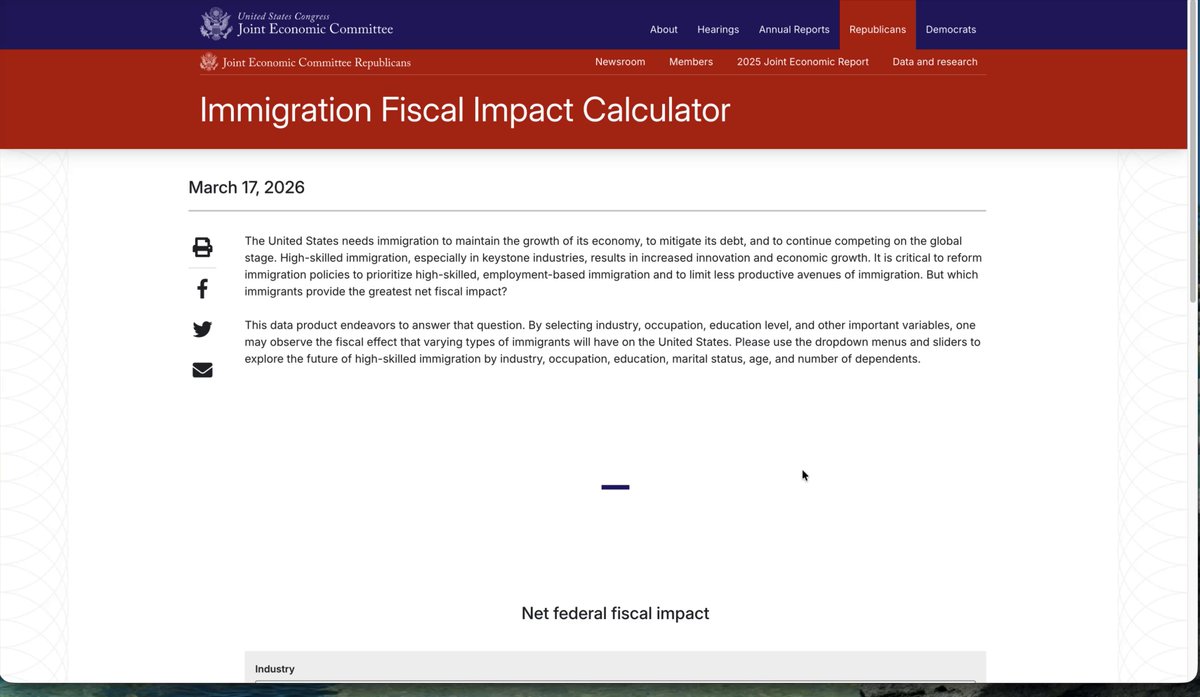
The @JECRepublicans just released an Immigration Fiscal Impact Calculator powered by PolicyEngine's tax and SNAP calculations.
Try it here: jec.senate.gov/public/index.…
3
12
1,739
Mar 25
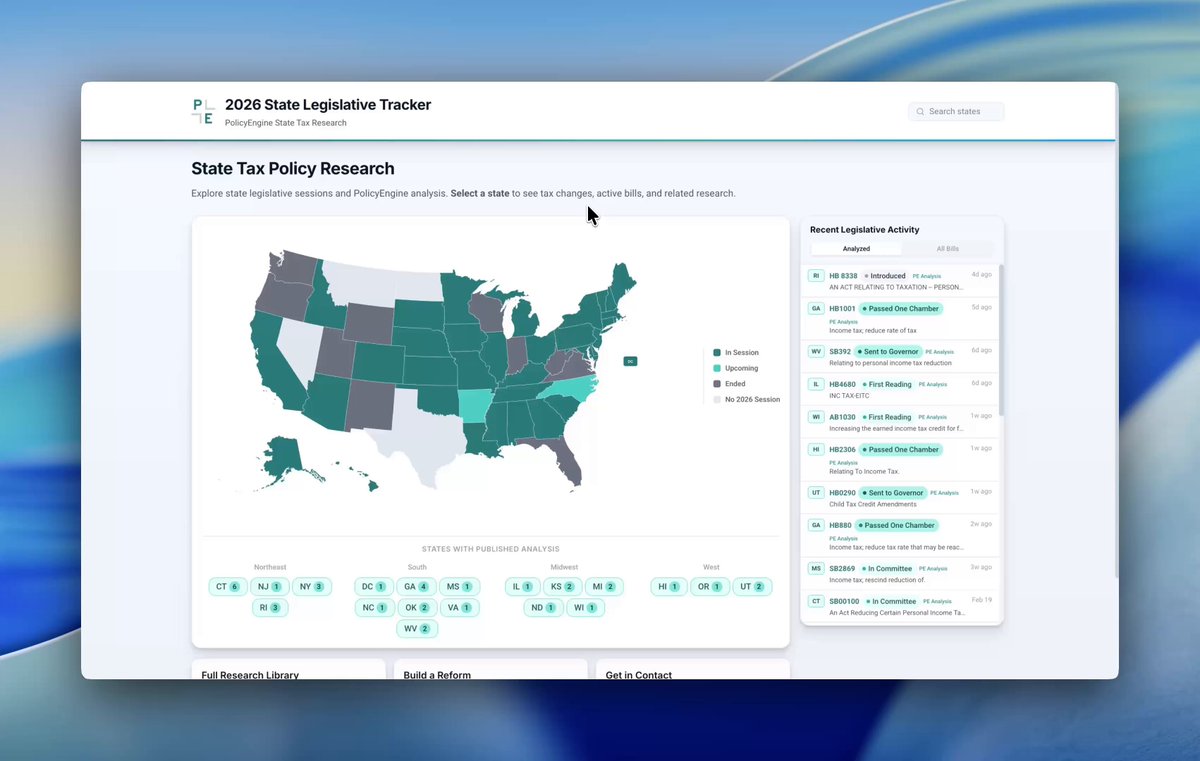
We updated the State Legislative Tracker: You can now track tax bills across all 50 states, see each bill's legislative stage, follow real-time activity, and jump to full PolicyEngine analysis.
Try it at policyengine.org/us/state-le…
3
7
616
PolicyEngine US retweeted

Mar 24
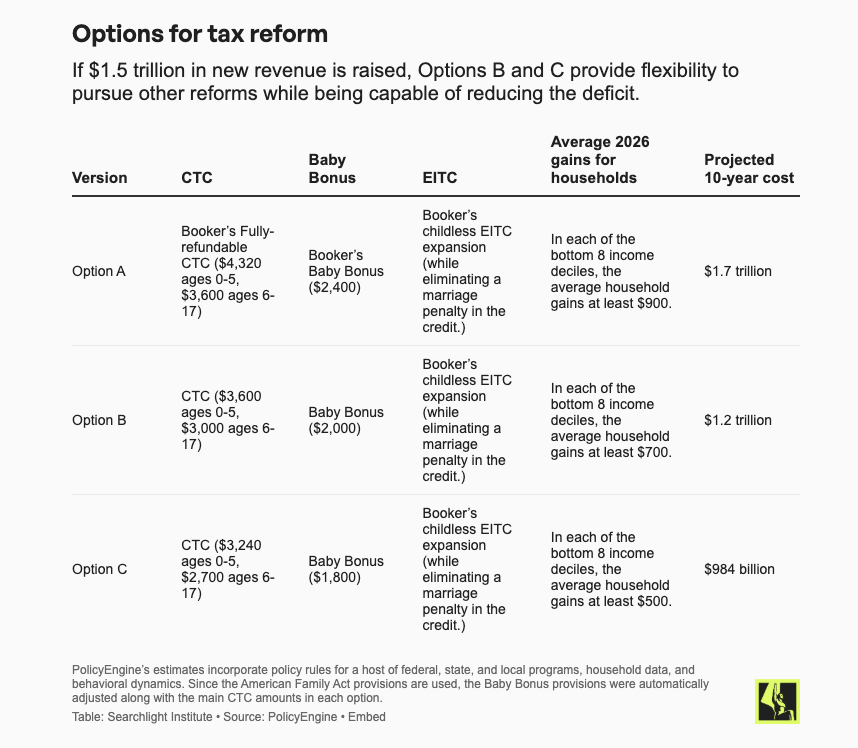
Big thanks to @DTrim_99 & @PolicyEngineUS for crunching the numbers here
Mar 24

"Liberals and lawmakers should treat this as an exercise on what they want their priorities to be with a set amount of funding. If $1.5 trillion in new revenue is raised, Options B and C provide flexibility to pursue other reforms while being capable of reducing the deficit."
1
5
8
713