@UFBiology Postdoc; Ecosystem ecology - microbes - biogeochemistry - magic - freshwater 🐊💧✨
Joined February 2019
- Tweets 196
- Following 494
- Followers 426
- Likes 1,081
86 Photos and videos


Mar 11
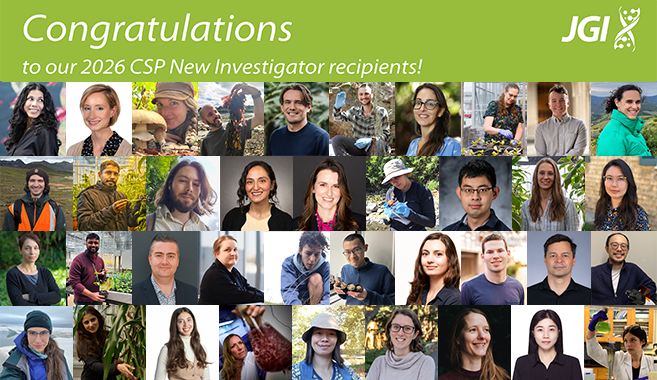
Thrilled to be a 2026 @jgi New Investigator! I'll be using multiomics approaches to explore microbial carbon cycling in isolated freshwater wetlands in response to water level variability. More details to come! 🦠
Mar 10

We are excited to welcome 38 New Investigators to the JGI for 2026!
Learn more about their research here: jgi.doe.gov/user-science/sci…
This call is for users who have never led a proposal with the JGI. Details here: jointgeno.me/CSPnewPI
@BerkeleyLab @SSURFacilities
1
1
7
919
Jan 29
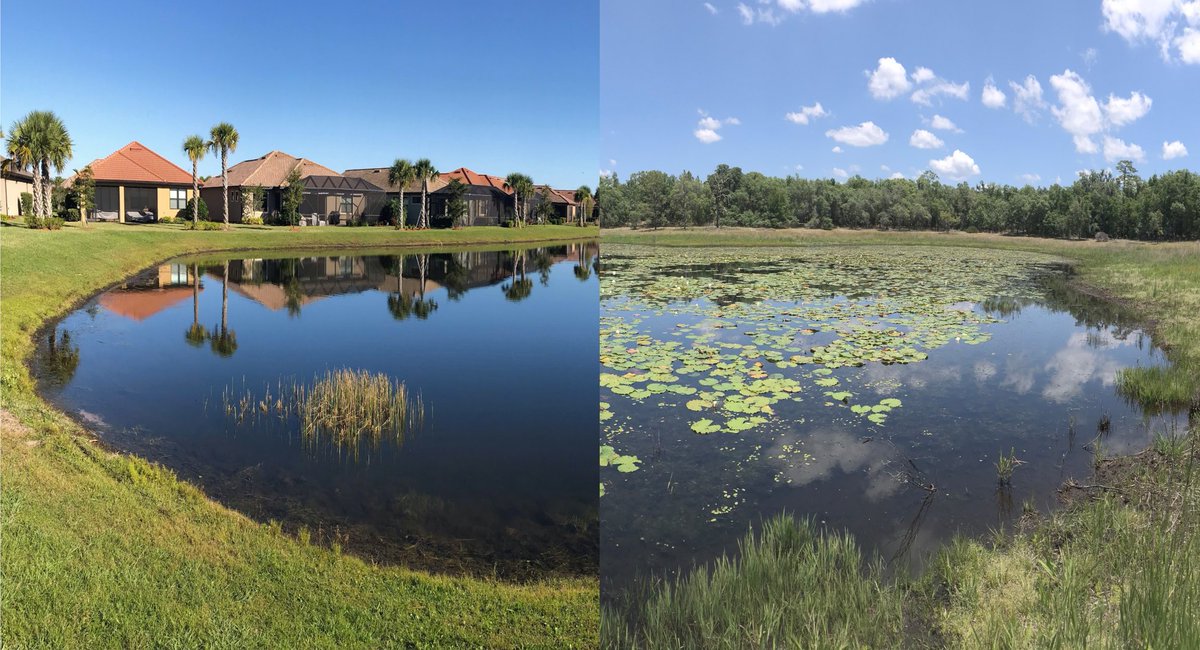
It’s important to know how artificial ecosystems process C compared to the natural ecosystems they replace or are built to mimic. Check out our fresh-out-the-oven @JGRBiogeo pub to see how GHG saturation & DOM differ bw stormwater ponds & natural ponds agupubs.onlinelibrary.wiley.…
1
43
Audrey Goeckner retweeted
Jan 16
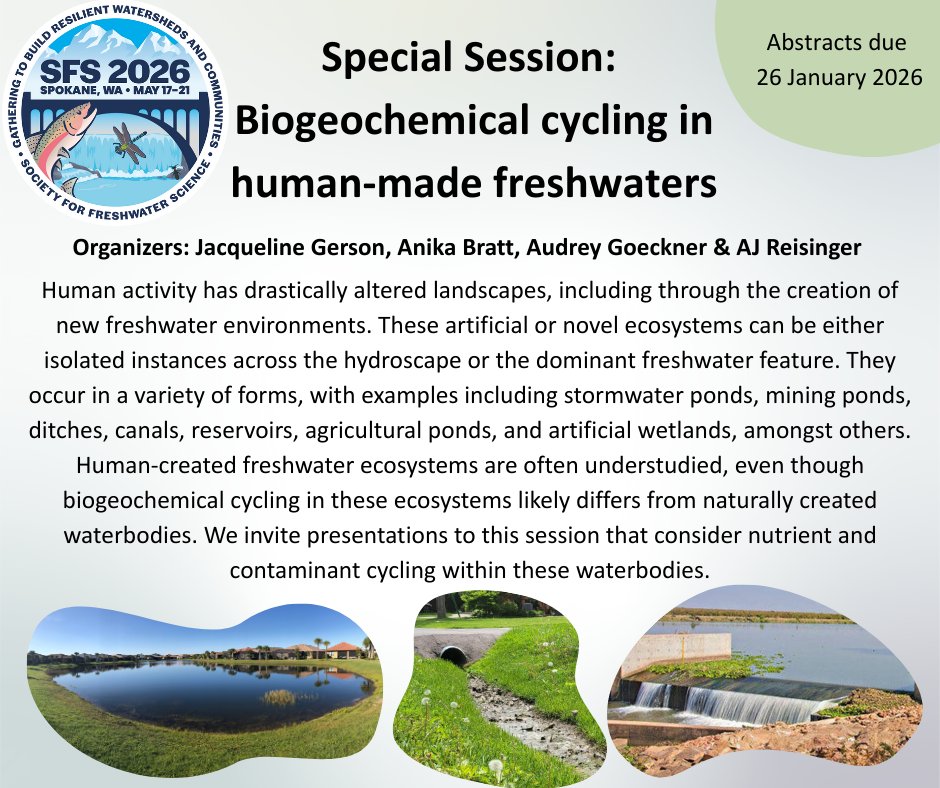
Human-made freshwaters are everywhere, let’s talk about how they function! We’re hosting a special session at #2026SFS on biogeochemical cycling in artificial aquatic ecosystems & welcome abstracts, due Jan 26.
Organized by @jackiergerson, Anika Bratt, myself & AJ Reisinger
1
1
82
Audrey Goeckner retweeted

18 Jun 2025
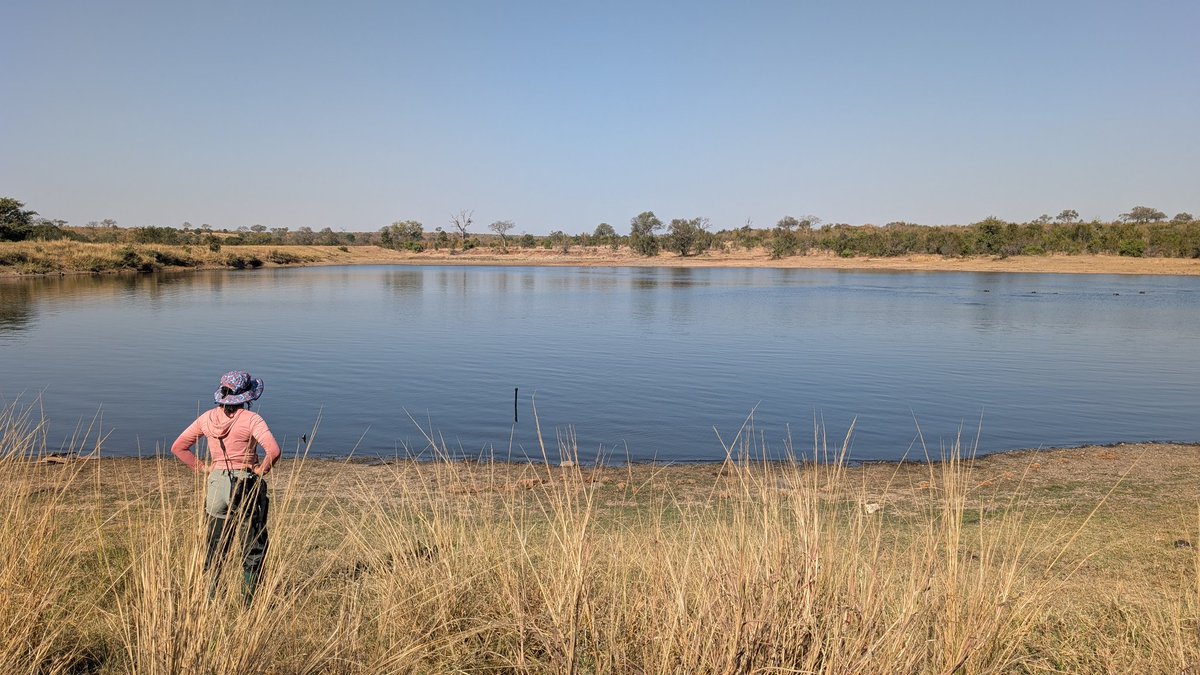
@PondGator, when a croc gets too close and you temporarily abandon your coring gear in the water. @AmandaSubalusky @UFBiology @UFBiodiversity
1
3
149
Audrey Goeckner retweeted
18 Jun 2025
@PondGator taking a soil core while hippos watch, elephants play in the water, and Crocs swim by. @AmandaSubalusky @UFBiology @UFBiodiversity
2
4
137
Audrey Goeckner retweeted

16 Feb 2025
Hello everyone, don't post much on here anymore, but I was recently subject to the mass layoffs of probationary employees this past week at USGS
If folks have any open postdoc or other opportunities for someone skilled in #DataScience #FoodWebs and #Ecosystems I'm interested!
2
8
20
1,920
13 Dec 2024
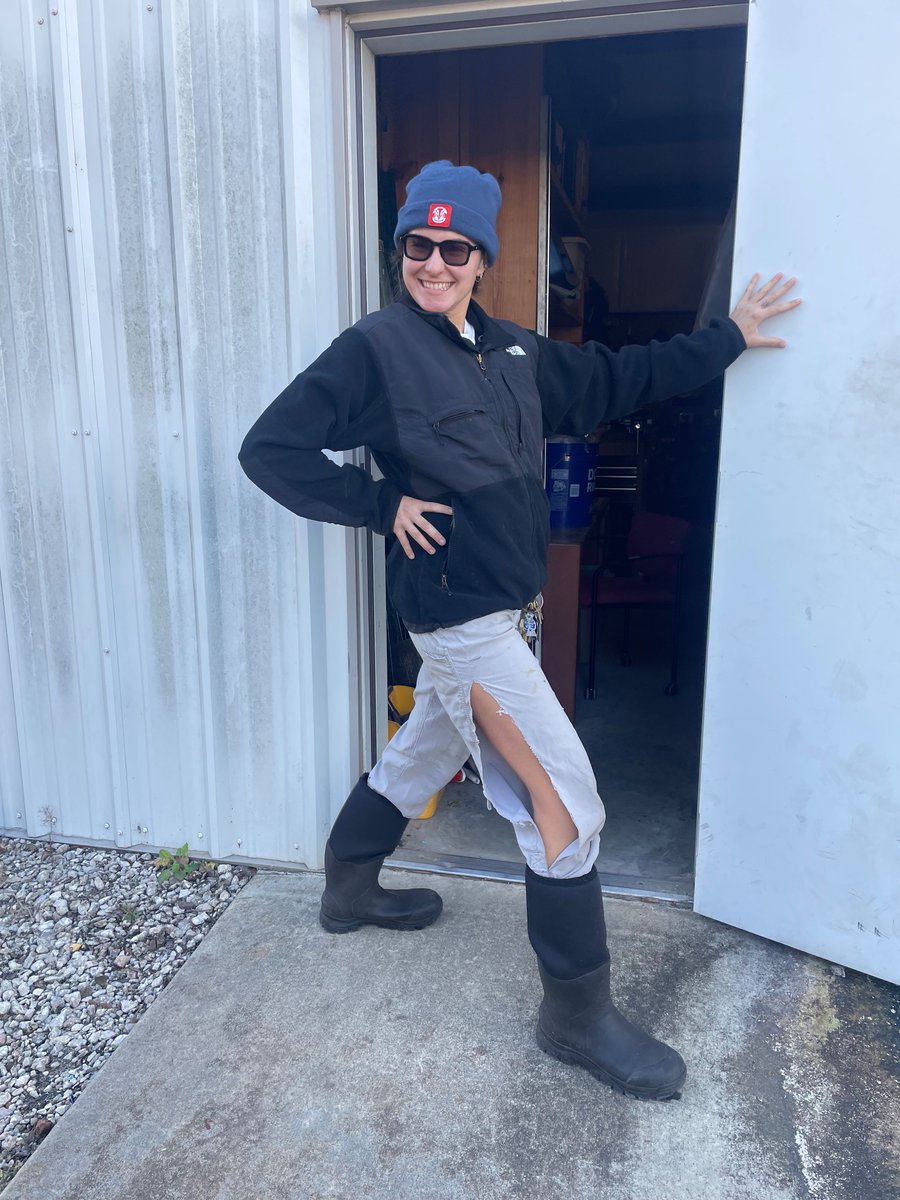
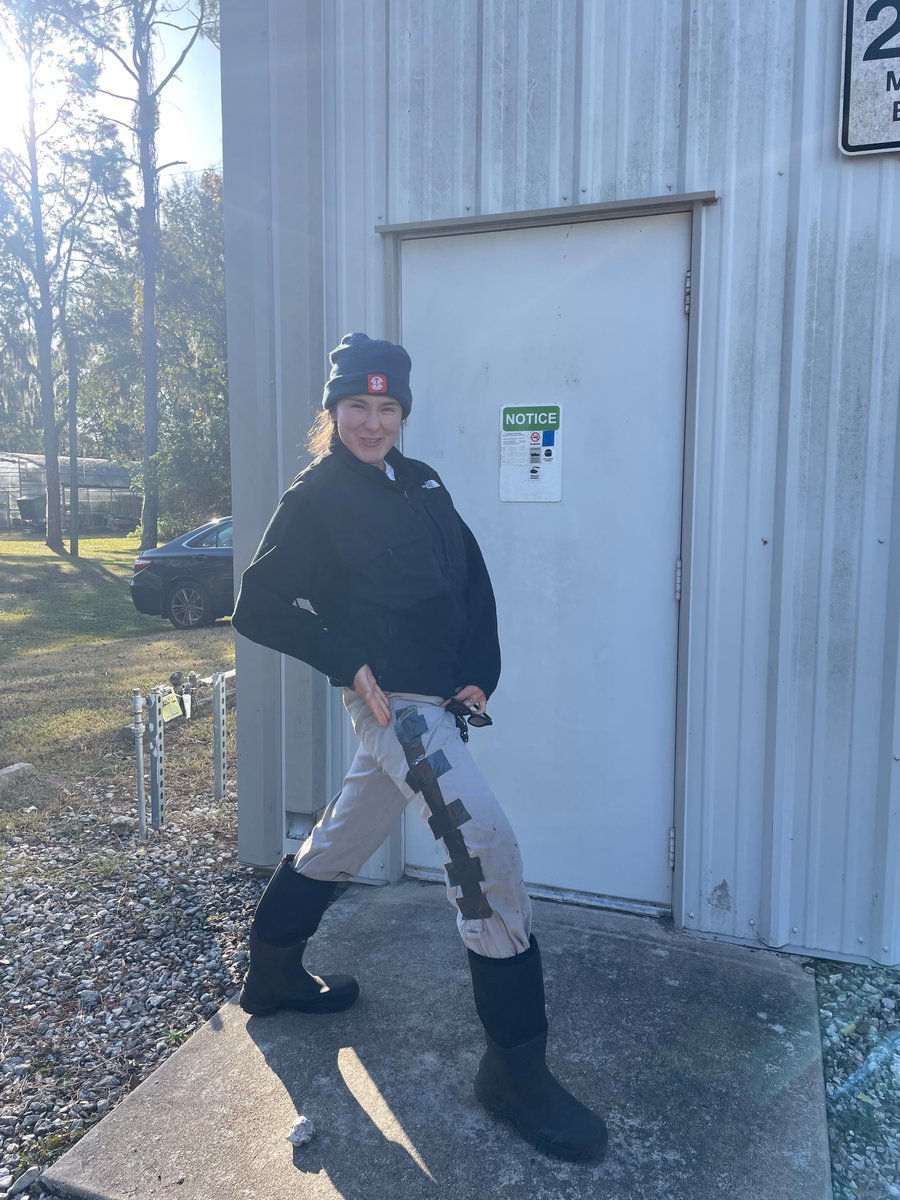
Today’s spectrum of field fashion: fresh tactical waders and antique field pants 😜
9
223
Audrey Goeckner retweeted
6 Dec 2024
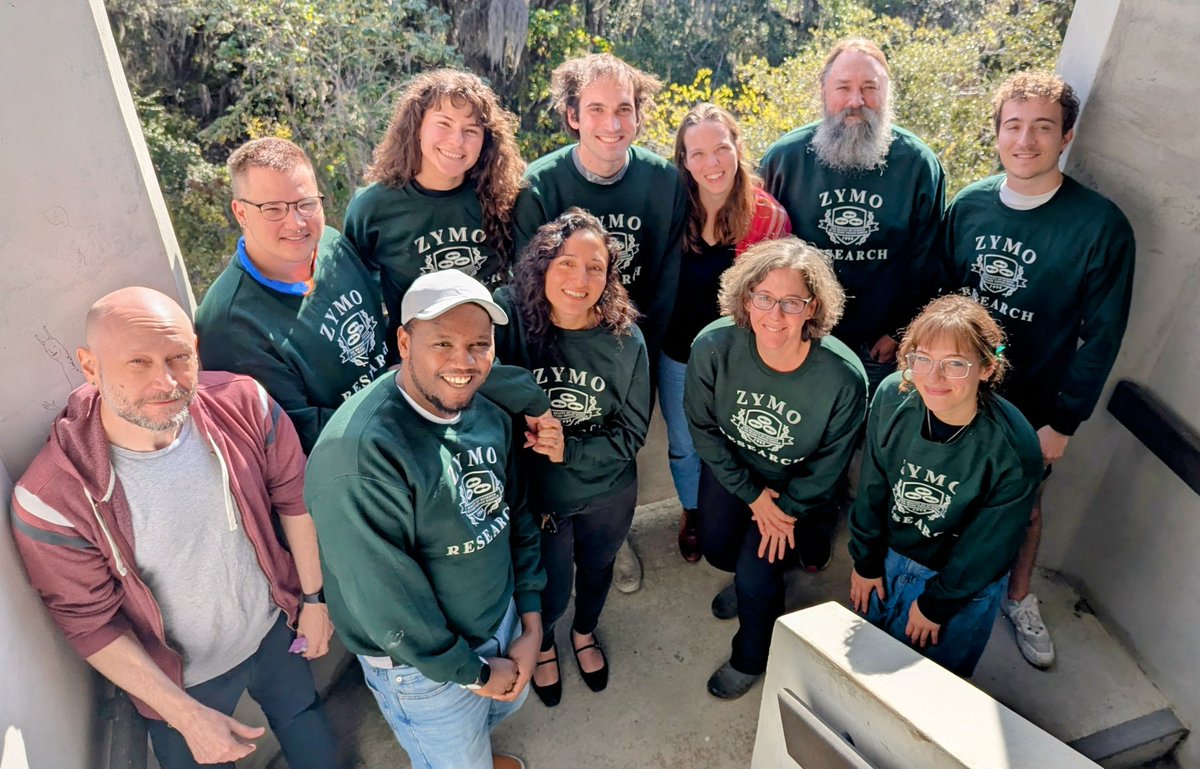
When the temp drops in Florida @UF_CLAS @UFBiology and everyone shows up to the lab meeting in the same sweater. @ZymoResearch. ♥️
2
5
20
1,208
13 Nov 2024
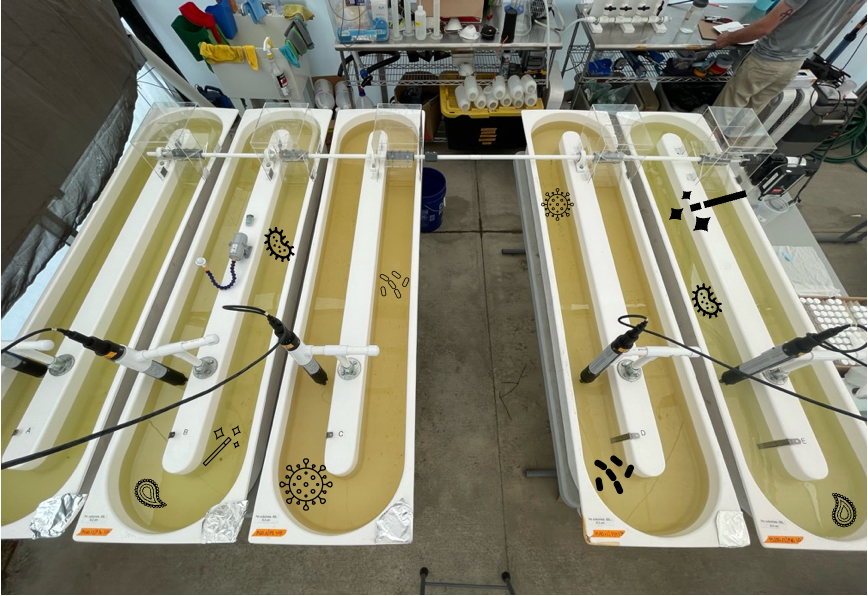
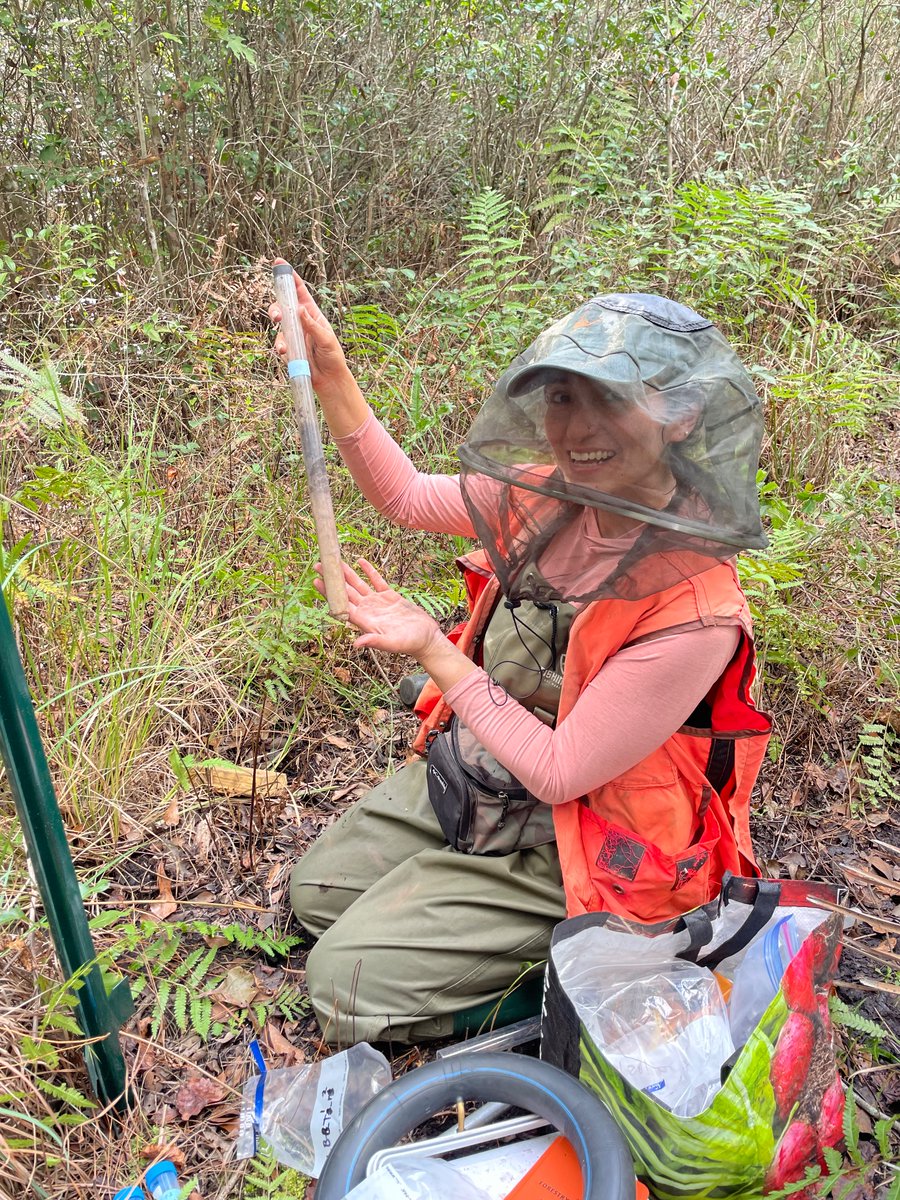
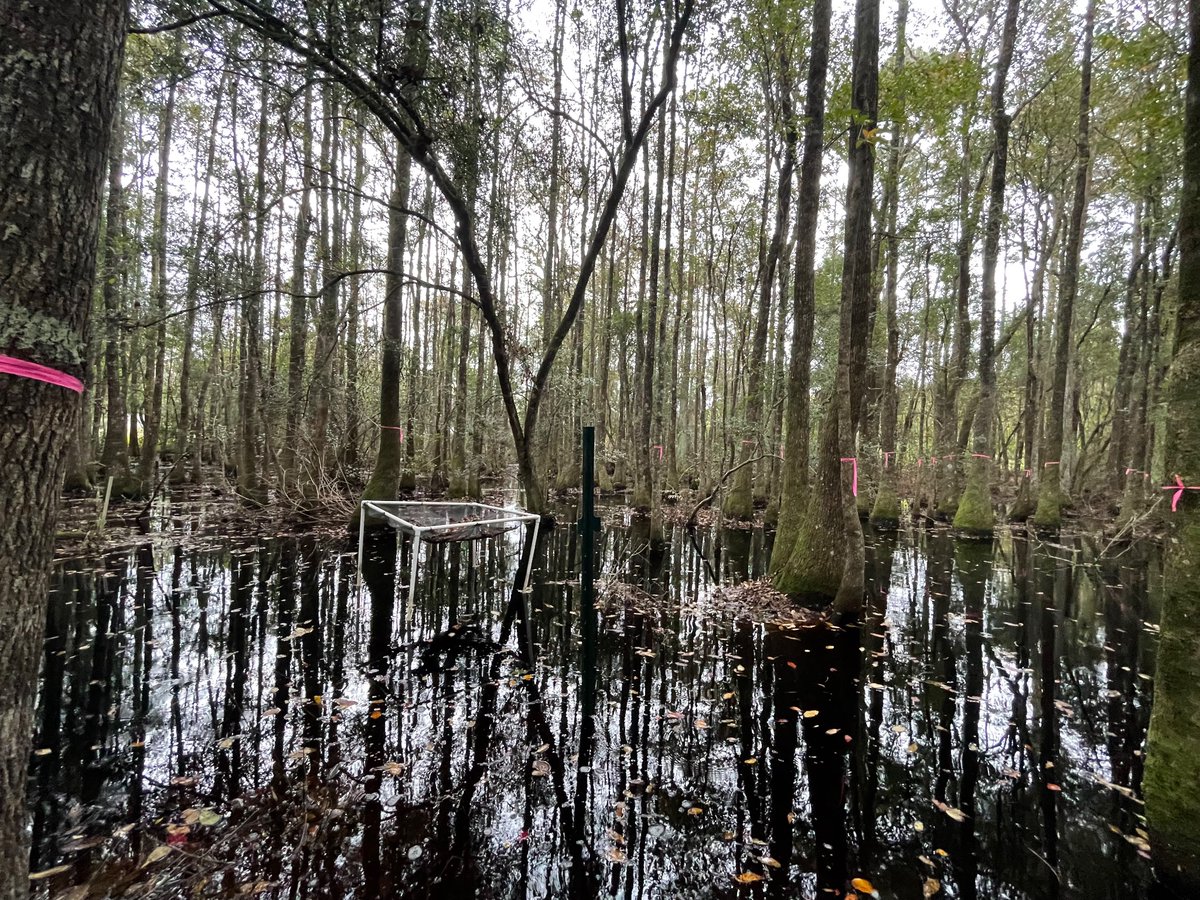
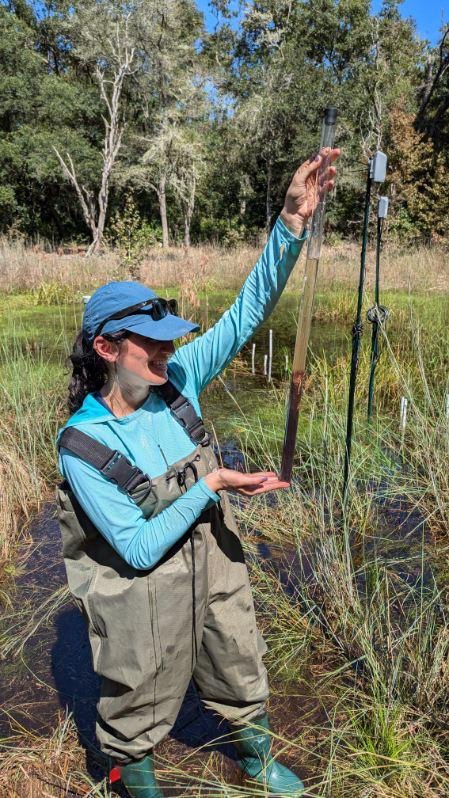
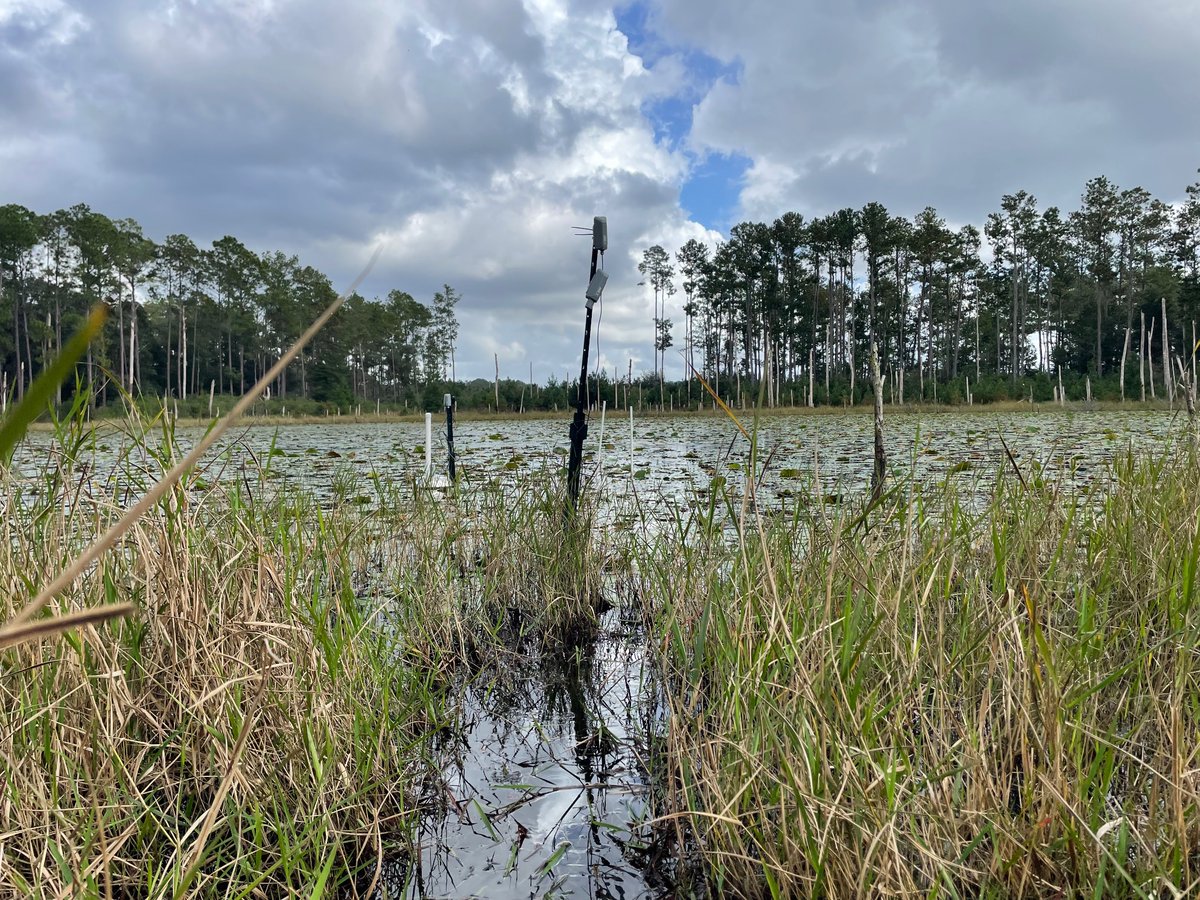
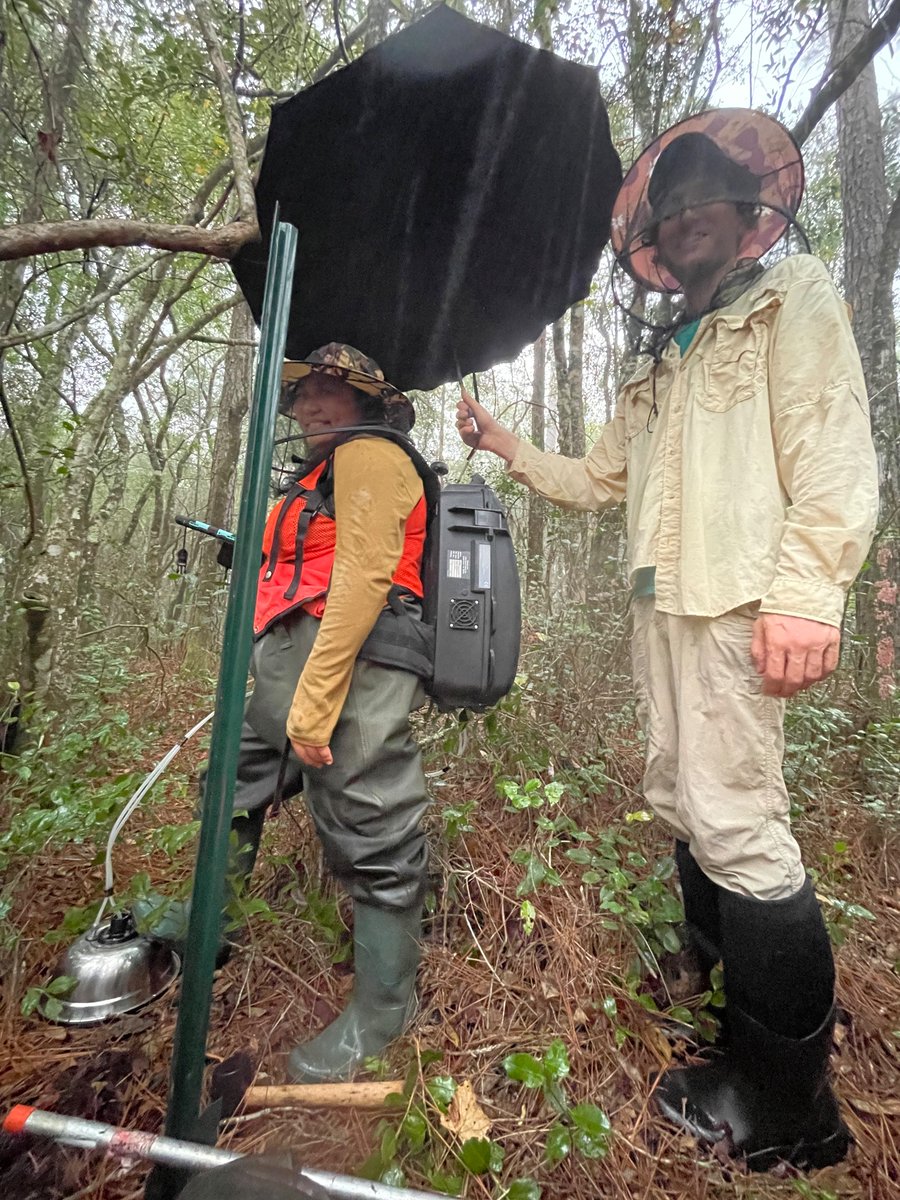
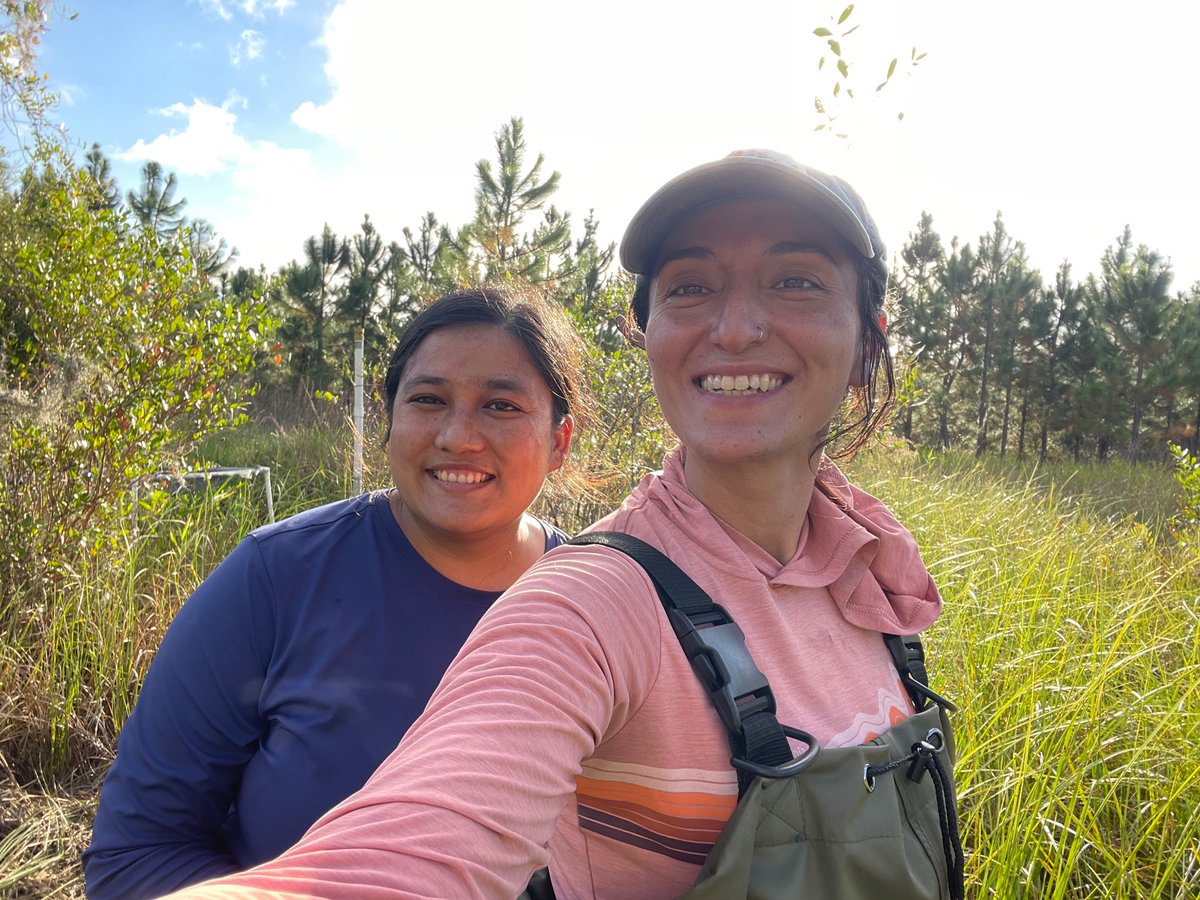
Finished Nov. sampling for DOE funded work on temporal wetland C cycling! For one part of my postdoc w @ChrisLDutton & @AmandaSubalusky we’ll study how microbes & their metabolic functions vary along the terrestrial-aquatic interface in wetlands of varying hydrologic regimes✨
2
19
1,232
13 Nov 2024
At the same time we collect sediment samples for genomic analyses, PhD student Sunita Shrestha @Shresthasunita7 is measuring GHG fluxes via floating chamber and productivity via litter traps along the same transects 💨 🍃
5
126
Audrey Goeckner retweeted

5 Aug 2024
New pub alert #AGUPubs! Small, shallow waterbodies are among the most productive freshwater ecosystems on the planet! In this @GLEONetwork #ponding collaboration, we examined ecosystem metabolism in 26 shallow waterbodies in N. America and Europe. agupubs.onlinelibrary.wiley.…
(1/4)
3
25
54
4,761

Florida's stormwater ponds are ubiquitous. But they don't remove nitrogen as well as natural ponds, new @SoilWaterSci research shows🔗go.ufl.edu/4ofj5o4
Water managers interested in nitrogen removal should assess the effectiveness of these stormwater control ecosystems.
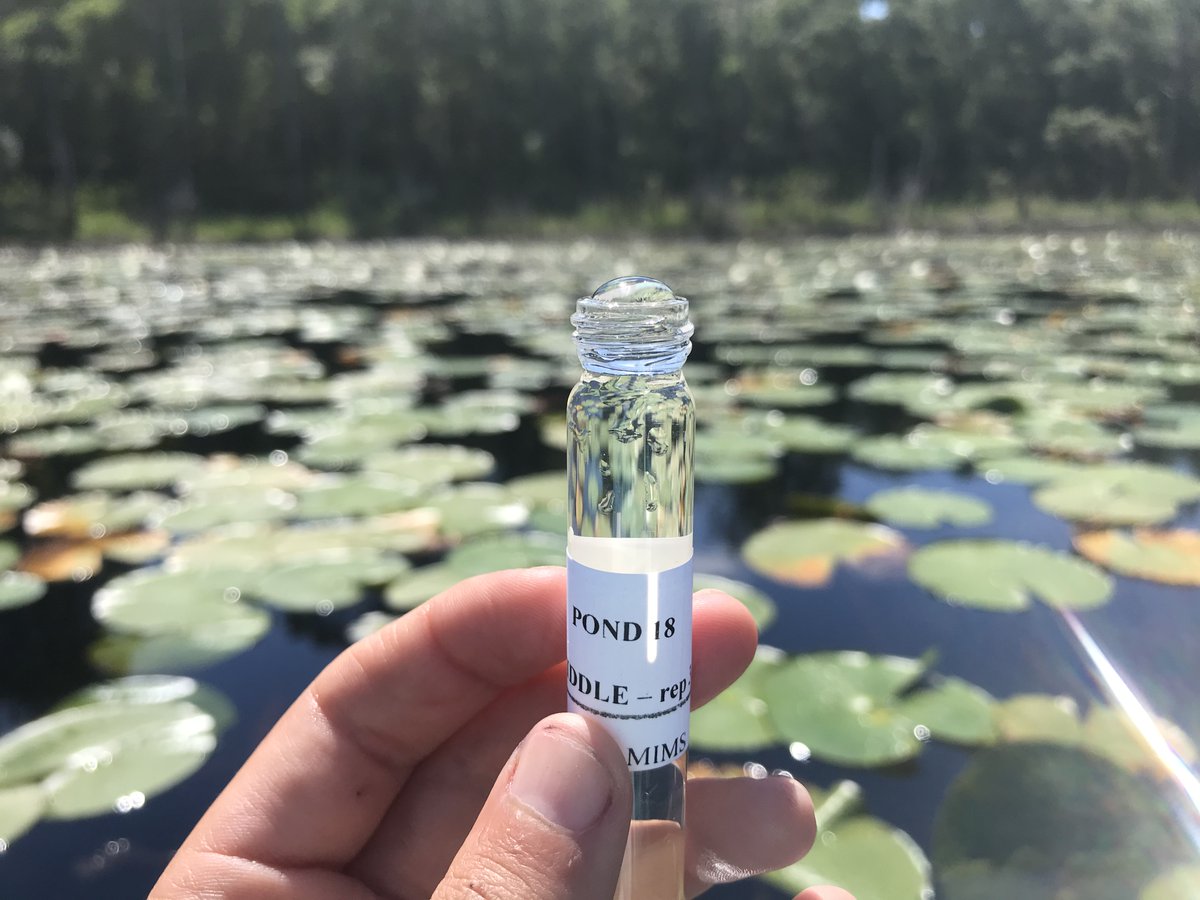
ALT A person holds a small glass container labeled "POND 18" in focus, with a background of a serene pond covered in lily pads under a clear sky.
7
21
1,054
24 Jun 2024
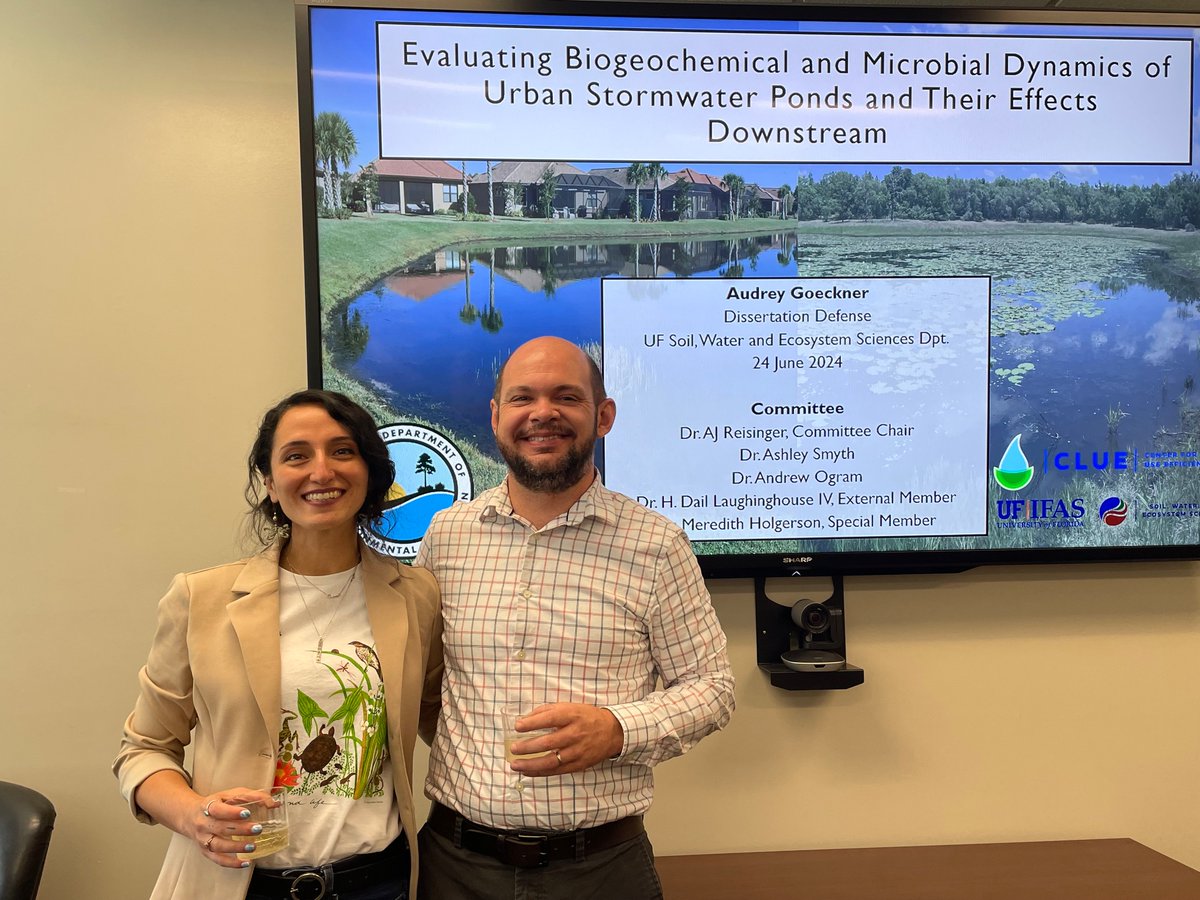
Day 1,394 and I’ve officially defended my dissertation! So full of gratitude for those that have helped me get here. Including my advisor @AJReisinger and dream team committee @ashleyrsmyth @pondscience @algae_slayer @aogram
31 Aug 2020

Day 1 of ~1,460 😅 officially a PhD student working with @RiverGypsyAJ!Trying not to get overly excited about new projects but how can I not be when they involve ponds, rivers, algae, gases, nutrients, DOM,...aaahhh! 😍
6
3
49
3,759
17 Jun 2024
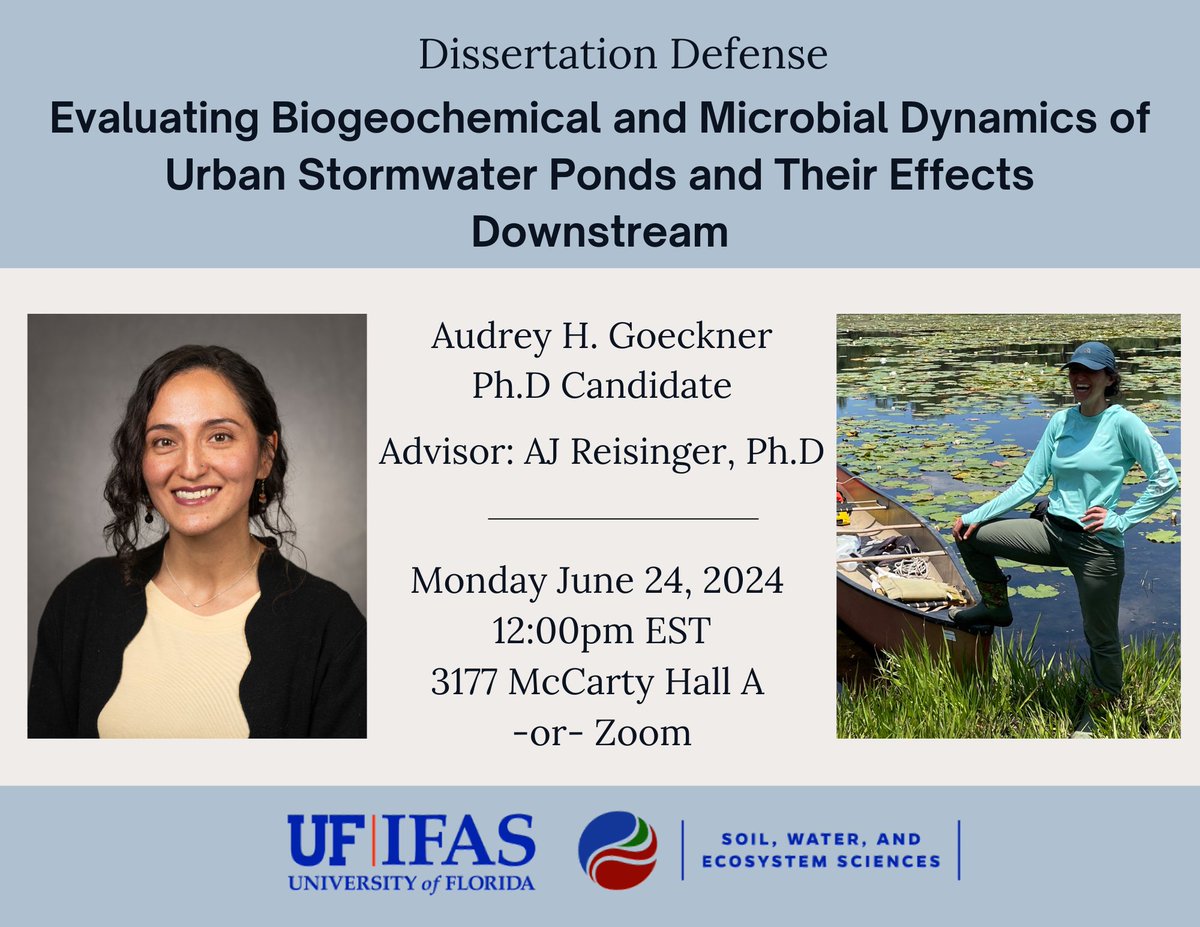
T-minus 7 days until my defense! If you're interested in attending over zoom, shoot me a DM for the link 🙂
2
34
2,520
13 Jun 2024
🚨New pub alert!🗞️Check out our work in @JBiogeochem comparing net denitrification (N-removal) vs. net N-fixation (N-addition) in FL stormwater ponds (SWPs) vs natural undisturbed ponds. Spoiler: SWPs are more often net N-fixing compared to natural ponds
link.springer.com/article/10…
1
11
35
3,669
13 Jun 2024
While SWPs are assumed to assist in N-removal from stormwater runoff, mass balance studies find low removal efficiencies. We show that ecological processes such as N-fixation may be one mechanism reducing N-removal efficiencies.
1
345
2 Jun 2024
If you're at #2024SFS and interested in what happens to bacteria and ecosystem functions when you mix pond and stream water together, come by Independence Ballroom A @ 2:15pm tomorrow (Monday) to hear my talk "When Ponds Flow"!
6
30
2,296
Audrey Goeckner retweeted

11 Apr 2024
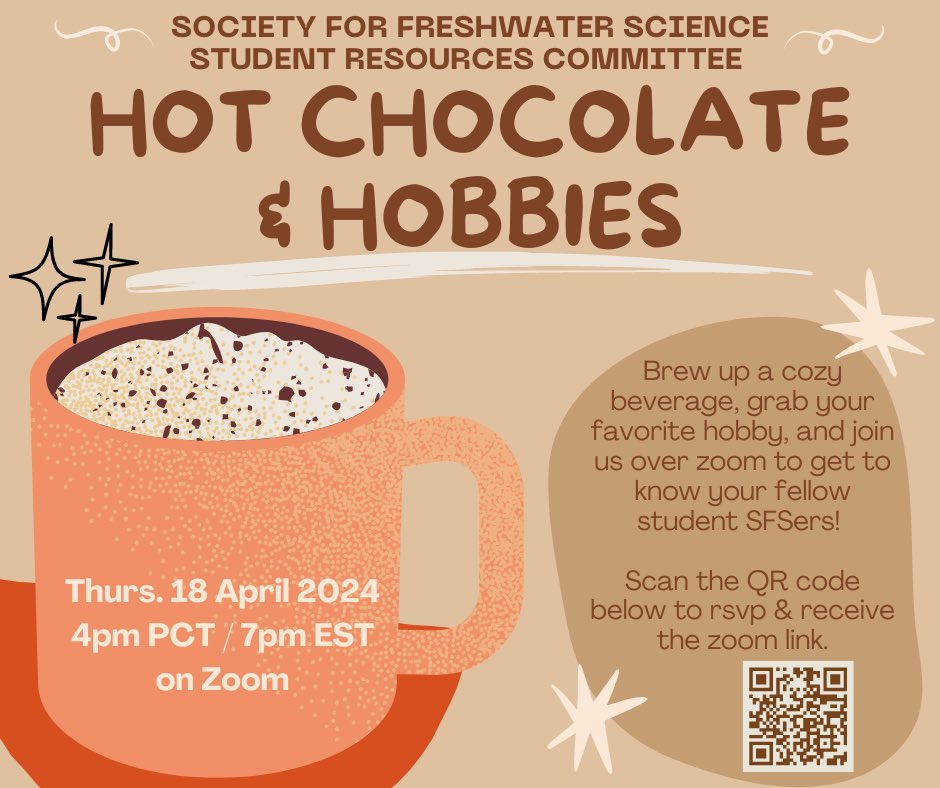
Want to get to know other student members of SFS? Join us for virtual hot chocolate and hobbies on Thursday April 18th!!
2
2
1,587
Audrey Goeckner retweeted

27 Nov 2023
Don’t forget to show your interest for the Water Institute’s Lunch by the Water seminar series featuring graduate students Bibek Acharya and Audrey Goeckner.
Free food is provided, so please show your interest here: bit.ly/3G7TPof
Learn more: bit.ly/LunchbytheWater
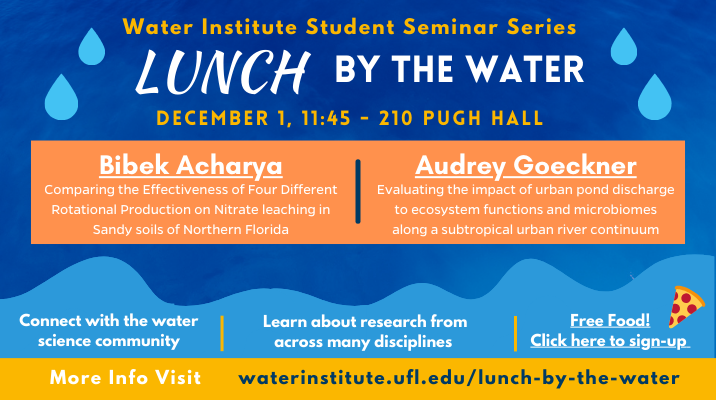
ALT Seminar by graduate students Bibek Acharya and Audrey Goeckner on December 1, 11:45am at 210 Pugh Hall.
6
12
1,317