
@eLife ambassador. PhD cand @KAISTPR @SeoulNatlUni. Working on drug promiscuity💊, extremophile trait genomics🪸🦈, & disease evolution👾. Naively pluripotent.
Joined October 2014
- Tweets 15,157
- Following 1,808
- Followers 1,398
- Likes 74,117
362 Photos and videos


Pinned Tweet

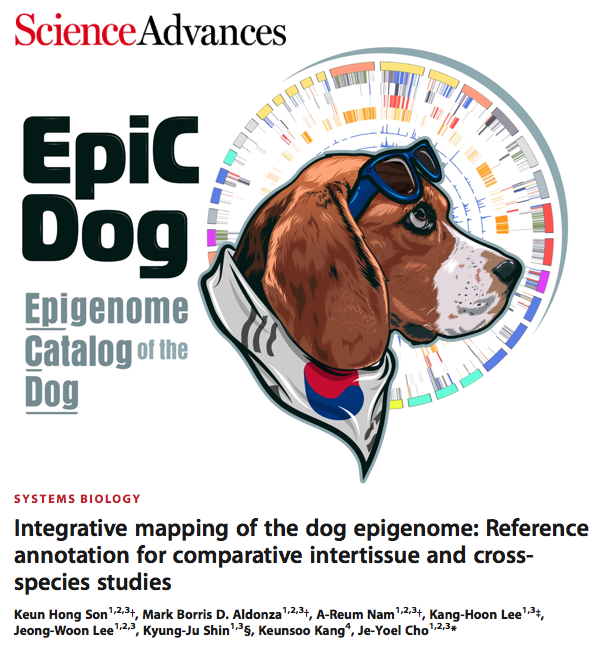
Hot off the press 🔥! My co-first authored paper is out @ScienceAdvances!! A tour de force collab work with @new__hong @MethylAReum. We unlock for the first time the dog epigenome! 🐕 🧬 @SeoulNatlUni @je_yoel #ENCODE #epigenome #epigenetics #ScienceAdvancesResearch

Exciting news! Our lab’s latest paper in @ScienceAdvances on mapping the dog epigenome is out 🐶🧬! Close collaboration with my co-first authors @PrecursorCell @MethylAReum! 🧵 👇(1/17) #ScienceResearch #ScienceAdvancesResearch #Epigenome
science.org/doi/10.1126/scia…
6
2
35
11,365
Mark Borris Aldonza (@precursorcell.bsky.social🦋) retweeted

RNAの局在を決めるルールに迫る
大規模並列レポーターアッセイにより哺乳類の細胞でRNAの局在を制御するエレメントを探索。厳密に配列が重要な必須エレメントと、全体の塩基組成が重要な支持エレメントを発見。軸索へのRNA輸送などに貢献
重要そうです、、
biorxiv.org/content/10.64898…
14
89
4,876
Mark Borris Aldonza (@precursorcell.bsky.social🦋) retweeted

Jun 12
In the latest issue! Global genetic interaction network of a human cell maps conserved principles and informs functional interpretation of gene co-essentiality profiles dlvr.it/TT11fP
18
53
5,728
Mark Borris Aldonza (@precursorcell.bsky.social🦋) retweeted

Jun 12
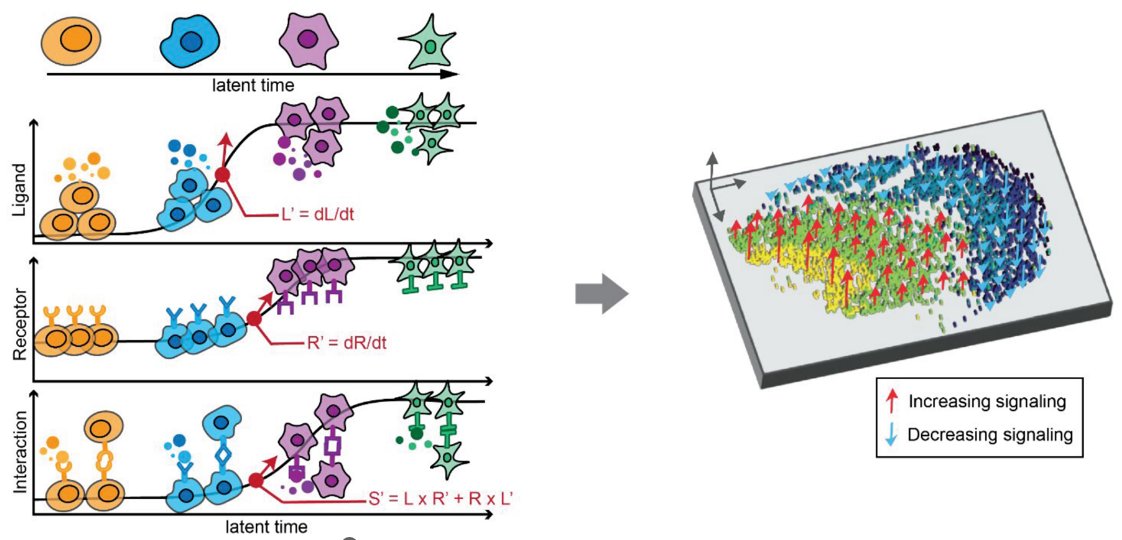
Our CytoSignal paper is now published in @NatureGenet! During revision, we generated a one-of-a-kind dataset with direct measurements of ligand-receptor protein interactions in situ in the mouse embryo, along with Visium HD spatial transcriptomics. nature.com/articles/s41588-0…
15 Mar 2024

How can you use RNA velocity to infer the dynamics of cell signaling from spatial transcriptomic data? Check out our new preprint!
1
14
46
8,141
Mark Borris Aldonza (@precursorcell.bsky.social🦋) retweeted

Jun 12
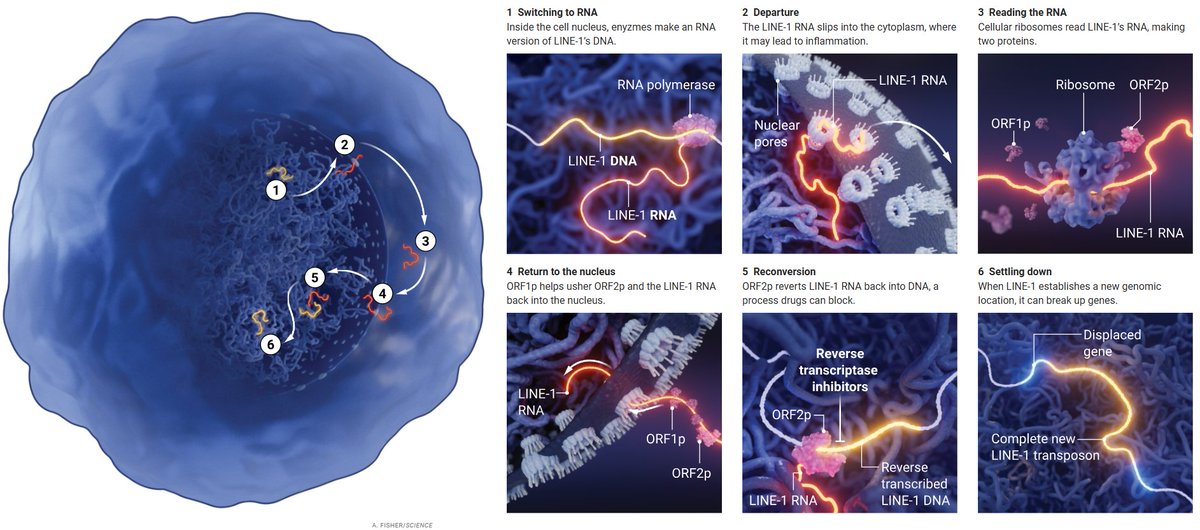
トランスポゾンとその発現産物が生命現象(発生や遺伝など様々)に以下にかかわり、また生体がトランスポゾンの機能をいかに抑制(まれに活用)しているかについての総説。CELL誌。
cell.com/cell/abstract/S0092…
7
43
2,388
I hope they make some talks publicly available later #eshg2026
Jun 13

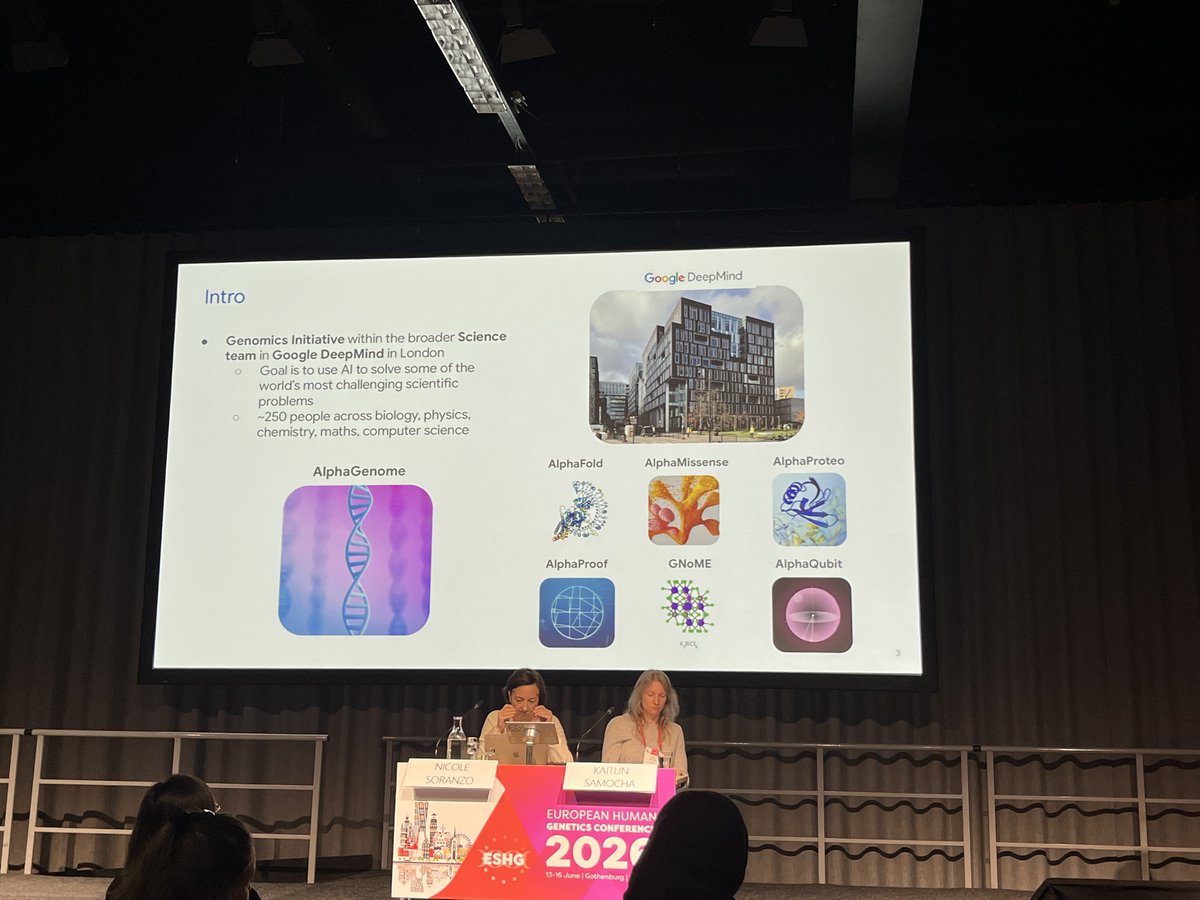
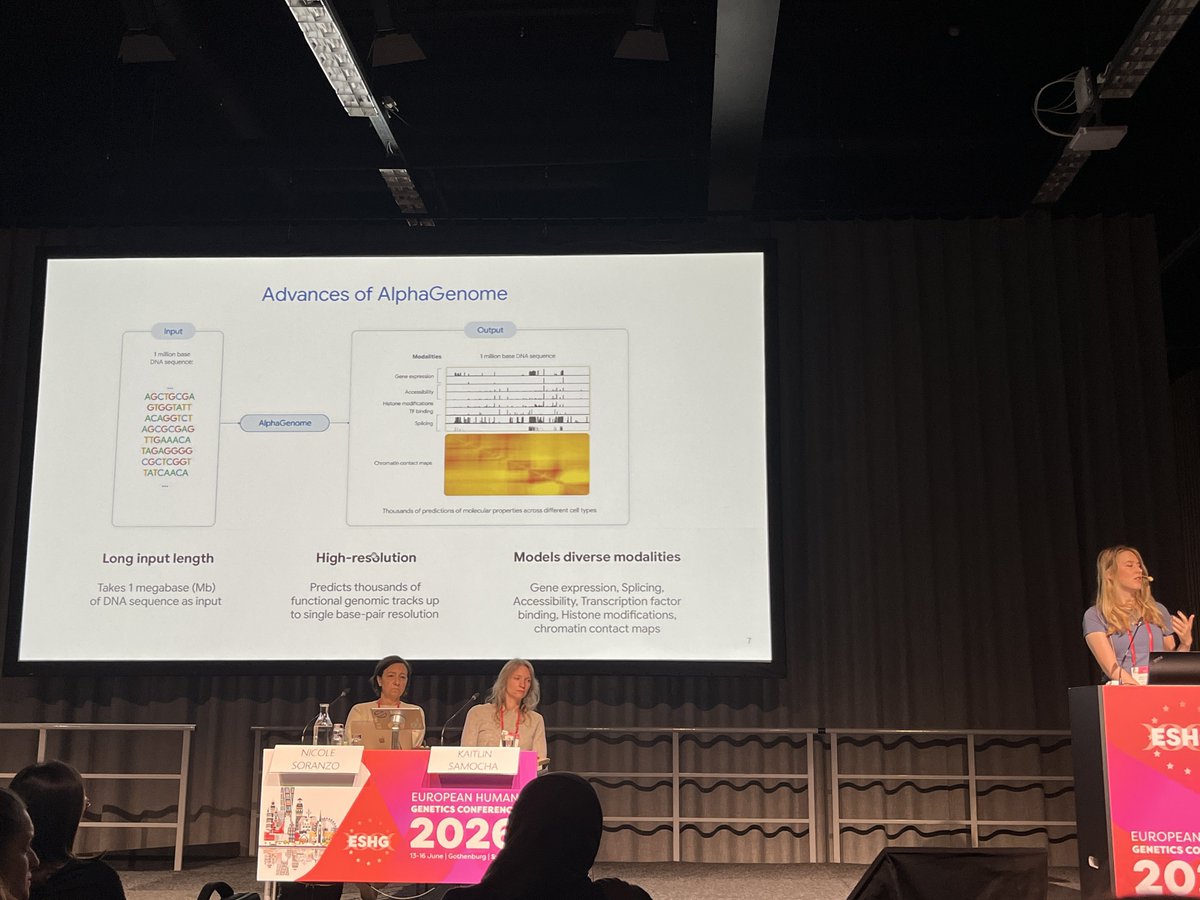
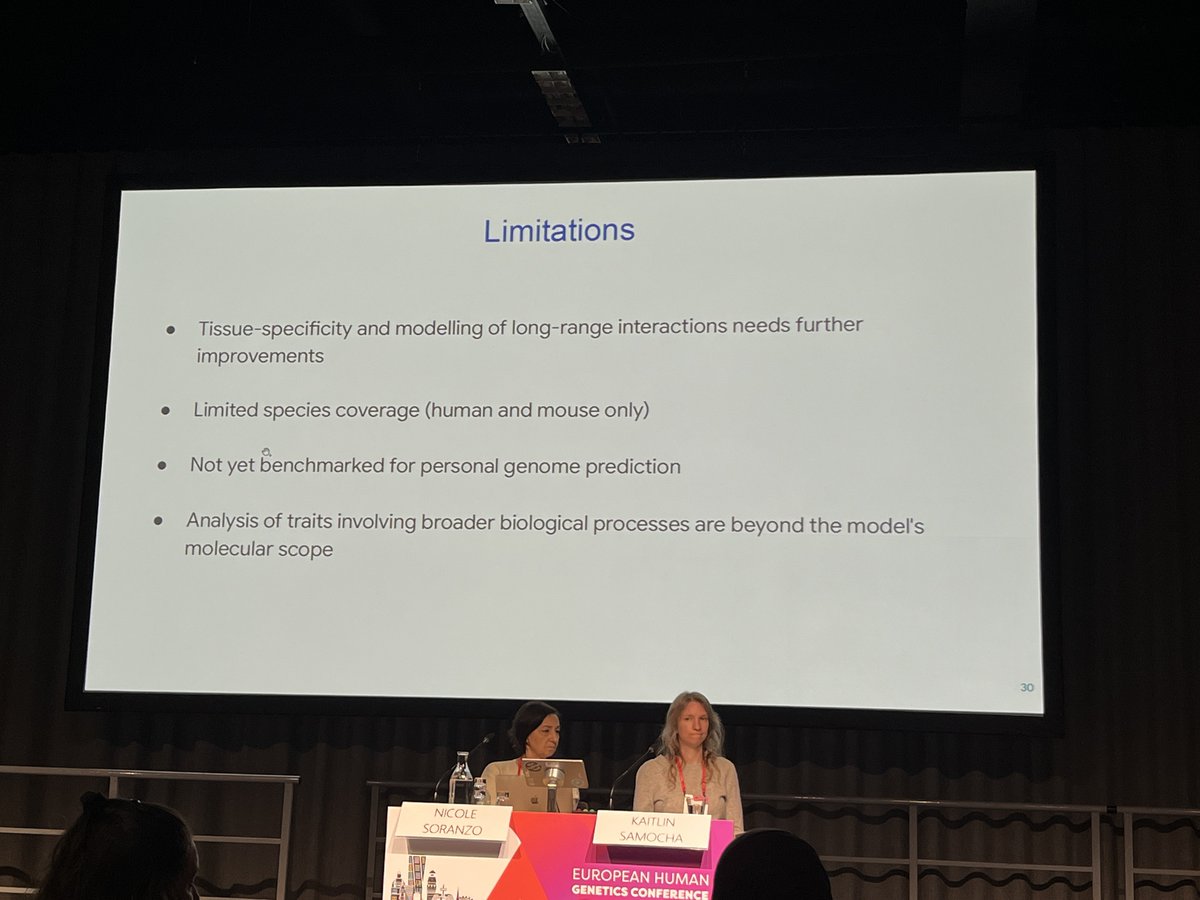
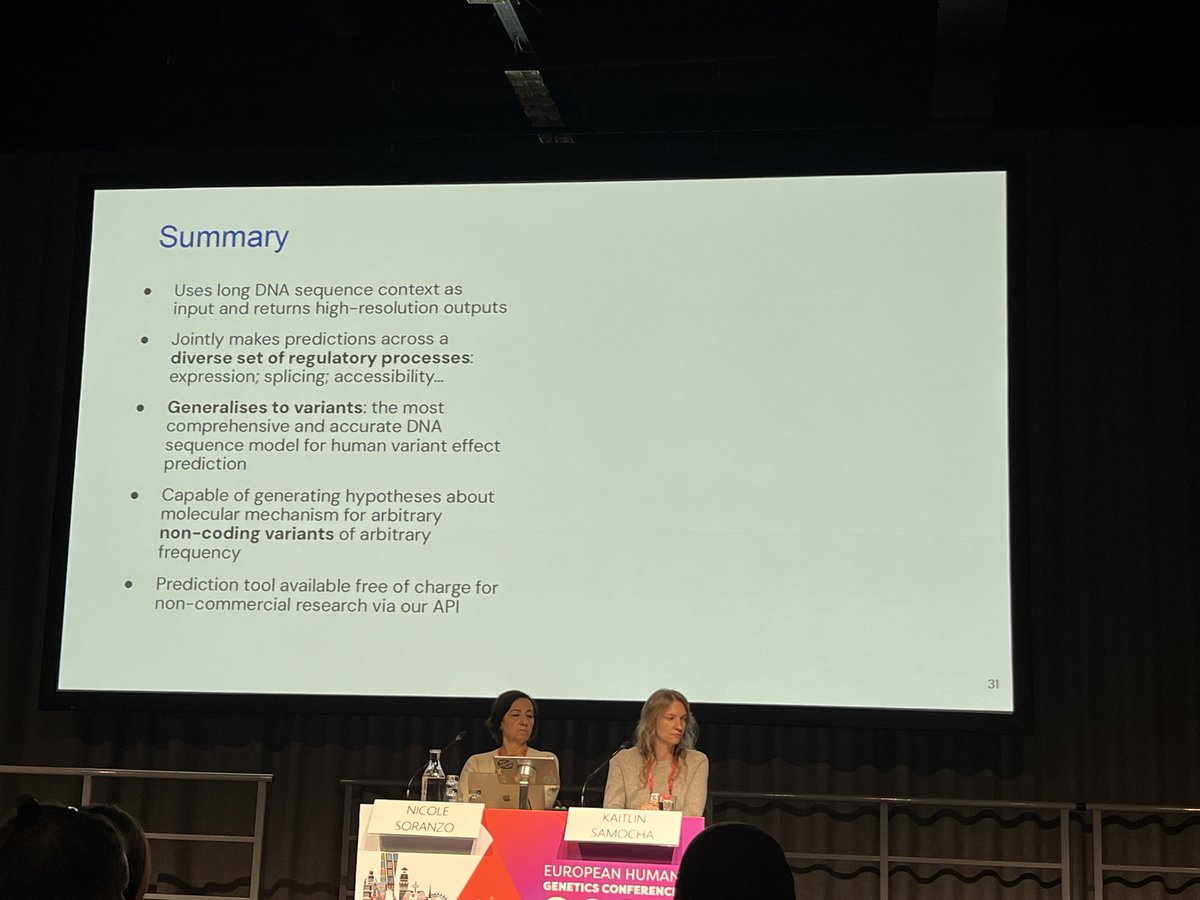
The next talk is @n_latysheva on AlphaGenome by @GoogleDeepMind in different prediction of effects non-coding variants on #eshg2026
nature.com/articles/s41586-0…
1
4
490

Nature research paper: Diverse binding poses of agonistic neurotoxins on human Nav1.6
go.nature.com/4vB6Pu2
1
21
74
12,831
Nature research paper: Cell-type-resolved genetic variation shapes inflammatory bowel disease risk
go.nature.com/3RED3pM
5
22
101
24,862
Mark Borris Aldonza (@precursorcell.bsky.social🦋) retweeted

Jun 12
Senescence is often viewed as a uniform pathological state @lexi_rindone found SnCs form distinct "senotypes" that organize-specialized tissue niches regulating fibrosis, immune signaling, vascular remodeling biorxiv.org/content/10.64898… #Senescence #Fibrosis #Aging @sennetresearch
2
12
44
4,888
So disappointing to have spent hours adapting in silico workflows so that they would fit into Fable 5's safety filter in biology, and now this. Unprecedented times indeed.
Jun 13

As a result of a US government directive, we are suspending access to Claude Fable 5 for all users. You can continue to use all other Claude models.
Here’s what this means for you:
Across Claude products, new sessions will run on your selected default model or Opus 4.8, and existing Fable 5 sessions will end with an error.
On the Claude Platform, requests to Fable 5 will also return an error. Please update your integrations to other Claude models.
We know this is a disruption to your workflows; we appreciate your patience and support.
128
Wonderful piece, from a PI I really admire. Biology still credits big discoveries like a single PI-led dozen people in a room are doing them, long after the room became a thousand-person enterprise.
The Myth of the Irreplaceable Scientist
sciencepolitics.org/2026/06/…
1
53
Mark Borris Aldonza (@precursorcell.bsky.social🦋) retweeted

Jun 11
Why 50% of human fertilized eggs fail to complete pre-implantation development?
Latest work from my lab in @CellCellPress now clarifies the two causes that contribute to the low efficiency of early human embryos and provides one of the solutions. (1/7)
doi.org/10.1016/j.cell.2026.…
3
64
297
41,038
Mark Borris Aldonza (@precursorcell.bsky.social🦋) retweeted

Jun 11
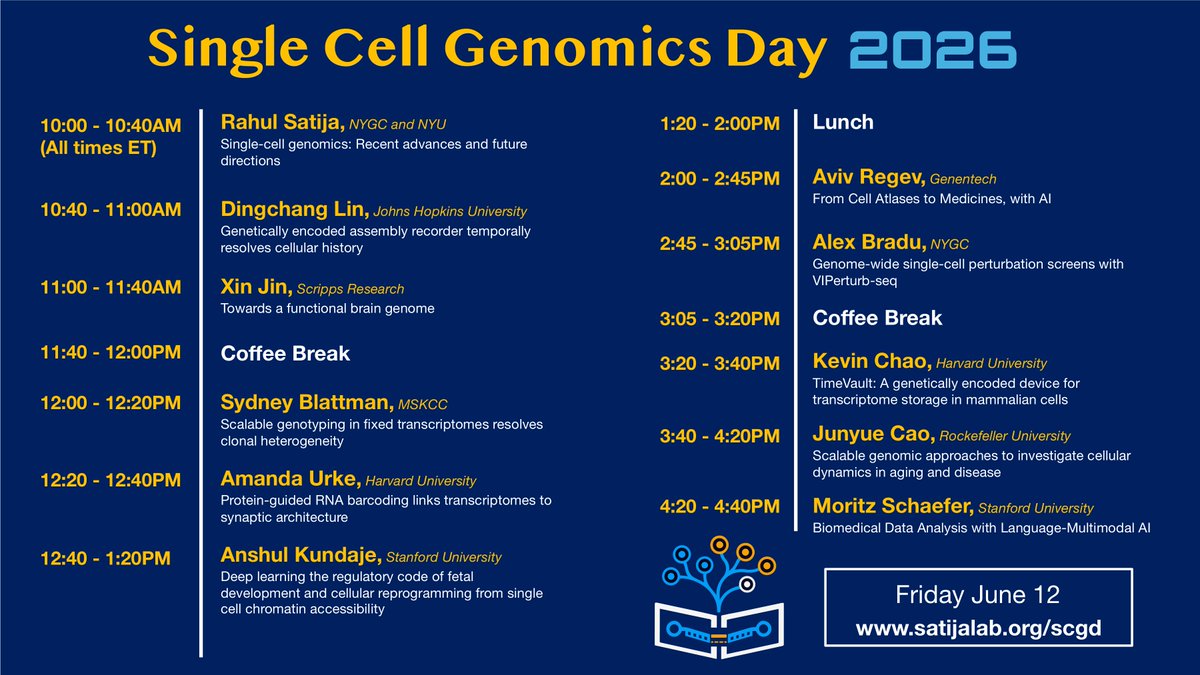
Our stream for Single Cell Genomics Day goes live tomorrow morning at satijalab.org/scgd , look forward to seeing you there for our 10th year!
25
103
10,740
Mark Borris Aldonza (@precursorcell.bsky.social🦋) retweeted

placental NAD gates onset of labor!
science.org/doi/10.1126/scie…
1
8
29
3,283
Mark Borris Aldonza (@precursorcell.bsky.social🦋) retweeted

Jun 11
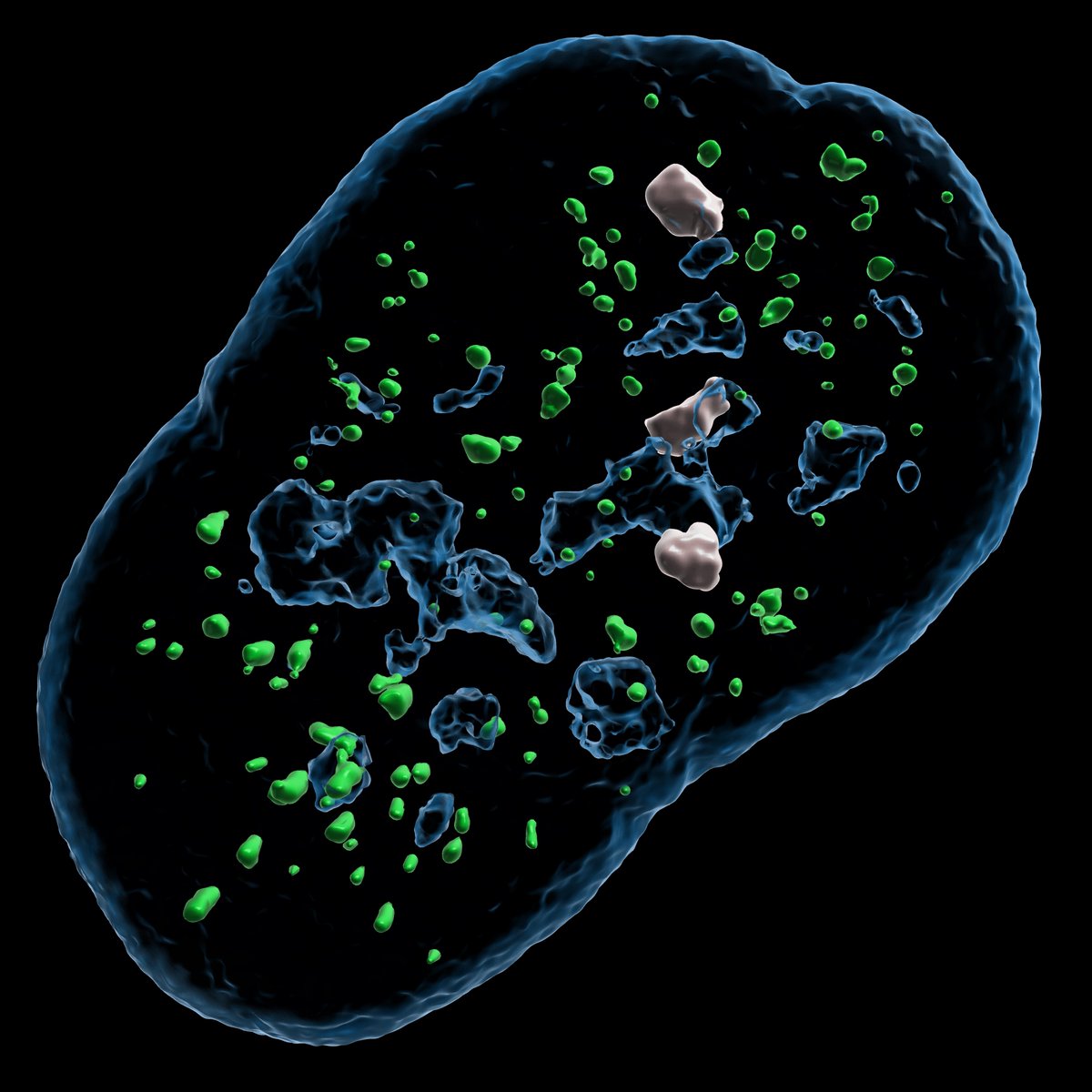
Our TEAD1 condensate paper is now online at Nature Cell Biology! TEAD1, despite being a transcription factor, forms condensates at the heterochromatin. We found that it actually served as depots to sequester excess TEAD1. Nature is full of surprises!
nature.com/articles/s41556-0…
6
31
193
10,649
Mark Borris Aldonza (@precursorcell.bsky.social🦋) retweeted

While living systems rely on collectives to function, academic institutions reward singular stars. “The myth of the irreplaceable scientist” challenges how we define impact in science and invites to imagine evaluation systems that reflect the collaborative nature of discovery.
2
5
20
1,211
Mark Borris Aldonza (@precursorcell.bsky.social🦋) retweeted

Jun 11
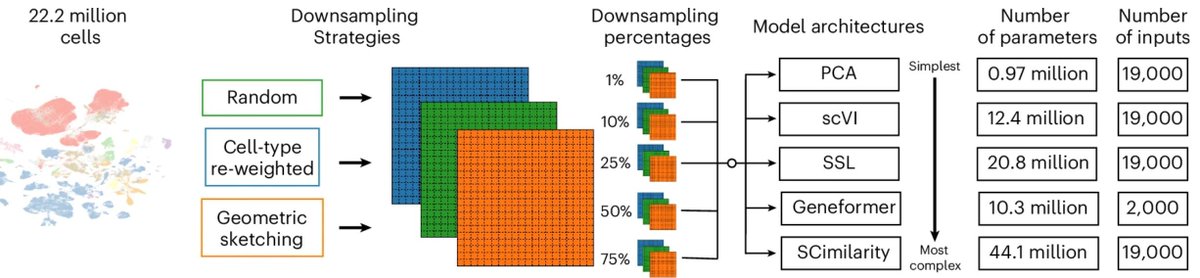
Do single-cell foundation models obey scaling laws?
A somewhat thought-provoking new Nature Methods study by the Crawford lab suggests that, for current single-cell foundation models, the answer may be “not really.” Across a broad range of architectures and downstream tasks, increasing pretraining data from hundreds of thousands to tens of millions of cells yielded surprisingly limited gains, with performance often saturating much earlier than expected.
This is interesting and provides exactly the kind of rigorous benchmarking our field needs. As Felix Fischer and I commented in the accompanying Research Briefing, such studies help move the discussion beyond model size and computational budgets toward actual scientific utility.
At the same time, I am not convinced the key conclusion is that scaling does not work in biology. Rather, it may be that current objectives are not extracting enough information from additional data.
Interestingly, in our recent scConcept work, we observe a markedly different scaling behavior, with continued gains as training data grows toward hundreds of millions of cells. The key difference may be the training objective itself: instead of reconstruction-based masked modeling, scConcept uses a contrastive objective that directly optimizes biologically meaningful cell representations.
biorxiv.org/content/10.1101/…
This raises an interesting question for the field: Have we reached the limits of data scaling, or only the limits of current objectives?
-> My guess is that the next generation of biological foundation models will depend less on simply collecting more cells and more on finding the right representation learning principles for biology.
Nature Methods paper:
nature.com/articles/s41592-0…
Research Briefing:
nature.com/articles/s41592-0…
#SingleCell #FoundationModels #AIforBiology
10
52
228
27,976
Mark Borris Aldonza (@precursorcell.bsky.social🦋) retweeted

Jun 10
CellBouncer, a unified toolkit for single-cell demultiplexing and ambient RNA analysis, reveals hominid mitochondrial incompatibilities dlvr.it/TSz6XW
7
18
2,345
Now makes sense why Fable keeps rerouting to Opus 4.8 when all I ask is a help for my Cre constructs.
Jun 10

I know this is frustrating. As we said at launch, Fable blocks bio requests entirely for now and reroutes them to Opus 4.8. We made this tradeoff in order to get the model out safely and quickly while we work to refine the classifiers. It is absolutely our goal to enable the whole bio community to use our most powerful models, with appropriately scoped protections in place. We’re working towards this as fast as possible.
51
Mark Borris Aldonza (@precursorcell.bsky.social🦋) retweeted

A prime editor screen systematically identifies deleterious synonymous variants in human cells nature.com/articles/s41587-0…
rdcu.be/fmbna
1
14
75
9,494
Mark Borris Aldonza (@precursorcell.bsky.social🦋) retweeted

Jun 8
Opposing roles of serine and charge in IDR condensate miscibility: nature.com/articles/s41589-0…
16
60
3,844