
Entrepreneur, Educator, Trainer, Educationist, Writer, Motivational Speaker, Political observer, Meditation & Spirituality
Joined April 2010
- Tweets 32,546
- Following 481
- Followers 2,932
- Likes 74,658
883 Photos and videos


Pinned Tweet

19 Aug 2020
Those who are trending #postponeJEEandNEET don't realize the pressure which is getting mounted on sincere and serious students with each passing day.
Those who have studied sincerely, want exams to be conducted somehow so that anxiety and tension can be released.
19 Aug 2020

Six lakh tweets almost today regarding #PostponeJEEandNEET and with some political support also coming in, I still doubt exams will be held in September, this online effort is more than I could imagine. (1/3)
17
38
140

#WATCH | Slovakia confers its highest honour, The Order of the White Double Cross (1st Class) on PM Narendra Modi. Slovakian President Peter Pellegrin presents him with the honour. This is the 33rd global honour bestowed by a country upon PM Modi.
The Order of the White Double Cross (1st Class) is the highest state decoration conferred by the Slovak Republic and is awarded by the President of Slovakia to foreign dignitaries in recognition of exceptional contributions to the development of friendly relations with Slovakia, as well as for outstanding support of its foreign policy interests and international standing.
(Video: DD News)
19
68
459
13,644
Now as the US-Iran war is over, can we get to know the exact truth behind #EpsteinFiles? I want all the #MAGA supporters to clear the blot created by Epstein files.
11
Yogendra Singh Sikarwar retweeted

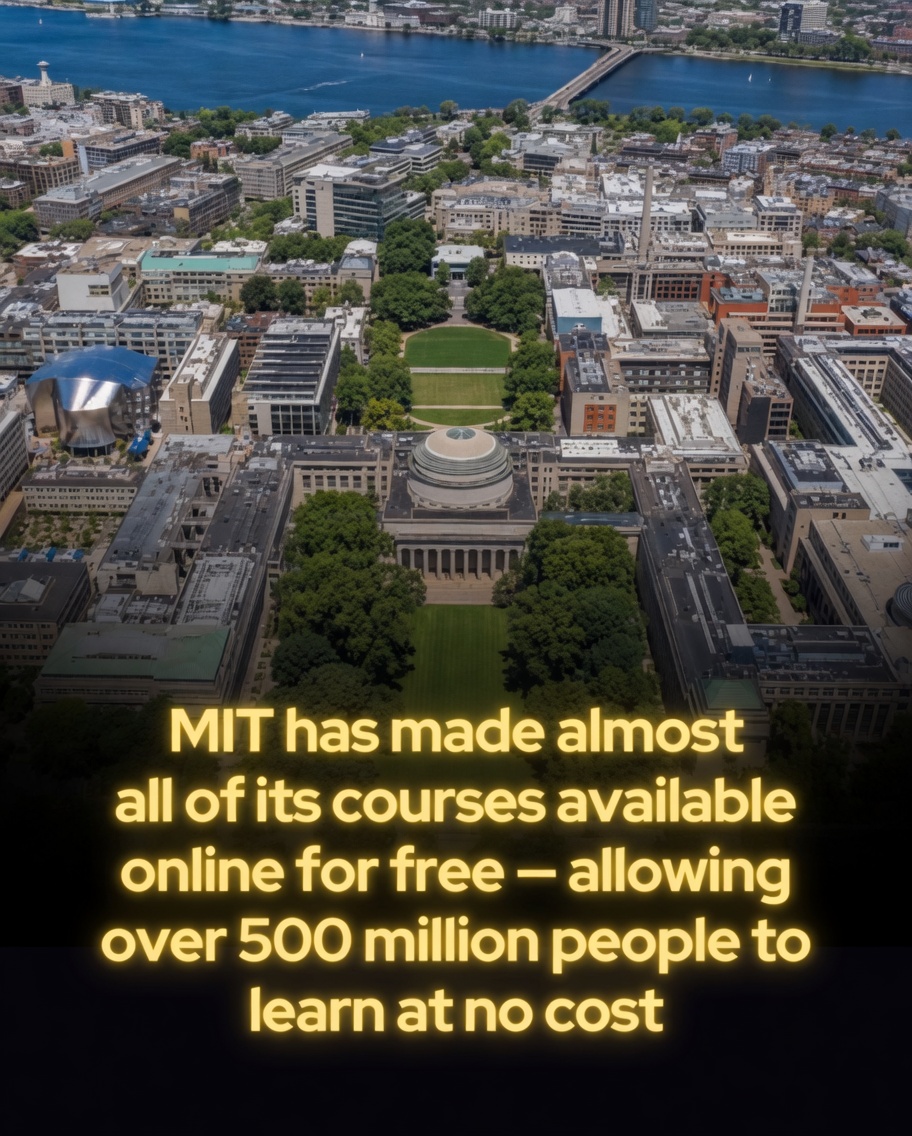
Twenty-five years ago, the Massachusetts Institute of Technology made a bold move that most universities would never dare.
Instead of locking its world-class course materials behind campus walls, MIT decided to put nearly its entire curriculum online, completely free for anyone with an internet connection.
That decision gave birth to MIT OpenCourseWare (OCW).
What began as a bold experiment in 2001 has become one of the most significant educational initiatives in history.
Today, OCW provides materials from more than 2,500 undergraduate and graduate courses across virtually every discipline: physics, engineering, artificial intelligence, economics, biology, mathematics, computer science, and many more.
Anyone can access lecture notes, problem sets, exams, syllabi, and a growing library of video lectures, with no tuition, no application, and no account required.
According to MIT, more than 500 million people worldwide have used these resources over the past 25 years.
The impact has been profound. Students use it to ace exams, explore new fields, and launch careers. Educators around the globe integrate the materials into their own teaching. Many learners credit OCW with helping them pass professional certifications and unlock new opportunities.
Beyond its direct benefits, OpenCourseWare helped spark the global open education movement, inspiring dozens of other universities to share their knowledge freely online.
Even more impressive: the project was originally planned as a 10-year initiative. A quarter-century later, it's still expanding.
MIT now aims to reach 1 billion learners in the coming decade, while enhancing the experience with powerful new AI-powered learning tools.
23
403
1,202
48,917
Yogendra Singh Sikarwar retweeted

AI that thinks in India's own languages.
IIT Bombay is proud to present BharatGen to the world: Open, multilingual AI for India's languages and people, at Bharat Innovates 2026 in Nice, France (14–16 June).
BharatGen is built at IIT Bombay's Department of Computer Science and Engineering, led by Prof. Ganesh Ramakrishnan, with Rishi Bal (CEO) and Dr. Maneesh Singh (VP, ML) with a consortium of 9 premier academic institutions. A team of 60 researchers, engineers and linguists are building AI that includes all scheduled Indian languages, across text, speech and documents.
-> Param2, its foundational text model with reasoning, coding, and tool calling capabilities works across all 22 scheduled Indian languages
-> Shrutam2, for automatic multilingual speech recognition/ STT across Indian languages
-> Sooktam2, a text-to-speech models with zero-shot voice cloning across Indian languages
-> Patram, a document vision model built for understanding Indian-specific documentation
BharatGen powers services in governance, healthcare, education, insurance, finance, and cultural preservation.
A national effort backed by DST and the IndiaAI Mission, BharatGen is India's push for open, homegrown AI, built for 1.4 billion people.
For more information, visit bharatgen.com
Bharat Innovates 2026 · 14 - 16 June · Nice, France
@BharatInnov2026 @EduMinOfIndia
#BharatInnovates2026 #IITBombay #BharatGen #DeepTech
40
389
1,694
49,209
Yogendra Singh Sikarwar retweeted

How engineers think differently and why it's so helpful
25
303
3,262
283,256
Yogendra Singh Sikarwar retweeted

Americans realizing they spend $80B to bomb Iran only to pay Iran $300B more to undo the damage
Jun 14

JUST IN - Iranian media says the U.S. agreed to present reconstruction plans for Iran amounting to at least 300 billion dollars.
590
9,297
68,513
1,818,659
Yogendra Singh Sikarwar retweeted

#IITMadras BS in Data Science student Shubam overcomes challenges, Graduates with 9.5 CGPA!! 🔥
3
32
331
12,633
Yogendra Singh Sikarwar retweeted

Jun 14
A French moto vlogger "Frenchy" was traveling through India on his bike, He had a lump on his neck. Curious about the cost and process to remove it, he inquired locally and was quoted just $500 for the treatment.
Stunned by both the price and the short waiting time, he went ahead with the procedure. Within a week, the lump was removed. He documented the whole journey on camera.
He later shared that the same type of surgery in Australia after an accident had cost him $12,000.
If manufactured online hate and negative perceptions in the West didn’t exist, India could easily be earning hundreds of billions of dollars every year from medical tourism alone.
And this is why India needs to fight bad image/perception, that is being promoted by India's adversaries.
347
3,459
19,944
3,592,530
Indians after seeing Shehbaz trying to copy @realDonaldTrump:
Jun 13

We are closer to a peace deal than ever before. With finalisation likely expected in the next 24 hours, Pakistan is preparing for the electronic signing of the peace deal immediately after, followed by technical level talks next week.
We would like to thank United States of America and Islamic Republic of Iran for their ongoing commitment during the negotiations, and we extend our sincere appreciation to our brothers in the region for their support. We are confident that this historic peace deal will form a strong foundation for lasting peace.
@realDonaldTrump
@JDVance
@SecRubio
@SteveWitkoff
@SEPeaceMissions
@drpezeshkian
@araghchi
25
Excellent decision by the Odisha Govt. Providing free education to everyone is the best thing any govt can do for the citizens. @MohanMOdisha
Jun 13

A Historic Leap: #Odisha Announces Free Education from KG to PG
share.google/hYqyePUFMQIO972…
2
1
349
Once upon a time LeT, JeM used to take responsibility for terror attacks on Indian soil. Now America has taken their place.
#TerroristCountryUSA

Breaking news : अमेरिका ने भारतीय जहाज पर हमले की जिम्मेदारी ली
@romanaisarkhan के साथ | abplive.com/live-tv
#Breaking #America #ShipAttack
3
34
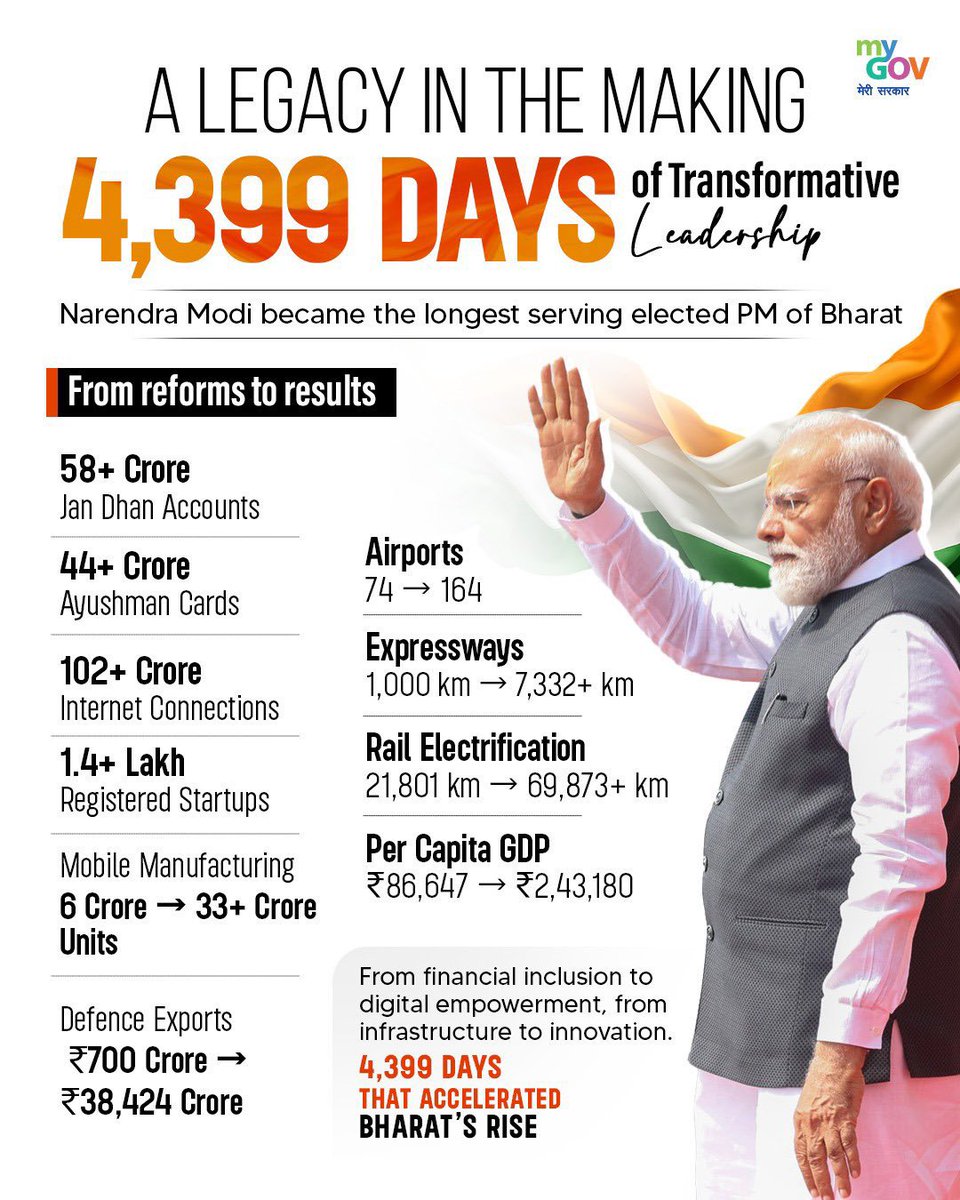
Congratulations Hon'ble PM Shri @narendramodi ji on becoming the longest serving PM of India. Under your able leadership, India has achieved many remarkable goals in various fields.
Wishing you many more years in the service of the people of India.
5
45
Dadi rocks!!!

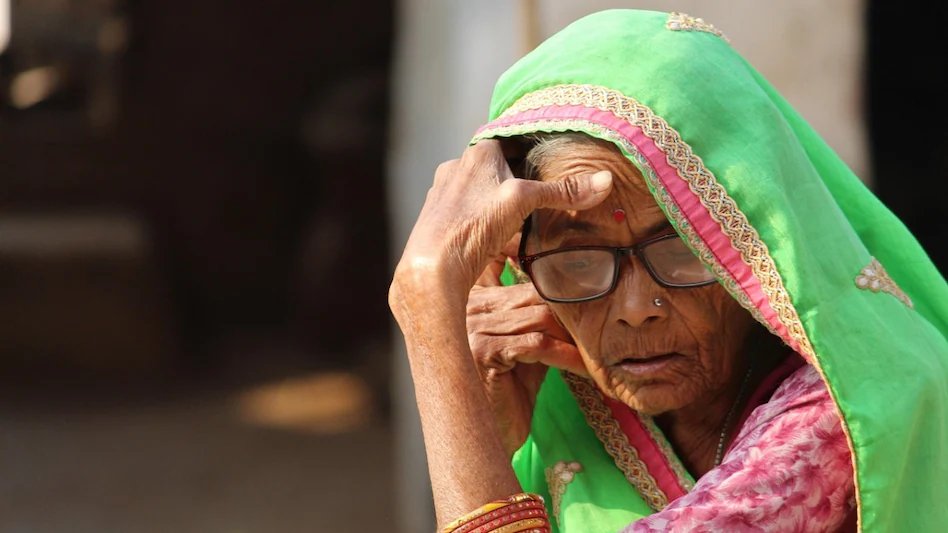
साढ़े 7 एकड़ जमीन मिलते ही पोतों ने बेसहारा छोड़ा, दादी ने केस कर दिया, गिफ्ट डीड कैंसिल
महाराष्ट्र के लातूर में 89 साल की महिला ने अपने पोतों से साढ़े 7 एकड़ जमीन वापस हासिल कर ली. महिला ने देखभाल नहीं होने का आरोप लगाया था, जिसके बाद सीनियर सिटिजन ट्रिब्यूनल ने गिफ्ट डीड रद्द कर संपत्ति फिर उनके नाम करने का आदेश दिया.
पूरी खबर : intdy.in/k15zo1
#Maharashtra #Latur #SeniorCitizenRights
3
47
Yogendra Singh Sikarwar retweeted

#Karnataka | Over 1,000 alumni of Kumareshwara High School, run by the Kumareshwara Vidyavardhaka Trust in #Hangal, came together to host a grand #farewell for retiring #teacher CS Vastrad—an event that later became the talk of the district.
More details 🔗toi.in/rImUnZ87
Don’t miss the complete coverage - get the TOI App 👉 timesofindia.sng.link/Cqhd4/…
3
140
1,750
144,750
किसी भी व्यवस्था को चलाने के लिए किसी ना किसी मानदंड की आवश्यकता होती है। यदि समुचित मानदंड ना हो तो उसकी अनुपस्थिति में जो भी वैकल्पिक व्यवस्था उपलब्ध हो उसका सहारा लेना पड़ता है। CIBIL भी ऐसी ही मजबूरी है। अब समय आ गया है कि CIBIL का भारतीय विकल्प तैयार किया जाए।

#CIBIL एक अव्यवहारिक, मूर्खतापूर्ण तंत्र है। अगर आप लगातार कर्ज लेकर चुकाते रहते हैं तो आपका सिबिल स्कोर अच्छा रहेगा। अगर आपने कर्ज लिया ही नहीं तो भले आपकी कर्ज चुकाने की क्षमता हो, लेकिन यह तंत्र आपका स्कोर नीचे कर देगा। कर्ज लेकर चुका दिया और कुछ वर्षों बाद कर्ज लेने गए, तब भी सिबिल स्कोर कम हो जाएगा। कुल मिलाकर सिबिल आपको समय पर कर्ज देने से अधिक लगातार कर्ज के जाल में फंसाए रखने के लिए है। अब मेरे जैसे लोग कभी क्रेडिट कार्ड नहीं रखते तो उसके आधार पर भी सिबिल स्कोर कम ही रहेगा। यह न समझ आने वाली बात है कि, भारत में इस तंत्र को क्यों मान्यता दी गई है।
72
Yogendra Singh Sikarwar retweeted

Jun 7
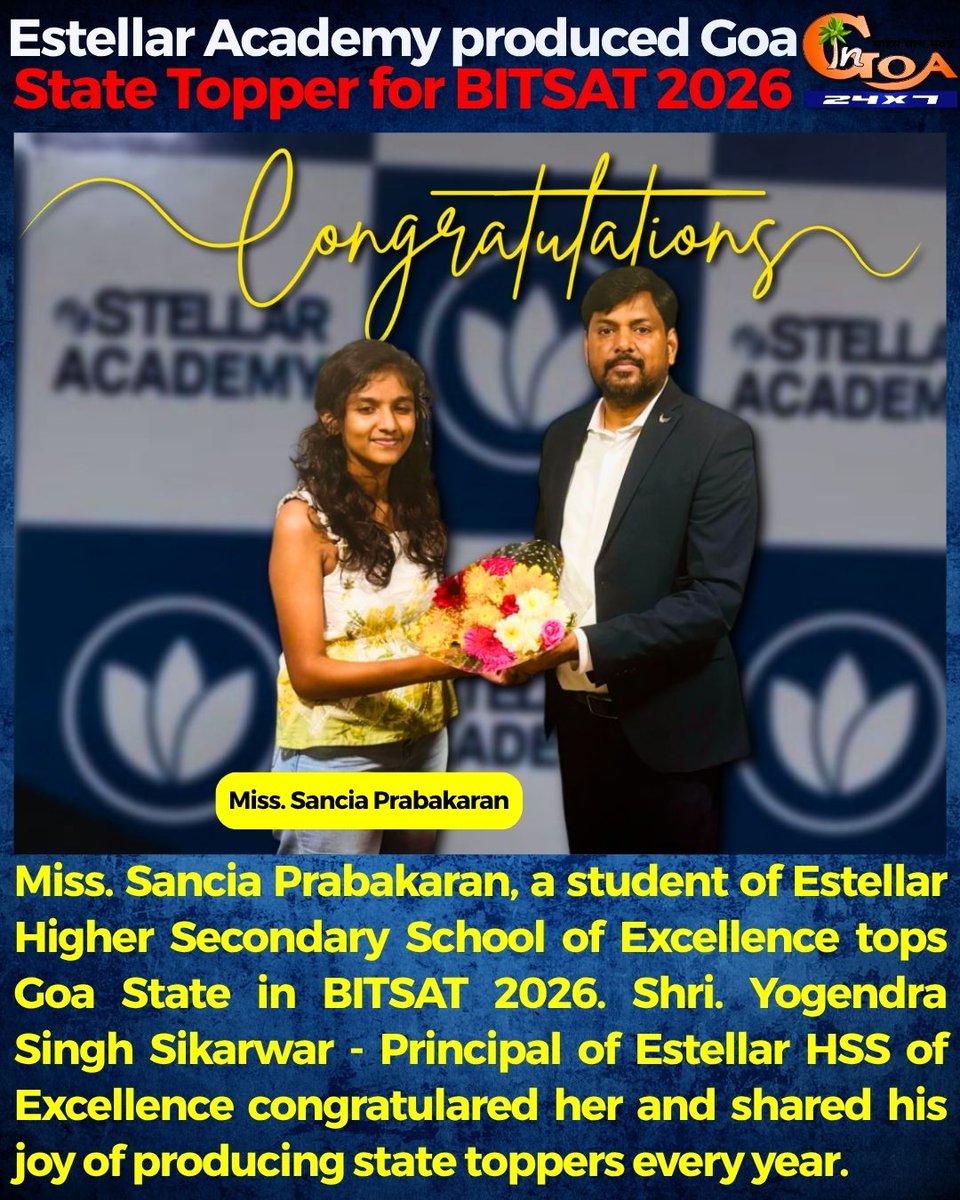
Estellar Academy produced Goa State Topper for BITSAT 2026
#Goa #Goanews #EstellerAcademy #StateTopper
2
7
327
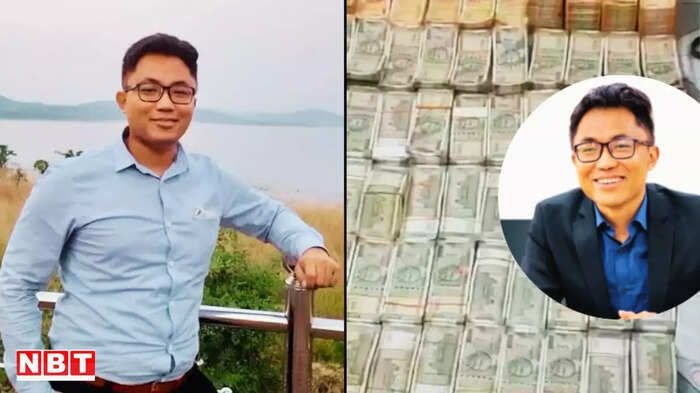
Dear @IASassociation, don't you want to keep your system clean? Why don't you come forward with suggestions to remove such people from the system once they are caught with enough evidence against them?
Your reputation as a lobby is getting tarnished with each such case. Speak up.

He is Dhiman Chakma, IAS 2016 batch, Odisha cadre.
He was caught by Odisha vigilance in June 2025 while accepting a bribe of 10 lakh, and some 50 lakh was recovered from his house.
Exactly one year later, he was made a deputy secretary in the revenue department.
Why no punishment? I cannot comprehend this. Is he being punished or rewarded by the system for corruption?
Is corruption no longer a crime?
18
54
148
3,845
Hon'ble PM @narendramodi ji, if this is how our system operates, how will anyone be deterred from corruption?
We are unable to stop corrupts from entering into the system, unable to punish them when they are caught, how are we going to be a model nation with these loopholes?
He is Dhiman Chakma, IAS 2016 batch, Odisha cadre.
He was caught by Odisha vigilance in June 2025 while accepting a bribe of 10 lakh, and some 50 lakh was recovered from his house.
Exactly one year later, he was made a deputy secretary in the revenue department.
Why no punishment? I cannot comprehend this. Is he being punished or rewarded by the system for corruption?
Is corruption no longer a crime?
1
3
47
Yogendra Singh Sikarwar retweeted

Jun 6
Singapore orders social media sites to block content, likely from China-based platform, targeting Indian community
@ChannelNewsAsia
channelnewsasia.com/singapor…
254
1,628
7,886
538,698
Yogendra Singh Sikarwar retweeted

Jun 5
After initially denying any breach, CBSE invited 19-year-old ethical hacker Nisarga Adhikary to help identify security gaps in its IT systems. An IIT-led team later fixed multiple critical vulnerabilities and strengthened the board’s portals against cyberattacks.
✍️ @dawalelo
thehindu.com/education/after…
22
101
577
279,494