I study dolphins in Mumbai. Yes, there are dolphins in Mumbai. I also manage the intertidal programme at @ccfindia_.
Joined January 2010
- Tweets 10,210
- Following 380
- Followers 1,470
- Likes 1,373
625 Photos and videos




Jun 9
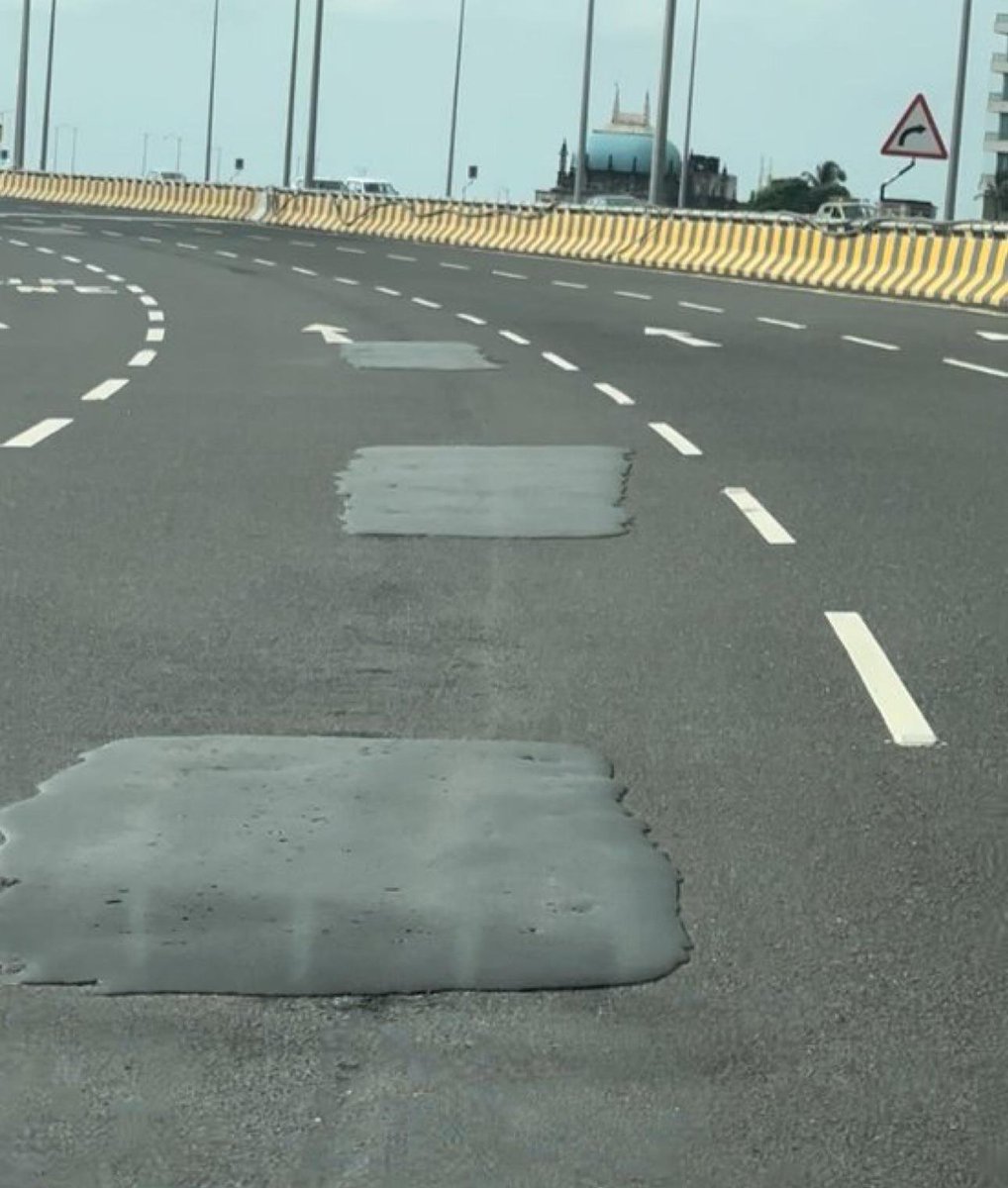
It's not even the first time it's happening. @mybmc please take note of this.
One time fines don't affect these builders. These pipes will be back in a few days.
A construction site previously even tried to hide them under the sand.

Groundwater extracted from the construction site is discharged into the stormwater drain and ultimately released into the sea through long pipes at Juhu Beach.
@mybmcwardKW
1
106
Jun 5
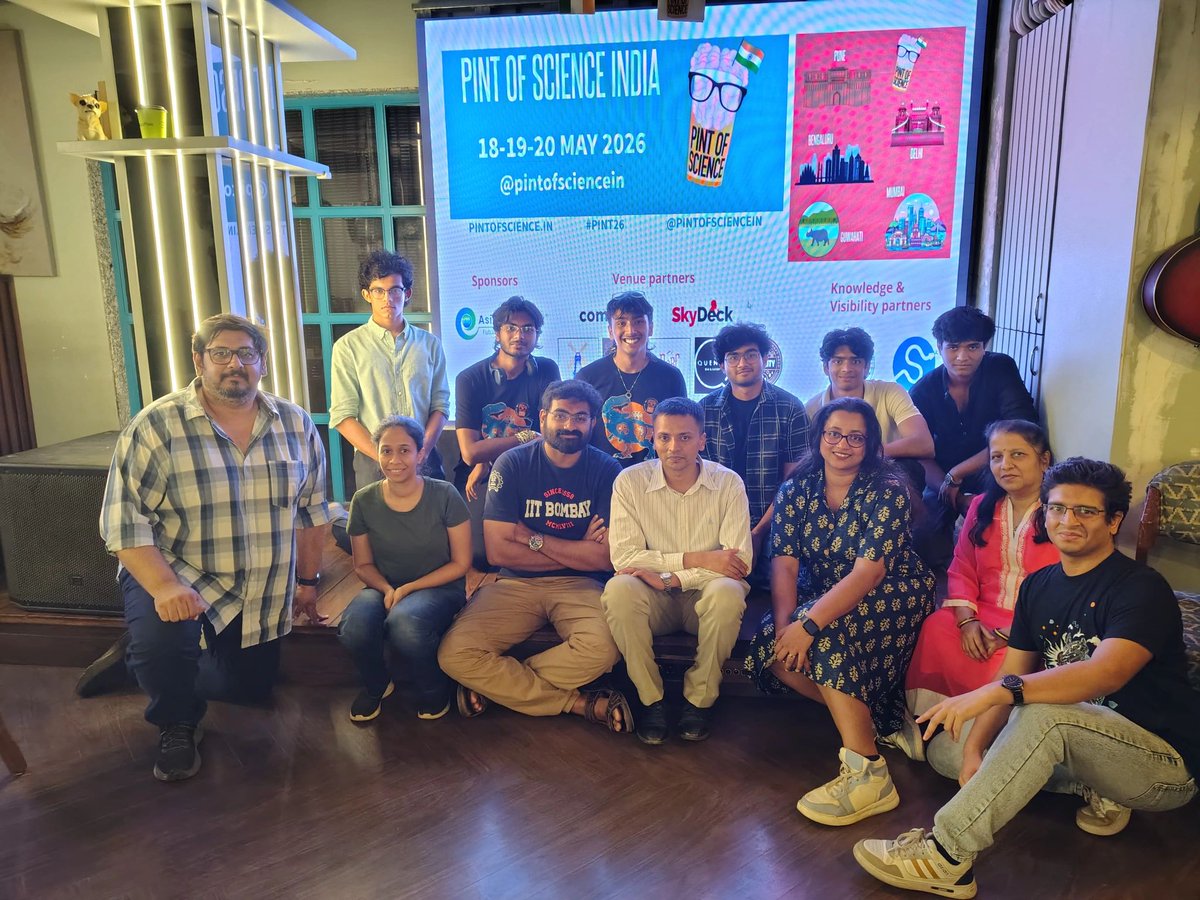
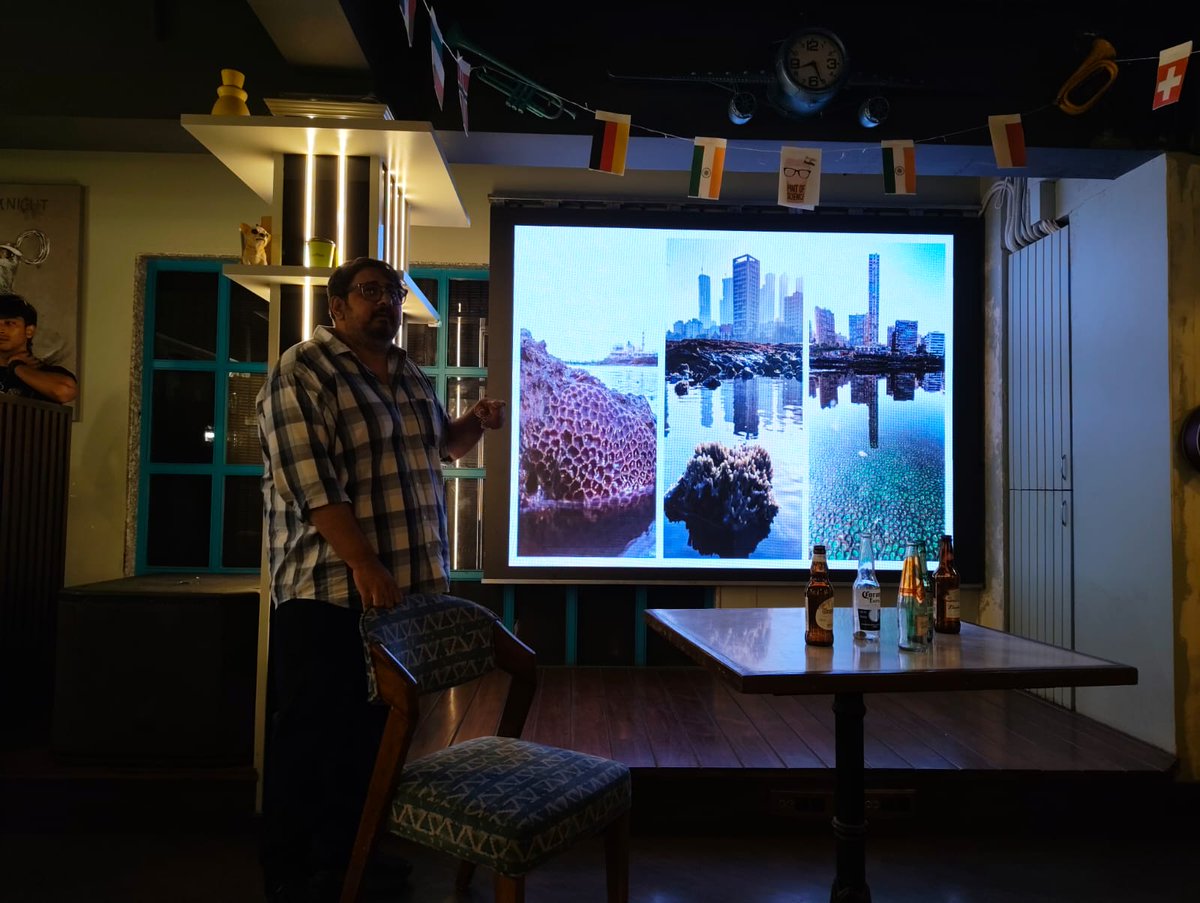
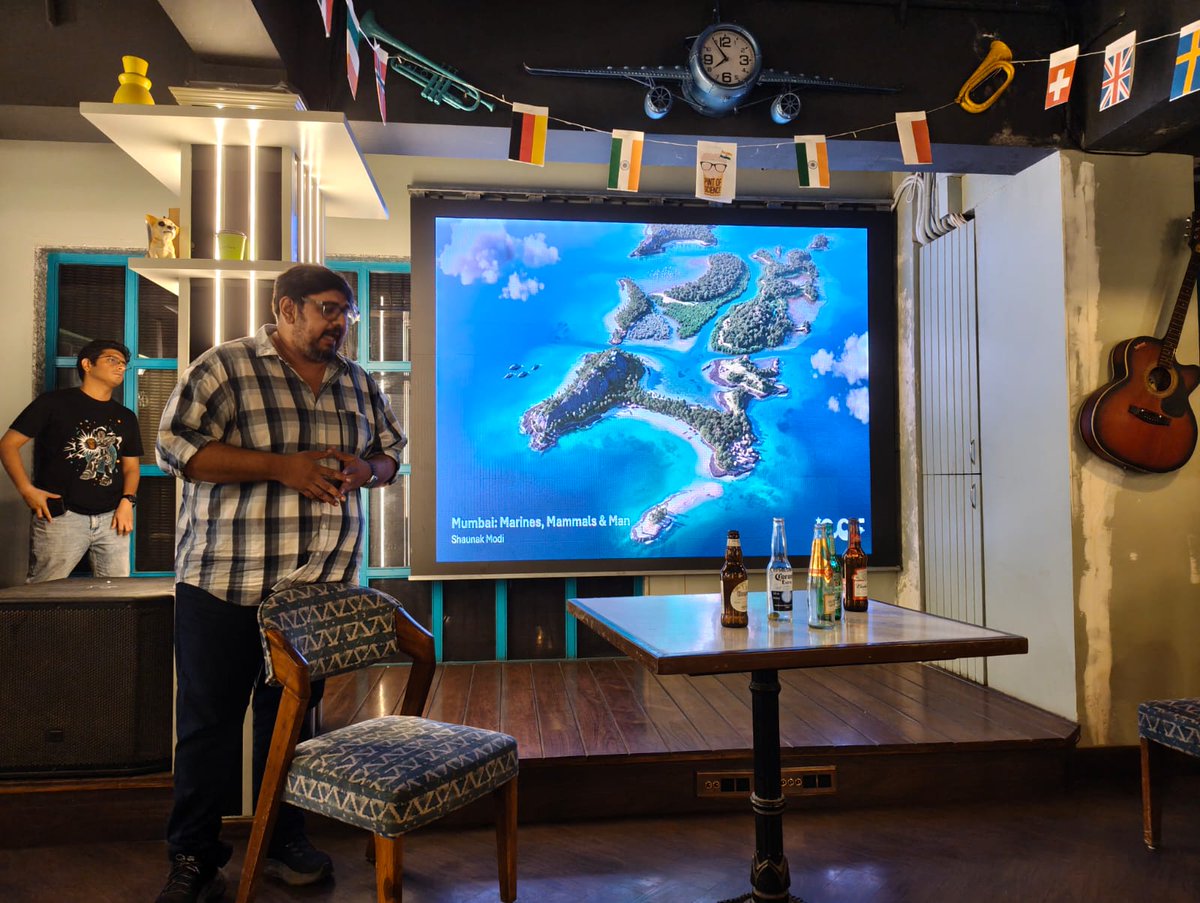
Talking about marine life is one of my favourite things to do. It's even better when it's not just with my peers but with people from different backgrounds.
Last month I spoke at the @pintofscienceIN - Mumbai about the city's natural history, how nature hangs on even today and why we must do to protect the natural heritage we have inherited. What followed was one of the most interesting discussions with so many perspectives and so much learning.
I'm grateful to the festival team for inviting me to speak at the festival. It was such a great experience.
#marinelifeofmumbai #pintofscience #pintofscienceindia @CCFIndia_
30
Jun 4
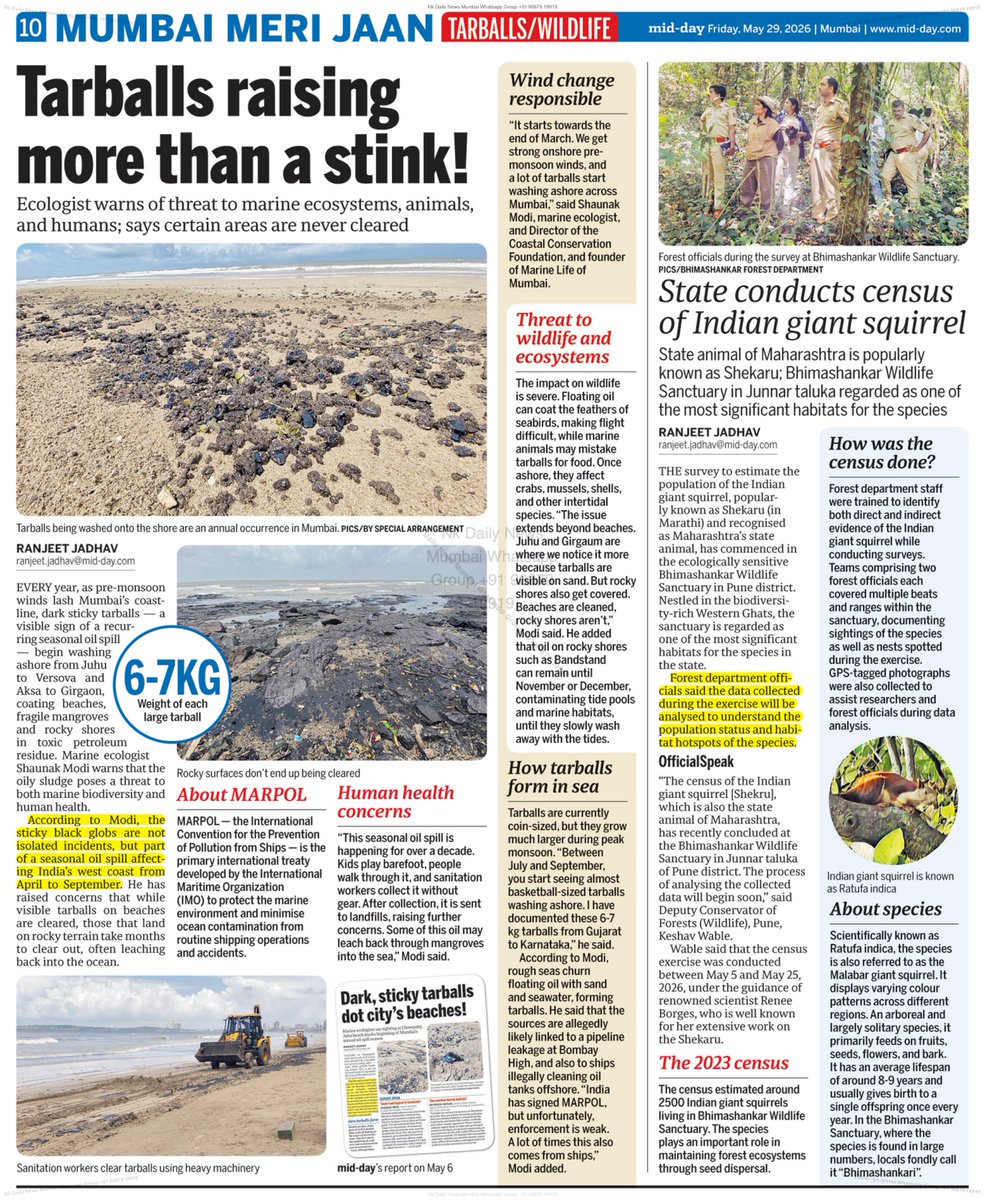
Most of us remember the horrifying images after the Deepwater Horizon oil spill in the Gulf of Mexico. Birds covered in oil, dead marine life washing up and a permanent reduction in fish catch as its cascading effects on the food web materialised.
Why is it then that an oil spill that's been happening for nearly two decades on our own coastline has slipped through our collective consciousness?
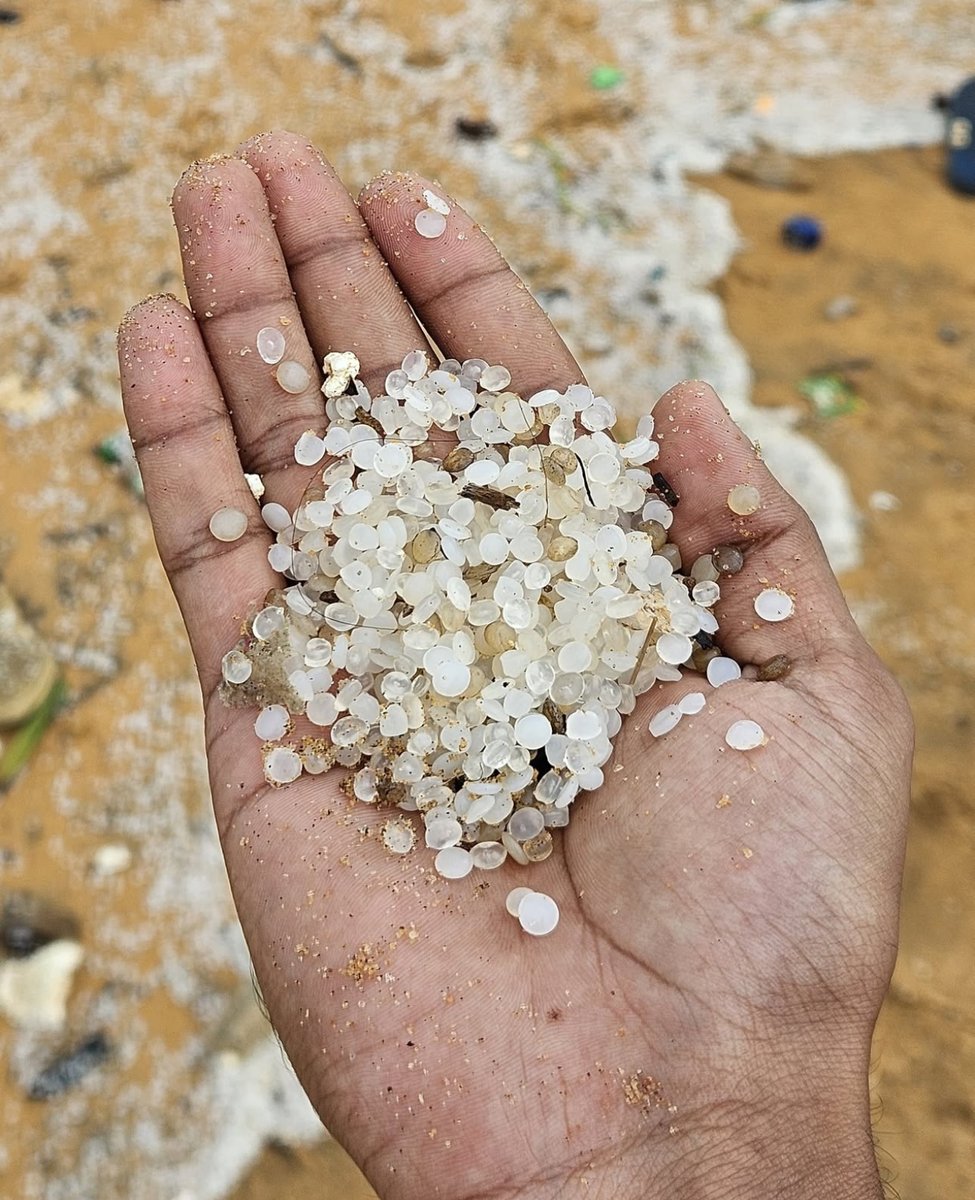
Pre-monsoon onshore winds start in March-April and bring with them tens of thousands of tonnes of tarballs - a mixture of oil, sand and water, to our shores. Day after day, from late-March-early-April till September.
While I've seen it myself for a couple of decades, I've spoken to people who've seen it for even longer. In 2017 I started @IndianOilSpills to formally document the oil spill, and have since been speaking to fishers, researchers, and concerned citizens who now regularly share photos with me to help my work.
What I believed was only happening in Mumbai, is so much larger. Over the years I've received photos from Gujarat, Maharashtra, Goa, and Karnataka.
What baffles me is how this has been so normalised that for nearly two decades a disaster of this proportion has gone unchecked.
I'm so grateful to @ranjeetnature for not only covering this but actually calling it what it is!
#oilspill #India #marinelife
4
9
360
May 21
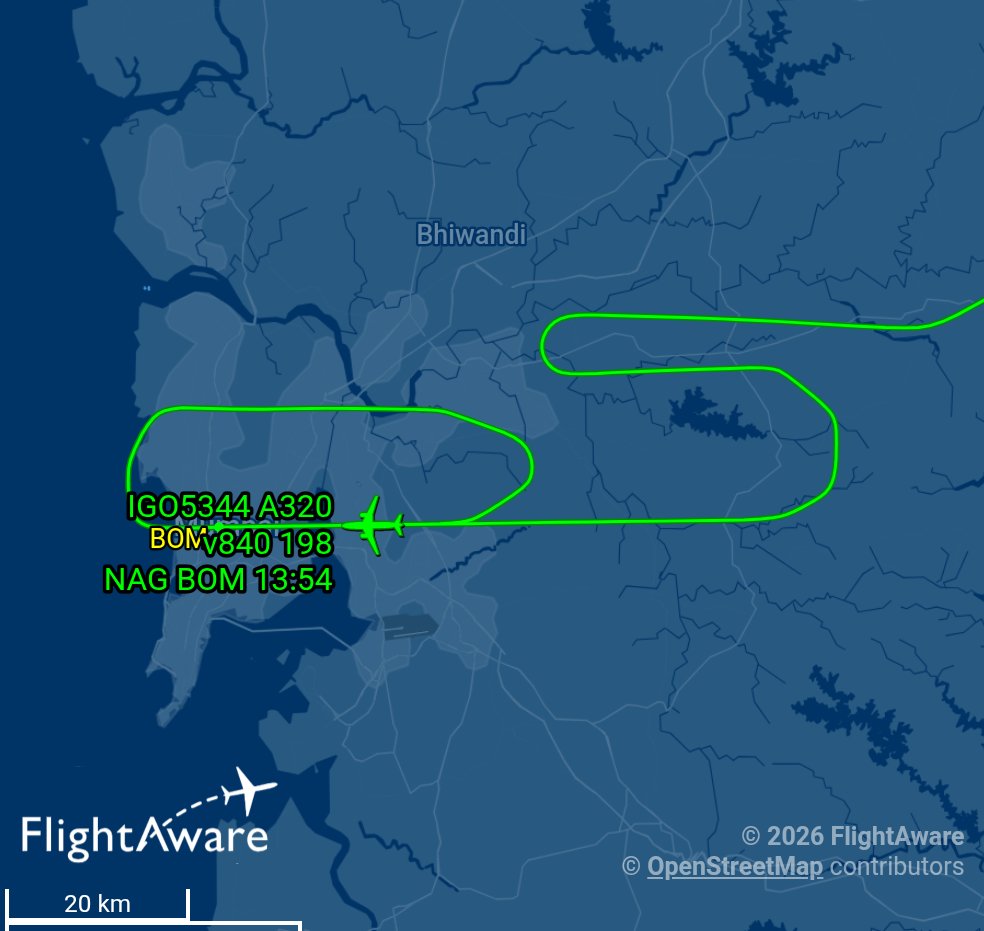
Nagpur-Mumbai @IndiGo6E flight 6E5344 landed in Mumbai and took off again berore circling around and landing 10 minutes later. No announcement by the captain, no explanation given. What's going on?
2
1
633
May 13
Between Macbook Neo and the new Googlebooks, $MSFT Windows is pretty much done for, in the daily use laptop category. Rightly so, Windows 11 belongs in the garbage.
122
May 8
O̶r̶n̶i̶t̶h̶o̶l̶o̶g̶i̶s̶t̶ Convicted wildlife trafficker Tony Silva's electronics seized by Brazilian authorities investigating Silva coordinating the illegal purchase of endangered Brazilian animals for Vantara.
#1✭ZOO
news.mongabay.com/2026/05/br…
Mirror: web.archive.org/web/20260508…
58
Mar 15
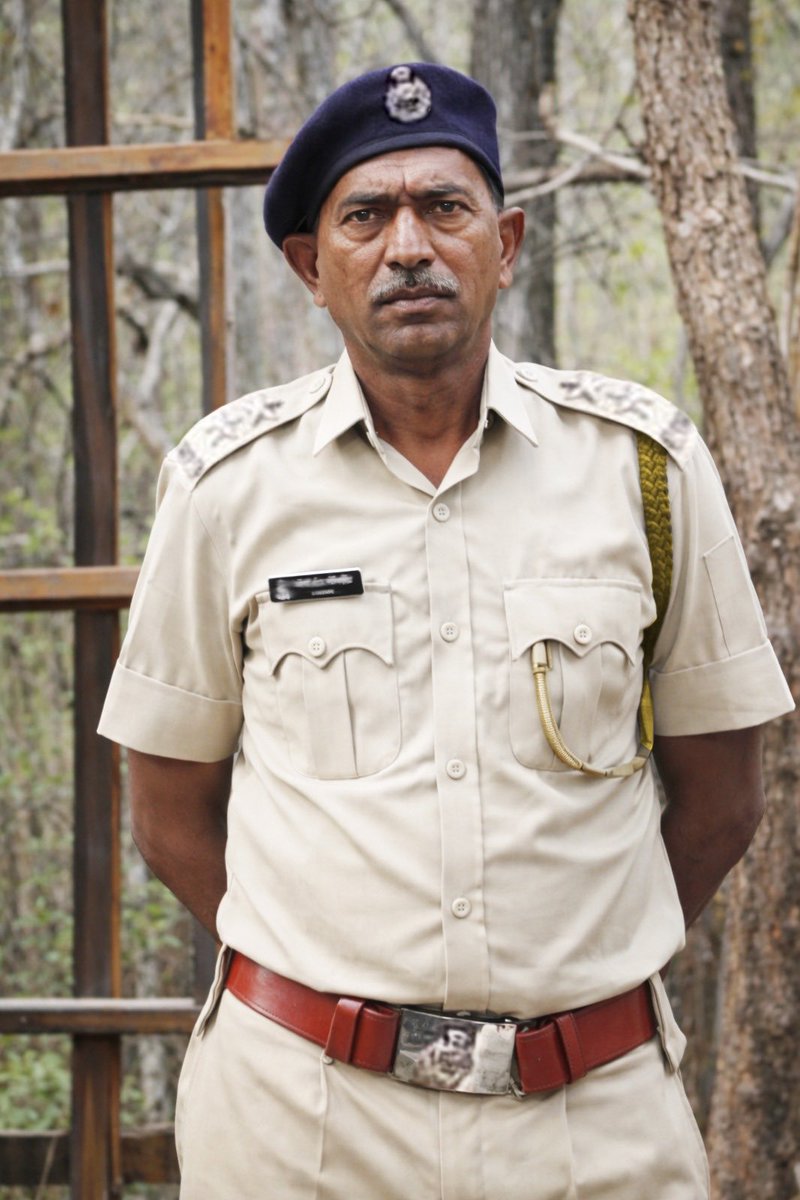
Really sad and unfortunate. Maharashtra Forest Department staff the some of the nicest and most hardworking people I've had the priviledge to work with. 🙏

Pray for this martyr who laid down his life to protect our forest today🙏🙏
Vijay Shinganjude died in the line of duty due to burn injuries sustained while attempting to control forest fire in Yavatmal district of Maharashtra. My deepest prayers for the frontline green soldier.
1
55
Shaunak Modi retweeted

Feb 25
Dolphin City: Chennai’s dolphinarium that shaped national debate on marine mammal captivity over 25 years ago
✍️@GeethaSrimathi
thehindu.com/news/cities/che…
1
2
2
2,590
Shaunak Modi retweeted

28 Nov 2025
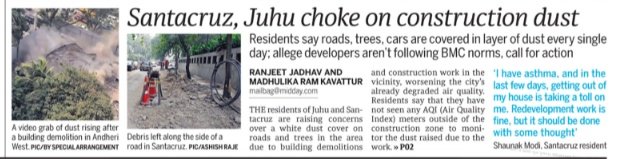
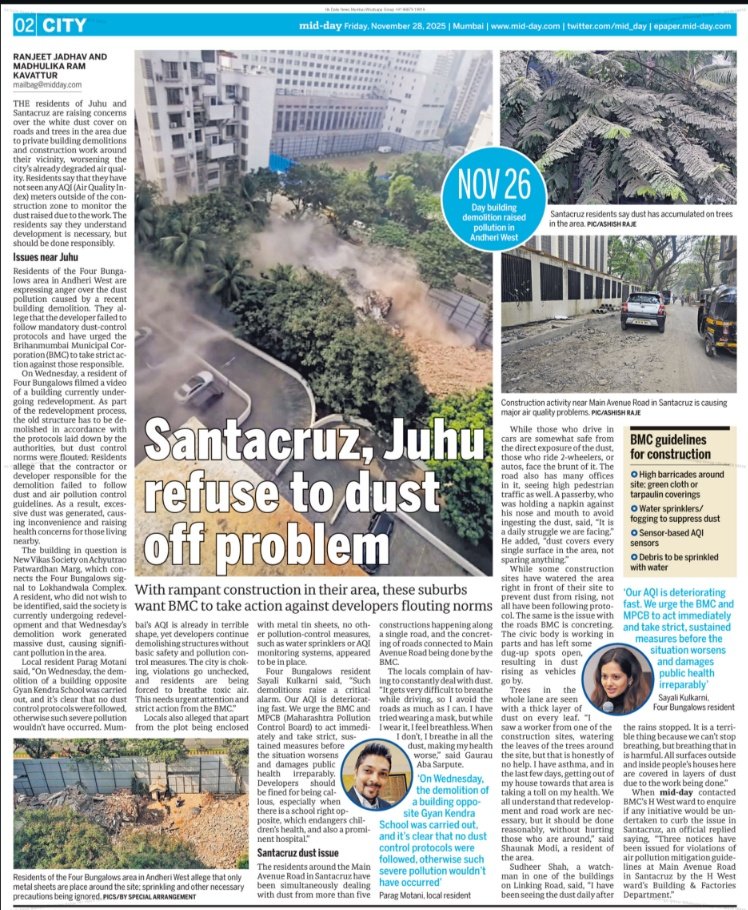
Mumbai: Santacruz and Juhu residents struggle to breathe as multiple construction sites raise dust levels.
mid-day.com/mumbai/mumbai-ne…
#AQI #mumbai #AirPollution @mid_day @AndheriLOCA @Pugdandee
1
4
15
1,435
26 Nov 2025
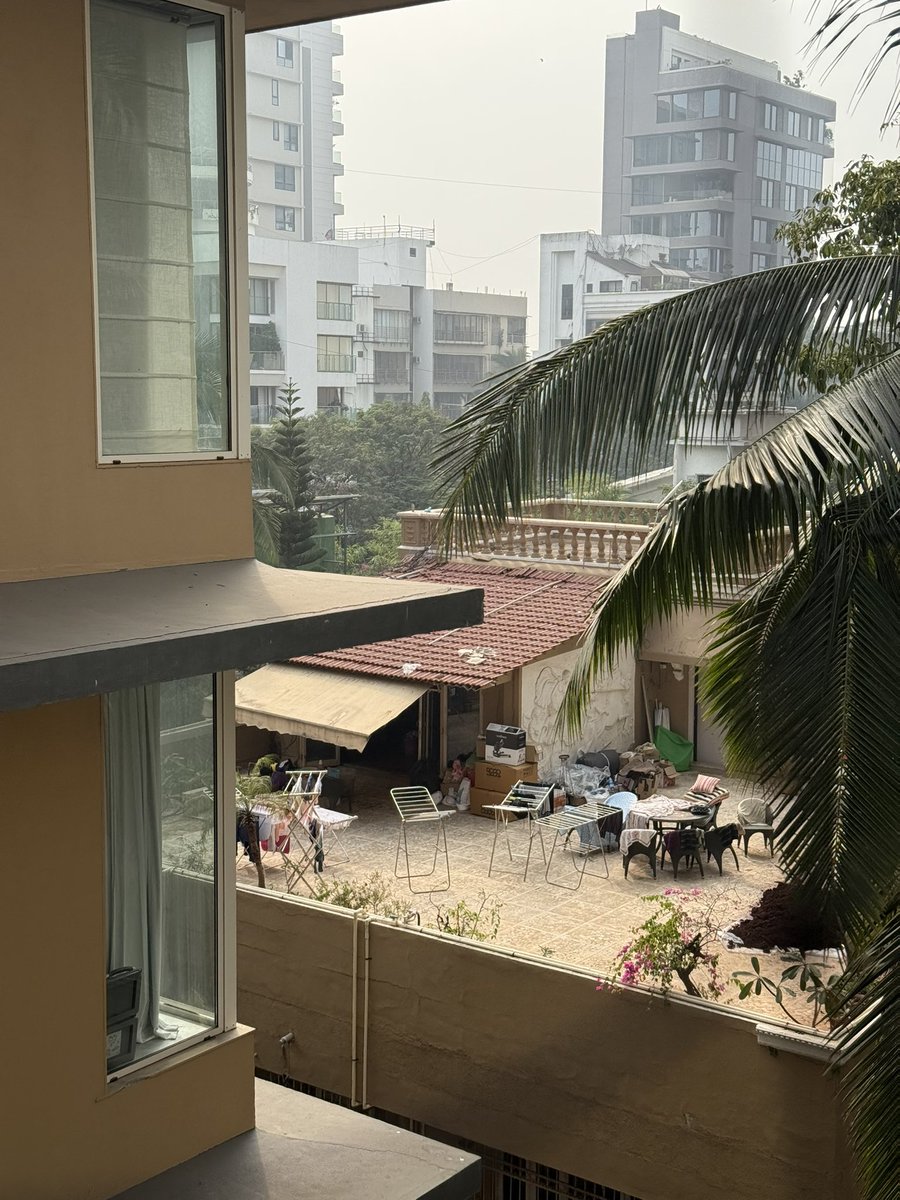
The air in Mumbai is a nice grey colour today.
Post apocalypse is here.
61
25 Nov 2025
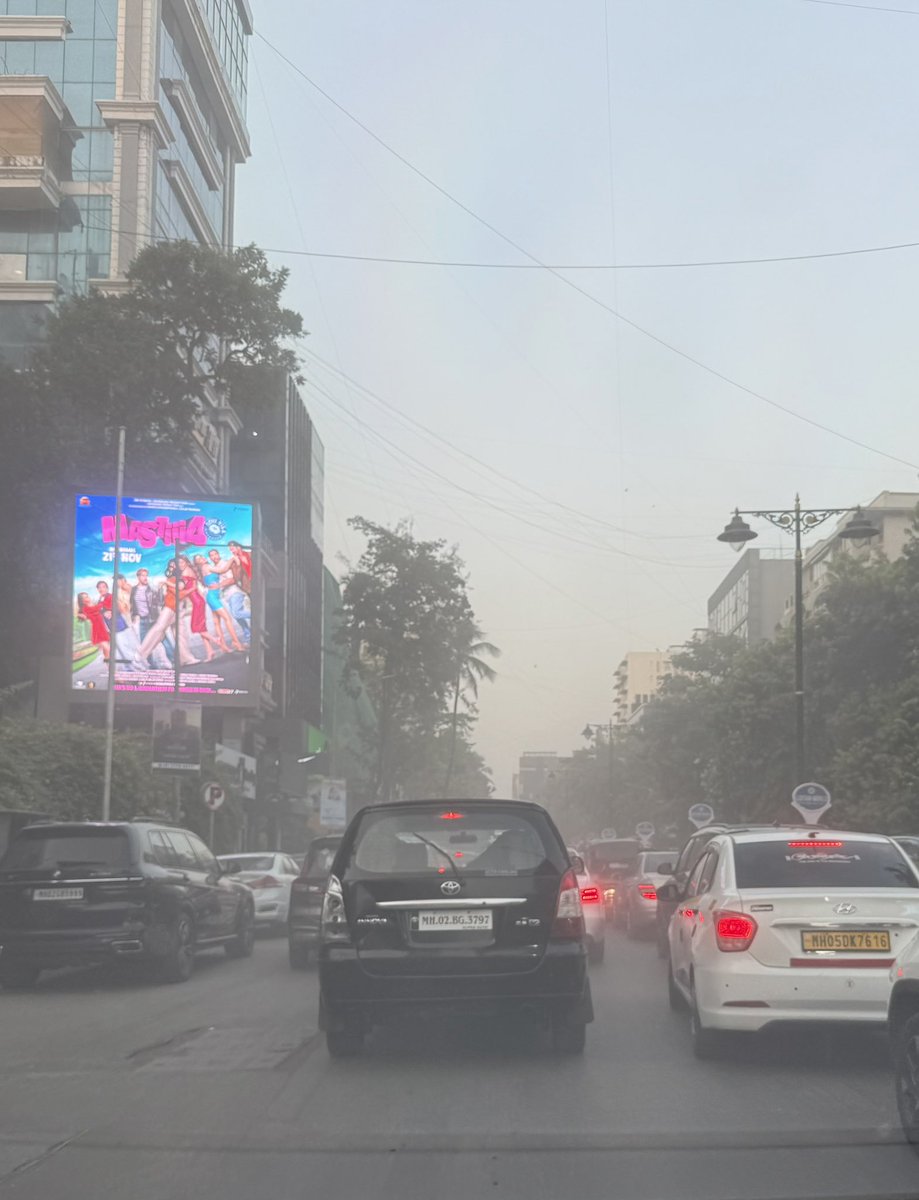
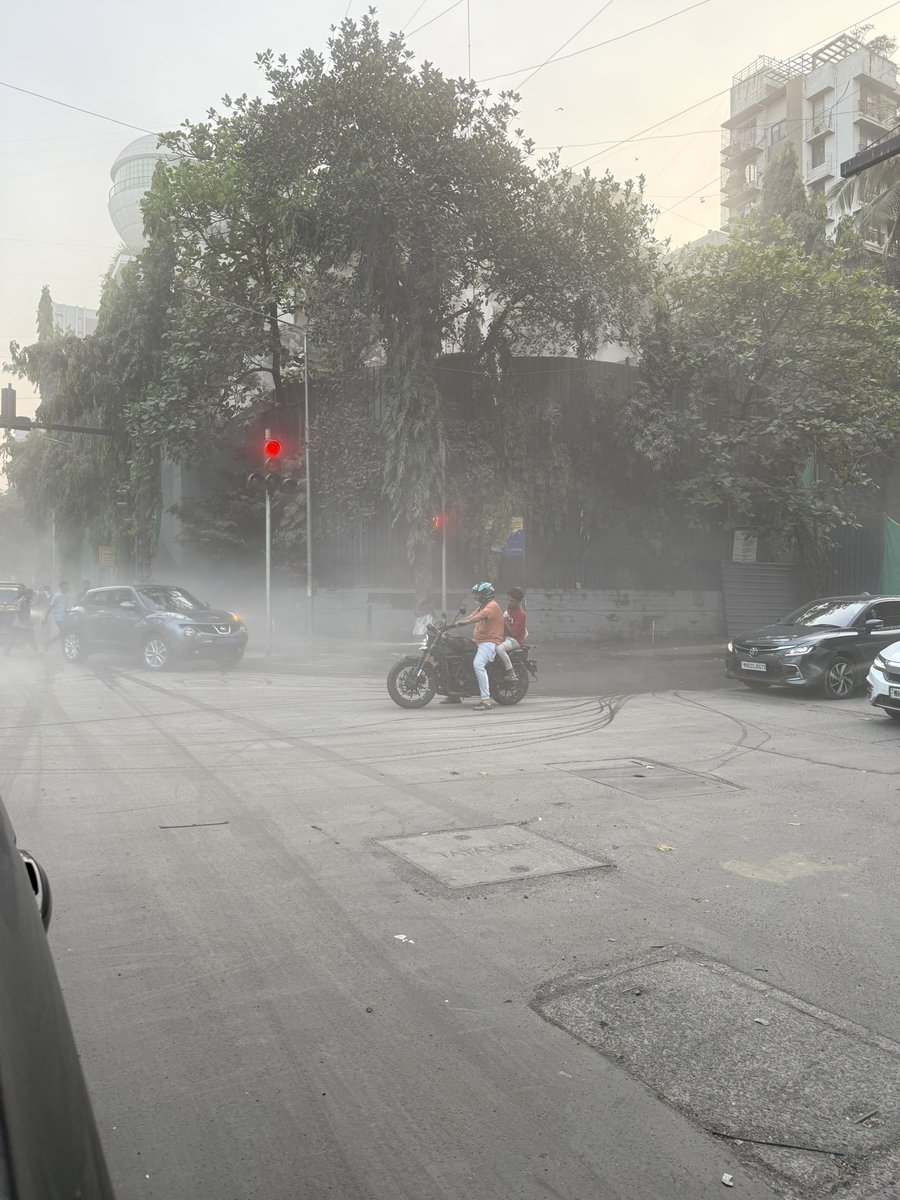
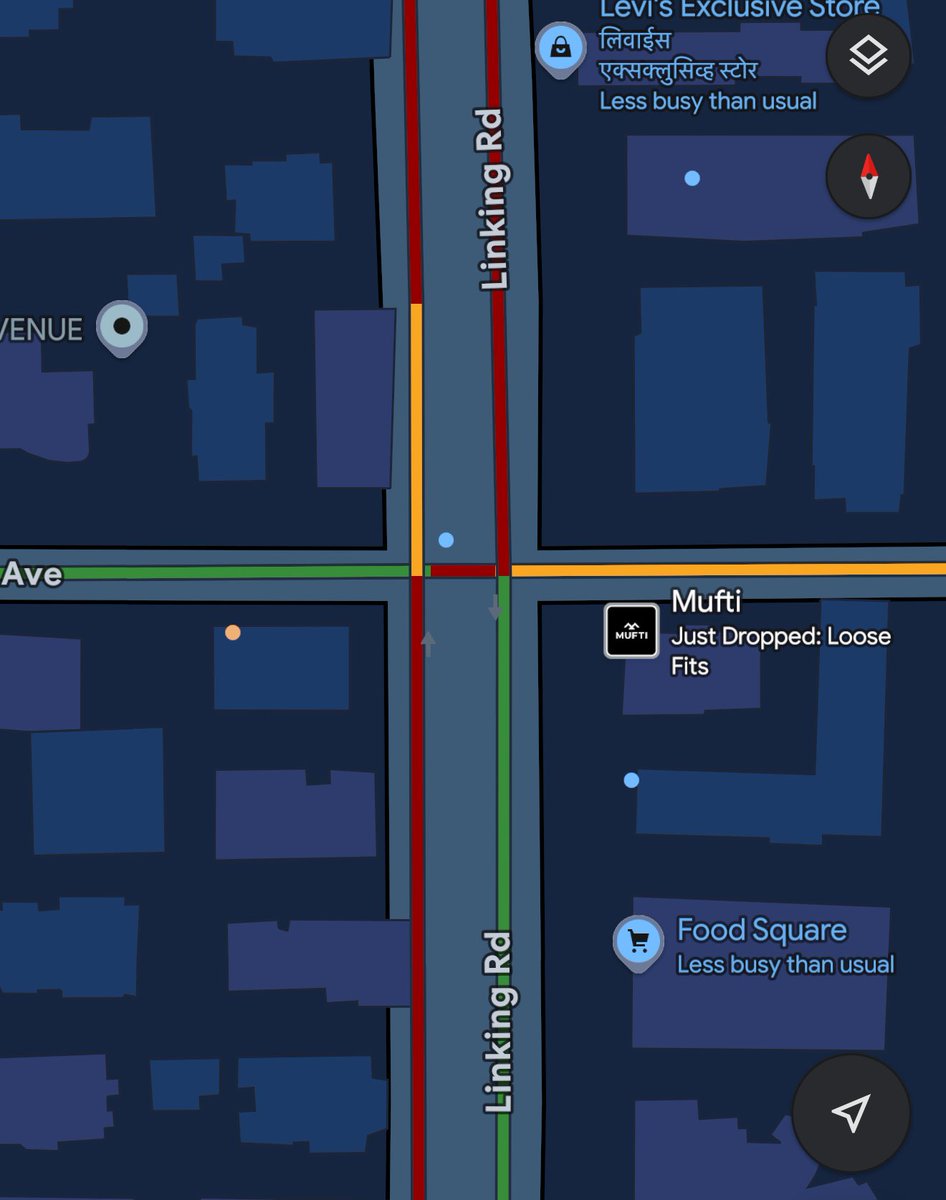
Does anyone care about the air quality in Mumbai at all? This is what the Main Avenue junction on Linking Road, Bandra looks like all day.
@mybmc are there no rules to curb air pollution during a building demolition? What are the AQI monitors on construction sites for?
1
2
8
1,310
7 Nov 2025
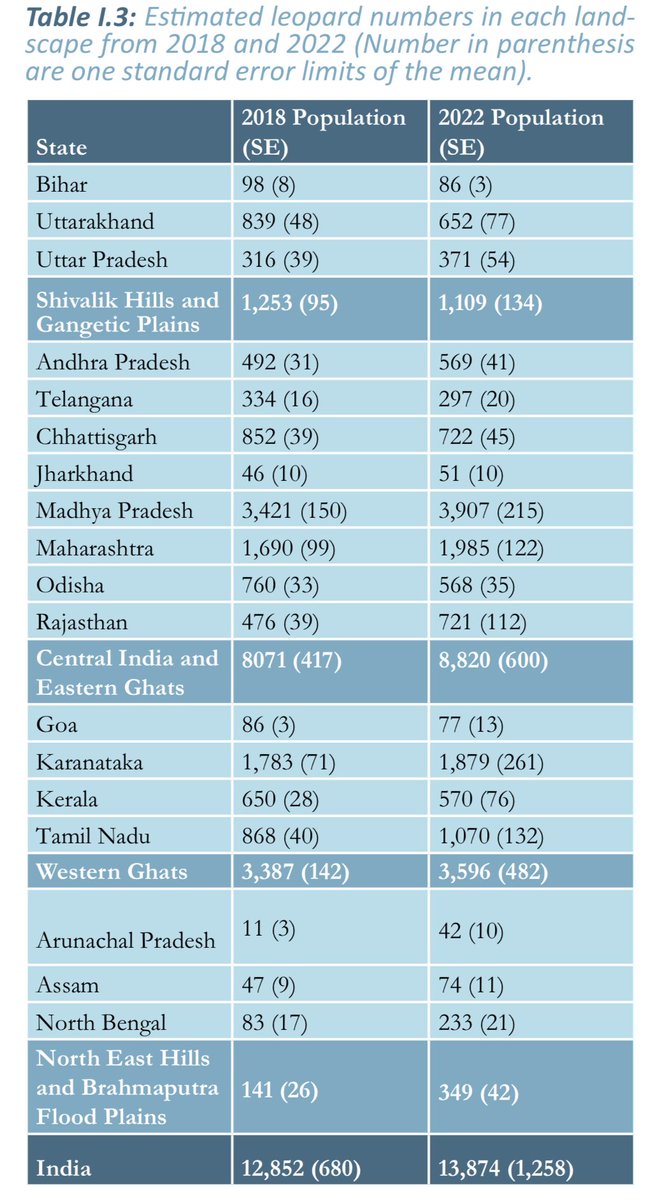
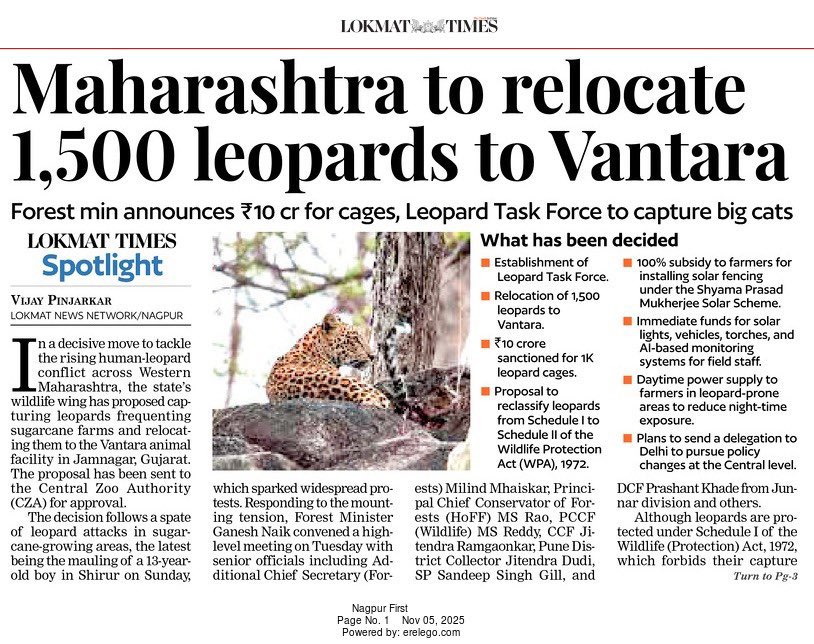
Nowhere in the world would the head of a state's ministry of forests agree to move 75% of the state's wild leopard population into a privately owned zoo.
There's no other explaination other than our elected leaders being utterly asinine or complicit. Not sure which is worse!
6 Nov 2025

This is an outrageous and cruel response to man-animal conflict, in this case leopards in Western Maharashtra. You cannot round up 1500 leopards and send them to a ‘rescue-centre’ ‘zoo’ facility.
I sincerely hope it’s not approved. Need more thought on how to best handle the conflict
2
96
12 Oct 2025
Freudian slip of the year.
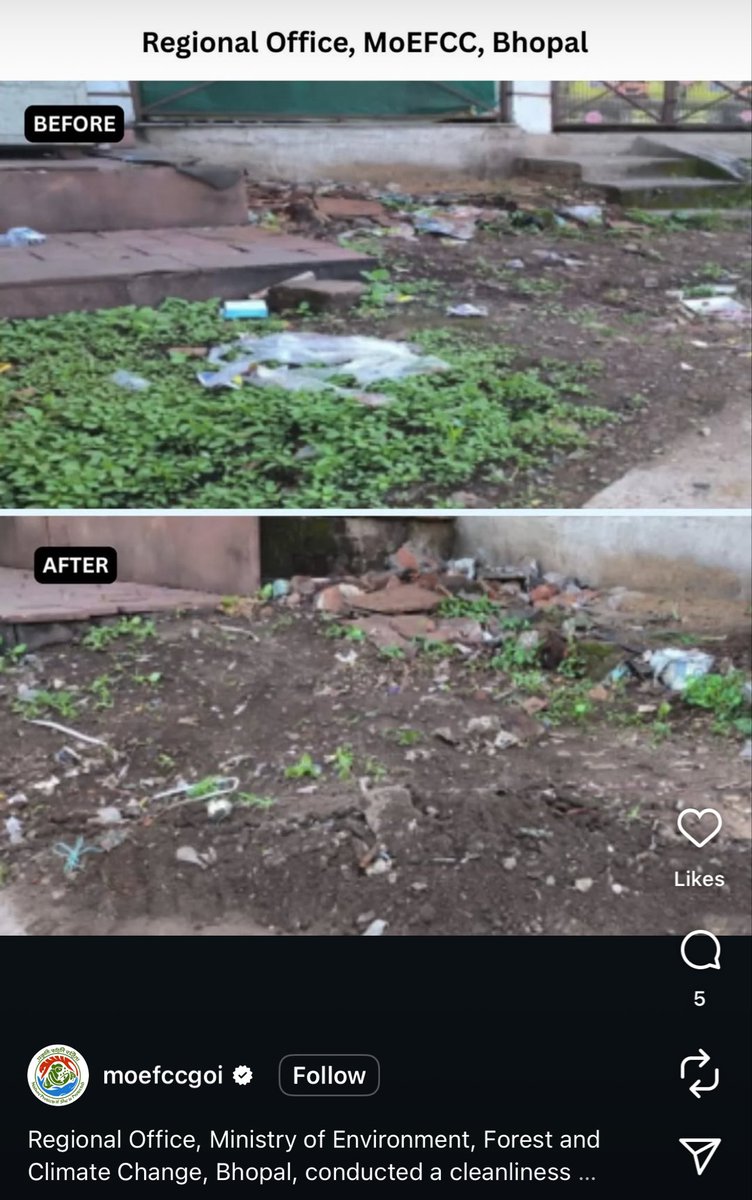
Remove all the green, not the trash. Well done, moefcc.
1
108
12 Oct 2025
Double-engine turtle. 🫡
12 Oct 2025

Today I learnt from Modi ji's advertisement video for Vantara that the zoo also has a two-headed turtle. Really fascinating to observe collectors' fixations and zero ecological understanding
1
5
605
1 Sep 2025
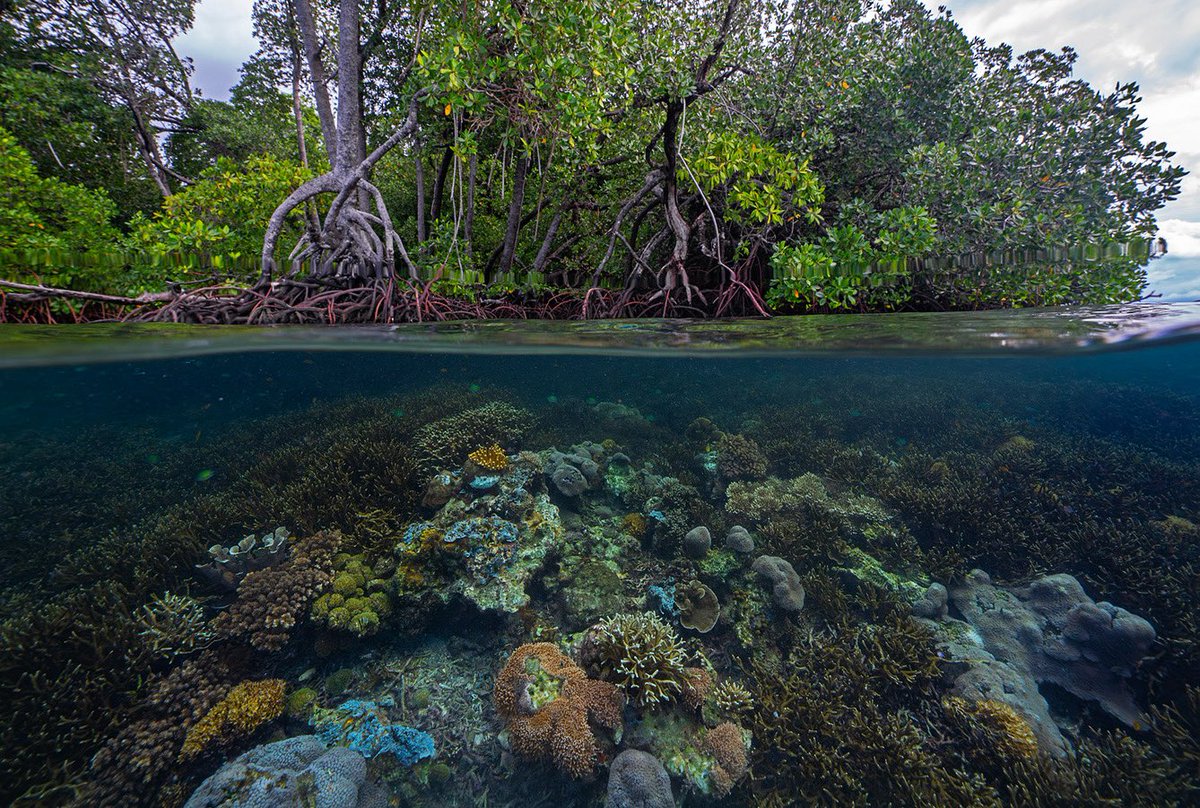
Did you know mangroves could look like this?
It’s also how Mumbai’s mangroves should be like. Mangroves don’t naturally have black water, like ours do.
What we have is a result of crores spent on mangrove plantations and next to nothing on improving water quality.
30 Aug 2025

I always love healthy coral reef and I love Mangroves. Here both are together and I reach the heaven.
#Rajaampat #Indonasia #coralreef #rhisophora #underwater @sonyalphain #createwithsony
2
2
23
816
7 Aug 2025
This is sad to see.
But as someone on Reddit very succintly said: It is not actually about the pigeons but rather them being upset that a tradition can be challenged. Pigeons are just a cover for it.
I hope sense prevails soon and these kabootarkhanas are razed to the ground.

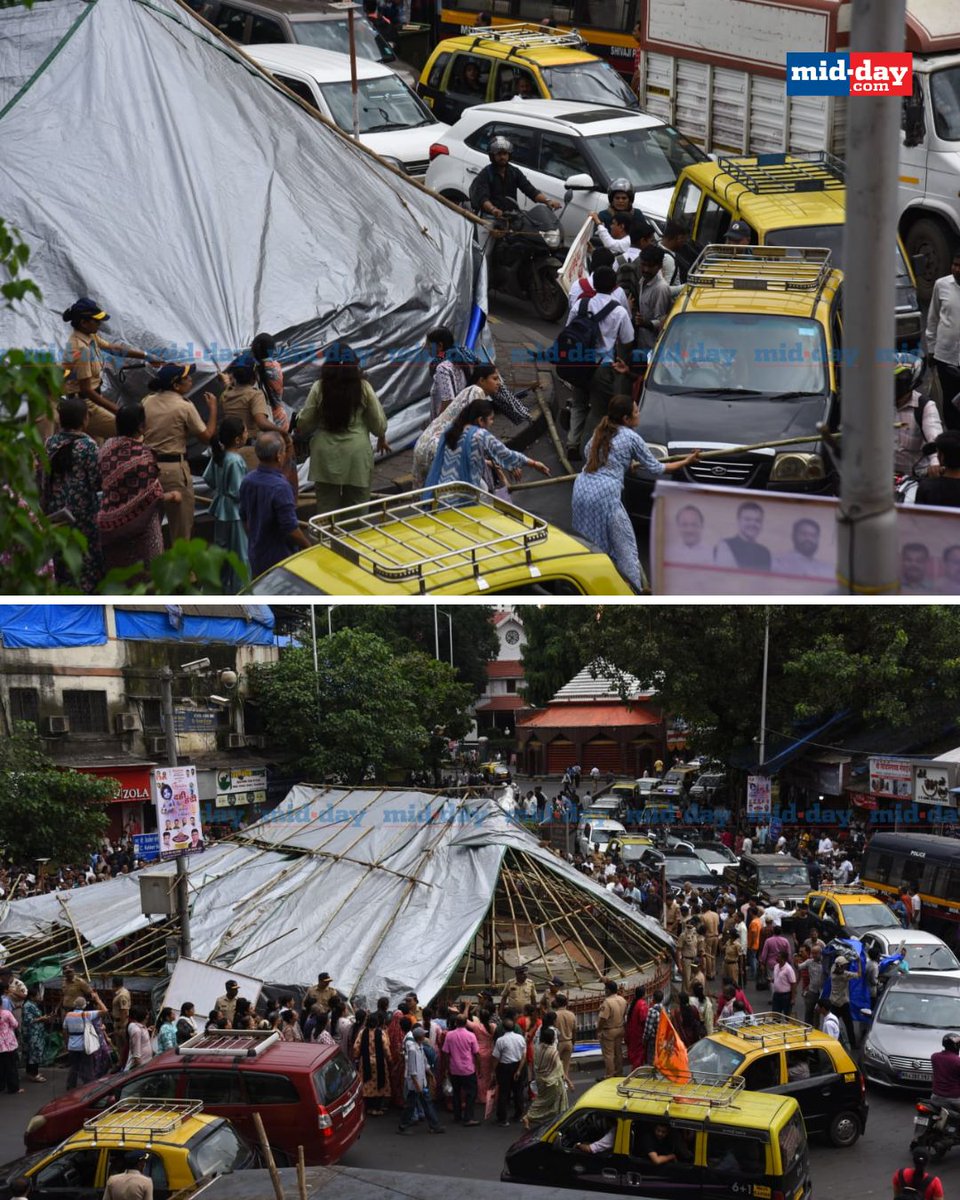
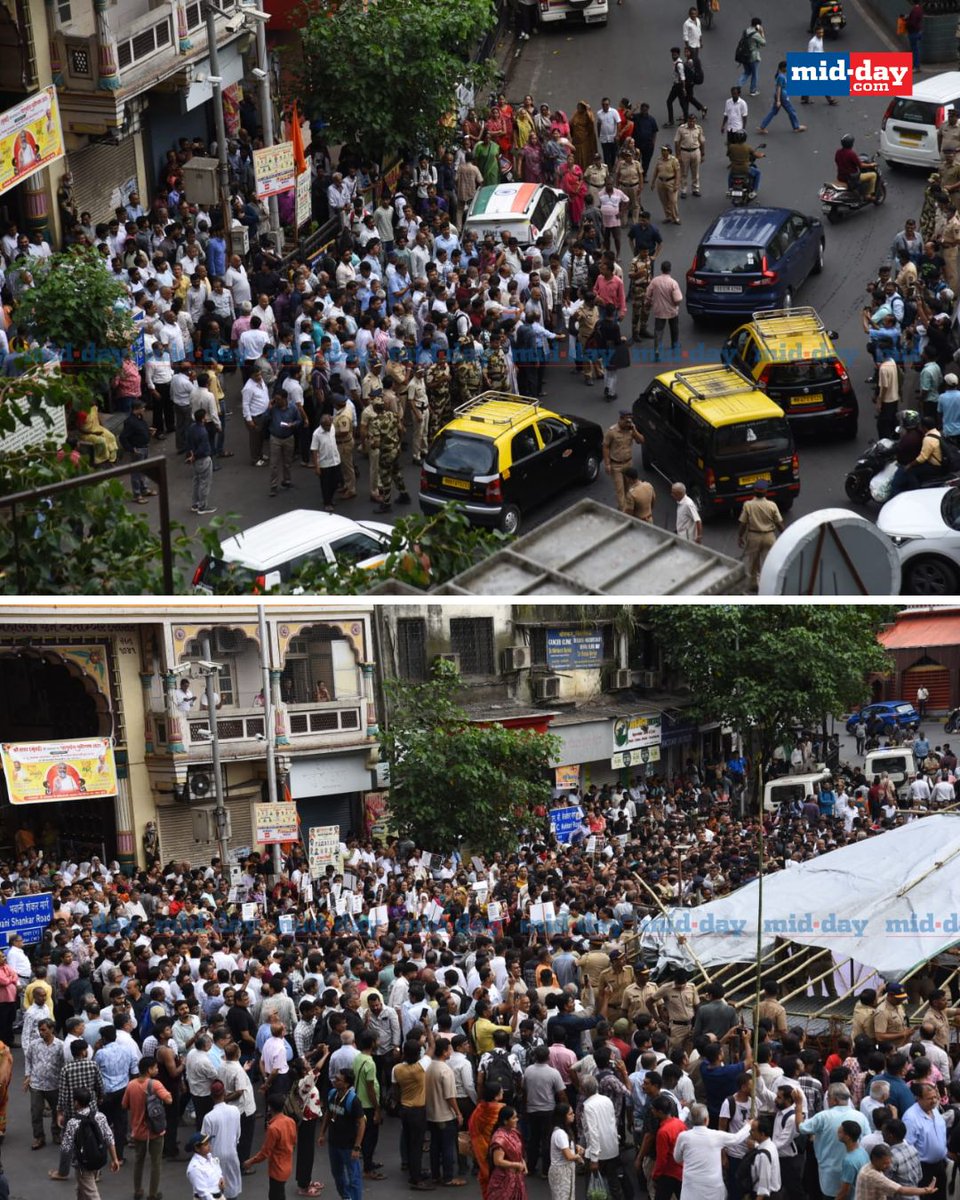
Members of the Jain community gathered at Mumbai’s Dadar Kabutarkhana to protest the BMC’s closure of the popular pigeon feeding site.
The demonstration escalated as protestors dismantled the plastic and bamboo structures installed by civic authorities to enforce a court-ordered ban.
The incident prompted police intervention and underscored the ongoing conflict between religious practices and public health concerns.
📸: Sayyad Sameer Abedi
#Mumbai #DadarKabutarkhana #JainCommunity #Protest #BMC #MumbaiNews
5
127
14 Jun 2025
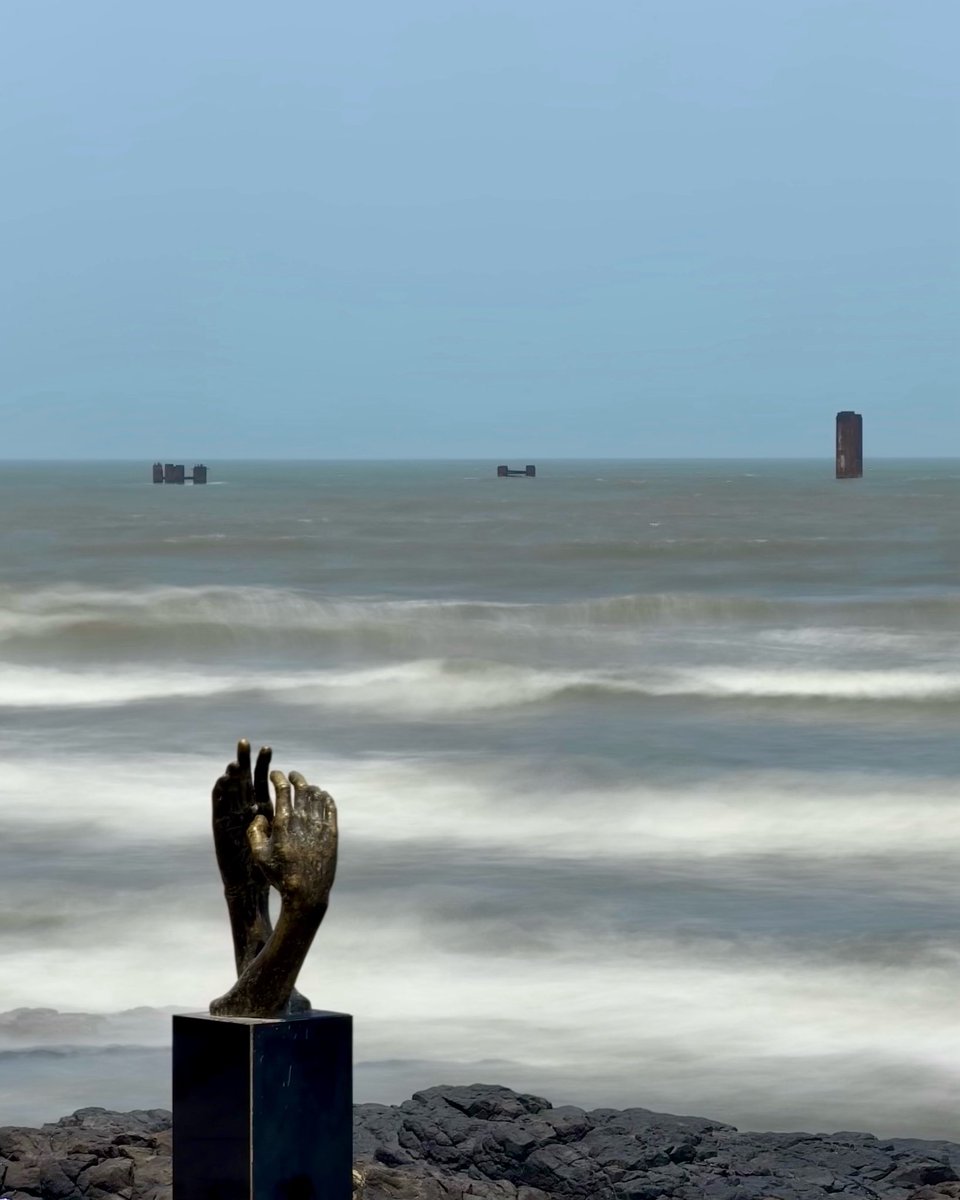
Stormy waves with a hint of destruction.
Bandstand, Mumbai. Summer 2025.
2
5
311