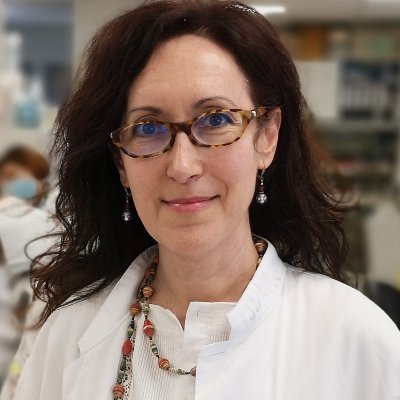
Genomic Medicine to decipher Brain Metabolic Disorders, from diagnosis to therapies #RareDiseases @CIBERER @IDIBELL @Icreacommunity. One Planet. Views my own.
Joined April 2021
- Tweets 428
- Following 2,047
- Followers 799
- Likes 4,275
11 Photos and videos

Pinned Tweet

7 Apr 2022
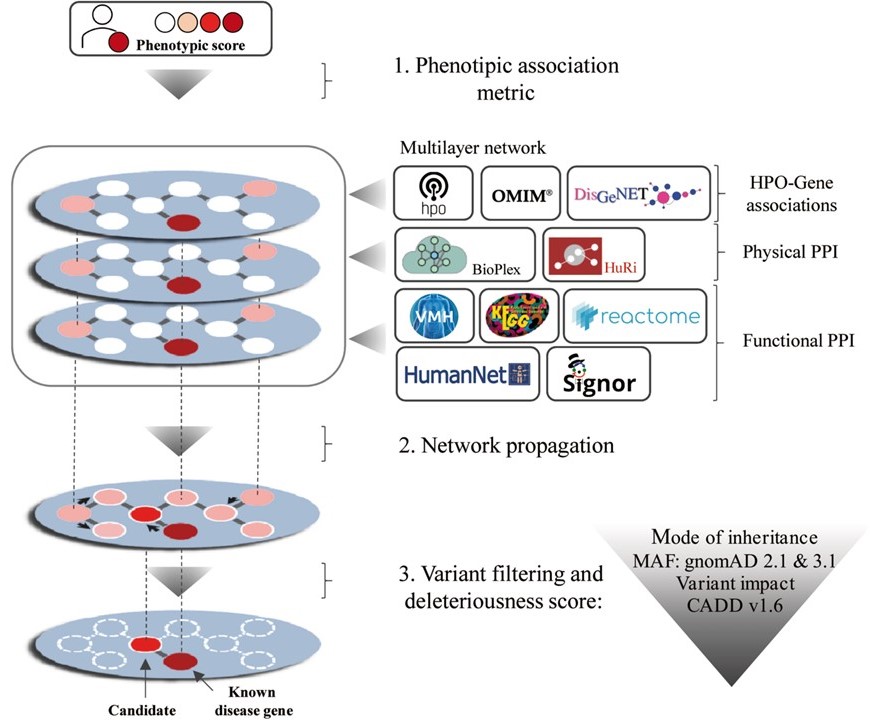
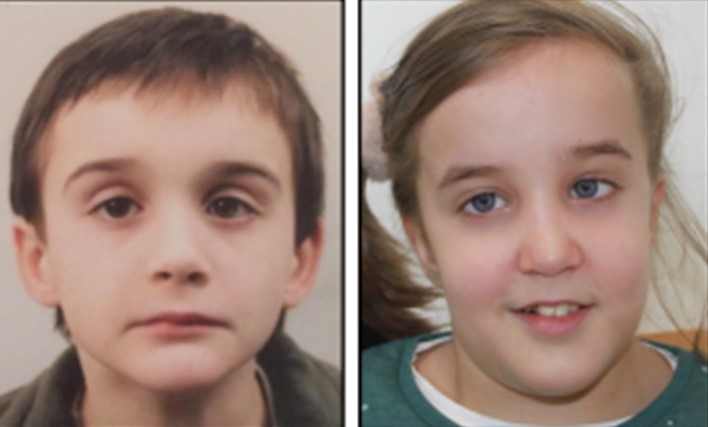
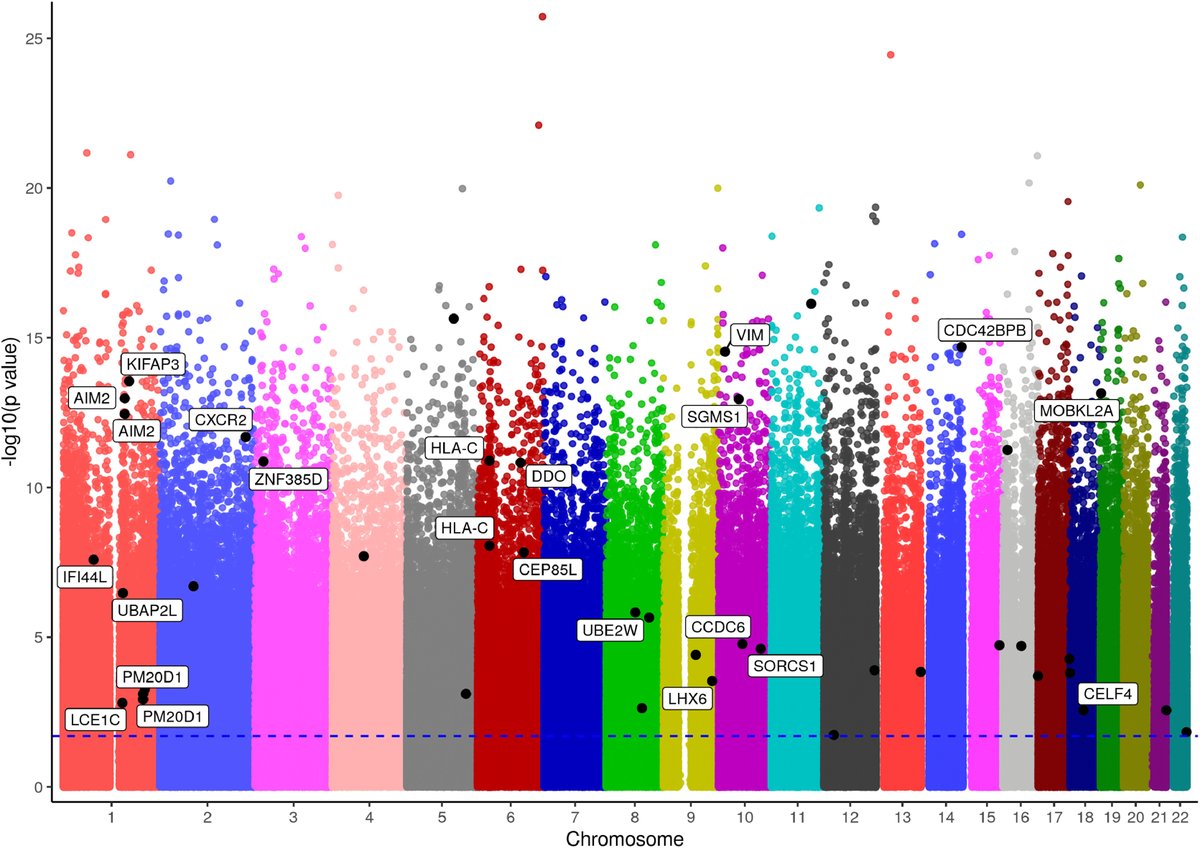
The secret behind a very high #genomic diagnostic yield for the #leukodystrophies: brilliant team of neurologists, computer scientists &geneticists. Very proud! 1M Thanks @GreenJournal @cnag_eu @CIBERER @idibell_cat @agustipalmero @NeurologiaHUB @AsoELA
7 Apr 2022

Neurology Podcast: In today's episode, Dr. Aurora Pujol (@PujolLab) discusses the diagnosis of #genetic white matter disorders by singleton whole-exome and genome sequencing using interactome-driven prioritization. Listen now! bit.ly/3Kxg8UZ #NeuroTwitter
3
9
34
Dr Aurora Pujol retweeted

Jun 13
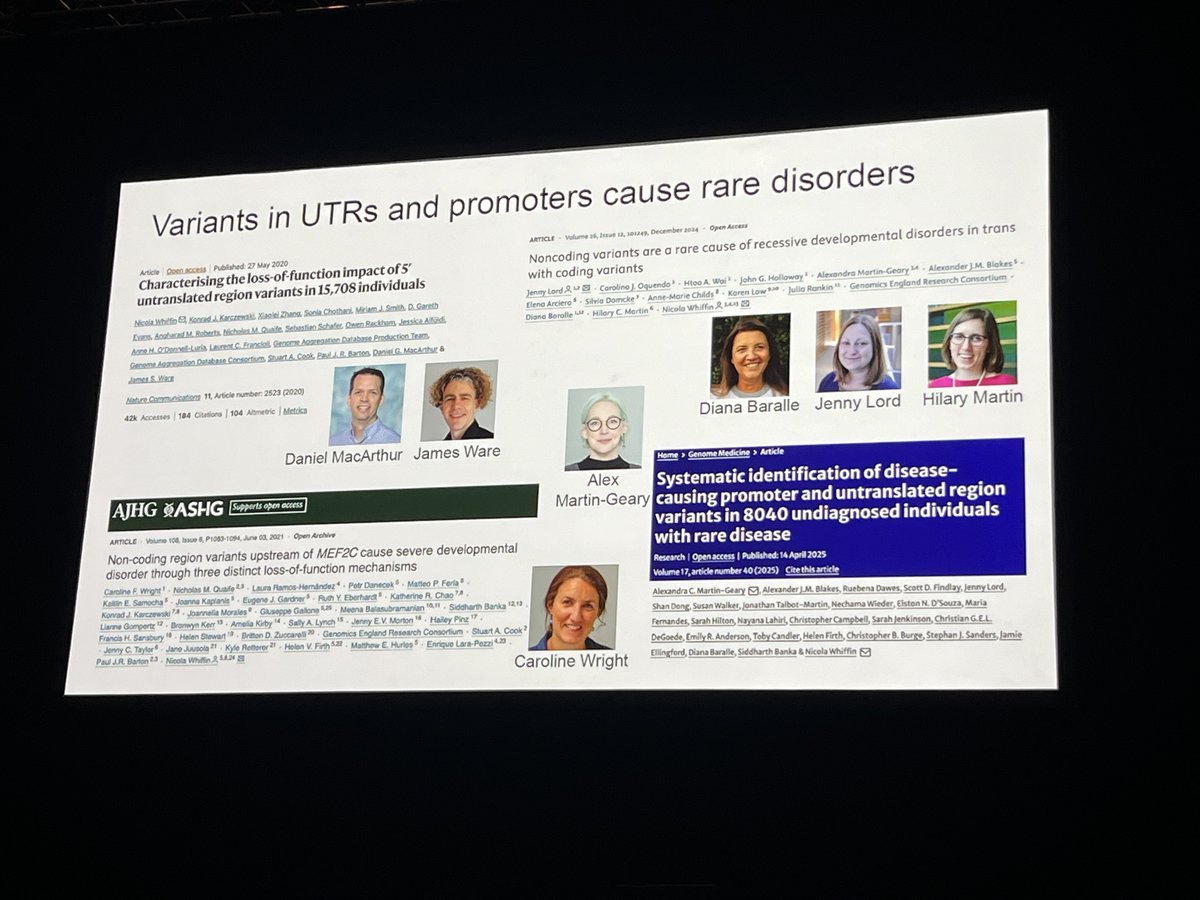
.@nickywhiffin gets the Leena Peltonen award 👌👏
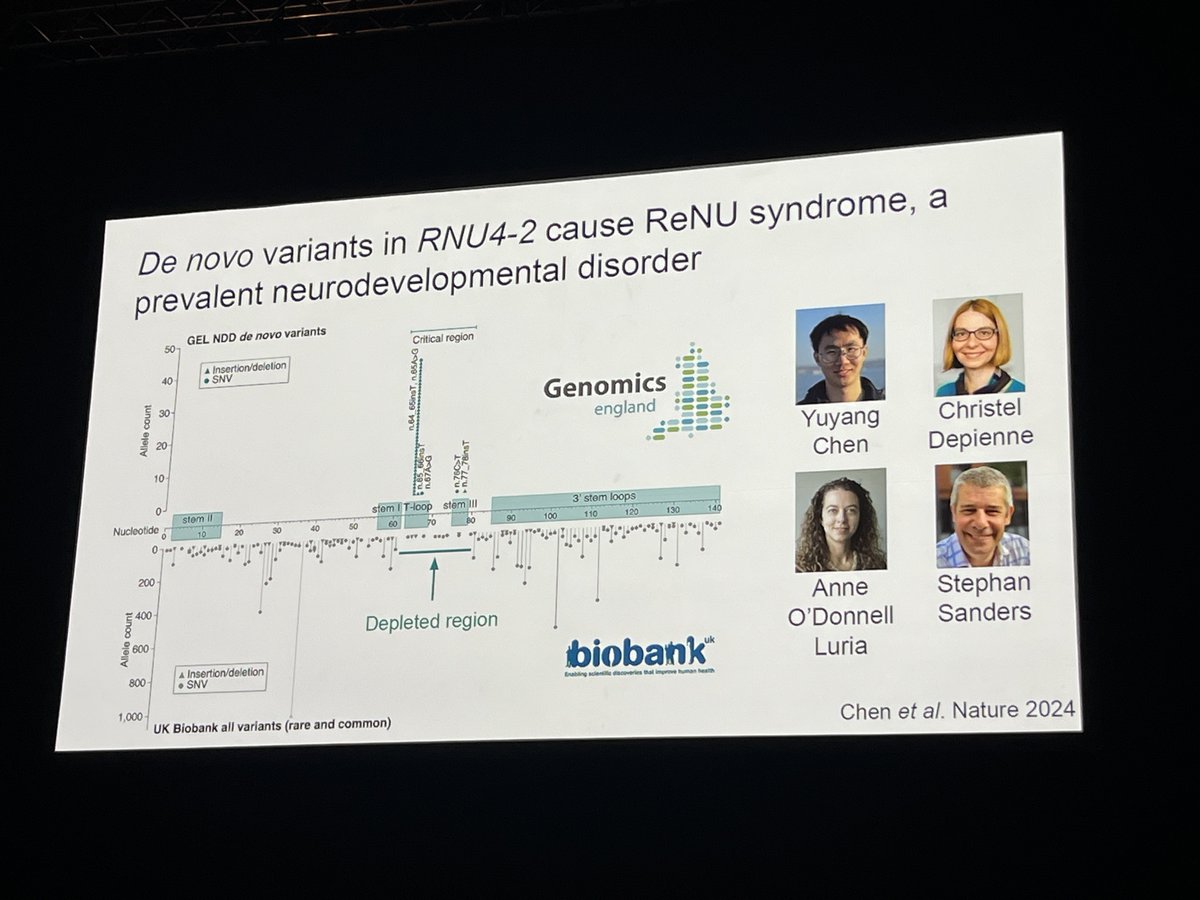
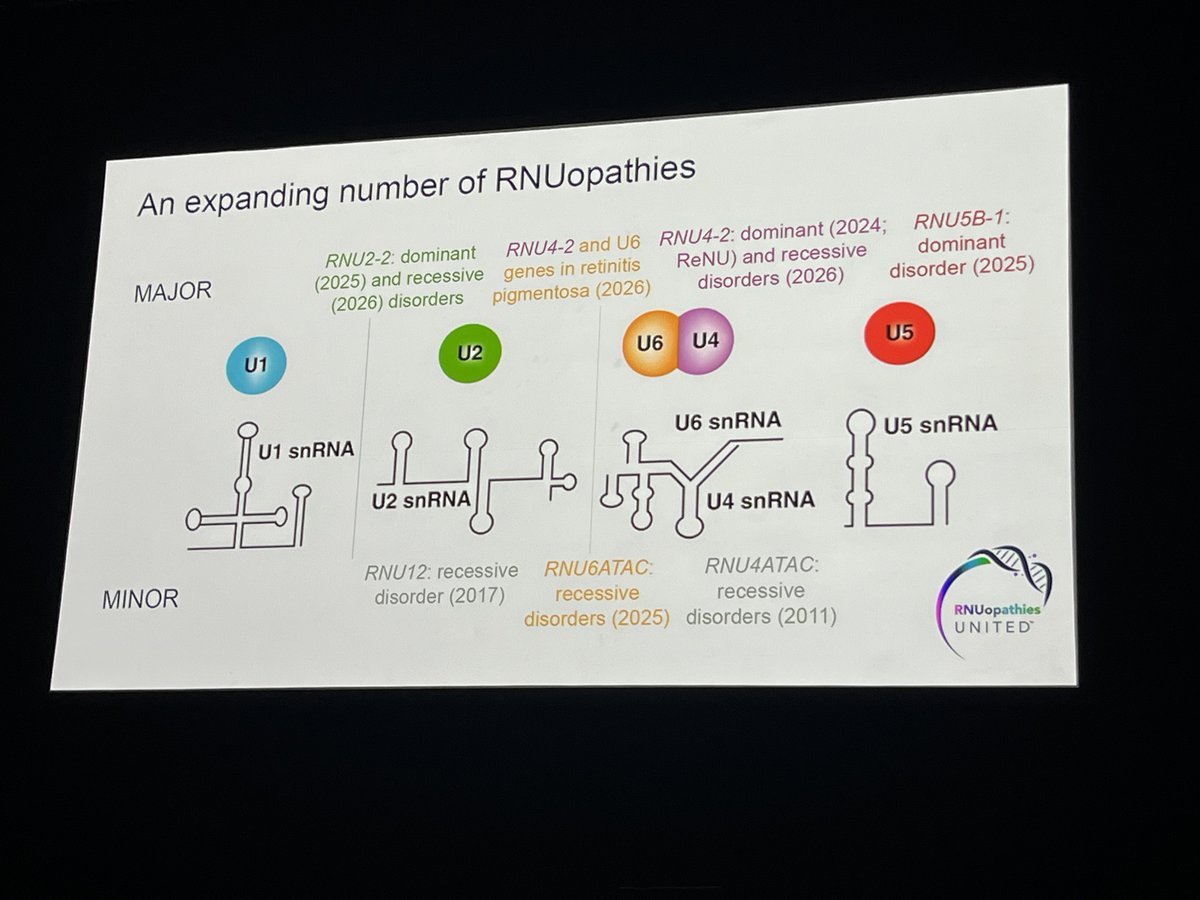
She gives quite a exciting ride through her genetic rare disease research and her contributions to the field. In the last two years, starting with RNU4-2, twelve new sRNA disease genes have been found.
She also states that it’s a great reward to work with the families she helped diagnose.
And in addition she calls everyone, especially the young colleagues, to work on science that’s exciting. And also work with people that share your values. That will lead you to a very happy place. 🙂
#eshg2026
1
5
157

Presented at #ESHG2026:
In 832 patients with rare genetic disease, a conclusive diagnosis was made for 160 patients (19.2%) with long-read genome sequencing and for 137 patients (16.5%) with standard-of-care testing. Full study results: nej.md/4e03ejh
@eshgsociety
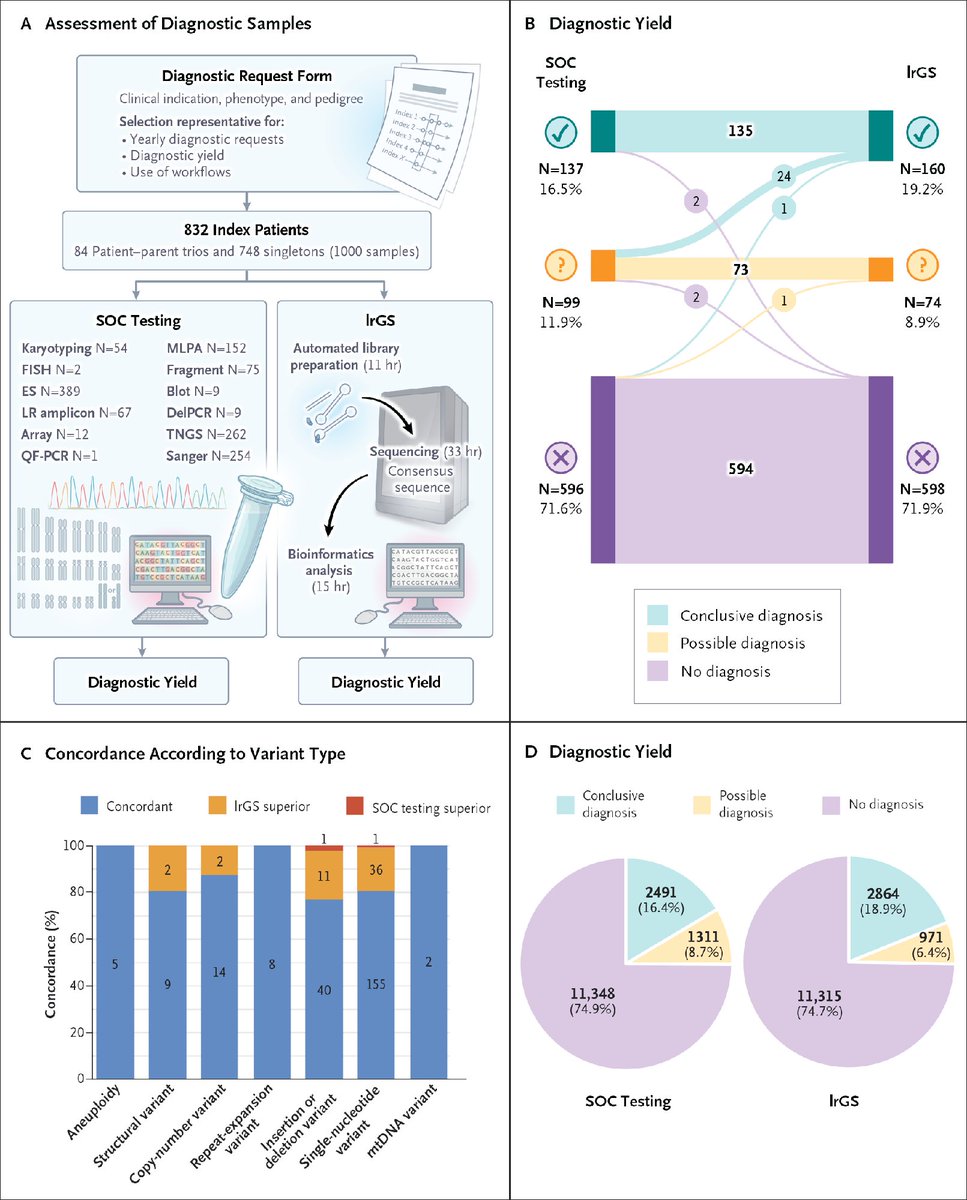
ALT This image is a detailed infographic on standard-of-care testing and long-read genome sequencing as first-tier approaches to genetic testing. It includes an assessment of diagnostic samples, diagnostic yield, concordance according to variant type, and diagnostic yield.
15
47
8,937
Dr Aurora Pujol retweeted

8 Mar 2025
Happy International Women’s Day!
We’re celebrating women who have changed the world. Here are all of the amazing women who have received the #NobelPrize and their remarkable achievements at the time of the award.
Tell us about the women who inspire you the most - and why
#InternationalWomensDay
221
4,426
8,878
422,197

🧬Did you miss the 13th #CNAGSymposium? Don't worry, here are all the details!
A unique event that brought together cutting-edge genomics and healthcare, with 15 leading speakers and the participation of over 200 experts
📹Check out the presentations: youtube.com/watch?v=K9Gk34Ud…
1
2
6
907
Dr Aurora Pujol retweeted

13 Dec 2024
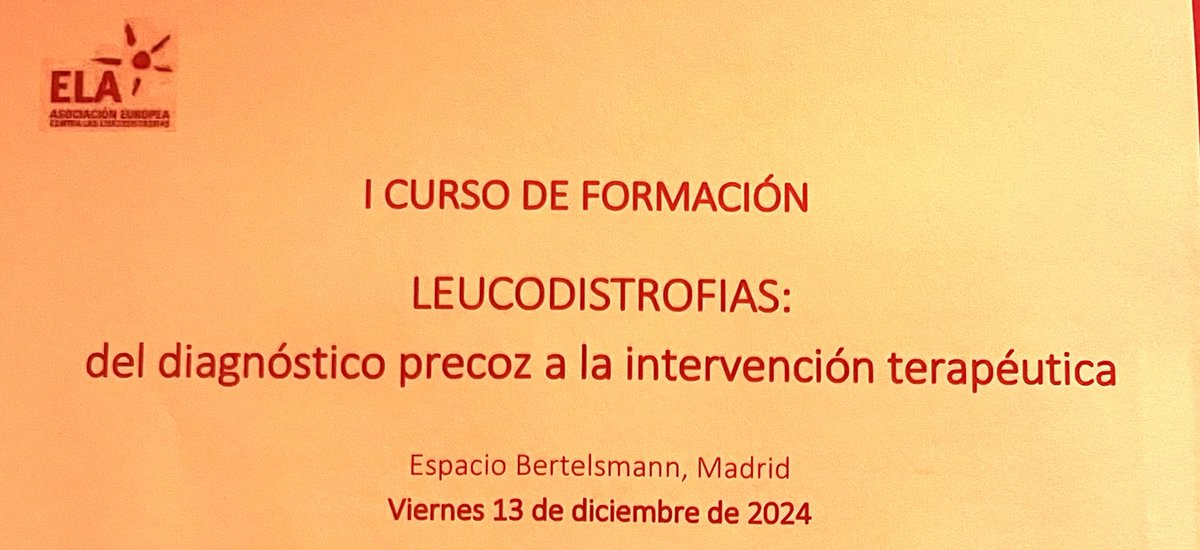
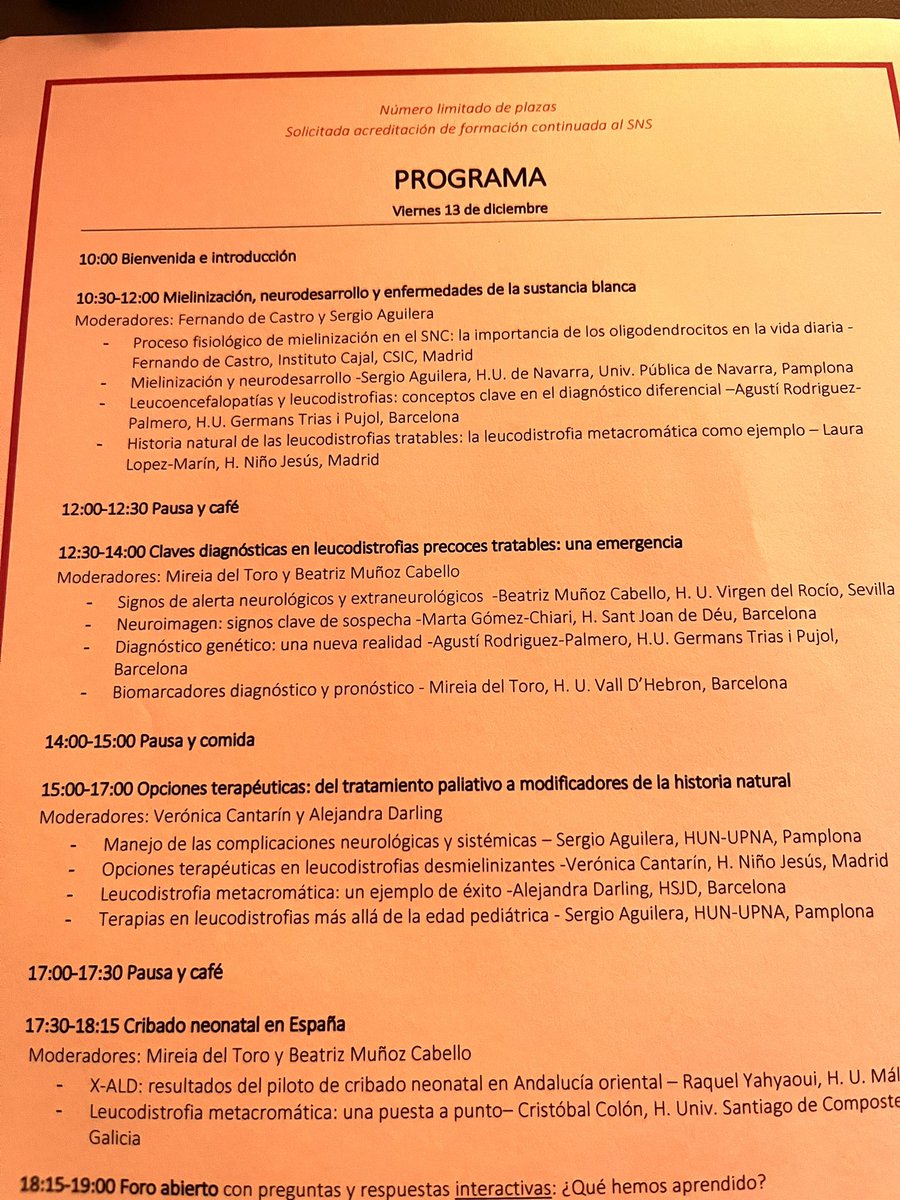
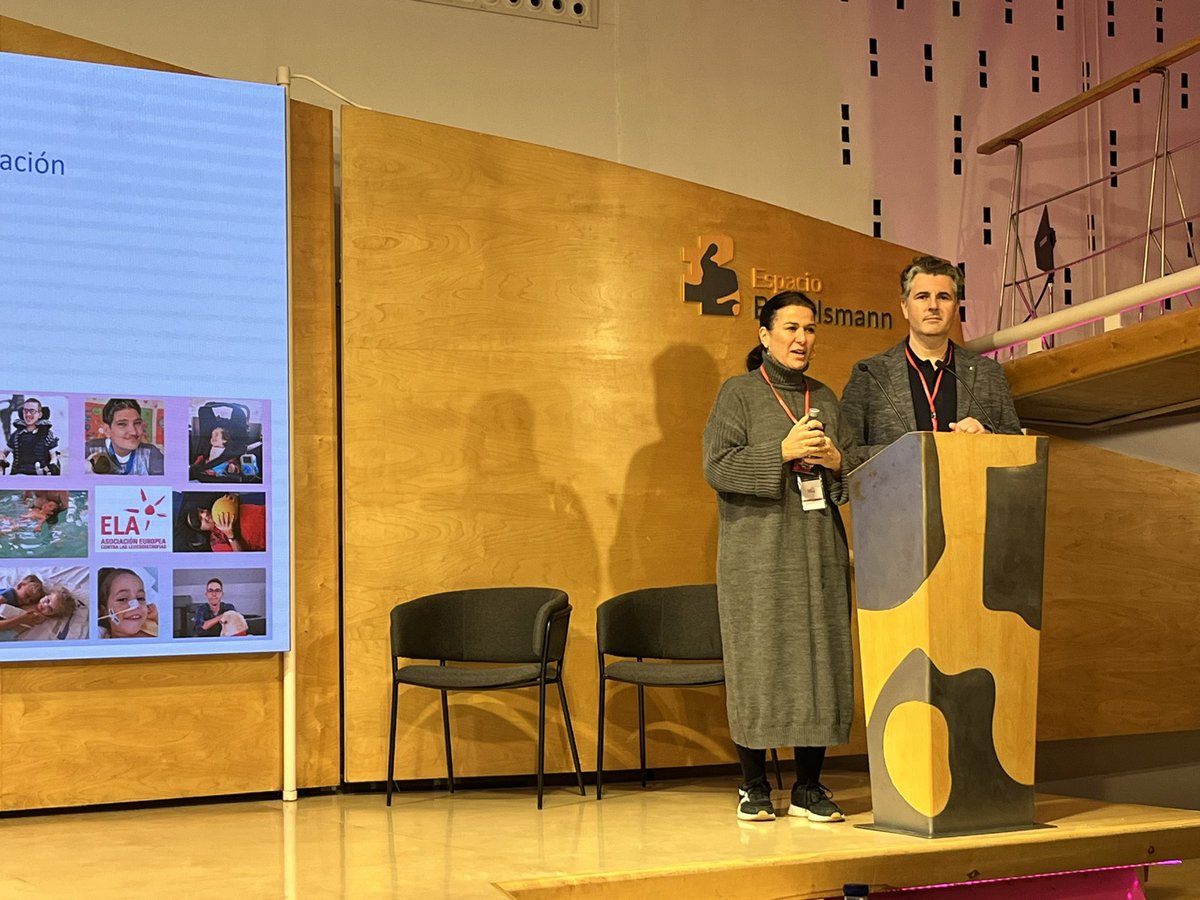
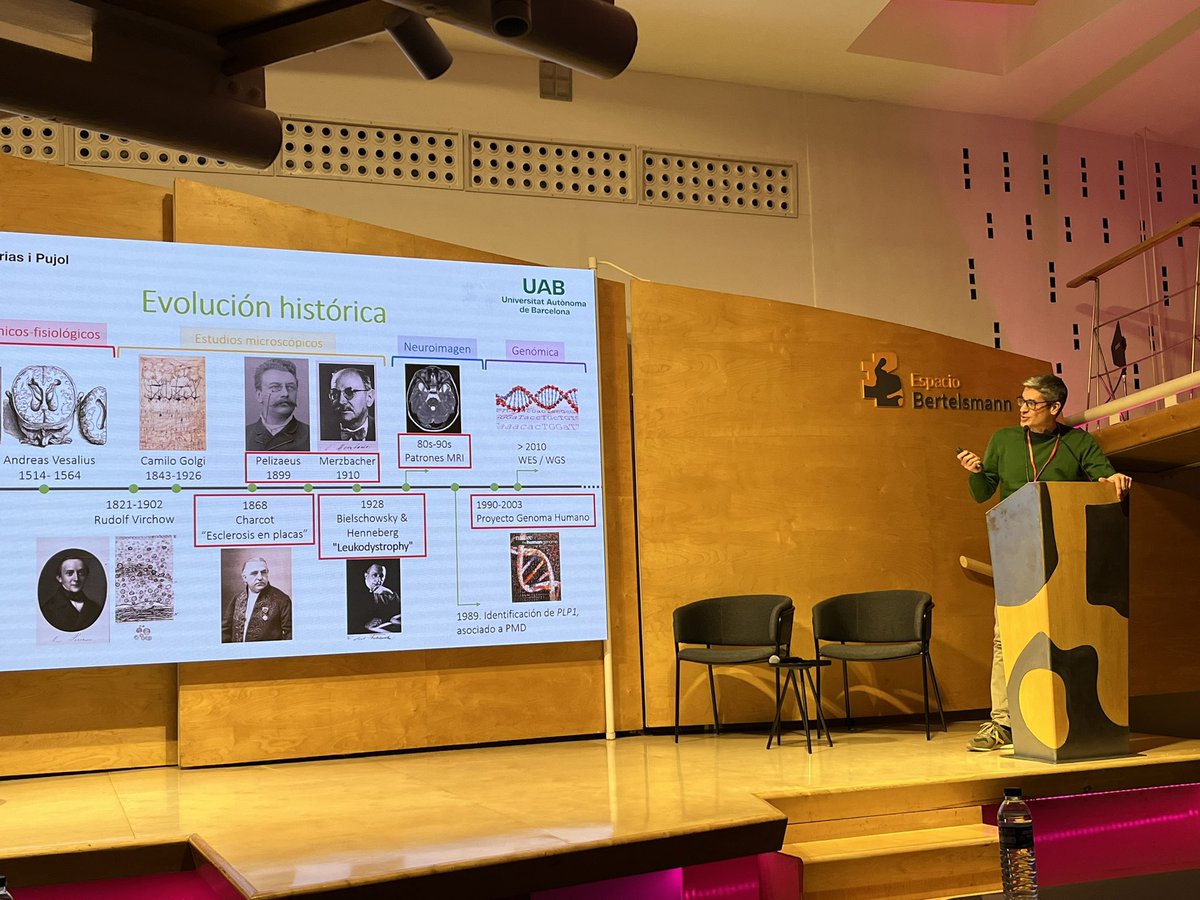
Aprendiendo en el I Curso de Formación en #leucodistrofias,ahora,en Madrid, gracias a @AsoELA, @PujolLab (@idibell_cat) y #SergioAguilera (#HUNavarra,@UNavarra,@navarrabiomed).
(Re)mielinización ¡YA! @NEC_blog @senep_es @Aecom_EIM @FEDER_ONG @SENC_ @seneurologia @InstitutoCajal
1
3
11
573
Dr Aurora Pujol retweeted

8 Dec 2024
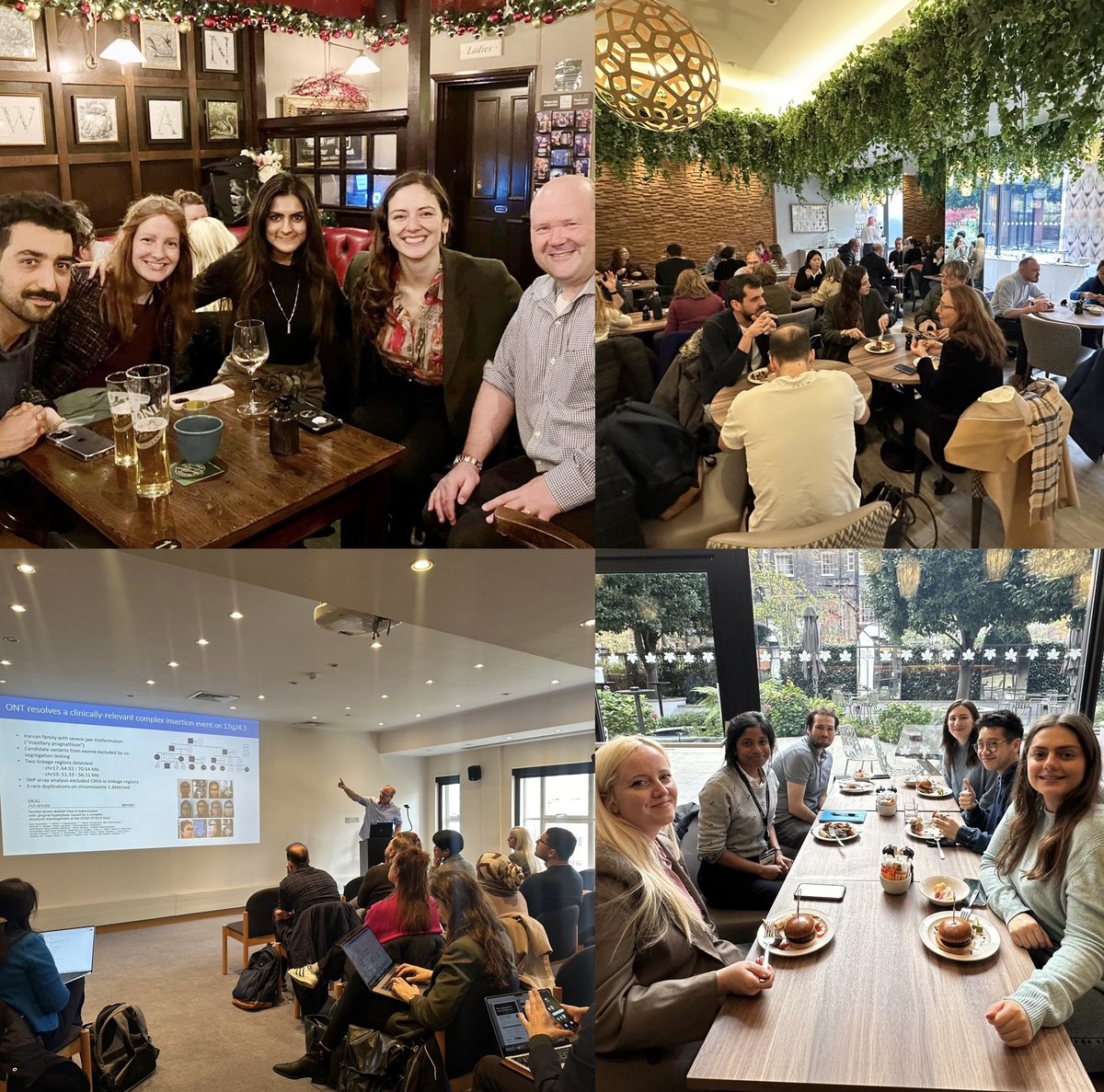
The Oxford Nanopore Seminar at UCL ION was an insightful day showcasing how long-read sequencing is driving breakthroughs in our understanding of Neurological Disorders & Rare Diseases. From resolving cryptic structural variants to tackling unsolved repeat expansion disorders, the talks highlighted the immense potential of this technology. A huge thank you to all the speakers for sharing their work! 🧬 @UCLIoN @nanopore @alistairp2011 @ZhongboC @IonSynapse @LRS_UCL
10
32
3,936
🗓️1 week left to #CNAGSymposium!
🗣️Get a sneak peek at some of our incredible speakers! @elena_elez, @tmarquesbonet, @PujolLab, @LeslieMatalonga, Ángel Alonso (@navarrabiomed), Elías Campo (@idibaps), Yanis Mimouni (@Inserm_EN)...
🔗Info and programme: cnag.eu/events/13th-cnag-sym…
1
5
604
Dr Aurora Pujol retweeted

13 Nov 2024
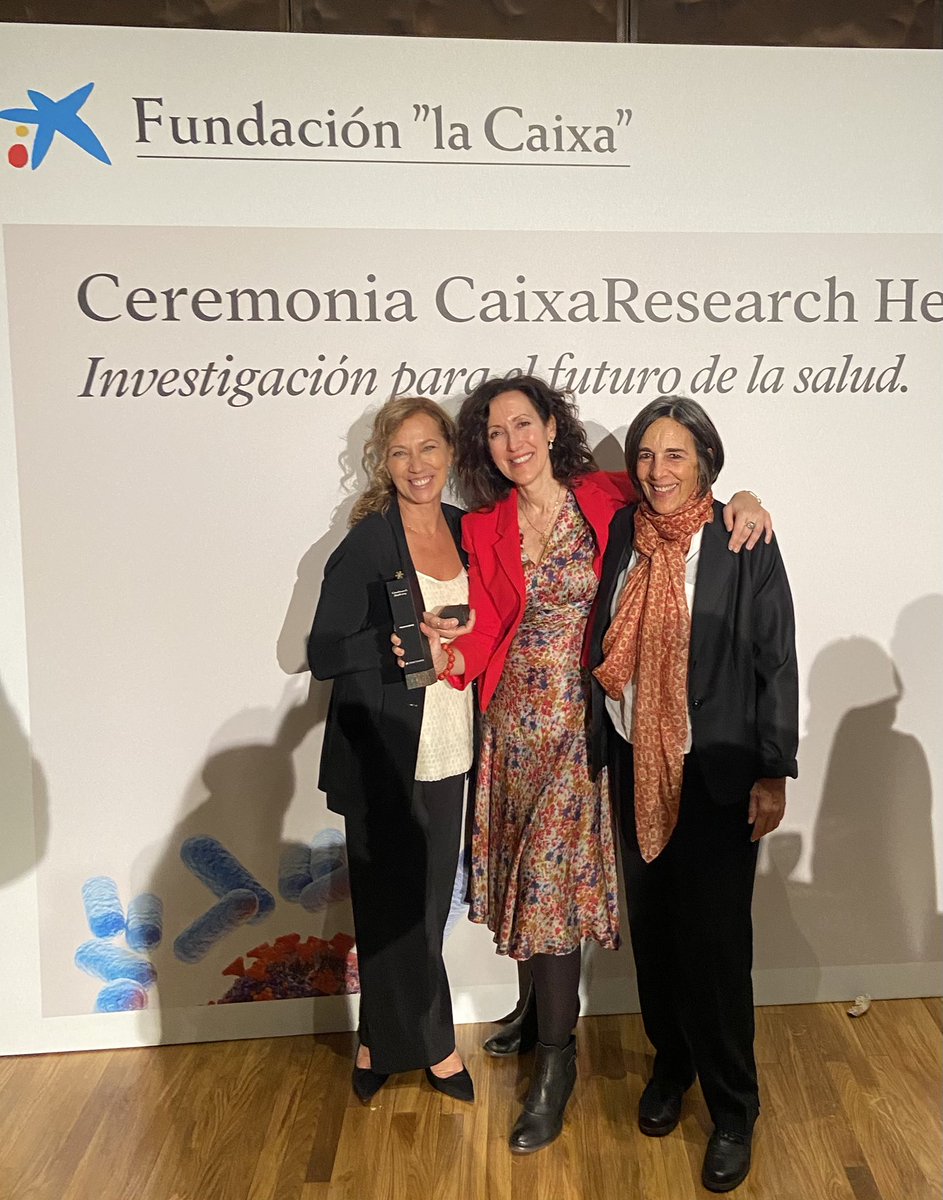
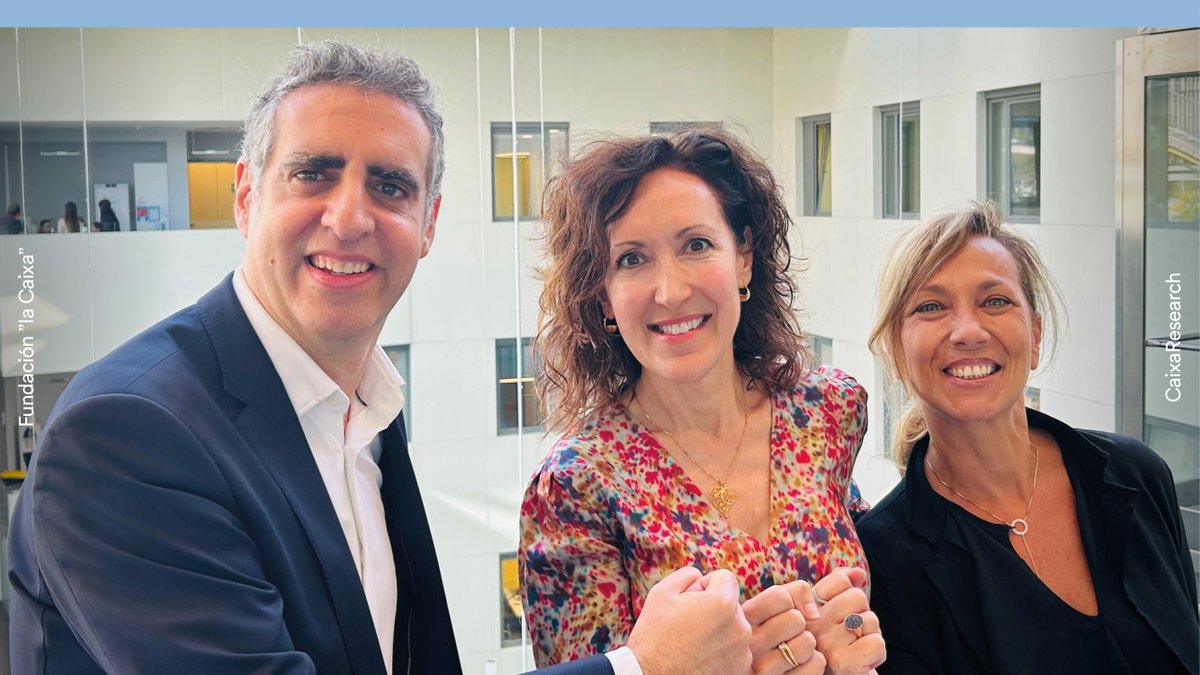
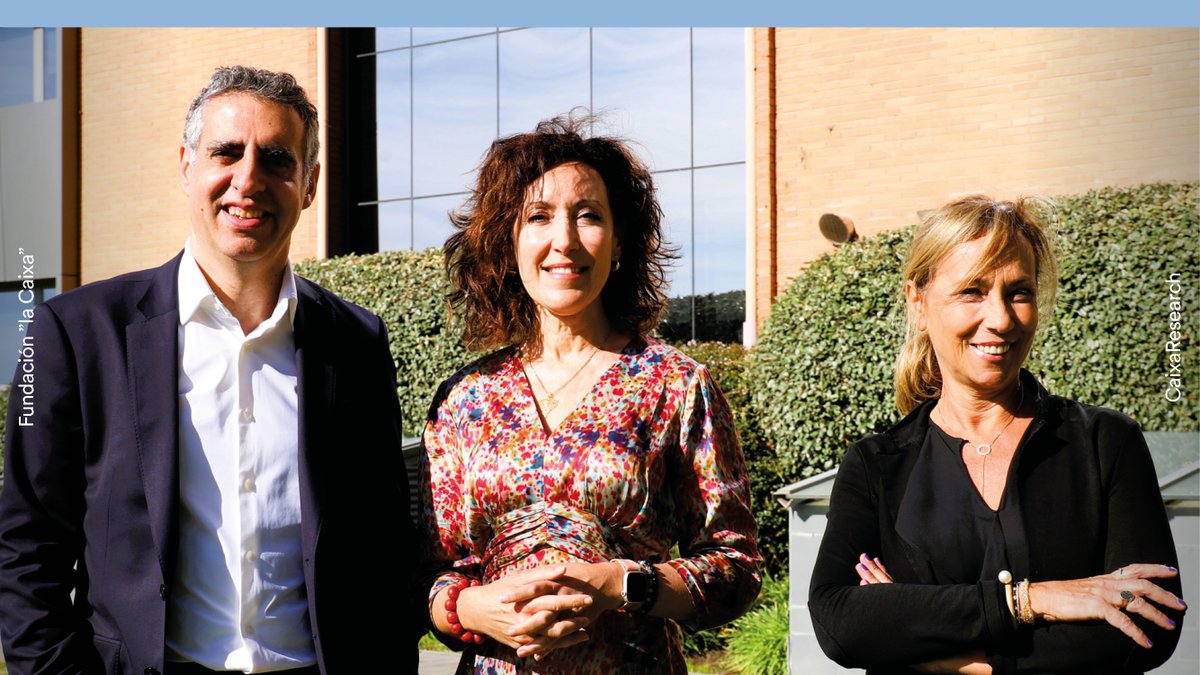
👉Este proyecto #CaixaResearch, liderado por @PujolLab (@idibell_cat), se realiza en consorcio con:
🔸@ManelEsteller, de @CarrerasIJC
🔸Antonella Consiglio, de @UniBarcelona
3
4
14
763
Dr Aurora Pujol retweeted

12 Jun 2024
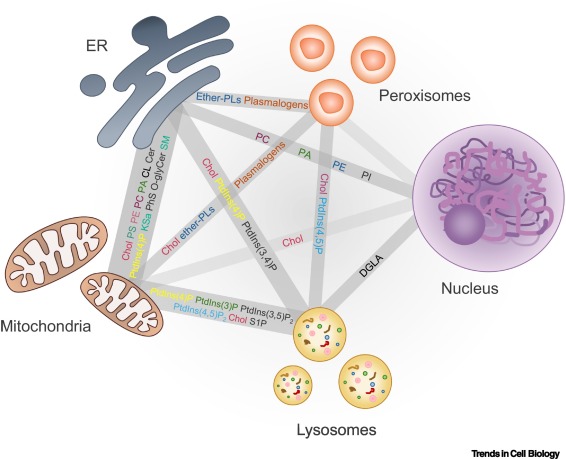
Role of lipids in interorganelle communication dlvr.it/T8BD9j
1
77
262
29,553
2 Jun 2024
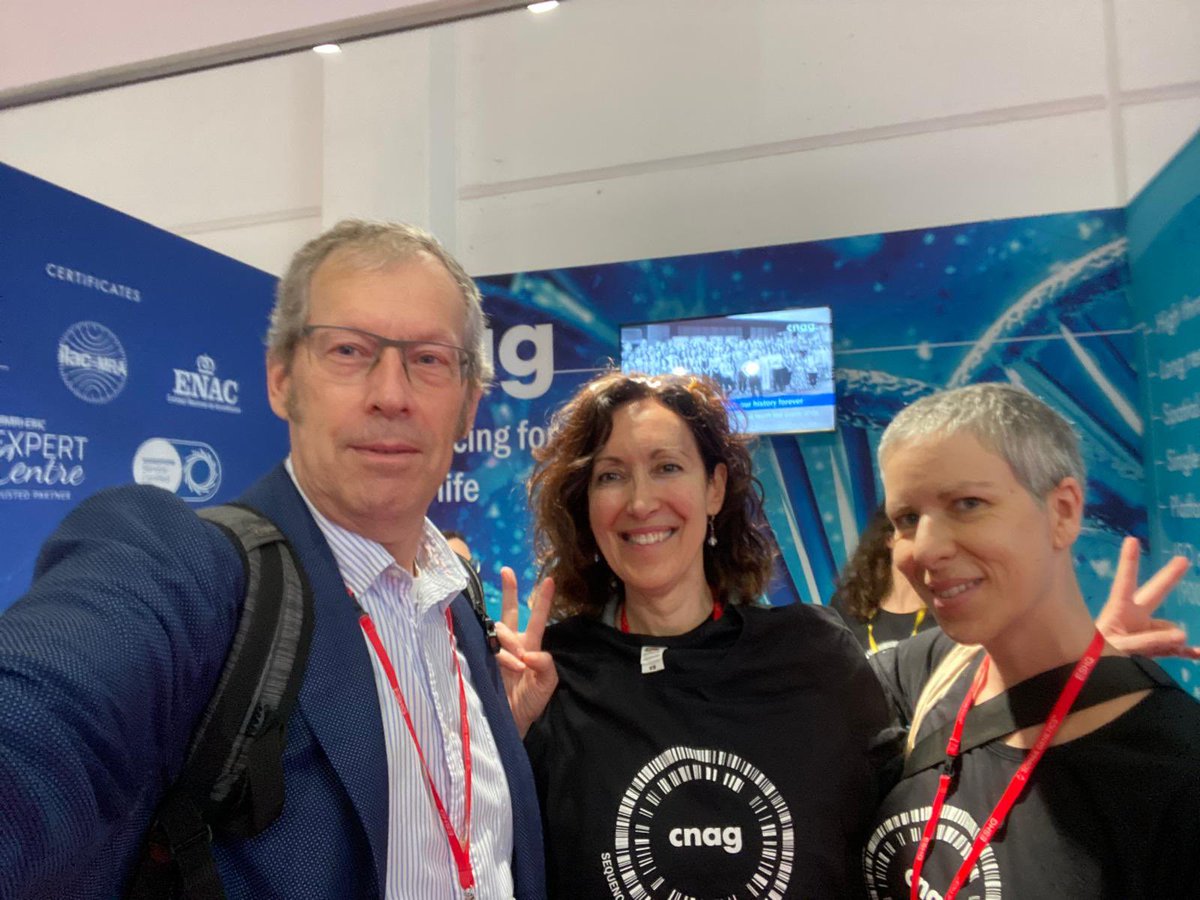
Many years of solving diagnostic and scientific riddles with best genomics expertise of @cnag_eu. Such a blast of a meeting #eshg2024 in wonderful Berlin!

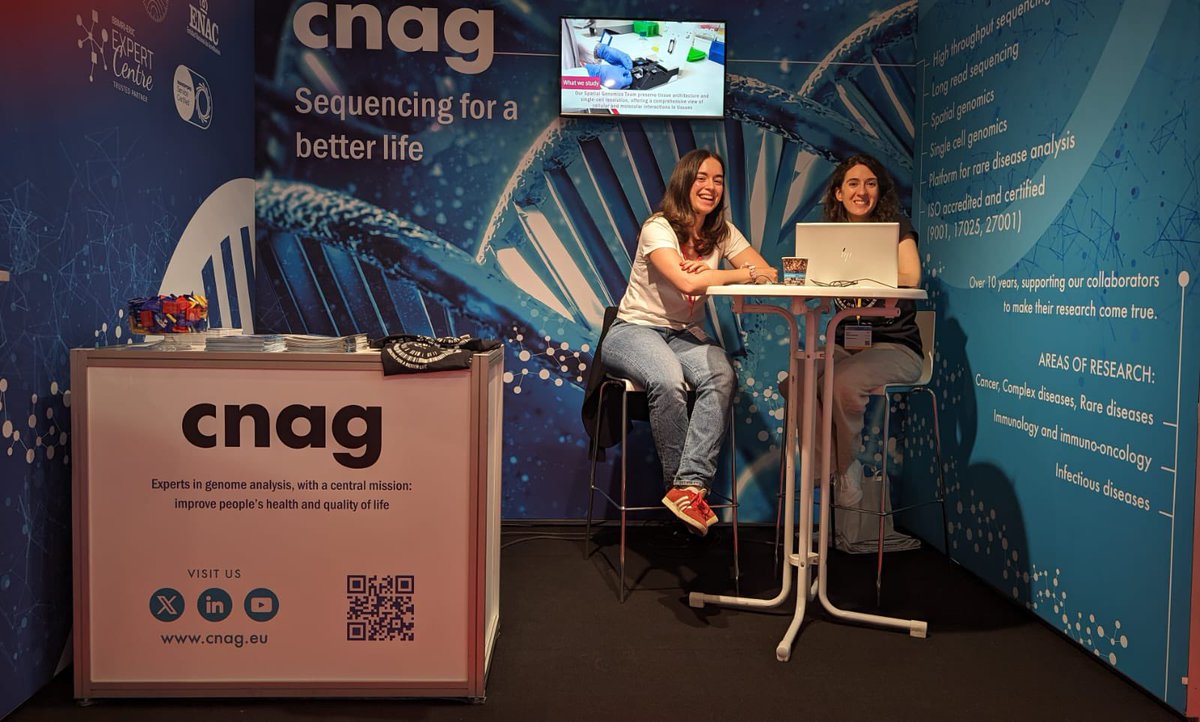
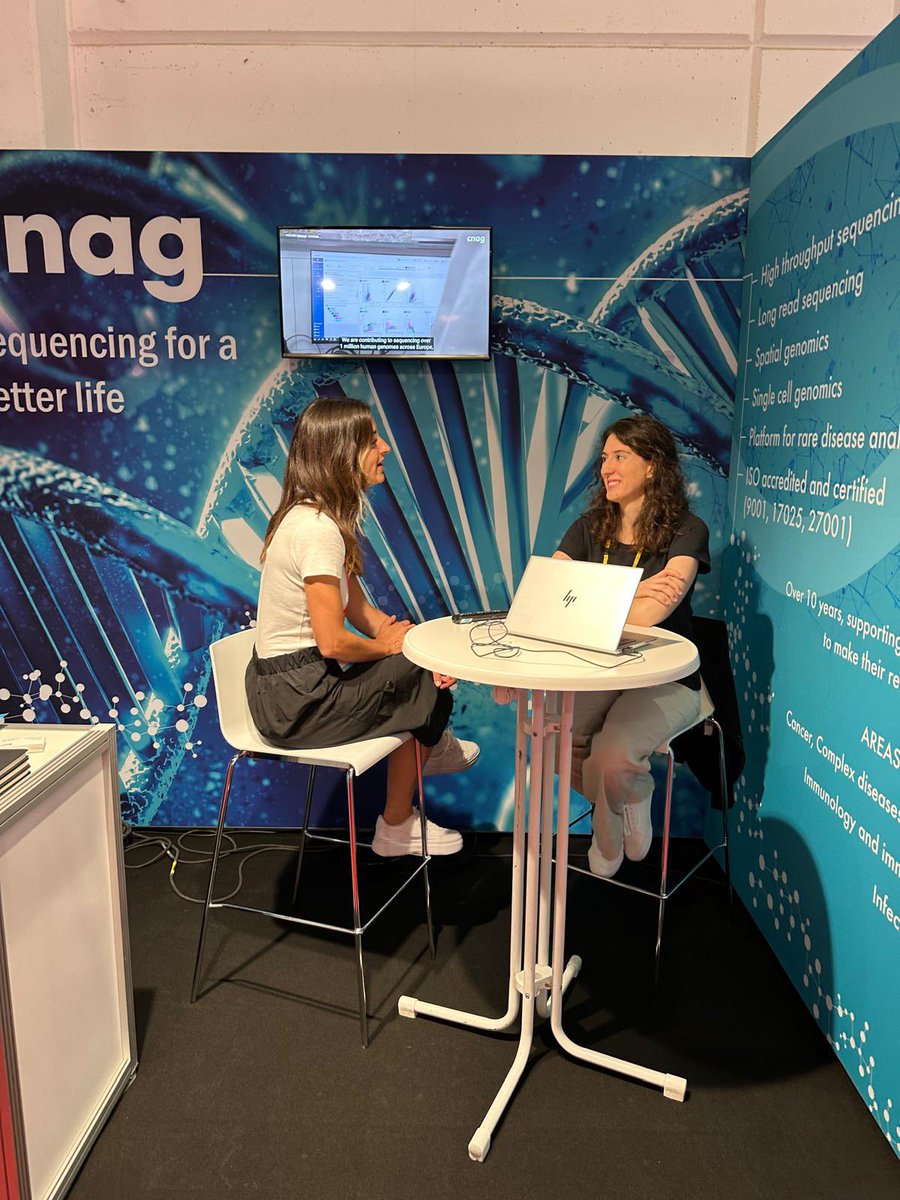
Our first day at #eshg2024 📸
➡️ Interesting meetings with partners such as @PujolLab from @idibell_cat
➡️ Booth 122 ready to inform you about:
🧬High throughput sequencing
🔬Long read sequencing
🧫Spatial & Single Cell Genomics
💻Platform for #rarediseases
See you today!
1
13
1,077
Dr Aurora Pujol retweeted

4 Mar 2024
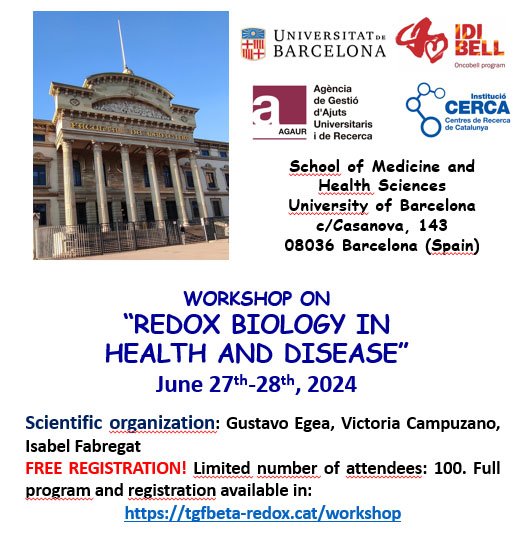
Have a look to the workshop that we organize in June in Barcelona @idibell_cat @UniBarcelona Registration is free!
8
16
2,834
Dr Aurora Pujol retweeted

13 Mar 2024
Felicitats a Ayelen Artuch (@AArtuch98654), qui ha rebut una beca de doctorat #INPhINIT de @FundlaCaixaCAT @BecarisFLC per incorporar-se al @PujolLab i estudiar les malalties neurometabòliques!
12 Mar 2024

Amb les 65 beques de doctorat INPhINIT i les 40 de postdoctorat Junior Leader, 105 investigadors excel·lents podran realitzar els seus projectes a universitats i centres de recerca d'Espanya i Portugal.
👉 bit.ly/48Q0rU3
#FundaciólaCaixa #Beques #becàriesFundlaCaixa
4
13
901
Dr Aurora Pujol retweeted

2 Nov 2023
How does mitochondria sense and control their glutathione levels? Our new work @ScienceMagazine by a fantastic student @YuyangLiu1996 describing a redox metabolite sensing mechanism for mitochondria. @RockefellerUniv @TheMarkFdn science.org/doi/10.1126/scie…
45
148
650
142,737
Dr Aurora Pujol retweeted

3 Nov 2023
Energy flow in the mouse brain
6
106
490
44,493
Dr Aurora Pujol retweeted

1 Nov 2023
First-ever: We've identified a new astronomical object, 'Buried Planet', using SEISMOLOGY, rather than telescopes. It's a survivor of Theia, the planet that collided with Earth 4.5 billion years ago to form our Moon. See our @Nature cover paper: rdcu.be/dp16K
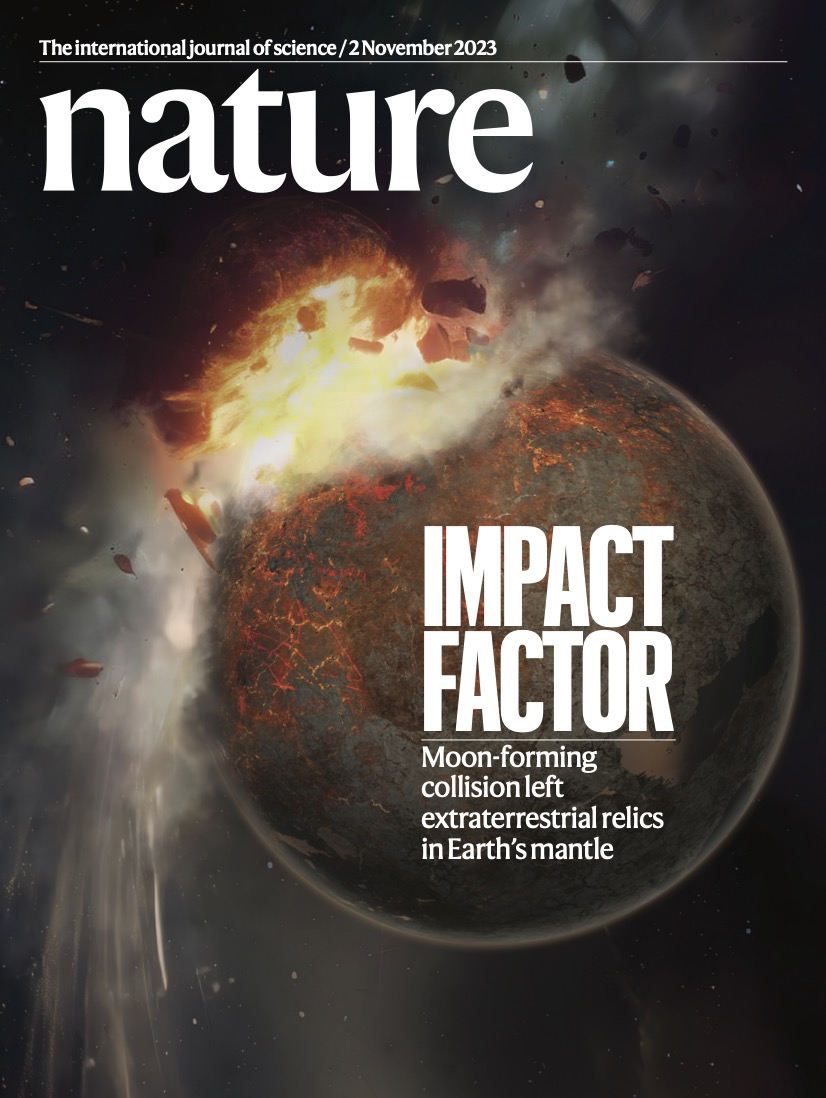
ALT Cred: Hernán Cañellas
50
522
2,155
737,883
Dr Aurora Pujol retweeted

19 Oct 2023
The epigenetic basis of cellular heterogeneity go.nature.com/37g8Hir #Review by Benjamin Carter & Keji Zhao
2
92
389
50,004
18 Oct 2023
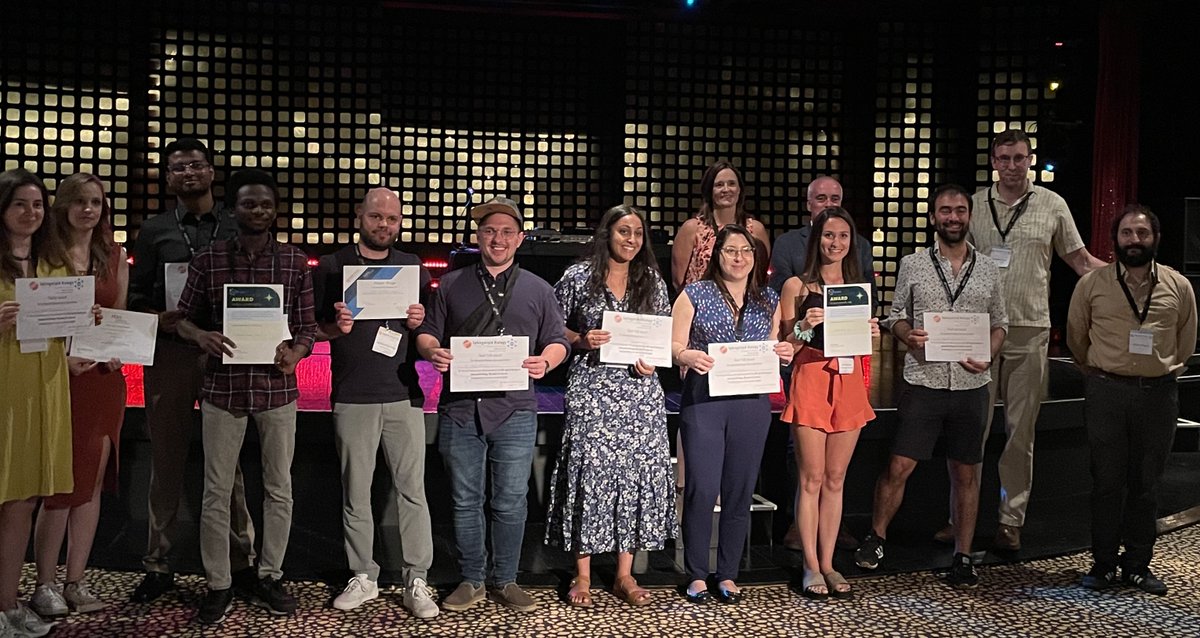
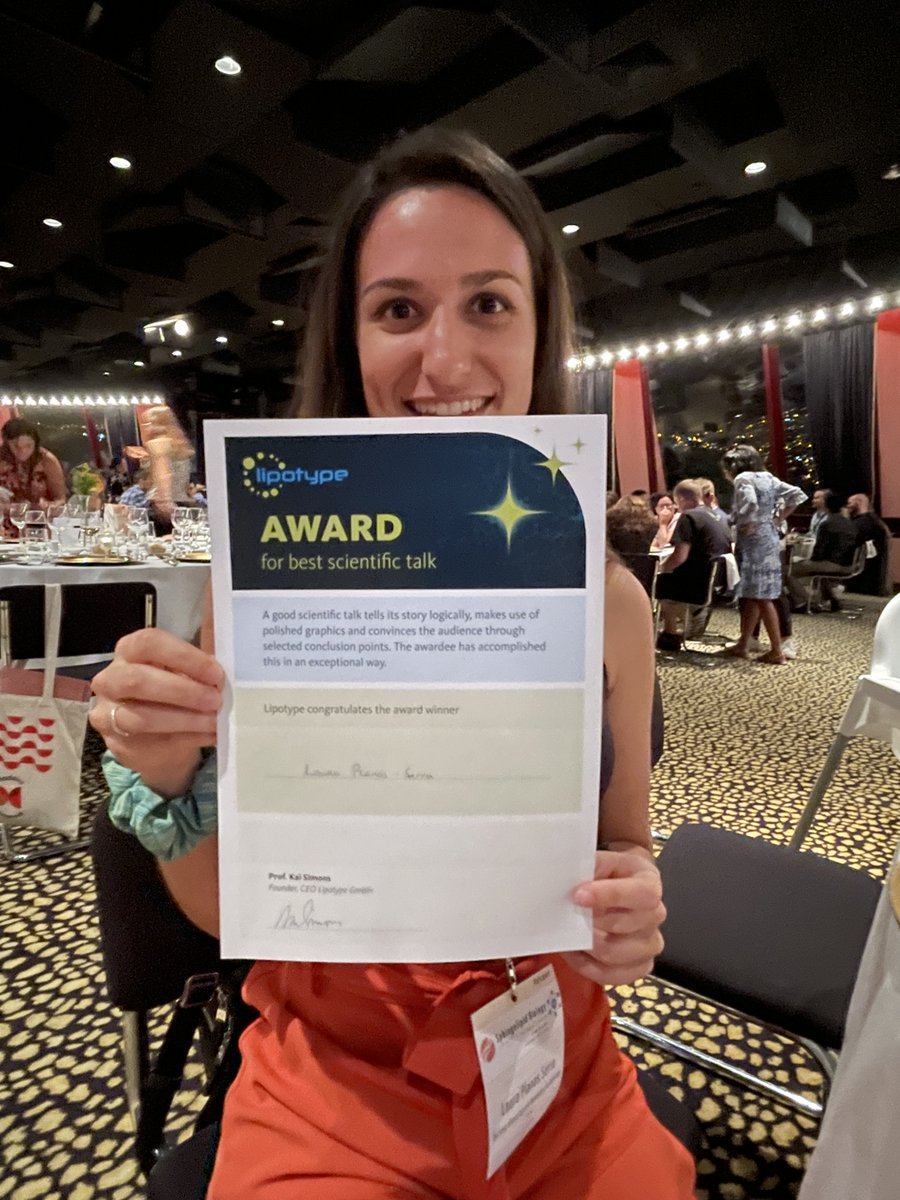
Very proud of our PhD Student Laura Planas-Serra award winer at the @FEBS Sphingolipid conference @SL_Biology #SLBiol2023 in #Madeira, Portugal. Terrific science and lots of fun. Very grateful to organizers @Gio_Dangel0 @MolCellBiophys, @FEBSnews @EMBOevents
1
6
30
2,796
18 Oct 2023
Exciting scientific discussions with @Auwerx_Lab, @Prinetti1 @PatriciaMin19 @MelissaPitman17 @gvdgoot, from membrane biology to viral infectivity, to complex metabolic and rare genetic disorders. The dawn of a new era indeed! Awesome location #Madeirabelongstoall
4
281