Non existent for roughly 13.7 billion years. Exist for a fleeting moment. Non existent until the next multiverse collision. Make the most of it .
Joined March 2023
- Tweets 44,422
- Following 622
- Followers 300
- Likes 60,670
140 Photos and videos






Furrybootsyecomfy retweeted

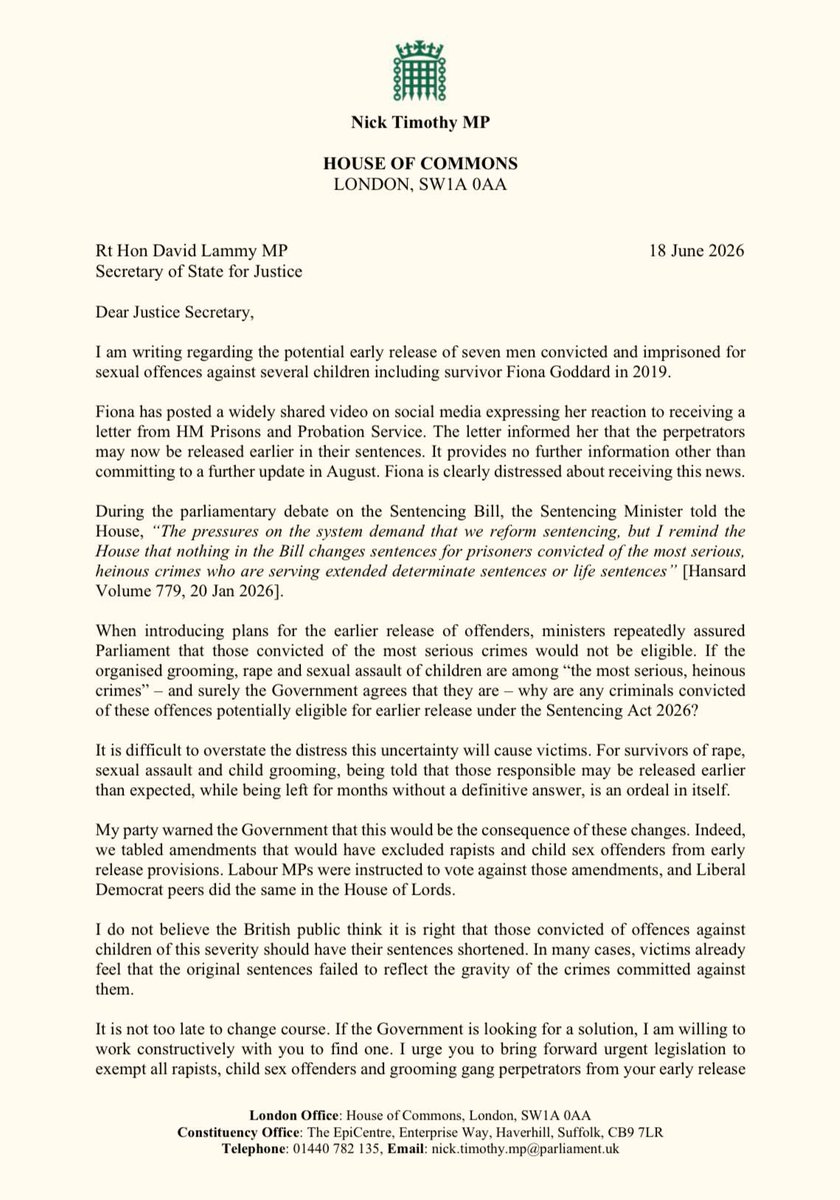
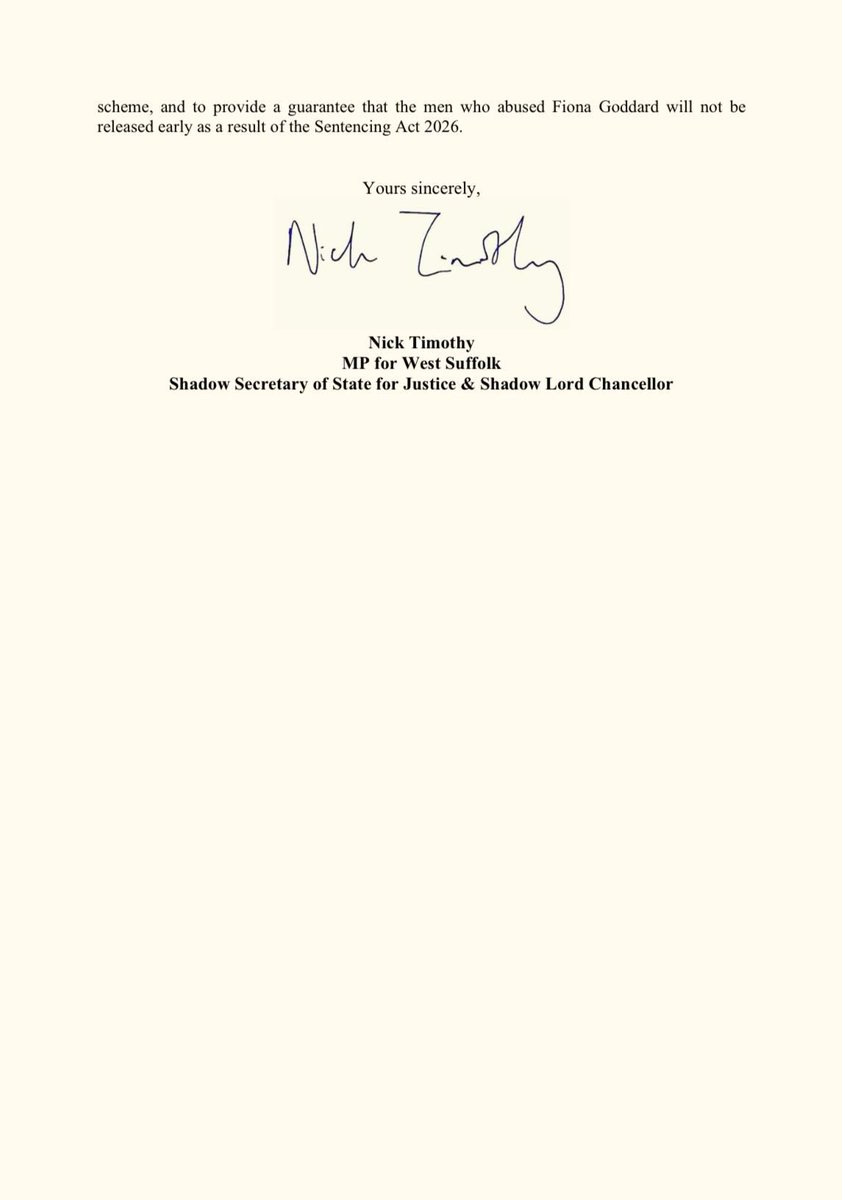
Labour are letting rape gang members out of prison early.
They promised the early release scheme would not apply to those guilty of “the most serious, heinous crimes.”
We need urgent legislation to keep all rapists, child sex offenders and rape gang members locked up.
36
454
1,214
10,097
Furrybootsyecomfy retweeted

There was no democratic vote to down Scotland's ancients Saltire.
It was issued directly as an administrative internal edict by Midlothian Council management by
Dr Grace Vickers Chief Executive.
If you want to ask who is offended, Chief.Executive@midlothian.gov.uk

The oldest flag in Europe, Scotland's Saltire, is banned in Edinburgh district.
Midlothian Council told staff to remove Scotland flags to maintain 'neutral environment'.
Troubling woke heidbangers rejecting both sex and nationalism must he removed.
edinburghnews.scotsman.com/n…
3
36
68
2,016
Furrybootsyecomfy retweeted
The oldest flag in Europe, Scotland's Saltire, is banned in Edinburgh district.
Midlothian Council told staff to remove Scotland flags to maintain 'neutral environment'.
Troubling woke heidbangers rejecting both sex and nationalism must he removed.
edinburghnews.scotsman.com/n…
16
94
246
5,162
Furrybootsyecomfy retweeted

2h
@Keir_Starmer is the Earth Tilt Tax coming ?
Jun 17

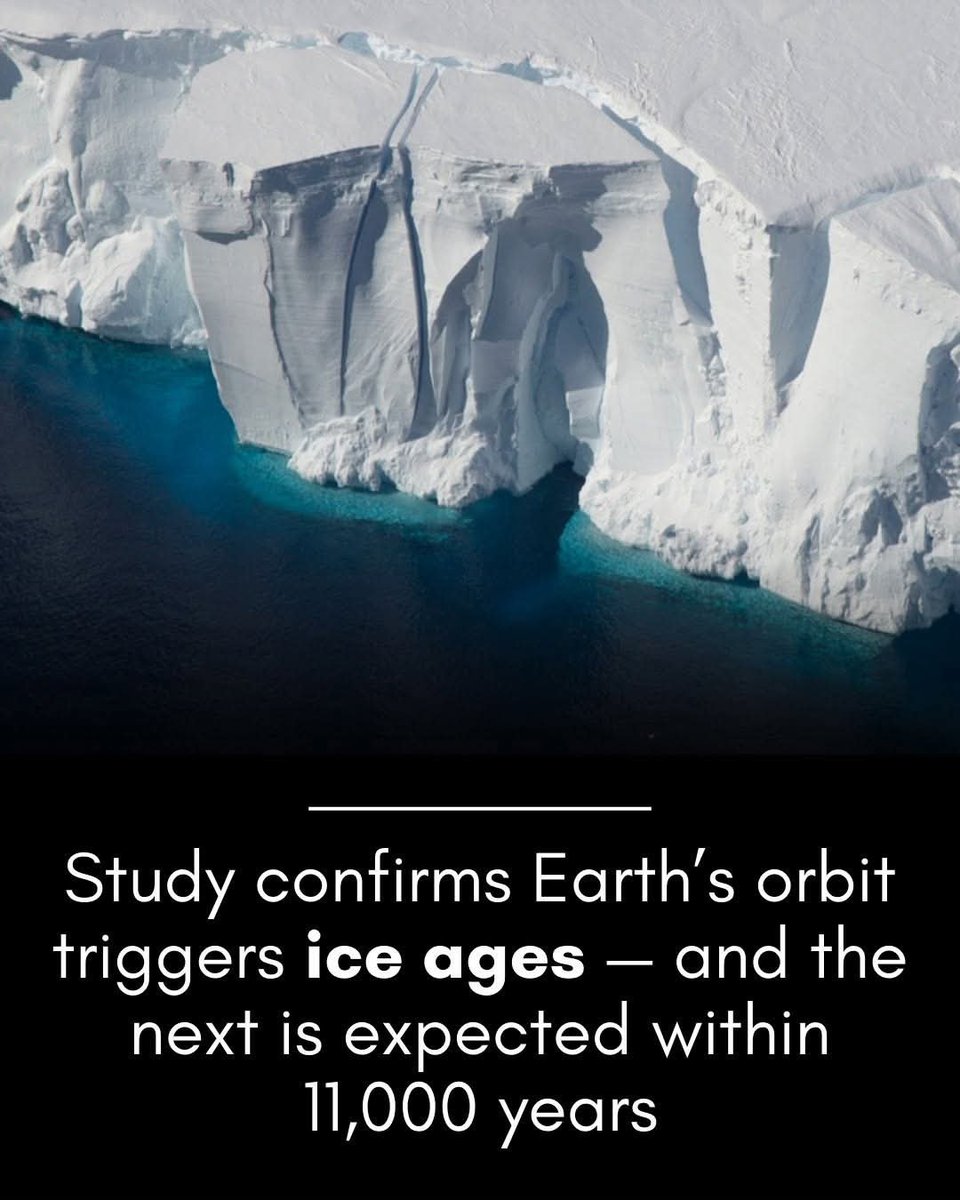
Scientists just confirmed that Earth is slowly tilting toward its next ice age.
A landmark study led by Cardiff University has finally confirmed the precise link between the Earth’s orbital geometry and its historical glaciation cycles.
By analyzing a million-year record of deep-sea fossils and Northern Hemisphere ice sheets, researchers discovered that while deglaciation (the ending of an ice age) is driven by a complex interaction between the planet’s axial tilt and its orbital wobble, the onset of a new ice age is triggered purely by the decline of Earth's axial tilt, known as obliquity.
This groundbreaking find explains why global ice ages have reliably recurred in 100,000-year intervals and indicates that under natural conditions, Earth's current orbit is positioning the planet for another major freeze within the next 11,000 years.
However, scientists emphasize that human activities are rapidly rewriting this cosmic timeline. The unprecedented volume of greenhouse gases emitted since the Industrial Revolution has pushed global temperatures and atmospheric composition far beyond their natural trajectories.
While understanding these orbital mechanics is crucial for modeling Earth's long-term climate behavior, researchers warn that today's anthropogenic emissions could completely override these millennial-scale cycles. The findings make it clear that the climate choices society makes today will play a primary role in deciding whether the planet continues on its ancient, orbitally-driven path or veers into a warmer, highly unstable future.
source: Barker, S., Lisiecki, L. E., Knorr, G., Nuber, S., & Tzedakis, P. C. (2025). Distinct roles for precession, obliquity, and eccentricity in Pleistocene 100-kyr glacial cycles. Science, 387(6737), eadp3491.
1
1
56
Furrybootsyecomfy retweeted

If you find our national flag intimidating you should not be in our nation

Now council launches High Court bid to BAN Union Jacks which 'intimidate diverse communities'
gbnews.com/news/oxfordshire-…
27
159
1,632
13,909
Furrybootsyecomfy retweeted

2h
Alex Massie is spot on.
Scotland really is the luckiest part off the UK.
Highest public spending per head thanks to the Barnett formula, and a £26.2Bn deficit that the rest of the UK quietly covers every year.
While the nationalists moan about
“Westminster control,” they hike income tax up even further, and pretend we’re being held back.
If this is exploitation, it’s the most generous kind going.
The real question is how long the rest of the UK will keep bankrolling this permanent sense of victimhood before the subsidy runs out!
thetimes.com/uk/scotland/art…
6
7
18
218
Furrybootsyecomfy retweeted

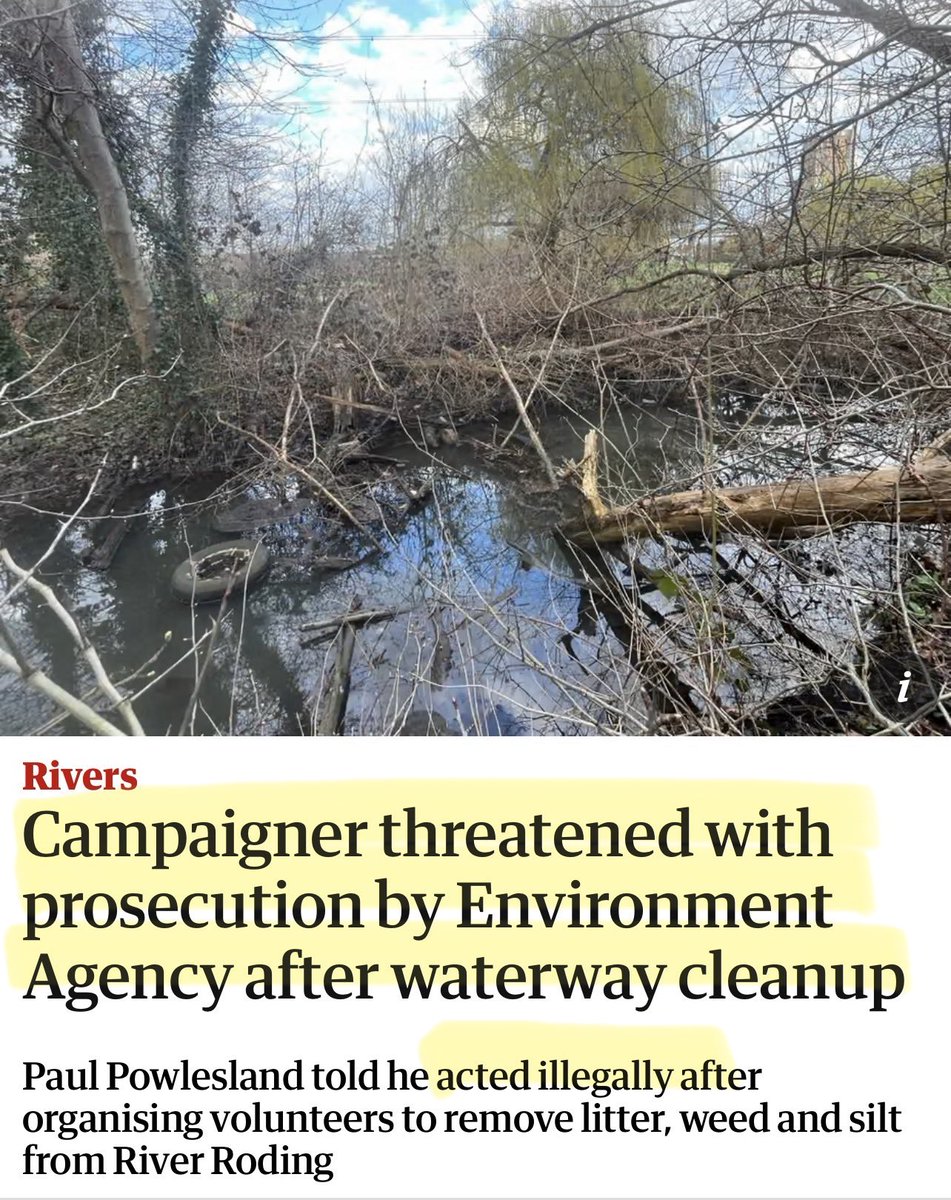
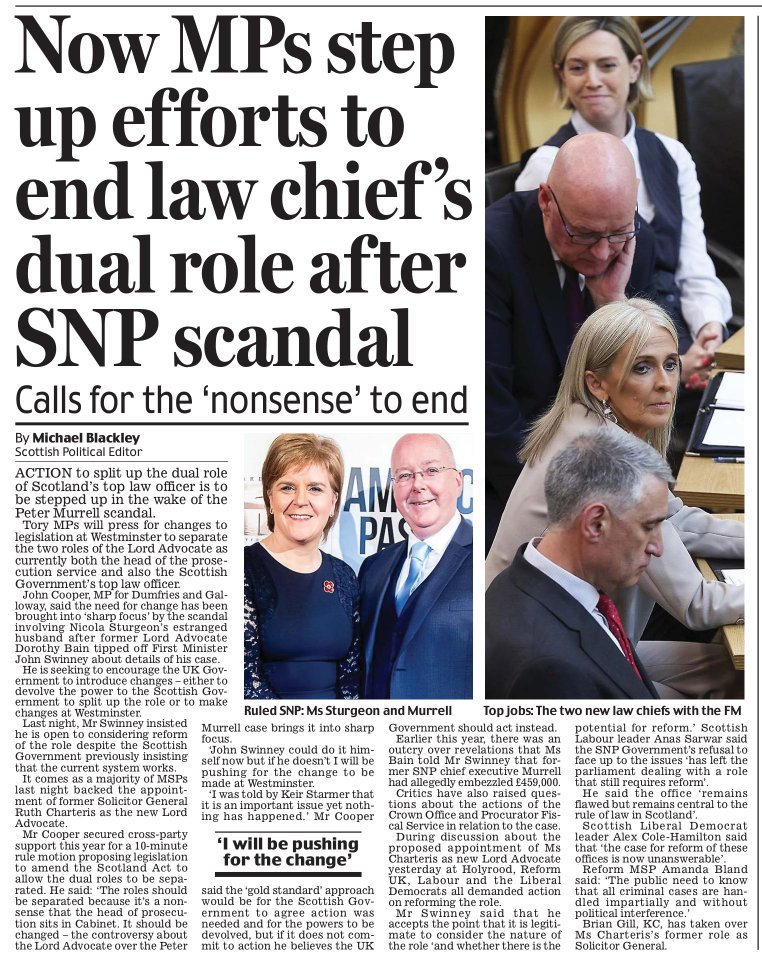
Unelected and unaccountable Quangos are out of control.
Volunteers removed 200 bags of rubbish from a river after years of neglect, pollution and fly tipping.
So the Environment Agency’s threatened to prosecute them! Idiots.
“We won’t clean it and you can’t either” 🤡
34
612
1,413
9,848

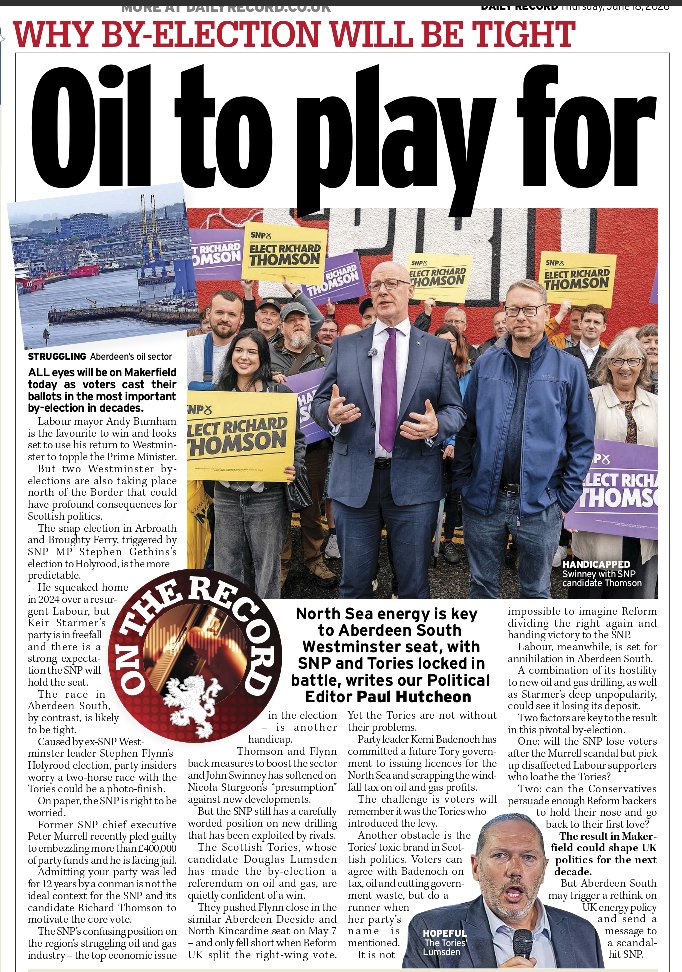
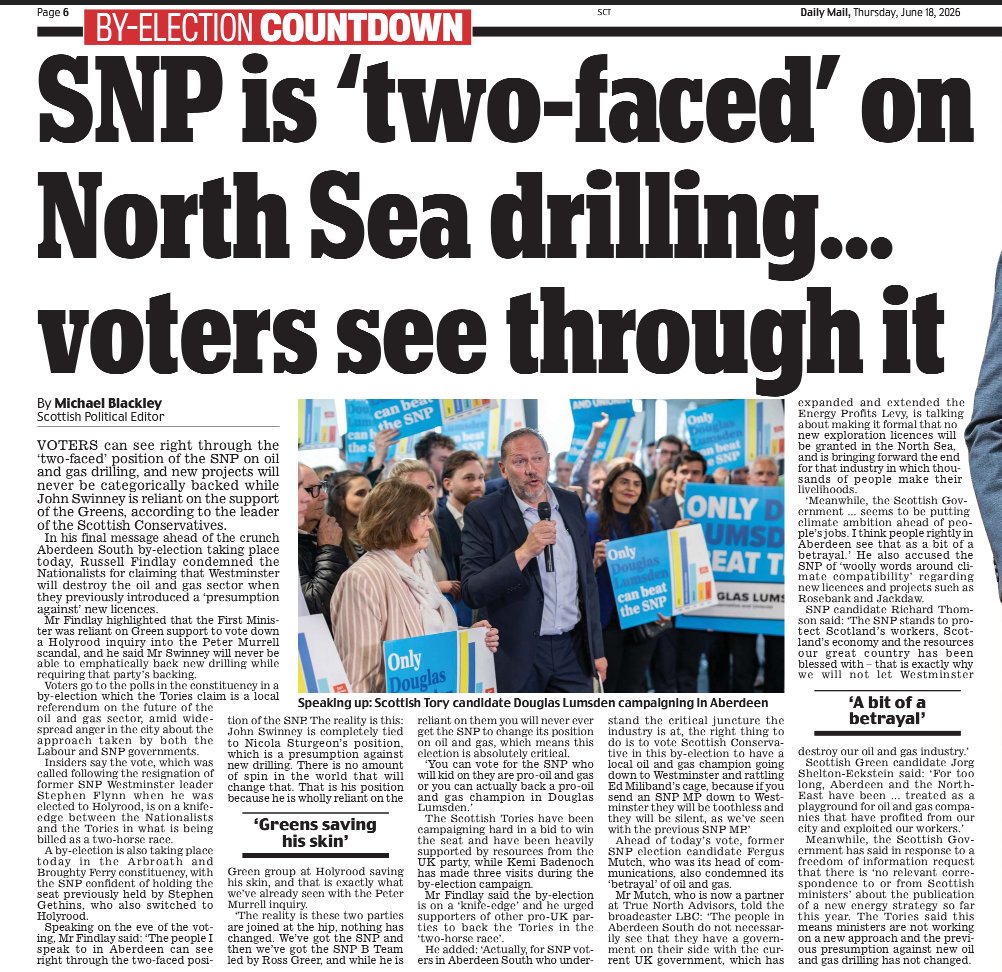
Oil to play for?
The SNP spent years attacking the North Sea, cheering on higher taxes and driving investment elsewhere.
Now, with jobs on the line and Aberdeen angry, they suddenly want to be the party of oil and gas.
Nobody's buying it.
4
28
67
1,231

Furrybootsyecomfy retweeted

Watch leftists cry as the EU votes to deport MILLIONS of illegal migrants
22
126
596
8,277
Furrybootsyecomfy retweeted

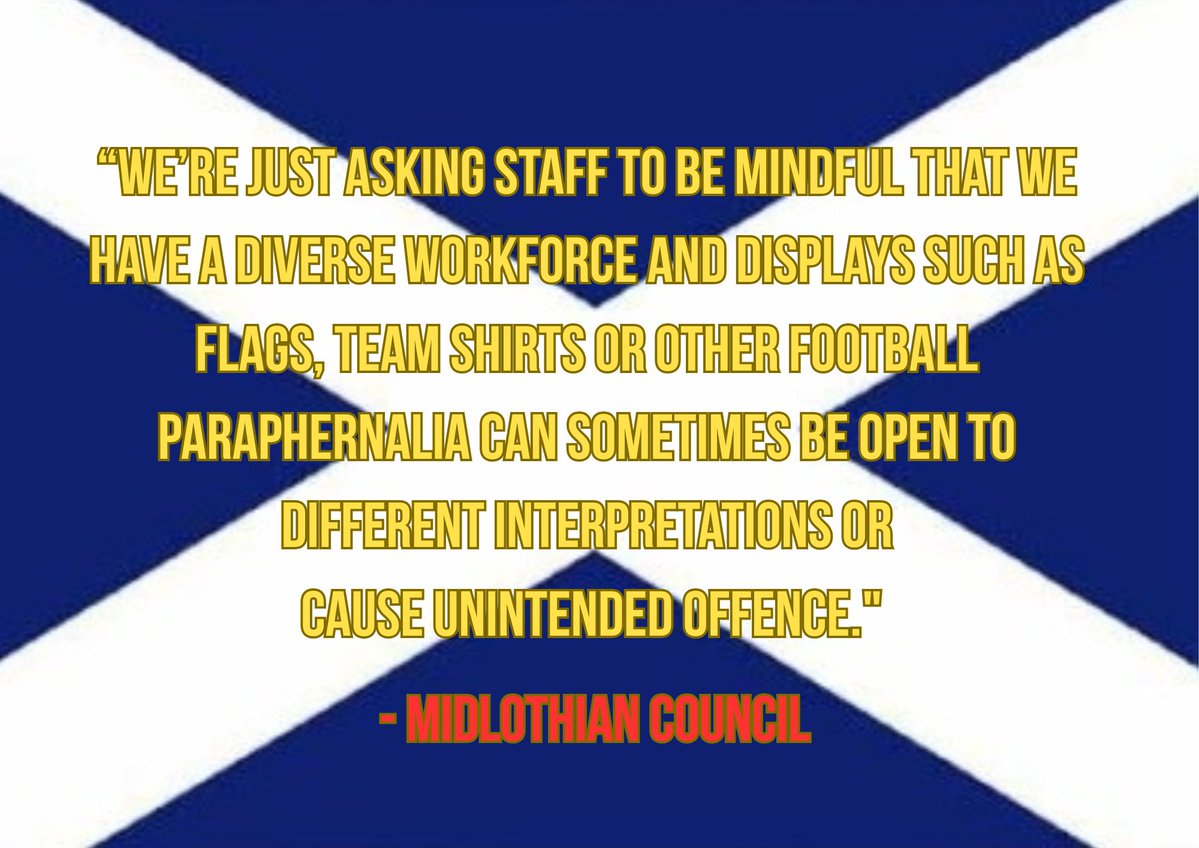
Midlothian Council have banned the Scottish flag for council employees due to having a 'diverse workforce' and the flags causing 'unintended offense'.
Edinburgh, fly the flag.
Do not let a 'diverse workforce' i.e foreigners stop you from flying the flag of your country.
20
55
150
2,285
Furrybootsyecomfy retweeted
🚨 Listen very carefully to what Tony Blair and Larry Ellison of Oracle are telling you.
Everything about you will be centralised as data, run by AI, from your genome to your behaviour. You will be watched & monitored constantly.
The Panopticon is being built without consent. And when it’s built they won’t need to bother asking you anything anymore.
Why do you really think they need those data centres 🚨
67
554
935
14,585
Furrybootsyecomfy retweeted

JD Vance peddling the line that the deal will work because Iran has the chance, even minded, to become a ‘normal country’. You’d think after 47 years America would have learned this won’t happen as long as the country is in the grip of hardline Islamist generals/mullahs — which, after Trump’s failed war, it still is, in fact, more so than ever.
76
133
918
27,075
Furrybootsyecomfy retweeted

Every single Media Outlet that has been SILENT after the publication of Rupert Lowe’s Inquiry is COMPLICIT
If it wasn’t for the X Platform…the World WOULD NOT KNOW about these ATROCITIES
167
3,163
8,922
73,810
Furrybootsyecomfy retweeted

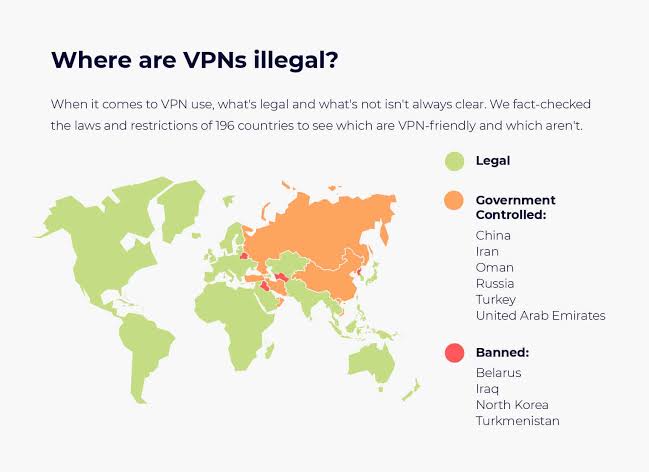
China restricts VPNs.
Iran restricts VPNs.
Russia restricts VPNs.
Now Britain is looking at doing the same.
The fact we're even having this conversation should alarm everyone who values privacy and freedom online.
Keir Starmer has completely lost the plot.
210
1,624
5,185
56,254
Furrybootsyecomfy retweeted

No sane person supports massacring hundreds of Dartmoor ponies.
It’s time to reign in out of control quangos like Natural England.
They’ve lost the plot. We need to return to common sense! 👇
44
239
909
6,943
Furrybootsyecomfy retweeted

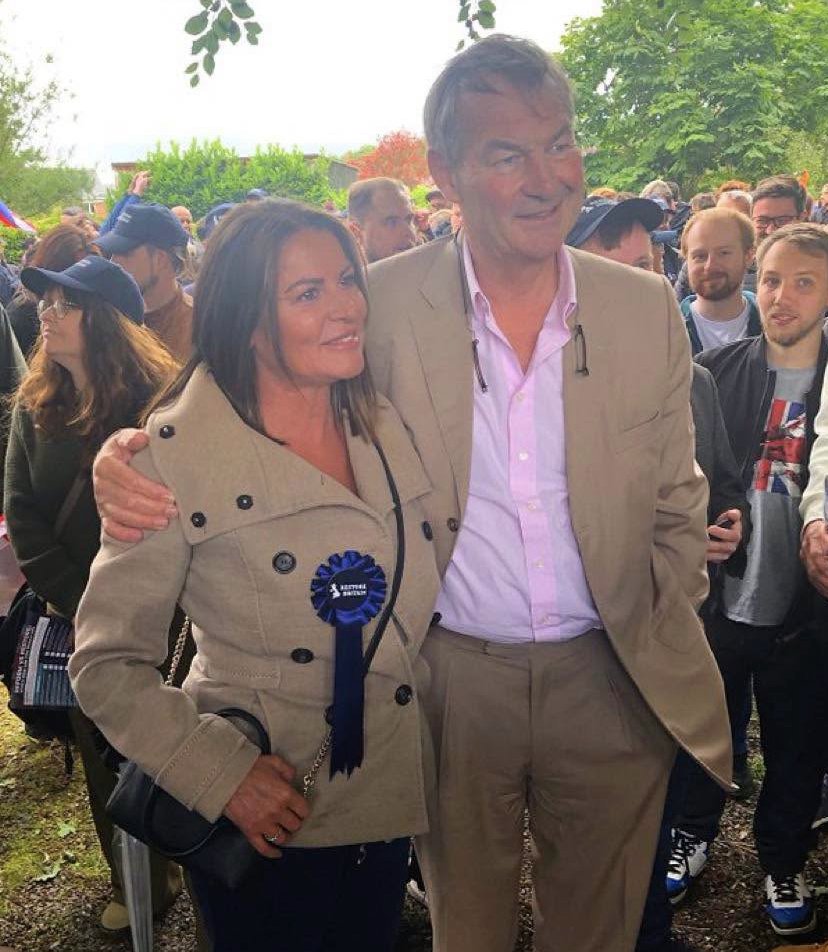
Today is the day - vote Restore Britain.
178
1,068
9,280
64,546
Furrybootsyecomfy retweeted

Don’t let the State under Starmer & Co do this
Pls sign share today
#dontidtheinternet
togetherdeclaration.org/dont…
1
17
27
660