
Stay ahead with Quantum Altcoins—your daily scoop on the top post-quantum crypto networks and apps shaping quantum-safe blockchain’s next frontier.🛡️
Joined May 2025
- Tweets 3,611
- Following 608
- Followers 206
- Likes 10,406
367 Photos and videos
Pinned Tweet

7 Sep 2025
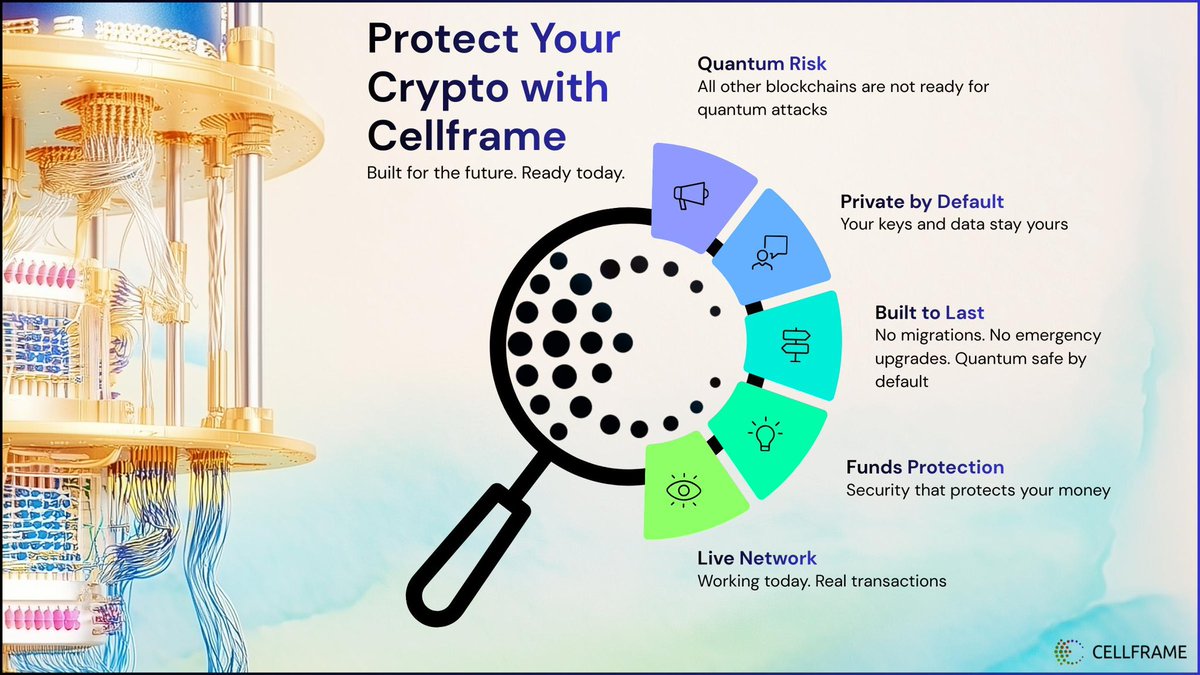
The #quantum revolution is coming, and @cellframenet is leading with the best quantum-safe technology 🚀
$CELL is infinitely scalable, C-based L0 network with dual sharding—fully ready, while 99.9% of crypto projects aren't 💥
🔊 Listen to #Cellframe WP
youtu.be/0T_hLPc2xaw
5
18
59
5,917

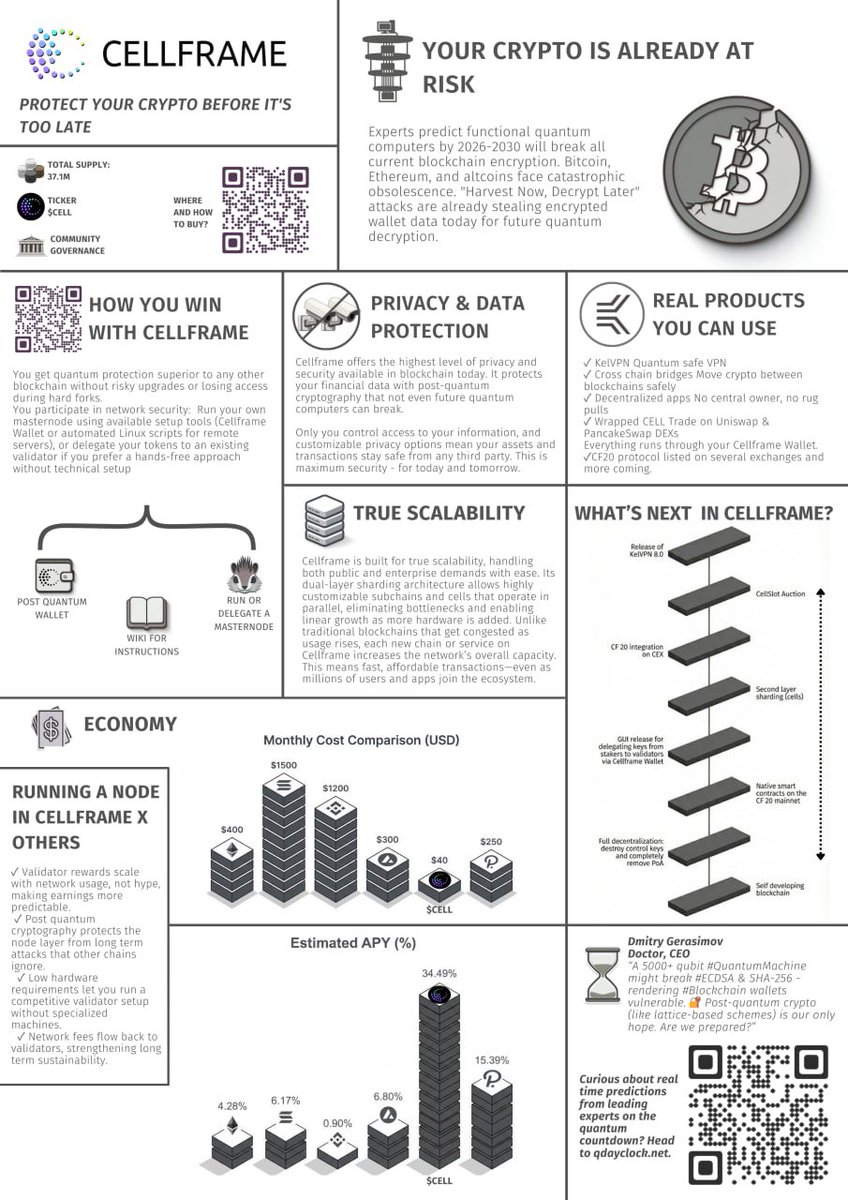
Only @cellframenet and it’s simple: because Cellframe is not just another “quantum resistant” project it is the only one that solves the quantum problem at the root, with next generation architecture, while the others are either partial retrofits or limited solutions.
1. Real Quantum Resistance (not marketing)
Cellframe is PQC native from the L0 protocol: uses NIST approved algorithms (Falcon CRYSTALS Dilithium) across the entire stack signatures, transactions, P2P, consensus.
It has variable signatures on the fly upgrades without hard fork. When NIST releases a new better post quantum standard, the network absorbs it automatically.
Independent evaluations (Quantum Canary etc.) give A to Cellframe in quantum readiness. Algorand gets D (uses Falcon only in state proofs every 256 blocks; the rest of the chain is still vulnerable). Starknet has STARKs (good against quantum in ZK), but doesn’t cover the entire protocol. Other is “quantum resistant”, but stops there.
Summary: the others protect part of the chain. Cellframe protects everything and evolves with the quantum.
2. L0 Service Oriented Architecture Dual Layer Sharding
It is a real Layer 0: serves as backbone to build other blockchains, t dApps (trusted decentralized apps) and enterprise services.
Dual layer sharding conditional transactions = extremely high throughput native and cheap interoperability (instant atomic swaps).
Written in pure C with C SDK: runs on mainframes or even low level hardware (smart fridge, IoT). No other project in the poll has this.
Zero mining = sustainable and cheap to operate.
Algorand is great in TPS and Pure PoS, but lacks this L0 modularity and dual sharding. Starknet is an excellent L2 in ZK, but depends on Ethereum. Other is a simple ledger without smart contracts and without real dApps.
3. Functionality the others don’t deliver
Low level t dApps (not just Solidity).
CF 20: native quantum resistant token standard.
Cross chain interoperability secure by design (not by third party bridge).
“Service oriented” vision: companies can run entire enterprise applications with guaranteed quantum security.
4. Asymmetric Upside (the “why now” factor)
Tiny market cap (approximately 2M USD) with circulating supply of approximately 37M tokens.
Active community and development (mainnet backbone live, masternodes, bridge, explorer).
In the poll you linked, CELL won with 49 percent against Algorand’s 44 percent replies unanimous: “$CELL edges this one”. The market is already voting with money.
Choosing Algorand is betting that “almost quantum resistant strong brand” is enough. Choosing Starknet is betting on ZK scalability. Choosing Other is betting on “quantum purist minimalism”.
CELL is the only bet that combines:
military grade quantum security
scalable L0 architecture
enterprise grade functionality
still absurdly low valuation.
It is the project that survives “Q Day” (the day quantum computers break ECDSA RSA) without losing performance or usability. The others will need painful upgrades or become relics.
If you want the real alpha of the quantum cycle starting now (Google, governments and NIST are already sounding the alarm), CELL is not “something” it is what the others want to be when they grow up.
DYOR, but the numbers and the tech speak clearly. $CELL > rest of the poll.
16
37
1,475
𝗤ᴜᴀɴᴛᴜᴍ 𝗔ʟᴛᴄᴏɪɴ 💎™ retweeted

Apr 4
$cell is one of the best PQC tokens out there cuz of the tech and scalability but most importantly the implementation...the ecosystem.
$cell has many projects building on the $cell blockchain, $kelvpn, $cpunk, $nys, $qevm, $dot @dotflat_io.
$cell is poised to the leader of PQC.
6
18
166
𝗤ᴜᴀɴᴛᴜᴍ 𝗔ʟᴛᴄᴏɪɴ 💎™ retweeted

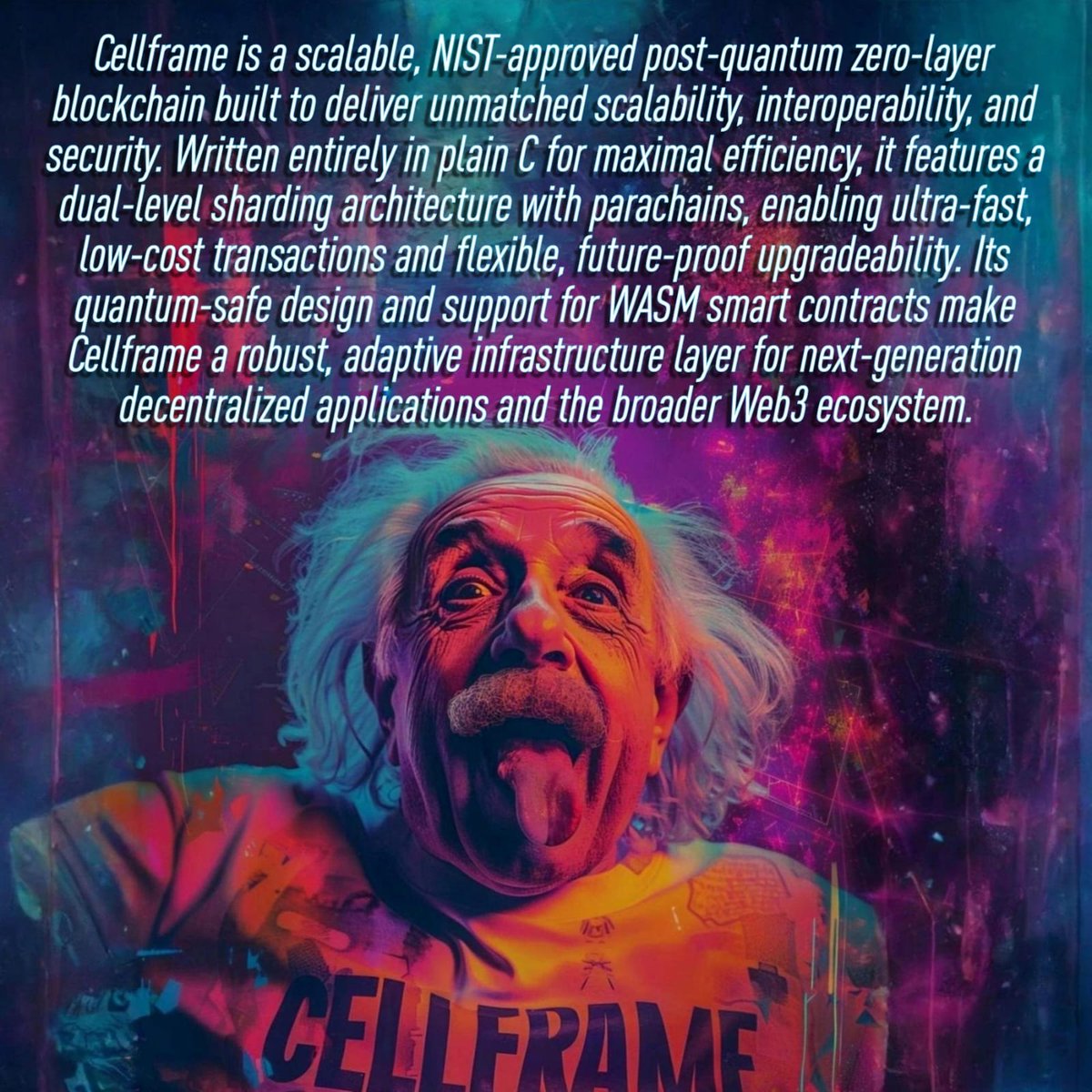
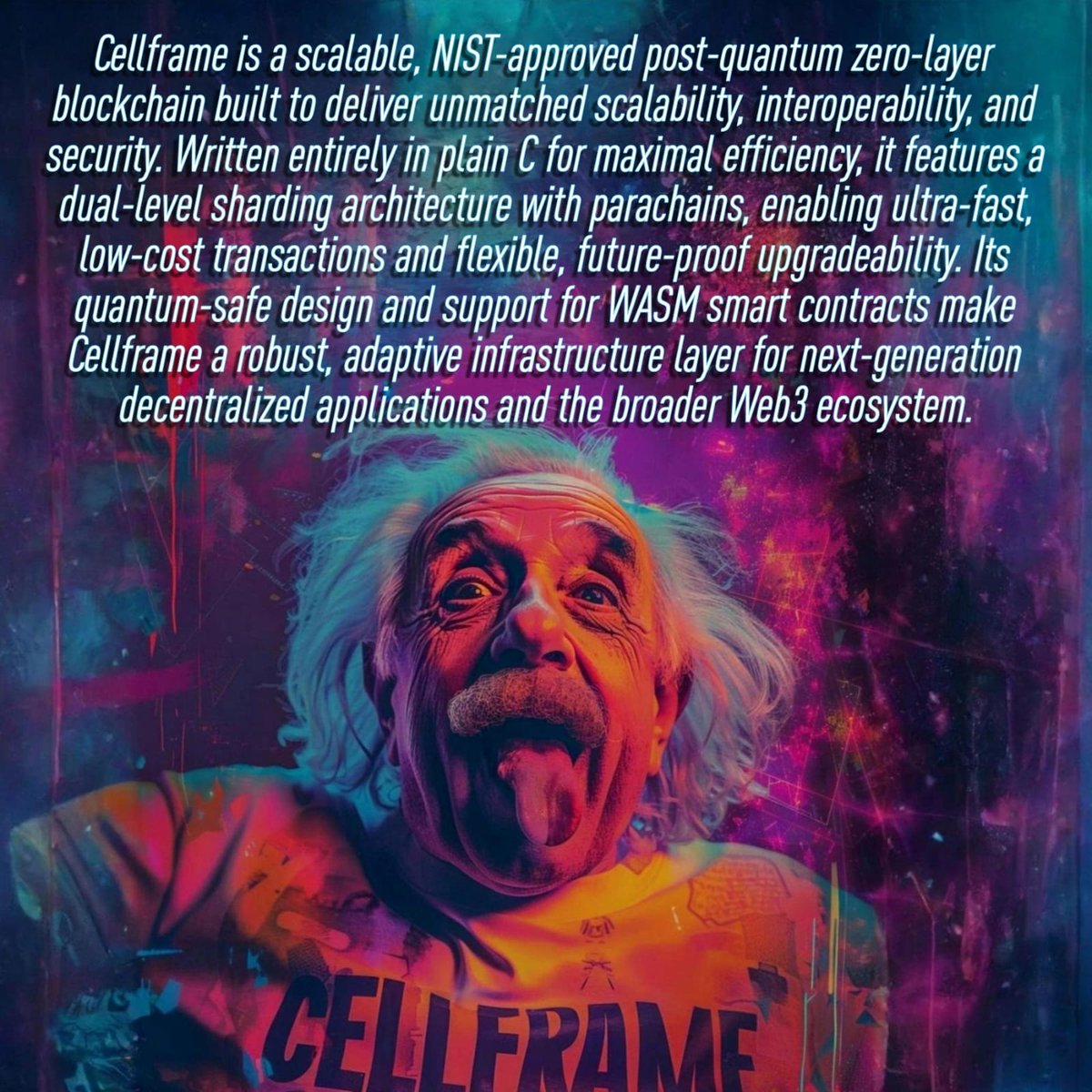
Cellframe is a Layer-0 blockchain platform built from the ground up with post-quantum cryptography. It supports multiple quantum-resistant signatures and can upgrade algorithms on the fly. It's a service-oriented, highly scalable network with sharding and truly decentralized apps
3
19
78
895

$Cell @cellframenet crossed the finish line while others struggle. Fully quantum resistant. Layer 0, 8 years development. Mainnet live. Ecosystem here. Wallet, dex etc. All here. Evm also soon here with $Qevm @quantumevm
Social media platform that saves your messages 100% with $Cpunk @OfficialCpunk
1
6
16
247
𝗤ᴜᴀɴᴛᴜᴍ 𝗔ʟᴛᴄᴏɪɴ 💎™ retweeted

Apr 2
Everyone has been talking about the @GoogleQuantumAI paper about quantum risk to cryptocurrencies that dropped this week.
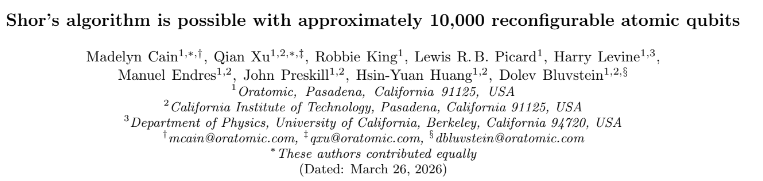
That paper is great. But another paper, by @TeamOratomic is arguably the more significant scientifically, at least from a quantum computing perspective.
🧵
8
24
124
20,696
𝗤ᴜᴀɴᴛᴜᴍ 𝗔ʟᴛᴄᴏɪɴ 💎™ retweeted

Mar 27
Most people won’t say this…
but I will.
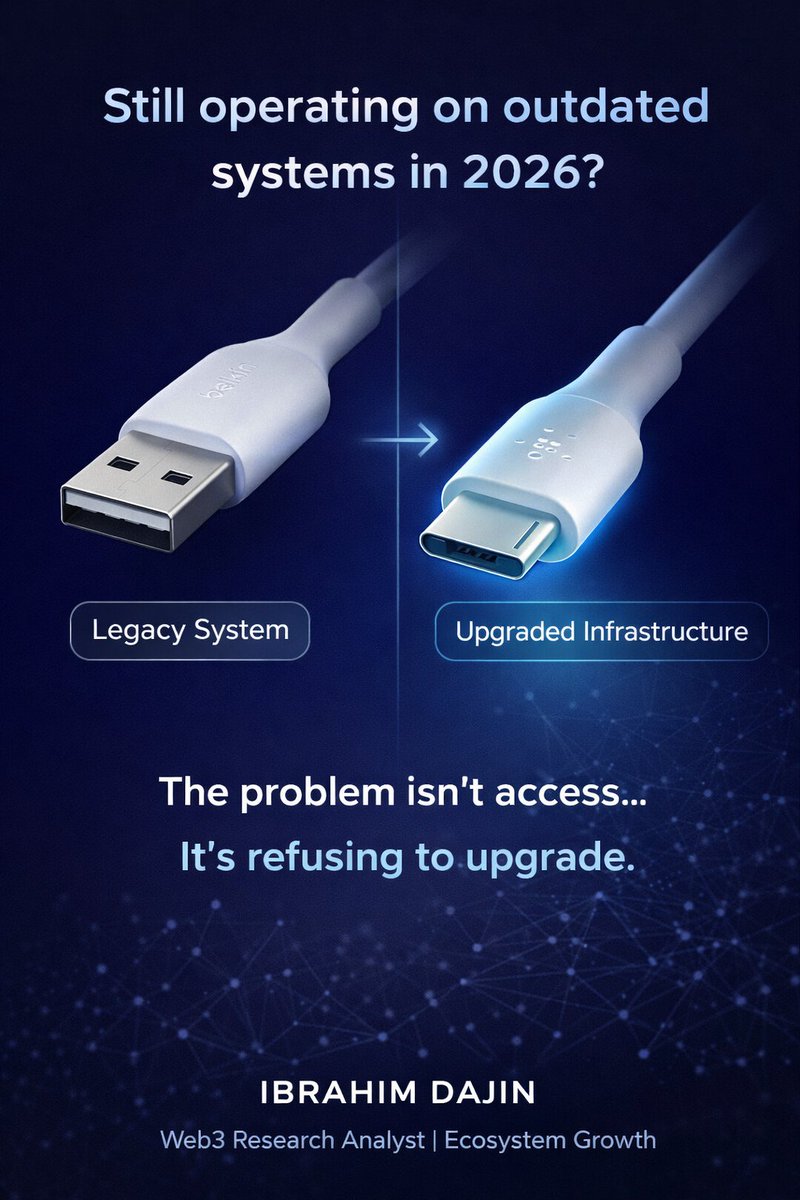
If you’re still using outdated tools, systems, or thinking patterns in 2026…
You’re not just behind.
You’re operating at a structural disadvantage.
That old charging cable?
It’s not just a cable.
It’s a signal.
A signal that you haven’t upgraded.
Technology evolves.
Infrastructure improves.
Efficiency compounds.
But many people stay stuck…
Not because they lack access,
but because they haven’t updated how they think.
In Web3, it’s obvious:
• Some chase hype
• Others study infrastructure
And
• Some follow trends
• Others understand systems
The difference?
One group reacts.
The other positions early.
The market doesn’t reward effort alone.
It rewards alignment.
Alignment with where things are going.
So here’s the real question:
What are you still using?
Tools,
Thinking, or
Strategies,
that no longer serve the future you’re trying to build?
If this hit, you’re already ahead.
If not, you just found your next upgrade.
What’s one thing you’ve upgraded recently?
#Web3 #Blockchain #Crypto
3
43
𝗤ᴜᴀɴᴛᴜᴍ 𝗔ʟᴛᴄᴏɪɴ 💎™ retweeted

Apr 3
The only quantum debate that matters:
Will Bitcoin's devs deploy the upgrade in time before EoY 2026?
The internet does not appear to believe so.
If not there may not be any ATH anymore while quantum progress accelerates.
Apr 3

🚨 NEW POLYMARKET: Bitcoin quantum-resistant upgrade this year? polymarket.com/event/bitcoin…
1
14
962
𝗤ᴜᴀɴᴛᴜᴍ 𝗔ʟᴛᴄᴏɪɴ 💎™ retweeted

Apr 3
They are targeting 2029 but there are PQC projects with mainnet for years.
Ethereum will face a years long migration issue because of known public keys managing defi contracts. Those contracts could get trojan updates and drain pqc user funds.
8
20
188

𝗤ᴜᴀɴᴛᴜᴍ 𝗔ʟᴛᴄᴏɪɴ 💎™ retweeted

Few understand how big this company will be IF quantum attacks becoming the standard.
$CELL @cellframenet

The inflexibility of old blockchains is the biggest obstacle to quantum resistance
The monolithic architecture of 1st and 2nd generation blockchains means there's just one single chain where every piece of data gets recorded.
These networks are already struggling with congestion, high fees, and low throughput.
Now imagine trying to upgrade them to post-quantum cryptography. The algorithms are much heavier → transaction sizes balloon → network load skyrockets → the blockchain simply comes to a halt.
❌ You can't just swap out the cryptography in old blockchains. It's a complex, slow process. In some cases, it's impossible without shutting down the entire network.
Cellframe, however, is built on L0 architecture with multiple chains. Post-quantum cryptography is already there — and new algorithms can be added quickly. No pain. No collapse.
#PostQuantumCryptography
#QuantumResistant
#BlockchainScalability
#Layer0
#Cellframe
1
11
50
1,110
𝗤ᴜᴀɴᴛᴜᴍ 𝗔ʟᴛᴄᴏɪɴ 💎™ retweeted

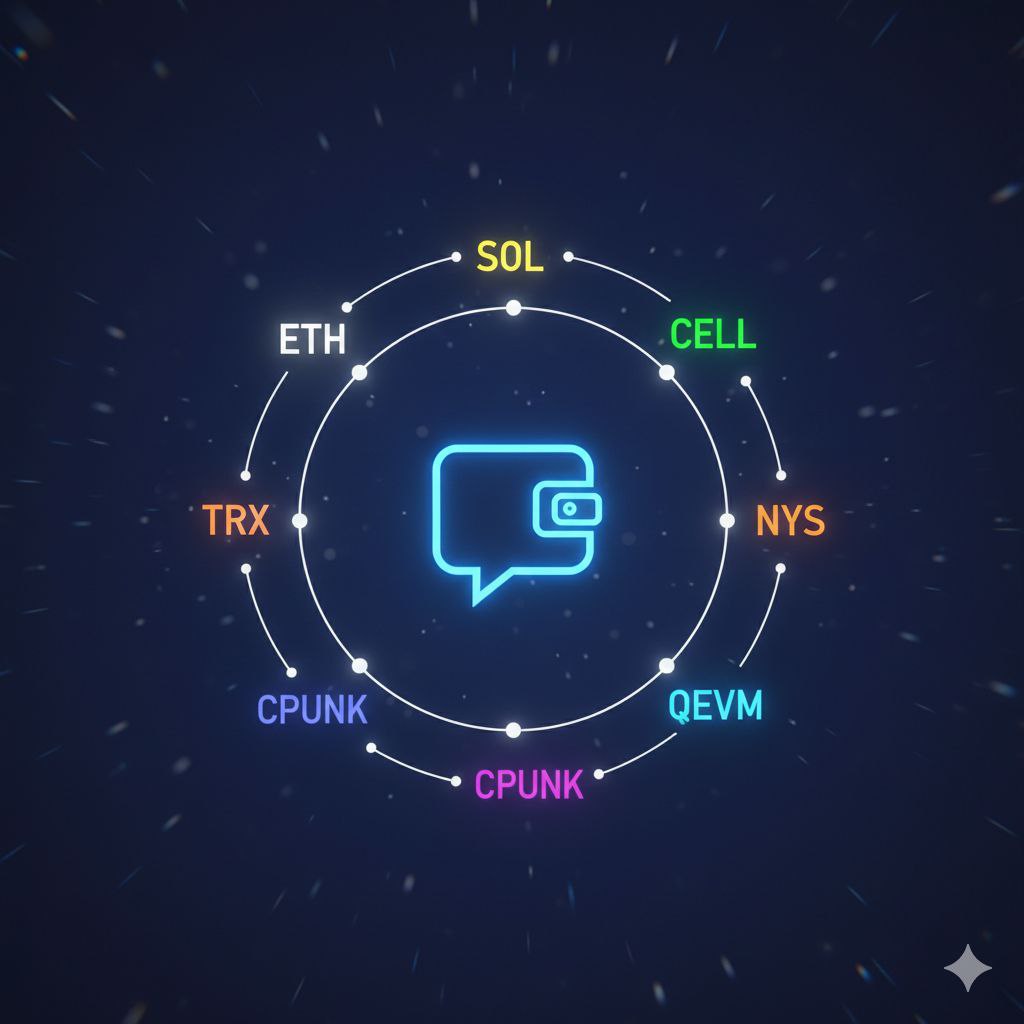
Everyone's adding AI agents to their wallets.
Nobody's asking what happens when quantum computers break the signatures those wallets depend on.
DNA Connect: multichain wallet with ML-KEM-1024 ML-DSA-87.
Self-custody that's ready for what's coming.
cpunk.io
#SelfCustody #QuantumReady
5
13
266
𝗤ᴜᴀɴᴛᴜᴍ 𝗔ʟᴛᴄᴏɪɴ 💎™ retweeted

The inflexibility of old blockchains is the biggest obstacle to quantum resistance
The monolithic architecture of 1st and 2nd generation blockchains means there's just one single chain where every piece of data gets recorded.
These networks are already struggling with congestion, high fees, and low throughput.
Now imagine trying to upgrade them to post-quantum cryptography. The algorithms are much heavier → transaction sizes balloon → network load skyrockets → the blockchain simply comes to a halt.
❌ You can't just swap out the cryptography in old blockchains. It's a complex, slow process. In some cases, it's impossible without shutting down the entire network.
Cellframe, however, is built on L0 architecture with multiple chains. Post-quantum cryptography is already there — and new algorithms can be added quickly. No pain. No collapse.
#PostQuantumCryptography
#QuantumResistant
#BlockchainScalability
#Layer0
#Cellframe
15
47
183
6,169
𝗤ᴜᴀɴᴛᴜᴍ 𝗔ʟᴛᴄᴏɪɴ 💎™ retweeted

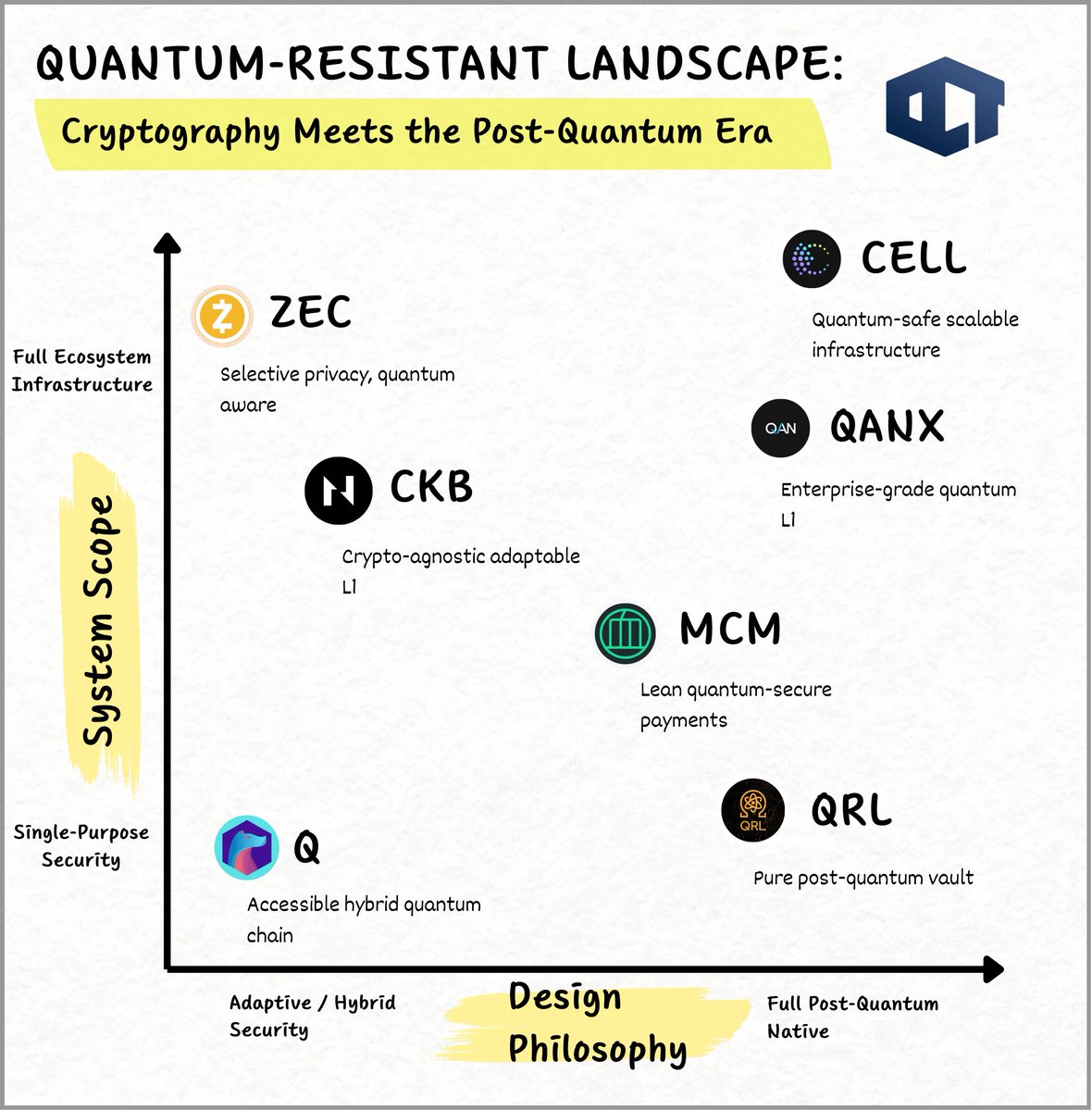
Which quantum resistance project you like the most ?
✅ @Algorand
✅ @Starknet
✅ @QRLedger
✅ @cellframenet
You can mention other project as well 👇
44%
ALGORAND
2%
STARKNET
5%
QRL
49%
CELL
189 votes • Final results
66
38
87
21,251
@cellframenet without any doubt.
It's the only L0 built from scratch with post-quantum cryptography native across the entire architecture: Falcon CRYSTALS-Dilithium (NIST-approved), multi-algorithm hybrid, and on-the-fly algorithm upgrades without a fork.
Own sharding optimized for heavy signatures, high TPS, decentralized services, atomic bridges, and CF-20 as the quantum-safe token standard.
With mainnet already live, delivering real utilities: truly decentralized t-dApps in C (running from mainframes to smart fridges), staking, DAO voting, marginal cost transactions, and instant interoperability via atomic swaps.
The entry barrier is low: you can become a network validator (running node, earning one of the best passive income possible) as early as today with minimal requirements, or, if you prefer, delegate your tokens to the robust $CPUNK infrastructure, a standout project within the Cell network.
It's not a retrofit - it's infrastructure ready for Q-day. You can check it out at cellframe.net and the open-source code on the official GitHub (github.com/demlabs-cellframe) and see for yourselves. 🔥
$CELL
3
34
74
2,773
𝗤ᴜᴀɴᴛᴜᴍ 𝗔ʟᴛᴄᴏɪɴ 💎™ retweeted

Apr 3
3
10
224
𝗤ᴜᴀɴᴛᴜᴍ 𝗔ʟᴛᴄᴏɪɴ 💎™ retweeted

Apr 2
𝐈 𝐣𝐮𝐬𝐭 𝐠𝐚𝐯𝐞 𝐭𝐡𝐢𝐬 𝐚 𝐫𝐞-𝐫𝐞𝐚𝐝 𝐧𝐨𝐰 𝐚𝐧𝐝 𝐢𝐟 𝐲𝐨𝐮 𝐭𝐚𝐤𝐞 𝐭𝐢𝐦𝐞 𝐭𝐨 𝐫𝐞𝐚𝐝 𝐛𝐞𝐭𝐰𝐞𝐞𝐧 𝐭𝐡𝐞 𝐜𝐨𝐫𝐩𝐨𝐫𝐚𝐭𝐞 𝐥𝐢𝐧𝐞𝐬 𝐨𝐟 𝐰𝐡𝐚𝐭 𝐭𝐡𝐞 𝐆𝐨𝐨𝐠𝐥𝐞 𝐐𝐮𝐚𝐧𝐭𝐮𝐦 𝐀𝐈 𝐭𝐞𝐚𝐦 𝐣𝐮𝐬𝐭 𝐩𝐮𝐛𝐥𝐢𝐬𝐡𝐞𝐝, 𝐲𝐨𝐮'𝐝 𝐬𝐞𝐞 𝐡𝐨𝐰 𝐭𝐞𝐫𝐫𝐢𝐟𝐲𝐢𝐧𝐠 𝐢𝐭 𝐚𝐜𝐭𝐮𝐚𝐥𝐥𝐲 𝐢𝐬 𝐭𝐨𝐨..
So, of course, they figured out how to crack ECDLP-256 (which is the exact encryption holding your favorite Ethereum and Bitcoin wallets together btw), in a few minutes.
More urgently, they dropped the required physical qubits down to under 500,000, a massive 20x reduction from what everyone previously thought was needed to break the blockchain.
Infact, It is so brutal that Google had to use a "zero-knowledge proof" just to warn the crypto industry... I.e "We know exactly how to drain your bags, but we are not publishing the exact circuits coz that would be like handing bad actors the ultimate instruction manual." 🙃
Let that sink in for a second.. 😂
Google is staging an emergency intervention, & literally begging legacy networks to migrate to post-quantum cryptography, while retail is still distracted by.. well, distractions.
This is why my Bedrock thesis for @cellframenet is becoming one of the most (if not the most) important play in the space right now.
iykyk.. and the earlier you know, the better 🙂✌🏻
$CELL #QuantumComputing #PQC
Mar 31

Many are wondering "what Google saw" that caused them to revise their post-quantum cryptography transition deadline to 2029 last week. It was this:
research.google/blog/safegua…
9
9
32
445

𝗤ᴜᴀɴᴛᴜᴍ 𝗔ʟᴛᴄᴏɪɴ 💎™ retweeted
Apr 2
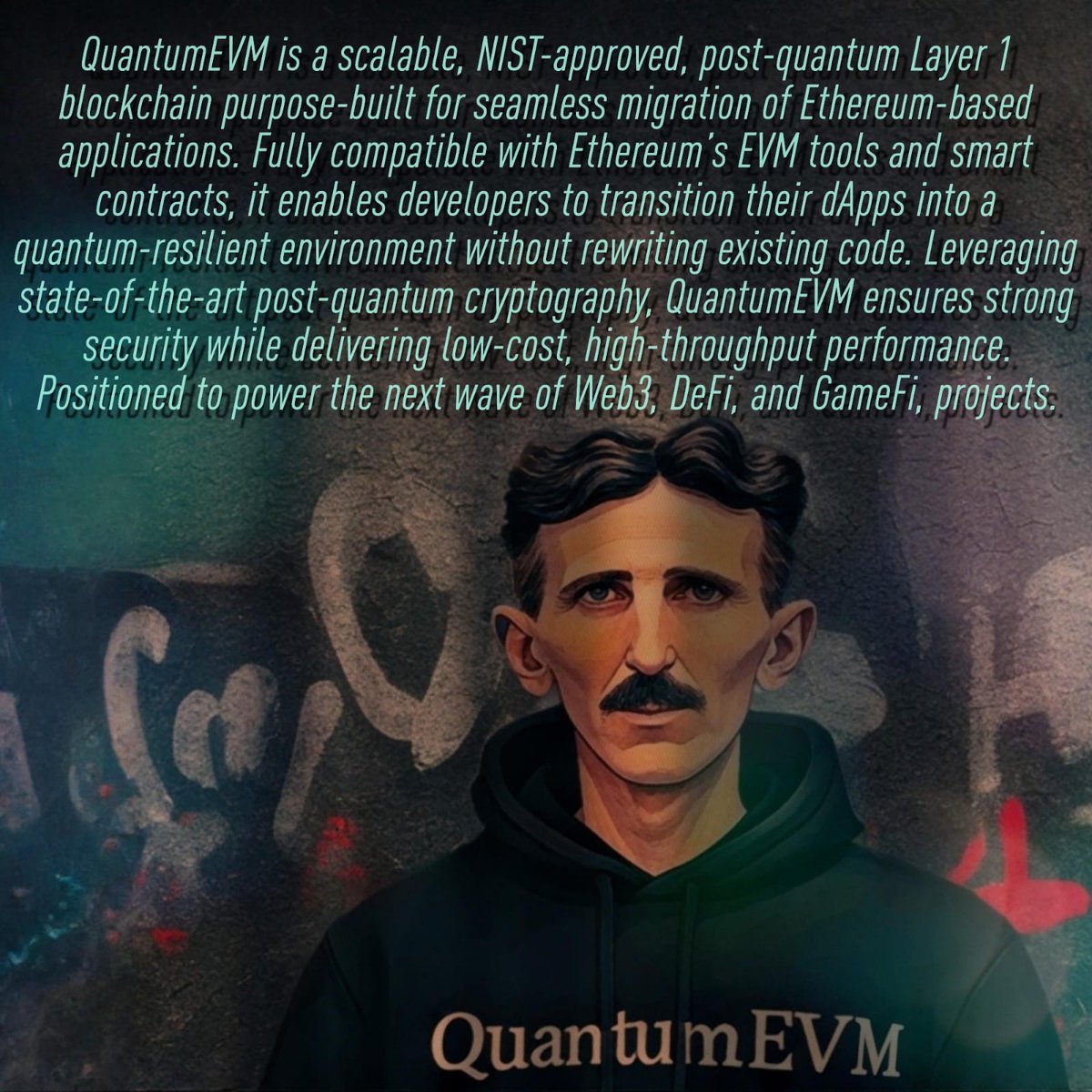
Cellframe is the tech that my team built QuantumEVM on top of. 256 bit quantum safe addresses, compiler, network, wallet, EVM smart contracts, all quantum safe. Took almost 2 years, this is not easy.
13
34
377

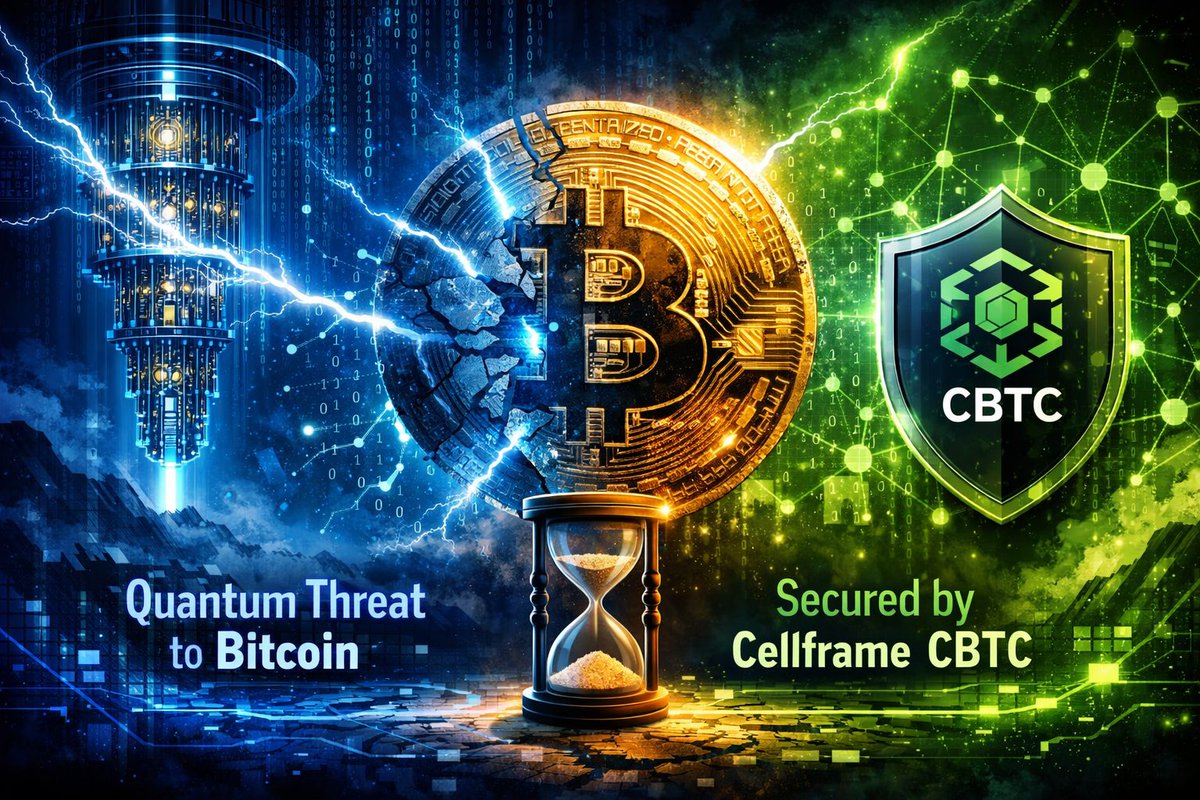
Quantum computing isn’t a maybe someday problem,it’s a countdown.
Bitcoin’s security model was never built for a post-quantum world. The question isn’t if it’s when.
Cellframe’s CBTC is stepping in with quantum-resistant architecture to future-proof BTC before it’s too late.
2
11
18
292