
Championing heritage & community-led conservation. Stories, campaigns & insights from the frontlines of historic building preservation. #ConserveConnect
Joined July 2025
- Tweets 111
- Following 245
- Followers 64
- Likes 177
2 Photos and videos
ConserveConnectNews retweeted
Master brickmason, author and conservation specialist Dr Gerard Lynch has spent decades preserving the knowledge behind Britain's historic brick buildings.
Our latest Guardians of Heritage profile explores the life and legacy of "The Red Mason" and his contribution to traditional brickcraft.
Read more:
conserveconnect.com/blogs/dr…
#GerardLynch #HistoricBrickwork #BrickConservation #LimeMortar #HeritageCrafts #BuildingConservation #ConserveConnect
2
3
107

Historic brickwork often fails not because it is old, but because it has been repaired with the wrong materials.
Using North Dulwich Station as a case study, our latest article explores how cement pointing traps moisture, accelerates decay and damages Britain's historic brick heritage.
Heritage is not always lost through demolition. Sometimes it disappears one mortar joint at a time.
conserveconnect.news/when-ce…
#HistoricBrickwork #LimeMortar #BuildingConservation #Heritage #BrickConservation #ConserveConnect
5
8
484
Historic pubs are not simply commercial buildings. They are part of the social infrastructure of towns and cities, places where memory, association and community life accumulate over generations.
Our latest article examines how communities across Britain have protected pubs like the Railway Bell through heritage campaigns, cooperative ownership, grant funding and organised civic action.
Featuring reflections on the work of Jane Jacobs, Lewis Mumford and Anne Minton alongside real examples of successful preservation movements.
conserveconnect.news/saving-…
#Heritage #PubPreservation #RailwayBell #BuildingConservation #CommunityOwnership #HistoricPubs #UrbanHeritage #JaneJacobs #LewisMumford #Conservation
10
16
938
ConserveConnectNews retweeted

May 13
Restoring historic buildings requires more than craftsmanship. It requires navigating an increasingly complex funding landscape.
Our latest guide explores UK Funding Sources for Building Conservation & Restoration, including Heritage Grants, Historic England support, Lottery Funding, Church Repair Grants and Community Heritage Finance.
conserveconnect.com/blogs/fu…
#BuildingConservation #HeritageFunding #HistoricBuildings #ListedBuildings #Restoration #HistoricEngland #HeritageGrants #ConserveConnect
1
1
66
Liverpool Street Station needs renewal, but not at any price.
The City of London has approved a scheme that bundles essential station improvement with a vast over-station commercial development. The Mayor of London still has the power to intervene.
Read and sign the open letter: conserveconnect.news/mayor-k…
Liverpool Street deserves a station first future, not a financing model disguised as inevitability.
#LiverpoolStreet #LondonPlanning
5
6
449
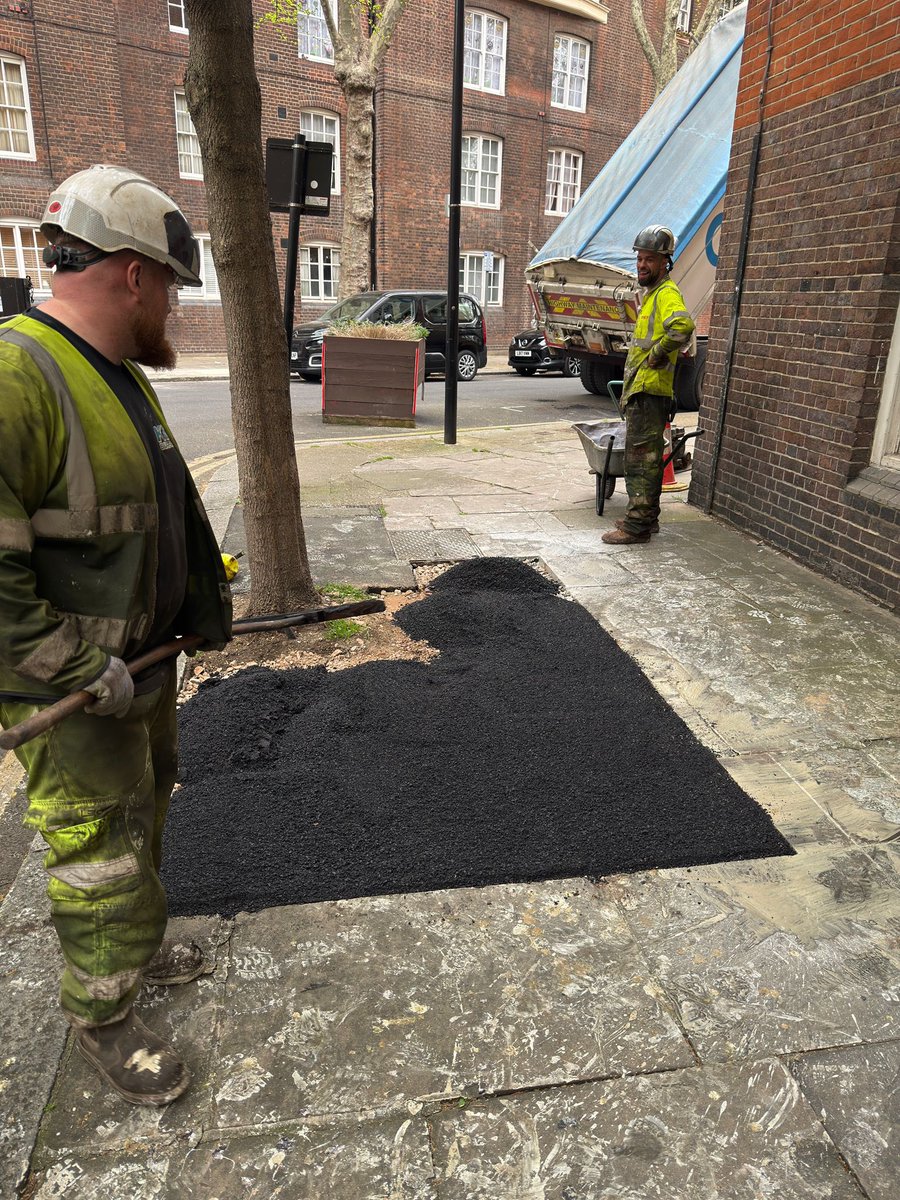
The replacement of historic York stone with asphalt in a Tower Hamlets conservation area is not simply a technical decision.
It reflects a broader shift in how the public realm is valued, managed, and ultimately diminished under conditions of austerity and rentier capitalism.
This article traces that shift from the ground beneath our feet to the wider political economy shaping the UK today.
Read more: conserveconnect.news/the-qui… #heritage #publicrealm #urbanism #planning #architecture #TowerHamlets #conservation #ukhousing
7
9
446
The Railway Bell has been saved for now.
Lambeth has refused the scheme that would have demolished the pub behind a retained frontage and inserted nine flats. In doing so, it has formally recognised the building’s heritage, cultural, economic and social value.
Now comes the harder part: securing a real public future for the building, not merely stopping one bad scheme.
conserveconnect.news/railway…
#RailwayBell #GipsyHill #Lambeth #SaveTheRailwayBell #PubHeritage #CommunityAsset #PlanningObjection #HeritageMatters #SouthLondon #Conservation
11
17
651
ConserveConnectNews retweeted

Apr 9
@TowerHamletsNow please stop destroying our conservation area and listed estate. The pavement survived 125 years on our estate, an important conservation area. Today an unqualified contractor came and took away the original pave stones and tarmac over the area. Stop all work!
113
212
1,299
201,430
Only a few days left to object to the proposed demolition of the Railway Bell, Gipsy Hill.
Lambeth Council must refuse application 26/00528/FUL and reject the destruction of a locally listed pub under the guise of façade retention.
Sign the open letter, share it widely, and submit your formal objection now.
conserveconnect.news/open-le…
@thevicsoc @SAVEtoReuse @savecentralhill @lambeth_council #RailwayBell #GipsyHill #Lambeth #SaveTheRailwayBell #Heritage #PlanningObjection #SaveOurPubs #StopDemolition
1
4
6
391
ConserveConnectNews retweeted

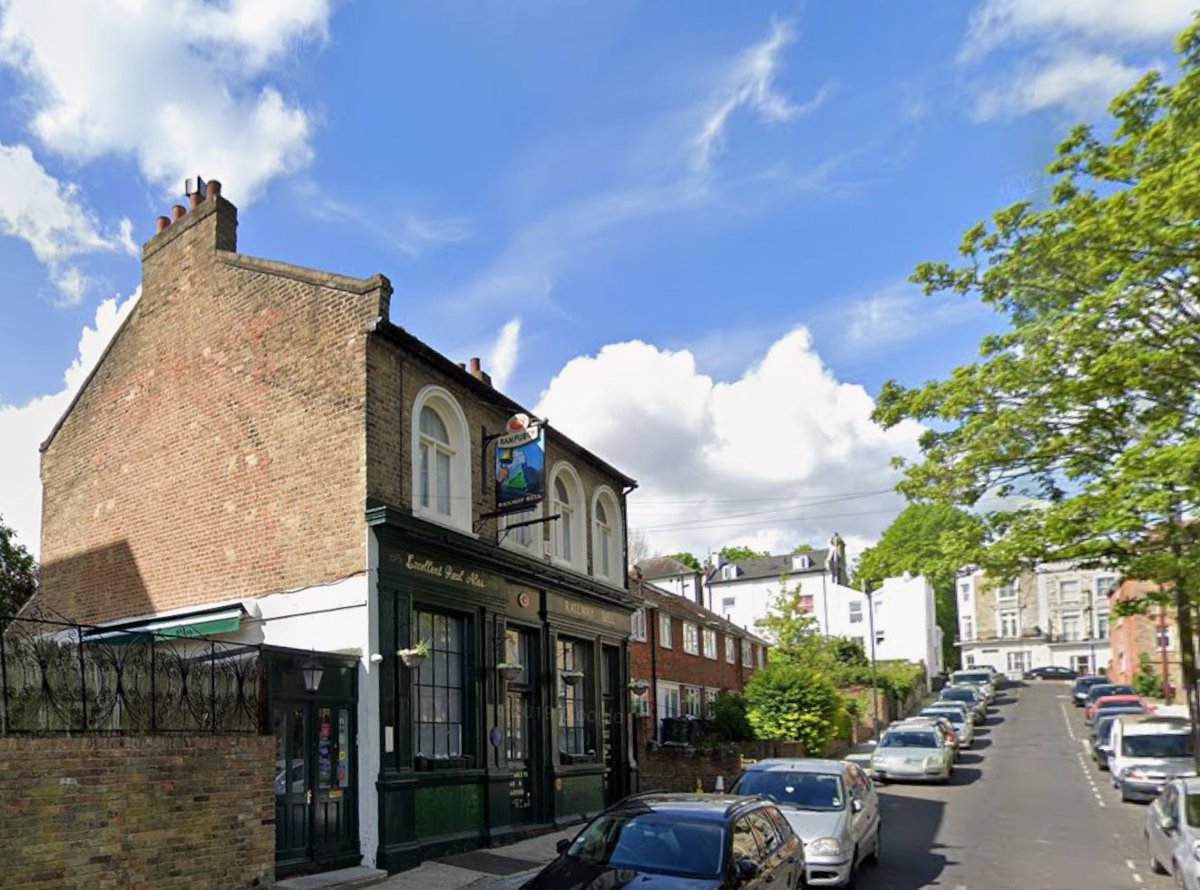
Help save the Railway Bell Pub, Gipsy Hill, before it's demolished!
➡️ railwaybellfriends.org/2026/…
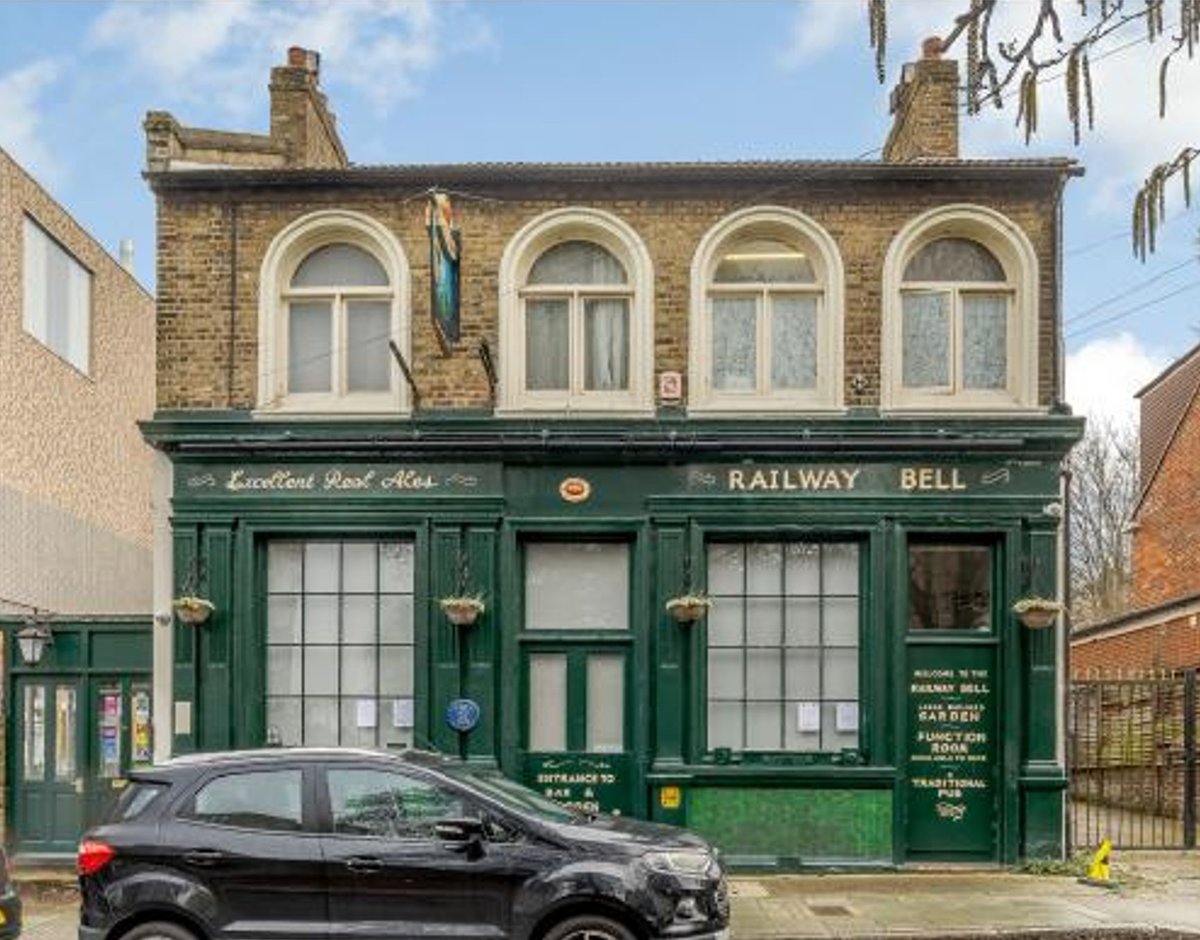
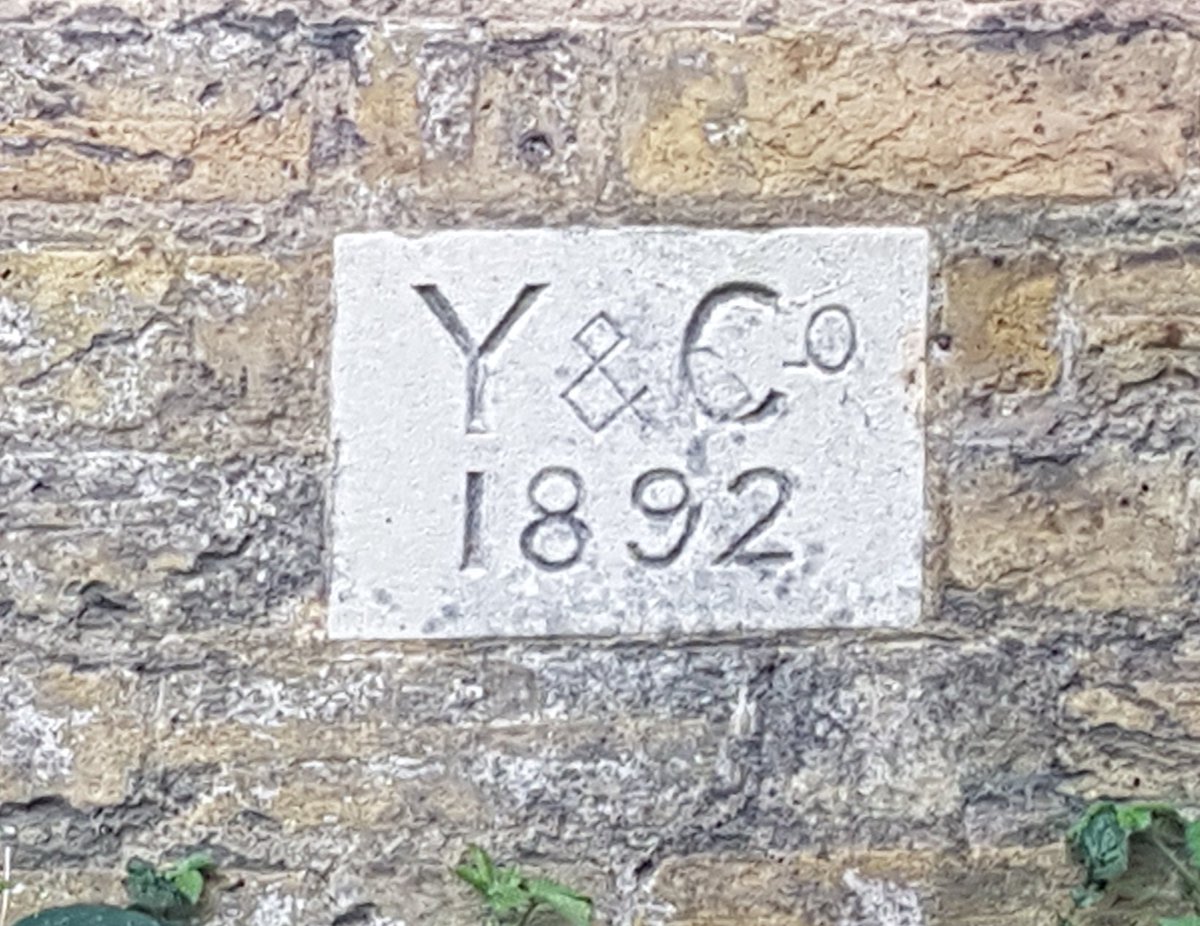
Locally listed two-storey ‘cottage’ PH. Original pub front c1864. Is there another Victorian suburban two storey 'cottage' pub in London & with stables as ❤️as this?
22
153
286
26,177
From Brixton to Central Hill to the Railway Bell, Lambeth’s redevelopment conflicts are not isolated events. They are part of a wider order in which heritage, working places and community memory are subordinated to viability, land value and rentier extraction.
Lambeth and the Grammar of Redevelopment: conserveconnect.news/lambeth…
#Lambeth #Brixton #Planning #Heritage #Redevelopment #RentierCapitalism
4
4
301
Old Kent Road is not being renewed. It is being rewritten.
Southwark’s plans promise 20,000 homes, 10,000 jobs and a transformed corridor. But beneath the language of regeneration lies a deeper shift: a city increasingly governed as an asset, where land becomes liquidity and planning becomes the management of yield. (Southwark Council)
This article examines what is really happening, why objections are growing, and what Old Kent Road reveals about the future of London itself.
Read more: conserveconnect.news/old-ken… #OldKentRoad #LondonPlanning #UrbanDevelopment
#Regeneration #HousingCrisis
#AffordableHousing #London
1
7
7
477
The Railway Bell scheme at 14 Cawnpore Street asks the public to accept the loss of a locally listed pub and social space in exchange for a façade retained in front of a denser one bed flat scheme. This is not conservation. It is facadism dressed up as regeneration.
Our latest article explains why the proposal should be refused: weak viability evidence, a serious heritage objection, a narrow housing offer, and an overdeveloped scheme beside a school and play area. Read and share:
conserveconnect.news/railway…
#RailwayBell #CawnporeStreet #SE19 #PlanningObjection #Heritage #Conservation #Facadism #CommunityAssets #LondonPlanning #SaveLocalPubs
1
130
Liverpool Street generates enormous public value.
94.5 million passengers. A freehold estate. A national transport node.
So who captures the uplift when the air above it becomes a financial instrument?
Part III of our investigation puts the numbers on the table:
• £197.5m residual value from station retail
• £171.75m potential developer profit on the office
• A 50 year income strip packaging future station revenue
• A delivery structure that determines who keeps the upside
This is not just architecture. It is governance. It is distribution. It is value capture in plain sight.
And without a published station first minimum baseline, “public benefit” becomes a story told after the deal is structured.
Read Part III:
conserveconnect.news/who-cap…
#LiverpoolStreet #CityOfLondon #NetworkRail #LondonPlanning #ValueCapture #PublicBenefit #EIA #Viability #PoliticalEconomy #PublicInfrastructure
3
4
185
Stop using Google for conservation search. We are seeing ConserveConnect listed specialists show up strongly on alternative search engines, but not consistently on Google.
Read conserveconnect.news/stop-us…
Use Mojeek, Ecosia, DuckDuckGo, or Qwant, then search directly.
1
87
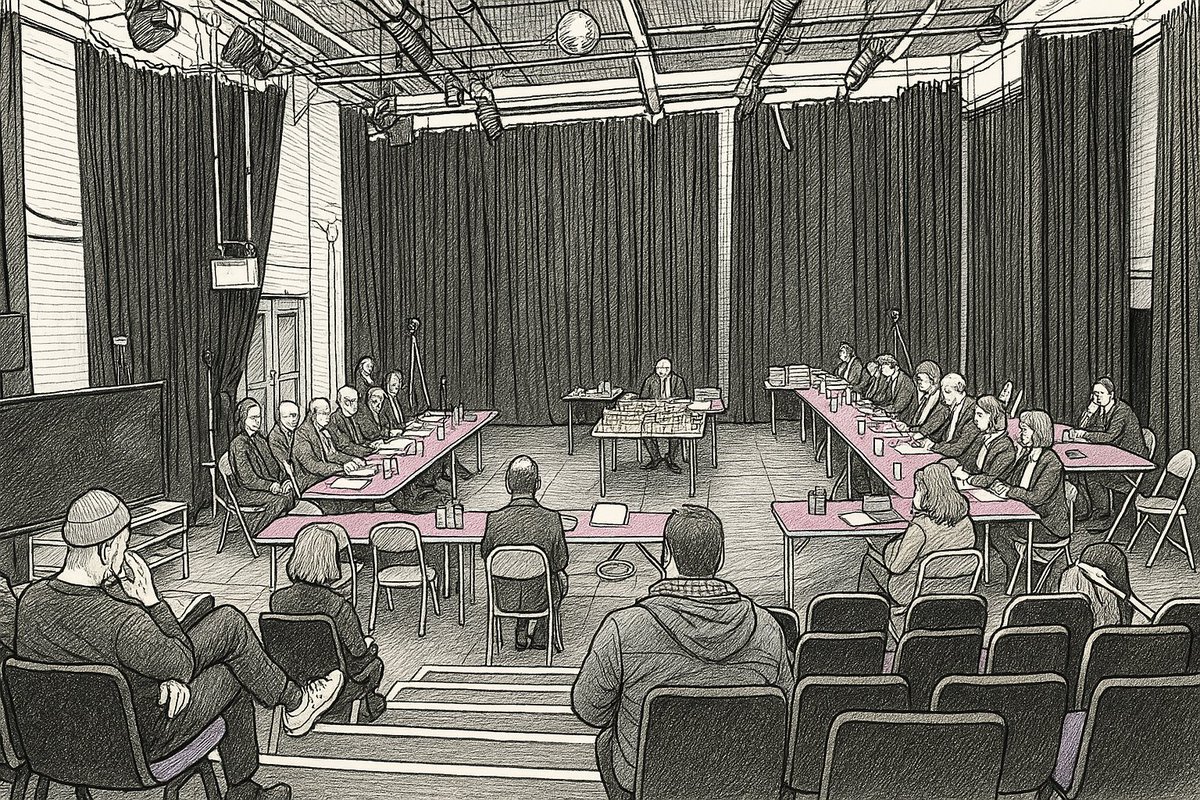
Liverpool Street wasn’t “heard” in that committee room. It was processed.
At the start, the Chair skimmed 4,833 public representations as “repetition”. At the end, he dismissed objections as a “copy and paste campaign” and waved them away with “We have eyes. We’ve been there.”
That is how democratic evidence gets reclassified as noise.
conserveconnect.news/liverpo…
We’ve published a transcript based analysis of the hearing, and an audit ready evidence report of the full public record: 4,833 representations, 3,662 objections.
Read it. Share it. Ask why the City can count objections but not credit them.
#LiverpoolStreet #CityOfLondon #Planning #Democracy #Heritage #PublicConsultation #NetworkRail #ACME #Viability #PublicBenefit #EIA #LondonDevelopment #SaveOurStations
1
152
Liverpool Street upgrades are being sold as “self funded” by selling the sky above a national station. That is public value at stake.
So where is the station first minimum baseline, costed and published, and where is the EIA comparison of reasonable alternatives?
Without that, this is not a proved necessity. It is a procedural shortcut dressed as public benefit.
conserveconnect.news/who-cap…
#LiverpoolStreetStation #CityOfLondonCorporation #PlanningCommittee #PublicBenefit #PublicMoney #Accountability #EIA #ReasonableAlternatives #Heritage #BuiltEnvironment #Transparency
2
2
169
Liverpool Street Station “upgrade” is now approved - 19–3. But here’s the trick: public benefit was treated as decisive while the one thing that would make it measurable was treated as if it should not exist.
No station-first minimum baseline.
No transparent alternatives.
Just “viability” - a word that closes debate.
The planning case says the scheme is “self-funded”. Fine. But the financials tell a different story: station “improvement works” costed at £419.58m, still modelled as a deficit even after the commercial envelope is counted — and in the applicant’s own present-day outputs, station retail (£197.5m RLV) dwarfs the office contribution (£44.2m RLV).
Yet the City signs off an 88,000 sqm over-station office massing - a skyline monument above a national interchange - while the public gets a constrained uplift used to license the deal.
This is not design. It’s political economy: how a public asset becomes a development platform, and how “public benefit” becomes a permission slip for value capture.
Read Part I: Who Captures Liverpool Street?
conserveconnect.news/who-cap…
#LiverpoolStreet #NetworkRail #ACME #CityofLondon #Planning #Heritage #ValueCapture #Viability #UrbanPolitics #London
3
3
395