
Joined October 2011
- Tweets 2,495
- Following 3,969
- Followers 1,356
- Likes 489
21 Photos and videos

Pinned Tweet

19 Aug 2022
Part 1/18:
The problem
Chronic wearing of sunglasses contributes to circadian disruption, and circadian disruption leads to disease.
The primary role of the eye is perception of light - which provides information - which regulates our physiology.
2
2
17
Robbie Bourke retweeted

EMF mitigation starter v2 pack
— Use 3G/4G/LTE over 5G
— Eat more DHA (seafood)
— Get more sun exposure daily ☀️
— Use AUX/USB over Bluetooth in the car
— Don’t use a laptop on your lap
— Take off your shoes and walk barefoot
— Don’t use electronics while charging
— Smartwatches aren’t your friend
— Use analog alarm clocks instead of your phone
— Always try to use a 3-pin prong instead of a 2-pin
— Use red/yellow incandescent bulbs over LEDs
— Use blue light blocking glasses
— Use wired over wireless wherever you can
— Try living closer to the ground floor
— Go camping in nature and sleep on the ground
— Use the inverse square law to your advantage
— Use Ethernet instead of WiFi at home/office
— Take calls on speakerphone or earphones
— Keep your phone in ZAP⚡ mode when not in use or when putting it in your pocket
Jun 14

EMF mitigation starter packet:
• No Bluetooth headphones.
• Calls on speakerphone.
• No cell phone in bedroom.
• Turn Wi-Fi off at night.

8
66
339
16,518
Robbie Bourke retweeted

Jun 15
If you screen harder for melanoma, find more, treat more, and mortality stays flat, the intervention is NOT FUCKING WORKING
Do you want to know the greatest indicator that modern dermatology is more interested in profit rather than your health..
It’s the fact that despite this glaring alarm from the New England Journal of Medicine, the response is still more screening
7
18
140
11,597
Robbie Bourke retweeted

18h
Plants store deuterium in their seeds.
A heavy isotope of hydrogen that makes our mitochondria run less efficiently.
Seed oils are a concentrate of deuterium, hence their disastrous health effects.

35
143
748
12,976
Robbie Bourke retweeted

This is low dopamine decline in pictures

20
112
575
18,274
Robbie Bourke retweeted

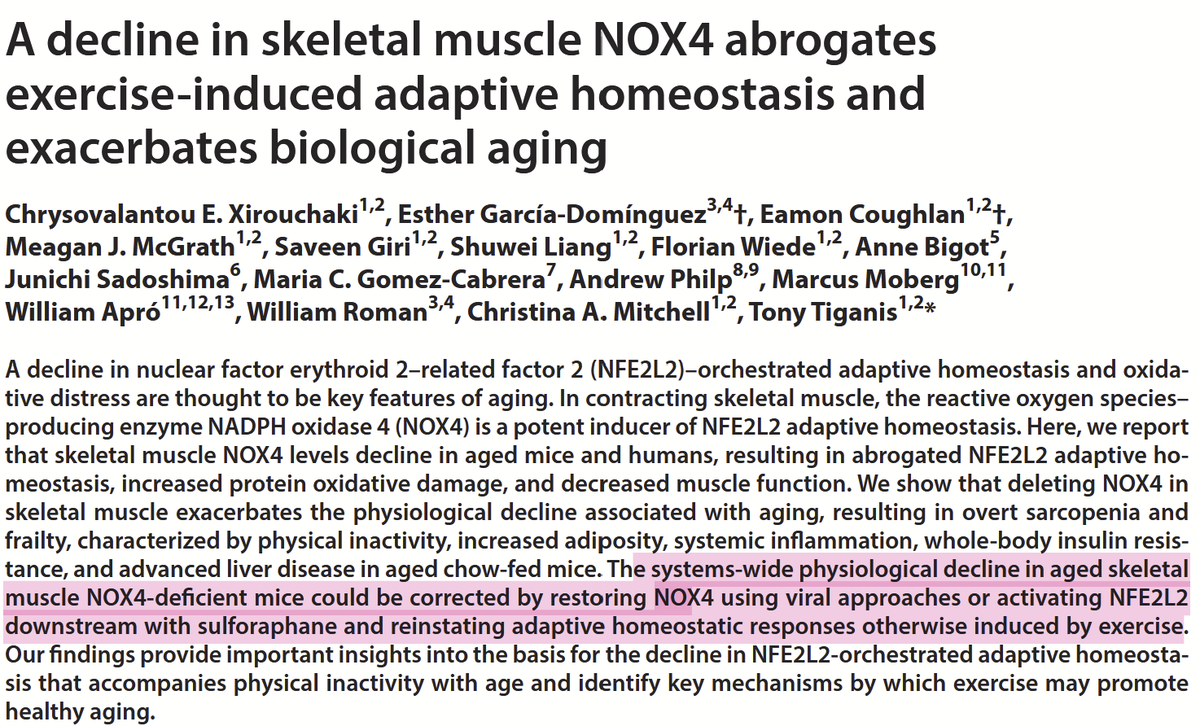
Aging muscles lose more than strength—they lose a key stress-response pathway. This paper found that declining NOX4 levels impair NFE2L2-driven adaptive homeostasis, accelerating sarcopenia, frailty, insulin resistance, and inflammation. Restoring this pathway with exercise-mimicking interventions or sulforaphane reversed many age-related deficits. 💪🧬 #HealthyAging #MuscleHealth #Longevity
@WuTsaiAlliance
science.org/doi/epdf/10.1126…
3
26
134
4,995
Robbie Bourke retweeted

Jun 15
Couch potatoes may live longer than people exercising in the wrong environment on a wrong diet.
This isn't a joke.
It's the conclusion Dr. Laszlo Boros — a Hungarian medical doctor, retired professor at UCLA School of Medicine, author of 100 peer-reviewed papers, and one of the world's leading deuterium researchers — draws from how mitochondrial nanomotors respond to physical stress under high-deuterium conditions.
Boros puts it directly:
"If you go to a gym and you start looking at a TV screen and you start running in blue light, eating supplements you don't really know where they are from — with what deuterium content — you are actually destroying nanomotors at a higher rate than if you would just be sitting home watching TV like a couch potato."
Here's the mechanism:
When you exercise, mitochondrial respiration and ATP demand increase.
To meet that demand, ATP synthase nanomotors — spinning up to 9,000 rpm inside your mitochondrial membrane — spin faster and process more material.
In a high-deuterium environment this forces more deuterons through the system, raising the breakdown rate of the nanomotors.
If your diet and environment are loading those motors with deuterium the damage rate under physical stress might exceed the benefit of the exercise itself.
A couch potato sitting under good lighting, eating nothing particularly harmful, is not actively breaking nanomotors.
An exerciser lifting under blue light, on high-deuterium supplements, eating ultra-processed foods because they fit his macros, drinking Monster Energy to fuel his workout & eating bananas post-workout in December in New York where they don't grow, is forcing deuterium through nanomotors spinning at maximum rotational speed.
This is not an endorsement of sedentary behavior.
Boros: "Quality of life matters to me — I like my push-ups and my walks."
It is a warning that exercise in the wrong environment on a high-deuterium diet might be net harmful.
The exercise context matters as much as exercise itself.
Wrong light. Wrong food. Wrong supplements.
Under those conditions, exercise accelerates the breakdown of the very machinery it's supposed to strengthen.
12
46
285
11,092
Robbie Bourke retweeted

Jun 13
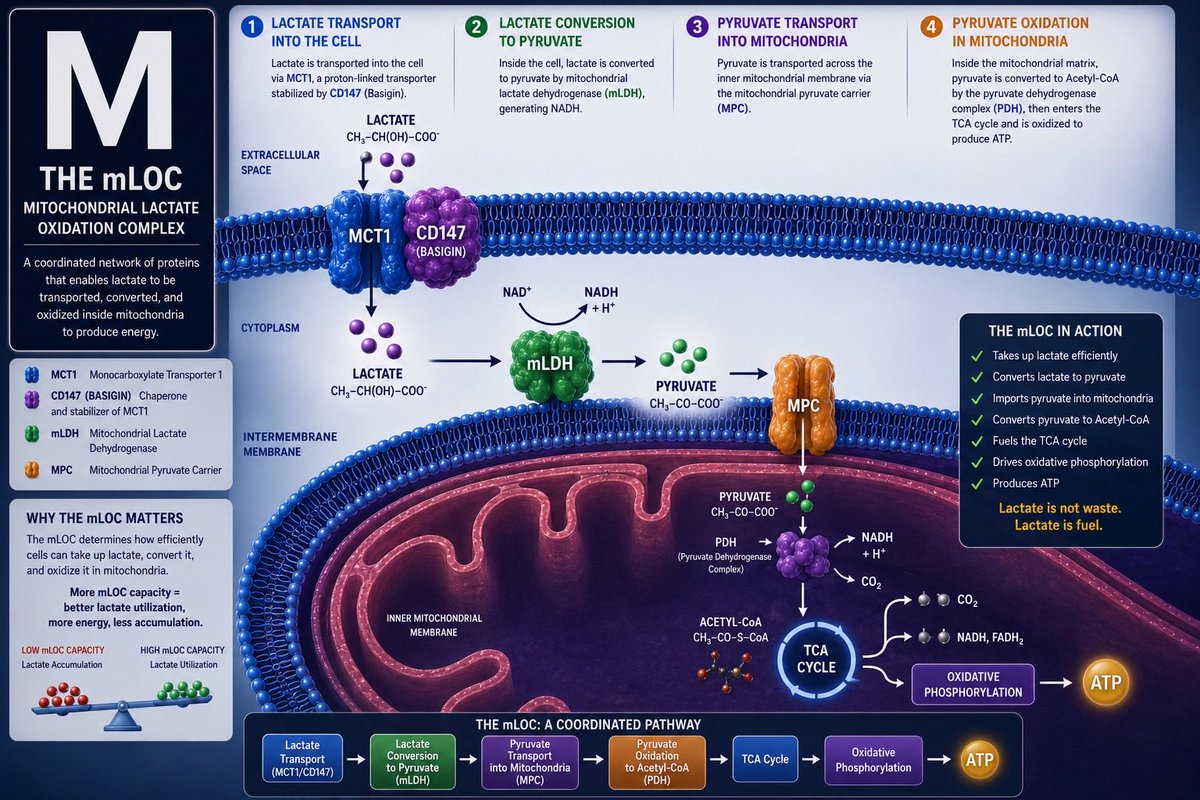
Let me tell you about the mLOC
Everybody talks about mitochondria nowadays…Lactate is becoming mainstream as well…
However, almost nobody has heard of the molecular machinery that connects the two.
It is called the mLOC, the mitochondrial lactate oxidation complex.
This network of proteins helps cells take up lactate, convert it into usable fuel, and power mitochondrial energy production.
In many ways, it may be one of the most important, yet least appreciated, systems in physiology and metabolism.
In my latest article, I explain what the mLOC is, why it matters, and how it influences performance, metabolic health and our ability to utilize one of the body’s most important fuels.
Link below 👇
substack.com/@inigosanmillan…
1
16
122
6,100
Robbie Bourke retweeted
Been saying it for 25 years
Jun 12

Calories in, calories out doesn't account for deuterium.
Soy sauce carries 186 ppm deuterium.
Natural foods carry 130-150 ppm.
No macro calculator accounts for this difference.
Liu Yuting — science-technology strategist at Luzhou Yu Quan Deuterium Depleted Water Company, one of China’s largest DDW producers founded in 1967 — presented company-generated data analyzing 86 food items across 12 categories.
Natural foods measured at 130–150 ppm.
Fried foods averaged 165 ppm.
Condiments such as soy sauce and vinegar reached up to 186 ppm.
The mechanism is straightforward physics.
During prolonged heating or concentration process, lighter water molecules evaporate faster.
The heavier deuterium-containing water stays behind.
The more processed the food — the higher its deuterium load.
It means a highly processed food and a fresh food with identical macros deliver completely different deuterium loads to your mitochondria.
A separate 2021 review “What to feed or what not to feed—that is still the question” published in Metabolomics found the same logic applies to grass-fed vs grain-fed animal products.
Grain-fed animals — corn, soy, barley — follow a carbohydrate metabolism that is deuterium-enriching.
Grass-fed animals operate in a natural ketogenic state that produces deuterium-depleted metabolic water.
Grass-fed meat carries less deuterium than grain-fed equivalents.
Dr. Laszlo Boros — co-author of the paper: "If you compare sour cream or butter from grass-fed cows compared to grain-fed cows. You go from 110 ppm to 136 ppm. 26 ppm difference."
Boros: "It's not a joke."
Two meals. Same calories. Same macros.
Different deuterium load.
The calories in, calories out model doesn’t account for that.
Your mitochondria do.
22
105
749
67,447
Robbie Bourke retweeted
Jun 14
Higher deuterium in drinking water correlates with higher rates of major depression.
Higher deuterium in drinking water correlates with higher rates of type 2 diabetes.
This isn't a fringe hypothesis.
It's a University of Utah population study mapping deuterium concentration in US tap water against disease prevalence across the country.
Correlation — not proof of causation.
But striking enough that Tatyana Strekalova — Clinician Scientist at Maastricht University, Senior Researcher at the University of Oxford, and Professor of Physiology at Sechenov First Moscow State Medical University — decided to test it in mice.
The logic is straightforward.
Deuterium concentration in drinking water decreases with distance from the ocean — inland, high-altitude water is naturally more deuterium-depleted.
If geography determines deuterium load, and deuterium load correlates with disease prevalence, then what happens when you deliberately give animals water at the low end of that natural range?
What her lab found is striking.
They used 90 ppm deuterium-depleted water throughout — the lowest deuterium concentration found naturally in drinking water on Earth.
Not a pharmaceutical dose. Not exotic laboratory depletion.
And compared it to control mice drinking 140 ppm water.
The difference between antarctic meltwater and coastal tap water.
Finding 1: Aged mice. Two weeks. Depressive-like behaviors measurably reduced
They took 18-month-old mice — equivalent to very old age, approaching maximum mouse lifespan.
These mice displayed measurable depressive behaviors:
Anhedonia — loss of sensitivity to reward, measured by reduced preference for sweet water.
Increased helplessness behavior.
Reduced novelty exploration.
Impaired hippocampus-dependent memory.
After two weeks on 90 ppm DDW?
Sucrose preference increased — anhedonia reversed.
Helplessness behavior significantly reduced.
Novelty exploration improved.
Hippocampal memory improved.
Two weeks.
Naturally occurring low-deuterium water.
Measurable reversal across four independent behavioral markers.
Finding 2: DDW matched antidepressant effect in stressed young mice
They used a chronic stress model in young mice — predator scent, restraint stress, tail suspension.
This reliably induces anhedonia in susceptible mice.
Then they divided mice into three groups: normal water at 140 ppm, DDW at 90 ppm, and citalopram — a standard SSRI antidepressant.
DDW produced rescue of sucrose preference comparable to citalopram.
Helplessness behavior was also rescued comparably.
Serotonin transporter expression — one of the key molecular targets of SSRIs — was rescued by both citalopram and DDW.
This is mouse data.
Direct translation to humans requires clinical trials.
But the mechanism convergence is a legitimate finding.
Finding 3: DDW normalized REM sleep in stressed mice
Depression is the only psychiatric disorder diagnosable by a specific sleep architecture change — increased REM sleep.
It's a biological marker, not a subjective report.
Stressed mice showed increased REM sleep — the biological depression signature.
DDW normalized REM sleep.
Slow-wave sleep and wakefulness also improved.
Finding 4: DDW protected against western diet-induced cognitive impairment and glucose dysregulation
They used 12-month-old female mice on a standardized western diet — high saturated fat, high sugar, high cholesterol.
Western diet produced: impaired glucose tolerance, brain inflammation, reduced mitochondrial markers in brain and liver, liver steatosis — fat accumulation in the liver — impaired object recognition memory, and impaired hippocampal memory.
DDW at 90 ppm on western diet:
Prevented glucose tolerance impairment despite continued western diet.
Improved object recognition memory.
Improved hippocampal memory in old mice.
Did not improve liver steatosis.
The liver finding matters.
DDW protected the brain and metabolic glucose handling but did not reverse the liver damage.
Strekalova’s interpretation: DDW is counteracting brain inflammation driven by damage elsewhere in the body — not fixing the damage itself.
Finding 5: Deuterium-enriched water (180 ppm) did the opposite
They tested the reverse — 180 ppm water, equivalent to what you would find in evaporative pools in the Sahara.
Results on aged mice with western diet:
Novelty exploration clearly suppressed.
Hippocampus-dependent memory suppressed.
Strekalova describes this as a surprise finding.
90 ppm sits at the low end of natural drinking water on Earth.
180 ppm sits at the high end of what occurs in extreme arid environments.
The difference between them produced measurable opposing effects on memory and cognition in aged mice.
Gene expression — deuterium sits upstream of circadian biology
In both the aging model and the stress model, DDW altered gene expression in the hippocampus and prefrontal cortex.
Affected categories: DNA repair, oxidative stress response, immune regulation, mitochondrial function, cellular plasticity, aging-related genes.
And one finding that connects directly to everything else: Per2.
Per2 is a core circadian clock gene.
DDW affecting its expression means deuterium content influences circadian biology at the gene level.
Deuterium doesn't just affect cancer cells and mitochondrial efficiency.
It sits upstream of the circadian system.
The implication
The deuterium content of your water varies by geography.
Antarctic water versus coastal tap water. The difference is measurable.
The biological effects in these models are measurable and opposing.
Most people optimizing their health are tracking sleep, sunlight, training, and nutrition.
Nobody told them deuterium was also on the list.
10
100
435
16,134
Robbie Bourke retweeted

Jun 11
I descended from Mount Common Sense with a message nobody asked for:
Stop starting with drills.
The athlete performs inside a problem — not your spreadsheet, drill library, or favorite model.
The Ten Commandments of Problemming:
agileperiodization.substack.…
#problemming #agileperiodization

3
6
1,076
Robbie Bourke retweeted
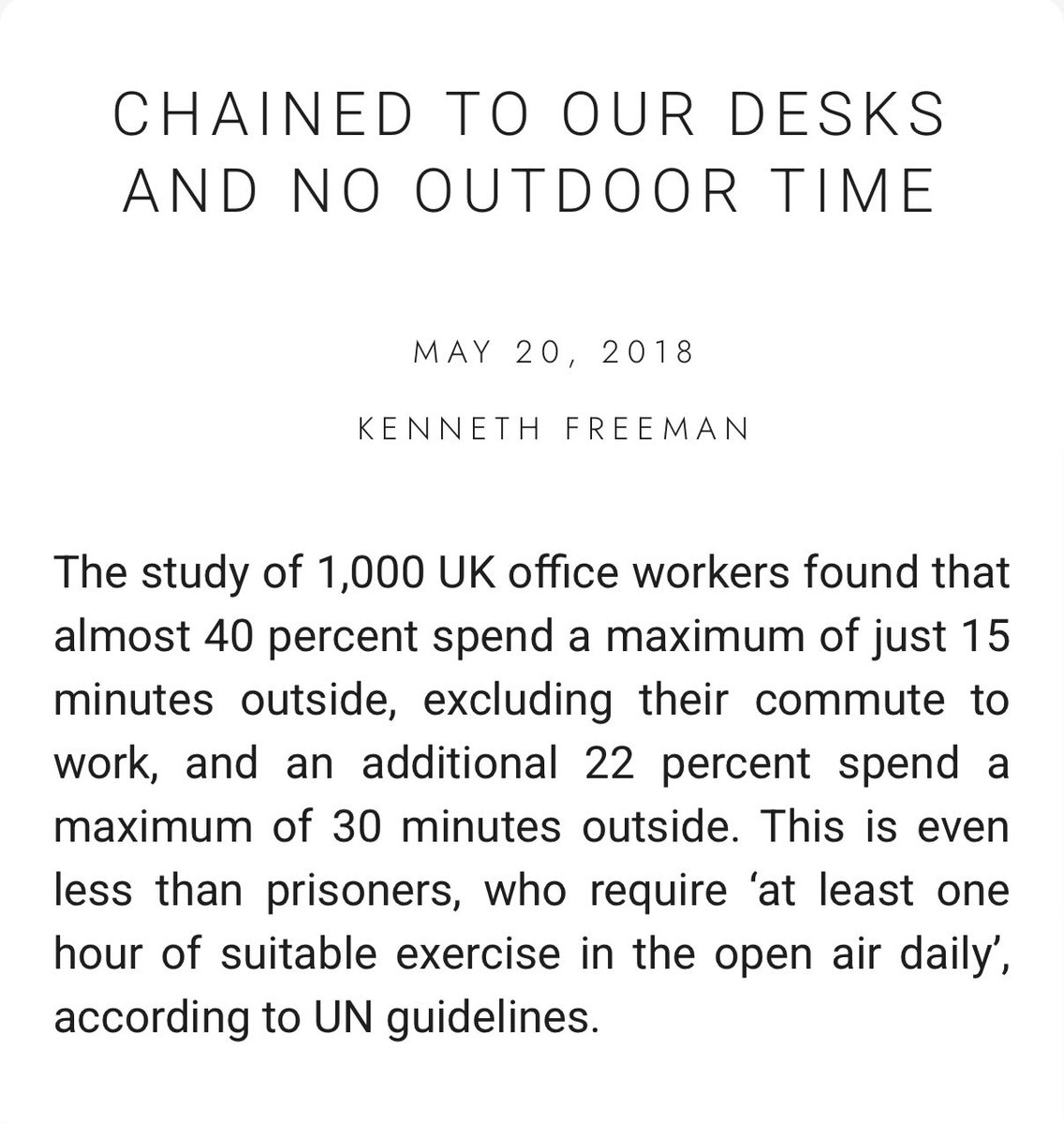
Most people carefully track what enters their mouth
Almost nobody tracks what enters their eyes
More important than your macro ratio.
Your sunlight-to-screen ratio.
Want better numbers?
Just go Outside

3
24
122
13,266
Robbie Bourke retweeted

Jun 4
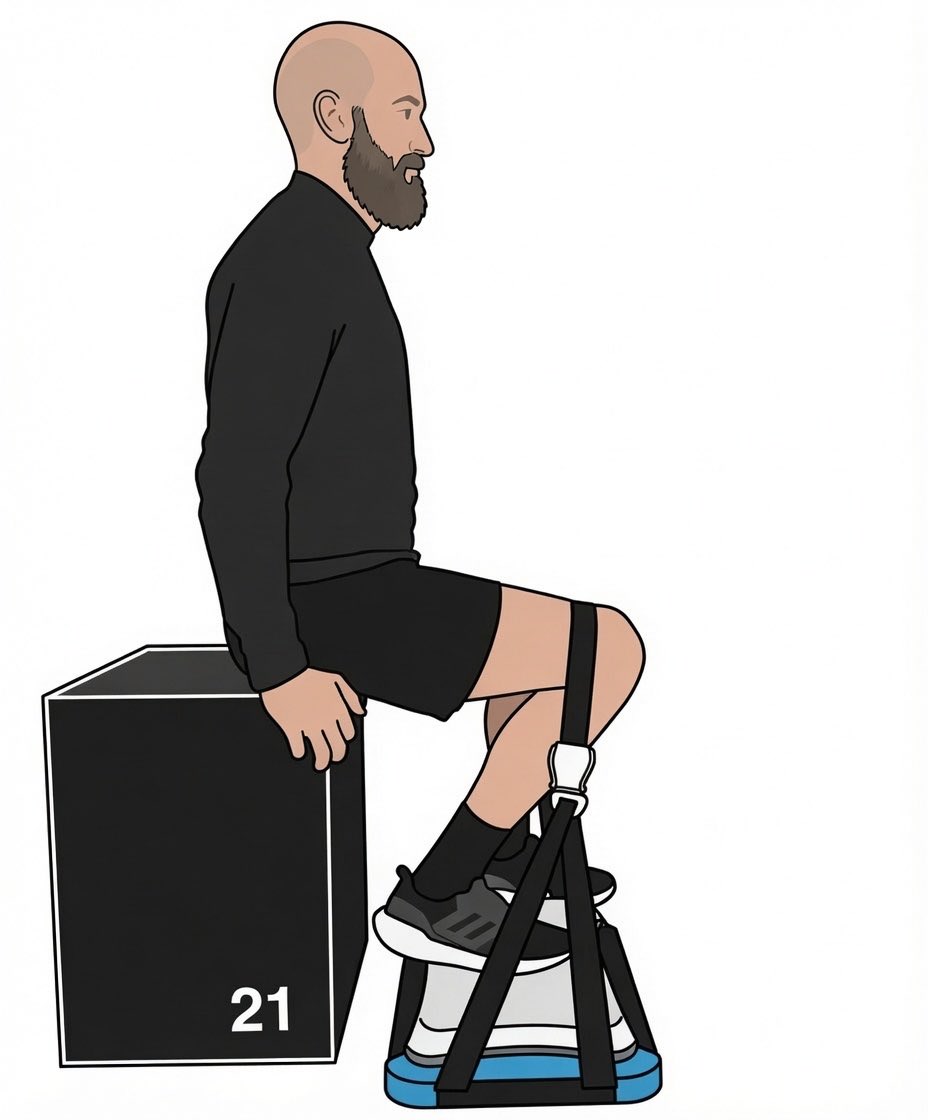
Weakness precedes injury.
It’s actually a difficult claim to validate with research but I found a piece that did it.
Those who had a peak isometric force of 1.8x bodyweight (on a single-leg) went on to injury their calf or Achilles.
Those who had a peak isometric force of 1.92x bodyweight stayed healthy.
In elite sport, with the fear of Achilles ruptures, it’s wise to check the box here and test peak plantarflexor force.
bjsm.bmj.com/content/58/Supp…
4
14
82
13,290
Robbie Bourke retweeted

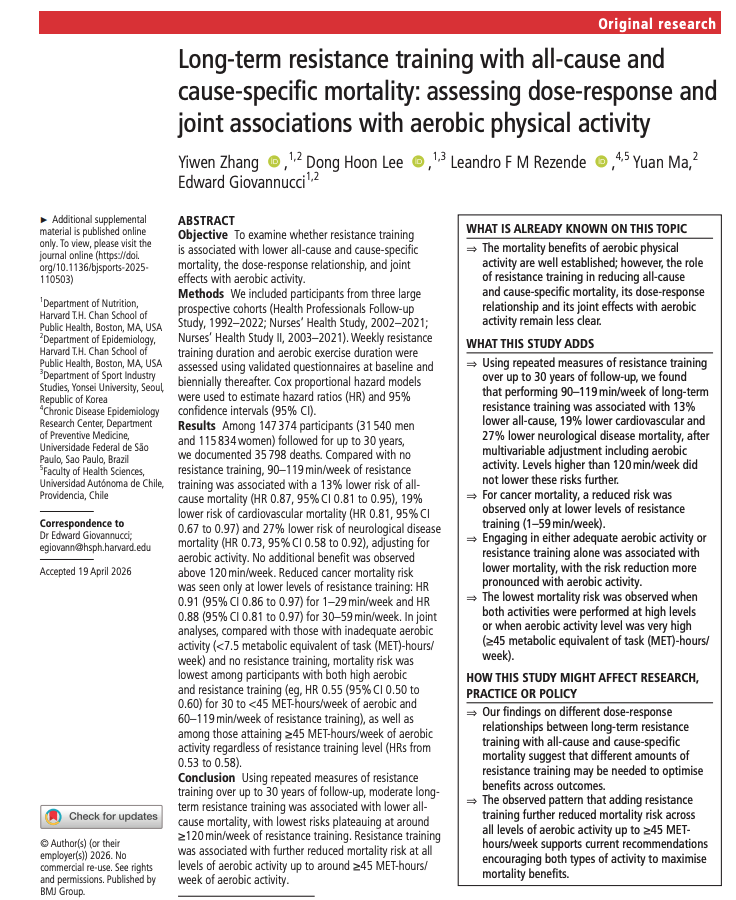
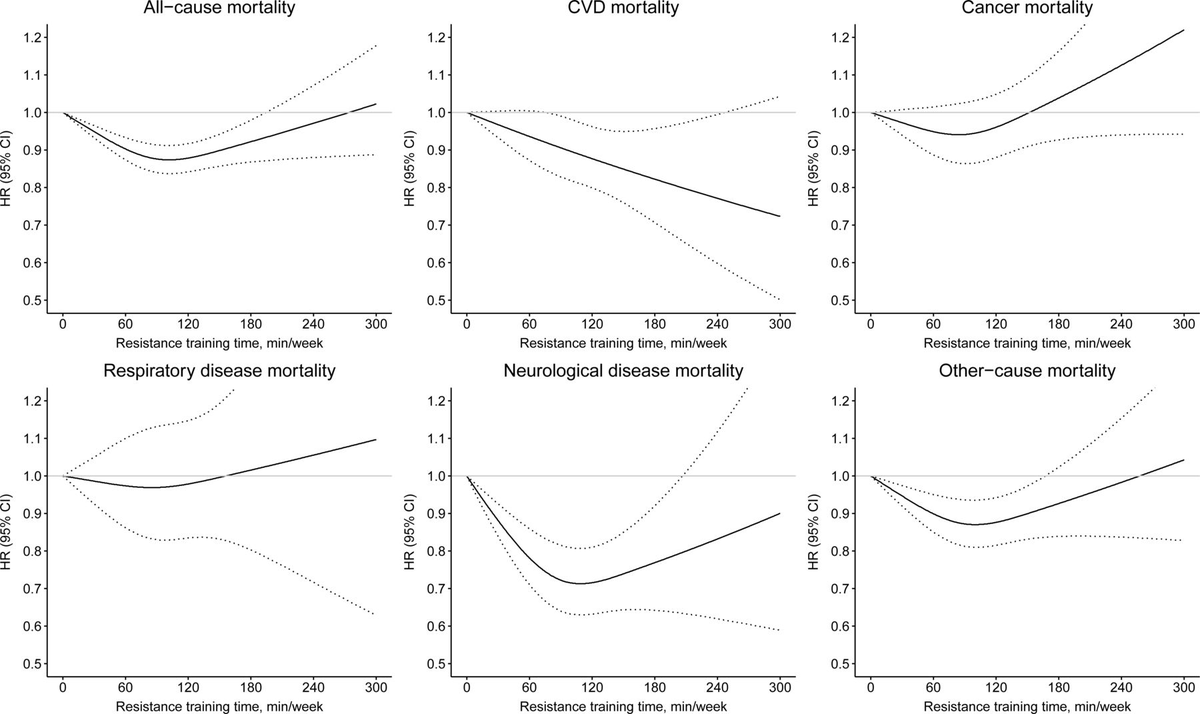
Strength training for 90-120 minutes per week is associated with up to a 30% lower risk of death from all causes, CVD, cancer, and neurologic disease.
That seems to be the upper limit - no additional benefit was observed above 120 minutes of strength training per week.
These benefits were independent of total aerobic activity, but combining strength training with ~5-15 hours of moderate-to-vigorous-intensity aerobic activity reduced all-cause mortality risk by 45%!
Clear message here is: "do both."
76
238
1,695
179,796
Robbie Bourke retweeted

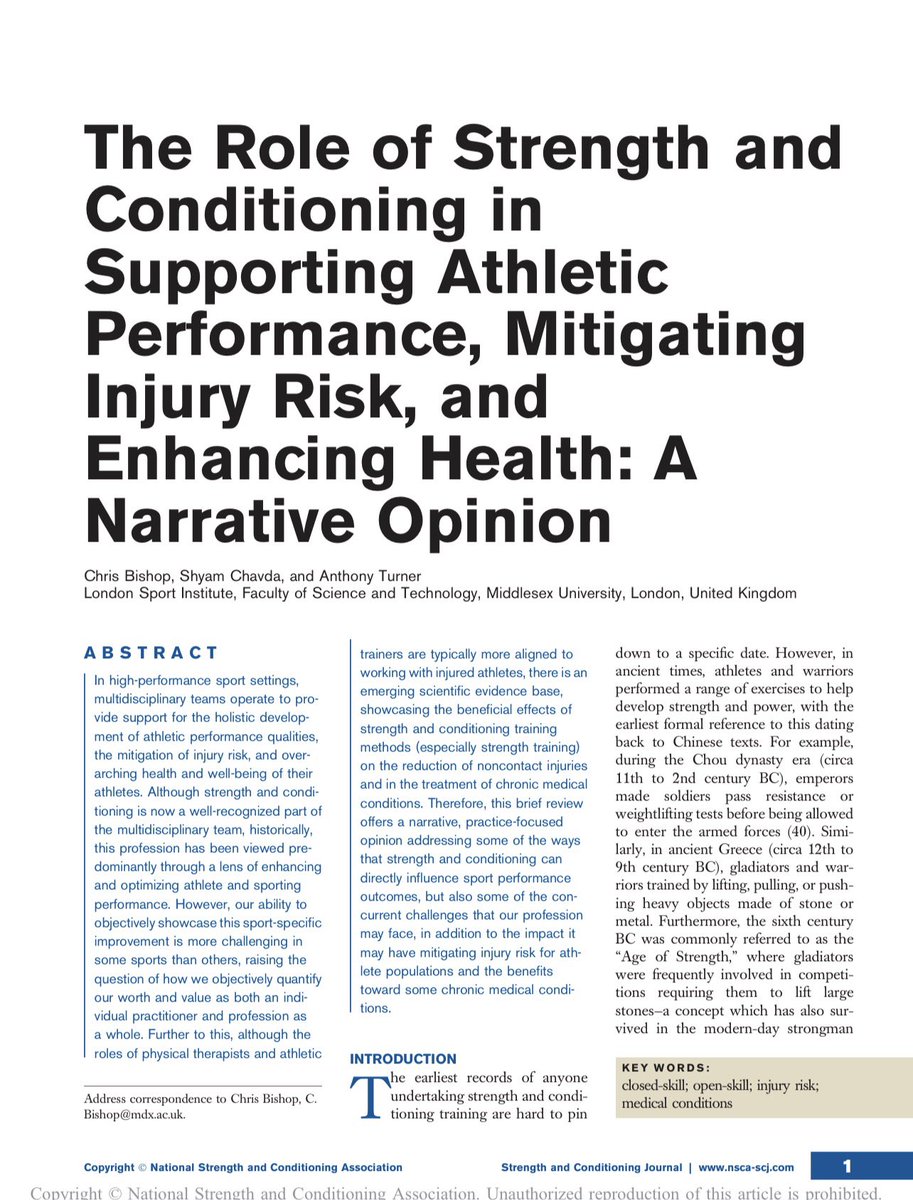
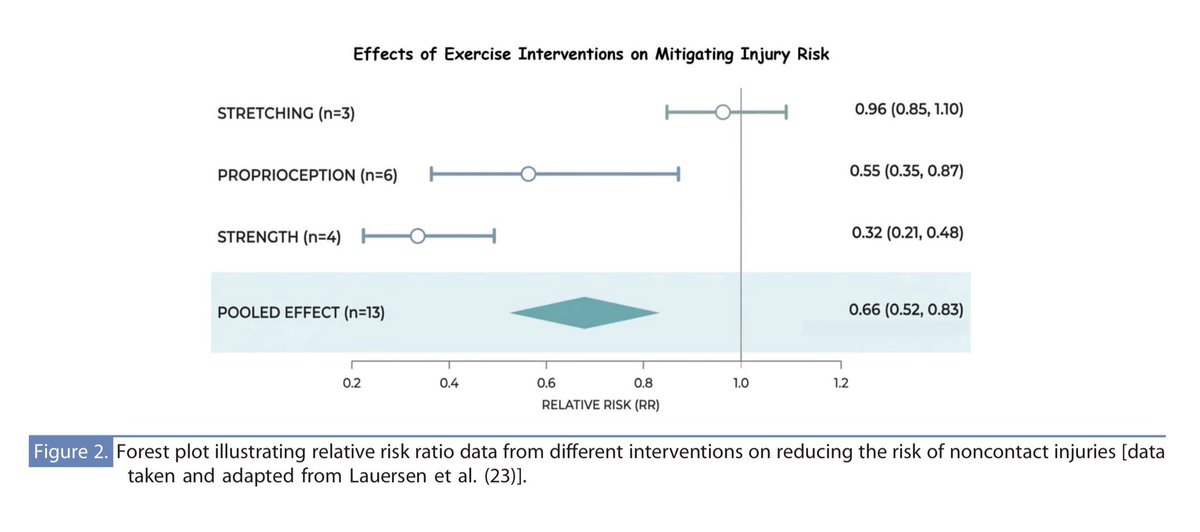
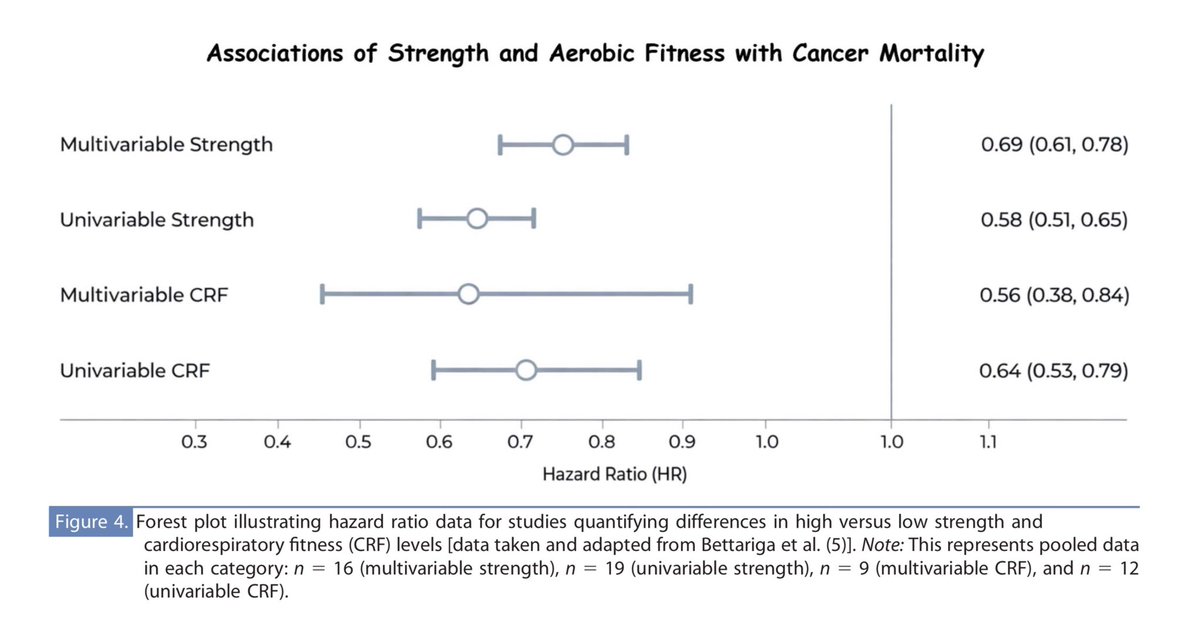
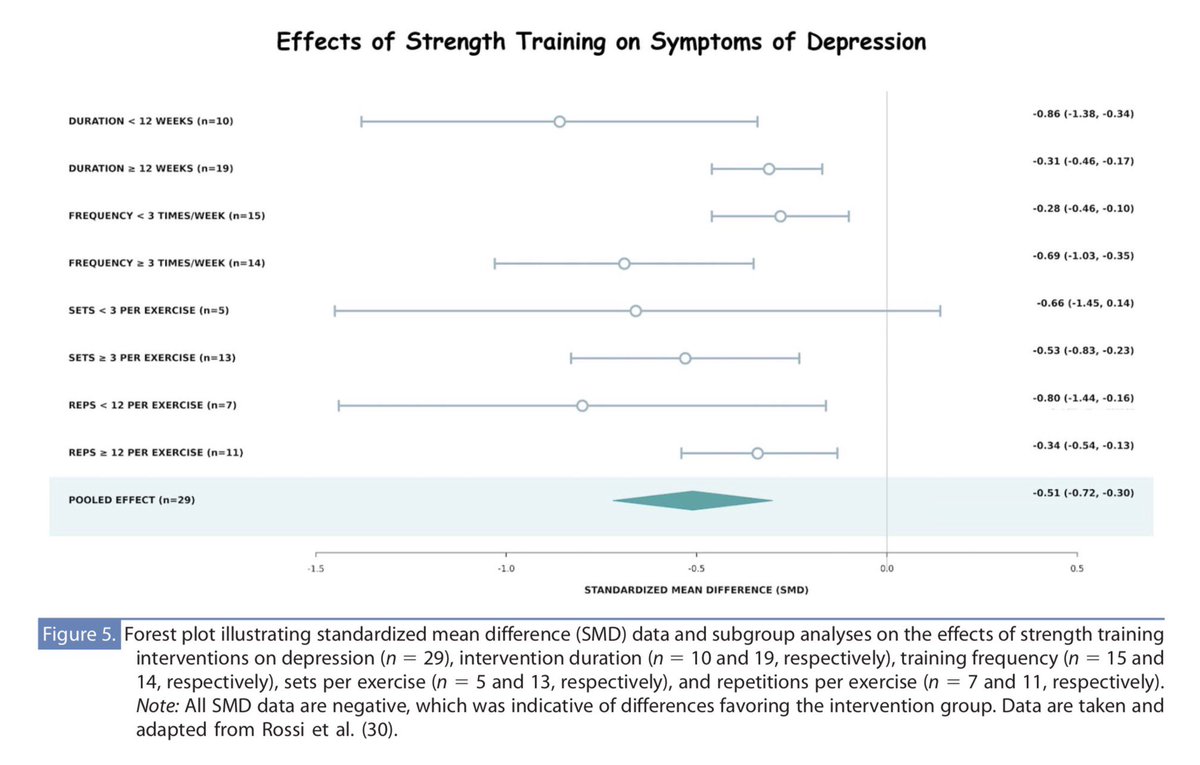
📄 New paper now online ahead of print in @NSCA’s #SCJ.
🔑 It challenges the notion of S&C being aligned purely to “athletic performance” and how the evidence base for injury risk and over-arching health is arguably greater.
🔗 Link to full text here: journals.lww.com/nsca-scj/ab….
5
19
94
6,215
Robbie Bourke retweeted

Jun 5
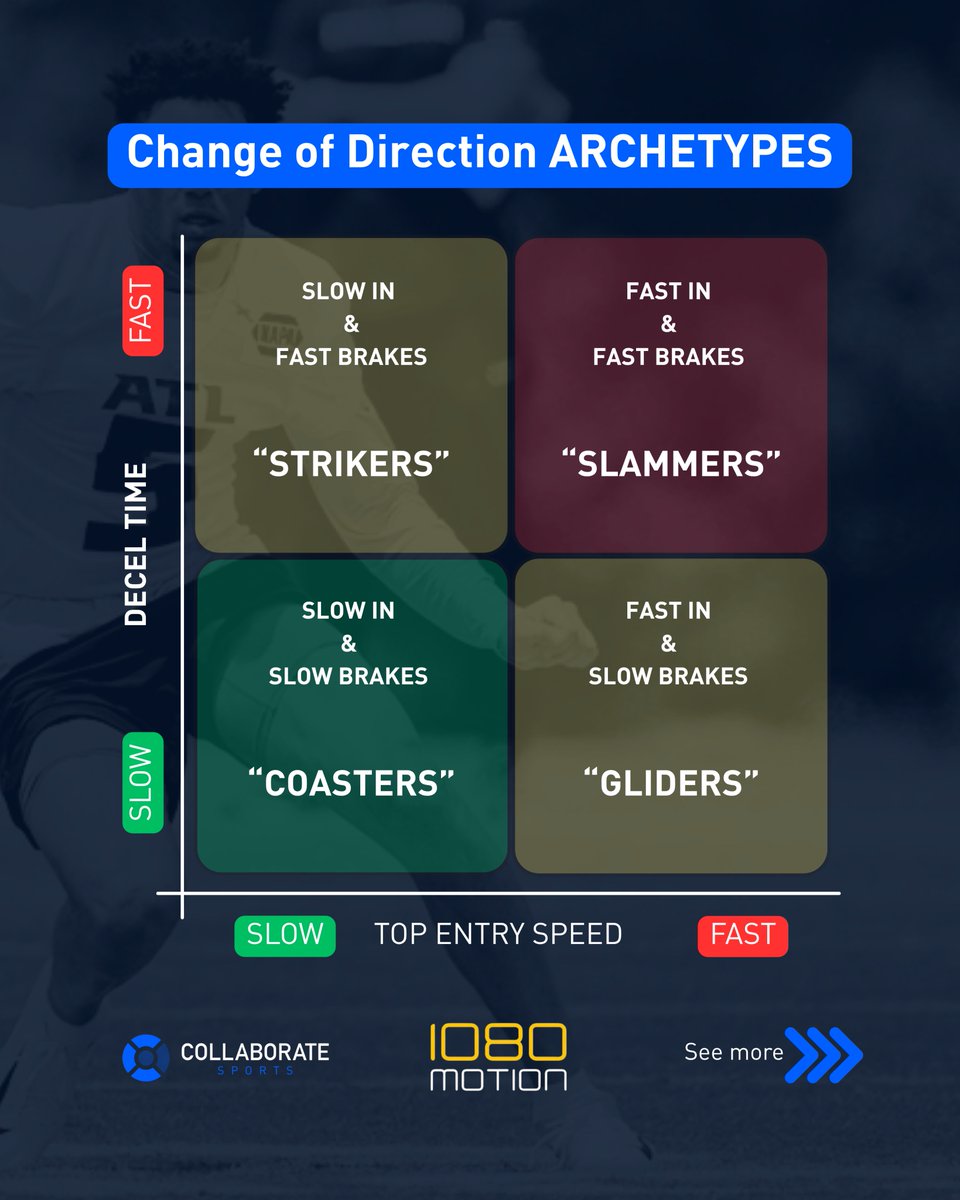
A brilliant session with @Jessepgreen this last week meant we got to go deep on COD analysis and exercise prescription with @1080motion
If you'd like access to the full recording, comment '1080' and I'll send you a link to gain access!

3
2
8
1,425
Robbie Bourke retweeted

Jun 5
Wow, that is a bound. One of the first things we teach on the ground and on the shredmill. Not sure we’ve never had someone end up looking like this though.
Jun 4

When bounding, focus on:
✅ Active foot strike: Don't just land, attack the ground.
✅ Knee drive: Punch that lead knee up and forward.
✅ Powerful arms: Your arms drive your legs—use them!
6
6
275
63,591
Robbie Bourke retweeted

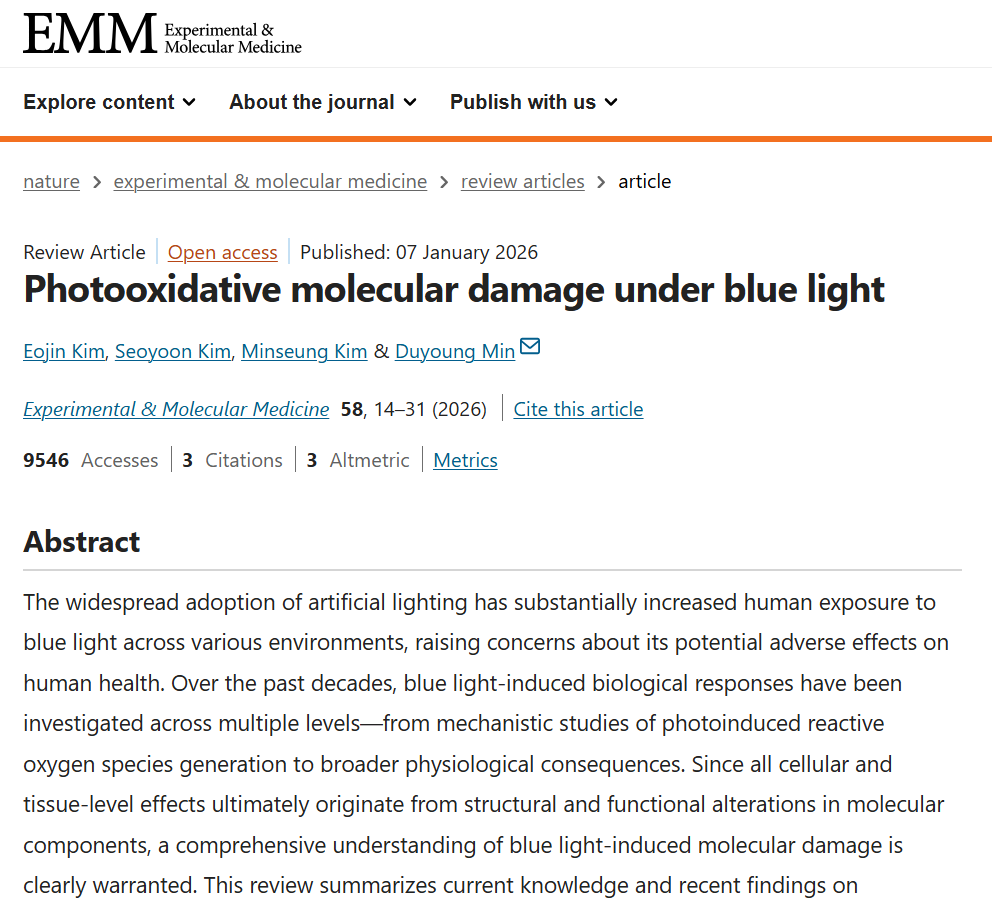
My dermatologist bever told me this. She says its the sun causing my skin problems.
But skin damage could be from blue lit screens, blue spiked artificial LED lighting and the windows in my car and house artificially increasing the amount of blue light they let through...
Is my dermatologist stupid or unaware of what really causes skin damage?
1
4
13
1,200
Robbie Bourke retweeted

Brown fat is an essential organ, which is why babies are born with so much of it. But because adults spend their lives in thermal comfort, over 95% of Americans >45 years old have zero detectable brown fat.
This is a clip from when @MaxGulhaneMD hosted me on his Regenerative Health podcast.
6
37
1,951
Robbie Bourke retweeted

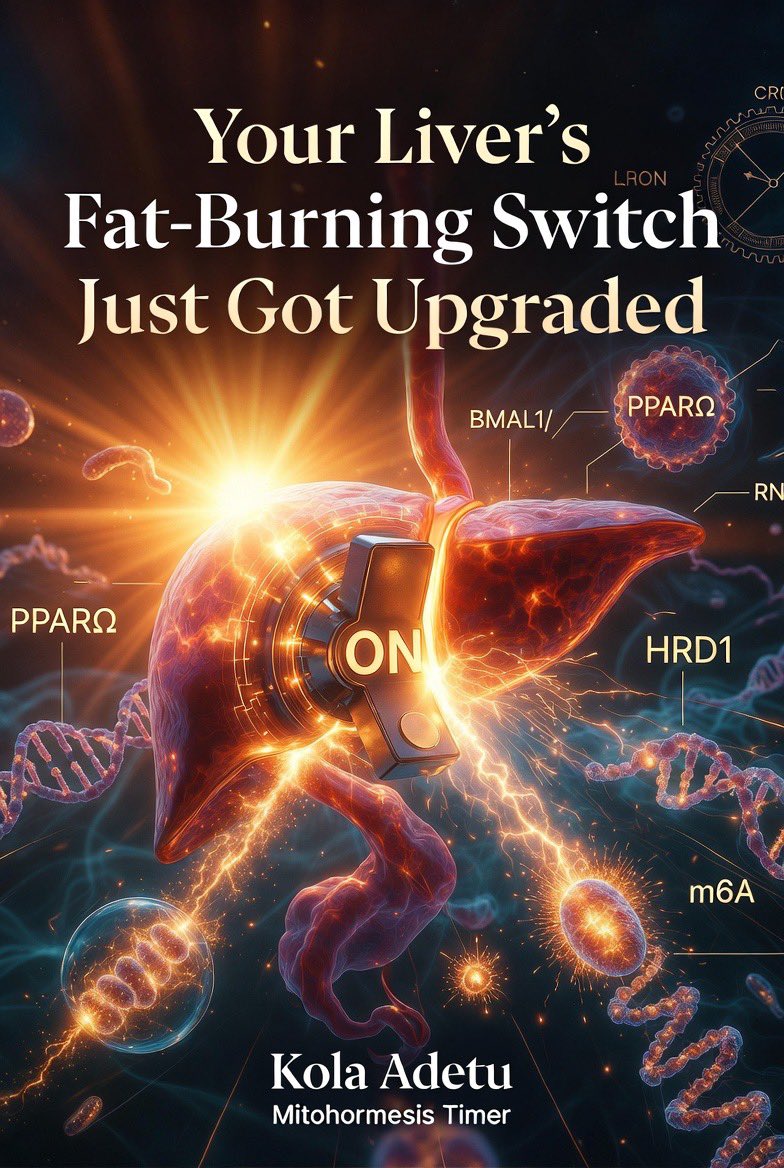
🚨 Your Liver’s Fat-Burning Switch Just Got Upgraded 🔆👑
No consistent morning sunrise = your liver struggles to burn fat.
Here’s what the latest science actually says:
2021 Discovery
Your liver has a built-in “day/night timer” for burning fat.
A protein called HRD1 acts like a smart brake:
• During the day (when you eat) → HRD1 is high → turns fat burning OFF
• At night (when you fast) → HRD1 drops → turns fat burning ON
This keeps everything perfectly timed.
2026 New Discovery
Scientists found HRD1 does even more. It also controls special “molecular post-it notes” (called m6A) on your fat-burning instructions.
This fine-tunes how well and how long your liver can burn stored fat.
Together, these two papers show your liver doesn’t burn fat randomly — it follows a solar-powered schedule.
The Big Takeaway
Morning sunlight is what sets this entire timer correctly.
No consistent sunrise (or too much artificial light at night) = the timer gets messed up → fat burning becomes weak and poorly timed → weight gain, low energy, fatty liver risk.
Simple Fix:
See the sunrise every morning eat within daylight hours.
Free gift 🎁 → no sunglasses. Bare as much as possible. Earth barefeet. Make sure no stray voltage area. Dirty electricity
Free gift 🎁 → consume breakfast after 40mins of sunrise. High quality fatty protein BASED.
Your body already knows what to do when it gets the right light signal.
Science keeps proving it: Light is the original fat-burning medicine. 🌅
Who’s committing to morning sun this week? Drop a 🔥 below.
Kola Adetu
Mitohormesis Timer
Your Ultimate Quantised Health Coach
Head to my bio for 1 on 1 consultation. You don’t have wander alone in the dark
#MorningSun #FatBurning #LiverHealth #CircadianHealth #SimpleScience
#CircadianHealth #QuantumBiology #HRD1 #PPARα #m6A #MorningSun #FatBurning #LiverHealth #ScienceThread
1
5
15
820
Robbie Bourke retweeted
Biophotons are the sunshine your mitochondria make inside your body.
You already know that during cold thermogenesis mitochondria in brown fat cells produce far infrared (FIR) light called heat. Well, they also produce other wavelengths -- including ultraviolet (UV).
It's the UV light of cold thermogenesis that boosted the blood serum levels of Vitamin D in a cohort of Polish women with multiple sclerosis undergoing a whole-body cryotherapy regimen under the supervision of researchers at the University of Krakow.
Your body is such a beautiful, complex system. It knows how to make its own sunshine during the winter, when it's dark and cold outside... as long as you're willing to give it the cold it needs to do it.
12
23
136
13,907