
Clean up the mess. Nurture nature again.
Joined January 2021
- Tweets 36,769
- Following 1,292
- Followers 580
- Likes 10,783
11,326 Photos and videos





Pinned Tweet

17 Aug 2021
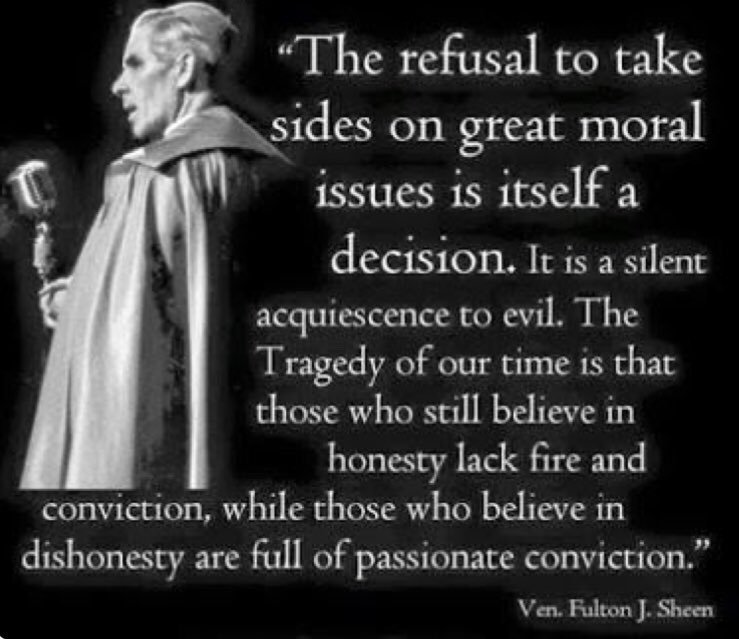
What say you @GregCalligaro from your ivory tower ?
With whom do you stand at this juncture for our progeny?
Will you herd them or protect them ?
78
19
59

The PIC’s Isibaya Fund (unlisted/developmental investments for GEPF) wrote off ~R3.6bn last year on investments now valued at zero. Reports reference ~15-17 such cases with -100% IRR, but the full list of names isn’t publicly detailed in the articles or recent SCOPA updates.
Known examples of major impaired/zero-value investments include:
- Daybreak Foods (poultry; originally BEE deal, PIC later took 100% ownership, >R1.7bn invested)
- Ayo Technology Solutions
- Educor (property arm)
- S&S Refinery
- Independent Media (related)
- Others like Bayport, Allied Mobile, Musa Group
The Isibaya mandate emphasizes BEE, transformation & developmental deals, so many involved majority black-owned structures or partners at investment time. PIC often ended up with larger stakes after problems emerged. Losses tied to mismanagement, governance issues & market conditions rather than ownership alone.
Full detailed list would need PIC disclosure.
2
2
101

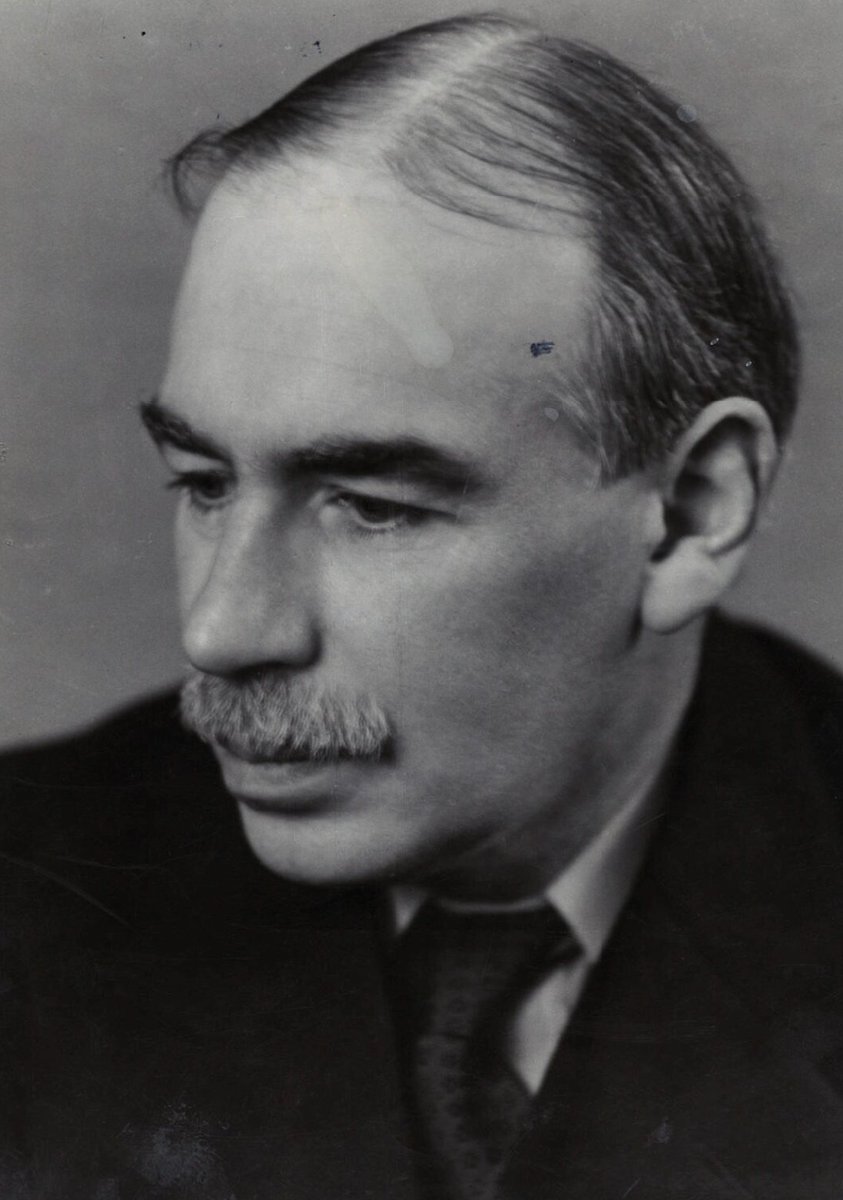
John Maynard Keynes lived as a quintessential elitist who despised the very people his theories claimed to help. While you hear endless praise for his "compassionate" economics, the man himself viewed workers and savers with open contempt, calling them irrational actors who needed enlightened technocrats to manage their affairs.
The Cambridge don made his fortune speculating in currencies and commodities while simultaneously advocating for government controls that would eliminate such opportunities for ordinary people. He lost his shirt in 1928, then again in 1929, proving himself a mediocre investor despite his theoretical "brilliance". His personal financial disasters never dimmed his confidence that he could engineer prosperity for entire nations.
Keynes openly admitted his theories served political expediency rather than economic truth. In a 1944 letter to Friedrich Hayek, he wrote that he expected his ideas to be temporary measures, lasting perhaps 25 years before sounder thinking would prevail. He never intended his deficit spending prescriptions to become permanent doctrine.
The man who gave intellectual cover to every government's spending addiction actually agreed with free market economists on the long run. He simply believed political reality made sound economics impossible. His famous quip "in the long run we are all dead" was political cynicism: politicians need solutions that work before the next election, consequences be damned.
You celebrate Keynes as the savior of capitalism, but he designed his system to give politicians exactly what they wanted: intellectual permission to spend money they didn't have on programs that bought votes. He knew this would end badly. He just figured someone else would clean up the mess after he died.
63
340
907
21,474
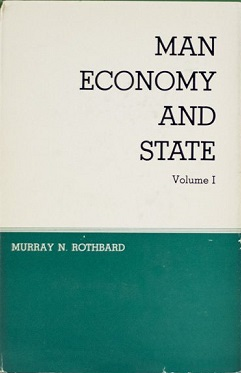
Rothbard didn't just publish another economics textbook in 1962. He torched the entire discipline and rebuilt it from first principles, using only logic and human action as his foundation.
You won't find a single graph, regression, or statistical model in Man, Economy and State's 987 pages. Rothbard rejected the mathematical positivism that had infected economics since the 1930s. Instead, he constructed economic theory the way Euclid built geometry: starting with self-evident axioms (humans act purposefully) and deriving all economic laws through pure logical deduction. No empirical testing required. When you understand that people choose between alternatives to remove uneasiness, you can deduce the entire structure of market prices, interest rates, and capital formation without collecting a single data point.
The book systematically demolishes every interventionist policy you can imagine. Rothbard proves that minimum wage laws create unemployment, rent controls cause housing shortages, and antitrust legislation protects inefficient competitors. Not through statistical studies that opponents can cherry-pick and debunk, but through ironclad logical demonstration. When government forces wages above their market level, employers hire fewer workers. This follows necessarily from the logic of human choice.
Most economists today remain trapped in the positivist methodology that treats human beings like particles in a physics experiment. They build elaborate mathematical models that predict nothing and understand less. Rothbard handed us a complete science of human action that explains every economic phenomenon from first principles.
The establishment ignored the book for good reason: you can't refute pure logic with statistics and computer models.
40
151
541
20,834

The High Court’s order against the IASC confirms that industry regulators may not smuggle BEE requirements into licensing where their legislation grants no such authority.
It also shows international businesses and governments that such race-based demands can be resisted and overturned in court.
3
20
200
9,745
Robbie Branch retweeted

Alright, let's play this silly game...
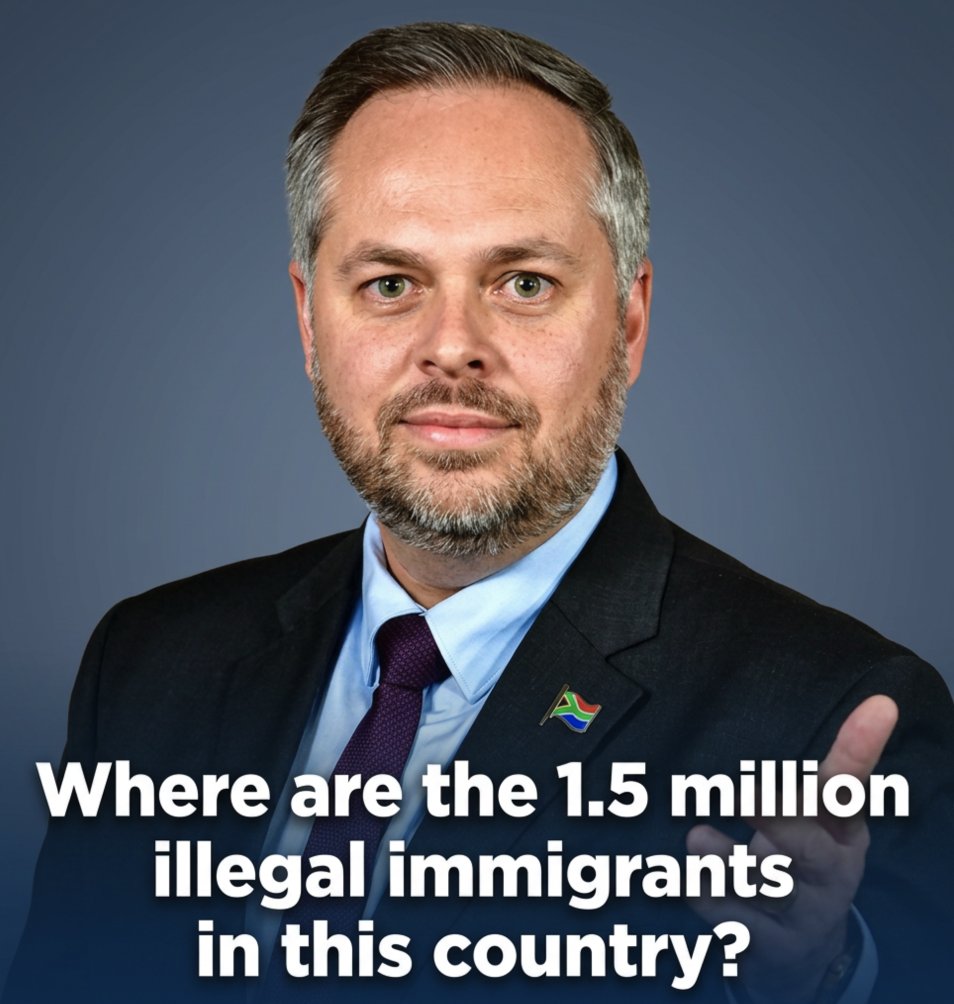
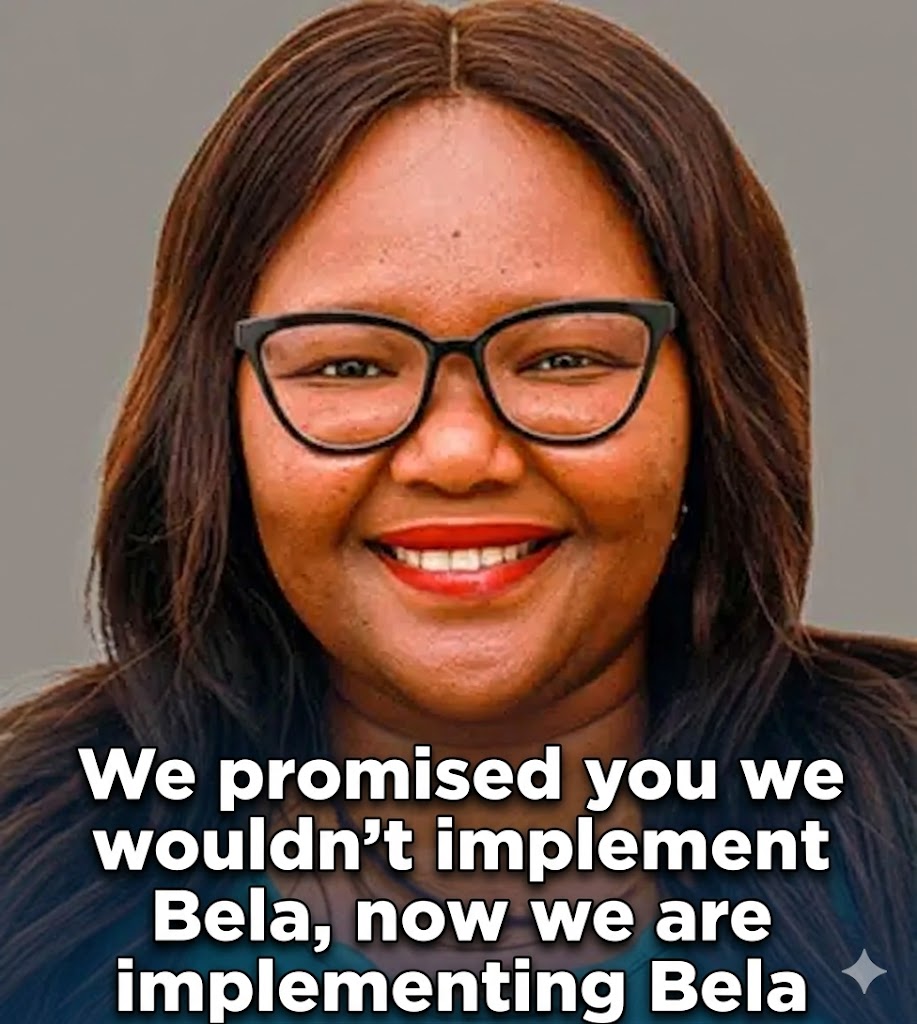
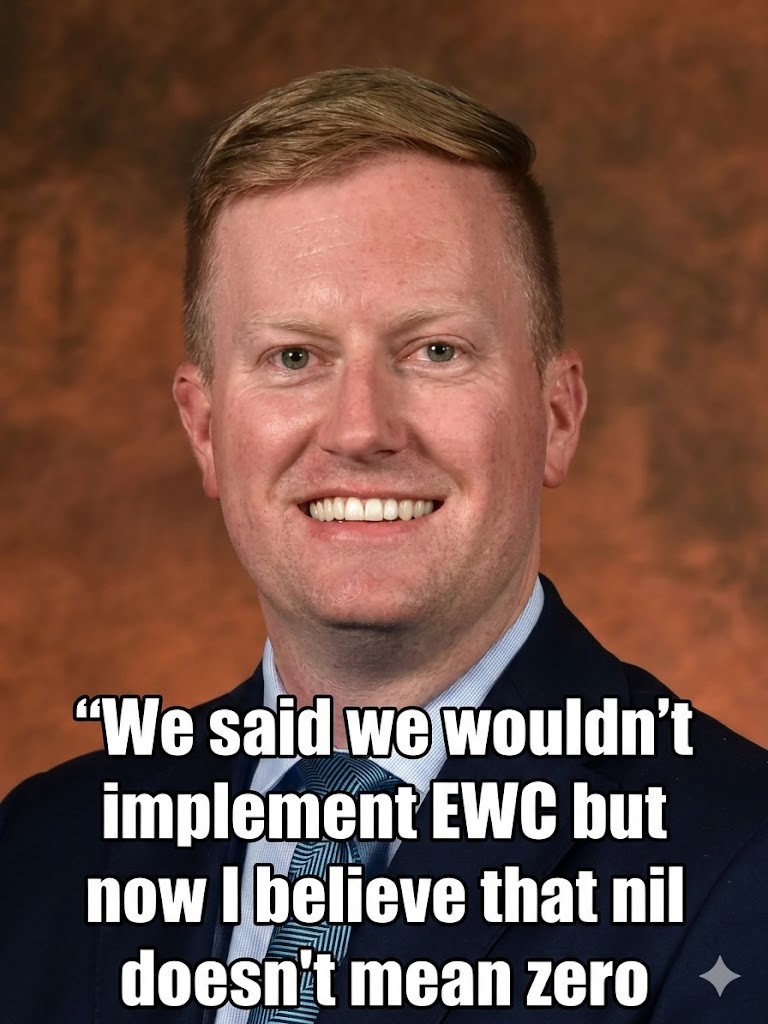
May 29

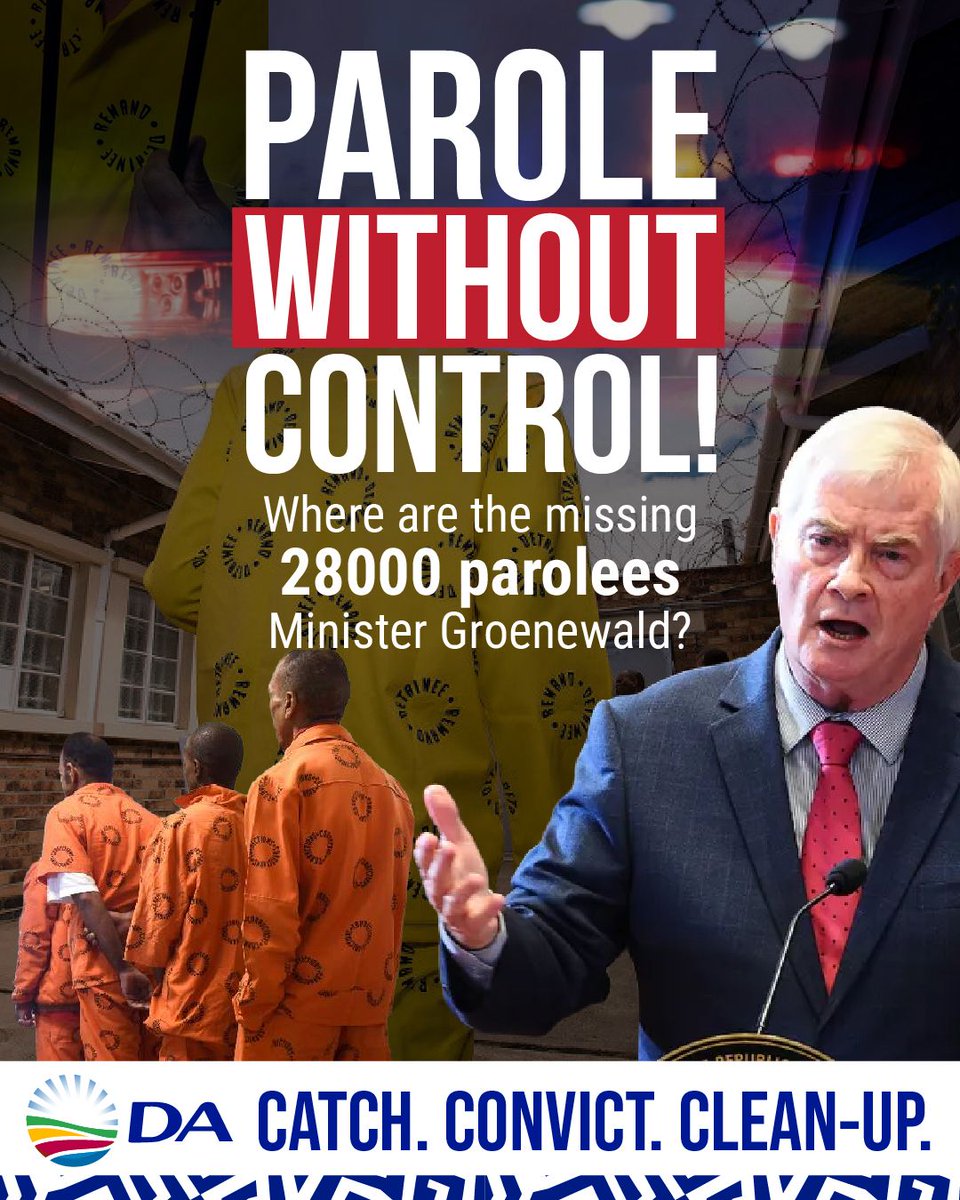
🚨 28,000 parolees have effectively vanished from the system.
The DA has called on Parliament to summon Minister Groenewald to explain this shocking failure and outline a plan to get these absconders back into custody.
49
259
772
25,886
Robbie Branch retweeted

May 31
Your stupid VC shitcoin was born out of a trusted setup involving Israeli soldiers. Etheeryum, which is the biggest and most decentralized shitcoin (tallest midget) was rolled back to seize $150m of the founders' coins that they couldn't secure. If the biggest most decentralized shitcoin can be rolled back for $150m, every shitcoin will never be able to credibly demonstrate that it can resist political pressure. Bitcoin can because it has no founders, no trusted setups, no premine & no stupid VCs with power over it. You could take the 1000 most influential bitcoiners and 1000 biggest hodlers and torture them for a month and all you'd get is a worthless stupid shitcoin fork like bcash while bitcoin continues to work. For all other shitcoins you don't need to do anything more than threaten a dozen nerds.
29
34
442
34,821
Robbie Branch retweeted

May 28
Why is Capitalism better than communism?
When you pay a company to provide a service and they fail you stop paying them.
When government fails to provide a service and you stop paying them they put you in jail.
14
55
240
3,488
Robbie Branch retweeted

May 27
She lives in America, uses X daily, and gets paid her income in dollars.
Tells you not to allow Starlink in South Africa even though it will help improve the lives of the poor, because it's a "security risk". A person who has no experience in Cyber Security or Technology.
This is politically motivated, disguised as a sophisticated technical argument against Starlink. So much arrogance, hypocrisy, and pride all summarised into this woman.
May 26

My piece on why Starlink IS a national security issue for South Africa.
africaunscrambled.substack.c…
209
359
1,537
44,130

Robbie Branch retweeted

May 26
We are supporting a criminal syndicate by paying them our taxes. It doesn’t make sense.
3
4
56
1,601
Robbie Branch retweeted
May 26
Check @AuditorGen_SA 2024/25 PFMA audit outcomes. They show 151 clean audits (36% of 417 auditees) managed just 12% of the R2.21 trillion expenditure budget, with 88% under entities with material irregularities. Easy math.
2
24
47
4,267
Robbie Branch retweeted

May 25
Make fun of me all you want
But I think Mr. Quittem will one day win the Nobel prize for this discovery
Comparing Bitcoin to Fungi
Why do I HIGHLY agree with him? Before Bitcoin I was an amateur Mycologist,
I have studied over 1,200 mushroom species, have harvested and eaten some,
He is 100% right here 👀
43
70
615
37,349
Robbie Branch retweeted

May 25
I’m from NJ not too far from where this Limousine Liberal Springteen lives with his mansions, horse farm and I agree with you.
He is despised by many in NJ.
He’s turned his back on his real NJ roots blue collar roots and his hate & America bashing while abroad
is disgusting.
Loves his Capitalistic lifestyle and bank account as he pretends to hate the system that gives him his wealth and ultra elitist lifestyle.
Bruce should shut his damn mouth and follow through on his promise to move out of the country as he said he was going to do back in 2016 If Trump won.
Yet he is still living here!
He’s a liar, a hypocrite and a commie!
2
8
91
Robbie Branch retweeted
May 25
Fun fact of the day:
If you don't think inflation has been the biggest problem in the world over the last century, you have been miseducated by people who get paid by inflation.
107
668
4,357
150,897
Robbie Branch retweeted

👏🏻👏🏻👏🏻
640
2,296
27,555
116,766
Robbie Branch retweeted

May 19
Minister @DeanMacpherson,
For collecting a document at Home affairs, I was told today to make an appointment.
The only place I can make an appointment is online, on your system that fucking sucks ass (it kicked me out 5 fucking times today while trying to make the appointment).
I could of course refuse to make the appointment, but as your department is fucking useless, those without bookings for even such a simple thing as picking up a document, stand in line for hours with no hope of even entering the doors while those who did manage to make appointments on your fucked up system keep getting called in.
After standing in line for hours despite their reservation.
My question is how on earth are rural citizens, with no access to the net or computers (you try doing it online with a fucking phone, I dare you fatboy) and no Starlink I might add (fuck you too @MYANC) supposed to access the services you are mandated and requires to provide to ALL citizens?
You sir, are a failure and a disgrace to your nation and your country.
And fuck your globalist masters too and double fuck your electronic ID.
Fucking asshat loser.
84
59
290
13,680
South African Airways stands as the perfect monument to government-controlled enterprise. The airline burned through $1.2 billion in bailouts between 2008 and 2020 before finally collapsing into business rescue.
The story follows the iron law of state enterprise: bureaucrats spending other people's money on other people never optimize for profit or customer satisfaction. They optimize for political patronage, union appeasement, and the personal enrichment of connected insiders. SAA's workforce ballooned to 10,000 employees by 2019 while passenger loads plummeted and routes became economically inviable. Private airlines don't survive such grotesque inefficiency. State-owned carriers get bailouts.
Free market economists predicted this outcome decades ago. When you remove the profit-and-loss mechanism that signals success and failure, you eliminate the only reliable guide for resource allocation. SAA management could ignore customer complaints, operational losses, and competitive pressures because they faced no real consequences. The South African taxpayer — not voluntary customers — ultimately paid the bills.
The human cost extends far beyond wasted tax revenue. SAA's monopolistic privileges and subsidies prevented superior private competitors from emerging and serving South African travelers better. State protection strangled innovation, suppressed price competition, and trapped an entire nation's aviation market in bureaucratic mediocrity. Meanwhile, private airlines across Africa like Ethiopian Airlines and Kenya Airways (when operating under market discipline) delivered superior service at lower costs.
Politicians now promise a "restructured" SAA will somehow perform differently. The incentive structure remains identical: losses socialized, profits (if any) captured by political appointees, and market signals ignored in favor of political calculations.

37
88
258
13,685
Robbie Branch retweeted

May 17
The single most life changing event occured to me when our first child was born.
I remember coming back from the Navy hospital, staring at the ceiling at 2am as the greatest feeling of responsibility I had ever known suddenly laid down beside me.
Bitcoiners hear me well; your legacy is being built today.
To my fellow Bitcoin men out there; live like a man. Not a caricature. Not a poser.
Don't be afraid in life. You will never walk this planet free as a man if you are afraid.
Find someone.
And if you do treat her like she's your greatest gift. Put her first.
While your searching, put your fucking phone away when you meet someone. Don't try to impress a woman by how much your doing in life, what you've accomplish... your importance.
Learn to listen. God gave you two ears and only one mouth for a reason.
If you are lucky then one day you will hold some little girl or boy's hand in yours.
Then you will understand you don't really matter at all.
And you will be legend.

25
28
343
9,334
Robbie Branch retweeted

Stop for a second and realize that these are some of the people that the SA Government is seeking to criminalize with their draft regulations that seek to ban self custody. Does this seem just or moral to you?
Join the fight, support the PRD legal fund: btcpay386617.lndyn.com/apps/…
May 14

The world needs to see what grassroots adoption looks like! 🌍⚡️
The Bitcoin Ekasi team went house-to-house, and the community showed up in force. Residents are standing tall against SA’s Draft Capital Flow Regulations to protect their financial future.
When a community builds together, they fight together. ✊🧡
🇿🇦 SA Residents: Don't let your financial freedom be restricted. Add your voice before May 18:
ag.bitcoinzar.co.za/
#Bitcoin #FinancialFreedom #SouthAfrica
7
14
745
Bitcoin demolishes every mainstream economist's argument about money needing "intrinsic value." Krugman called it a bubble in 2013 when it traded at $100 (it hit $69,000 eight years later). The Fed's Kashkari still insists cryptocurrency serves no real purpose while printing trillions of dollars backed by nothing but government promises.
Carl Menger established the foundation 150 years ago: value exists only in human minds, never in objects themselves. A Renaissance painting has zero value to a starving man who needs bread. Collectors will pay $450 million for a da Vinci because they value it that highly.
Bitcoin's price movements don't invalidate subjective value theory. They confirm it perfectly. When Salvadorans started using bitcoin for remittances, they drove adoption because they valued avoiding Western Union's 10% fees. When institutions like MicroStrategy bought billions in bitcoin, they valued it as a hedge against currency debasement. Every transaction happens because both parties expect to gain from the exchange.
The dollar has no "intrinsic value" either. You can't eat it any more than you can eat bitcoin.
16
16
109
3,501