
Joined February 2013
- Tweets 1,605
- Following 317
- Followers 729
- Likes 1,405
488 Photos and videos

4 Jan 2025
4
301
2 Jan 2025
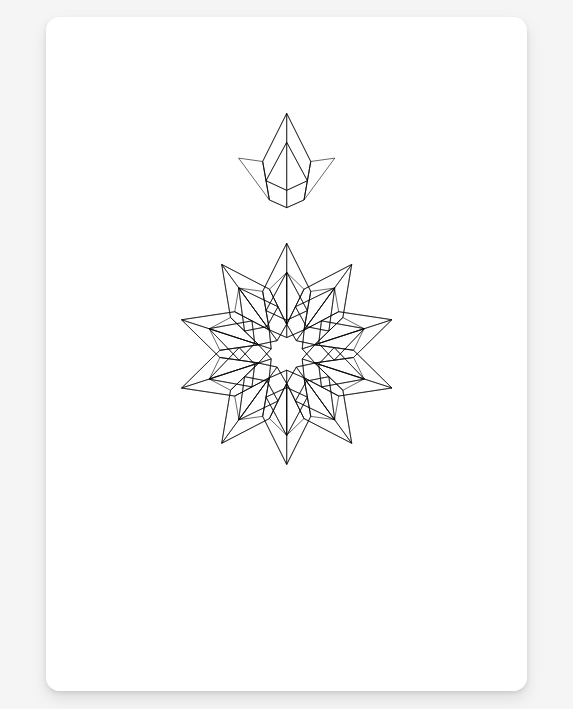
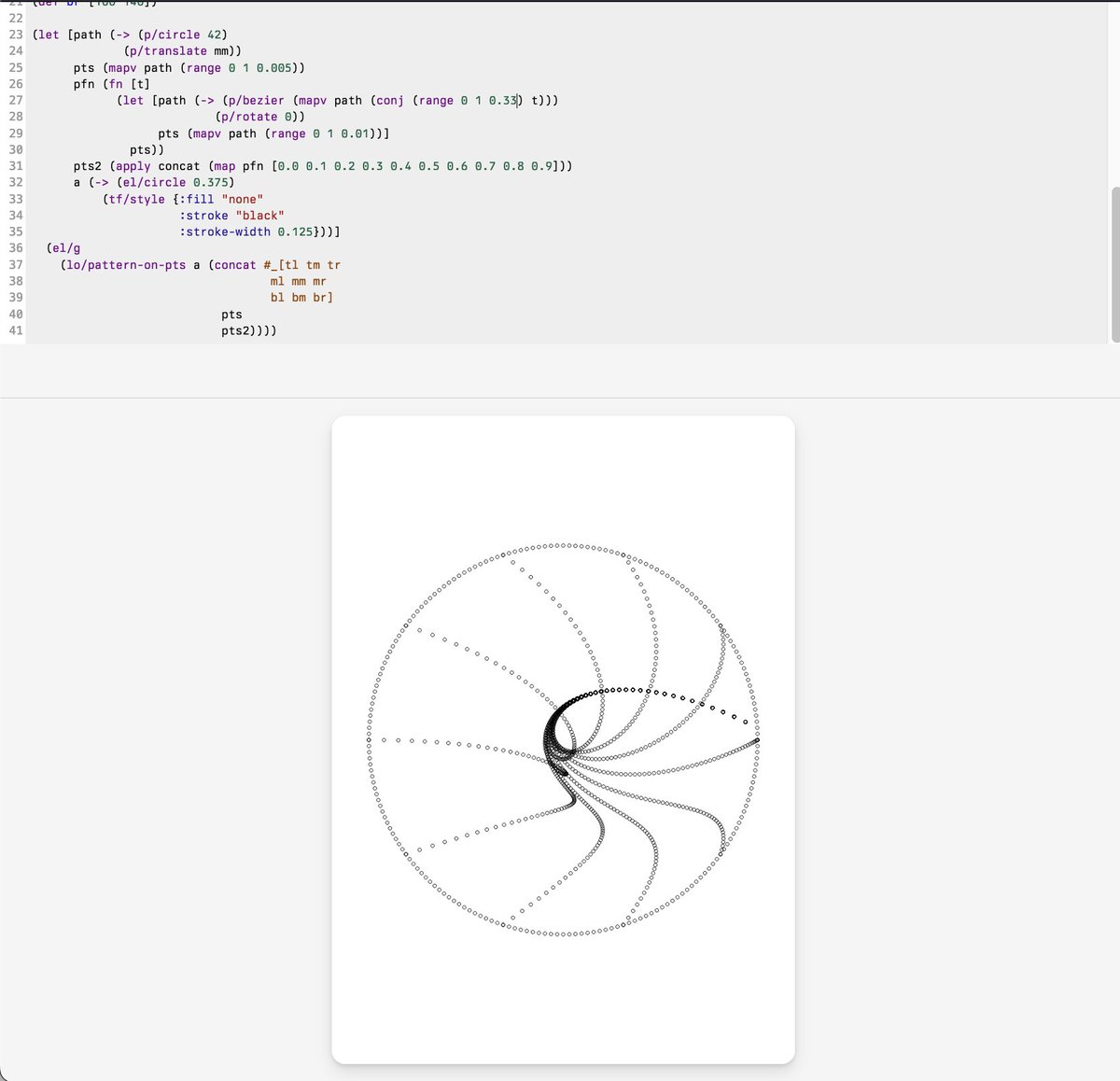
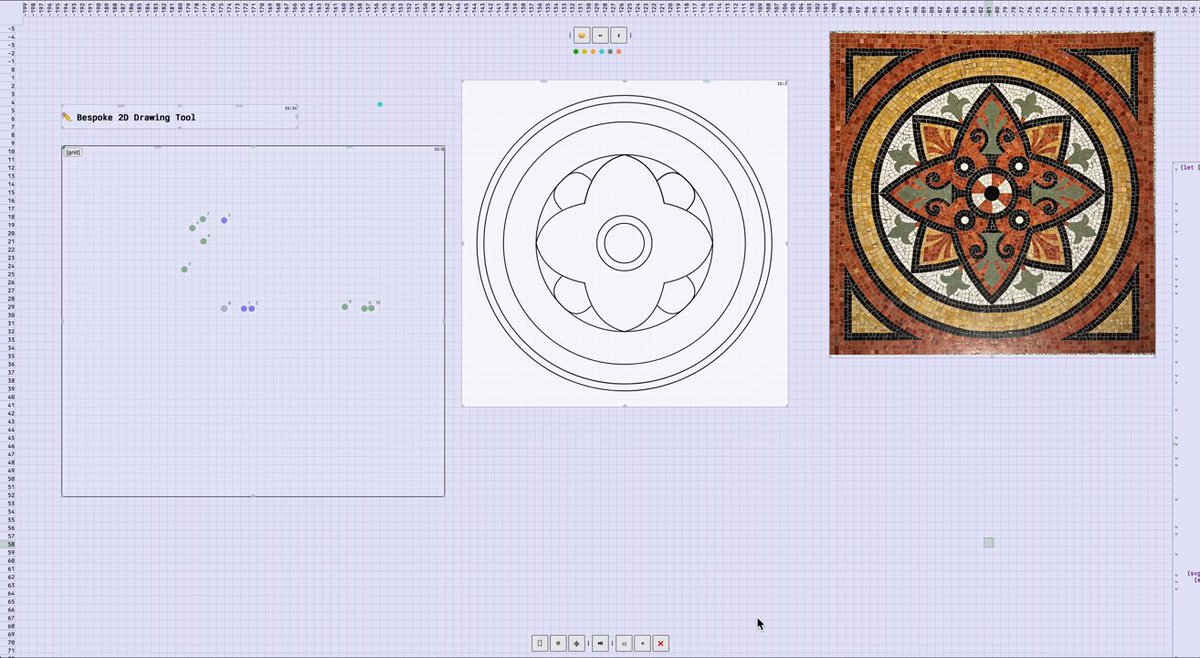
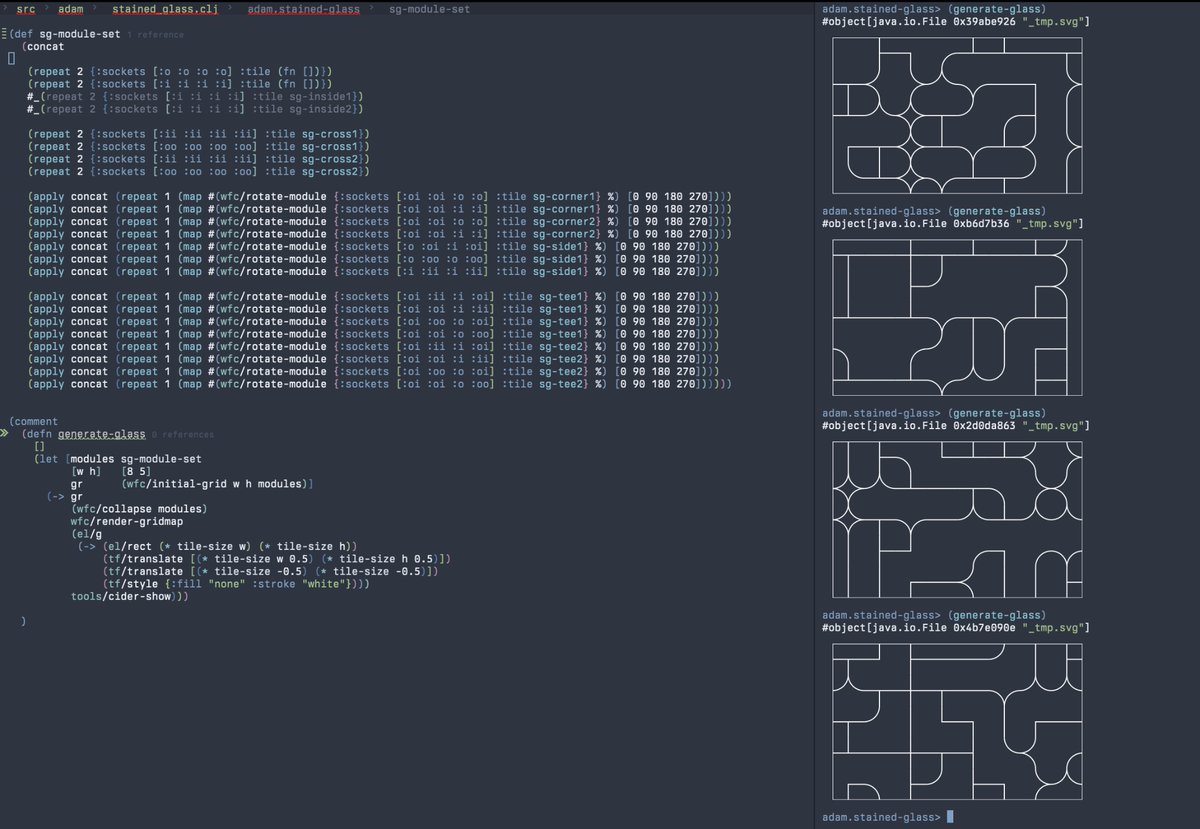
hacked together a #clojure tool to make little art 'cards'.
With improvements, the idea is to be able to use this on my phone and save the SVGs. Hoping to use it when I get bored in lines or whatever, hopefully leading to some more artistic output
1
11
676
1 Jan 2025
based only on my posts here, what do you think an online course of my own design would/should be?
166
20 Dec 2024
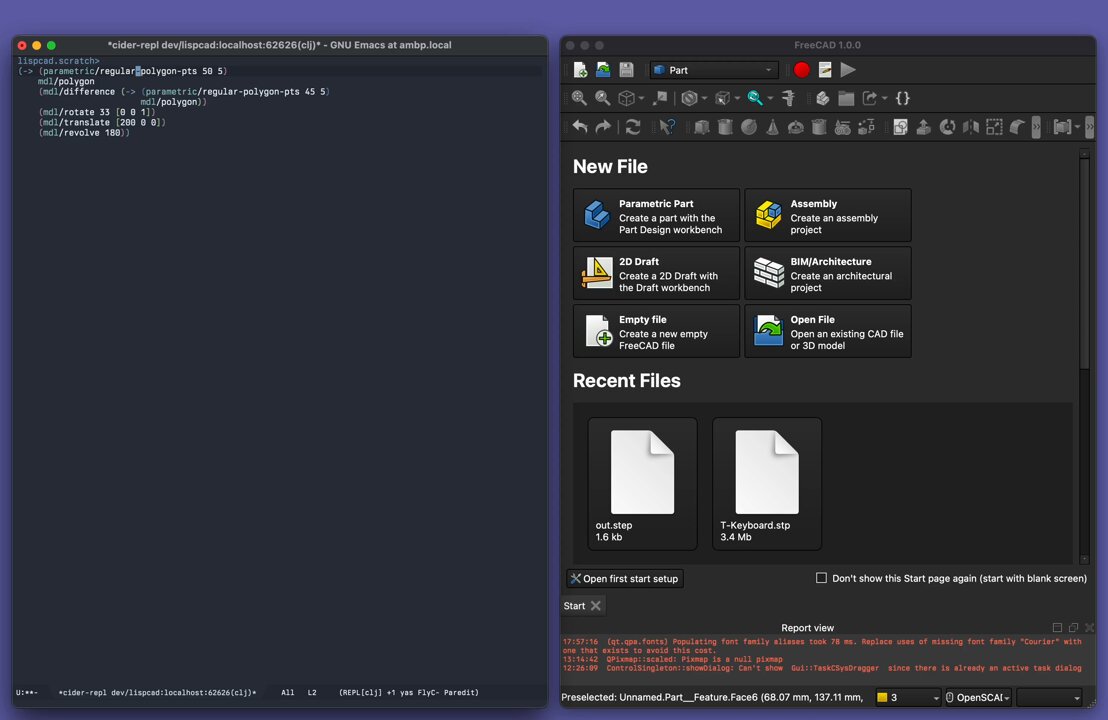
Using this approach, I should be able to use my #badspreadsheet to build parametric models and view them rapidly with a web-based 'geometry backend', and then use FreeCAD (or other kernels) to output 'industry ready' formats like STEP, IGES, whatever.
1
4
253
12 Dec 2024
I'm increasingly interested in making 'bespoke CAD tools for makers'. I love #clojure for this sort of thing, but wonder if there are other companies, tools, people that are already doing this exact thing that I can learn from or connect with?
2
7
287
adam-james retweeted

6 Nov 2024
10 minute introduction and demo of Standard Clojure Style: youtube.com/watch?v=VhjxvEab…
2
4
13
1,634
6 Nov 2024
I gave a short talk at #Clojure conj this year showing how I use #badspreadsheet.
It's a tool built with a combo of javascript, Clojure, and #HTMX , and just enough naivety to think I can actually build stuff :)
Give it a watch here:
youtu.be/OOtgJm-RL_I?si=BAqR…
2
4
21
4,884
28 Oct 2024
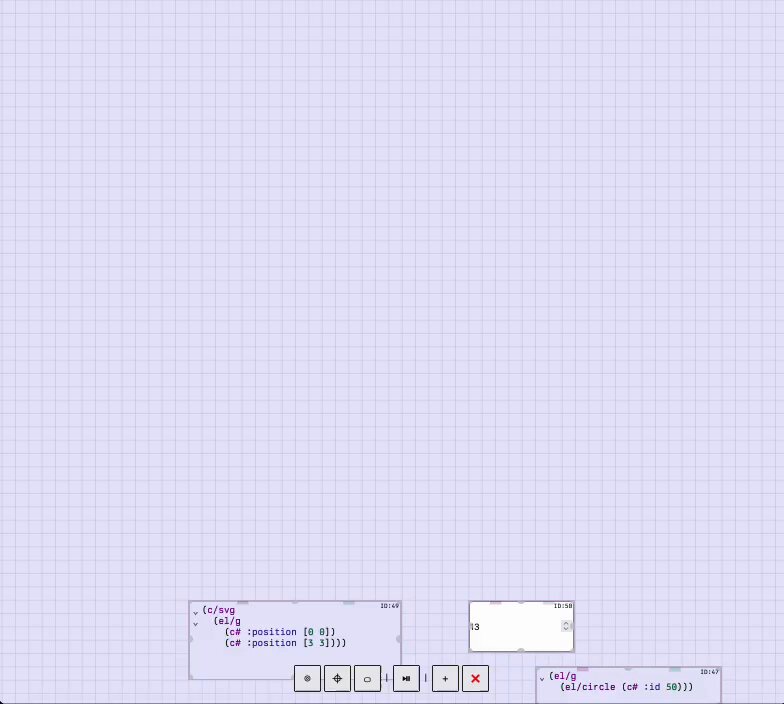
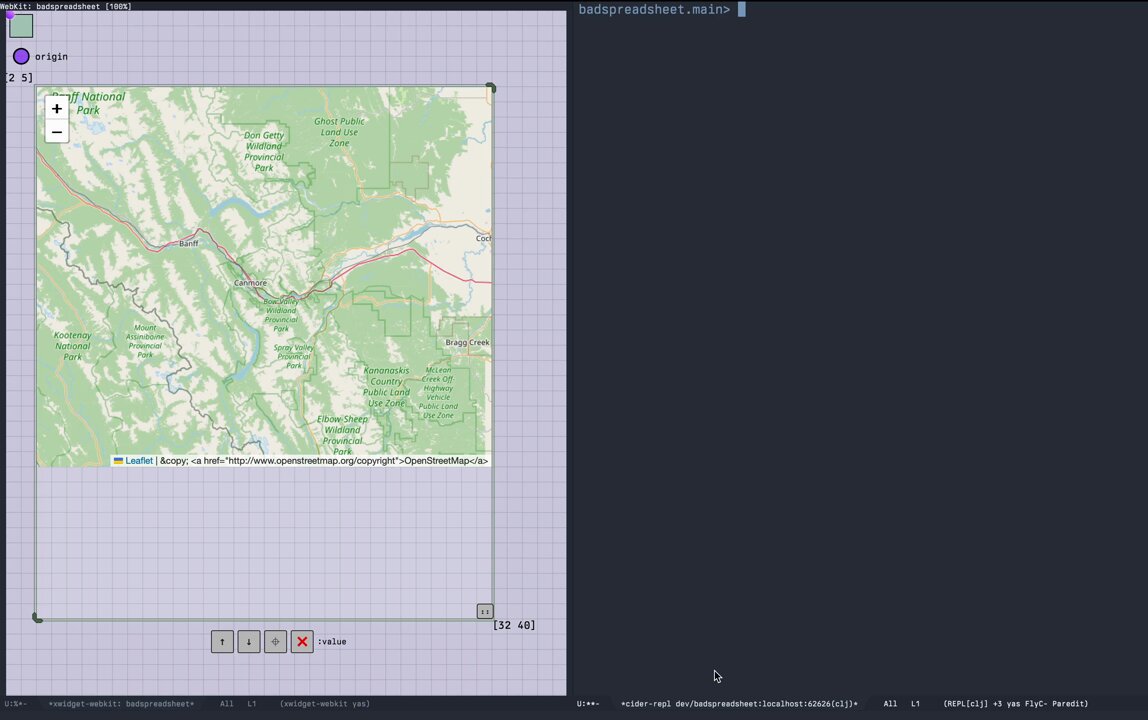
Here's a fun #badspreadsheet demo. Use a set of draggable points to sketch shapes over an image. Simple pieces, a way to view SVG, a way to get the position of every point, and a way to layer cells over one another. Add some #clojure and you've got a powerful tool :)
2
8
860
11 Oct 2024
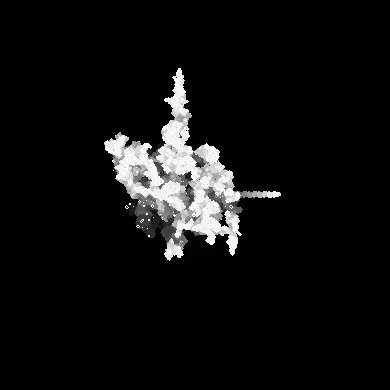
Made this in #clojure quil just for kicks :)
Based on Conway's Game of Life, naturally.
The rules are tweaked slightly (living cells with 0.0 neighbours don't die), and 'dead' cells fade off instead of being set to 0.0 right away.
I think the output is pretty mesmerizing
8
62
3,120
5 Aug 2024
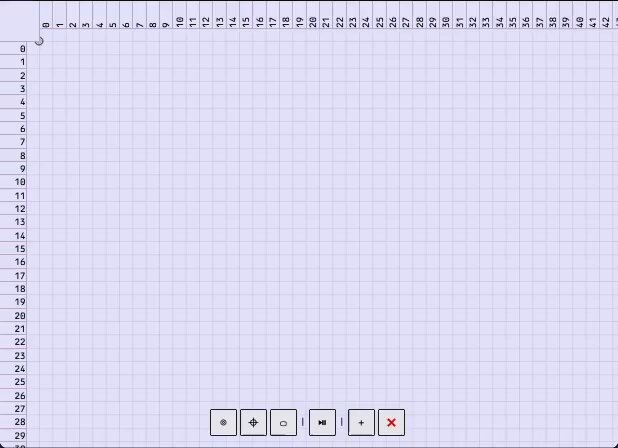
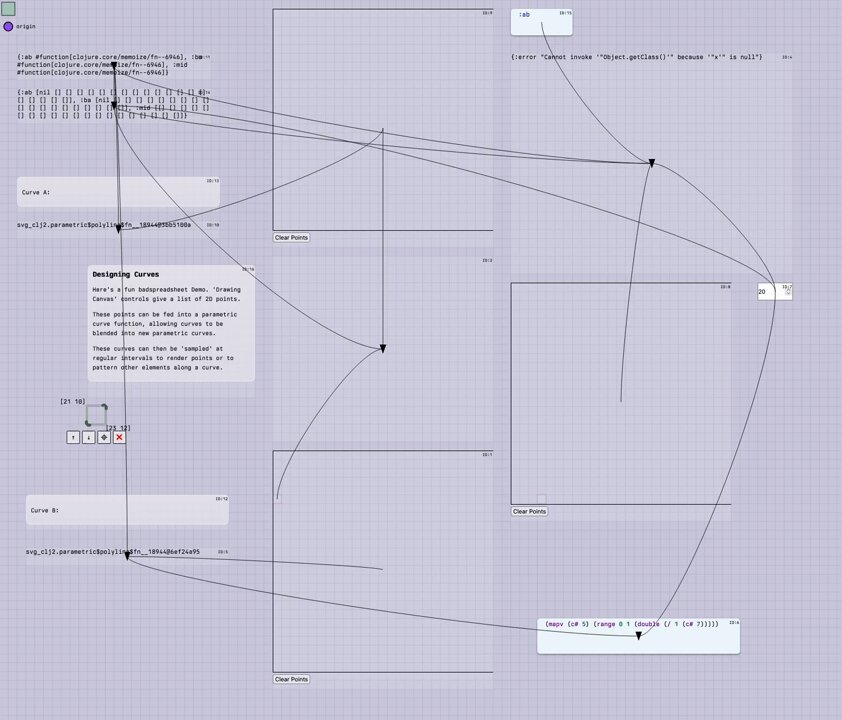
More #badspreadsheet work. #Clojure, #javascript, mediated by #htmx of course.
Now you can see row/col positions a bit more easily!
Still, UI and usability is tricky.
I'm not sure this is the most readable/usable yet. Curious what others think?
github.com/adam-james-v/bads…
2
18
748
2 Aug 2024
Still working on #badspreadsheet
github.com/adam-james-v/bads…
Vid of better UI
Key diff is better use of client side changes. Move/translate, then, on the natural action break (stop moving, mouse up, whatever), send data to the backend, render fragments, use #htmx to swap in new html
4
7
71
11,279
2 Aug 2024
And, circular references don't break things; iterations will auto-stop after a short time (or if iterations coalesce). You can intentionally set up a circular setup and 'advance' the iterations one at a time if you want.
6
358
2 Aug 2024
I also came up with a more robust cell referencing approach. I can reference neigbours, cell IDs, rows/cols, regions, and arbitrary lists of positions.
9
394
7 Jun 2024
m.youtube.com/watch?v=r8icH0…
I love @htmx_org, but I think the biggest positive change for me as a programmer has been the grugbrain.dev/ essay. It’s a cornerstone of my “let’s try stuff and see if we can make it work” approach I like to take with projects 😊
3
56
6,743

See you at our #Clojure #visualtools 25th meeting tomorrow! @mark_bastian kindly agreed to present keg-party, a collaborative tap> server written using @htmx_org.
clojureverse.org/t/visual-to…
4
12
2,301
adam-james retweeted

Eric Andre just posted this video
624
24,566
110,938
4,189,789
12 May 2024
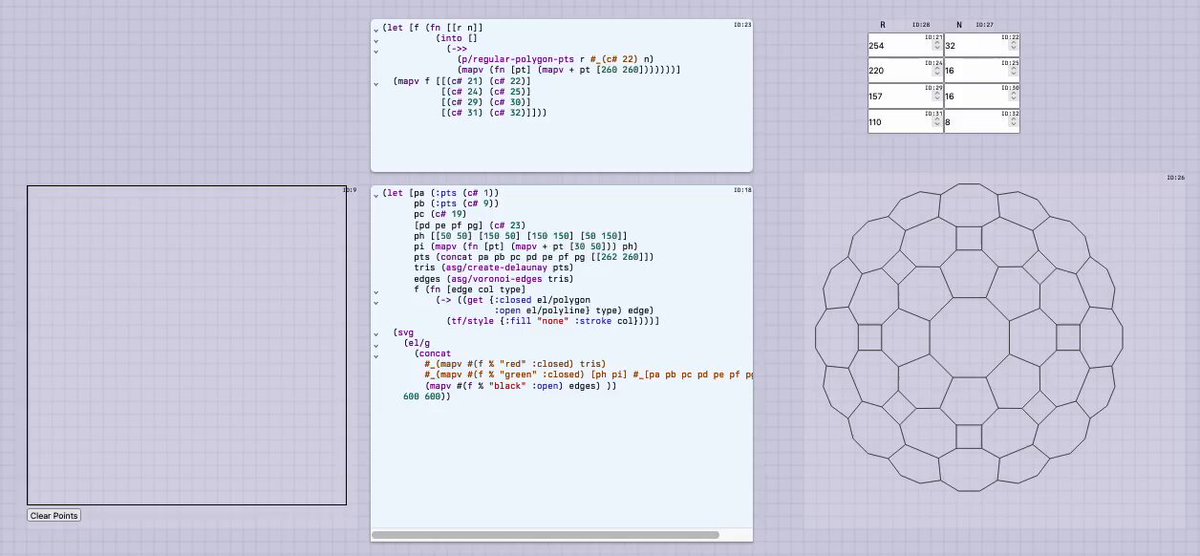
And here's how you can make things look a little less symmetrical. More organic, perhaps. #clojure
2
12
105
12,349
12 May 2024
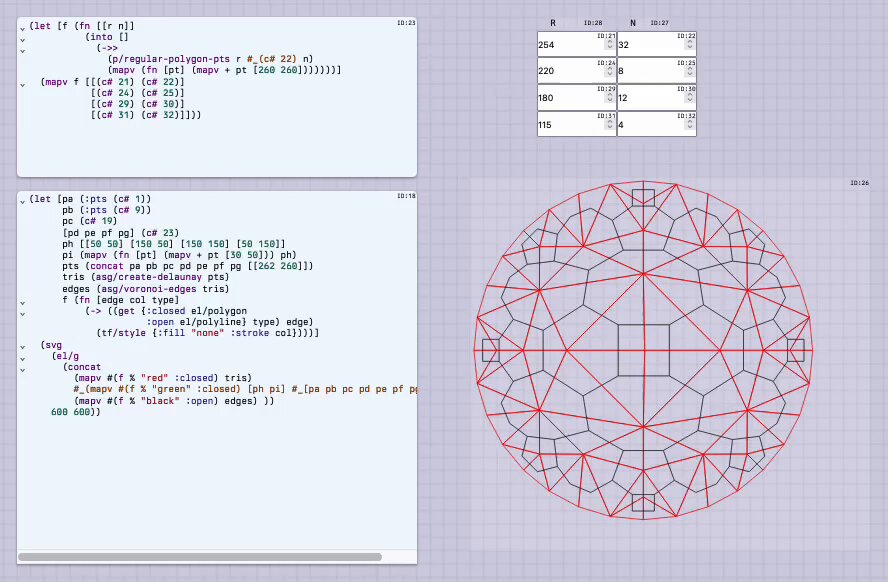
Working on a stained glass design and ended up stumbling onto this. Concentric Polygon 'rings' and a delaunay triangulation (red) and the voronoi (black). #clojure
A small example of #badspreadsheet at work.
1
4
83
5,873
12 May 2024
As I'm working on this I get to discover 'should have' features of the spreadsheet. For example, the Radius/N inputs should be as easy to add/adjust as a 'real' spreadsheet... right now I have to manually create each cell and then 'flip' it to input. Gotta be a faster way!
375