Rwanda Biotech Capacity Building Project
Joined December 2025
- Tweets 62
- Following 34
- Followers 83
- Likes 44
27 Photos and videos


Pinned Tweet

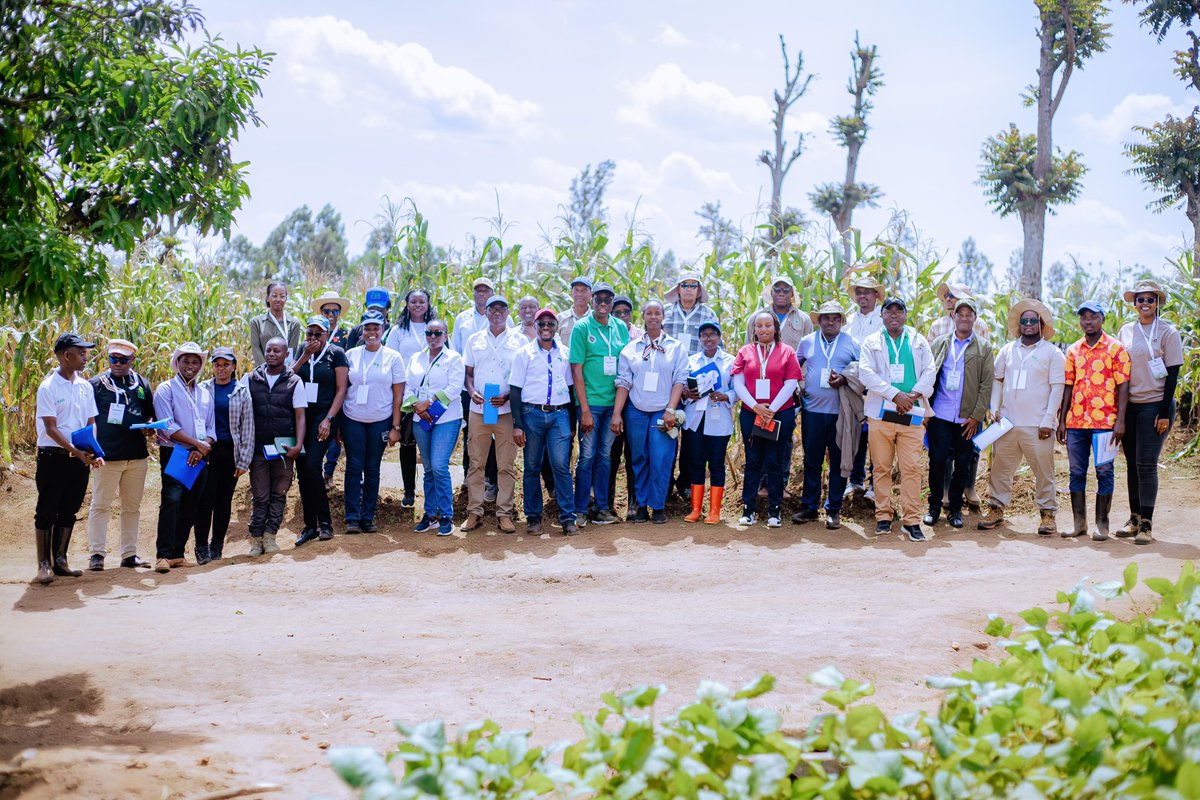
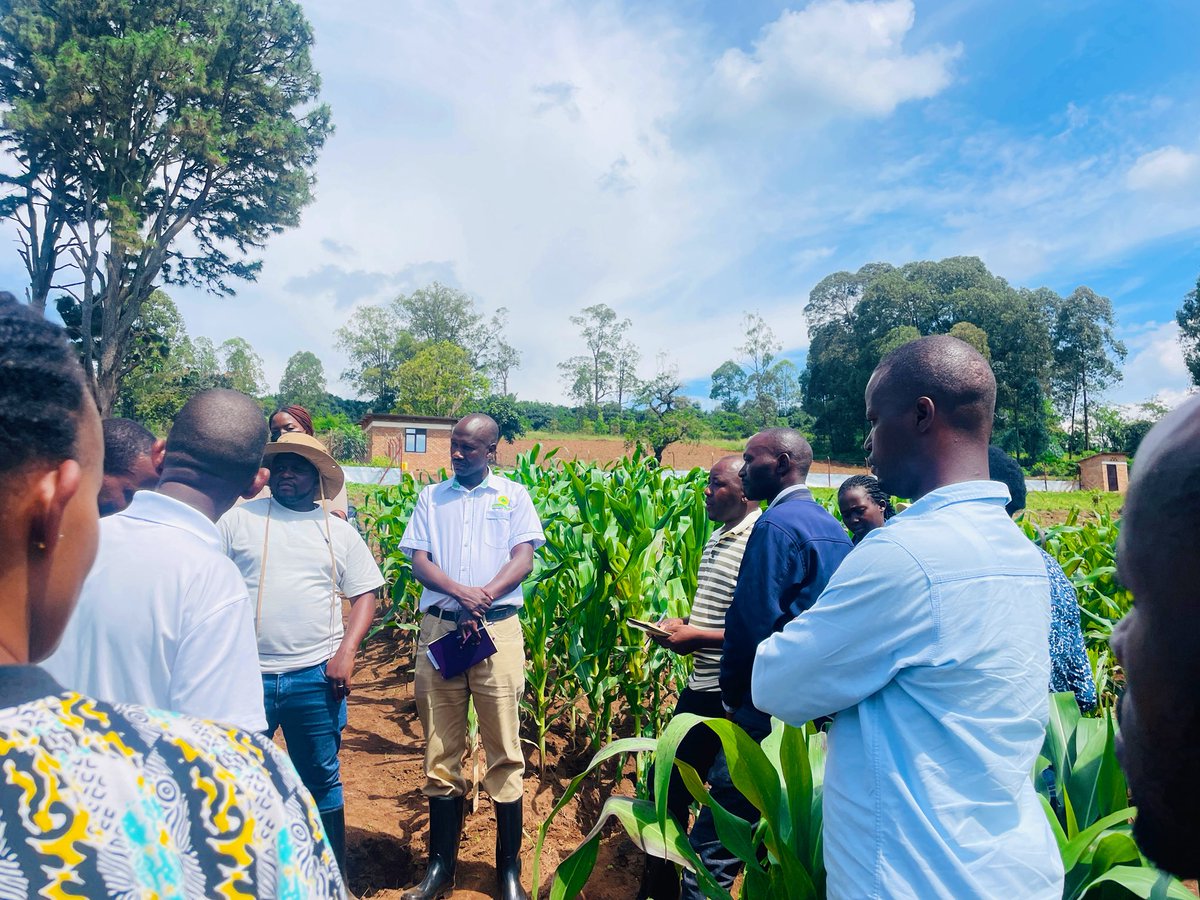
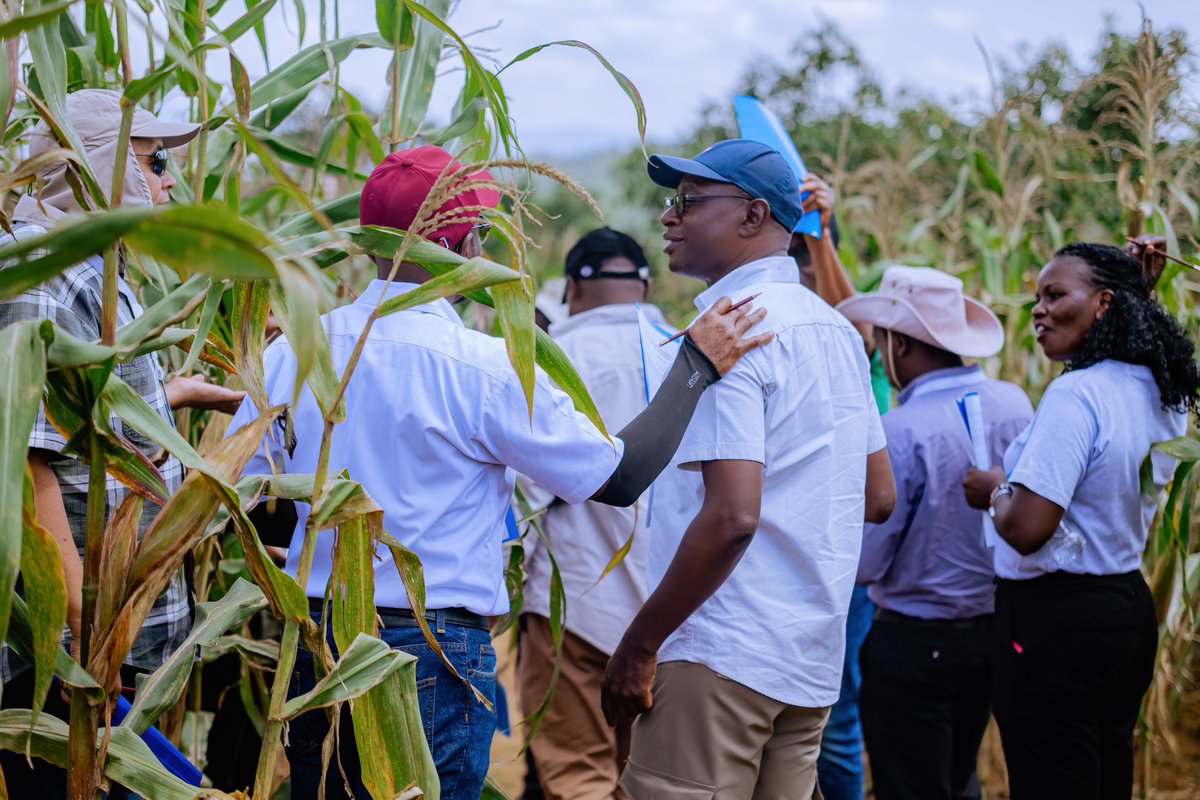
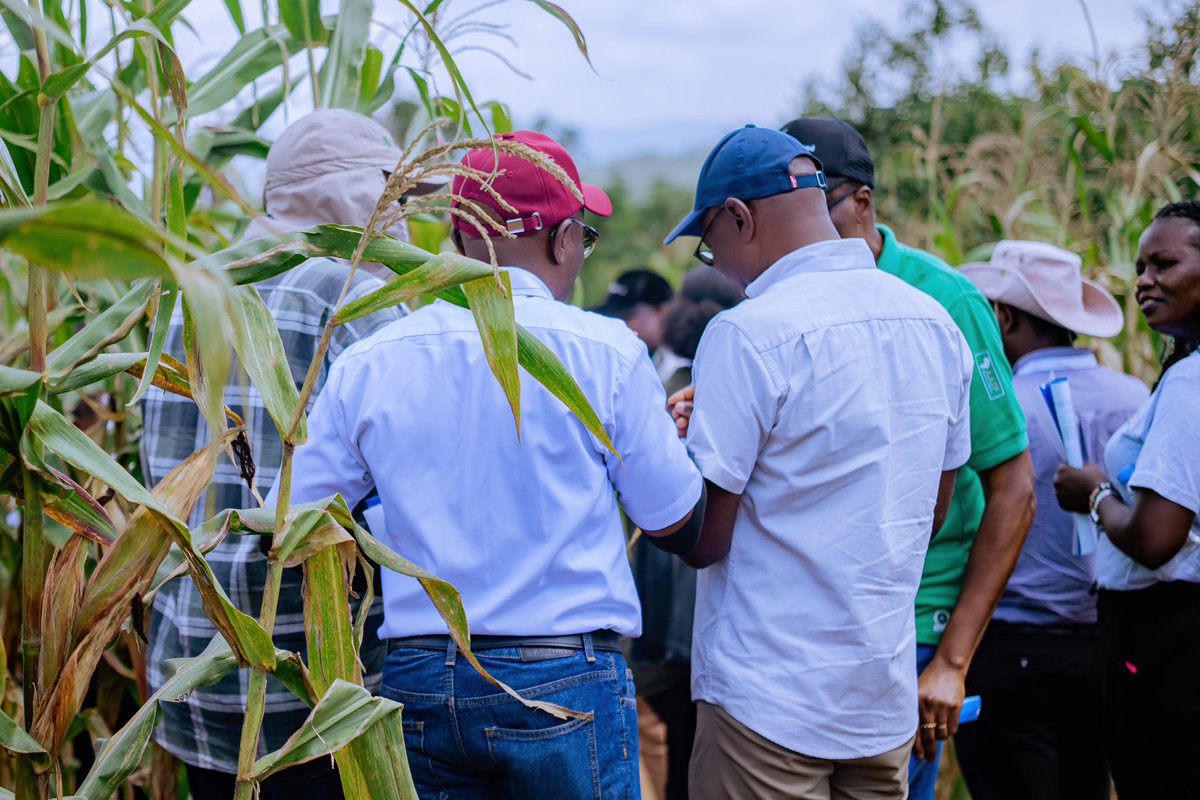
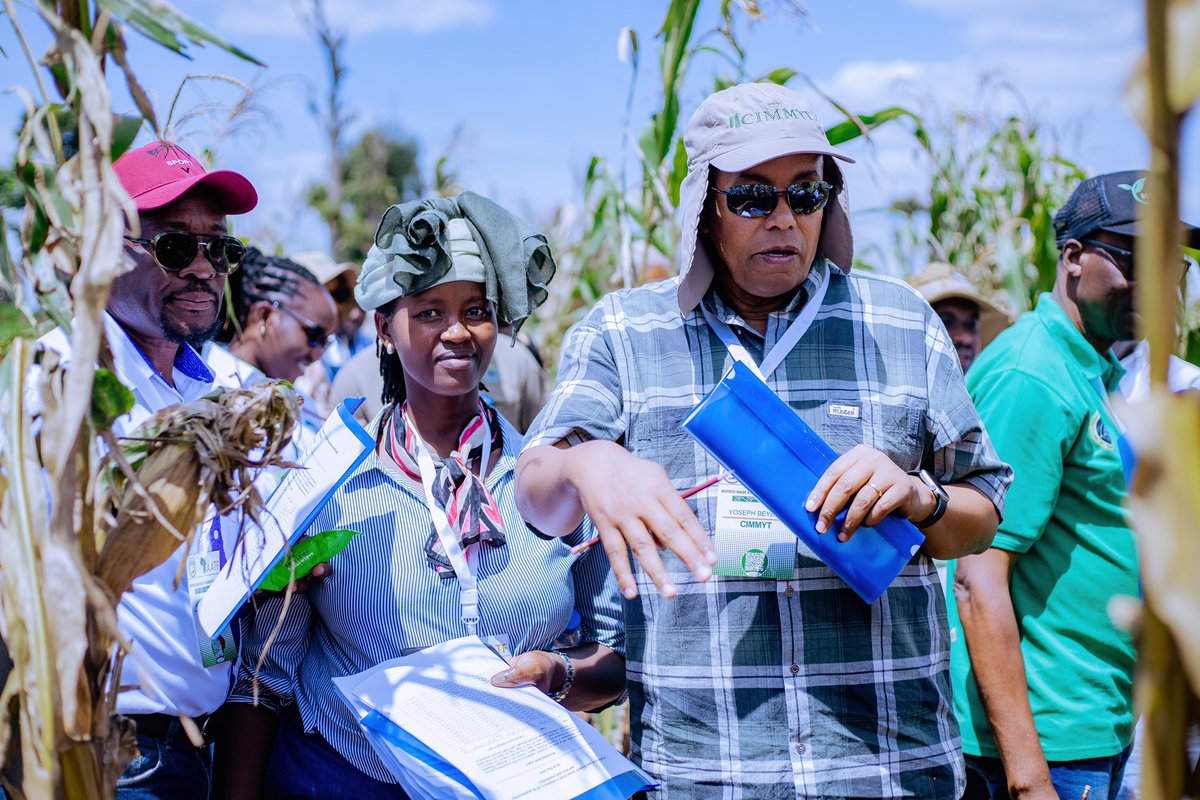
Under the Sister Project RABP-CMP, From May 26–29, the @RwandaAgriBoard , in collaboration with @aatfafrica and partners, is conducting a multi-location evaluation of 12 TELA maize varieties as part of ongoing efforts to develop and deliver fall armyworm-resistant maize varieties
6
7
262
Rwanda Biotech Capacity Building retweeted

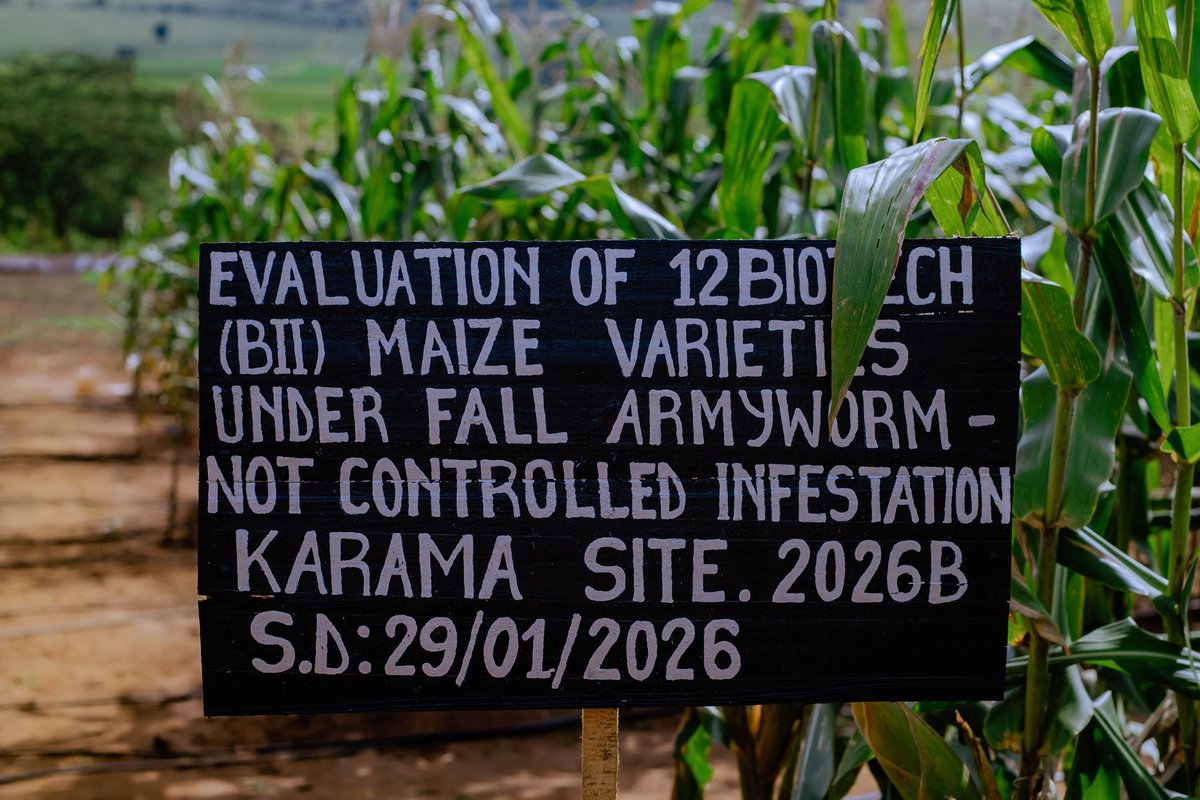
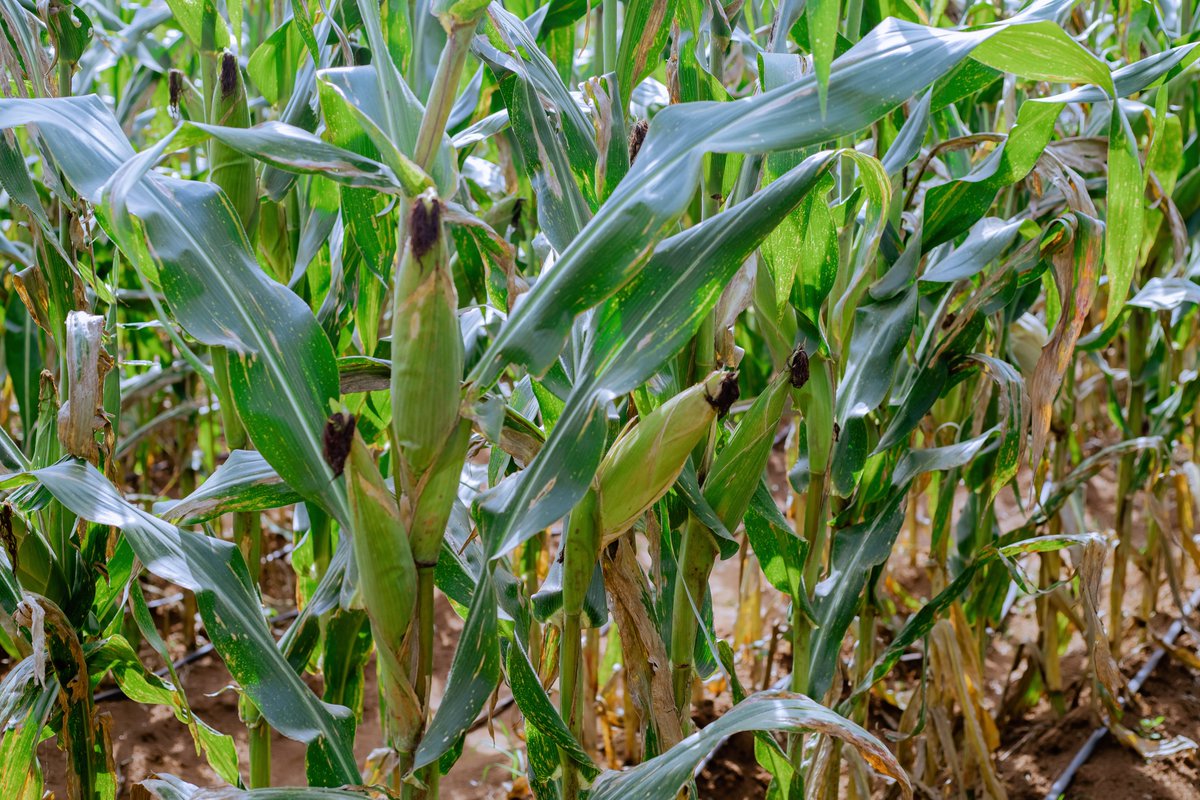
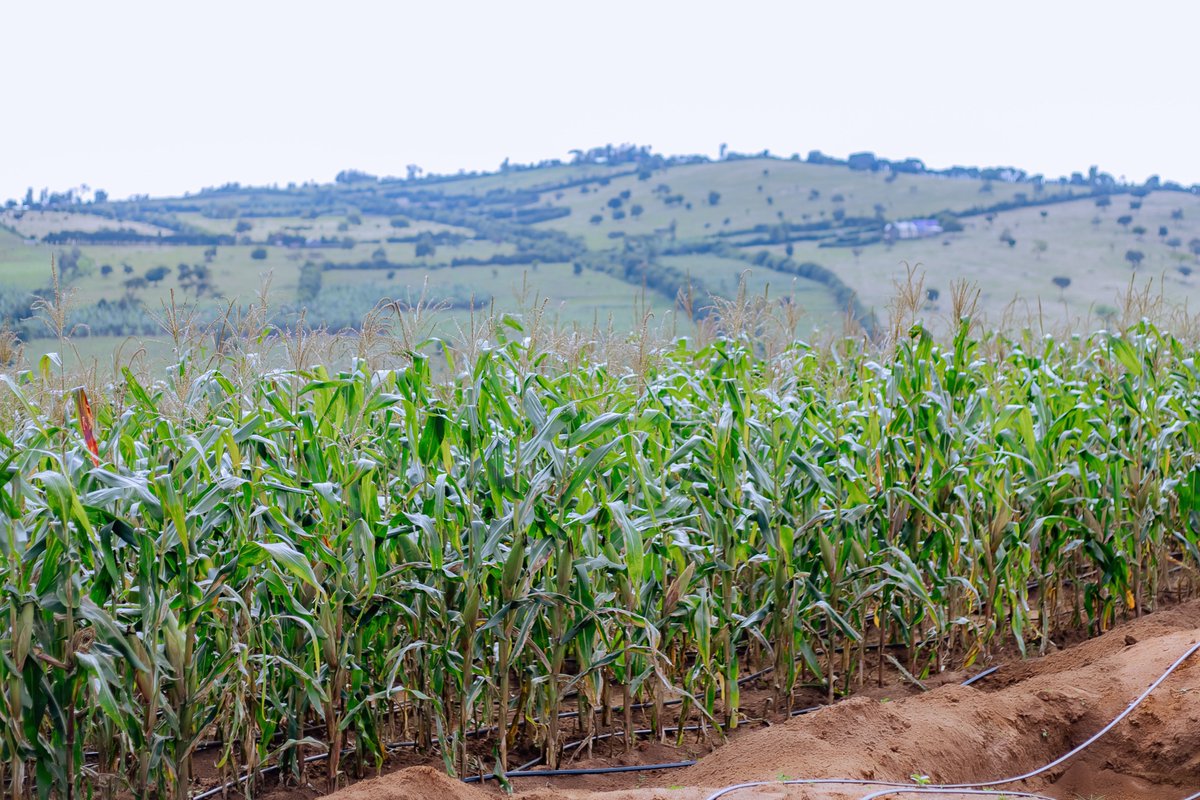
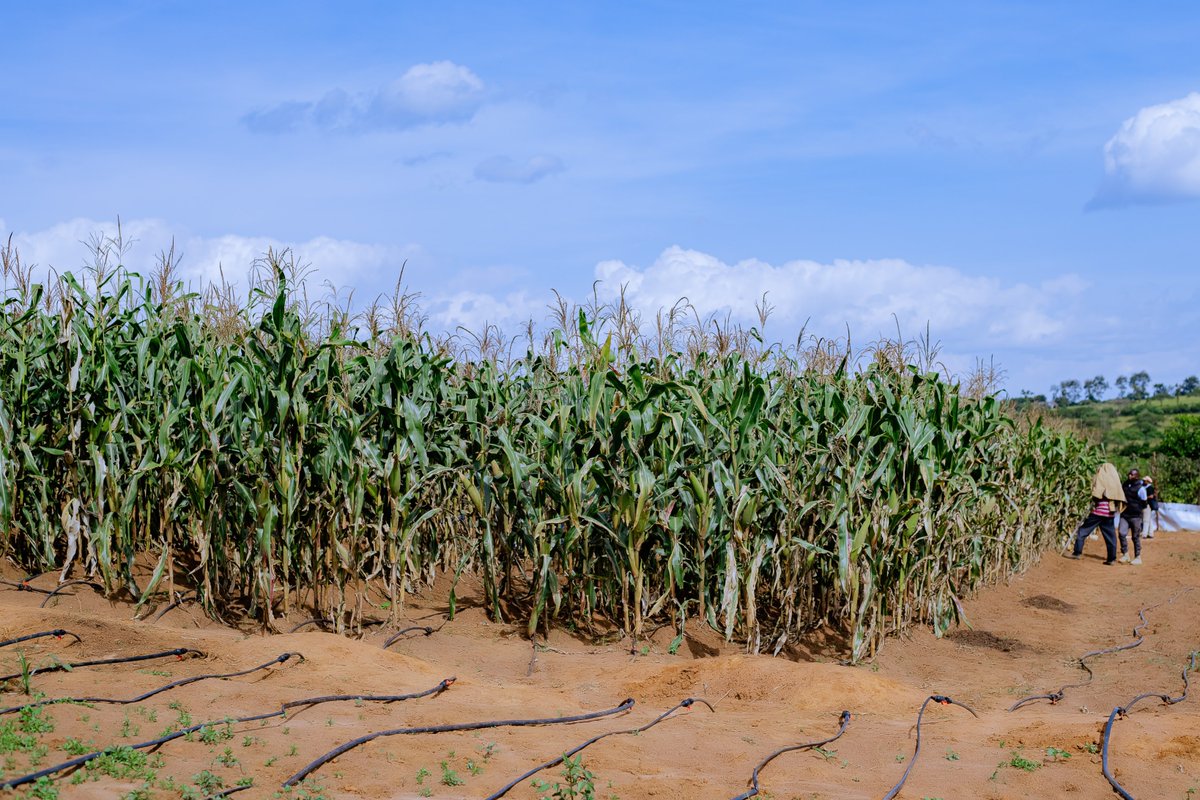
The evaluation of biotech maize varieties at Karama&Cyabayaga sites in @NyagatareDistr has shown promising results, with strong resistance to fall armyworm under the district’s warm tropical savanna climate, characterized by high temperatures, abundant sunshine, and low rainfall.
1
13
36
1,492
Rwanda Biotech Capacity Building retweeted

Connecting Science, Media, and Society: OFAB Rwanda Charts the Next Phase of Agricultural Biotechnology Awareness
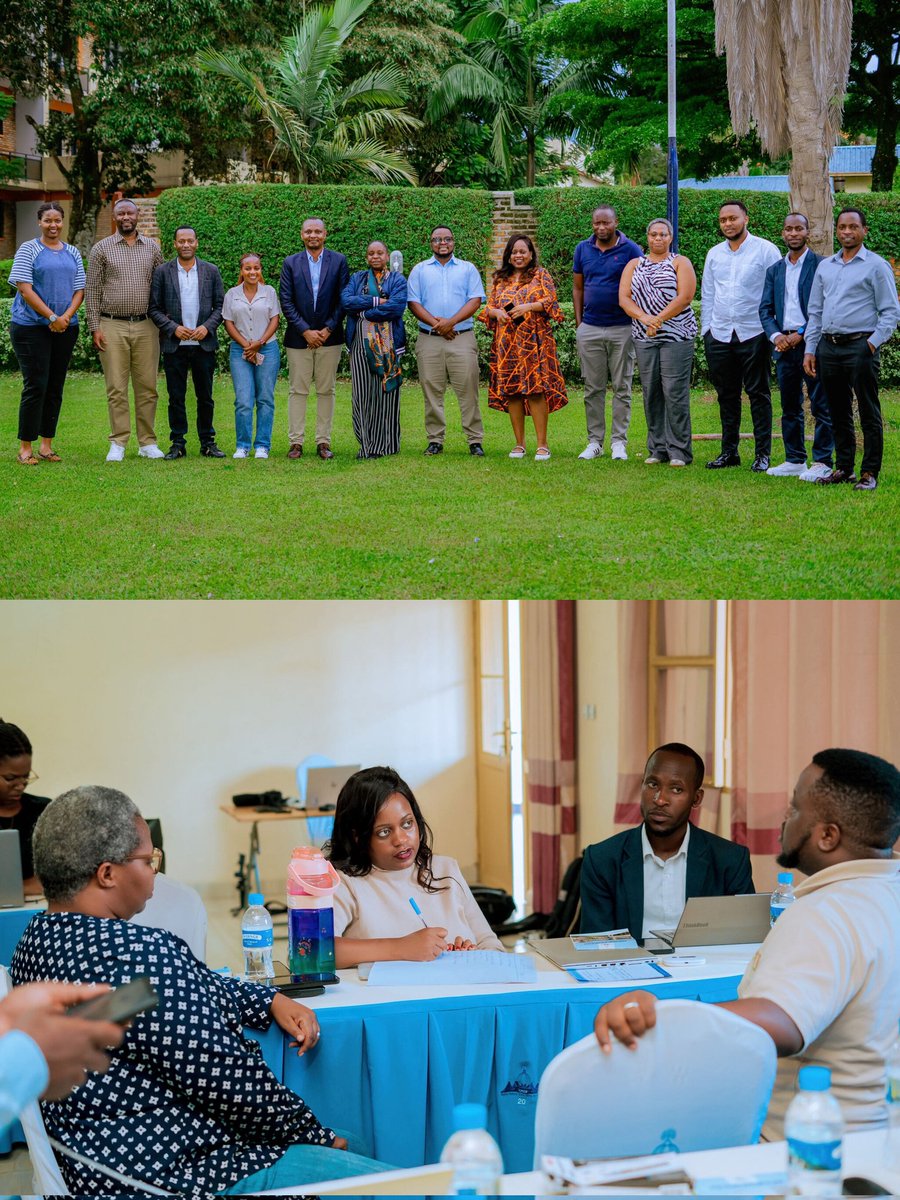
The OFAB Rwanda Chapter, through the sister project RABP-CMP, convened a 5-day workshop bringing together researchers, media professionals, communicators, digital influencers, and development partners to review achievements under OFAB 3.0 and contribute ideas toward the design of OFAB 4.0.
The workshop provides a strategic space for participants to assess the progress made in promoting public awareness and understanding of agricultural biotechnology and biosafety in Rwanda. Through media engagement, science communication, public dialogues, and awareness campaigns, OFAB 3.0 has played a key role in strengthening access to reliable scientific information and encouraging informed conversations on agricultural innovation.
Participants are also exchanging experiences, lessons learned, and recommendations aimed at enhancing future communication approaches, partnerships, and outreach strategies under the next phase of OFAB.
Over the years, OFAB has continued to bridge the gap between science and society by connecting researchers, journalists, communicators, and the public in evidence-based discussions that support innovation and sustainable agricultural development.
As the workshop continues, it highlights the growing value of collaboration between science, media, and communication in advancing agricultural transformation and public engagement in Rwanda.
Open Forum on Agricultural Biotechnology in Africa (OFAB) is a platform established by the African Agricultural Technology Foundation (AATF) to promote awareness and informed discussions about agricultural biotechnology and innovation in Africa. It brings together researchers, journalists, policymakers, farmers, and youth to share knowledge on modern agricultural technologies that can improve food security, climate resilience, and sustainable agriculture. Through trainings, workshops, and public engagement activities, OFAB helps strengthen science communication and supports agricultural transformation across Africa.
✍️ Alexis Nyandwi
15
22
1,308
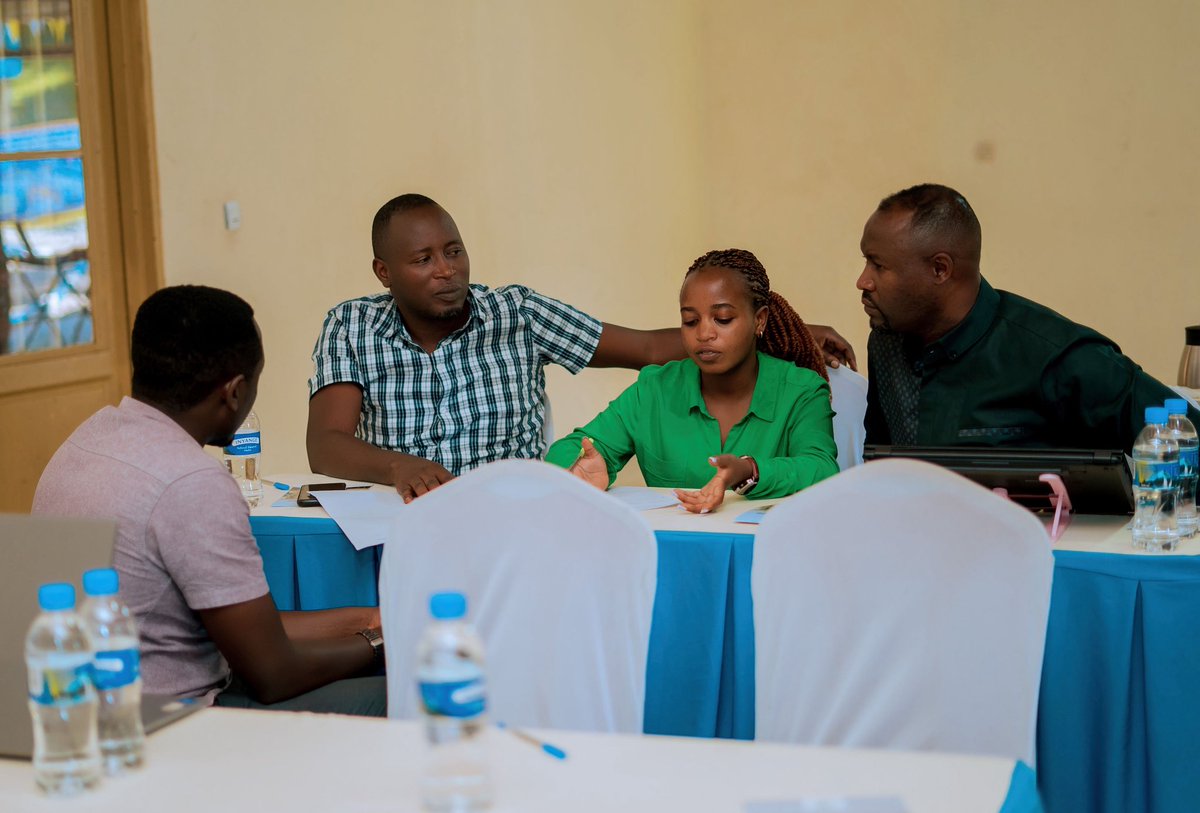
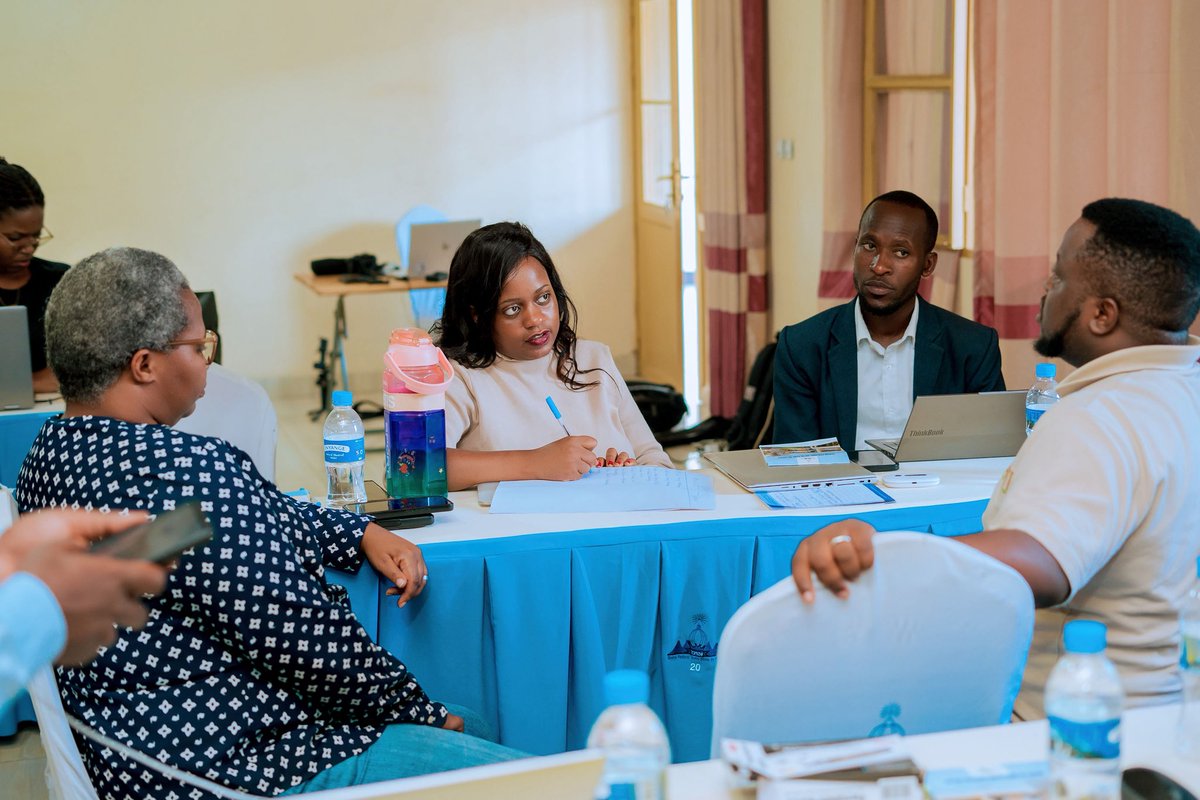
Under the sister project RABP-CMP, a 5-day workshop has brought together media, researchers, and communicators to review OFAB 3.0 impacts in Rwanda and contribute to planning for OFAB 4.0, strengthening science communication and agricultural biotechnology awareness.

1
9
14
321
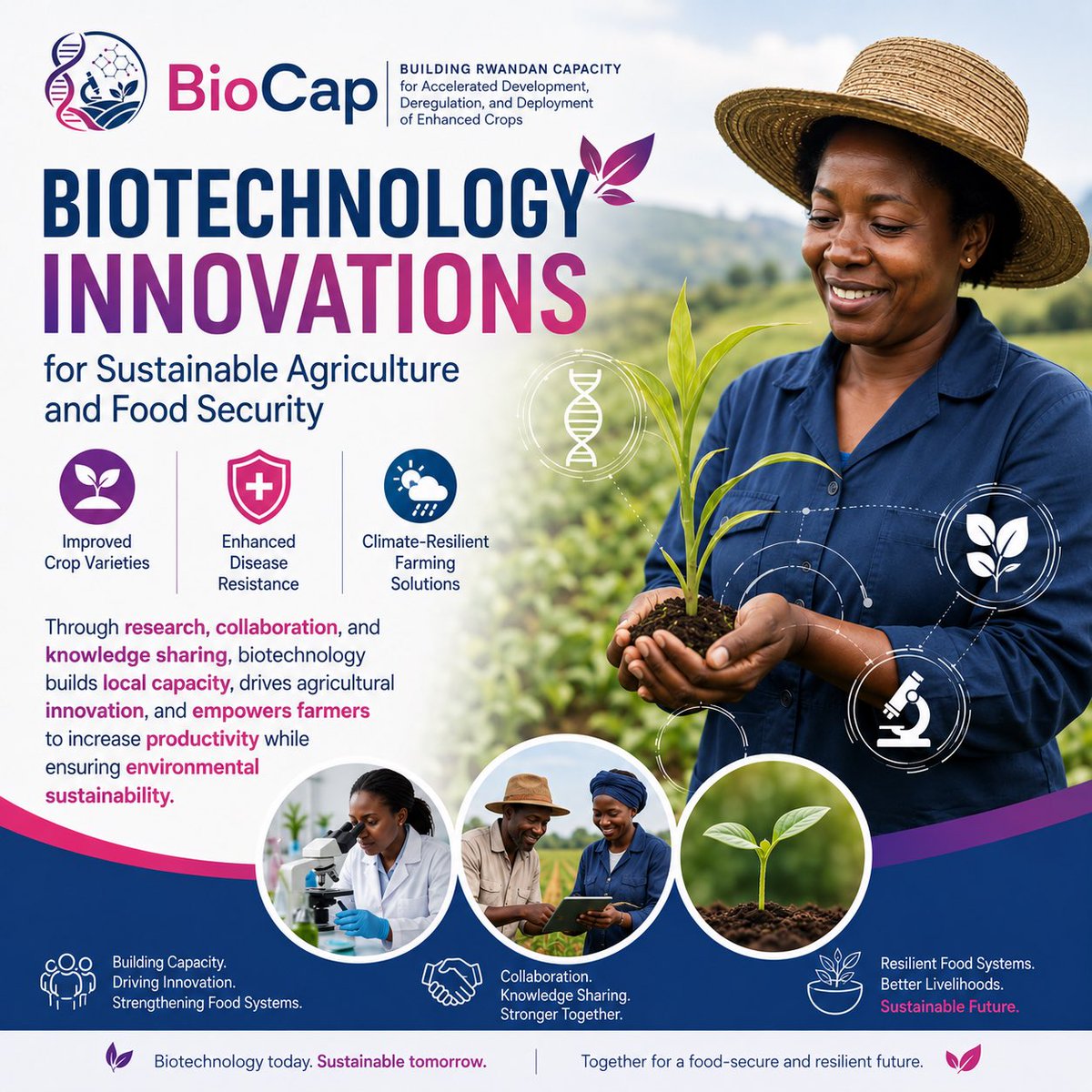
#Biotechnology contributes significantly to sustainable agriculture and food security by enhancing crop performance, strengthening climate resilience, and empowering farmers through agricultural innovation in alignment with the objectives of the BioCap initiative.
10
16
646
Iki kiganiro kiratambuka LIVE kuri Isango Star Radio
⏰ Saa 14h00 – 15h00
📍 91.5 FM & 105.5 FM
Mu rwego rwo kwizihiza Umunsi Mpuzamahanga wa DNA, uyu munsi haraba ikiganiro ku ruhare rwa DNA na Biotechnology mu guteza imbere ubuhinzi, ubuzima n’iterambere rusange ry’u Rwanda.
4
8
476
Rwanda Biotech Capacity Building retweeted

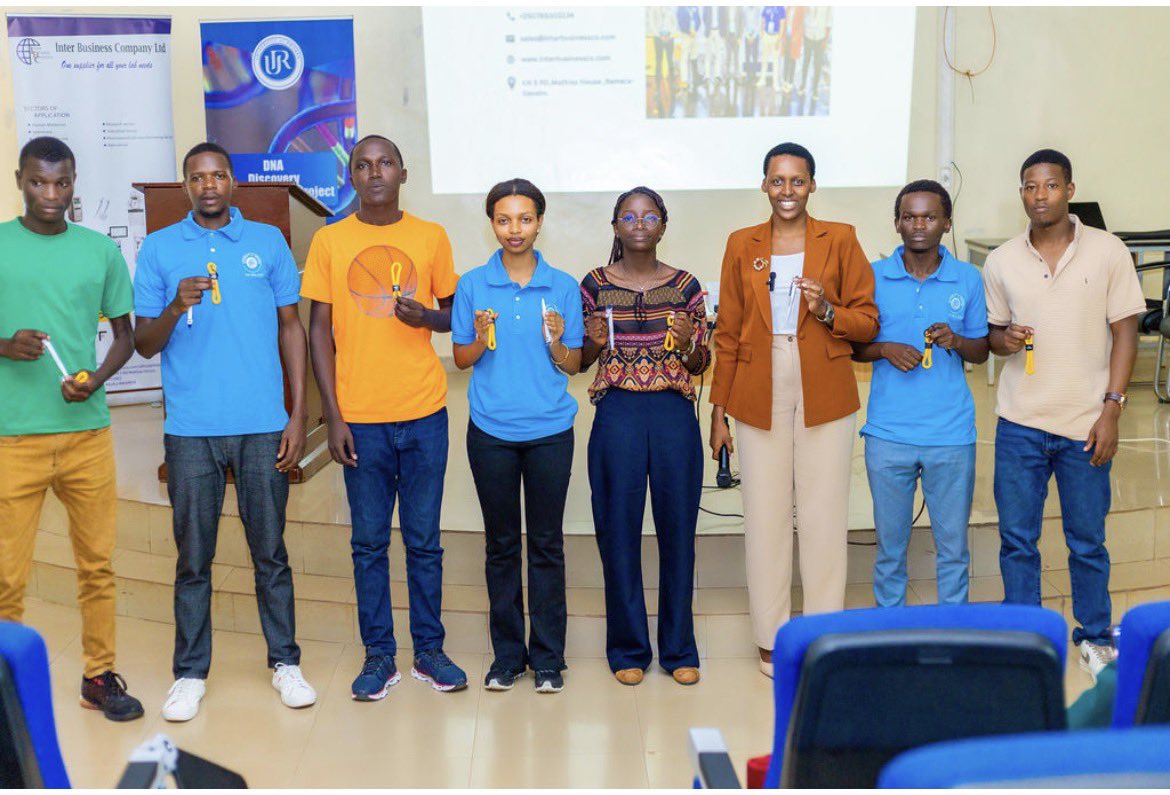
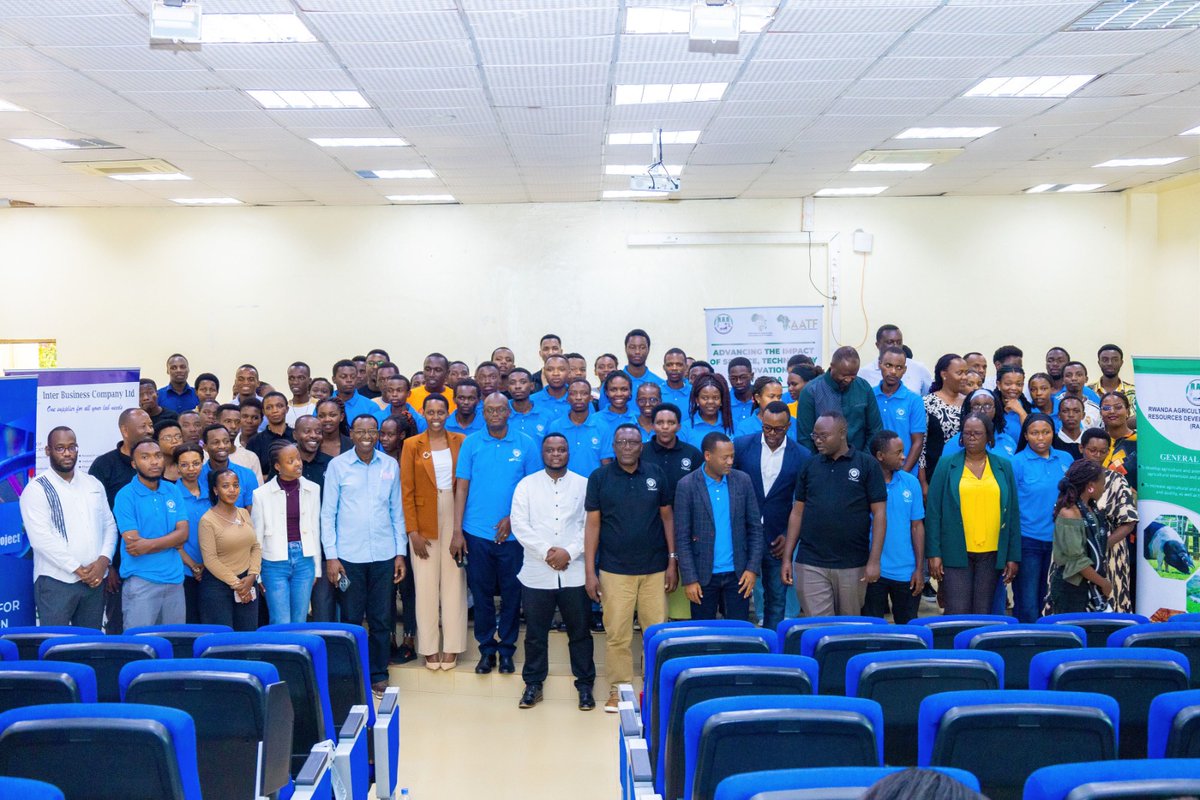
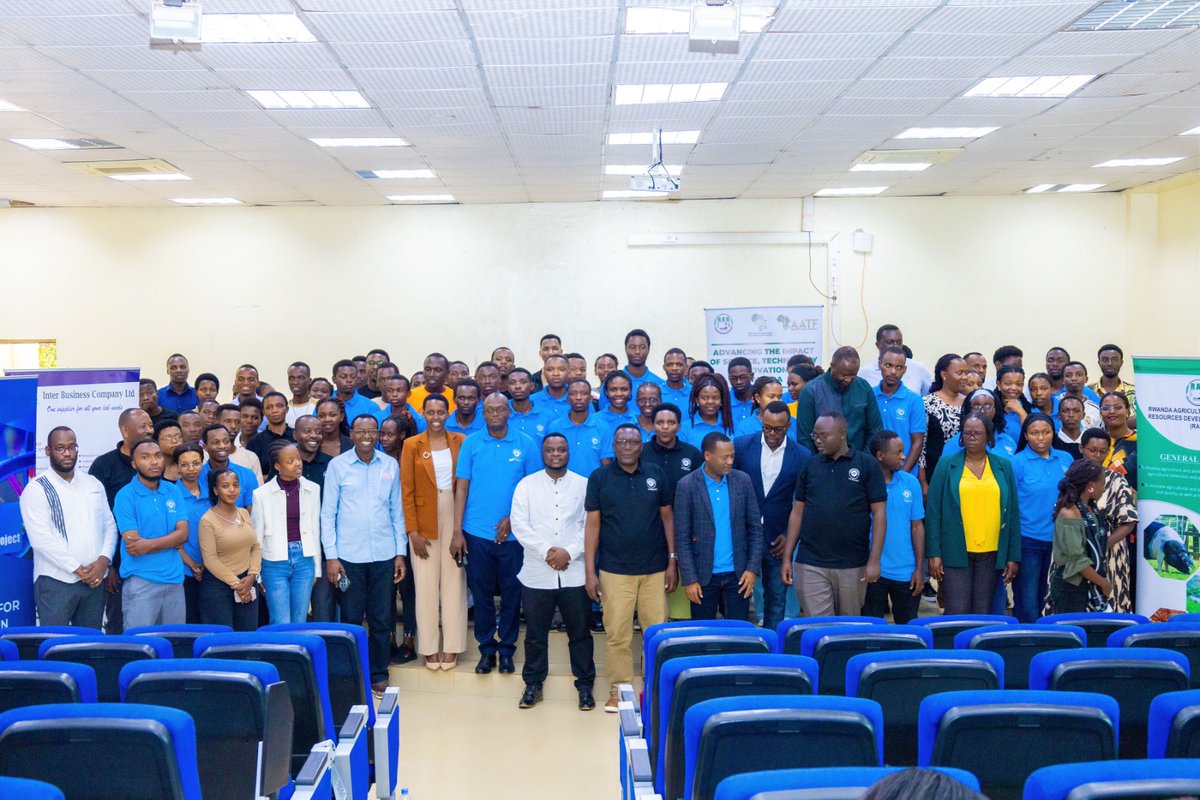
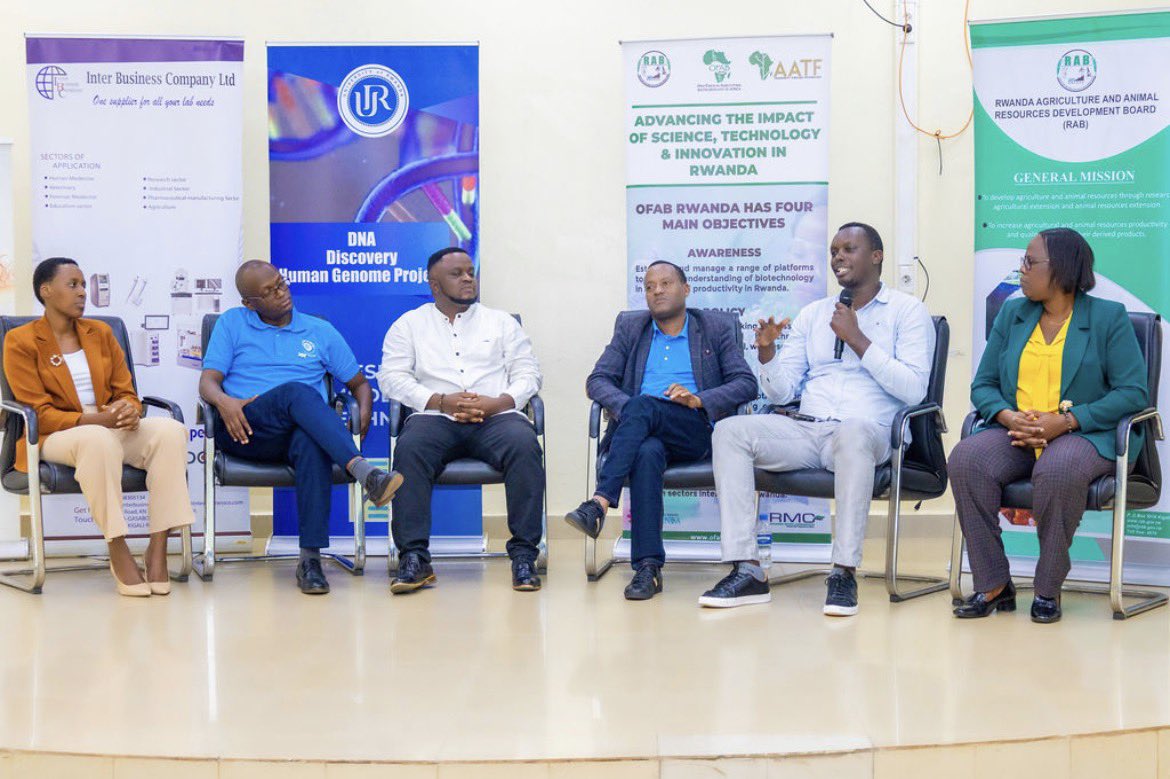
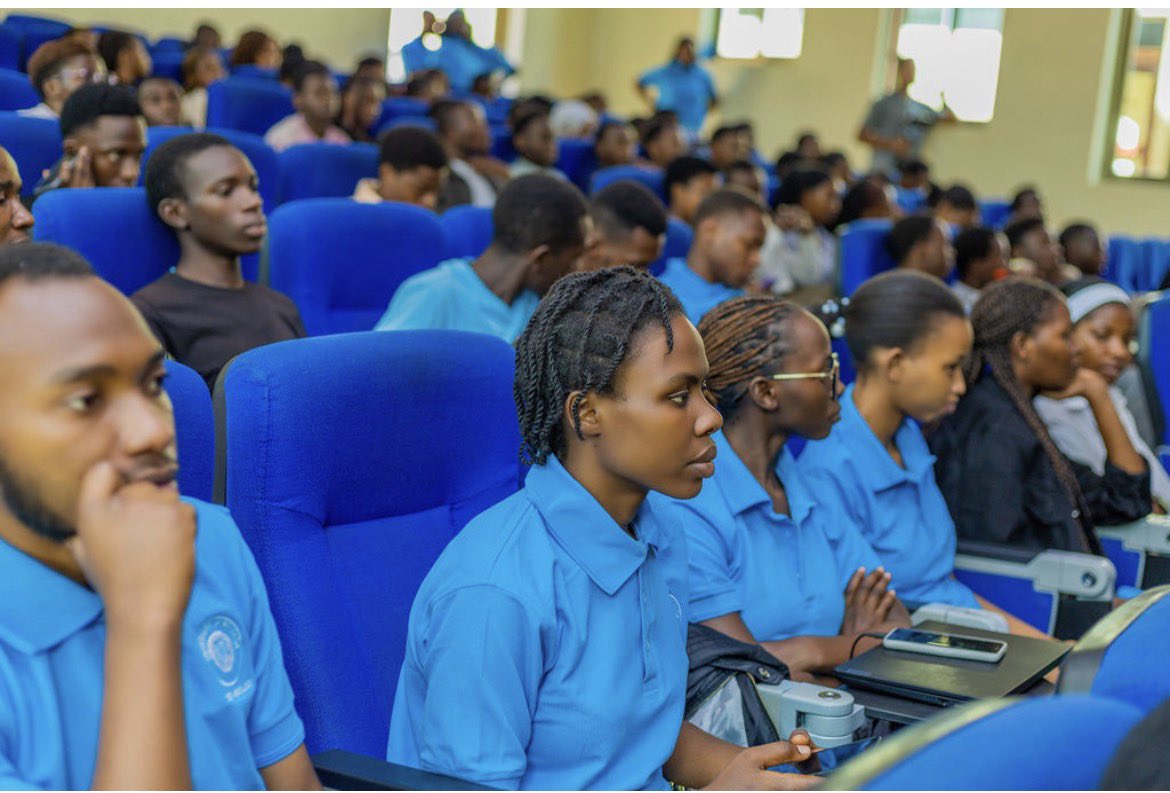
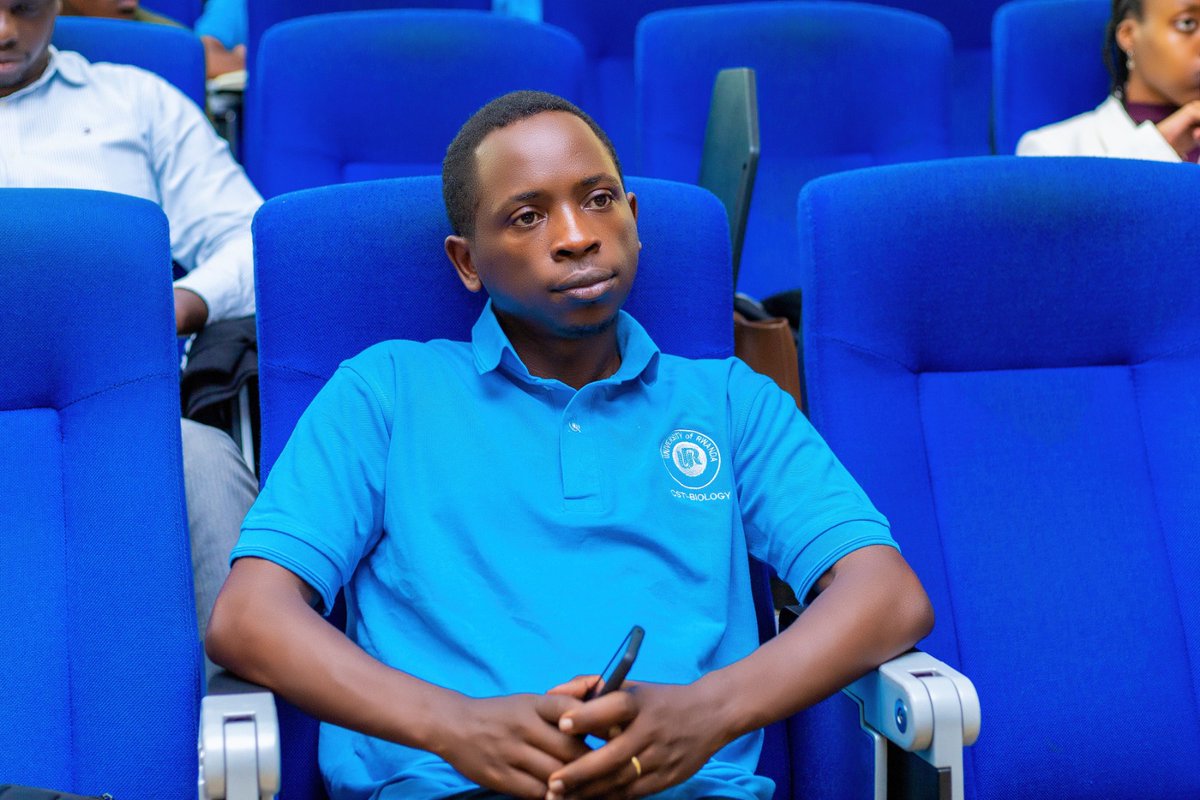
What a moment as we join @Uni_Rwanda to mark World DNA Week Rwanda 2026 at Muhazi Conference Hall.
A powerful gathering advancing biotech for health, agriculture, and sustainable development.
2
6
12
213
Rwanda Biotech Capacity Building retweeted

May 6
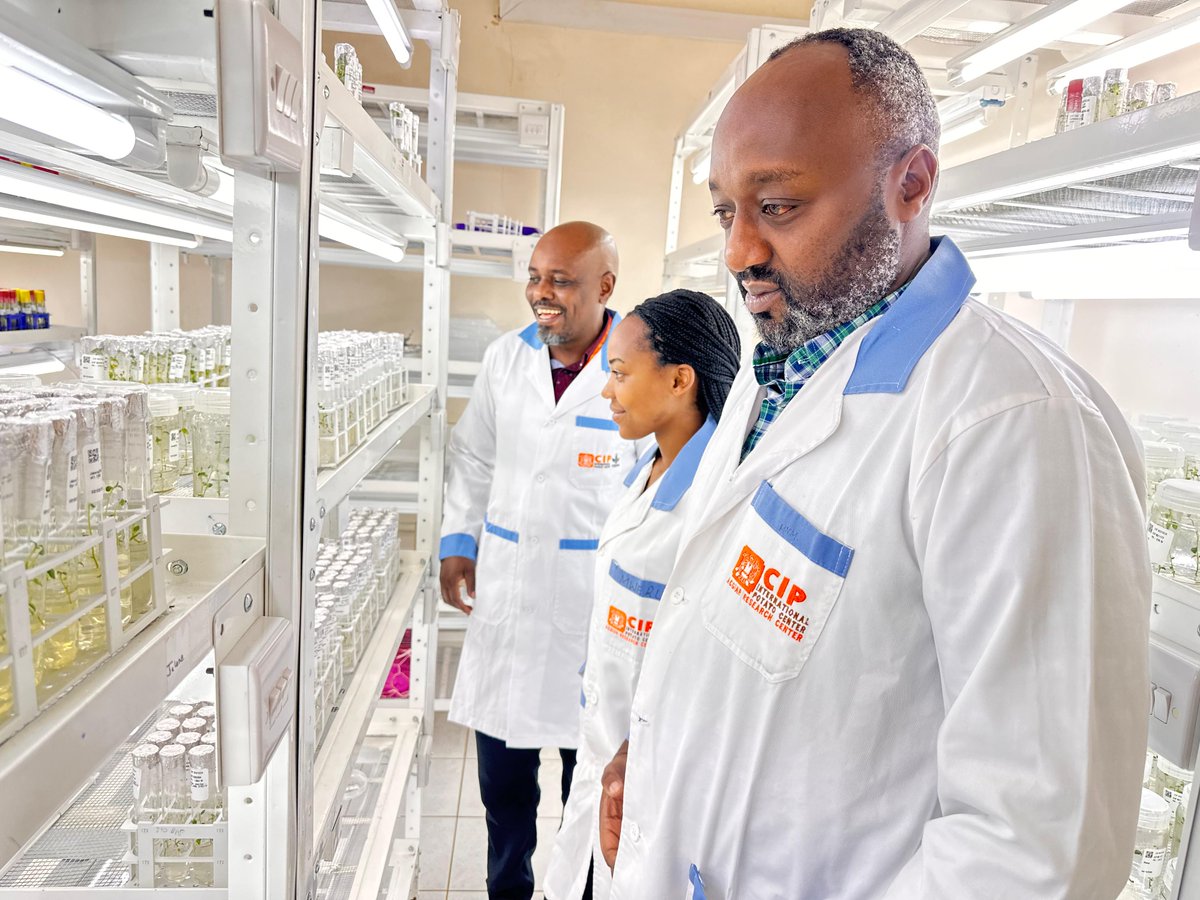
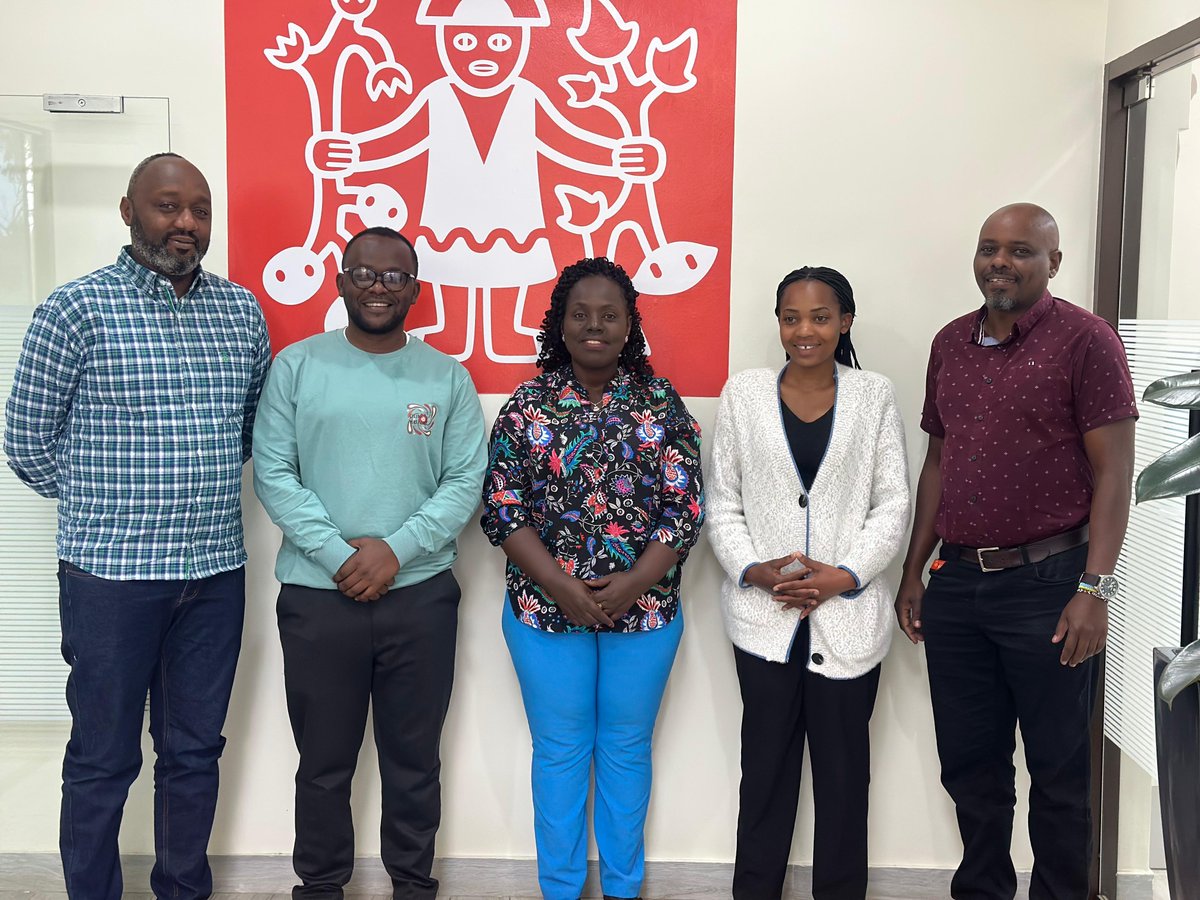
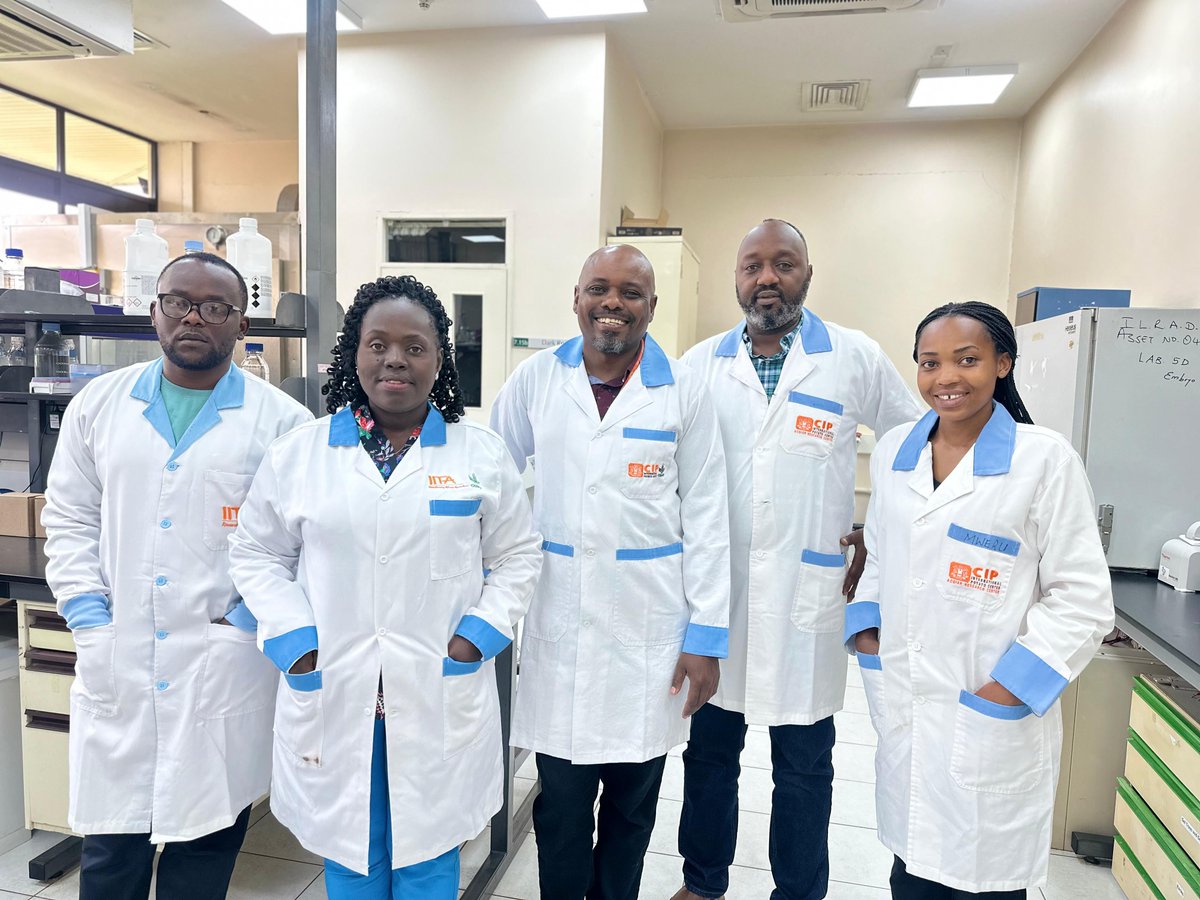
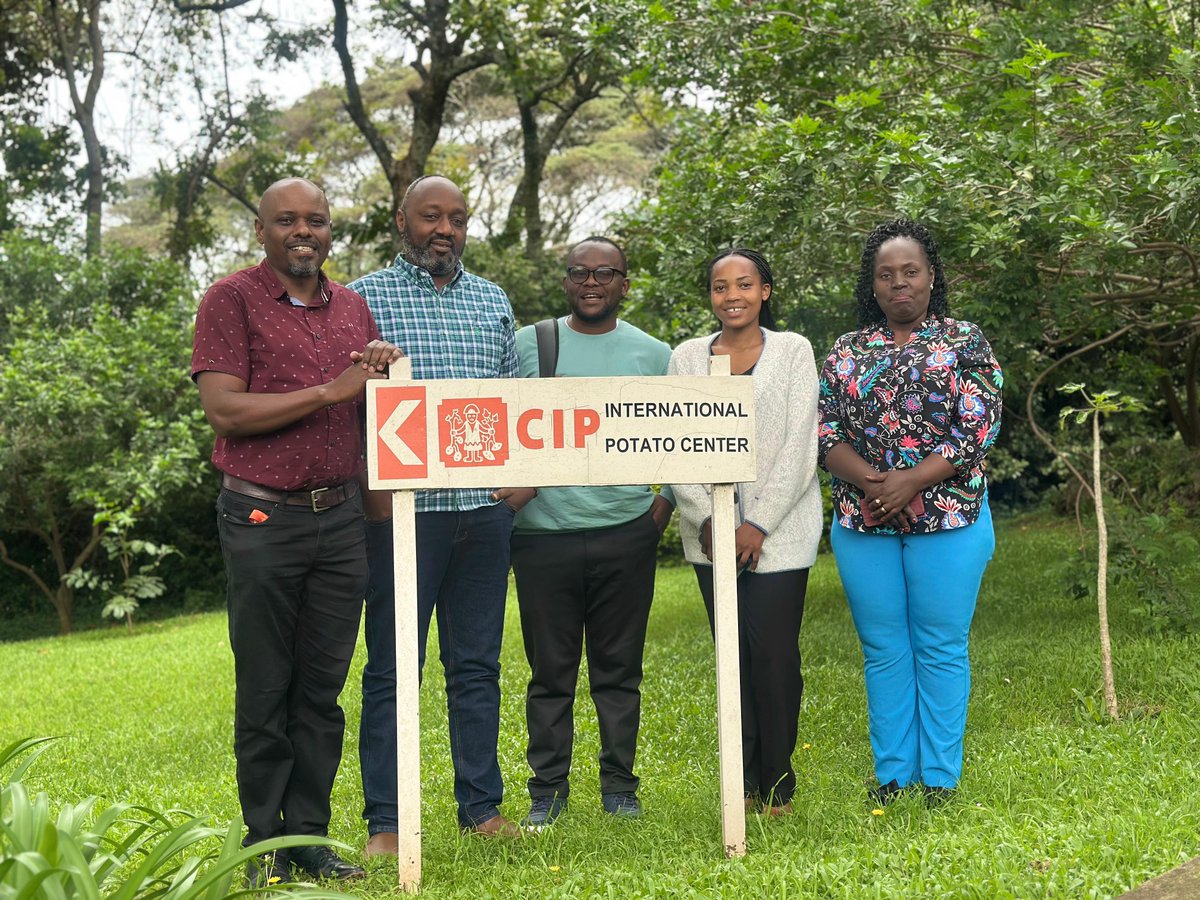
Excited to welcome the first cohort of trainees from the @RwandaAgriBoard under the @RwandaBioCap BioCap Program! 🎉
For the next 3 months, they’ll gain hands-on experience in potato transformation at @Cipotato and banana gene editing at @IITA_CGIAR in Nairobi, kenya. 🔬🌱
3
11
21
1,009
Dr Bellancilla UZAYISENGA

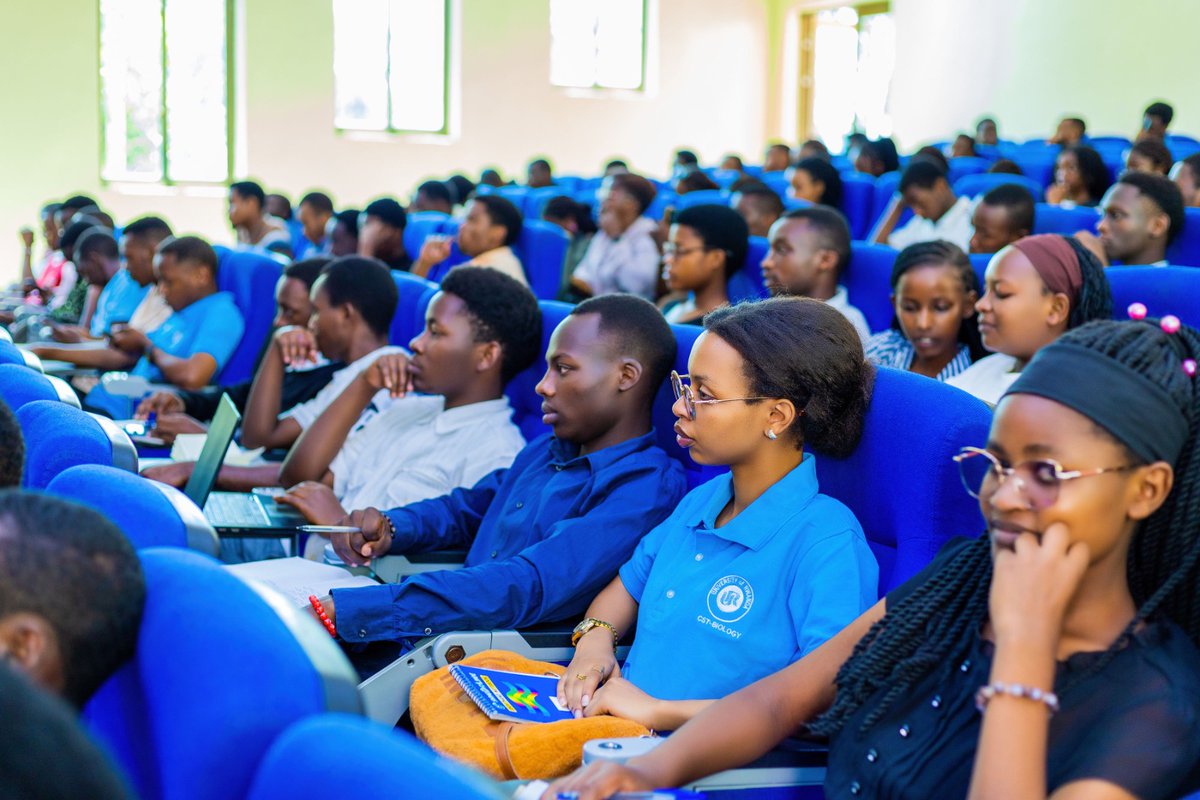
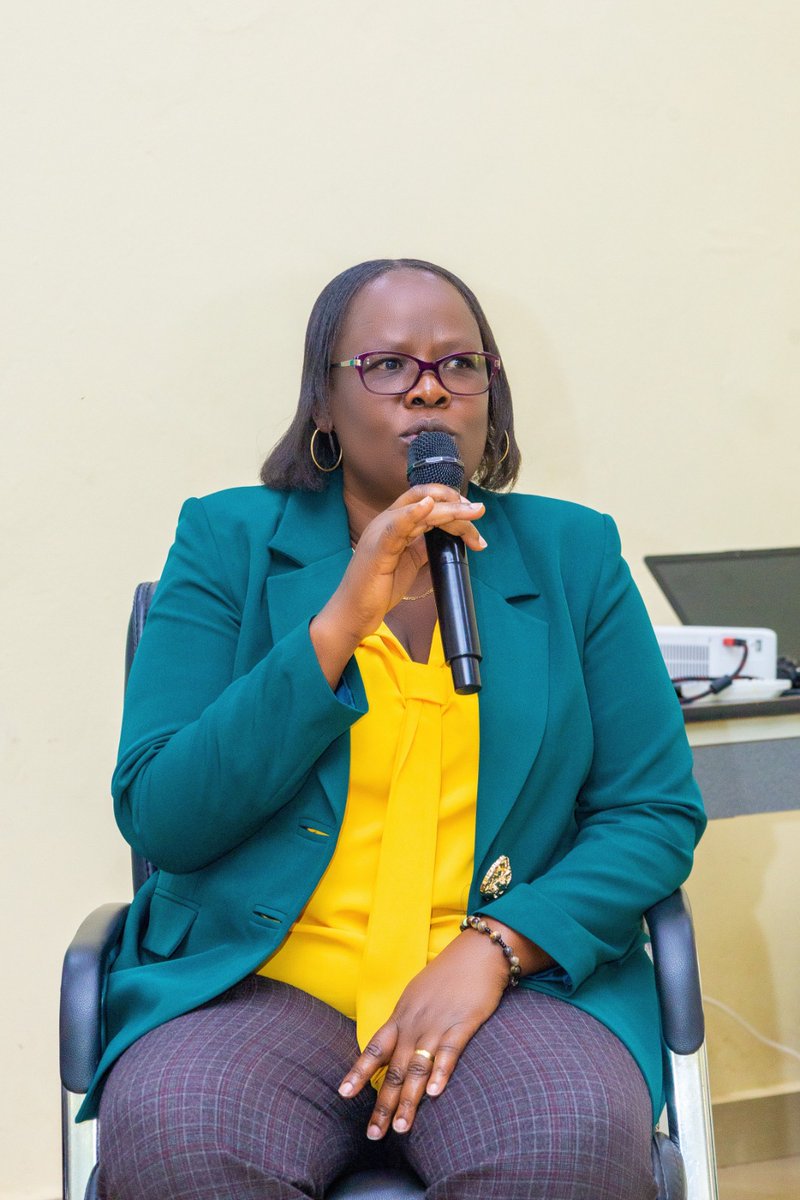
During the event, Dr Bellancilla Uzayinga presented the BioCAP project, a 5-year initiative to advance agricultural biotechnology in Rwanda. It will establish a Centre of Excellence at RAB Rubona, focusing on improving potato, cassava, & banana production through innovation,.....
34
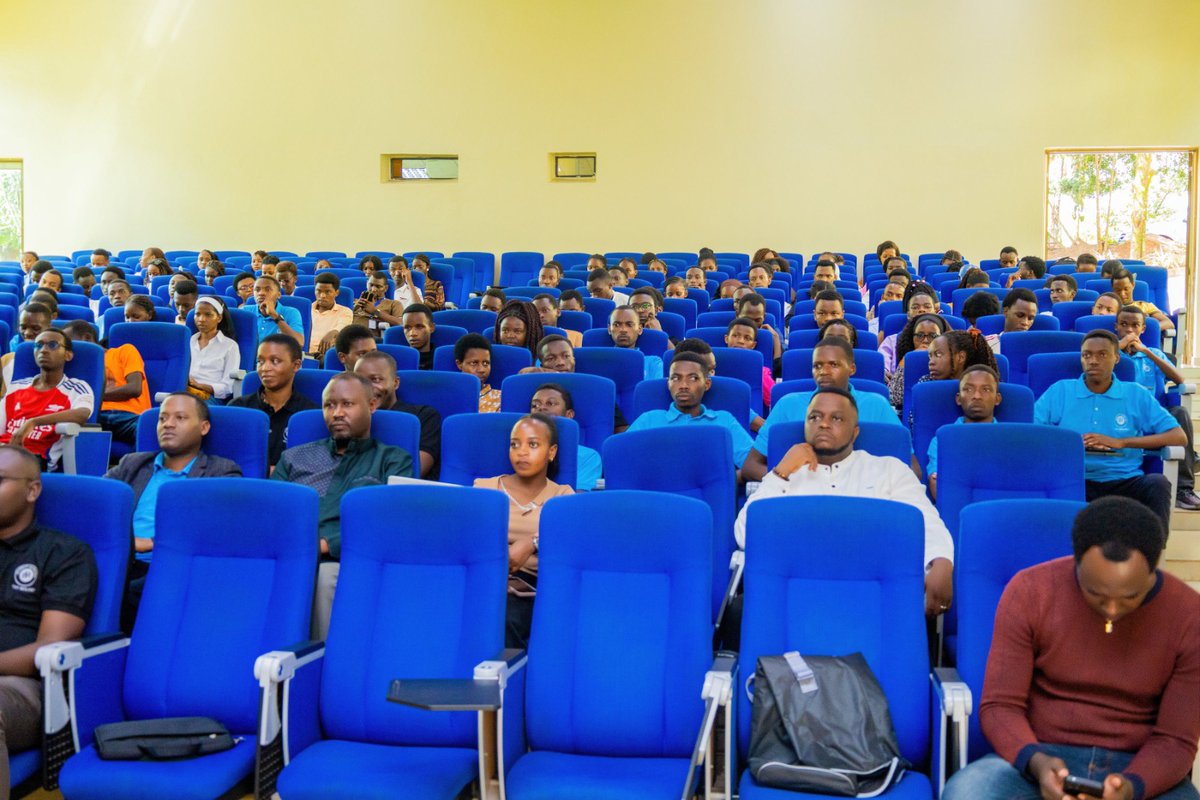
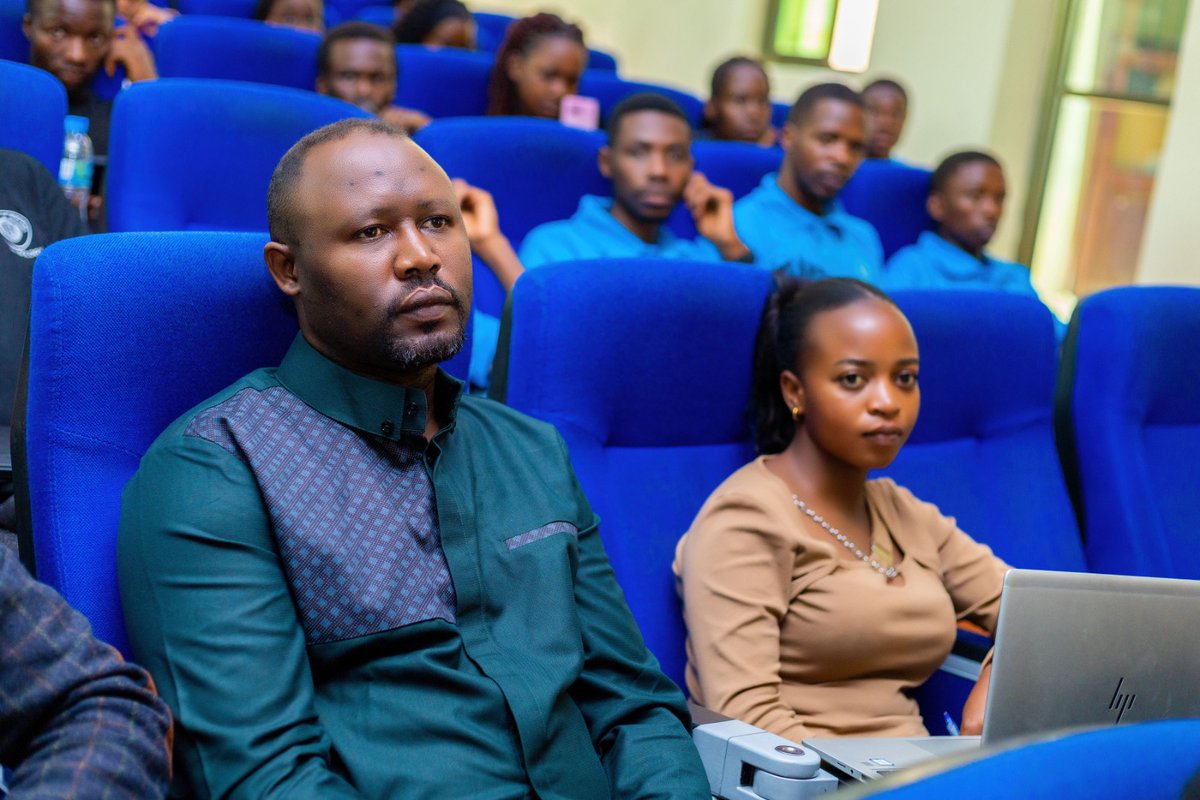
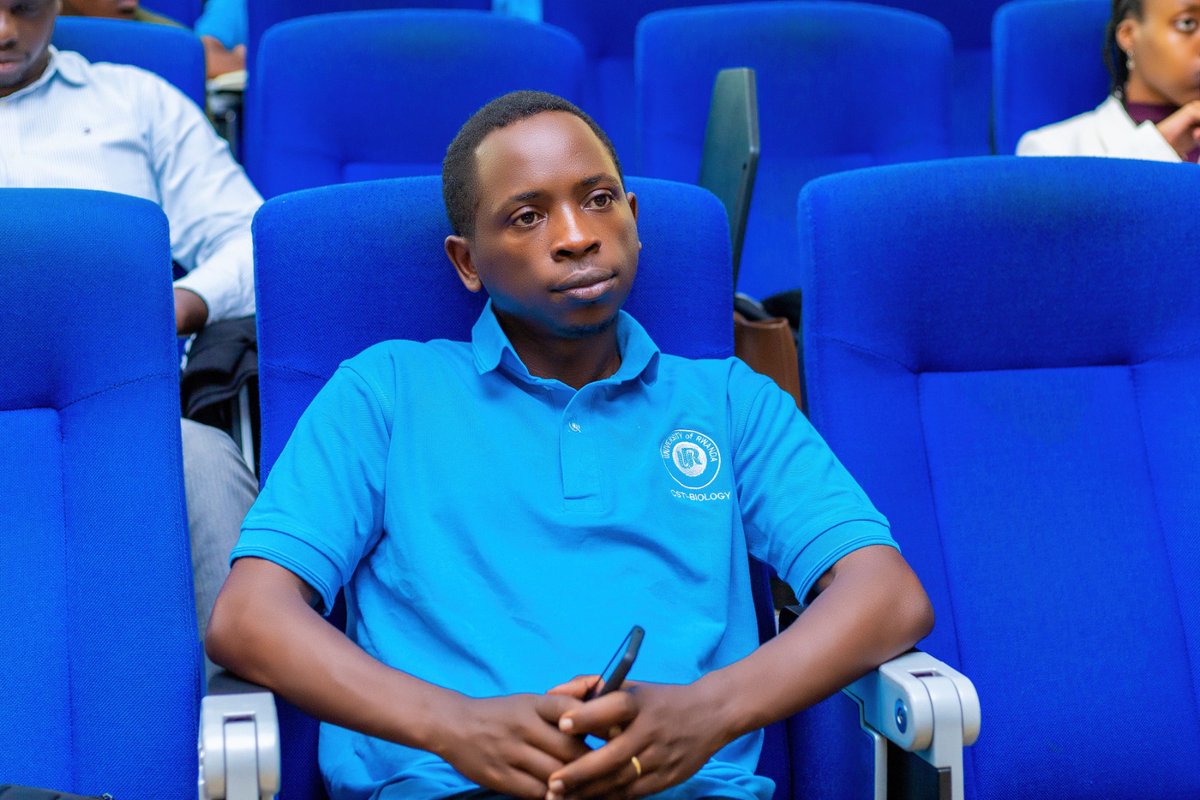
What a moment as together with @Uni_Rwanda, we mark World DNA Week Rwanda 2026 today at Muhazi Conference Hall
A powerful gathering advancing biotechnology awareness, innovation, and its role in improving health, transforming agriculture, and driving sustainable development.
3
12
15
604
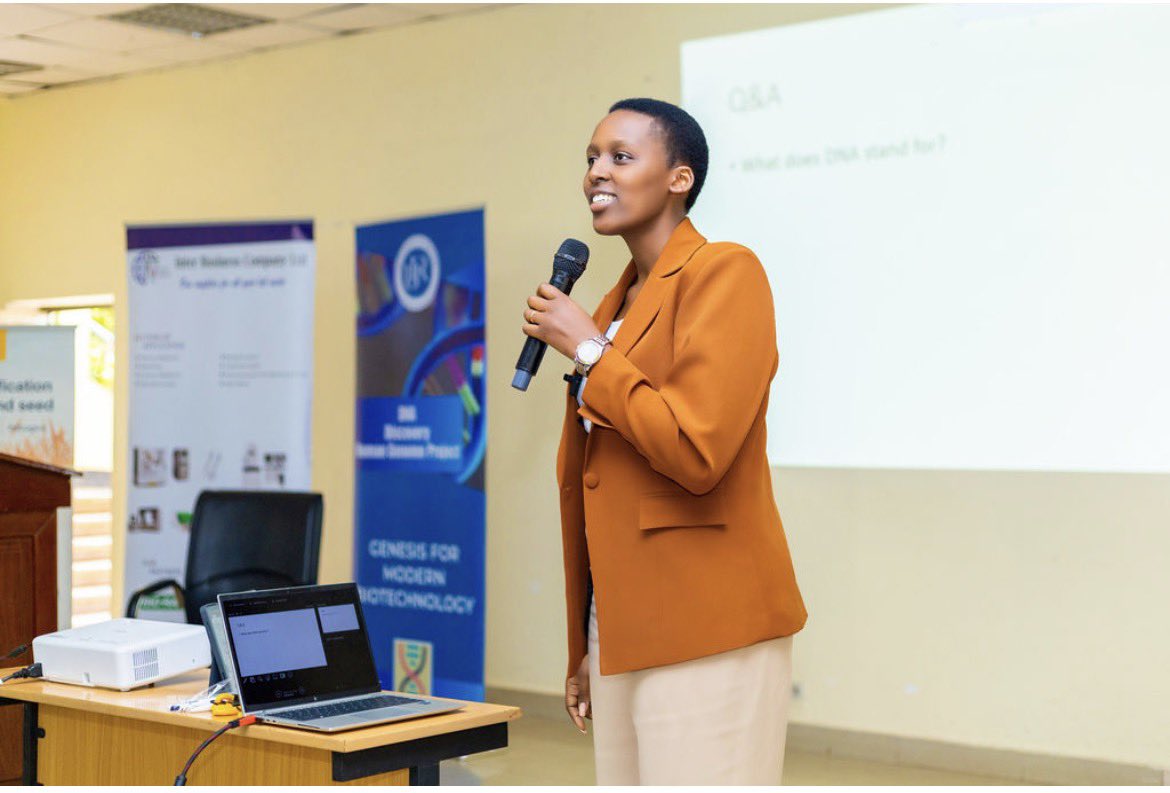
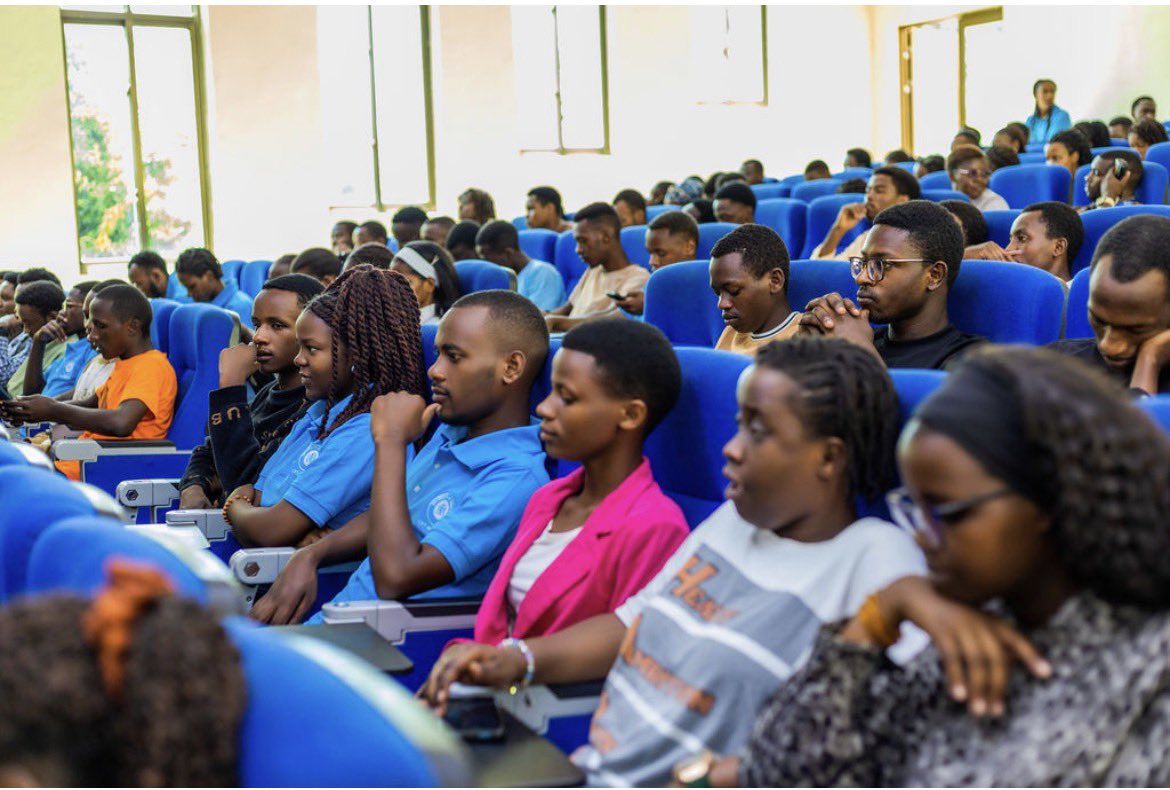
The Inter Business Company brought a practical and interactive perspective to the session, showing how DNA work moves from theory into real-life application.
They highlighted its role in supporting laboratories covering the full DNA workflow, from sample collection to analysis.
1
5
5
199
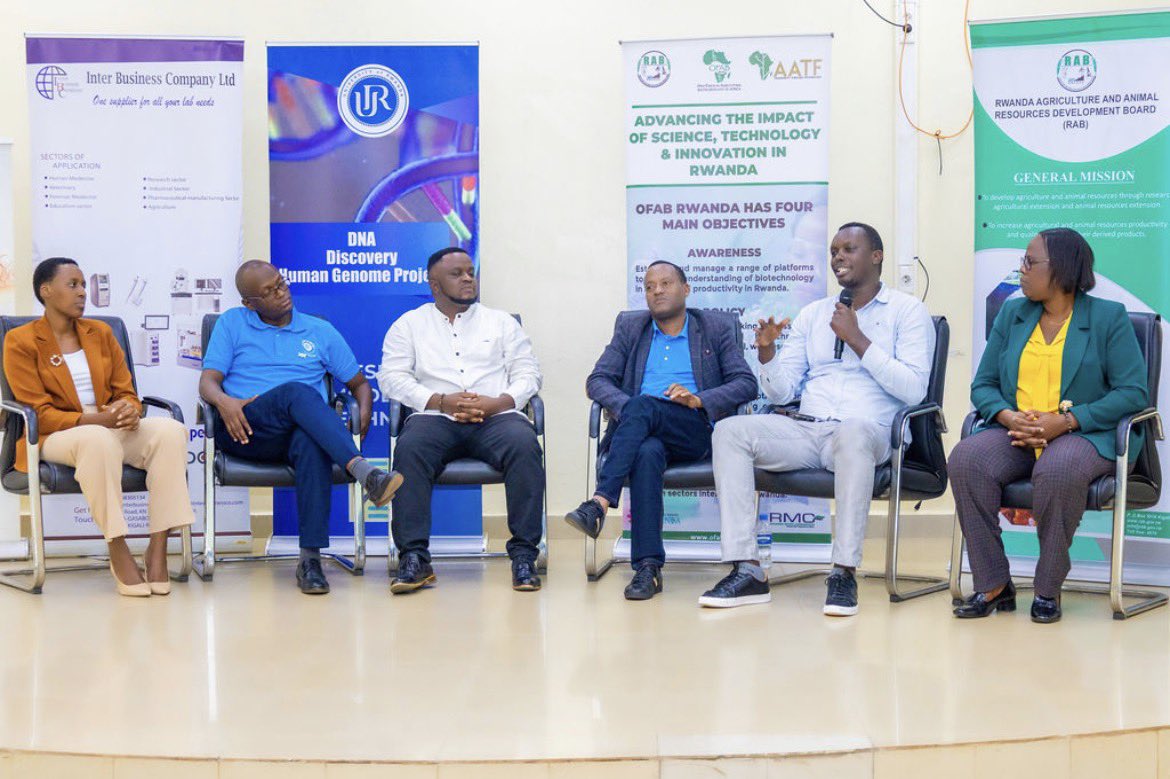
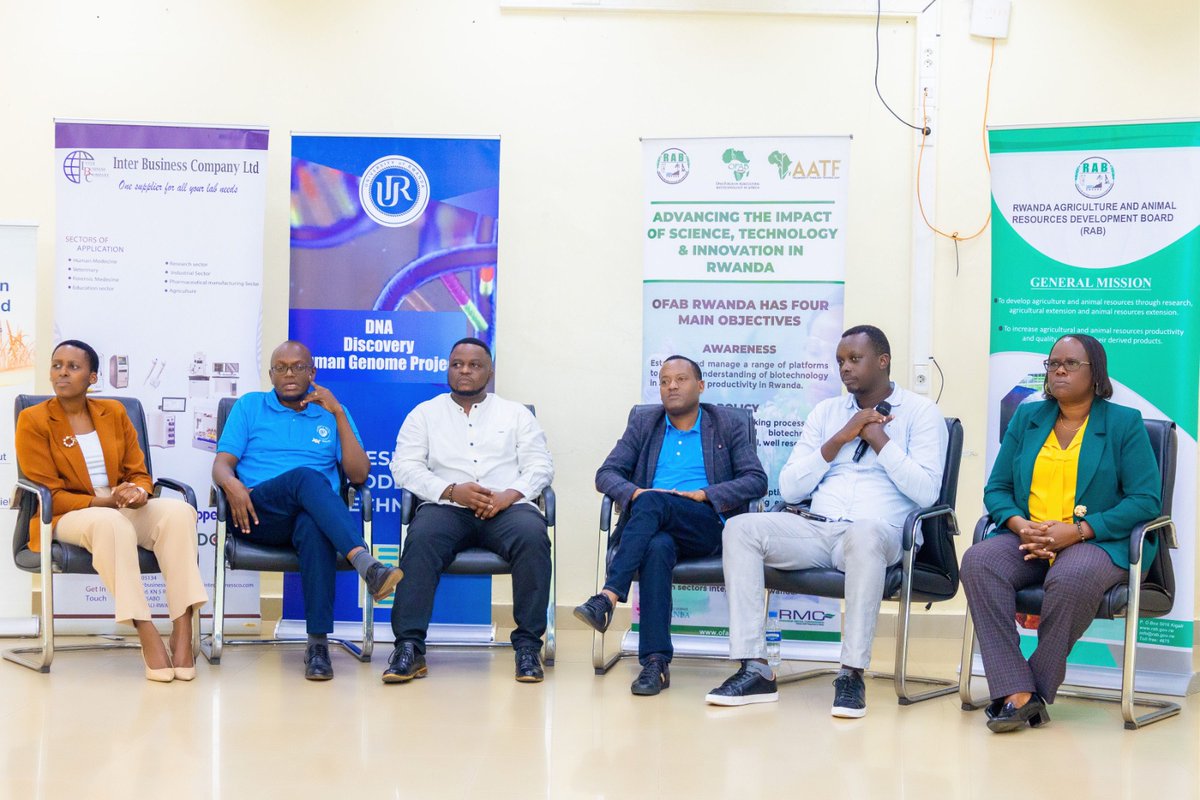
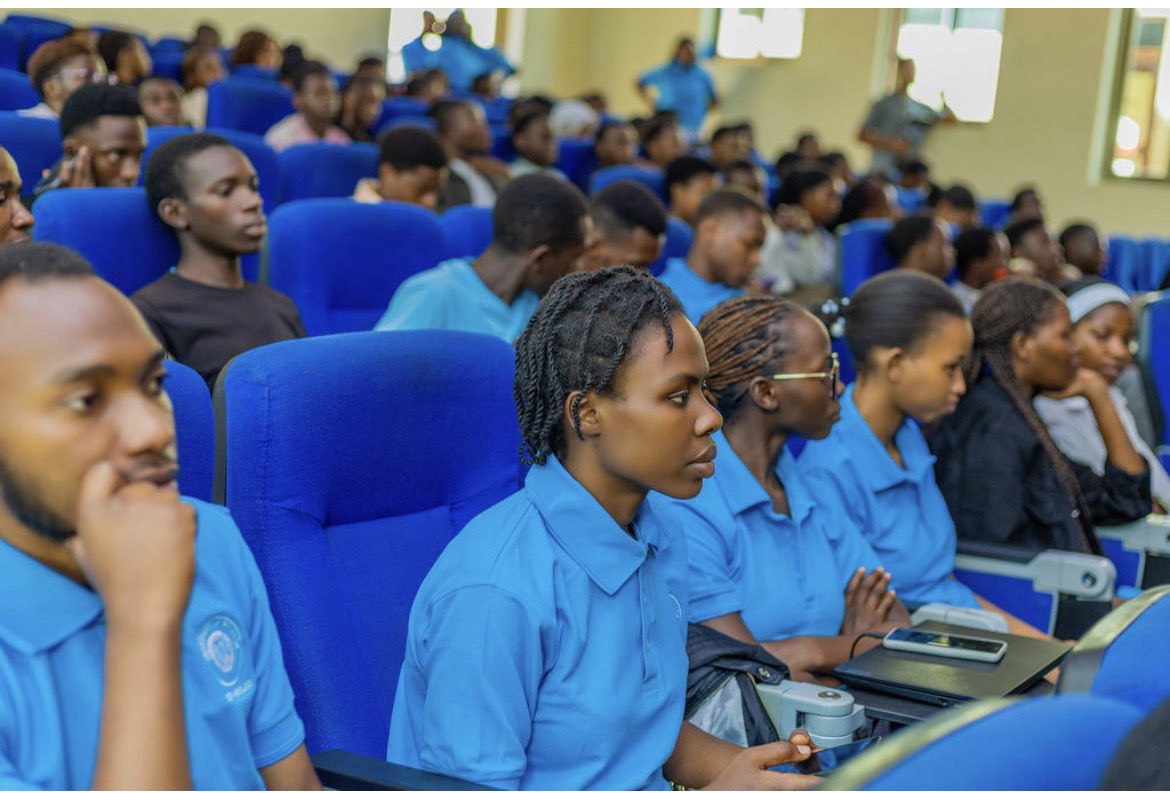
The panel discussion highlighted strong opportunities for collaboration in biotechnology through training, research, and student involvement.
Institutions emphasized opening access to labs, internships, and practical learning so students can move beyond theory,….
2
2
5
110
There was also a strong call for capacity building and better communication, encouraging young scientists to understand, explain, and support biotechnology in society.
2
37
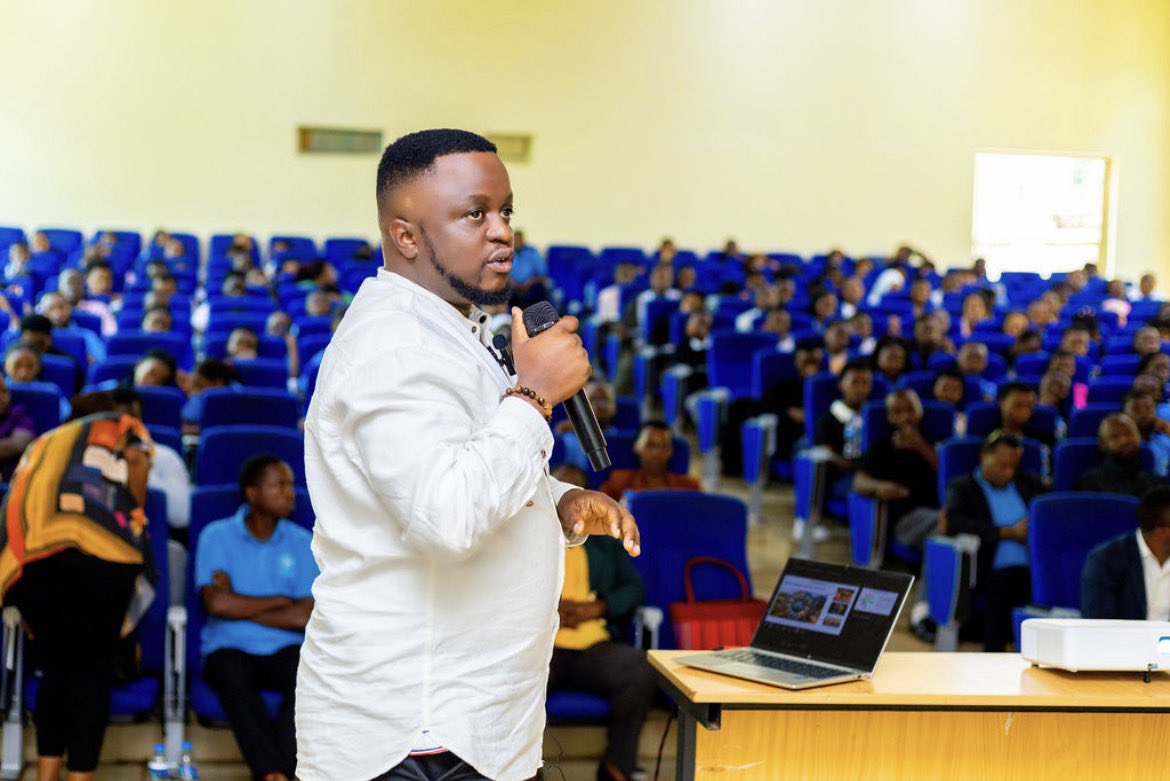
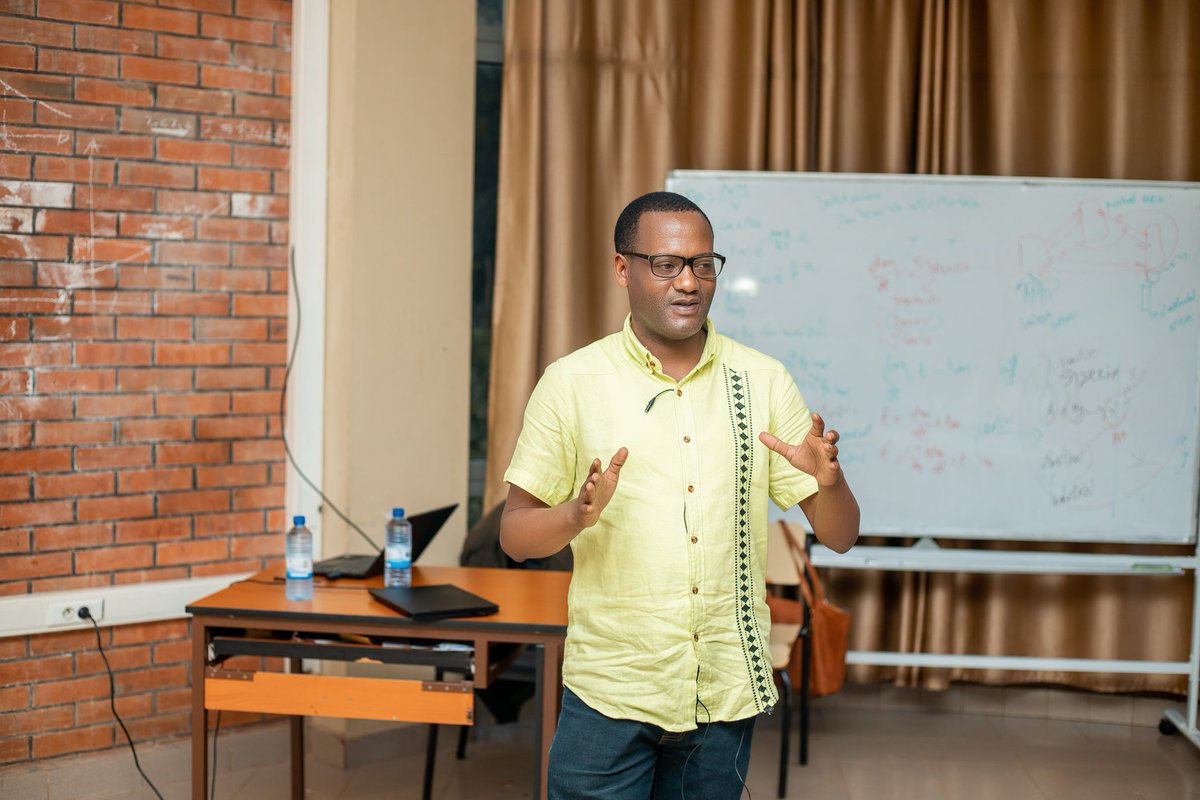
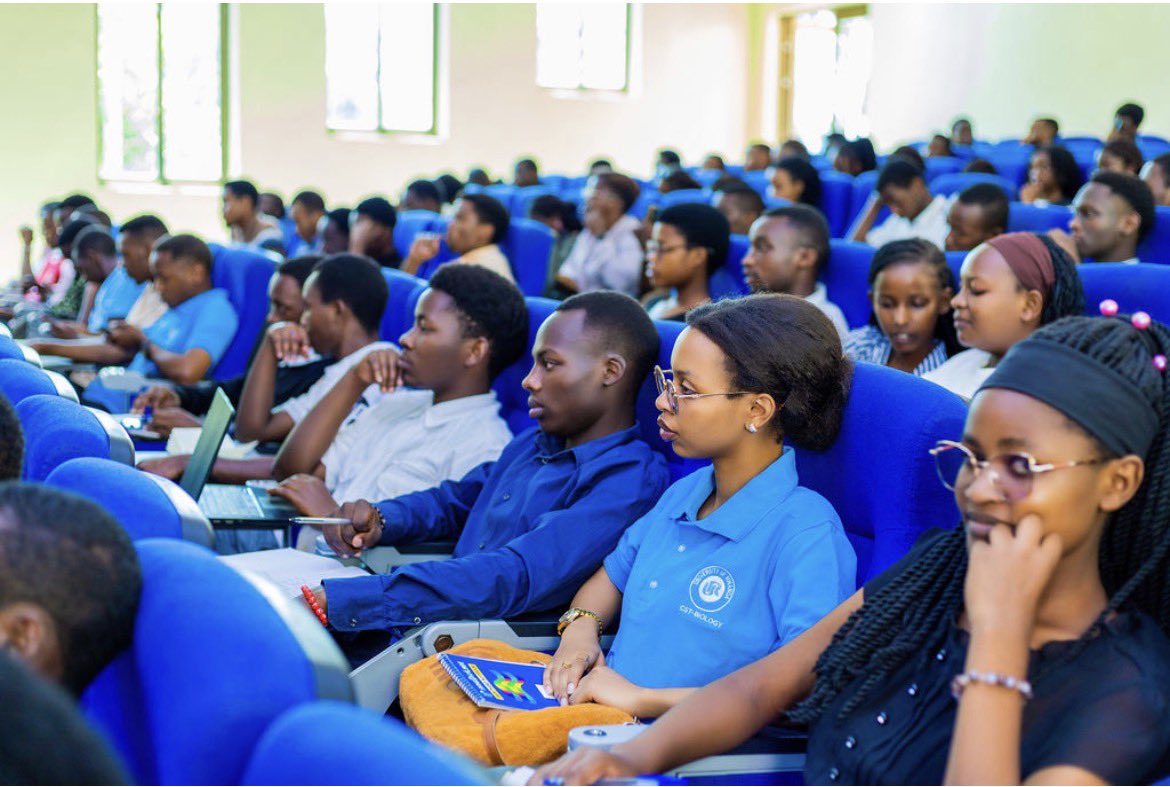
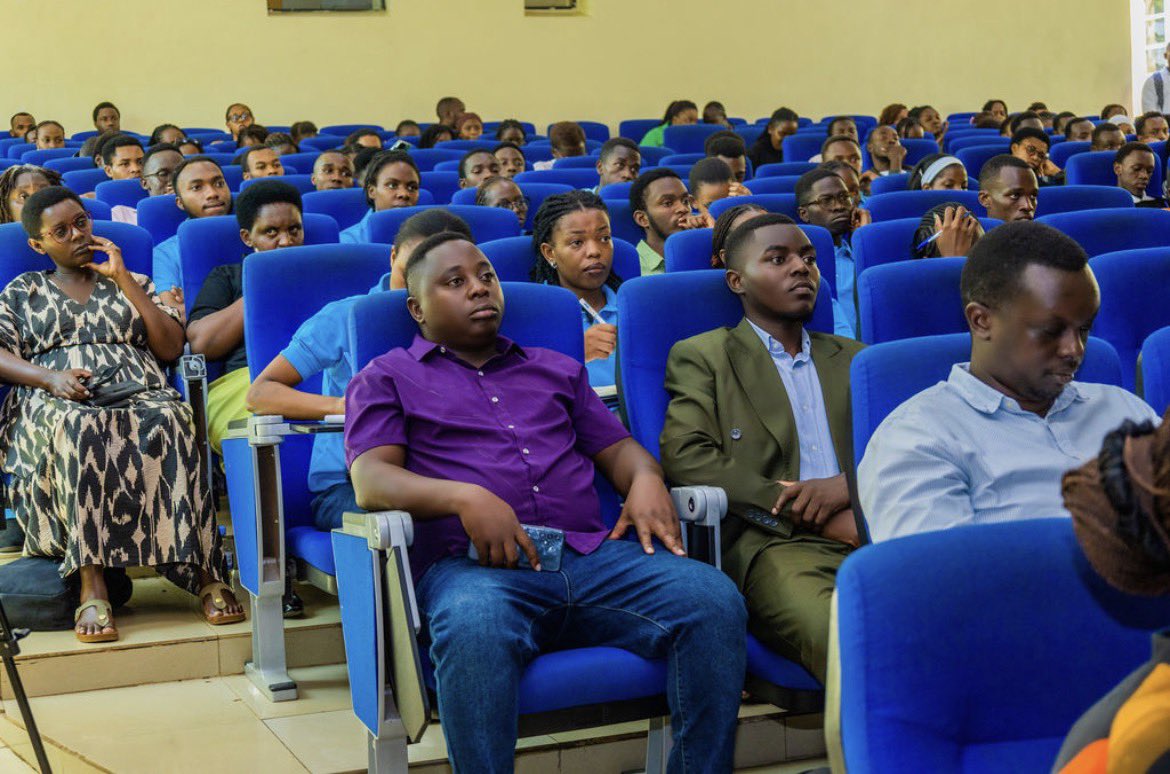
The session took a practical turn when Dr. Léonce stepped in to talk about “Engineering Resilient Crops: Biotechnology in Action.”
He gave examples of crops like potato, cassava, and maize that are being improved to resist diseases and pests using DNA-based technologies.
6
7
274
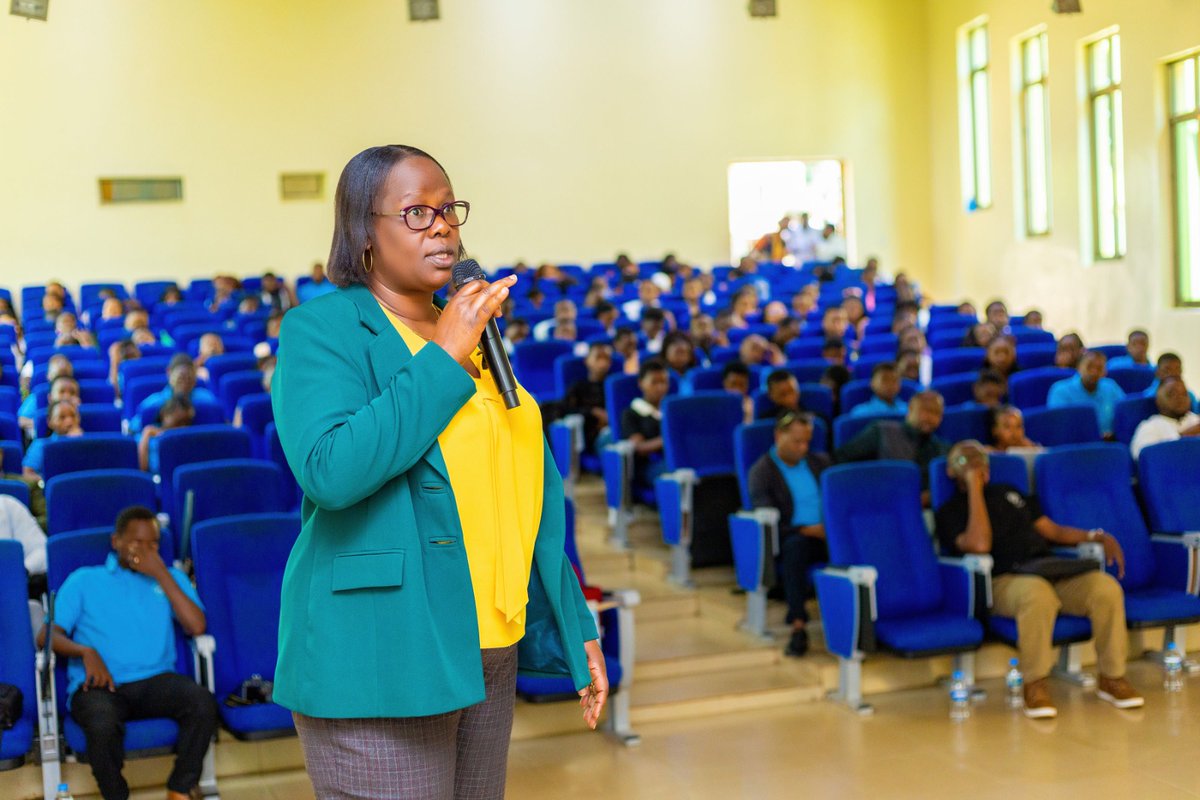
During the event, Dr Bellancilla Uzayinga presented the BioCAP project, a 5-year initiative to advance agricultural biotechnology in Rwanda. It will establish a Centre of Excellence at RAB Rubona, focusing on improving potato, cassava, & banana production through innovation,.....
1
4
10
296
We are pleased to join @Uni_Rwanda for World DNA Week Rwanda 2026, taking place on May 6, 2026 at Muhazi C Hall. The event aims to advance biotechnology awareness, foster innovation, and highlight its critical role in improving health, agriculture, and sustainable development.
7
14
400
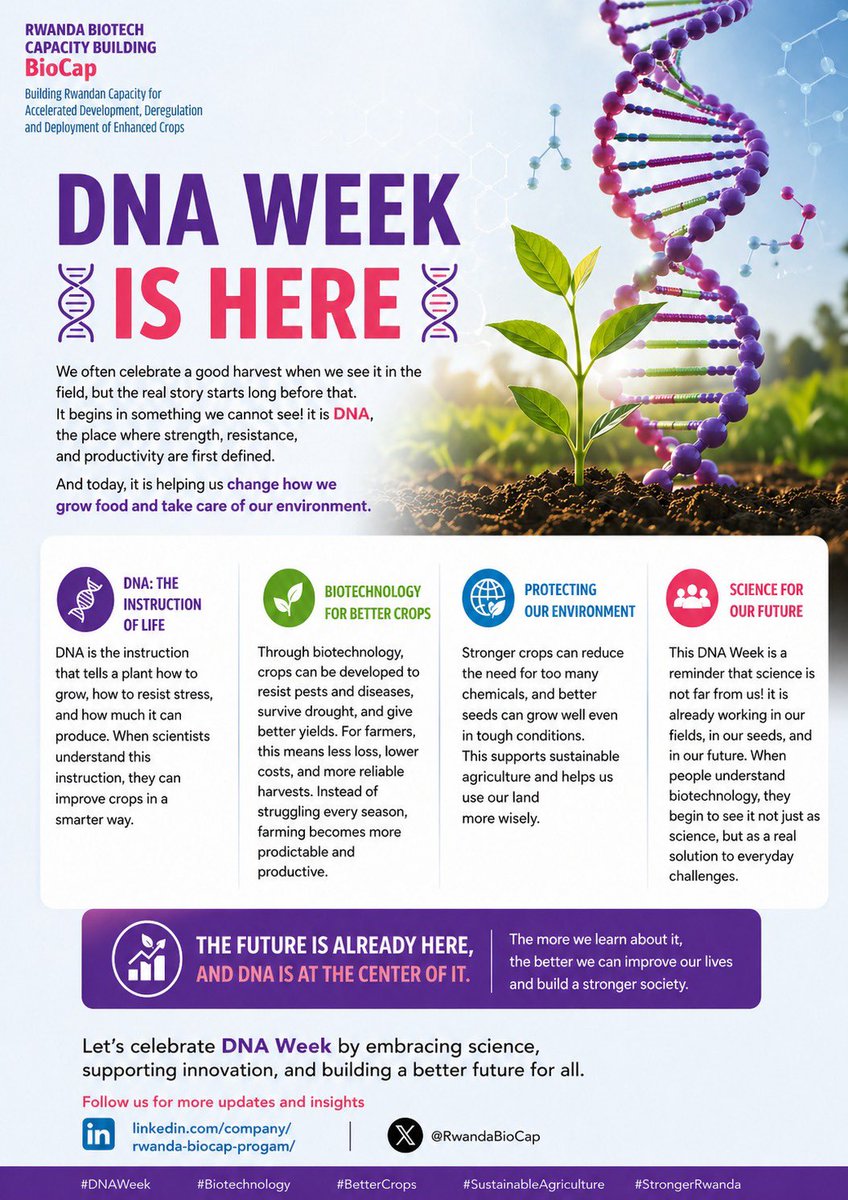
🧬 DNA Week Is Here
DNA is the foundation of crop growth and resilience, shaping agricultural success from the very beginning.
Through biotechnology, improved crops are developed to withstand challenges and enhance productivity.
#TalkBiotechRw #ScienceForFood
#DNAWeek
3
8
11
516
Rwanda Biotech Capacity Building retweeted

Apr 28
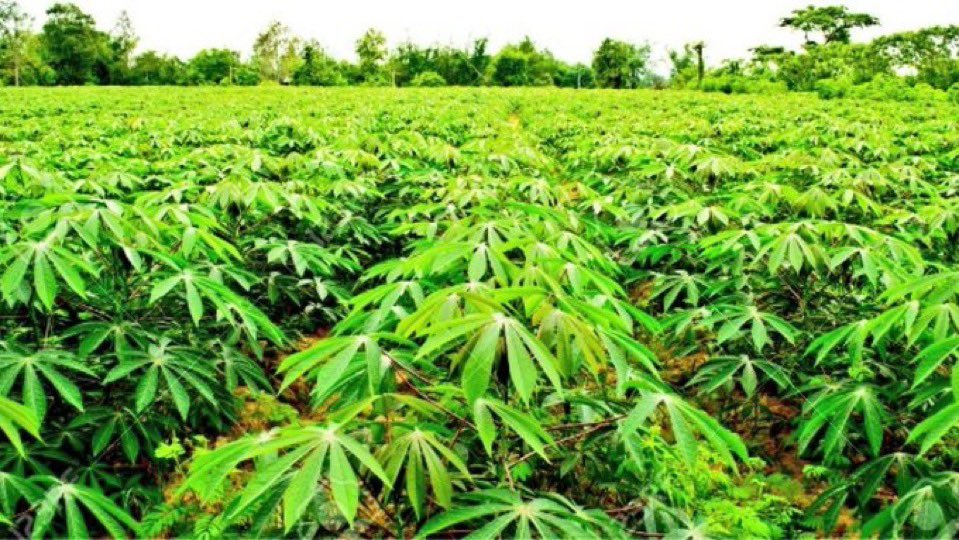
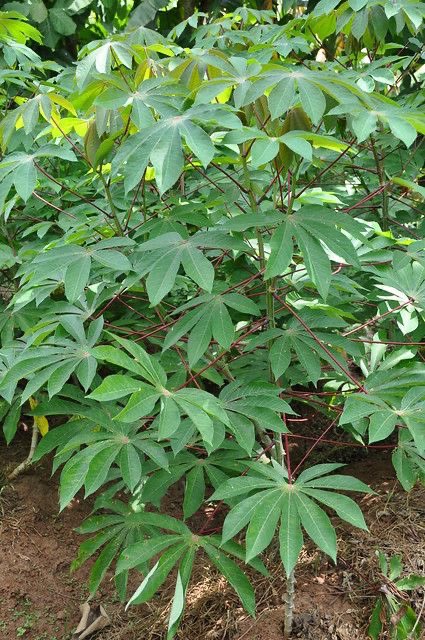
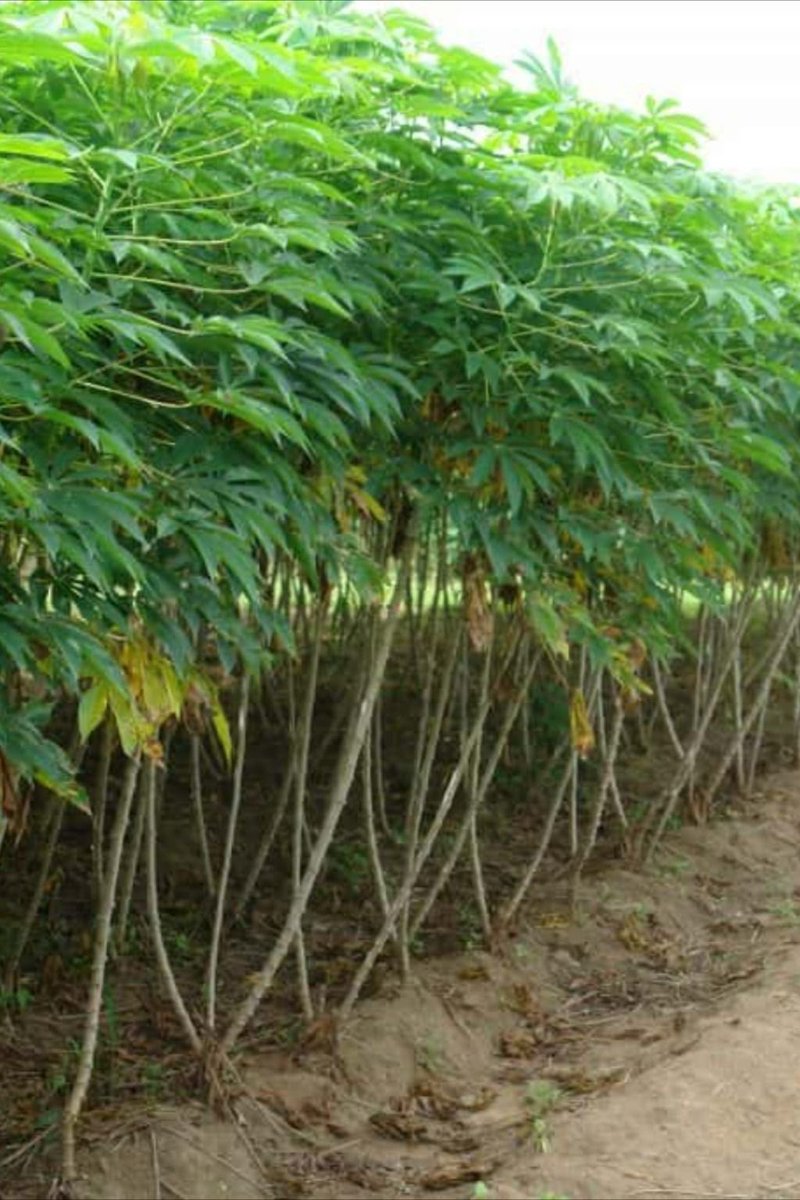
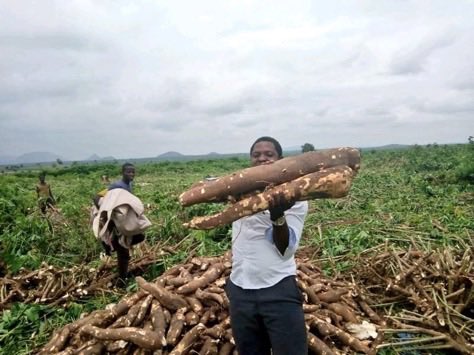
Cassava has been a true game changer for many farmers it feeds families and brings steady income, even in difficult seasons.
But in recent years, cassava diseases have become a big problem. Many farmers are losing yields because of these diseases, affecting both food and income.
One important solution is enhanced (improved) cassava varieties that are made to resist these diseases. These are crops developed by scientists to stay strong, produce well, and reduce losses.
Some farmers worry when they hear the word “biotech,” thinking it might be harmful. But in simple terms, biotech crops are just improved crops that have been carefully developed and tested to be safe for people and the environment. They help plants fight diseases naturally and grow better.
Using disease-resistant cassava means:
✔️ Higher yields
✔️ Less crop loss
✔️ More income for farmers
✔️ Better food security
Farmers deserve solutions that work. With the right information and improved planting materials, cassava can continue to change lives for the better.
Let’s share knowledge and support each other.
Have you experienced cassava diseases or tried improved varieties? Share your thought
3
27
52
6,008
Rwanda Biotech Capacity Building retweeted
People fear AI.
People fear Biotechcrops.
People fear vaccines.
People fear pesticides.
People fear nuclear energy.
And yet
These are the very tools that:
→ Feed billions.
→ Cure diseases.
→ Power our homes.
→ Prevent pandemics.
→ Predict the next breakthrough.
So… what gives?
Why do we fear the things that keep us alive?
4
14
23
1,305