
Building Sabacini Coin — a crypto community around a real villa in Italy. Token → events, lectures & parties under the Italian sun.
Joined May 2025
- Tweets 476
- Following 86
- Followers 160
- Likes 1,465
61 Photos and videos



May 25
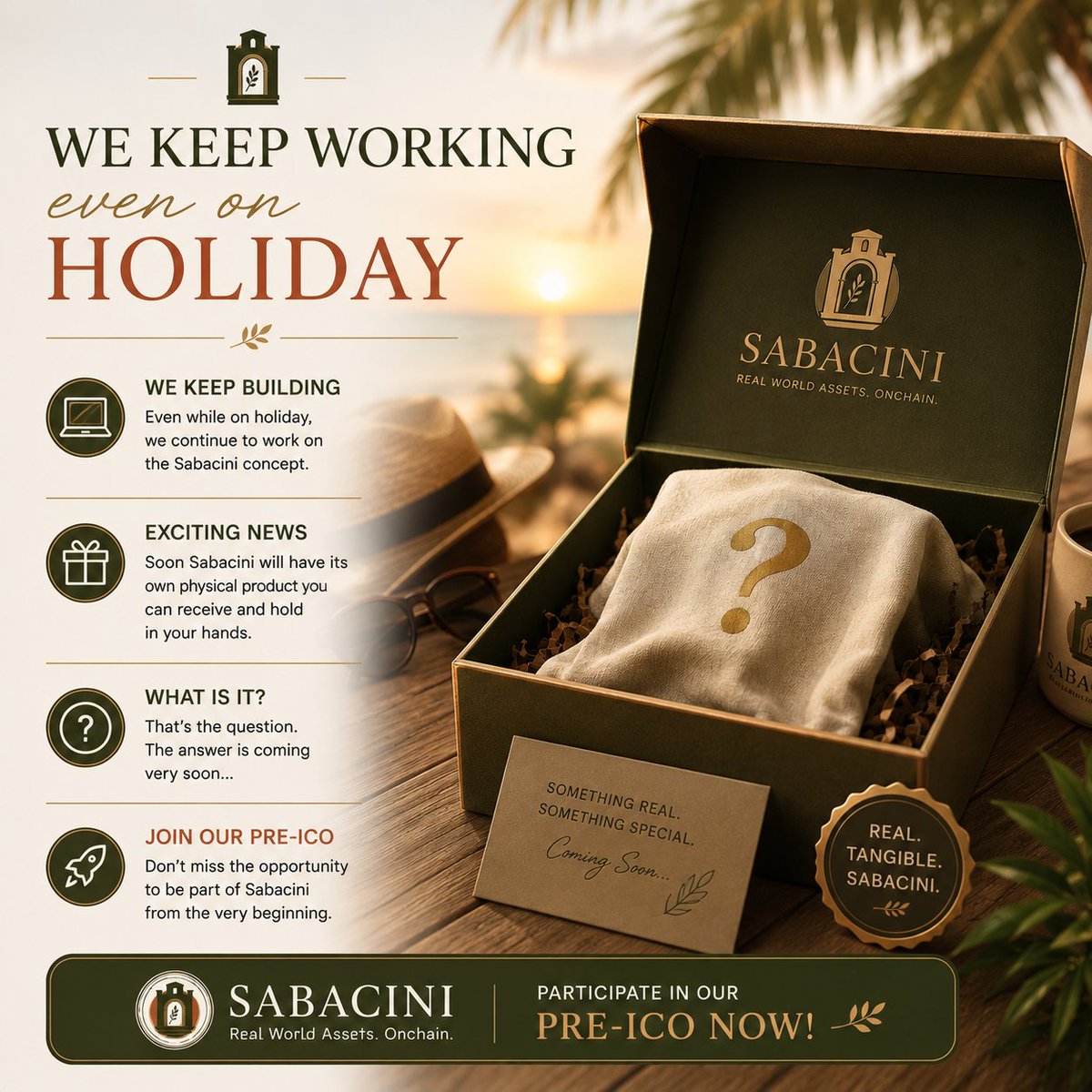
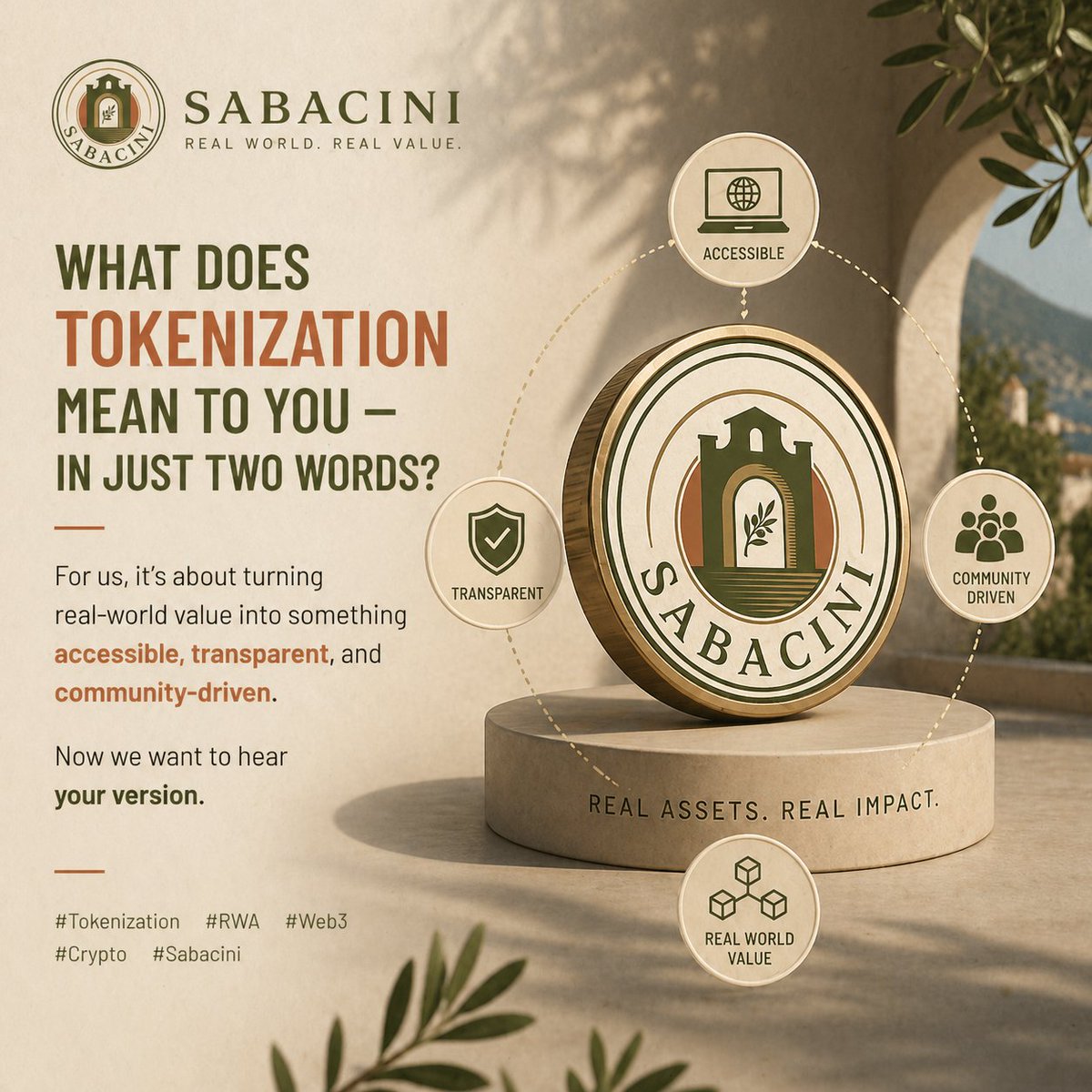
Even during the holiday, work on Sabacini does not stop.
A new chapter is coming - and soon Sabacini will have a physical product you’ll be able to actually receive and hold in your hands.
What is it? We’ll reveal it soon.
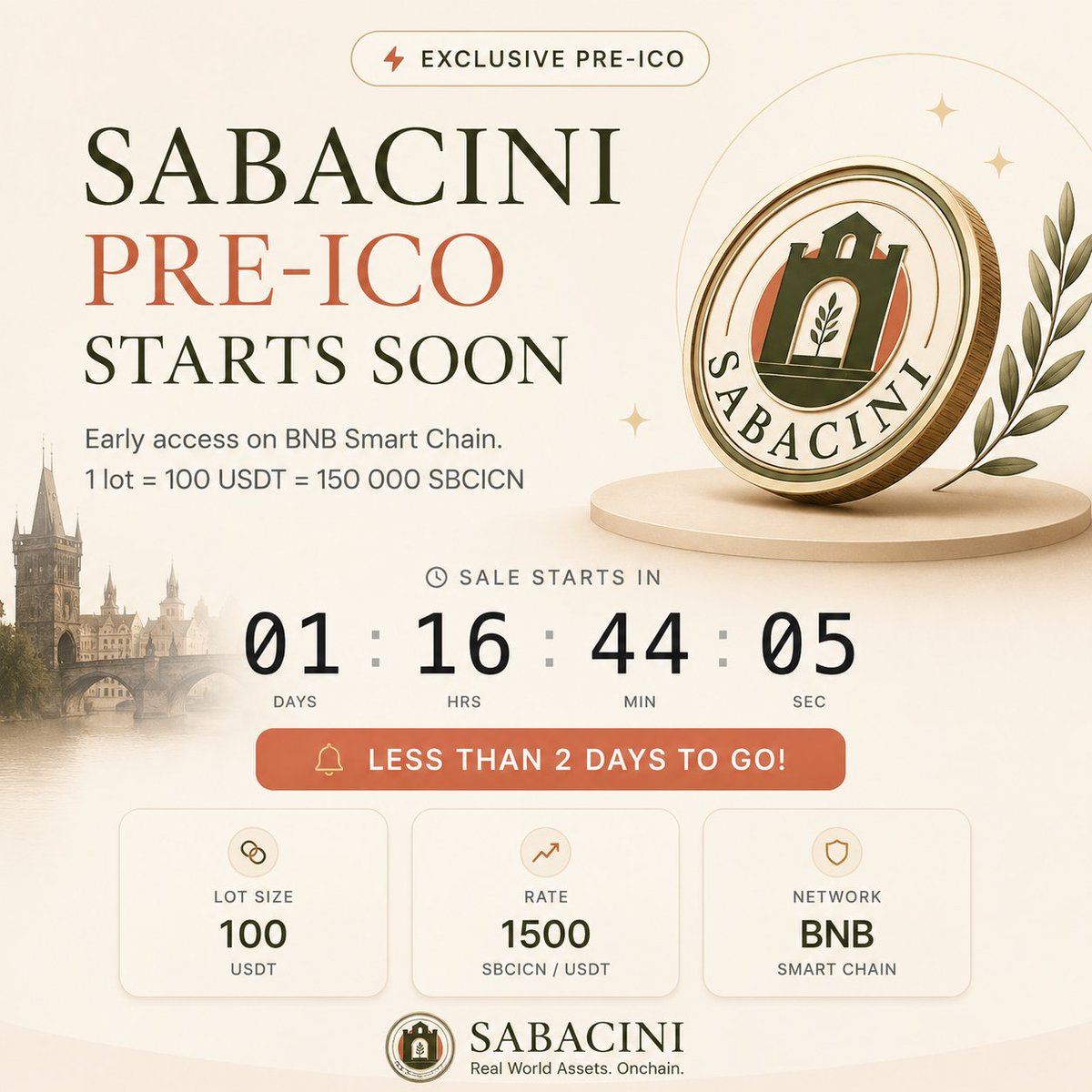
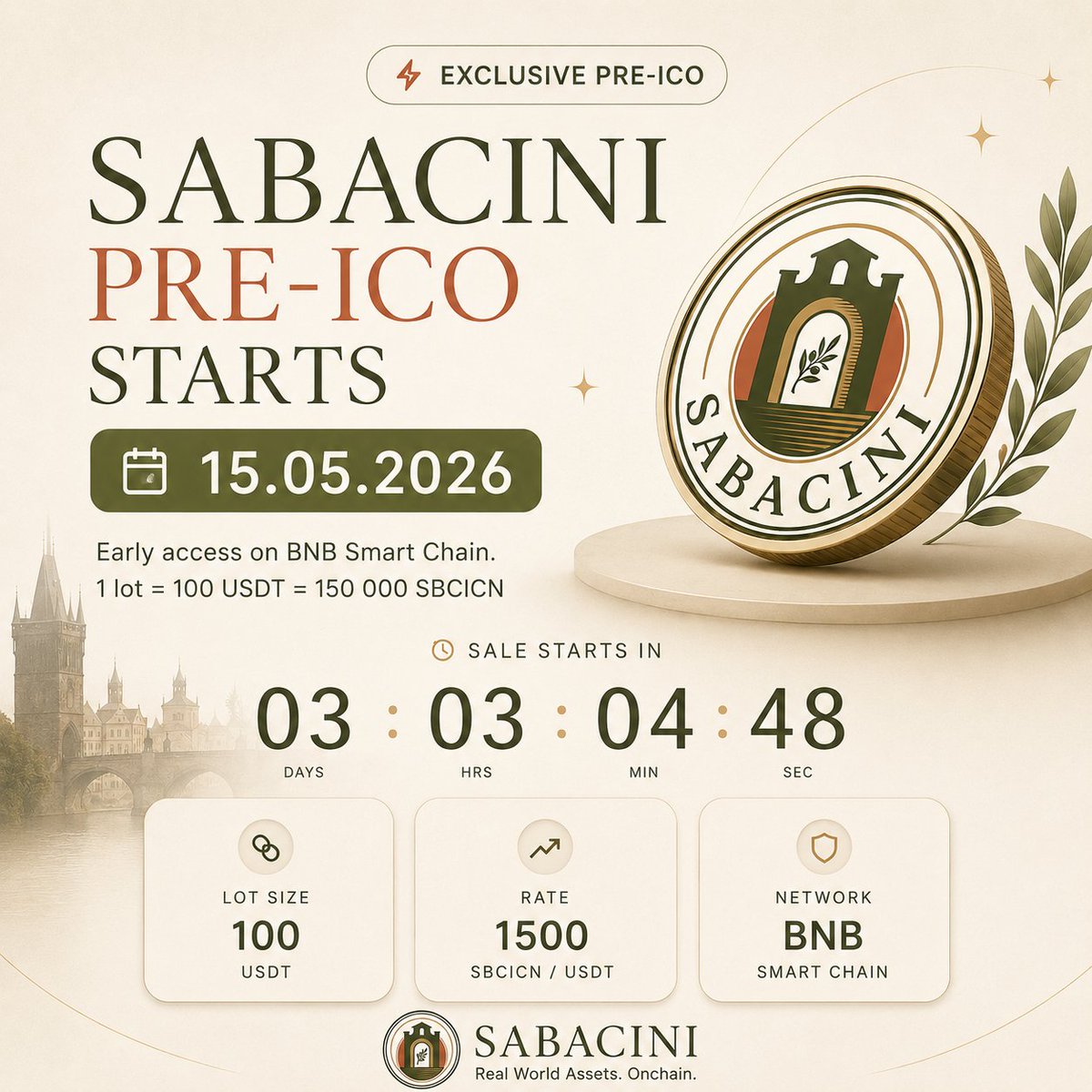
Until then, join our Pre-ICO and become part of the Sabacini community.
#Sabacini #PreICO #RWA #Web3 #Crypto #BNBChain #Community
39
Sabacini Coin retweeted

Inside a Beautiful Villa in a Gated Complex in Nueva Andalucia #Marbella... youtu.be/yUIeLiLnLhA?si=Ykb_… #SPAIN #RealEstate #luxuryhome MORE INFO: xcaperealestate.com/en/prope…

1
2
53
Sabacini Coin retweeted

May 19
3
9
35
1,510
Sabacini Coin retweeted

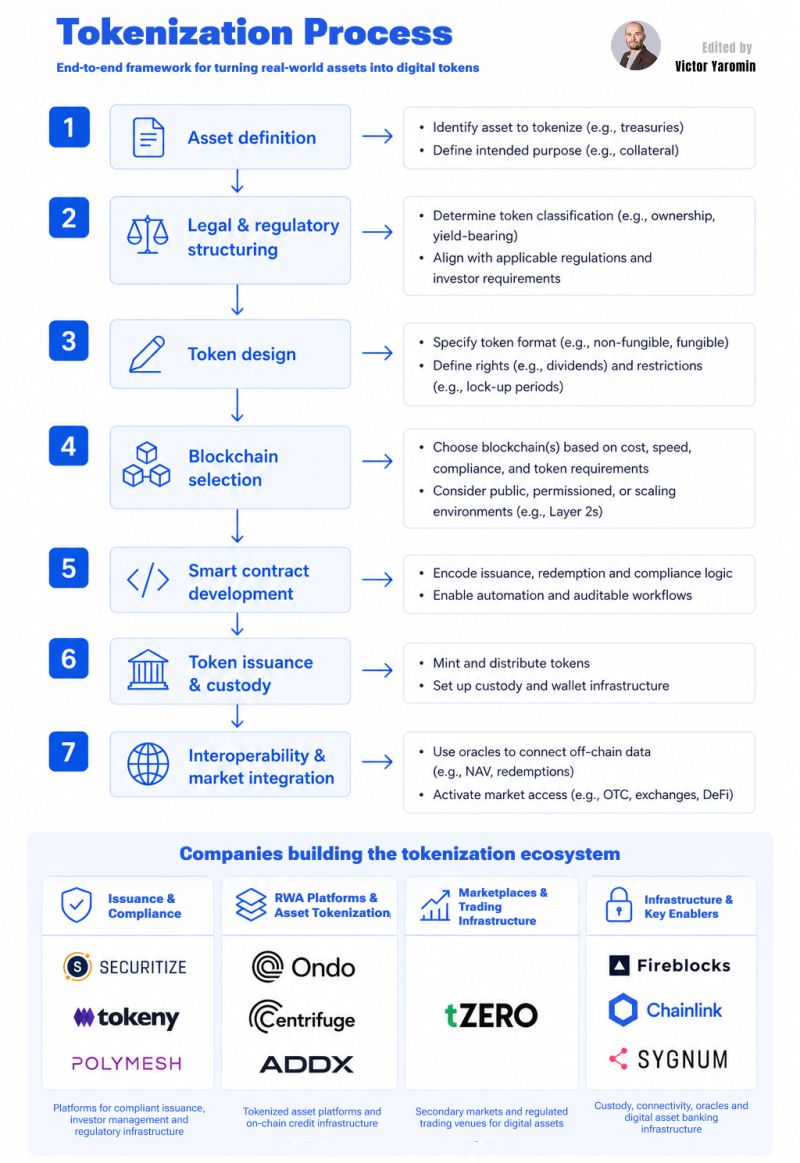
Most people describe tokenization as:
“Take an asset. Issue a token. Put it onchain.”
In reality, tokenization looks much closer to building a miniature financial system around the asset itself.
Before any smart contract exists, teams must define:
- what economic rights the token represents
- which regulations apply
- how custody works
- who can hold it
- how transfers settle
- how compliance is enforced
Then comes the infrastructure layer:
- issuance
- custody
- pricing
- liquidity
- interoperability
- settlement
- secondary markets
Without those layers, a tokenized asset is just an isolated database entry.
That’s why companies like:
Securitize, Tokeny, Ondo Finance, Centrifuge, Fireblocks, Chainlink, and tZERO are building entire layers of the emerging stack.
The important shift:
Once assets become programmable, finance itself starts behaving differently.
Settlement becomes faster.
Collateral becomes mobile.
Yield becomes automated.
Markets become interoperable.
Tokenization is not just “putting assets on blockchain.”
It’s the gradual rebuilding of financial infrastructure into programmable systems.
ALT So Victor
14
22
88
4,351
Sabacini Coin retweeted

@uviccoopcareer
@CoopLassonde
@CBUCareer
@MUNCareer
@UTechCoopEd
@GsapsW
@Zayed_U
@TECenter
@ColemanCenter
@FarleyCenterNU
@SDSULavinCenter
@BallStateENT
@PinoFiu
@BerkeleyLSEC
@derbyecenter
@JMUGCFE
@InnovateKings
@ucy_c4e
@NACEOrg
@ripplematch
@graduatejobsUK
@TimesStudent
@theinternx
@Intern_24
Welcome, Future RWA Leaders – It’s Time to JOIN Your Global Internship Hub!
Sign up for the most hands-on, high-impact internship program in Real World Assets and Web3 - alongside the brightest students from universities worldwide.
From Lagos to London, São Paulo to Singapore, you can become part of an elite global cohort that ships real products, builds real companies, engage with real clients and moves at rocket speed.
Your official onboarding hub is live and waiting for you RIGHT NOW:
interns.rwaops.com/
Join immediately – here’s your 2-minute action plan (do this today):
Click the link above and log in with your credentials
Complete your profile (photo university skills LinkedIn)
Join all core community channels
Claim your first project task
Book your 1:1 mentor onboarding call
This is not a passive program.
It’s 6 months of real ownership, real deliverables, and real career acceleration. The interns who join fastest and ship hardest get fast-tracked into leadership roles, and paid opportunities.
You’ll receive:
Direct work on live RWA/Web3 projects
World-class mentorship
A global network that lasts a lifetime
Official certificate glowing recommendation letter
The only thing left is for you to join.
Don’t wait. Your team, your projects, and your future are already inside.
Click here and join now → intern.rwaops.com
We can’t wait to see what you build.
Welcome to the team.
Let’s make history together.
#Internships #InternshipProgram #CampusRecruiting #StudentJobs #EarlyCareers #CareerServices #CareerFair #GraduateJobs #CoopJobs #HiringInterns #UniversityRecruiting #JoinHandshake
7
14
200
Sabacini Coin retweeted

May 18
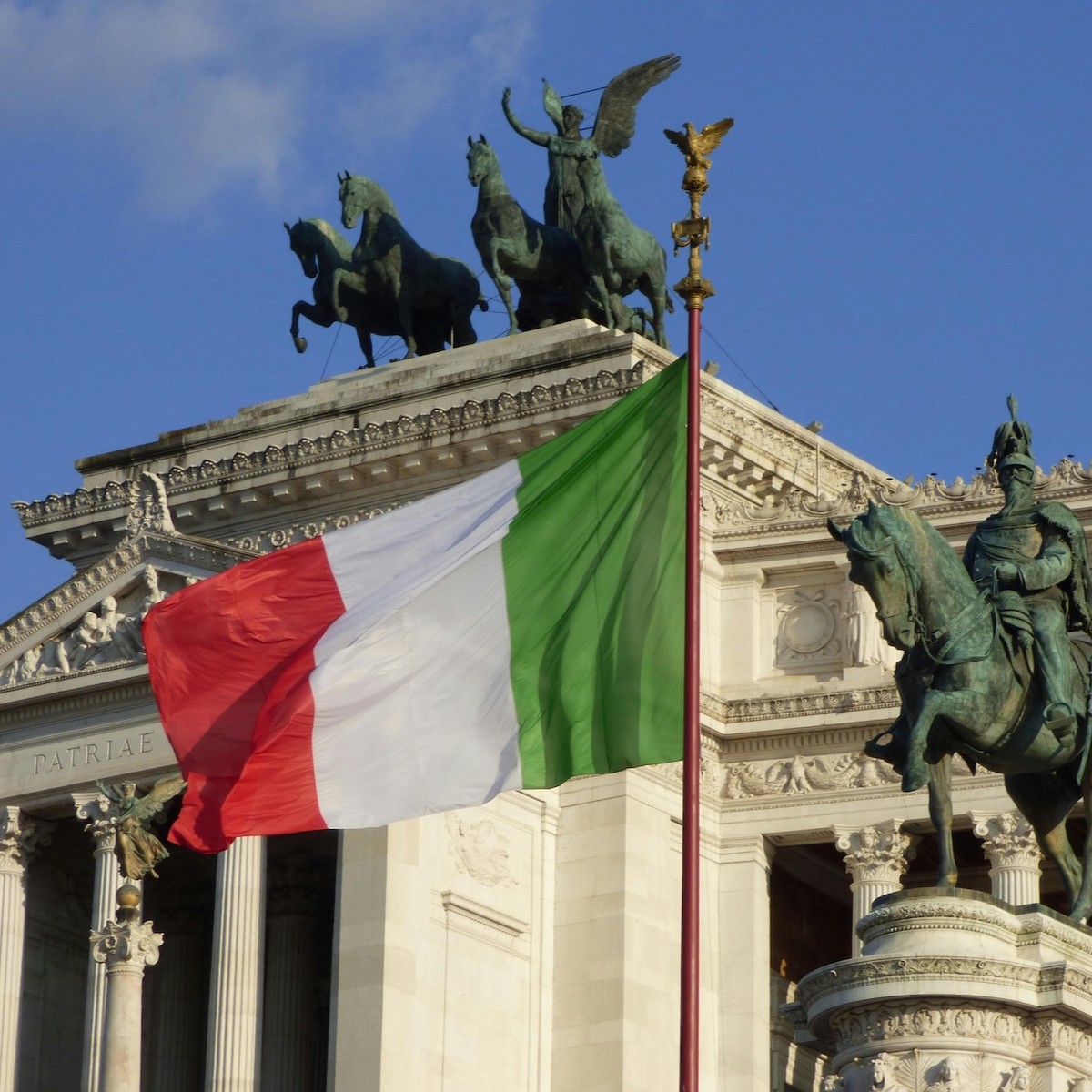
LATEST: 🏦 Intesa Sanpaolo more than doubled its crypto exposure to $235M in Q1, adding Ethereum and XRP for the first time while nearly exiting Solana.
81
40
215
18,155
May 19
Sale in May and go away.
We’re taking a short vacation, but we’ll still appear from time to time on X and in our Telegram.
Once we’re back, we’ll present the updated vision of Sabacini.
Until then, we invite you to join our Pre-ICO and become part of the Sabacini community.
Stay with us! The next chapter is coming soon.
#Sabacini #PreICO #Web3 #RWA #Crypto #BNBChain #CommunityRadio
@ICODrops @ICOAnnouncement @airdropinspect
3
7
185
Sabacini Coin retweeted

May 17
"Italians do it better" they say.
Time to find out.
Let's cook. 🇮🇹
119
23
311
35,354
May 18
May 18

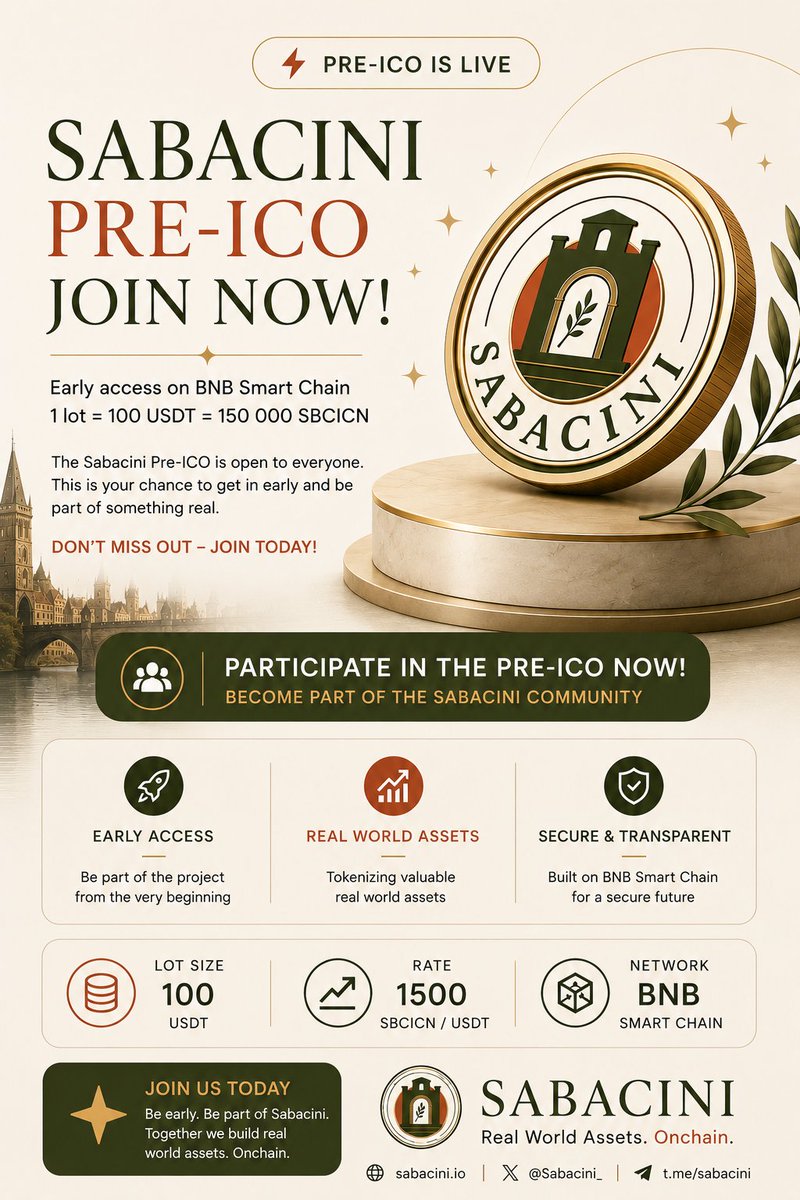
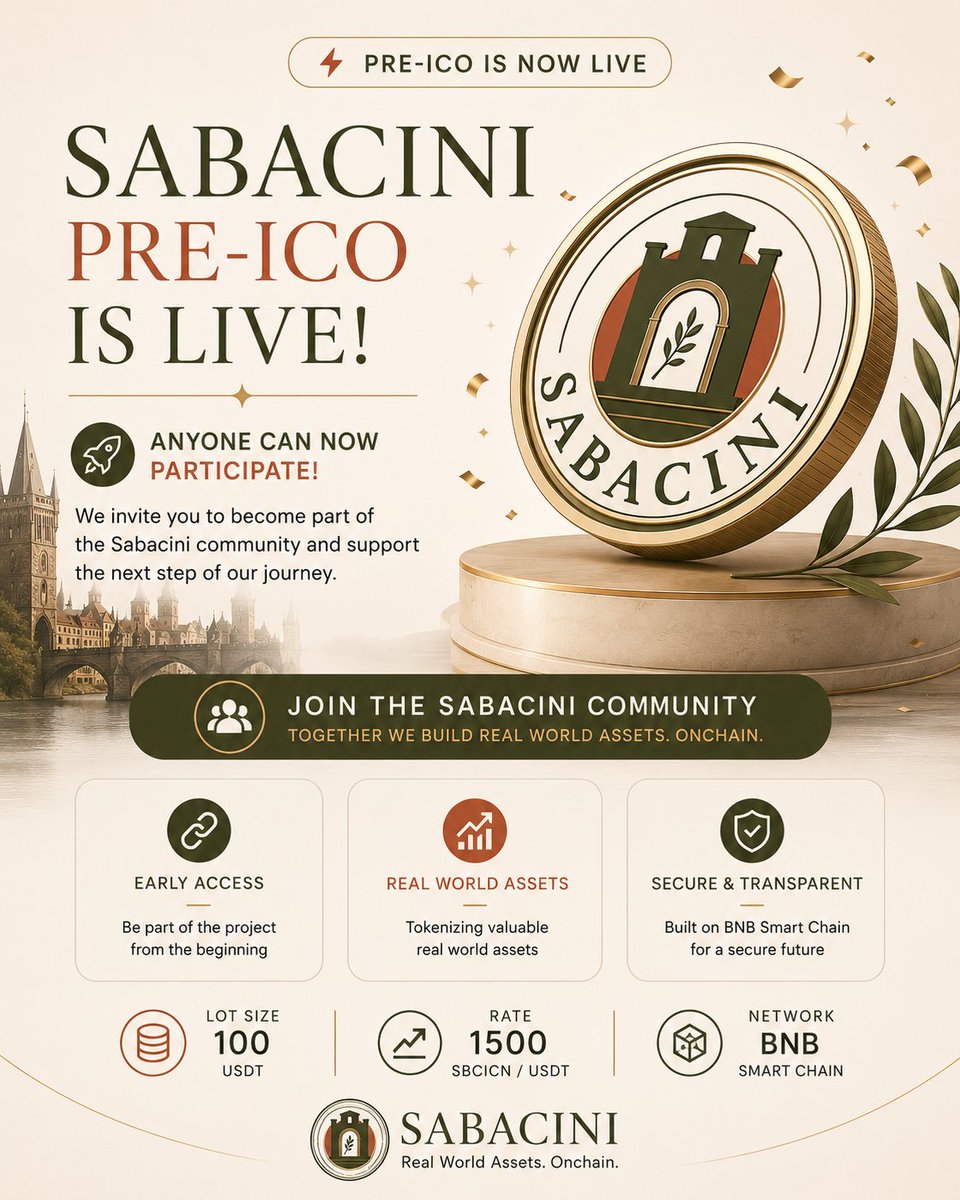
Our pre-ICO is live, and we are truly grateful for the interest and support are receiving from the community.
We have recently refined the #Sabacini concept with a stronger focus on real benefits for our community members. More details will be presented soon in our updated strategy on the official website sabacini.co.in.
For now, we invite you to join the #Sabacini community and take part in the ICO.
Be early. Be part of the story.
#Sabacini #SBCICN #ICO #BNBChain #Web3 #RWA #CryptoCommunity
1
19
May 18
Our pre-ICO is live, and we are truly grateful for the interest and support are receiving from the community.
We have recently refined the #Sabacini concept with a stronger focus on real benefits for our community members. More details will be presented soon in our updated strategy on the official website sabacini.co.in.
For now, we invite you to join the #Sabacini community and take part in the ICO.
Be early. Be part of the story.
#Sabacini #SBCICN #ICO #BNBChain #Web3 #RWA #CryptoCommunity
1
51
Sabacini Coin retweeted

May 17
eth milano in a week.
who's flying in

24
2
72
1,856
Sabacini Coin retweeted

May 15
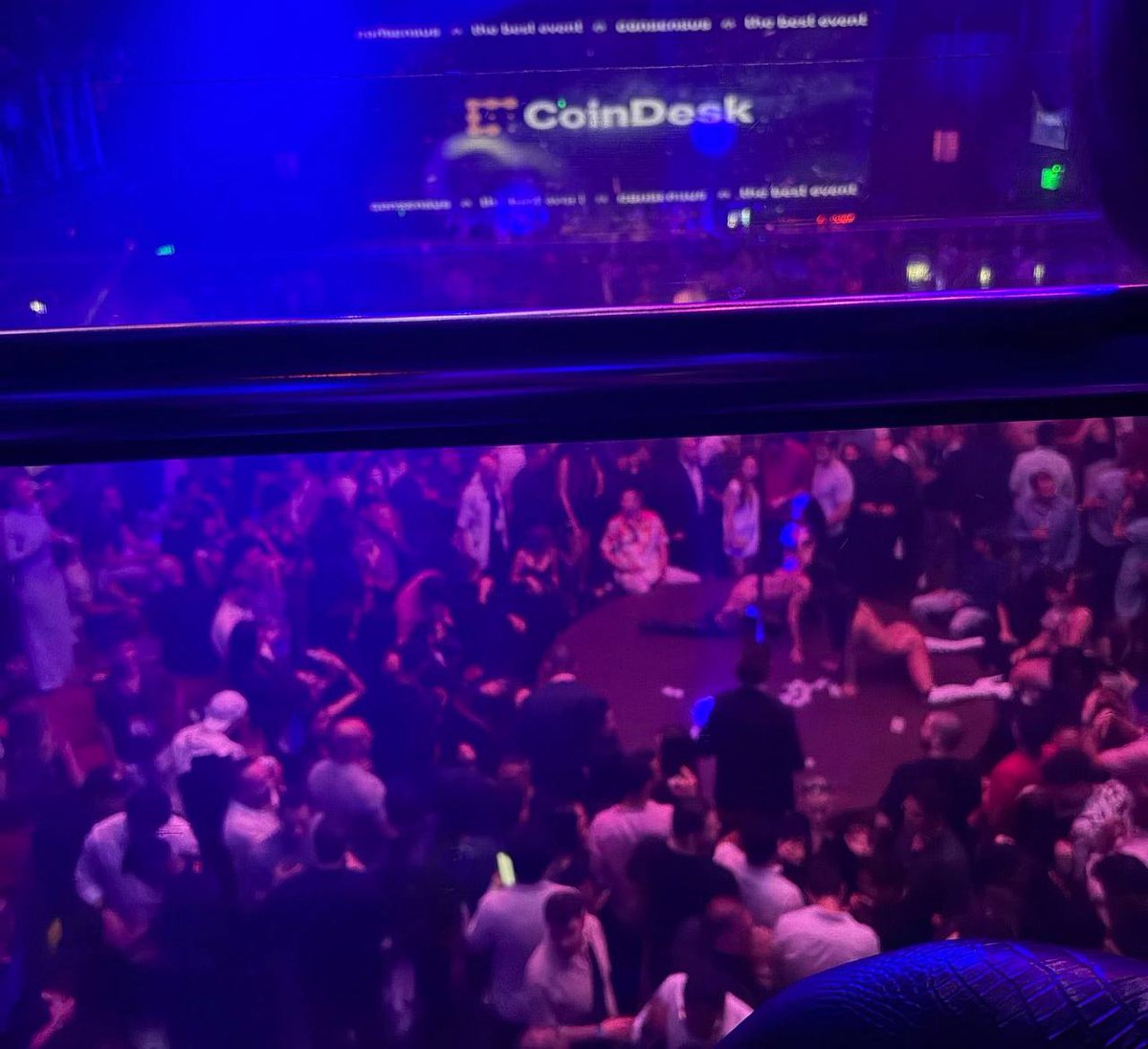
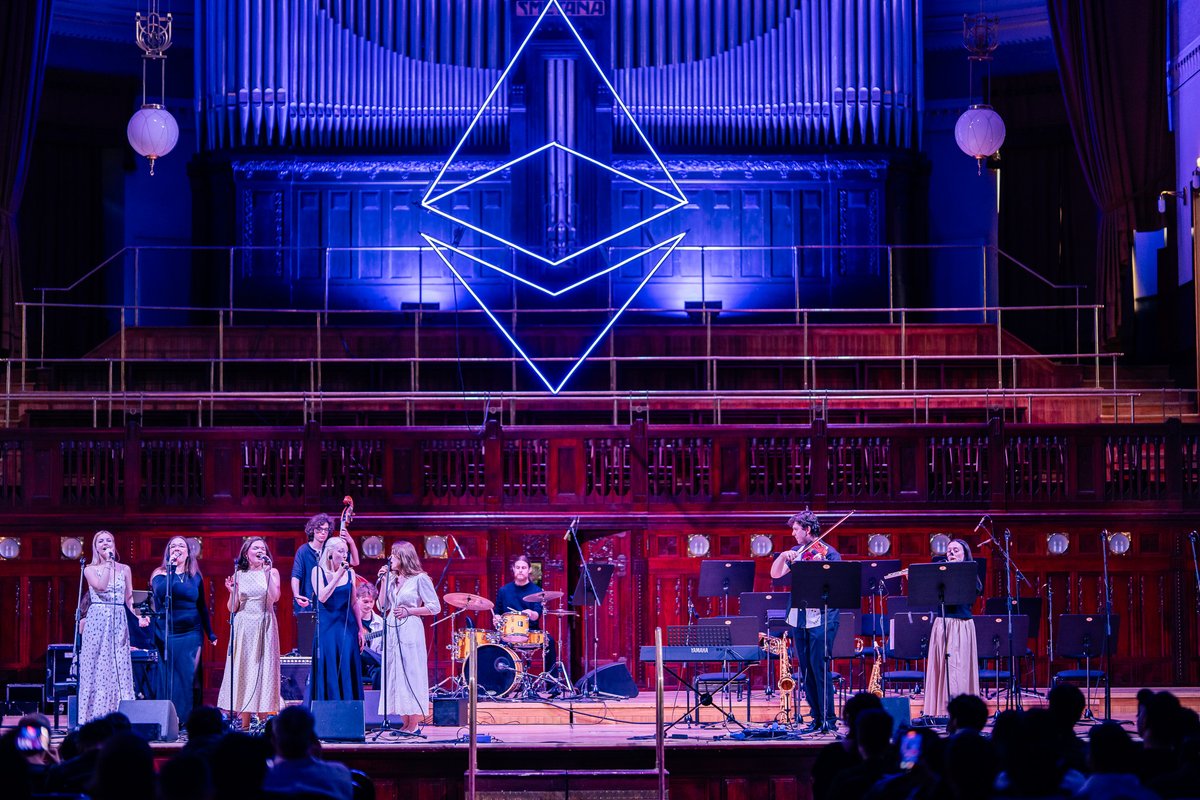
These photos were taken at "crypto" afterparties 3 days apart.
left: @consensus2026 at a strip club
right: @EthPrague at the Smetana hall
While the color themes and *crypto* labels are the same, they couldn't be more different.
Ethereum is so much more than just crypto..
10
3
97
4,978
Sabacini Coin retweeted

May 14
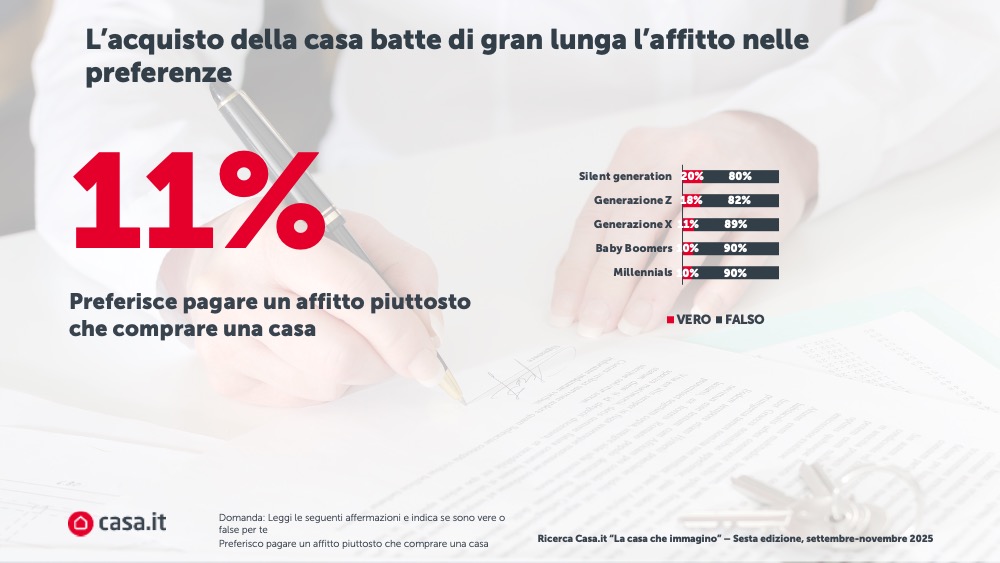
La casa che immagino: Solo l’11% dei consumatori preferisce pagare un affitto piuttosto che comprare una casa. In particolare, solo il 10% dei Millennials e dei Baby Boomers, l’11% della Generazione X, il 18% della Generazione Z e il 20% della Silent Generation.
Leggi i risultati della ricerca: blog.casa.it/2026/02/03/la-c…
#Casapuntoit #RealEstate #Immobiliare #Report #LaCasaCheImmagino
1
1
86
Sabacini Coin retweeted

May 13
RWA & tokenization space continues to mature
We shortlisted several valuable accounts worth following. (Intern's list)
@ZeusRWA — Industry narratives & strategic thinking on tokenization.
@MeshClans — infographics & visual analysis of the RWA sector.
@WALLY_DAO — video/podcast explainers on RWA developments.
@steinRWA — comprehensive data, charts & statistics on RWA trends.
@HarryTran_RWA — project discovery & emerging RWA opportunities.
@0xGraciee — clear & personalized education around RWAs
Feel free to expand the list! Comment below.
We at @treasures_io will contribute the dedicated builder’s perspective.
Full-fledged articles on our journey coming soon!
11
7
34
1,254
Sabacini Coin retweeted

May 14
We are partnering with Grove for Basin, a programmable credit infrastructure designed to bring near-instant stablecoin liquidity to tokenized funds.
At launch, Basin will support up to $1B in committed daily liquidity, with BlackRock also participating as a launch partner.

24
236
1,262
15,952
Sabacini Coin retweeted
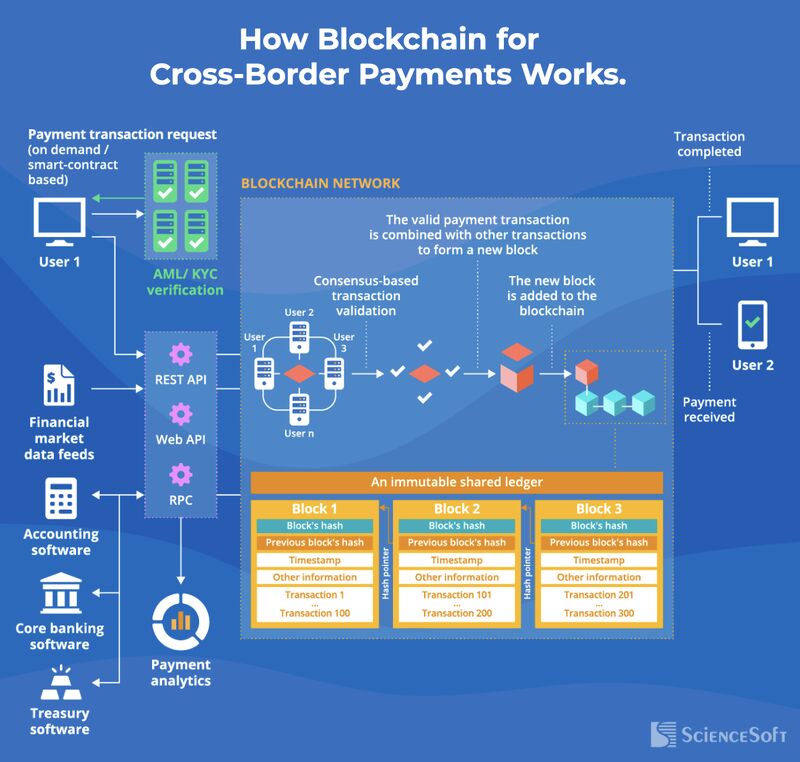
Cross-border payments are changing because blockchain changes the architecture behind settlement.
Instead of routing messages bank to bank to bank:
- transactions are validated by distributed nodes
- recorded on a shared ledger
- and settled on a synchronized infrastructure layer
The result:
- fewer intermediaries
- real-time visibility
- immutable audit trails
- programmable execution via smart contracts
Institutional players often use permissioned blockchains for controlled access, compliance, and high-value settlement.
Fintechs and SMEs increasingly use permissionless networks for:
- faster global transfers
- lower costs
- broader financial access
- transparent payment tracking
The important shift:
Blockchain is not just a new payment rail.
It’s a new coordination model for how financial institutions, businesses, and payment systems share data, validate transactions, and settle value globally.
4
11
26
1,121
May 14
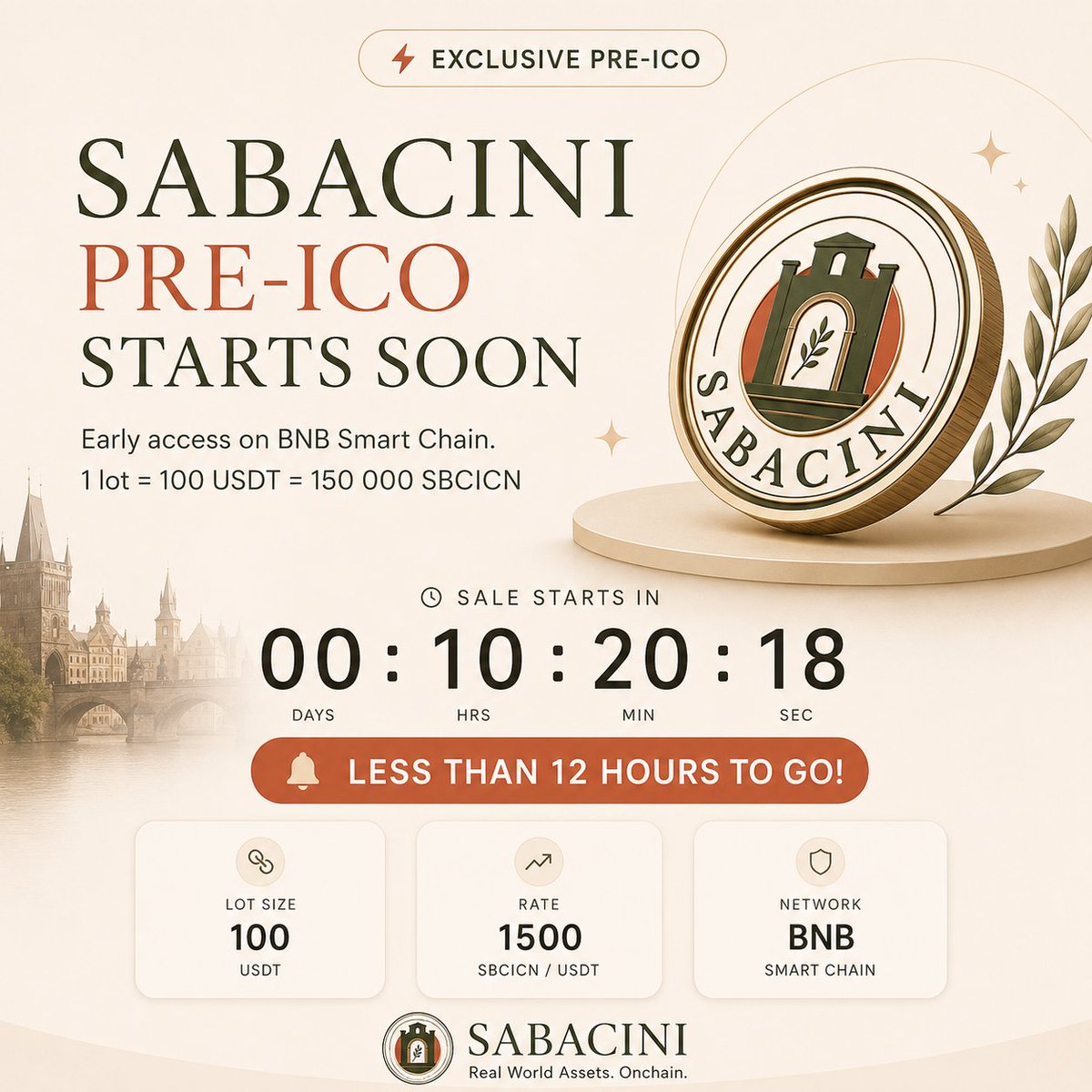
Friends 🫶, we’re waiting for the start of this round with both excitement and a bit of nerves.
This is a very important moment for Sabacini, and we would truly appreciate your support. If you believe in our project, please help us with a repost and share this moment with others.
Thank you for being with us at such an important stage.
@ICODrops @ICOAnnouncement @hunters_ico @icolistonline
#ICO #PreICO #TokenSale #CryptoLaunch #Web3Fundraising #BlockchainProject #BNBChain #BSC #TokenOffering #CryptoInvestment #UtilityToken #RWA #Tokenization #Web3Community #EarlyAccess #Airdrop #CryptoPresale #Onchain #DeFi #Sabacini
2
53
Sabacini Coin retweeted
Tokenization without atomic settlement is mostly just digitization.
The real structural shift happens when:
- the asset transfer
- the cash transfer
- and final settlement
all happen in the same transaction
Tokenized asset to buyer
Stablecoin to seller
Simultaneously. Or not at all.
That changes market structure:
- no settlement window
- no reconciliation layer
- reduced counterparty risk
- less collateral trapped in T 2 processes
- lower dependence on CCP-style risk absorption
The important point:
Tokenization alone does not remove the capital drag embedded in traditional settlement systems.
Atomic settlement does.
And frameworks like the EU DLT Pilot Regime are starting to make this operationally possible for regulated markets, with players like @tradeon21x already live.
The institutional question is shifting from:
“Can blockchain support capital markets?”
To:
“Can it fundamentally improve how capital moves and settles?”
5
6
20
1,392