
🍷 The World’s First Fine Wine ETF 🔗 Powered By Blockchain 📍 London/Singapore
Joined June 2023
- Tweets 681
- Following 1,429
- Followers 460
- Likes 1,295
72 Photos and videos










Pinned Tweet

17 Dec 2025
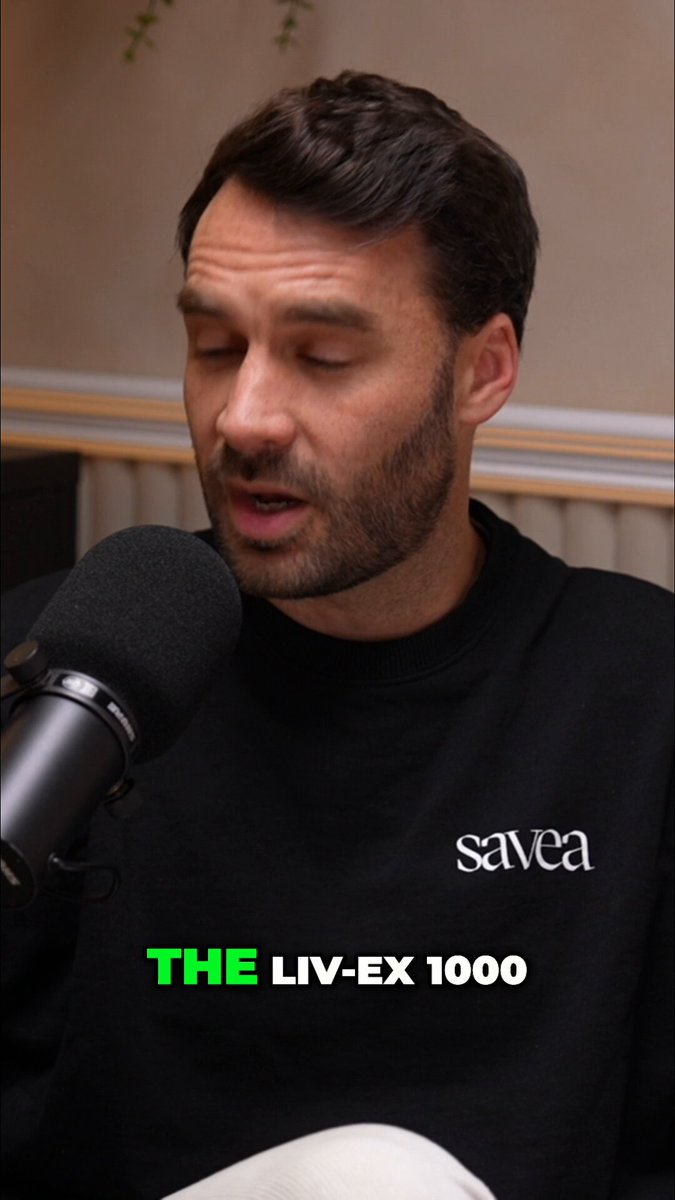
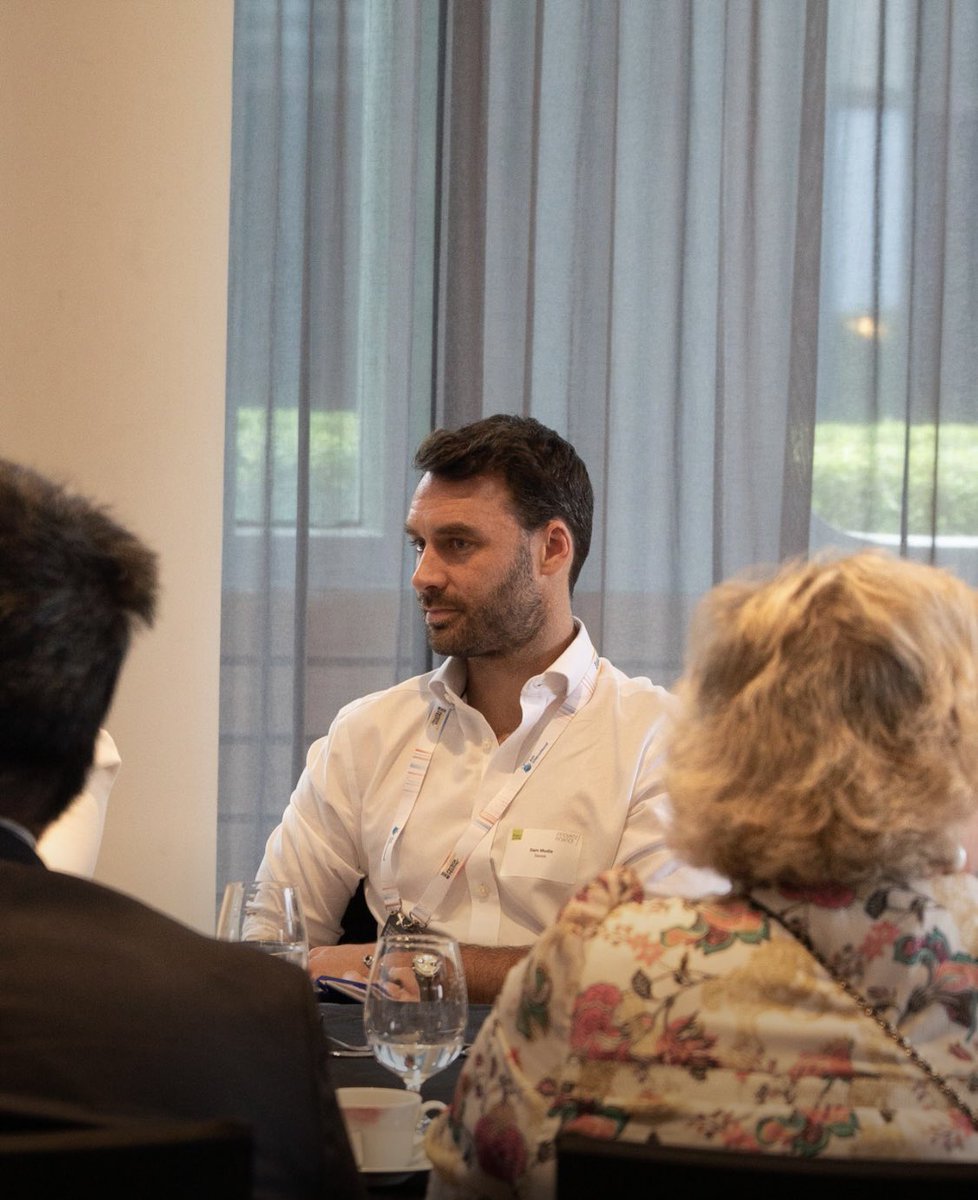
Our CEO Sam Mudie discusses Savea with @0x_LCS, Managing Director at @Flight3official & @zebu_live
Will Savea be the team that truly brings luxury assets on chain? This episode sets the stage.
The next one unpacks the relentless challenges of making it a reality.
Huge thank you to the team at @Flight3official for having us.
1
2
11
590
Jan 29
With Savea: Every bottle backing your investment is securely stored in professional facilities and comprehensively insured. Our tokens are fully traceable on the blockchain, providing transparent, verifiable ownership at all times.
Blockchain technology provides clear, immutable, and auditable records, ensuring your investments remain safe, secure, and fully transparent
1
1
2
86
Jan 27
SAVW tokens can be bought, sold, and transferred seamlessly within the ERC-20 ecosystem, enabling faster transactions. Savea also acts as a redeemer of last resort subject to pre-agreed payment gates.
1
3
71
Jan 23
Tokenization brings movement to assets that once sat still, by opening them to new investors and in some instances even letting owners unlock value without selling the whole asset.
2
4
99
Jan 21
Fine wine doesn’t send loud signals. It sends steady ones.
If you track the market, three indicators matter right now:
1. Bid strength
2. Regional alignment
3. Trading volume returning to a healthier level
These are the foundations of a more orderly market environment.
1
1
61
Jan 15
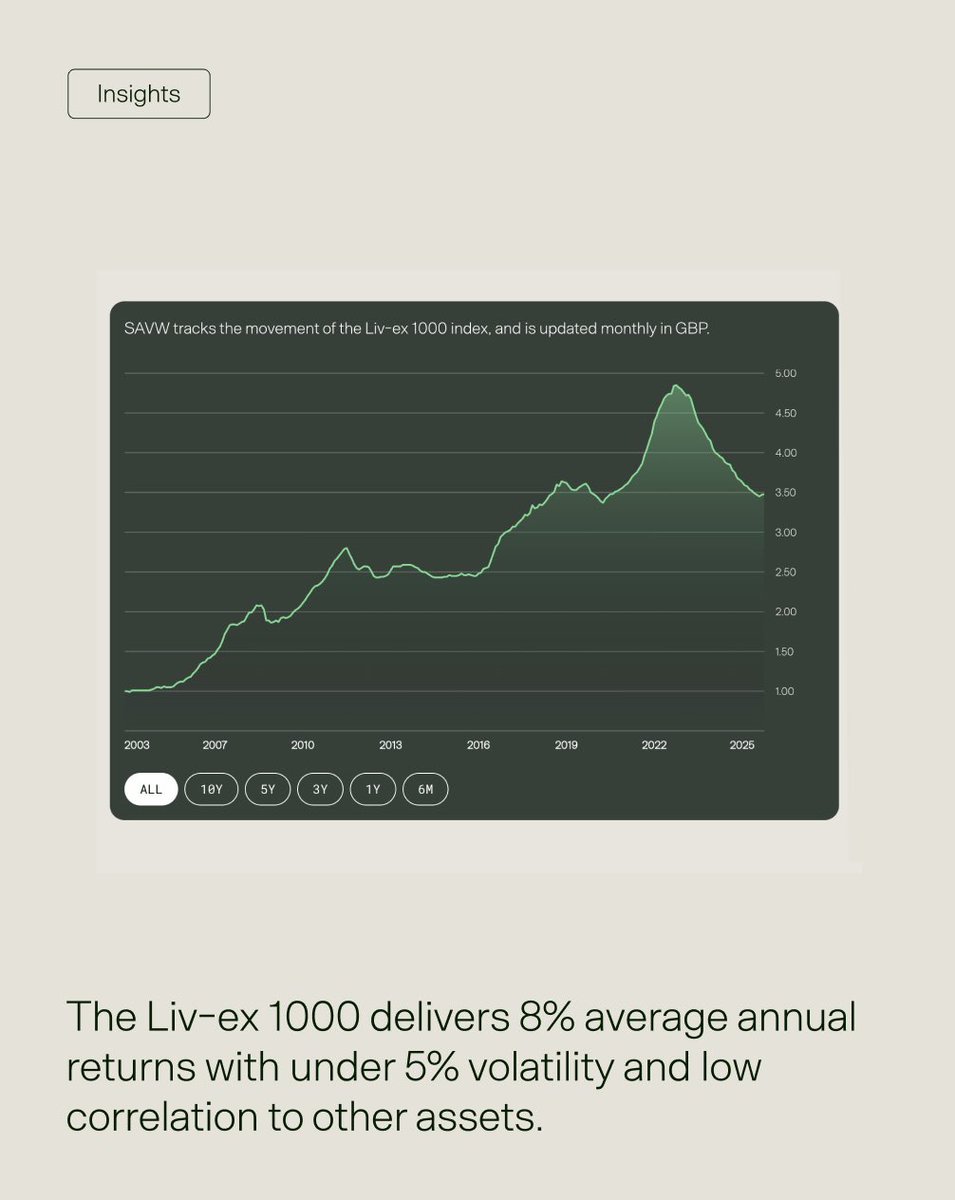
Savea makes investing in fine wine as effortless as buying ETFs. SAVW tracks the performance of the Liv-ex 1000 index, providing secure and transparent exposure to one of the world’s most stable alternative assets.
1
2
77
Jan 13
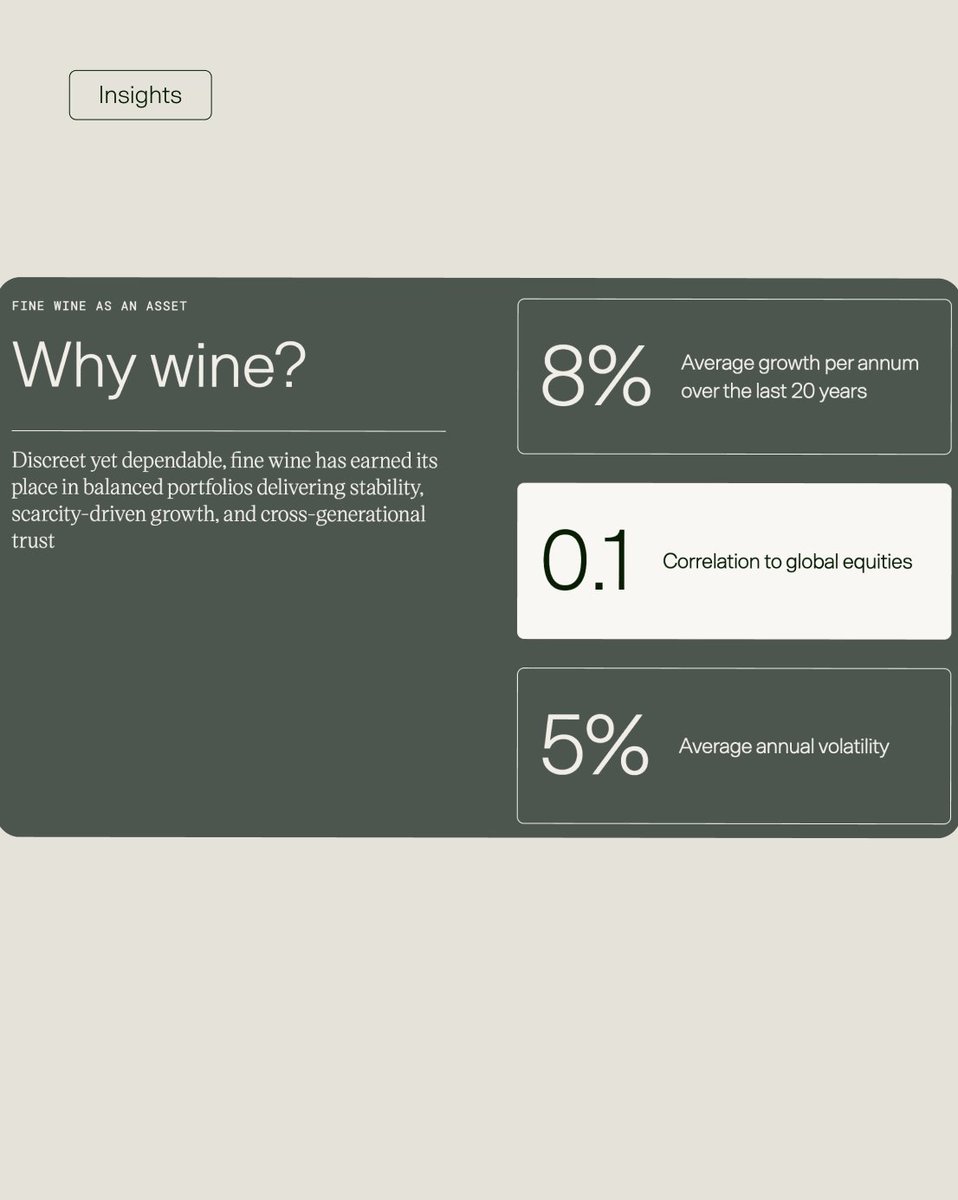
Fine wine: a discreet alternative asset offering stable growth, low volatility, and portfolio diversification.
1
2
78
Savea retweeted

Jan 10
I see Family offices aren’t sitting on the sidelines of crypto.
They’re evaluating whether it can function as financial infrastructure.
Over the last 12–18 months, many have gained exposure to Bitcoin and Ethereum through custodians, segregated accounts, audits, and reporting frameworks that look almost identical to what they use for traditional assets.
What they have not done is chase onchain yield or experiment with loosely governed protocols.
That is often interpreted as risk aversion.
It isn’t.
Institutional capital is comfortable with market risk.
What it does not tolerate is operational ambiguity.
No clear legal ownership, no defined governance, & no accountable counterparty when something breaks.
These are practical constraints that determine whether capital can be deployed at scale.
This is why you see interest in regulated custody, tokenized funds, and onchain representations of real-world assets, but not in permissionless yield farms.
Capital moves toward environments where rights, responsibilities, and recovery paths are clearly defined.
The question family offices are asking is not, How high is the yield?
It is, Can this be managed like a real asset?
Until crypto systems can answer that convincingly, adoption will continue to happen slowly, through familiar structures, rather than through experimentation.
That is the real gap between crypto narratives and institutional reality.
1
2
4
116
Jan 12
Discreet yet dependable, fine wine has earned its place in balanced portfolios delivering stability, scarcity-driven growth, and cross-generational trust.
1
3
51
Jan 9
When you hold SAVW, you’re holding an approved financial instrument 100% backed by professionally stored and insured assets. Our CEO Sam Mudie breaks down the 4 key benefits:
1️⃣ Simplified access to fine wine as an investment
2️⃣ Built-in liquidity
3️⃣ Lower costs
4️⃣ Better risk-adjusted diversification
A smarter, more accessible way to invest in fine wine.
1
4
182
Jan 6
Our CEO, Sam Mudie, in conversation with @0x_LCS on the realities, risks, and rewards of entrepreneurship.
Thanks again @Flight3official | @Zebu_live for having us.
1
2
7
213
Savea retweeted
22 Dec 2025
Passion assets aren’t just valuable. They’re emotional. Tokenization allows more people to participate.
1
3
62
31 Dec 2025
1M organic views.
10M impressions.
30 global media features.
Savea’s vision is now being shared on the world stage by our CEO Sam Mudie from Asia to Europe’s leading fintech and Web3 events.
From $0 → $700K AUM in under 28 days.
Year one. Just getting started.
1
2
4
153
Savea retweeted
31 Dec 2025
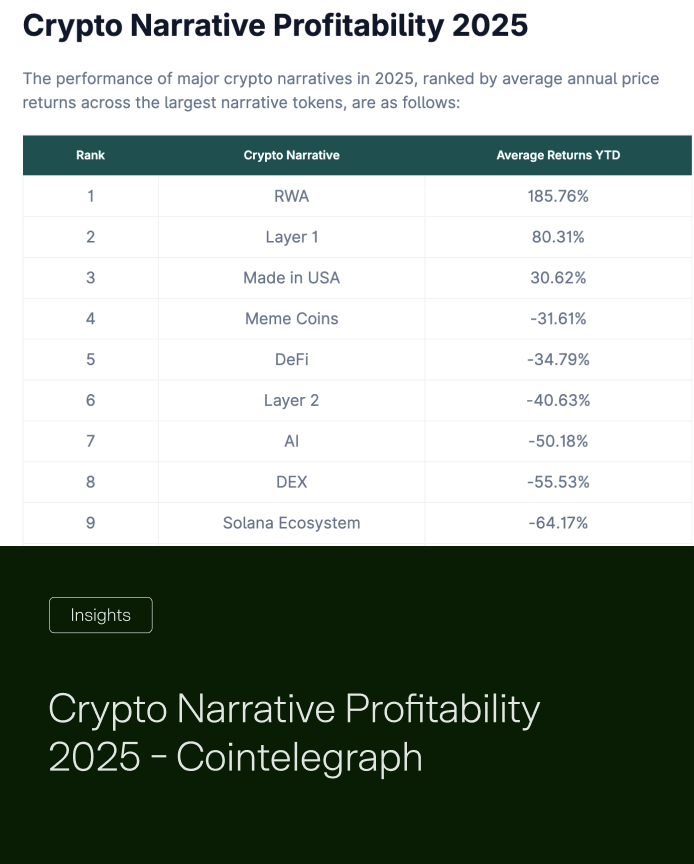
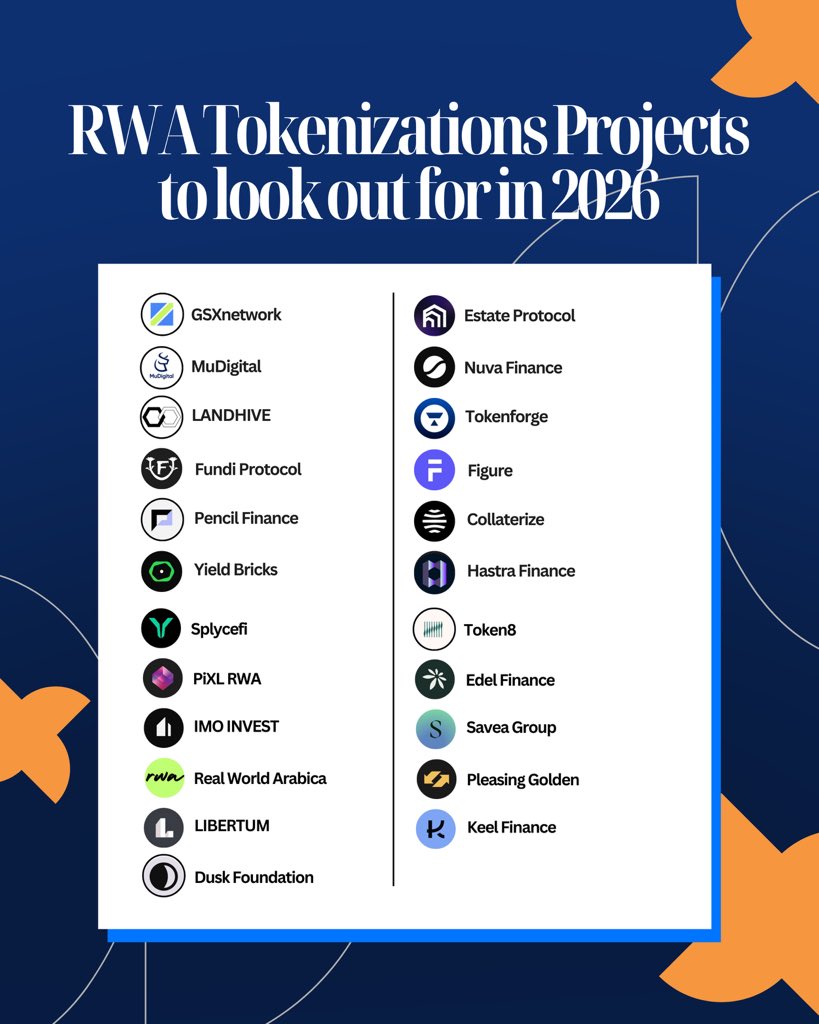
8th - RWA TOKENIZATIONS PROJECTS TO LOOKT OUT FOR IN 2026
@GSXnetwork
@MuDigitalHQ
@LandhiveRWA
@FundiProtocol
@pencilfinance_
@Yeildbricks
@SplyceFi
@PIXLRWA
@IMO__Invest
@RWArabica
@libertum_token
@DuskFoundation
@EstateProtocol
@NUVAFinance
@tokenforge
@Figure
@DRVNlabo
@collaterize
@HastraFi
@token8__
@edeldotfinance
@Savea_Group
@PleasingGolden
@keel_fi
@RevolveToken
@SugoneRWA
@Polytrade_fin
12
5
33
1,858
Savea retweeted
31 Dec 2025
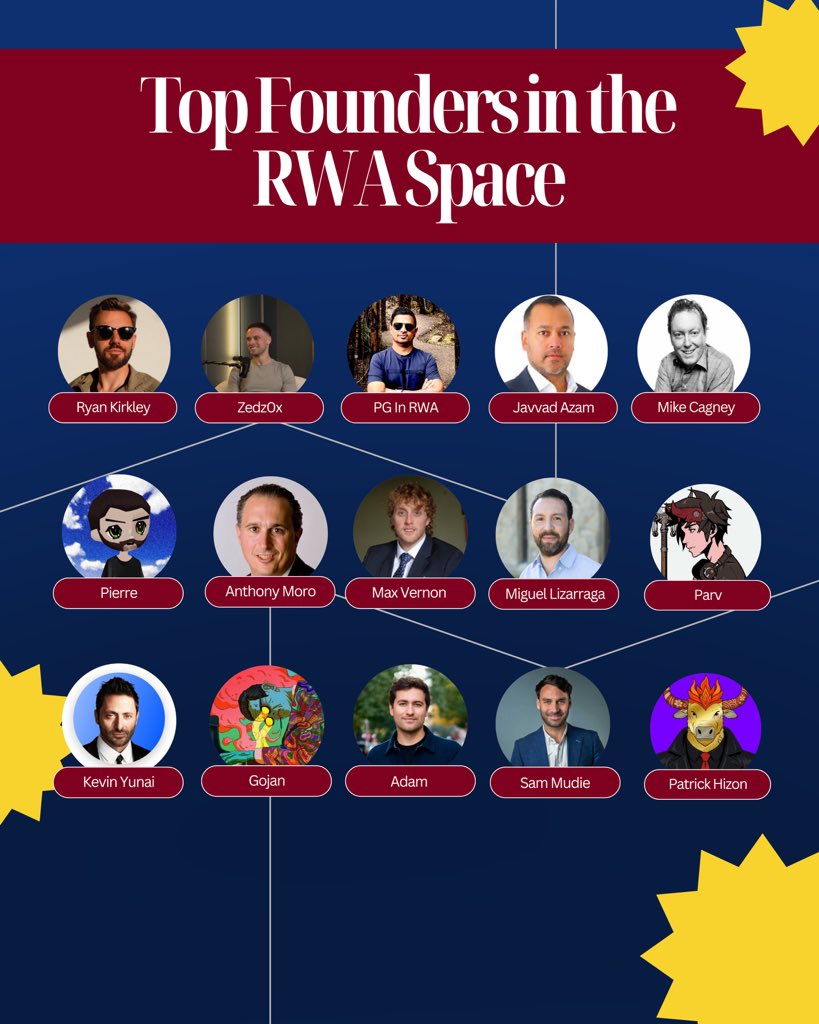
7th - Top Founders in the RWA Space
@RyanKirkley - founder of @GSXnetwork
@Zedz0x - building @SplyceFi
@PG_inRWA - founder of @Polytrade_fin
@AzamJavvad - founder @libertum_token
@mcagney - cofounder @Figure
@pierrexbt - cofounder of @collaterize
@anthonymoro111 - founder of @NUVAFinance
@max_vernon - cofounder of @PIXLRWA
@ns_dub - CEO of @ManifestFinance
@Miganlizr - founder of @SugoneRWA
@Parv_EP - founder of @EstateProtocol
@kevinyunai - founder of @RWA_Inc_
@mm_gojan - founder of @token8__
@adamlawrencium - cofounder of @RWA_xyz
@sam_mudie founder of @Savea_Group
@hizonpm - founder of @MuDigitalHQ
7
6
35
2,383
29 Dec 2025
1/ Wine investment has long operated in a grey area: unregulated and too often linked to poor practice or fraud.
1
2
34
29 Dec 2025
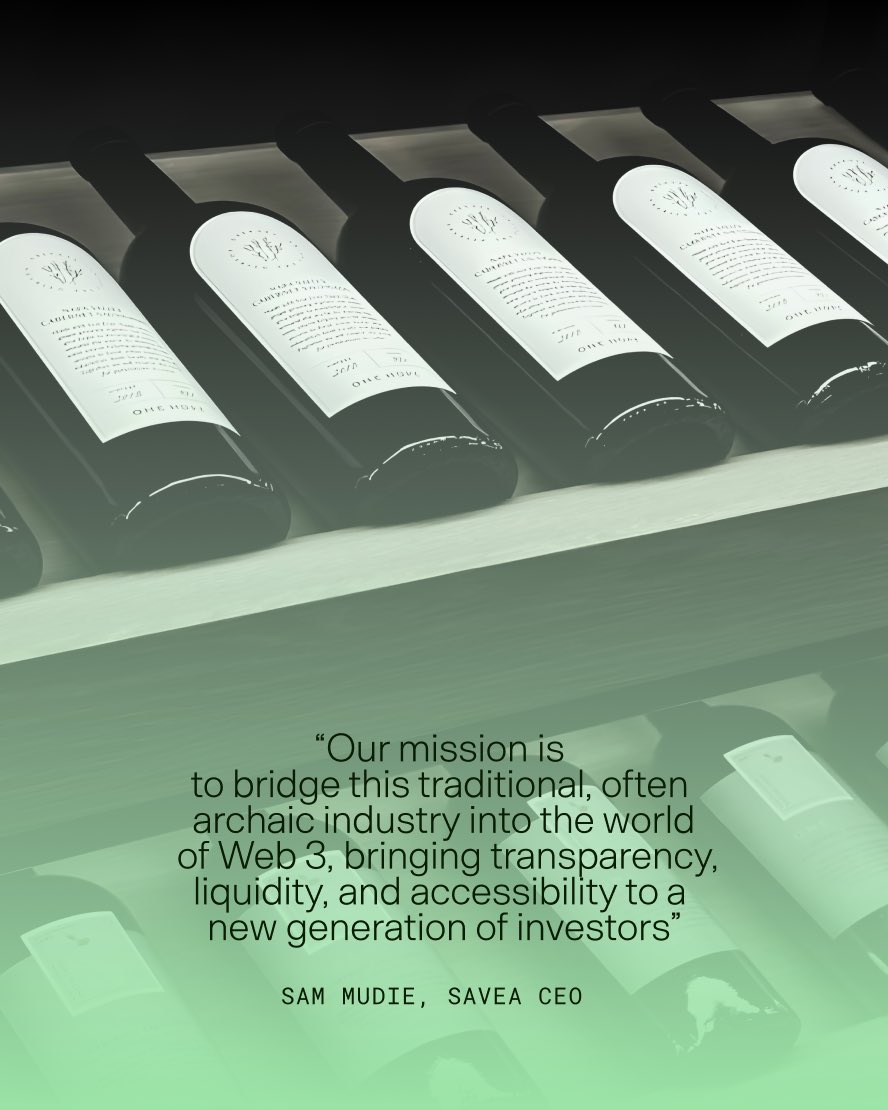
2/ When our CEO Sam Mudie built Savea, the goal was simple: raise the bar. That means regulatory consent to issue tokens, audited reserves, and institutional-grade compliance backed by @sumsub KYC & AML.
1
2
37
29 Dec 2025
3/ Long-term value requires long-term thinking.
That’s what we’re building.
1
22
27 Dec 2025
Passion assets aren’t just valuable. They’re emotional. Tokenization allows more people to participate.
#RWA #Tokenization #WineInvestment
1
25