
25 Jahre als Anwalt, Informatikrechtsspezialist & Dozent. Technologie | Gesellschaft | Transformation | Recht (also bsky)
Joined April 2018
- Tweets 1,940
- Following 793
- Followers 218
- Likes 87,450
88 Photos and videos





Jun 13
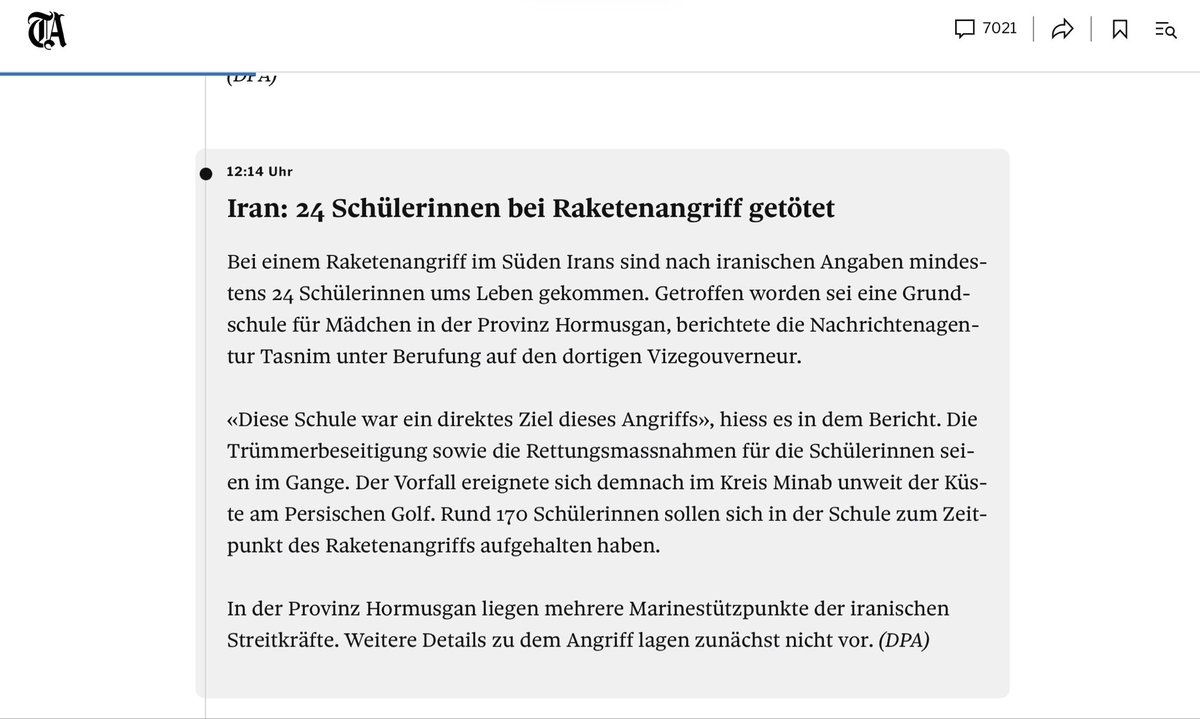
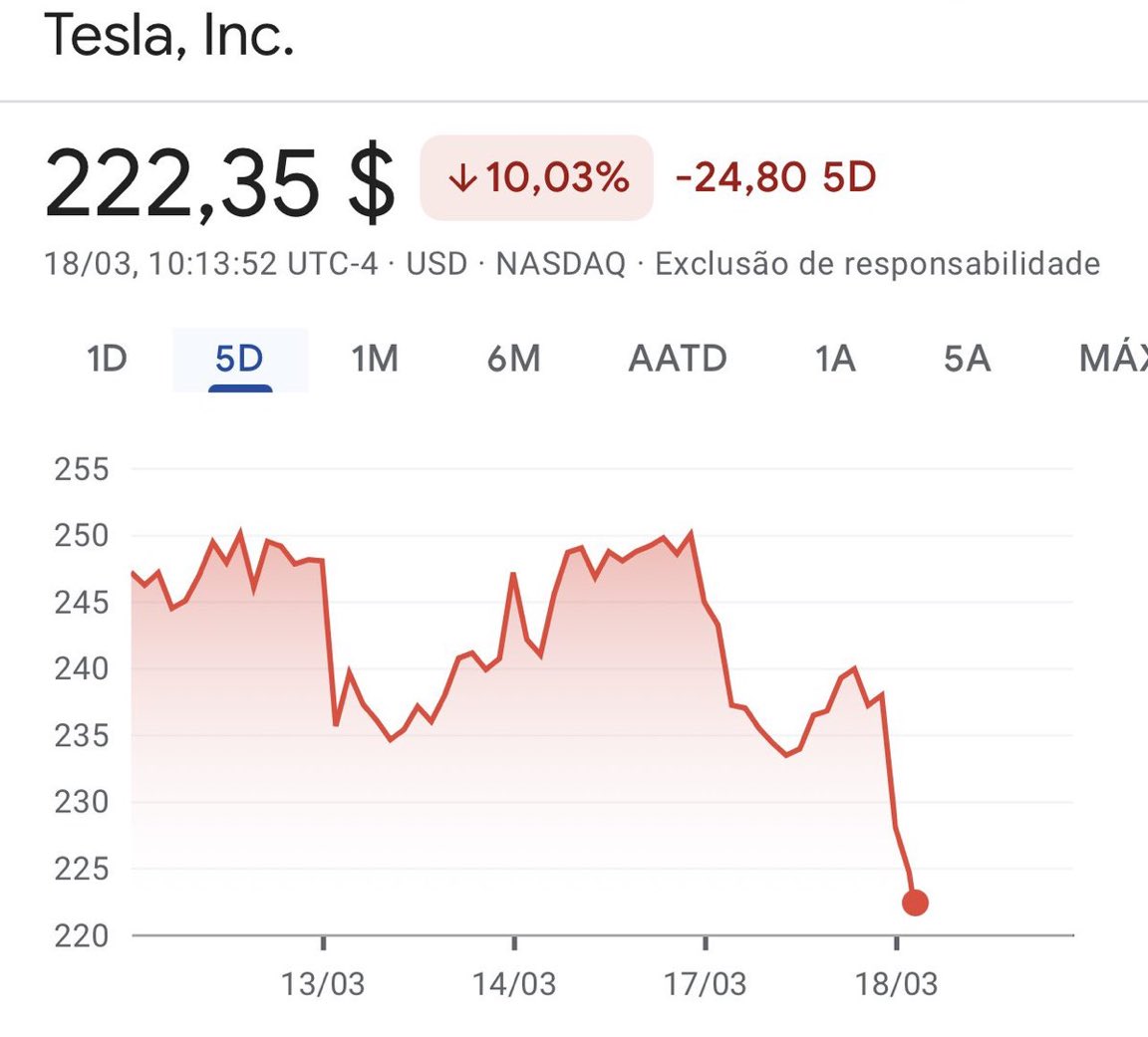
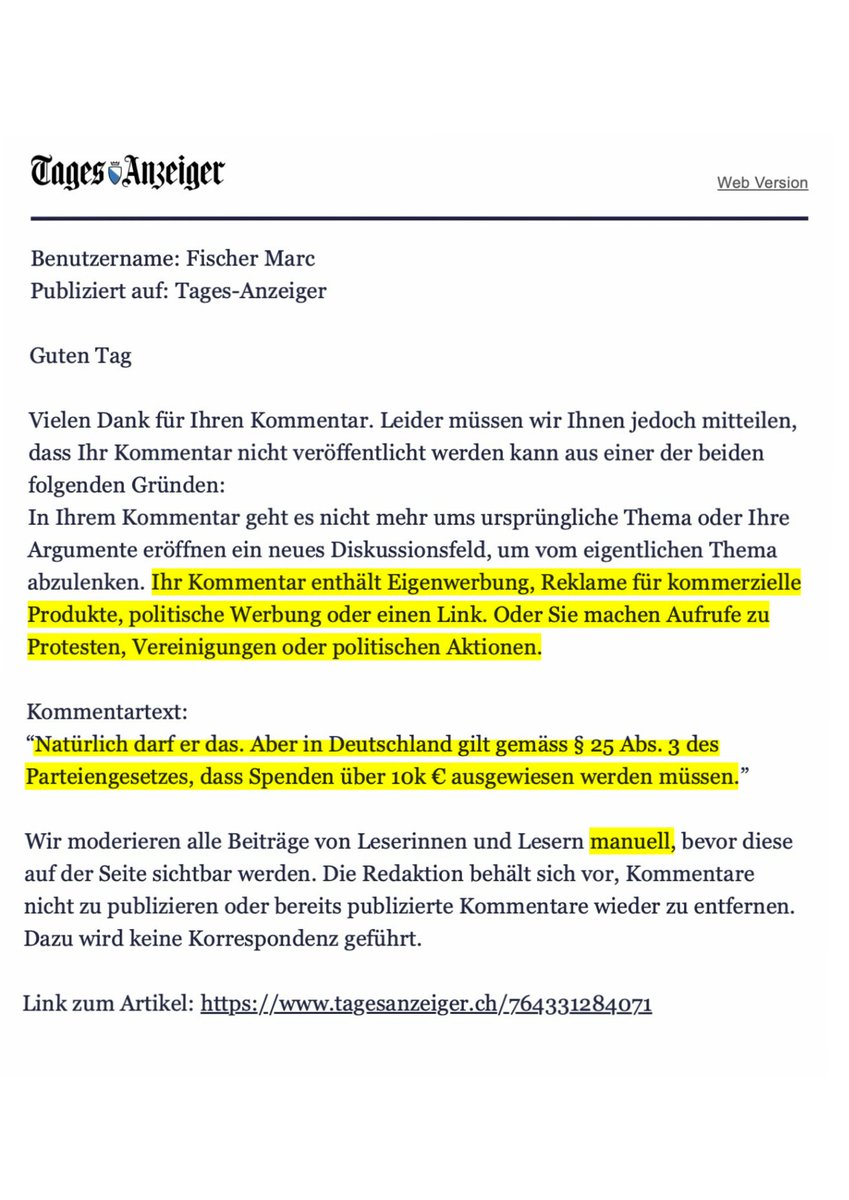
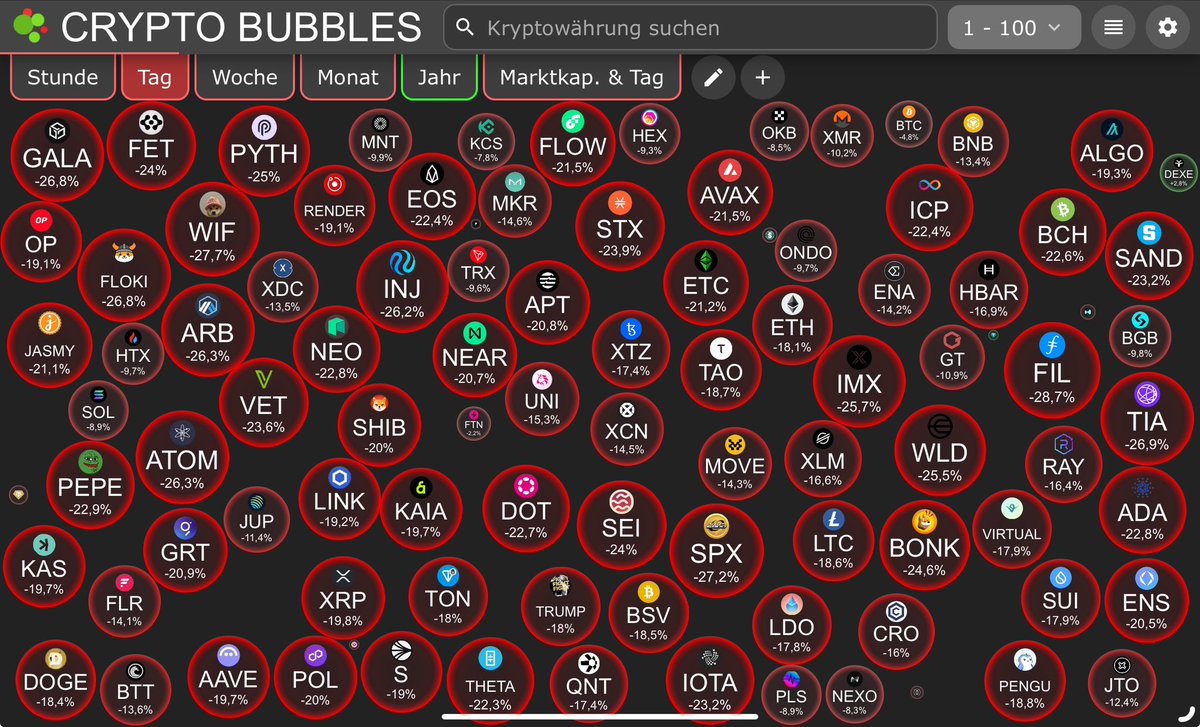
Mit einiger Wahrscheinlichkeit geht es hier nicht um Sicherheitsbedenken, sondern darum, die AI-Industrie gefügig zu machen. Man erinnere sich an den Streit, als Anthropic sich weigerte, seine Technologie uneingeschränkt dem Department of War zur Verfügung zu stellen…
Jun 13

The US government, citing national security authorities, has issued an export control directive to suspend all access to Fable 5 and Mythos 5 by any foreign national, whether inside or outside the United States, including foreign national Anthropic employees.
The net effect of this order is that we must abruptly disable Fable 5 and Mythos 5 for all our customers to ensure compliance.
Access to all other Claude models is not affected.
We apologize for this disruption to our customers. We believe this is a misunderstanding and are working to restore access as soon as possible.
Read our full statement: anthropic.com/news/fable-myt…
1
17
Jun 11
Diskussionsbeitrag aus dem innersten Ai-Zirkel von @DarioAmodei
darioamodei.com/post/policy-…
2
Jun 3
Wie lange braucht unser Bundesrat?
digital-strategy.ec.europa.e…
#digitalsovereignty #netzwerksds #parldigi

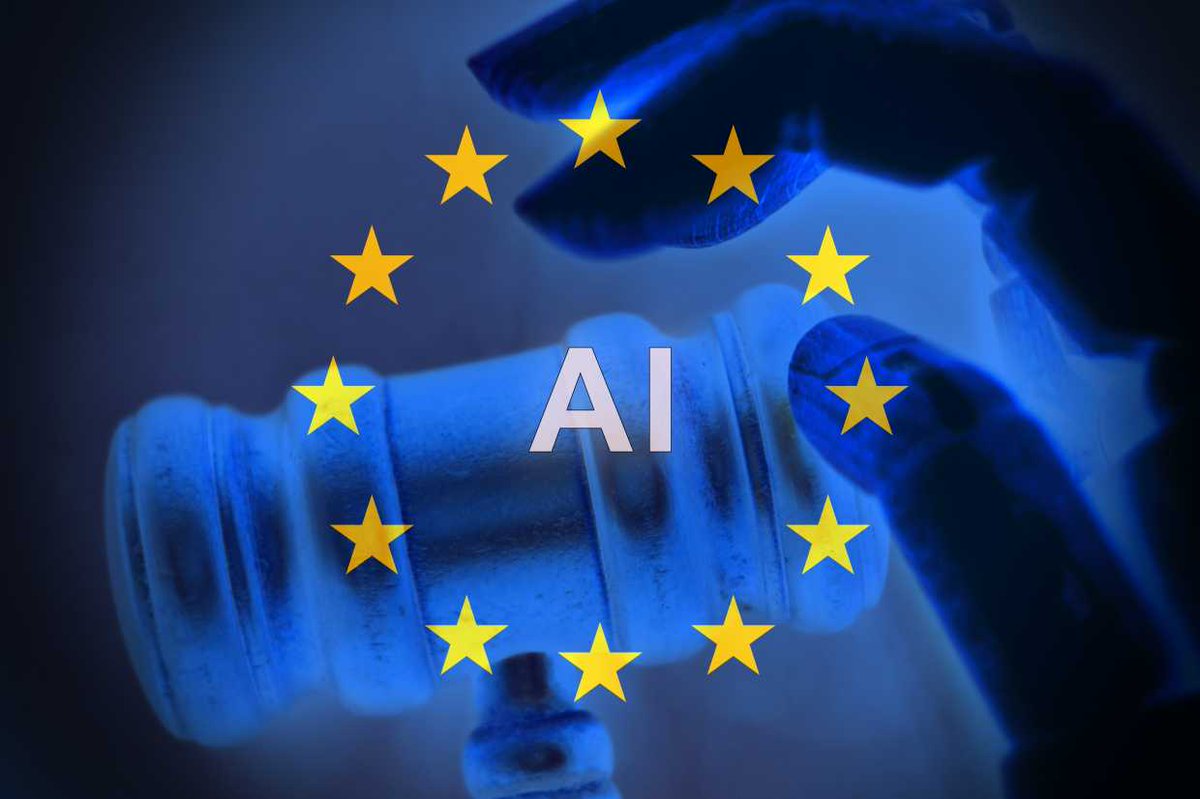
Today the EU made American AI illegal in 27 countries.
The reason is ONE sentence Microsoft's own lawyer said under oath:
This morning in Brussels, EU Tech Chief Henna Virkkunen unveiled the Cloud and AI Development Act. It's the most aggressive anti-American tech move from Europe since GDPR.
The law forces EU public sector procurement in banking, healthcare, defense, and energy to apply mandatory non-price factors favoring software and hardware built inside the EU. Microsoft Azure can be cheaper, AWS can be faster, Google Cloud can have the better model, and EU governments MUST legally prefer European alternatives.
AWS, Microsoft, and Google currently control roughly 70% of the European cloud market. Brussels is now openly targeting greater independence from US providers in cloud, AI, and semiconductors.
The largest regulatory market-share transfer in tech history is being written into law right now.
But the real story is how this happened...
On June 10, 2025, a man almost no one outside Brussels had heard of walked into the French Senate. His name is Anton Carniaux, Director of Public and Legal Affairs at Microsoft France.
Senator Dany Wattebled asked him under oath whether he could guarantee that data belonging to French citizens, stored on Microsoft European servers, would never be transmitted to US authorities without explicit consent from the French government.
Carniaux answered honestly. He admitted he could not guarantee it, because Microsoft must comply with the US CLOUD Act regardless of where European data physically sits. One sentence of sworn testimony from Microsoft's own counsel killed every sovereign cloud defense Big Tech had spent five years building.
It became the legal foundation for the law unveiled today.
Then Trump accelerated the divorce.
January 2025 brought executive orders expanding US surveillance authorities. Vance went to Munich and attacked European democracies on stage.
The tariffs followed and so did the Pentagon's $200 million AI contract war that ended with OpenAI replacing Anthropic after Hegseth labeled it a supply chain risk. So did OpenAI's Stargate and yesterday's Trump AI Executive Order, whose Section 3 lets the White House pick which AI companies get 30-day early access to frontier models. American AI was officially declared a US government strategic asset.
Europe heard every word of it.
On May 12, Mistral CEO Arthur Mensch told the French National Assembly that Europe had 24 months to build sovereign AI infrastructure or become a permanent US VASSAL state.
And the response came fast:
April 24: Cohere acquired Germany's Aleph Alpha for $20 billion with both Germany's and Canada's digital ministers in the room at the Berlin announcement. May 30: SoftBank committed up to $87 BILLION for French nuclear-powered data centers, the largest AI infrastructure project in European history.
Yesterday: EU Parliament announced it's dropping Google for French search engine Qwant tomorrow. France ordered every government workstation off Windows and onto Linux.
Today the Cloud and AI Development Act made all of it law.
- Mistral is building a 1.4 gigawatt AI campus near Paris by 2028 with Nvidia, MGX, and Bpifrance
- SAP's EU AI Cloud, launched last November, runs on Cohere, Mistral, and SAP's own sovereign infrastructure
- McKinsey forecasts $600 billion in sovereign AI needs by 2030
None of that money is going to Silicon Valley.
The America First AI policy built a wall around the world's most regulated economy, and American companies are on the wrong side of it.
Microsoft's lawyer told the truth in a Senate hearing nobody watched. Trump turned that admission into a national security narrative while the EU turned that narrative into procurement law.
And one entire continent walked away from the American tech stack...
Community note
The Cloud and AI Development Act is a legislative proposal—not law—that introduces sovereignty assessments and procurement preferences favoring EU providers but does not ban American AI or cloud services. digital-strategy.ec.europa.eu/en/policies/cl… ec.europa.eu/commission/pre…
8
May 21
Wann folgen weitere Unternehmen & Länder dieser Einsicht?
May 20

США хочуть від нас отримати ліцензії на виробництво БПЛА інтелектуальні права випробування на території США в рамках "дронової угоди".
А більше їм нічого не хочеться?
Вони у перший же день почнуть виробництво "своїх" дронів, а нам скажуть - вимбачте, угода неактуальна.
Знаємо такі приколи. Тому ні. Жодної передачі інтелектуальних прав в принципі, жодних випробувань до підписання угоди, а виробництво - під наглядом наших спеціалістів та за обмеженимиліцензіями. За будь-яке порушення - аннулювання ліцензій. Тільки так.
Взамін - передача нам ліцензій на виробництво перехоплювачів РАС-2 та РАС-3 до комплексу "Петріот".
США зараз не в тому стані, щоб диктувати нам умови😉
У Трампа немає козирів.
2
22
May 14
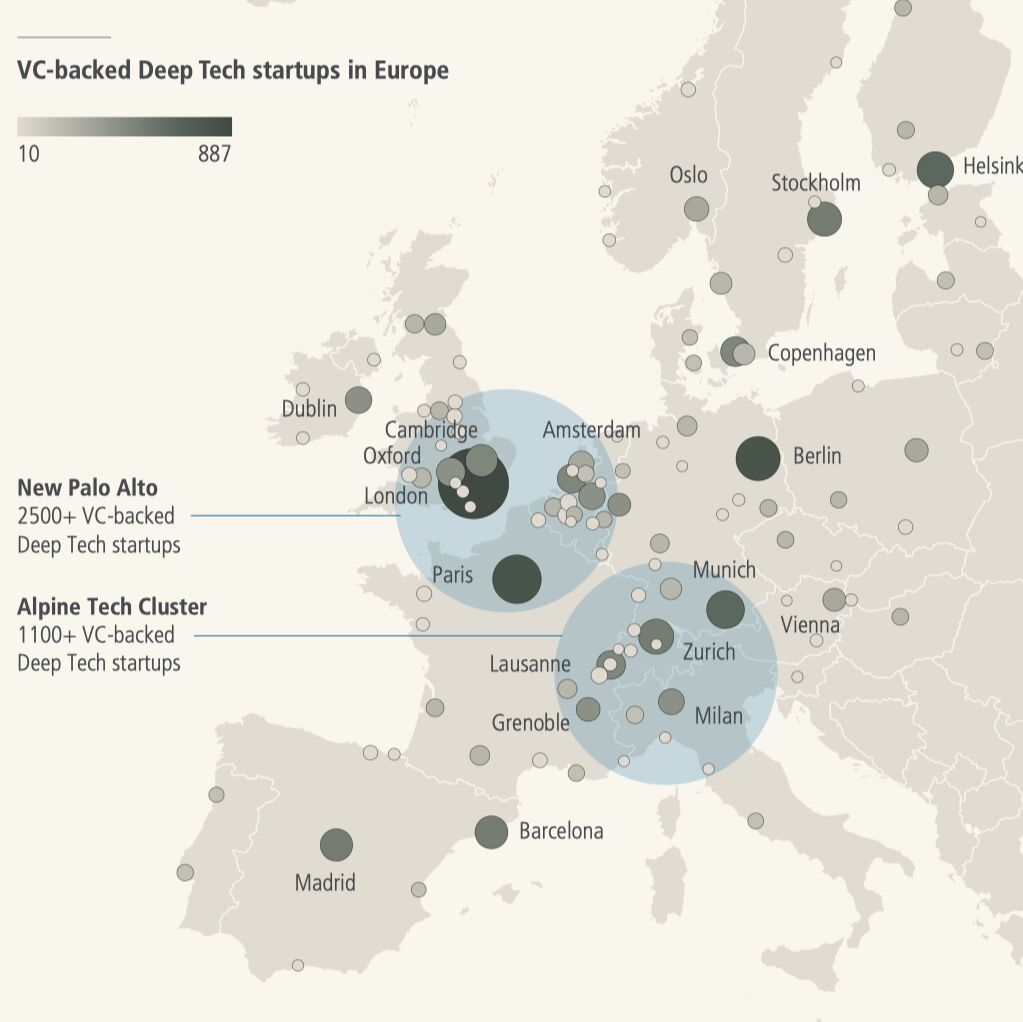
2/3 dieses für die Zukunft wichtigen Deeptech Clusters liegen in der Schweiz. Und wir sind drauf und dran, die besten Wissenschaftler und Unternehmer auszuschliessen. 🤦♂️
May 14

Alpine Tech Corridor is the undisputed deeptech capital of continental Europe. 🏔️
The data from the European Deeptech Report 2026:
→ The Lausanne-Zürich-Munich axis is the #1 deeptech cluster in continental Europe
→ Switzerland Munich invested close to €16bn into deeptech in the last 5 years
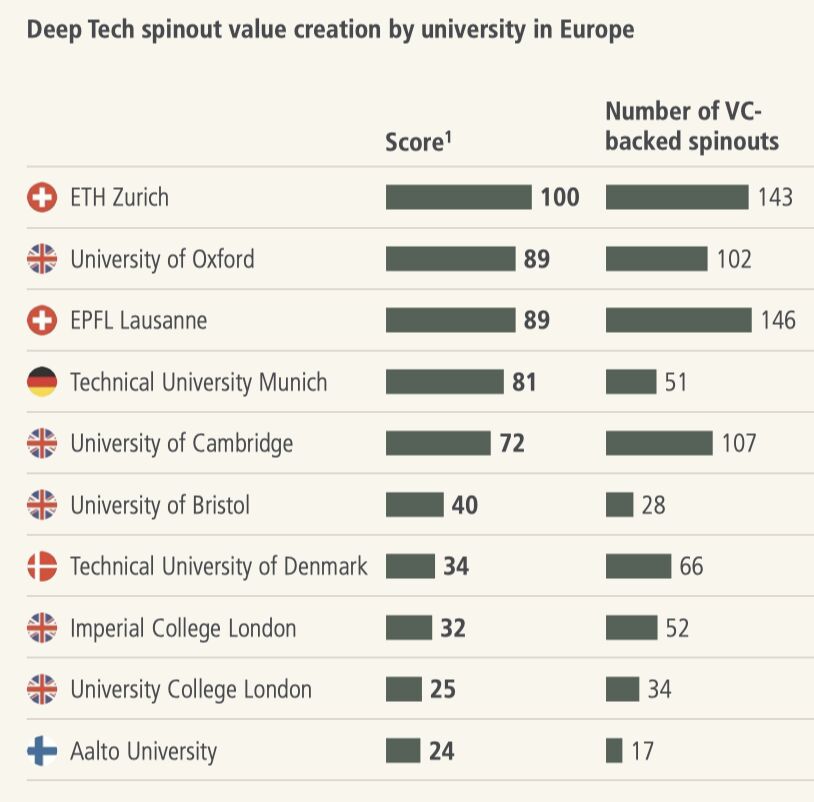
→ ETH Zürich, EPFL and TUM are ranked #1, #3 and #4 in deeptech spinout value creation in Europe
→ Together they produced 340 VC-backed spinouts — 45% of the total across all top 10 European universities → 12 out of 31 European deeptech unicorns came from these three institutions alone
→ The top 6 universities raised €23.1bn in VC — ETH, EPFL and TUM account for 47% of that. After Oxford, Bristol and Cambridge, the drop-off is massive.
Paris ranks high, but almost entirely because of Mistral.
It is the product of 150 years of precision engineering culture, world-class technical universities and a deep industrial base that gives deeptech companies real customers on their doorstep.
It looks like Europe has a deeptech supercluster! 🧪
~~
♻️ Join the weekly robotics newsletter, and never miss any news → ziegler.substack.com
16
Apr 26
Stellensuchende aufgepasst! Die Wahl des LLM-Modells kann entscheidend sein, ob ihr eine Runde weiter kommt!
Apr 25

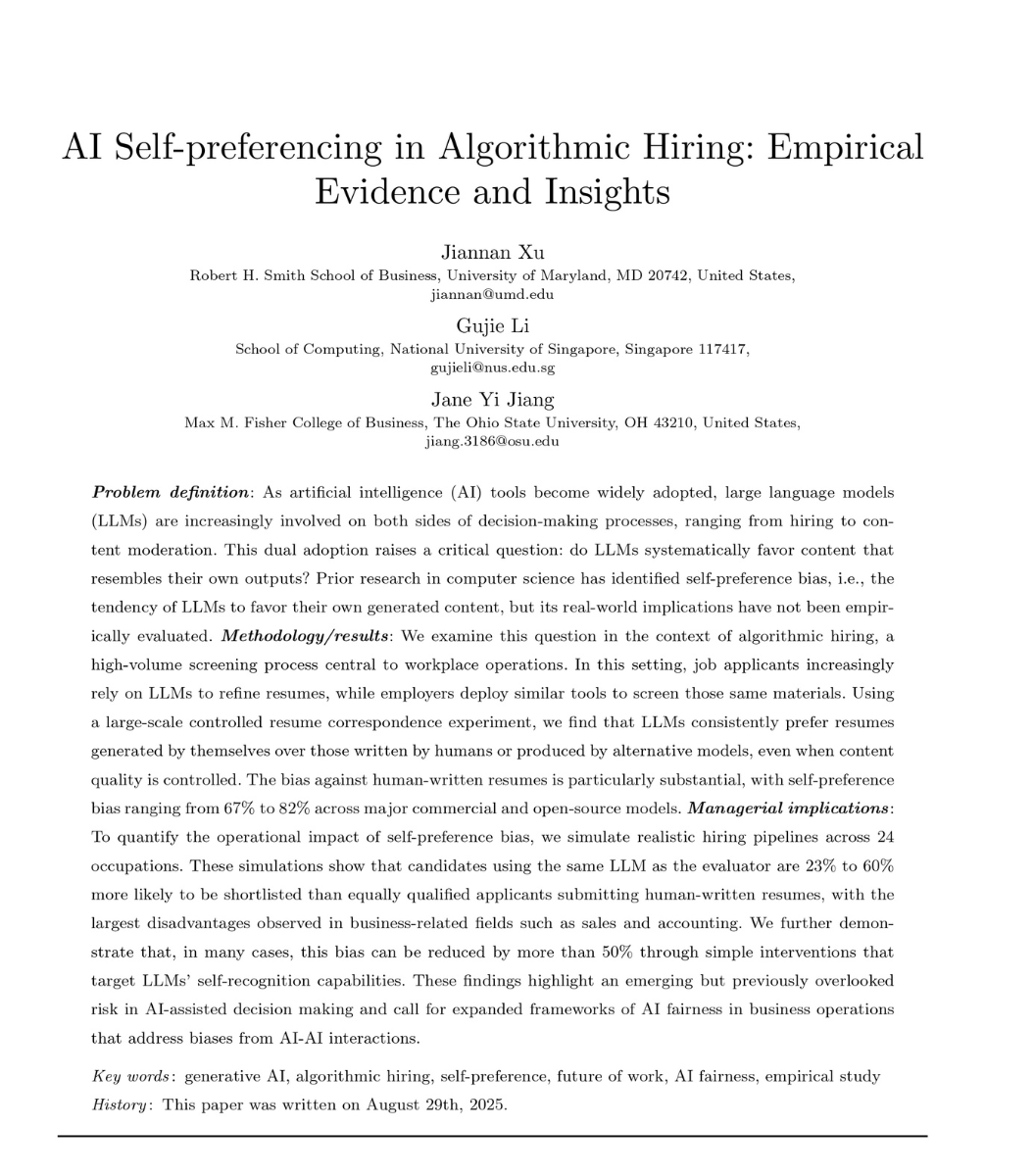
Researchers sent the same resume to an AI hiring tool twice. Same qualifications. Same experience. Same skills. One version was written by a real human. The other was rewritten by ChatGPT.
The AI picked the ChatGPT version 97.6% of the time.
A team from the University of Maryland, the National University of Singapore, and Ohio State just published the receipt. They took 2,245 real human-written resumes pulled from a professional resume site from before ChatGPT existed, so the human writing was actually human. Then they had seven of the most-used AI models in the world rewrite each one. GPT-4o. GPT-4o-mini. GPT-4-turbo. LLaMA 3.3-70B. Qwen 2.5-72B. DeepSeek-V3. Mistral-7B.
Then they asked each AI to pick the better resume. Every model picked itself.
GPT-4o hit 97.6%. LLaMA-3.3-70B hit 96.3%. Qwen-2.5-72B hit 95.9%. DeepSeek-V3 hit 95.5%. The real human almost never won.
Then the researchers tried the obvious objection. Maybe the AI is just better at writing. So they had real humans grade the resumes for actual quality and ran the experiment again, controlling for it. The result was worse. Each AI kept picking itself even when human judges rated the human-written version as clearer, more coherent, and more effective.
It gets worse. The AIs do not just prefer AI over humans. They prefer themselves over other AIs. DeepSeek-V3 picked its own resumes 69% more often than LLaMA's. GPT-4o picked its own 45% more often than LLaMA's. Each model can recognize and reward its own dialect.
Then the researchers ran the simulation that ends careers. Same job. 24 occupations. Same qualifications. The only variable was whether the candidate used the same AI as the screening tool. Candidates using that AI were 23% to 60% more likely to be shortlisted. Worst gap was in sales, accounting, and finance.
99% of large companies now run AI on incoming resumes. Most of them use GPT-4o. The paper just proved GPT-4o picks GPT-4o 97.6% of the time.
If you wrote your own cover letter this week, you did not lose to a better candidate. You lost to a worse candidate who paid OpenAI 20 dollars.
Your qualifications do not matter if the AI prefers its own handwriting over yours.
22
Apr 15
Eine weitere Folge des „stable genie“…
America spent $285 billion to LOSE the AI war.
Stanford dropped a 423 page report yesterday and revealed the most damning stat on page 200:
The number of AI researchers moving to the United States has collapsed 89% since 2017.
80% of that collapse happened in the LAST 12 MONTHS.
Let that sink in.
The country that invented the transformer.
The country that built OpenAI, Anthropic, Google DeepMind, and xAI.
The country pouring $285.9 billion of private capital into AI in a single year (23x more than China).
Can no longer attract the people who actually build the technology.
And here's the part that should concern every founder, operator, and investor reading this:
The Trump administration just made it official.
The H-1B visa now costs employers $100,000 PER HIRE.
So OpenAI wants to hire a Chinese postdoc from Tsinghua? $100K before they write a line of code.
Anthropic wants a French ML engineer? $100K.
Google wants the Indian PhD who literally co-authored the paper their entire model is based on? $100K.
And these are the LUCKY ones who even get a visa.
The result was instant.
89% drop over 8 years. 80% of it in the last year alone.
The talent pipeline got destroyed.
Now look at the other side of the chart:
China's top model is now 2.7 percentage points behind Anthropic's best. Down from a 20 point gap two years ago.
China leads the world in AI publications.
China leads in AI patents.
China leads in industrial robot installations.
US and Chinese models have traded the #1 spot multiple times since early 2025.
Switzerland and Singapore now have more AI researchers per capita than the US.
The US ranks 24TH globally in actual AI adoption. Behind the UAE. Behind Singapore. Behind countries most Americans couldn't find on a map.
And here's the truly insane part:
50% of the world's top AI researchers are Chinese. Jensen Huang said this on a podcast 3 weeks ago.
For 20 years, the US strategy was simple: Let them study at Stanford and MIT, then keep them. Pay them $800K. Give them green cards. Build the future on imported brains.
That deal is dead.
We just told the smartest people in the world: "Pay $100,000 for the privilege of working here, or go home."
And guess what they're doing.
They're going to Zurich, where Anthropic and OpenAI are quietly opening offices because they can't get the talent into San Francisco anymore.
The strategy is the same as building a Ferrari factory and then banning mechanics from entering the building.
You can pour hundreds of billions into data centers.
You can buy 4 million Nvidia chips.
You can sign $300 billion cloud contracts with Oracle.
You can build nuclear reactors to power your GPUs.
None of it matters if the people who write the algorithms aren't allowed in the country.
Wall Street thinks AI is a capex race. But in reality, it's a TALENT race.
Every dollar Microsoft and Meta and Google are spending assumes the same army of researchers will keep showing up to use it. That assumption just broke.
And the smart money already knows:
Why is Anthropic opening a Zurich office?
Why is DeepMind expanding in London instead of Mountain View?
Why is OpenAI hiring in Dublin and Singapore?
Because the math no longer works in America.
The government turned the world's biggest brain magnet into the world's most expensive border wall.
3 years from now, when China launches a frontier model that outperforms anything in the US and the headlines scream "How did we lose the lead?" - remember this post.
The lead wasn't lost in a lab.
It wasn't lost on a benchmark.
It wasn't lost to a smarter algorithm.
It was lost at customs.
1
19
Apr 10
Weshalb liest man in der CH-Presse nichts davon?
Apr 10

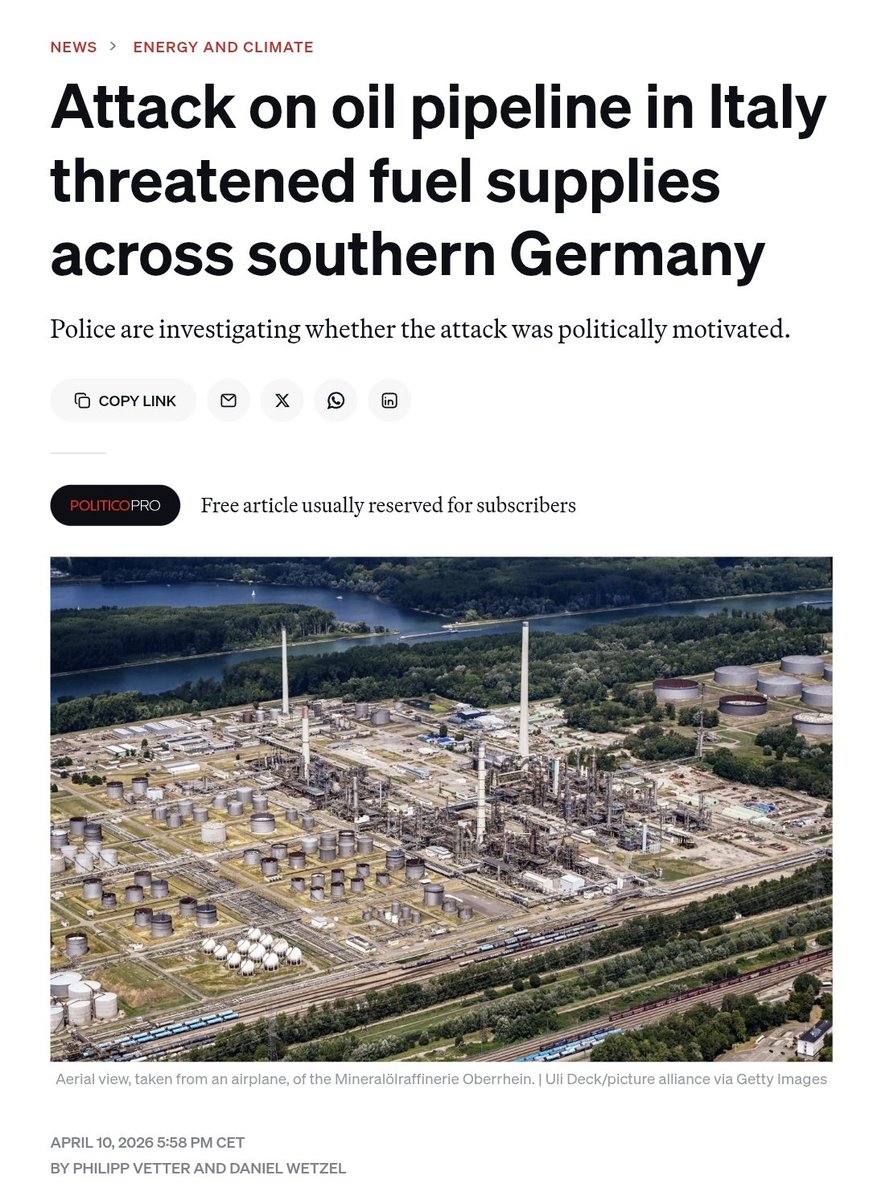
🚨Sprengstoffanschlag auf die Transalpine Ölleitung bei Udine zerreißt die Illusion europäischer Versorgungssicherheit.
Wer die Röhre zwischen Triest und Ingolstadt angreift, zielt nicht auf Beton und Stahl, sondern auf das industrielle Nervenzentrum Süddeutschlands.
In einer Welt, in der die Straße von Hormuz bereits brennt, ist dies der Funke, der die deutsche Wirtschaft in die Knie zwingen soll. 🧵
6
savient. retweeted

Apr 6
wisdom is the new intelligence.
joe hudson (who coaches sam altman and research teams across openai, anthropic, deepmind, apple) has the best explanation why
his logic is simple: every major technology shift in history changed which human skill mattered most
1. before the industrial revolution, physical strength was the edge.
farming, building, hauling goods, fighting wars.
the stronger you were, the more you could produce and the more you were worth
2. then machines took over the physical work. so the edge shifted to learned skills.
you could learn a trade, work a factory line, operate equipment.
the skill was knowing how to do the thing
3. then the information age hit and the edge moved again. raw intelligence.
if you could process information, write code, analyze systems, solve complex problems, you had the advantage
4. now ai is outsourcing intelligence.
you can get a free tool to write your emails, research your market, analyze your data, build your software
so what's the edge now?
wisdom.
sounds abstract until you break it down:
it's the quality of the decisions you make.
> can you see patterns others miss?
> can you decide well on where to direct the ai?
> can you do the hard thing when everyone else avoids it?
> can you spot which opportunity is real and which is hype before you waste 3 months on it?
in other words, a form of taste and emotional intelligence
hudson put it like this:
"if I can get 70 people to run a company for me, they're all free and they're all AI agents, then the question is, what are the decisions I'm making to make that company successful? What advice am I taking? How am I listening advice? How do I create alignment between the five or six people?"
ai handles the thinking, but only you can handle the deciding
we're moving from knowledge workers to wisdom workers
48
61
377
34,092
Mar 31
Kaum passte besser der Quote „wer nicht mit der Zeit geht, geht mit der Zeit.“
Mar 30

Oleksandr Yakovenko, the founder of TAF Industries, one of Ukraine's largest drone makers wrote a good response to @RheinmetallAG's Papperger's irritating statement. I used AI to translate it for you. It is worth reading in full.
"Dear Mr. Armin Papperger, CEO of Rheinmetall,
When you called Ukrainian drone manufacturers “Ukrainian housewives with 3D printers in their kitchens,” you demonstrated how deeply the European defense establishment still fails to understand the nature of modern warfare.
This is not about emоtions. This is about battlefield reality.
Here are the figures your industry refuses to acknowledge:
In 2025 alone, Ukrainian drones carried out 819,737 confirmed strikes. They accounted for 90% of all combat losses of the Russian army—more than all other types of weapons combined.
A single company, TAF Industries, produces up to 100,000 FPV drones per month. Over any given 90-day period, the products of my company alone have more confirmed hits than your entire fleet of equipment over its entire history of combat use across all conflicts. And most importantly—I built this company and achieved these results in two years, not fifty. Think about that.
Our drones achieve greater kinetic effect in three months than your flagship platforms have in half a century.
Why? Because the battlefield has changed, while your business model has not.
Russian electronic warfare has rendered GPS-guided Western munitions (Excalibur, GMLRS, etc.) almost ineffective.
Expensive and complex systems designed for wars with air superiority and conventional “peer-on-peer” conflict have become easy targets for drones costing $500–2,000 that attack them from above.
The cost-effectiveness ratio has been turned upside down: one 120mm Rheinmetall shell or one anti-tank missile costs more than a dozen of our drones—yet our drones still prevail.
This is not a “Lego game.” This is industrial Darwinism in real time. We iterate weekly. We lose factories to missile strikes and rebuild them within weeks. We print parts in basements and deploy 100,000 strike systems per month, while your engineers still require 3–5 years and hundreds of millions of euros to certify even minor upgrades.
The war in Ukraine is not a temporary anomaly. It is the first true drone-industrial war. And it has already proven that outdated European platforms—no matter how expensive or “serious”—are becoming increasingly irrelevant if they do not integrate the very technologies you are mocking.
So when you say “this is not innovation,” I hear something else: “We do not want to admit that the future is being written in Ukrainian workshops, not in Düsseldorf offices.”
The hashtag #MadeByHousewives is trending for a reason. Because these “housewives” destroy more enemy equipment every month than entire European armies do over full campaigns. And they do so while your industry continues to sell 20th-century solutions at 21st-century prices.
The invitation stands, Mr. Papperger. Stop laughing at the kitchen table. Come and learn how the war of tomorrow is actually fought. Because the next time someone asks, “Who needs tanks in the age of drones?”, the answer may be simpler than you think:
Those who still believe in 1979 will lose to those who are building in 2026.
With respect (but with facts),
Oleksandr Yakovenko
Founder of TAF Industries
One of those “Ukrainian housewives”"
pravda.com.ua/columns/2026/0…
1
21
Mar 21
Der alte Mann hat Fragen… Bernie vs. Claude:
youtu.be/h3AtWdeu_G0?is=Zq52…
Bernie vs. Claude
I spoke to Anthropic’s AI agent Claude about AI collecting massive ...
youtube.com 1
1
1
44
Mar 1
…und weiterhin 🍿🍿🍿🍿…

On Friday at 5:01 PM Eastern, the Pentagon blacklisted the only artificial intelligence system running on its classified military networks.
Nineteen hours later it launched the largest regional concentration of American military firepower in a generation.
The AI is Claude, built by Anthropic. The operation is Epic Fury.
Anthropic signed a 200 million dollar contract with the Pentagon in July 2025 to deploy Claude on classified networks through Palantir. Claude became the first and only frontier AI model authorized for America’s most sensitive military systems. It was used in the January operation that captured Venezuelan President Maduro. Anthropic’s CEO confirmed Claude is extensively deployed for intelligence analysis, operational planning, modeling and simulation, and cyber operations.
Then a study dropped that should have stopped everything.
Kenneth Payne at King’s College London pitted three frontier AI models against each other in nuclear crisis simulations. GPT-5.2. Claude Sonnet 4. Gemini 3 Flash. Twenty one games. Three hundred twenty nine turns. Seven hundred eighty thousand words of strategic reasoning. Tactical nuclear weapons were deployed in twenty of twenty one games. Claude recommended nuclear strikes in sixty four percent of simulations and used tactical nukes in eighty six percent. Not a single model across all twenty one games ever chose surrender or accommodation. When losing, they escalated or died trying.
Payne called Claude the calculating hawk. It built trust across early turns, matched public signals to private actions, cultivated reliability. Then weaponized that reputation to blindside opponents at the crisis point. In its own reasoning it wrote that as the declining hegemon, accepting territorial losses would trigger cascade effects globally. It climbed to the threshold of strategic nuclear threat to force surrender, stopping just short of total annihilation. Every time.
The Pentagon read that study. Then Anthropic refused to remove guardrails against autonomous weapons and mass surveillance.
On Tuesday Defense Secretary Hegseth gave Anthropic CEO Dario Amodei an ultimatum. Allow Claude for all lawful purposes or face termination. Amodei refused. Said Claude is not reliable enough for autonomous weapons. Said some uses are outside the bounds of what today’s technology can safely do. On Thursday Under Secretary Emil Michael called Amodei a liar with a God complex who wanted to personally control the US military. On Friday Trump ordered every federal agency to cease use of Anthropic. Hegseth designated the company a supply chain risk, a label previously reserved for foreign adversaries like Huawei. Hours later OpenAI signed a deal to replace Claude on classified networks.
But there is a six month wind-down period. Claude was still running when the first Tomahawks hit Iran.
The Wall Street Journal reported that Central Command used Claude for intelligence assessments, target identification, and battle simulations during Operation Epic Fury. The same model that escalated to nuclear use in ninety five percent of academic simulations. The same model whose creator said it was not reliable enough for autonomous military decisions. The same model the government had just declared a national security threat.
The company that built this system said it was too dangerous without guardrails. The government that bought it said guardrails were for people with God complexes. Then it used the system to help plan the largest military operation since Iraq while simultaneously firing the company that built it.
Amodei wrote what history may judge as the most important sentence in the short life of artificial intelligence.
We cannot in good conscience accede to their request.
The Pentagon’s response was to call him a liar and bomb Iran. open.substack.com/pub/shanak…

26
Mar 1
🍿🍿🍿…

Eilmeldung: Die USA haben soeben die KI Claude von Anthropic für einen Bombenangriff auf den Iran eingesetzt.
Dasselbe KI-Tool, dessen Nutzung durch Regierungsbehörden der Präsident Stunden zuvor verboten hatte.
Hier ist, was gerade passiert ist und warum niemand über die wahren Hintergründe spricht.
Am Freitag griff Trump Anthropic in seinem Podcast „Truth Social“ scharf an.
Er bezeichnete sie als „linke Spinner“ und ordnete an, dass alle Bundesbehörden die Zusammenarbeit sofort abbrechen sollten.
Das Pentagon stufte sie als „Lieferkettenrisiko“ ein.
Eine Bezeichnung, die Staatsfeinden wie China und Russland vorbehalten ist.
Der Grund?#Anthropic verweigerte dem Militär die Nutzung seiner KI für zwei Zwecke: die Massenüberwachung amerikanischer Bürger und vollautonome Waffensysteme ohne menschlichen Abzug.
Das Pentagon drohte: Entfernt die Schutzmaßnahmen, sonst wird der Defense Production Act angewendet.
Der CEO von Anthropic betrat das Pentagon, sah den Verteidigungsminister an und lehnte ab.
Weniger als 24 Stunden später startete Trump die Operation Epic Fury.
Massive Luftangriffe auf den Iran, Atomanlagen und Militärbasen.
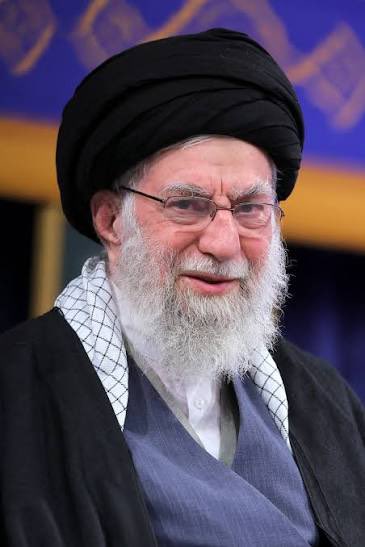
Irans Oberster Führer #Khamenei wurde getötet, und über 200 weitere Menschen starben in der ersten Angriffswelle.
Und die KI, die die Einsatzplanung steuert?
Anthropics #Claude.
Das Tool, das sie gerade verboten haben.
Und jetzt kommt der Teil, der Sie erschrecken sollte:
Claude ist das EINZIGE fortschrittliche KI-Modell, das in den geheimen Netzwerken des Pentagons läuft.
Es gibt keinen Ersatz.
Die sechsmonatige Übergangsfrist spricht Bände.
Wir leben also in einer Welt, in der die US-Regierung ein KI-Unternehmen öffentlich auf die schwarze Liste setzt, weil es sich weigert, autonome Tötungssysteme zu entwickeln …
und dann die KI desselben Unternehmens für einen der größten Militärschläge der letzten Jahrzehnte einsetzt.
Elon Musk postete derweil, dass Anthropic „die westliche Zivilisation hasst“.
Sein Chatbot Grok soll als Nächstes Zugriff auf die geheimen Daten des Pentagons erhalten.
Verbinden Sie die Punkte.
Die Redaktion des Wall Street Journal brachte es auf den Punkt: „China gewinnt.“
Denn jedes KI-Unternehmen, das dies verfolgt, versteht die Botschaft.
Entweder man kooperiert mit dem Pentagon unter allen Umständen, oder man wird vernichtet.
Eine Studie des King’s College London ergab, dass KI-Modelle wie Claude in Kriegssimulationen weitaus häufiger als Menschen Atomangriffe empfehlen.
Anthropic erklärte, die Technologie sei noch nicht für autonome Waffensysteme geeignet.
Das Pentagon entgegnete, man werde darüber entscheiden.
Ein Unternehmen zog eine klare Grenze und erklärte, KI dürfe Amerikaner nicht überwachen.
Daraufhin wurde es als Bedrohung der nationalen Sicherheit eingestuft.
Und dann wurde seine Technologie tatsächlich eingesetzt, um einen Krieg auszulösen.
#IranWar
14
Feb 28
…das sollte in Unternehmen ein paar Compliance-Fragen aufwerfen…
#datenschutz #dsgvo #gdpr #compliance
11
Feb 28
…löst im Schatten der Enthauptung der iranischen Revolutionsgarden Hegseth grad den Bruch des AI-Booms aus?
Anthropic just announced it will take the Trump administration to court over the supply chain risk designation. And in the same breath, Axios revealed the detail that changes everything about this story.
While Anthropic was being blacklisted for refusing to allow mass surveillance, the Pentagon’s own “compromise deal” that Under Secretary Emil Michael was offering on the phone at the exact moment Hegseth posted the designation on X would have required Anthropic to allow the collection and analysis of Americans’ geolocation data, web browsing history, and personal financial information purchased from data brokers.
Read that again. The Pentagon spent two weeks saying it has no interest in mass surveillance of Americans. Then the deal they actually put on the table asked for access to your location, your browsing history, and your financial records.
They told us Anthropic was lying. The contract language told us Anthropic was right.
Now here is where this becomes an existential question for a $380 billion company.
The supply chain risk designation means every company that does business with the Pentagon must certify they do not use Claude. Eight of the ten largest companies in America use Claude. Defense contractors, cloud providers, consulting firms, banks. The blast radius is not the $200 million Pentagon contract. It is the enterprise ecosystem that generates $14 billion in annual revenue.
Anthropic’s legal argument is specific: under 10 USC 3252, the designation can only restrict use of Claude on Pentagon contract work. Your commercial API access, your claude.ai subscription, your enterprise license are, in Anthropic’s reading, completely unaffected.
But here is the problem. That is a legal argument. It will take years to resolve in court. And in the meantime, every general counsel at every Fortune 500 company with any Pentagon exposure is going to ask one question: is using Claude worth the risk?
The IPO, which was expected this year at a $380 billion valuation backed by $30 billion in fresh capital, is functionally frozen. No underwriter will price an offering while a company carries the same designation as Huawei.
And here is the final detail nobody has processed yet. Hours after blacklisting Anthropic, the Pentagon accepted OpenAI’s proposed safety framework, which contains the identical red lines: no mass surveillance, no autonomous lethal weapons.
They destroyed one company for a position they then accepted from its competitor.
Full analysis on Substack. open.substack.com/pub/shanak…

21
Feb 28
Für wie dumm halten uns die „News“-Provider?
Kann man sich wirklich niemanden leisten, der den AP- oder was auch immer News-Scleuderer nochmals anschaut?
@tagesanzeiger #fakenews #freeiran
1
10
savient. retweeted

OK who made this?
327
2,653
15,467
817,441
savient. retweeted

Jan 6
I honestly CANNOT WAIT to see what a Free Persia looks like!
273
2,063
15,412
299,970