Consultant @WHO Brain Health Unit | Researcher @harvardmed | fmr. Physician @ChariteBerlin | Co-founder @R3_R3SOLUTE | #publichealth #policy | Views own.
Joined April 2010
- Tweets 700
- Following 184
- Followers 298
- Likes 2,656
120 Photos and videos


Pinned Tweet

14 Oct 2025
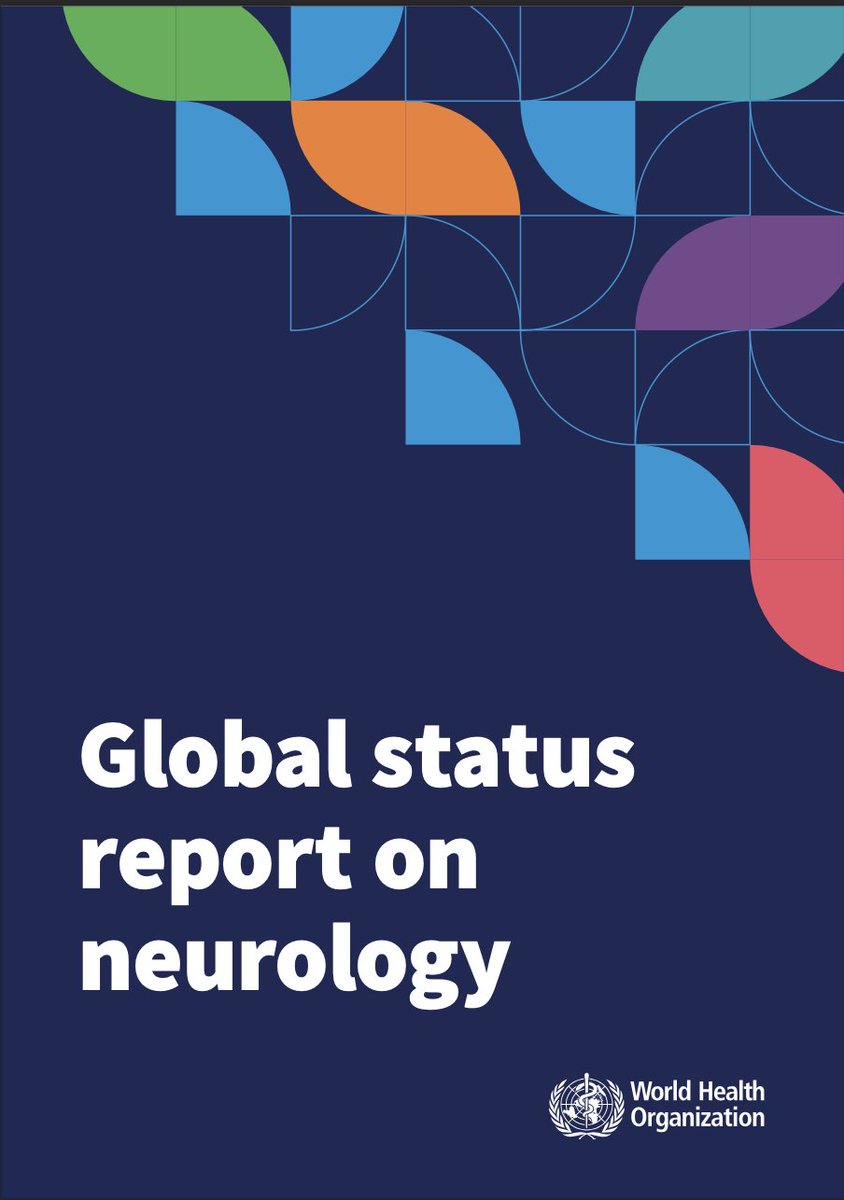
🧠 Neurological conditions affect over 1 in 3 people worldwide, yet care remains out of reach for most.
Today, @WHO launched the Global status report on neurology, calling for urgent attention for improved neurological care and brain health for all.
▶️ tinyurl.com/WHONeuroGSR
134
Sebastian F. Winter, MD PhD retweeted

29 Nov 2025
Systemic review on neurocognitive outcomes in patients with🧠 metastases in @TheLancetOncol
Urgent need for research assessing modality-specific neurocognitive tox and optimal sequencing of therapies!
@OncoAlert
#brainmets
thelancet.com/journals/lanon…
2
9
23
3,823
Sebastian F. Winter, MD PhD retweeted

28 Oct 2025
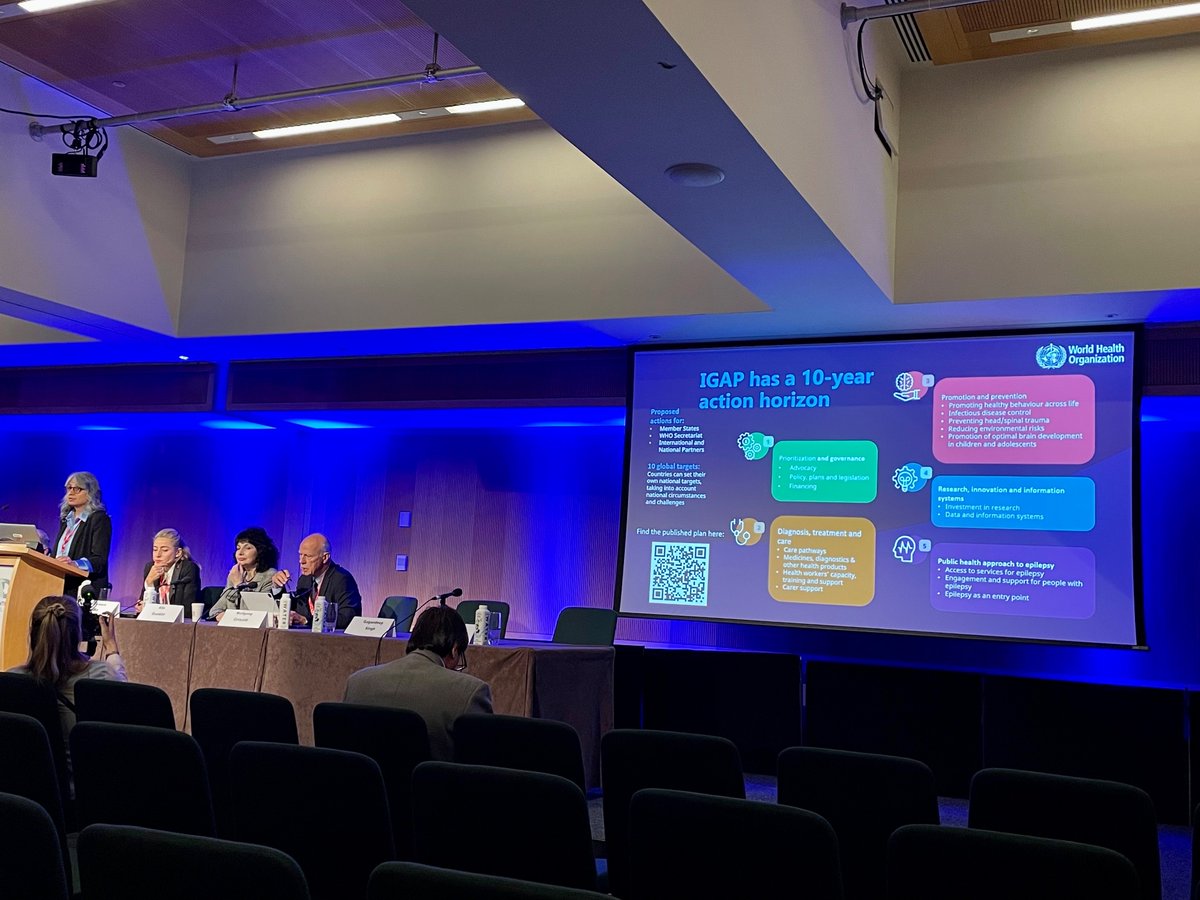
The WHO’s Global Status Report on Neurology offers the first global assessment of how countries are responding to neurological disorders under #IGAP (2022–2031). It exposes urgent gaps in care, access & research—calling for stronger global action on #BrainHealth.
🔗 bit.ly/49mBKSY
#Neurology #GlobalHealth #WHO
4
8
558
Sebastian F. Winter, MD PhD retweeted

15 Oct 2025
WHO: Neurologische Versorgung erfordert dringenden Handlungsbedarf: Genf/Seoul – Die Weltgesundheitsorganisation (WHO) warnt in ihrem aktuellen Globalen Statusbericht zur Neurologie (Global status report on neurology), dass weniger als eines… dlvr.it/TNhGCz

1
1
1
331
Sebastian F. Winter, MD PhD retweeted

15 Oct 2025
Neurological conditions now affect over 3 billion people – about 40% of the global population & cause over 11 million deaths each year. Yet fewer than 1 in 3 countries have a national policy in place.
Learn more in @WHO’s Global Status Report on Neurology:
who.int/news/item/14-10-2025…
1
7
14
1,094
Sebastian F. Winter, MD PhD retweeted

14 Oct 2025
Global status report on neurology
who.int/publications/i/item/…
4
5
198
Sebastian F. Winter, MD PhD retweeted

14 Oct 2025
JUST PUBLISHED: Global status report on neurology
The growing burden of #neurological disorders represents a major global public health issue. Every year, disorders such as stroke, meningitis and #epilepsy kill over eleven million people, making them the world’s leading cause of ill health and disability combined. Over forty percent of the world’s population are living with a neurological disorder, impairing the physical and #mental health, quality of life and well-being, and ability for full participation in society of those affected.
The inequities in neurological care remain substantial. People in low- and middle-income countries are disproportionally affected by neurological disorders, while #health systems in many parts of the world still lack the resources to adequately address the scope of the problem. This burden is complicated by #stigma and discrimination which can hamper lives, increase the risk of poverty, and make accessing care even more difficult. Yet many neurological disorders are preventable or treatable through existing interventions, and research advances increasingly lead to more effective prevention, treatment and care.
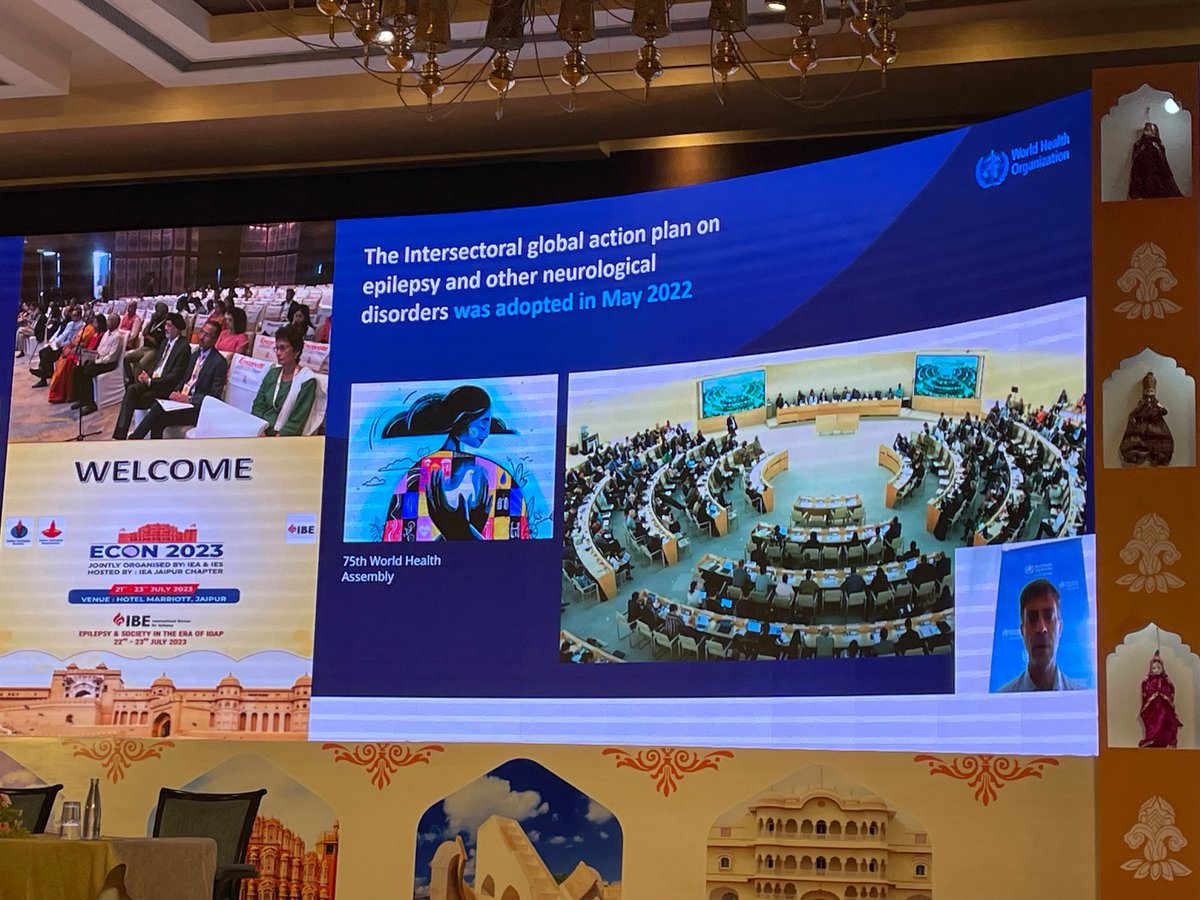
The Intersectoral global action plan on epilepsy and other neurological disorders 2022–2031 marks a historic milestone in public health policy. It presents an unprecedented opportunity to confront the growing global burden of neurological conditions and to promote #brain health across the life course. WHO stands fully committed to working alongside Member States, people with lived experience and civil society to implement this transformative plan and achieve its ten ambitious targets by 2031.
Report available here iris.who.int/handle/10665/38…
13
16
2,311
Sebastian F. Winter, MD PhD retweeted

14 Oct 2025
WHO urges governments to:
✔️ Make brain health a policy priority
✔️ Expand access to care without financial hardship
✔️ Promote brain health across the life course
✔️ Strengthen data systems & monitoring
✔️ Involve people with lived experience
New report bit.ly/4oj81yH

7
37
102
30,576
Sebastian F. Winter, MD PhD retweeted
14 Oct 2025
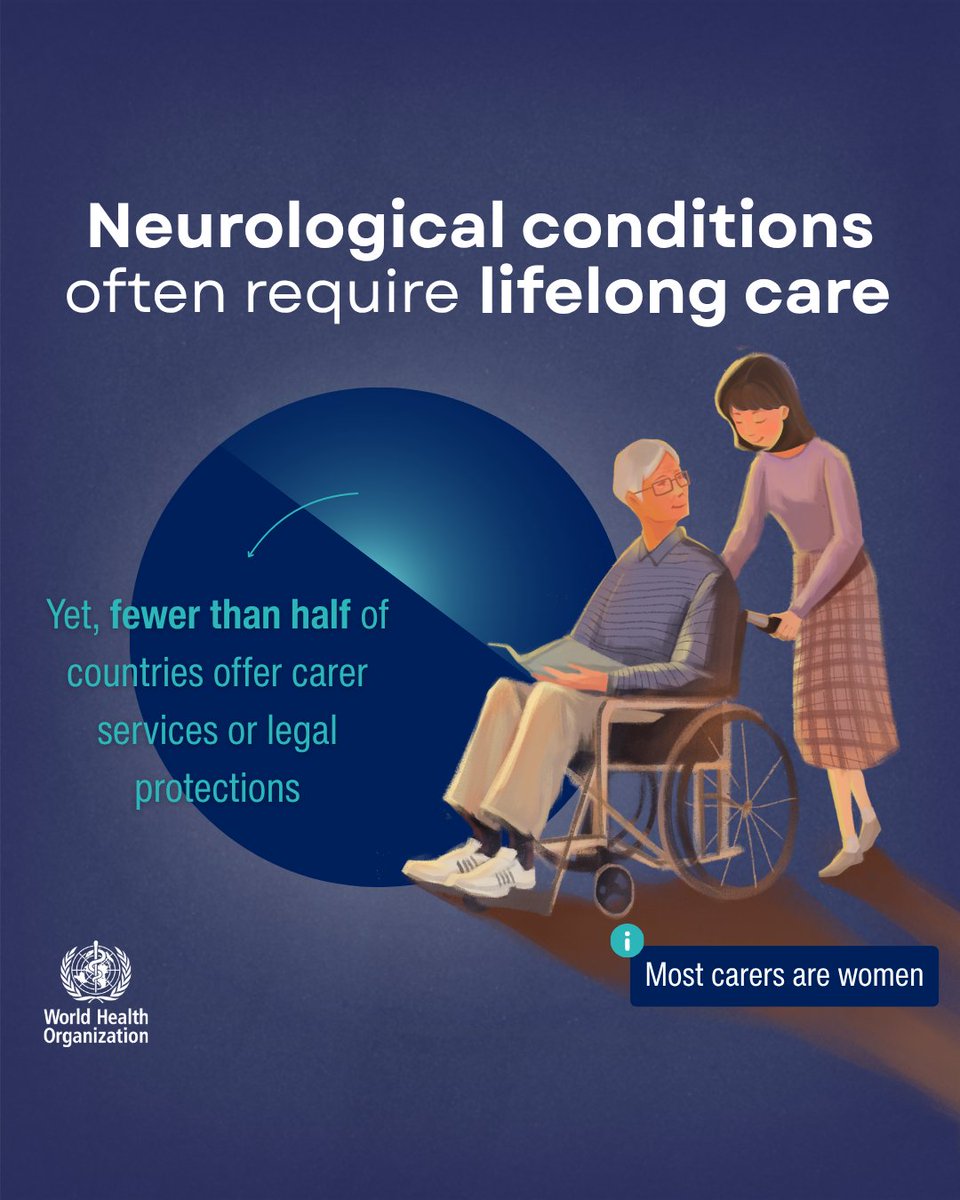
Neurological conditions often require lifelong care.
Yet fewer than half of countries offer carer services or legal protections.
Most carers are women, yet they remain largely unrecognised and unsupported.
Report bit.ly/4oj81yH
13
71
163
28,991
Sebastian F. Winter, MD PhD retweeted
14 Oct 2025
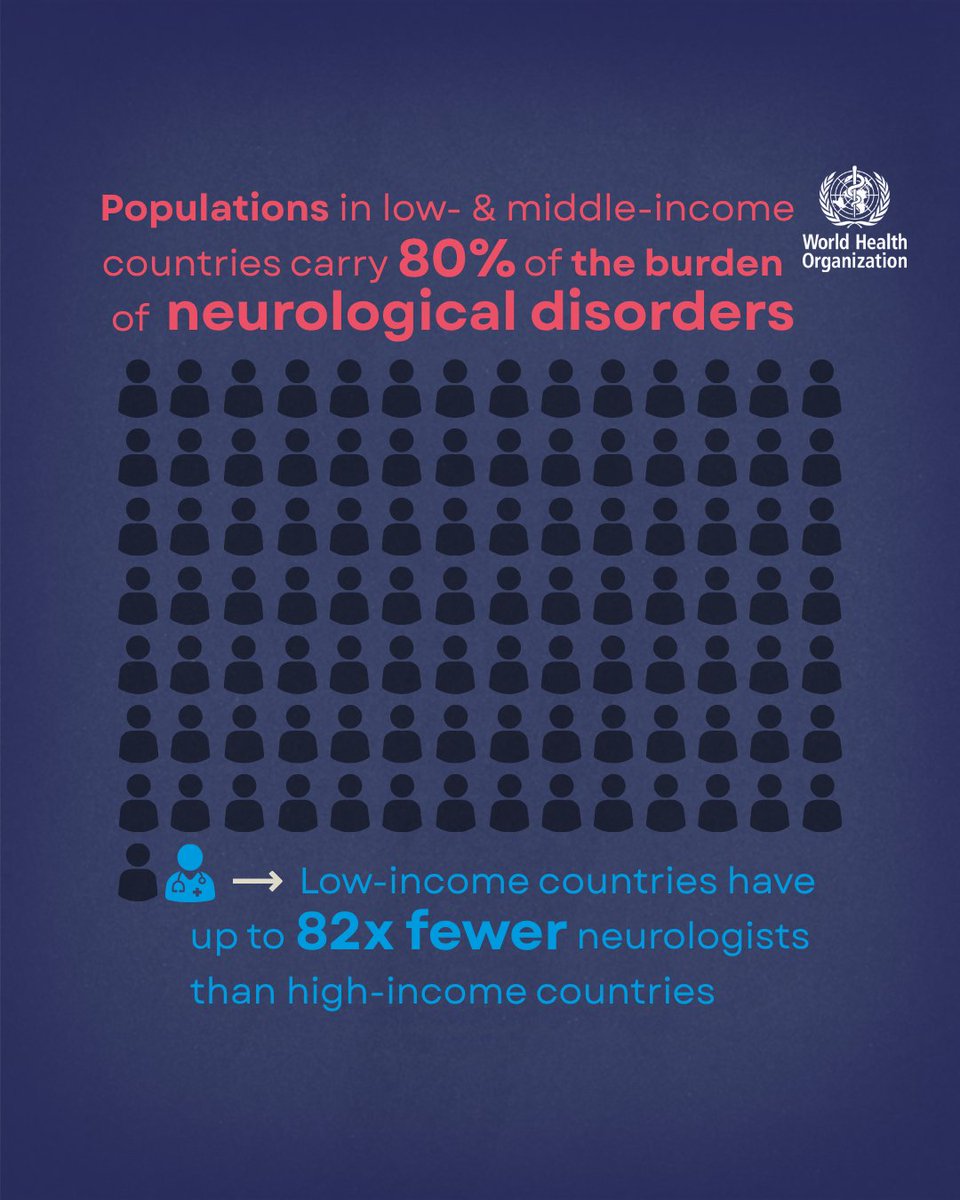
🌍 Populations in low- and middle-income countries carry 80% of the global burden of neurological disorders, yet they often have the least resources to care for the people affected.
⚠️ Low-income countries have up to 82x fewer neurologists than high-income countries.
15
40
111
30,518
14 Oct 2025
🧠 Over 1 in 3 people live with a neurological condition. Many can be prevented or treated, yet care remains out of reach for most.
Today, @WHO launches the Global status report on neurology, calling for urgent global action on #brainhealth: bit.ly/4oj81yH
48
Sebastian F. Winter, MD PhD retweeted
14 Oct 2025
1 in 3 people is living with neurological condition, such as stroke, epilepsy, migraine, autism.
Despite the number of people with these conditions, those in low- and middle- income countries face the greatest challenges.
New WHO report bit.ly/4oj81yH
17
37
75
28,582
Sebastian F. Winter, MD PhD retweeted

11 Aug 2025
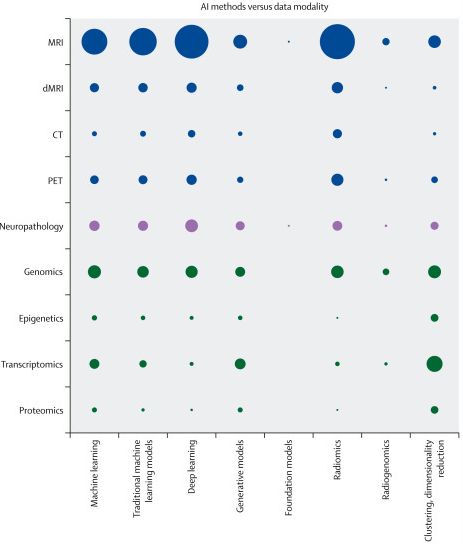
Value of artificial intelligence in neuro-oncology
thelancet.com/journals/landi…
1
5
6
257
Sebastian F. Winter, MD PhD retweeted

11 Aug 2025
NEW Review: Value of #ArtificialIntelligence in neuro-oncology.
Read it here: buff.ly/yY5Oks1
1
5
14
2,349
Sebastian F. Winter, MD PhD retweeted

9 Apr 2025
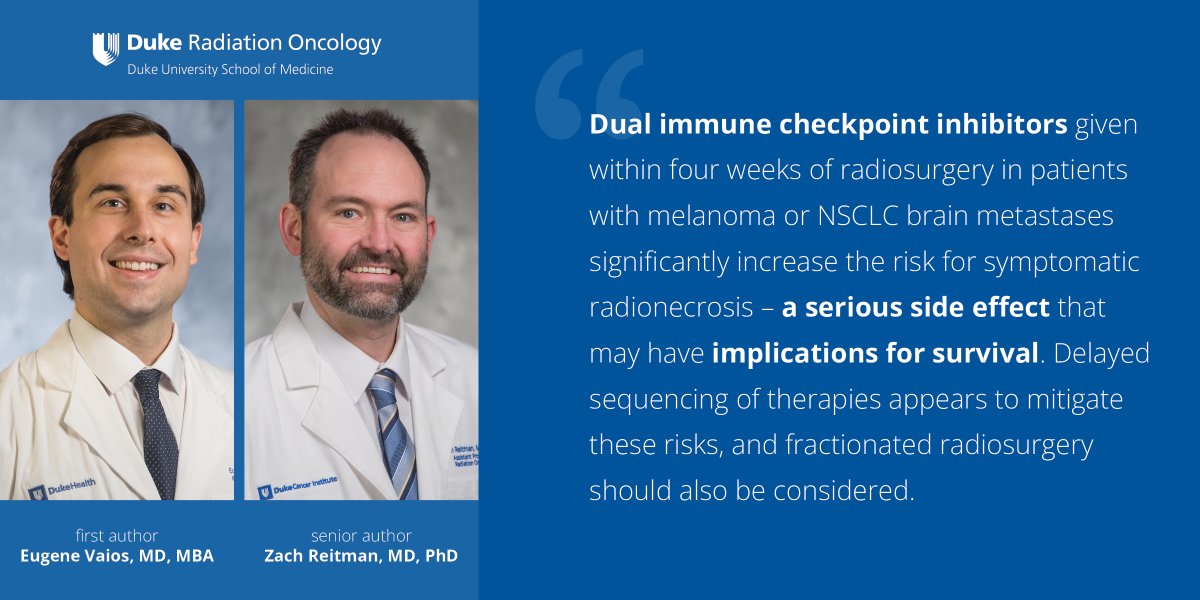
Concurrent treatment with dual immune-checkpoint inhibitors plus radiosurgery was associated with an increased risk of symptomatic radionecrosis in patients with melanoma and non-small cell lung cancer brain metastases.
ja.ma/4jvrYQx
1
3
548
Sebastian F. Winter, MD PhD retweeted

9 Apr 2025
Congrats to our #RadOnc team on the publication of "Symptomatic Necrosis With Dual Immune-Checkpoint Inhibition and Radiosurgery for Brain Metastases" in @JAMA_current! So proud of this research jamanetwork.com/journals/jam… #DukeResearchSavesLives @DukeCancer @DukeMets @DukeMedSchool
1
4
20
1,204
Sebastian F. Winter, MD PhD retweeted

6 Dec 2024
The future standard for metabolic oncology in brain cancer has arrived. This is our extensive framework for therapeutic diet-drug implementation across research and standard practice, applicable to glioblastoma and all major cancers. doi.org/10.1186/s12916-024-0…
78
368
1,371
1,139,709
Sebastian F. Winter, MD PhD retweeted

28 Nov 2024
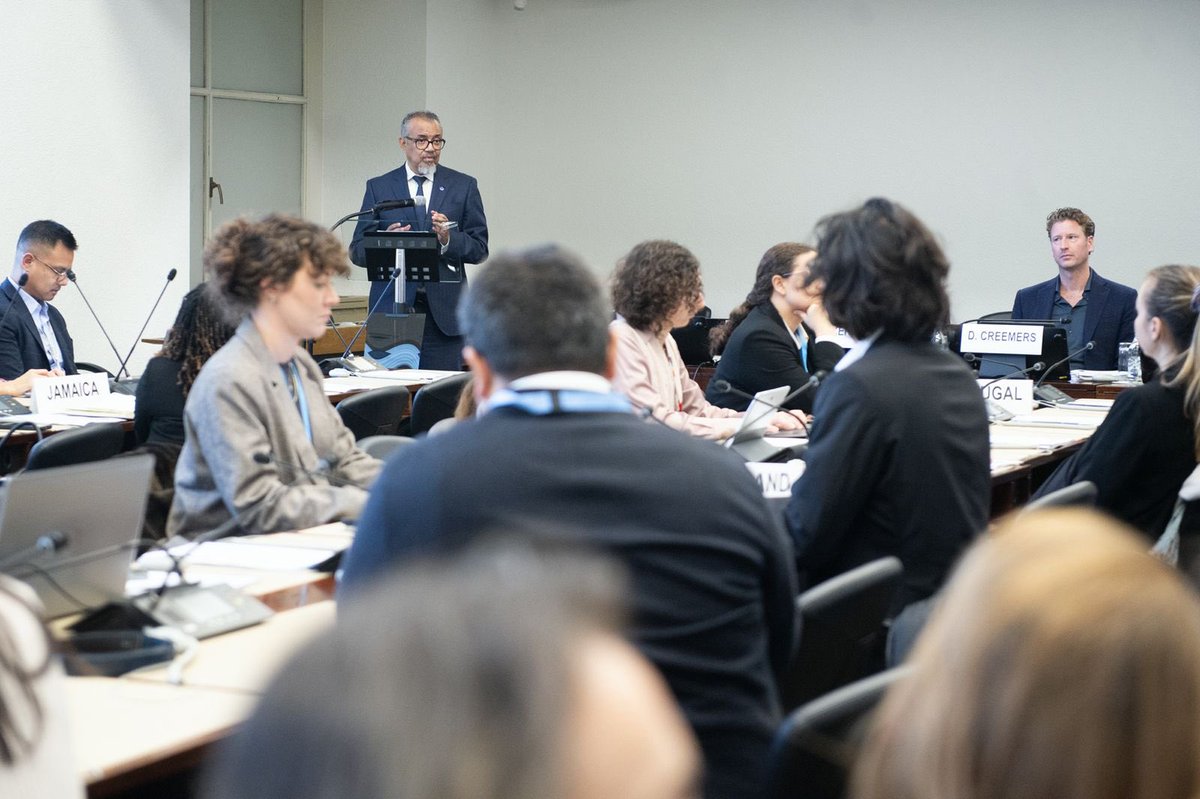
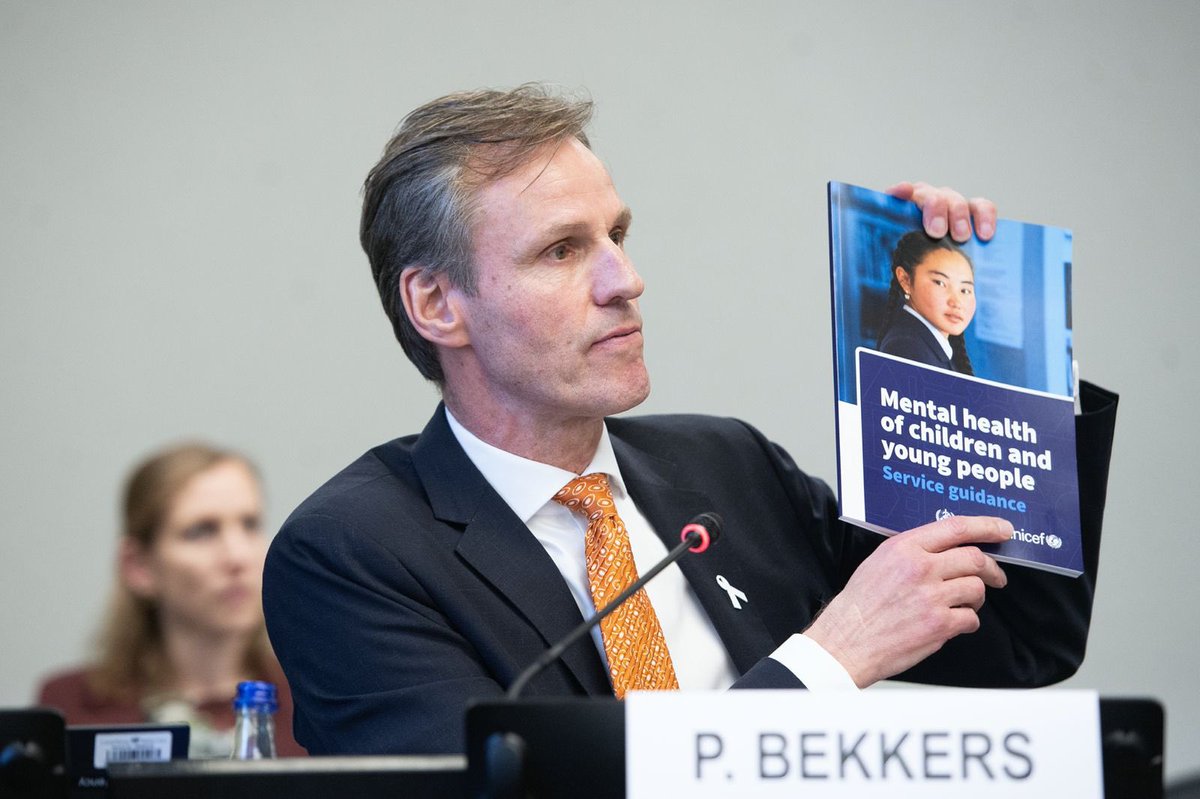
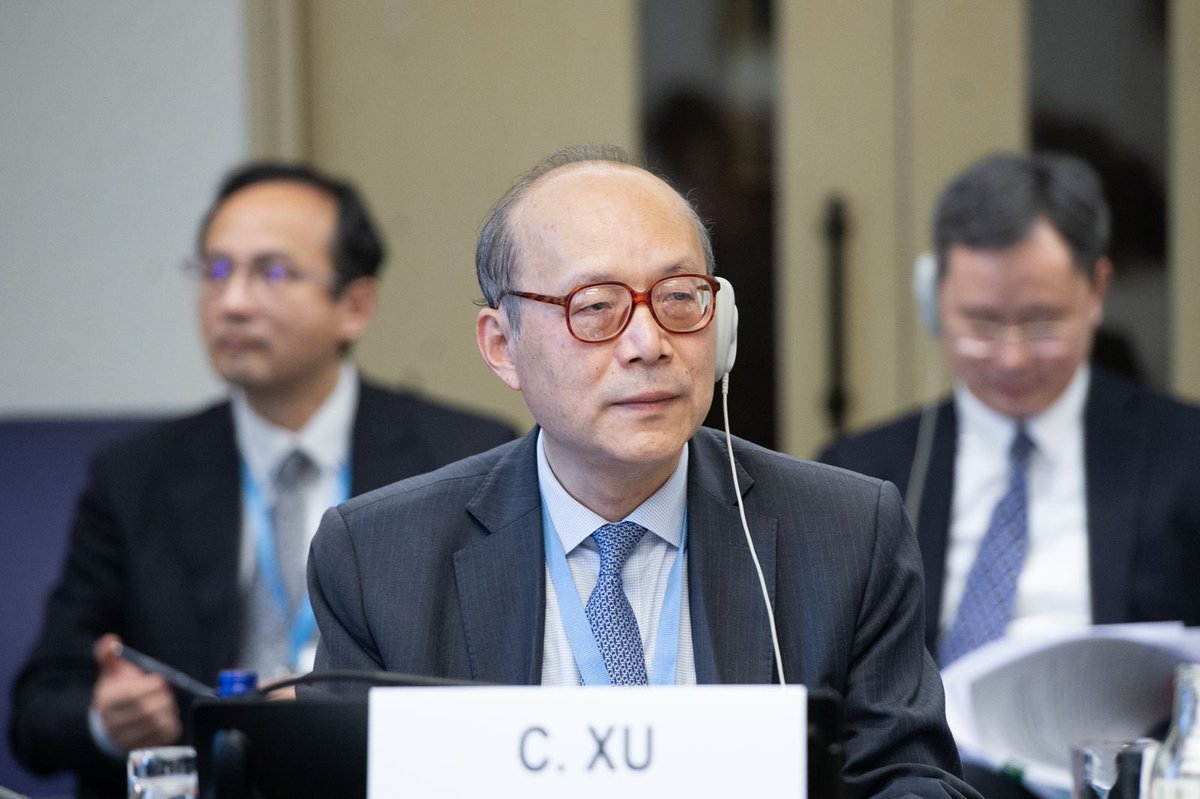
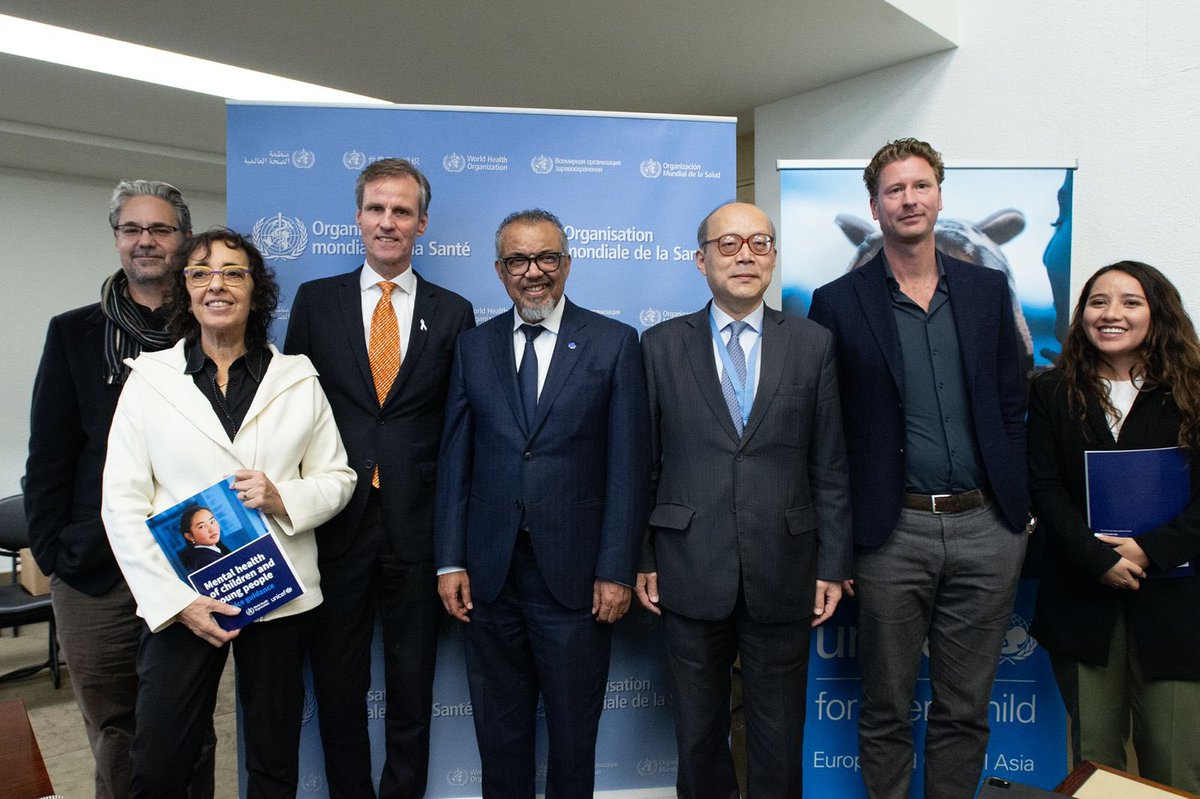
Globally, 1 in 7 adolescents experience #MentalHealth conditions; and suicide is the 3rd leading cause of death for young people aged 15 to 29 years.
@WHO/@UNICEF guidance shows how every country can take action to improve access and quality of care for mental health services for children and young people: bit.ly/3OqRys6
I believe that this guide can inspire change.
25
65
178
43,501
22 Nov 2024
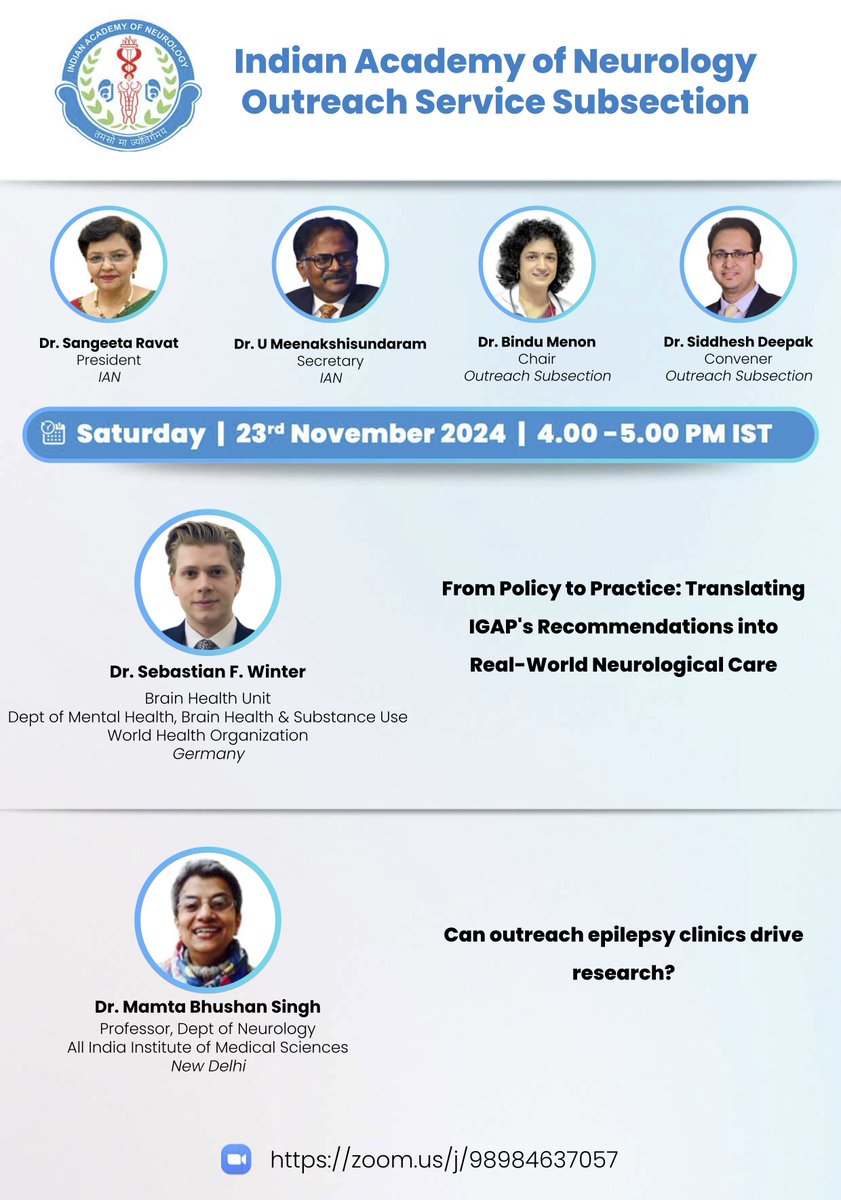
Excited to join @neuro_ian's webinar tomorrow to discuss @WHO's global #neurology action plan (IGAP) and strategies to advance #brainhealth for all!🌏Thanks @bindumenon2013 and IAN for the kind invitation!
2
154

FIFA, alongside the @WHO, recently launched a global concussion awareness campaign. 🤝
The latest episode of the @WHO ‘Science in 5’ this week ran through everything you need to know about concussion, including the signs and symptoms to look out for.
#SuspectAndProtect
23
14
67
37,854