
Joined May 2015
- Tweets 4,108
- Following 299
- Followers 594
- Likes 29,935
545 Photos and videos


最近のゲームはどれもこれもスゴイな。圧倒される。ガンダムのゲーム作れって言われてもこれよりカッコイイゲーム作れる自信ない。まあ、言われないけど。
それでもこれを見て「俺の方がカッコイイガンダムゲーム作れる!」って思える若い人には是非頑張ってほしい。それも見たい。死ぬまでにお願いしたい。
Jun 5

『GUNDAM ROGUE ORBIT(ガンダム ローグオービット)』が2027年にPS5®で発売決定!
ハイスピードかつ自在な高機動バトルを体験できるアクションゲーム。ガンダムヘリックスのパイロット“レクス”となり、相棒のハロ“ヴィー”と共に、未知の敵がもたらす脅威へと立ち向かおう。
83
975
8,189
506,241
Shadowth117 retweeted

Jun 1
> update system
> program doesn't work
> check commit history
sigh
25
286
11,293
204,108
Shadowth117 retweeted

May 29
I GOT THE DOMAIN! I FINALLY GOT IT!!!!!!!!!!1 🥳🎉
Paint.NET is now at paint.net!
Well, it will be just as soon as I push all the buttons to migrate content and set up redirects from getpaint.net etc. For now it's just a "hey go here" redirect page.
703
4,440
39,621
1,185,514
Shadowth117 retweeted

‼️ After the MSRC blog post about Nightmare-Eclipse, researchers are coming forward with their own MSRC horror stories.
The response from the security community isn't going Microsoft's way. As they’re not backing Microsoft.
Gabriel Landau, a well-known Windows security researcher, says he reported a Device Guard bypass with a 90-day window. MSRC told him it met their bar and they'd fix it, then asked him to hold disclosure for extra months. He agreed on the condition they issue a CVE. They patched it silently, decided after the fact it "didn't meet the bar," and never issued the CVE. In his words: "MSRC strung me along for a few extra months to keep me quiet, then broke their word."
Another researcher, rootsecdev, says he responsibly disclosed a legacy-auth flaw that allowed password spraying while avoiding smart lockout. Five months later, MSRC replied that it "doesn't meet the bar for servicing," silently fixed it, and closed the case.
Microsoft's post was meant to defend their coordinated disclosure policy. Instead it became a thread of researchers explaining why they've stopped trusting their process.
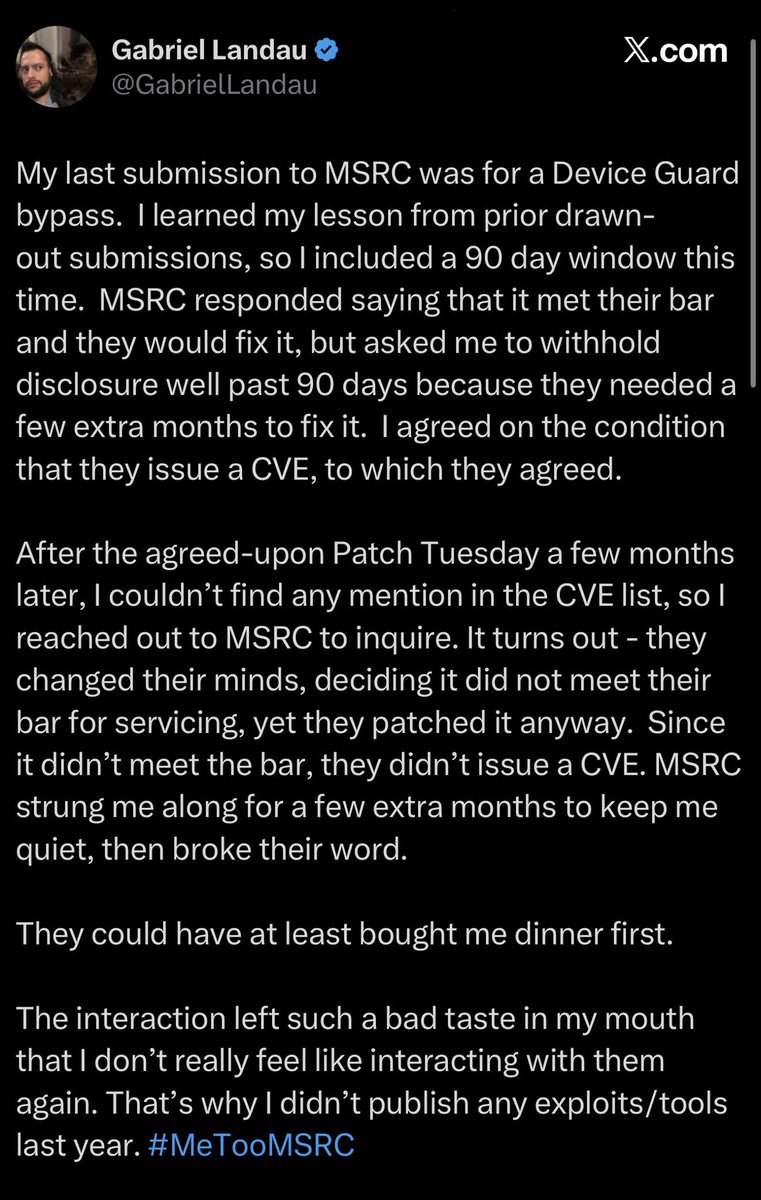


‼️ Microsoft has responded to the recent wave of public zero-day disclosures tied to Nightmare-Eclipse.
In an MSRC post titled "A shared responsibility," Microsoft addressed RedSun, UnDefend, BlueHammer, YellowKey, GreenPlasma, and MiniPlasma, saying the vulnerability details were not shared with the company before release.
That claim is contested.
Nightmare-Eclipse says at least BlueHammer wasn't a blindside. In an April 15 signed post, the actor said MSRC was fully aware of the disclosure, that a case had been filed and dismissed, and that Microsoft knew another disclosure was coming.
Microsoft's new post gives no per-CVE timeline. So right now, the public record has two conflicting versions.
Microsoft never printed the handle "Nightmare-Eclipse," but by naming all six vulnerabilities it left no doubt who the post was about.
The company says its security teams have been working "around the clock" to assess impact, protect customers, and ship updates.
It also says its Digital Crimes Unit will keep pursuing the actors who weaponize these exploits and those who enable them.
The case for coordinated disclosure is straightforward.
The point of giving a vendor advance notice is not to protect the vendor. It is to protect the people running the software.
Patch before PoC means defenders get a head start.
PoC before patch hands it to attackers.
That does not make the tension one-sided.
Researchers walk away from coordinated disclosure for reasons: slow fixes, disputed severity, no credit, no payment, broken trust, or deleted reporting accounts.
Nightmare-Eclipse claims Microsoft revoked access to the MSRC account used to report bugs, wiped it, and ignored requests for an explanation.
Microsoft's post does not address that claim directly.
It says only that it still welcomes submissions from anyone through its public researcher portal, regardless of past interactions or reputation.
Both things can be true at once.
A vendor can have a real duty to treat researchers fairly.
And a researcher can still be wrong to burn the disclosure process in a way that arms criminals.
The friction between those two points is exactly where users get hurt, and it's exactly why disputes belong inside proper channels, even after the relationship breaks down.

21
260
1,458
90,276
Shadowth117 retweeted

May 28
『METAL SLUG』の開発中、魔法使いと呼ばれていた天才プログラマー、ANDY君が作ったドット絵エディター『キャメル』。
それは、まさにドッターたちにとって、夢のようなツールでした。
その名前は、当時ANDY君が好きだったタバコ『Camel』から取ったもの。
ツールのアイコンには、タバコのパッケージに描かれているヒトコブラクダ『オールドジョー』を、ANDY君自らドット絵で描き起こしたものを使っていました。
アイレムで使っていたドット絵エディター『さだやんペイント』には、『海底大戦争』でSUSUMU君が表現していた水中背景の揺らめきのような、ラスタースクロール表現を簡単に作れる機能があったんです。
その機能は『キャメル』にも引き継がれており、『METAL SLUG』でも、砂漠の遠景を陽炎のように揺らす表現などに使っていました。
その機能を使い、さらに一歩踏み込んだ表現として作られたのが、UFOが放つトラクタービーム等のエフェクトです。
トラクタービームの絵は、ビームの形と重なる背景の絵をそのまま使い、その絵のカラーパレットを、発光して見える数種類のカラーに入れ替えながら、さらにラスタースクロールをかけることで、ビームを通して見た背景が揺らいで見えるように表現しているんです。
このエフェクトを作ったのは、ドッターのTOMO君なんですが、UFOと背景の座標を完璧に一致させないと、なんちゃって半透明に見えなくなってしまうので、TOMO君は敵配置担当のmeeher君に、こう念を押しました。
「ビームエフェクトを1から作り直しになってしまうから、UFOと背景の座標は絶対に変更するなよ!」
すると、meeher君は、
「わかった、絶対に変えない」
と言っていたんですが、数日後UFOの位置を変えてしまいます。
meeher君は、TOMO君が、とんでもない手間を掛けてあのエフェクトを作っていたことを理解していなかったようで、めちゃくちゃ怒られていました。
あの頃のTOMO君はスケジュール度外視で、納得がいくまで時間を使ってしまうドッターだったので、通常の担当作業に組み込むのは難しかったんです。
そこで、後輩たちの絵の手直しや、クオリティアップに繋がる作業を、やりたいようにやらせていました。
手が遅くても良い仕事をするクリエイターには充分な時間を与え、作品全体のクオリティアップに努めてもらう。
そういう贅沢な人員配置も、メタスラの拘りの一つかもしれません。
あの半透明に見えるエフェクトは、そうやって時間を気にせず動ける存在と、『キャメル』があったからこそ生まれた表現なんでしょうね。
#METALSLUG #PixelArt #retrogaming
106
2,481
9,396
777,330
Shadowth117 retweeted

May 27
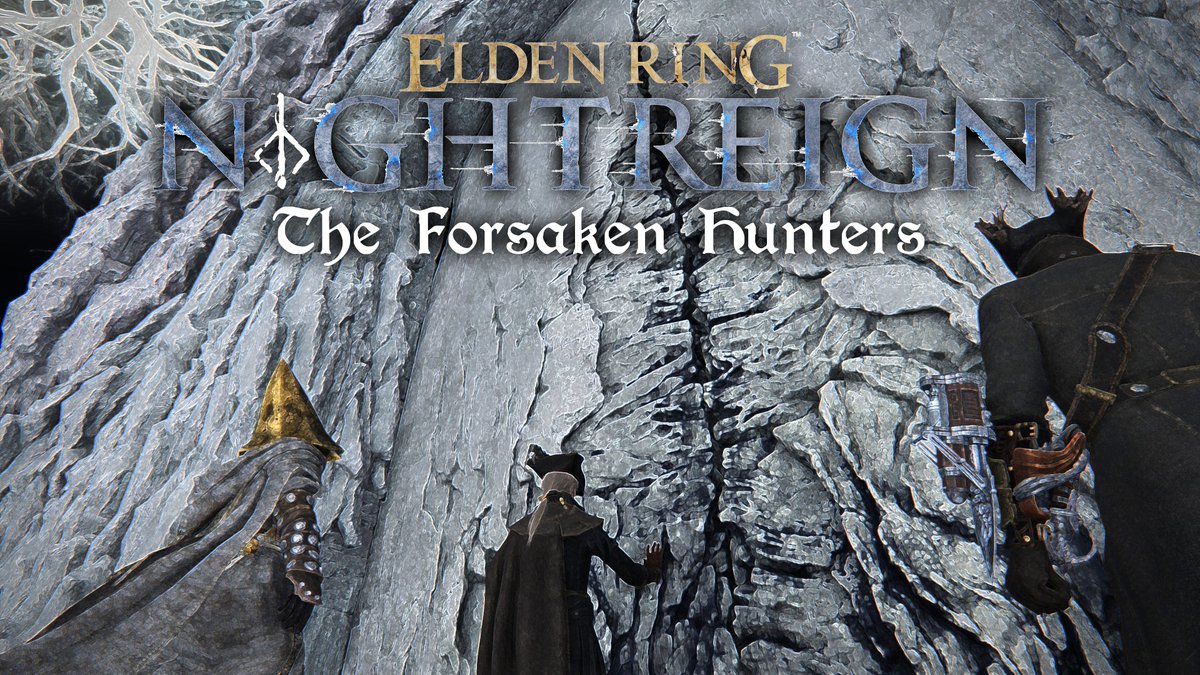
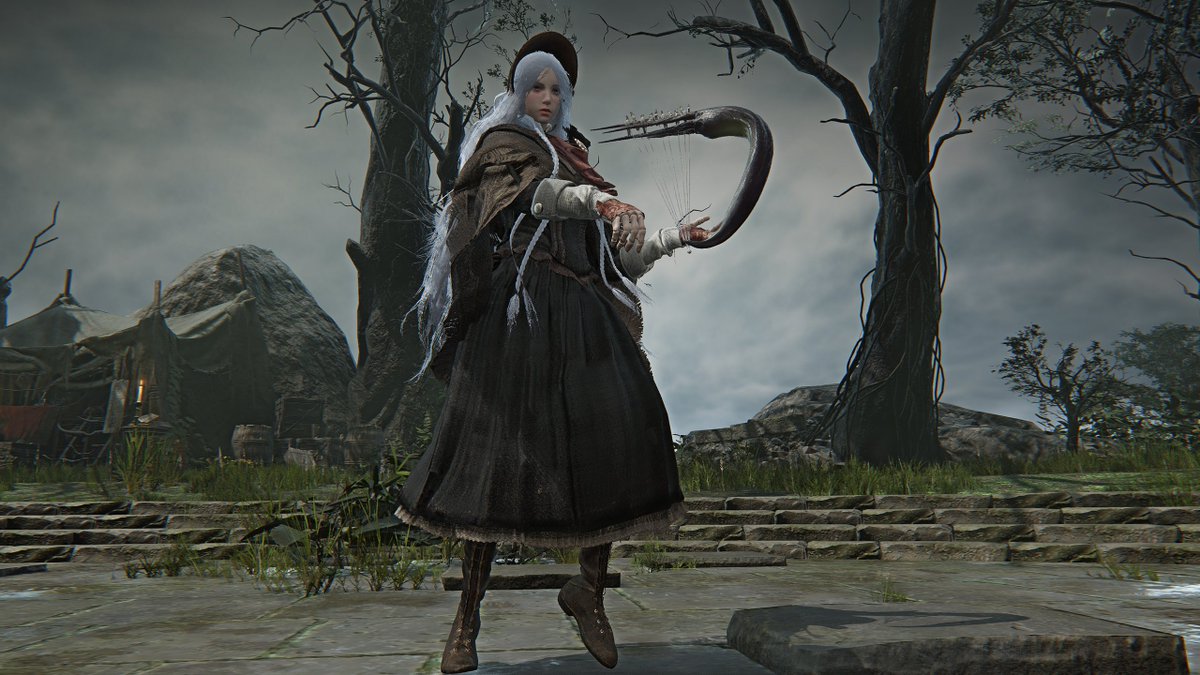
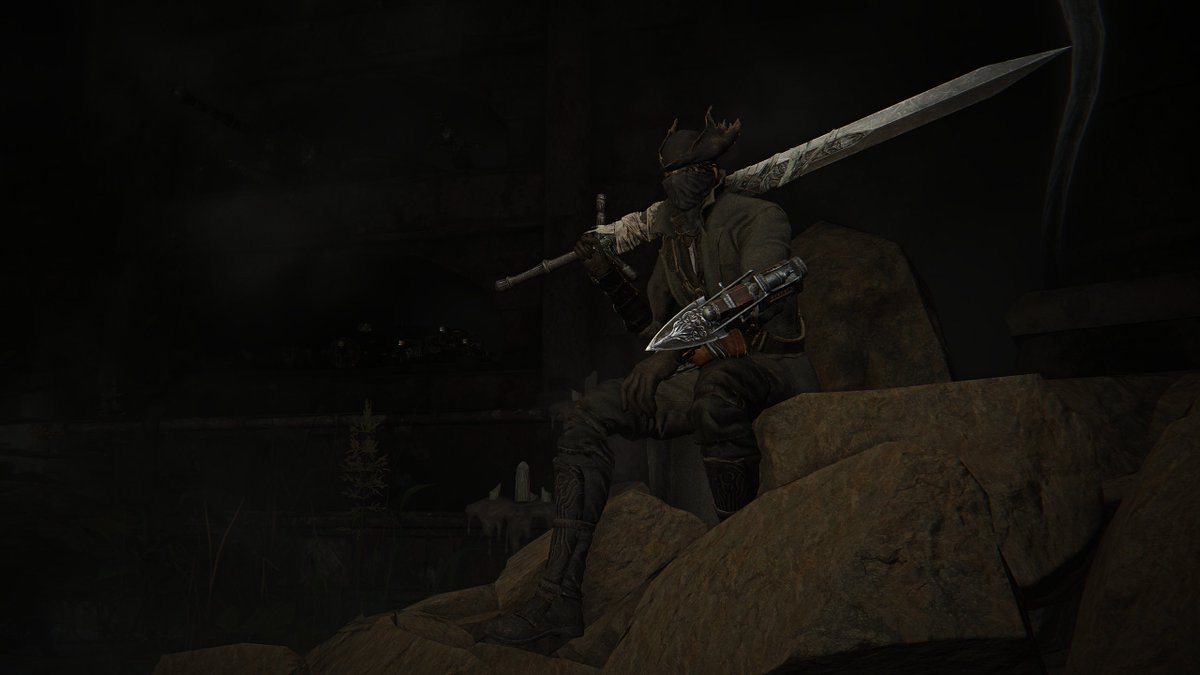
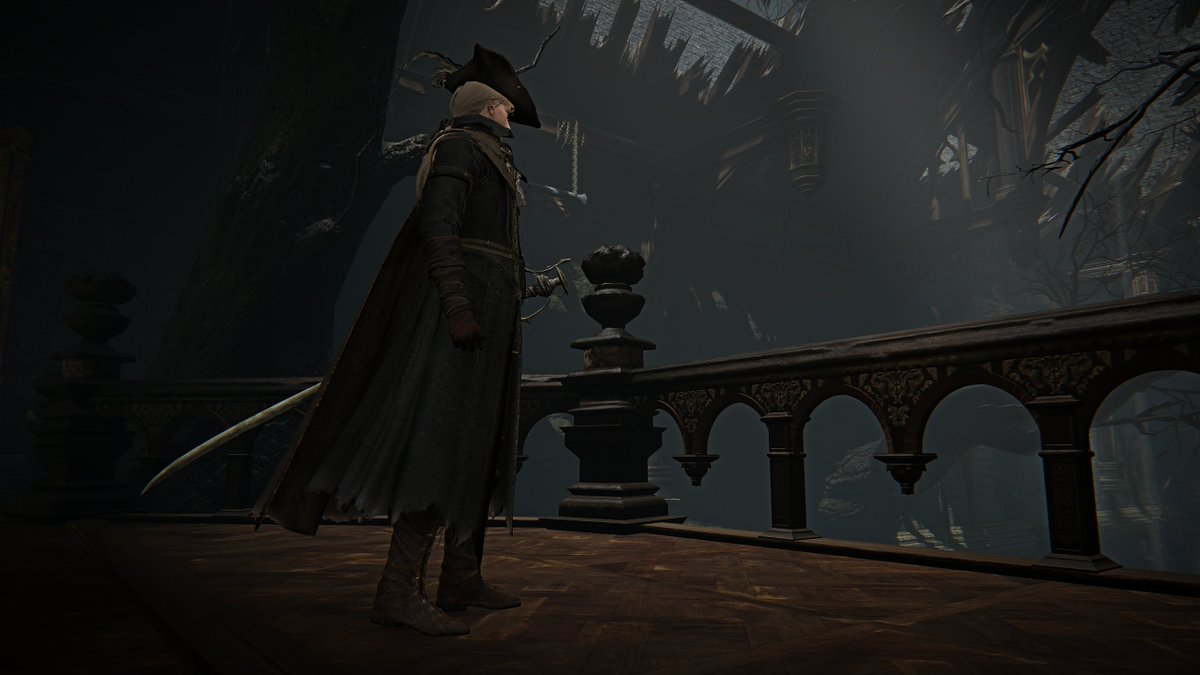
The Forsaken Hunters - Nightreign Mod is now available on Nexus Mods; feel free to share it.
nexusmods.com/eldenringnight…
17
230
2,227
132,737

Just throwing it out there that the lane is wiiiiiiiiide open for a tech company to get insanely rich by just replicating the 2010 version of big websites like Google while explicitly stating that they hate AI.
May 19

Google Search as you know it is over
"Instead of returning a simple list of links, Google Search will drop users into AI-powered interactive experiences at times."
techcrunch.com/2026/05/19/go…
203
8,827
77,110
1,242,159
Shadowth117 retweeted

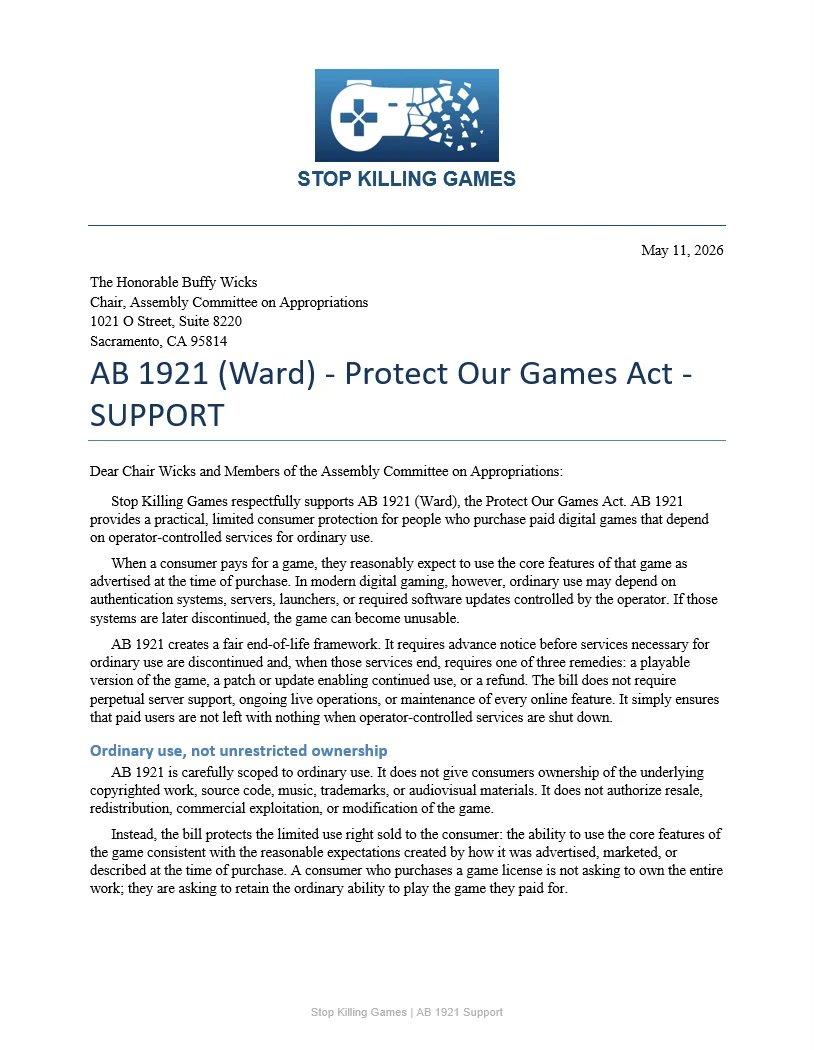
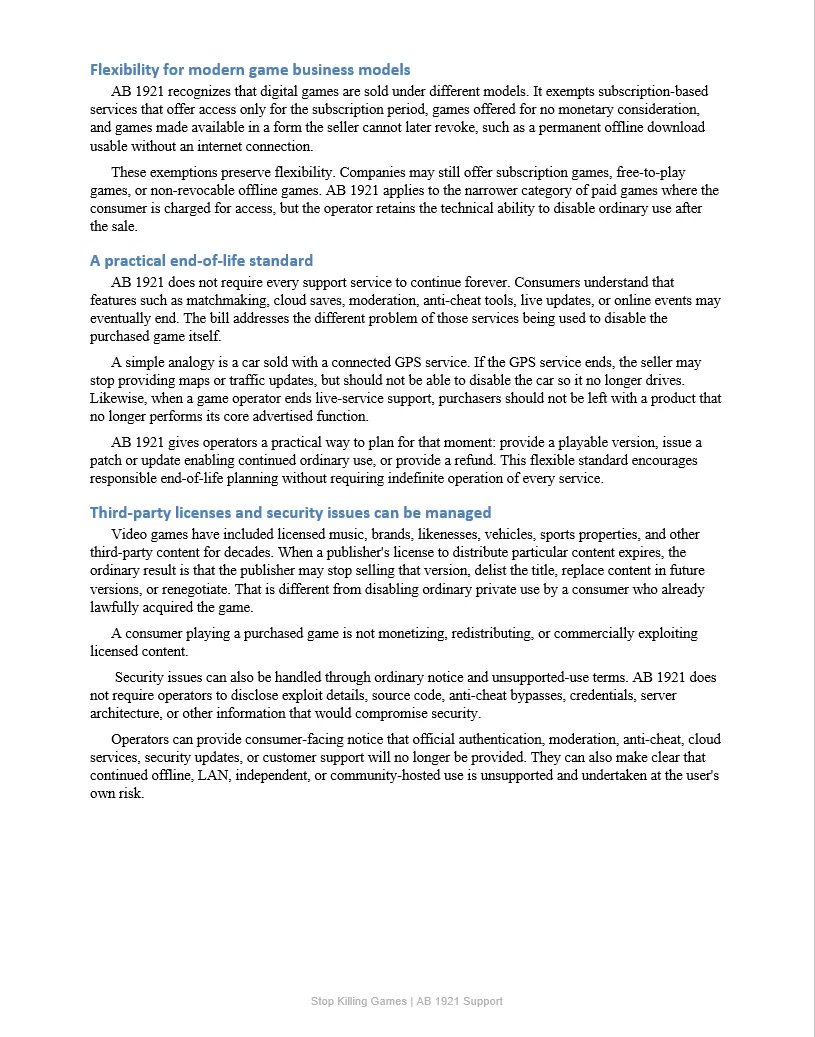
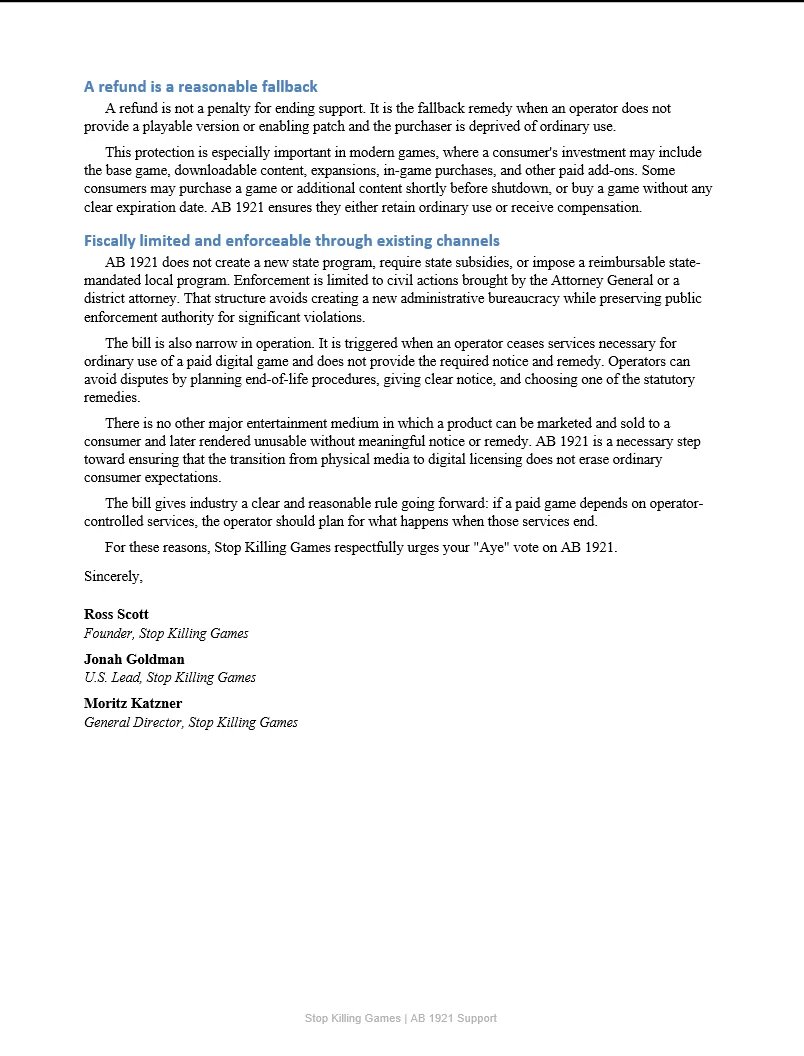
You've seen ESA's response to the Protect our Games Act, now see our counter-response:
May 11

The industry is lobbying against @StopKilingGames again.
Entertainment Software Association (lobby) is opposing AB 1921, California’s Protect Our Games Act, with the usual arguments: “games are licensed,” “servers are complicated,” “security risks,” “too expensive.”


39
1,266
5,889
142,078

Please stop submitting AI slop code pull requests to RPCS3. We will start banning those who do without disclosing.
There are plenty of resources online to learn how to debug and code instead of generating slop that you don't understand and that doesn't work.
261
2,497
28,965
1,205,835
Shadowth117 retweeted

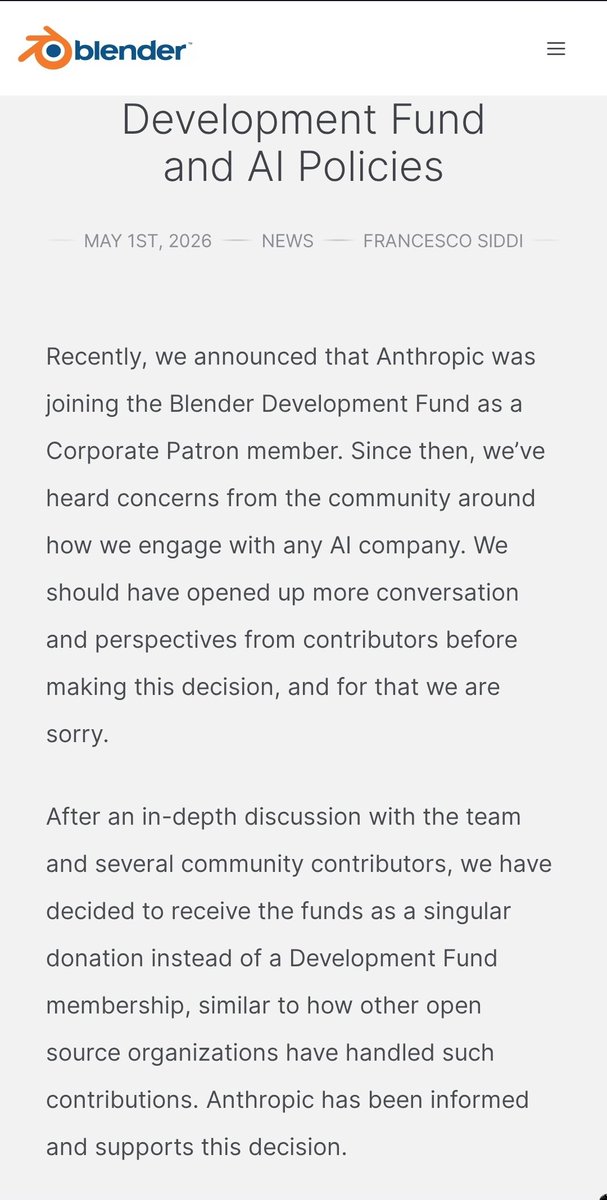
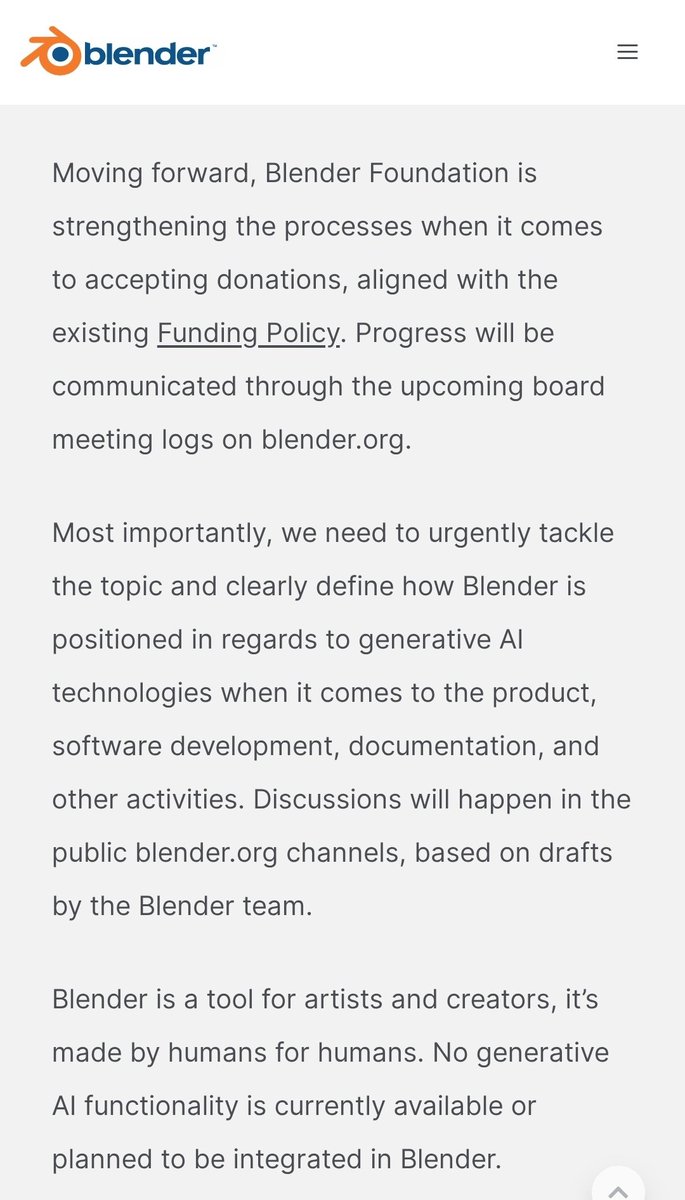
Blender has taken a principled stance and is sacrificing future donations from Anthropic to reaffirms their stance that they are supportive of artists and creators
This is very admirable and we encourage all of you to donate to Blender to show your support and appreciation 🫖
120
2,227
12,238
606,308

Apr 11
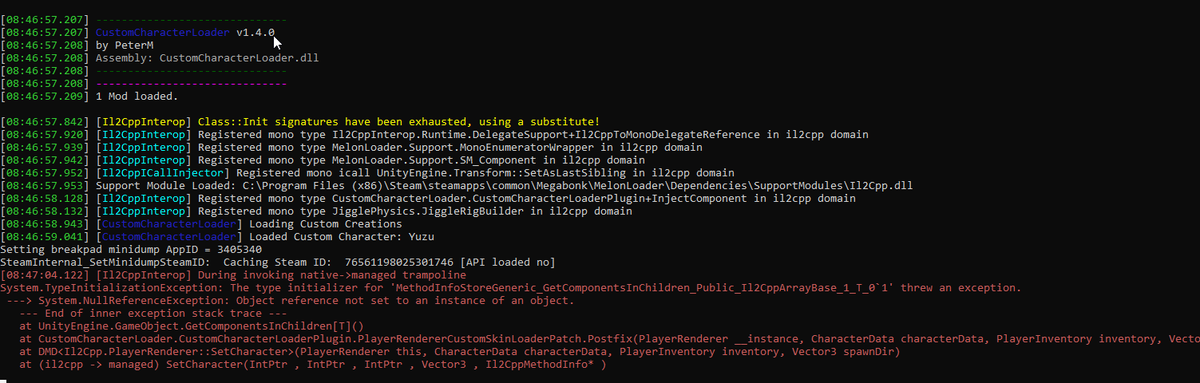
Was rummaging through some game files and found in some UI data "widget42_copy2_copy1_copy1_copy1_copy1_copy1".
To whichever poor soul engendered this monstrosity, I hope things are going better now.
89
Apr 1
For those who've not seen it by the way, Andrew here basically made an awesome Smash Bros Melee inspired fangame from PSO2 and SEGA assets. It's been at some irl events and it's got Miku, Sonic chars, and all sorts of Sega stuff past the PSO2 bits. Highly recommend.

My game is for PSO2 FANS, algorithm PLEASE FIND THEM!
My game is for PSO2 FANS, algorithm PLEASE FIND THEM!
My game is for PSO2 FANS, algorithm PLEASE FIND THEM!
My game is for PSO2 FANS, algorithm PLEASE FIND THEM!
3
114
848
24,040
Mar 23
Made a few more edits tonight.
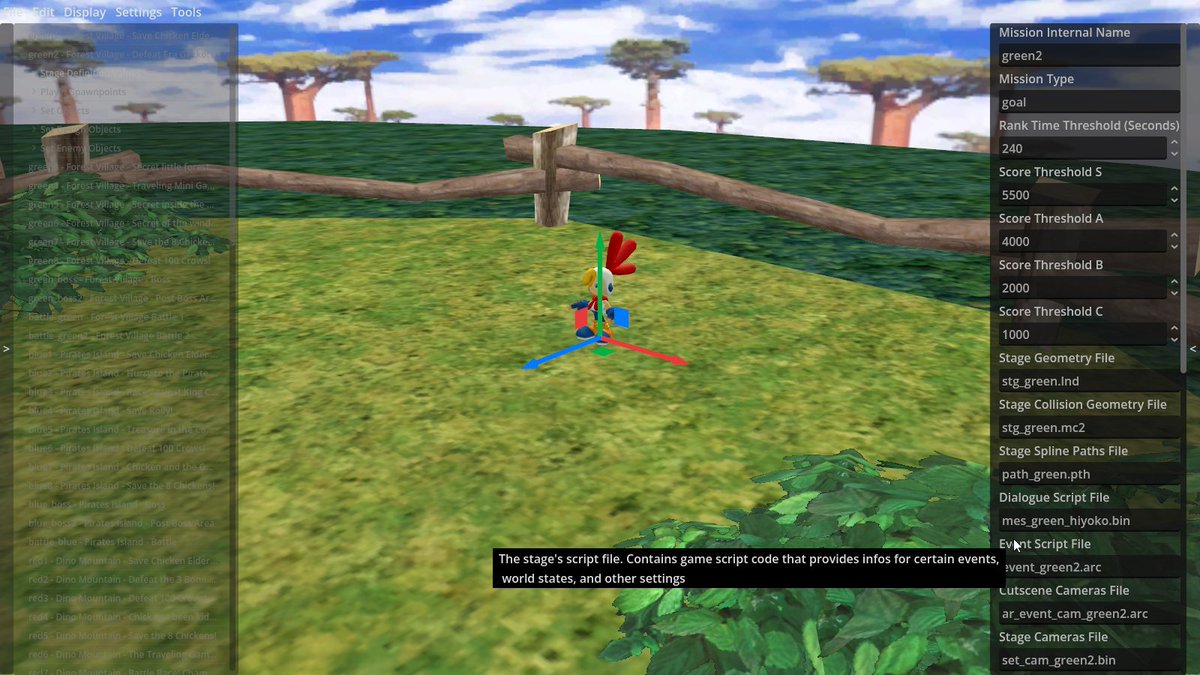
Added some copy paste functionality for the Stage Definitions to make that a bit easier.
Also fixed some longstanding memory leaks from loading too many maps in succession and zooming too close to an object in orbit cam.
Mar 23

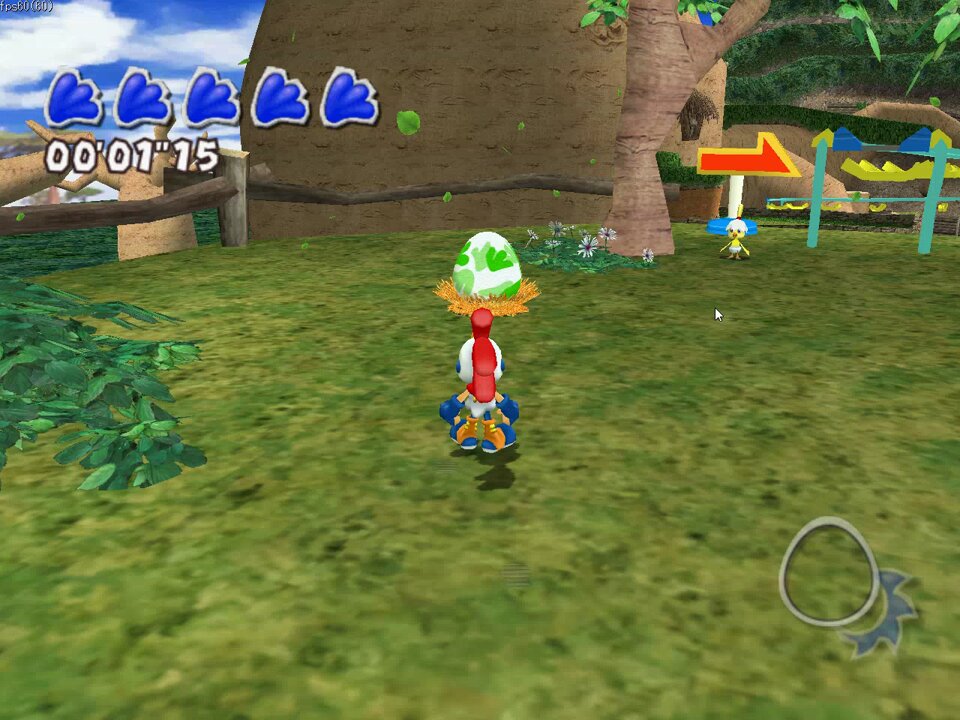
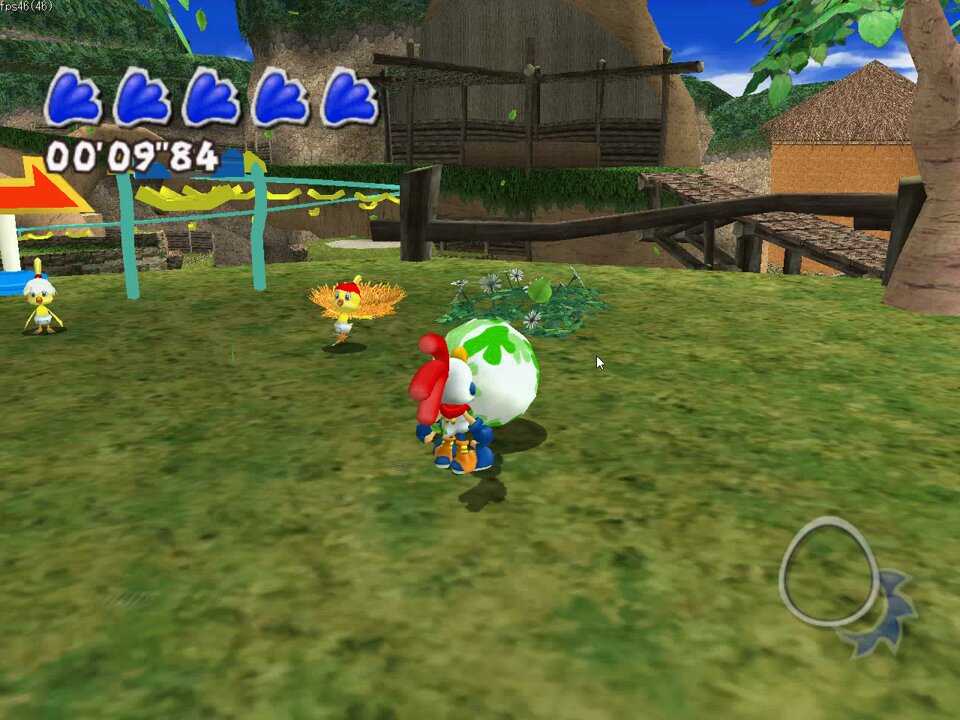
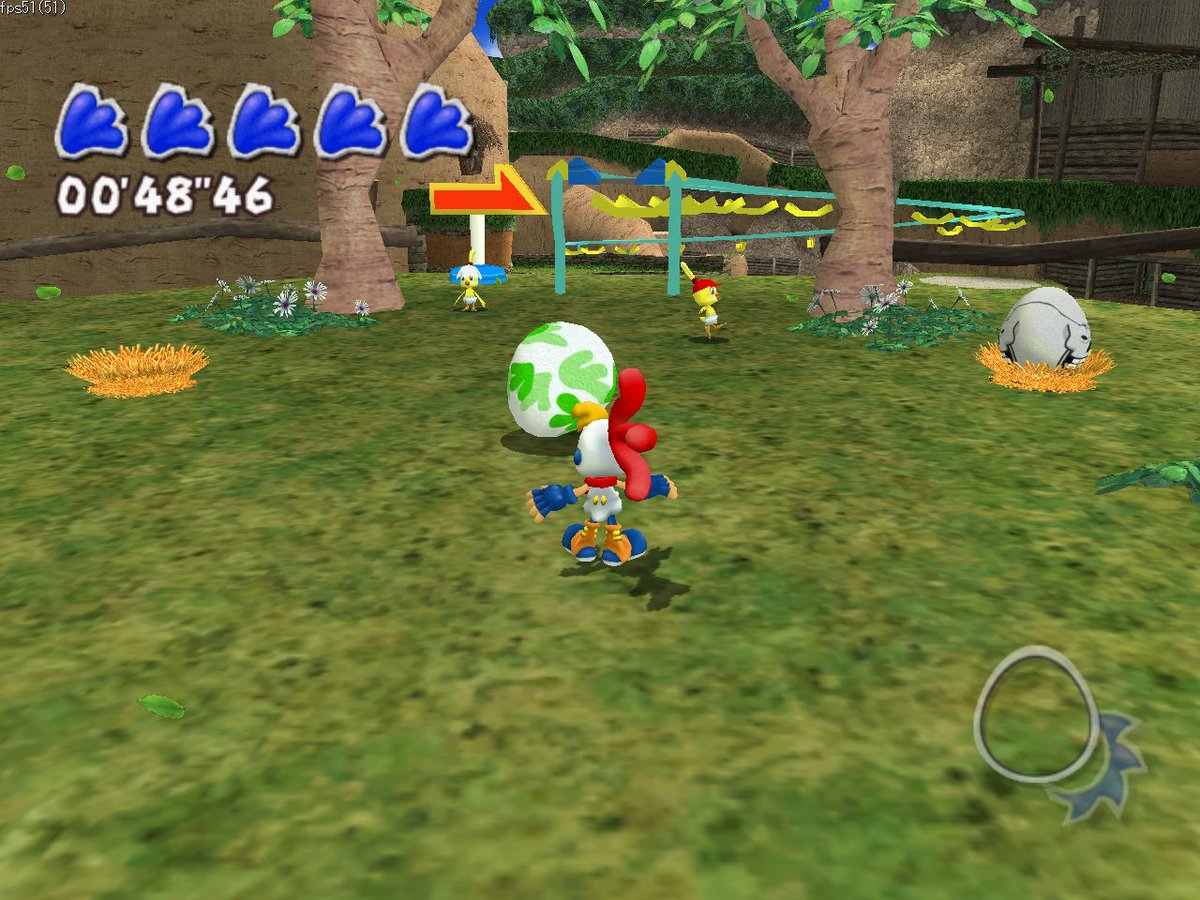
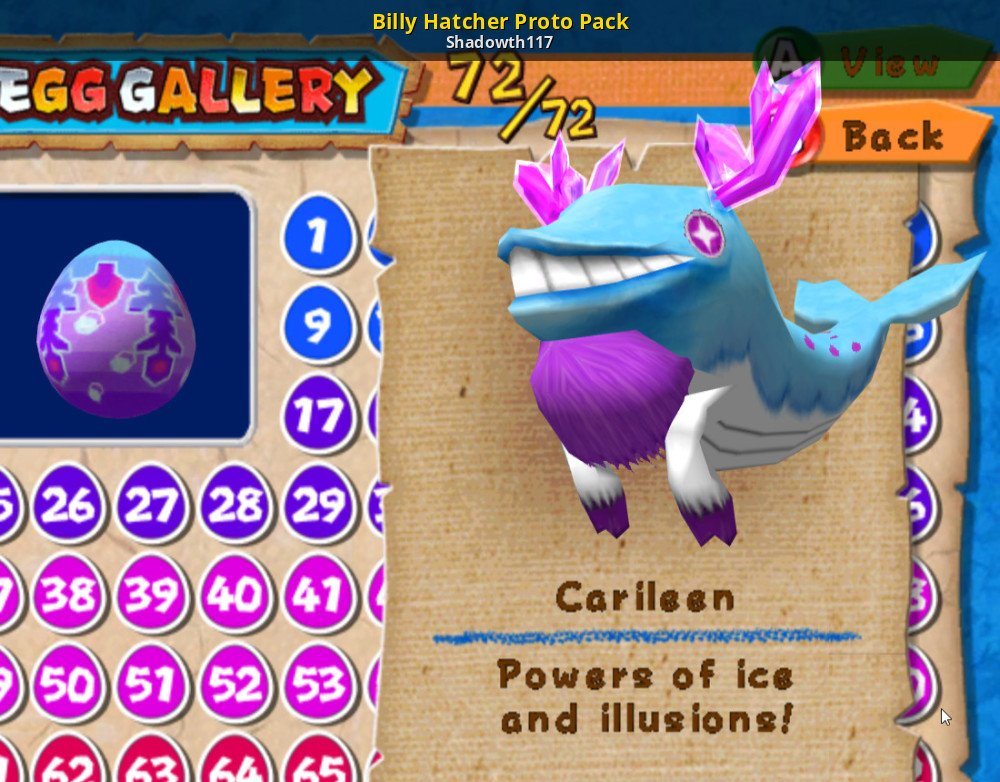
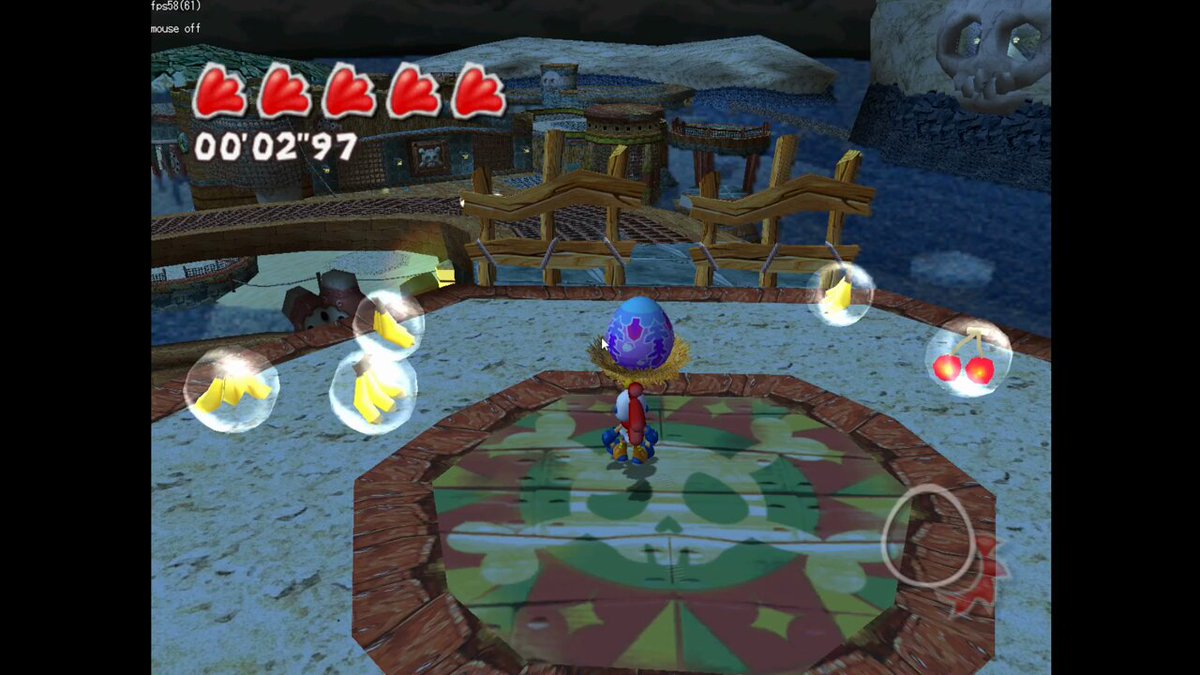
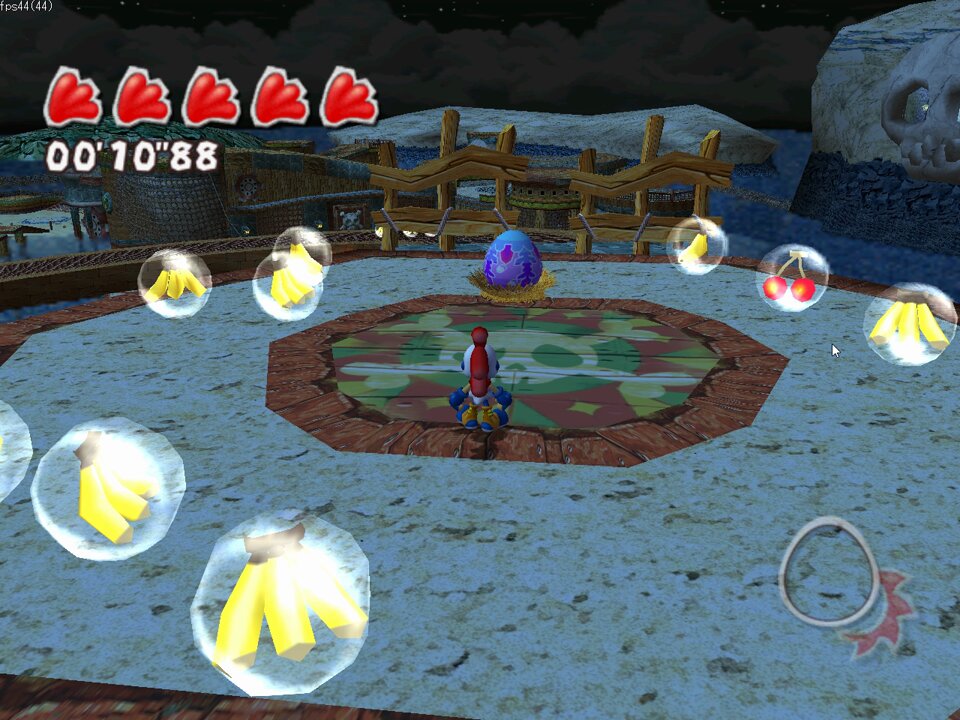
Made an update for my Billy Hatcher level editor, OverEasy. I added in Stage Definition editing and fixed the tool tips.
5
246
Mar 23
Made an update for my Billy Hatcher level editor, OverEasy. I added in Stage Definition editing and fixed the tool tips.
1
3
12
761
Mar 18
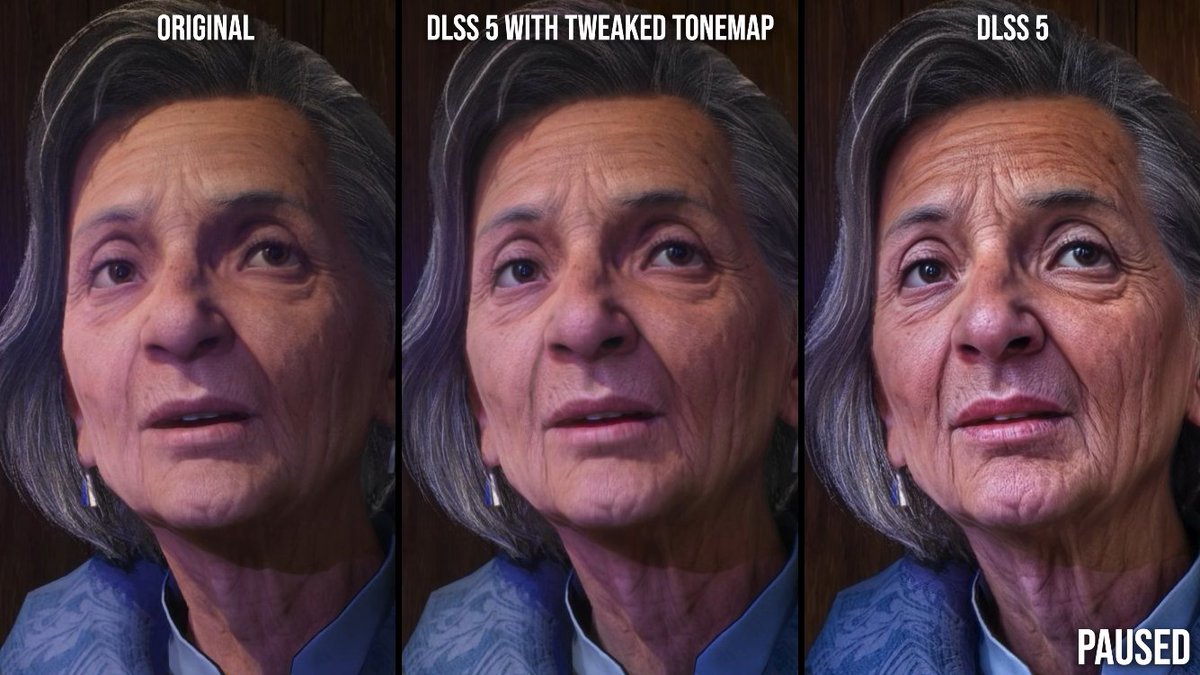
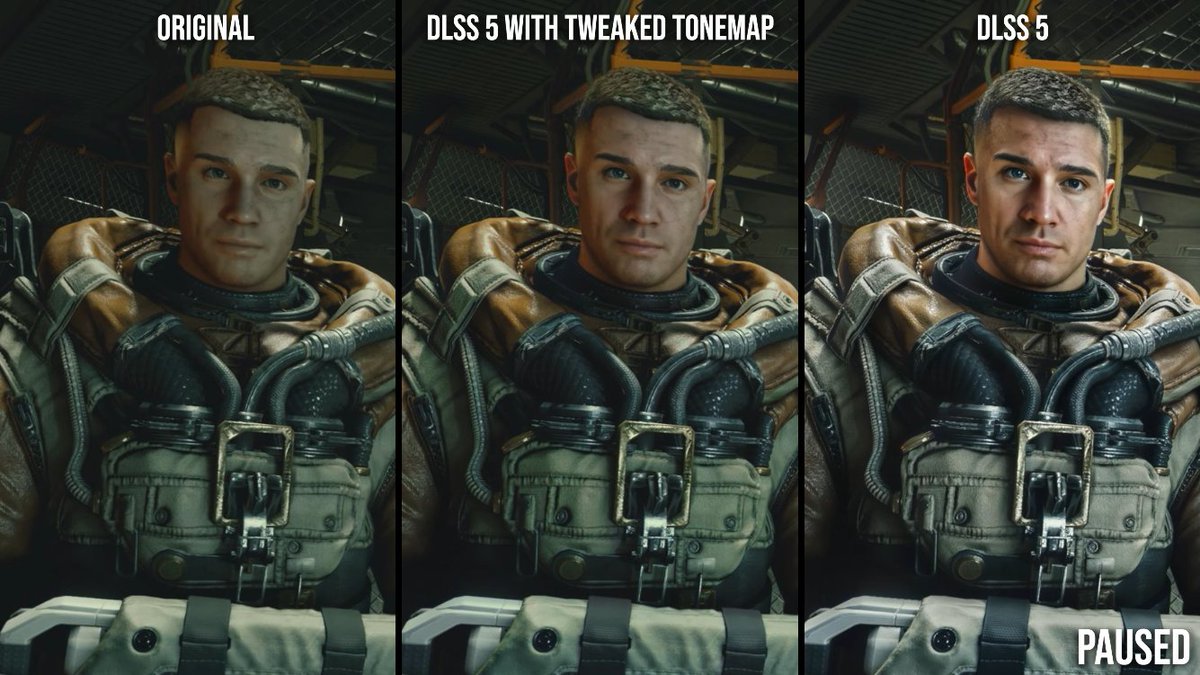
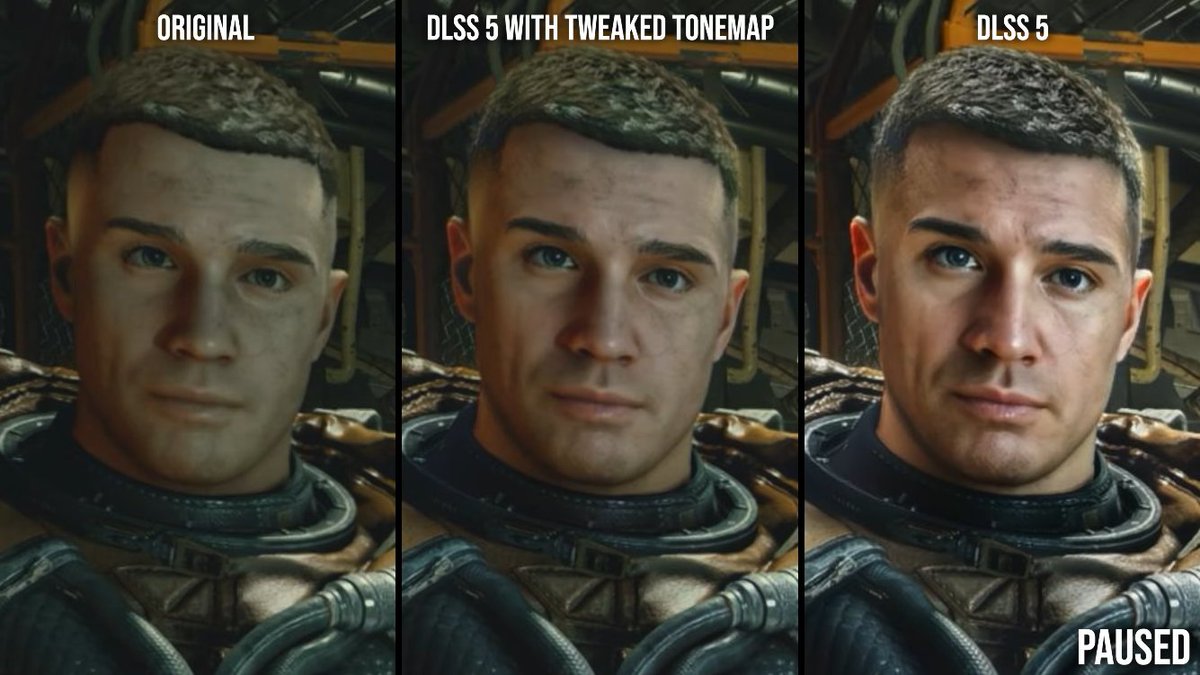
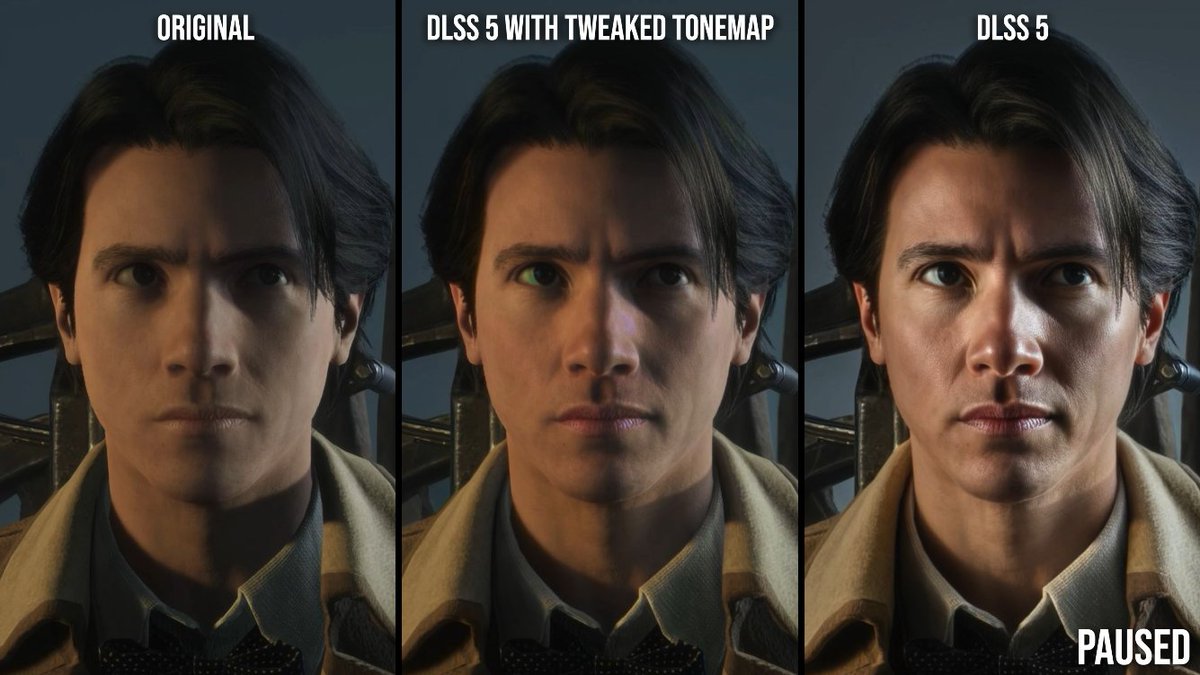
This is just image doctoring by the way. This wasn't Nvidia's pictures, it's just some guy guessing on how it might possibly look with tweaking based on... nothing. So it's very likely it could not look like this at all.

1
2
179
Mar 18
As far as the thing in general, while it already looks atrocious, it's worth calling out that they specifically wanted what they put out shown to the public. Now think about what they didn't show. How bad must characters like the Oblivion argonians with no irl equivalent look?
85

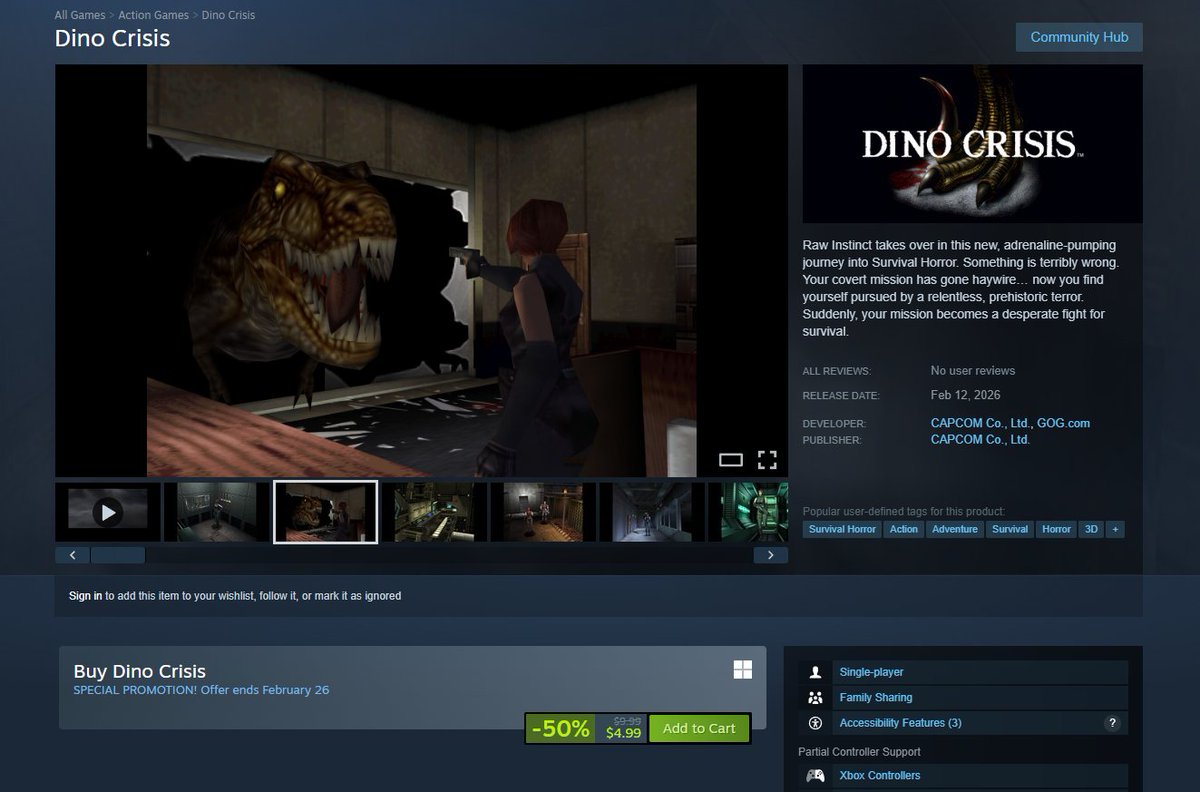
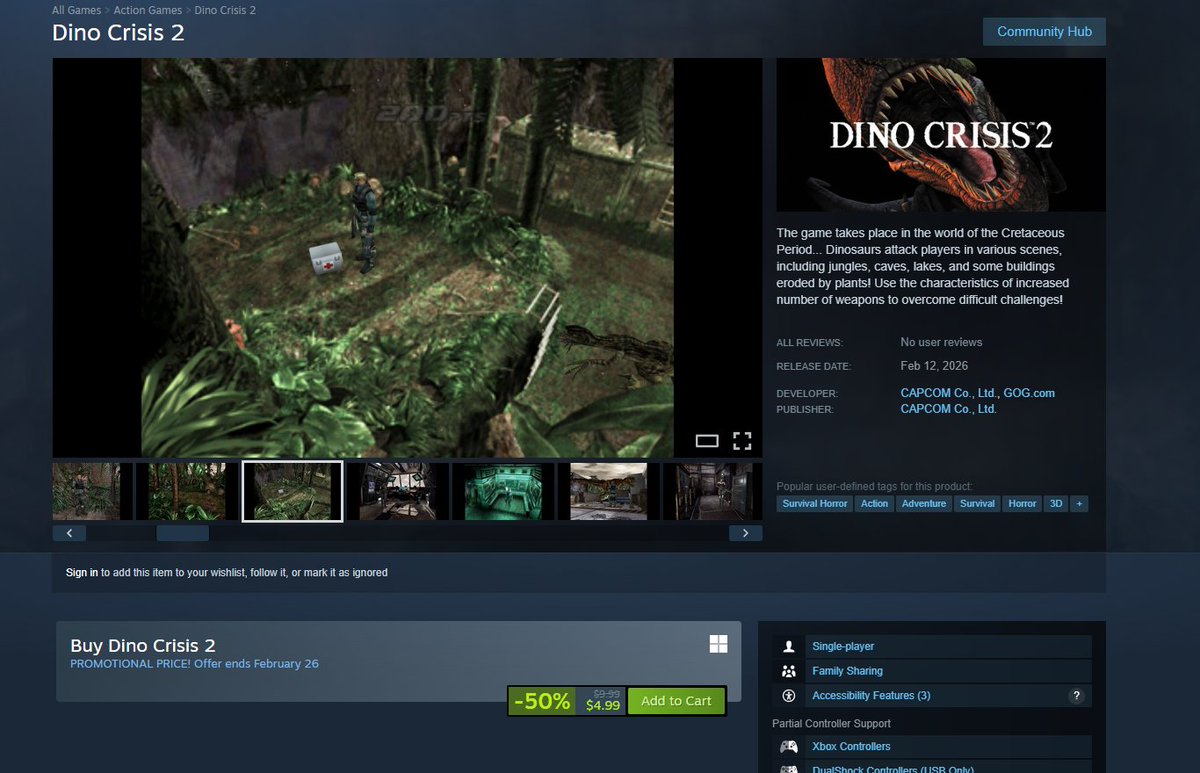
Dino Crisis and Dino Crisis 2 are out on Steam ($4.99 each, 50% off launch discount)
Dino Crisis store.steampowered.com/app/4…
Dino Crisis 2 store.steampowered.com/app/4…
137
1,125
7,477
801,939
Shadowth117 retweeted

Feb 10
If you are freaked out about Discord doing age verification, I am begging you to pay attention to the laws being introduced and lobbied for right now that would do that to the entire internet.
Feb 10

Today we came together to introduce the ‘Kids Off Social Media Act’ in the House, which would ban accounts for children under 13, stop algorithmic targeting of teens, and hold Big Tech accountable. Proud to work with @RepKimSchrier , @SenTedCruz, and @SenBrianSchatz to put kids first.

20
4,278
8,581
153,449
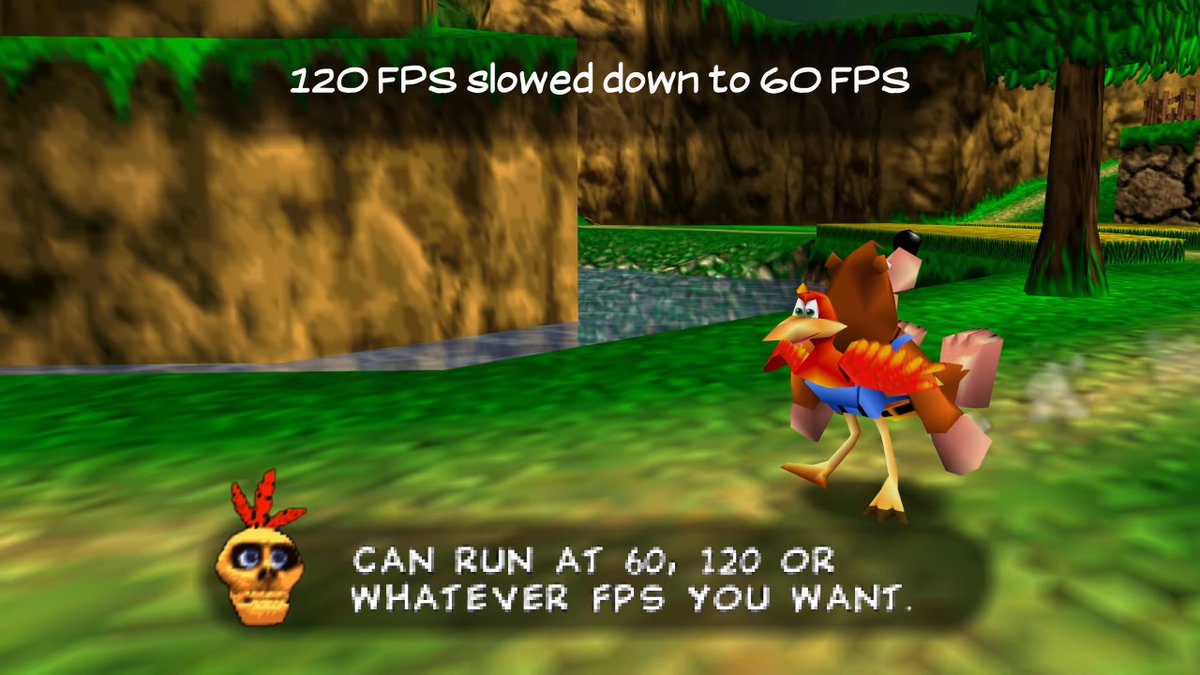
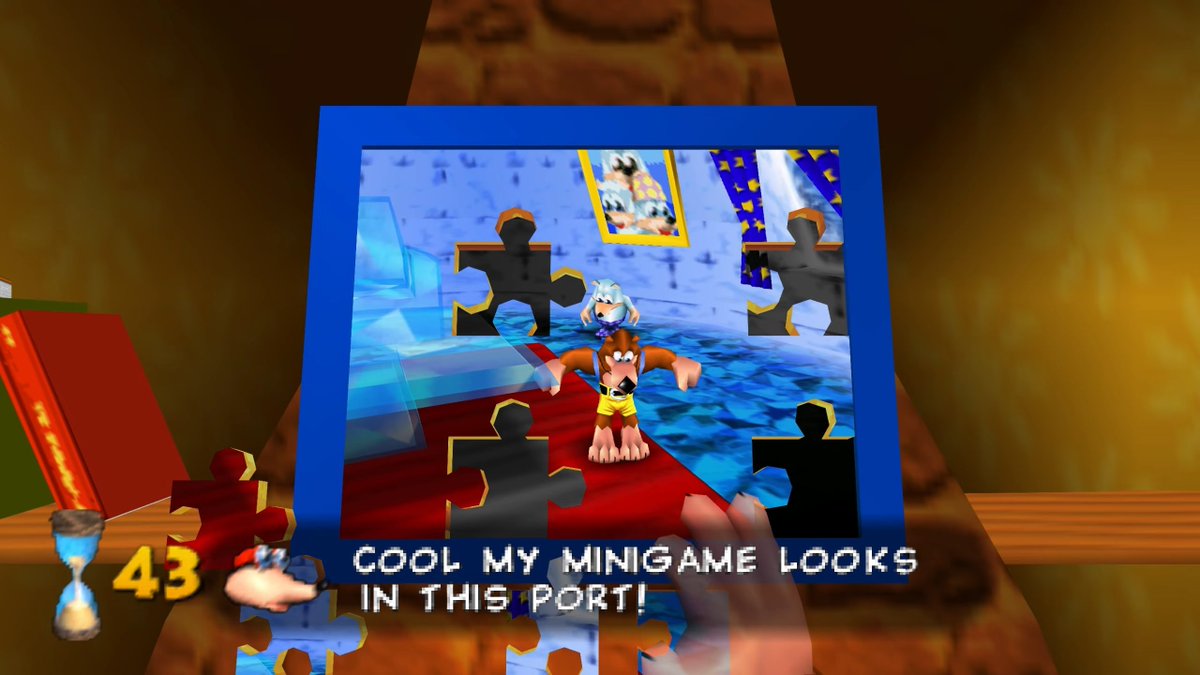
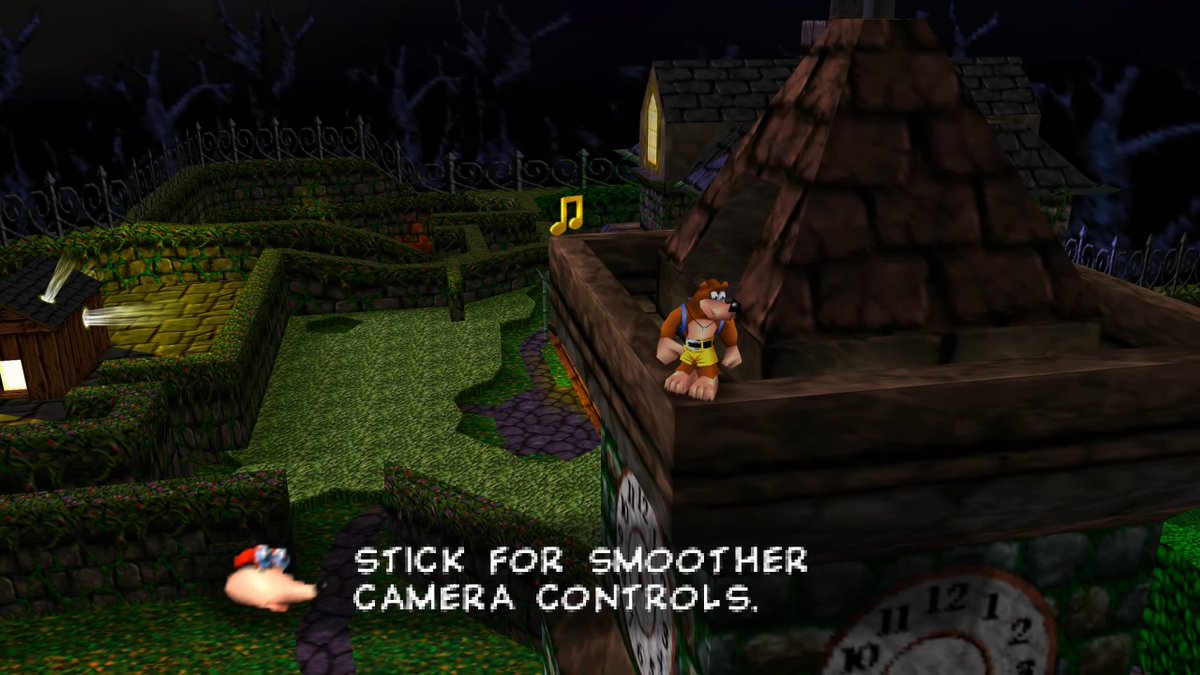
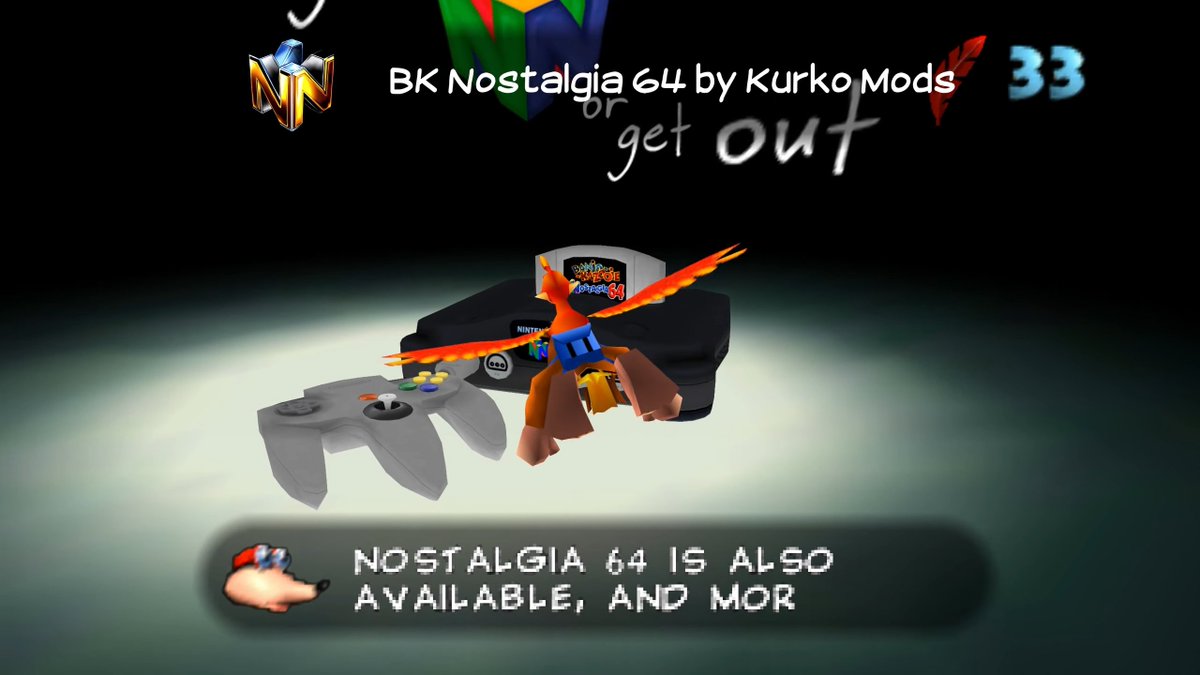
Banjo: Recompiled Release Trailer (Banjo-Kazooie PC Port available on Windows/Linux/Steam Deck/Mac) youtube.com/watch?v=0906Cz-5…
-High framerate support
-Widescreen/ultrawide support
-Mod support
-Dual analog camera
-Note saving
196
2,884
19,192
1,247,703