
ashiveley@handcash.io ashiveley@relayx.io
Joined June 2009
- Tweets 5,817
- Following 399
- Followers 235
- Likes 13,336
1,472 Photos and videos














Pinned Tweet

9 Mar 2024
I’ll bet 100 #BSV that CSW doesn’t go to Jail? Now put your money where your mouth is Peter.
8 Mar 2024

I've been trolling #BSV'ers for so long that I don't know what I'm going to post about when @Dr_CSWright goes to jail.
Any ideas?
#Bitcoin
2
11
1,361

Allyn Shiveley retweeted

24 Mar 2024
BSV has no issuer.
People like me wish it didn’t even exist. The only reason it exists is because of the malicious collusion among Bitcoin ABC, BitcoinDotCom, Bitmain and various exchanges who wanted to control Bitcoin Cash without resistance.
BSV is, therefore, an emergent commodity.
The sad thing is that the primary colluders in BCH ended up stabbing each other in the back not long after, and it split again into BCH and XEC.
It is not a stretch to presume it was all a social engineering campaign to keep big blockers divided while small blockers united under the control of BTC by big tech, big banks and big gov. #bitcoin
49
224
519
17,325

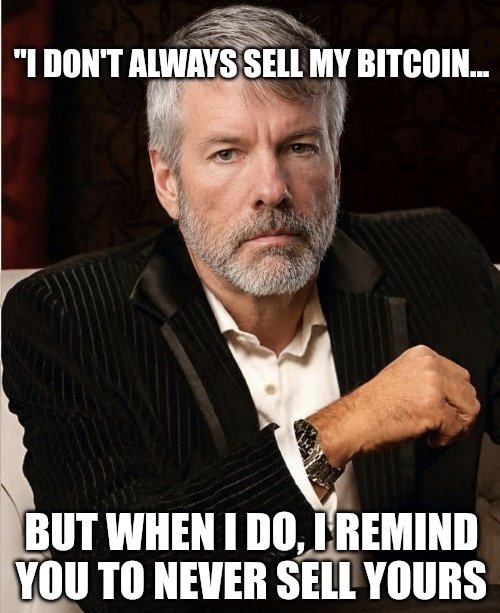
Jun 13
👀

Blocktris - every transaction is a Tetris block. Protocol defines shape. The AI player sorts the mempool optimally with inhuman precision and speed. When a new BSV block is found the lines are cleared. Perhaps a future version will be human-playable.
bsv.lol/blocktris
28
Jun 12
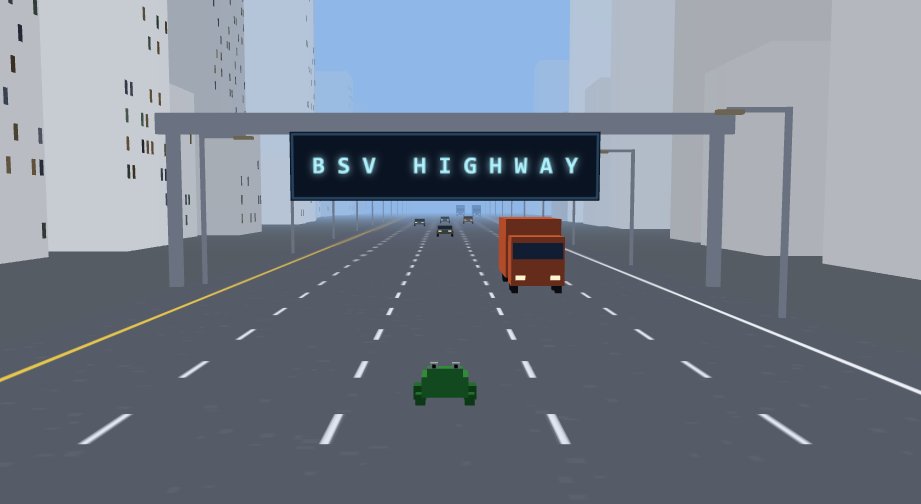
Frogger 🐸

I swear that Metanet truck swerved into my lane just to squish me
1
5


Teranode is already proven to move over a million transactions per second. Submitting a transaction scales easily, but confirming it is the choke point. To know a transaction has been seen, a tracker today must watch the entire network's traffic and sift it for the few transactions it cares about, work that grows with the whole network rather than with one application. Best-effort gossip also sends each update many times over and can drop one silently, leaving a transaction stuck with no warning.
Structured IPv6 multicast changes the math. A transaction's ID maps deterministically to a delivery group, so tracking can be split cleanly across many machines with no central coordinator. The network delivers each update once instead of many times, and every message is sequence-numbered so any gap is caught and repaired automatically. There are no silent losses.
The result: transaction tracking keeps pace with a million-plus-TPS network instead of bottlenecking a single listener, while the application-facing API stays unchanged.
1
13
63
1,412
Jun 10
Maybe b/c it’s not BitCoin anymore….
thatsbtcnotbitcoin.com/
Jun 9

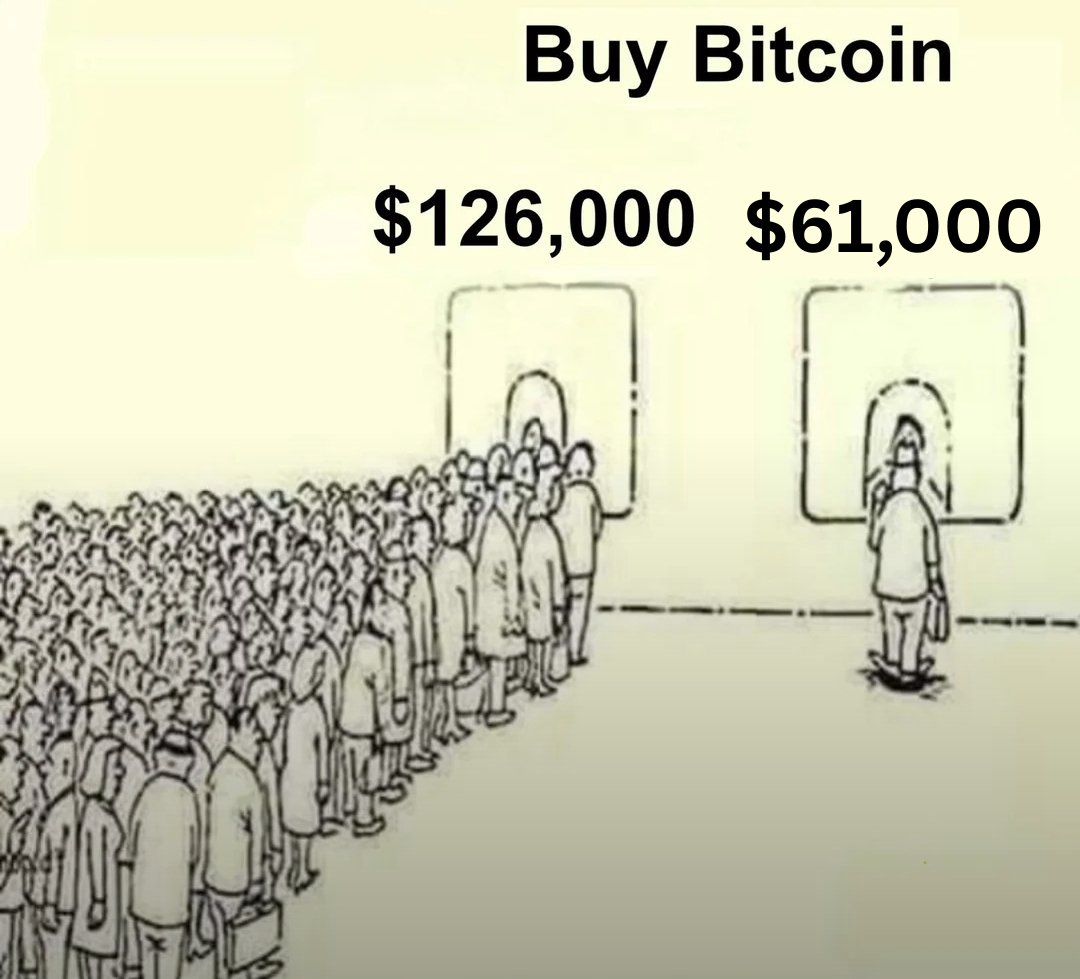
So many people wanted Bitcoin at $120,000 , but today nobody wants Bitcoin at $61,000
11
Allyn Shiveley retweeted

Jun 10
The future belongs to those willing to spot a better way, build & actually ship – and it's never been easier to do that on BSV blockchain.
With our existing libraries & tooling, builders can now go from concept to working product in days, experimenting with entirely new business models.
Explore & get building here ► github.com/bsv-blockchain

Dropular dropular.link
had an idea about using micro payments for cloud storage, but instead of the uploader paying for storage and trying to guess how long they should store it for; this new system allows the uploader to dump a file for free.
The people who want to download that file pay a tiny micropayment ~ $0.03 per gigabyte for the privilege.
How long the file is retained is determined by the popularity among paying customers.
Uploads are currently restricted to BRC-100 wallet users only. Try it out and let me know what you think.
Downloads work with the 402 pay browser extensions, and will also work from BSV Browser v1.4.5 which should be available on App Stores in the coming days
27
89
2,938

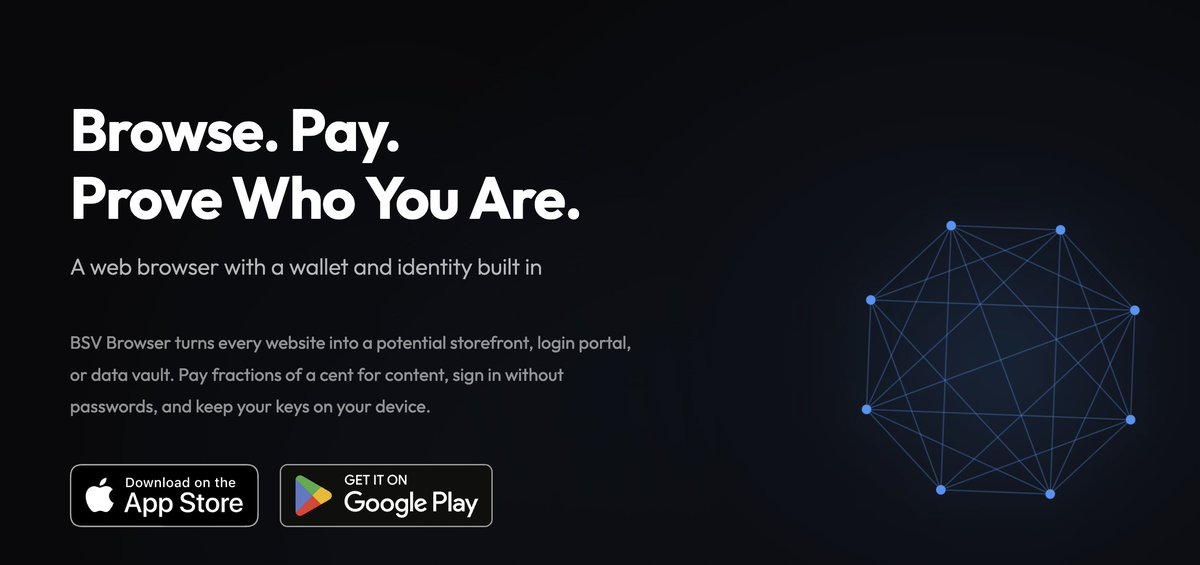
BSV Browser is live.
iOS: apps.apple.com/app/bsv-brows…
Android: play.google.com/store/apps/d…
It's a regular web browser — tabs, bookmarks, search — with a self-custodial BRC-100 wallet baked in.
Source available:
github.com/bsv-blockchain/bs…
62
152
419
27,357
Allyn Shiveley retweeted
What value does BTC store?
Learn from my latest piece at @RealCoinGeek
coingeek.com/saylor-magic-be…
If all the financial engineering in the world can't make @saylor hodl without selling, how can it work for anyone else?
2
7
19
912
Jun 8
Just been tough to explain that it’s “everything” I’ve tried over and over and over…. Then I get a response what other crypto do I have… Then I say I don’t need anything else I just got done explaining this one can do everything!! So I just wait and do a tiny part.

When it's BTC people? Every fucking time.
It's like explaining thermodynamics to a bottle blonde.
By the end she's convinced she's won, you've lost the will to live, and neither of you is any closer to understanding entropy.
3
Jun 7
CSW is still flying under the radar…. 👀 Only 1% know…. Just crazy 🤪
3000 white papers and linked patents.
300 papers.
20 books.
1
18

1BSV.NET Established: June 4th, 2026 in USA.
2
32
87
8,410
Jun 4
👀

Shapriro was a never-Trumper until the incentives changed too.
The end.
8
Jun 4
[7][2][5] Just a “I.T..” guy
Jan 24

One Blockchain. One Protocol. One Whitepaper. Remember who you are, Bitcoin
1
9
Jun 3

23
Allyn Shiveley retweeted
History of Bitcoin, Part 6: Bitcoin Civil War Heats Up 2015-2017 x.com/i/broadcasts/1aKbddZeB…
2
27
53
1,396