
Scientist. Interested in complexity, organisational principles, quantitative biology, frogs & coffee. Tweets here are my own. @simonereber.bsky.social
Joined July 2013
- Tweets 2,332
- Following 349
- Followers 988
- Likes 39,007
112 Photos and videos
Pinned Tweet

13 Jun 2025
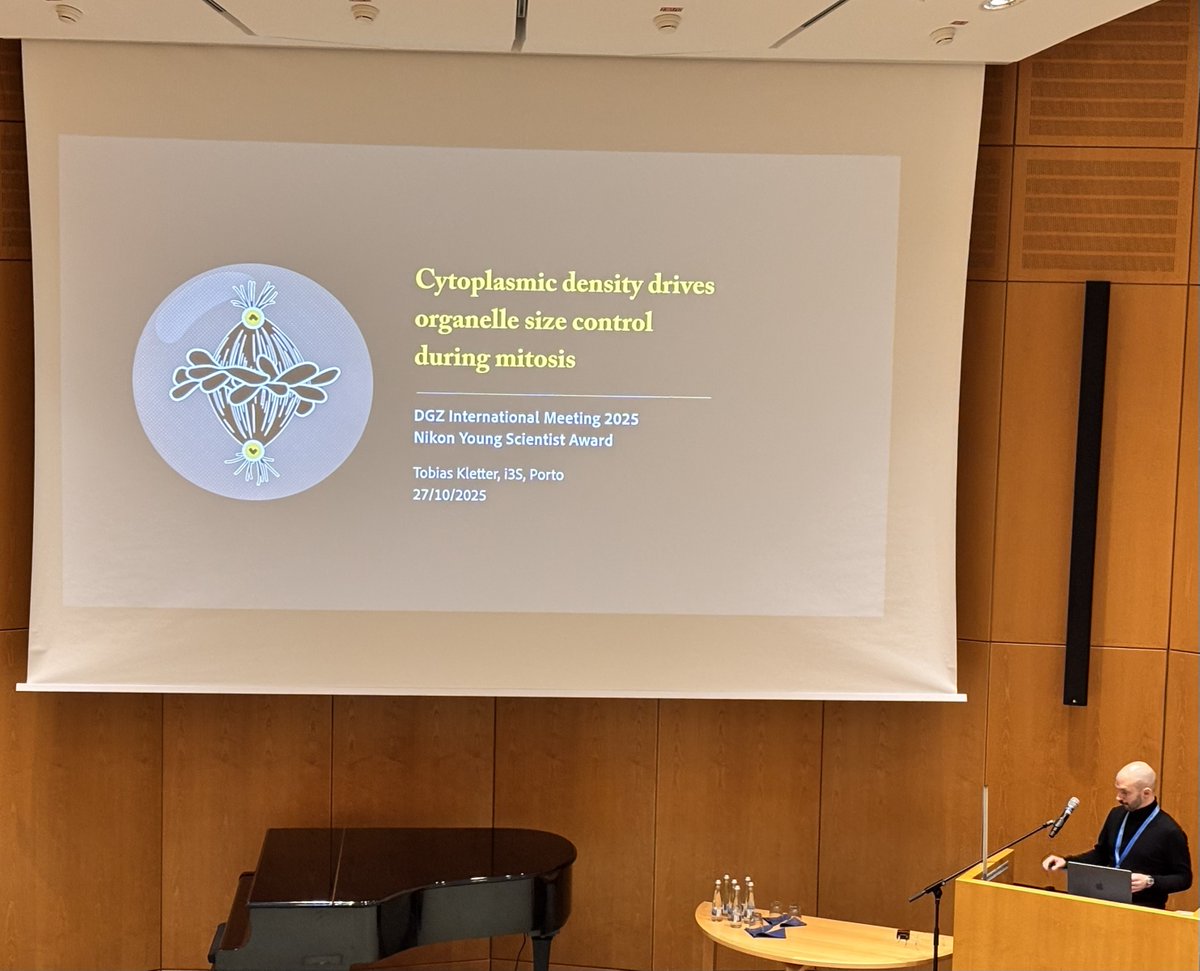
✨Thanks to amazing students @TobiasKletter @MrEnkapsis, postdocs @bis_was_here
& collaborators @Omar136661 @VasilyZaburdaev ALMF @EMBLHeidelberg ✨
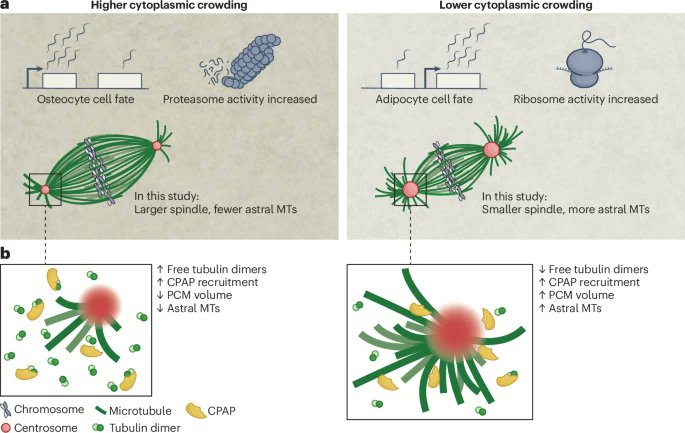
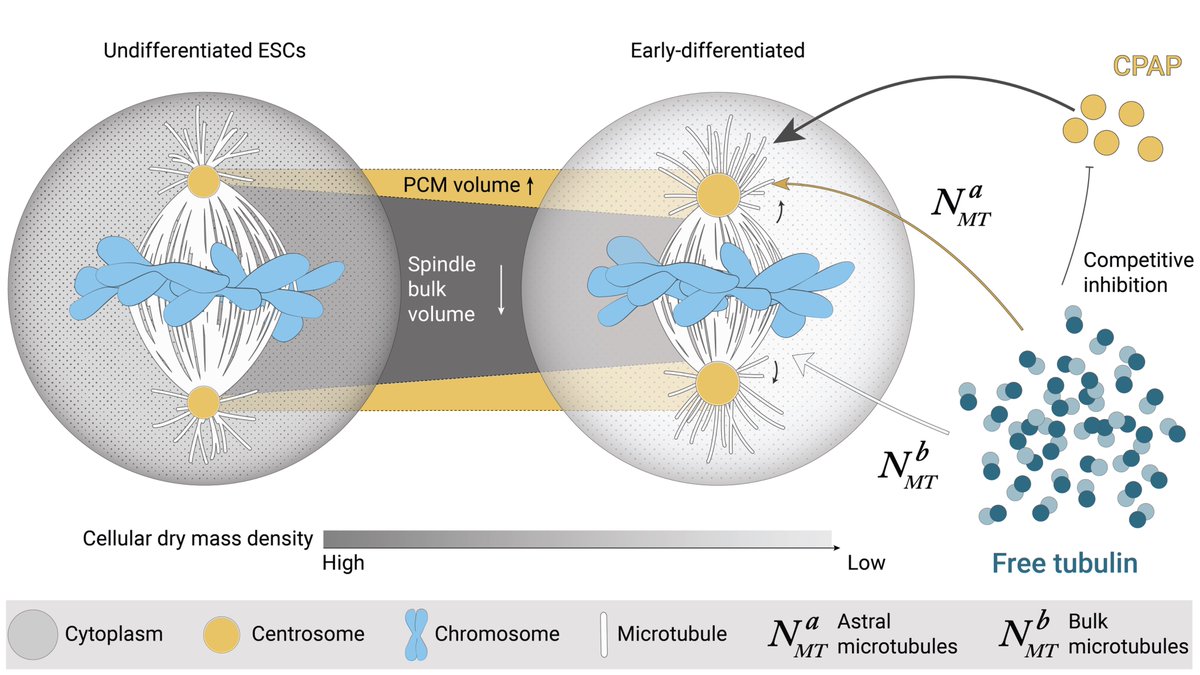
👉Cytoplasmic material properties control spindle architecture and scaling 👉out today @NatureCellBio rdcu.be/eqPr8
4
12
48
3,686
Simone Reber retweeted

Apr 23
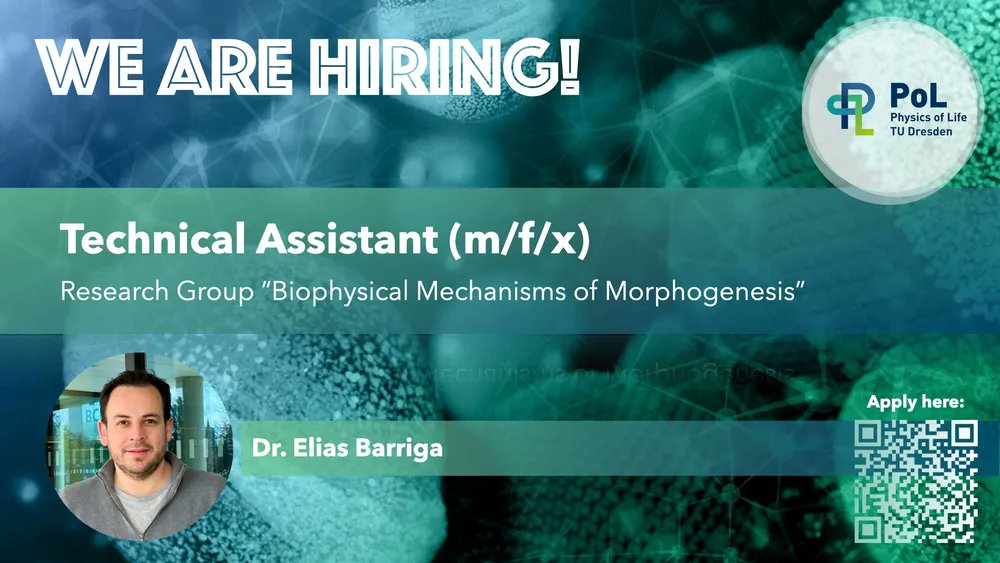
Come #work in lab as #labtech #labmanager
🚨 #JobAlert Join an international team at Physics of Life, working at the interface of biology and physics 🧬
👨🔬The Barriga Lab #science is seeking an experienced lab technician.
Please share with your colleagues! Learn more here: tud.link/gunby2 🗓️Application deadline: May 6. #Xenopus #Biomechanics #Bioelectricity
11
20
3,856
Mar 30
🐸💚

#SciArt Profile: Brittany Carr
In this profile, we meet Brittany Carr, an Assistant Professor at @UAlberta. Brittany uses acrylic, watercolour, gouache & ink to create pictures of the natural world & she is a fan of using microscopy for ‘science’ art.
thenode.biologists.com/sciar…
1
117
Simone Reber retweeted

Mar 23
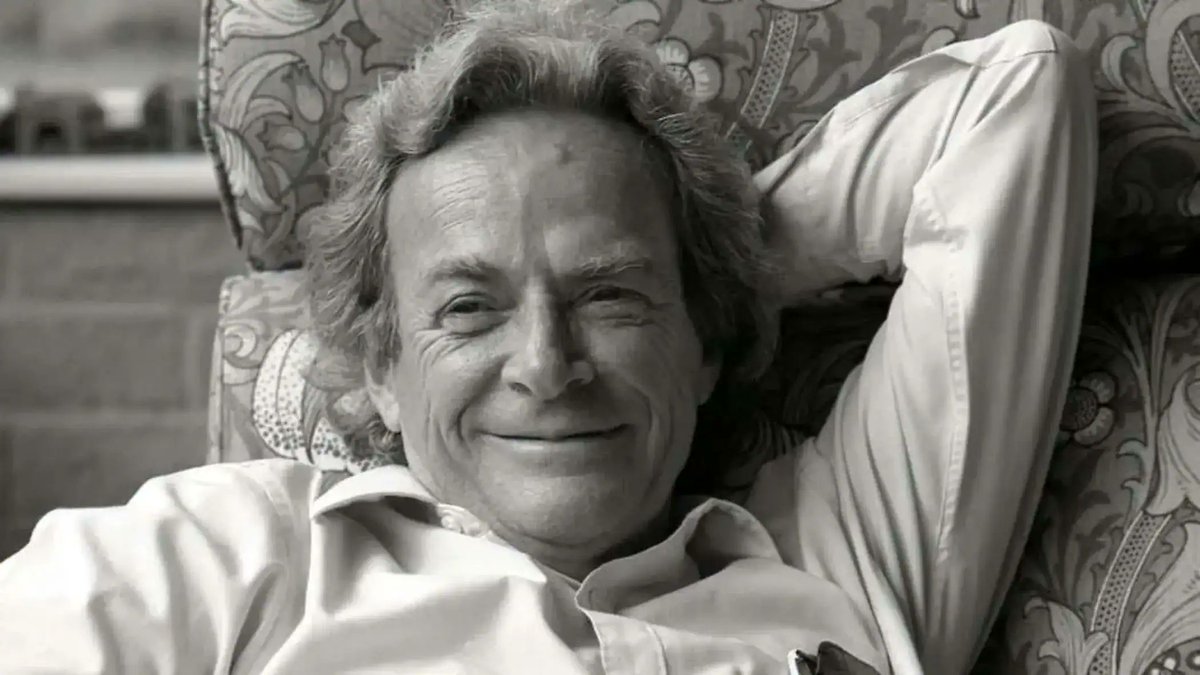
Do not use your energy to worry. Use your energy to believe, to create, to learn, to think and to grow.
- Richard Feynman
41
500
2,384
44,345
Simone Reber retweeted

Mar 22
Ich glaube ich fahre zum nächsten Oktoberfest, einfach nur um neben Markus Söder zu stehen, wenn er einem Grünen zuschaut, wie er das Fest eröffnet.
1,165
1,610
17,272
433,934
Simone Reber retweeted

Mar 20
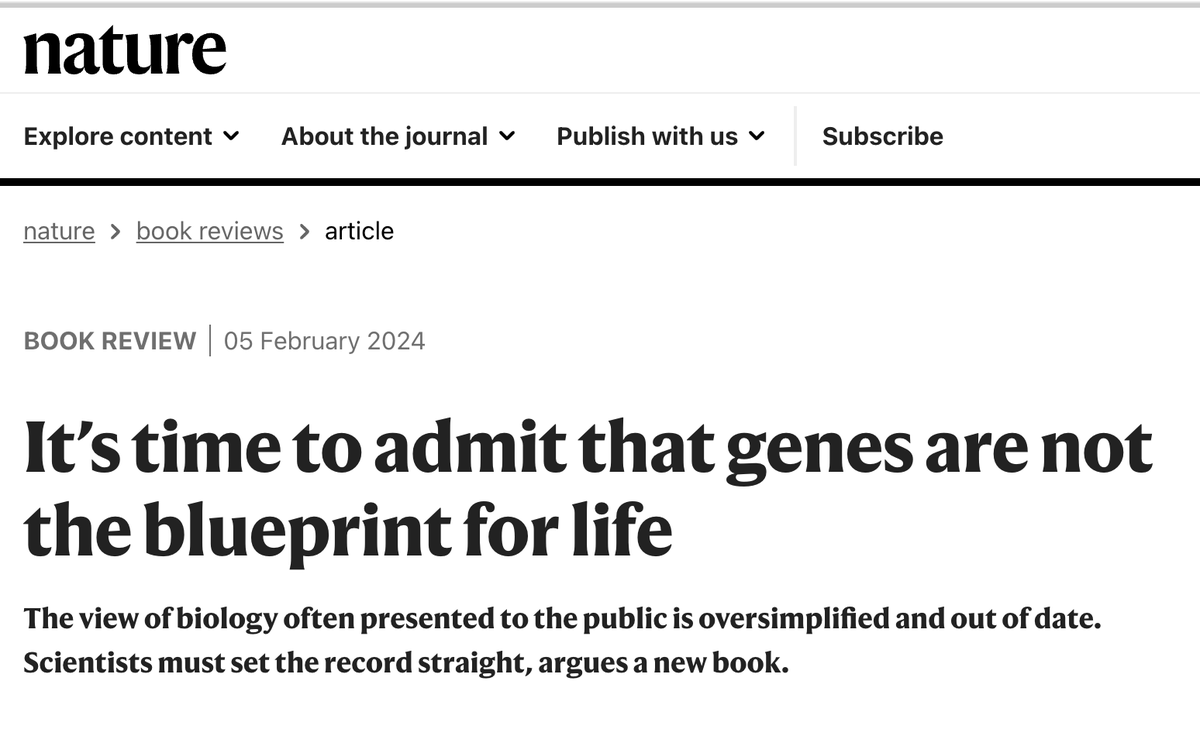
A periodic reminder to leave behind simplistic & naive notions.
20
78
572
49,964
Simone Reber retweeted

Mar 20
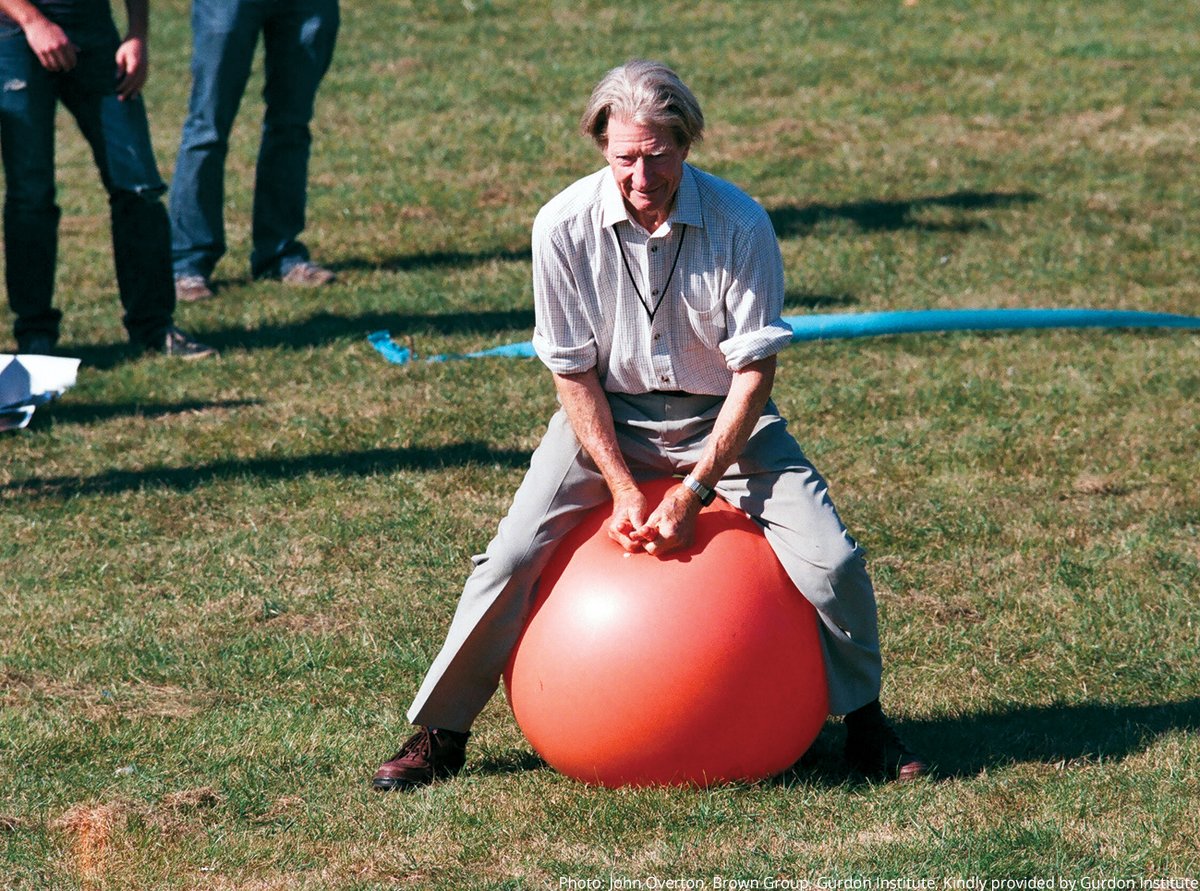
Despite his teacher’s opinion that he couldn’t learn simple biology, John Gurdon went on to receive a #NobelPrize, for his classic frog experiment, which showed that the DNA of mature frog cells has all the information needed to develop all cells in its body.
#WorldFrogDay
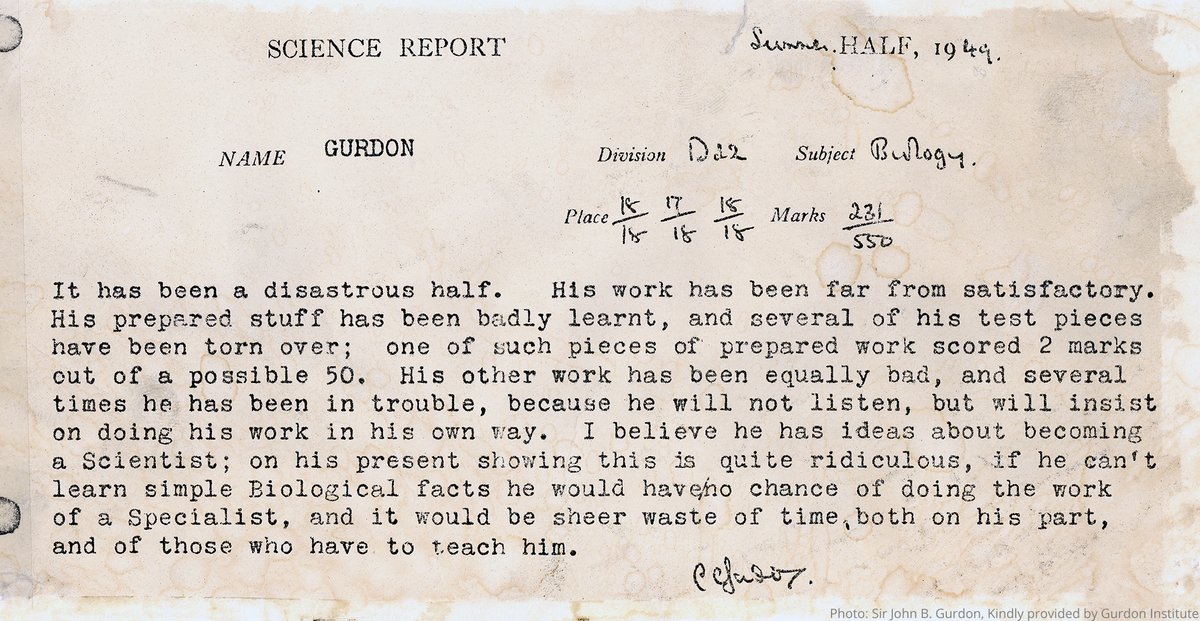
ALT John Gurdon's science report noting his poorly learned work and test pieces with low marks. The report questions his suitability for becoming a scientist.
ALT John Gurdon sitting on a large red exercise ball in a grassy field, appearing to balance. Others stand in the background.
6
67
360
18,982
Mar 6
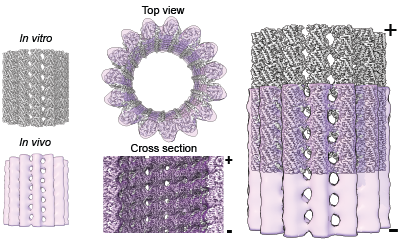
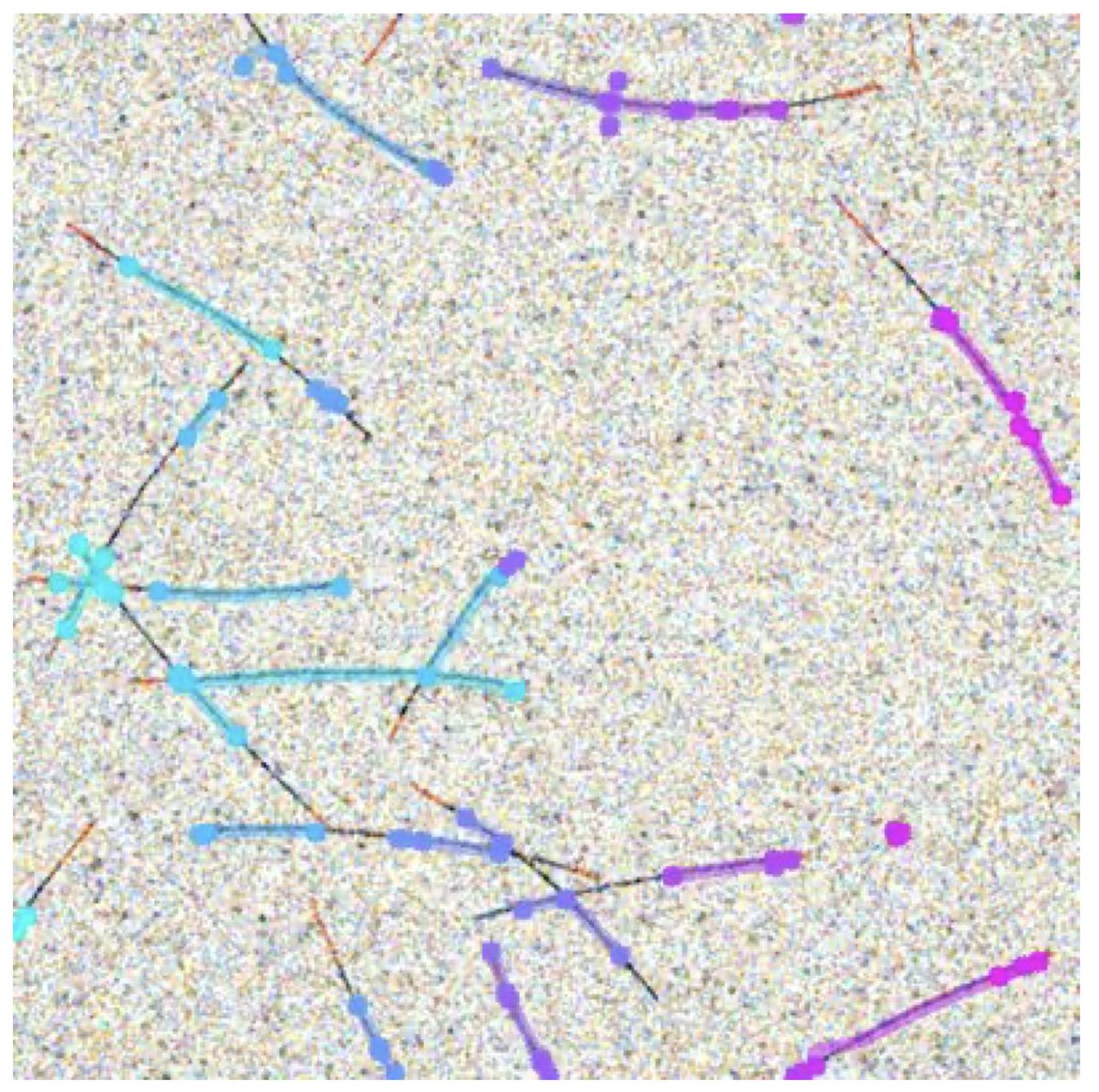
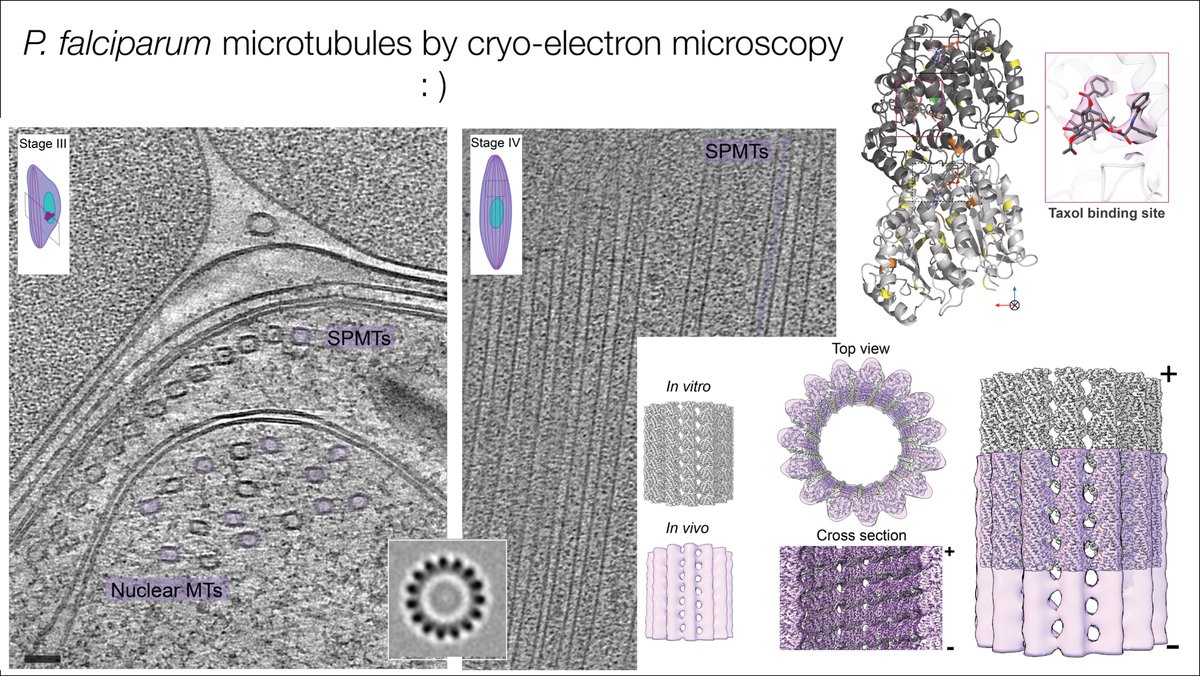
In vitro reconstitution is powerful: we rebuild Plasmodium microtubule architectures from purified components & recapitulate what cells actually do🤩
Thanks to the team that made this possible🙌 in particular Carolyn Moores @BirkbeckScience
Out today: rdcu.be/e7eM2
1
9
28
1,074
Simone Reber retweeted

Feb 27
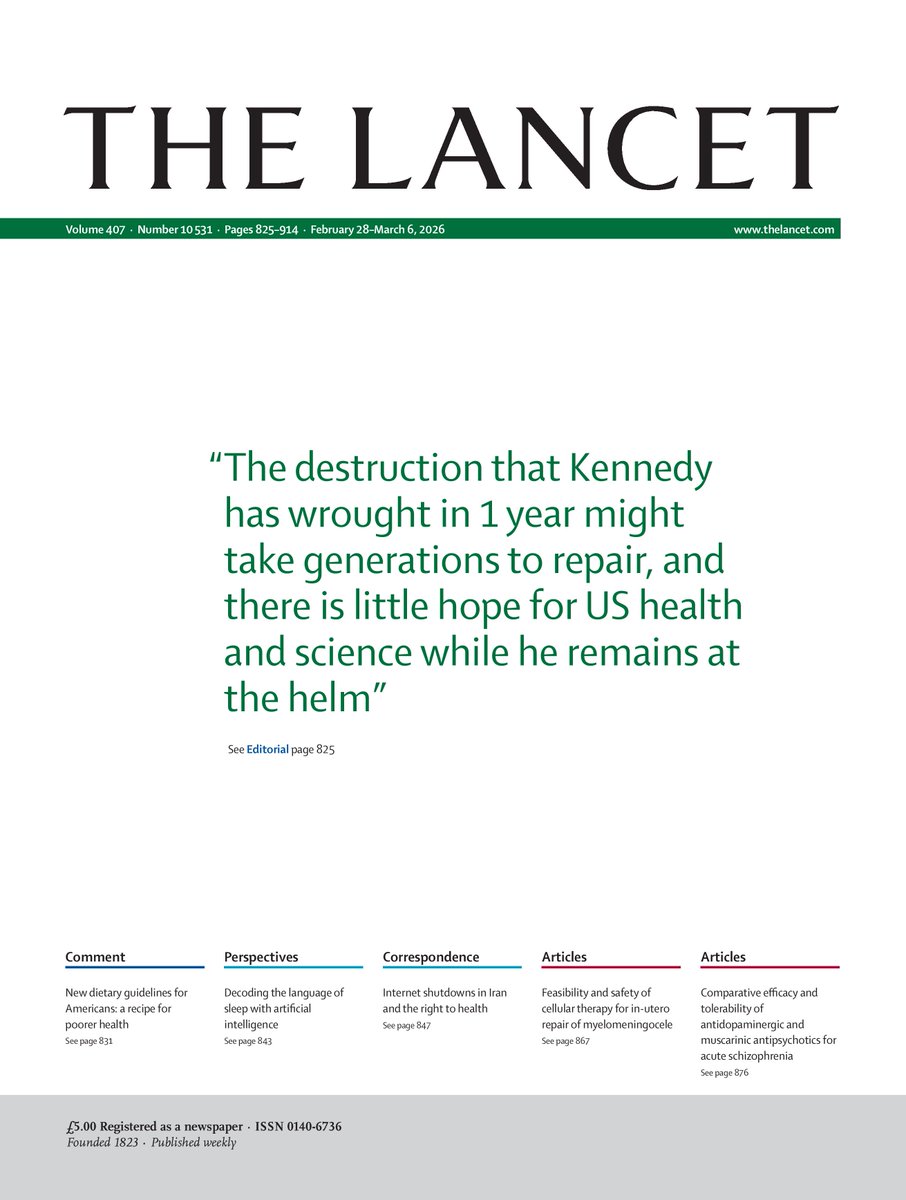
On the cover of The Lancet:
Editorial — “Robert F Kennedy Jr: 1 year of failure”
Read the latest issue: spkl.io/6011Aa3Et
ALT Cover of The Lancet, 28 February 2026 issue. The quote: \u201CThe destruction that Kennedy has wrought in 1 year might take generations to repair, and there is little hope for US health and science while he remains at the helm.\u201D
344
1,178
2,807
359,434
Feb 23
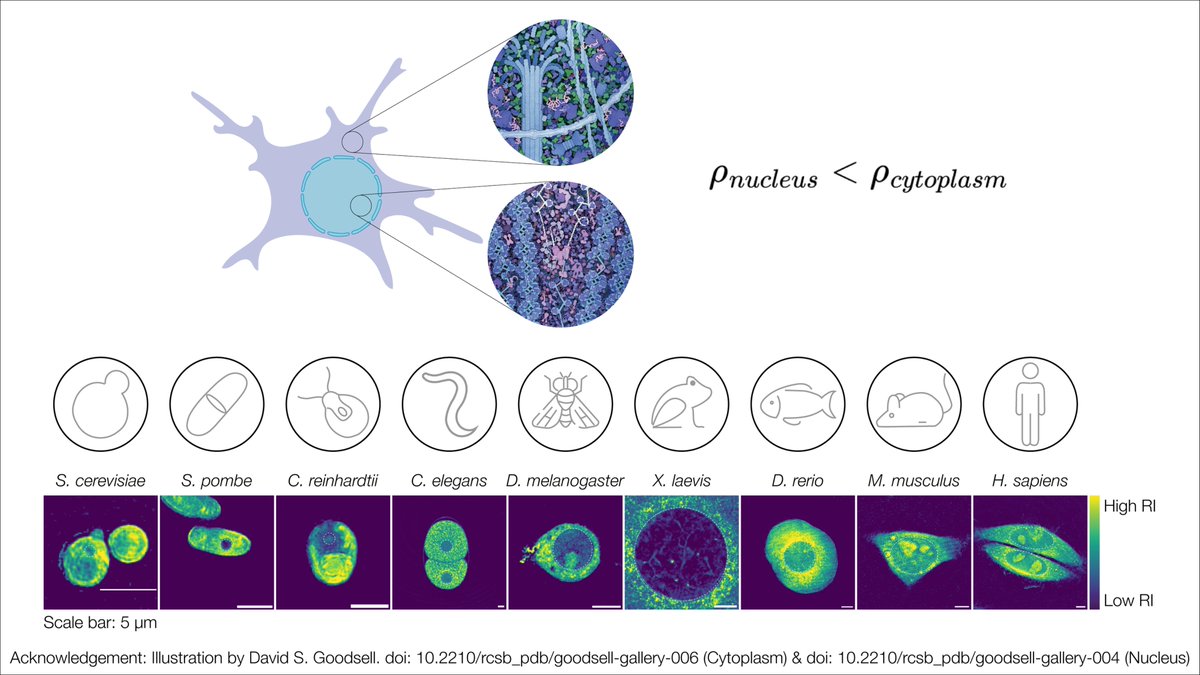
Density. Crowding. Tomato. Tomato!?! 🍅
@GabrielPopkin @QuantaMagazine thanks for covering the debate. We promise we're all friends 🥰 @LiamHoltLab & @gwgl1979
Nothing would have been possible without @GuckLab & @VasilyZaburdaev
👉quantamagazine.org/the-bioph…
1
4
225

Why Seeing Still Matters in Biology
@helenajambor addresses why all biologists need data visualisation. Read and discuss this topic on the Node. ⬇️
#DataVis #BioVis
thenode.biologists.com/why-s…
5
13
983
Simone Reber retweeted

Feb 9
One of the most important discoveries in molecular biology, I'd say, happened in 1974 when scientists took a gene from a frog (Xenopus laevis) and transferred it into a bacterium (E. coli). The bacterial cells read, processed, and expressed the gene.
If a bacterium can read a frog gene, so the logic went, then the entire living world is, in principle, "programmable." Genes can be swapped between kingdoms of life, thus enabling:
- The production of human insulin in bacteria.
- Manufacturing of vaccines in yeast and chicken eggs
- Engineered crops carrying biopesticide genes from algae etc.
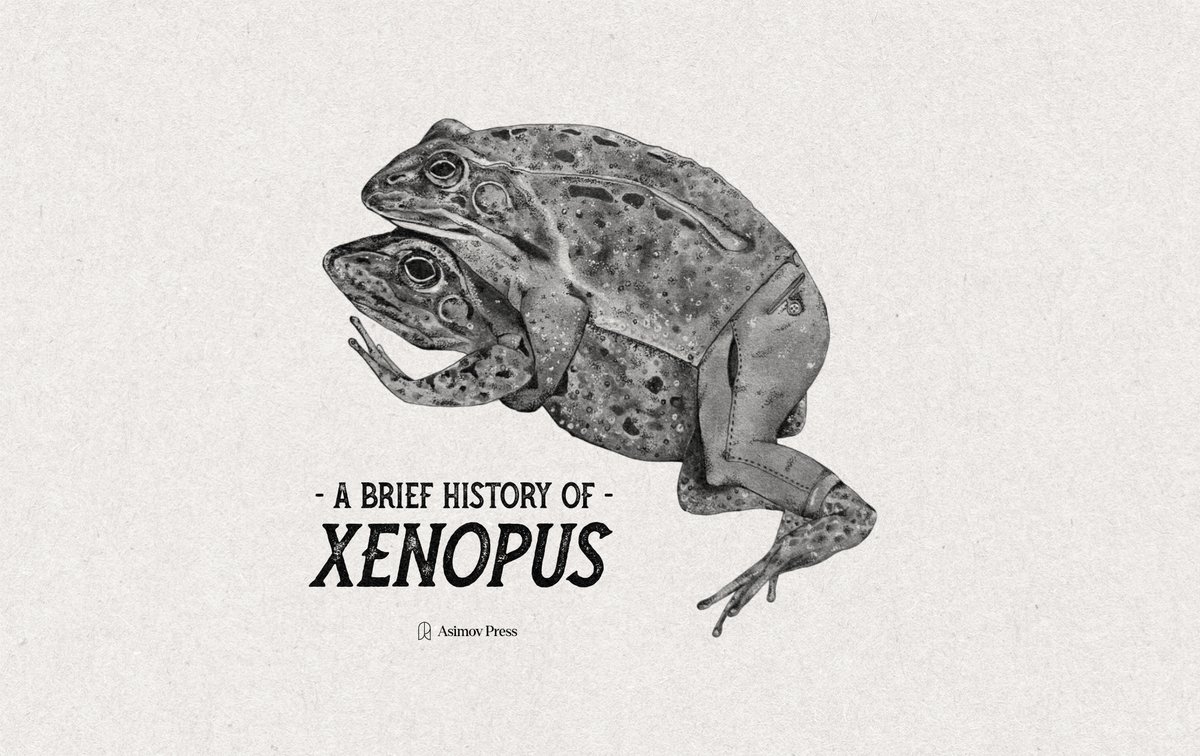
Check out A Brief History of Xenopus to learn about other key experiments in which frogs played a role. 🔻
Feb 9

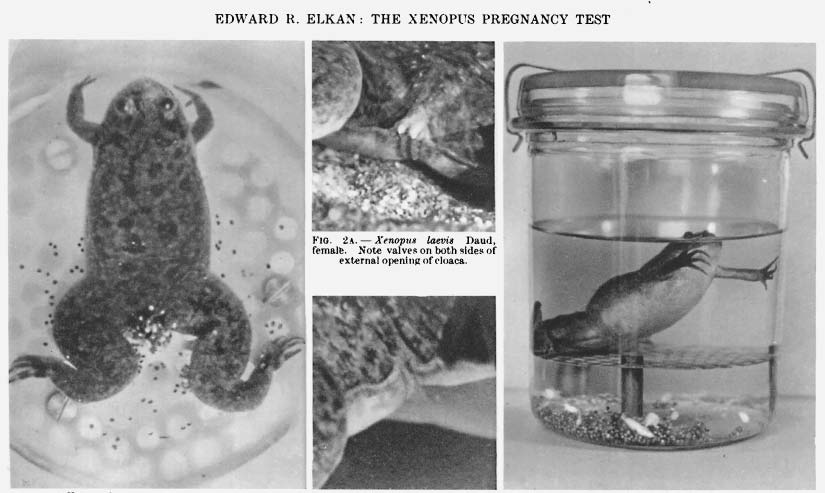
In the 1930s, South African scientists discovered that injecting African Clawed Frogs (called Xenopus laevis) with urine from a pregnant woman would cause them to quickly lay hundreds of eggs.
These frogs thus served as the first mass-scale pregnancy test.
Xenopus frogs later became the first animals cloned from an adult cell (three decades before Dolly the Sheep). This is A Brief History of Xenopus, an essay adapted from our forthcoming book about the origins and future of the research laboratory.
6
163
1,192
73,400

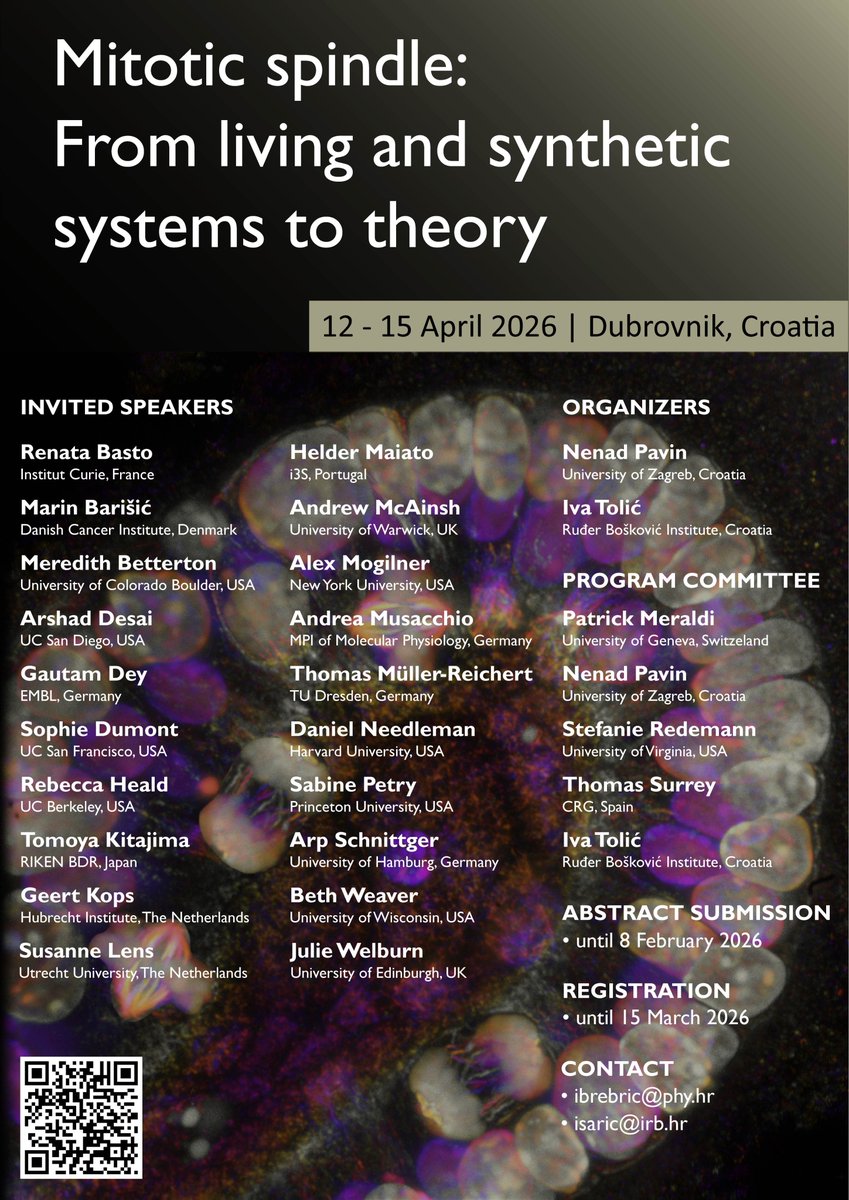
Mitosis lovers, get ready for Dubrovnik! 🔬🎉
I’m super excited to be organizing the 4th Mitotic Spindle Conference with @nenad_pavin, and we can’t wait to see you there!
Want your abstract to be selected for a talk? Submit by Feb 8!
phy.pmf.unizg.hr/~mitosis/
#SpindleCroatia2026
1
16
33
2,571
Simone Reber retweeted

Jan 28
We're hiring! JCS is looking for a Reviews Editor to join the team. This is a fantastic opportunity for someone who loves cell biology and wants to stay connected with the field (and be part of an organisation that believes in supporting the community).
biologists.com/about-us/work…
1
12
13
1,733
Simone Reber retweeted

Jan 27
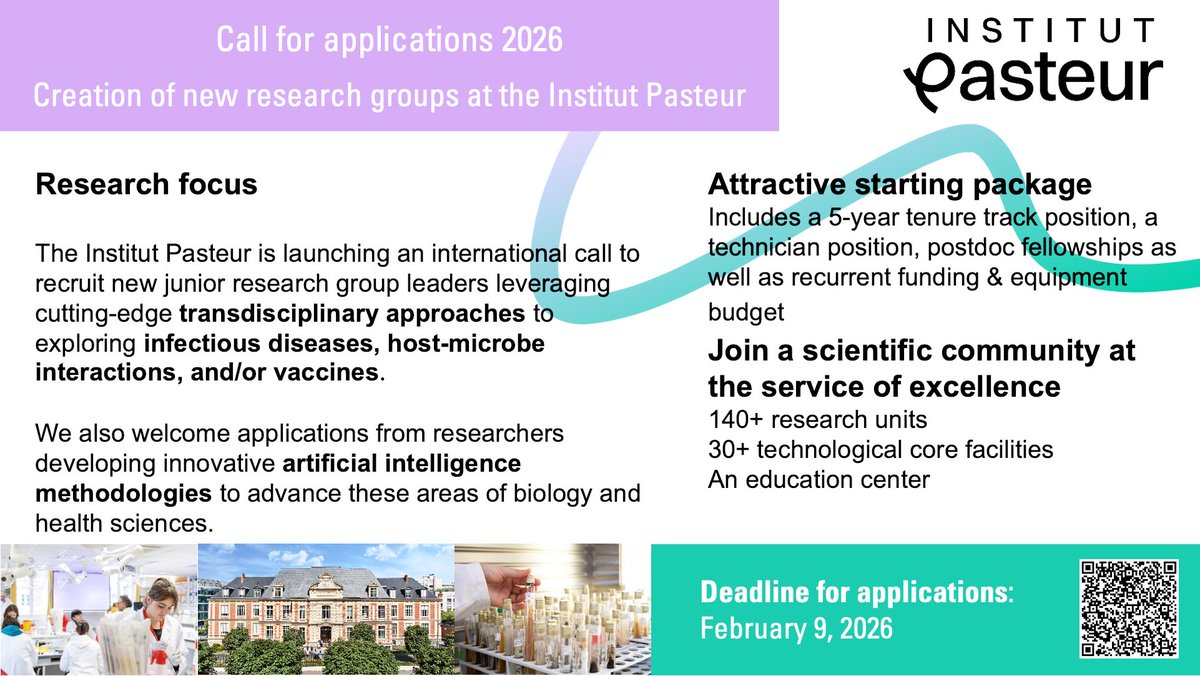
Institut Pasteur is recruiting young PIs! Deadline February 9th!
1
56
165
13,226
Simone Reber retweeted

Jan 27
In @five_books Rector Barbara Stollberg-Rilinger recommends the best books on The Holy Roman Empire fivebooks.com/best-books/the…
1
6
8
1,707
Simone Reber retweeted
Jan 18
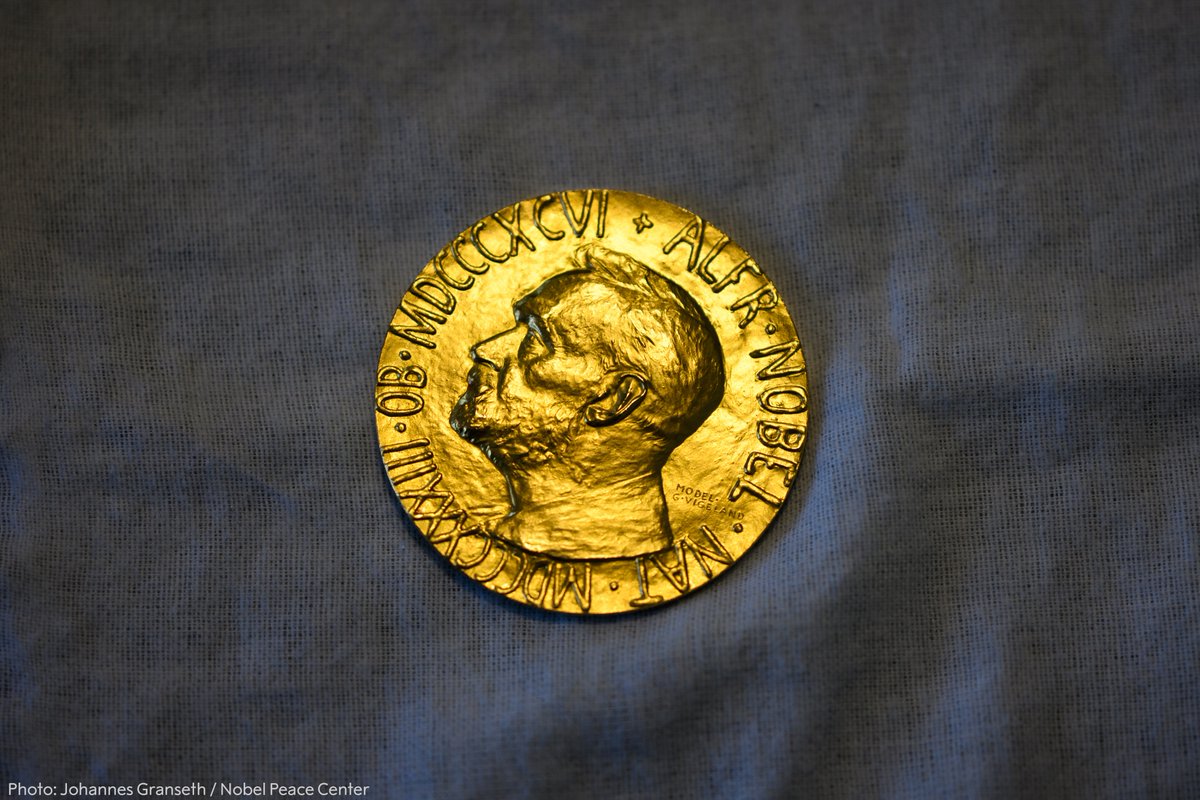
Statement from the Nobel Foundation
One of the core missions of the Nobel Foundation is to safeguard the dignity of the Nobel Prizes and their administration. The Foundation upholds Alfred Nobel’s will and its stipulations. It states that the prizes shall be awarded to those who "have conferred the greatest benefit to humankind," and it specifies who has the right to award each respective prize. A prize can therefore not, even symbolically, be passed on or further distributed.
For additional information, please refer to the Norwegian Nobel Committee: nobelpeaceprize.org/press/pr…
16,111
21,751
102,541
7,828,122
Simone Reber retweeted
Jan 15
Presentation Jan 15: Fellow Dmitri Kourliandski, “Préludes jamais écrits” for piano with no pianist, accompanied by free reflections on absence as material wiko-berlin.de/en/fellows/ac… vimeo.com/1131672552?fl=pl&f…
1
1
479
Cold Spring Harbor Laboratory Cell & Developmental Biology of Xenopus: Gene Discovery & Disease
Two more days until applications are due for this
@cshlxeno course 📆🐸.
@rkmille
thenode.biologists.com/cold-…
5
13
861
Jan 15
Love everything about it
Jan 14

David Bowie picked Annie Lennox to perform Under Pressure with him at the '92 Freddie Mercury Tribute Concert. This rehearsal is AMAZING. Bowie’s expression alone is PRICELESS. What other famous artist can you spot?
1
1
125