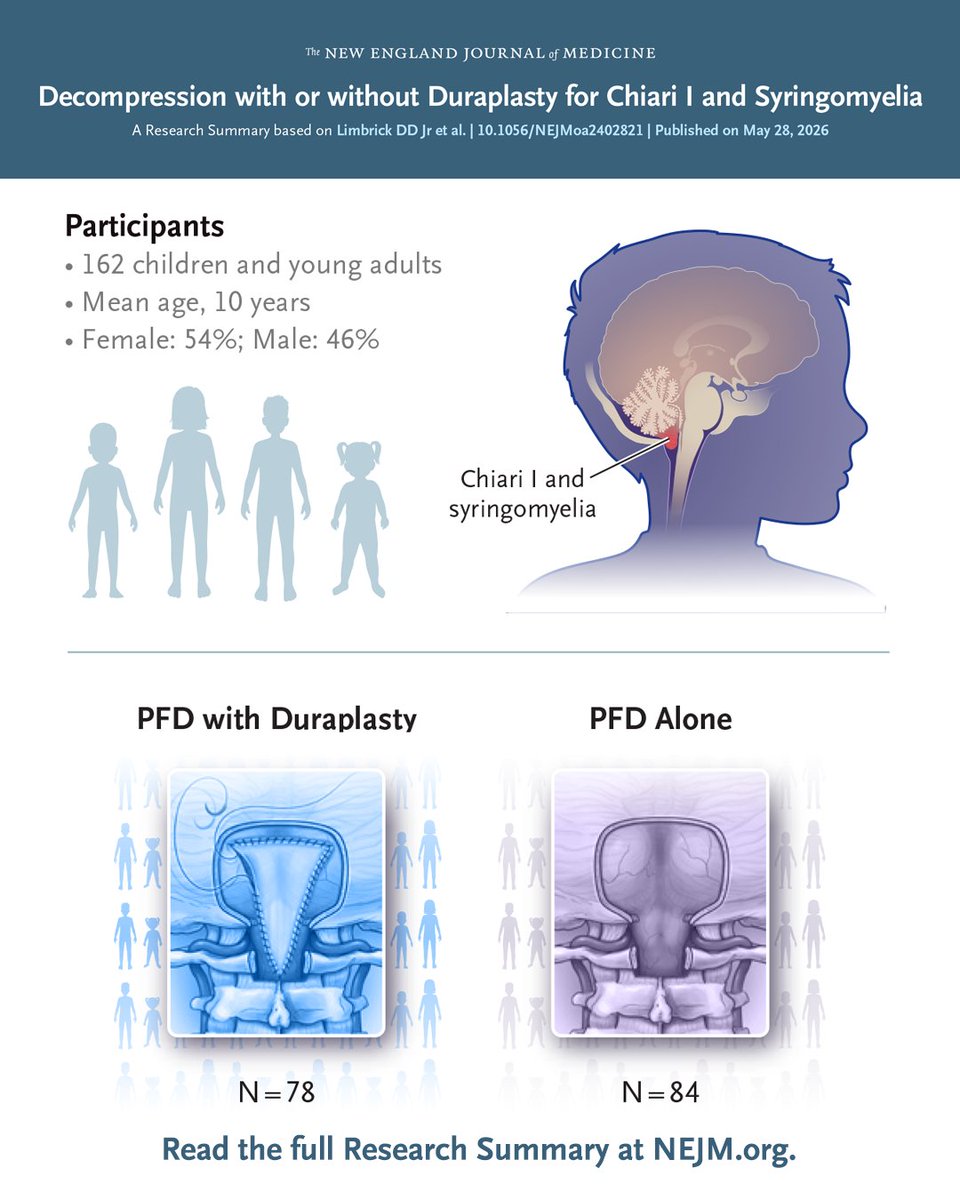
In a trial involving children with Chiari type I malformation and syringomyelia, the percentage with surgical complications did not differ significantly between posterior fossa decompression with duraplasty and decompression alone. Full trial results and Research Summary: nej.md/3RtZTQR
ALT This image is from a Research Summary published in the New England Journal of Medicine about decompression with or without duraplasty for Chiari I and syringomyelia. It includes a diagram of the brain highlighting Chiari I and syringomyelia, information about study participants, and images comparing two groups: PFD with duraplasty and PFD alone. Participants included 162 children with an average age of 10 years; 54% are noted as female, and 46% as male. The images indicate the sample sizes for each group: 78 for PFD with duraplasty and 84 for PFD alone. A prompt invites readers to view the full Research Summary at NEJM.org.
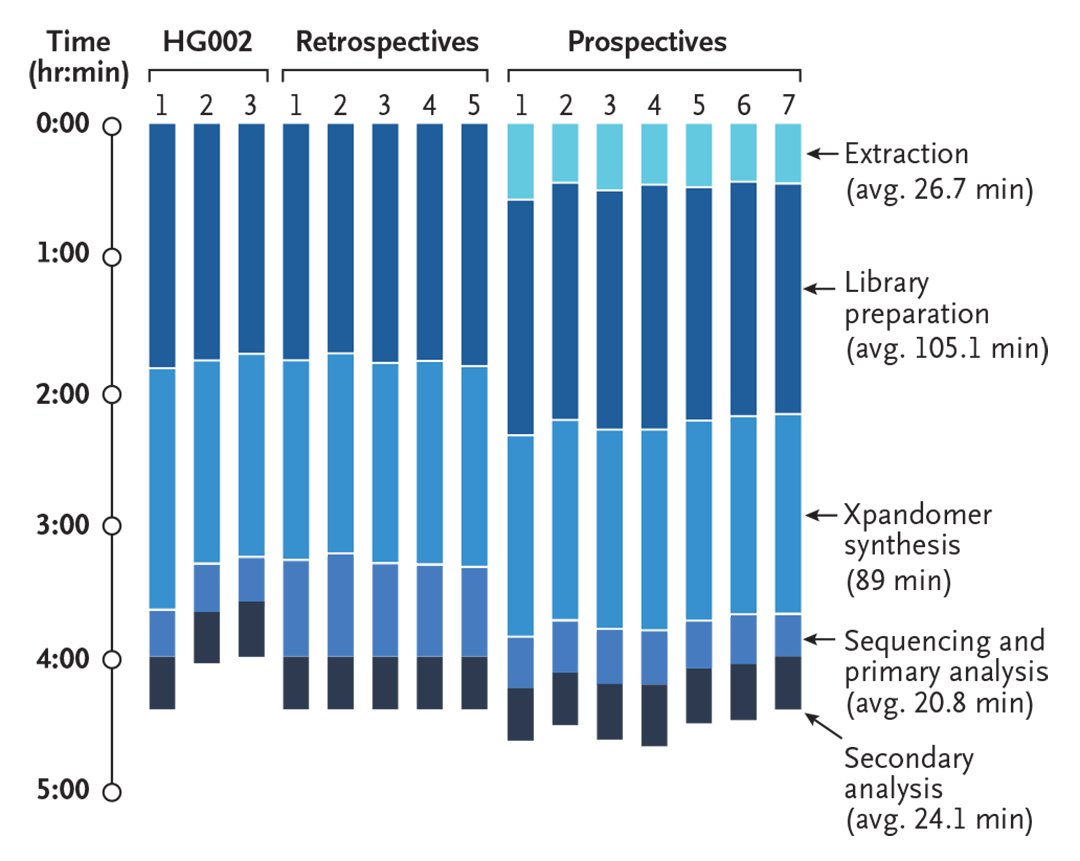
ALT Stacked bars indicating the durations of the laboratory, Xpandomer synthesis, sequencing and primary-analysis steps, and secondary-analysis steps, with the start time normalized to hour 0.
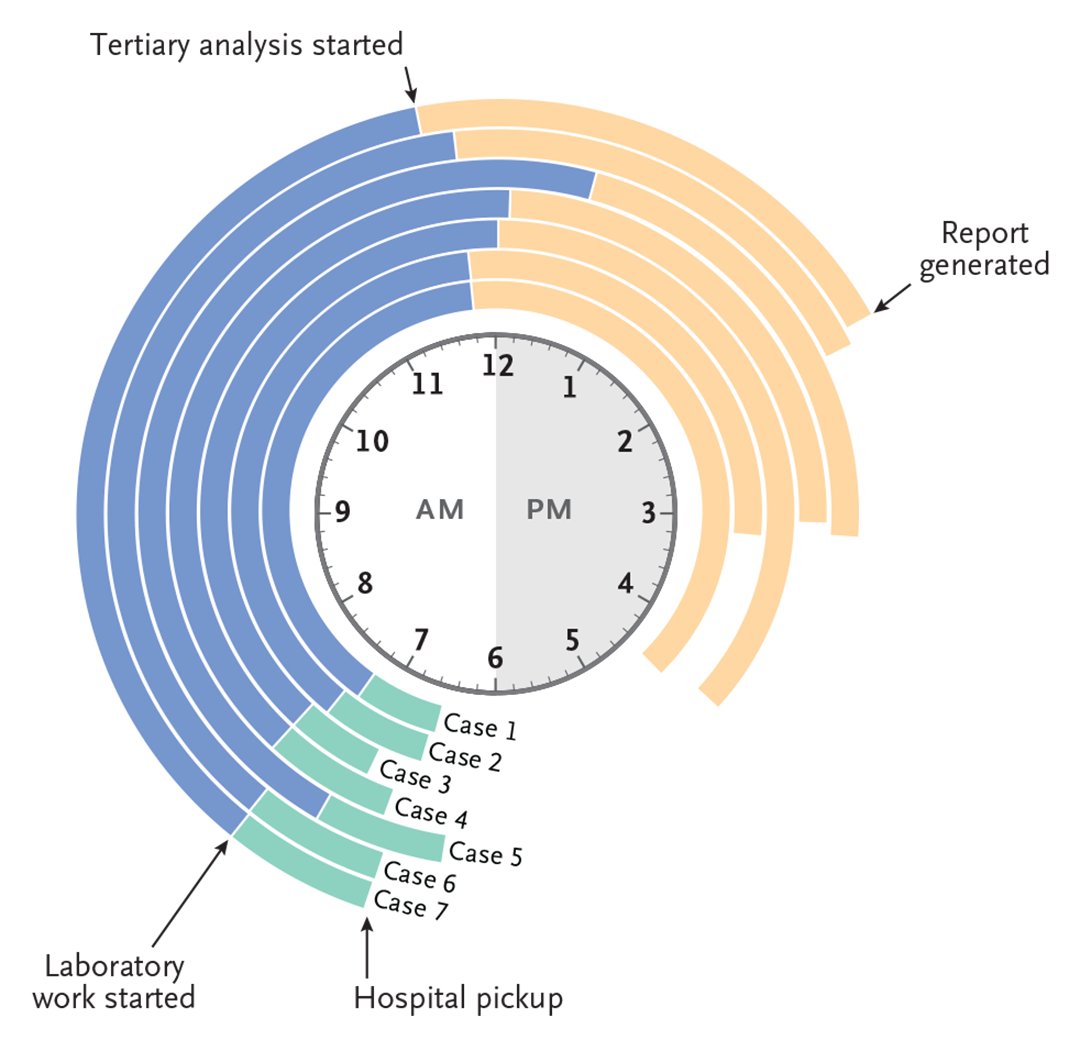
ALT Radial plot bars indicating the wall-clock timing for each of the prospective cases, including transport time, laboratory processing and sequencing, and time for tertiary analysis and report generation.
Traditional brain tumour characterisation requires a battery of tests, delaying critical treatment decisions. Discover how Oxford Nanopore sequencing streamlines this with a single, rapid assay to provide high-confidence tumour methylation profiling. nanoporetech.com/application…
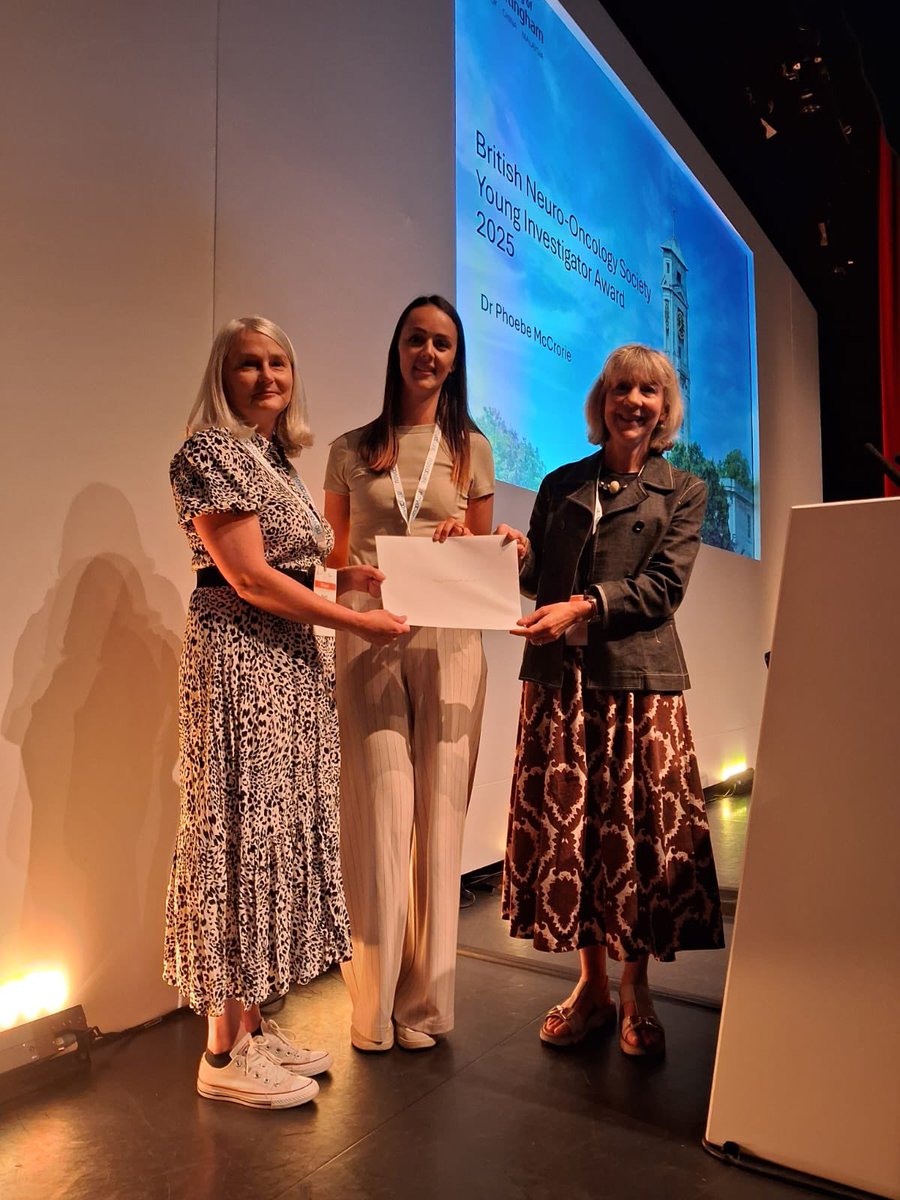
Our winner of the Young Investigator Award 2025 is Phoebe McCrorie. Congratulations!
Thank you to Karen Noble at Brain Tumour Research for supporting this alongside BNOS.
Photo - Karen Noble, Phoebe McCrorie, Susan Short. #BNOS2025
A breakthrough moment in brain infections.
Faced with a mystery infection, Judith Breuer sequenced a biopsy sample—and identified a pathogen never before linked to brain infections. Find out more. #NanoporeConf
Why wait weeks for a diagnosis?
Danny Miller discusses the future potential of Oxford Nanopore sequencing, and how clinicians could get actionable results within hours—not days or weeks. No need to batch samples. Same-day sequencing, same-day answers. #NanoporeConf
In the studio, Matt Loose shares how: “Surgeons were literally knocking, saying I’ve got a patient today. Once people see what’s possible, they start to believe it — and get excited.” when talking about his new CNS tumour profiling method.
Knowledge is power. In the studio, Matt Loose shared insights on rapid CNS profiling — and how one participant told him: “Even if the answer isn’t what you want, it’s better than not knowing at all.”
Great news about a new test that reduces diagnosis time for certain types of brain tumour. This highlights the importance of continued research to improve earlier diagnosis and faster detection for the less survivable cancers.
bbc.co.uk/news/articles/cpvk…
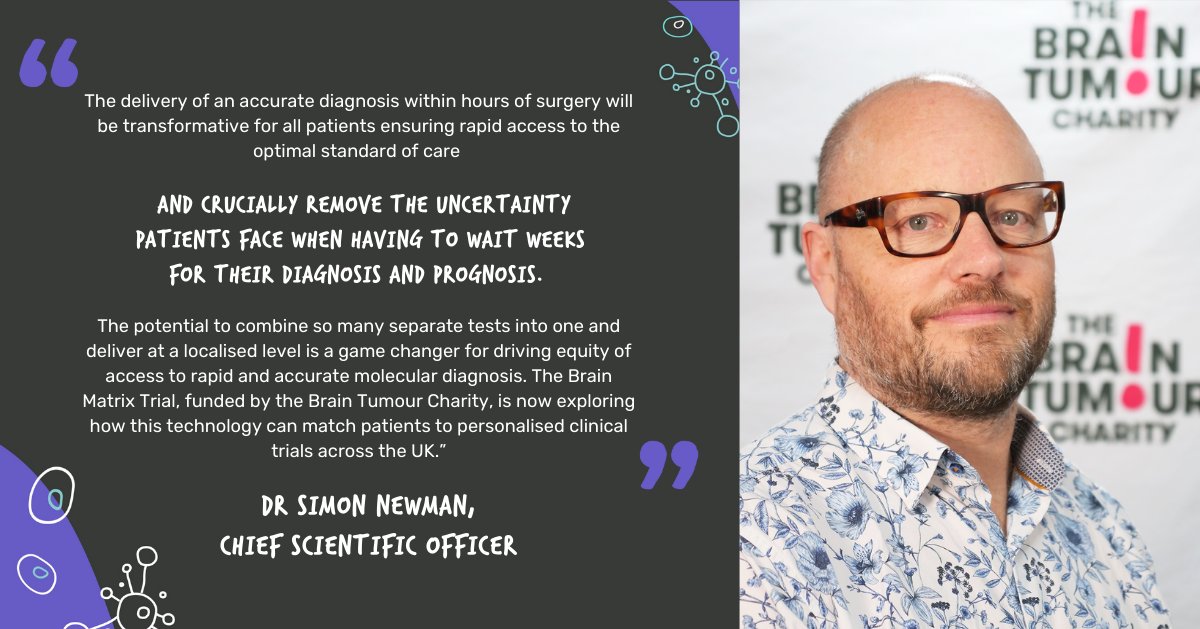
An ultra-rapid method of genetically diagnosing brain tumours has been developed, cutting the classification time from 6-8 weeks, to as little as two hours. This could remove uncertainty those face waiting weeks for their diagnosis and prognosis. Read more:bit.ly/43EbUXh
The future is now.
In this webinar, Prof. Matt Loose showcases a revolutionary tool, ROBIN, that uses Oxford Nanopore technology for rapid and comprehensive molecular profiling of central nervous system tumours.
Watch the webinar here: bit.ly/3REqZSd
From weeks to hours.
Prof. Matt Loose shares a transformative tool (ROBIN) that uses Oxford Nanopore technology to rapidly and comprehensively classify central nervous system tumours in this webinar.
Watch here to discover what’s possible: bit.ly/42FRV9g
Proud to support #ShineALight for Brain Tumour Awareness Month & @braintumourrsch - one in three of us know someone with a brain tumour (I lost a great mate, Miles, to glioblastoma recently) yet only 1% of the UK’s cancer research spend goes into them.
This must change.
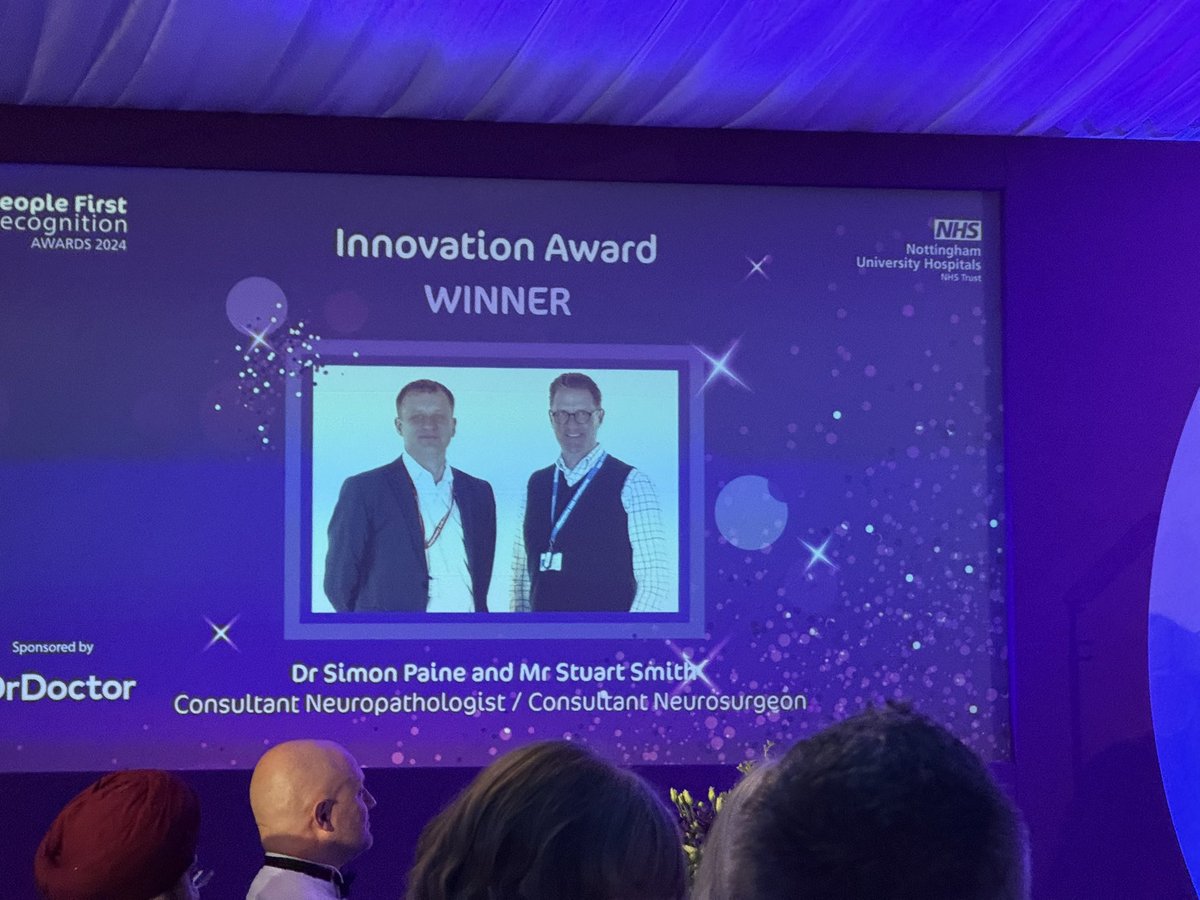
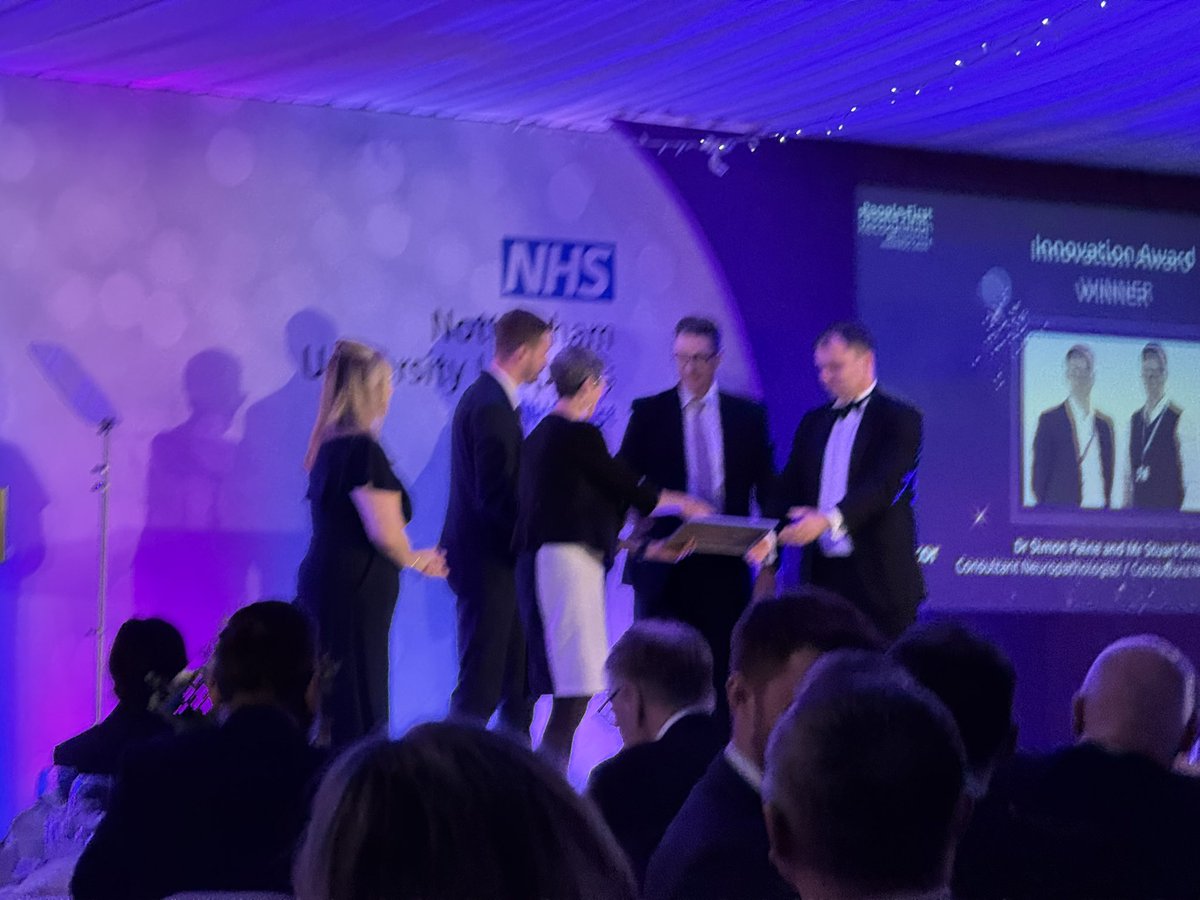
Congrats to @SjsmithStuart and Dr Simon Paine for winning the #NIHAwards Innovation award for work on bringing @nanopore sequencing into the clinic for rapid brain tumour diagnosis.
Sadly a similar experience already occurs for many brain tumour patients. Radical change needed as the number of patients across all cancers needing these tests increases rapidly
It's very good to see this report out and the transformations that are needed. The report references future technologies being trialled in @nottmhospitals - we now have a preprint out that describes this work in more detail - medrxiv.org/content/10.1101/…
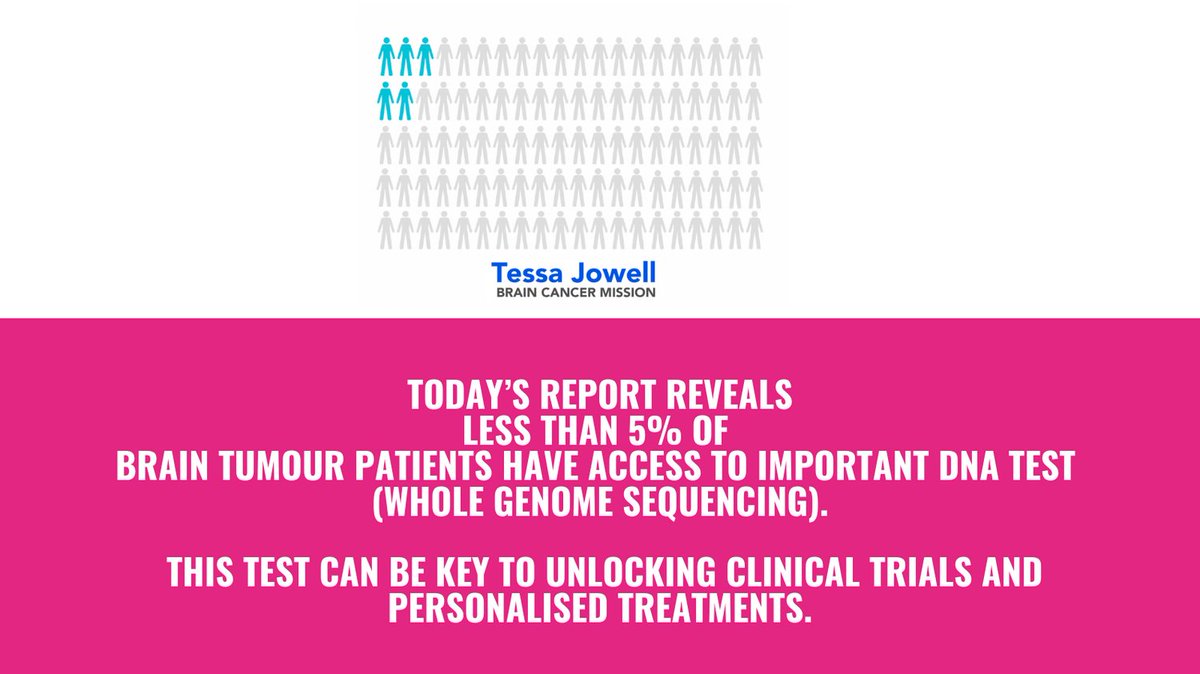
The @TJBCMission report released today reveals a lack of critical DNA testing in the UK. We believe these tests are the key to unlocking personalised treatments or trials for patients today and will help transform future care. tessajowellbraincancermissio…