Rocket geek, orbits nerd, electric car driver, history buff, technical writer. Opinions my own. May commit puns. Also found on LinkedIn and Bluesky.
Joined February 2014
- Tweets 12,029
- Following 1,181
- Followers 1,857
- Likes 3,455
267 Photos and videos






Pinned Tweet

24 Sep 2025
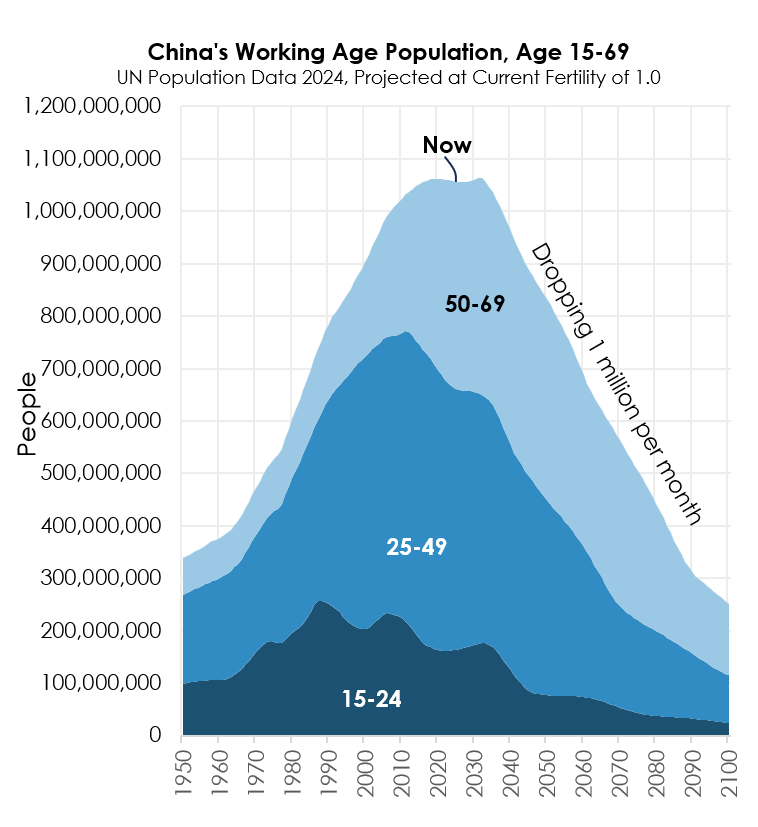
A person born in China at the end of WWII saw China's power rise as its working age population tripled in their lifetime.
But now it has plateaued.
A person born today will see that growth reverse. China's working age population will drop by 1 million per month for a long time.
1
2
14
3,682

Homeownership maintenance tip: write on everything. Write the installation date right on the unit. Write the breaker number circuit info on new wiring. Write the breaker number on the back of outlet face plates. Write on the junction boxes in the basement. Write the date on the furnace every time it's serviced.
56
70
2,205
53,053
Josh Hopkins retweeted

Jun 10
I’ve officially resigned as Associate Editor for Frontiers in Systems Neuroscience (part of @FrontNeurosci). It used to be a reputable journal, but became a case study in how forced automation destroys academic integrity. 👇
33
247
1,074
195,974
Josh Hopkins retweeted

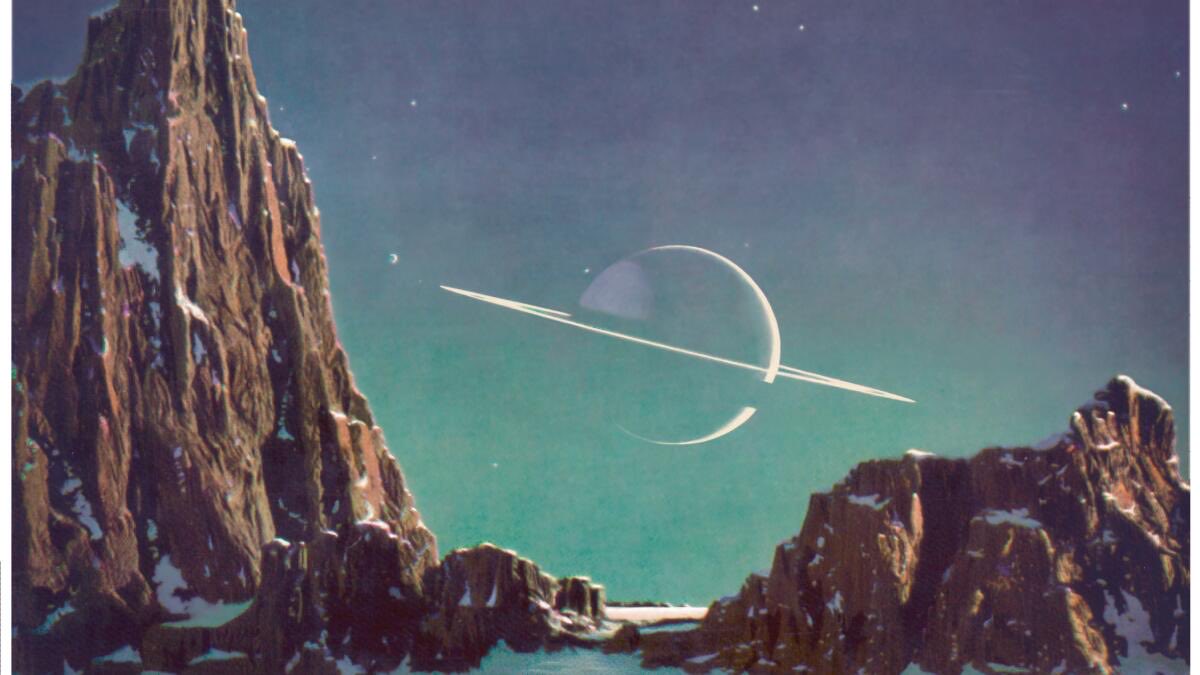
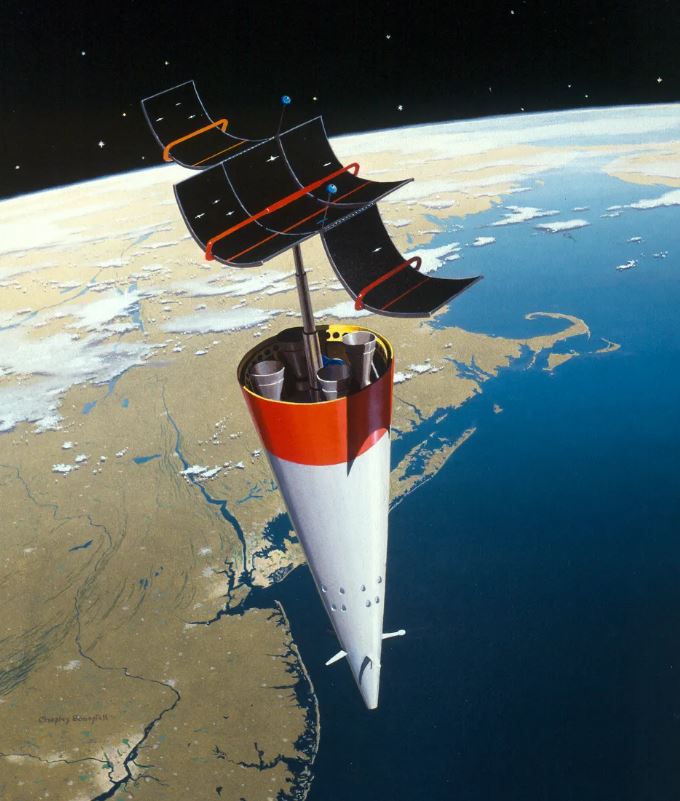
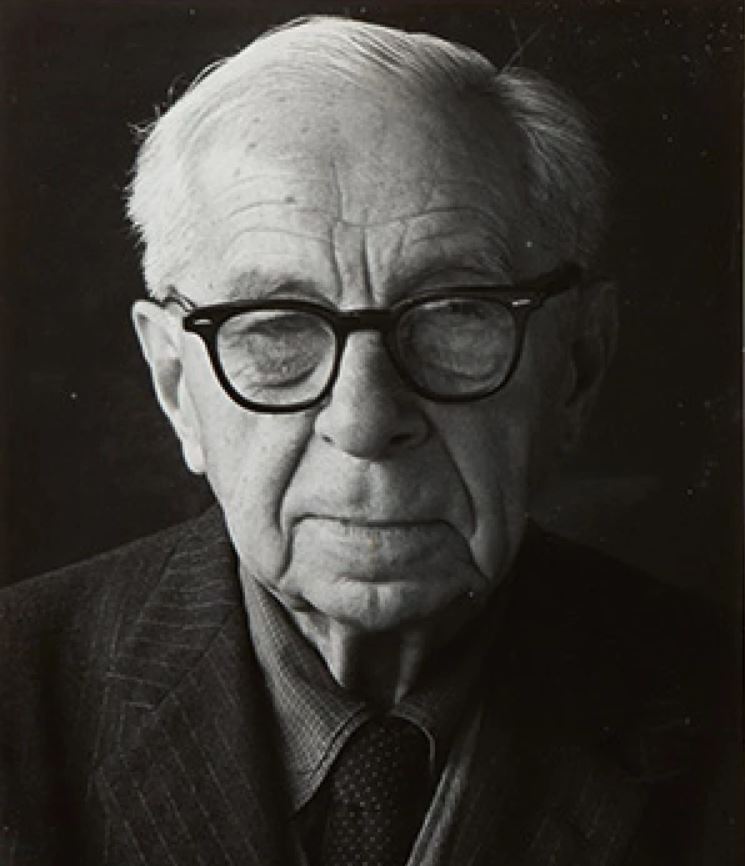
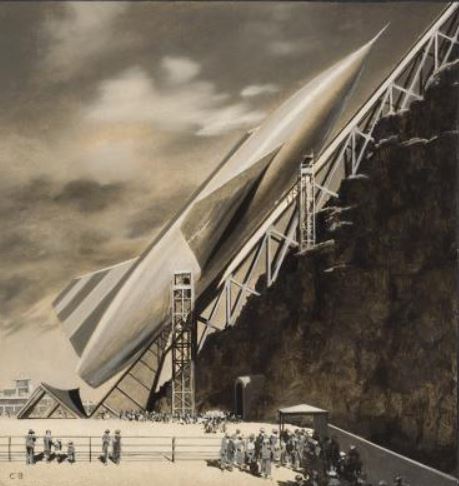
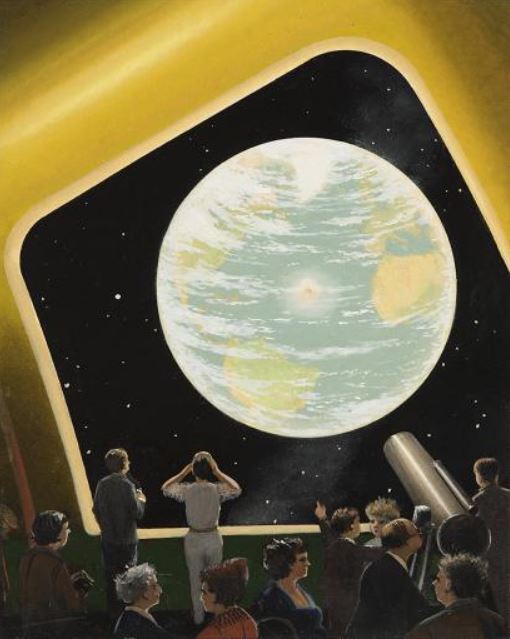
40 years ago today, we lost visionary space artist Chesley Bonestell (1888–1986). Long before rockets flew from Cape Canaveral, his stunning paintings of space stations, Moon landings, and Mars missions inspired the engineers and astronauts who made them reality.
@ccspacemuseum
3
45
196
7,192
Josh Hopkins retweeted

“Runaway brides” should be called “near Mrs.”
Thank you, this is why I have a PhD
159
5,310
58,747
752,767
Josh Hopkins retweeted

Jun 9
A challenge for internet historians: Identify an internet post by someone born in the 1800s. E.g. an early USENET post by an 85-year-old, or an early Listserv post by a 90-year-old
17
81
5,075
207,326
Josh Hopkins retweeted

Jun 8
I never met Gordon Wood, but I have a story about him.
In one of my grad school seminars, we read Wood’s Creation of the American Republic. The sheer erudition and evidentiary depth of the book bowled me over.
Back then, before kids and before life accelerated to warp speed, I used to call my mother every Sunday to catch up. Lots of times, we ended up talking about what I was reading that week in my grad seminars or for leisure. Mom had an omnivorous mind, and she was always looking for something else to read. She was a true intellectual—curious about almost everything, always eager to integrate new arguments or ideas into her existing schemas of how the world worked or to have those schemas challenged and changed.
When we talked that particular Sunday, I think I tried to describe to her part of Wood’s argument about the relationship between the state constitutions during the Articles of Confederation era and the federal Constitution. Maybe I was tired, maybe I didn’t completely understand her questions, but the end result of the conversation was that Mom had questions about Wood’s argument that I didn’t answer satisfactorily. I told her that she should probably just read the book, and we said goodbye.
She did eventually read the book, but the next Sunday, Mom started our conversation by saying, “Well, I had a lovely conversation with Gordon Wood this week.” For a split second, I thought she was joking, but then I remembered who I was dealing with. I started to sweat. “How?” I asked. A whole variety of unlikely scenarios in which the foremost historian of the American Revolution and my mother, who lived in Wichita, Kansas, might have met ran through my mind. “Oh, I just looked up his office phone number on Brown’s website and called, and he picked up!” Mom said. I decided I would have to find another profession.
As it ended up, Gordon Wood spent about an hour on the phone with my mother answering her questions about the Constitution. Ever since, I’ve had a soft spot for the man when I imagine him picking up the phone in Providence and finding Becky Elder from Wichita on the other end of the line. His generosity in that moment spoke very well of him.
Rest in peace, professor.
150
1,316
9,556
800,128

Josh Hopkins retweeted

Jun 6
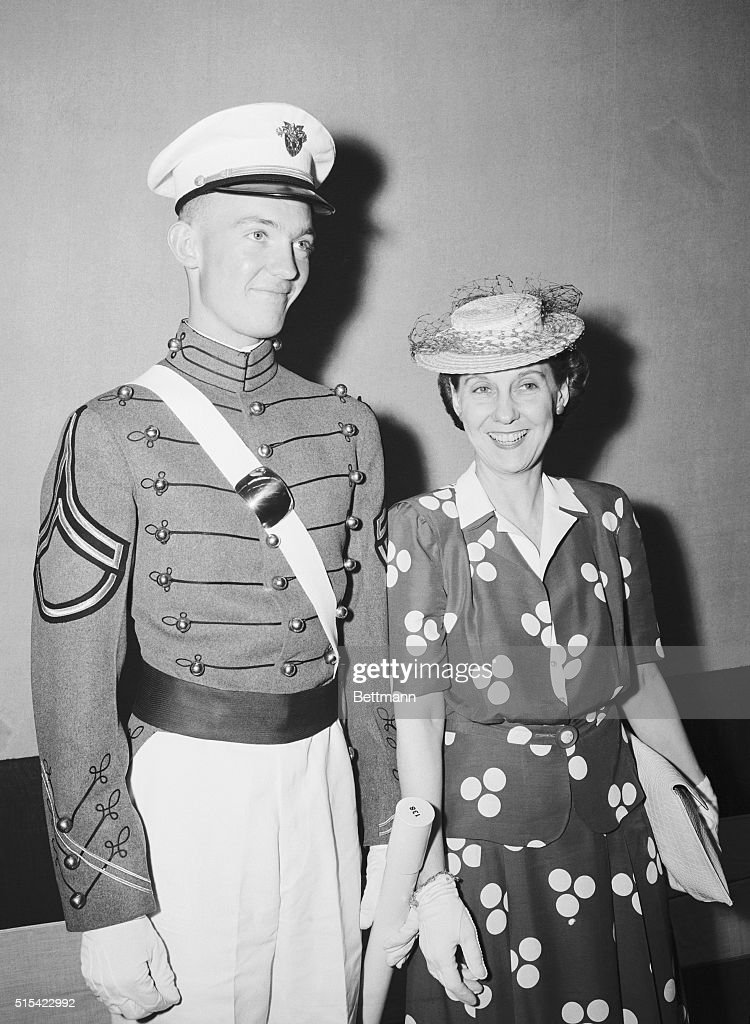
John Eisenhower graduated from West Point 82 years ago today. His father was unable to attend due to a prior engagement.
28
263
3,427
81,775
Josh Hopkins retweeted

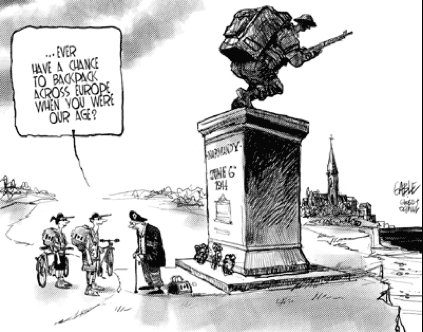
I always showed this cartoon to my students when teaching Canadian history at BSS. 82nd anniversary of D-day today.
25
621
2,888
40,505
Josh Hopkins retweeted

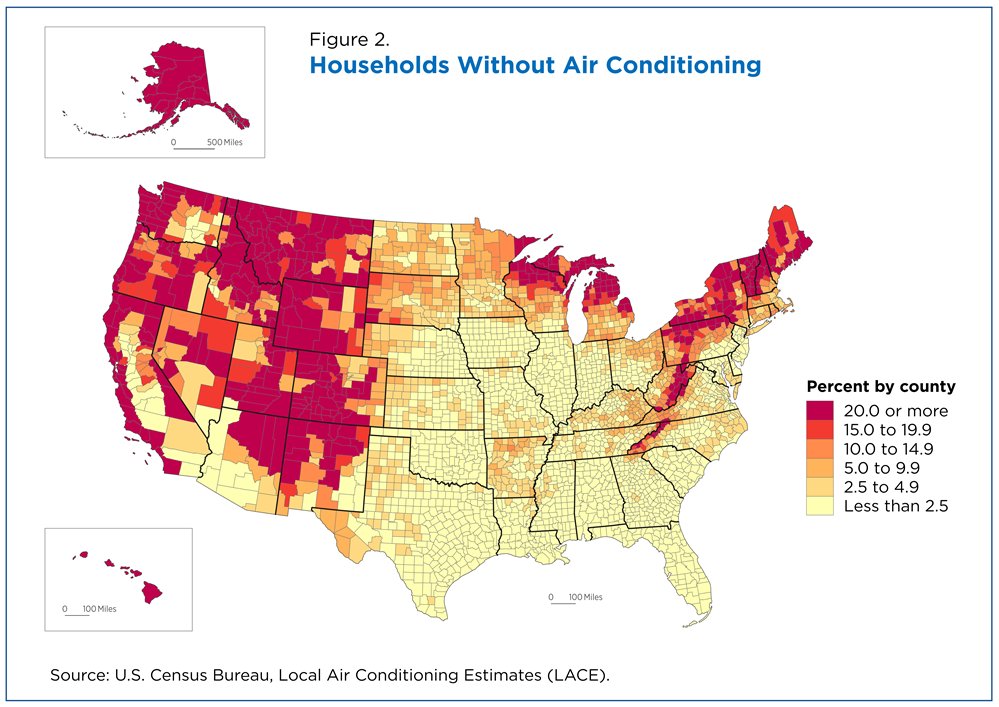
I broke AC usage down by Census Tract. CA's coastal areas have truly great weather. You can see San Jose is warmer than San Fran. The Willamette Valley in OR is warmer. Santa Fe's 7k elevation makes a big difference in AC adoption compared to Albuquerque's 5k feet.




Jun 5

Yesterday, the Census Bureau published a county-level map of air-conditioning in the US.
It's basically as one expects. The mountainous areas, and places on the West Coast, which is mostly mild year-round.
3
3
31
21,452
Josh Hopkins retweeted

Jun 3
MAVEN is officially dead nasa.gov/news-release/nasa-s…
24
56
825
67,849
Josh Hopkins retweeted
Jun 1
June 1st 1962 was the deadline for applications to NASA's 2nd group of astronauts.
Neil Armstrong's application arrived on June 4th, but an employee at NASA who knew Armstrong saw the late application and snuck it into the pile of applications anyway.
20
88
3,409
307,836
Jun 1
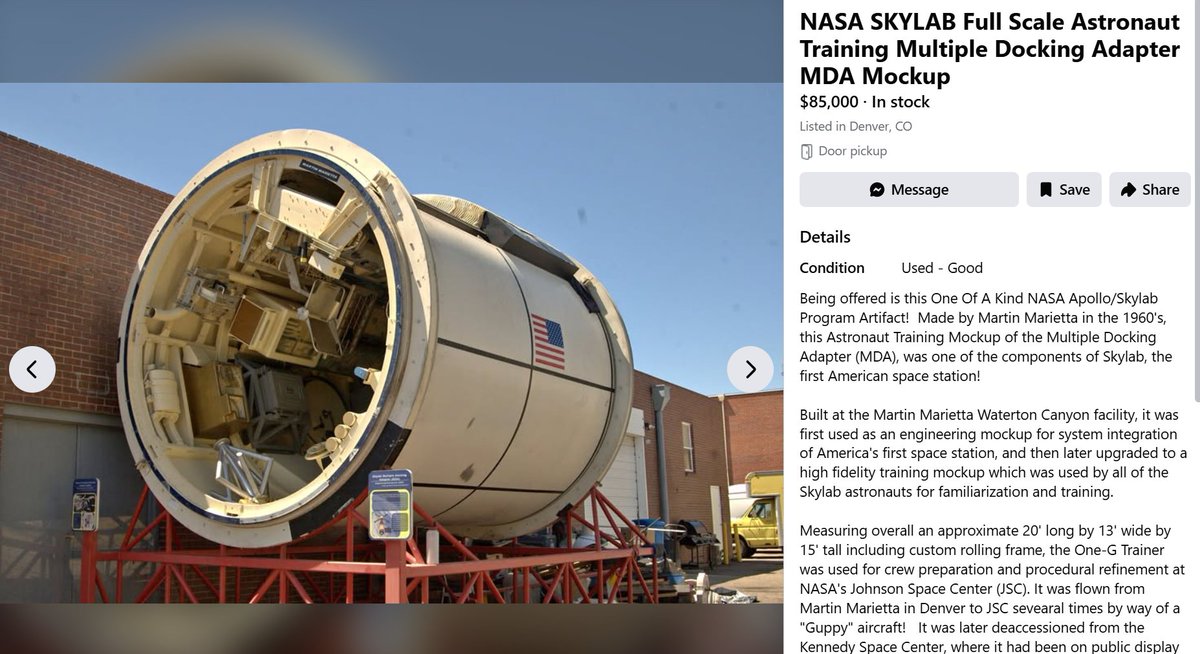
For sale on Facebook: One Skylab space station trainer. Used. Low milage. As is.
30
101
1,458
78,454
Josh Hopkins retweeted

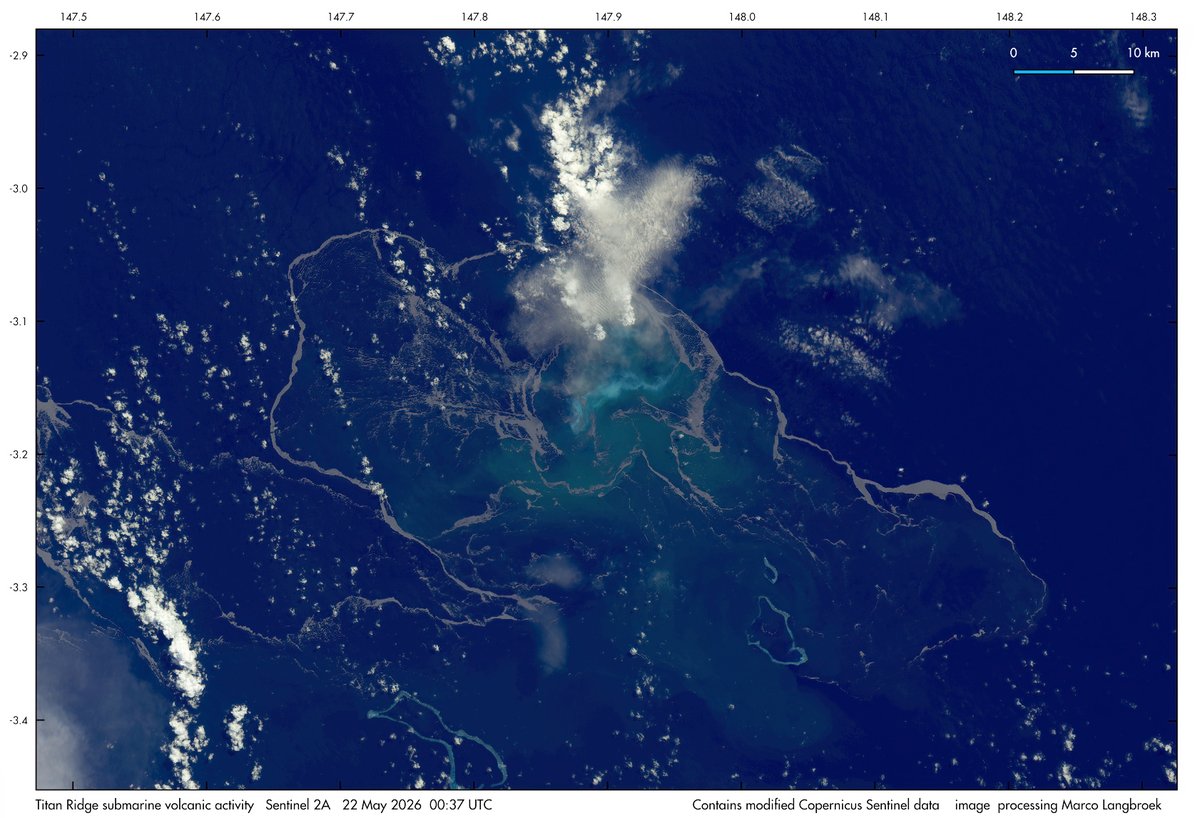
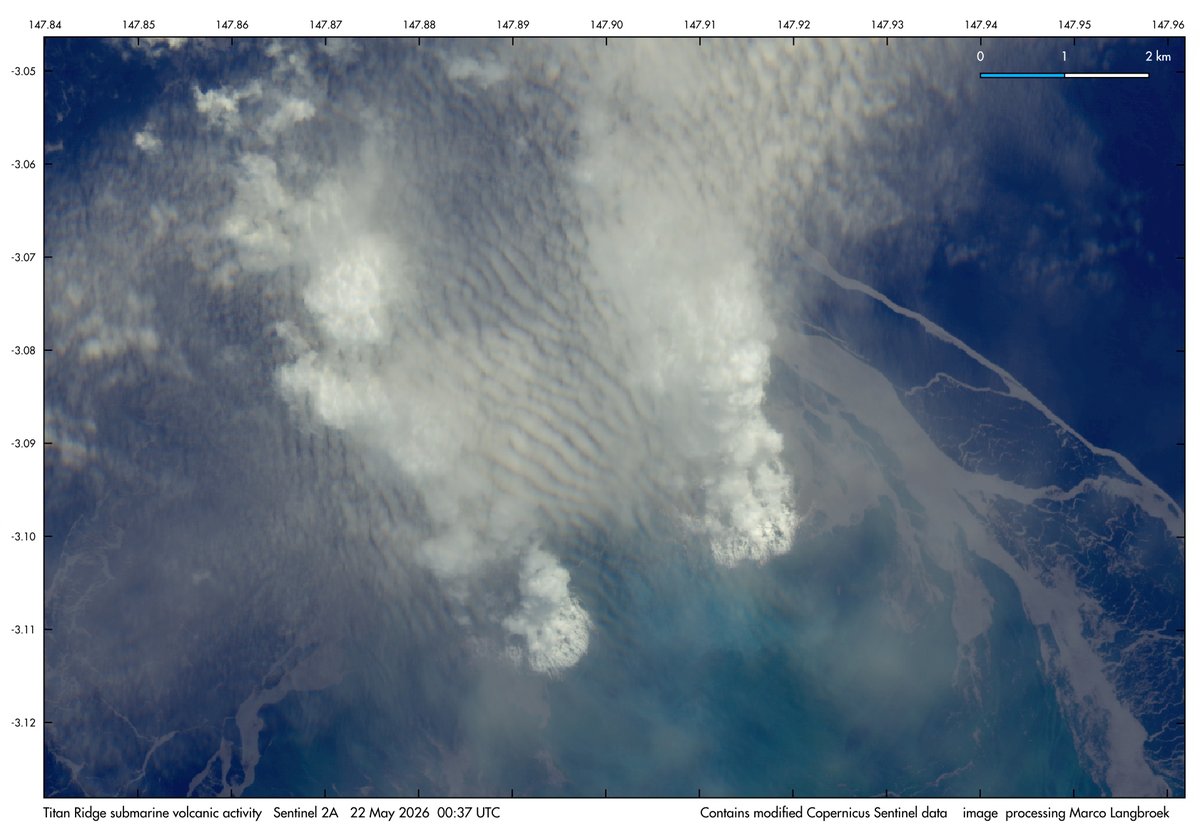
Submarine #volcanic eruptions at Titan Ridge in the Bismarck Archipelago, in a @CopernicusEU Sentinel 2A satellite image from May 22. Visible are the eruption steam plumes, volcanic ash (green and blue) and floating pumice (beige)
5
22
1,410

We have regained some access to Launch Complex 36 and are actively investigating the hotfire anomaly. We will start clearing the pad soon and have a good rebuild plan in place. The booster and GS2s in the integration facility appear healthy from quick looks.
140
416
5,471
666,609
Josh Hopkins retweeted

May 30
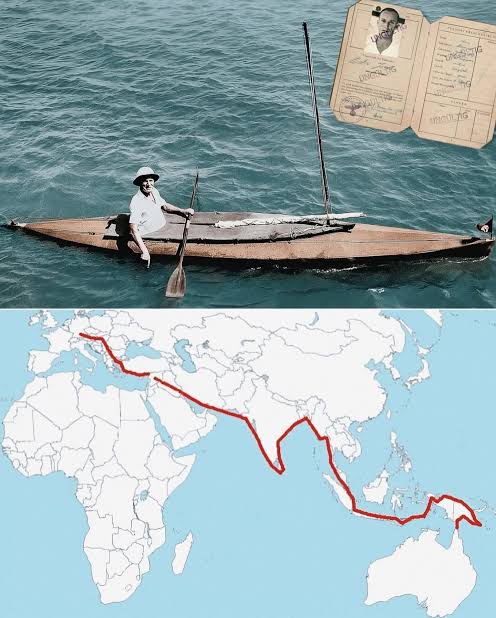
In 1932, Oskar Speck left Germany in a folding kayak, not as a famous explorer, but as an unemployed electrical contractor looking for work. His original plan was much smaller than the legend that followed. He intended to paddle from Germany to Cyprus, where he hoped to find a job in the copper mines. But once he reached the Mediterranean, the journey kept pulling him farther east.
Over the next seven years, Speck paddled through rivers, coastlines, storms, heat, hunger, and dangerous waters. He traveled through the Middle East, India, Southeast Asia, New Guinea, and finally toward Australia. By then, the world had changed around him. Germany had gone to war, and a lone German man arriving by kayak was no longer seen simply as an adventurer. He reached Australian territory in September 1939, just after World War II had begun.
After one of the most unusual kayak journeys ever recorded, Speck was greeted, congratulated, and then arrested as an enemy alien because he was traveling on a German passport. He spent the war years in internment camps in Australia and was only released after the war ended. Instead of returning to Germany, he stayed in Australia, later working in the opal trade and building a new life there. His journey began as a search for work, but it turned into a seven-year accidental epic across half the world.
#drthehistories
35
284
2,110
131,635
Josh Hopkins retweeted

May 30
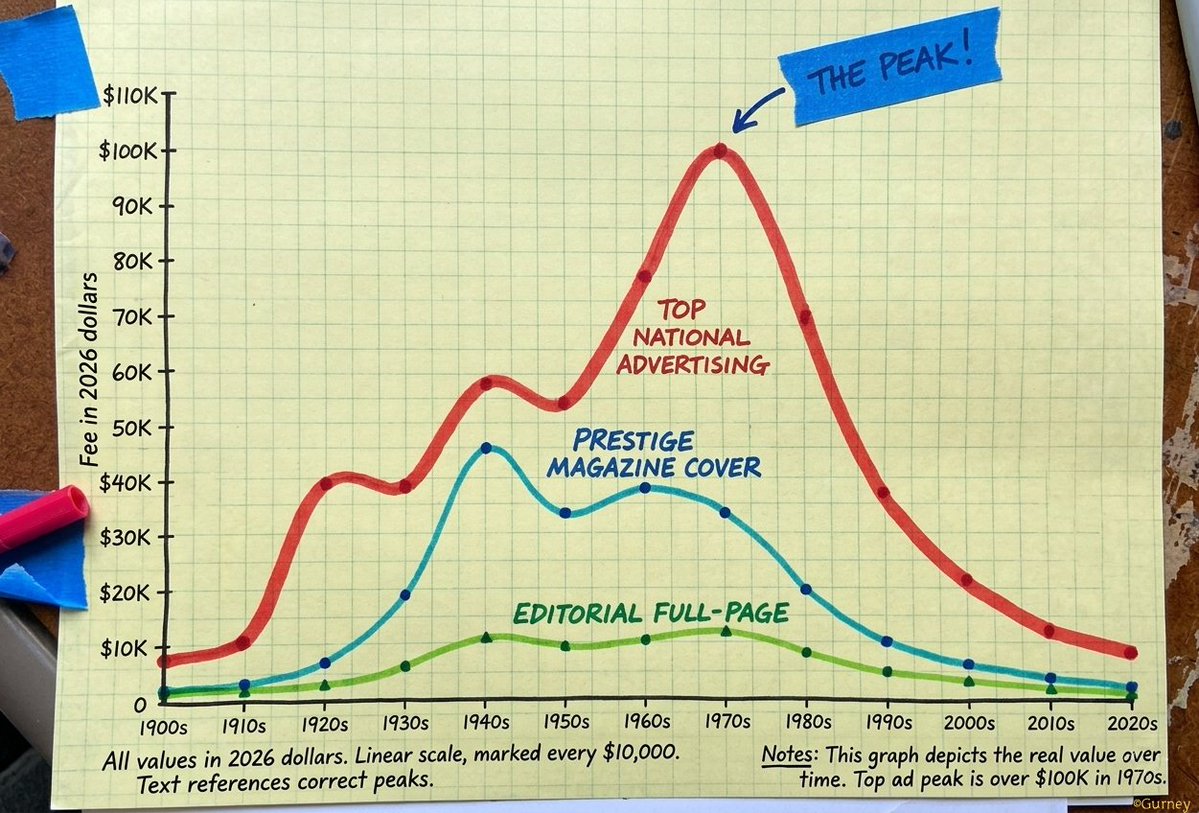
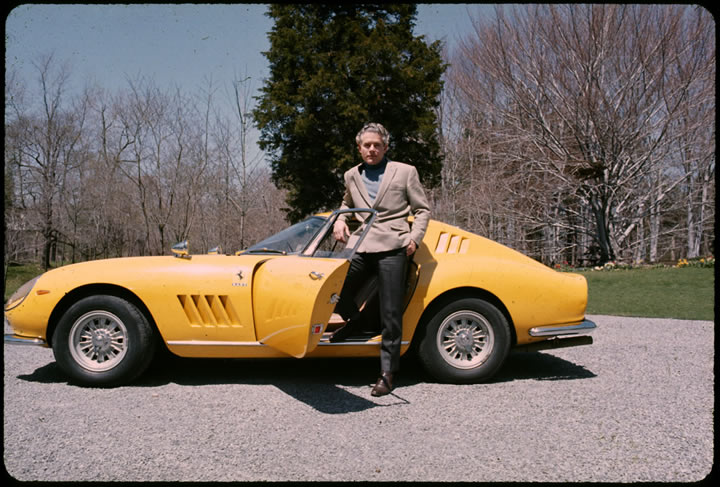
At the peak of their influence around 1970, illustrators charged huge fees and drove Ferraris. The right half of the chart tells a grim story, and that’s even before AI enters the room. Is the party completely over, or is there a tiny glimmer of hope? Check out my Substack.
33
46
565
91,813
Josh Hopkins retweeted

May 26
This was not an isolated case. Here’s another bizarre case from Antony Beevor (The Second World War). The last line is a zinger, and is as all things must ideally end.
“In June 1944, a young soldier surrendered to American paratroopers in the Allied invasion of Normandy. At first his captors thought that he was Japanese, but he was in fact Korean. His name was Yang Kyoungjong. In 1938, at the age of eighteen, Yang had been forcibly conscripted by the Japanese into their Kwantung Army in Manchuria. A year later, he was captured by the Red Army after the Battle of Khalkhin Gol and sent to a labour camp. The Soviet military authorities, at a moment of crisis in 1942, drafted him along with thousands of other prisoners into their forces. Then, early in 1943 he was taken prisoner by the German army at the Battle of Kharkov in Ukraine. In 1944, now in German uniform, he was sent to France to serve with an Ostbataillon supposedly boosting the strength of the Atlantic Wall at the base of the Cotentin Peninsula inland from Utah Beach. After time in a prison camp in Britain, he went to the United States where he said nothing of his past. He settled there and finally died in Illinois in 1992.”
May 26

One of the more bizarre anecdotes about D-Day (Stephen Ambrose):
“At the beach called Utah on the day of the invasion, Lt. Robert Brewer of the 506th Parachute Infantry Regiment, 101st Airborne Division, U.S. Army, captured four Asians in Wehrmacht uniforms. No one could speak their language; eventually it was learned that they were Koreans. How on earth did Koreans end up fighting for Hitler to defend France against Americans? It seems they had been conscripted into the Japanese army in 1938- Korea was then a Japanese colony - captured by the Red Army in the border battles with Japan in 1939, forced into the Red Army, captured by the Wehrmacht in December 1941 outside Moscow, forced into the German army, and sent to France.“
11
53
733
149,583
Josh Hopkins retweeted

May 24
Donald Trump promised the war in Iran would end with unconditional surrender. But he never said which country would do the surrendering.
128
2,643
17,382
362,685