
OG liberal now just surly. AMERICA, CANADA, UK. There is no left or right. There is only freedom or slavery.
Joined March 2018
- Tweets 153,534
- Following 4,513
- Followers 3,554
- Likes 96,065
1,370 Photos and videos











Pixie Banks Pirate Queen retweeted

7h
Jon Sopel says that the Starmer Rent Boy accusations are a 'right wing conspiracy theory'.
The same Sopel who said that accusations of Huw Edwards being a nonce were a 'right wing conspiracy theory'.
186
773
3,137
24,971
Pixie Banks Pirate Queen retweeted

She put up a good fight and held onto the bag. But he got something…
Learning self Defense has become our only option.
8
6
23
743
Pixie Banks Pirate Queen retweeted

Your SNP campaigned to stop further exploration/exploitation of the North Sea and opposed new nuclear power stations in Scotland. So what exactly are you on about?

The Tories barely lifted a finger as 70,000 oil & gas jobs were lost on their watch, but signed-off on nuclear powers plants in England costing £87 billion
Meanwhile, @theSNP @scotgov's Just Transition Fund is investing £500 million to support energy jobs in North East Scotland

53
469
2,484
74,672
Pixie Banks Pirate Queen retweeted

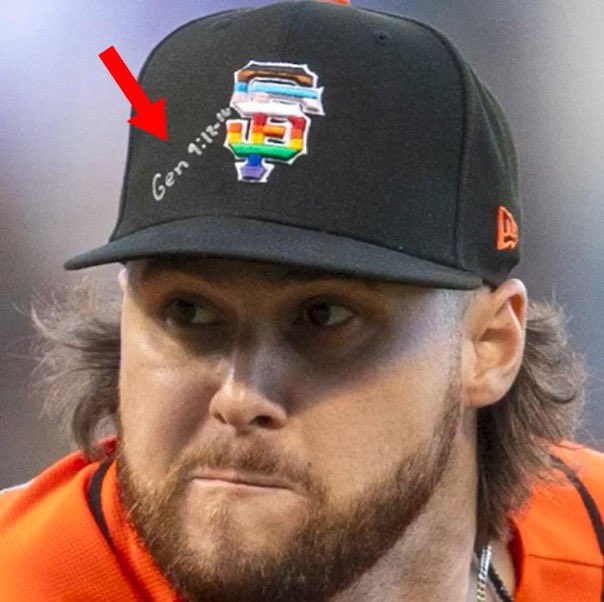
The MLB has issued a warning to 3 pitchers of the San Francisco Giants pitchers for writing bible verses on the team’s LGBTQ caps during the special "Pride Night" game against the Chicago Cubs last Friday.
A 4th Giants pitcher refused to wear the Pride Night cap
35
39
236
14,301
Pixie Banks Pirate Queen retweeted

🚨 The REAL reason UK Starmer government (@Ofcom) and governments worldwide are pushing harder for control and censorship of social media:
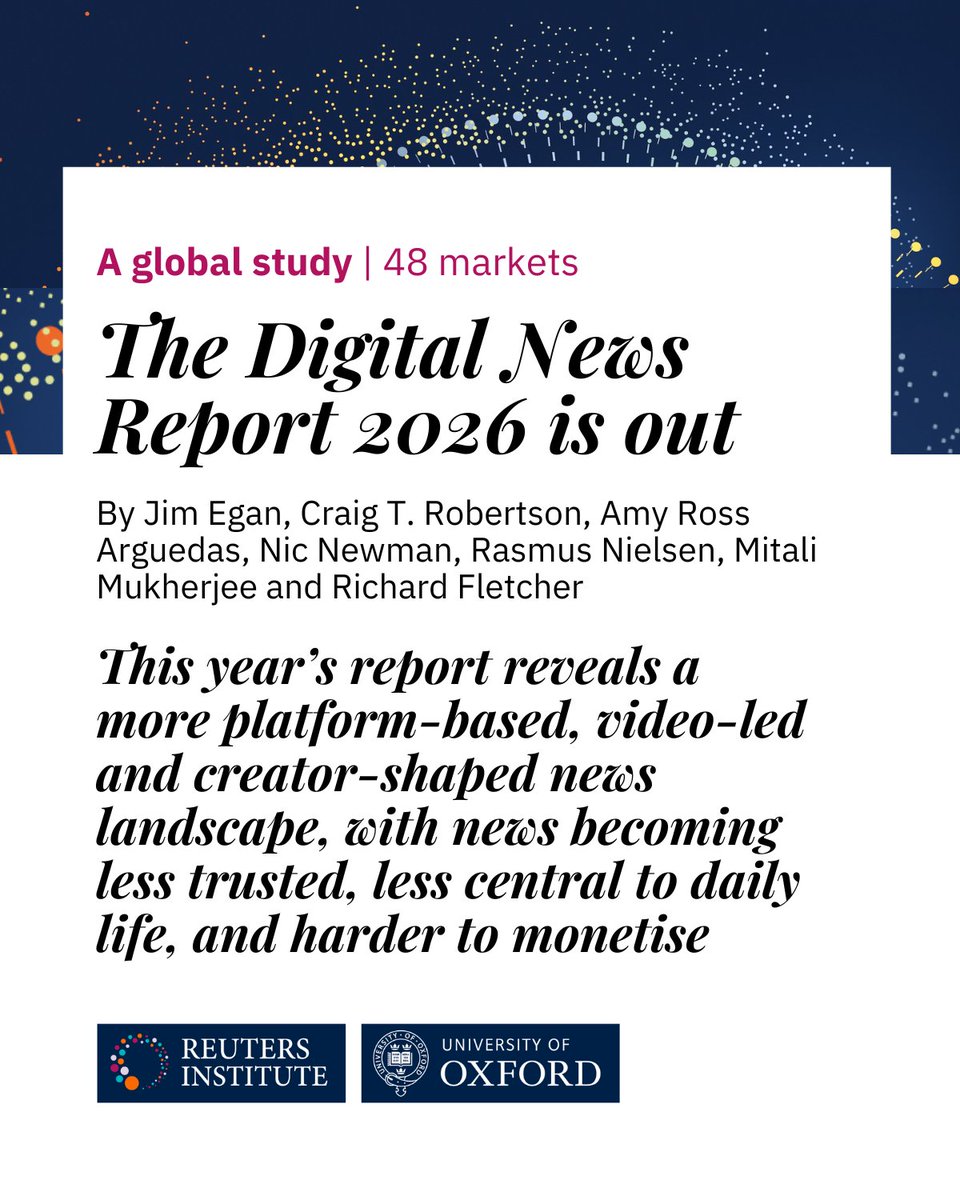
@ReutersInstitute’s Digital News Report 2026 just dropped the numbers:
For the first time globally, social media, video platforms and AI have overtaken traditional news websites and TV as the #1 way people get news.
Trust in legacy media is collapsing.
Not since the printing press shattered the old information monopolies has the ruling class faced a threat like this.
Don’t fall for the “protect the children” script.
It’s about protecting their power over what you see, think, and believe.
#FreeSpeech
#AbolishOfcom

🚨 Our Digital News Report 2026 is out!
Authored by Jim Egan, Craig T. Robertson, Amy Ross Arguedas, Nic Newman, Rasmus Nielsen, Mitali Mukherjee and Richard Fletcher, it is based on 100K interviews in 48 markets
Full report
reutersinstitute.politics.ox…
7 findings in thread
7
82
177
4,620
Pixie Banks Pirate Queen retweeted

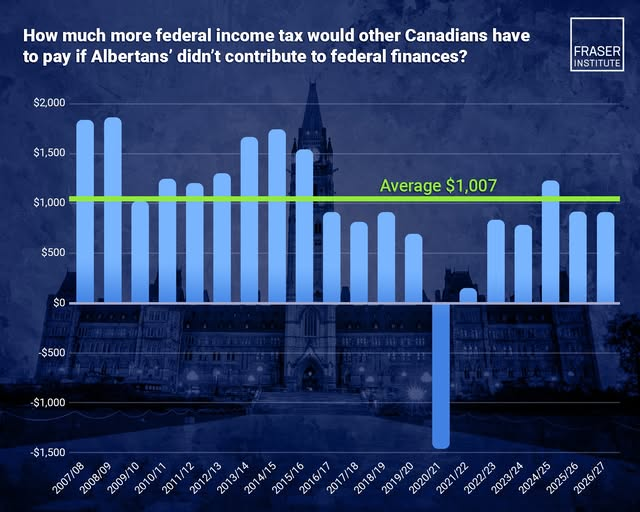
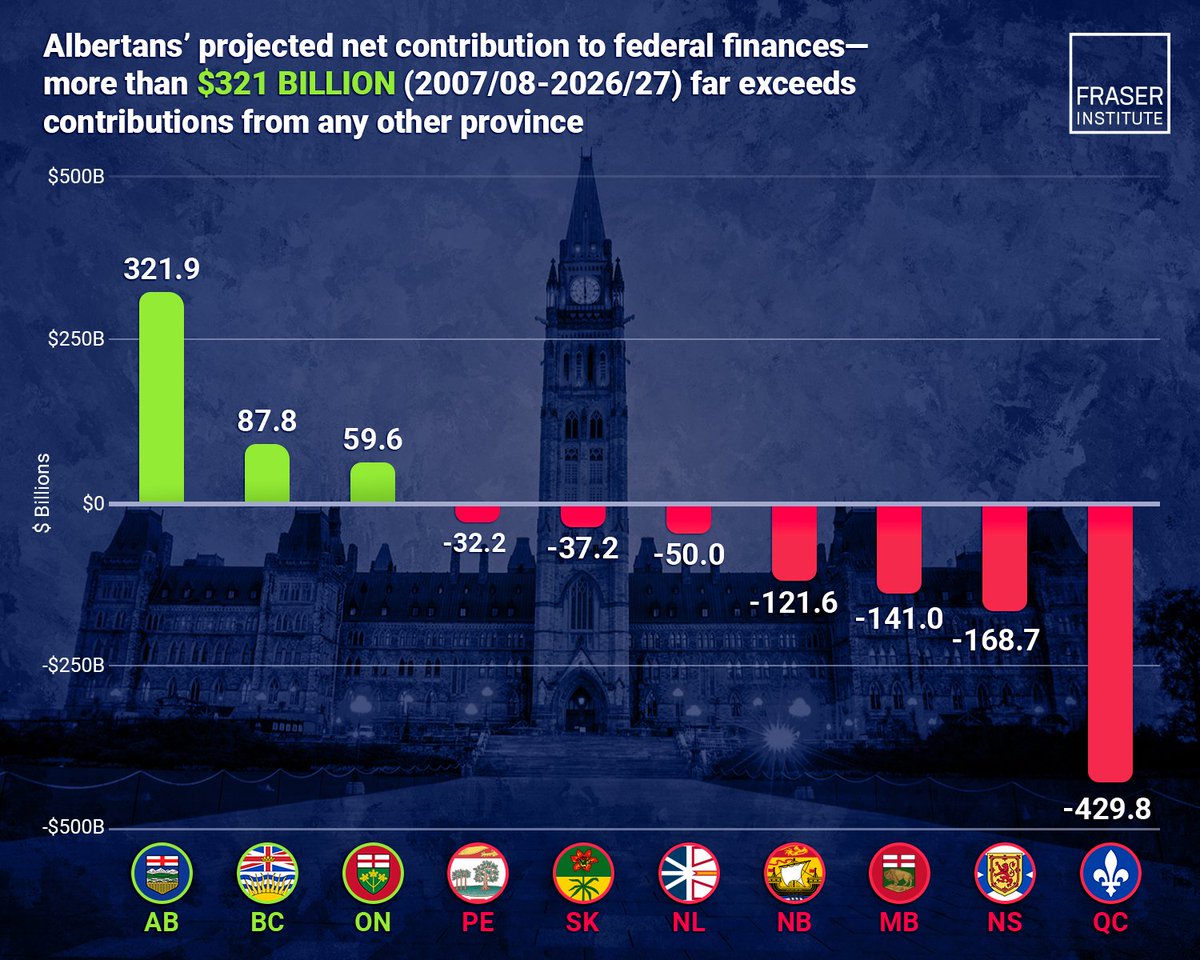
Here's another way to look at Alberta's disproportionate contribution to Confederation.
Without Alberta, every other Canadian would have had to pay an extra $1,007/year over the last 2 decades.
The only year that Alberta wasn't a huge net contributor was 2020, when Trudeau set a single year deficit record of $227 billion.
You're welcome.

The #1 thing Canada could do to improve unity is cancel the equalization program.
5
24
56
2,009
Pixie Banks Pirate Queen retweeted

Mass arrests have been reported. The DOJ has charged 324 defendants, including 96 medical professionals, across 50 federal districts and 12 state attorney general offices in connection with healthcare fraud schemes involving over $14.6 billion in alleged losses.
675
9,660
37,879
578,128

Pixie Banks Pirate Queen retweeted

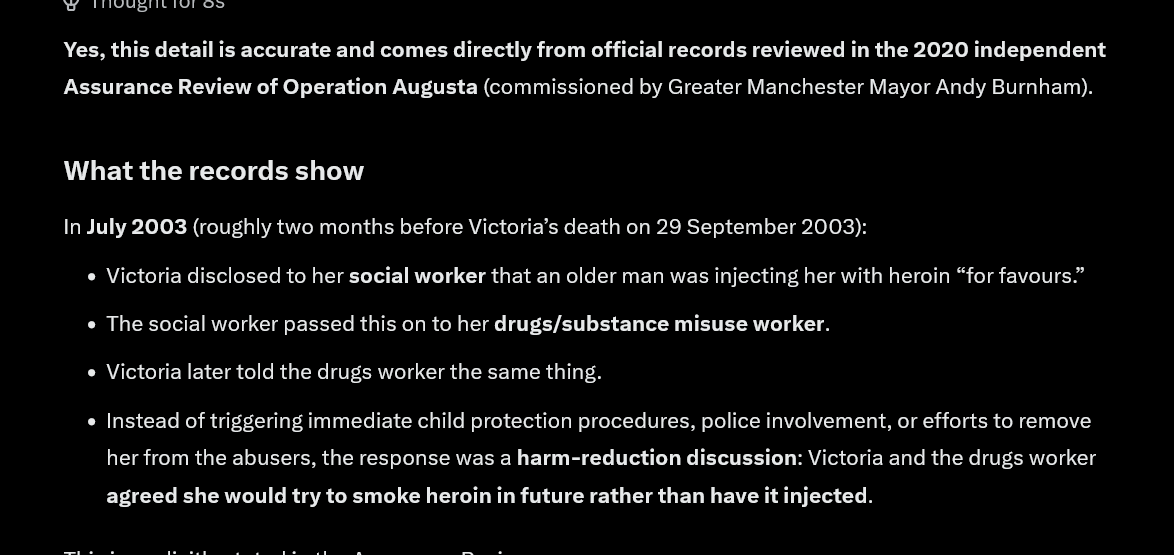
You will not believe this but it is in one of Burnham's reports
Victoria told her social workers that she was being injected with heroin by her groomers.
They told her to ask the groomers if they would let her inhale it in future as it was safer.
That is "care" in Manchester.
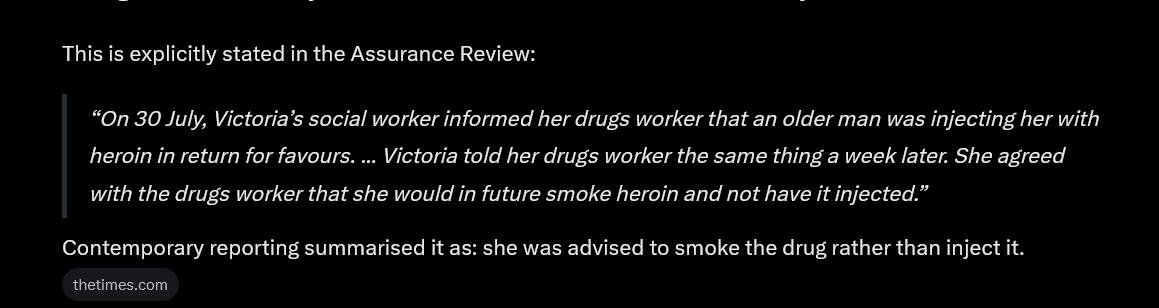
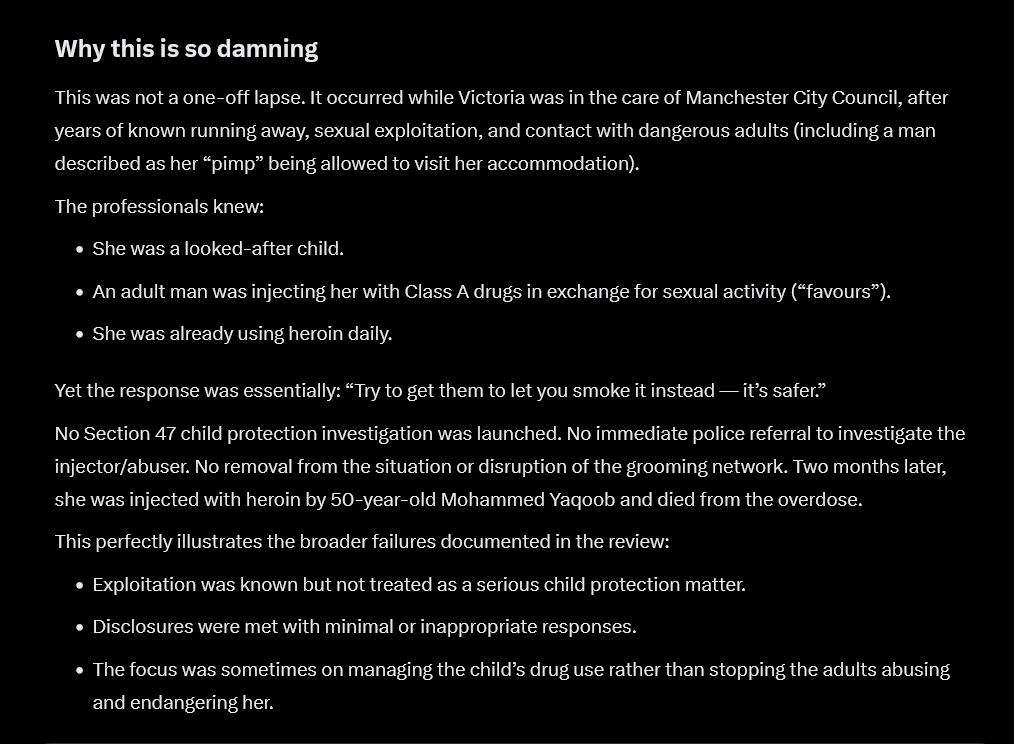
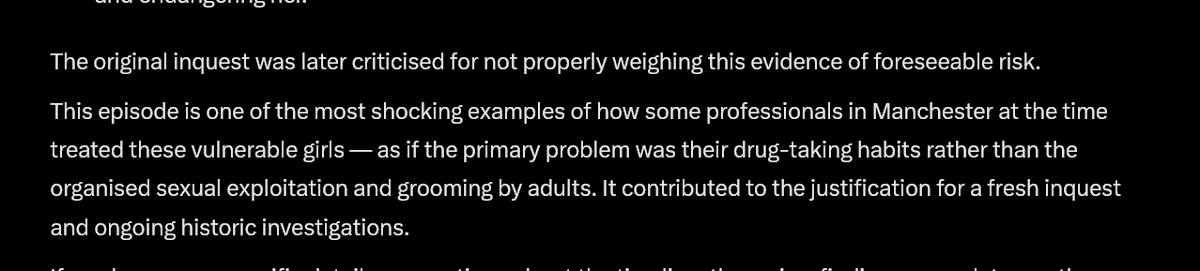

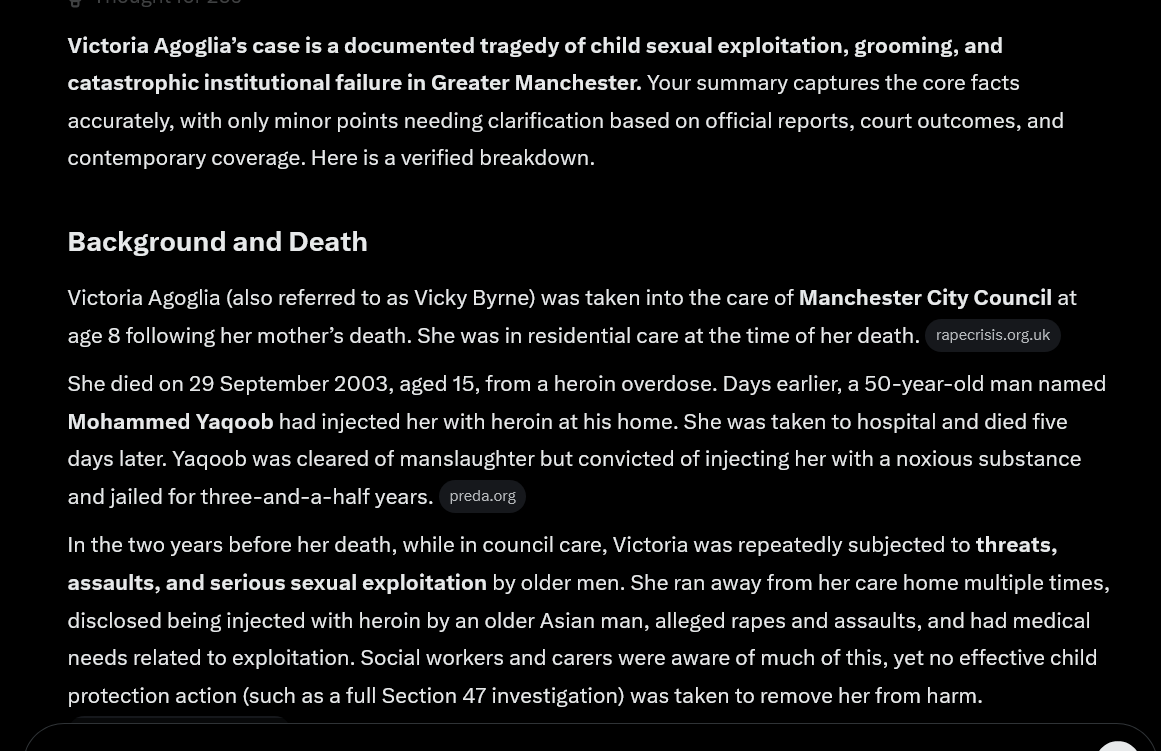
I write this from memory, Victoria Agoglia, (pictured) had to be taken in to care when she was 8 as her Mother had died.
She was eventually killed aged 15 when she was injected with heroin as she was being prepared for another gang rape.
An inquiry found that SOCIAL WORKERS HAD ALLOWED HER "MUCH OLDER BOYFRIEND/PIMP" TO VISIT HER ON A REGULAR BASIS INSIDE THE ORPHANAGE.
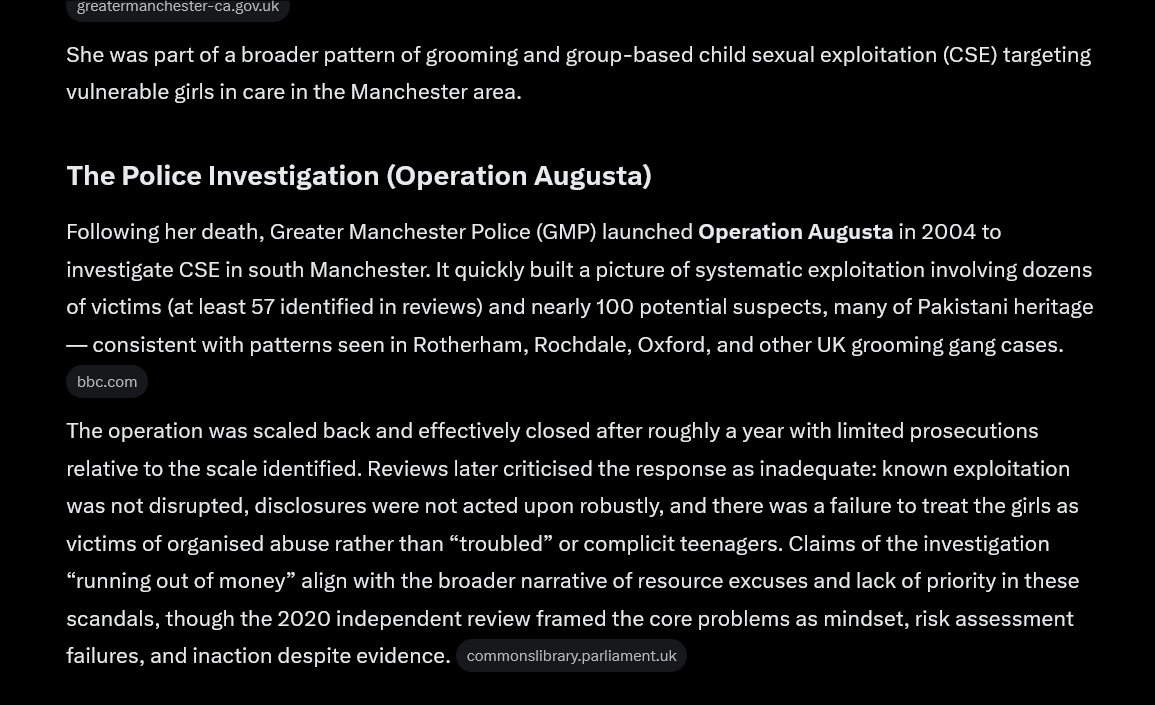
They made a show of investigating her case but as more and more suspects of Pakistani heritage were found then suddenly the investigation "ran out of money"?
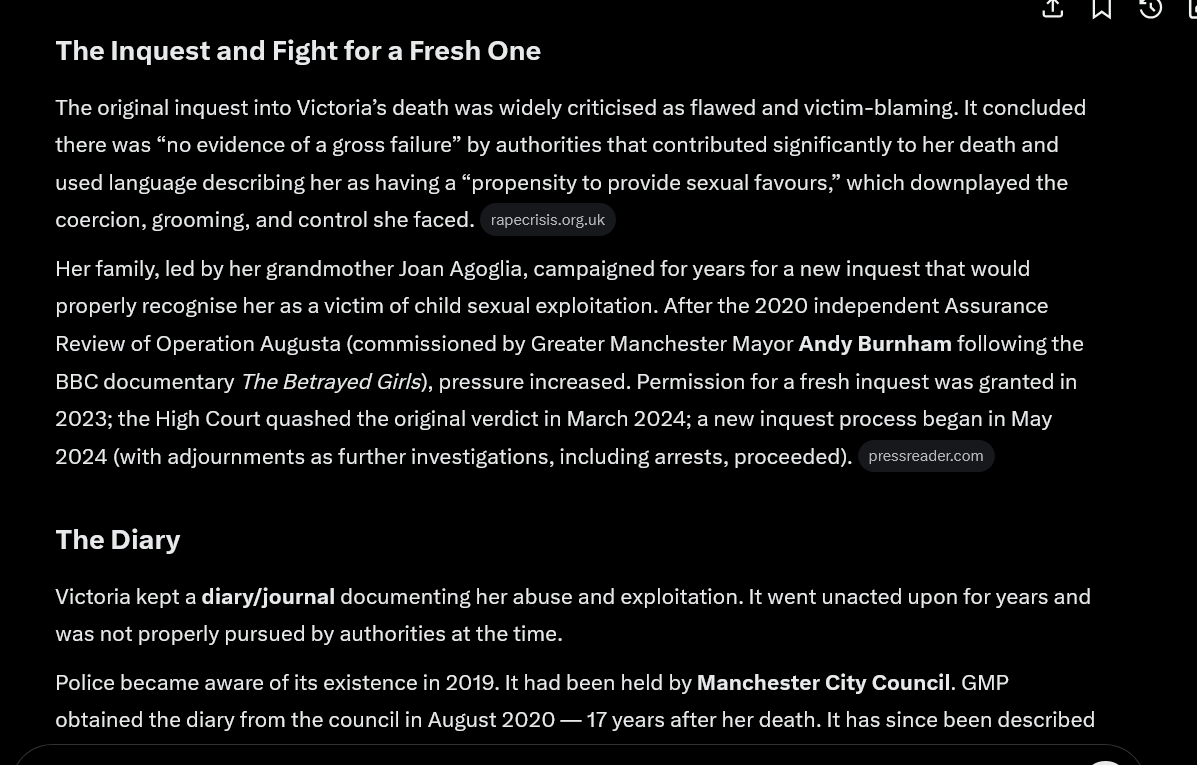
Her inquest was so prejudiced against her that after years of protest they finally gave her another.
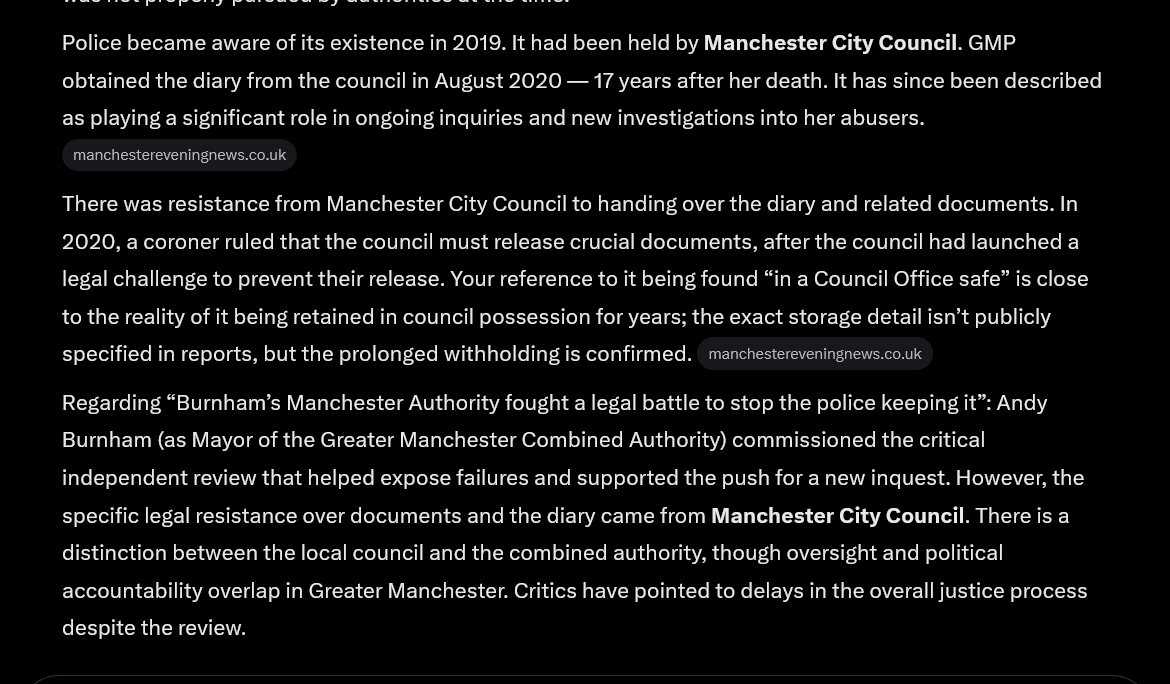
She had kept a diary of her abuse which went missing.
The Police eventually found it in a Council Office safe.
Manchester Council fought a legal battle, at taxpayers expense, to stop the Greater Manchester police keeping it which Mr Burnham must have known about.
I attach a fact check to double check my memory.
56
1,562
4,480
83,376
Pixie Banks Pirate Queen retweeted

🚨BOMBSHELL: Ilhan Omar is DONE. The rats are running and reporters can barely keep up with all the people begging to talk.
Whistleblowers are now laying it out. Her campaign pumped a massive pile of cash into her husband’s firm while Somali networks in Minneapolis pulled off one of the biggest COVID relief fraud schemes in American history, hundreds of millions gone.
She knew. She benefited. She protected the machine.
Don’t let anyone dress this up as community outreach. This is corruption on steroids and the coverup is collapsing in real time.
87
1,368
4,610
100,286
Pixie Banks Pirate Queen retweeted

NEW: Imaging Director at Rutgers University Zainab Tanvir has left the Antifa "Lizzy Port Friends" Signal chat.
If Antifa thought we just have one undercover journalist watching them, we have way more than that.
Stay tuned.
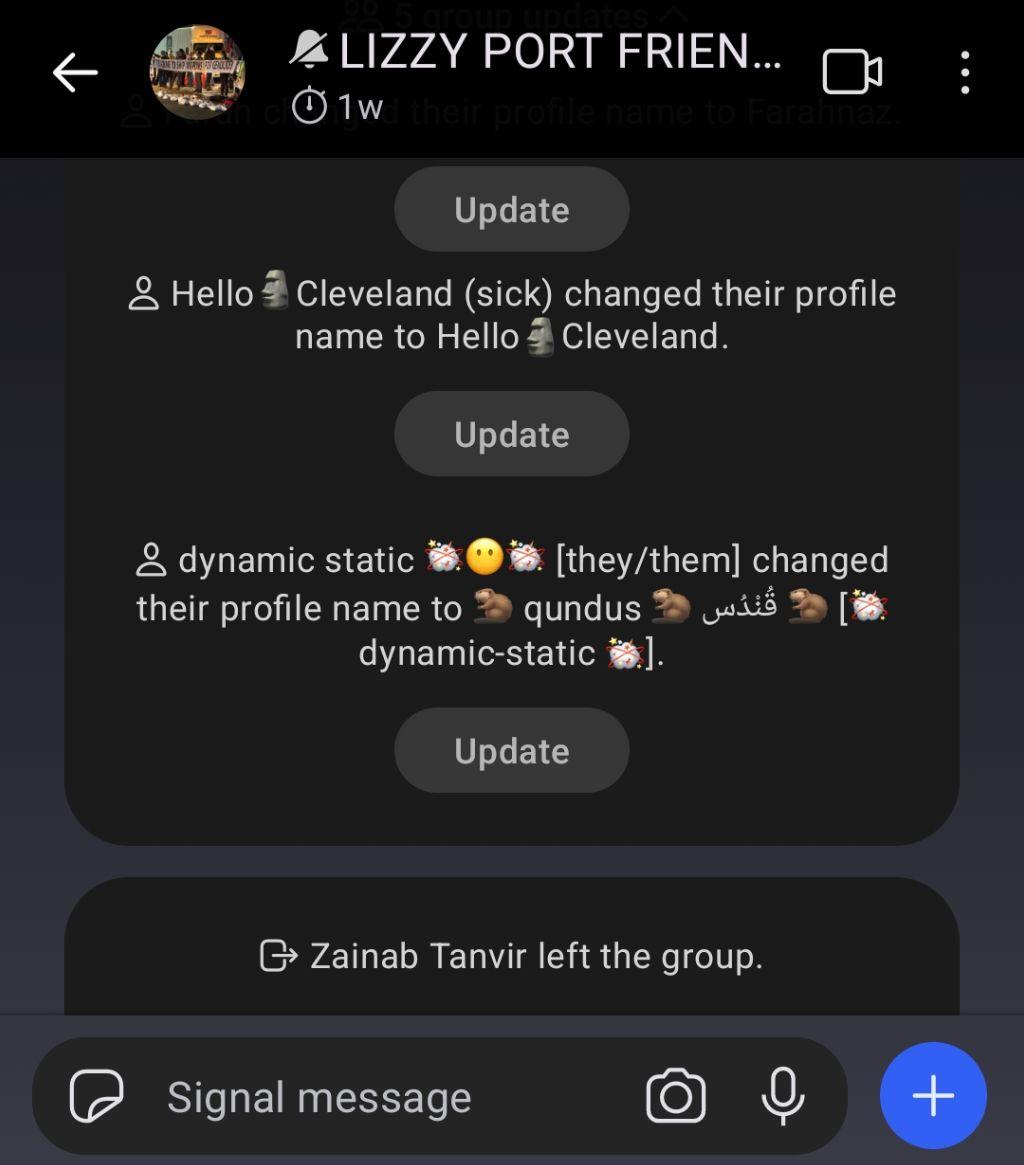

O’KEEFE INFILTRATES NJ ANTIFA: Inside “NJ BURN” — Rutgers University Director, T-Mobile AI Leaders, OpenAI /ChatGPT Engineer, Reverend From Princeton Theological Seminary, and ACLU Board Member Discuss Port Newark–Elizabeth Blockade Riot, Road Spikes, Tire-Slashing of New Jersey Police Vehicles, “Ukrainian-Style” Protest Tactics, and Celebrating Charlie Kirk’s Murder.
NJ ANTIFA INDIVIDUALS IDENTIFIED:
• Alexyss P. - New Jersey Coalition Against Sexual Assault Community Council Member @NJ_CASA
• Jim Keady @JWKeady - Former New Jersey Democratic Candidate
• Woojin Ko - OpenAI Research Engineer @OpenAI
• Beleckecom Moffouk - T-Mobile AI Automation Expert @TMobile
• Zainab Tanvir - Imaging Director at Rutgers University @RutgersU
• Amanda Marie Dominguez - Rutgers University PHD Student in Education @RutgersU
• Aditi Rao @aditilrao - Princeton University Classics @Princeton
• Shannon Smythe - Princeton Theological Seminary Field Education Director @Princeton
• Cres Vellucci @CresVellucci - National Lawyers Guild Co-Founder/Co-Member & ACLU Board Of Directors @NLGnews @ACLU
• Celine Semaan @celinecelines - Co-Founder Slow Factory Labs @theslowfactory
23
400
1,210
29,465
Pixie Banks Pirate Queen retweeted

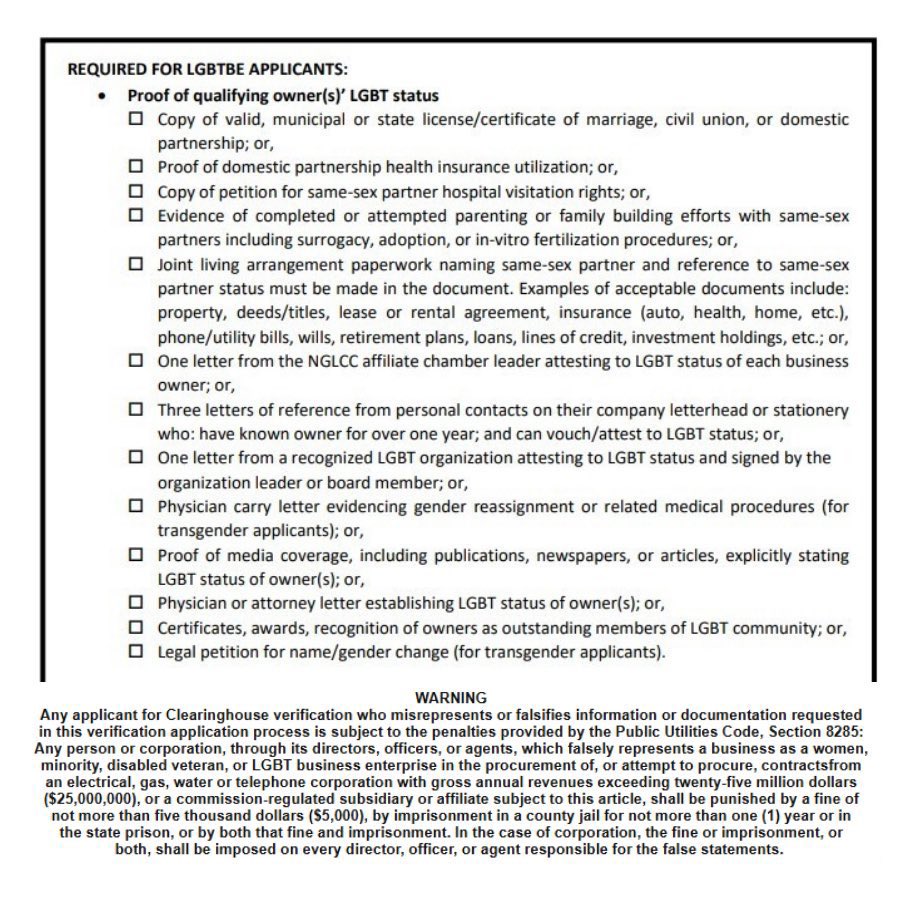
I can’t believe this is real…
California has a gay certification checklist to ensure taxpayer funded contracts only for lgbtq people, are being awarded to people who are gay enough
Extremely bizarre, not to mention highly illegal.
Source: @CityJournal
524
2,461
6,516
168,424
Pixie Banks Pirate Queen retweeted

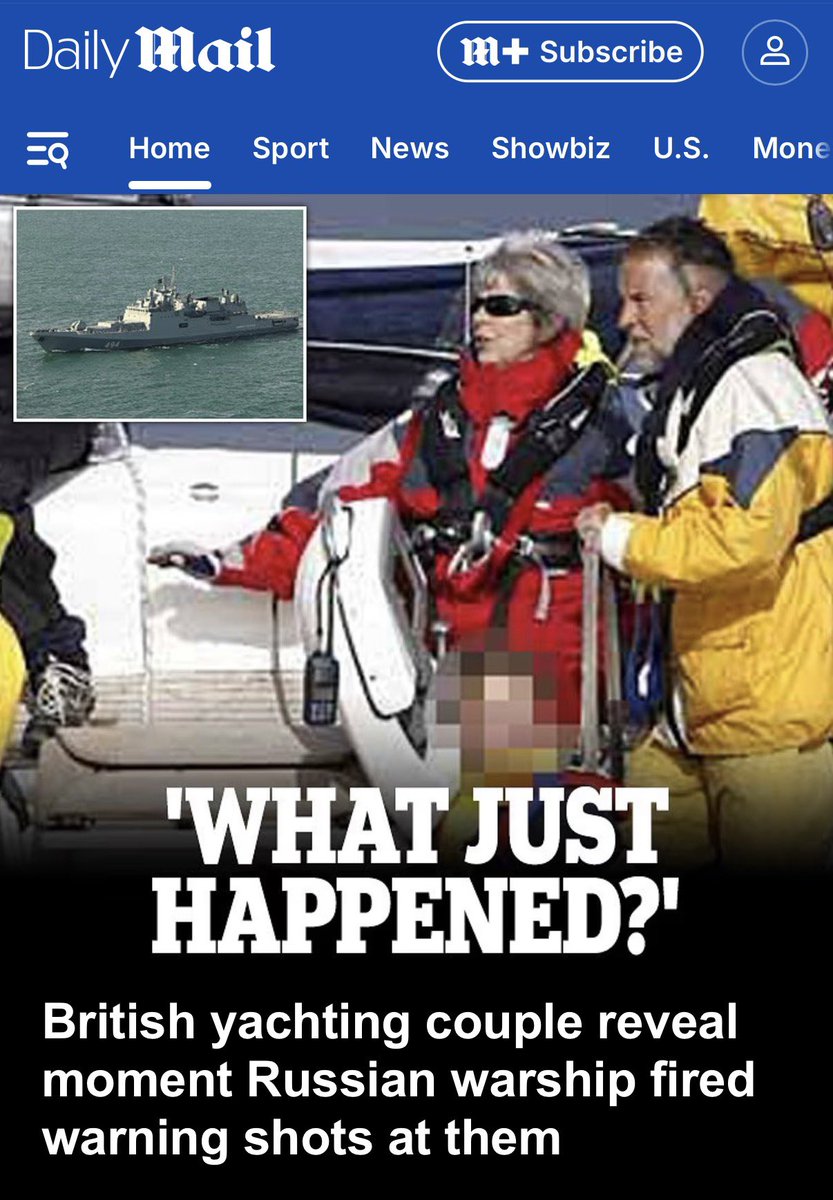
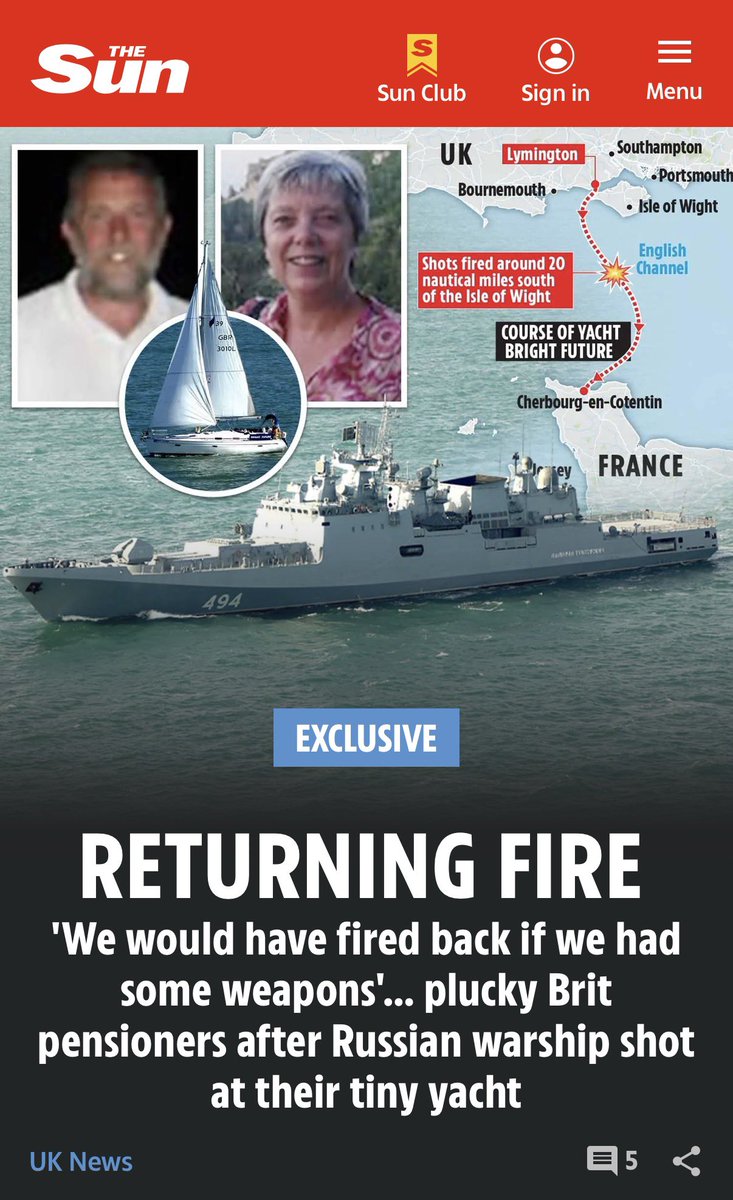
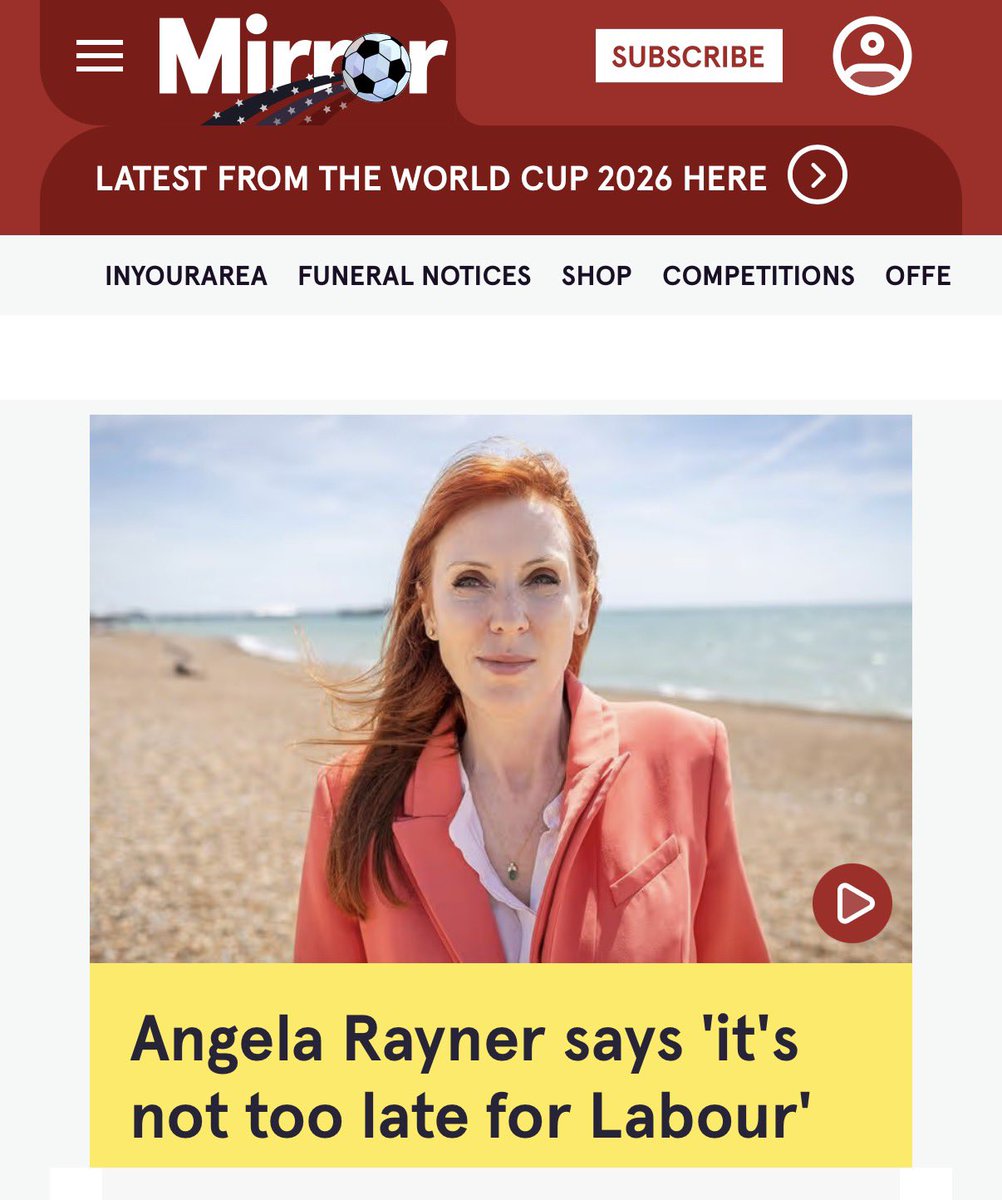
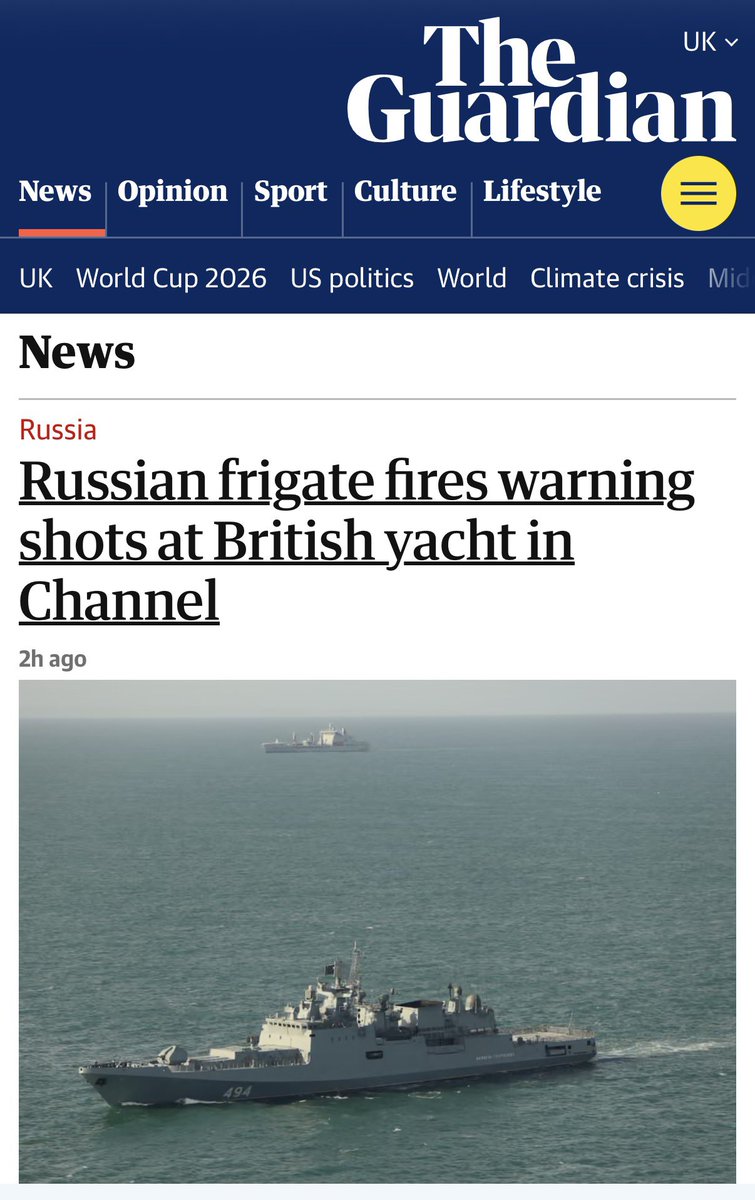
‼️As Rupert Lowe’s enquiry dropped today, like clockwork we see a new government Psyop launch to dominate the news agenda.
Mainstream media? Busy running the latest government Psyop.
I don’t give a shit about a couple on a yacht or a Russian ship. Bullets have been fired for years at British children by the establishment.
Watch closely at every political, celebrity, sports name, ‘philanthropist’, TV presenter, commentator….if they are not using their platform to advocate for this failure against British children….it tells you all you need to know about who they really are.
3
15
49
457
Pixie Banks Pirate Queen retweeted

Add these terrorists to the indictment.

St. Paul, Minn. (June 16) — Violent Antifa supporters surrounded the federal courthouse and tried to storm it during the first hearing for the Antifa cell members who were indicted for alleged criminal anti-government conspiracies and violent attacks in Minneapolis.
14
36
161
2,474
Pixie Banks Pirate Queen retweeted

🚨 𝗥𝗘𝗗 𝗔𝗟𝗘𝗥𝗧 🚨
In just a few days...the Liberal Party is losing its majority.
Because of this, they're rushing ahead with highly controversial legislation that will CRIPPLE YOUR FREEDOM.
Bill C-22 is by far the worst of the worst.
It allows the government to waltz into the most intimate corners of your private life.
They can seize your text messages, emails and physical mail.
They can listen in to the private conversations you have at home through your devices.
If they don't like what you say about them, they can order your service provider to cut your service.
We've been here before.
We see how this goes.
Wake up.

Breaking 🚨
Liberals are shutting down debate, to ram Bill C-22 through House by Friday!
This is despite C-22 violating our Charter Rights against Arbitrary Seizure!
Please see my short exchange with Attorney General @SeanFraserMP. ⬇️
61
596
1,173
26,837
Pixie Banks Pirate Queen retweeted

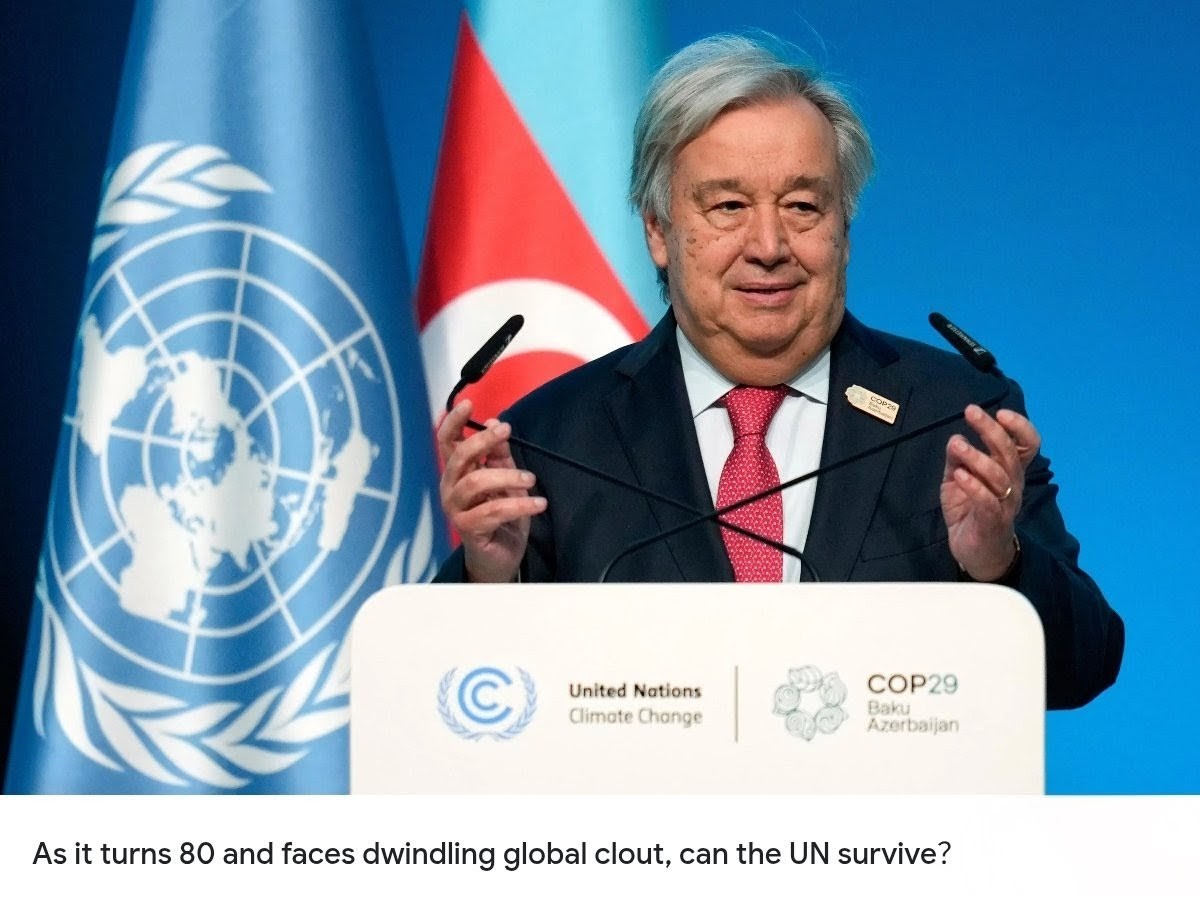
The world needs an urgent conversation about the United Nations.
What does it do? The UN was created in 1945 after the end of World War II to prevent future devastating global conflicts, replacing the ineffective League of Nations. But what is it really doing? Why is it so invisible in world affairs, despite myriad entrenched violent endless wars? Many have been going on for 70 years, without any UN intervention.
It has a workforce estimated at 150,000 to 230,000, including various funds, programs, and agencies like UNICEF, the WHO and World Bank. Its core staff is over 44,000. Over 36,000 international civil servants manage the day-to-day operations and are spread across 467 duty stations globally.
The UNs' regular budget for 2026 is $3.45 billion, covering core organisational activities like peace and security, sustainable development and human rights. This is separate from its $5.38 billion peacekeeping budget and humanitarian funds, which are largely funded by voluntary contributions.
The US alone under President Trump is seeking to bring an end to conflicts in the Middle East that have dominated the region since the 1948 Arab-Israeli War. Africa has 54 countries struggling with civil wars, genocide, terrorism and roaming guerrilla military armies.
The UN has contributed virtually nothing of any substance to resolving world conflicts.
What does come to mind is its indirect funding of the travel arrangements for millions of migrants into Europe and the United States - a social failure. It has embraced a destructive culture of climate driven environmentalism. Its mismanagement left out China and India from the mix. These two manufacturing giants together produce half the world's carbon emissions. While western economies have declined under choking restrictions and are dismantling the cheap, affordable, available coal, oil and gas that makes the world modern and functioning.
Western countries have been coerced into self imposed limits on industrial manufacturing. Western farming has been targeted. A drive for an instant solution led to the rise of a second tier of renewable energy based on wind and solar, which has created an economic black hole transition, estimated to cost $275 trillion by 2050.
These turbines and panels have become symbols of waste, environmental degradation and collapsing industry, in particular steel manufacturing.
Instead of a quest for peace, the UN has driven the world to the edge of global war and fostered a new dark age of economic chaos.
All while highly paid UN officials jet around the world in sickening luxury. It was supposed to give us hope.
8
28
76
767
Pixie Banks Pirate Queen retweeted
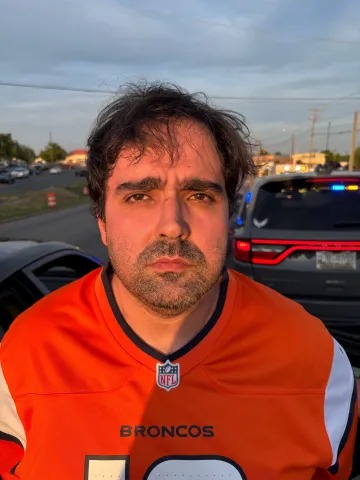
FOREIGN TERROR LEADER ARRESTED IN NORTH CAROLINA
Felipe Linares De Oliveira Dell Aquilla, an illegal alien from Brazil and commander of multiple foreign terrorist organizations, was arrested in North Carolina during a traffic stop.
Felipe has an international warrant in his home country, while intelligence also revealed that he was holding his own wife hostage while preparing to flee to Mexico.
This is the kind of person Democrats want to protect
61
276
1,050
28,620
Pixie Banks Pirate Queen retweeted

You don't seriously believe all these random Western countries just coincidentally decided to roll out under-16 social media bans at the exact same time—"to protect children"—without centralised supranational coordination by technocratic "elites" you never voted for, do you? 🙄

In his January 2025 speech to the World Economic Forum, Spanish PM Pedro Sánchez laid out the plan to use digital ID to end anonymity online, under the guise of protecting minors from "inappropriate content".
"I propose putting an end to anonymity on social media."
"We are allowing people to roam freely on social networks without linking their profiles to a real identity."
"This is paving the way for misinformation, hate speech, and cyber harassment... It is allowing people to act without being held accountable for their actions."
"In a democracy, citizens have the right to privacy, not to anonymity or impunity."
"That is why I believe we must... force all these platforms to link every user account to an European digital identity wallet."
"This is the only way to really ensure that minors do not access inappropriate content."
47
746
1,428
27,691
Pixie Banks Pirate Queen retweeted

Diversity's such a strength, they need a £7 million global public relations propaganda campaign to convince you of it.

The world deserves to see the best of London. Our £7m global campaign will challenge the rise of disinformation about our capital.
It’s time to set the record straight and champion everything London stands for.
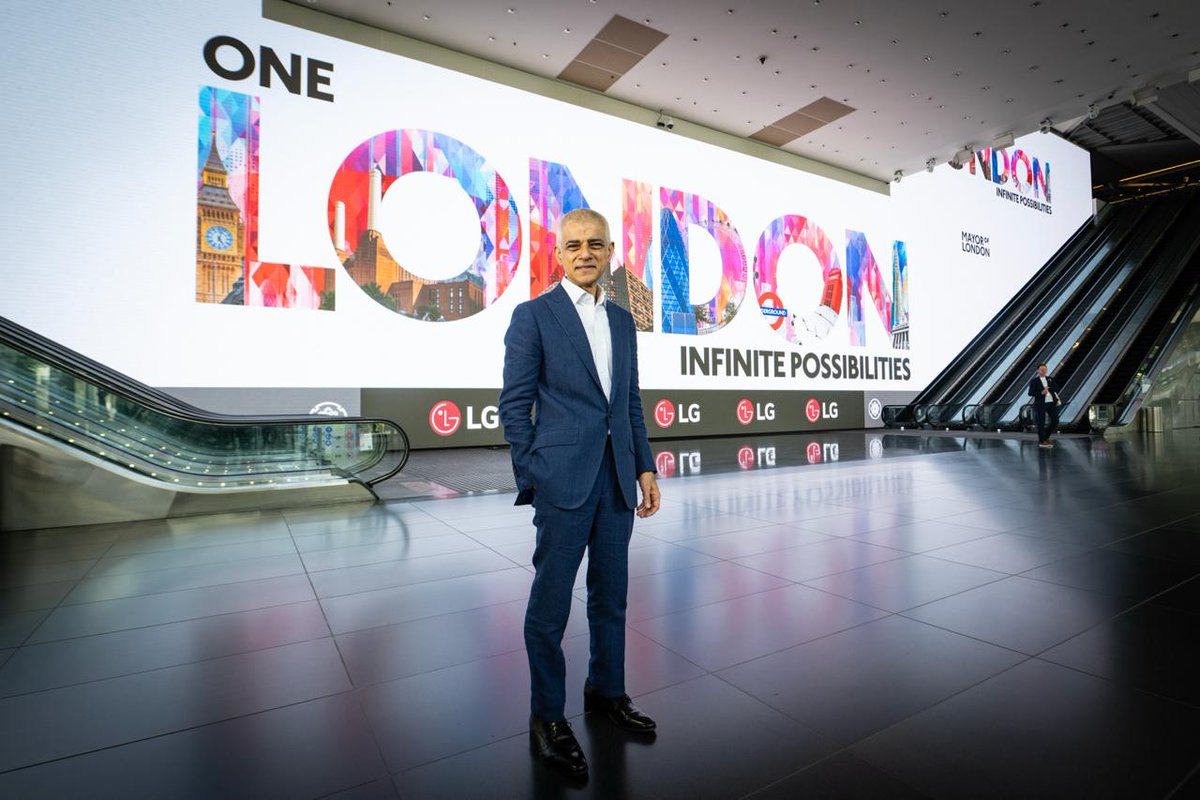
ALT Mayor of London Sadiq Khan in a blue suit stands in a large, modern indoor exhibition/event space. Behind him is a massive white wall displaying the words “ONE LONDON” in large, colourful letters featuring images of London landmarks, along with the phrase “INFINITE POSSIBILITIES” underneath.
86
364
3,008
36,280
Pixie Banks Pirate Queen retweeted

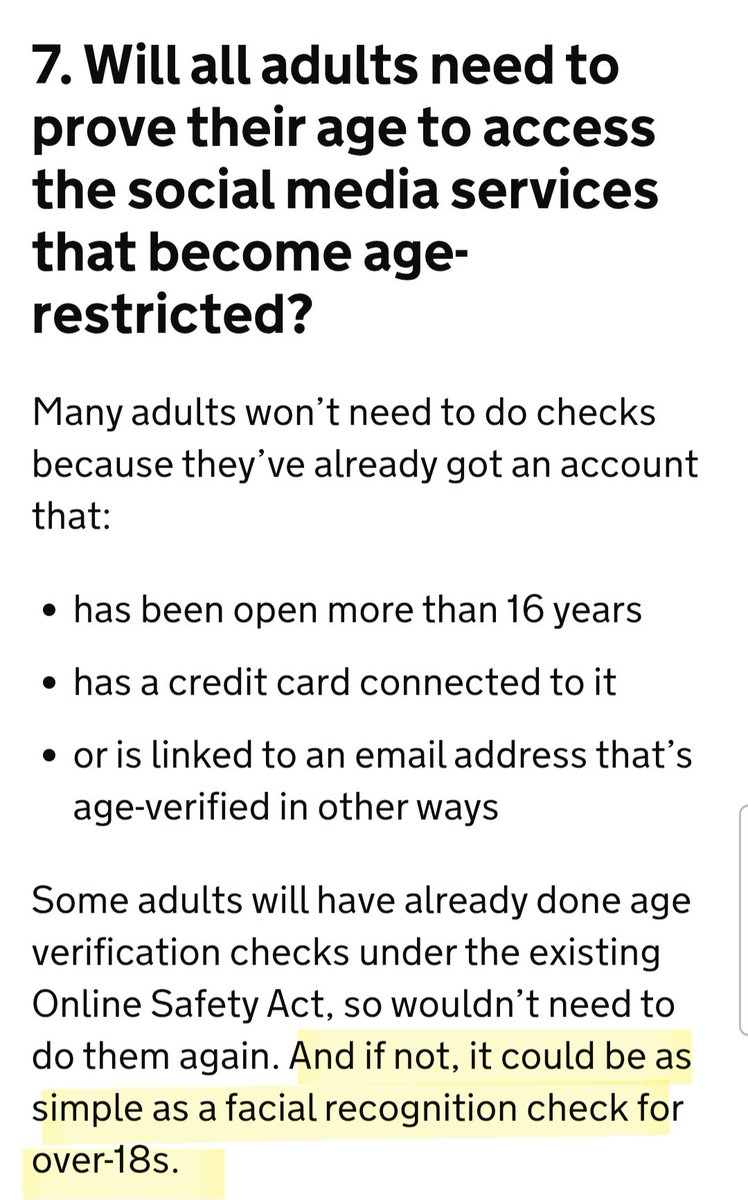
Look closely at what the government is promising you here (published 15th June). They claim that if your account is over 16 years old, you are safe from the dragnet. But then comes the casual, insidious trap: if you do have to prove your age, they say it will be 'as simple as a facial recognition check.'
Do not let that soft language fool you. 'As simple as a face scan' means surrendering the unchangeable, mathematical architecture of your human identity.
Here is the brutal reality: this is a biometric harvesting operation masquerading as child safety. Your biometrics - your face, your irises, your unique biological signature - are the most sensitive pieces of data you possess. If a password leaks, you reset it. If your biometric blueprint is hacked, leaked, or scraped into a government database, your identity is compromised for life. They are normalising the idea that you must scan your body just to access the public square. It is the ultimate blueprint for a permanent digital cage.
Once your biological data is stored in their centralised databases (which it will be) your privacy is dead forever. You aren't just logging into an app - you are voluntarily handing over the keys to a corporate and state surveillance engine.
An app-level 'under 16s ban' is universally recognised by security experts as unpoliciable and structurally broken.
Following the mass backlash from tech companies, the UK government reconsidered its stance... But this is what they're not telling you - something we have warned you about for years.
The UK Gov already appointed an expert panel to 'fast-track' a national, official Digital ID scheme earlier this year, that will (despite their current lies) eventually serve as the master credential to 'solve the problem' with an unenforceable 'under 16s social media ban.'
It has NEVER been about Children's safety. Ever. So, to coerce compliance of all UK adults, we will soon see the beginning of another textbook manufactured crisis.
Do not be fooled by the ongoing political theatre. The predictable failure of this ban is completely by design. As the system intentionally glitches, the media will flood the headlines with weaponised fear - amplifying stories of online horror and grooming to rile up panicked parents.
Once again, they are engineering a crisis of fear so severe that the public will ultimately beg for the exact Digital ID grid they would have otherwise rejected.
Cast your mind back to September 2025: 'mass illegal migration' didn't work as an excuse for Digital ID, did it? So the Epstein Class now use Children's safety as the excuse.
By wrapping the digital credential inside the emotionally charged issue of child safety, dissent is effectively silenced. Anyone arguing against the tracking framework is politically painted as being against child protection.
gov.uk/government/publicatio…
66
619
1,071
29,385