
Studying how epigenetic regulation controls cell identity and behaviour in development and disease. @ACEpigenetics and @SAiGENCI.
Joined April 2023
- Tweets 31
- Following 88
- Followers 88
- Likes 27
Photos and videos
Sullivan Lab retweeted

5 Nov 2024
Don’t miss out on joining ABC’s @natashamitchell in conversation with top cancer and stem cell experts at a FREE event in Adelaide this Sunday 10 November at 3pm ACDT (IRL, livestreamed and on Radio National Big Ideas): events.humanitix.com/making-…
@abcnews @UniofAdelaide @the_ASSCR
3
6
917

31 Oct 2024
Opportunities to do amazing science with an amazing team!! :)
29 Oct 2024

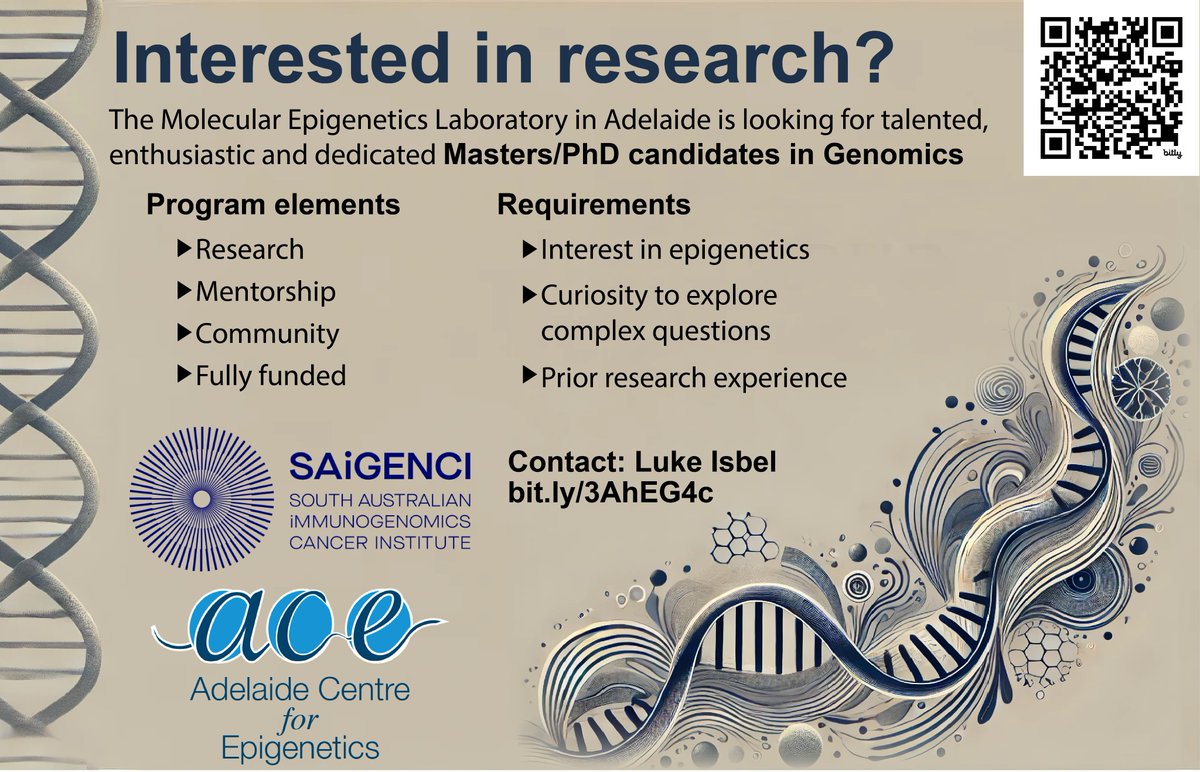
Exciting Masters/PhD opportunities in Adelaide Australia, balancing creativity, excellence and inclusion!! Please join if your interested in Genomics and making a difference through research!! Please share with your networks!!!
1
8
393
28 Oct 2024
Congratulations, Luke!! This is an amazing achievement and surely the start of some wonderful science!

@SAiGENCI are proud to announce @LukeIsbel as @UniofAdelaide first Viertel Fellow. Find all the details at bit.ly/4e1NeKi Congratulations Luke! Excited to see the next stage of your science develop here at @SAiGENCI! @ACEpigenetics 👏🎉🧪
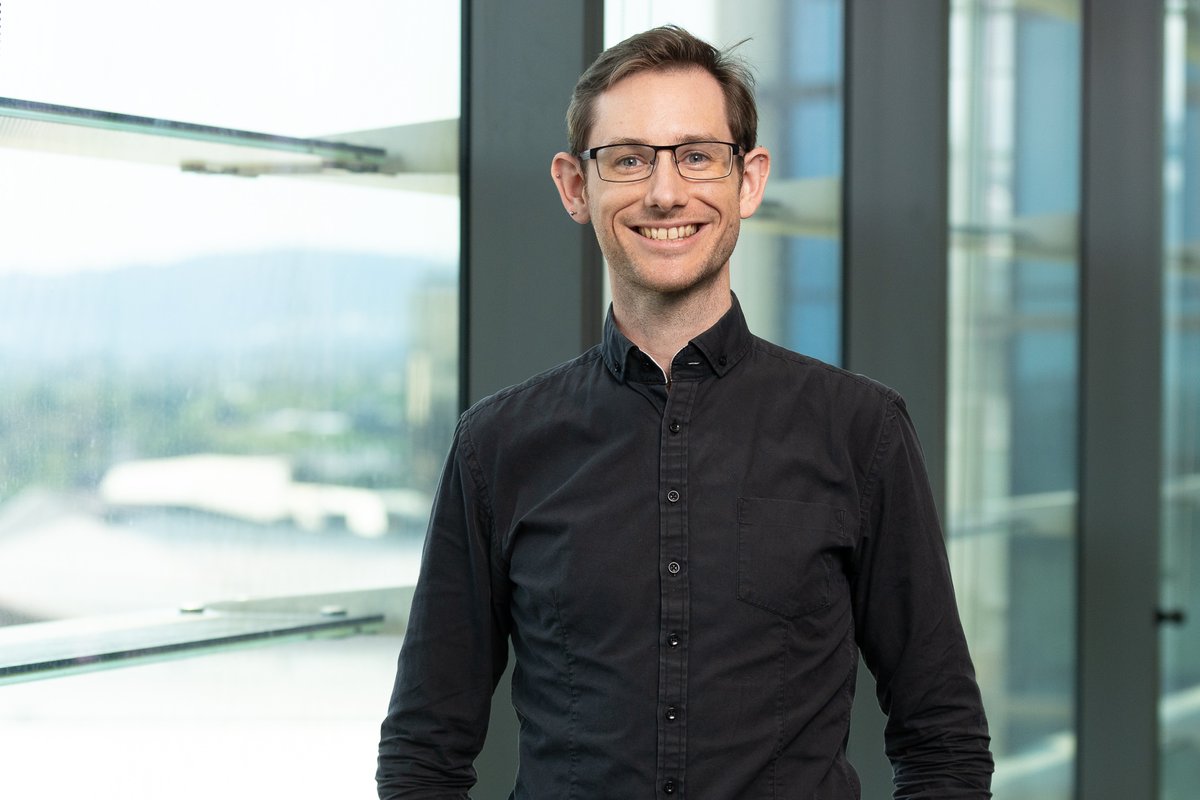
ALT Dr Luke Isbel
1
1
10
522
25 Oct 2024
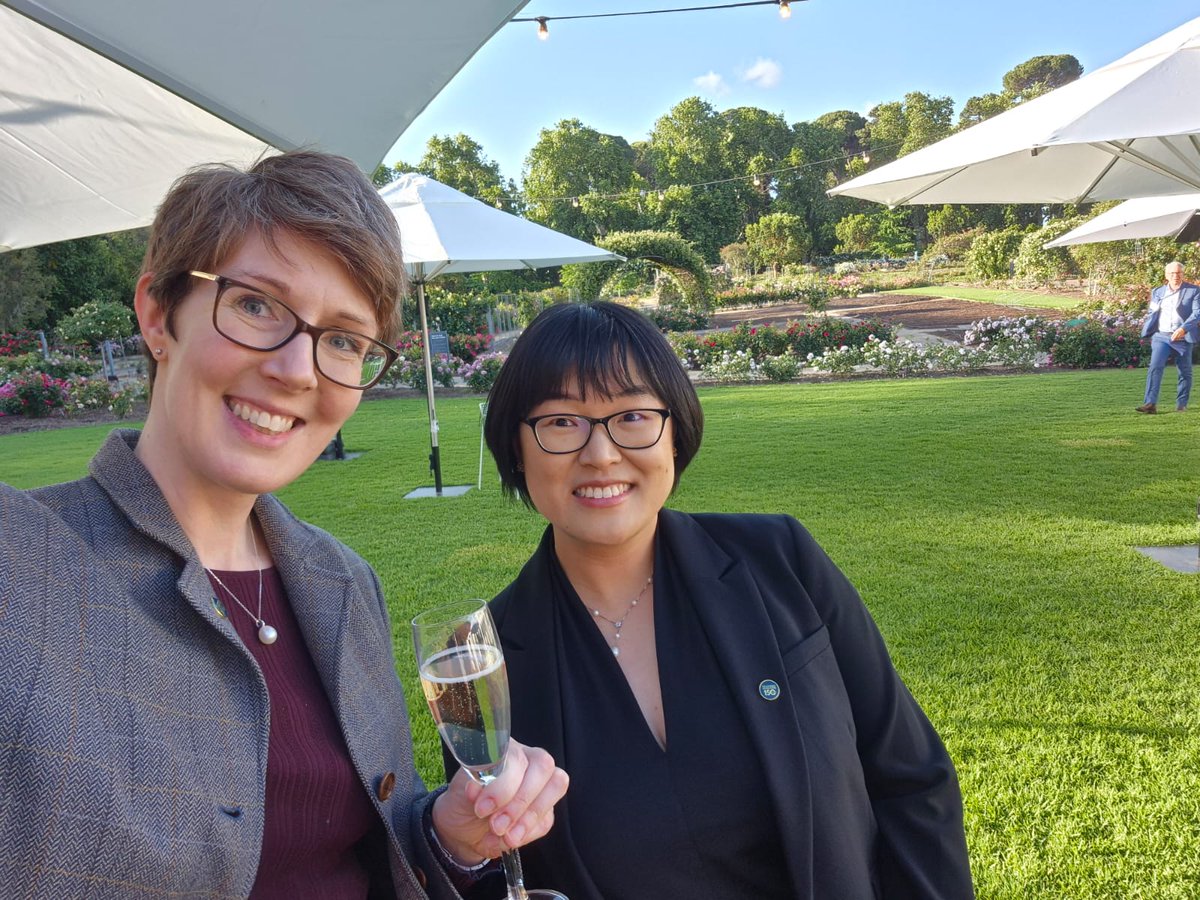
Congratulations Qi!! A well-deserved recognition of your amazing work. :)
25 Oct 2024

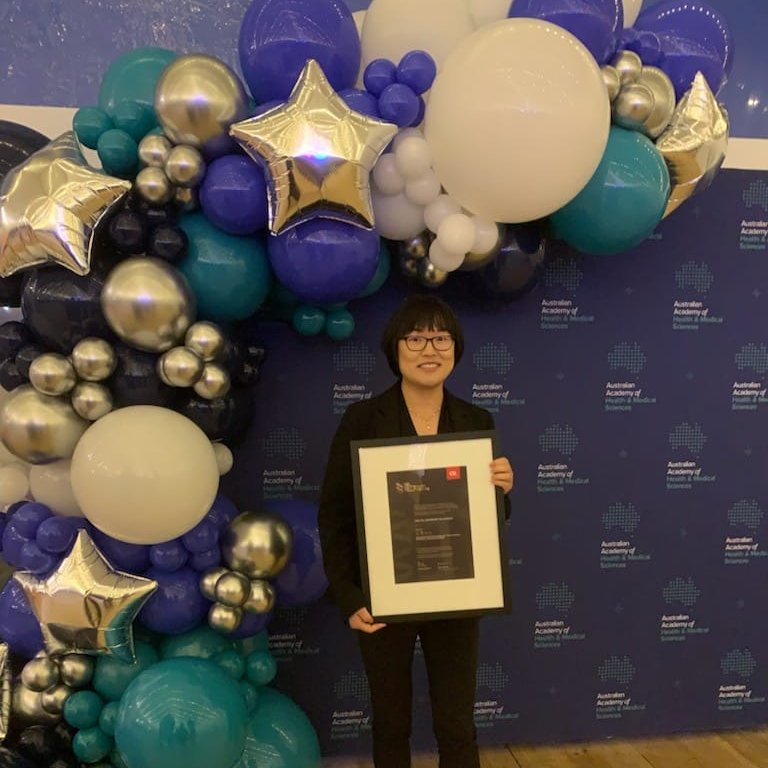
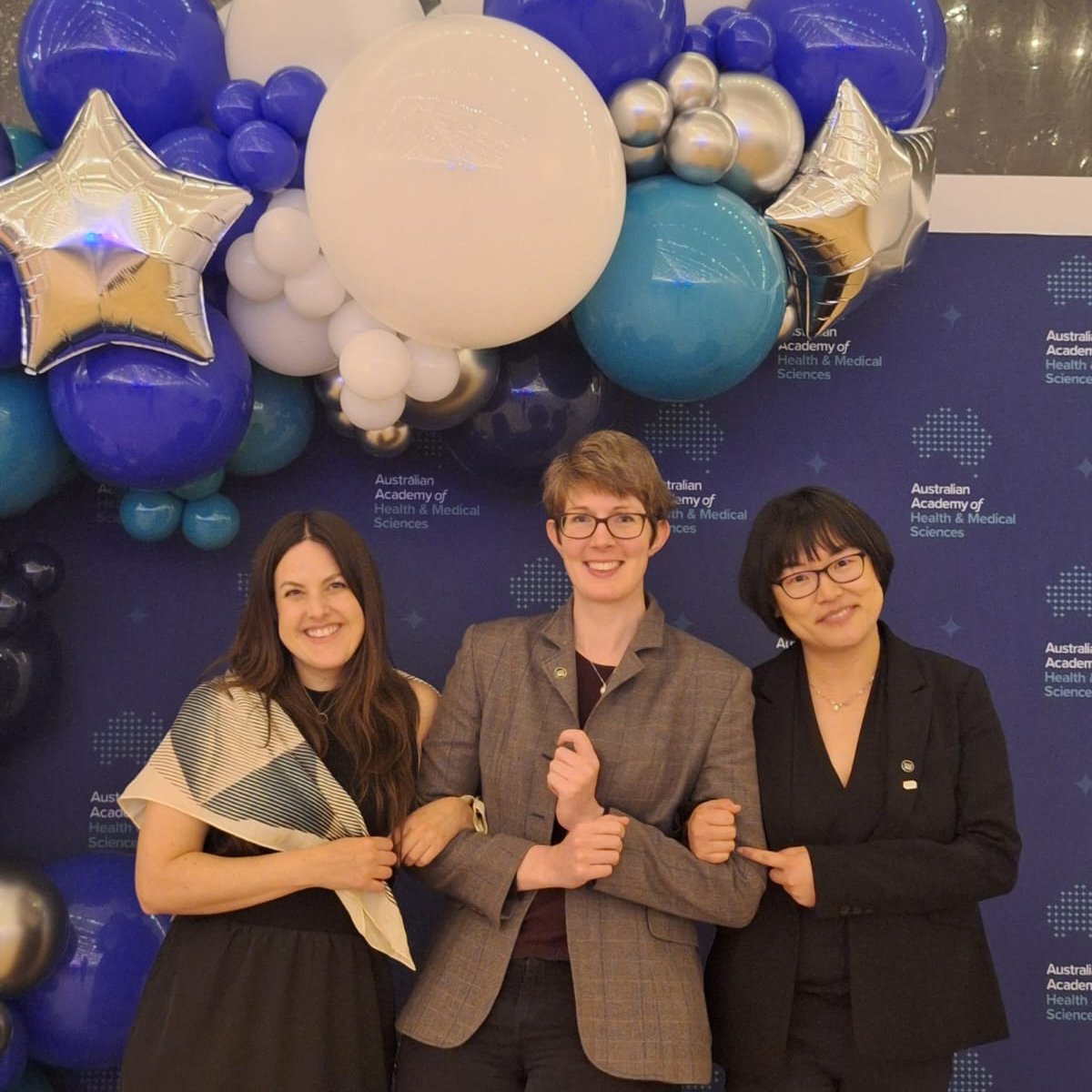
ACE is honoured to celebrate Dr Qi Zhang's prestigious @CSL Centenary Fellowship! What an incredible achievement. Congratulations @QiZhang85, we cannot wait to see what's next 🧬👏 @EMBLAustralia @UniofAdelaide @SAiGENCI
1
9
541
Sullivan Lab retweeted

20 Oct 2024
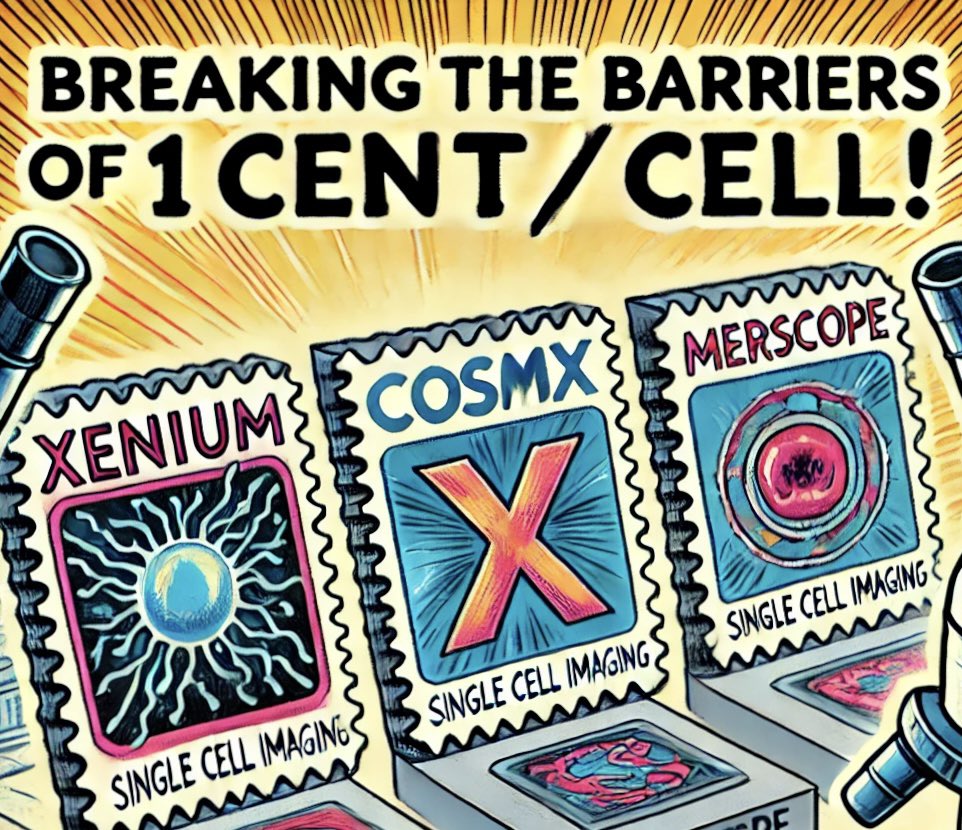
Yes!!! You got this right…Single Cell Imaging IS the new Single Cell Sequencing…#STAMP-X/C/M brought to you by @DrJasPlummer, @hoheyn and yours truly.
Stay tuned for more…👊
THE REAL STARS: @EmanuelePitino1 @AnnaPascua16627 @Kellieiswise @ximbaozao @irepan_salvador @helucro @eliseinsing and lots of X-less friends like Bill Flynn.
@brukerspatial @10xGenomics @vizgen_inc @ACEpigenetics @StJudeResearch @UniofAdelaide @cnag_eu
1
11
53
4,765
9 Oct 2024
So happy to see this amazing technique being well-received! Massive congratulations to Luciano and team!
5 Oct 2024

Following several kind requests, here is a high-level summary of our pre-print in @biorxivpreprint (doi: doi.org/10.1101/2024.10.03.6…):
STAMP: Single-Cell Transcriptomics Analysis and Multimodal Profiling through Imaging
STAMP is a scalable, cost-efficient method for single-cell transcriptomics and multimodal profiling through imaging. It bypasses sequencing, significantly reducing costs while enhancing throughput.
#SingleCellRNA #SpatialOmics #STAMP
The motivation for this paper comes from the limitations of current scRNA-seq methods, which are costly, inefficient, and struggle to capture low- and high-abundance transcripts. Challenges like droplet instability, cell damage, limited cell capture, cross-contamination, inefficient indexing, and high sequencing costs affect ultra-low and ultra-high cell profiling, hindering accurate analysis of complex cell populations. #Limitations #DropletMicrofluidics
STAMP addresses these issues with a scalable, cost-effective, sequencing(costs)-free approach that works efficiently across ultra-low to ultra-high cell numbers, while preserving cellular morphology and enabling multimodal profiling. #SpatialOmics #UltraLow #UltraHigh
STAMP uses an imaging-based approach to perform high-throughput RNA and protein profiling by stamping cells onto slides compatible with CosMx and Xenium platforms, allowing multimodal profiling in a single run.
#Proteomics
STAMP supports single-modal (RNA/protein) and multimodal (RNA protein) profiling, enhancing experimental flexibility and scalability. This versatility is essential for large-scale atlases and mixed-sample experiments.
#SingleCellAtlas #MultiSampleProfiling
STAMP scales easily: from less than 100 to millions of cells. It overcomes limitations in droplet-based systems, where throughput is often constrained by sequencing costs.
#HighThroughput
STAMP handles diverse sample types: PBMCs, dissociated tumors, nuclei, and stem cells. It also excels with fragile or archived tissues, where traditional methods often fail to yield high-quality data.
#ArchivedSamples
STAMP eliminates sequencing costs, making large-scale single-cell analysis accessible to more labs. #CostEfficiency
Here’s a cost comparison between GEM-X and STAMP-X for RNA profiling:
GEM-X RNA (20k cells): $0.0764/cell
1M cells = $76,400 (cost/cell = $0.0764)
2M cells = $152.800 (cost/cell = $0.0764)
3M cells = $229,200 (cost/cell = $0.0764)
STAMP-X RNA (1M cells): $0.0075/cell
1M cells = $7,500 (cost/cell = $0.0075)
2M cells = $7,500 (cost/cell = $0.00375)
3M cells = $7,500 (cost/cell = $0.0025)
In STAMP cells remain intact after imaging, enabling further downstream applications like histological validation or additional molecular assays, adding value to each sample.
#NonDestructiveAnalysis
We tested STAMP’s sensitivity by identifying, ultra-rare, circulating tumor cells (CTCs) spiked into PBMCs at 1:100,000. Such sensitivity is essential for clinical diagnostics, particularly in rare cell detection.
#CTCs #CancerDiagnostics
In a high-throughput immuno-phenotyping experiment, STAMP profiled 1.7M PBMCs, capturing a median of 83 transcripts and 49 genes per cell. This resulted in high-resolution immune profiling.
#Immunology #HighThroughputProfiling
31 immune cell states were mapped in PBMCs, capturing rare subpopulations (Th1/Th2/Th17 and NK subtypes). Detailed immune phenotyping is critical for understanding immune diversity in health and disease.
#ImmuneMapping
Whole cells vs. nuclei: STAMP's ability to profile both whole cells and nuclei is crucial for samples with low RNA content (e.g., archived tissues), increasing the platform’s applicability.
#NucleiProfiling #SingleCellOmics
STAMP integrates RNA and protein profiling. In cancer cell line profiling, RNA and protein data showed strong correlations, confirming the platform’s robustness in multimodal data collection.
#MultimodalProfiling
STAMP’s multimodal profiling produced high-resolution immune maps, combining RNA and protein data. This approach is essential for dissecting complex immune states and understanding functional responses.
STAMP excels in low-input samples. We demonstrated its ability to accurately profile as few as 100 cells, which is critical for studying rare populations in small samples.
#LowInput #RareCell
In a BMP4-driven stem cell differentiation model, STAMP captured dynamic changes from pluripotency to mesoderm and endoderm progenitors over multiple timepoints, tracking lineage differentiation.
#StemCellDifferentiation #LineageTracing
Trajectory analysis shows that STAMP’s resolution makes it a powerful tool for developmental biology and perturbation studies.
#DevelopmentalBiology #hESC
STAMP allows multi-sample profiling on a single slide, reducing batch effects and improving comparative analysis, particularly in drug response and perturbation studies.
#MultiSampleAnalysis #PerturbationScreening
STAMP represents a significant advance in single-cell research, offering scalable, multimodal RNA/protein profiling at low cost. Its versatility will support a broad range of research, from basic to clinical.
#SingleCellTechnology
Lots more coming soon...
@DrJasPlummer @hoheyn @pascual_reguant @EmanuelePitino1 @helucro @ximbaozao @irepan_salvador @Kellieiswise @m_mohenska @jc_nietos @cnag_eu @StJudeResearch @ACEpigenetics @M_ayco_N @eliseinsing Bill Flynn, Yutian Liu, Hannah Chasteen
3
7
1,231
9 Oct 2024
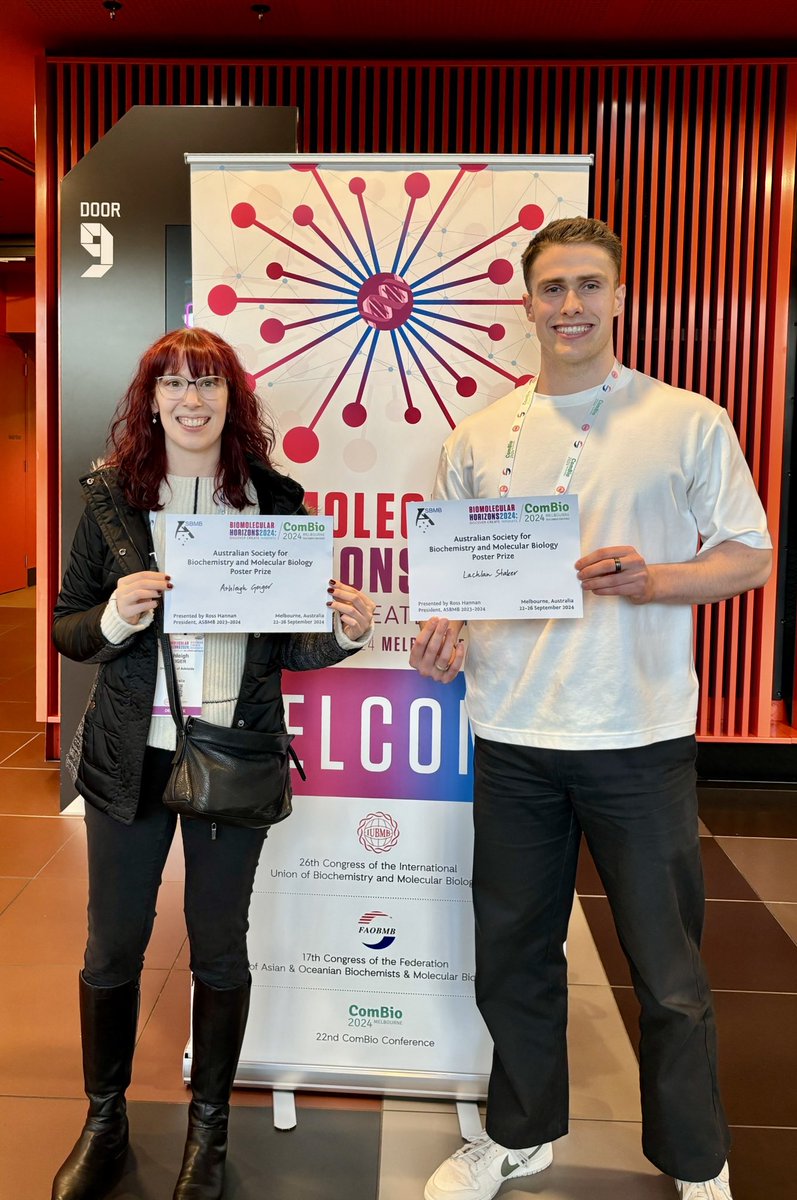
Congratulations to Ash @ashleigh_bryar for her poster prize presenting her PhD work! 🎉
26 Sep 2024

Pretty stoked to win an ASBMB poster prize at @bmh2024Melb, alongside fellow eye CRISPR PhD candidate and friend Lachi Staker 🧬✂️👀
3
282
8 Oct 2024
A chance to do brilliant things in a brilliant lab in London!
28 Sep 2024

ICYMI: we are hiring! Come and join us @MRC_LMS for a #postdoc
#regulatorylogic #devbio #stemcellmodels in an excellent environment with fantastic support and colleagues :) thenode.biologists.com/jobs/…
2
7
667
10 Sep 2024
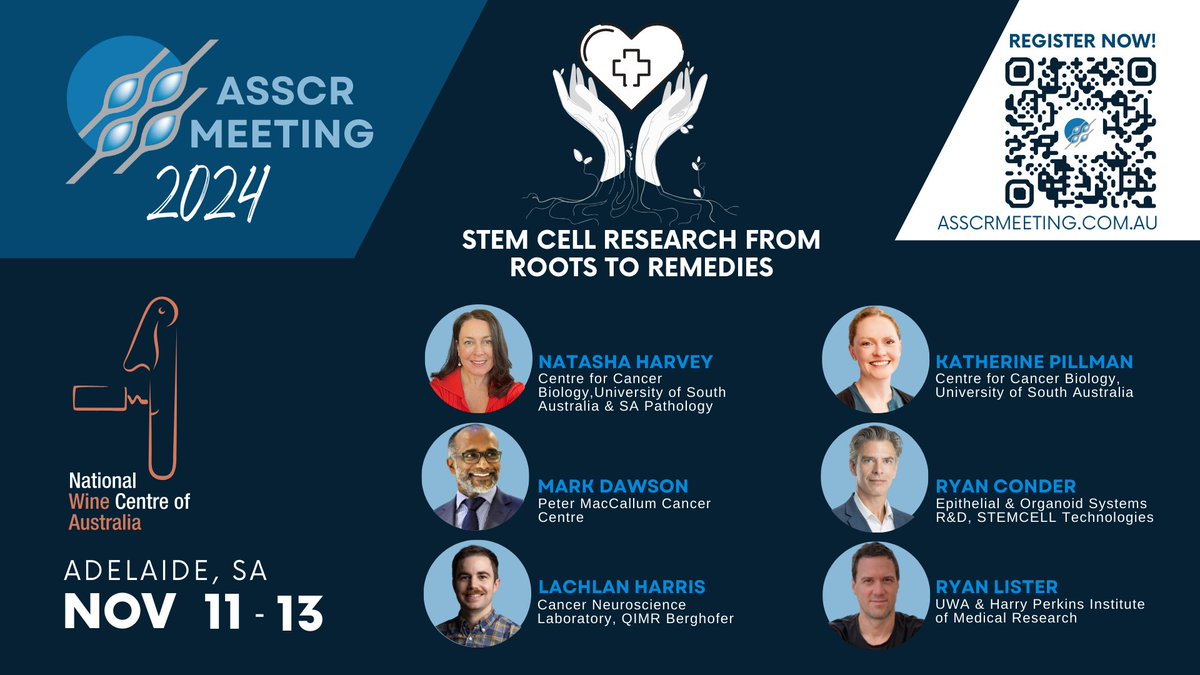
A reminder that this amazing stem cell meeting is happening in November in Adelaide! Early bird closes Sept 27th!

Don’t miss out on discounted rates for the ASSCR ASM! Register by 27th Sept to secure your spot 👉 asscrmeeting.com.au/registra…
Reminder: Book your flights & accommodation early to avoid high costs. ✈️🏨
See you in Adelaide!
2
5
394
5 Sep 2024
Please consider supporting the amazing cancer research at @SAiGENCI today! We are an independent cancer research institute at @UniofAdelaide working to understand and treat cancer. All donations are matched and tax-deductable! #UoAGivingDay givingday.adelaide.edu.au/ca…
4
124
Sullivan Lab retweeted

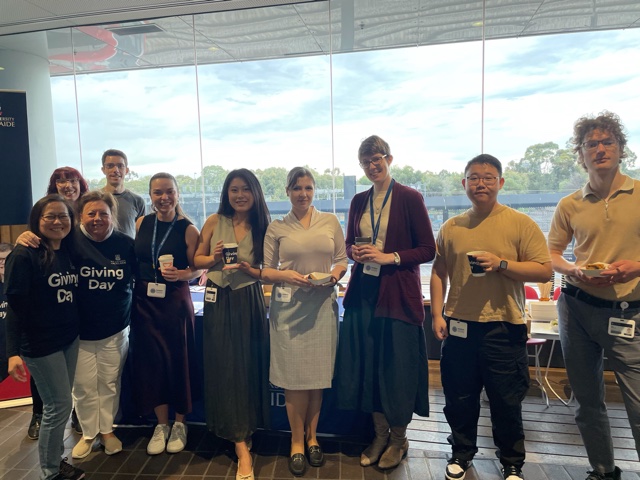
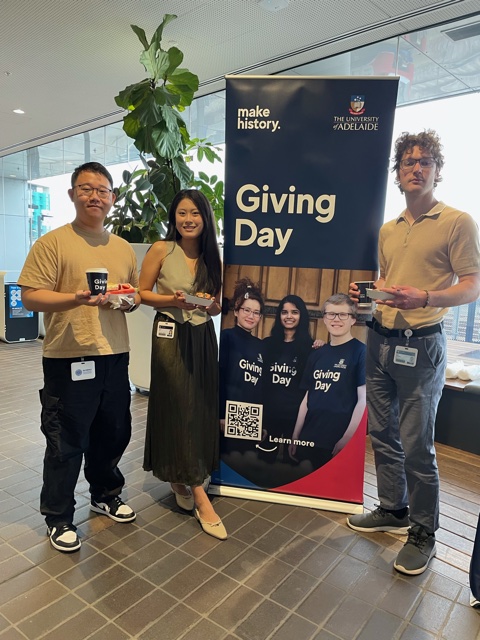
ACE is proud to support @UniofAdelaide Giving Day! A wonderful day when our community unites to support great causes like cancer research @SAiGENCI! You can learn more and donate here: givingday.adelaide.edu.au/ca…
1
4
16
945
Sullivan Lab retweeted

20 Aug 2024
Please RT! 🧬🧬
I am looking for a #postdoc fellow to lead a new project in 3D chromatin organisation and transcriptional regulation in cancer (experimental and/or computational) at @SAiGENCI in Adelaide.
Apply below:
careers.adelaide.edu.au/cw/e…
88
101
17,924
Sullivan Lab retweeted

11 Jul 2024
📢⌛︎Only a few days left to apply for these Postdoc/PhD positions!
- AI / single-cell / spatial modelling in collaboration with @TheAIML and Vince Carey (#Harvard Medical School @harvardmed)
- #tidyomics in collaboration with Michael Love @mikelove (@UNC)
19 Jun 2024

📢🎉 Our lab is recruiting x3!
#Postdoc & #PhD Join from🌏 inc AU, EU, US! Great scientific environment and a very attractive salary.
1. #AI for #singlecell biology
2. #Multiomics, immuno diagnosis (sc spatial metab.)
3. #tidyomics #HPC
Plz share! 🙏mangiolalaboratory.github.io…
1
4
8
1,217
Sullivan Lab retweeted
2 Jul 2024
Senior Scientist - Spatial-Omics Innovation and Development Research Collaborations between @AGRF_genomics and my lab. Details in the add. seek.com.au/job/76982223?ref…
19
19
5,456
Sullivan Lab retweeted

21 Jun 2024
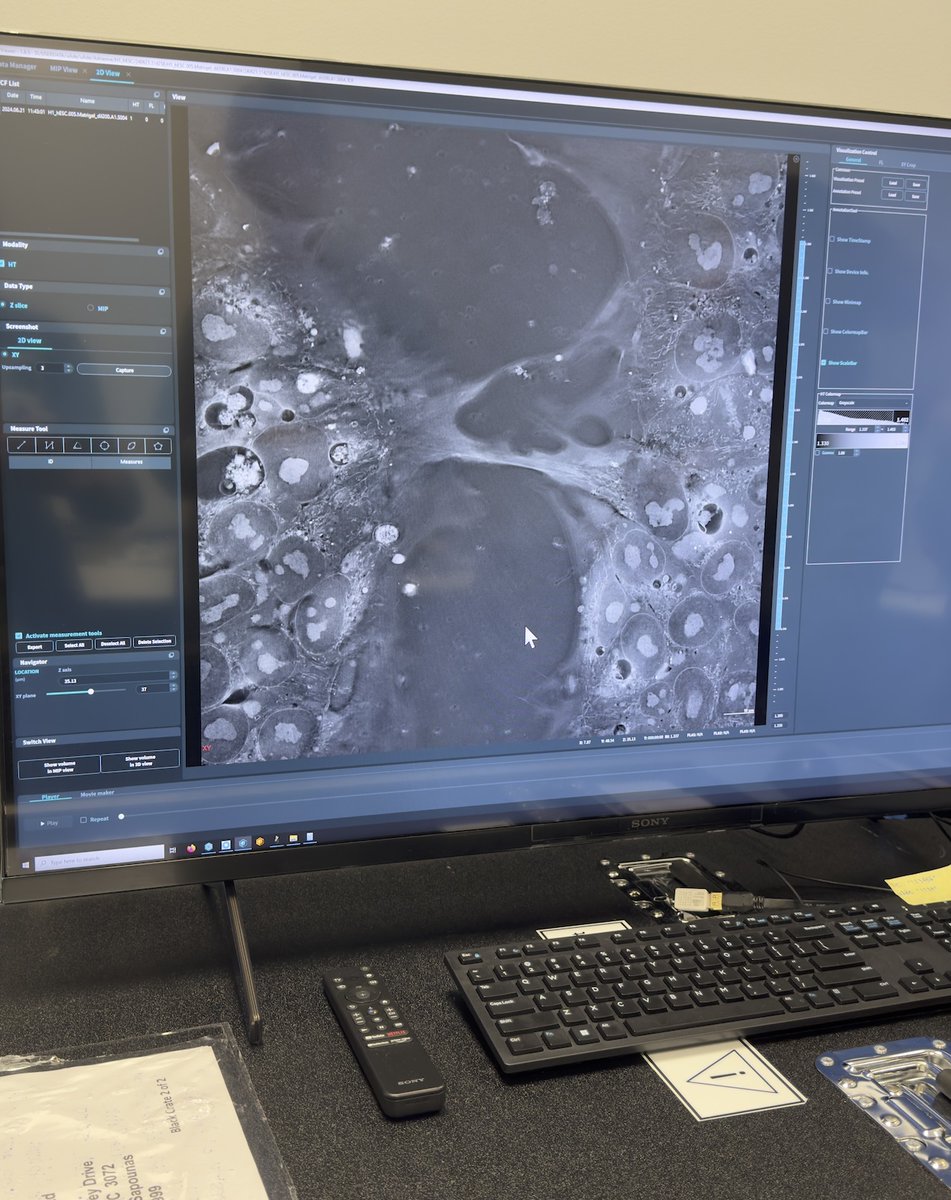
Amazing Tomocube images of hESCs from the @SullivanLab8 at @ACEpigenetics. Want to visualise your cells label-free at an incredible resolution of only 156 nm? The HT-X1 will be on trial for another two weeks at Adelaide Microscopy- contact us to try it out!
@micro_au
@Tomocubeinc
1
5
12
857
23 Jun 2024
🎉Massive congratulations to Jose!! Very well-deserved.
22 May 2024

Professor Jose Polo FAA (@UniOfAdelaide), a leading biochemist, stem cell biologist and now Academy Fellow, has significantly advanced our knowledge of cellular reprogramming—the process by which cells transform into different types. His innovative work combines cellular models, genomics, and computational methods, propelling forward the fields of reprogramming and stem cell research. Polo's influential work has had a global impact, fostering scientific progress and industrial applications. #FellowsAA
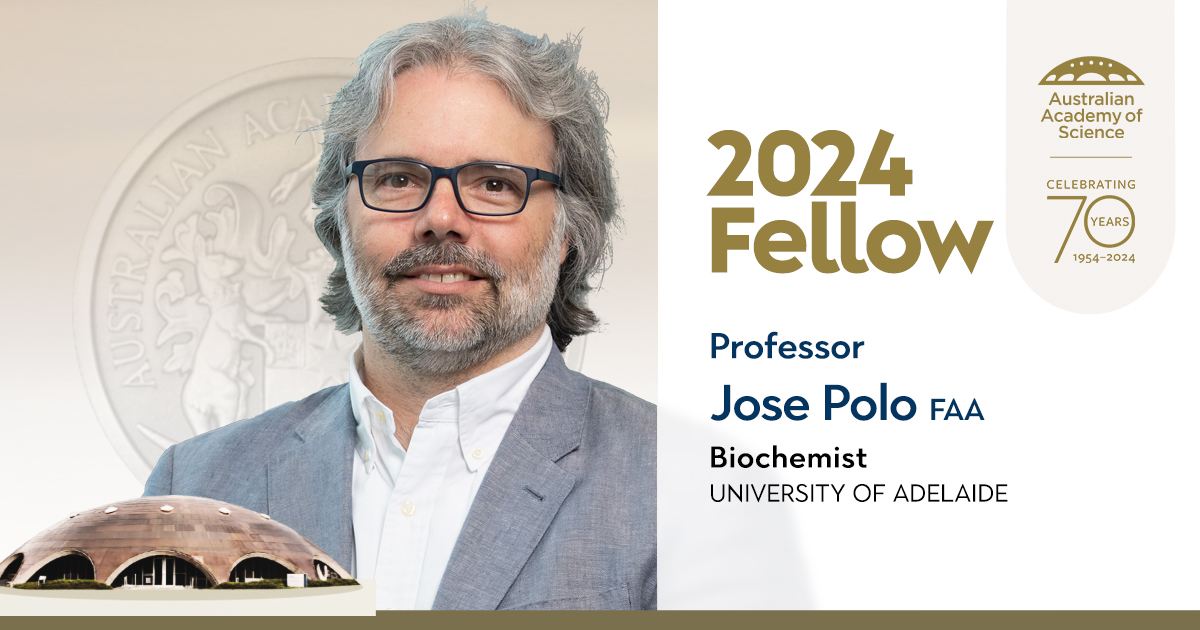
ALT Promotional image featuring Professor Jose Polo, a Biochemist at the University of Adelaide, recognised as a 2024 Fellow of the Australian Academy of Science, with the Academy's logo and a celebratory seal for 70 years (1954-2024) in the background.
5
168
23 Jun 2024
This was such an excellent experience, I'm thankful to the organisers and everyone who came along for an evening of science!
22 May 2024
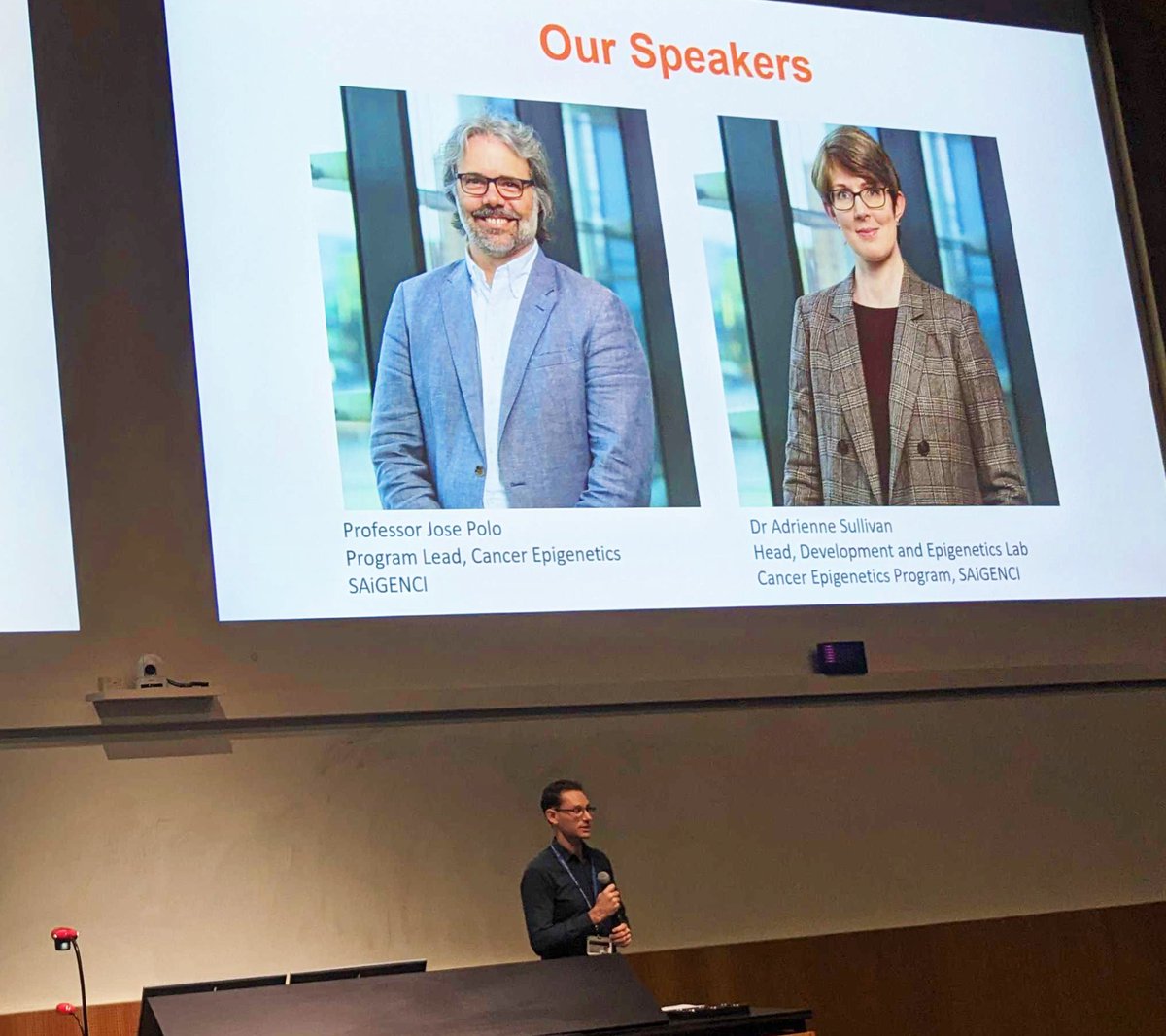
Congratulations to ACE leaders Jose, @SullivanLab8 and @LukeIsbel for their outstanding presentations and work on cancer epigenetics at @SAiGENCI ‘s second annual public lecture! (Video link @ the end) (1/5)
1
11
326
Sullivan Lab retweeted

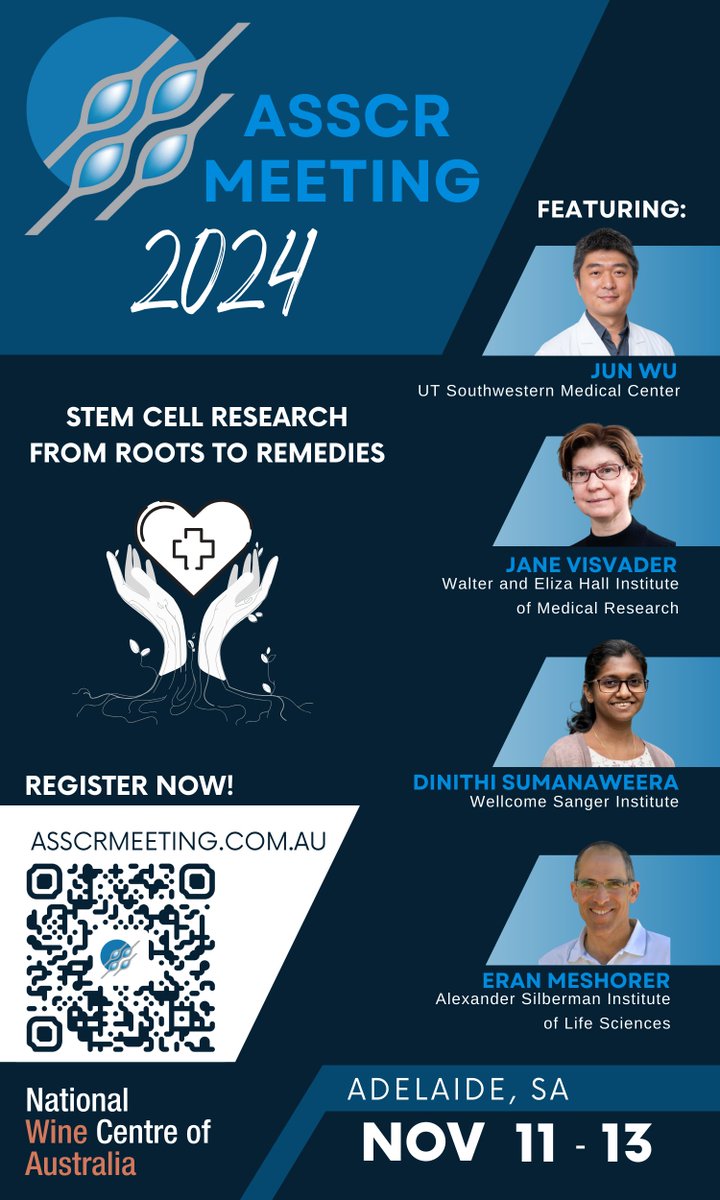
Join us for our 2024 Annual @the_ASSCR conference in Adelaide, Nov 11-13. Our program is already jam-packed with stem cell rock stars 🎸👇 and there's more to come...
Abstract submissions OPEN! Register NOW for early-bird rates! asscrmeeting.com.au/
9
11
1,482
3 May 2024
An absolutely brilliant opportunity - come learn cutting-edge spatial technologies from an expert (and be paid!)
2 May 2024
3
8
2,848
Sullivan Lab retweeted
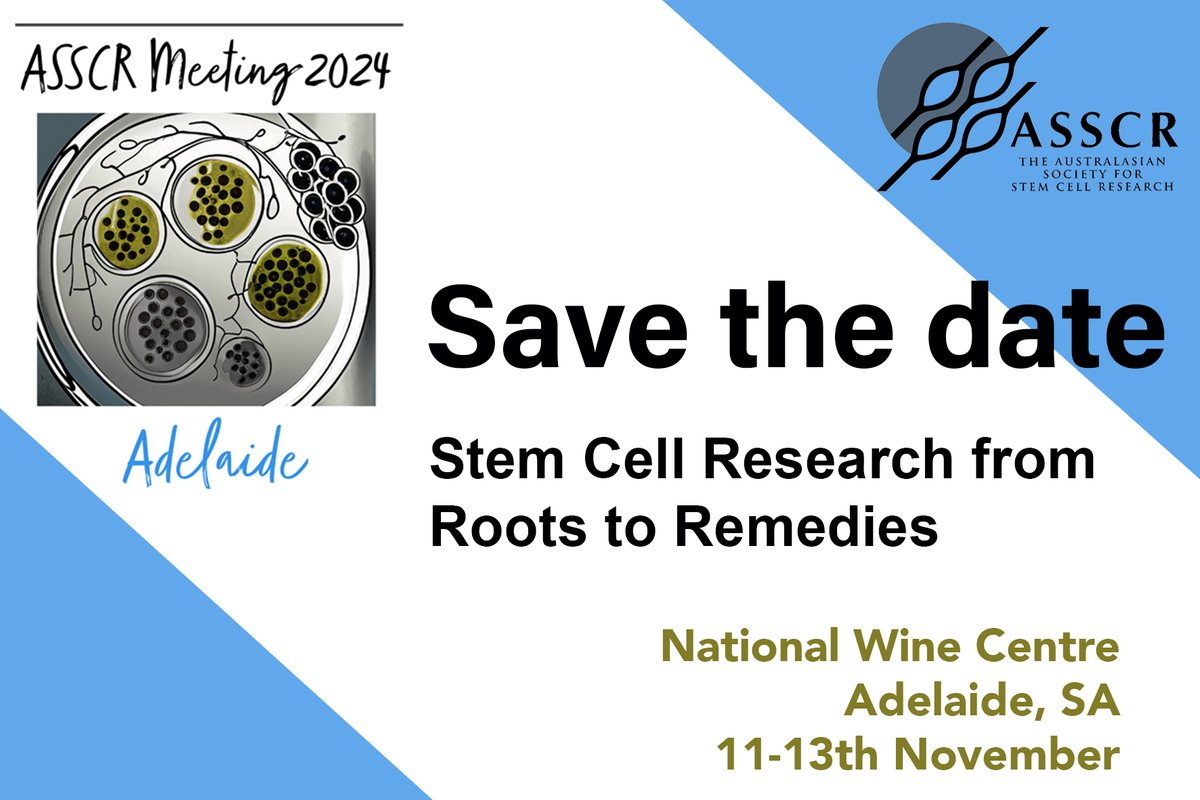
🚨Mark it down in your diaries folks: The 2024 @the_ASSCR Meeting will be held on November 11th-13th in Adelaide this year. Stay tuned for speaker line-up and registration details!
11
13
1,546