
Jun 11
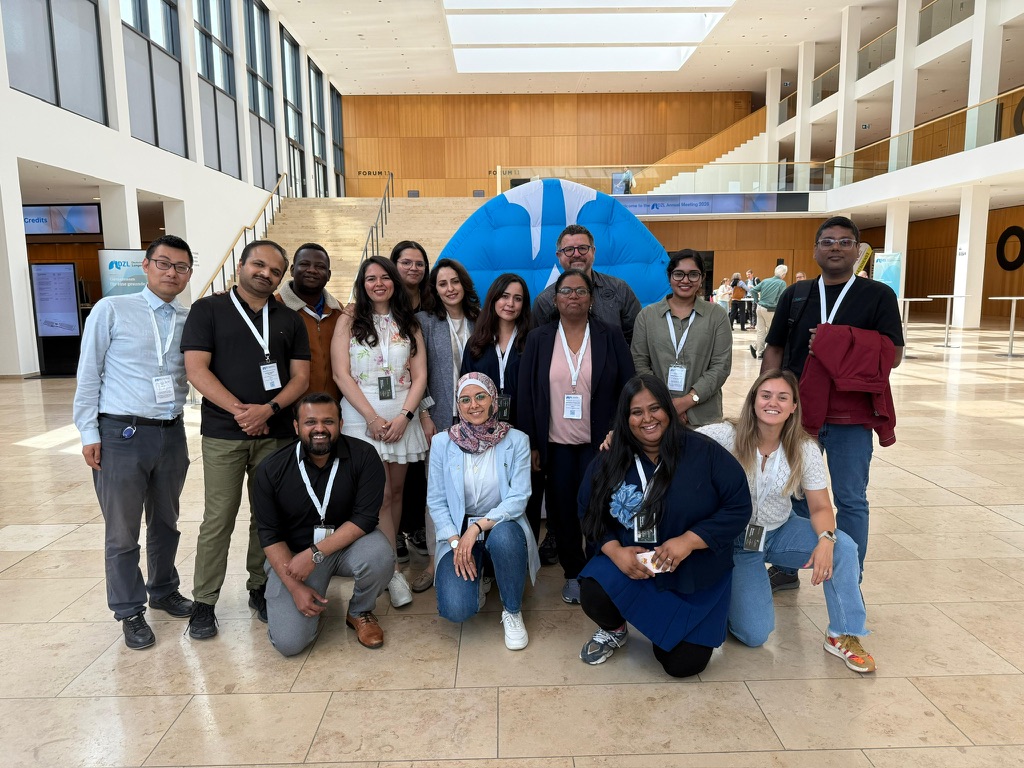
DZL Annual Meeting 2026 🫁
#DZL2026 #TeamScience #LungResearch #CPI #DZL #JLU #PullamsettiLab #SingleCellRNA #LungAging #COPD #IPF #Atlas
18

📙From latest PCP (67-2): 🧬Database Paper💐
✨Free Access!
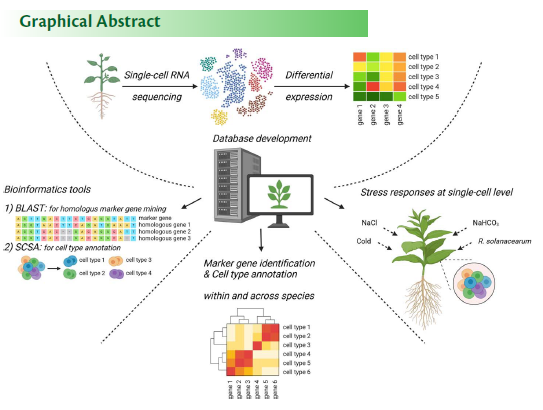
PscOA: a plant scRNA-seq marker gene database for enhanced cellular #transcriptome understanding
He Xu & Bin Li et al.
doi.org/10.1093/pcp/pcaf151
#SingleCellRNA #Plantsci
1
3
720

27 Dec 2025
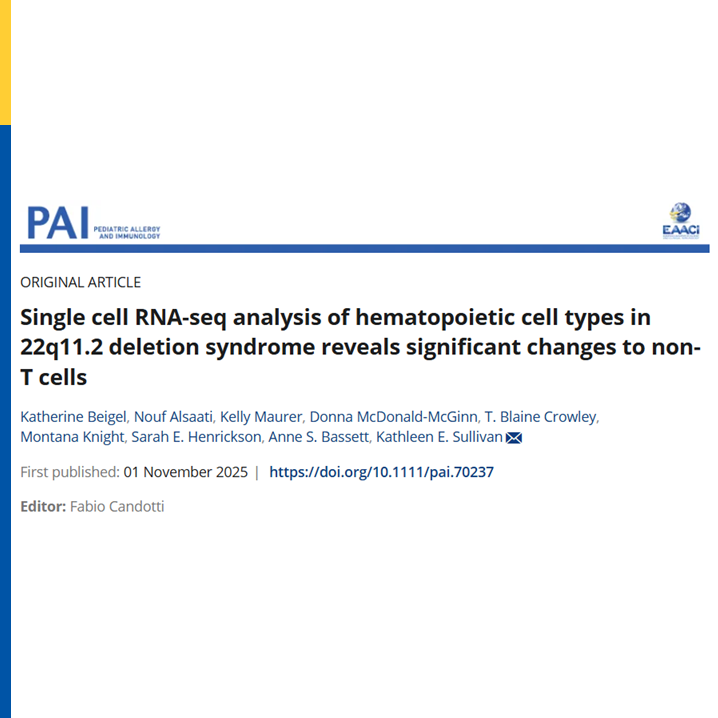
When a Chromosomal Deletion Rewrites the Immune Script 🧬
New single-cell profiling reveals surprising players in #22q11.2 deletion syndrome.
1️⃣ Single-cell RNA-seq shows #Bcells, #NKcells, and #monocytes also carry distinct transcriptional shifts.
2️⃣ Every cell type examined differed from controls - suggesting the deletion reshapes #immunity far beyond #ThymicInfluence.
3️⃣ #CD4 #Tcells show elevated proliferative #pathways; #CD8 T cells shift further in children who had #CardiacSurgery.
4️⃣ The syndrome may act through a #gene-dosage ripple, altering the entire #HematopoieticLandscape.
🔍 This study expands the paradigm - 22q11.2DS isn’t just a T-cell story, but a whole-immune-system rewrite.
🔗 doi.org/10.1111/pai.70237
.
#SinglecellRNA #PAI_journal #originalarticle #hematopoieticcell #immunesystem
2
3
407

17 Sep 2025
🧬 New study sheds light on how centenarians stay healthy at 100
Researchers discovered that centenarians maintain strong natural killer (NK) and cytotoxic T cell circuits, which help fight infections and cancer while reducing harmful inflammation.
🔗 Read full article at: ow.ly/iIHN50WXXYc
Using multi-omics analysis, the study found that these immune systems prioritize effective defense and streamlined communication, offering valuable insights for developing vaccines and immune-based therapies to support healthy aging.
These findings pave the way for strategies to extend healthspan and improve immune resilience in older adults.
Credit: @TheLancet
#centenarians #immunesystems #cytotoxicdefense #singlecellRNA #health #Immunology #MicrobiologyConferences #medicalblog #eMedEvents
1
3
67

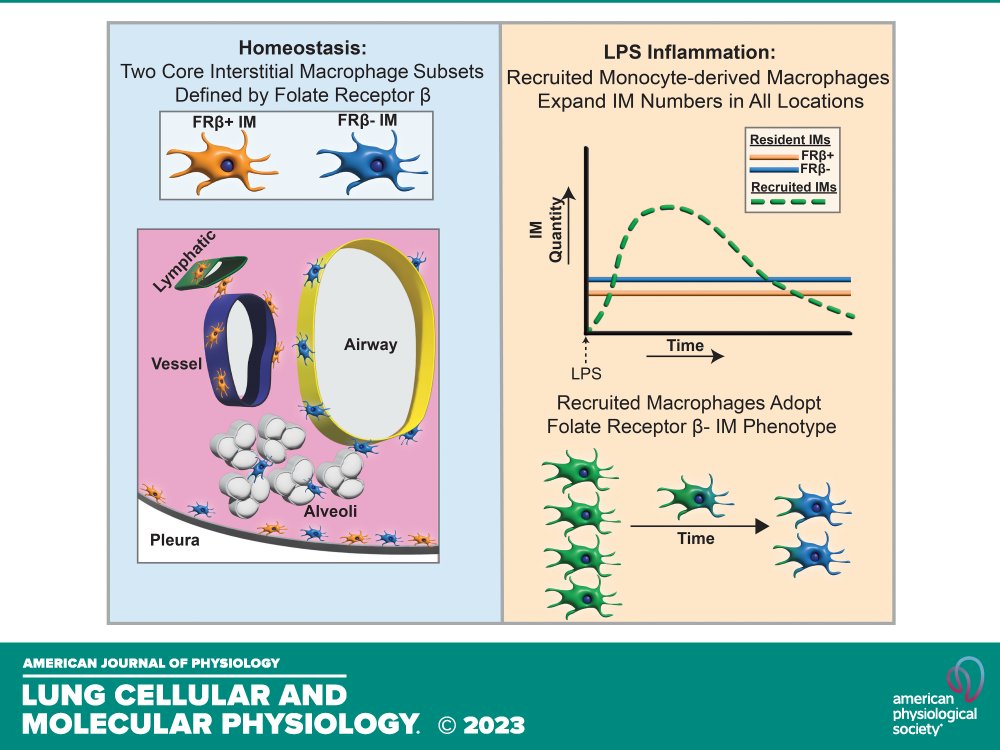
Trending Article: #SinglecellRNA sequencing reveals unique monocyte-derived #interstitialmacrophage subsets during lipopolysaccharide-induced #acutelunginflammation (ow.ly/qE9a50Wpv4H).
2
102

11 Jun 2025
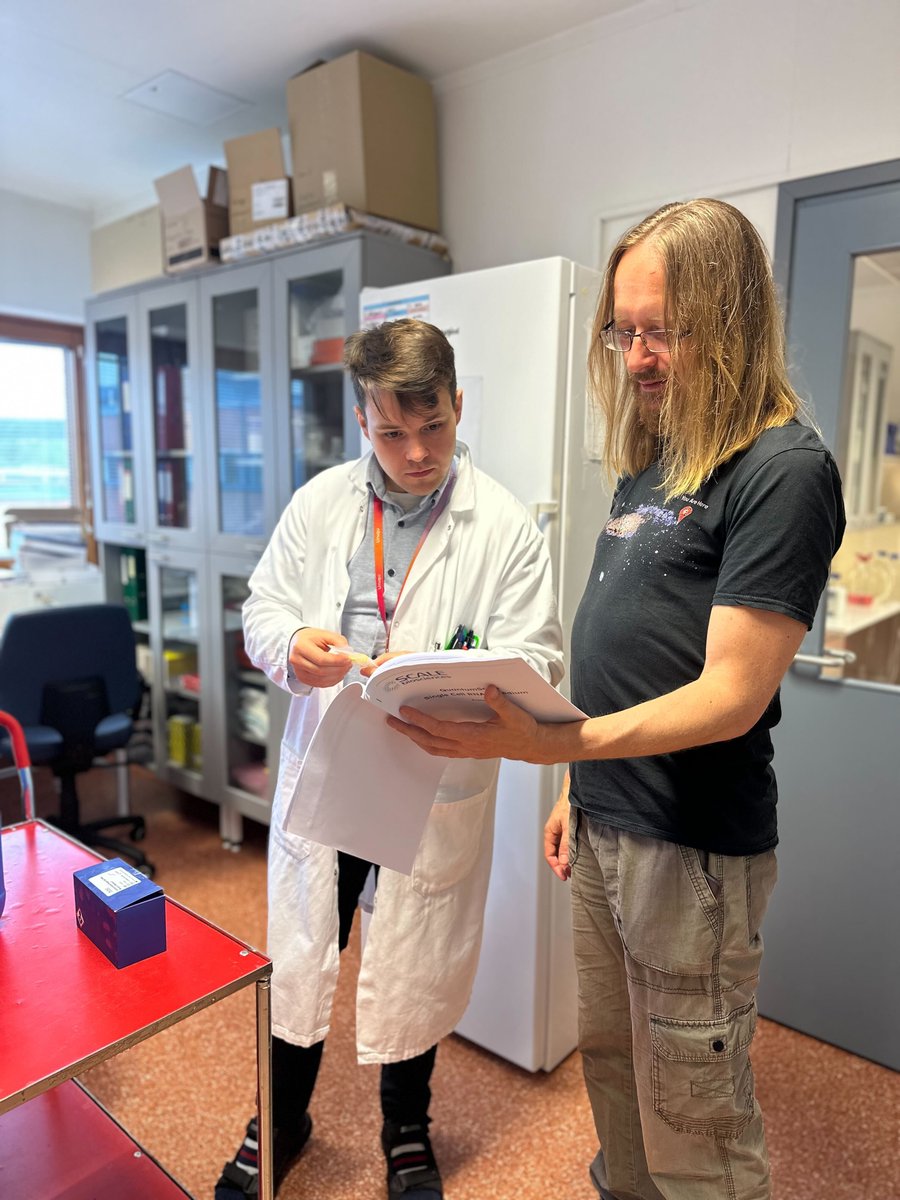
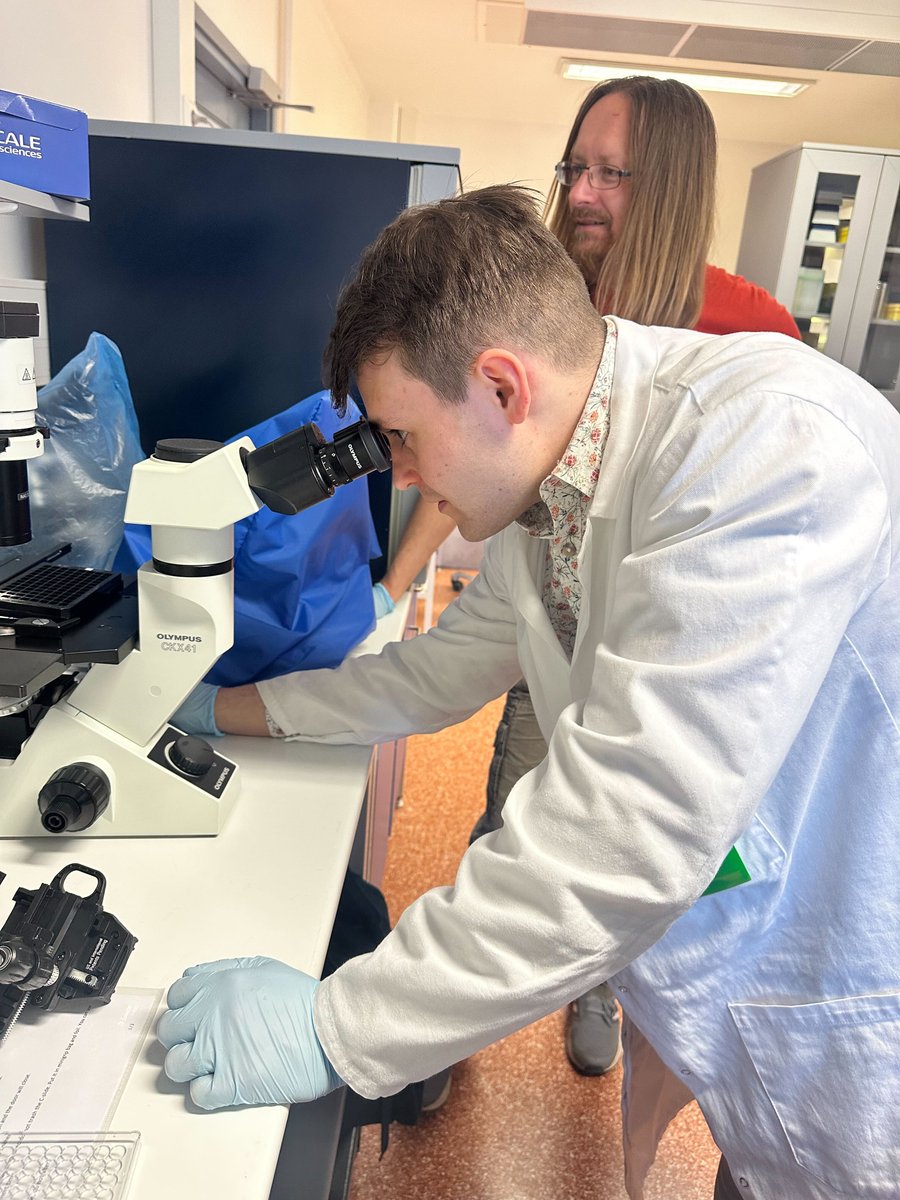
🌍 QuantumScale training sessions happening across continents!
Same commitment everywhere: Your breakthrough = our success
Real support. Real results. Real partnership. hubs.la/Q03rBg7X0
#GlobalScience #SingleCellRNA #ScaleBio
1
3
139
25 Mar 2025
Meet our QuantumScale Small Kit: Perfect for proof-of-concept studies
✅ Analyze up to 84K cells
✅ Ideal for 8 samples at 10K cells each
✅ Compatible with any species and sample type
✅ No specialized equipment needed
hubs.la/Q03c_Lcc0
#SingleCellRNA #QuantumScale
1
6
3,986

31 Jan 2025
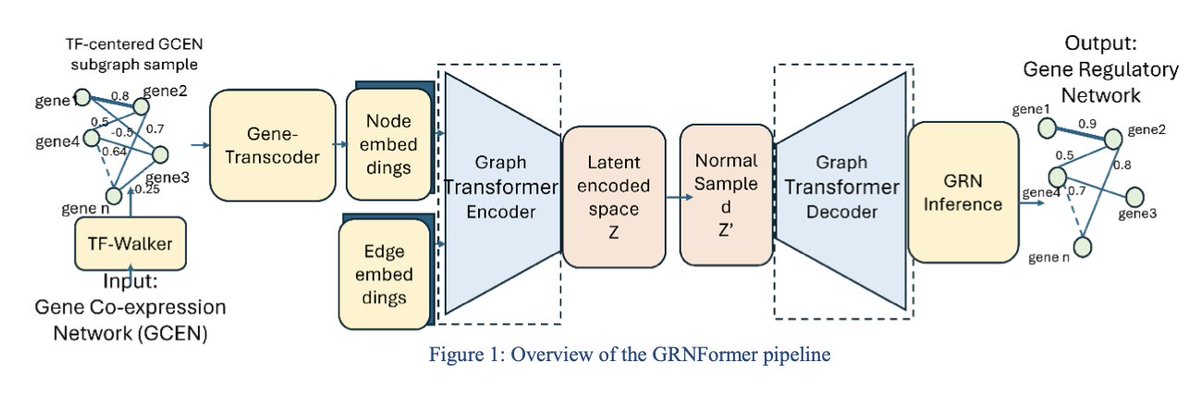
GRNFormer: Accurate Gene Regulatory Network Inference Using Graph Transformer
1. Inferring gene regulatory networks (GRNs) from single-cell RNA-seq data is a complex task due to high-dimensionality and non-linear gene interactions. GRNFormer introduces a novel graph transformer model to enhance the accuracy and scalability of GRN inference.
2. GRNFormer combines transformers and graph neural networks (GNNs) to capture both global sequence-based interactions and local gene network structures. It achieves an AUROC of 90% and an AUPRC of 86% on test datasets, surpassing existing GRN inference methods.
3. A key innovation is TF-Walker, a transcription factor-centered subgraph sampling method that extracts local gene co-expression patterns, optimizing computational efficiency while preserving biologically meaningful relationships.
4. The model employs GENE-Transcoder, a transformer encoder that processes scRNA-seq data across species and cell types, generating robust gene expression embeddings independent of dataset variability.
5. The GRNFormer architecture consists of a variational graph transformer autoencoder with an attention-based mechanism, allowing the model to reconstruct gene regulatory interactions with high confidence.
6. A case study on human embryonic stem cells (hESCs) demonstrates GRNFormer’s ability to uncover known regulatory pathways involving core transcription factors like SOX2, MYC, POU5F1, and NANOG, relevant to pluripotency and cancer.
7. GRNFormer identifies novel regulatory interactions, including the gastrulation pathway, which has implications in both embryonic development and cancer metastasis, highlighting the model’s potential for biological discovery.
8. Benchmarking against methods like PIDC, PPCOR, and SINCERITIES, GRNFormer consistently outperforms them in AUPRC and AUROC across multiple cell types and species, demonstrating strong generalization and robustness.
9. The model's inference strategy integrates node and edge features, leveraging attention-based message passing to reconstruct probabilistic gene regulatory networks, significantly improving accuracy over existing methods.
10. GRNFormer is publicly available, offering a powerful tool for researchers in gene regulation, developmental biology, and disease modeling.
@jianlincheng
💻Code: github.com/BioinfoMachineLea…
📜Paper: biorxiv.org/content/10.1101/…
#GeneRegulation #GraphNeuralNetworks #TransformerModels #SingleCellRNA #Bioinformatics
1
7
952
12 Nov 2024
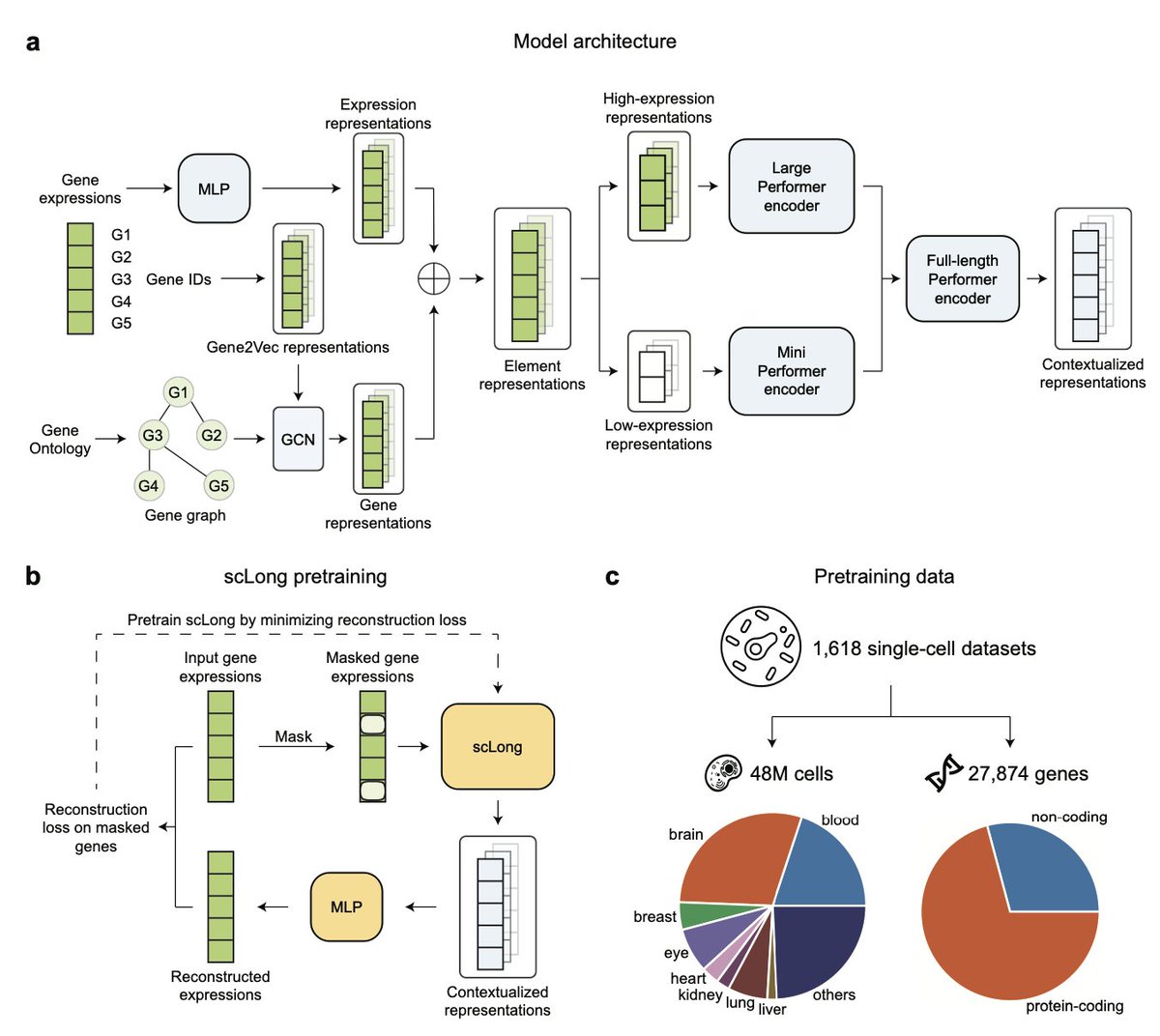
scLong: A Billion-Parameter Foundation Model for Capturing Long-Range Gene Context in Single-Cell Transcriptomics
• This study introduces scLong, a foundation model with one billion parameters, designed to capture long-range gene interactions across the entire transcriptome (about 28,000 genes) in single-cell RNA sequencing data. scLong performs self-attention on all genes, including low-expression ones critical to cellular processes but often neglected in traditional models.
• A key innovation is scLong’s integration of Gene Ontology (GO) knowledge via a graph convolutional network, allowing it to incorporate gene functions and hierarchical relationships, enhancing its understanding of gene regulatory mechanisms.
• Trained on a massive dataset of 48 million cells from 1,618 datasets, scLong demonstrates superior performance in predicting transcriptional responses to genetic and chemical perturbations, cancer drug responses, and gene regulatory network inference compared to existing single-cell RNA foundation models and task-specific methods.
• This model sets a new benchmark for comprehensiveness and accuracy in single-cell transcriptomics, aiding in personalized medicine, drug discovery, and cellular research by providing a detailed gene regulatory framework across varied cell types and conditions.
@cmuptx @ericxing @TreyIdeker @Nathan_E_Lewis @nani_grotjahn @TAmariuta @yingtaoluo
📜Paper: biorxiv.org/content/10.1101/…
#SingleCellRNA #FoundationModel #GeneOntology #Bioinformatics #GeneRegulation
2
2
1,231
7 Nov 2024
mcBERT: Patient-Level Single-cell Transcriptomics Data Representation
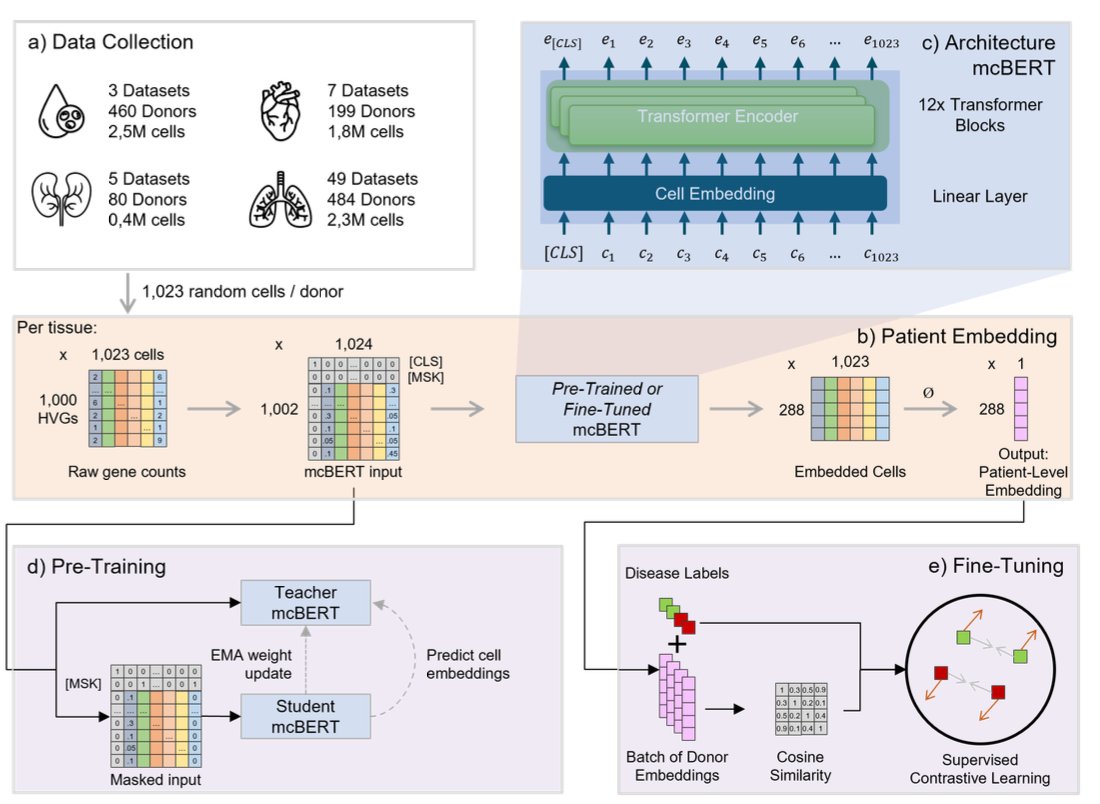
1. mcBERT introduces a novel transformer-based model that creates patient-level embeddings from single-cell RNA-seq data, enabling personalized analysis across diverse diseases like heart, kidney, lung, and blood cell conditions. By aggregating data across millions of cells, mcBERT represents the patient’s overall phenotype in a compact vector.
2. A key innovation is mcBERT’s dual-phase training: it begins with self-supervised learning using a data2vec-inspired approach, which captures cellular correlations within a patient, followed by contrastive learning that refines these patient representations based on disease similarity.
3. mcBERT’s embeddings offer robust disease-specific clustering. For instance, the model achieved a high clustering quality (ARI of 0.766) when differentiating cardiac diseases, showcasing its capacity to distinguish healthy patients from those with cardiomyopathies like DCM and ACM.
4. mcBERT transcends batch effects from diverse single-cell datasets, ensuring reliable cross-patient comparisons across heterogeneous data. The model demonstrated high silhouette scores and ARI metrics across multiple tissues, underlining its generalizability and robustness in multi-tissue integration.
5. Testing mcBERT on unseen datasets revealed its potential to detect similar diseases across patients accurately. For heart disease cohorts, mcBERT’s embeddings allowed for an accurate stratification, even in previously unseen samples, a promising step towards universal, patient-centered disease analysis.
6. Beyond patient-level insights, mcBERT addresses a clinical need for privacy-preserving analyses. Its embeddings avoid storing sensitive genetic data directly, which could pave the way for scalable disease tracking and treatment recommendations without compromising patient privacy.
7. The model architecture, adapted from NLP transformers, allows mcBERT to learn rich, biologically relevant features, making it adaptable for broader clinical applications. Future directions include expanding to multi-tissue models, potentially transforming patient stratification and disease diagnosis across a wider array of conditions.
@rkramann
💻Code: github.com/COMSYS/mcBERT
📜Paper: biorxiv.org/content/10.1101/…
#SingleCellRNA #Transcriptomics #Bioinformatics #AI #PatientRepresentation #mcBERT #DataScience #Biomedicine
1
2
12
4,858
3 Nov 2024
CancerFoundation: A single-cell RNA sequencing foundation model to decipher drug resistance in cancer
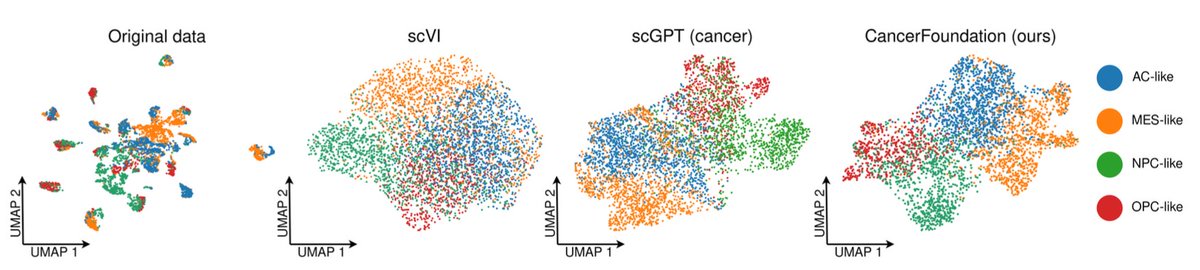
• CancerFoundation is a novel foundation model, exclusively trained on single-cell RNA sequencing (scRNA-seq) data from malignant cells. Despite using only 1 million cells, it outperforms larger models in tasks such as zero-shot batch integration and drug response prediction.
• Unlike previous models, CancerFoundation’s focus on malignant cells enhances its precision in capturing unique transcriptional states associated with tumor heterogeneity and drug resistance, enabling it to excel in predicting responses for unseen cell lines and drugs.
• The model incorporates tissue and technology-aware oversampling, which allows it to perform well on underrepresented cancer types and sequencing technologies, making it versatile across diverse cancer datasets.
• CancerFoundation proposes survival prediction as a new downstream task for scRNA-seq models, bridging the gap between single-cell and bulk RNA data and proving useful for patient stratification and understanding cancer progression.
• Compared to other models like scGPT and scFoundation, CancerFoundation is significantly smaller and more efficient, showing that specialized, smaller models can outperform large, generalized models in focused applications.
@val_boeva @flobarkmann
💻Code: github.com/BoevaLab/CancerFo…
📜Paper: biorxiv.org/content/10.1101/…
#CancerResearch #SingleCellRNA #DrugResistance #MachineLearning #Bioinformatics #Oncology
4
11
1,638
30 Oct 2024
Cell2Sentence: Teaching Large Language Models the Language of Biology
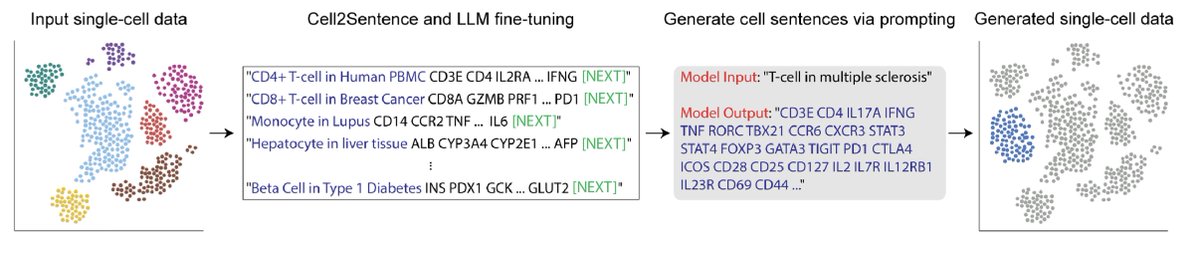
• Cell2Sentence (C2S) introduces a framework that transforms single-cell gene expression data into text sequences, or “cell sentences,” enabling large language models (LLMs) to interpret and generate biologically meaningful data.
• By rank-ordering gene names based on expression levels, C2S allows LLMs to process biological data without losing key expression information, bridging transcriptomics and natural language processing.
• Fine-tuning GPT-2 with cell sentences empowers the model to perform tasks like generating biologically valid cells, predicting cell types, and deriving biological insights from gene expression profiles.
• C2S supports various applications, including generating synthetic cell data, annotating complex cell types, and producing abstract summaries from gene expression data.
• The method demonstrates significant advantages over traditional models like scGPT and Geneformer in embedding tasks, generation accuracy, and downstream analysis of single-cell data.
• C2S offers a modular and user-friendly framework using popular libraries such as Hugging Face, facilitating adoption for diverse biological research.
• This approach enhances the potential of LLMs in biology, enabling scalable, interpretable analysis of complex biological datasets with reduced dependency on specialized architectures.
@david_van_dijk @rahuldhodapkar @aminkarbasi @josueortc @insu_han @GhadermarziSina @YaleCII @nazreenpm
📜Paper: biorxiv.org/content/10.1101/…
#Bioinformatics #MachineLearning #AIforBiology #SingleCellRNA #NaturalLanguageProcessing #Transcriptomics
2
2
894

5 Oct 2024
Following several kind requests, here is a high-level summary of our pre-print in @biorxivpreprint (doi: doi.org/10.1101/2024.10.03.6…):
STAMP: Single-Cell Transcriptomics Analysis and Multimodal Profiling through Imaging
STAMP is a scalable, cost-efficient method for single-cell transcriptomics and multimodal profiling through imaging. It bypasses sequencing, significantly reducing costs while enhancing throughput.
#SingleCellRNA #SpatialOmics #STAMP
The motivation for this paper comes from the limitations of current scRNA-seq methods, which are costly, inefficient, and struggle to capture low- and high-abundance transcripts. Challenges like droplet instability, cell damage, limited cell capture, cross-contamination, inefficient indexing, and high sequencing costs affect ultra-low and ultra-high cell profiling, hindering accurate analysis of complex cell populations. #Limitations #DropletMicrofluidics
STAMP addresses these issues with a scalable, cost-effective, sequencing(costs)-free approach that works efficiently across ultra-low to ultra-high cell numbers, while preserving cellular morphology and enabling multimodal profiling. #SpatialOmics #UltraLow #UltraHigh
STAMP uses an imaging-based approach to perform high-throughput RNA and protein profiling by stamping cells onto slides compatible with CosMx and Xenium platforms, allowing multimodal profiling in a single run.
#Proteomics
STAMP supports single-modal (RNA/protein) and multimodal (RNA protein) profiling, enhancing experimental flexibility and scalability. This versatility is essential for large-scale atlases and mixed-sample experiments.
#SingleCellAtlas #MultiSampleProfiling
STAMP scales easily: from less than 100 to millions of cells. It overcomes limitations in droplet-based systems, where throughput is often constrained by sequencing costs.
#HighThroughput
STAMP handles diverse sample types: PBMCs, dissociated tumors, nuclei, and stem cells. It also excels with fragile or archived tissues, where traditional methods often fail to yield high-quality data.
#ArchivedSamples
STAMP eliminates sequencing costs, making large-scale single-cell analysis accessible to more labs. #CostEfficiency
Here’s a cost comparison between GEM-X and STAMP-X for RNA profiling:
GEM-X RNA (20k cells): $0.0764/cell
1M cells = $76,400 (cost/cell = $0.0764)
2M cells = $152.800 (cost/cell = $0.0764)
3M cells = $229,200 (cost/cell = $0.0764)
STAMP-X RNA (1M cells): $0.0075/cell
1M cells = $7,500 (cost/cell = $0.0075)
2M cells = $7,500 (cost/cell = $0.00375)
3M cells = $7,500 (cost/cell = $0.0025)
In STAMP cells remain intact after imaging, enabling further downstream applications like histological validation or additional molecular assays, adding value to each sample.
#NonDestructiveAnalysis
We tested STAMP’s sensitivity by identifying, ultra-rare, circulating tumor cells (CTCs) spiked into PBMCs at 1:100,000. Such sensitivity is essential for clinical diagnostics, particularly in rare cell detection.
#CTCs #CancerDiagnostics
In a high-throughput immuno-phenotyping experiment, STAMP profiled 1.7M PBMCs, capturing a median of 83 transcripts and 49 genes per cell. This resulted in high-resolution immune profiling.
#Immunology #HighThroughputProfiling
31 immune cell states were mapped in PBMCs, capturing rare subpopulations (Th1/Th2/Th17 and NK subtypes). Detailed immune phenotyping is critical for understanding immune diversity in health and disease.
#ImmuneMapping
Whole cells vs. nuclei: STAMP's ability to profile both whole cells and nuclei is crucial for samples with low RNA content (e.g., archived tissues), increasing the platform’s applicability.
#NucleiProfiling #SingleCellOmics
STAMP integrates RNA and protein profiling. In cancer cell line profiling, RNA and protein data showed strong correlations, confirming the platform’s robustness in multimodal data collection.
#MultimodalProfiling
STAMP’s multimodal profiling produced high-resolution immune maps, combining RNA and protein data. This approach is essential for dissecting complex immune states and understanding functional responses.
STAMP excels in low-input samples. We demonstrated its ability to accurately profile as few as 100 cells, which is critical for studying rare populations in small samples.
#LowInput #RareCell
In a BMP4-driven stem cell differentiation model, STAMP captured dynamic changes from pluripotency to mesoderm and endoderm progenitors over multiple timepoints, tracking lineage differentiation.
#StemCellDifferentiation #LineageTracing
Trajectory analysis shows that STAMP’s resolution makes it a powerful tool for developmental biology and perturbation studies.
#DevelopmentalBiology #hESC
STAMP allows multi-sample profiling on a single slide, reducing batch effects and improving comparative analysis, particularly in drug response and perturbation studies.
#MultiSampleAnalysis #PerturbationScreening
STAMP represents a significant advance in single-cell research, offering scalable, multimodal RNA/protein profiling at low cost. Its versatility will support a broad range of research, from basic to clinical.
#SingleCellTechnology
Lots more coming soon...
@DrJasPlummer @hoheyn @pascual_reguant @EmanuelePitino1 @helucro @ximbaozao @irepan_salvador @Kellieiswise @m_mohenska @jc_nietos @cnag_eu @StJudeResearch @ACEpigenetics @M_ayco_N @eliseinsing Bill Flynn, Yutian Liu, Hannah Chasteen
6
39
153
22,395

20 Sep 2024
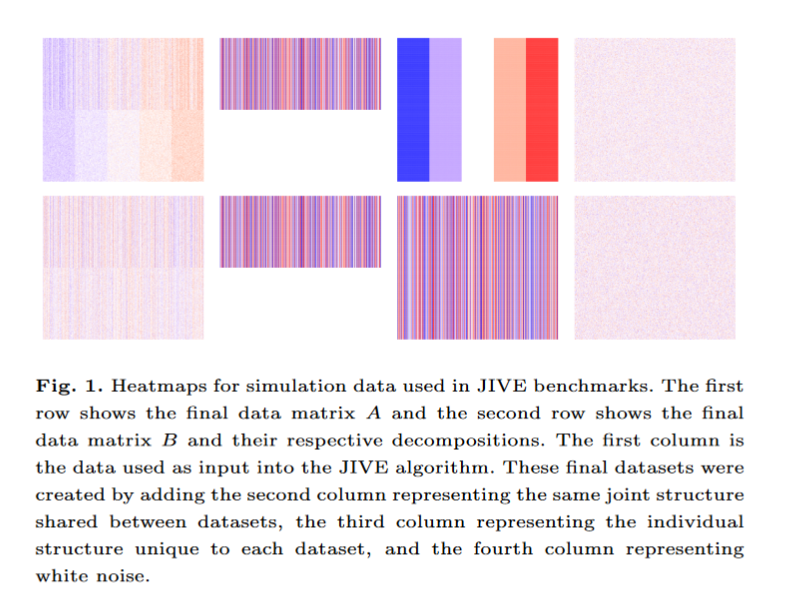
📊 "Batch-effect correction in single-cell RNA sequencing data using JIVE" tackles batch effects in large scRNA-seq datasets, outperforming Seurat v5 and Harmony. Learn more: doi.org/10.1093/bioadv/vbae1… #SingleCellRNA #Bioinformatics #BatchEffectCorrection @statslee
1
3
302

19 Sep 2024
📢 Enhance your #FluidFM skills with our two exceptional training sessions during the week of the FluidFM Conference 2024.🤩
🔬🍼 FluidFM Introduction Training, Monday, 28th October. Register 👉 bit.ly/3XtmLzg
🔬🎓 FluidFM Power User Training, Thursday, 31st October. Register 👉 bit.ly/4er8jP3
📢Hurry! There are limited spots available.
🌐🔍 #FluidFMConference #ResearchCommunity #Training #Learn #RegisterNow #ScientificConference #Mechanobiology #SingleCellRNA #GenomeEngineering
2
42
19 Aug 2024
#ICYMI – Organized by the amazing team at Cytosurge, the FluidFM Conference 2024 is set for October 29/30 in Zurich, Switzerland! 💡
Don't miss out on a stellar lineup of speakers sharing cutting-edge research 📢.
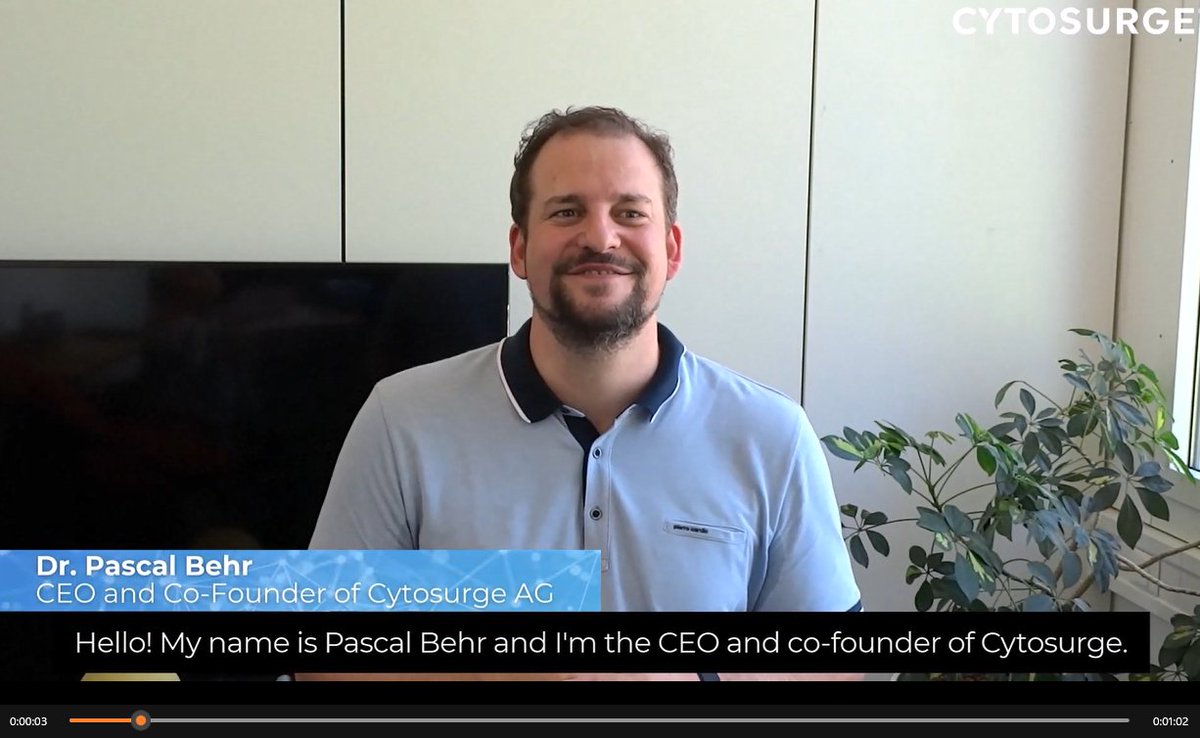
Check out this 60-second video from our CEO, Dr. Pascal Behr, to learn why FluidFM is a game-changer 👉youtu.be/roeYnBaPABE
🚨IMPORTANT DEADLINES ⏳: Just 2 weeks left to secure a 25% discount! 🎟️✨Submit your abstract by September 30th for a talk or poster.
🌐🔍#FluidFMConference #ResearchCommunity #EarlyBird #EarlyBirdDiscount #RegisterNow #ScientificConference #FluidFM #Mechanobiology #SingleCellRNA #GenomeEngineering #Submit #Abstract #LiveSeq #SingleCell #GenomeEngineering #Biopsies, #MaterialSciences #Mechanobiology
ALT https://youtu.be/roeYnBaPABE
2
122

5 Aug 2024
High-throughput single-cell transcriptomics of bacteria using combinatorial barcoding. #SingleCellRNA #BacterialTranscriptomics #CombinatorialBarcoding @NatureProtocols
nature.com/articles/s41596-0…
1
3
304
15 Jul 2024
🚨 Secure your spot and save 25% by registering by the end of August! 🎟️ More info 👇
🌐🔍 #FluidFMConference #ResearchCommunity #EarlyBirdDiscount #RegisterNow #ScientificConference #FluidFM #Mechanobiology #SingleCellRNA #GenomeEngineering
1
3
81

26 Jun 2024
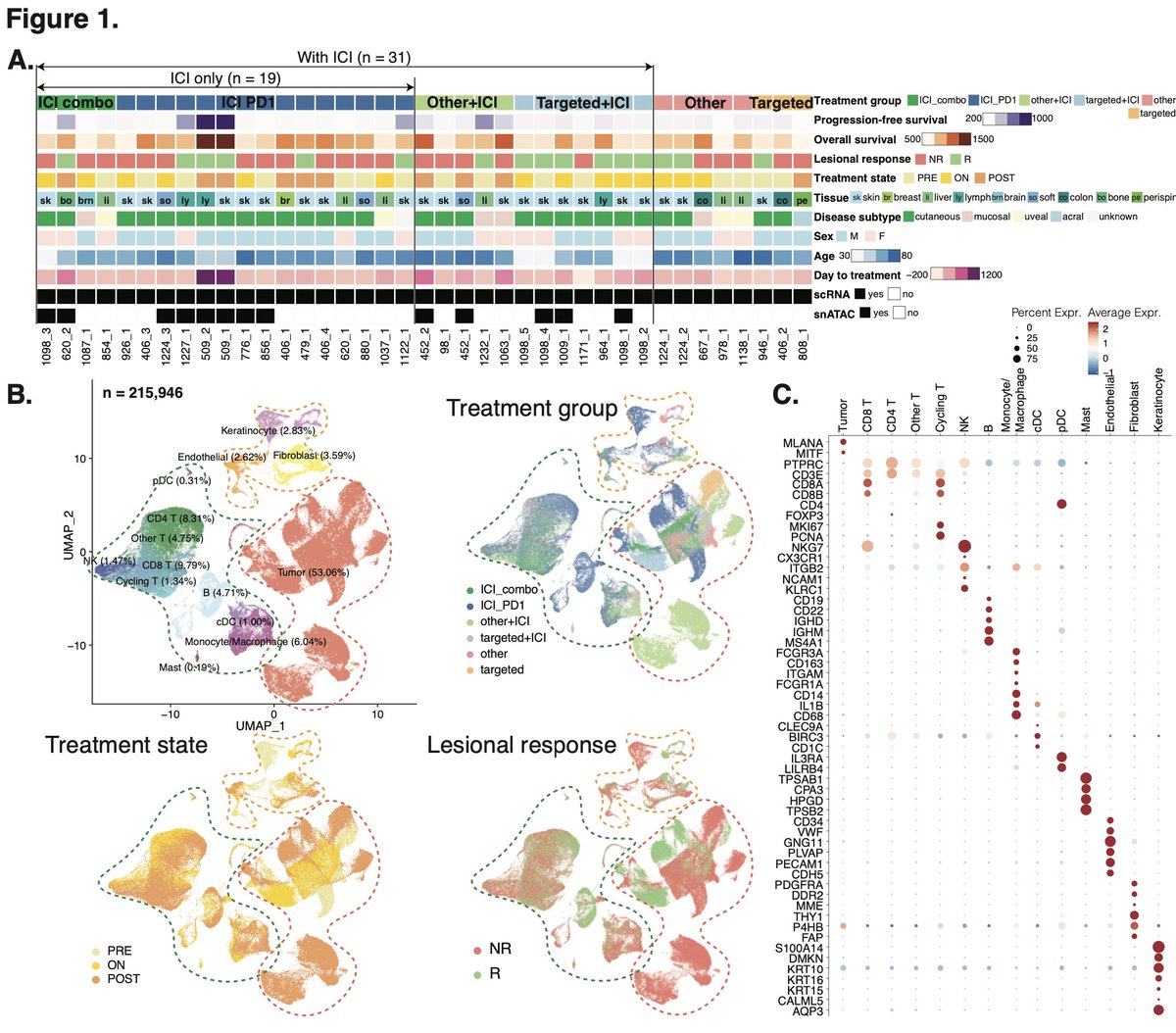
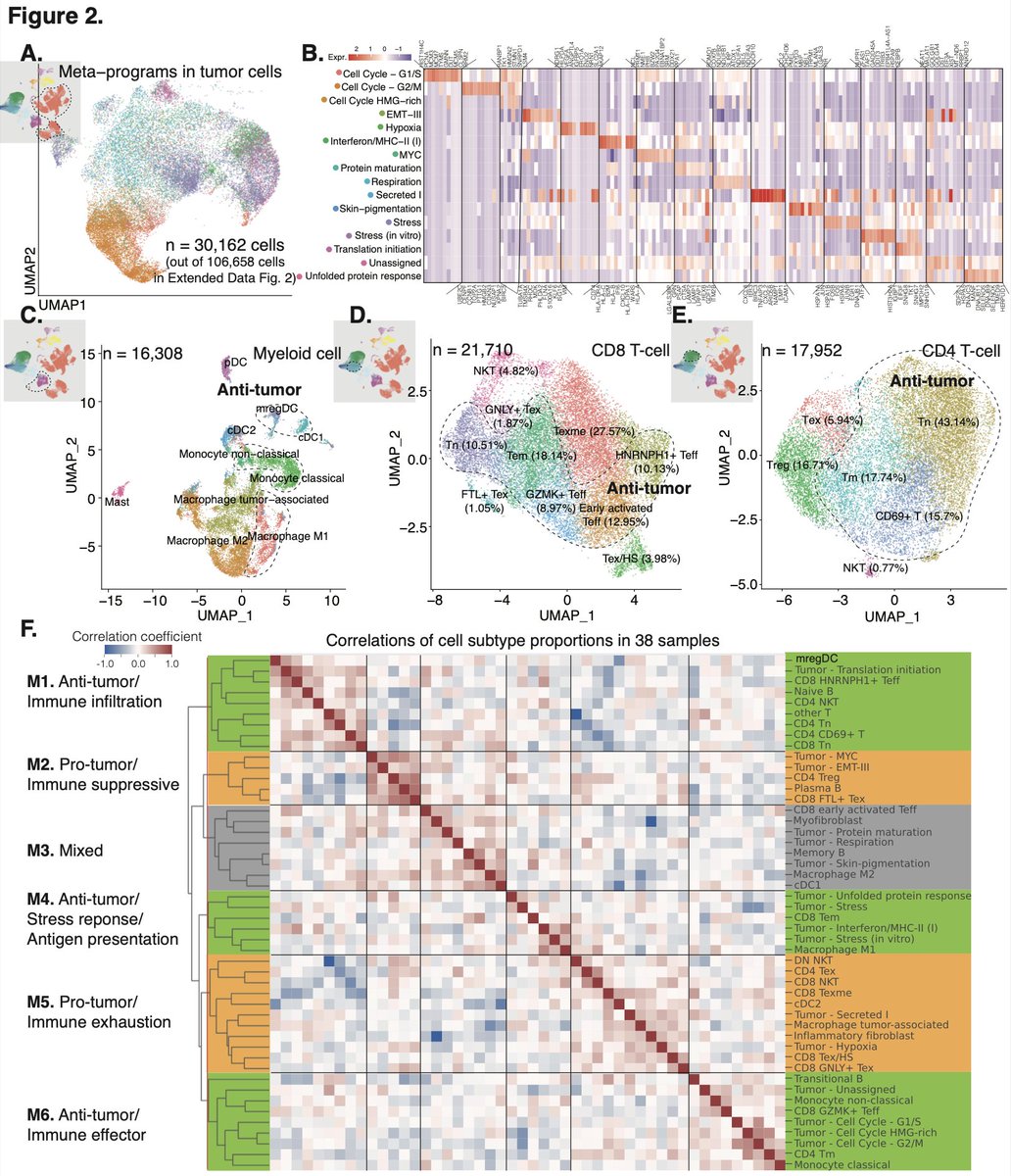
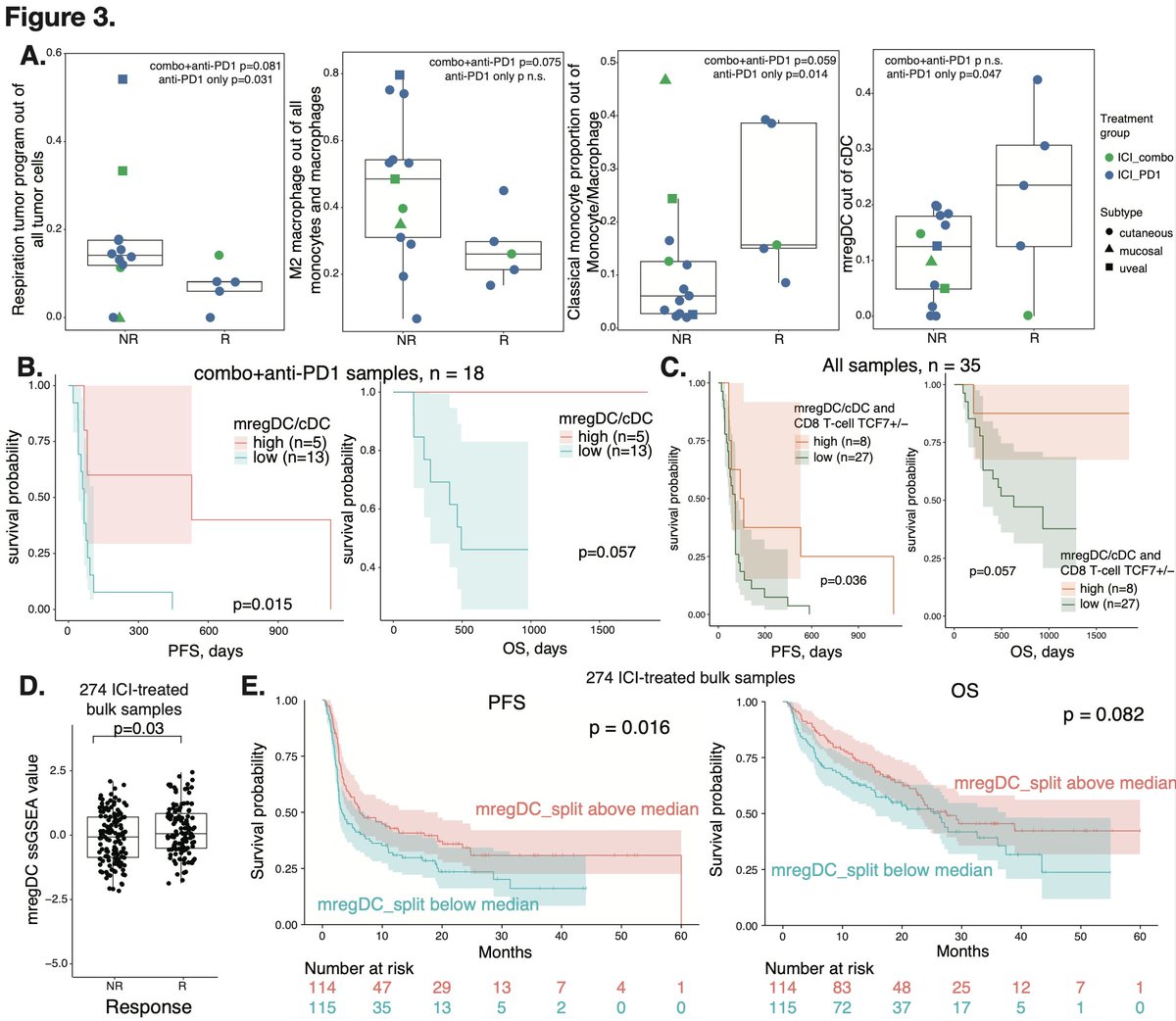
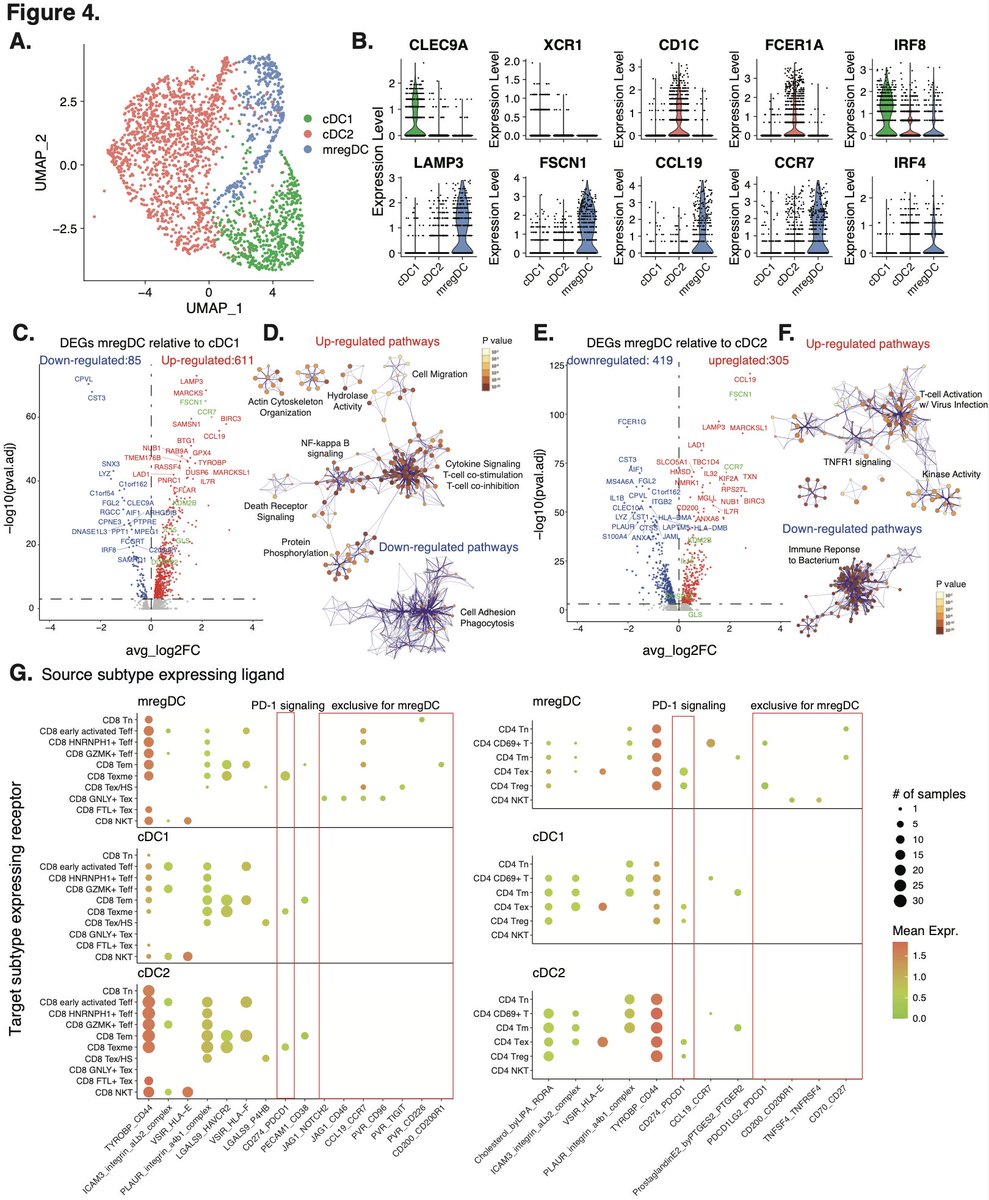
Excited to share our latest preprint on BioRxiv! We reveal how mature dendritic cells boost immune infiltration and improve anti-PD-1 therapy response in metastatic melanoma. Explore our findings: doi.org/10.1101/2024.06.20.5… #ImmunoOncology #MelanomaResearch #SingleCellRNA
1
7
31
4,234

29 Apr 2024
Join us and the Krantz Family Center for Cancer Researchfor this Lunch & Learn talk for the Cancer Center Research Community – April 30, 12-1pm – MGH Charlestown Navy Yard. Hear from Blake McAlpin PhD as we provide an overview of #RNAscopeISH for neuro, oncology, I-O, cell & gene therapy, scRNAseq validation, and more – including new #multiomicRNAscope applications coming soon. Lunch is provided - Register now! engage.bio-techne.com/a445b6
#spatialtranscriptomics #spatialRNA #singlecellRNA #RNAISH #RNAscope #scRNASeq #ACDBio
1
4
174